Welcome to this edition of Photography Critique. Today, Kirk Truman looks at street portraits from our readers. We’d love to read your comments below.
Kirk Truman is a British photographer who specialises in portraits.
He works in London on commissions, fashion shoots and his own documentary projects, and he makes a lot of double exposures.
In this episode, he looks at 12 street portraits sent in by our readers.
He talks about candid and posed portraits, about photographing children, and about how to approach people on the street.
At the end, he sees one of his own photos, taken on holiday in Fuerteventura.
Raw portraits
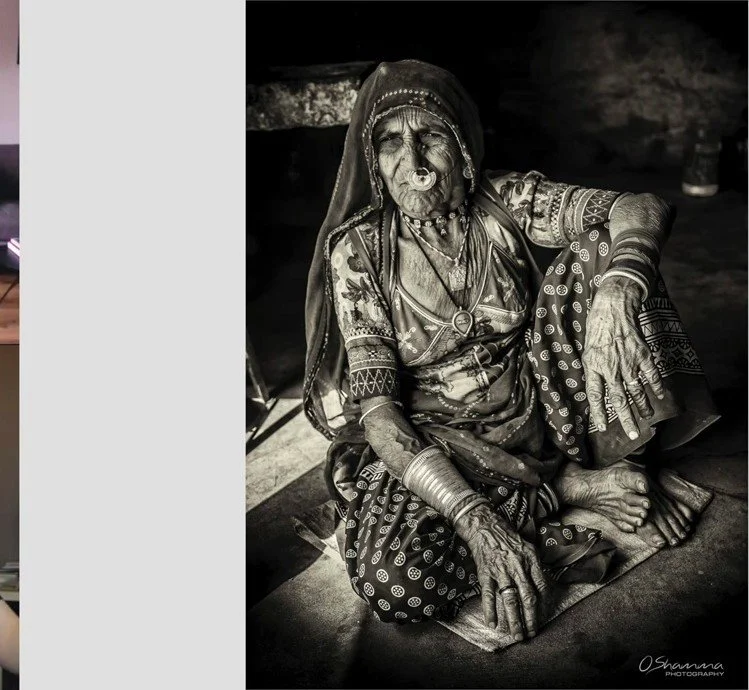
Kirk Truman: I love it. It looks like the photographer built some trust first and then asked, do you mind if I take your picture? I love this kind of documentary photography. It's raw, it hasn't been heavily edited, it's just a portrait capturing this moment of this woman. There are hints of where she might be from, and I love the silvery look. It's stunning.
Martin Kaninsky: Would you approach the scene the same way?
Kirk Truman: This isn't my style. I've done a lot of documentary photography, but in my portraits I'm trying to get someone to show their heart and really be themselves. Here, the photographer saw the moment and captured it as it was.
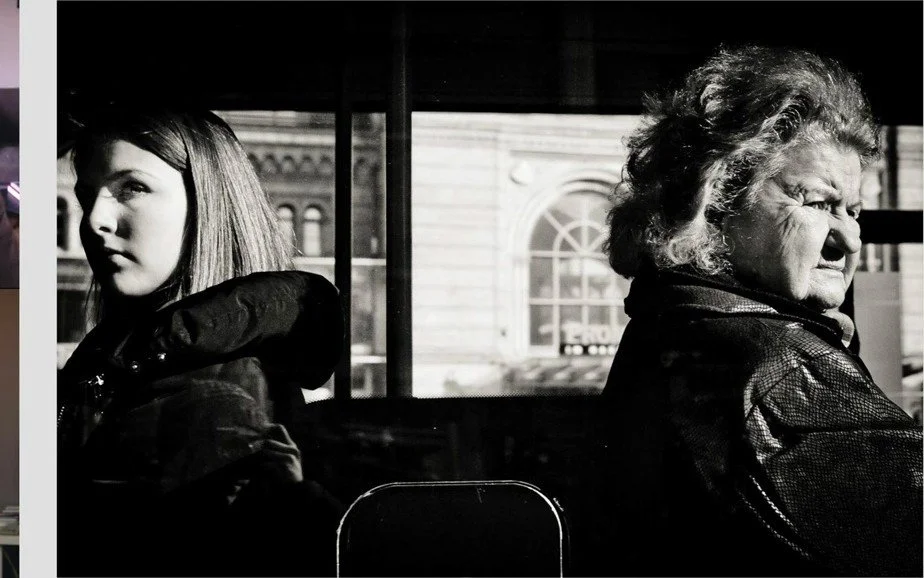
Kirk Truman: I love street photography like this. You can't stage this, and you shouldn't try. It looks like public transport, a bus or a tram, somewhere in Europe. I love the contrast between the younger girl on the left and the older woman on the right, back to back but not facing each other, and the railing at the bottom and the dark patches of the window.
I was in Finland recently with a photographer friend, and we took a lot of pictures like this, walking around Helsinki. There's a contrast of old and new here that I really like.
Martin Kaninsky: Do you mind that the young woman is so close to the edge?
Kirk Truman: Not at all. It looks like a really natural moment.
The pictures in between
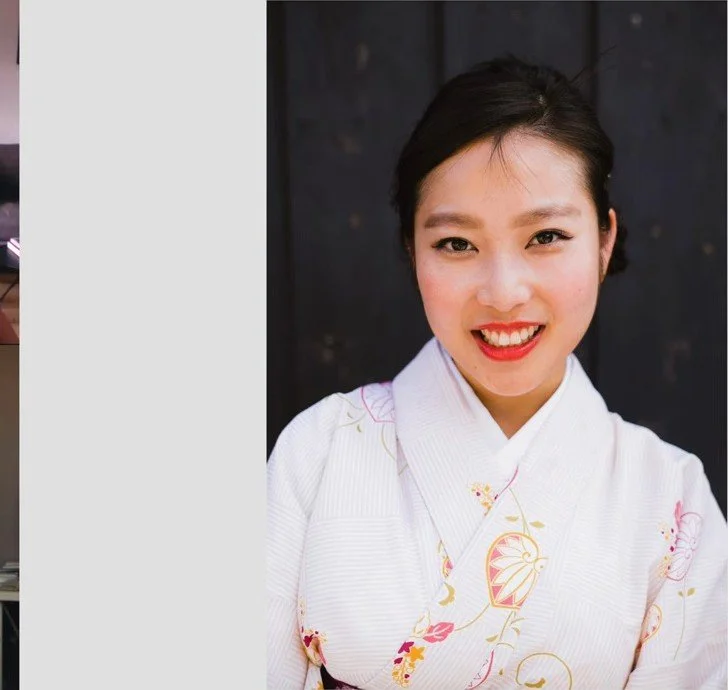
Kirk Truman: She's stunning. That's a headshot, really, taken with full permission. I don't know the story behind it. If it were me, I might have said, try another one, look over there, to capture a different mood. But it's a really beautiful portrait.
Martin Kaninsky: When you can see the face like this, do you position people so they look better?
Kirk Truman: My favourite pictures from portrait sessions are when I catch people off guard. If we set up a moment where we'll do some pictures, it's the pictures in between that I find more special. People walk as if they're just going down the street, or sit as if they're on their sofa, and that's when you see their humanity. But as I always say, the hardest thing to be is yourself. So taking a picture straight down the camera is really hard.
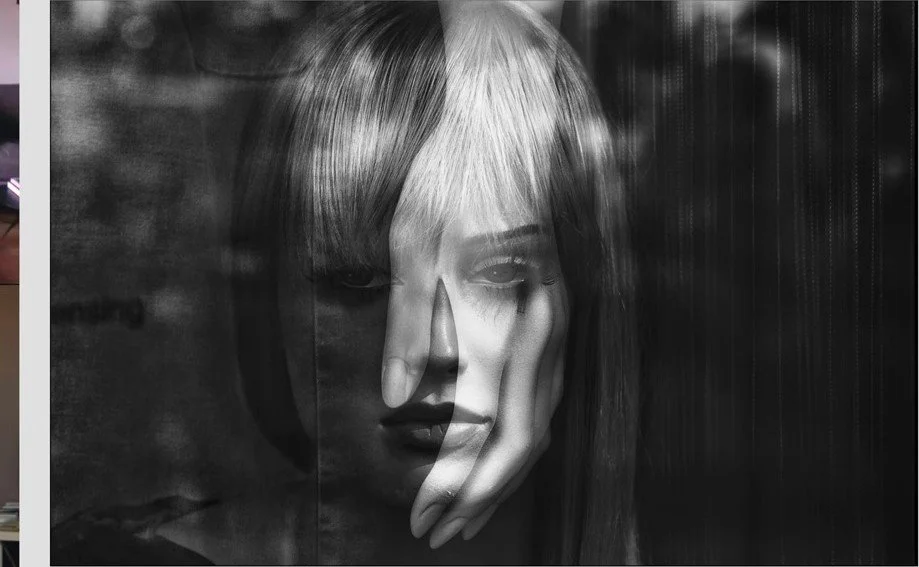
Kirk Truman: A double exposure. It looks digital to me, two images overlaid in Photoshop, because it's so sharp. The technique started on film. I do a lot of double exposures myself, and the fun of doing them on film is that you think you've layered something, and when you get it back from the lab it's in a completely different position, and you end up with something stunning.
I love that the hand goes through the face, and the lighter space brings out the eye looking at you. I usually shoot portrait orientation for Instagram and my portfolio, but this works really well in landscape. It's my favourite so far. I want to know who took it.
Connecting with your subject
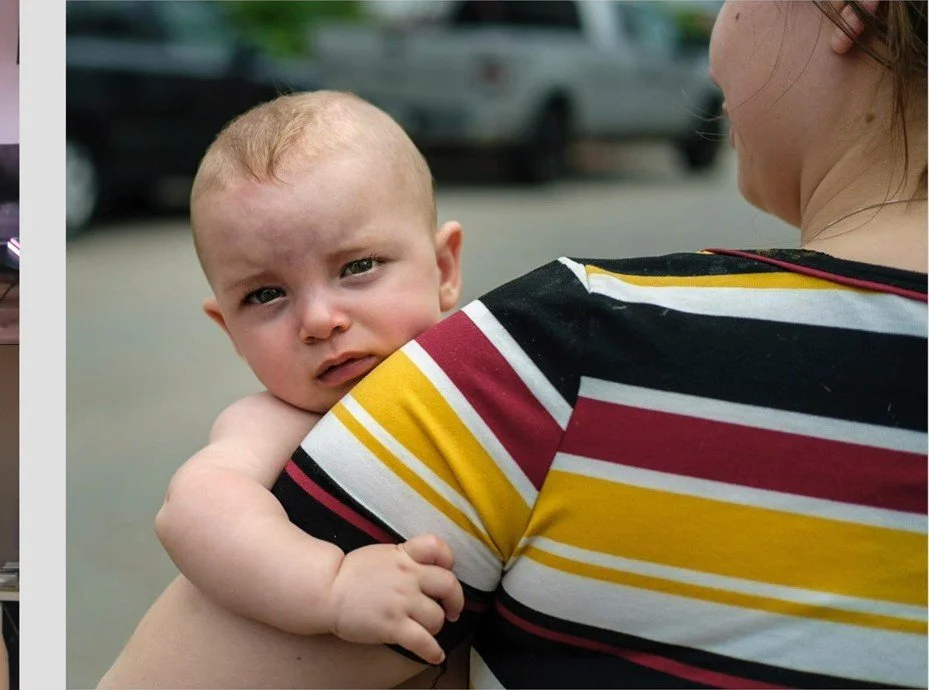
Kirk Truman: I love the child making full eye contact with the camera. Kids today probably know more about cameras than I did growing up in the nineties, but they still have that curiosity: what is this thing someone is pointing at me?
Martin Kaninsky: Do you have any tips for photographing children?
Kirk Truman: I'm still learning. A few months ago I did a fashion shoot for a UK brand and photographed a group of kids for two or three hours. Some were really shy, and I like having a laugh with people, so I got them into the energy of it. Others said, take my picture now.
I push my camera on its strap behind my back. I'm more interested in talking to people, asking questions and understanding them, and I think that applies to people of all ages. You have to connect with your subjects, take a real interest in them, and then try to capture their humanity. On a commercial job you don't always have the time, but you need to find those moments.
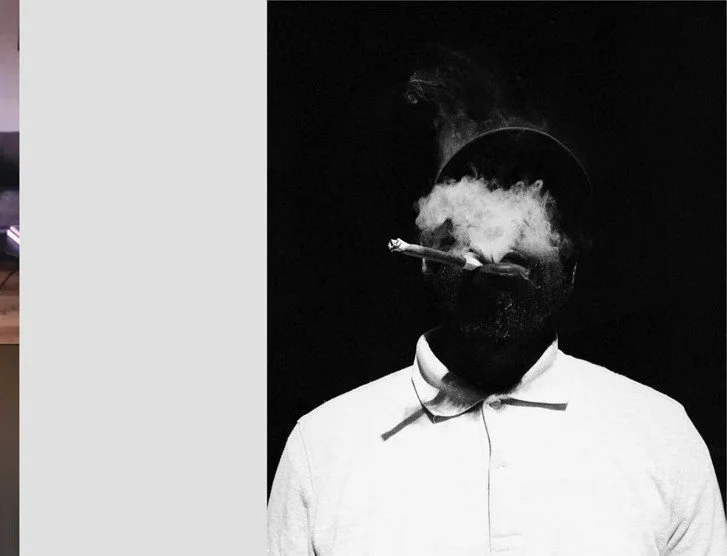
Kirk Truman: I really like smoking pictures, though I've avoided them in recent years. I used to smoke when I was younger and thought it was cool, and now I know it's bad for me. But there's so much fun to be had with smoke. To get this, the photographer probably said, take another drag, to get that soft path of smoke over his eyes. It's a really great shot and a nice portrait.
Using the street
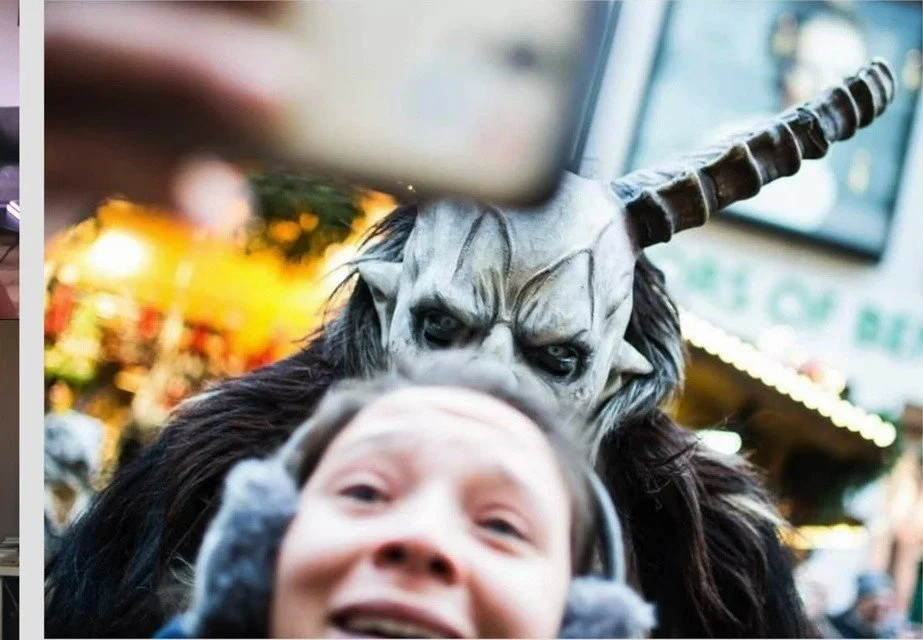
Kirk Truman: It looks like it was taken at a festival or a film premiere. Maybe something like the Day of the Dead. I love that the young girl taking a selfie is out of focus, and the contrast between her and the really scary character behind her. It's nice documentary photography. It could have been taken for a paper or a news feed.
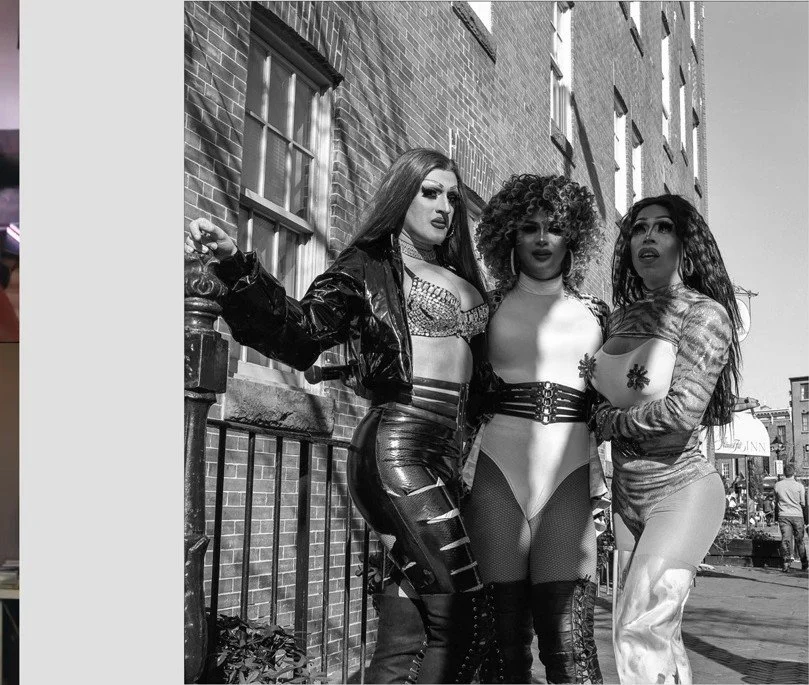
Kirk Truman: There's a lot of this kind of portrait at the moment representing the LGBTQ community, and I think it's really important to show diversity. It looks to me like it might be London, with the sash windows behind them, maybe a market.
Martin Kaninsky: If you took a shot like this outside, would you place the subjects against a background like this?
Kirk Truman: When I approach people on the street, I usually spot somewhere with interesting light and take them there. In most cases people say yes. It helps to show them some of your recent pictures on your phone, so they know you're not a weirdo and that you're a serious photographer.
This reminds me of Derek Ridgers, a London photographer who has photographed the club scenes and youth movements since the seventies, mostly in black and white.
Martin Kaninsky: Would you cut the legs like this?
Kirk Truman: I don't mind. I don't know what's behind the photographer. When I'm there, I might see an arch or an interesting shadow from a fence and ask them to stand there, or one to lean on the other. It depends on the chemistry with your subjects at the time.
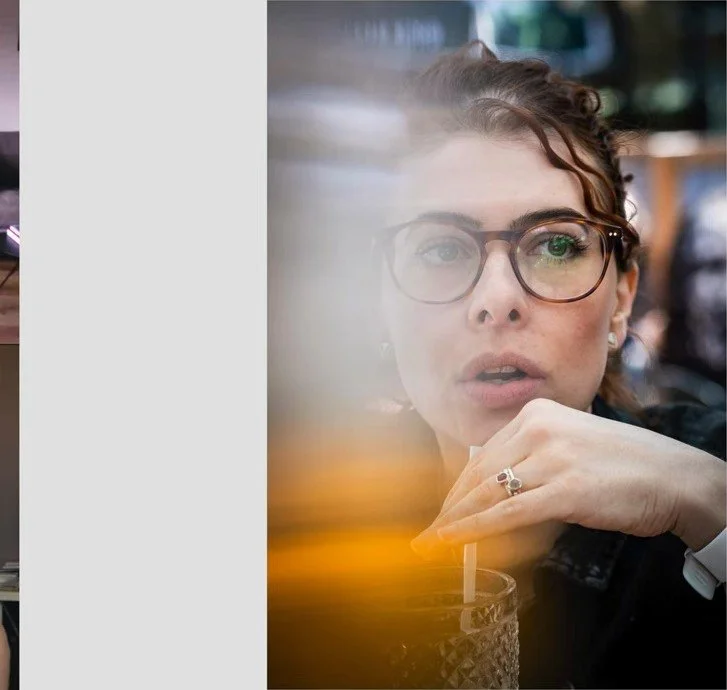
Kirk Truman: I like that the photographer has something between the camera and the subject. I often do that myself: I use my hand to frame as I shoot, and you get these nice blurry lines. She looks like she's having a nice drink, and I like her glasses. The colours are really beautiful. If I were doing this, I'd probably go black and white, so the blur becomes shades of grey instead of colour.
Light you find
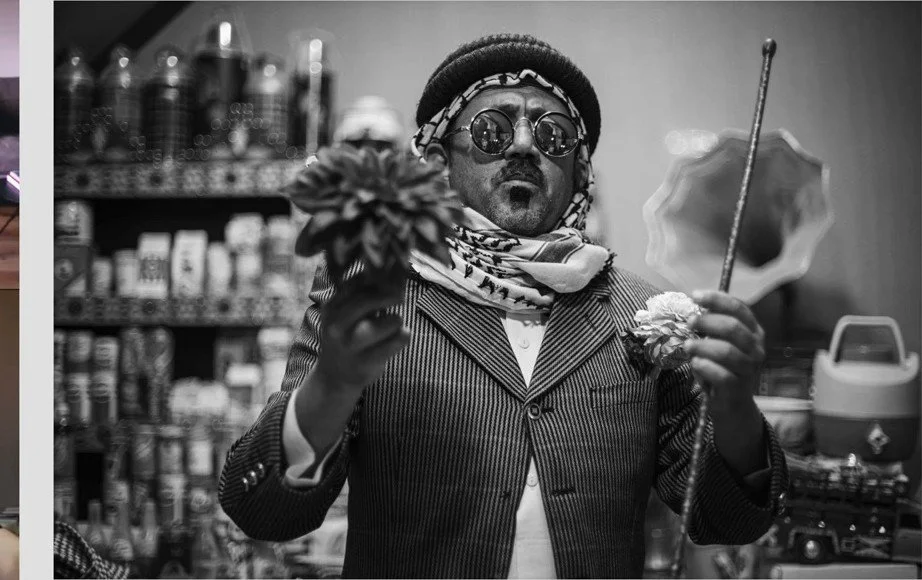
Kirk Truman: It looks like the man owns this shop, maybe in the Middle East, and he's saying, come on, take my picture, this is me. And if you look very closely, you can see the photographer in his glasses. That's really cool.
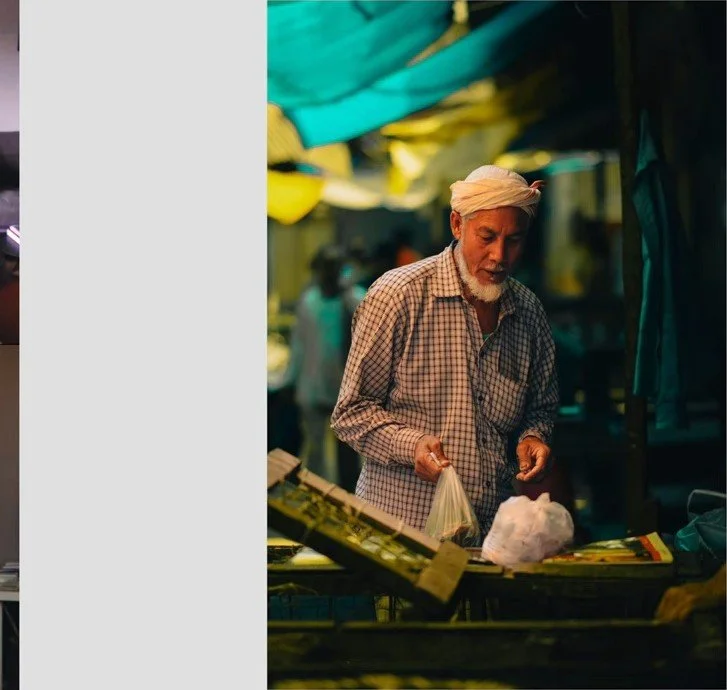
Kirk Truman: I don't really take pictures like this myself, but I like it. It looks like a market. I love the darker space on the right and the light on the left. It almost looks like flash, but it's some kind of light coming in. It's neither warm nor cold, a blend of two colour temperatures. Really nice.
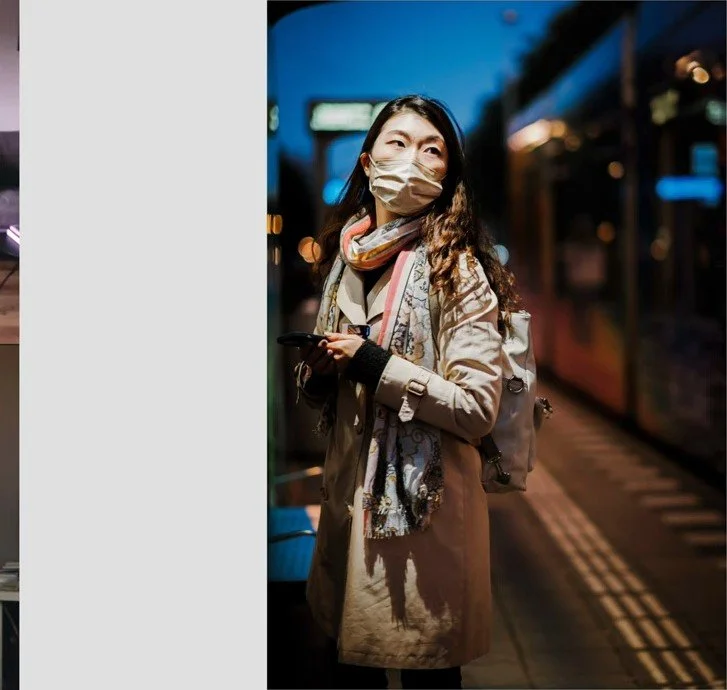
Kirk Truman: This young woman seems to be standing under a street light in the evening, with a reference to the pandemic. It's a really nice example of using your surroundings to find a light source for your subject. The background is blurred and dark, with the dark blue of the sky. I did a project during the pandemic photographing people, and this reminds me of what people were doing in 2020, when it was all new to us.
His own photo: a shadow in Fuerteventura
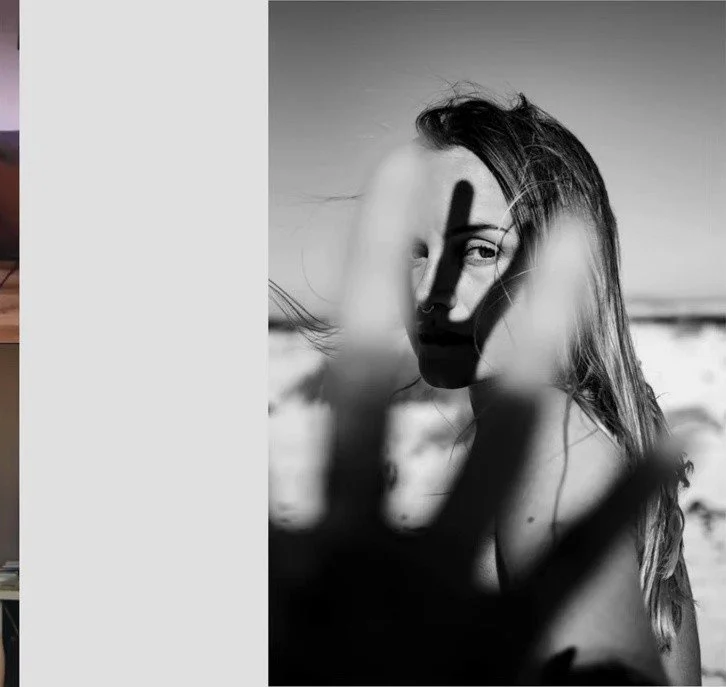
Martin Kaninsky: Would you change something if you look at it now?
Kirk Truman: No, I love that picture. It was taken on holiday at the very end of 2019, in Fuerteventura in the Canary Islands. It's a desert environment, with great light almost every day. We were driving around, stopping to sit in the sand for a few hours, and I always have my camera with me. It's a bit of an optical illusion. My hand is in front of the camera, and I think Georgie had her hand on mine, and that's how we cast the shadow over her face. It was a long time ago, but I really like that picture.
Kirk Truman makes portraits professionally, often in planned sessions and on commissions. Yet his favourite frames are rarely the ones he set up. They come in between, when people forget the camera and walk or sit as themselves. A portrait often happens just before or just after the pose.
“If we set up a moment where we'll do some pictures, it's the pictures in between that I find more special.”Kirk Truman
