AT A GLANCE
- Known for
- Color street photographs of India where people, shapes and light line up by chance
- Works in
- Mostly color, also black and white
- Camera
- Leica (Leica Ambassador since 2015); earlier Fujifilm X
- Also
- Co-founder of APF Magazine (2011), teacher, festival judge and Leica Akademie mentor
- Start with
- Serendipity (2nd edition) (Eyeshot, 2024)
- Links
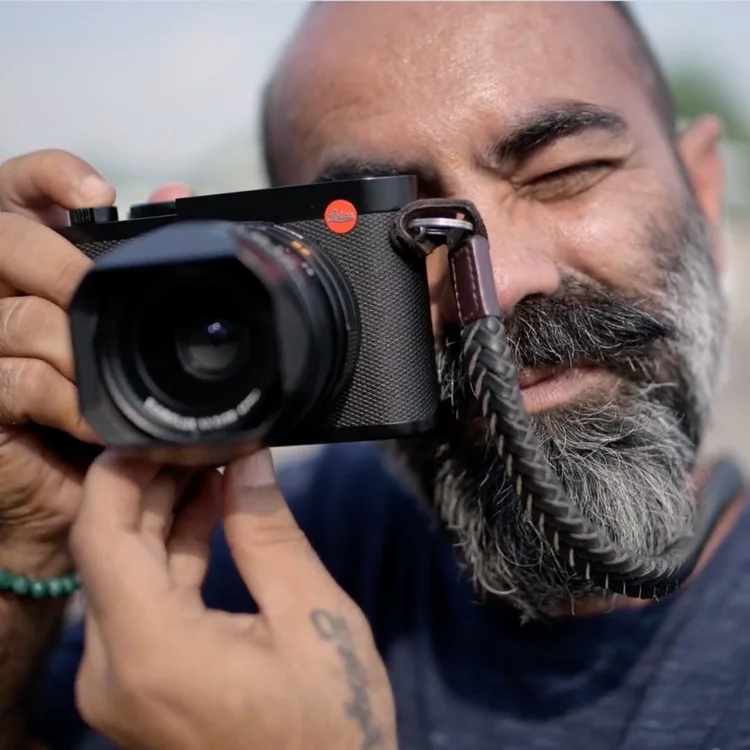
Vineet Vohra (born 1973) is an Indian street photographer based in New Delhi. His color pictures find order in the busy streets of India, where people, shadows and color meet for a moment. In 2015 he became the first Indian photographer named a Leica Ambassador, and in 2011 he co-founded APF Magazine with his brother.
The story
Vineet Vohra grew up in a creative home in Delhi. His father was an applied artist and his uncle was a sculptor. Looking closely at things came early. Later he earned a first-class degree in fine arts. Yet his first serious photographs were not made in the street. For two years he worked as a wildlife photographer.
The animals taught him to wait. “Wildlife taught me humility,” he says. “You can spend hours waiting and still come back with nothing.”
In 2001 he turned to the street. It “instantly became my passion and my first nature,” he later wrote. The patience came with him. “The street is not very different,” he says. “You cannot ask life to perform for your camera.” His eye was also shaped by painters such as René Magritte, Renoir and Salvador Dalí, by cinema, and by the visual culture of Indian streets.
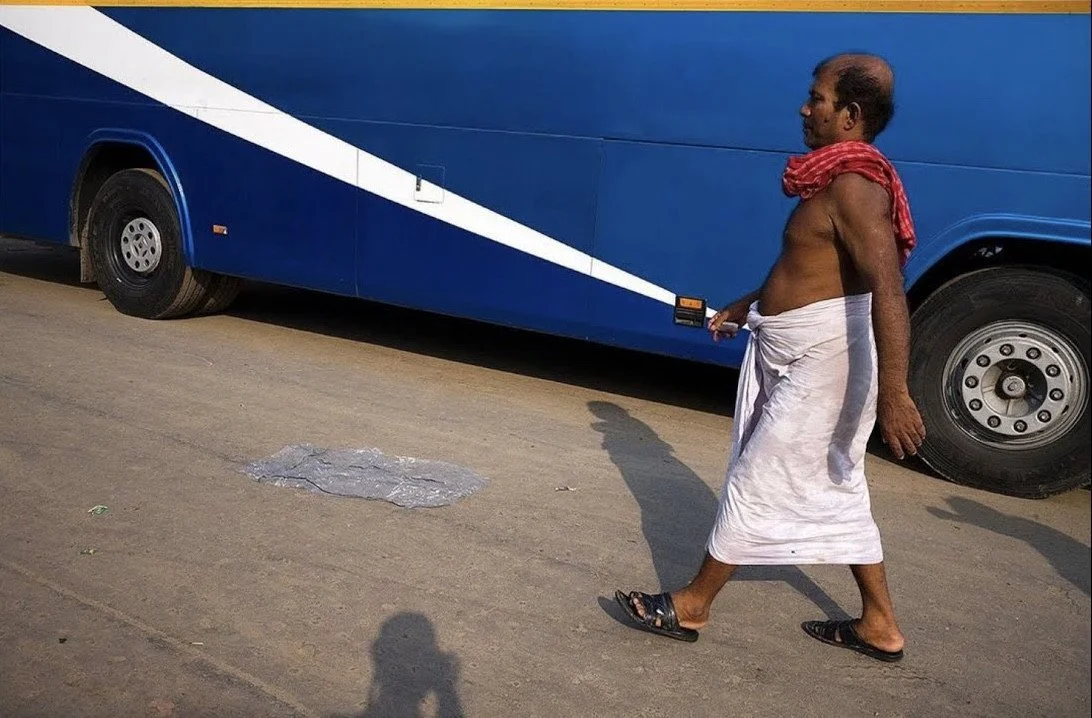
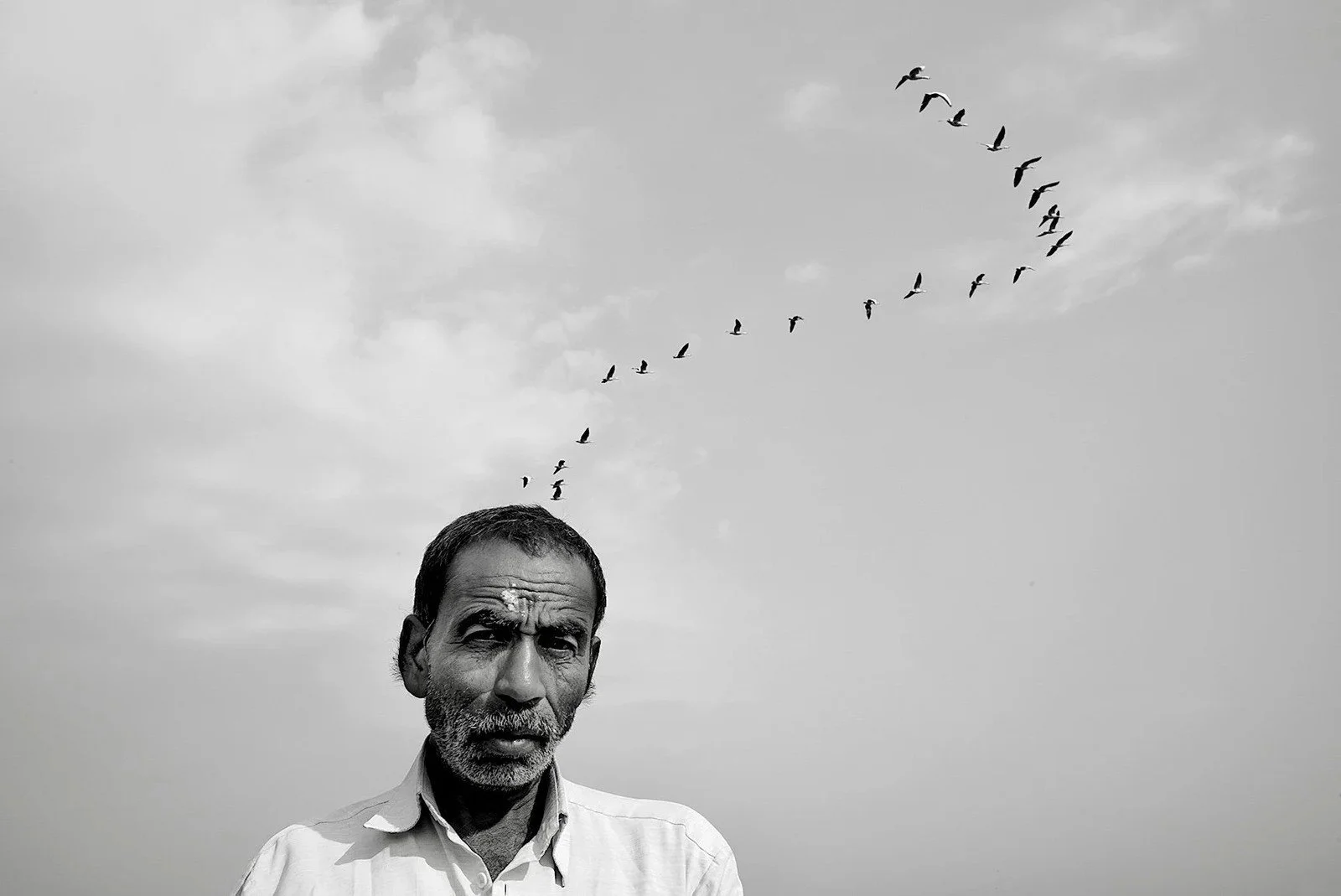
So his pictures often look almost surreal. A passer-by, a shadow, a reflection and a passing vehicle fall into place in one frame. Nothing is arranged. Vohra calls the result serendipity, and he is clear about the work behind it. “Luck will only find you if you are prepared,” he told visitors at a Leica show of his work in Kuala Lumpur in 2023.
He has never kept this to himself. In 2011 he and his brother Rohit started APF Magazine, a place for emerging photographers to show work that is not necessarily commercial. He has taught in Indian colleges for years and leads workshops at festivals in Miami, London, San Francisco and Sharjah. “Photography was never meant to be a lonely journey,” he says.
The wildlife photographer once waited for hours for an animal to appear. Now he asks other photographers for the same patience. In 2026 he judged a street photography award, and he said what he would look for: “I want to see photographs where the photographer was truly present, where they noticed something that most of us would have walked past.”
The work
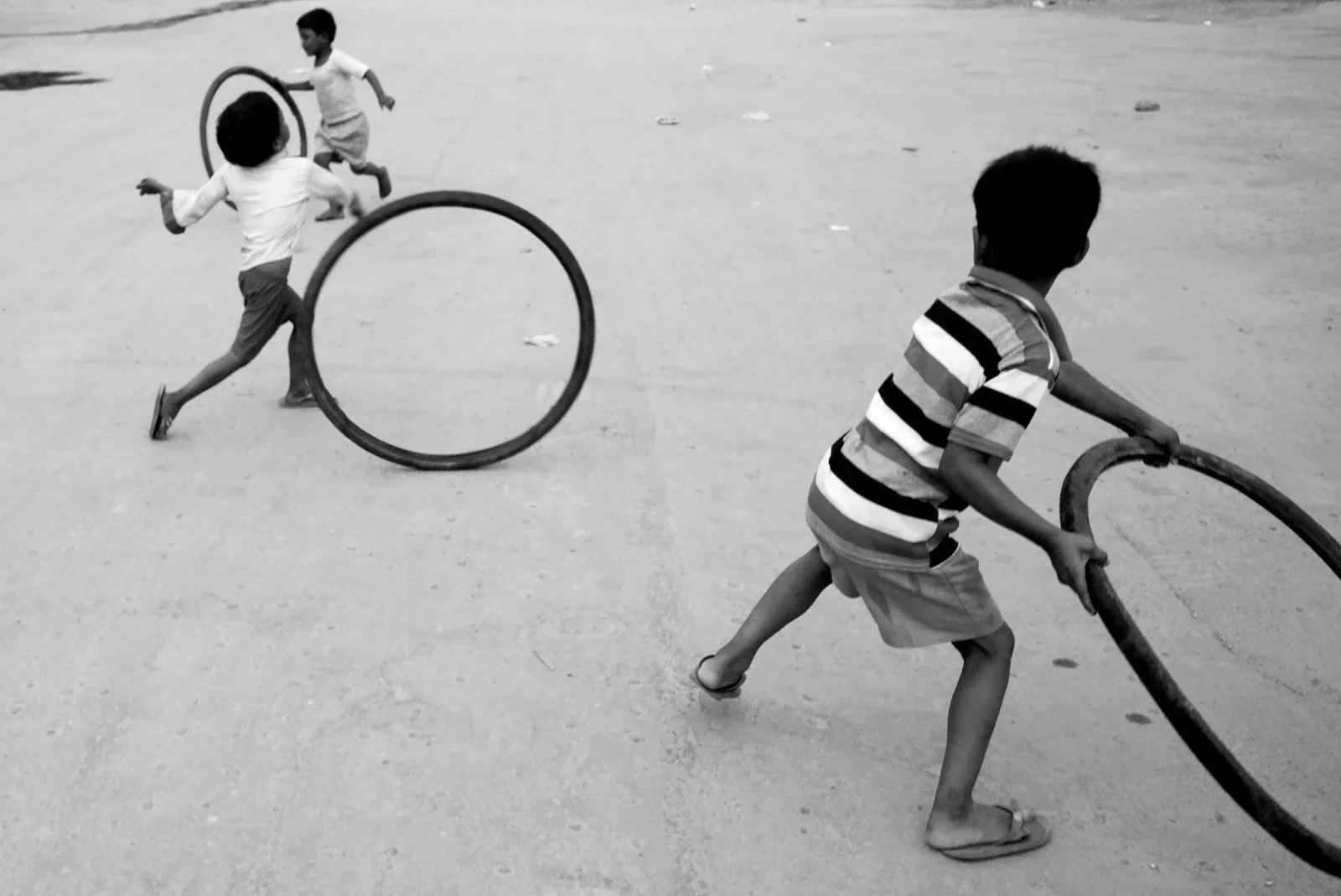
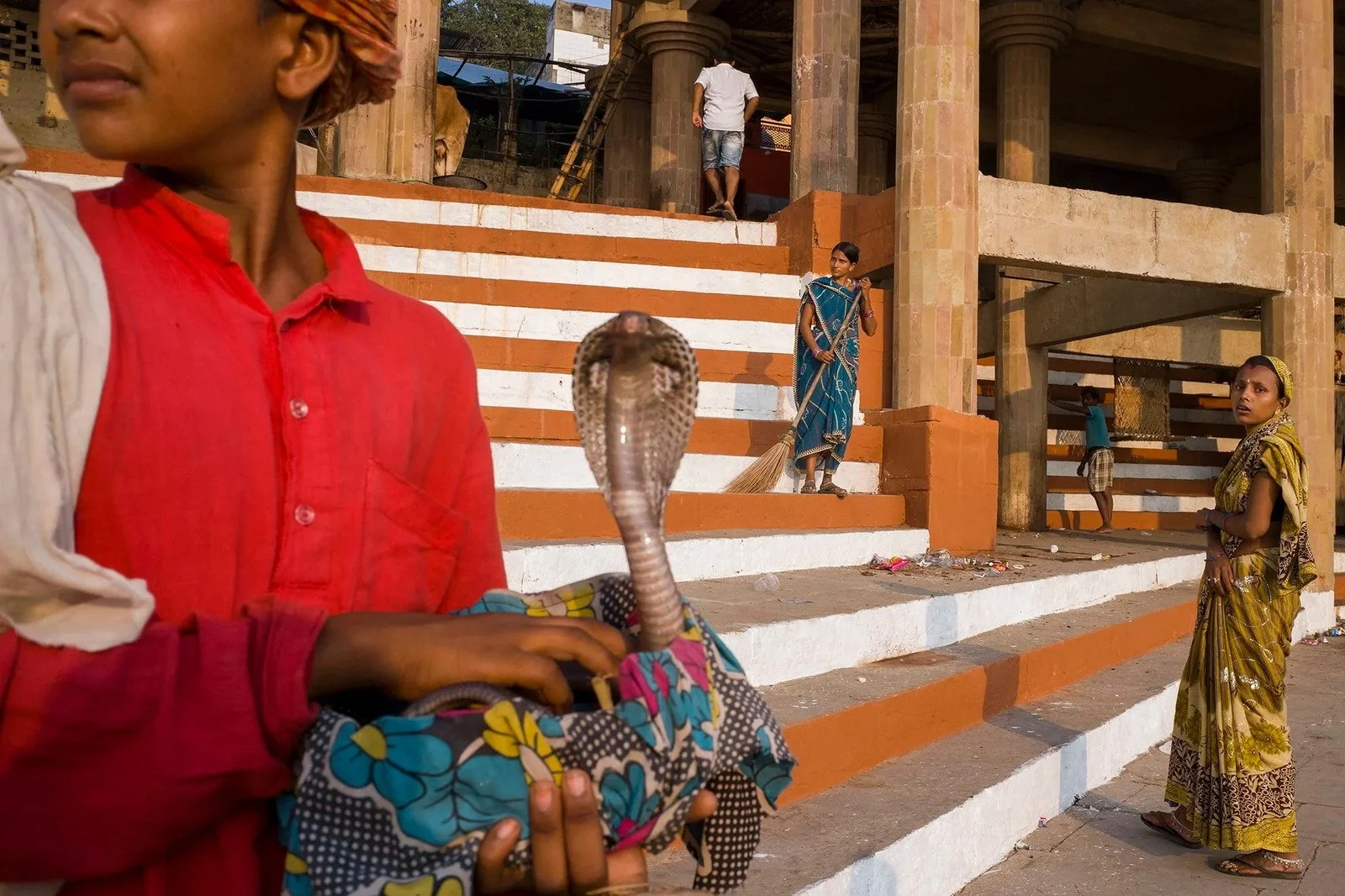
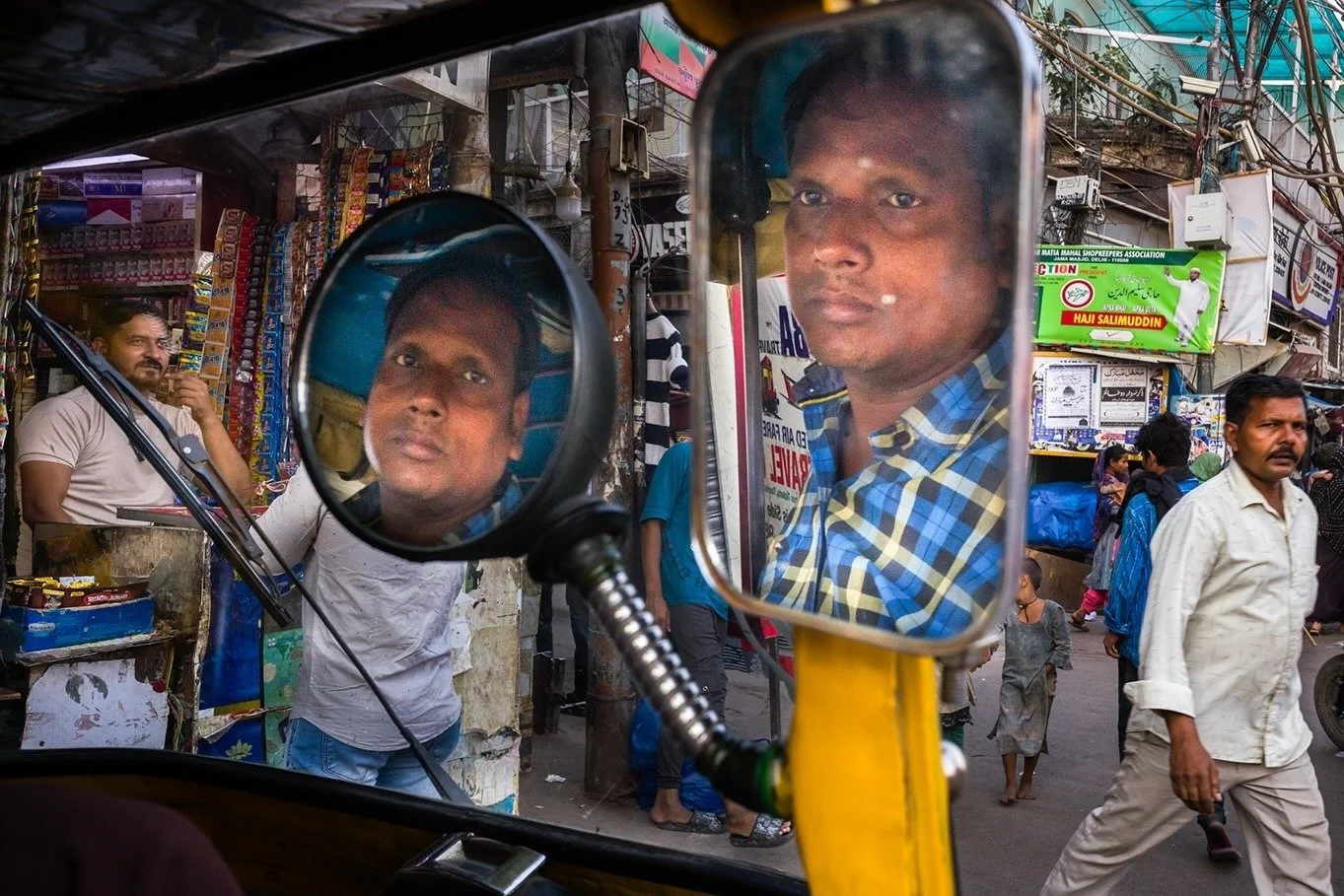
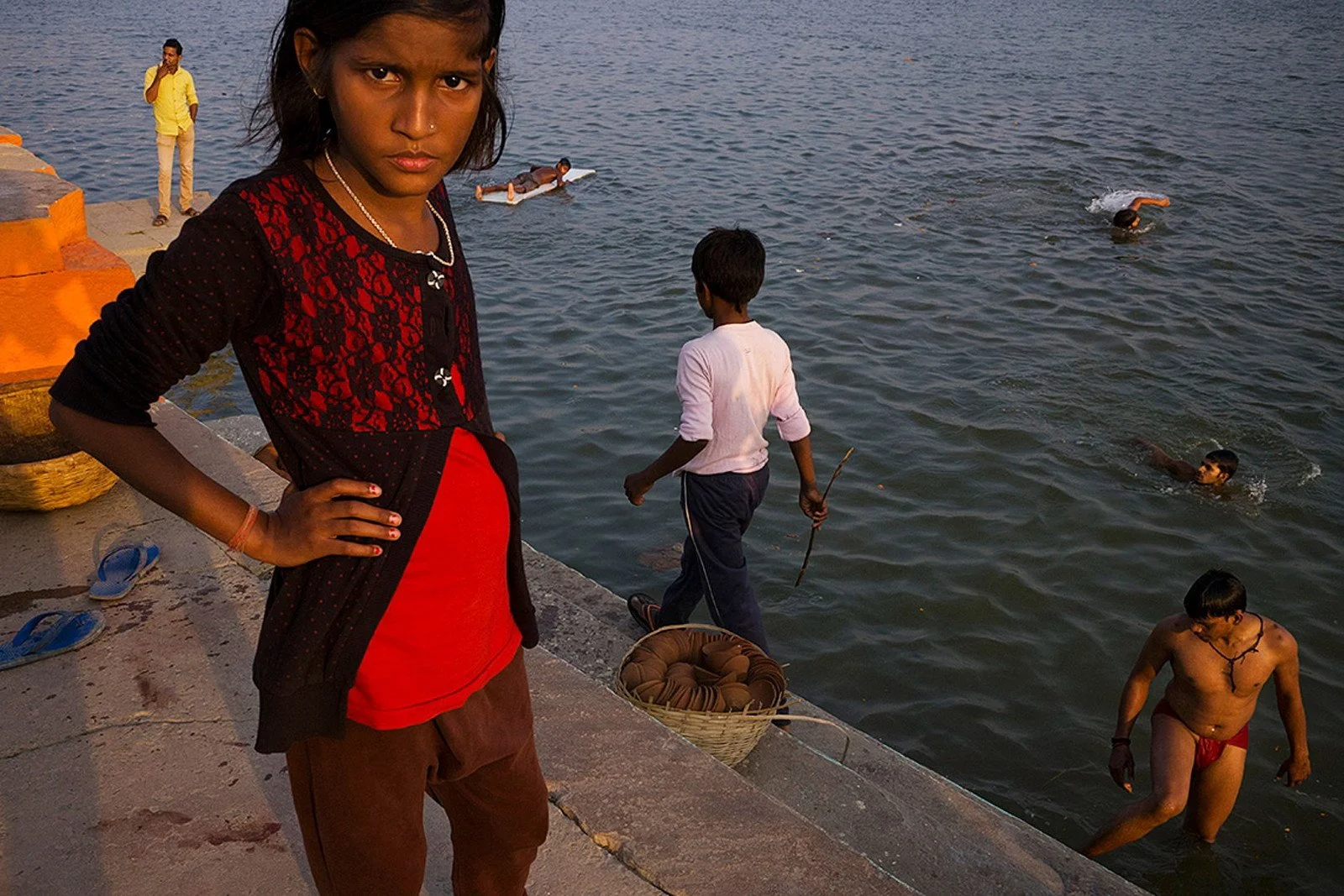
- 1973Born on 2 November in New Delhi
- 2001Leaves wildlife photography and turns to the street
- 2011Co-founds APF Magazine with his brother Rohit
- 2015Becomes the first Indian photographer named a Leica Ambassador
- 2020First monograph, Serendipity, published by Eyeshot
- 2022Speaks at Xposure festival in Sharjah; featured in the UNESCO Courier
- 2023Serendipity exhibition at Leica in Kuala Lumpur
- 2024Second, expanded edition of Serendipity
- 2026Judges The Independent Photographer street photography award
Lessons
Learn to wait. Two years of wildlife photography taught him that you cannot ask life to perform. You stay present until the moment comes.
Start close to home. He tells students to begin in their own neighborhood, because it shows who they are and where they come from.
Look before you shoot. At his workshops he asks people to watch the street with their eyes first, and to go out and photograph every day.
Try this: walk around your own neighborhood for one hour with no camera. Only watch light, shadows and how people move. The next day, go back with your camera to the three places where something almost happened, and wait there.
Gear
Leica camera: since 2015 he has been a Leica Ambassador, the first from India, and he teaches as a mentor at the Leica Akademie.
Fujifilm X camera: before Leica he was an official Fuji X photographer. A 121clicks article on his way of working praises the small, quiet X-T1 and says people tensed up when he carried a DSLR.
Smartphone: he is also an ambassador for vivo India and has shared street pictures made on the vivo X80 Pro.
We could not find a reliable source for the exact Leica bodies and lenses he uses today.
Books
Serendipity (Eyeshot, 2020). His first monograph, edited by Marco Savarese with an introduction by the photographer Muhammed Muheisen. The hardcover book (21 × 27 cm, 160 pages) was printed in Italy on Fedrigoni paper and holds 160 color pictures of India built on chance meetings of people, color and shape. Eyeshot describes it as Vohra bringing order to the chaos of the street. It is a good book for street photographers who want to study layers and timing. The first edition is sold out.
Serendipity (2nd edition) (Eyeshot, 2024). Not a simple reprint. This edition adds more than 50 new photographs and revises 100 others. It is again edited by Marco Savarese, with an introduction by Lucrezia Bonarota, in a new 22 × 24 cm hardcover of 164 pages. In it Vohra sums up his idea in one line: “Serendipity is simply unsheltered intention.” The easiest way to see his work as a whole.
Along the Way (Peanut Press, 2023). A small, intimate book of his street photographs from Delhi: 40 pages with 18 color plates, 7.75 × 8.75 inches. It was sold together with a signed and numbered original print, so it is as much a collector's object as a book. A good choice if you want to see how he works in his home city.
In his words
“You cannot ask life to perform for your camera. You have to be patient, stay present, and wait for that tiny moment when everything comes together.”
“Observation comes before timing.”