AT A GLANCE
- Known for
- HDR travel photographs and his blog Stuck in Customs
- Works in
- Color, digital only; HDR images blended from several exposures
- Camera
- Hasselblad X1D; earlier Nikon and Sony
- Also
- Founder of The Arcanum, co-creator of Aurora HDR, Creative Commons advocate
- Start with
- The Photography of Trey Ratcliff: Light Falls Like Bits (ORO Editions, 2015)
- Links
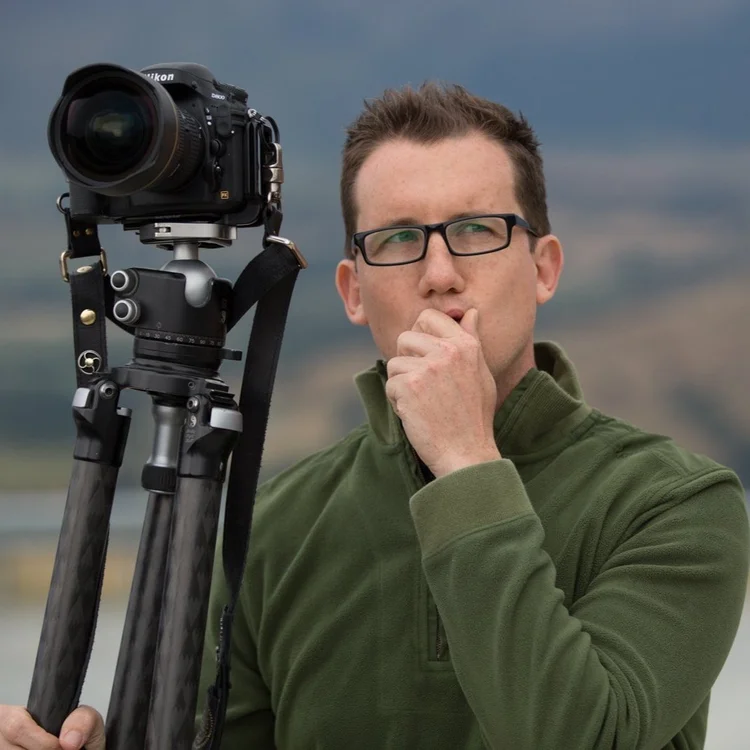
Trey Ratcliff (born 1971) is an American travel photographer who lives in Queenstown, New Zealand. He is best known for his HDR photographs and for his blog Stuck in Customs, where he has shared a free photo every day for many years. He came to photography late, with a background in computer science and math.
The story
The first pictures were of sunsets, cities and the sea, taken on vacation. Trey Ratcliff had bought his first camera, a Nikon D70, when he turned thirty-five. He had never taken a photography course. When he looked at the results, he was disappointed. The colors and the light were flat. “It wasn’t what I saw!” he said later.
He came to the camera in an unusual way. Born blind in one eye, he had no art training either. At university he studied computer science with a minor in math, and then he worked as a consultant. So he looked at the problem like a programmer. He saw his photos as “balls of data” that he could change. The eye and the brain, he thought, work like algorithms. Maybe a camera and a screen could do the same.
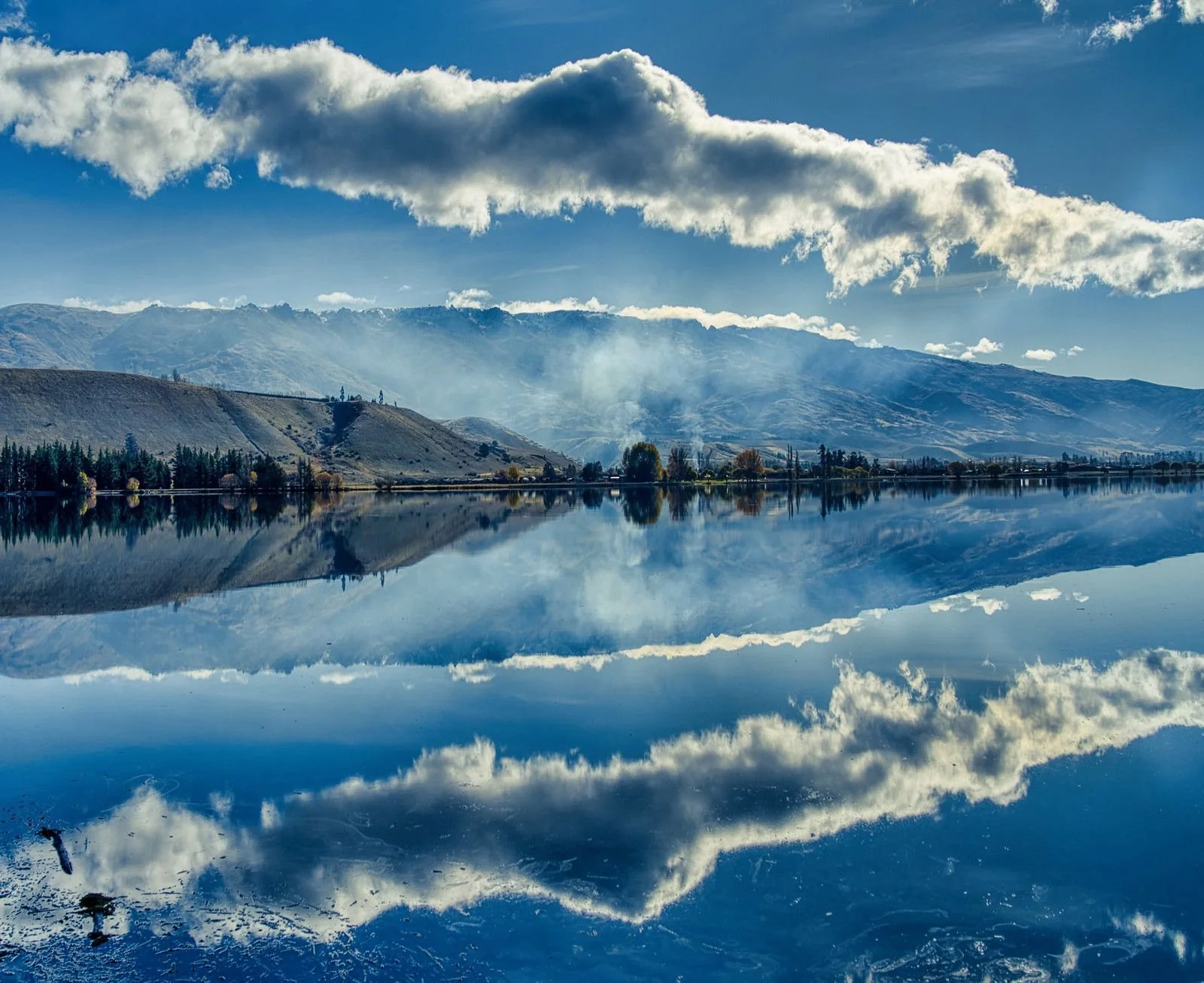
The answer was HDR. He took several exposures of the same scene, dark and bright, and blended them into one picture. He started a blog, Stuck in Customs, to record his experiments. His mother was its first regular reader. Within a year it had a few thousand followers. Later he became the first photographer to show HDR work at the Smithsonian. He gave many of his photos away under a Creative Commons license, and millions of people followed him online.
Travel stayed at the center of his work. He has a simple rule: if he passes something interesting, he turns the car around. On one 300 km drive across northern Iceland he stopped more than 60 times. In 2012 he moved his family from Austin, Texas, to Queenstown in New Zealand. “I thought it would be a wonderful place to raise my family,” he said.
Those flat vacation pictures were the start of everything. The camera recorded the scene, but not the experience of being there. HDR was his way to close that gap. “I love HDR because it captures the world how I see and feel it,” he says.
The work
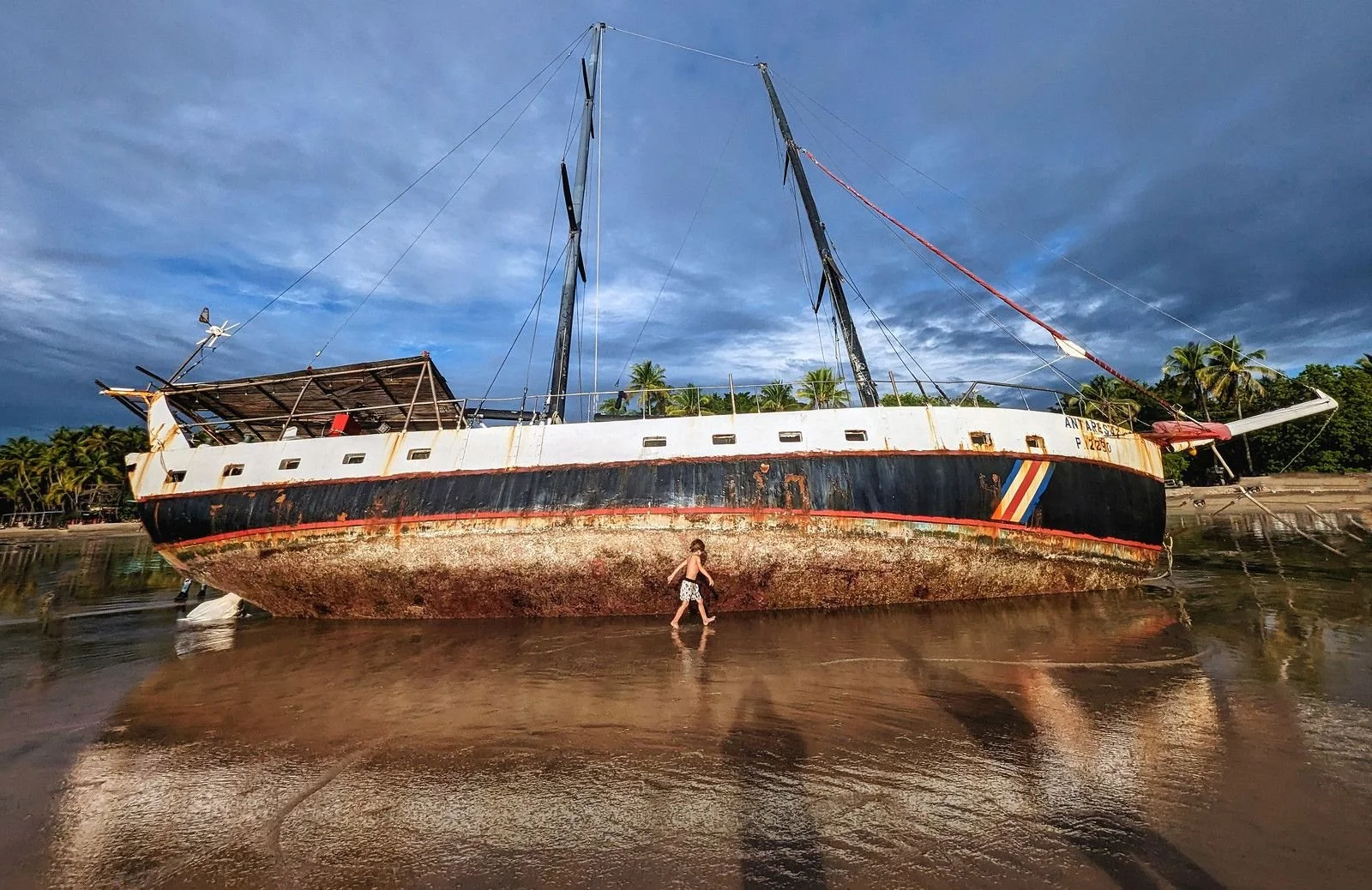
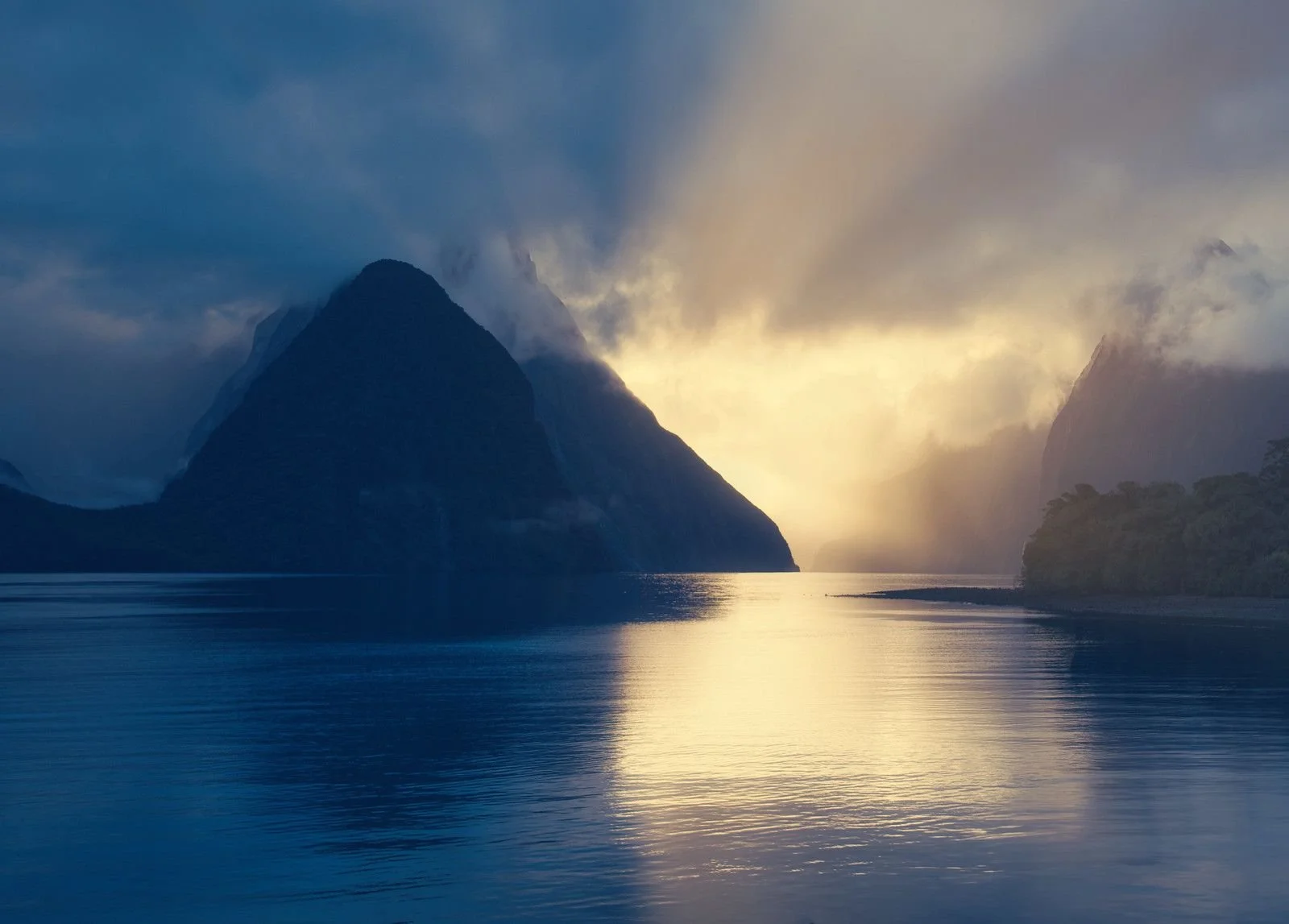
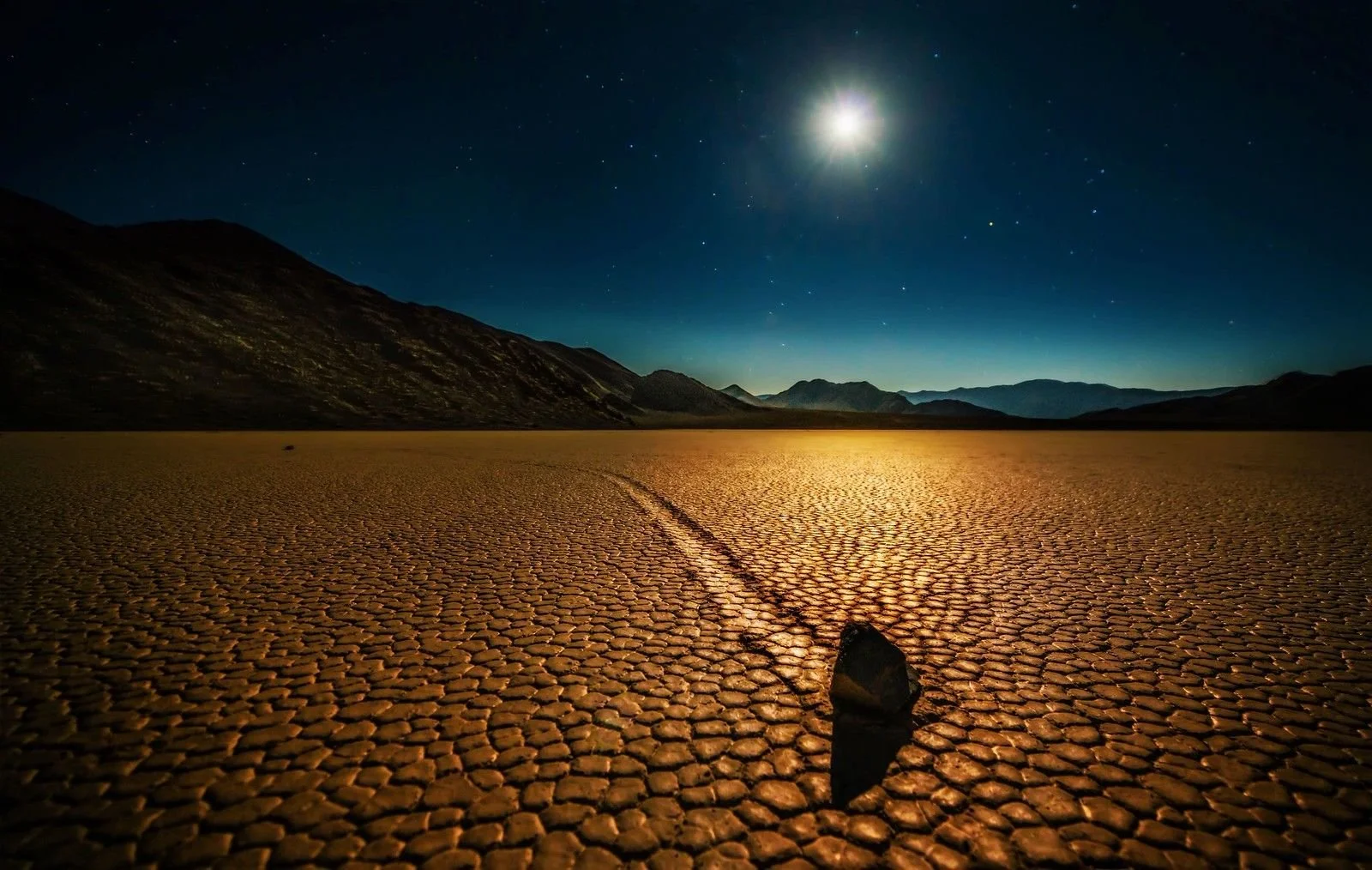
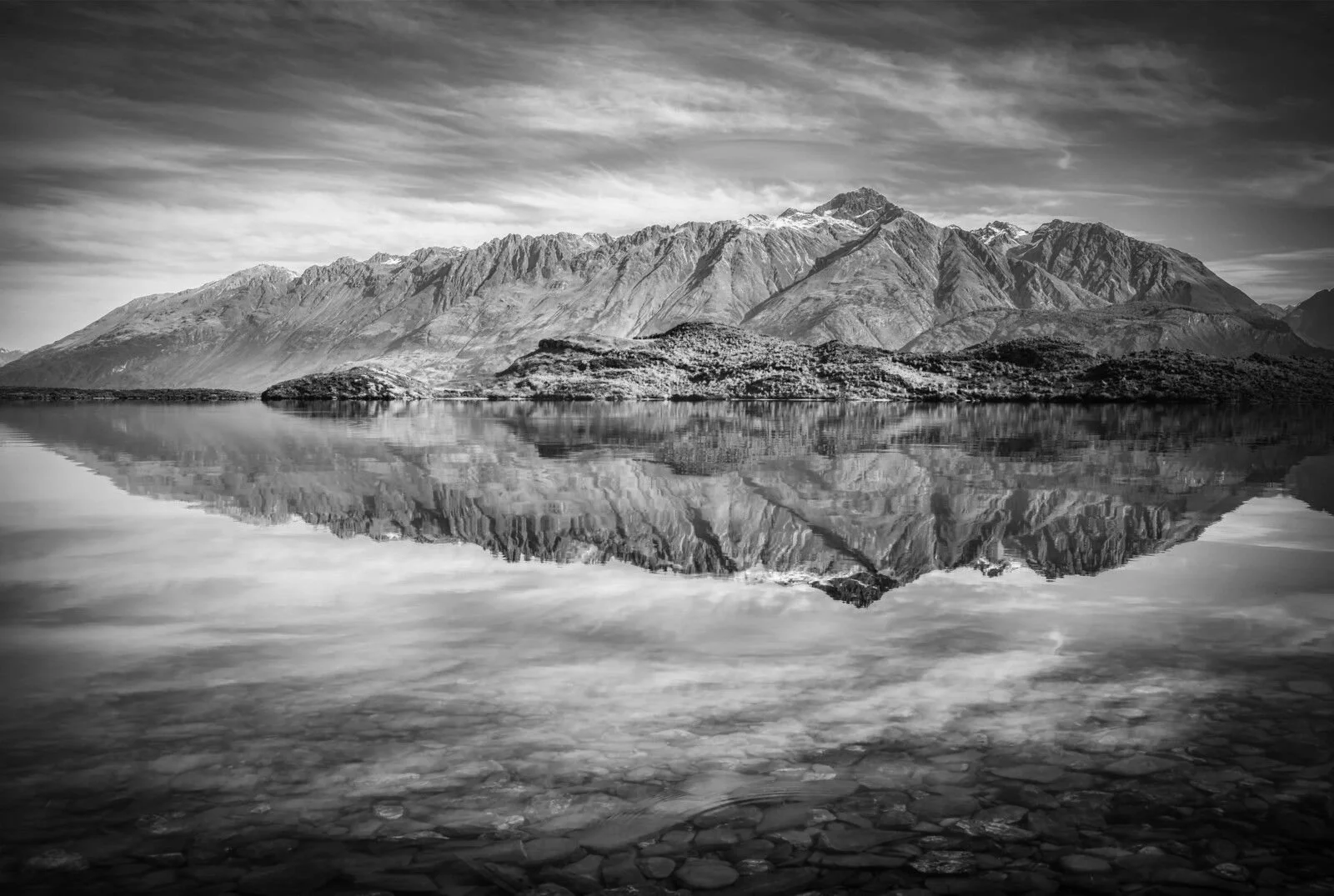
- 1971Born on July 7 in Texas
- 2009A World in HDR is published by New Riders
- 2012Moves his family from Austin to Queenstown, New Zealand
- 2013Switches from Nikon to Sony cameras
- 2014Launches The Arcanum, an online school based on master and apprentice learning
- 2015Aurora HDR software is released; the book Light Falls Like Bits appears
- 2018His photographs are shown in No Spectators: The Art of Burning Man at the Smithsonian’s Renwick Gallery
Lessons
Turn the car around. If he passes something interesting, he always goes back. He says regret is worse than the extra effort.
Think of a photo as data. He saw his pictures as data he could change, and blended several exposures to get closer to what he saw.
Be yourself. He tells young photographers not to copy him. He says the only way to be interesting is to be yourself.
Try this: find a scene with deep shadows and a bright sky. Take three exposures from a tripod, one dark, one normal and one bright. Blend them in your editing software and compare the result with what you remember seeing.
Gear
Nikon D70: his first camera, bought when he was thirty-five. He never shot film.
Nikon full-frame DSLRs: in 2010 he worked with a Nikon D3X and a Nikon D3S.
Sony mirrorless cameras: he later switched from Nikon to Sony. In 2015 his main camera was the Sony A7R II, with an A6000 and an RX100 IV as backups.
Hasselblad X1D: a medium-format camera he used later, with Hasselblad XCD 30mm, 45mm and 90mm lenses.
He edits in Lightroom, where he also stitches his panoramas. He helped develop the HDR software Aurora HDR, released with Macphun (now Skylum) in 2015.
Books
The Photography of Trey Ratcliff: Light Falls Like Bits (ORO Editions, 2015). A monograph edited by Maura Reilly, with texts by Michelle Bogre and Erik Davis and an interview by Jordan Crandall. It opens with an essay about his late start in photography and his path into HDR, followed by a large section of plates from his travels. It also includes his own stories, often funny, about the strange situations he finds on the road. The best book if you want to see his work printed and understand where it comes from.
A World in HDR (New Riders, 2010, part of the Voices That Matter series). Published in December 2009, this book mixes a portfolio of his HDR travel photographs with the story behind each shot and how he made it. It includes a tutorial for beginners, tips to avoid common HDR mistakes, notes on software and on his equipment, and his thoughts about the future of HDR. It is for photographers who want to learn the technique step by step.
In his words
“The only way to be interesting is to be yourself and stop worrying about what other people are doing.”
“As soon as you start depending on photography for your financial livelihood, it can lose the magic.”
“I have no goals and nothing in particular to achieve.”