AT A GLANCE
- Known for
- Large, staged portraits of indigenous peoples, above all the book Before They Pass Away
- Works in
- Color, on large-format film
- Camera
- An old 4x5 technical plate camera; 8x10 negatives in later work
- Also
- Founder of the Jimmy Nelson Foundation; TED speaker
- Start with
- Homage to Humanity (Rizzoli, 2018)
- Links
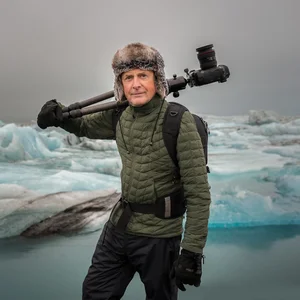
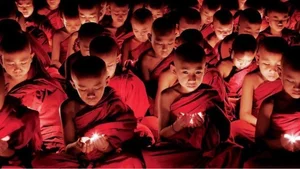
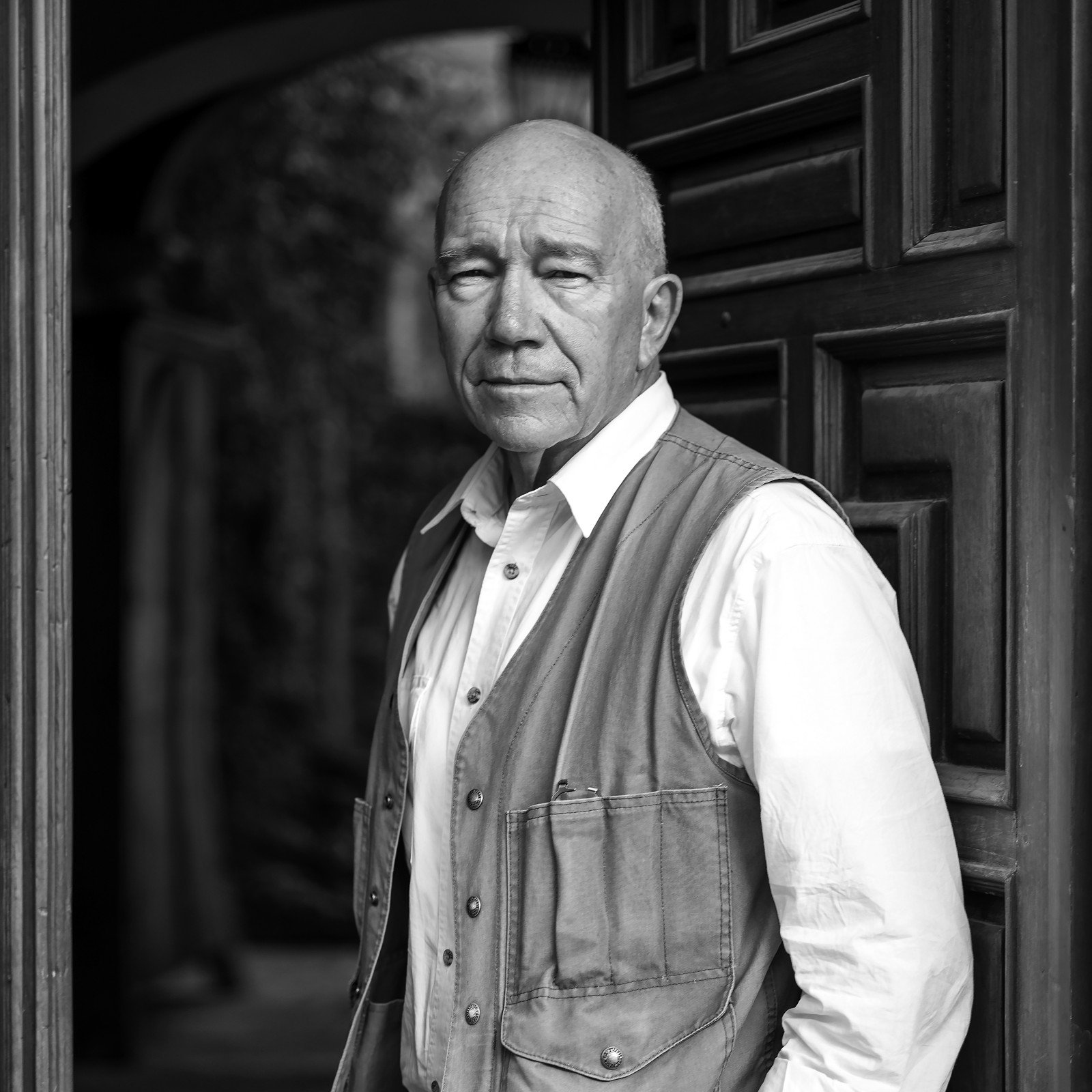
Jimmy Nelson (born 1967) is a British-born photographer based in Amsterdam. He makes large, carefully staged color portraits of indigenous peoples around the world. His books Before They Pass Away (2013) and Homage to Humanity (2018) made his work known far beyond photography.
The story
In southern Ethiopia, Jimmy Nelson spent most of a day with a Daasanach family of about 30 people. The whole family climbed into a big tree. His large plate camera stood on a tripod, with one sheet of film left. Then, at the top of the tree, one girl slapped the girl next to her. In moments everyone was running back to the village. The light was gone.
It took him a week to make the picture. He asked every person in the village for their story. The fight, it turned out, was about a boyfriend. “If I was going to photograph these people in the dignified, respectful way that I had intended, and put them on a pedestal, I had to understand them,” he said later in a TED talk.
Born in Sevenoaks, Kent, he spent his first years moving around the world with his father, a geologist for Shell. At seven he was sent to a strict Jesuit boarding school in England. When he was 16, a reaction to malaria medicine made all his hair fall out. “I was 17. I dressed up as a monk, and I walked into Tibet, and that's where my journey started,” he told PetaPixel.
Years in photojournalism and advertising followed. Then, in 2010, he began Before They Pass Away. For about three years he travelled to more than 30 indigenous groups, carrying a 50-year-old 4x5 camera. Among them were Kazakh eagle hunters in Mongolia.
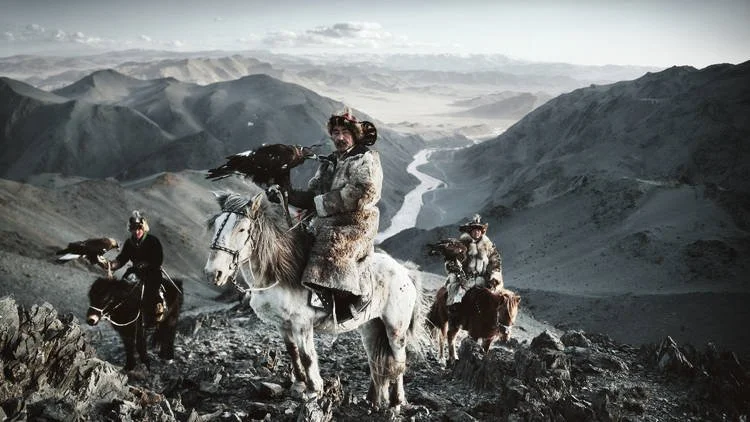
The book came out in 2013 and sold more than 250,000 copies. Not everyone liked it. Survival International said the pictures gave a false image of tribal peoples. In his next book, Homage to Humanity, the people speak in interviews and films.
The hardest lesson came in Chukotka, in the far northeast of Siberia. After a month of travel across the ice, he reached the Chukchi. They would not let him take a single picture. “You cannot photograph us. You have to wait. You have to wait until you get to know us,” they told him. Many weeks later he began to see how the young and the old looked after each other.
In Ethiopia, the lost light had taught him to listen first. In Siberia, waiting turned out to be the work itself. “They adore and admire one another, and they truly taught me what beauty was,” he said.
The work


- 1967Born in Sevenoaks, Kent, England
- 1985Leaves boarding school and walks into Tibet
- 2010Begins Before They Pass Away
- 2013Publishes Before They Pass Away (teNeues)
- 2015His TED talk on the project is published
- 2016Founds the Jimmy Nelson Foundation
- 2018Publishes Homage to Humanity (Rizzoli)
- 2024Publishes Humanity (Skira); receives a HIPA award in Dubai
Lessons
Know your people first. After the fight in the tree, Nelson spent a week learning every person's story before he tried the picture again.
Wait for the light. He works with slow film cameras and plans each portrait around the evening sun.
Let people answer back. After criticism of his first book, he added interviews and films so the people in his photos could speak for themselves.
Try this: before you photograph someone, spend an hour with them and ask about their life. Then make one careful portrait in soft evening light, and show it to them afterwards.
Gear
Nelson works slowly, with film and large cameras. These are the tools he and his publishers have described.
Zenit B 35mm camera: the simple Soviet camera he carried on his walk through Tibet in the 1980s.
4x5 technical plate camera: a camera about 50 years old, used for Before They Pass Away. In his TED talk he called it very large, cumbersome and awkward.
8x10 film: his later work is made on 8x10 negatives, as his publisher Skira notes.
Tripod: every portrait is set up on a tripod, often for hours, while he waits for the light.
Books
Before They Pass Away (teNeues, 2013). His first monograph and the book that made him famous. More than 400 large pages, with text in English, French and German. It gathers the portraits he made from 2010 to 2013 of indigenous groups in Africa, Asia, Oceania, the Arctic and South America, among them the Huli of Papua New Guinea, the Chukchi of Siberia and the Kazakh eagle hunters of Mongolia. It sold more than 250,000 copies. A big, heavy book for anyone who wants to see the photographs at the size they were made for.
Homage to Humanity (Rizzoli, 2018). The follow-up, made after the debate around his first book. It has more than 400 portraits, together with texts and interviews with the people he photographed, so they can speak about their own lives. A companion app links the pictures to films and sound recordings. It includes groups he had not shown before, such as people in French Polynesia, Chad and Sudan. The best book to start with if you want both the pictures and the stories behind them.
Humanity (Skira, 2024). A 200-page selection of his portraits of indigenous peoples from about twenty years of travel, from Siberia to Kenya. The texts are by Nicolas Ballario and Federica Crivellaro. The book also explains how he works with analog film and 8x10 negatives. A smaller, more affordable overview of his career.