AT A GLANCE
- Known for
- Conservation stories, from Sudan, the last male northern white rhino, to giant pandas and Kenya's Reteti Elephant Sanctuary
- Works in
- Color; digital since the Nikon D1x in 2001, film before that
- Camera
- Nikon; a Nikon Ambassador for about two decades
- Also
- Began as a news photographer in Kosovo and the West Bank; documentary filmmaker; founder of the nonprofit Vital Impacts
- Start with
- Panda Love: The Secret Lives of Pandas (Hardie Grant, 2018)
- Links
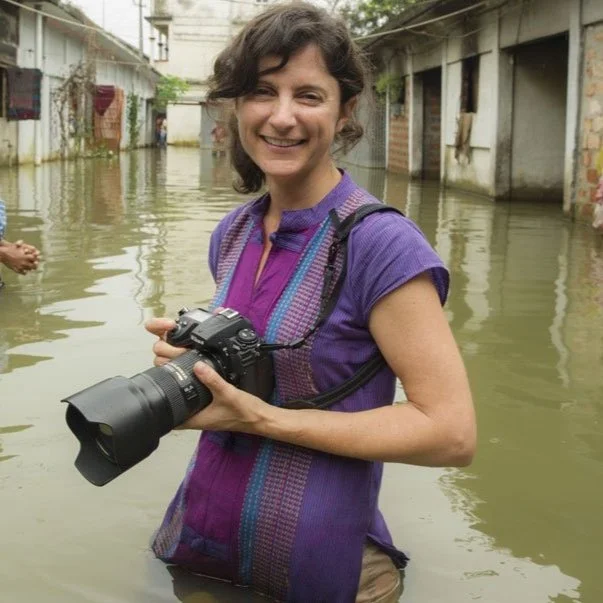
Ami Vitale (born 1971) is an American photographer, writer and filmmaker based in Montana. She started out covering conflict as a photojournalist and has worked in more than 100 countries. Today she tells stories about wildlife, conservation and the people who live side by side with animals.
The story
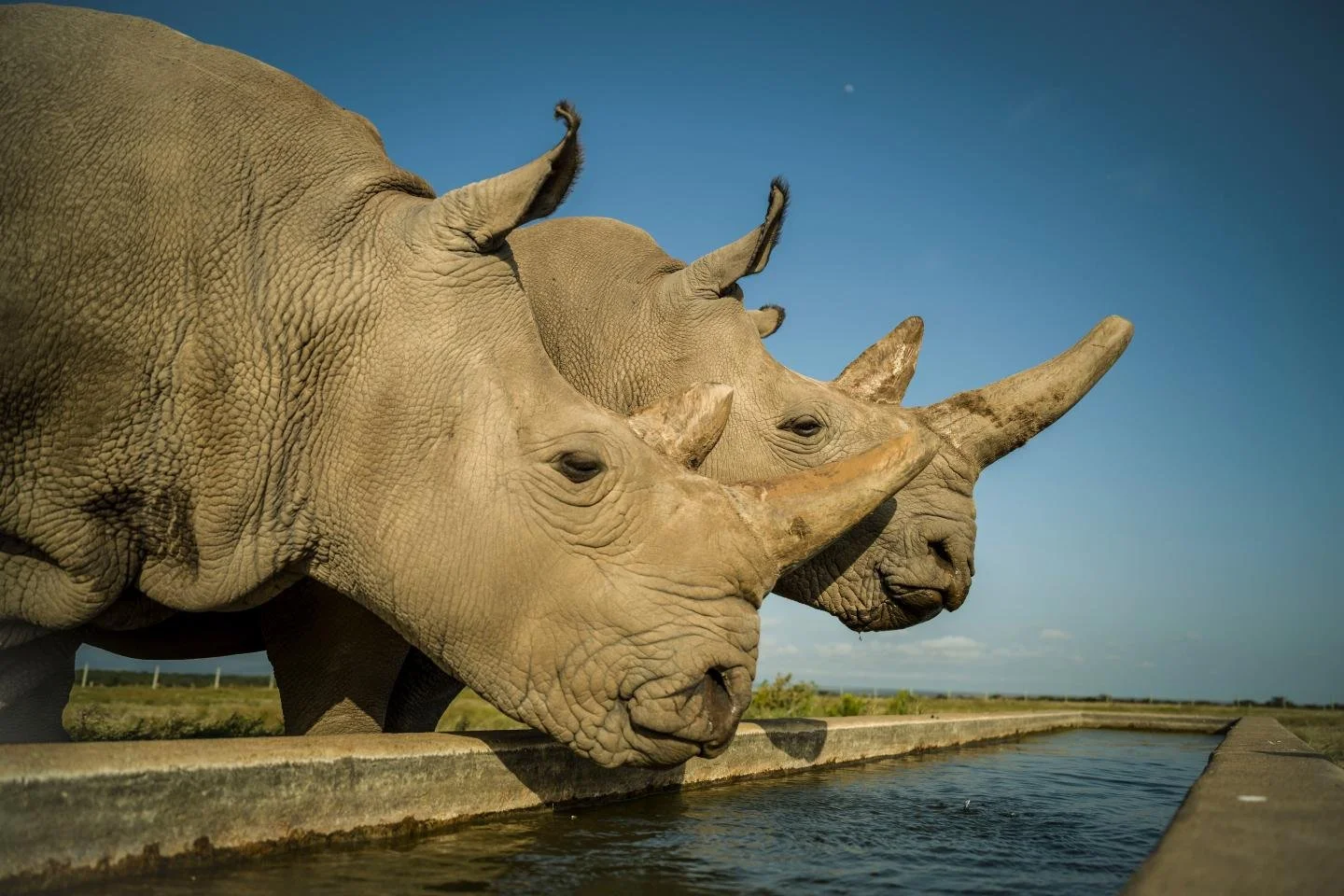
It was December 2009, and there was snow around a brick and iron enclosure at the Dvůr Králové Zoo in the Czech Republic. Inside stood Sudan, the only living male northern white rhino. Keepers were teaching him to walk into a giant crate. Soon it would carry him almost 4,000 miles south to Kenya. Ami Vitale watched him move slowly, sniffing the snow. “I knew I was in the presence of an ancient being, millions of years in the making,” she wrote later.
Animals were not her plan. As a girl in Florida she was, in her words, “painfully shy, gawky and afraid of the world.” At about 14 she picked up a camera, and something shifted. “All of a sudden, I felt like I could be invisible,” she said. After an internship at a small newspaper in Raleigh, she became a picture editor at the Associated Press. Then she quit to become a foreign correspondent. She moved to the Czech Republic, covered the war in Kosovo and photographed the second Intifada.
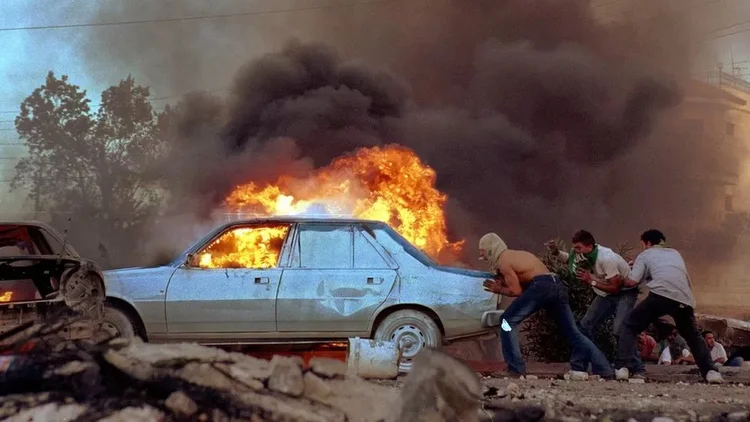
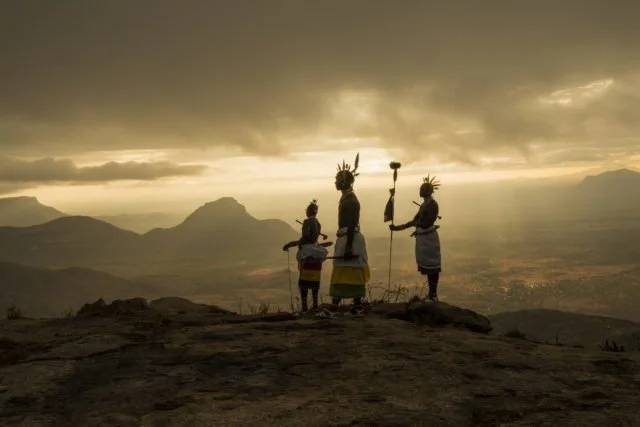
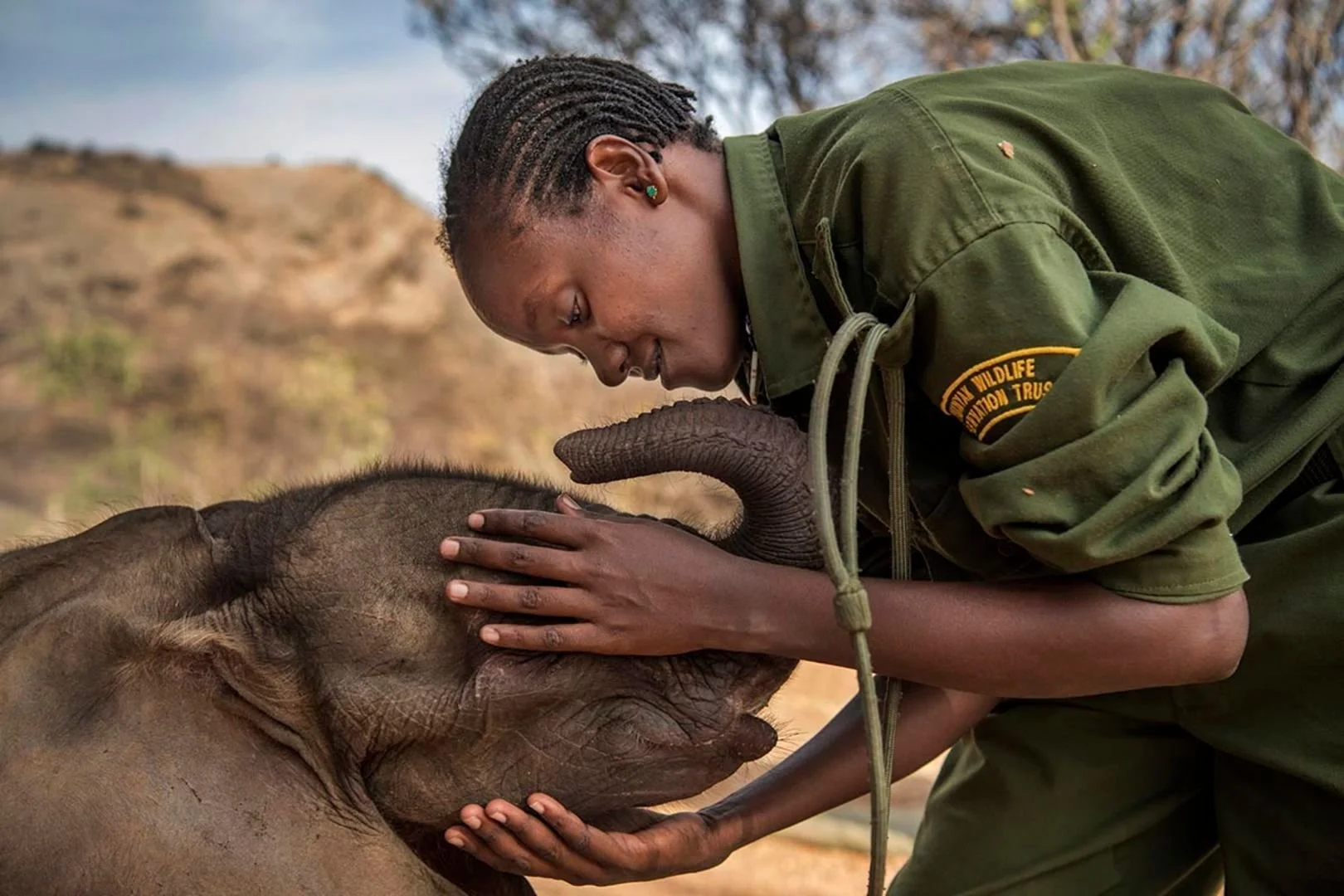
But the wars kept pointing somewhere else. Every issue she covered, from war to poverty to health, ended up depending on nature for its outcome, she told the BBC. So after the snowy zoo she followed Sudan to Ol Pejeta Conservancy in Kenya, again and again. She photographed scientists in panda costumes in China. She spent years with Samburu warriors who now care for orphaned elephants at the Reteti Elephant Sanctuary.
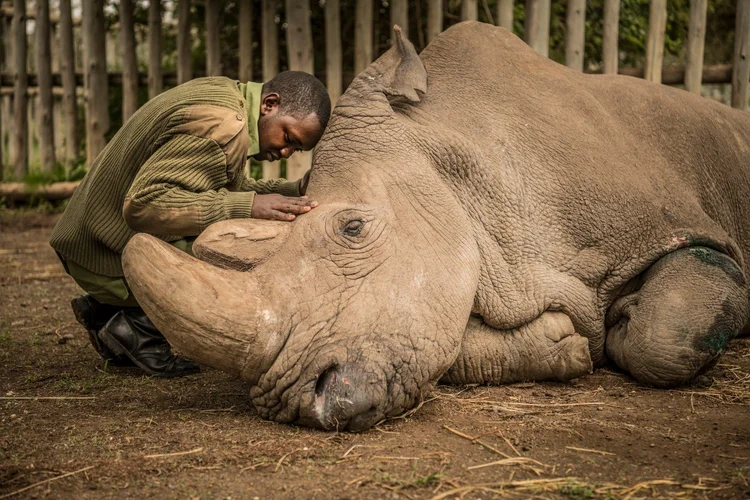
In March 2018 she was called back to Ol Pejeta. Sudan was dying. His keeper, Joseph Wachira, gave him a last rub behind the ear, and the old rhino leaned his head into the man. Vitale saw “two old friends together for the last time.” The picture travelled around the world.
The young war photographer who stood in the snow had not left human stories behind. She had found a wider way to tell them. “Stories about people and the human condition are also about nature,” she says.
The work


- 1971Born in the United States; grows up in Florida
- 1997Leaves the Associated Press and moves to the Czech Republic
- 2000Photographs protests near Ramallah in the West Bank
- 2001Buys her first digital camera, a Nikon D1x, while living in Kashmir
- 2009Meets Sudan, the last male northern white rhino, before his move to Kenya
- 2018Photographs Sudan's last days at Ol Pejeta; publishes Panda Love
- 2018First prize, Nature stories, World Press Photo, for her Reteti elephant story
- 2024Honorary Fellowship of the Royal Photographic Society
Lessons
Stay in one place. Vitale often works on one story for years. She says the magic begins when she stays long enough to get beyond the surface.
Start close to home. Her advice is to find a story near you, even in your backyard, and make it yours. You do not need to travel abroad.
Earn trust first. She calls empathy and earning trust her most important tool. She spends a lot of time explaining why she is making the pictures.
Try this: find a bond between a person and an animal near you, like a farmer and a horse or a neighbor and a dog. Visit them many times over a month. Make the last pictures only when they forget the camera is there.
Gear
Vitale has talked about her cameras in several interviews. She has been a Nikon Ambassador for about two decades.
Pentax K1000: her first film camera, in ninth grade.
Nikon F3: on her first trip to Africa she used it with a 24mm lens, Kodak Tri-X and Fuji color negative film.
Nikon D1x: her first digital camera, bought in 2001 while she lived in Kashmir. She made the camel picture near the pyramids with it, using a 16-35mm lens.
Nikon Z 7: its silent shutter mattered at the Reteti Elephant Sanctuary, where the sound of a shutter frightened the orphaned elephants.
Nikon Z9: today she carries two Z9 bodies with Nikkor Z lenses from 14-24mm to 100-400mm.
Books
Panda Love: The Secret Lives of Pandas (Hardie Grant, 2018). A 160-page hardback of color photographs made over several trips to China. It follows the work to breed giant pandas in captivity and return them to the wild. You see cubs playing with their carers, keepers dressed in panda costumes so the young bears do not get used to people, and adult pandas exploring forests and climbing trees. In her own words, the book documents “the process of putting the wild back into an icon.” A gentle book for animal lovers of any age, and a good study in long-term storytelling for photographers. It is her only book so far.