Welcome to this edition of Photography Stories. Today, we look at the story behind the photograph by Annie Leibovitz, John Lennon and Yoko Ono, made in New York in 1980. We’d love to read your comments below.
(This is the story behind the photograph.)
On 8 December 1980, Annie Leibovitz photographed John Lennon at home.
She was there for Rolling Stone, at the Dakota, the New York building where Lennon and Yoko Ono lived. The magazine wanted Lennon alone on the cover, but Lennon wanted both of them. Leibovitz asked him to take off his clothes and curl up next to Ono, who stayed dressed.
A few hours later, Lennon was shot dead outside the building.
The picture appeared on the cover of Rolling Stone on 22 January 1981, in an issue in his memory.
In 2005, the American Society of Magazine Editors chose it as the best magazine cover of the previous 40 years. Leibovitz has said that when Lennon saw the first Polaroid, he told her, “You’ve captured our relationship exactly.” He asked her to promise it would be the cover, and she did.
This story follows that day at the Dakota, from the first idea to the promise she kept.
The shoot at the Dakota
In late 1980, John Lennon and Yoko Ono were back in public. After five years away from the spotlight, they had made a new album together, Double Fantasy. Rolling Stone planned a cover story, and on 8 December 1980 Annie Leibovitz went to their building, the Dakota, to make the cover picture.
Leibovitz had worked for Rolling Stone since 1970. The magazine wanted Lennon alone on the cover. Lennon insisted that Ono be on it with him.
Leibovitz had an idea from the cover of Double Fantasy, which shows the couple kissing. She asked them both to take off their clothes. It also recalled their first Rolling Stone cover in 1968, when they posed naked for the album Two Virgins. This time Ono did not want to undress. She offered to take off her top. “Leave everything on,” Leibovitz told her.
The first Polaroid
Lennon took off his clothes and curled up next to Ono on the floor. Ono lay on her back, fully dressed, her hair spread out on the floor. Lennon held her and kissed her cheek.
Leibovitz first made a Polaroid, an instant print, to check the picture. Lennon and Ono were both excited when they saw it, she later said. That is when Lennon told her she had captured their relationship and asked for the promise.
John Lennon and Yoko Ono, New York, 8 December 1980. Photograph by Annie Leibovitz for Rolling Stone.
Five hours later
That evening, Lennon was shot dead outside the Dakota. Leibovitz was the last photographer to make a professional portrait of him.
The next morning, the Rolling Stone staff began work on a tribute issue. Designers were trying covers with portraits of Lennon alone. Leibovitz reminded the editor, Jann Wenner, that she had promised Lennon the cover would show him and Yoko.
The issue came out on 22 January 1981 with her picture on the cover. In 2005, the American Society of Magazine Editors named it the best magazine cover of the previous 40 years.
The Book
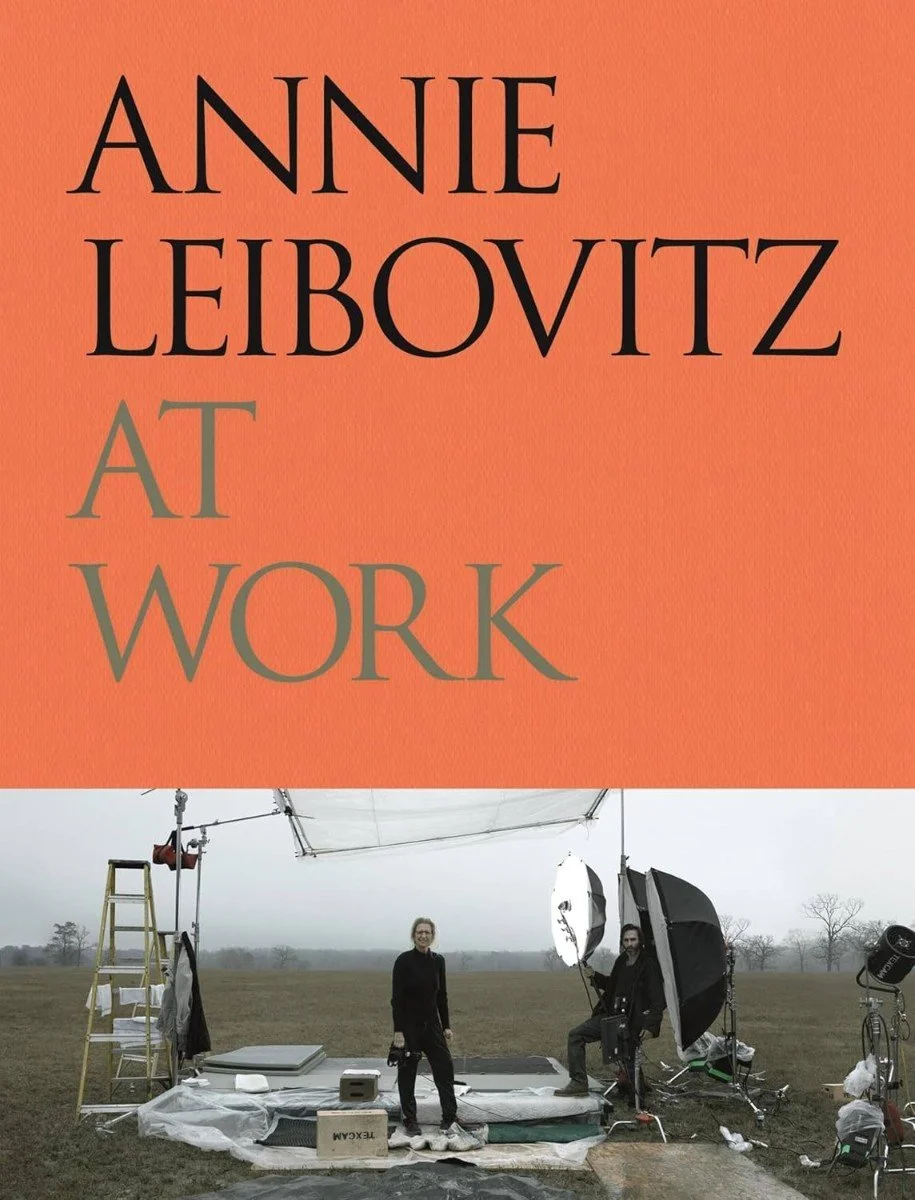
Annie Leibovitz at Work
Phaidon · 2018 · 260 pages · By Annie Leibovitz
Annie Leibovitz explains how her pictures were made, from her first years at Rolling Stone to her later portraits. One chapter tells the story of the session with John Lennon and Yoko Ono on 8 December 1980.
The book first came out in 2008. Phaidon published this revised edition in 2018, with new chapters.
More stories:
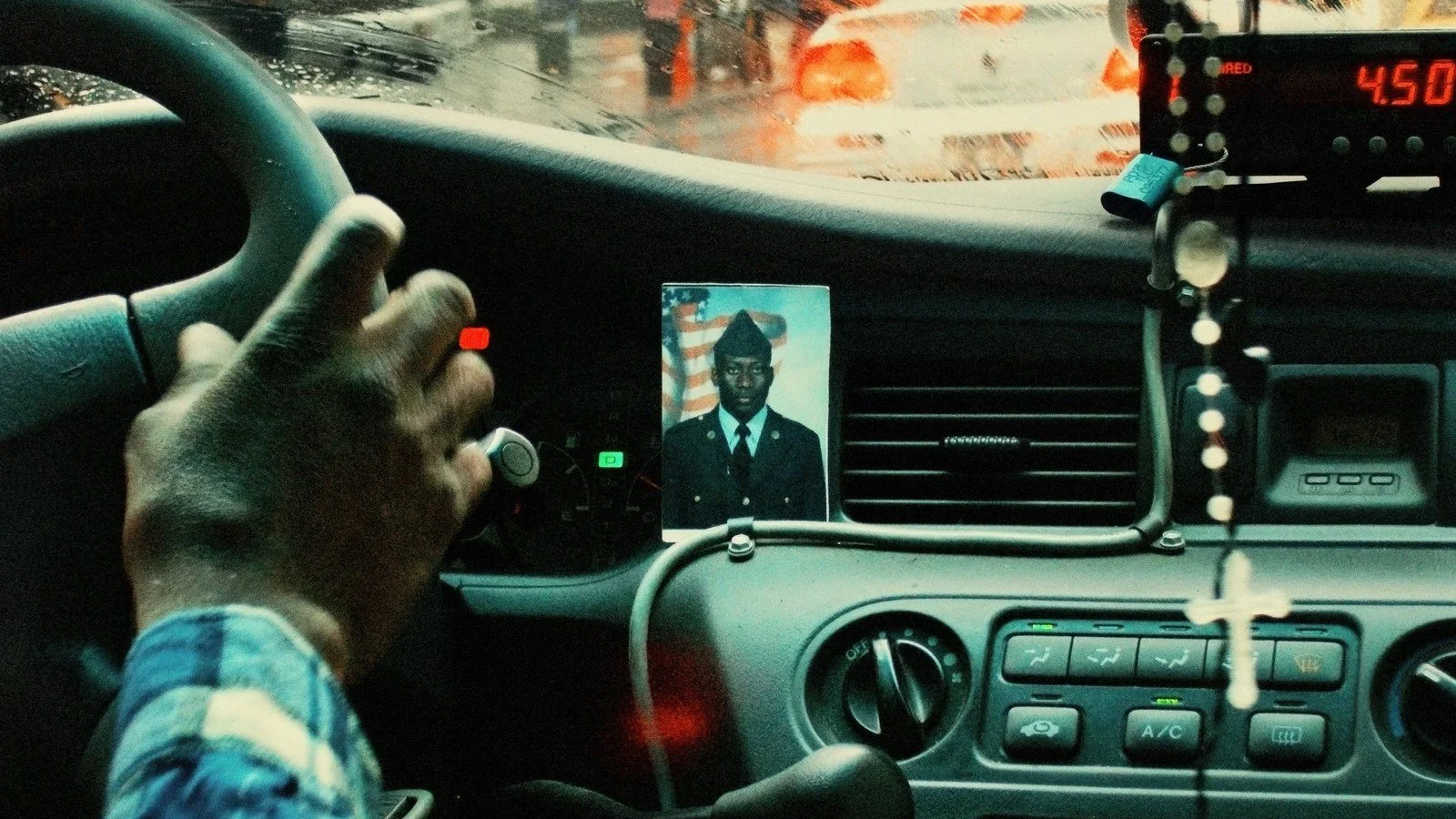

A red light gave Raf Lopes three frames. Lopes opened the car window and composed quickly with a 50 mm lens.