After Her Arrest, Kristina Rozhkova Began Seeing Cages Everywhere
Content note: This article discusses imprisonment, political repression, animal slaughter and exploitation, and BDSM practices. Some of the photographs and descriptions may be disturbing to some readers.
Welcome to this edition of [book spotlight]. Today, we uncover the layers of 'Gut Feeling,' by Kristina Rozhkova (published by Void). We'd love to read your comments below about these insights and ideas behind the artist's work.
Can a prison cage exist without prison walls?
For Kristina Rozhkova, this question became personal after her arrest in Russia in June 2024. She spent two months in pre-trial detention, followed by four months of house arrest and a long period of court hearings under criminal prosecution. After leaving detention, she began to recognize similar forms of control, restriction, predator and prey in the world outside.
Gut Feeling grew from this change in how she saw the world.
Rozhkova did not photograph the prison itself. She went to industrial farms, hunting estates, animal shelters, dog shows, laboratories and museums, looking for situations that reflected something she had experienced herself. Animals became central to the work, connecting her arrest with childhood memories, ideas of power, and the changing roles of predator and prey.
In the interview, Rozhkova explains how she moved from literal documentation toward metaphor, how she searched for subjects that carried the same feeling, and how she worked with the designer and publisher to keep connections between images strong without making them too obvious. It is a useful look at how a personal experience can slowly become a visual language.
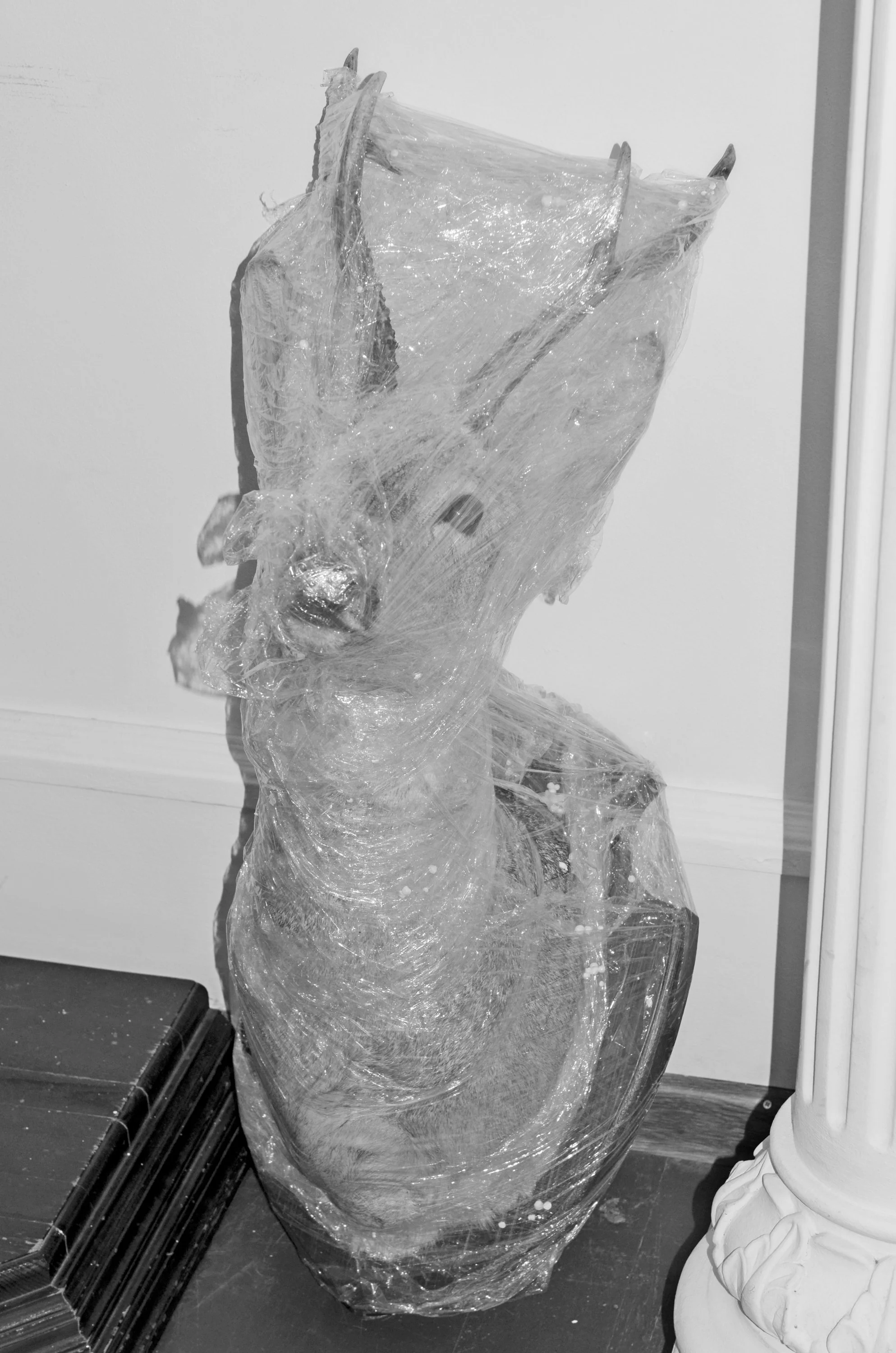
The Book
Gut Feeling by Kristina Rozhkova, published by VOID, grew from her arrest in Russia in June 2024, followed by two months in pre-trial detention, four months of house arrest, and continuing criminal prosecution.
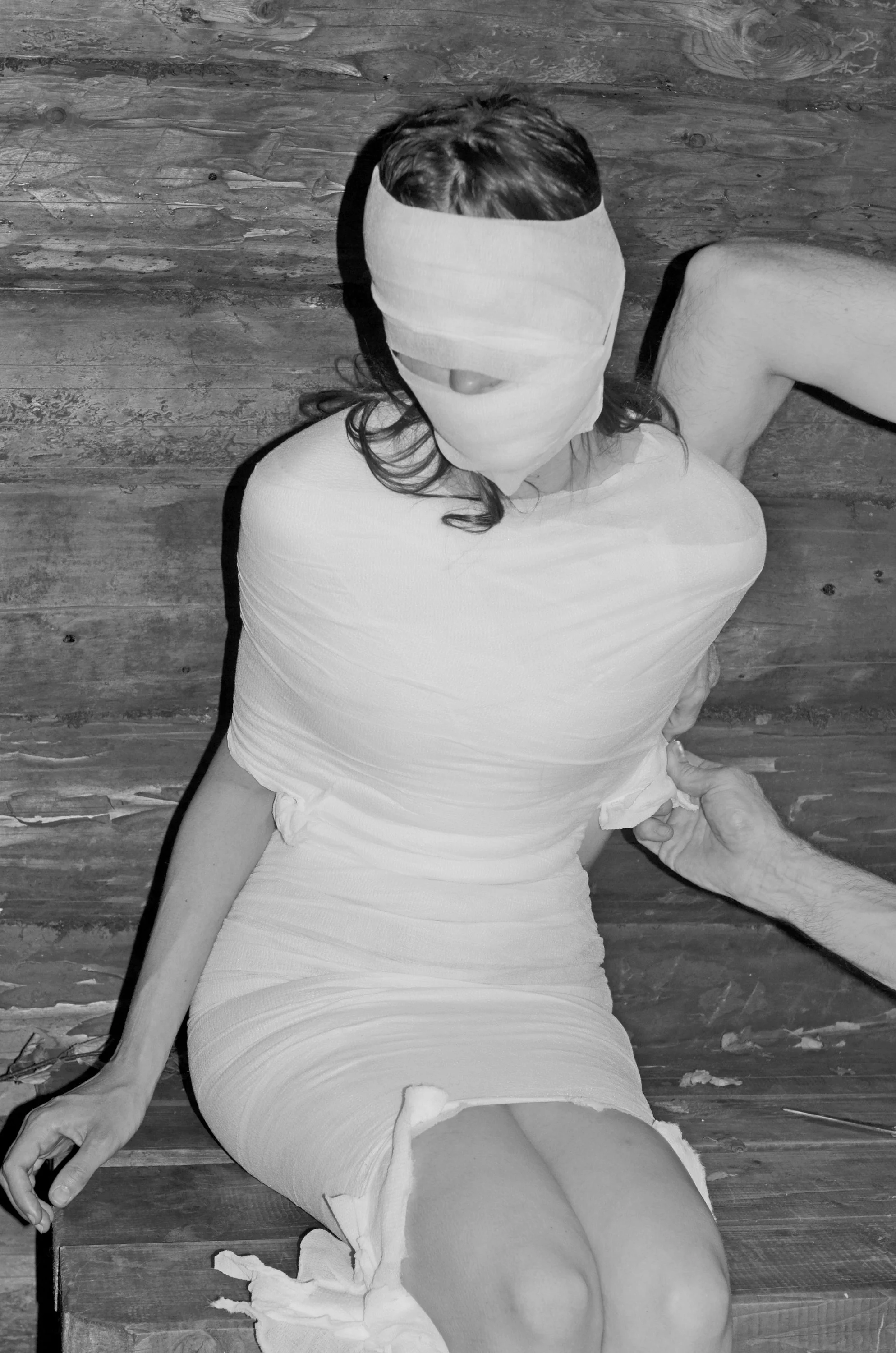
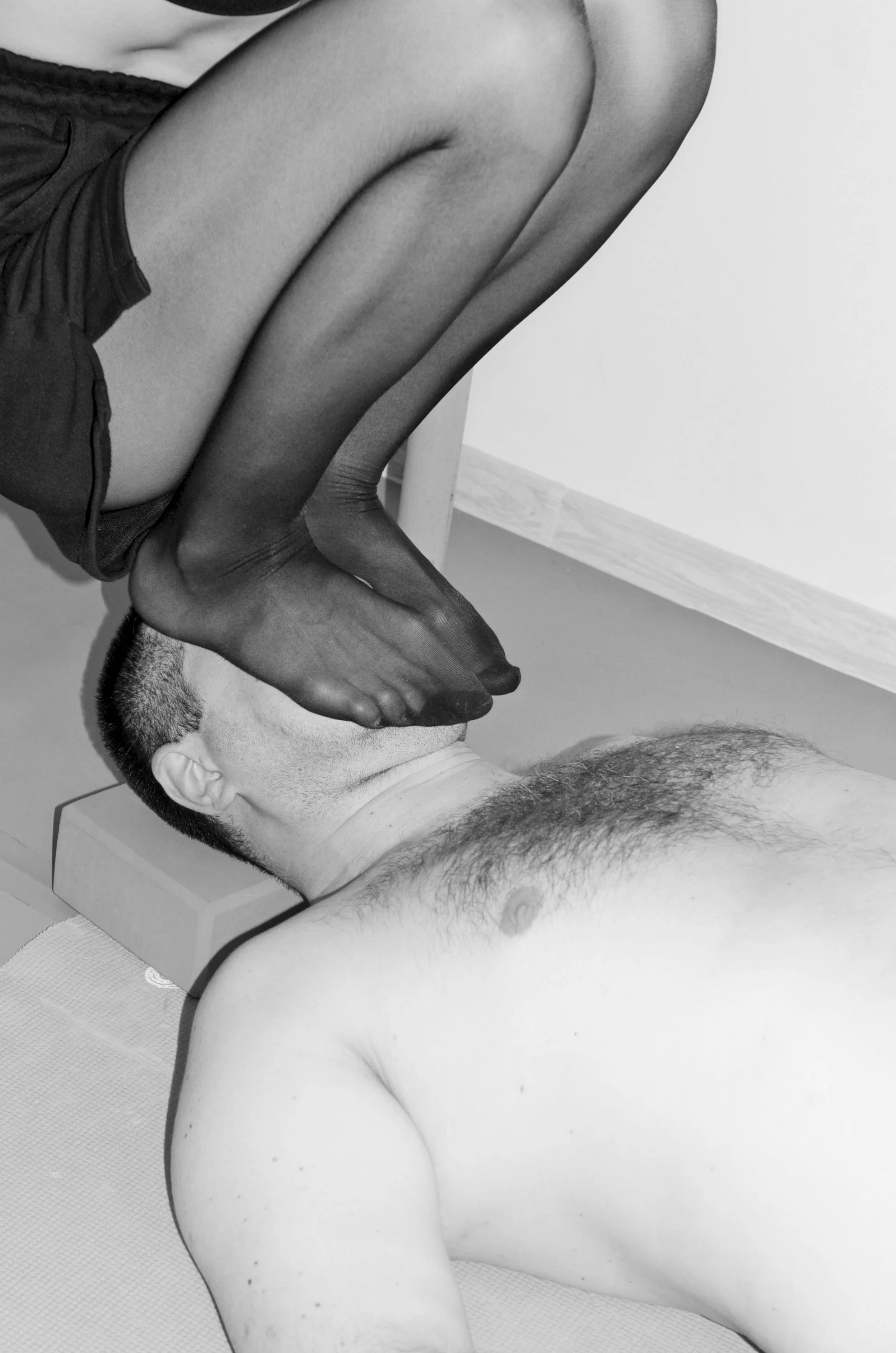
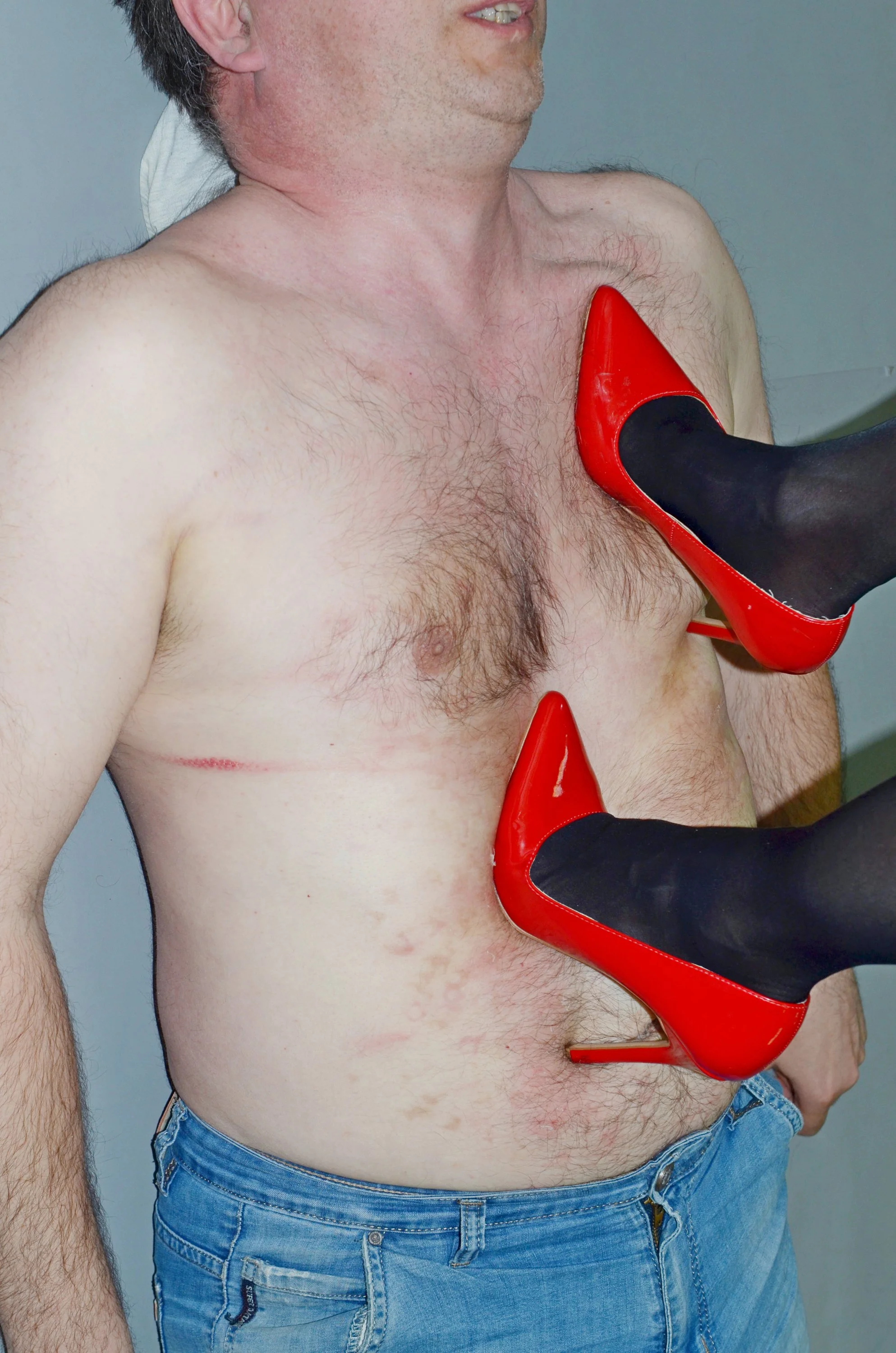
Rather than documenting the prison itself, Rozhkova looks for other forms of captivity and control. Industrial farms, hunting, dog shows, laboratories, BDSM practices, and memories from her childhood become connected through ideas of cages, power, vulnerability, predator and prey. The book moves between personal experience and a wider reflection on the systems of control that can exist far beyond prison walls. (Void, Amazon)
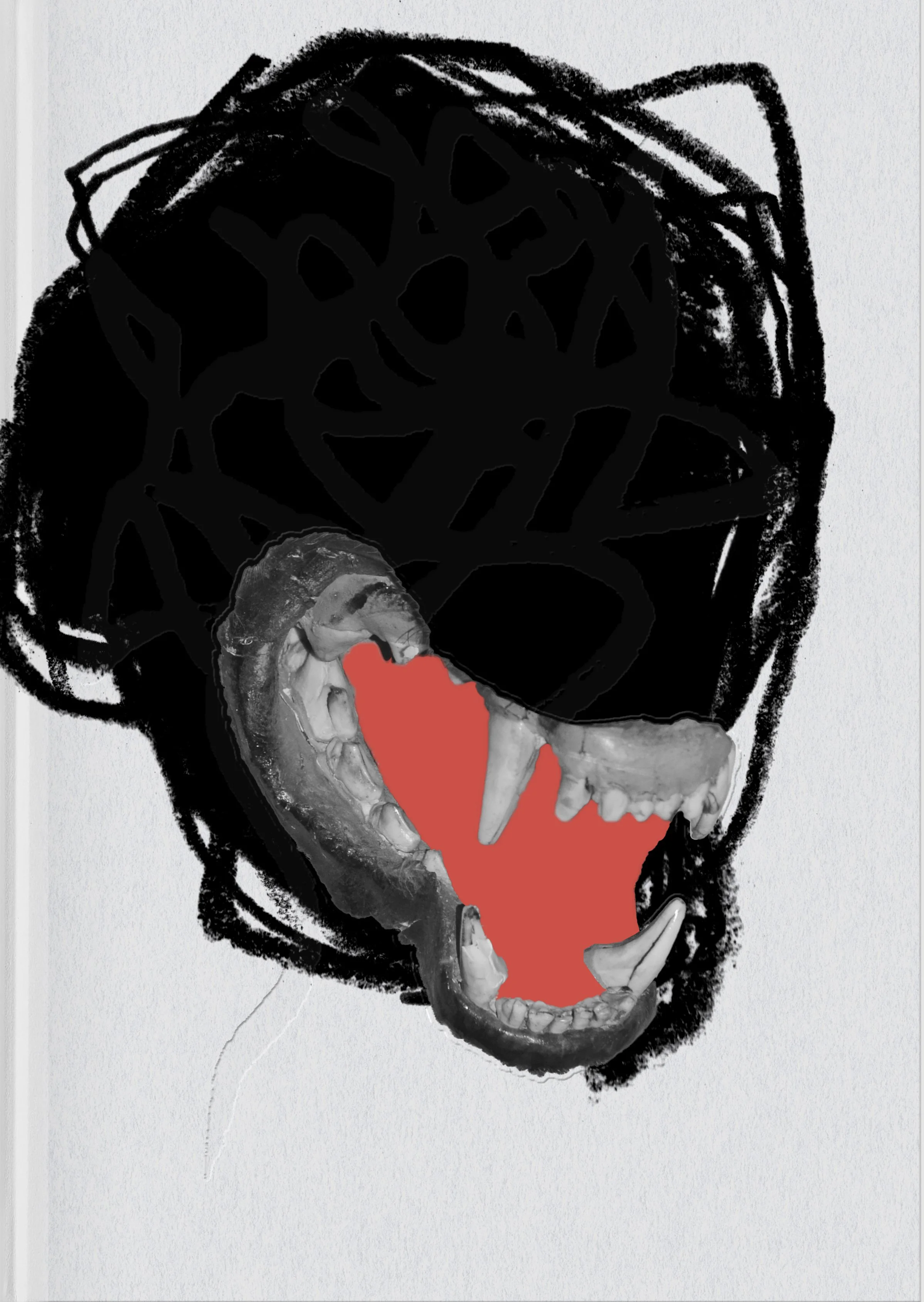
Project genesis: "Gut Feeling" grew directly out of your arrest in June 2024 and the months of detention and house arrest that followed. When did you first understand that what was happening to you could become a photobook project?
Initially, I wasn't thinking about a book at all. My focus was entirely on the core of the project, its concept, and the immediate reality of my arrest. It was vital for me to express, as fully and deeply as possible, the traumatic experience I was going through: the arrest, the detention center, the house arrest. It was a devastating event that split my life into a definitive "before" and "after". Living as I had before became impossible.
While in detention, my mind was occupied with one question: how do I express what I am feeling? How do I translate this internal state into the language of metaphors and comparisons with animals?
The idea of a book emerged later, simply because the book format is very close to my heart. I love photobooks, and I naturally gravitate toward seeing my projects culminated in a physical, tangible form. So, as the project began to take shape and find its structure, I quickly realized that this story had to exist as a book.
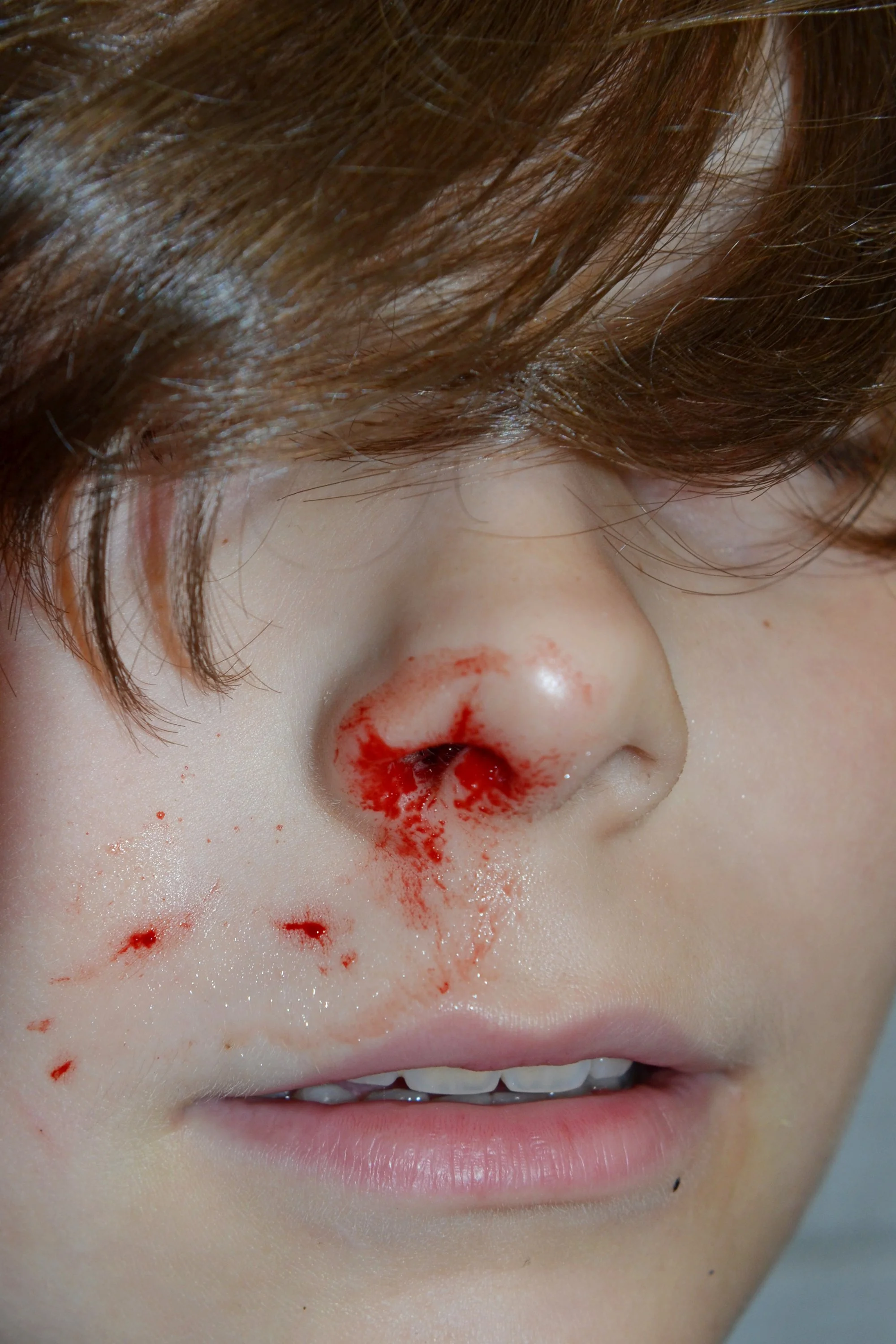
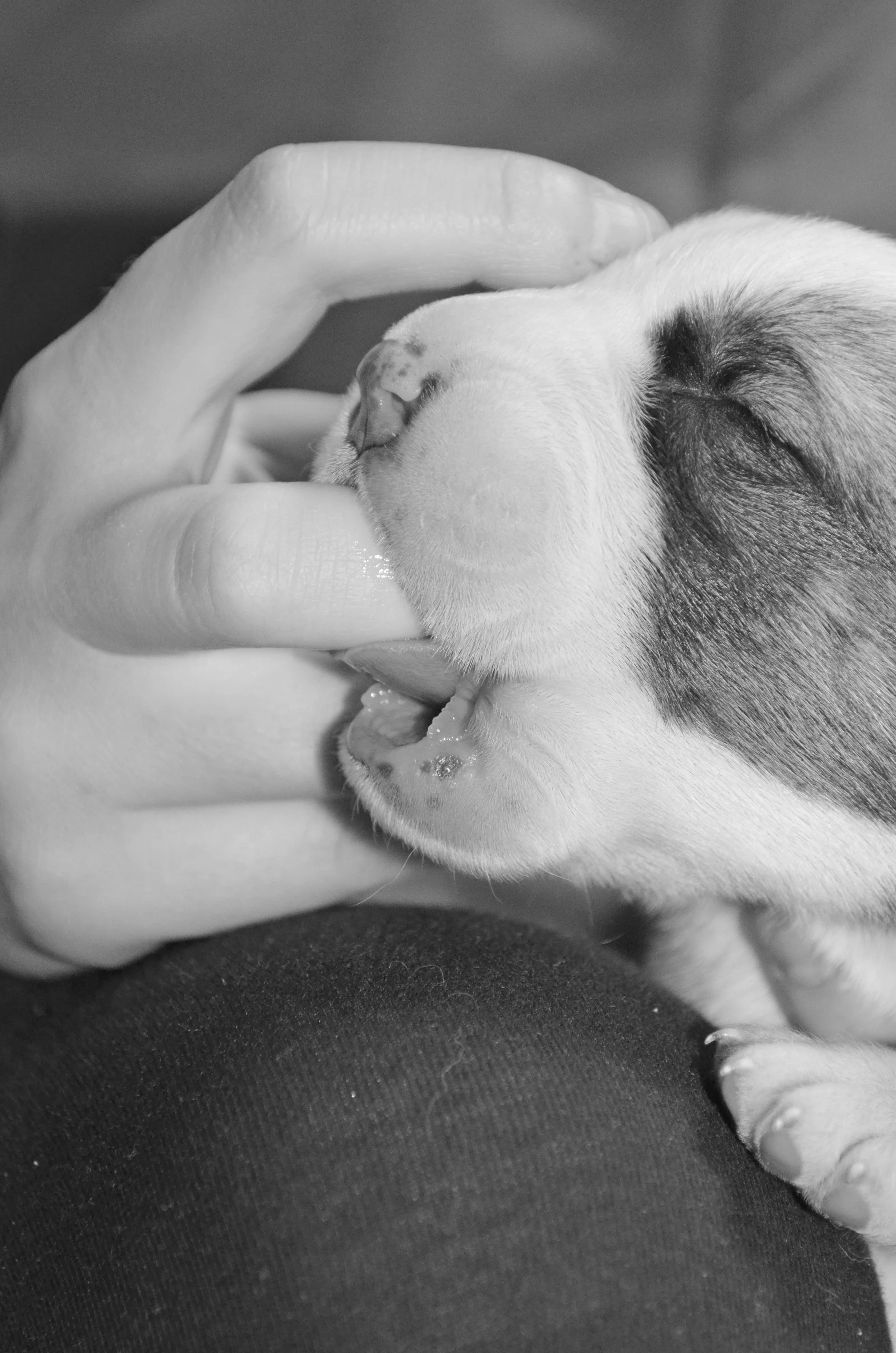
The cage as an image: The book uses the cage as both a literal and a symbolic idea, and you write about sitting in a dog crate as a child because your mother was a breeder. How did that early memory change the way you approached photographing captivity?
As a child, I actually loved sitting inside the dog crates. I vividly remember my mother's words: "Dogs love their cages." She explained that to a dog, a crate feels like their own safe, cozy little home. But if you think about it, humans live the exact same way in their apartments. An apartment is just a cage, but for a human.
The metaphor of the cage is everywhere. The core idea I wanted to express in this project is that captivity manifests in every aspect of our lives, and quite often, we are the ones who build these cages for ourselves.
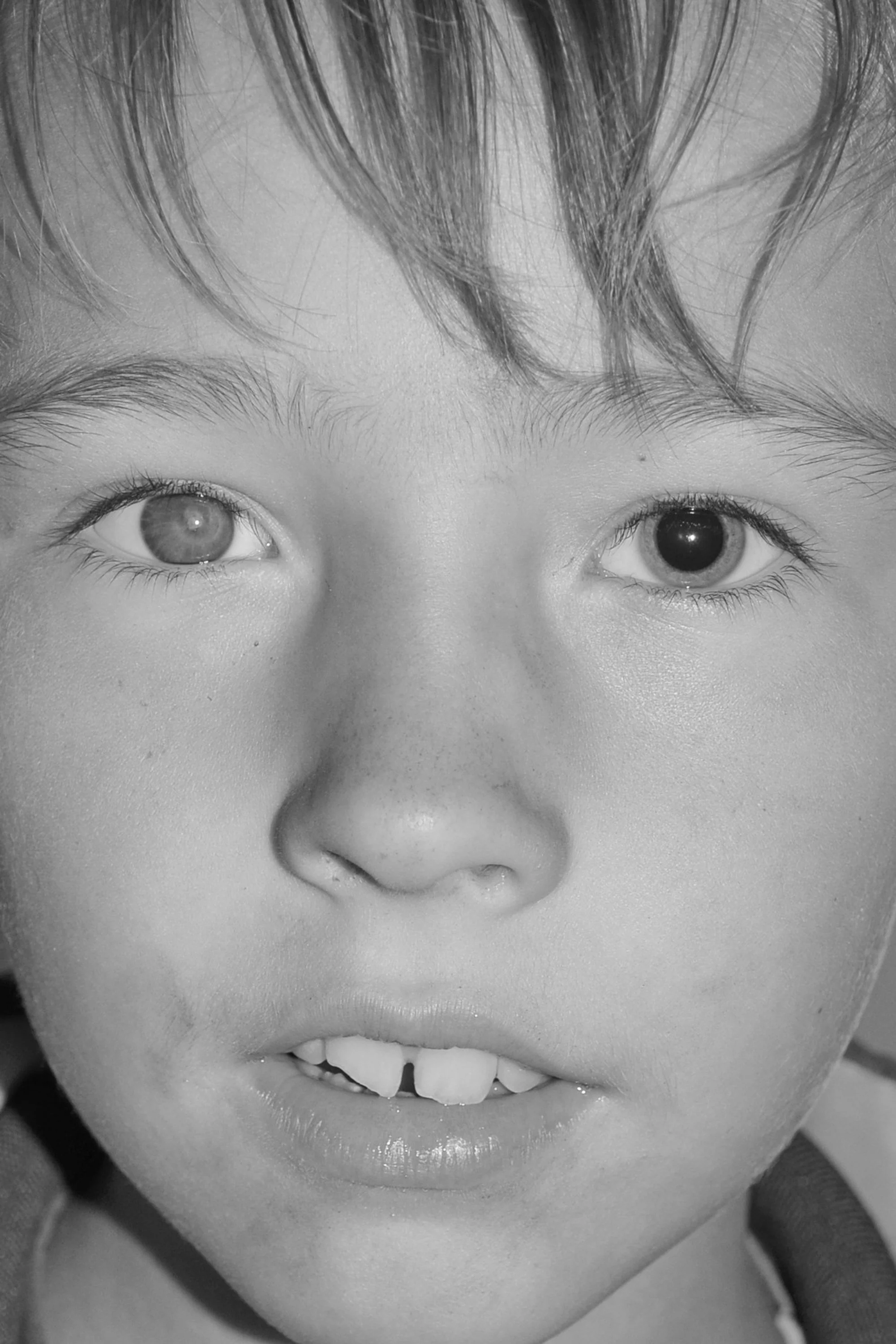
Growing up surrounded by dogs profoundly shaped my personality. As a child, I communicated far more with animals than with other children. Consequently, my socialization at school suffered greatly; I became a victim of bullying and found it incredibly difficult to connect with my classmates. This led me to withdraw into myself and seek refuge in literature. That early experience of isolation shaped my worldview, and it is precisely from this perspective that I approach the themes of captivity and control in my photography.
Visual language: Making photographs about control and confinement is different from documenting the physical spaces themselves. What did you photograph, and what did you leave out?
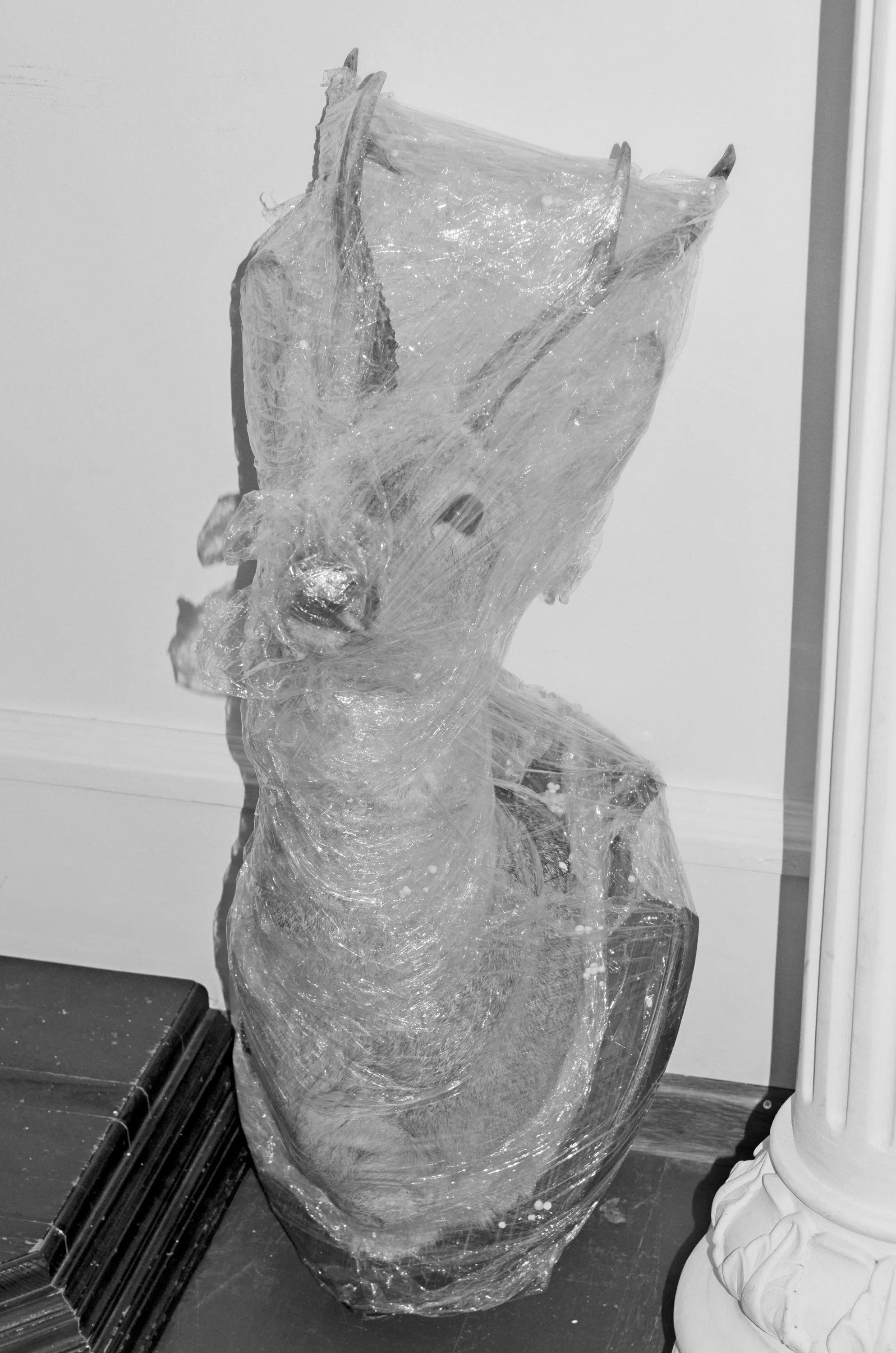
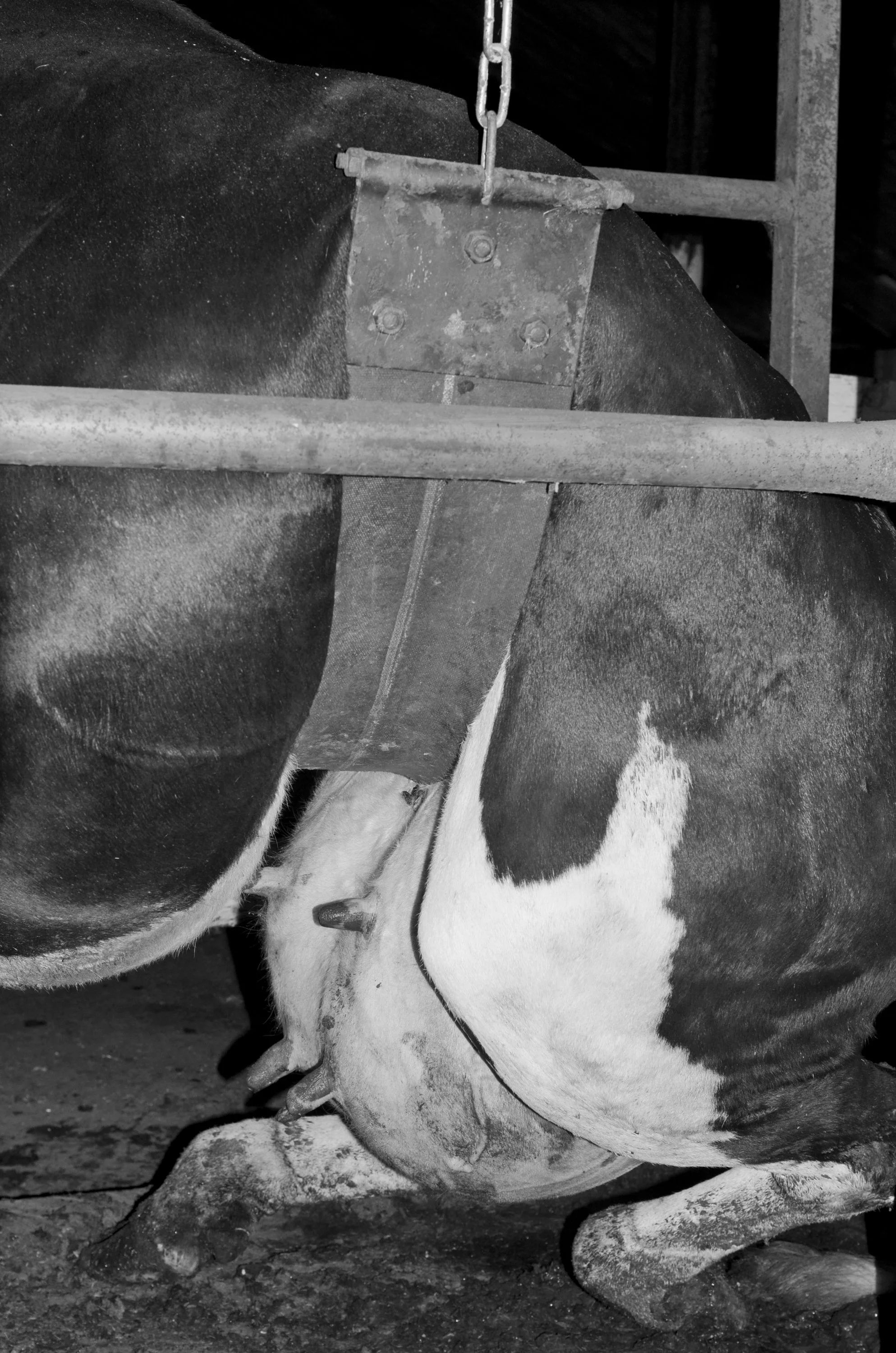
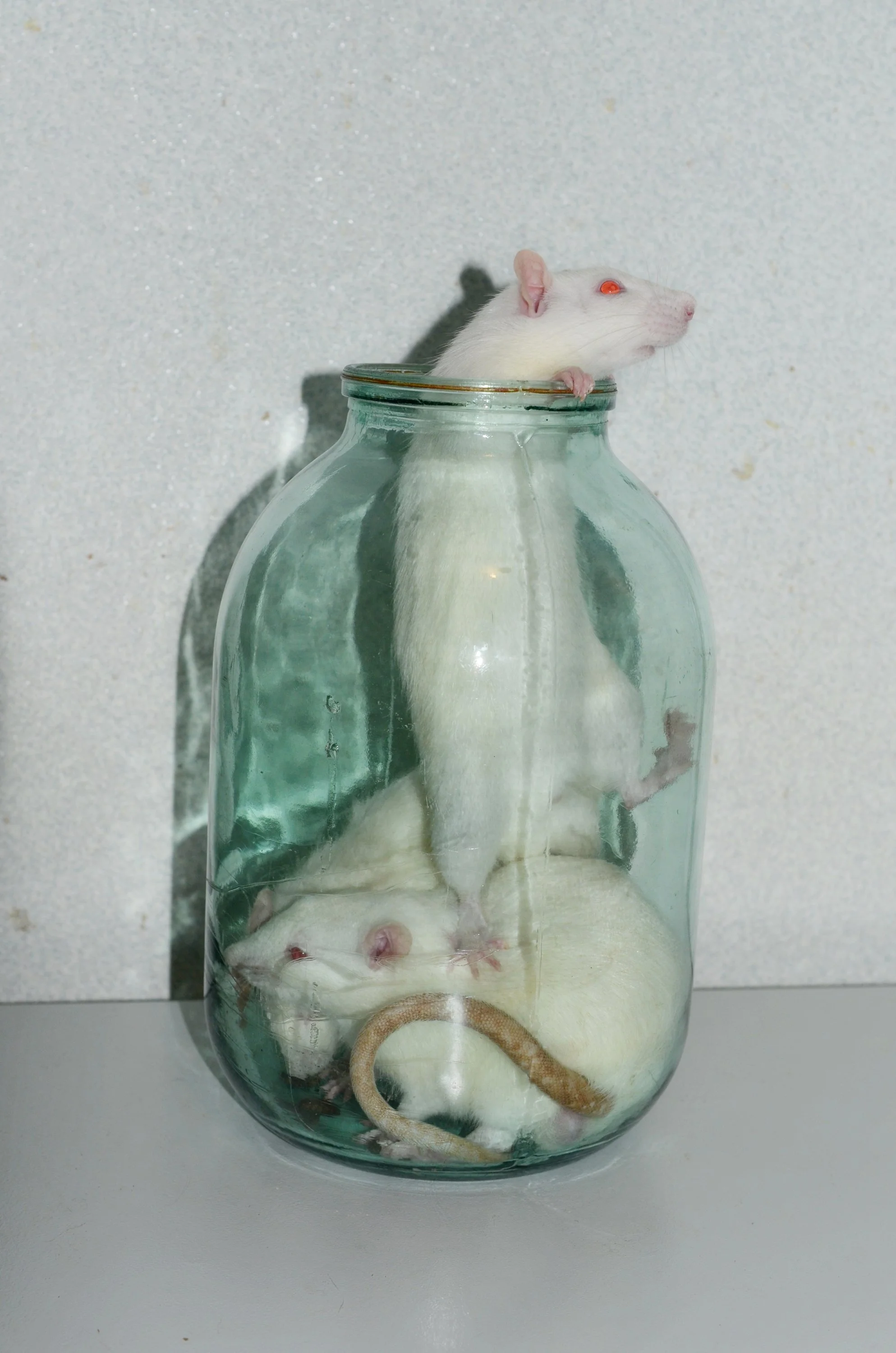
When it came to the visual language, I relied entirely on intuition. I moved by touch, seeking out spaces where I could find an internal resonance. I felt an irresistible pull toward industrial farms because I physically felt like one of those animals from which the system drains every resource. I visited hunting estates because I felt like a trophy, a piece of prey in the hands of the state. I wandered through museums and laboratories, observed rats in shelters, and met snake owners to watch how a predator consumes its prey; it was vital for me to map myself onto these scenarios.
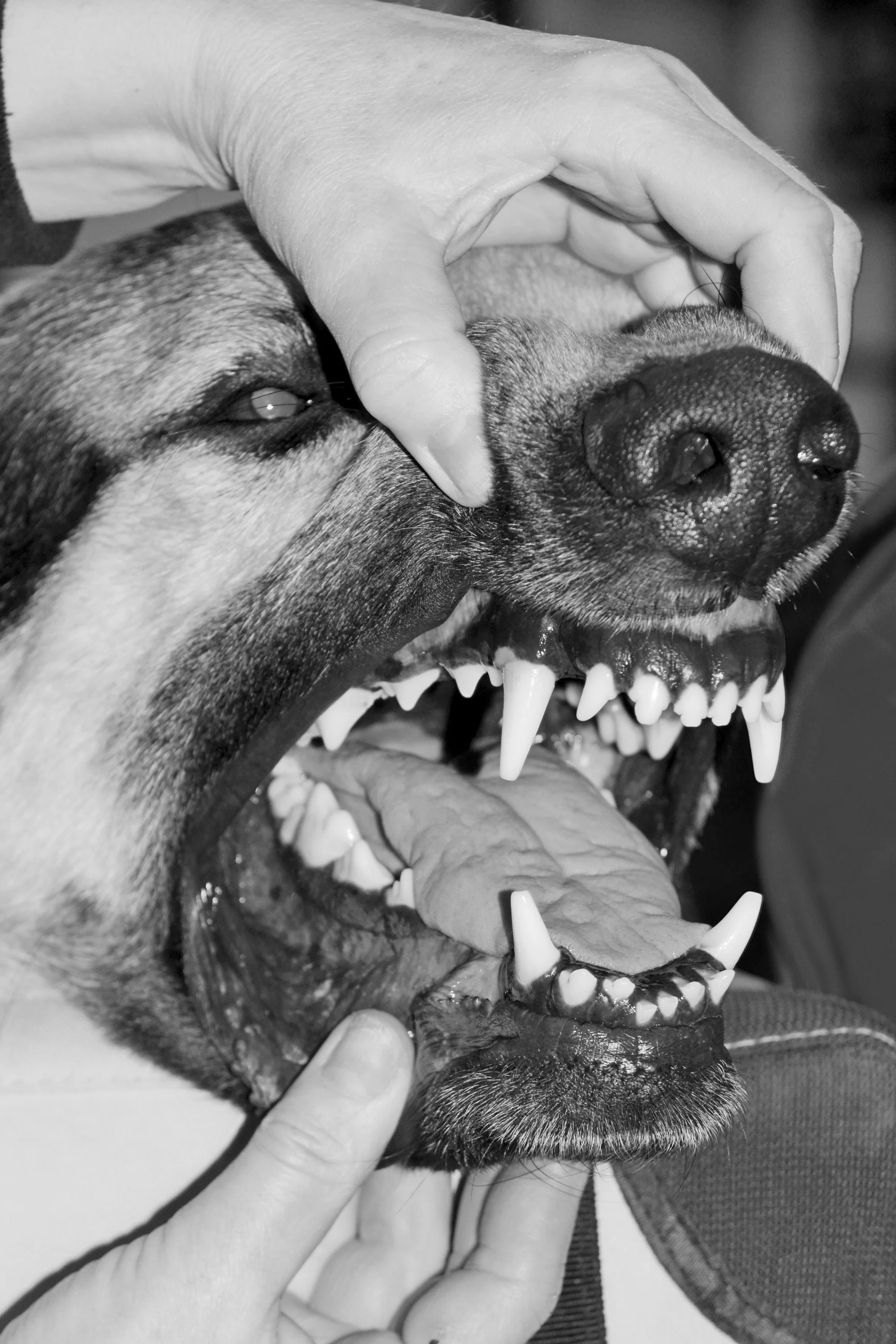
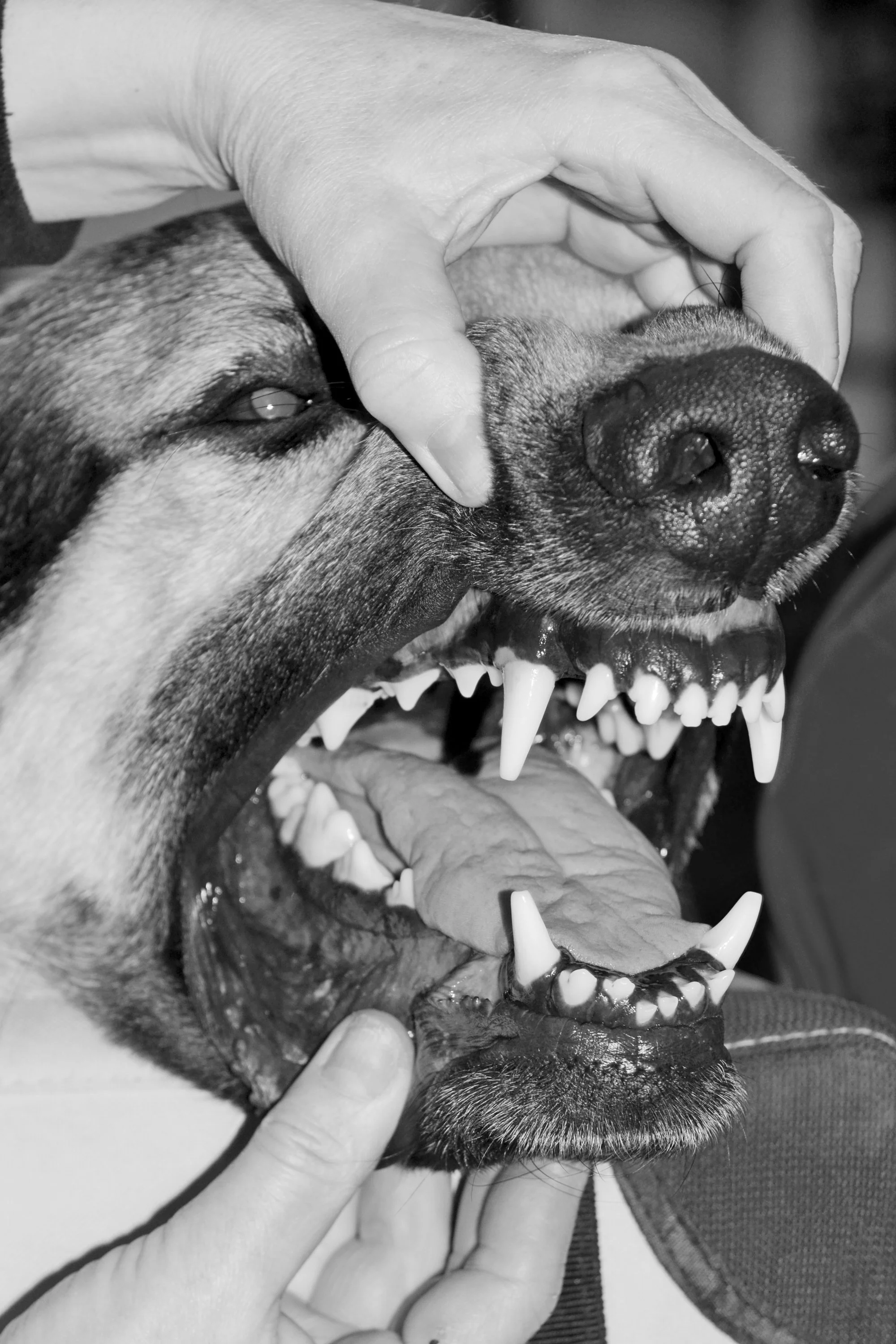
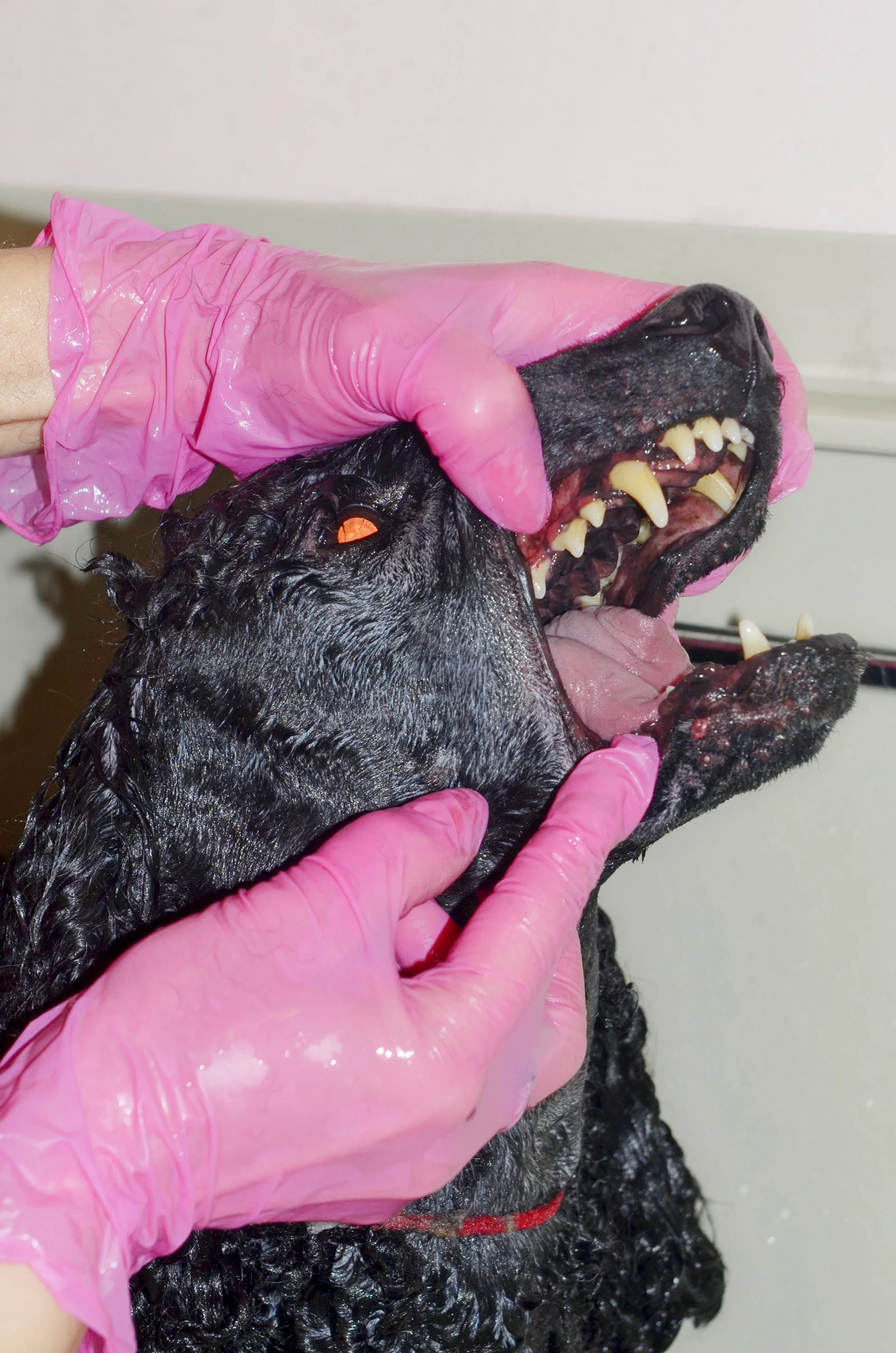
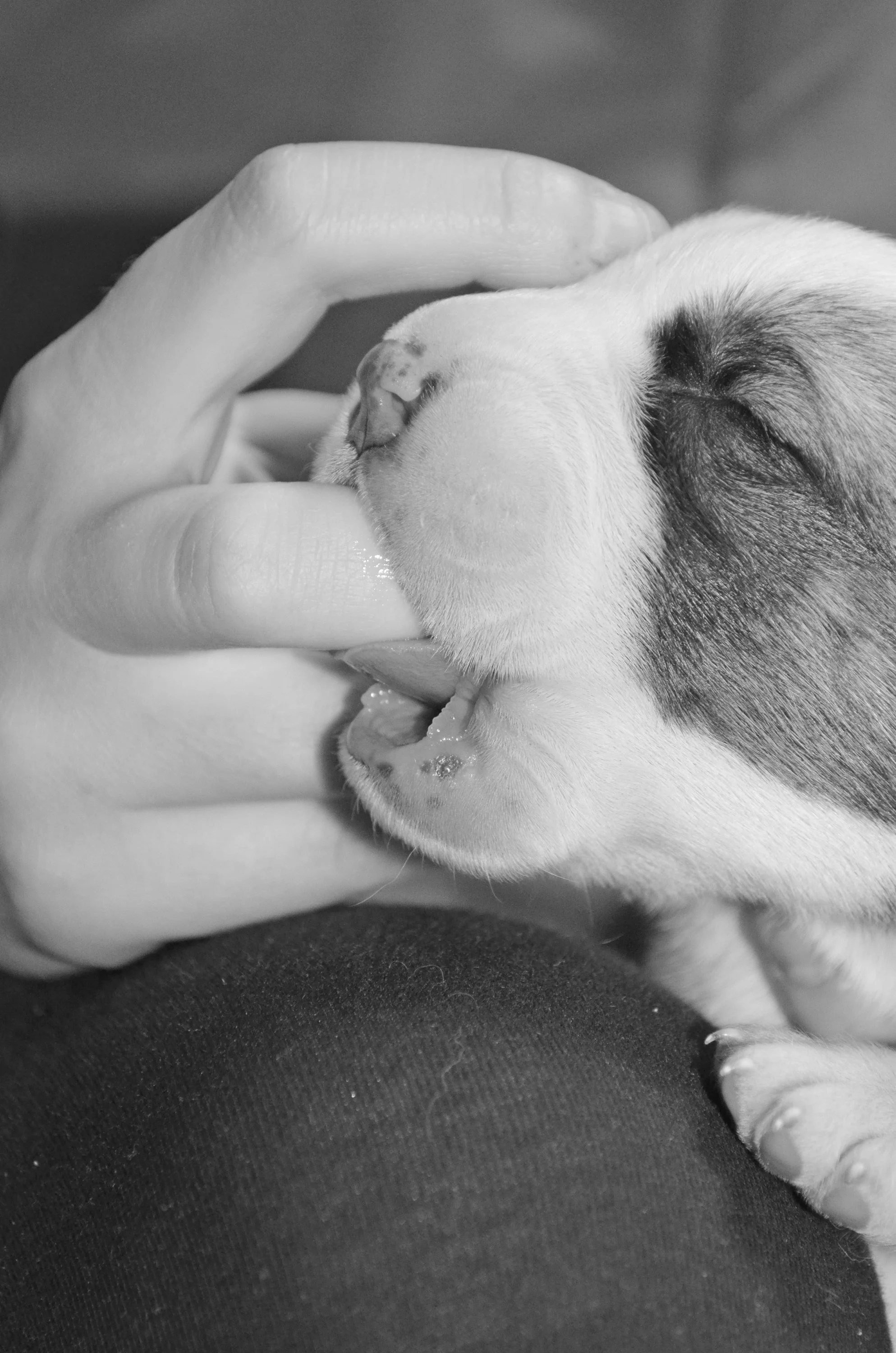
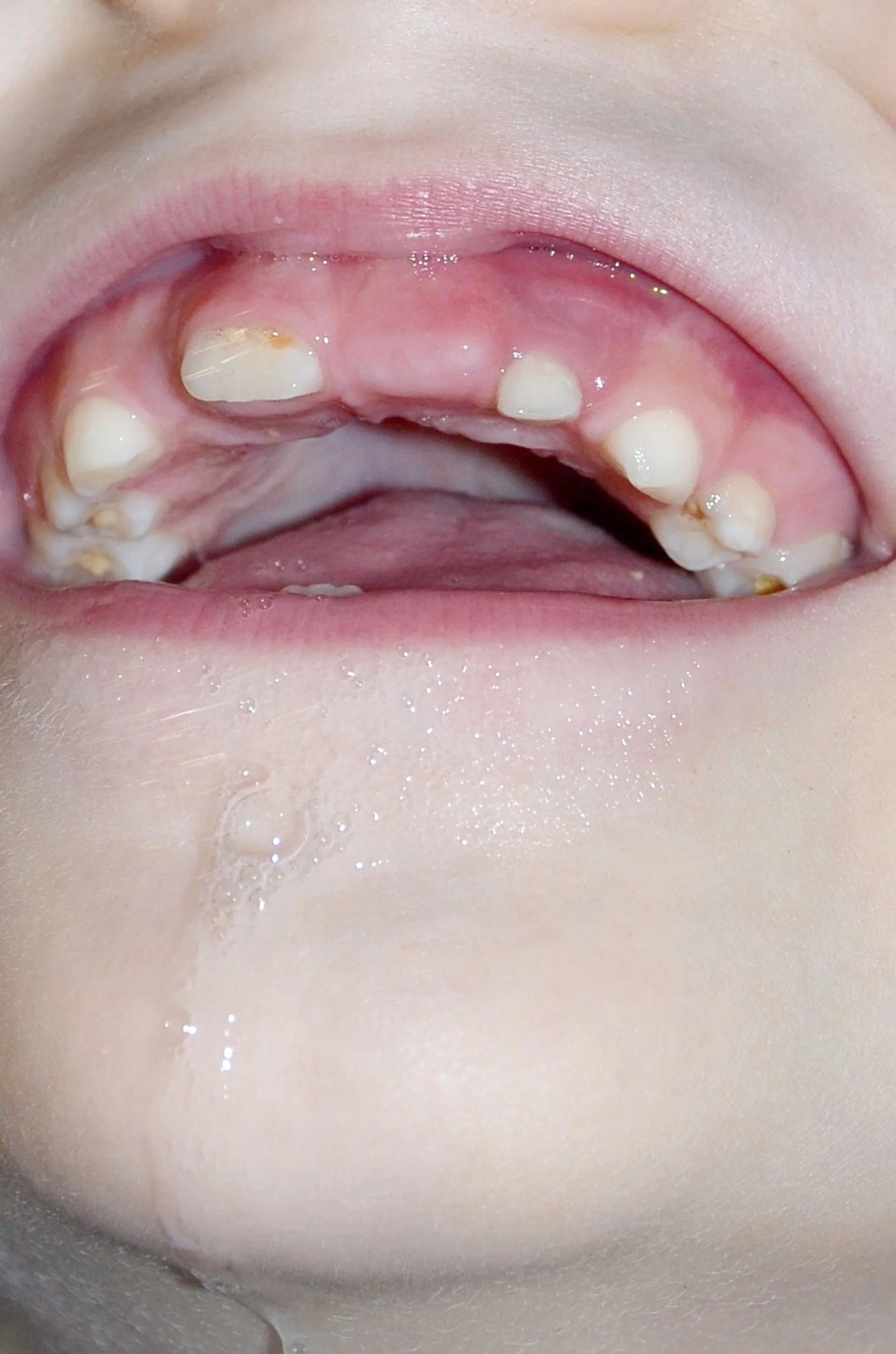
Dog shows, which I knew so well from my childhood, became another key imagery. The gesture of a handler forcing a dog's jaws open to show its teeth to the judges has always struck me as a pure act of human dominance over a living being. In that gesture, the dog is exposed, stripped of its wild, chemical nature, and reduced to an object of control.
I wasn't photographing the literal walls of the detention center or physical cages; instead, I photographed the situations, images, and gestures in the outside world where this "cage" and this sense of control manifested on an intuitive, symbolic level. I left out literal documentation, choosing instead the metaphor of shared captivity.
Animals as participants: When using the suffering or captivity of animals as a metaphor for your own experience, how did you avoid reducing the animals to symbols within a human political story?
Ultimately, whether I succeeded or not is for the viewers, critics, and readers to decide. But from my perspective, this was never an academic exercise or research just for the sake of research. I didn't just study this topic; I deeply lived through it.
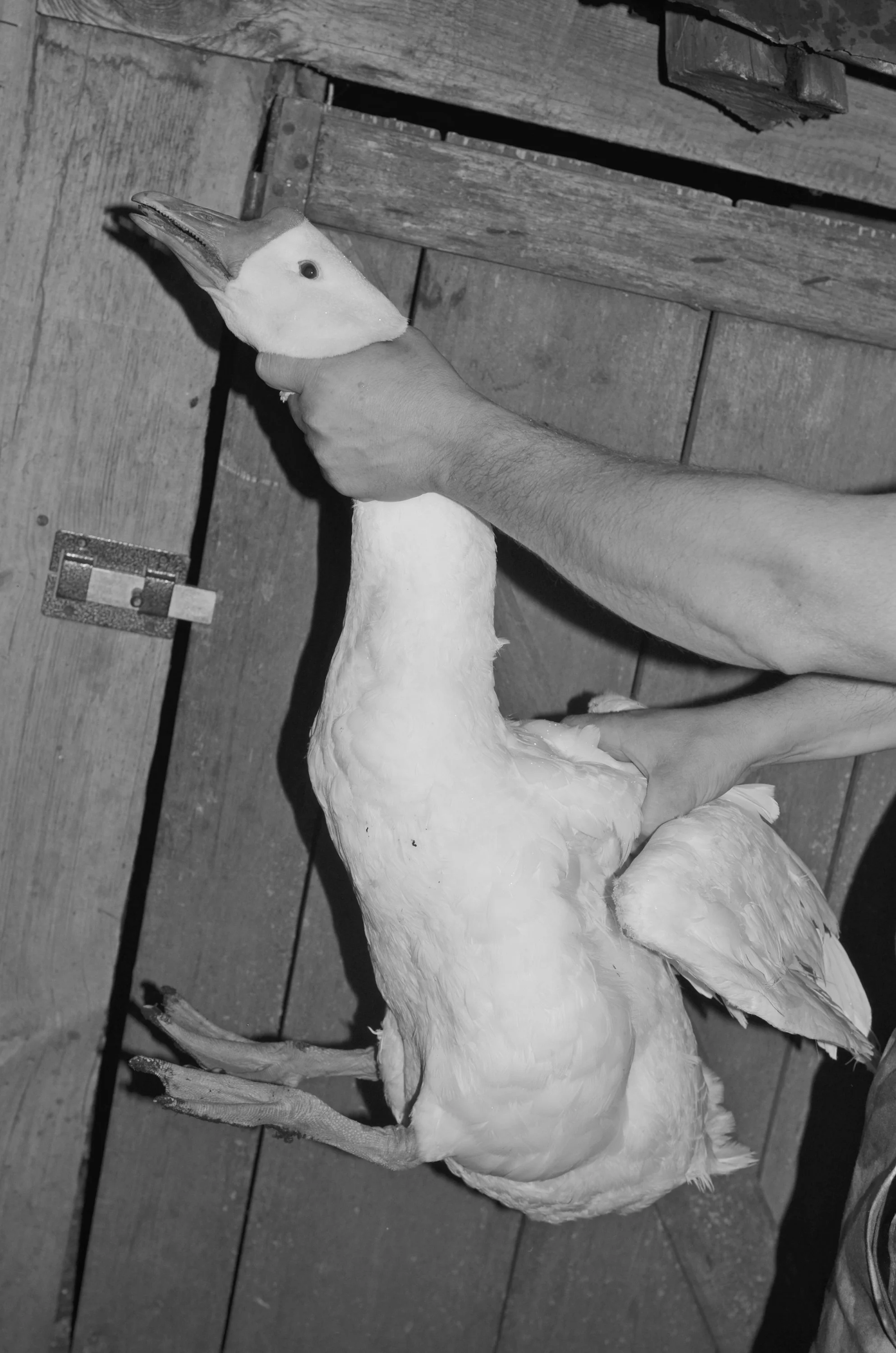
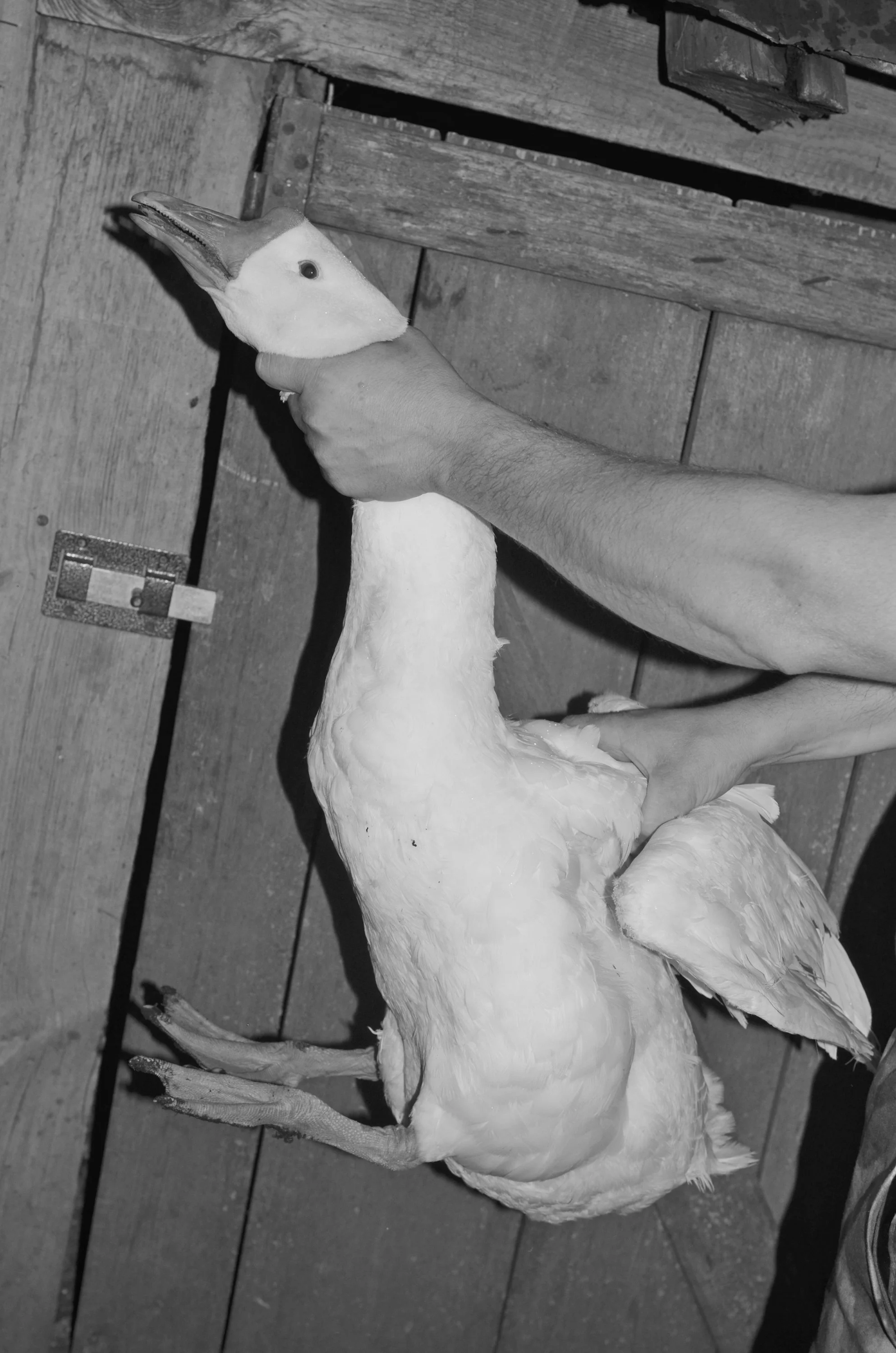
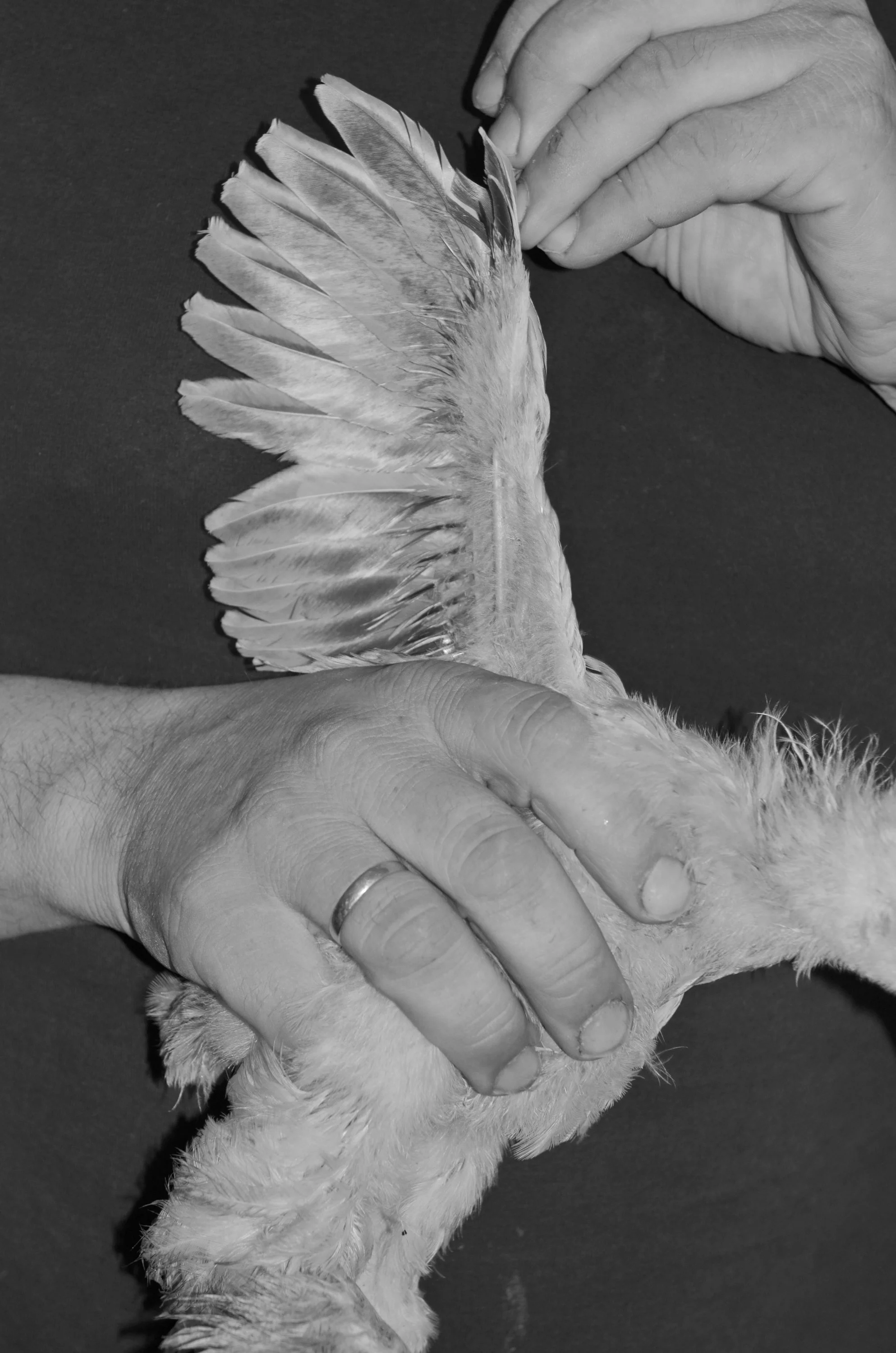
There was almost an element of Stockholm syndrome in how I approached it. I was genuinely drawn to experiencing this reality firsthand: studying the mechanics of traps, trying to understand the logic of hunters, and witnessing daily, routine processes. Millions of deaths happen every single day for human consumption, becoming almost an invisible routine. I tried to look into these everyday moments and find a quiet beauty, a sense of ritual, and sacrifice within them.
When I witnessed the rabbit slaughter, for instance, it moved me profoundly. The rabbit was hung by its hind legs, which instantly brought to mind The Hanged Man Tarot card, an archetype I've always been drawn to, as well as religious motifs and the sacrifice of Christ. In that image, I also saw myself.
Because my engagement wasn't detached or symbolic, but rather a deeply personal and almost spiritual immersion, the animals could never become mere abstract tools. They were equal participants in a shared experience of vulnerability and sacrifice.
Sequencing: The book moves between very different territories, including personal memory, industrial farms, and research into BDSM practices. How did you decide the order those images would appear in?
The sequencing and layout of the book were handled by the designer and the publisher, not by me, but I generally agree with their vision. In my project itself, different subjects and themes, sometimes even opposite or conflicting ones, come together. I like to sometimes combine things that seem incompatible or contradictory.
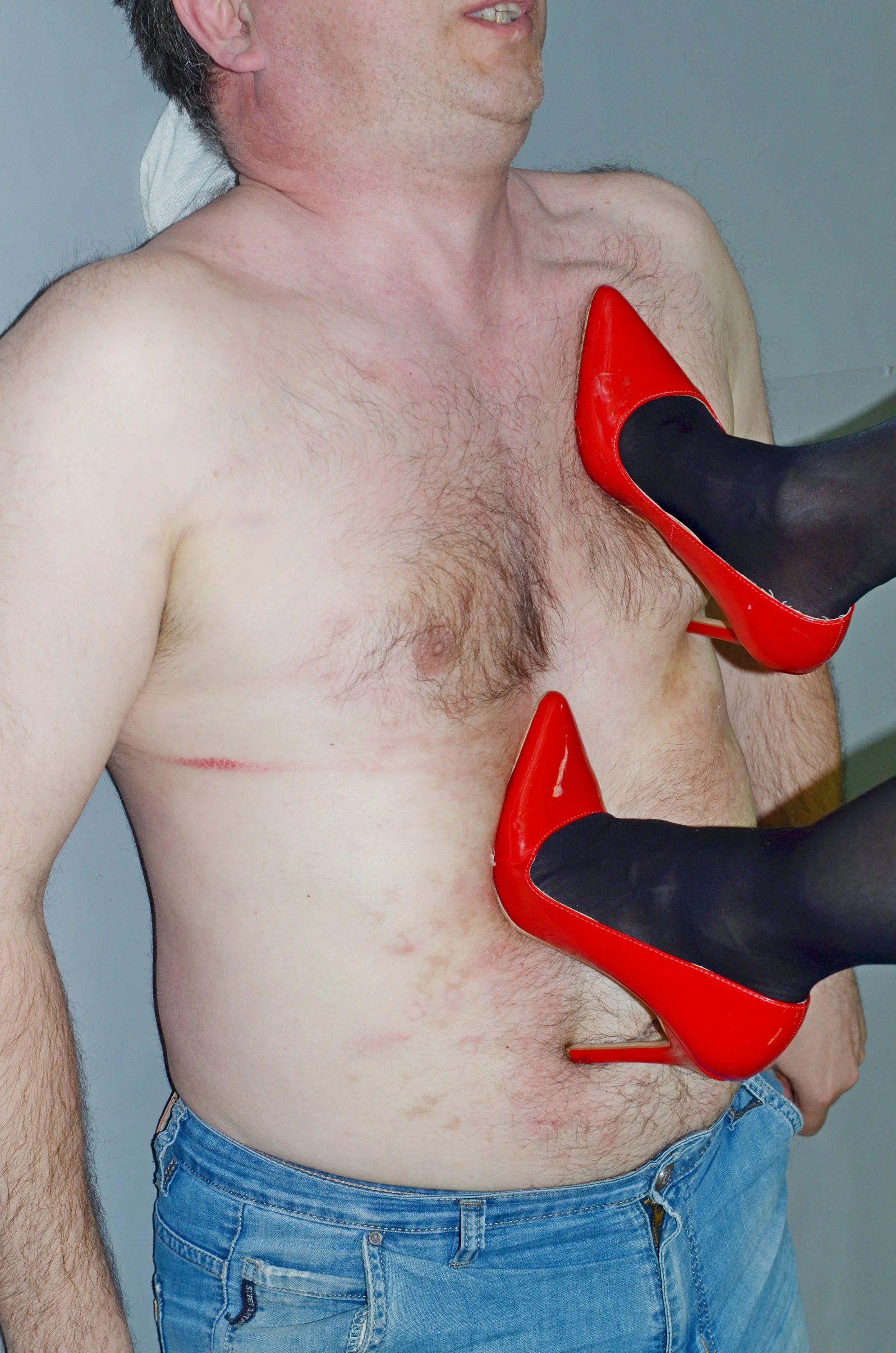
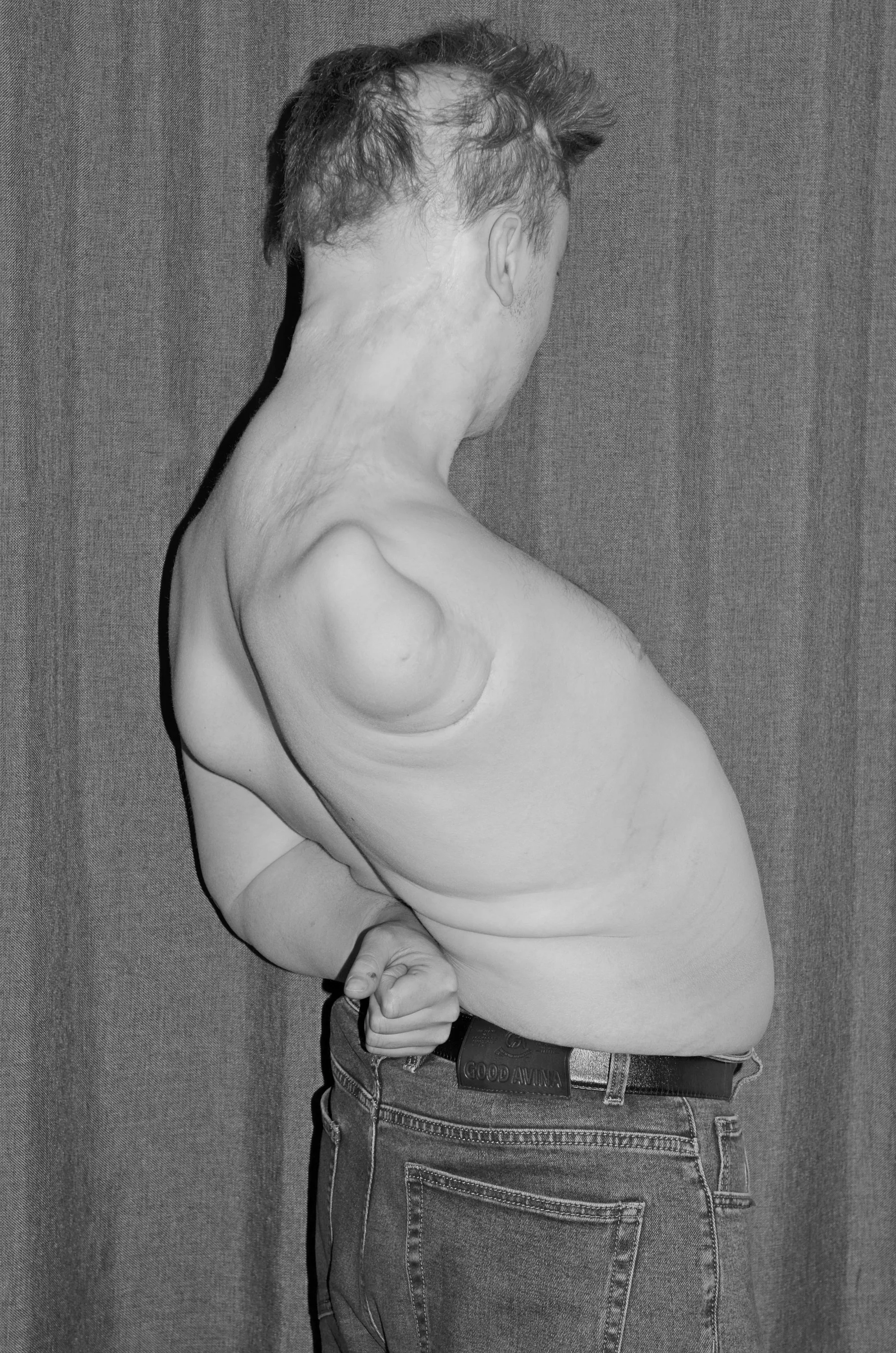
As for personal memory, my childhood recollections, farms, and BDSM practices: it is simply a dialectical movement from the particular to the general, and vice versa. Starting from a personal, subjective experience and the feeling of being an animal, we move toward a larger scale, such as the issue of animals on industrial farms and the exploitation of animals by humans in general. From there, we transition to even larger, more abstract concepts, like political violence, totalitarianism, and repression.
I think it is completely natural in art to move from the particular to the general, and then return to personal experience through these broader political issues. It is simply that kind of movement.
The designer's role: Can you describe one important change the designer or publisher made to the sequence that revealed a relationship between images you had not previously seen?
It's hard to isolate just one specific moment, but I was really interested in seeing the perspective of the designer and publisher, whom I trust completely. One sequence I loved comes toward the end of the book, where a collage appears; it starts with just a few images, then grows and expands until they almost blend together. It adds a powerful layer of tension right before the final pages.
I really appreciated that they didn't try to spare the viewer or ease the pressure. My idea was not to protect the viewer, but to create a space that allows them to feel what I experienced and what animals go through day after day. That harshness remained intact, and I loved that.
Rhythm is incredibly important in a photobook. For me, a photobook isn't just a collection of striking or provocative shots; I see it like music or a film, with its own composition and system. It was crucial that my vision for this project was expressed as fully as possible, without being softened, and I think everything turned out great.
Image pairings: The book repeatedly pairs human bodies with animals, restraint, feeding, injury, and control. What made two images belong together, and what made a pairing feel too obvious?
While the actual pairing of images on the spreads was done by the designer, we shared the same intuitive understanding of where that boundary lies. I think every artist and designer feels what is too literal or on the nose.
It comes down to finding a delicate balance. In any work of art, it's crucial to leave a certain nuance, a gap, or "white space" that allows the viewer to think, interpret, and connect the dots for themselves, rather than having everything chewed up and handed to them on a plate. Different people draw this line in different places; some feel the need to explain a lot, while others prefer to explain nothing. For me, maintaining that balance was essential: ensuring the connection was present, but leaving enough room for mystery and individual reflection.
Expanding the research: After your time in detention, you visited industrial farms where animals are kept in pens. What did seeing that environment teach you about how to photograph the project?
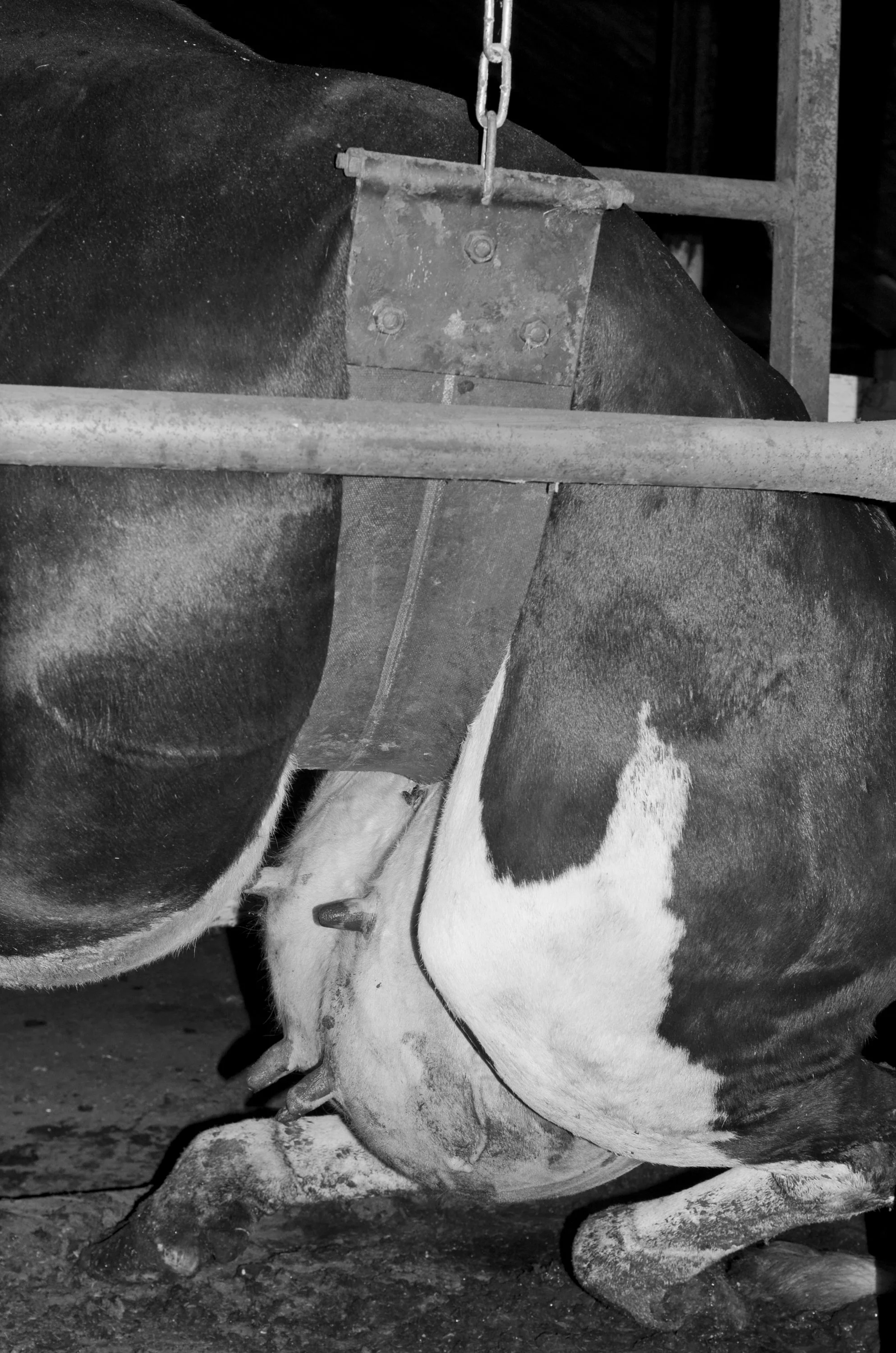
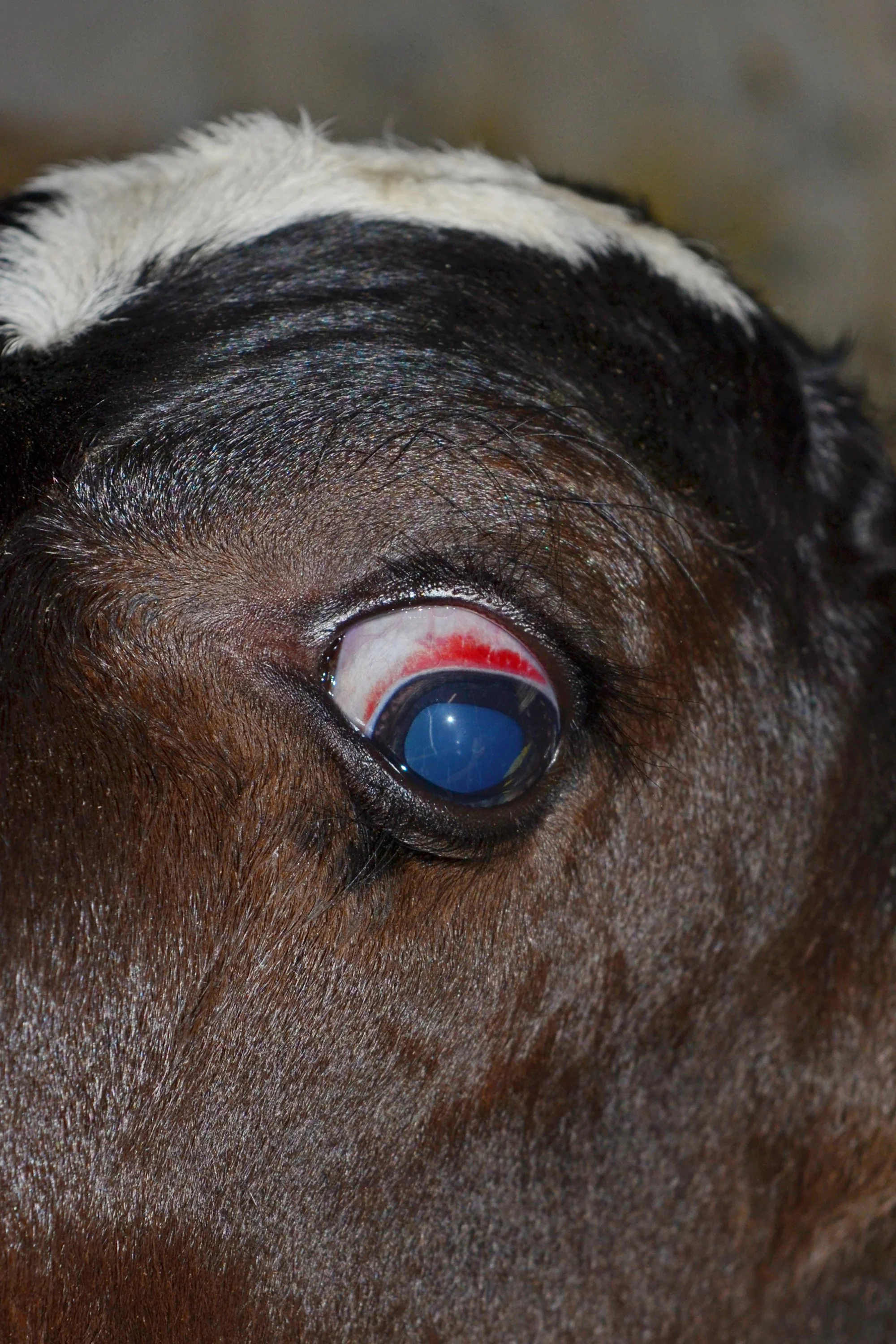
Actually, the farms inspired me immensely. I didn't expect to be so deeply mesmerized by observing them. There was so much of interest there, even just those industrial sounds, the roar of machinery, the cries of the animals, the smells, and the very layout of these environments. Lately, I've become quite fascinated by zoology; I've started reading up on various terms from zoology and veterinary medicine. I am even thinking of developing this theme further and diving much deeper into the subject of animals in my next project.
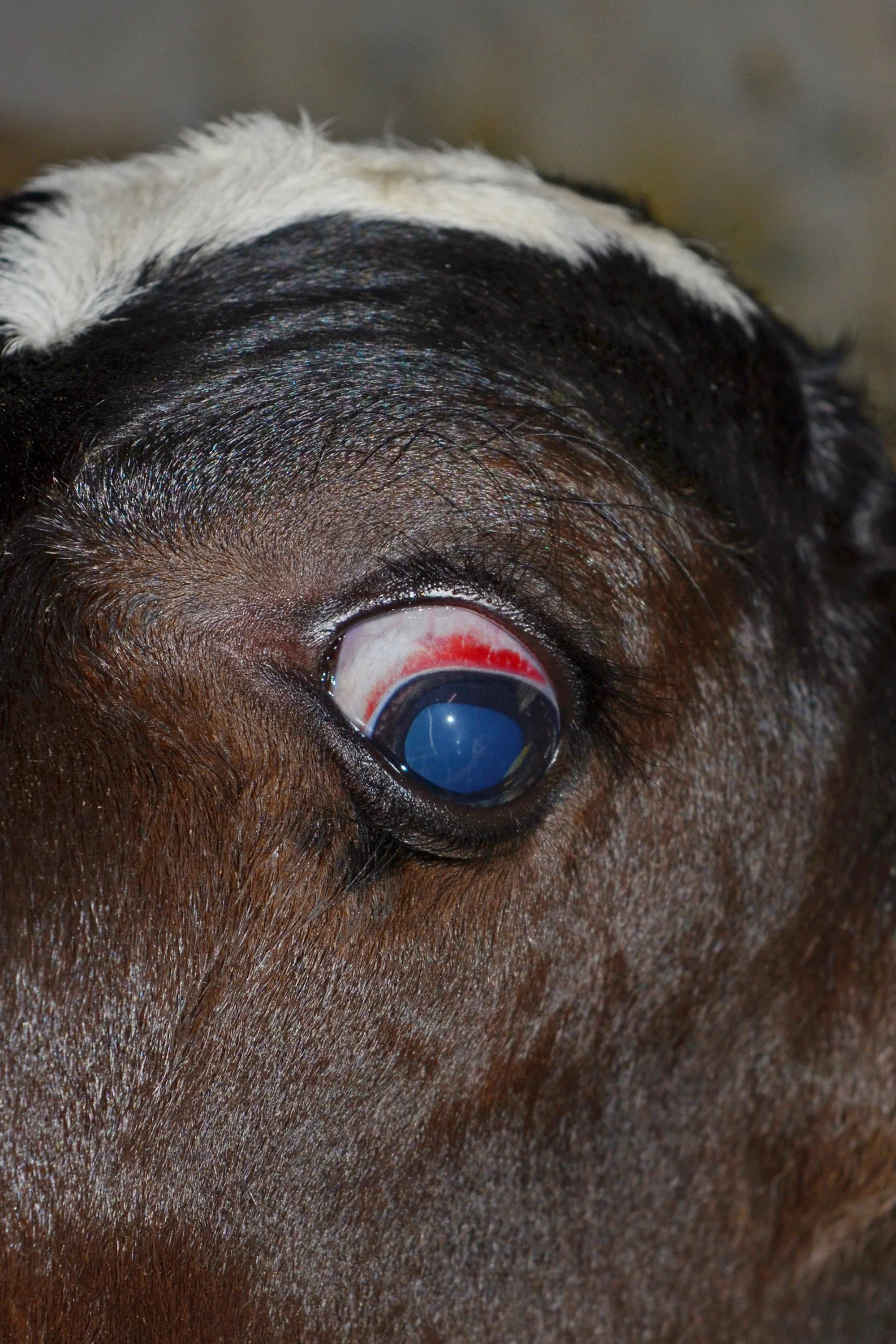
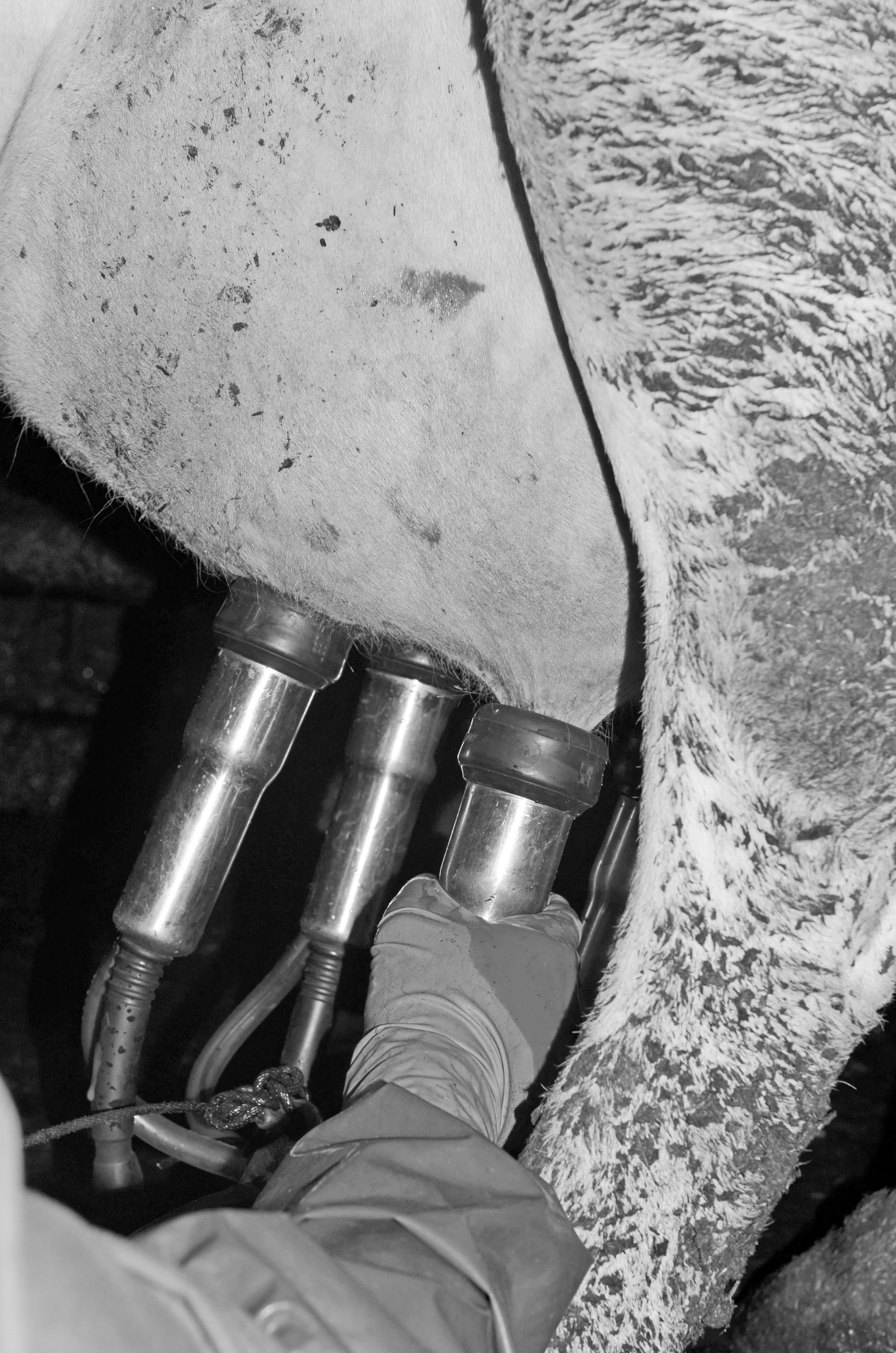
Besides mapping my own experience of being confined within four walls onto the experience of these animals, I saw so many parallels with the daily routine in the detention center. In pre-trial detention, we weren't allowed to go for walks either, just like cows in a stall, having their milk drained for years until they are finally sent to the slaughterhouse. I saw a direct reflection of myself in that.
Another thing was the endless noise. In the detention center, it was always extremely, extremely loud. And there is this strange feeling of desperately wanting to break free, yet being physically unable to leave. It is something you cannot fully comprehend without having experienced it yourself, and the animals' experience resonates with mine on the deepest level.
Borrowing from other disciplines: You reference Michel Foucault's ideas about how power spreads beyond physical limits. How does a philosophical framework like that actually shape the way you make pictures?
I have a background in philosophy; I spent five years studying at the faculty of philosophy, and it would be hard to deny that this education has influenced my practice. However, it is quite difficult for me to pinpoint exactly how that influence manifests. It is just as difficult as trying to calculate how your childhood, your school, your parents, or specific life events affect your art.
I believe that a philosophical education and familiarity with various concepts, authors, and theories provide me with a strong foundation, including a conceptual framework for reflection and drawing parallels. It enables me to think on an abstract level. For instance, it allows me to enter an animal space and see the political, aesthetic, and social dimensions within it. And vice versa: to look at the social world and uncover the animal nature within it.
The shift in your work: Your earlier book "The Bliss of Girlhood" is described as tender and almost dreamlike. "Gut Feeling" is raw and confrontational. Did you need to change how you work technically, or only what you chose to photograph?
I think my projects are in many ways similar, as they all stem from my personality and lie within the scope of my interests. At the same time, there is certainly a contrast. My projects can be viewed as large chapters of a single book, or like movies, because natural personal growth is constantly happening within me.
"The Bliss of Girlhood" was created during a very difficult period and reflects that heavy experience in my life. However, "The Bliss of Girlhood" is not that simple either; it cannot be labeled as merely tender and dreamlike. It documents the loss of that age, the transience and critical nature of life itself, the fleetingness of girlhood, as well as the hidden aggression and power dynamics within girls' games and relationships.
Likewise, "Gut Feeling" is not simply raw, harsh, and confrontational. For example, when I describe my childhood, how my mother breastfed a bull terrier puppy, or when I talk about the cage as a safe, comforting space, there is a lot of tenderness in these animal metaphors as well. That is how I would view both projects.
Technical approach: Did Gut Feeling require you to change anything practical about how you photographed, such as your use of flash, distance, staging, colour, or the way you directed people?
No, it didn't require any technical changes. To be completely honest, I work very intuitively rather than technically; I don't even like focusing too much on the technical side of the camera. Most of the process happens organically and quickly, driven purely by instinct and where my intuition pulls me.
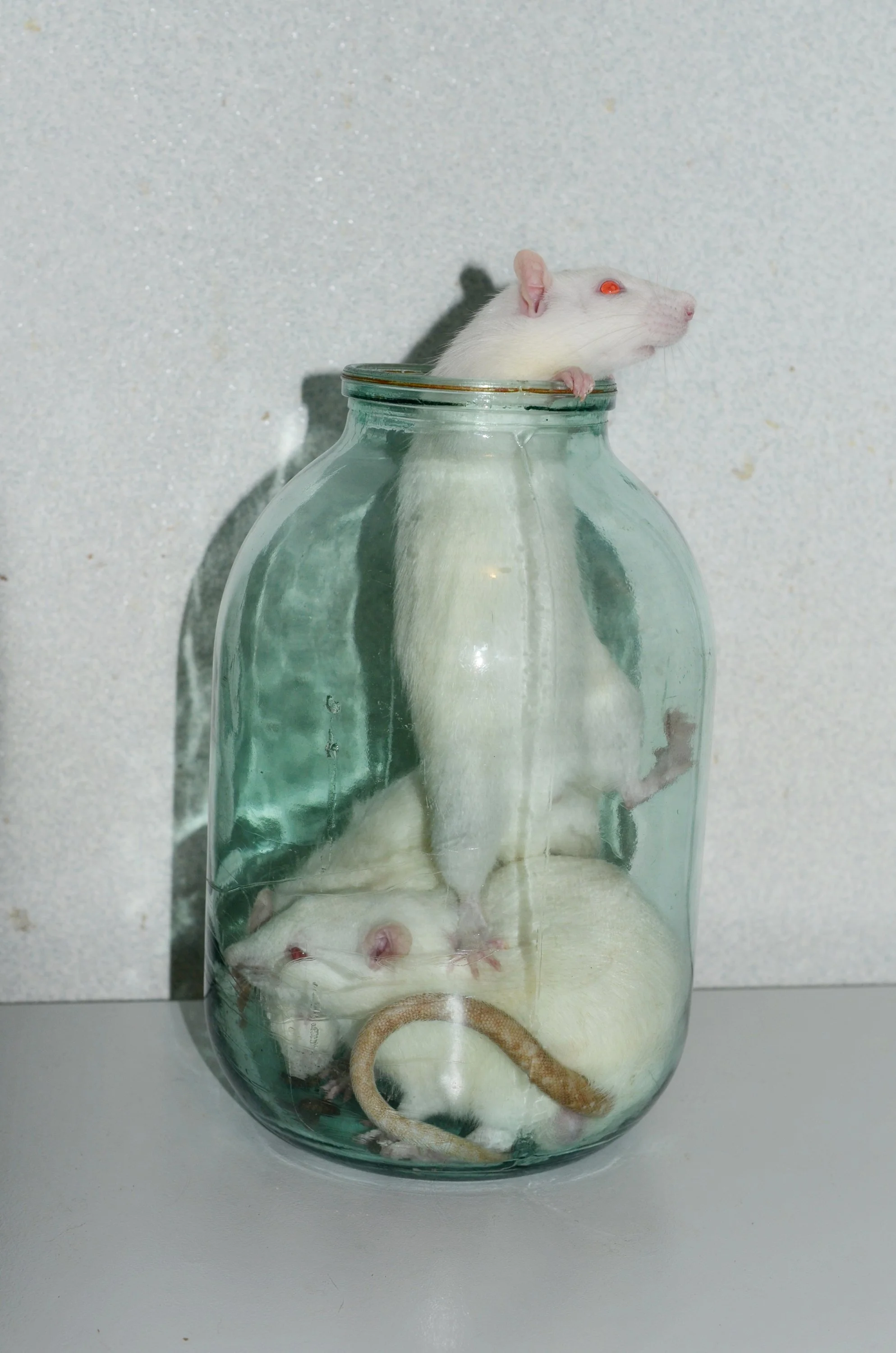
There was very little deliberate staging, as I couldn't orchestrate events like a slaughter or force animals into situations. Most shots were captured spontaneously as things unfolded. There were only a few exceptions where I staged a scene, like visiting a sanctuary for rescued laboratory rats, where they placed several rats together for me to photograph.
For the most part, my approach was simply about putting myself in the right place at the right time. I connected with veterinarians, farmers, hunters, and snake owners; for example, I visited a snake keeper during feeding time while he fed his snakes live mice he had raised himself. Beyond that, I spent a lot of time visiting biological, medical, and military museums, searching for elements that resonated with my theme. Everything was created through that direct, intuitive engagement with reality.
Working under pressure:You were under criminal prosecution with monthly court hearings while making this book. How does that kind of ongoing fear affect the practical decisions you make as a photographer?
Yes, while working on the book, I was under criminal prosecution. My court hearings took place monthly, and sometimes even every two weeks. This persistent fear affected absolutely everything. I shot the entire project in a state of severe stress, dread, and under a constantly looming threat. My biggest fear was that while this criminal case was ongoing, they would "tack on" another, new charge. This is a common practice in Russia today: while a person is on trial for one offense, they dig up new charges because you are already under the watchful eye of pro-government conservative activists who actively monitor your social media. For the past two years, my Instagram account remained strictly private. With the LGBT movement now banned in Russia, I was incredibly anxious that they might somehow try to twist my work and pull that charge on me as well.
While working on "Gut Feeling" and searching for subjects (visiting farms, hunting grounds, trying to gain access to these closed environments), I was terrified that people there would find out I was a political prisoner. I worried it would ruin my work and that I would lose access completely. I introduced myself simply as an artist working with photography and tried to never mention my criminal case while in Russia, because when people know about such things, they can easily weaponize that information against you.
This tension and fear were constant companions until the moment I finally left the country. Once you've been put in prison, you never feel safe again. You live in perpetual fear, working "for the drawer" (in secret), managing all correspondences with extreme caution, and sharing your plans with utmost hesitation. In Russia today, phones are tapped, messages are monitored, and databases along with social media info are constantly leaked.
What carries forward:If someone reading this has never been arrested or faced state control, what do you think they can still take from "Gut Feeling" into their own practice?
I understand that not everyone has experienced arrest or faced state repression, but I believe my project is quite universal. The themes of power, the cage, the extraction of resources, the feeling of being a trophy or a subjugated animal, and navigating the roles of both predator and prey; these are feelings familiar to many. This is precisely why I approach this subject not only through my arrest, but also through BDSM practices, political power and pressure (which people in every country experience today), and my own childhood memories.
One does not need to be a political prisoner or face active repression to feel like an animal in a cage. People all over the world feel this pressure today. Great works of art are always broader than a single, specific topic, and for me, this project is also about the cages we build for ourselves.
While working on the project, I visited farms and spoke with very ordinary people: farmers, veterinarians, and factory workers. I explained the concept to them, the feeling of being in a cage, how we confine ourselves, without ever mentioning my criminal case or arrest. And every single one of them understood me perfectly. They grasped the core of it instantly because each of them feels that invisible cage in their own life. It was incredibly important for me to see that this theme resonates with people from absolutely all walks of life.
More photography books?
We'd love to read your comments below, sharing your thoughts and insights on the artist's work. Looking forward to welcoming you back for our next [book spotlight]. See you then!
Wesley Verhoeve photographs first and finds the story later. His Notice books began with learning to slow down during lockdown in Vancouver. Photography Book Spotlight