The Words in Atlas of Invisible Things Were Never Meant to Tell You What the Photographs Mean
Welcome to this edition of [book spotlight]. Today, we uncover the layers of 'Atlas of Invisible Things,' by Stephanie Duprie Routh (published by Kehrer Verlag). We'd love to read your comments below about these insights and ideas behind the artist's work.
A photograph can lose something when words explain it.
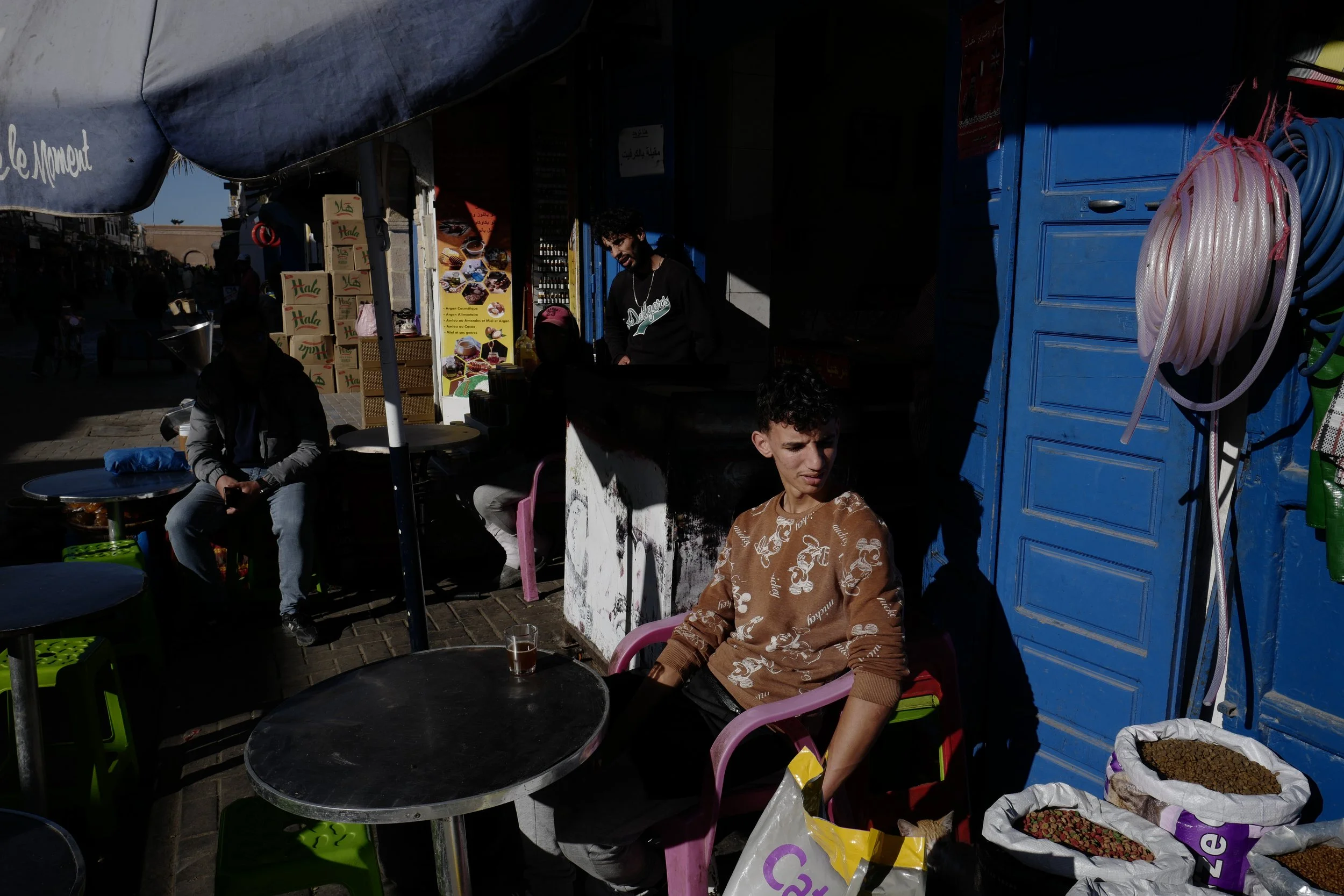
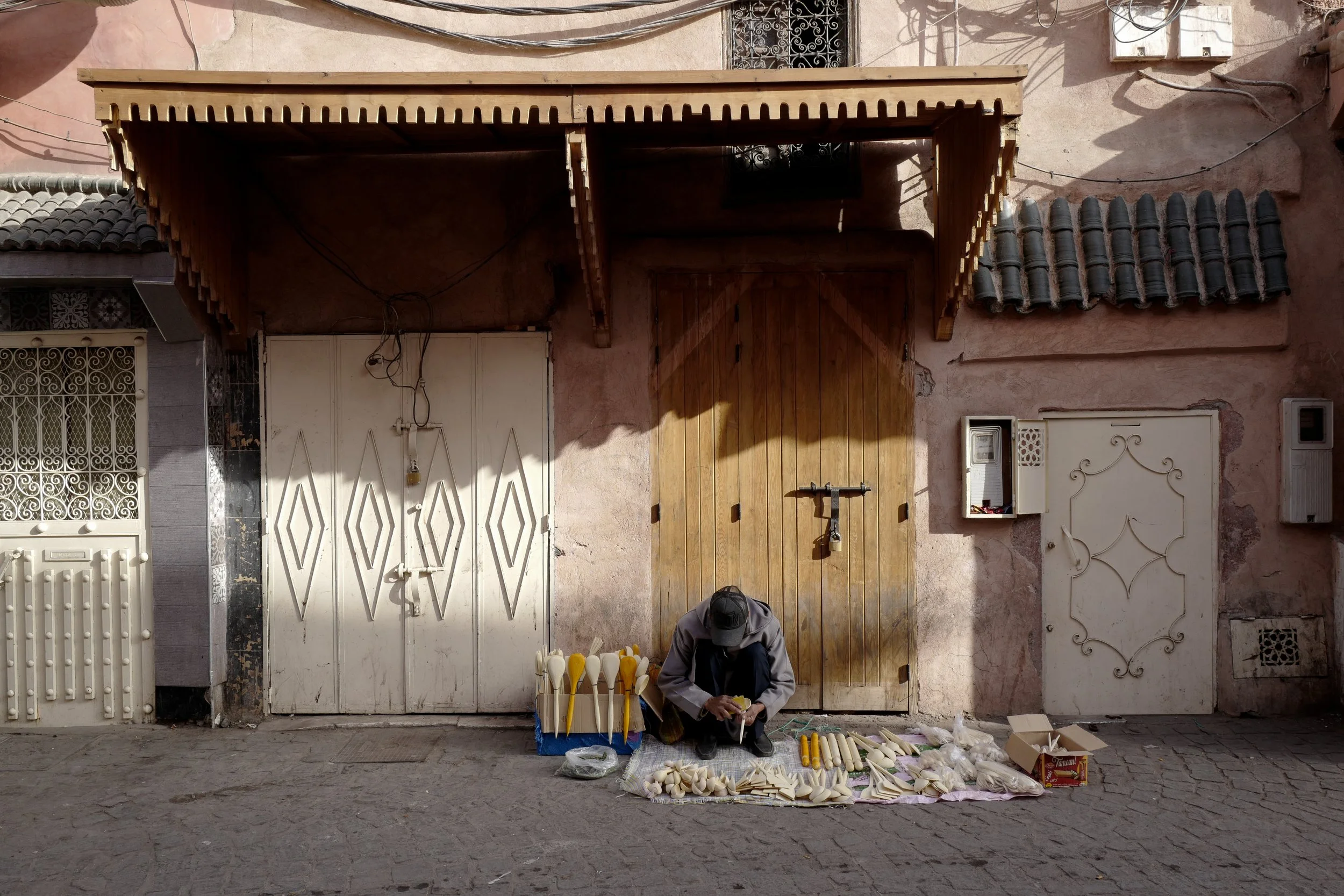
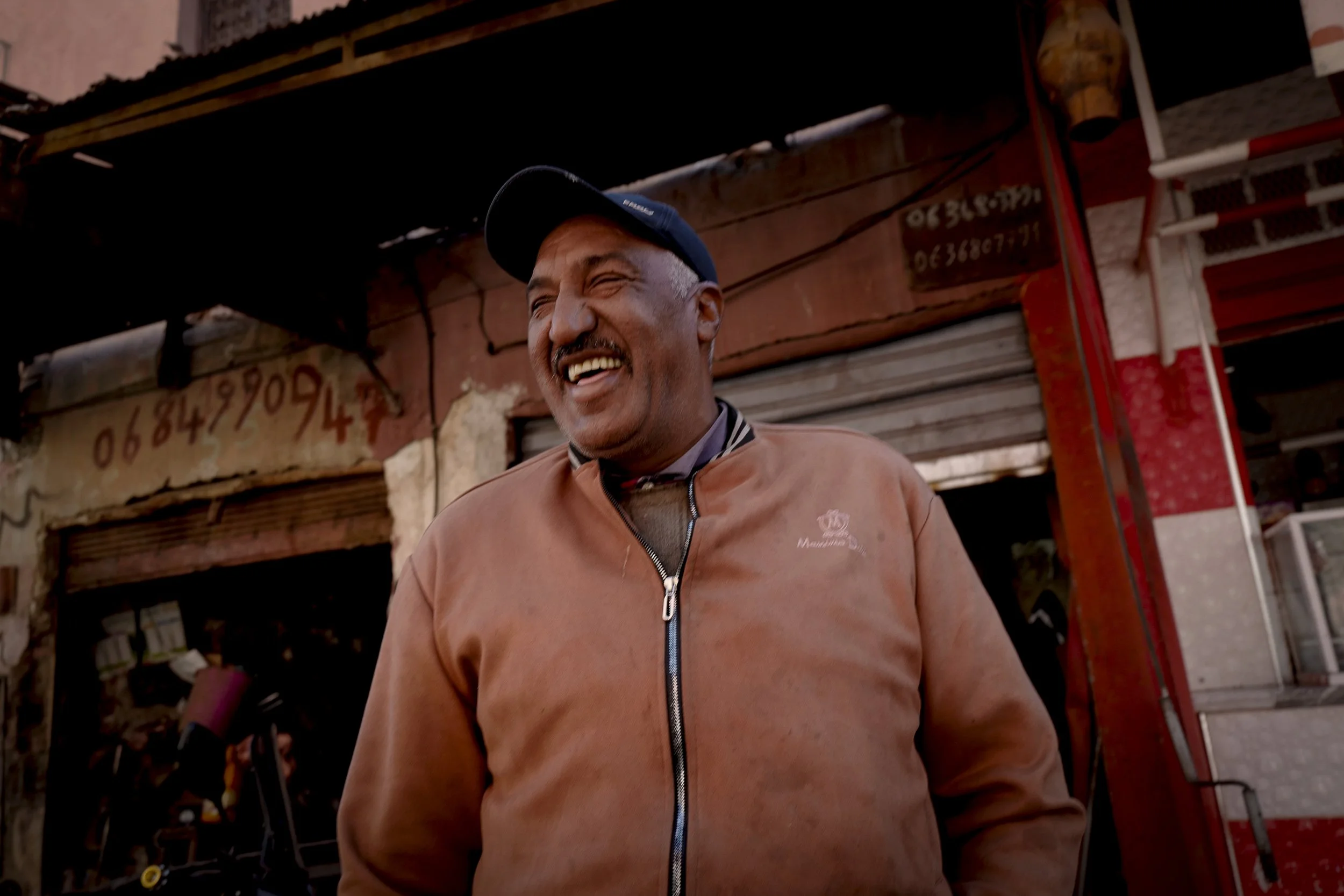
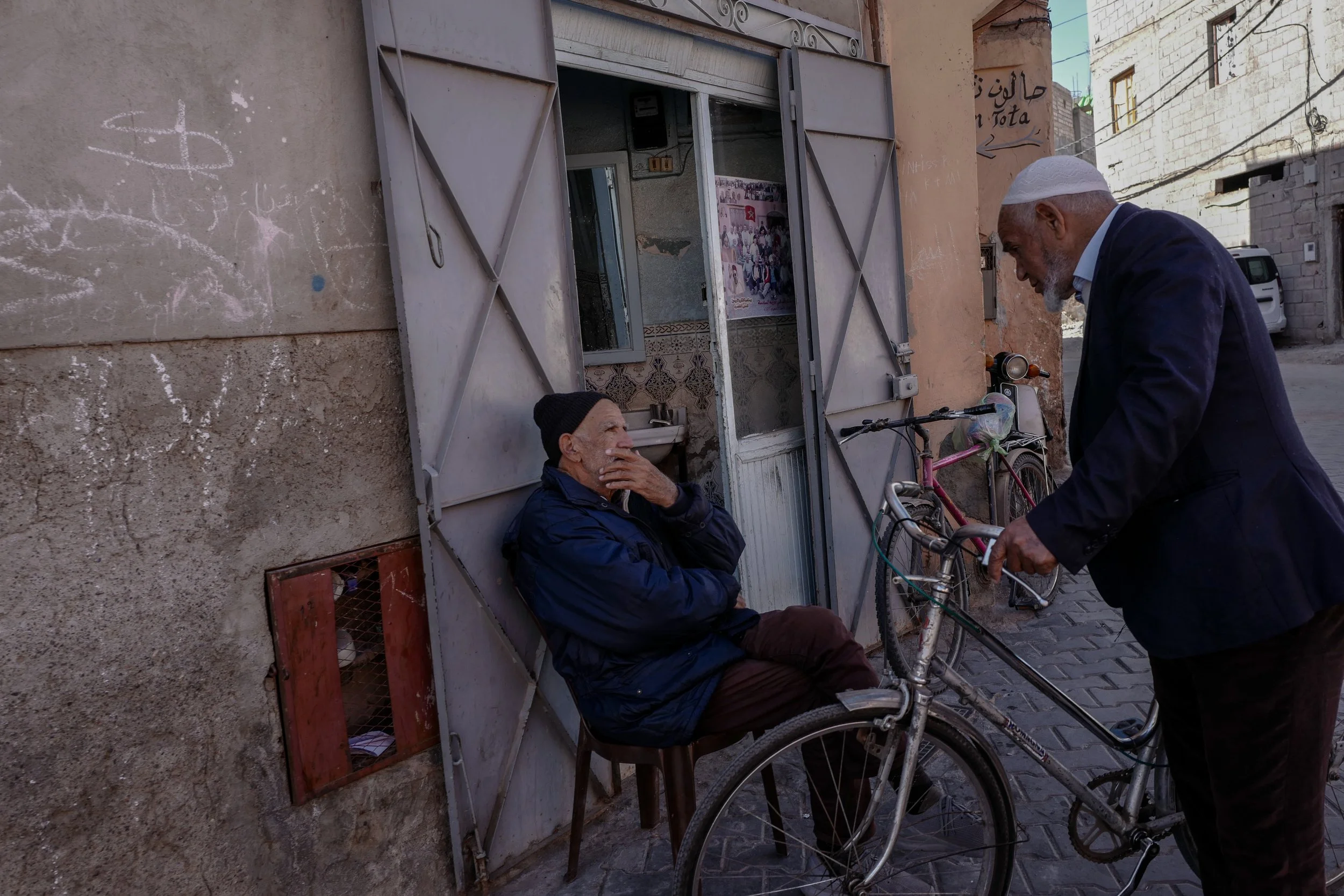
Stephanie Duprie Routh made this tension central to Atlas of Invisible Things. Across photographs made in Marrakesh and Essaouira, she combines images with a prose narrative built around a character called Soul. But from the beginning, she decided that the text should not tell the reader what the photographs mean.
The connection had to remain open.
Duprie Routh wanted the photographs and the writing to work beside each other without becoming literal illustrations of the same idea. Some images were removed because they explained too much, while others became too abstract to work with the rest. The final book depends on what happens between the two forms, and on what the reader brings into that space.
In this interview, Duprie Routh talks about choosing images that leave room for interpretation, deciding when a photograph becomes too literal, and using sequencing to connect photographs and text without closing their meaning. It offers a practical way to think about what should stay visible, what can remain uncertain, and when explanation starts to take something away.
The Book
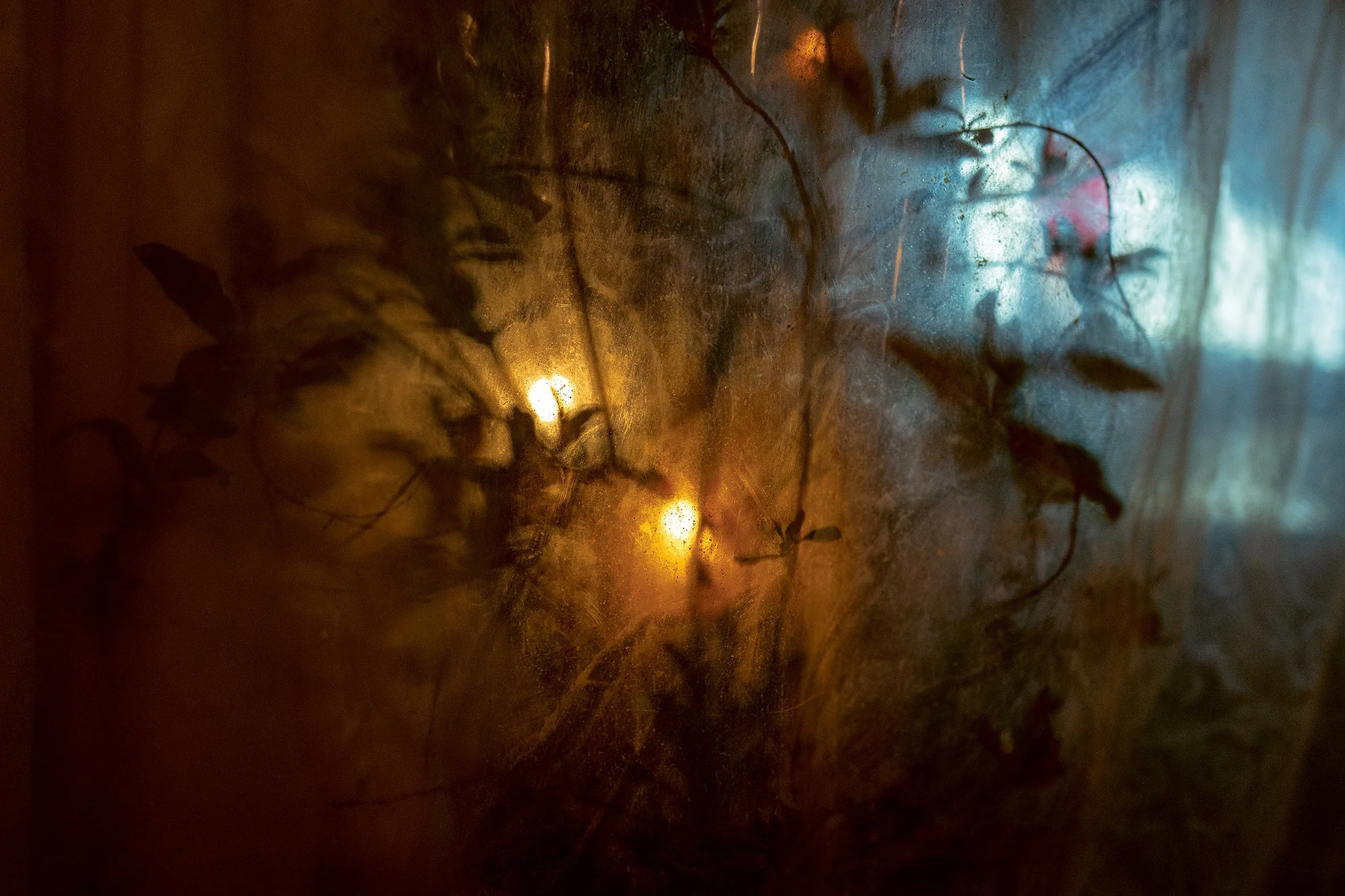
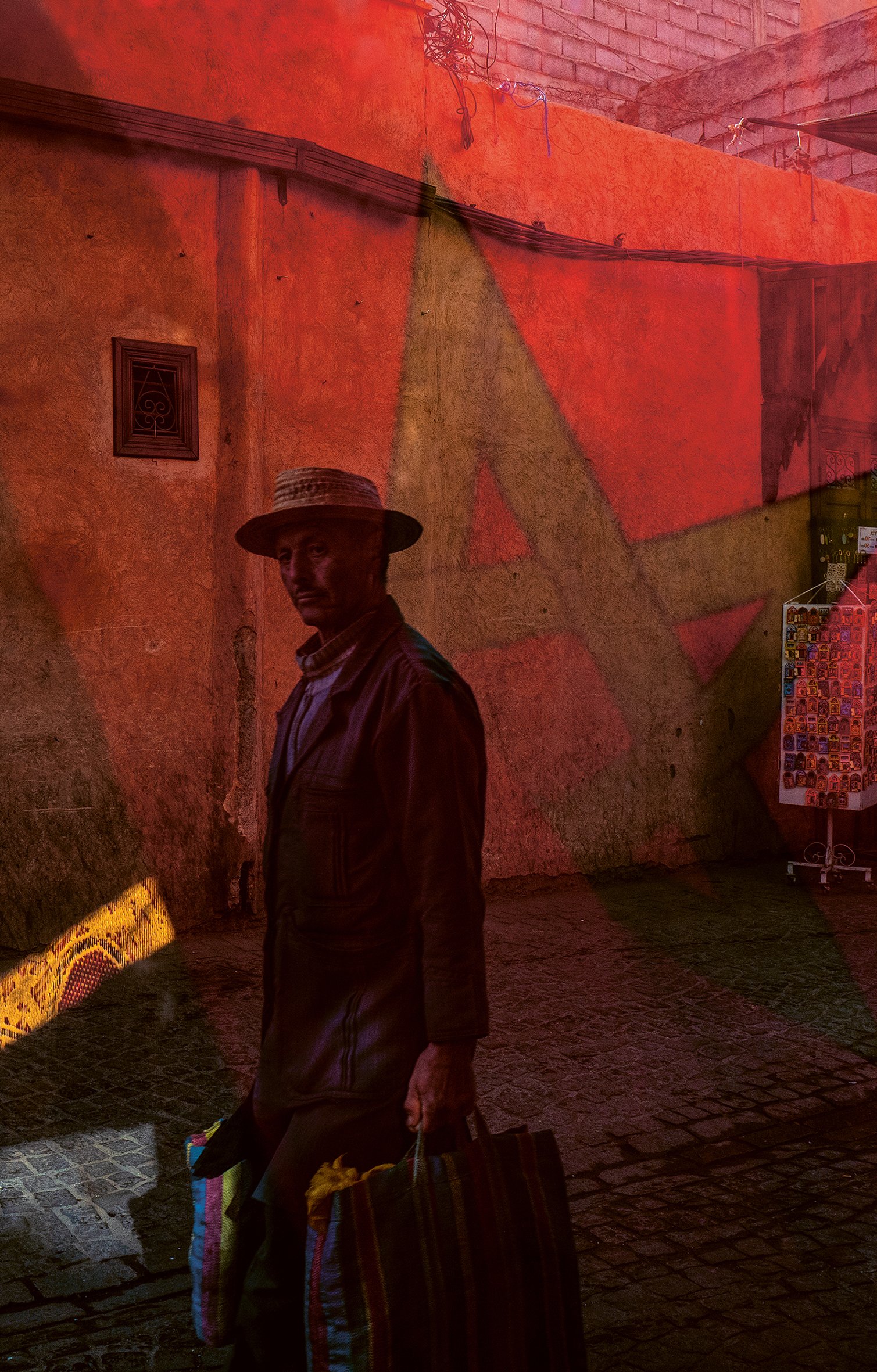
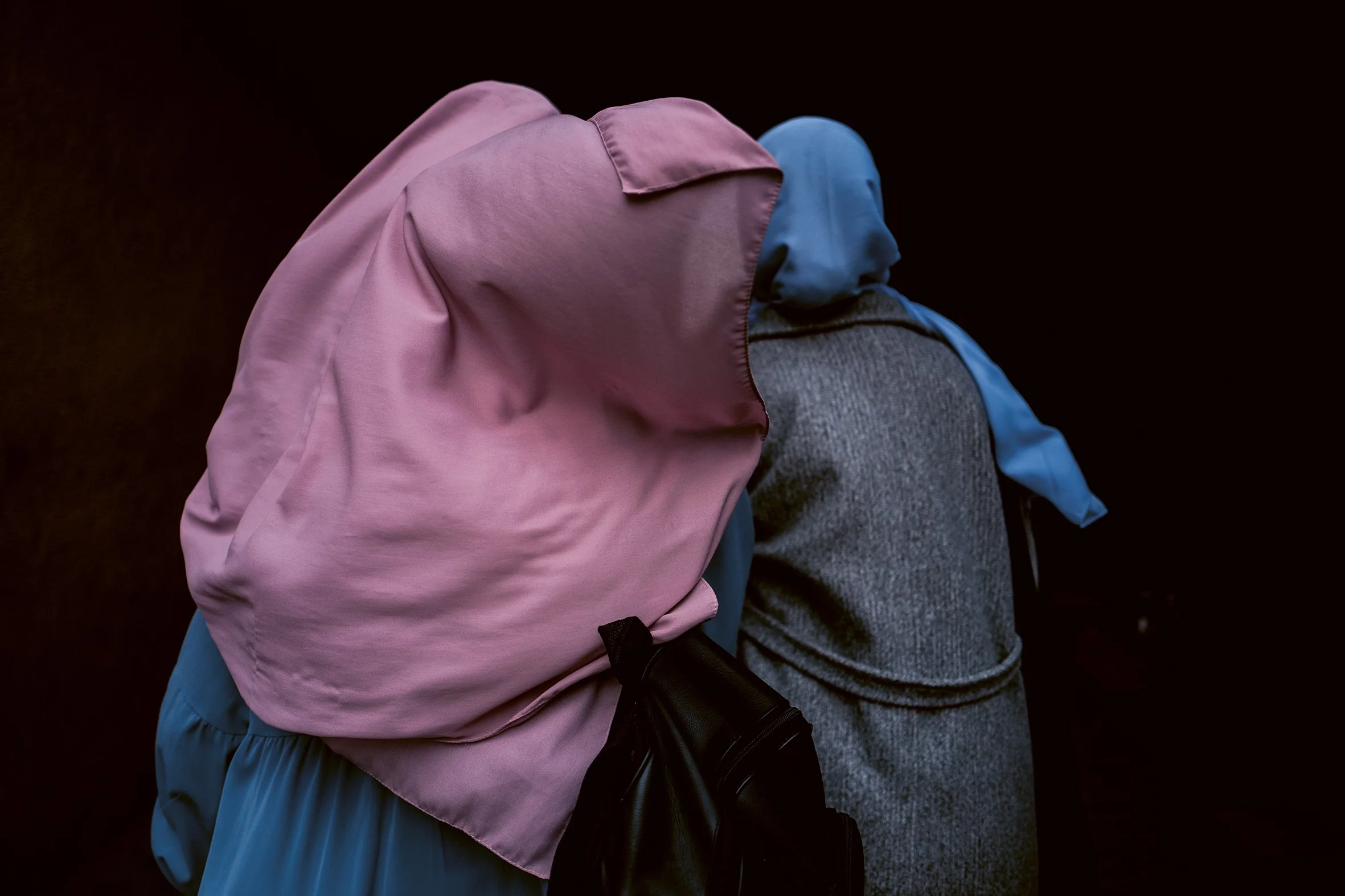
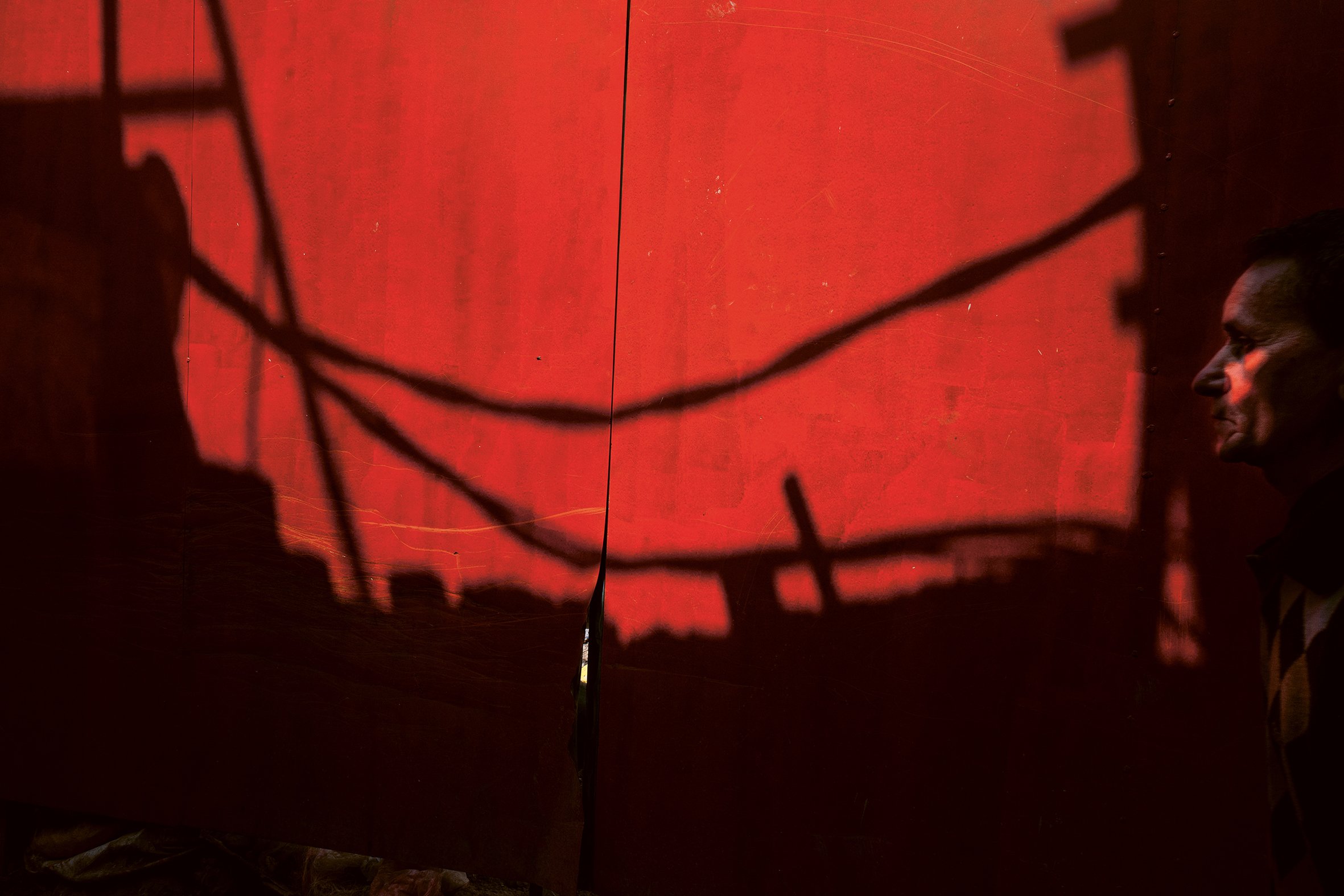
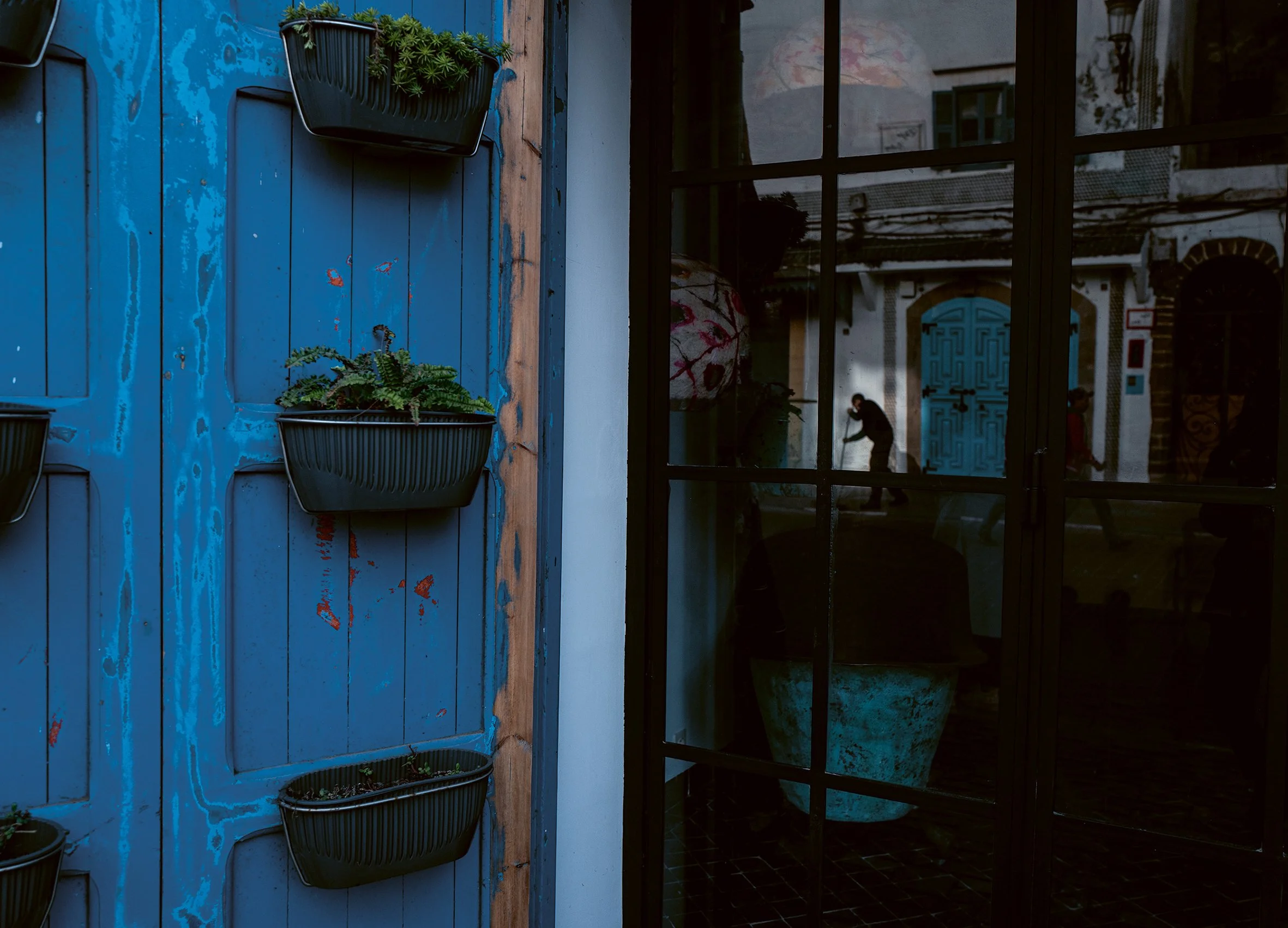
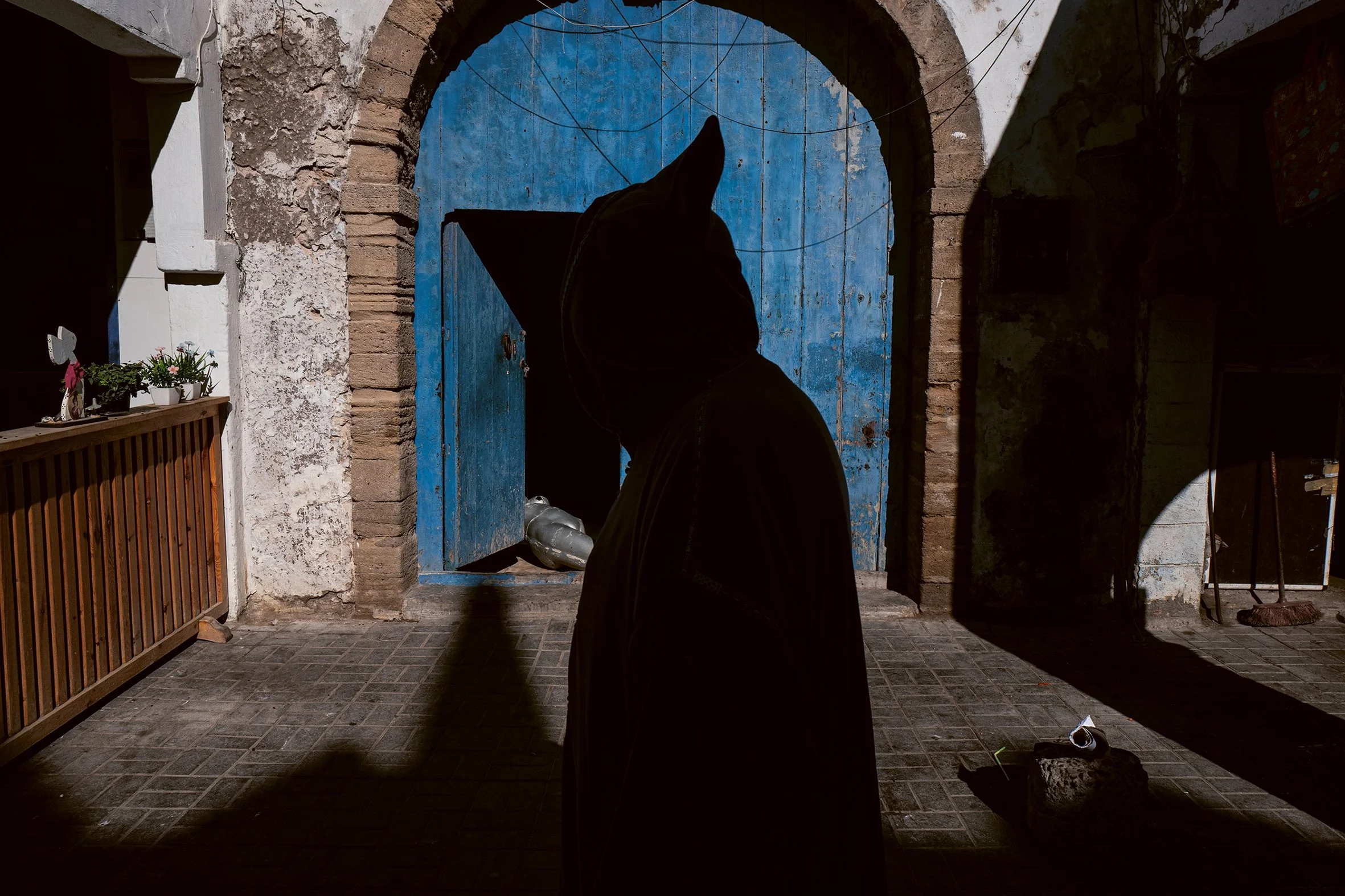
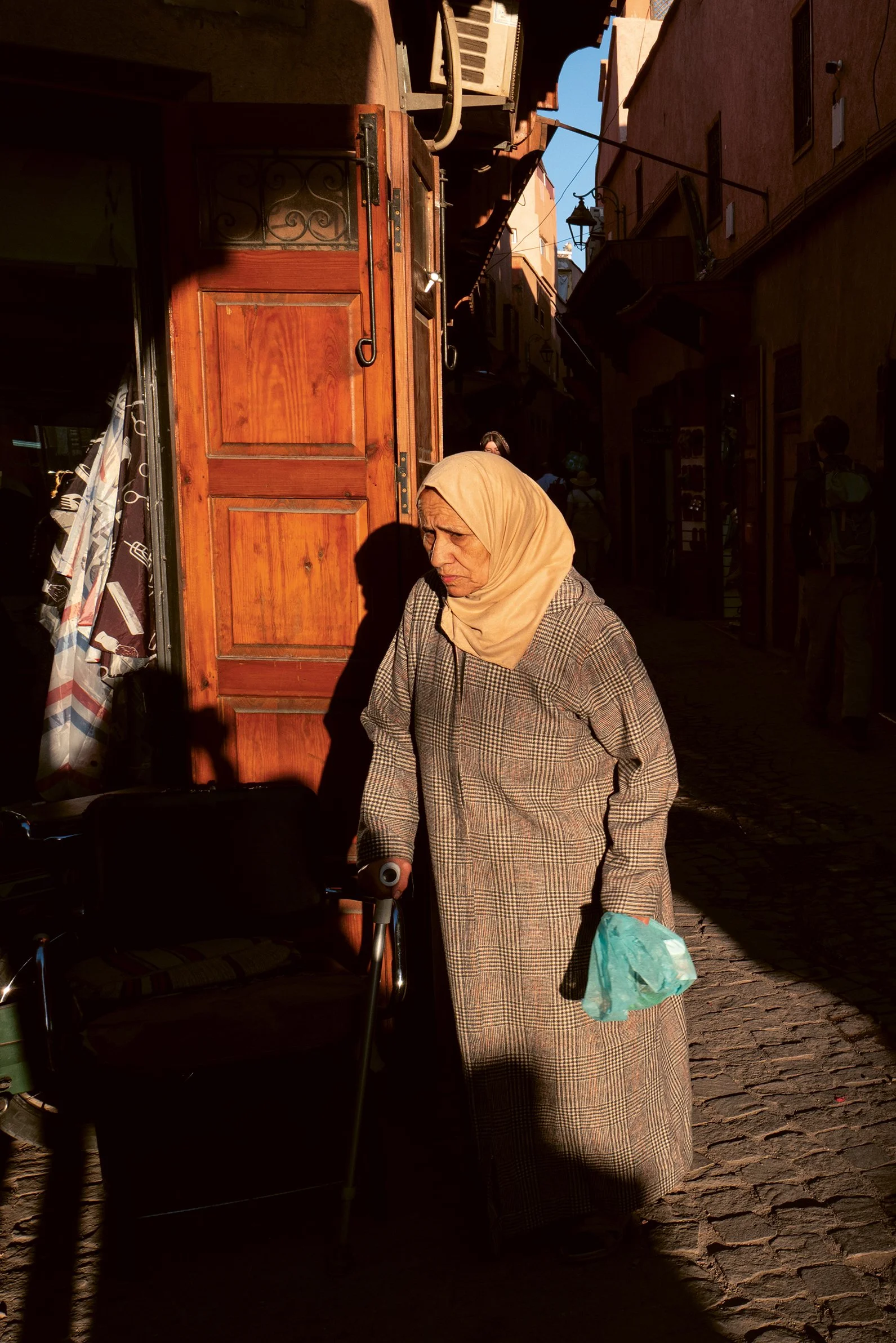
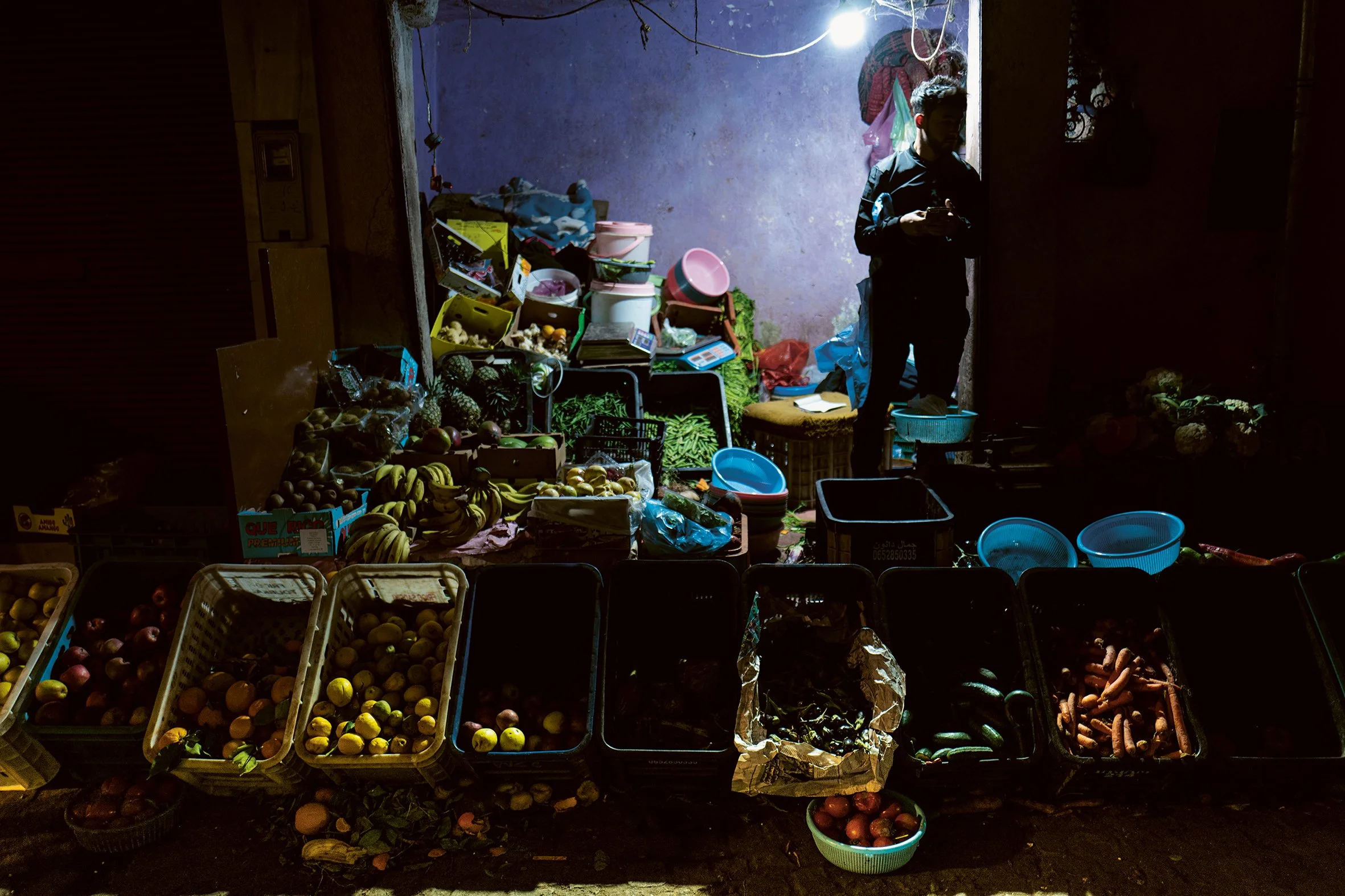
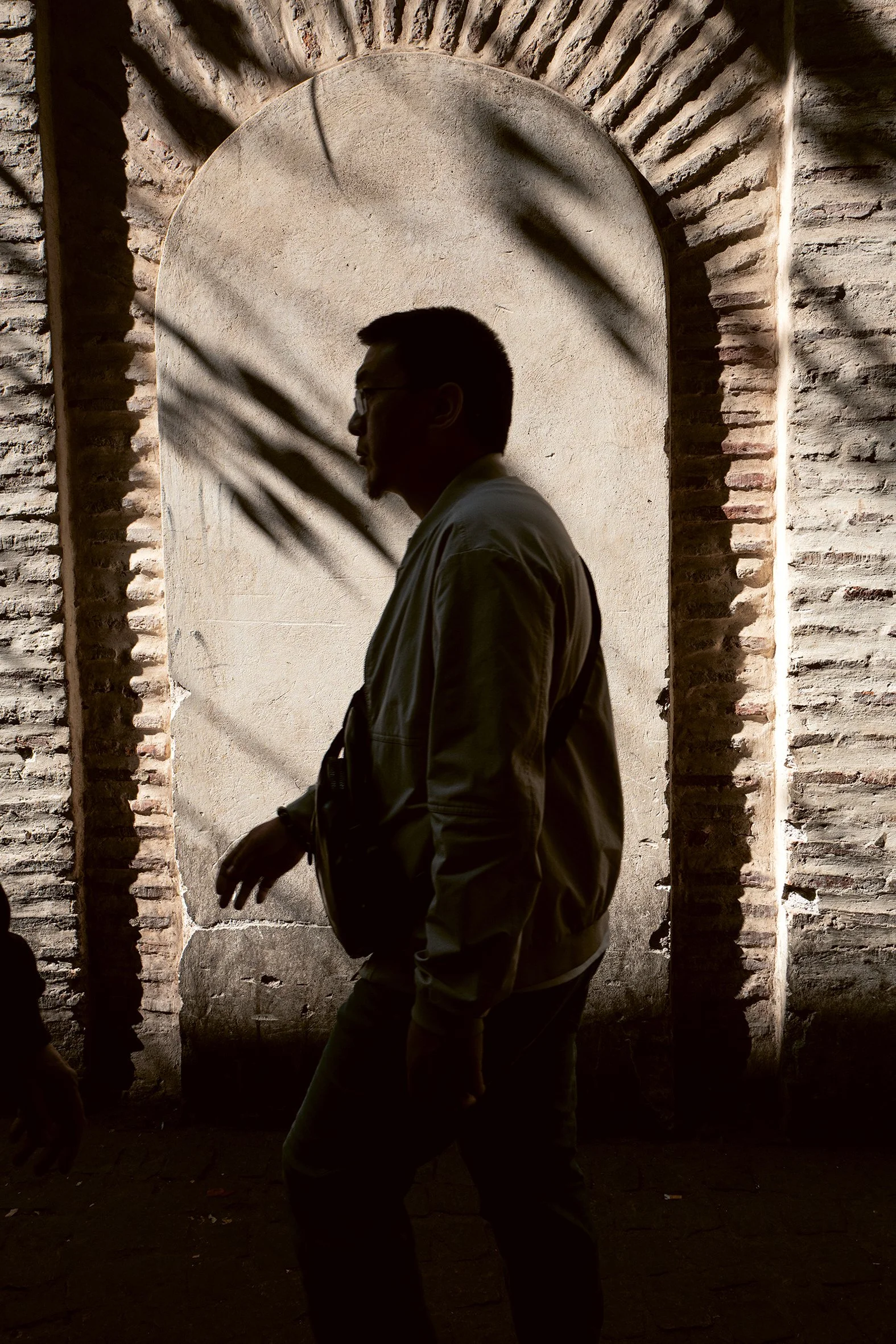
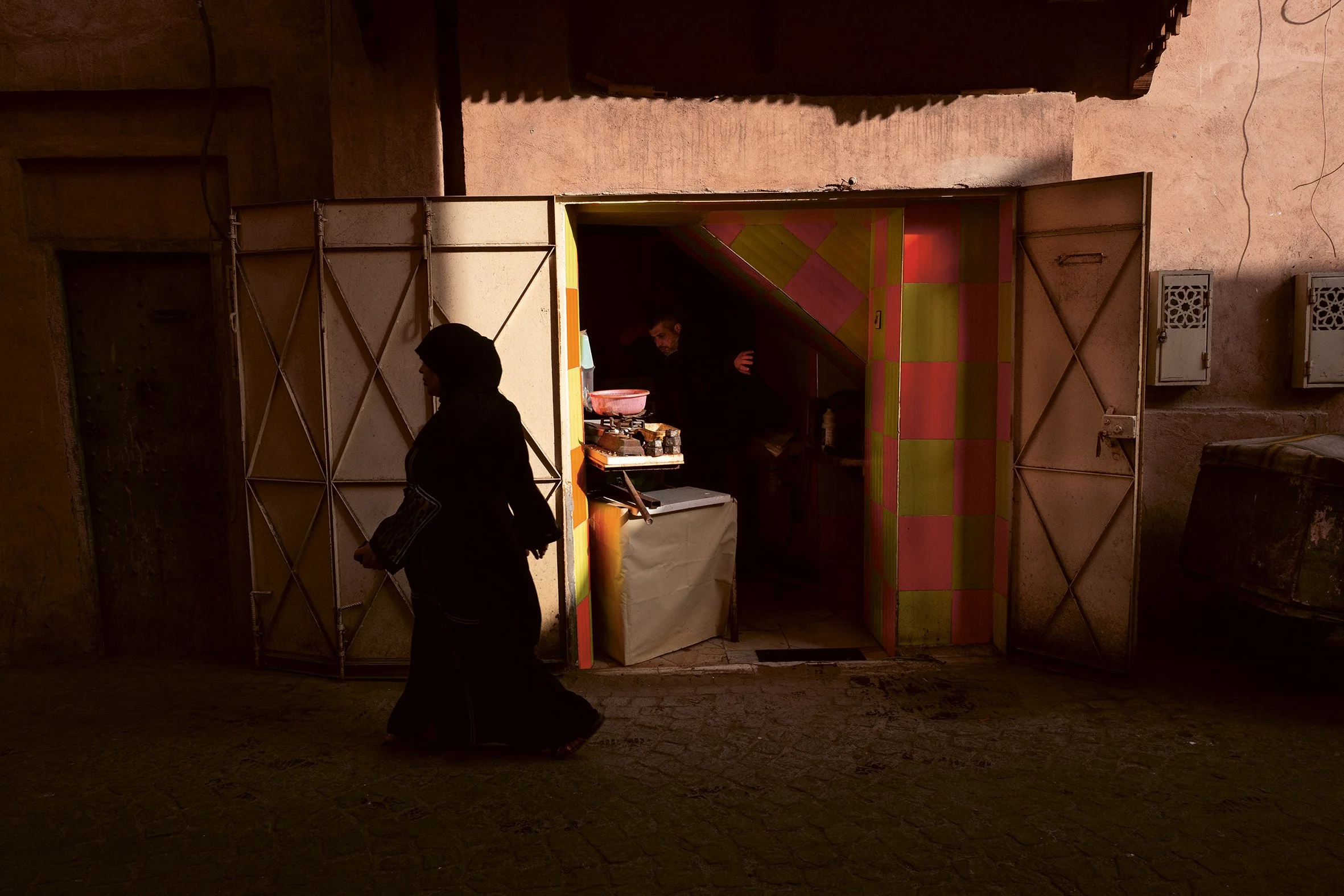
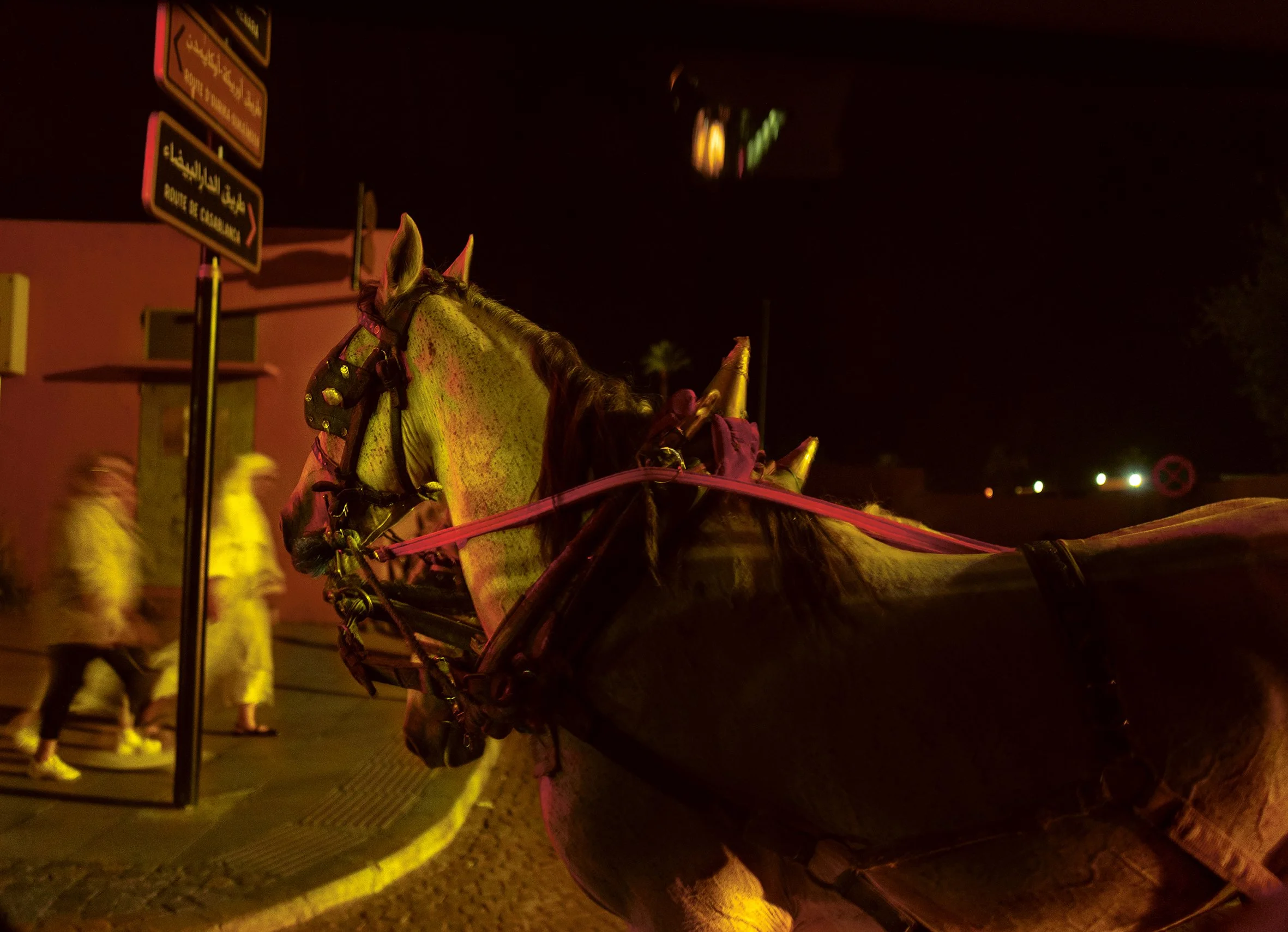
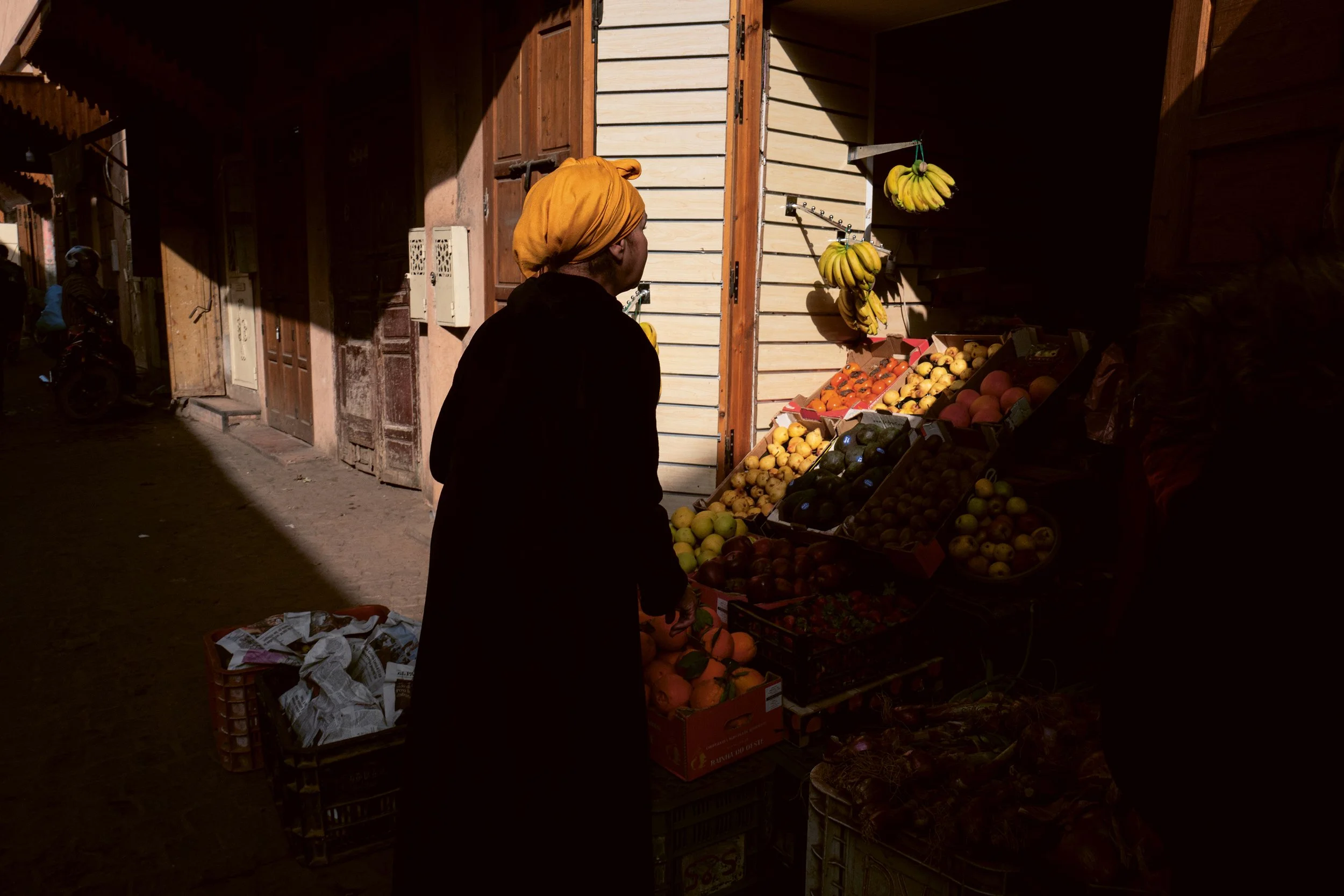
Atlas of Invisible Things by Stephanie Duprie Routh, published by Kehrer Verlag, brings together photography and prose made across Marrakesh and Essaouira in Morocco. At the center of the book is Soul, a fictional character who moves through both cities while connecting ideas of place, identity, gender, memory, and time. The photographs focus on light, shadow, color, and small details rather than giving a direct description of Morocco, while the text remains equally open-ended. Across 92 pages and 39 photographs, the book creates a narrative where images and words work alongside each other without fully explaining one another. (stephanieduprierouth.com, Kehrer Verlag, Amazon)
Project genesis: What first drew you to Morocco as the subject for this book, and how did the idea of a character called "Soul" come to you?
I have been to Morocco several times in different capacities, each time learning something new. I have a strong curiosity when I visit the country and I want to photograph Morocco as I feel it. I try to move away from expected imagery, instead focusing on the unknown of the place because I still have a lot to understand about the country and its culture. Atlas of Invisible Things became a nexus of my trips, emotions, and thoughts about cities I have visited.
When traveling with the Raw Society on one of my past trips, the focus of the group was to photograph and write. I enjoy both ways of creating but it is not easy for me to develop narratives in two different mediums at the same time. I photograph without an agenda and write freely. About halfway through the trip, this idea of a mythical creature surfaced. Maybe Soul emerged to connect both parts of my creative brain: the writing and the seeing. I needed something that could be fluid and float between all elements of the story: female versus male, soft versus harsh, two different cities, and two ways of creating. Soul couldn’t be too specific in order that the elements could be tied together without interference of the known. Soul is not only a character. By definition, it is regarded as spiritual, emotional, ego, and a host of other traits that cannot be easily visually defined. Most people have an idea of what ‘a soul’ represents so the naming of the character is a loaded choice to represent the soul of Marrakech, myself, and the viewer as well as that which is largely unknown but has the capacity to fill voids.
Blending forms: The book mixes photography and prose into one long essay. How did you decide what to say with images and what to say with words?
Early in the project, I made the decision not to literally connect the images and the words. I wanted to offer images that show the viewer a moment while leaving the meaning open to interpretation. What I see as the photographer and what the viewer sees are the same, but we may interpret it differently because we each bring our own experiences to the work. This ‘same, same but different’ is integral to and referenced in all my work in some capacity.
The text describes scenes and experiences to guide the reader through the narrative but doesn’t fully explain the entire story. Several words are purposefully used to create ambiguity, leaving the reader to determine which meaning is intended: for example, Atlas is both a mountain range in Morocco and a book of maps. Because of the multiplicity of meanings, the prose also leaves room for individual interpretation.
When deciding what is visual and what is written, I borrowed from Gestalt psychology. I used open-ended images and unresolved written narratives with the idea that the viewer would fill in the gaps between the two mediums to produce closure. The sequencing of the images and where they fall in relation to the text becomes an integral element to create the overall essay. If the Gestalt theory is eliminated, the images and the text could be consumed independently as two separate and vastly different projects.
Text and image: Can you describe one photograph whose meaning completely changed after you wrote the accompanying text?
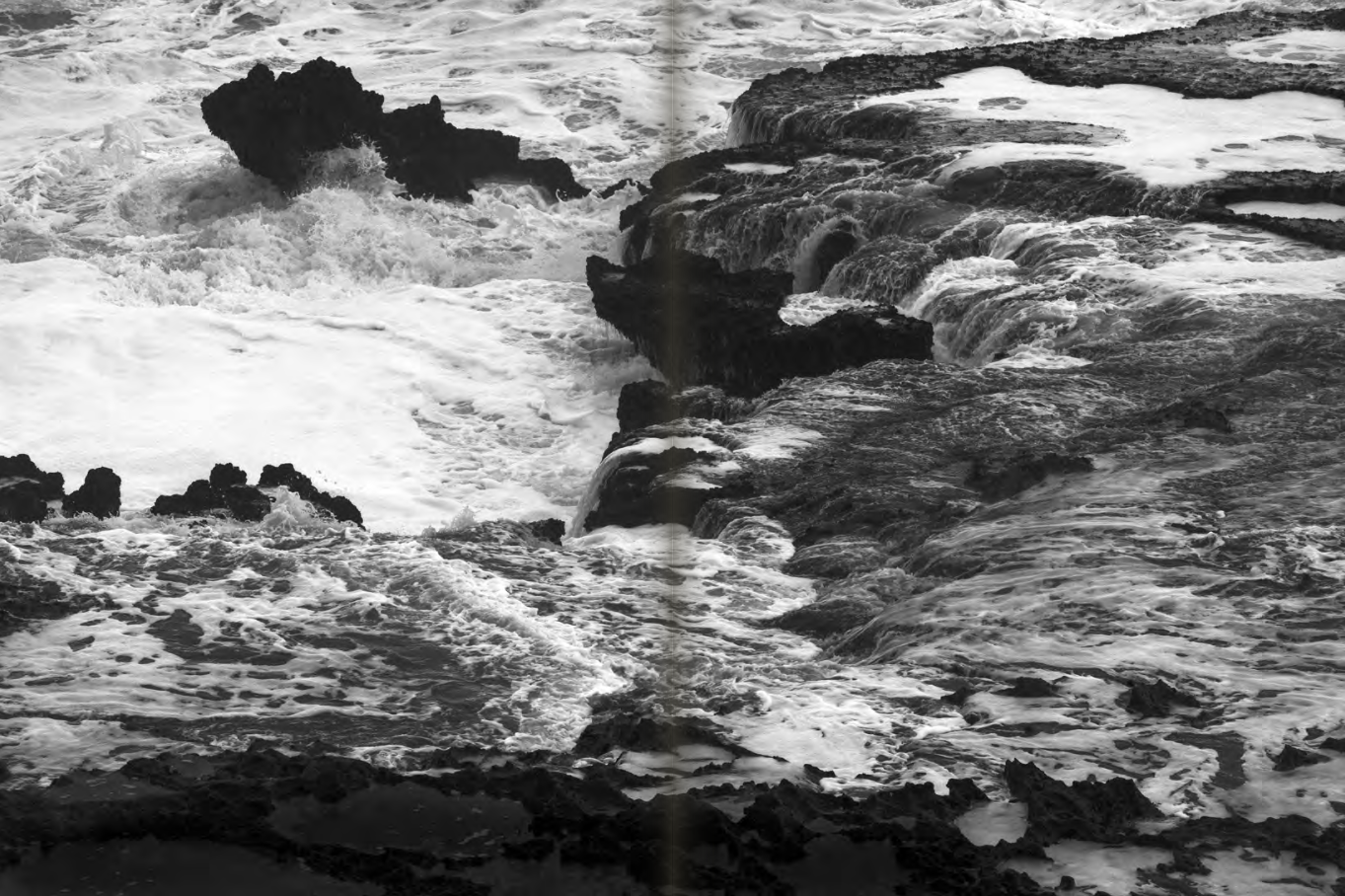
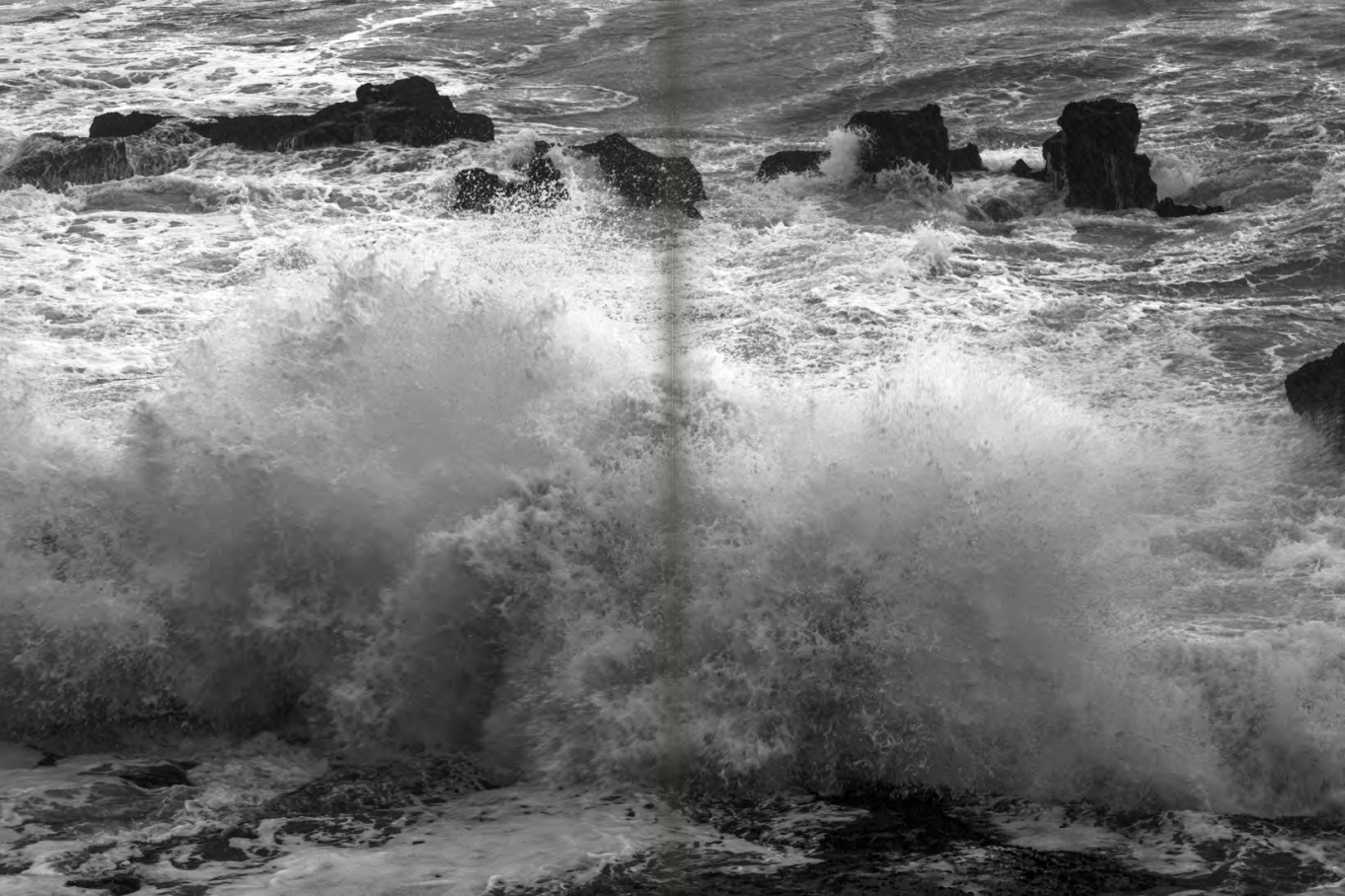
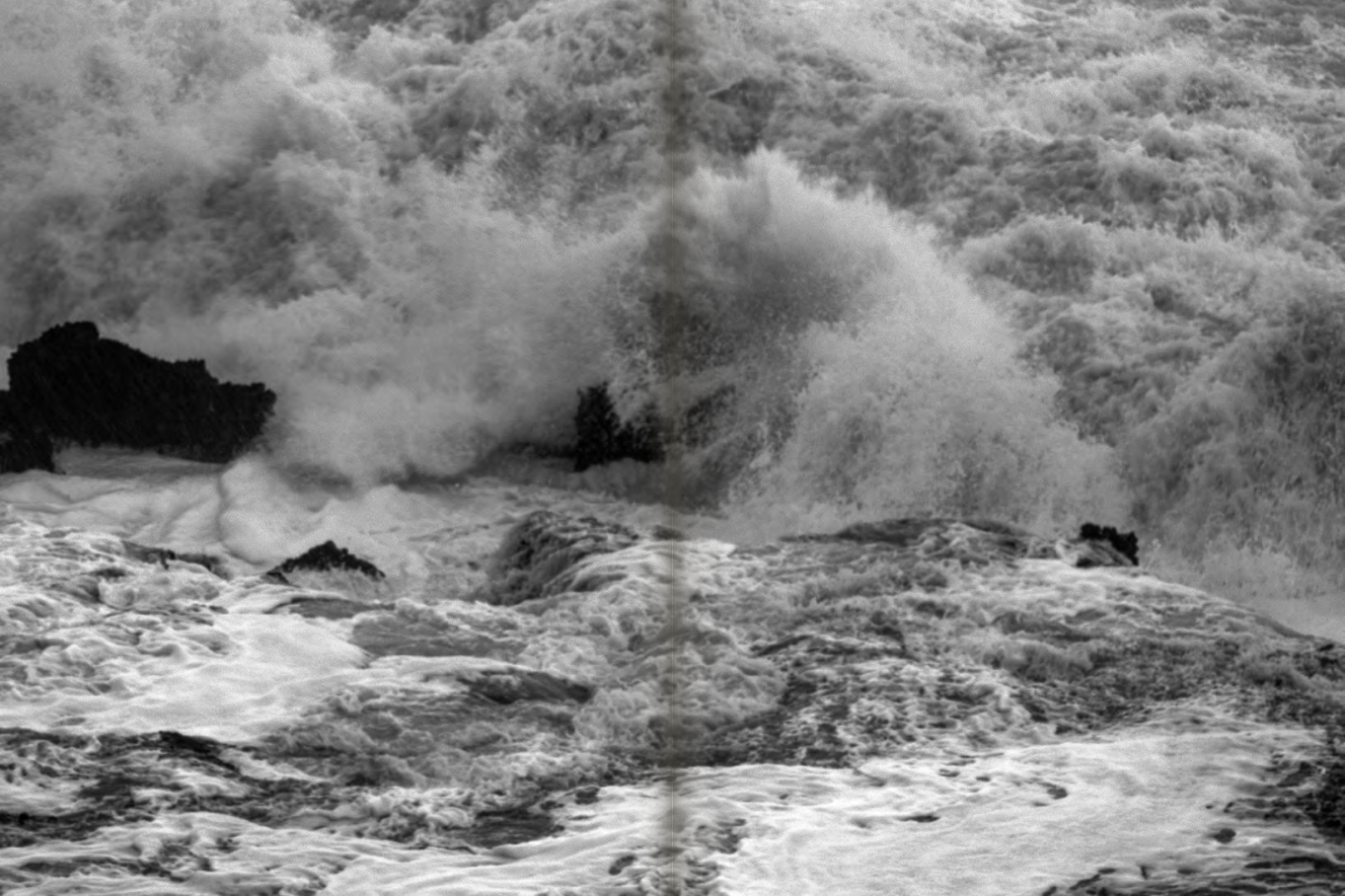
The images that took on alternate meanings are the three monotoned images of the Atlantic that are printed in silver in the center of the book. If these images had been printed in color and the text had described the ocean as a playground for surfers, families exploring tidal pools, or a soundtrack for lovers at night, the images would be construed very differently.
Sense of place: You photograph shadows on walls and shapes made by light in Marrakesh and Essaouira. How do you use light to show something invisible, like the feeling of a city?
The invisible is a key feature of this book and a driving force in the way the images were made. There are some images that cause the viewer to strain to see what is happening while other images are slow to reveal all the visible elements. I use shadow and darkness to create voids where meaning should exist and brightness to highlight particular ideas. Using light in this way creates a mood, which hopefully triggers an emotion. Together with the text, the light, mood, and emotion suggest the feeling of a city to the viewer.
Identity and gender: The book asks questions about gender through the lens of Morocco. How did being a woman shape what you chose to photograph there?
My experiences in life, my curiosity and imagination shape the way I photograph more than my gender. There is a separate discussion about what being a woman affords or prohibits in photography but it is mostly irrelevant in this context. In Atlas of Invisible Things, gender is a construct used to promote the narrative and convey a feeling about the city to the viewer. Exploring the notion of gender for cities is an anomaly for English speakers. The Romance languages and many other languages assign gender to inanimate objects on a grammatical level. I added gender traits to the cities because I enjoy building characters where they don’t usually exist.
Fact and fiction: “Soul” moves between documentary, fiction, and imagination. As you were editing the project, how did you decide when you had invented enough, and when you needed to stay closer to what you had actually experienced?
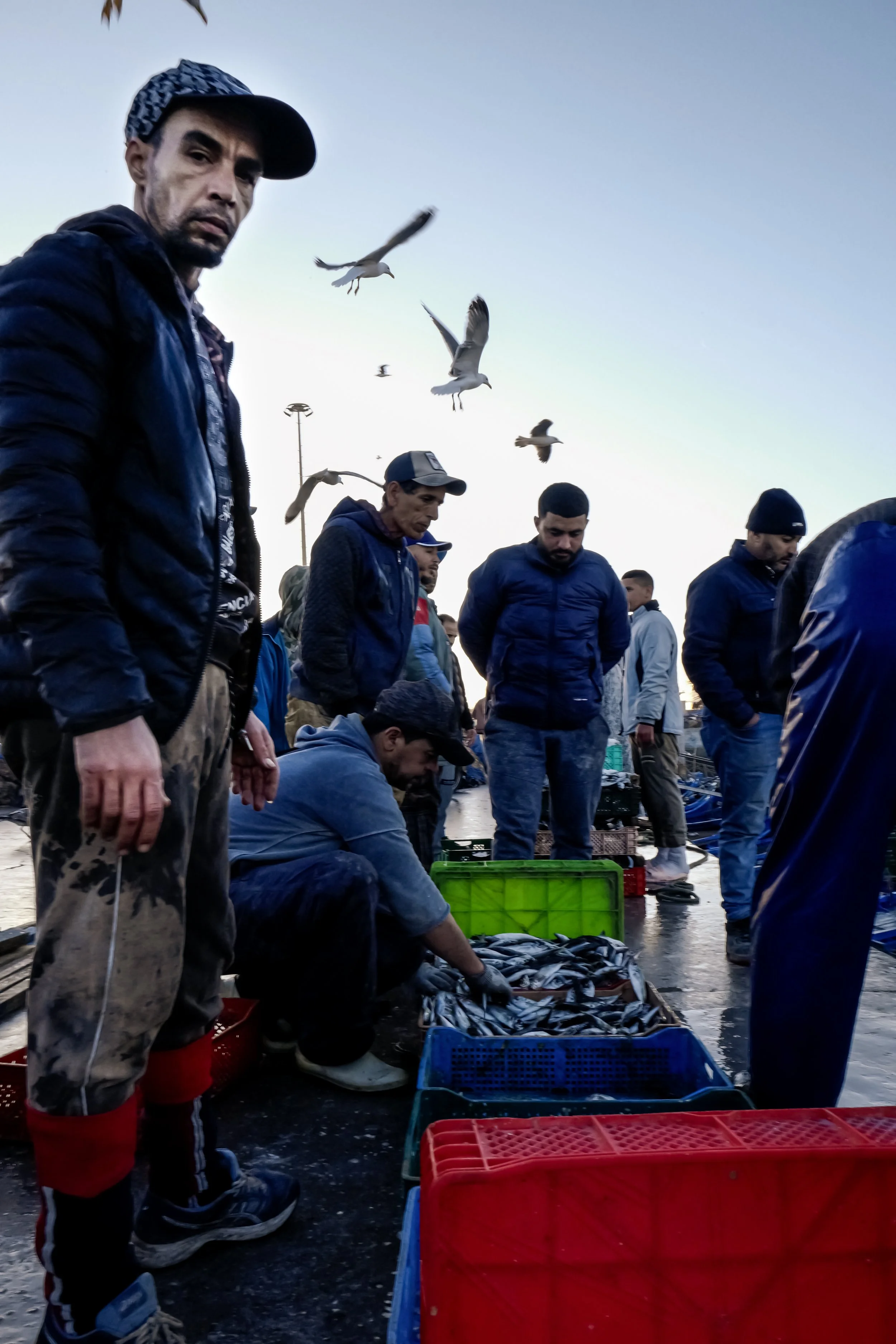
In this body of work, the only invented element is Soul. The details in the essay ‘by Soul’ were experienced by me. It felt important to keep a measure of documentation in the project to ground the images, especially since the images and text are not connected literally. The fiction/fantasy (i.e. ‘sand rising to create a form’) are vehicles that move the reader through the text.
Finding the project: At what point did you realize that these separate photographs were becoming one body of work rather than individual images from Morocco?
The realization of a body of work began to form on my third trip to Marrakech. After that thought occurred, I went back through my archives to revisit images from the first two trips. Then, I returned to Morocco again to photograph once more to make sure I had fully completed this specific project.
Sequencing: The book has only 39 photographs across 92 pages. How did you choose which images stayed and how did you decide the order they appear in?
I had help! Christelle Enquist Gomila and Jorge Delgado Ureña (The Raw Society) helped cull the volume of images to a manageable number. Then, Caleb Cain Marcus (Luminosity Lab) began the sequencing and design of the book. An entire team at Kehrer Verlag contributed in various ways so it could go into the world. Every person involved played a vital role, enriching the book to make it immeasurably stronger. Because of everyone’s efforts, the book is an art object in its own right.
Editing: Were there photographs you deliberately removed because they explained Morocco too clearly or left too little room for the viewer’s imagination?
There were images that were removed because they were too literal, too abstract, or did not fit within the context of the images as a whole. In editing, finding the right balance of images that work together while also standing on their own merit is a skill.
Working method: Your earlier series “Phoenix Rising” involved physically altering printed photographs in the field. Did any similar hands-on process play a role in making this book?
The images in Atlas of Invisible Things are straight out of the camera. No images were manipulated in the making of this book. Kind of sounds like a movie disclaimer! For the most part, I am a purist in my photography. I do as much as I can in-camera to create an image with one shutter click so that the image is as close to its final rendition as possible. Part of this way of working stems from beginning my photography career in the documentary realm where rules are strict about what is allowed. The other part comes from my desire to be in the world and not at a computer manipulating images. The Phoenix Rising project technically falls into the same category as ‘straight out of the camera.’ It is the “in-between image-making” where the manipulation occurs.
The photobook as form: This is your third monograph. What can a book do for a long-term project that an exhibition or a screen cannot?
To answer your question simply, a photobook is a tangible legacy. Books travel. They fall into the hands of friends and strangers in far away places. They reside in libraries and archives indefinitely. They are endearingly gifted to others. A book lives beyond me, creating its own story I will never fully witness.
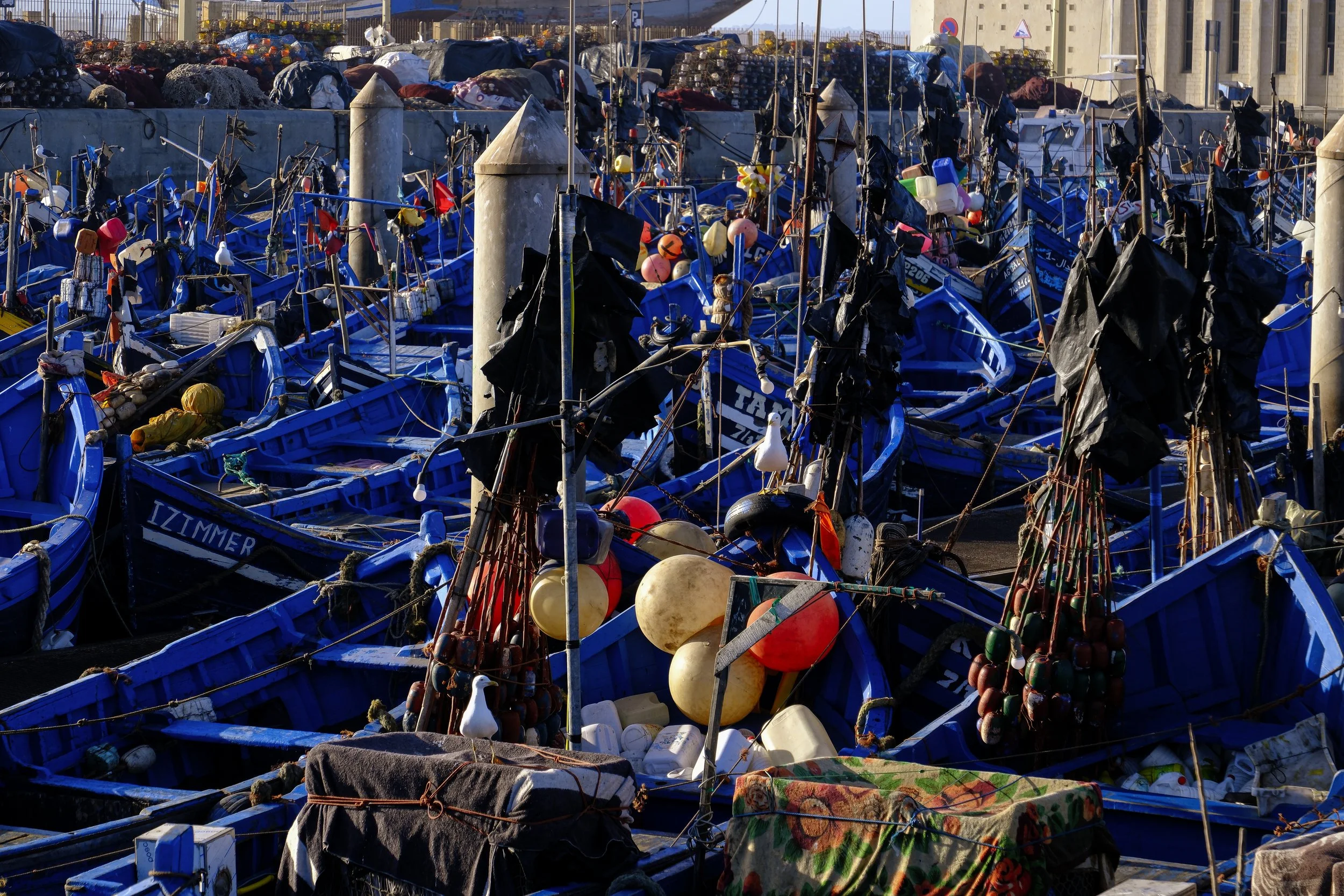
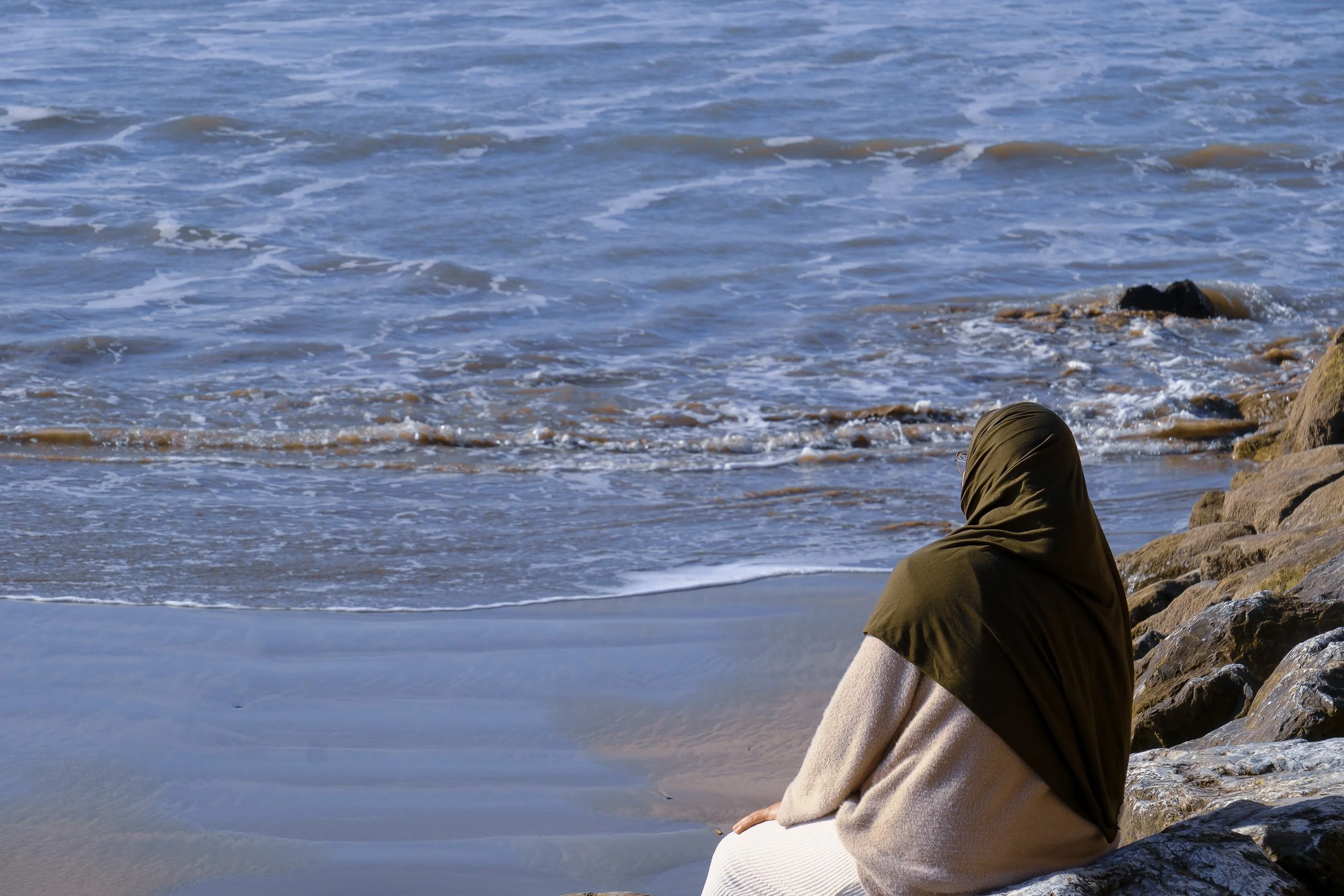
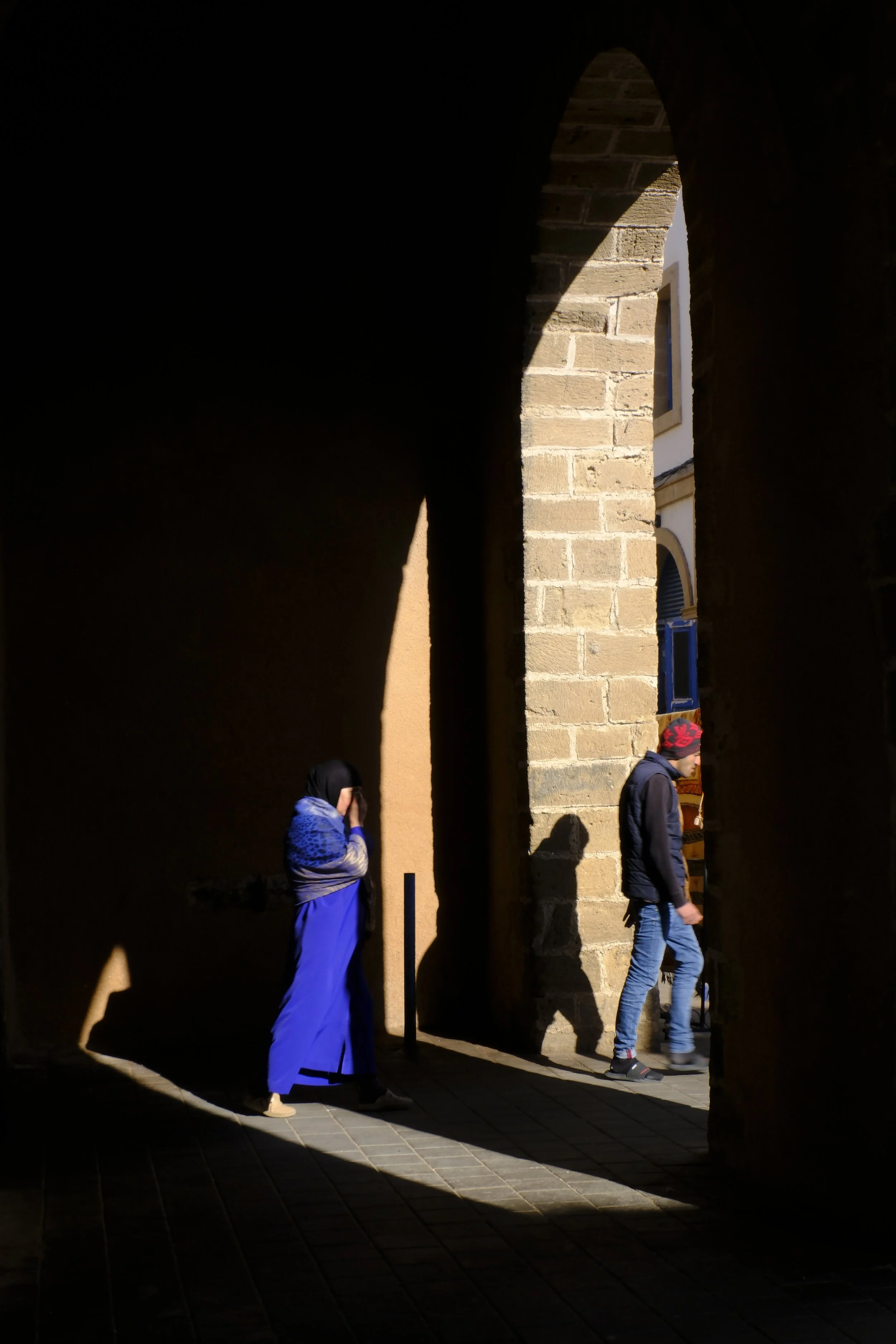
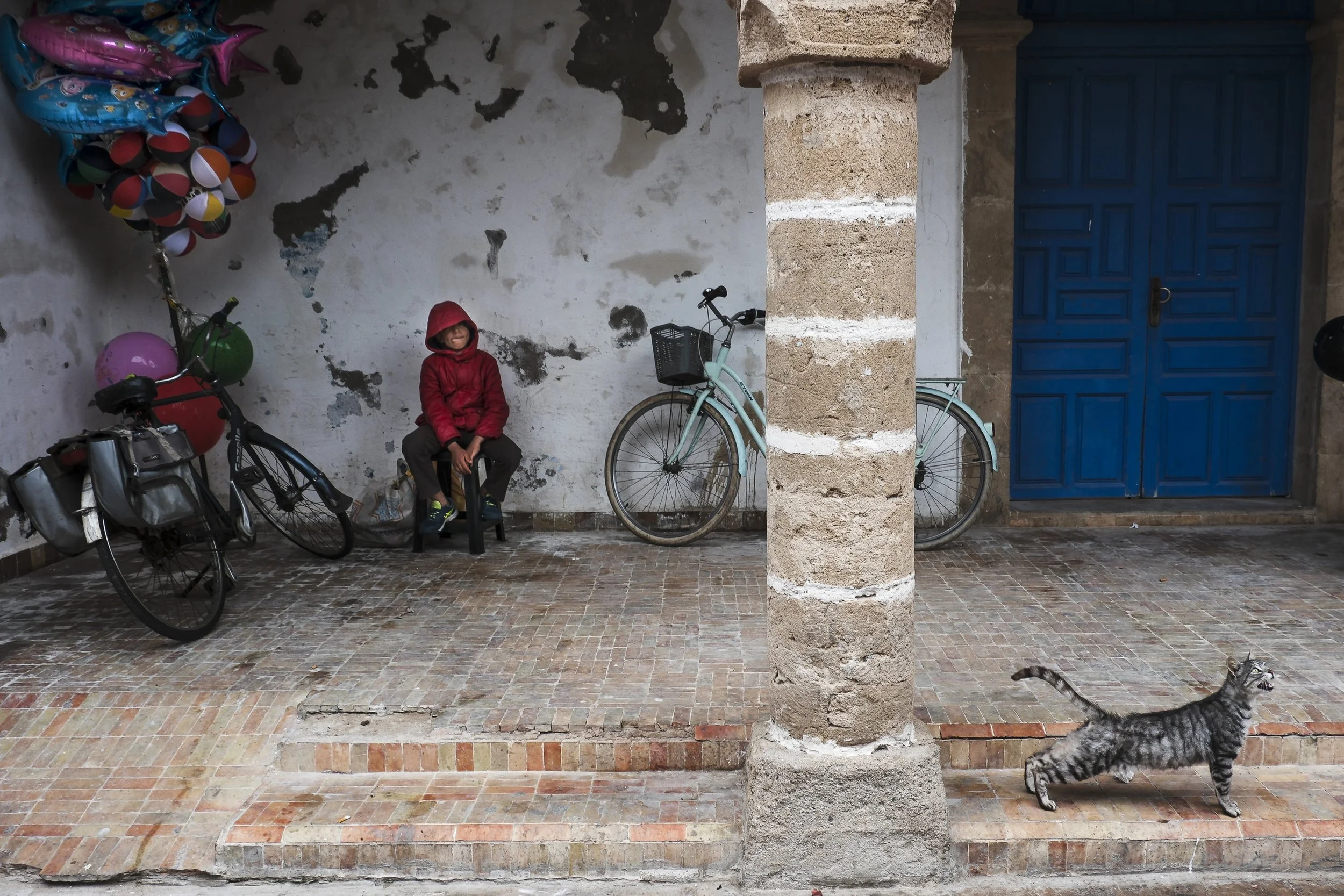
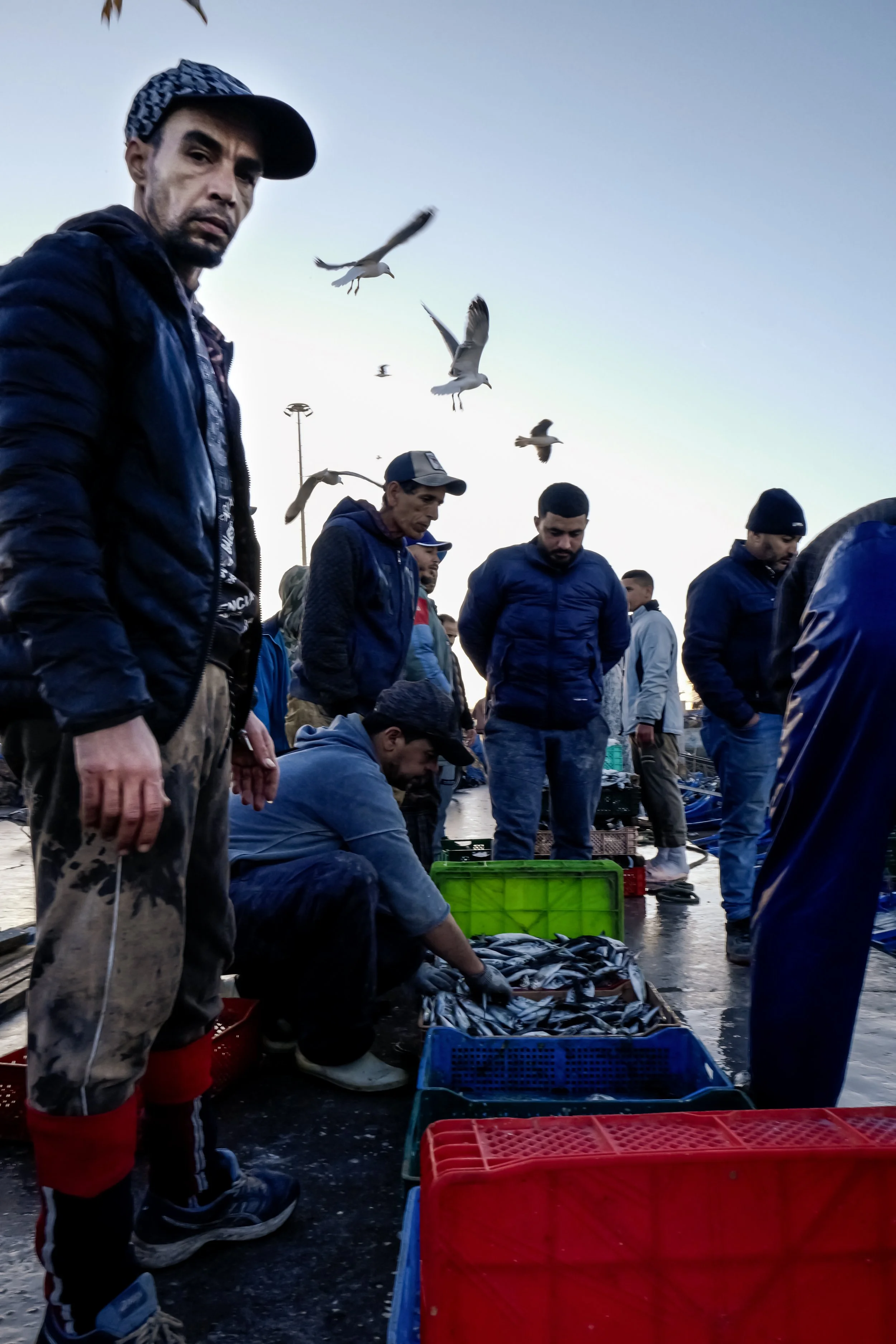
To discover more about this intriguing body of work and how you can acquire your own copy, you can find and purchase the book here. (stephanieduprierouth.com, Kehrer Verlag, Amazon)
More photography books?
We'd love to read your comments below, sharing your thoughts and insights on the artist's work. Looking forward to welcoming you back for our next [book spotlight]. See you then!
Robin de Puy could no longer make this project alone. She first photographed Randy in Ely, Nevada, during a 2015 road trip and kept returning to him for more than ten years. Interviews