What Happens When You Look Back at 50 Years of Your Photographs? Greg Girard Found a Career He Had Never Fully Seen
Welcome to this edition of [book spotlight]. Today, we uncover the layers of 'Greg Girard Photographs 1972-2026,' by Greg Girard (published by The Magenta Foundation). We'd love to read your comments below about these insights and ideas behind the artist's work.
What happens when you revisit fifty years of photographs?
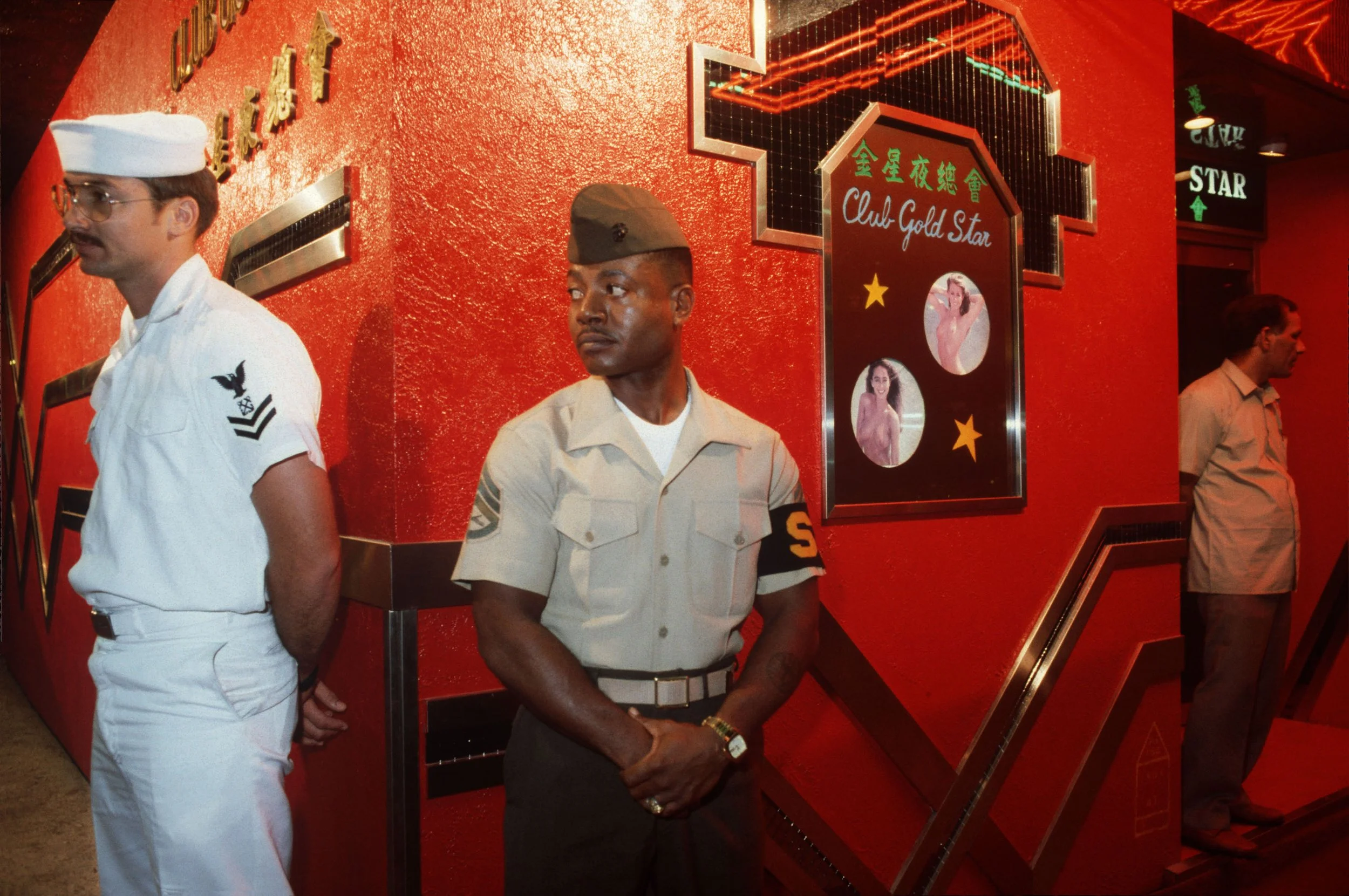
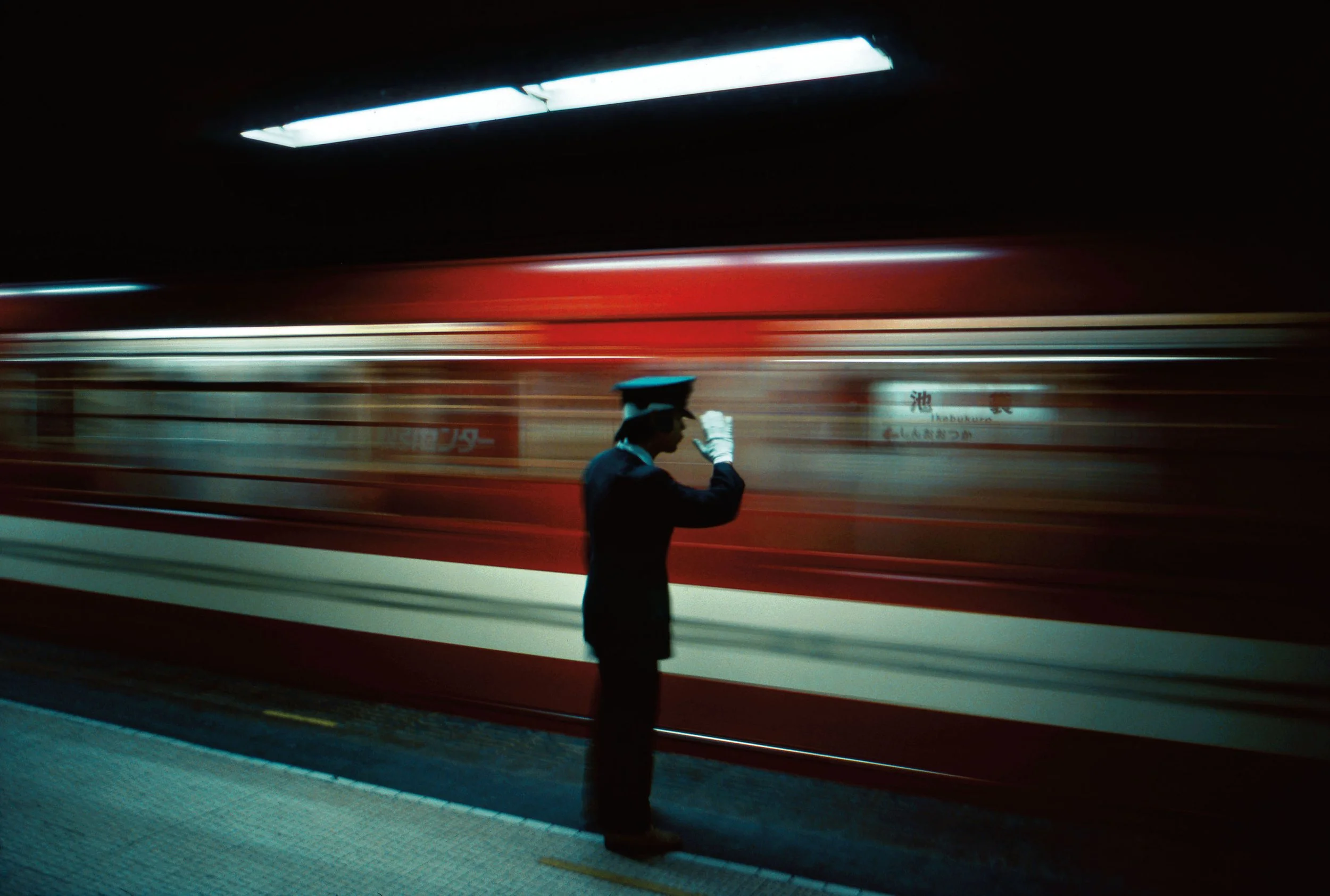
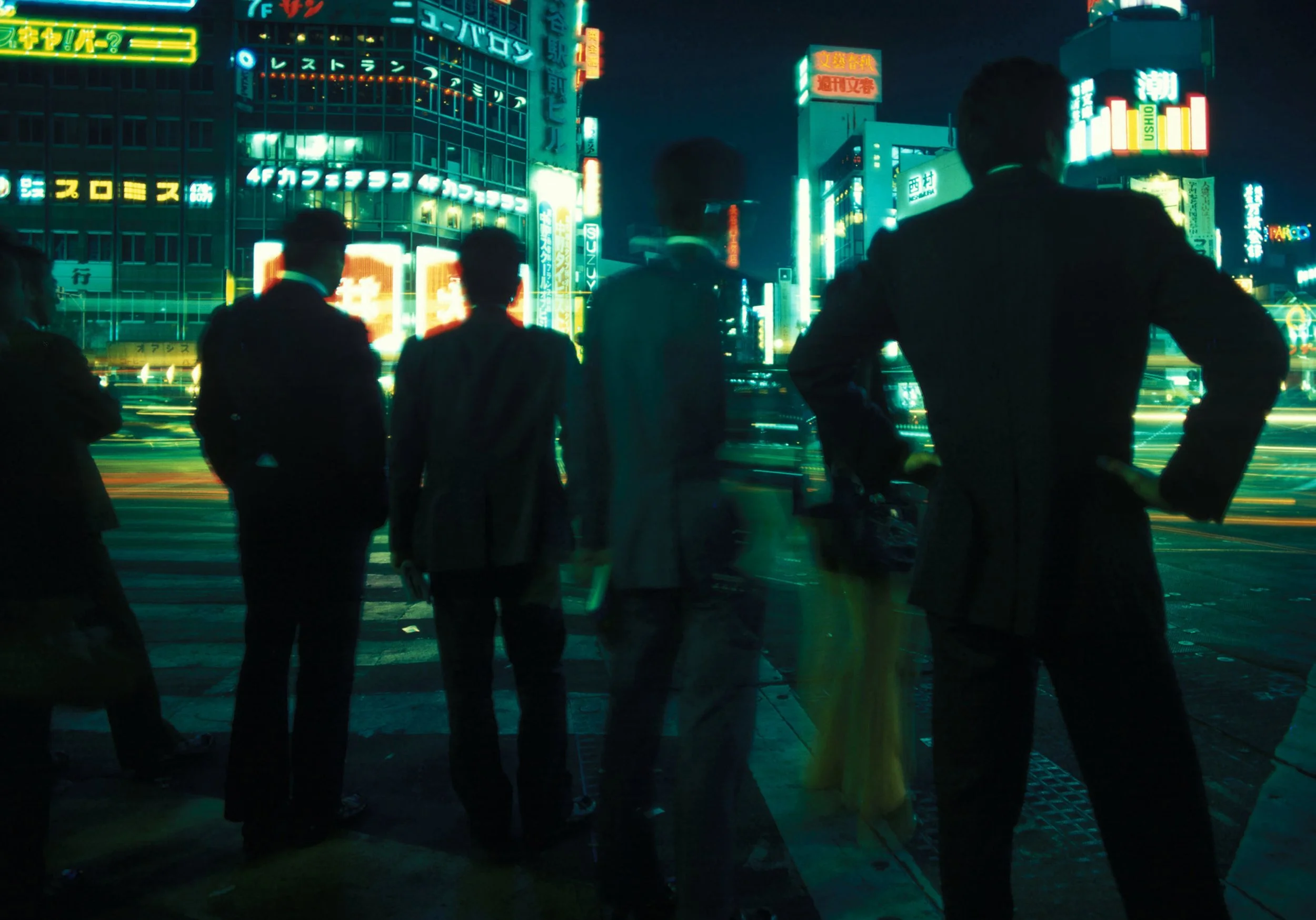
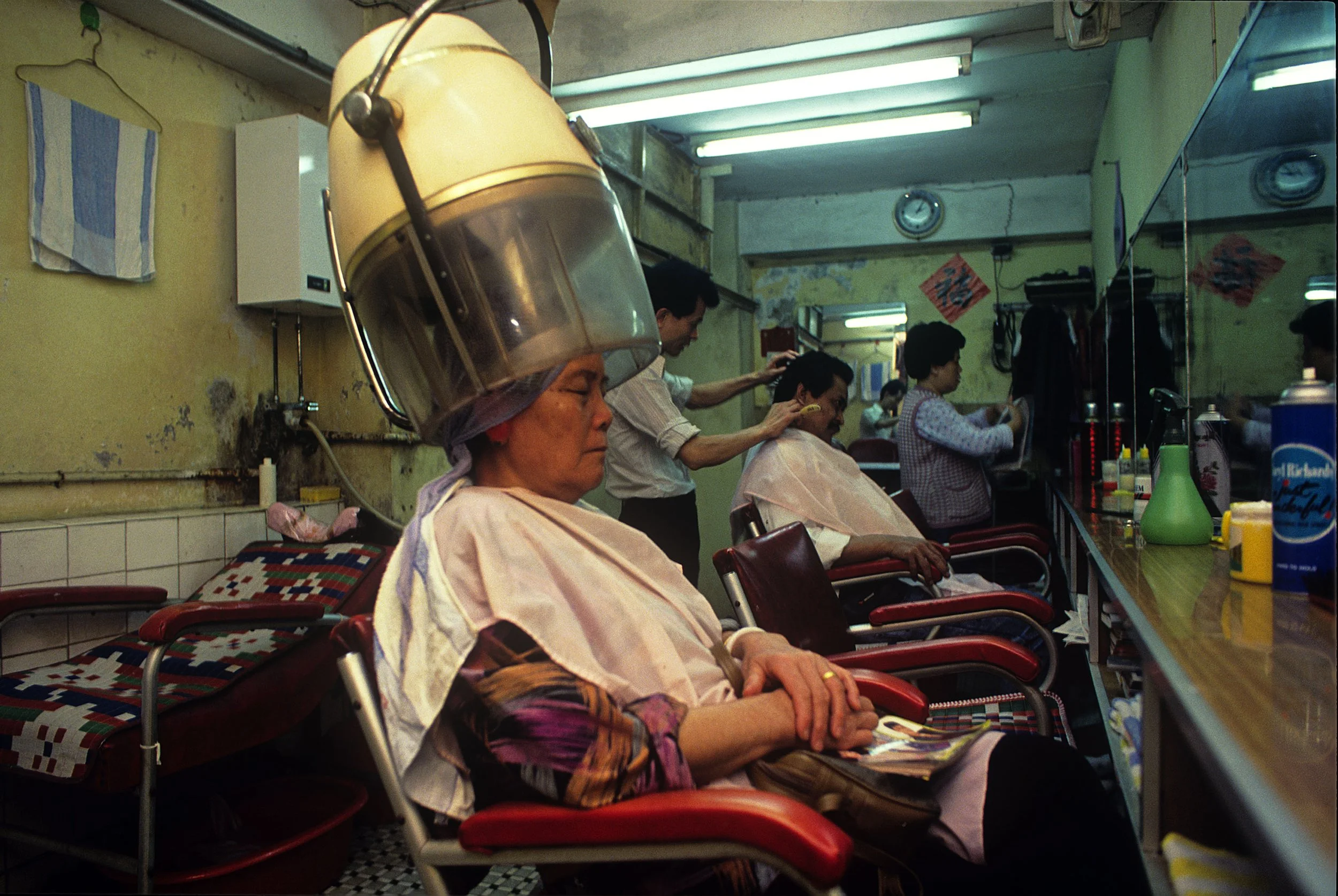
For Greg Girard, looking back was not simply about remembering where he had been. Bringing together photographs from different decades, countries, and periods of his career showed him connections he had never seen so clearly before. It also revealed a strong body of photographs of people inside a career better known for cities and night photography.
Some of the photographs that lasted longest were the ones made without a purpose.
Girard began by making pictures for himself, later spent many years working for magazines, and eventually returned to that earlier impulse. Seeing these periods together made him think differently about what survives, what disappears, and why a photograph rejected twenty years ago can suddenly feel more interesting today.
Not to find your best pictures, but to notice what keeps returning, which images have changed with time, and what may have been overlooked before. Sometimes an old archive can show something about your photography that was impossible to see while you were making it.
The Book
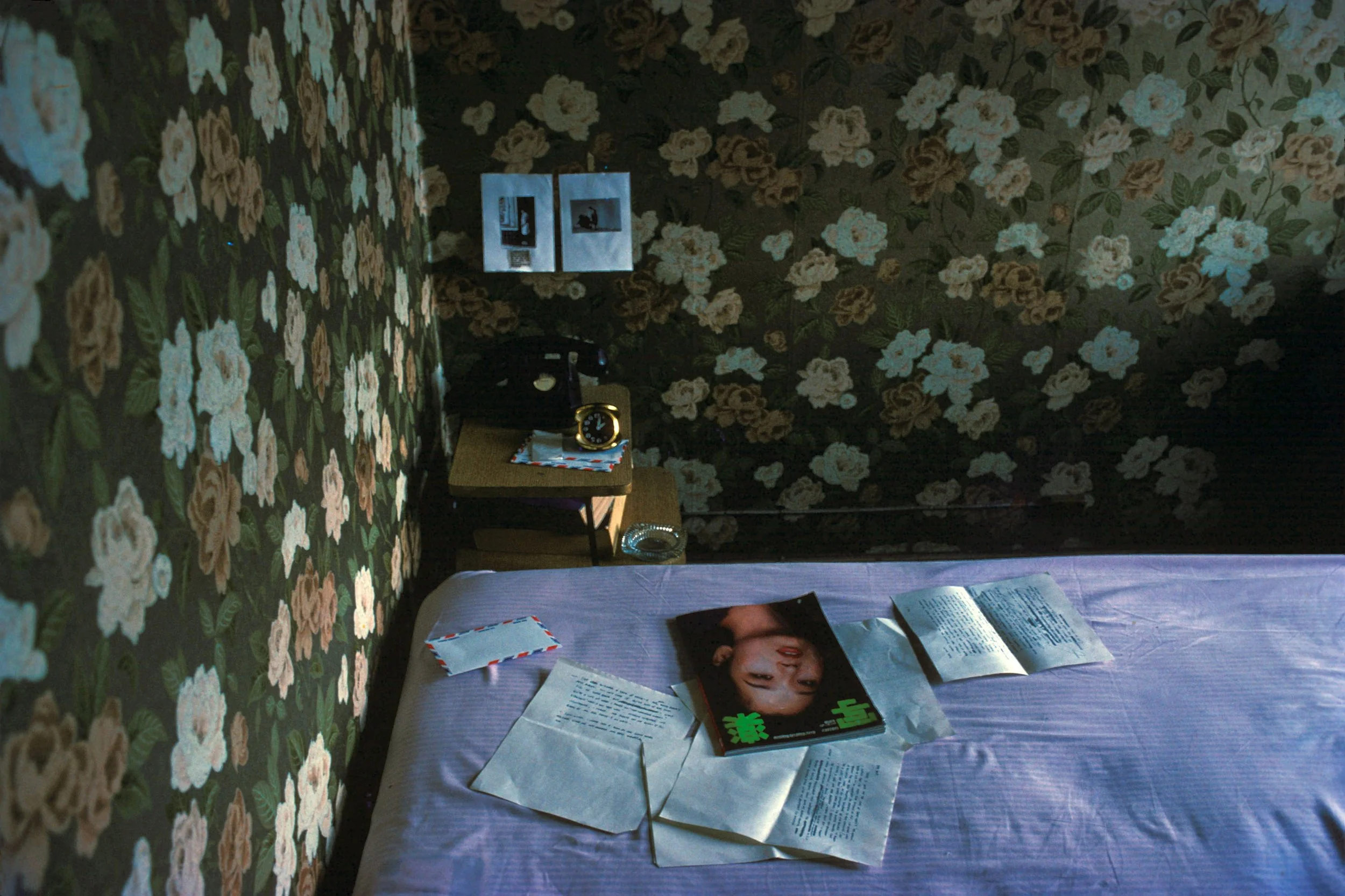
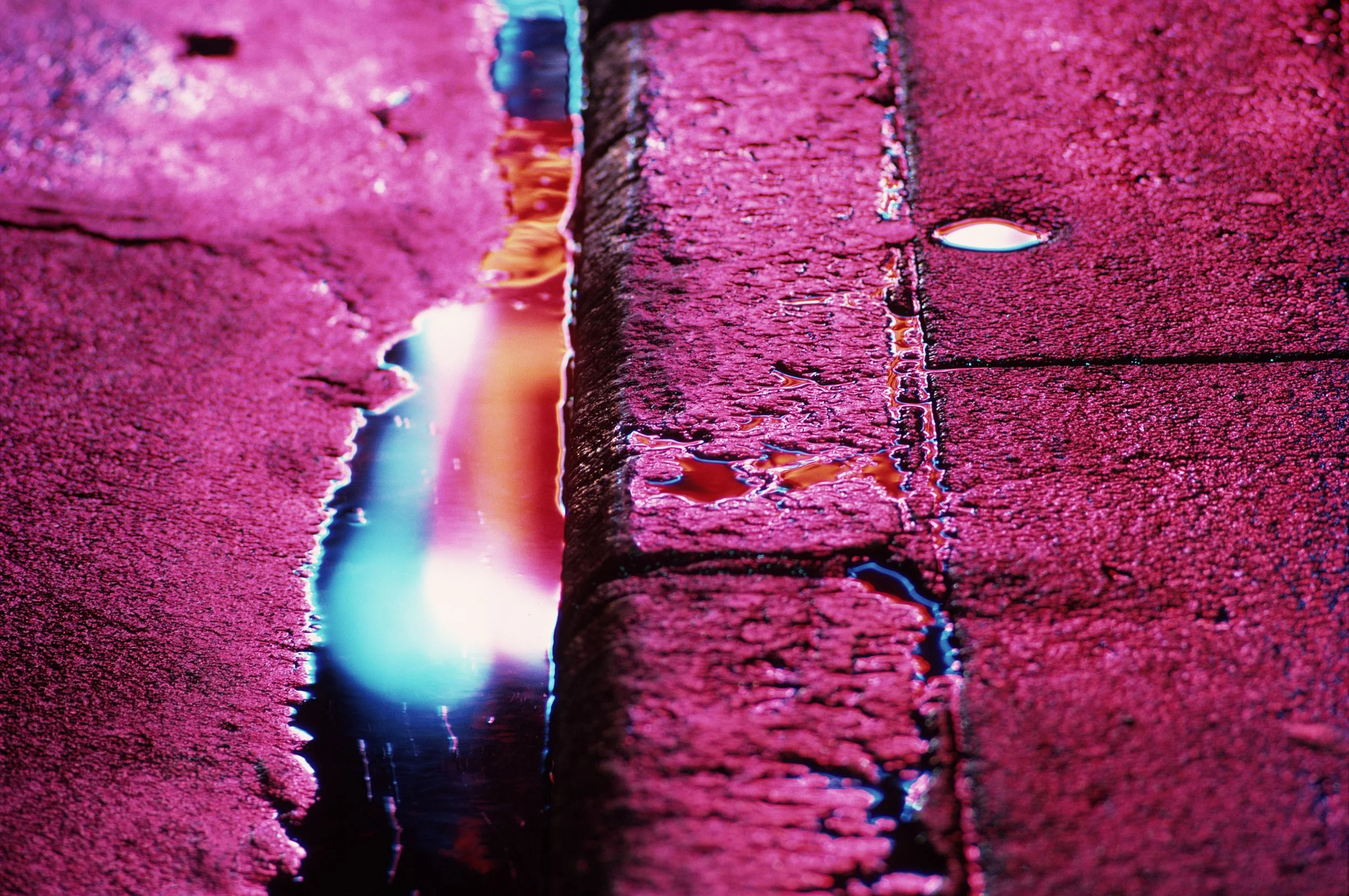
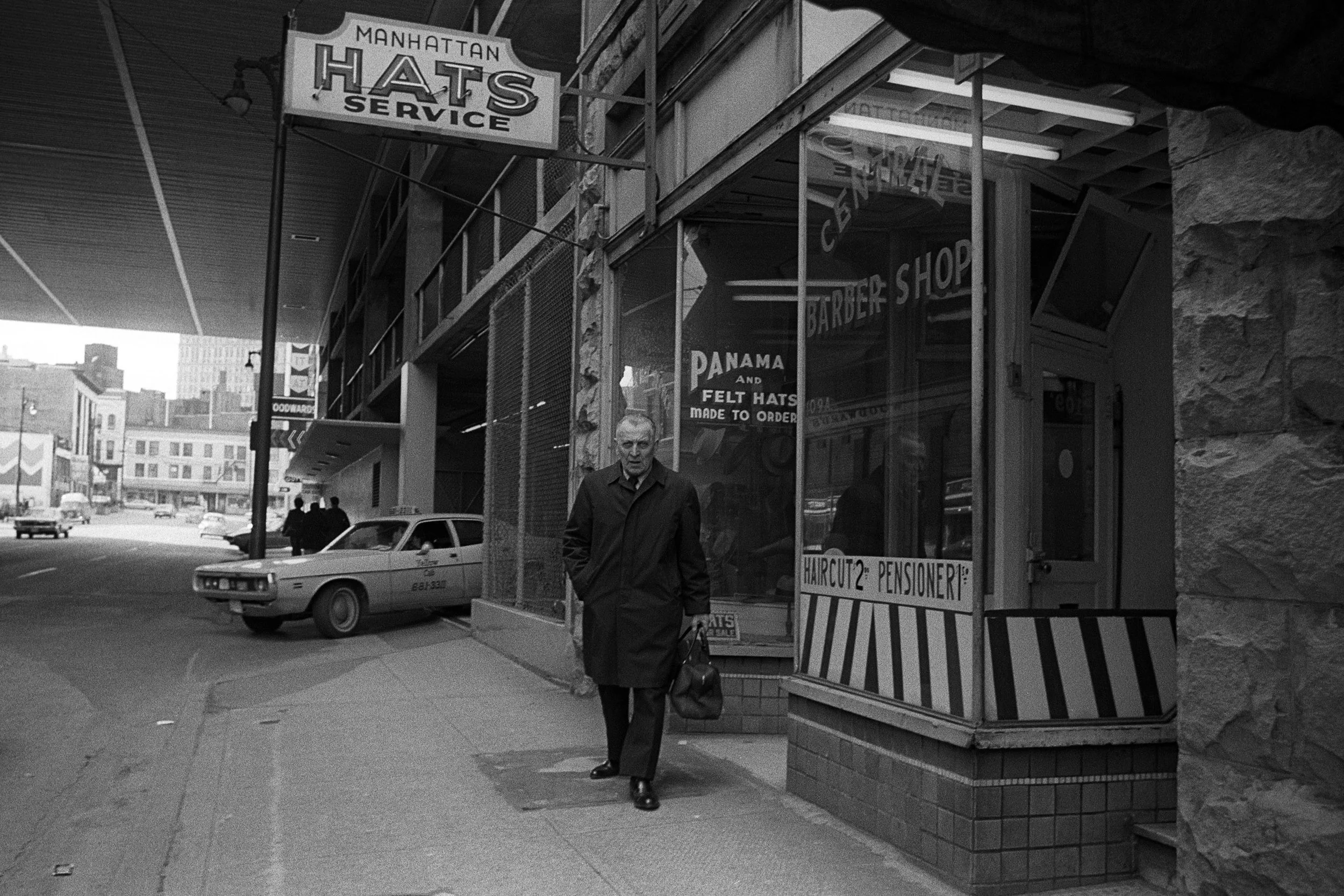
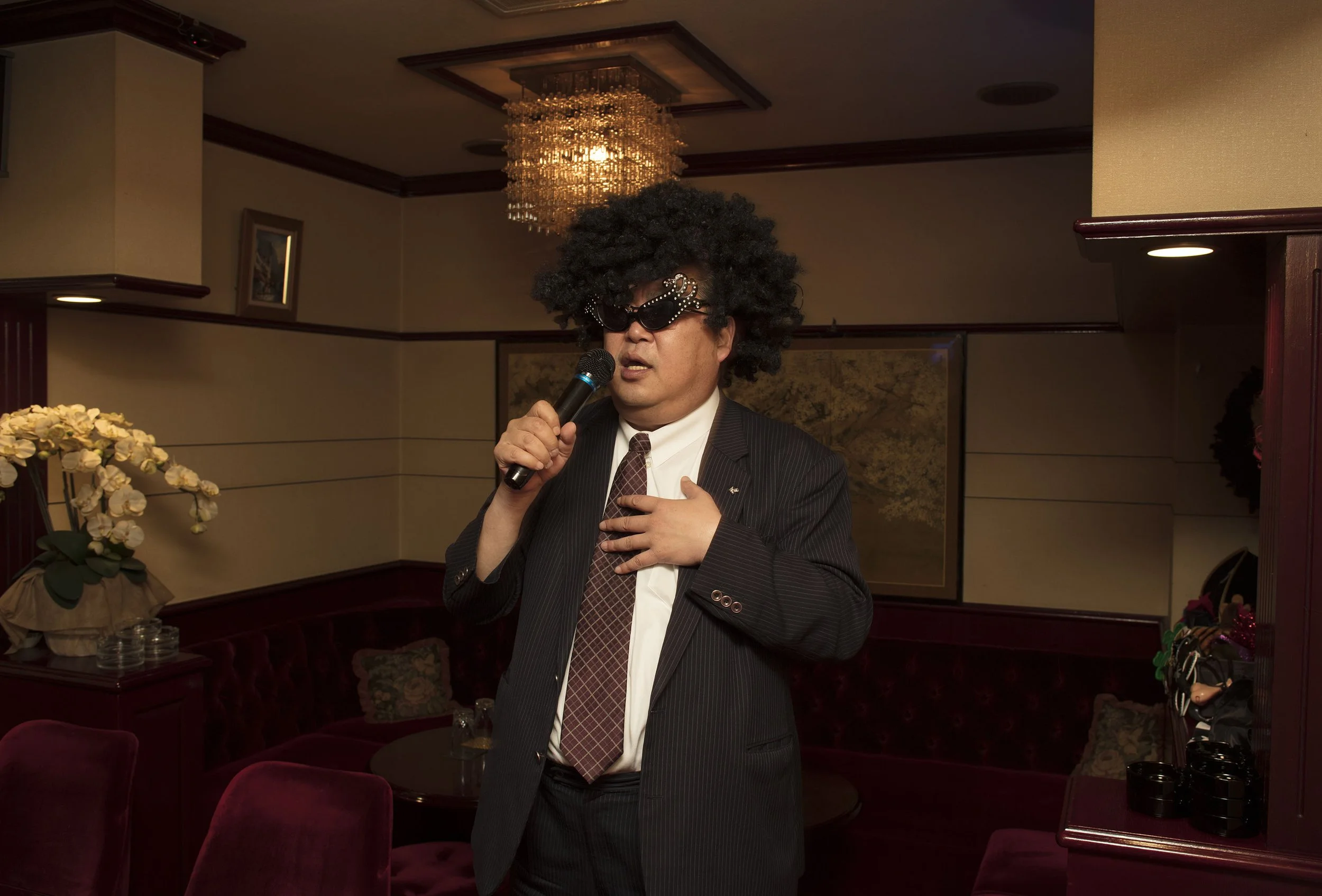
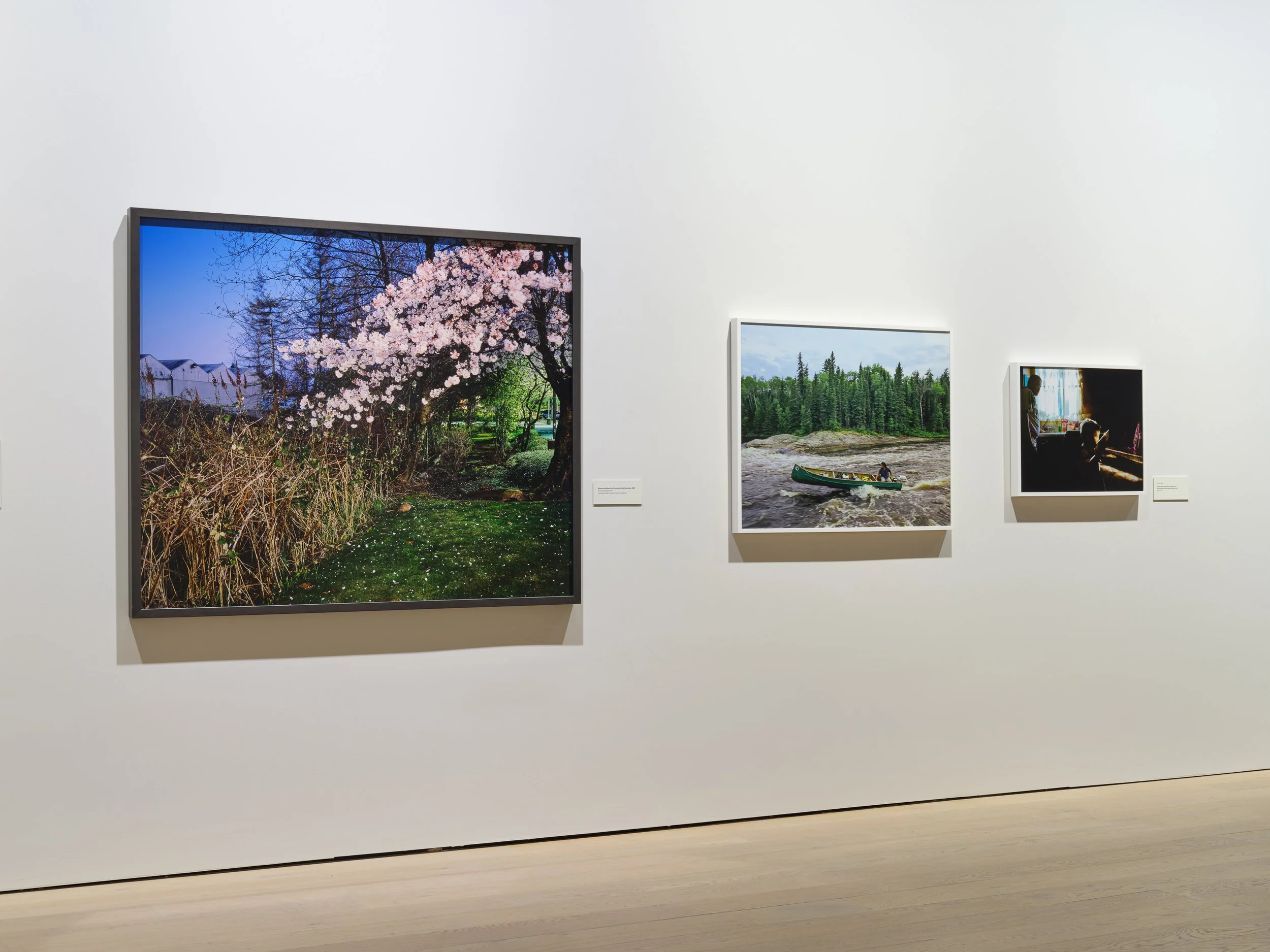
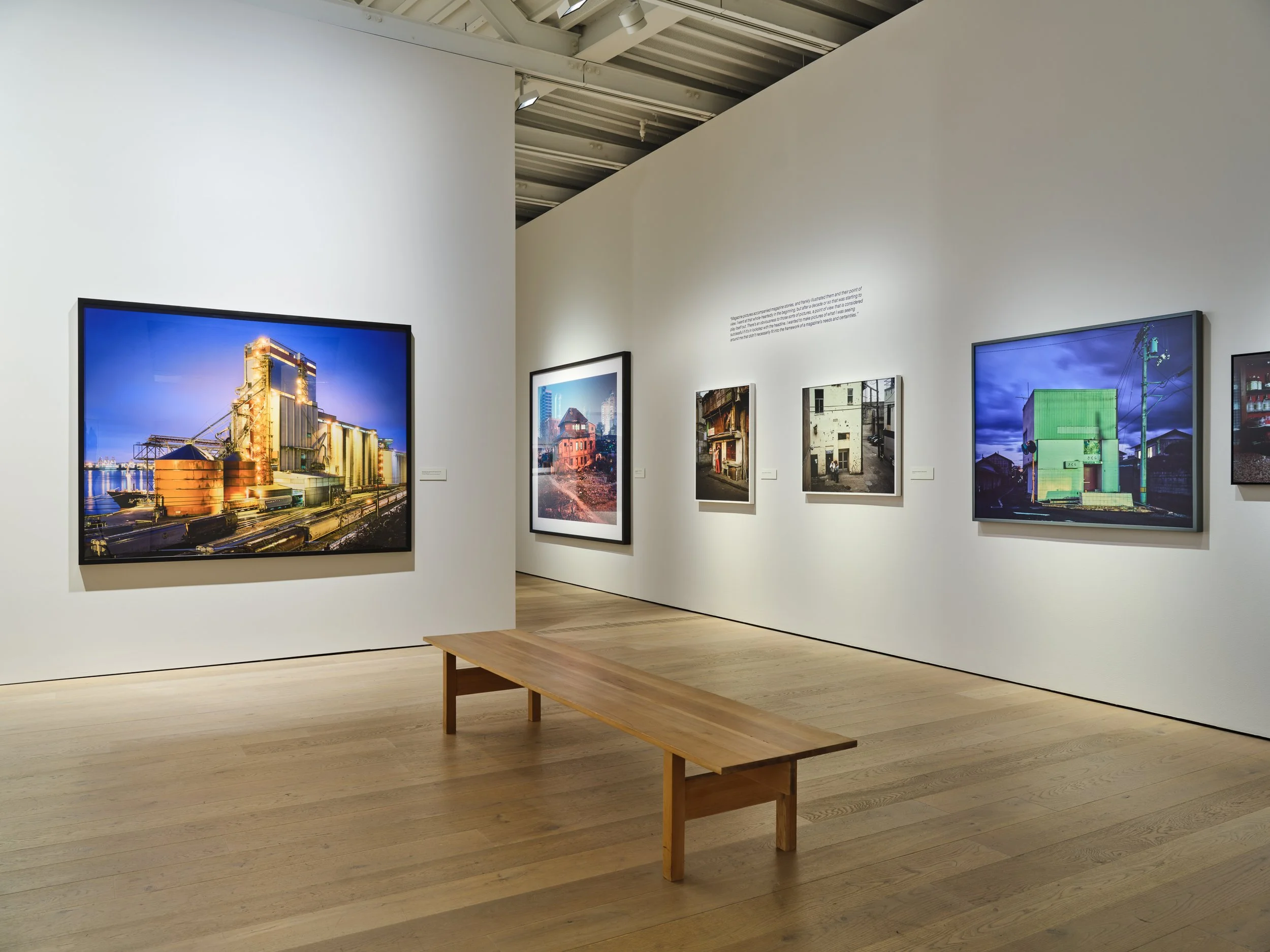
Greg Girard: Photographs 1972–2026, published by The Magenta Foundation in partnership with The Polygon Gallery, is the first career survey of Canadian photographer Greg Girard. The 356-page book brings together more than 200 photographs made across five decades, from his early work in Vancouver to his years living and photographing in Tokyo, Hong Kong, Shanghai, and other parts of Asia. It includes work from projects such as City of Darkness and Phantom Shanghai, alongside less familiar photographs that show the wider range of Girard’s practice. The book includes a foreword by Reid Shier, an introduction by Elliott Ramsey, and texts by Roy Arden, Hà Đào, and Silke Schmickl. (The Magenta Foundation , Amazon)

When looking back after more than fifty years behind the camera, what made you feel that now was finally the right time to look back at your whole body of work?
In a way, you are always doing that. But it took fifty years for anybody to pay attention to me in this way. It came from an invitation from a museum here in Canada, and that allowed everything to happen, including the book. Taking stock of your work like this creates a certain body of work, one that leaves out certain things and includes only a small fraction of what you have actually done. But you hope that it is representative.
Had you resisted doing this before, or was this the first time?
Certainly not out of resistance. It was simply the first time I was invited to do it, and it was wonderful to get that invitation. Putting it all together within a year, though, was a real challenge.
Did making the book change how you see your career?
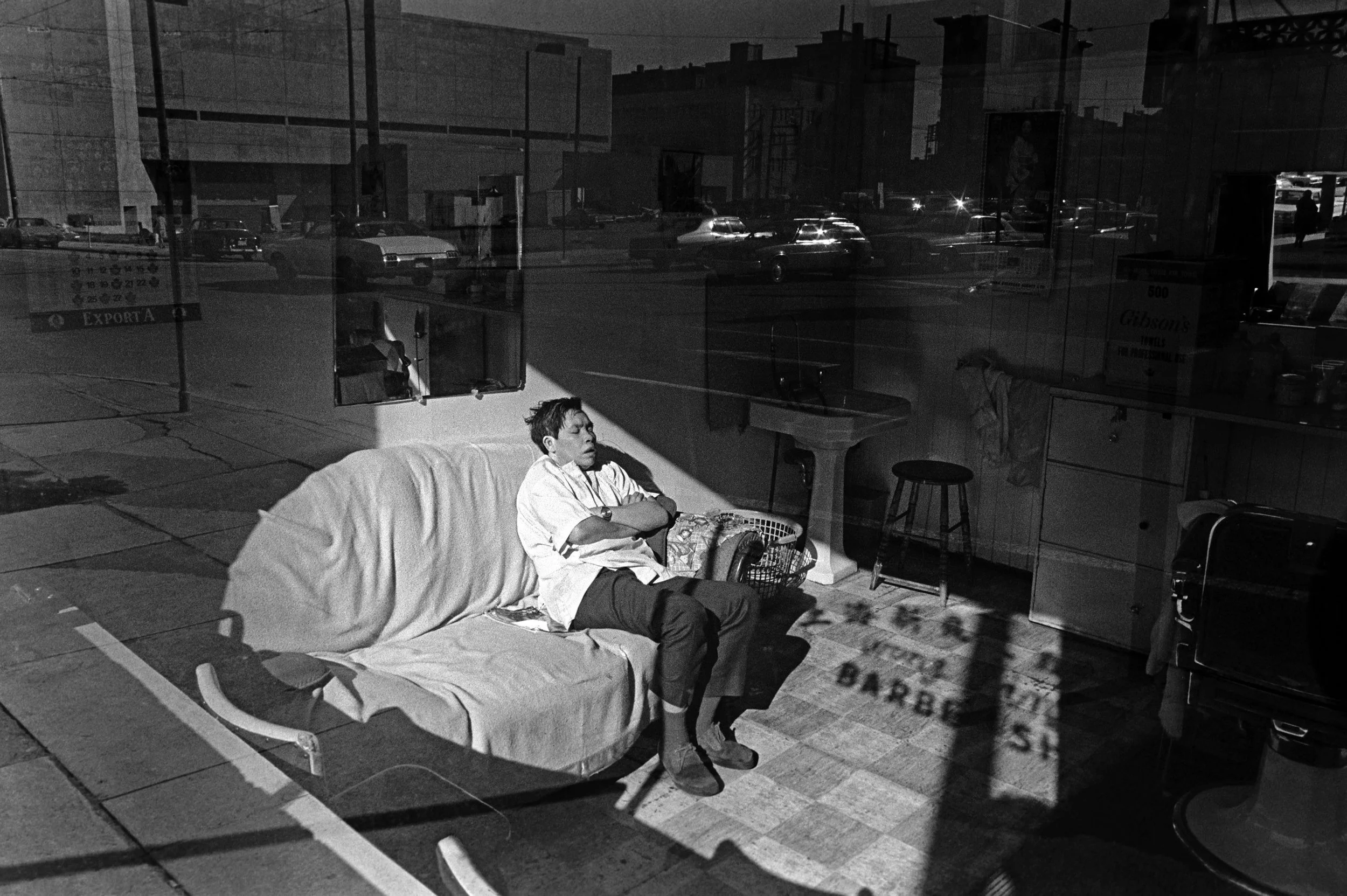
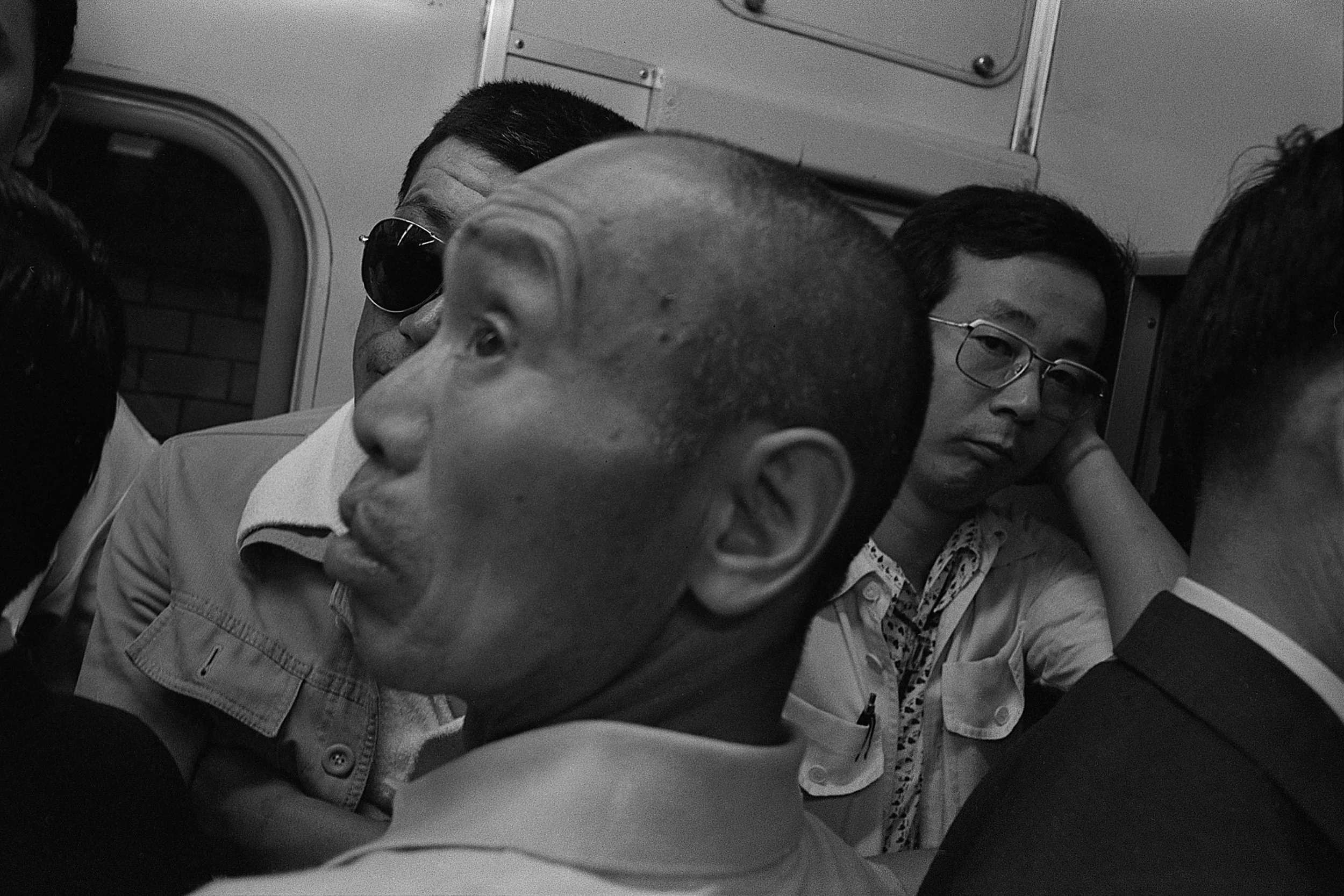
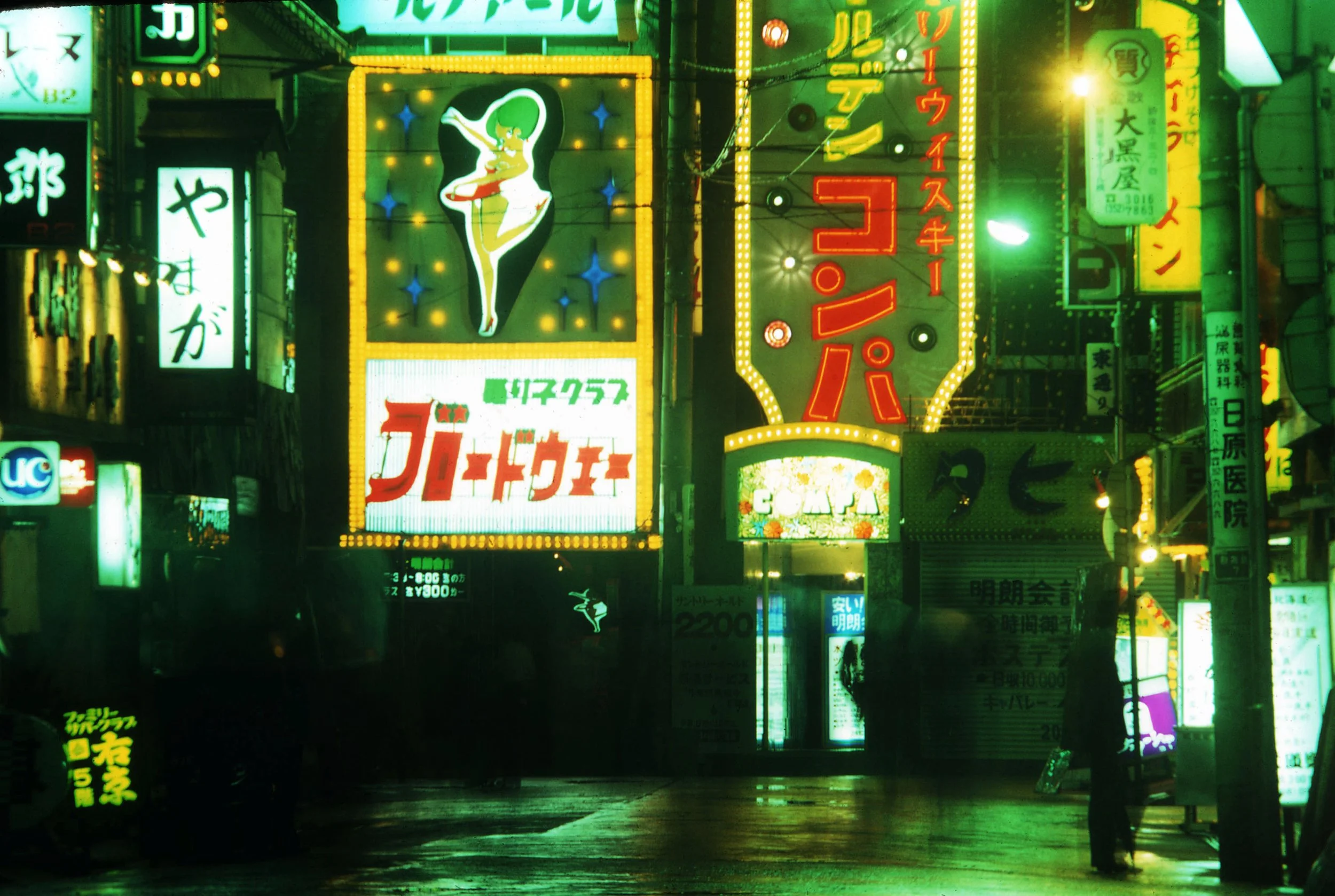
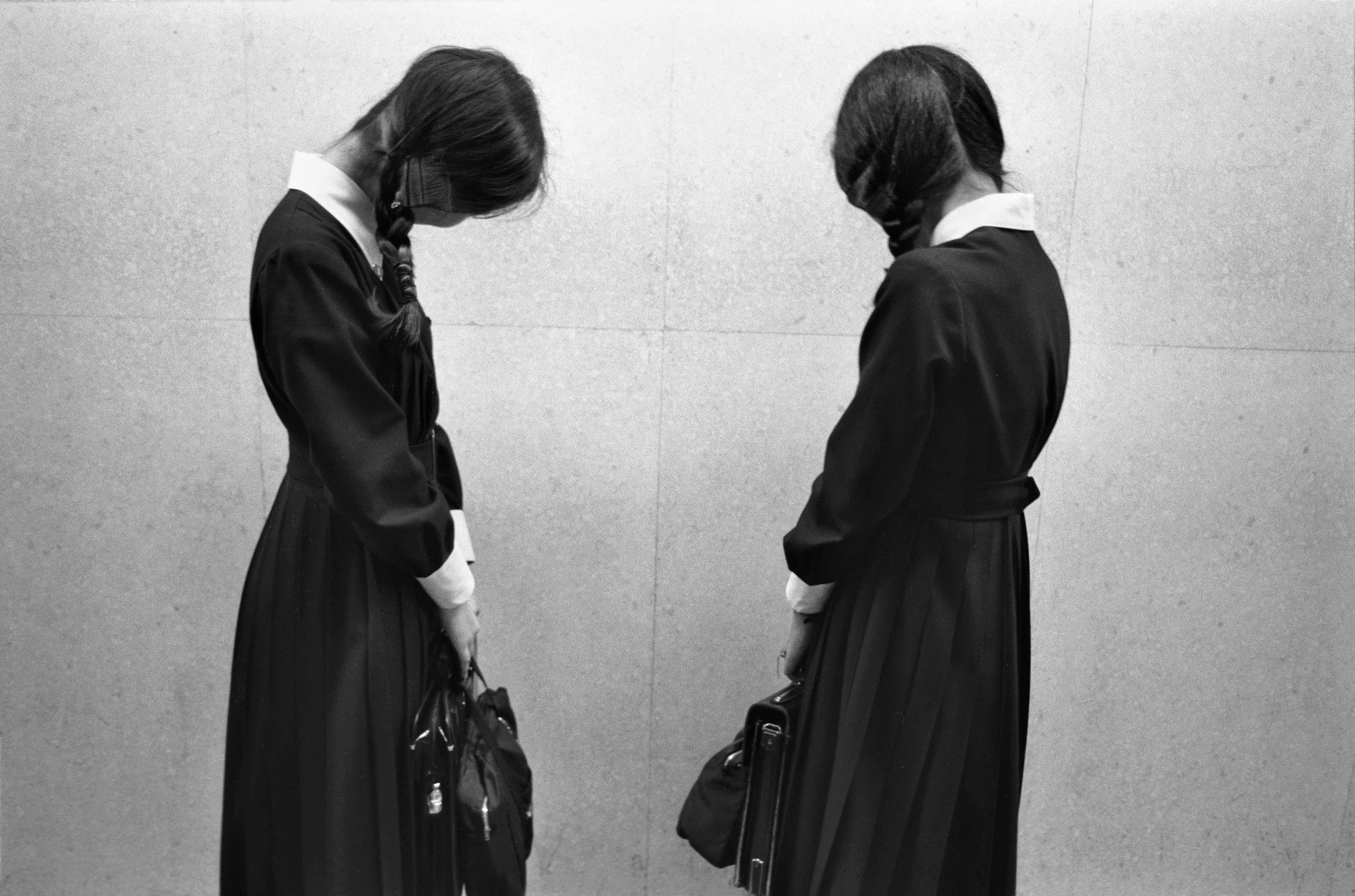
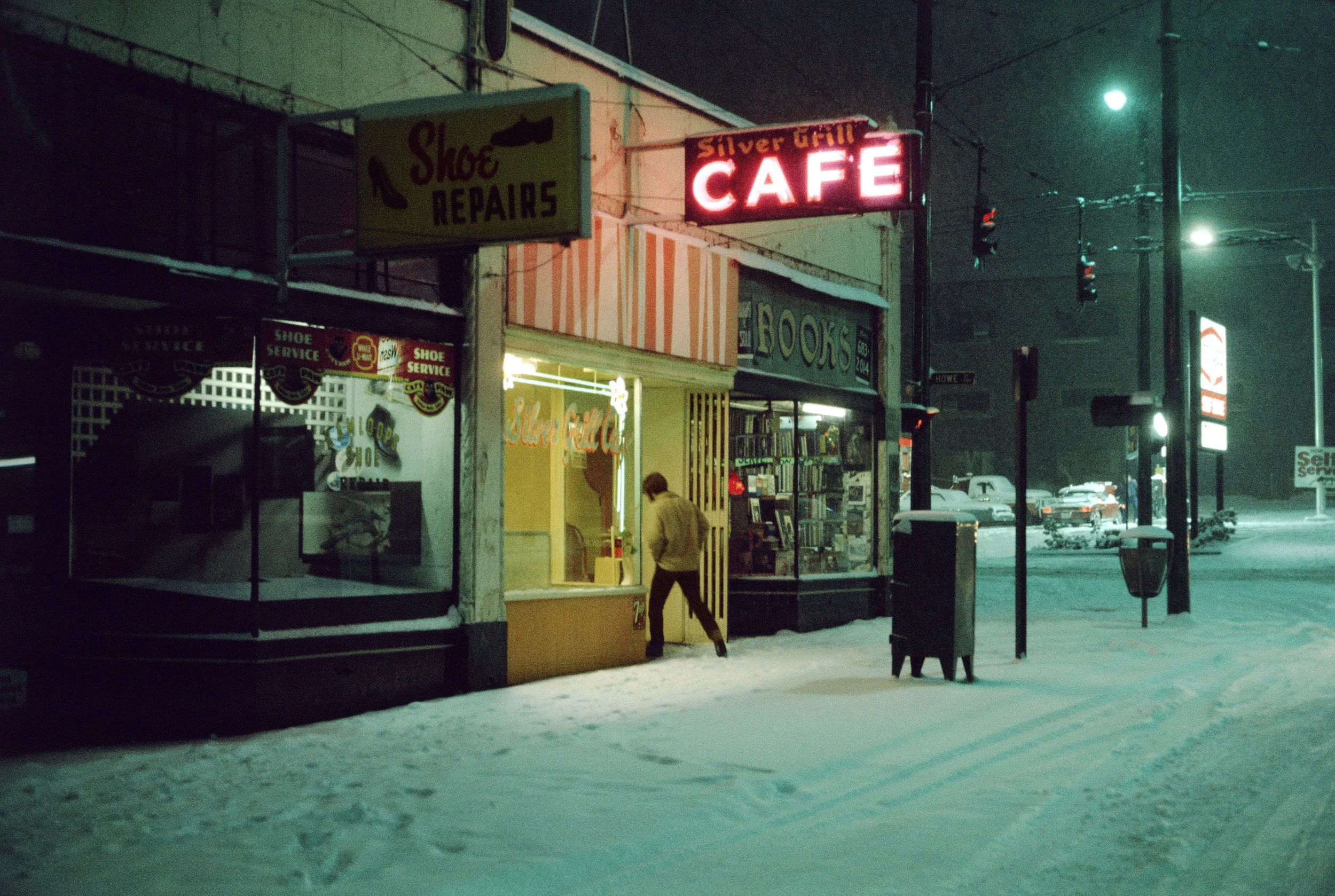
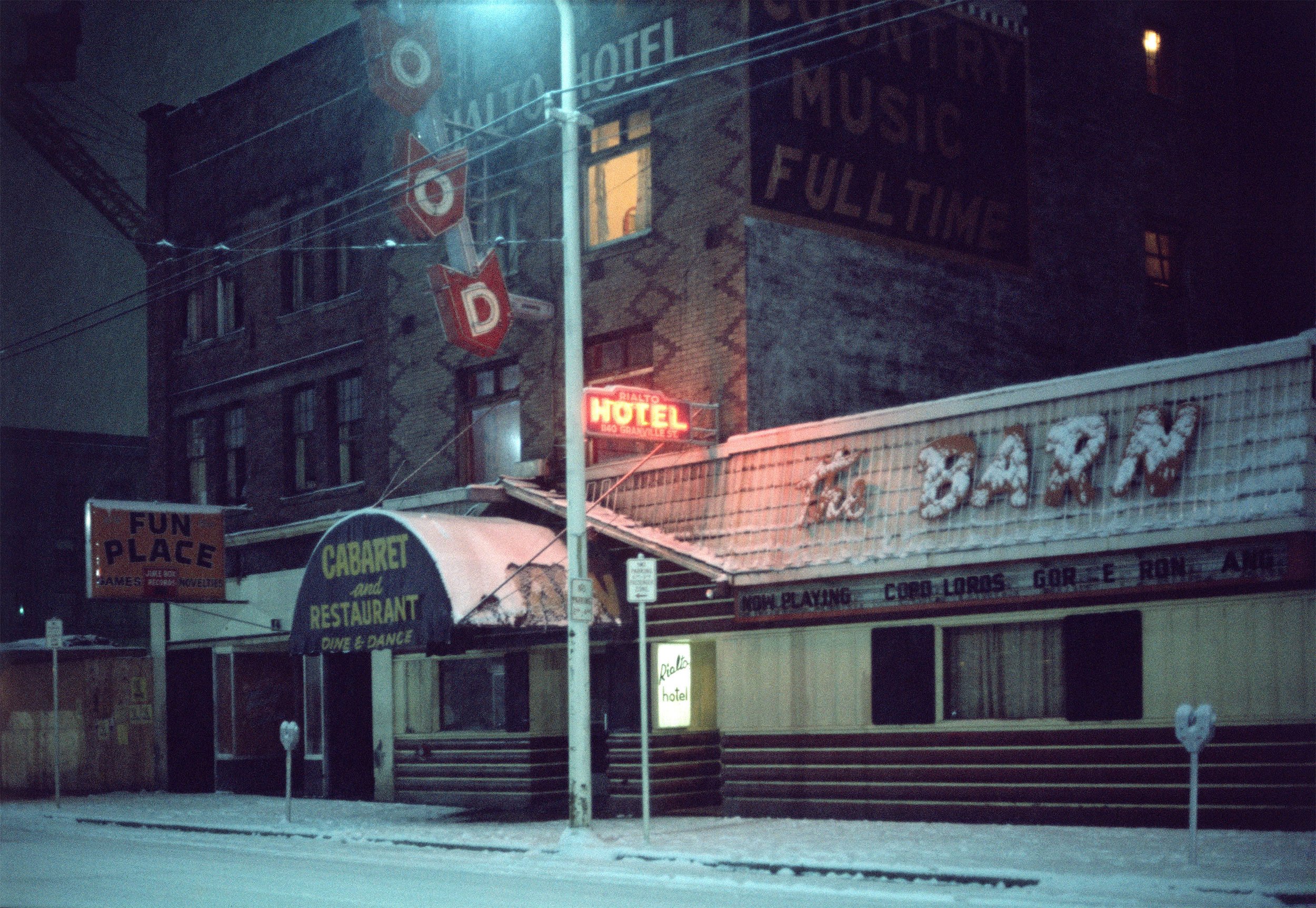
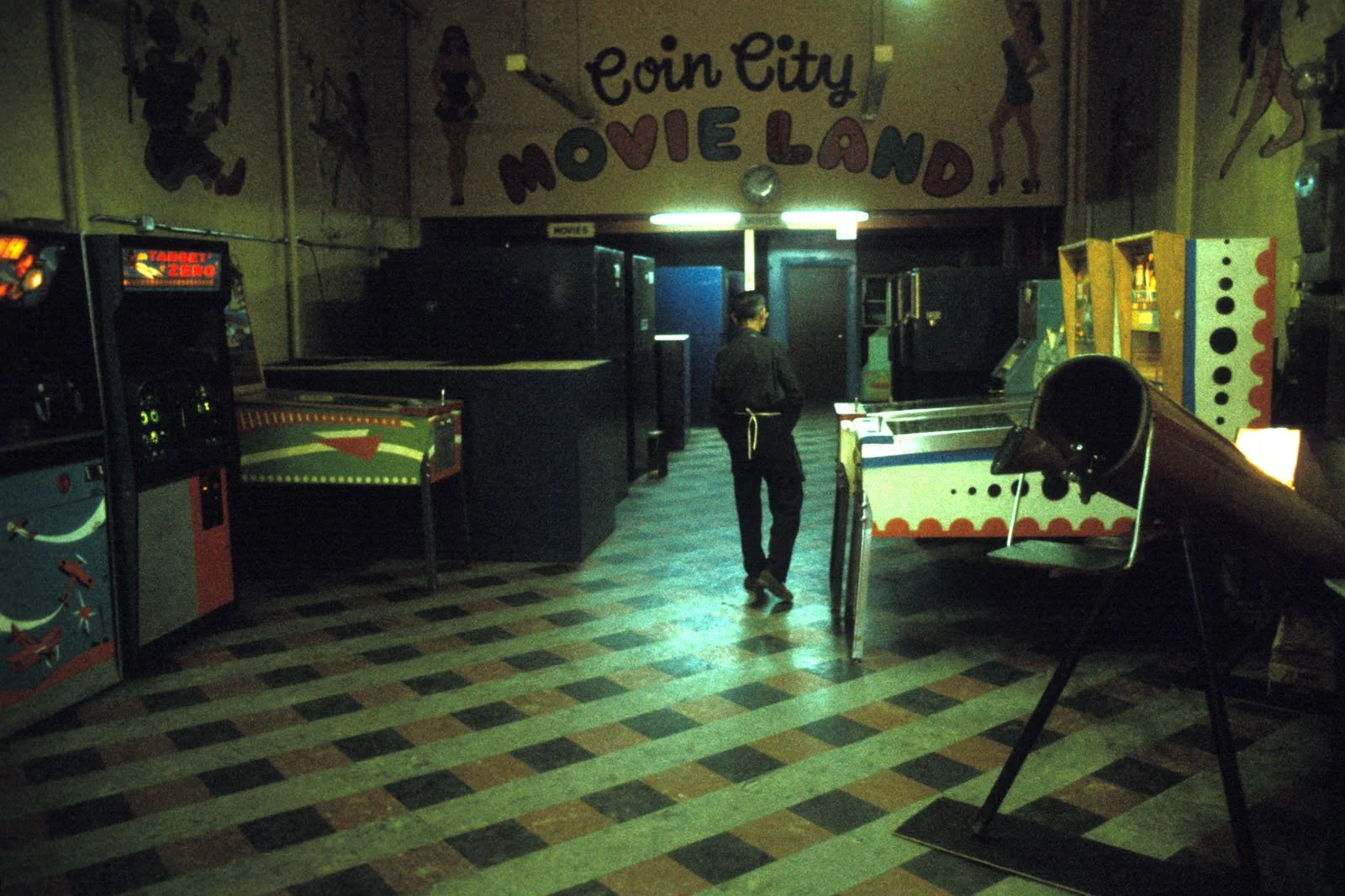
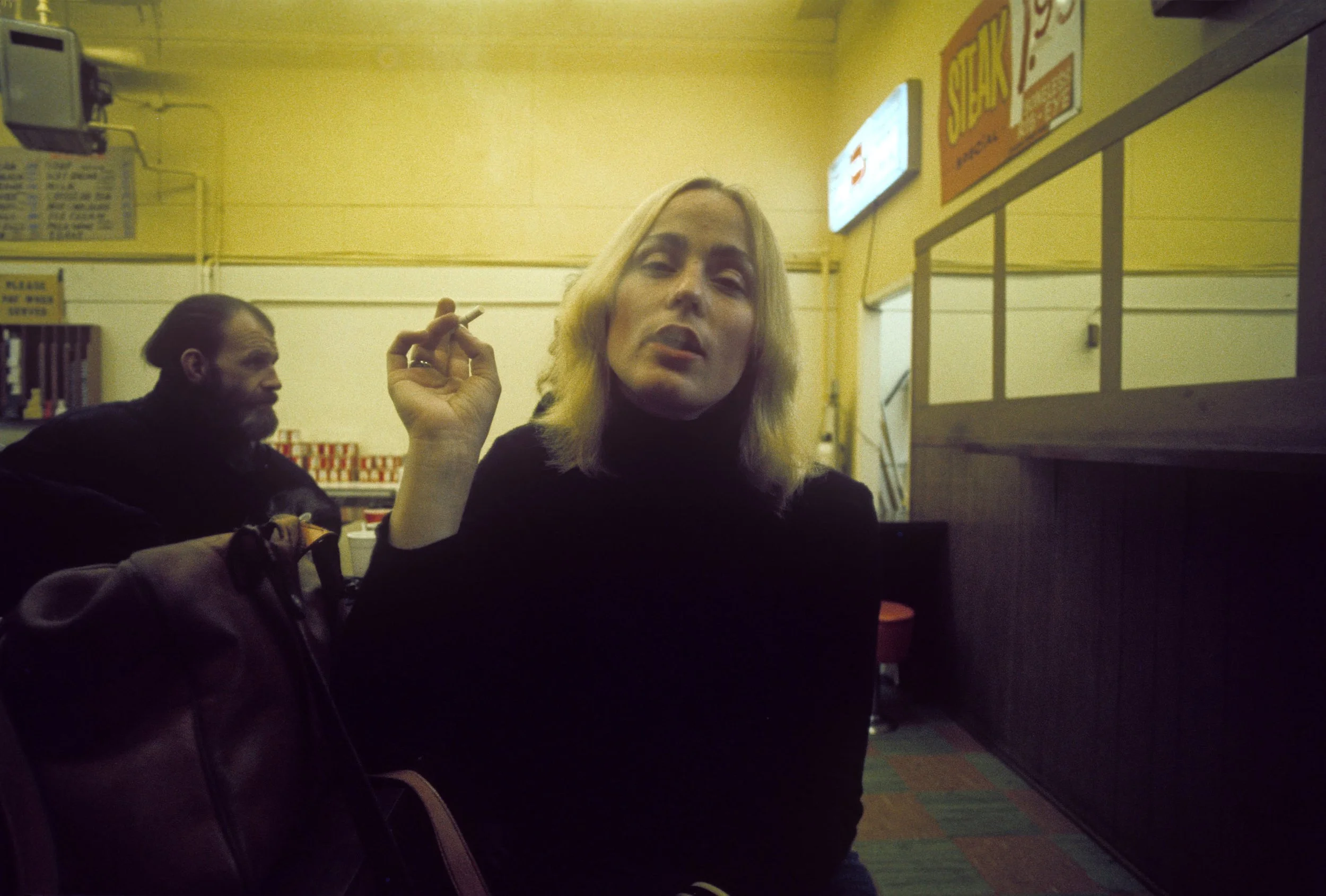
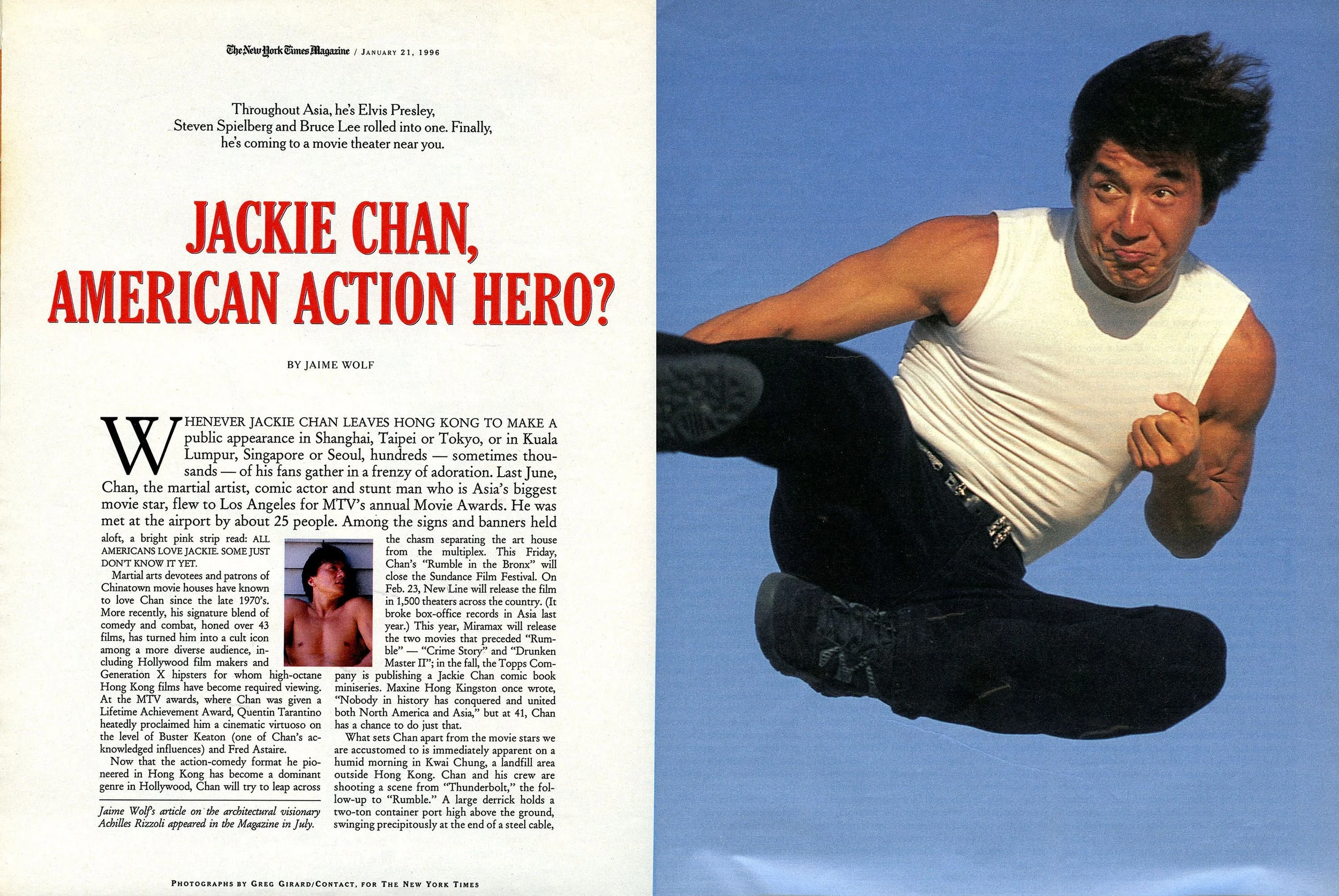
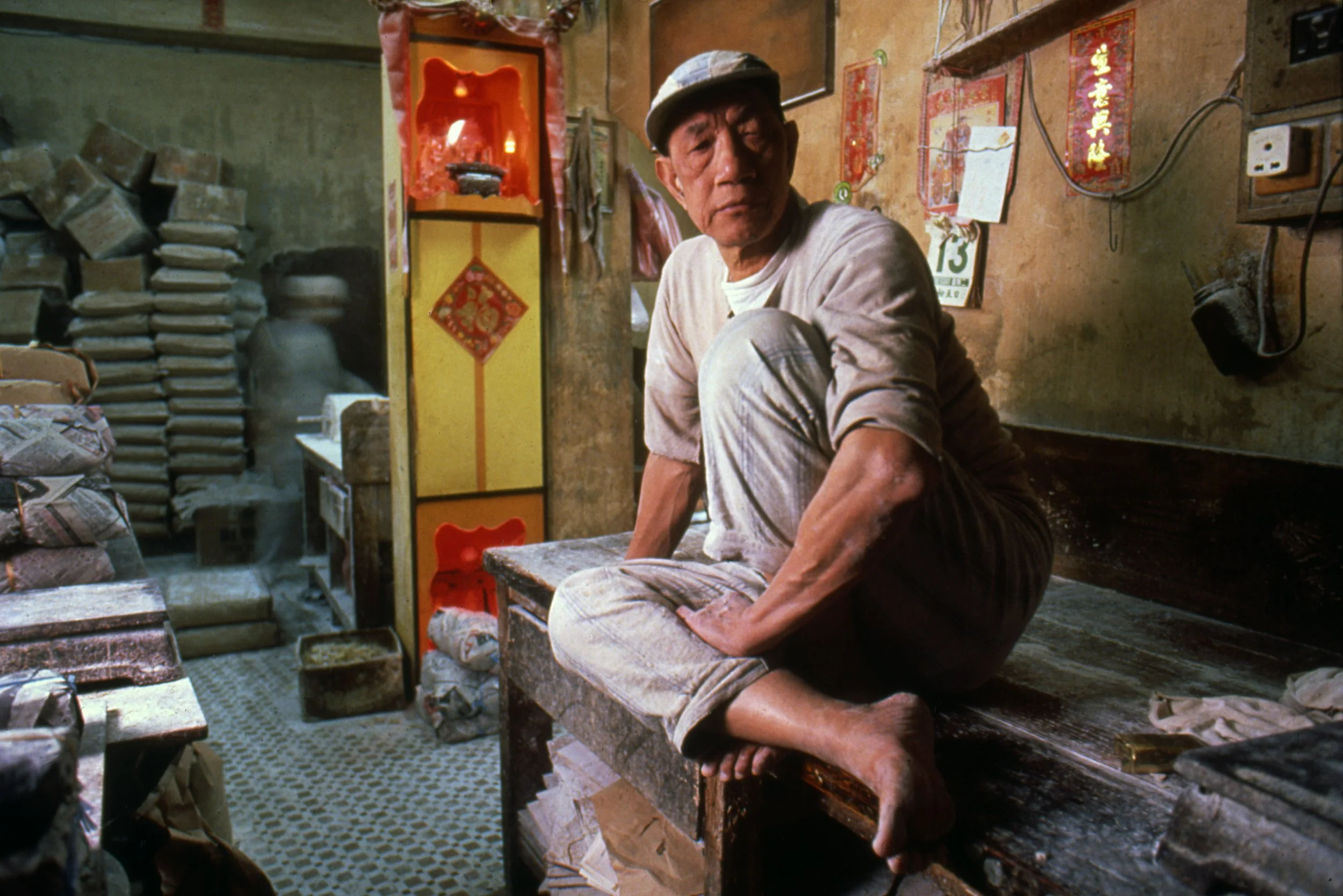
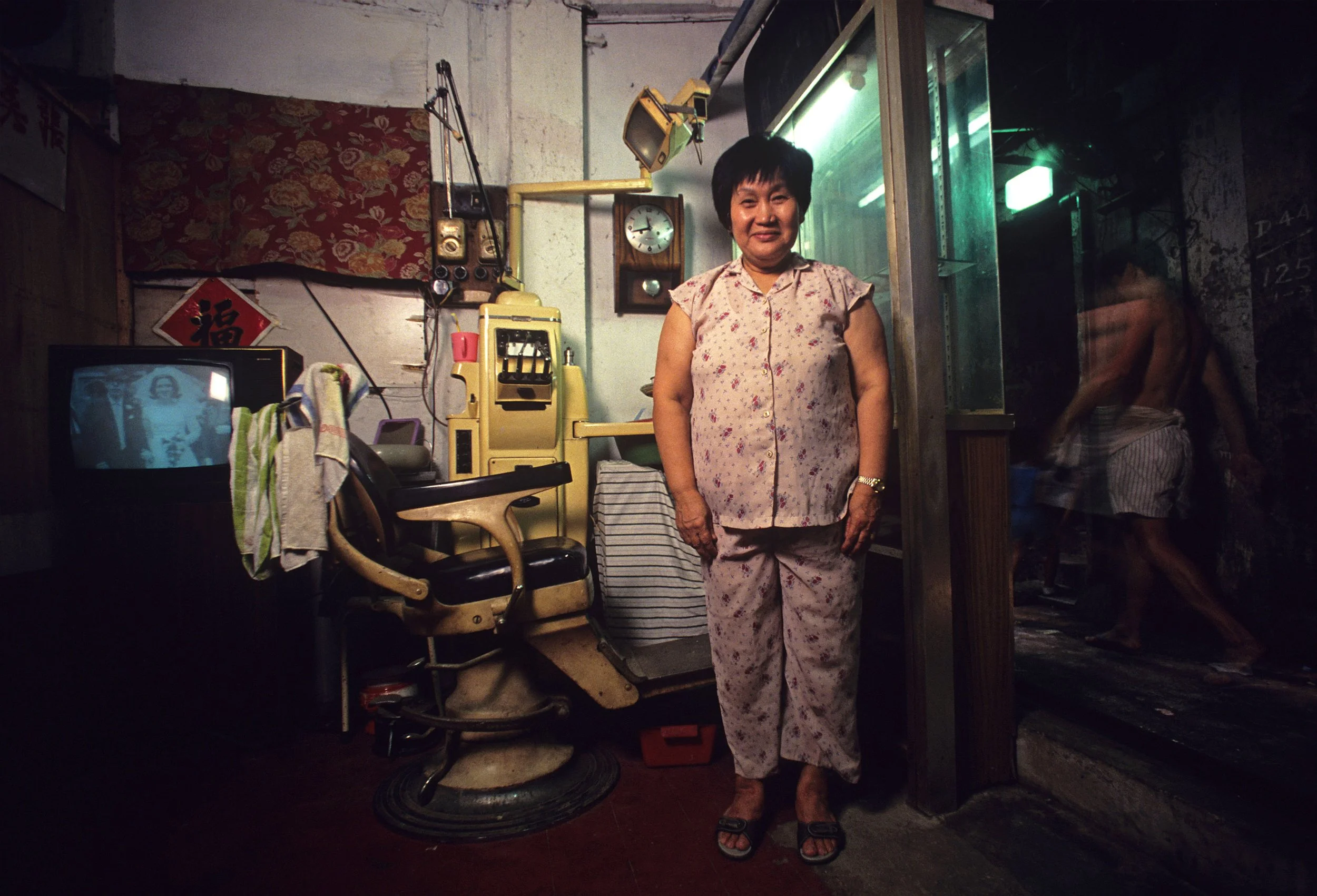
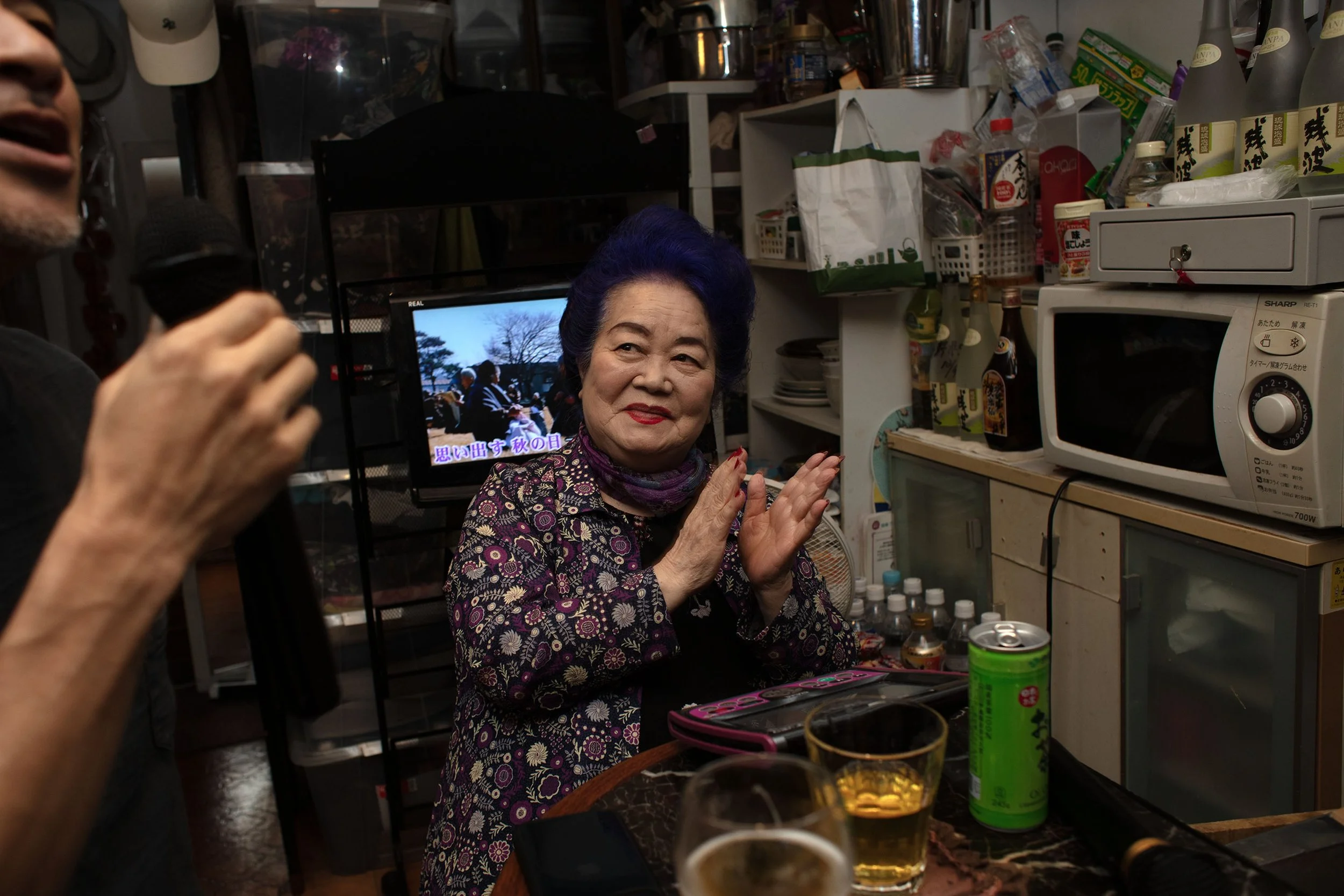
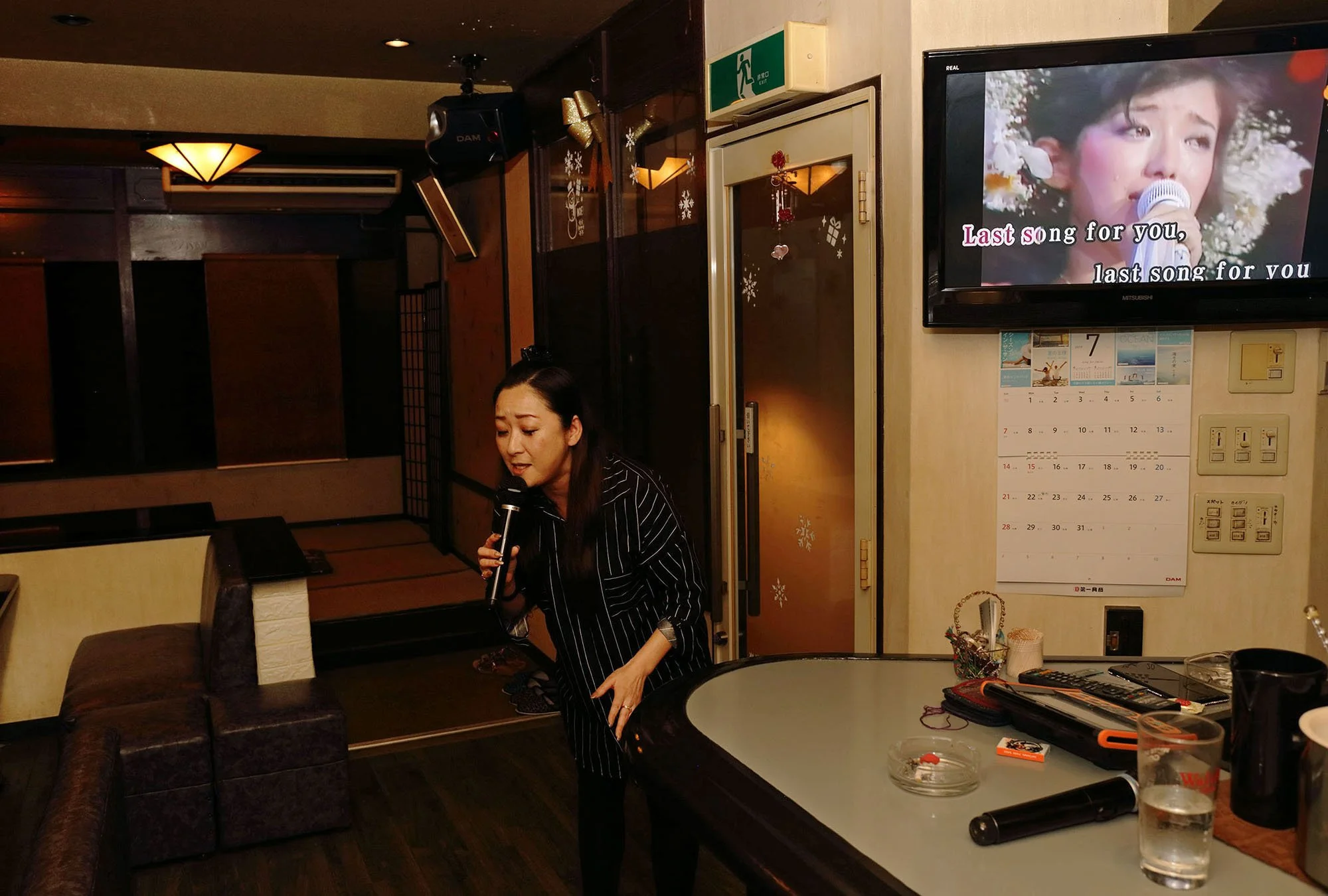
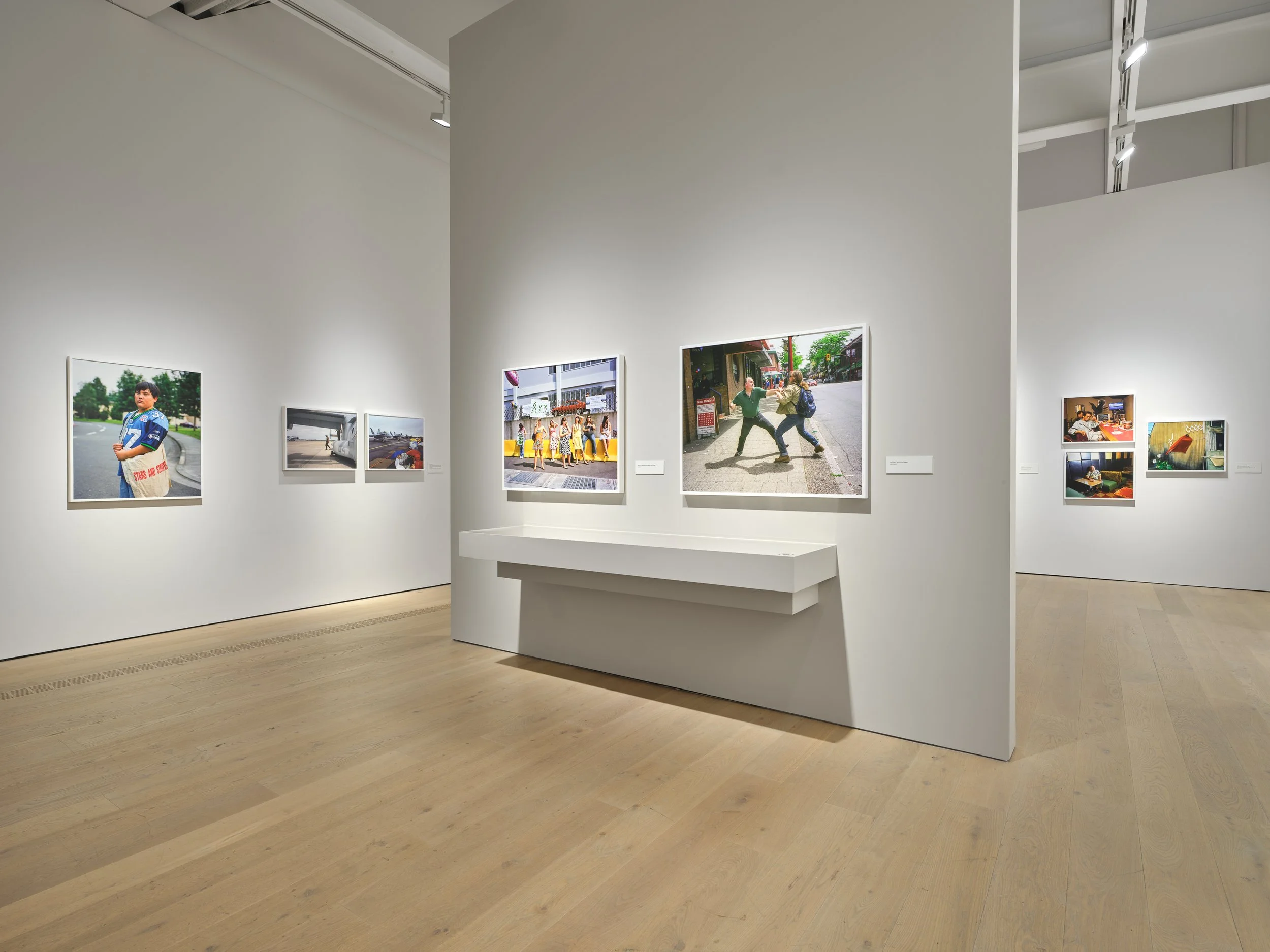
In some ways, yes. Over the years I think I became known for certain things, but putting the show together and looking at all the different bodies of work brought something else to light: the photographs of people, especially from the earlier part of my career. The curators felt that work was interesting and strong, and perhaps a little surprising, and I think everyone who curates a show wants to add something new or unexpected to it. That may have been it: discovering, within this fifty year career of picture making, a quite pronounced body of work built around people. I had become known over the years mainly for night photography and studies of cities, particularly in Asia, so this was something of a hidden vein running through the work that they discovered and wanted to highlight.
When you started going back through your archive, was there a specific photograph or project that you suddenly saw completely differently than when you first made it?
I can't say there was one specific photograph. The real question was how to mix the different geographies and locations with a very specific timeline. Everyone's career has a kind of chronology: you started here, did this, then did that. That's the historical throughline, but the challenge was how to mix that timeline with the different geographies without making it overly linear. Helpfully, when I was young I was in a lot of different places at the same time. Certain decades, like the seventies and eighties, were scattered: starting in the West, working in Asia, Hong Kong, Southeast Asia, Japan, then back to the West again. It was a very mixed beginning until I more or less settled in Hong Kong in the early eighties and worked from there for the next fifteen or sixteen years. So the challenge was taking people through this journey, through these different places and decades, without making it feel overly linear and predictable.
When looking at your earliest photographs today, what do they have that still makes them work? And what do they tell you about the photographer you were back then?
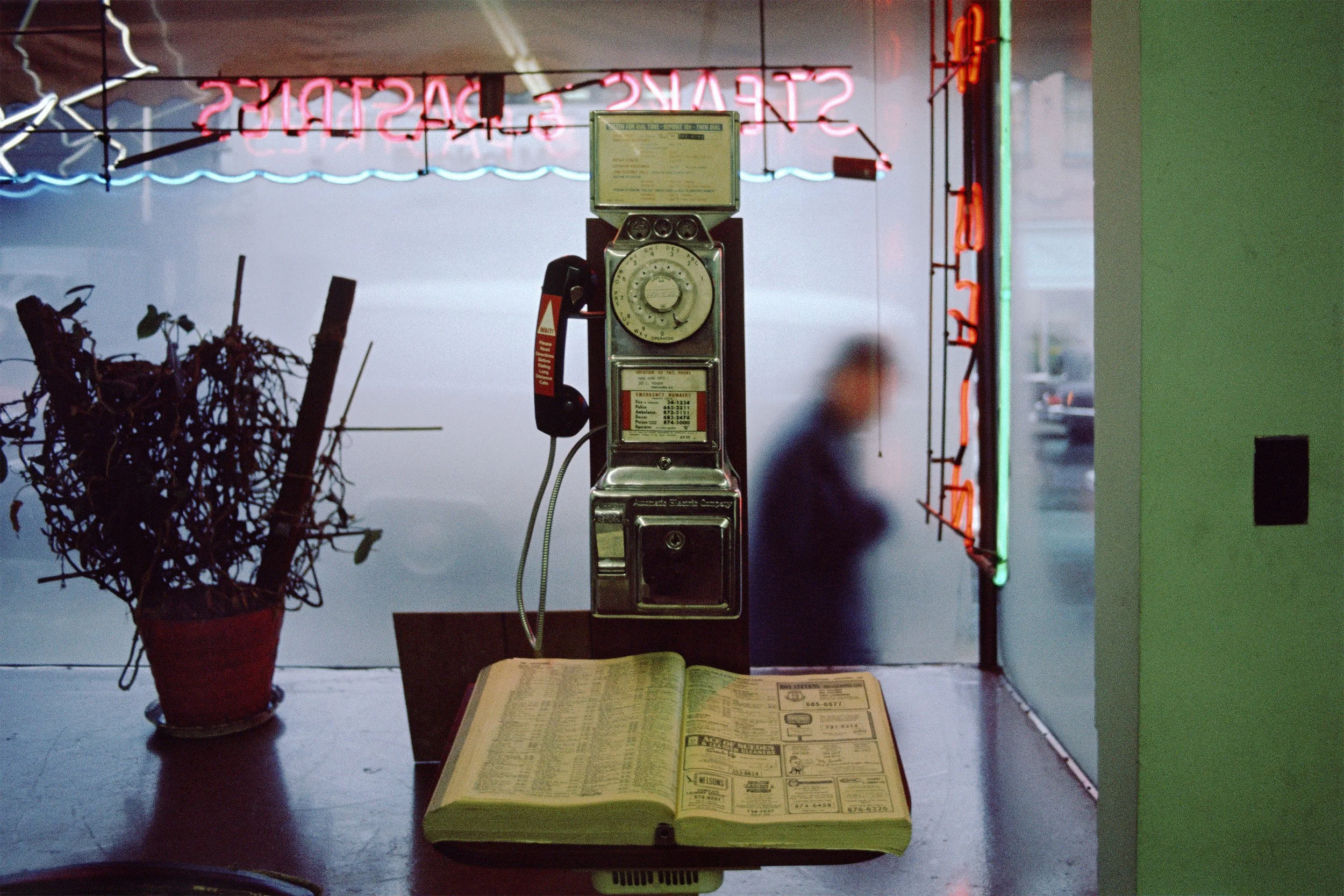
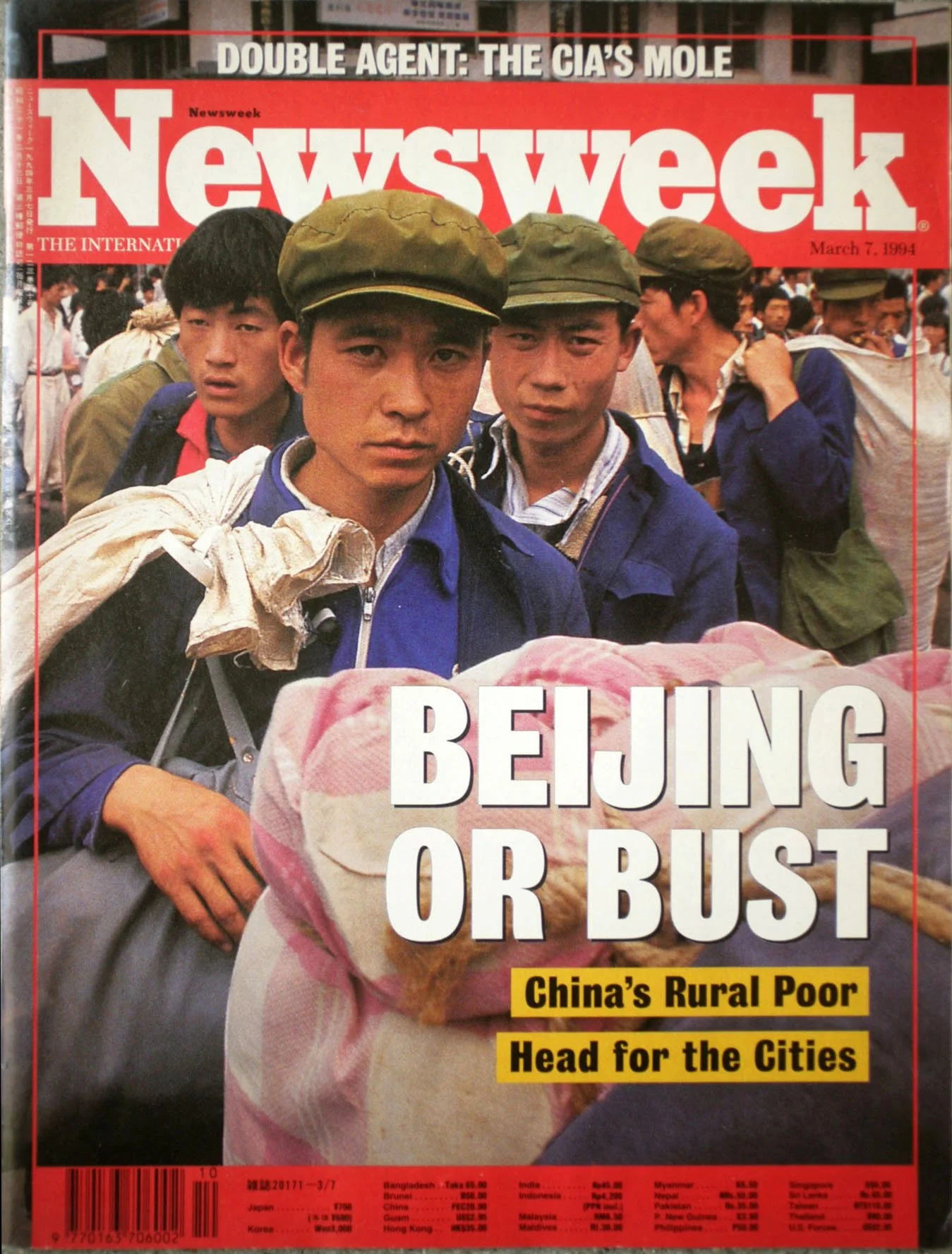
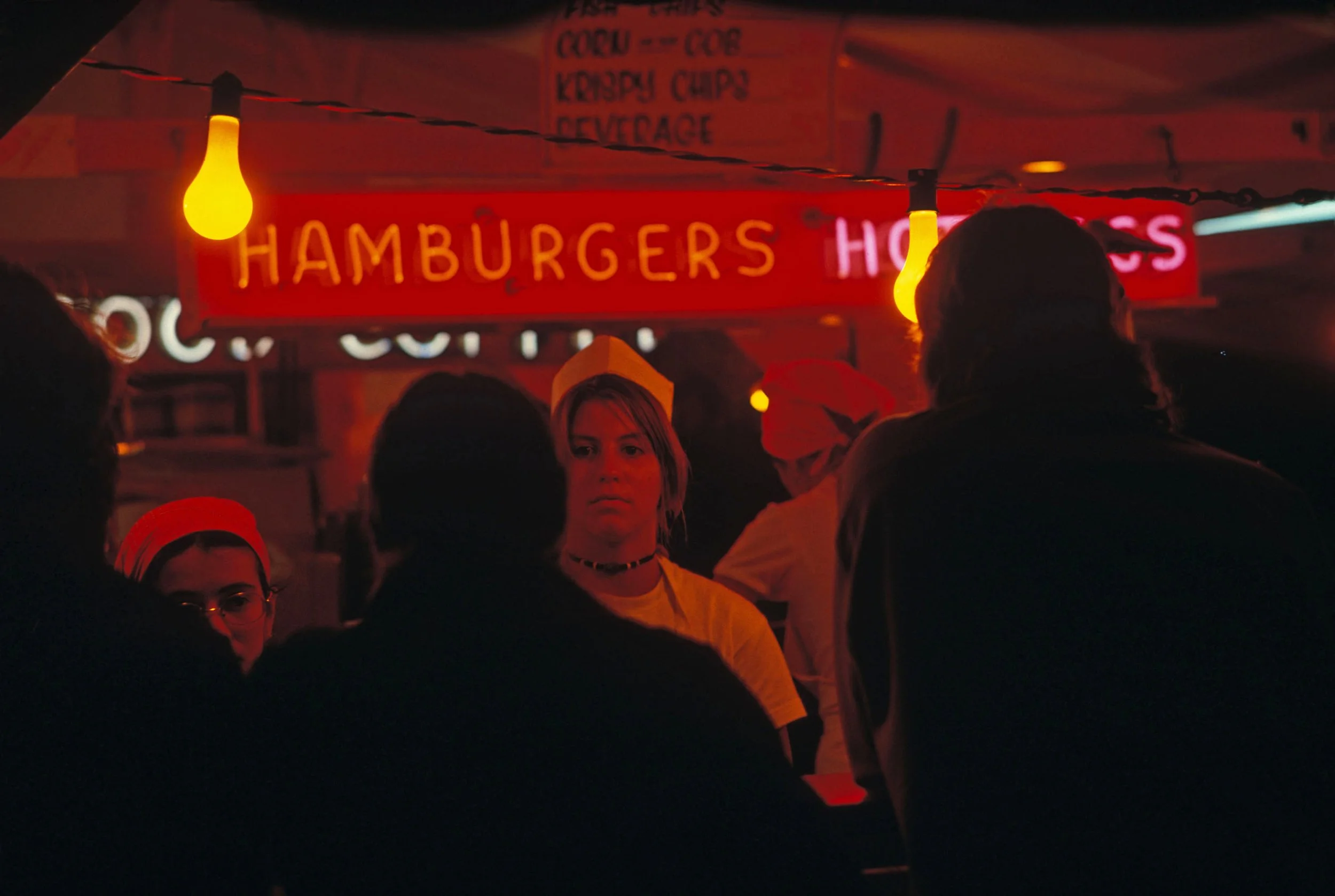
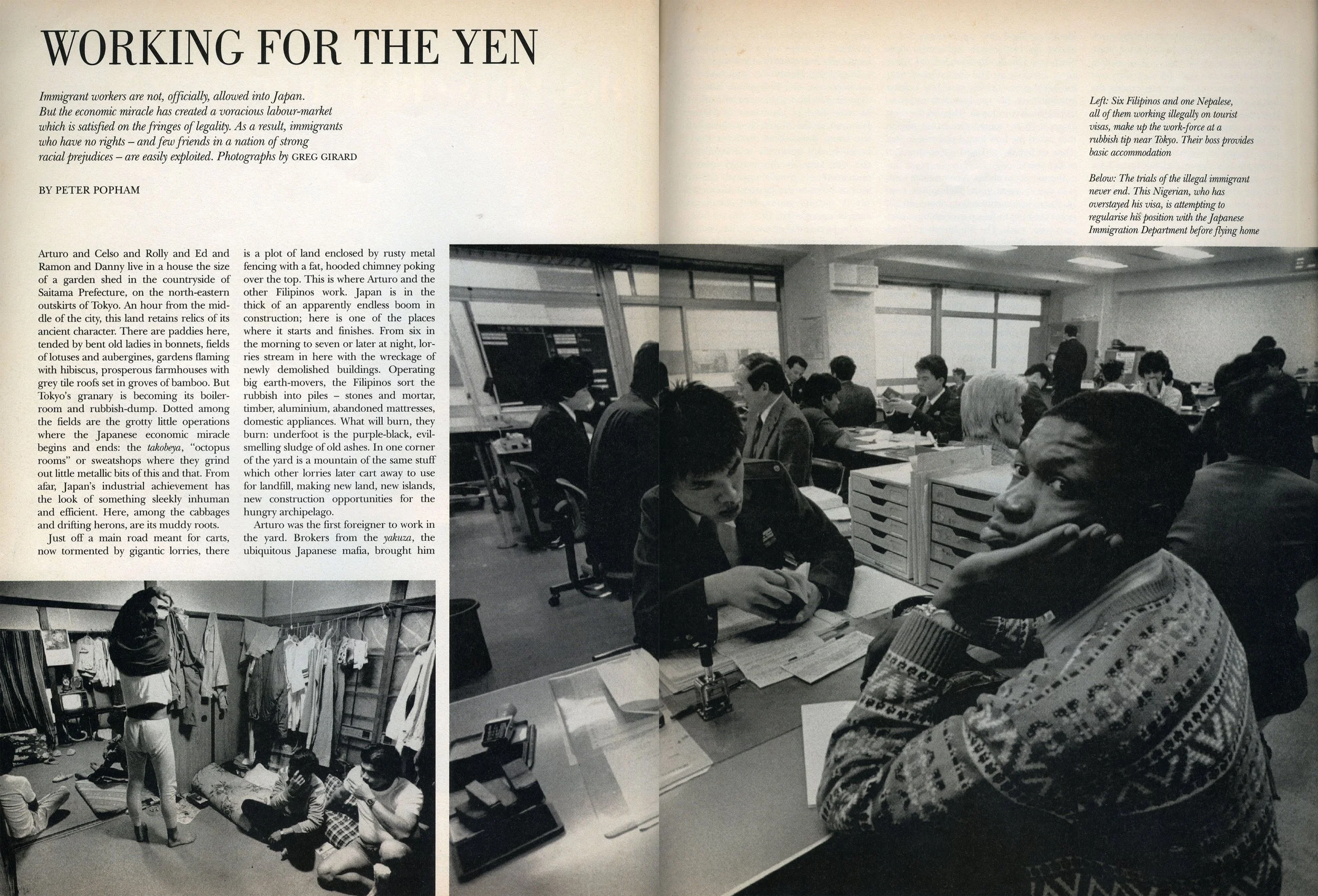
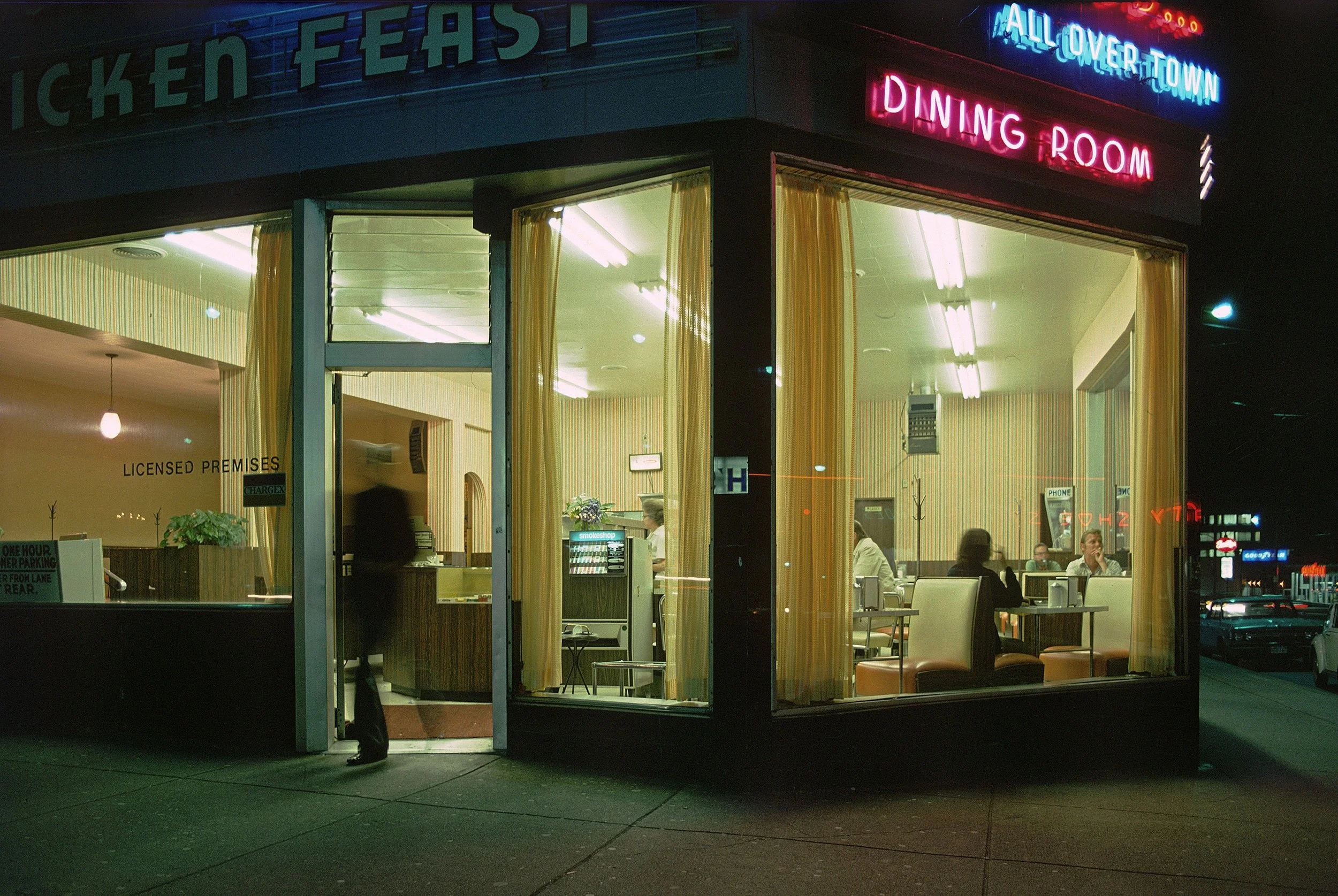
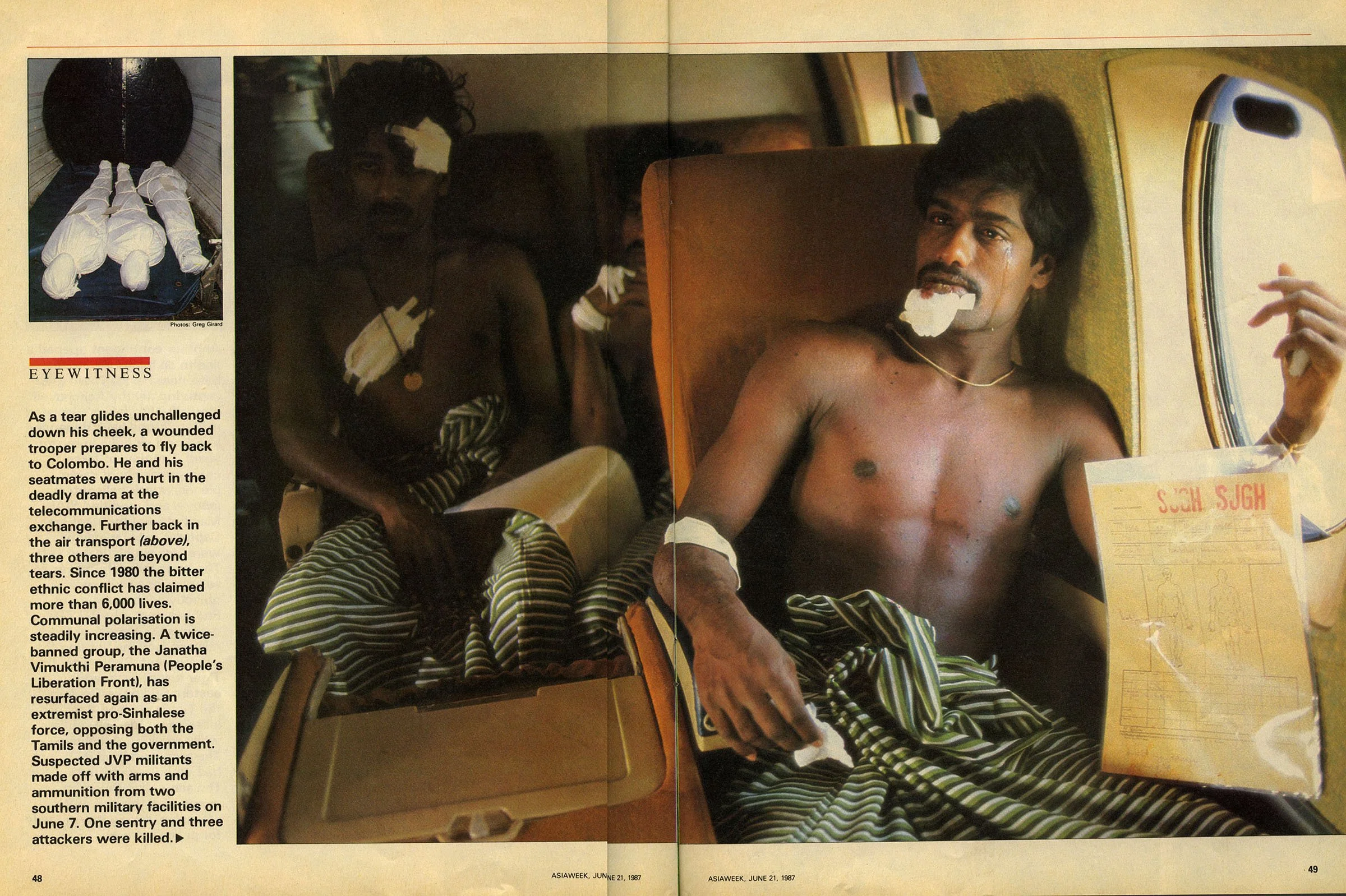
Looking at the work across the decades, something I think I knew unconsciously came into focus: the very simple way things happened to me. I was making pictures for myself, without knowing how to get anything published, or even really understanding what it meant to make a story or work as a documentary photographer. That was the first third of my career. Later came a section of work built around magazines, as I tried to figure out how to make a living, eventually did, and worked as a magazine photographer. But that eventually played out, and in a sense I returned to that earliest impulse of making pictures for myself without a specific purpose. Those three periods became the structure of what we presented, and they revealed something to me that I had lived with for years without recognizing so clearly.
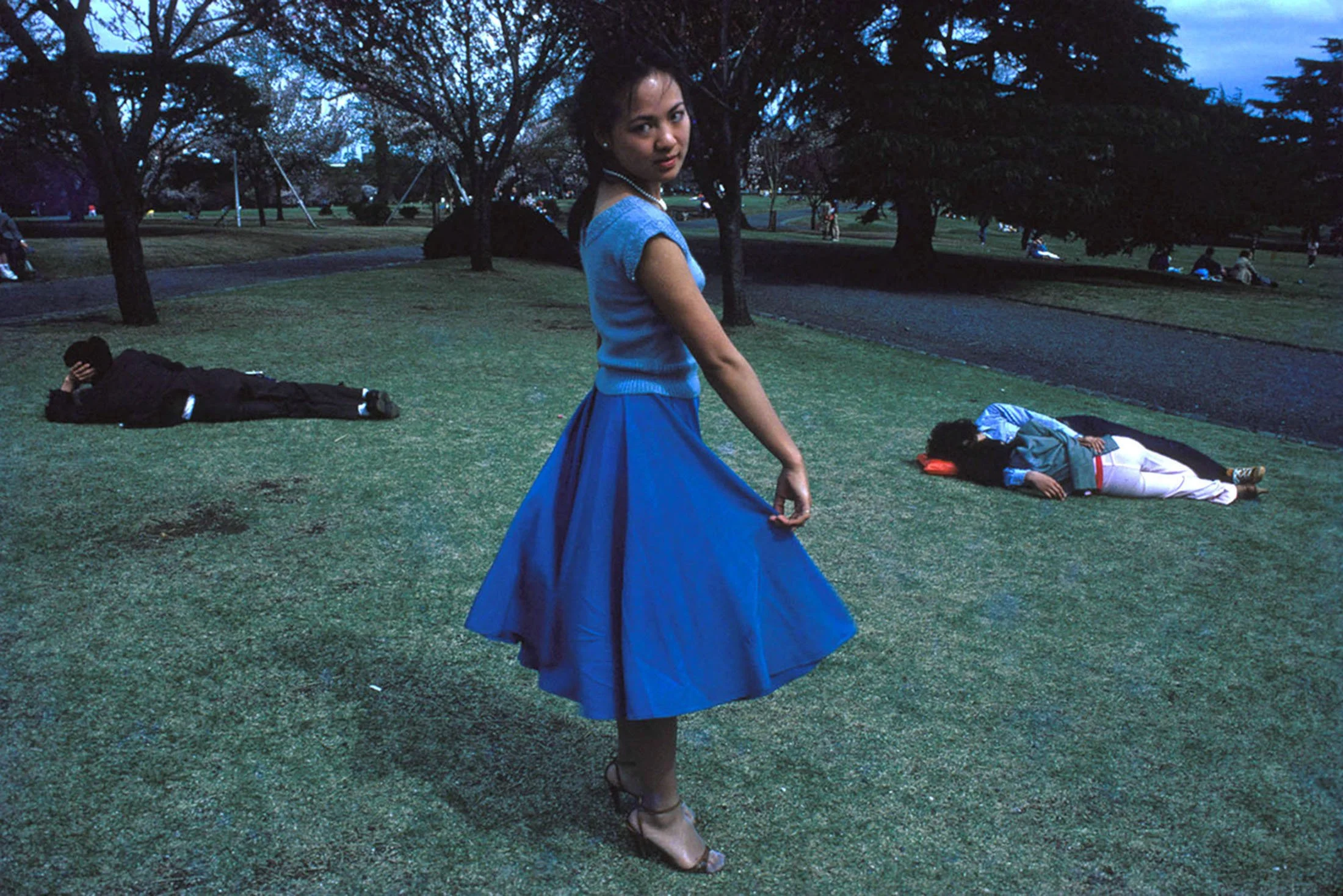
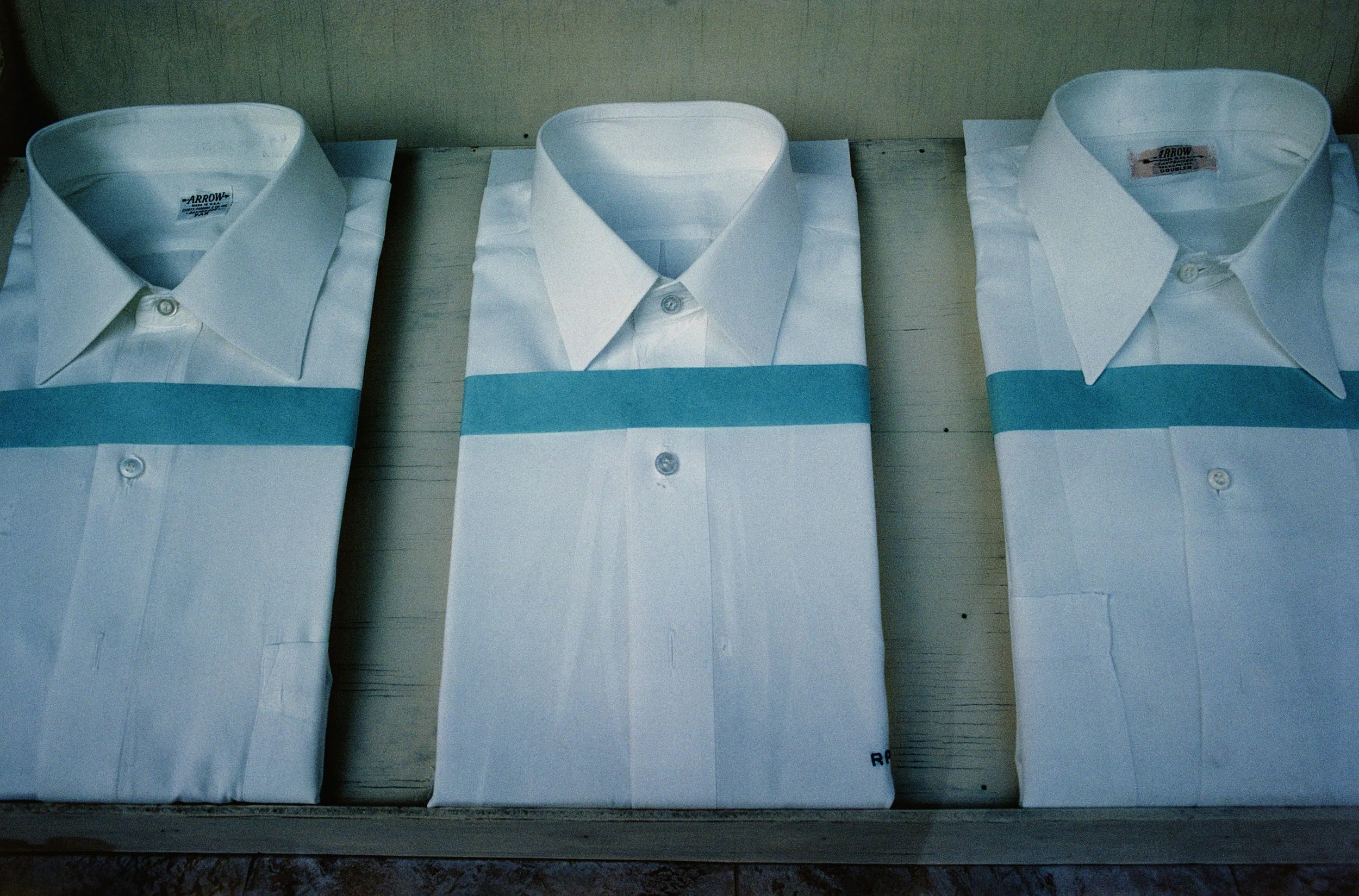
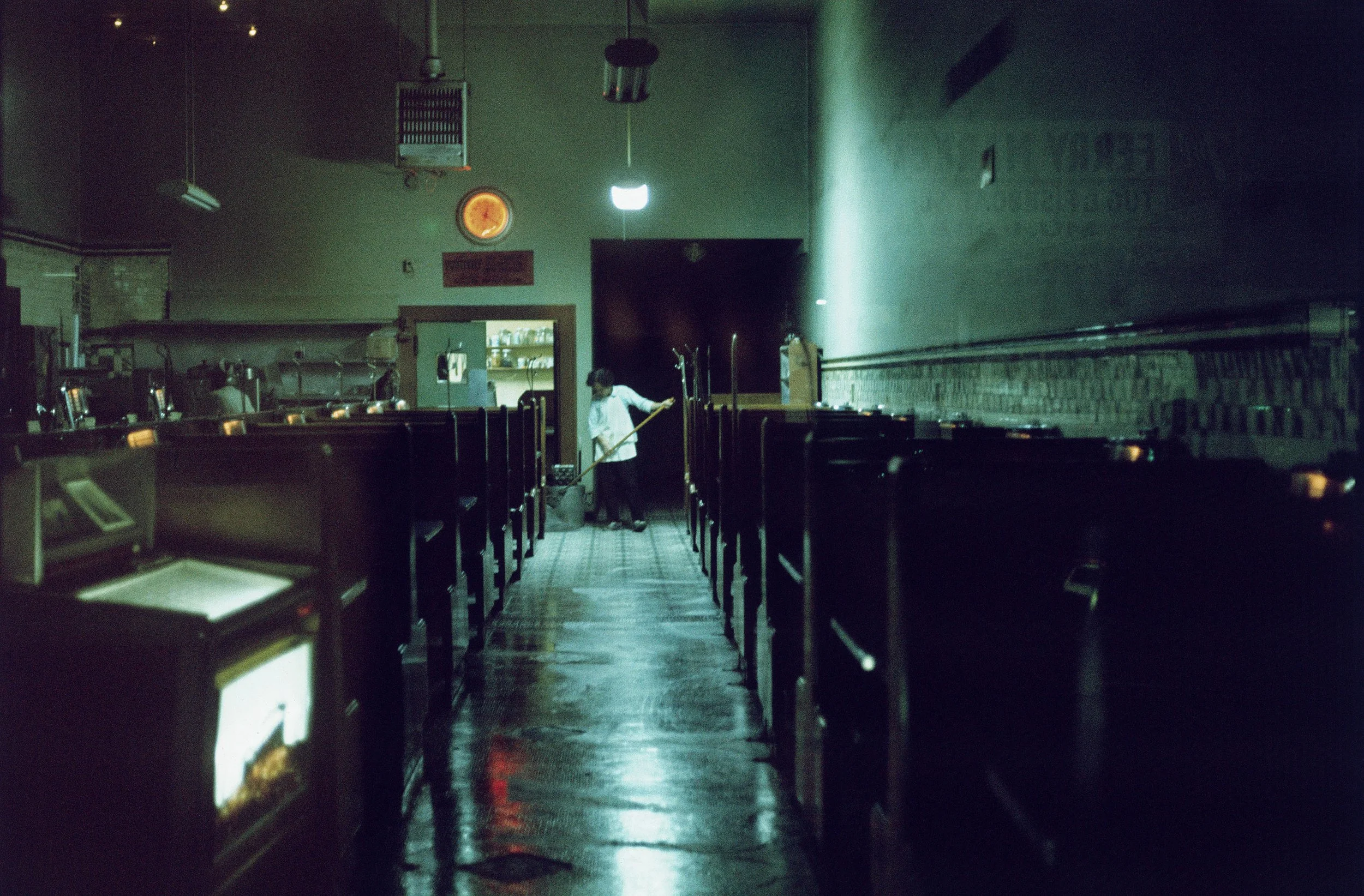
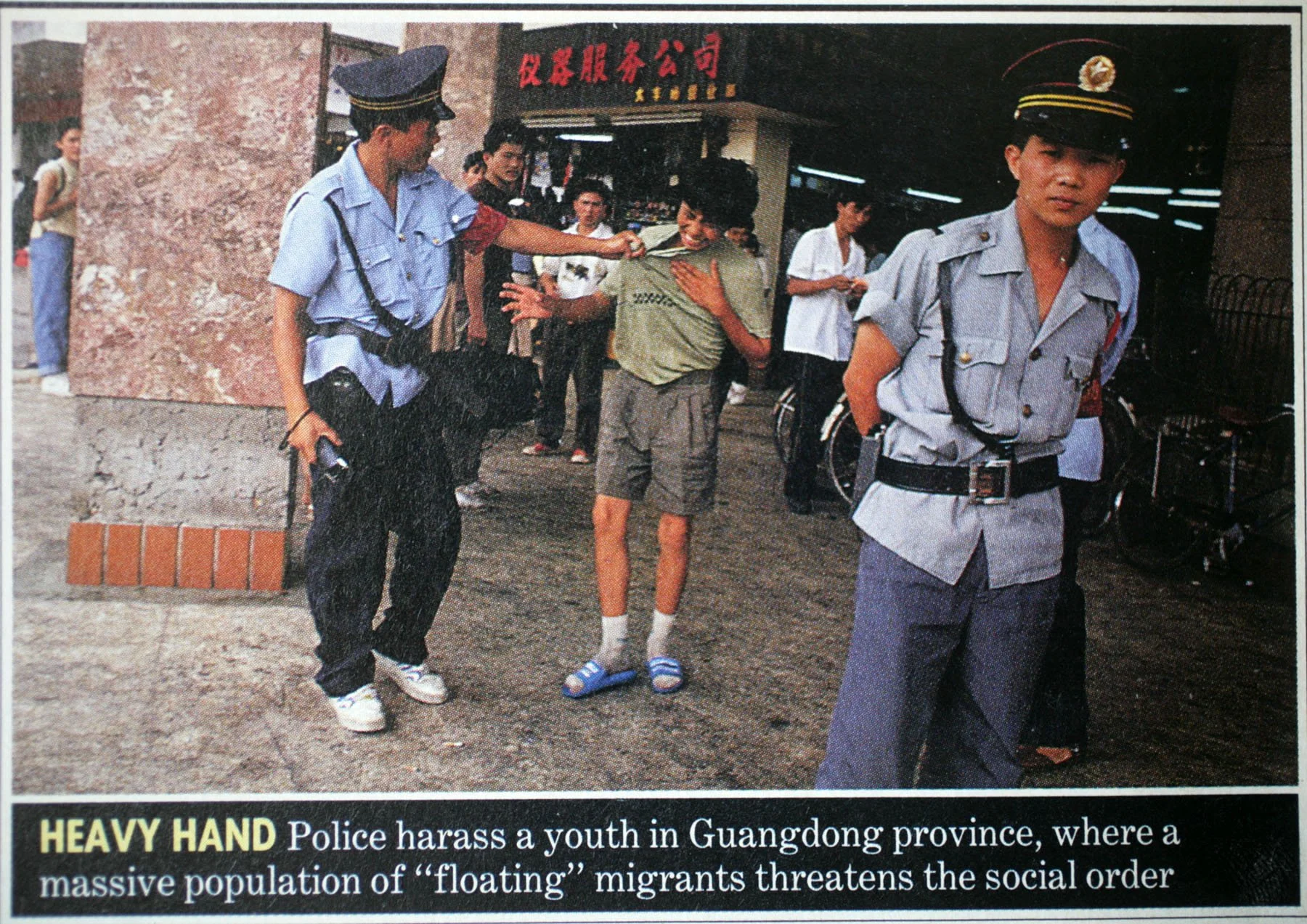
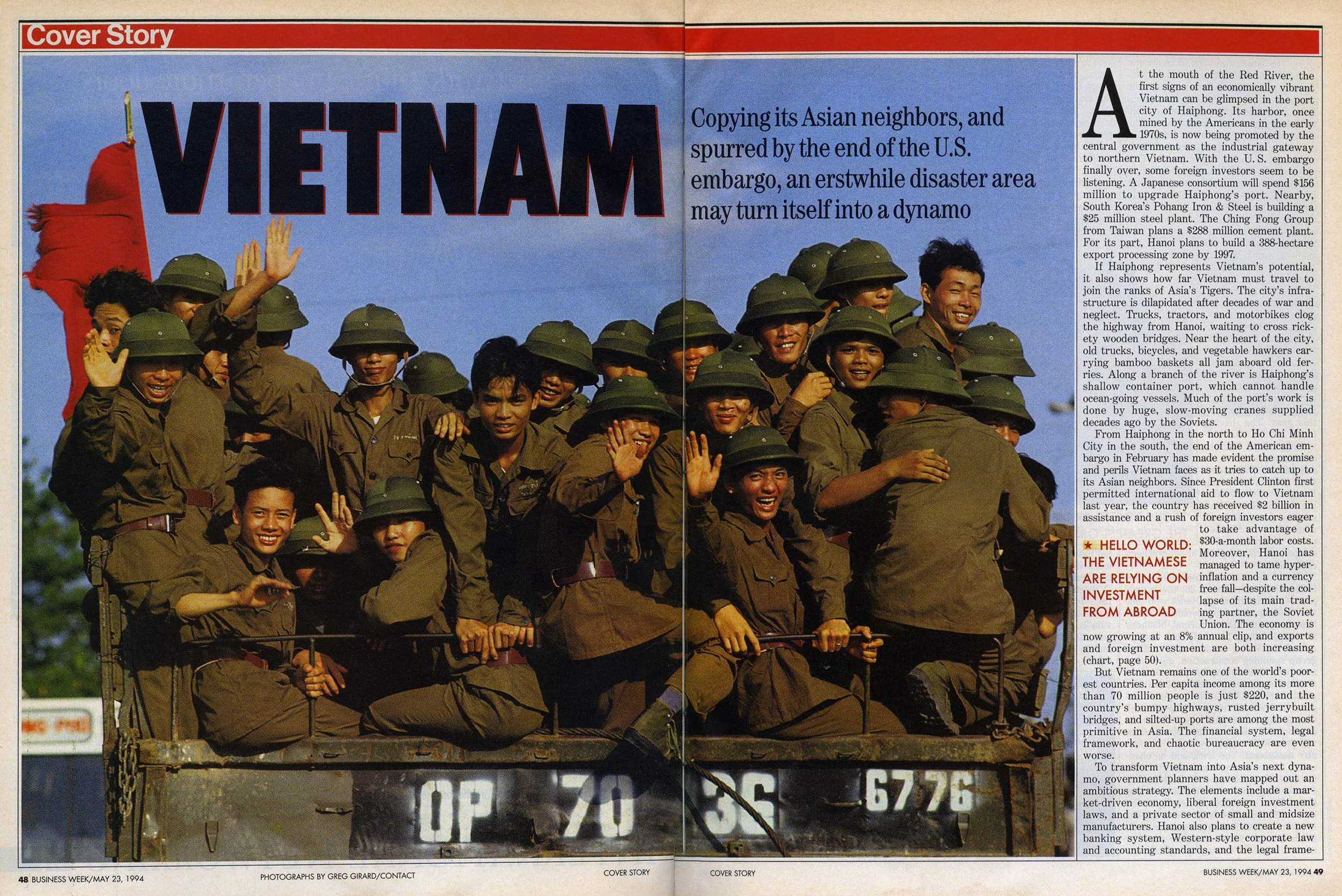
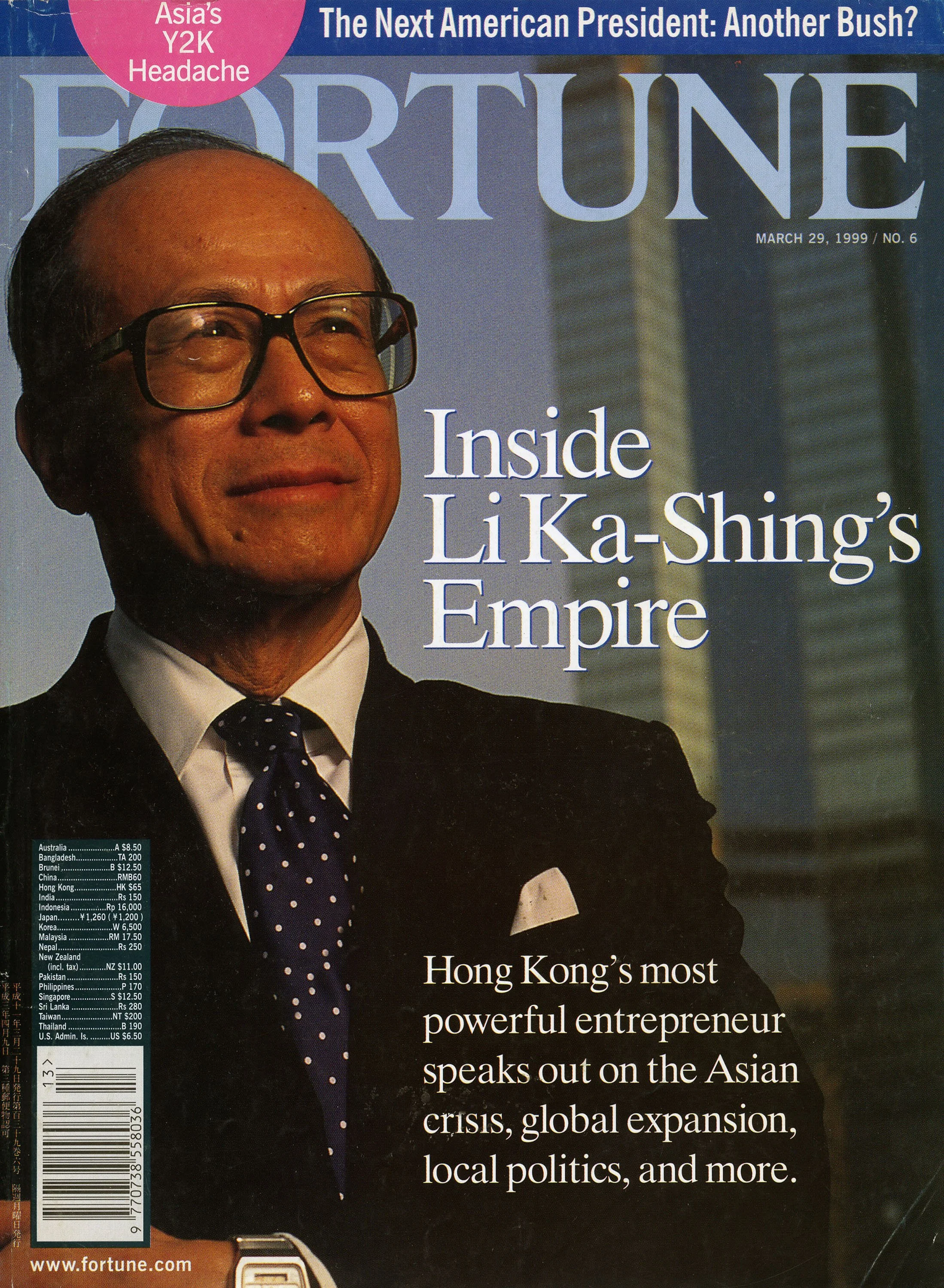
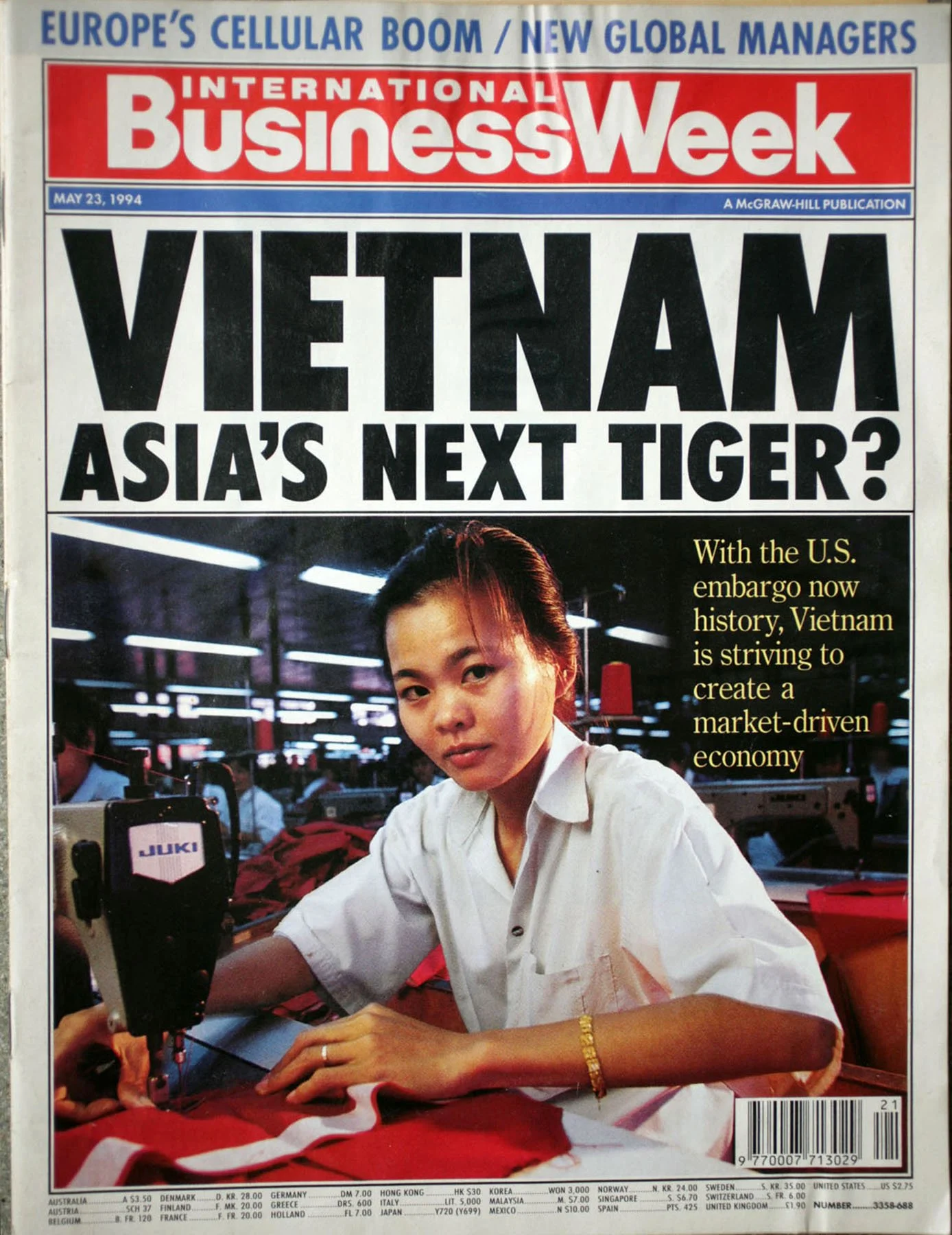
When you start working for magazines, or at least when I did, you want to do a good job, so you respond to the needs of the magazine and the particular story that needs to be told. What gets sacrificed is making pictures for yourself, or even seeing that kind of picture at all. I was happy to be a magazine photographer. It was a dream come true in many ways, and I pursued it with everything I had. But eventually that played out, and I went back to that earliest impulse of making pictures without really knowing what they were for. It turns out those are the pictures that last, the ones people seem to respond to most. Certainly the pictures from the early years, in the seventies and early eighties, have acquired a kind of retro or vintage aura they were never intended to have. But they are also still the personal pictures, the ones made without knowing their purpose, and those seem to be the ones that continue to appeal to people, even if they now carry this vintage quality that wasn't there in the beginning.
You said, the pictures you made without knowing what they were for ended up becoming the lasting ones. Why do you think that is?
I don't really know. I think it's because they come from some inner impulse that has nothing to do with being beneficial to anybody but you. You make them because you hardly know what you're doing, and that's a personal thing. I think that personal quality is what makes a picture yours, and also what makes it interesting to other people. Trying to figure out what other people like can be financially rewarding, but it's kind of doomed if it means abandoning your own ideas, your own path. It seems like the better you follow your own path, the better people end up liking the work anyway, so you might as well do that.
Has your idea of a good photograph changed over time?
I think it has opened up a great deal. There used to be a more defined idea of what a so called good photograph was or could be, and now that has fallen away. It can be absolutely anything.
You mentioned leaving a secure magazine job because you wanted to own your photographs. Looking back, was that the decision that made everything else possible?
It's hard to say. There's the path not taken to consider, and who knows how things would have played out otherwise. It's impossible to know. But in any case, it allowed me to make a living, which is an important thing for someone with ambitions to put their work into the world. The fact that people get to see it is a huge component of that. But it isn't without its own perils. You can get attracted to the attention and lose sight of something more core or fundamental about picture making.
I learned a great deal during that period, and it was a completely different life: running around working for magazines, meeting people, a different country every few days. It's as much a lifestyle as a picture making process, and it's easy to get caught up in it. It has its own social world, its own professional world, and you can be distracted by all of that. Just getting a picture into a magazine felt like a big deal in the beginning, and that lifestyle is quite addictive. But eventually it played out, and I realized this might not be the best thing for my pictures, broadly speaking. So I started withdrawing from that world until I could figure out something else.
Putting together a retrospective means looking at your own work in a completely different way. Was there a connection between projects that you only noticed while working on this book?
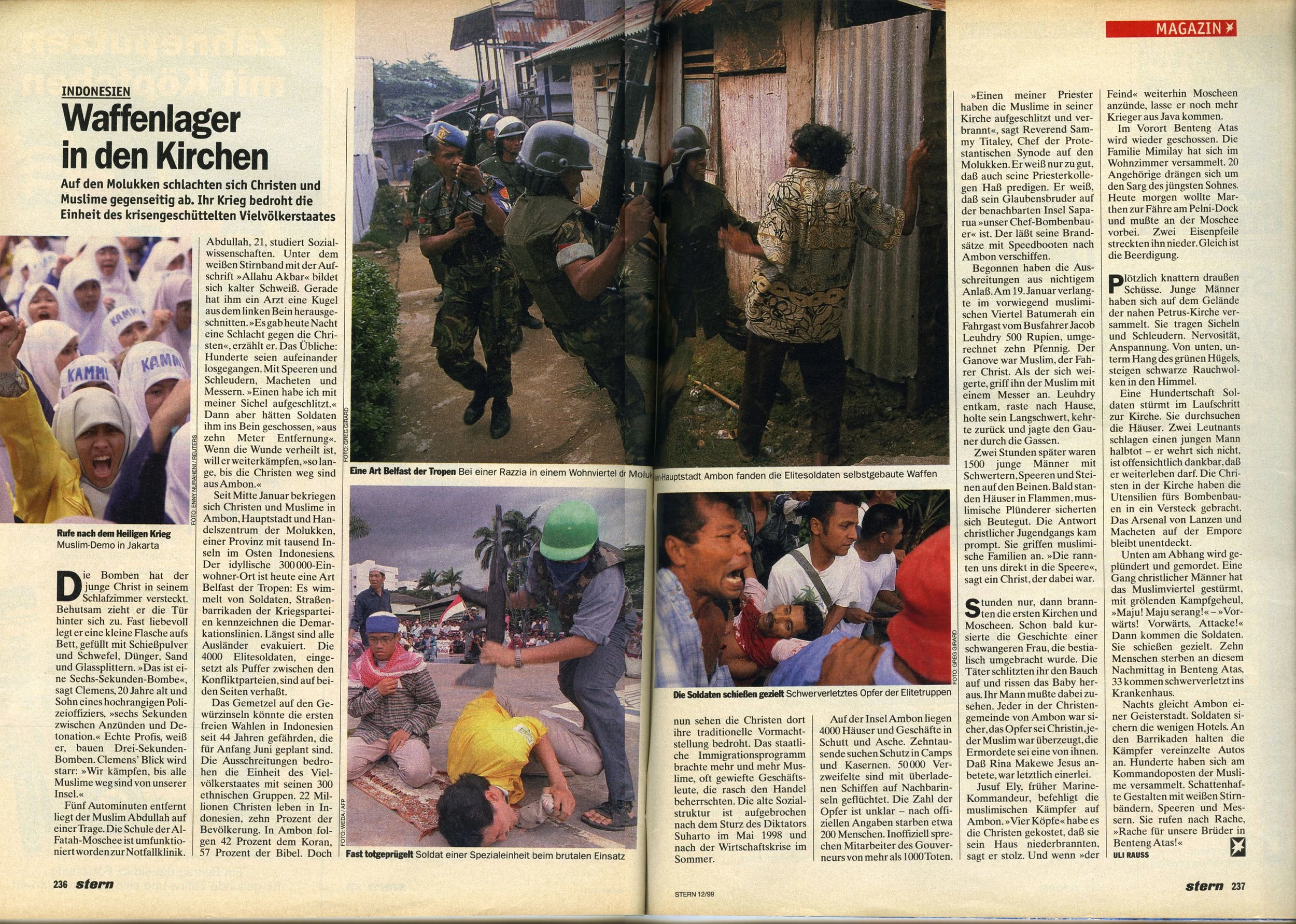
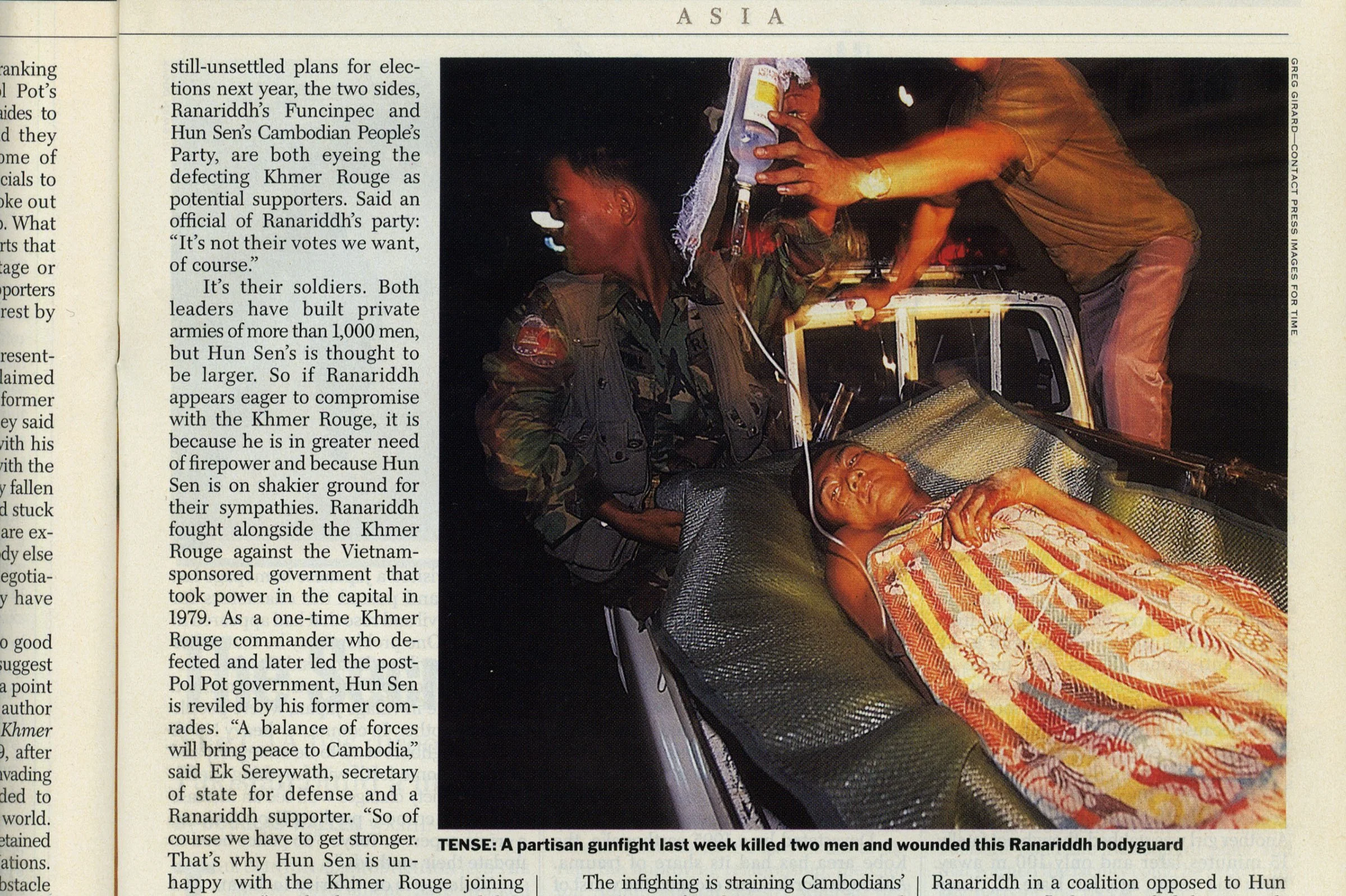
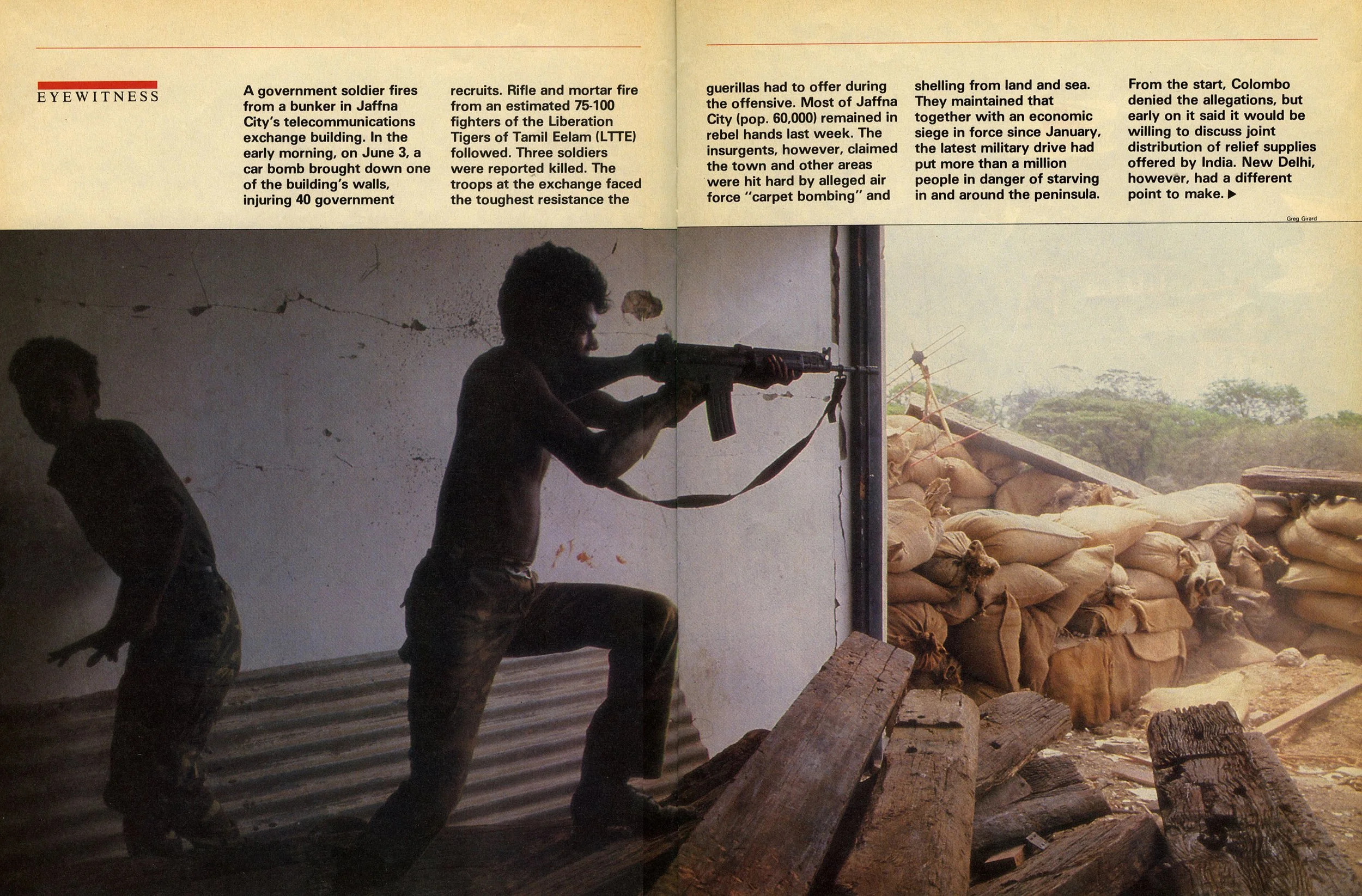
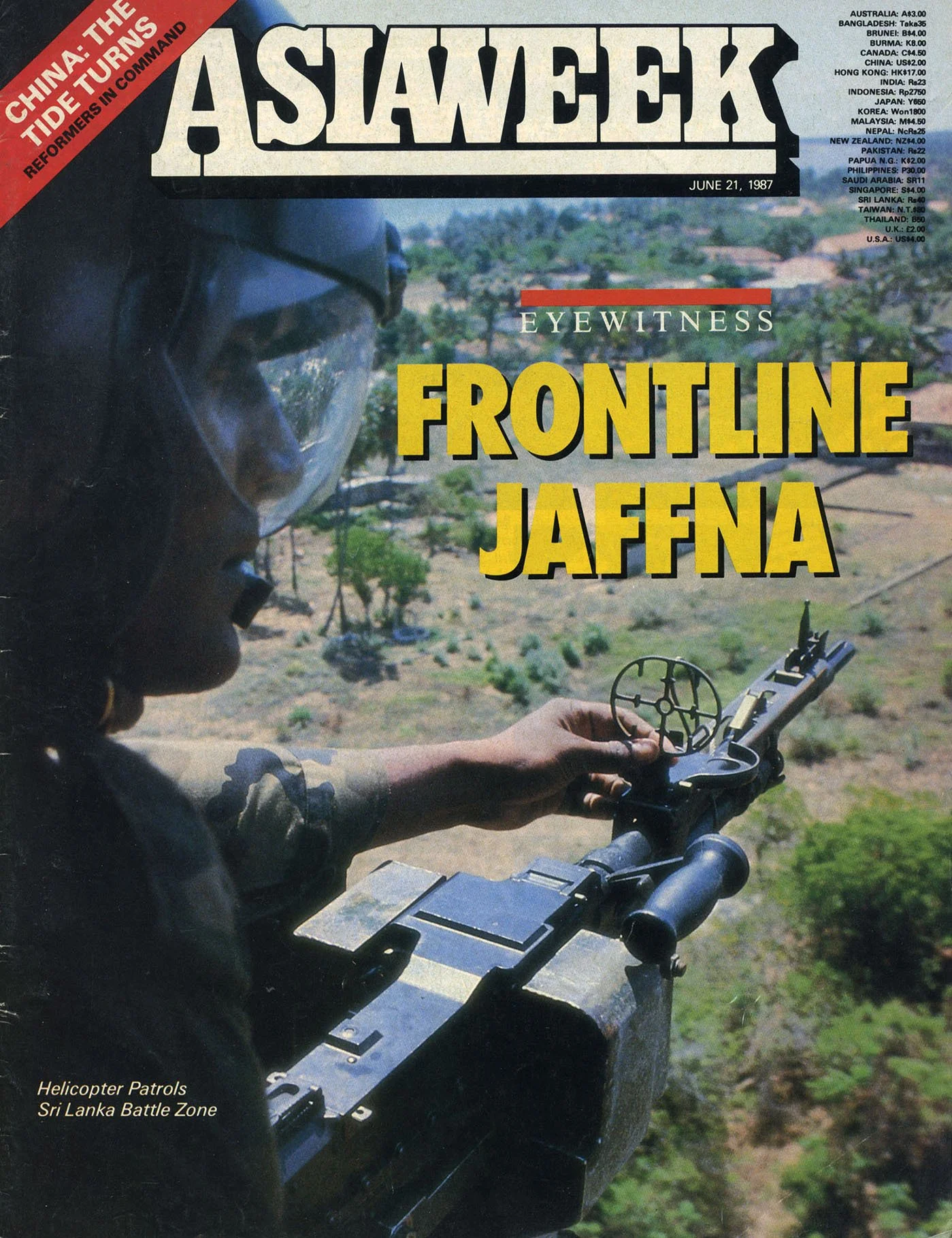
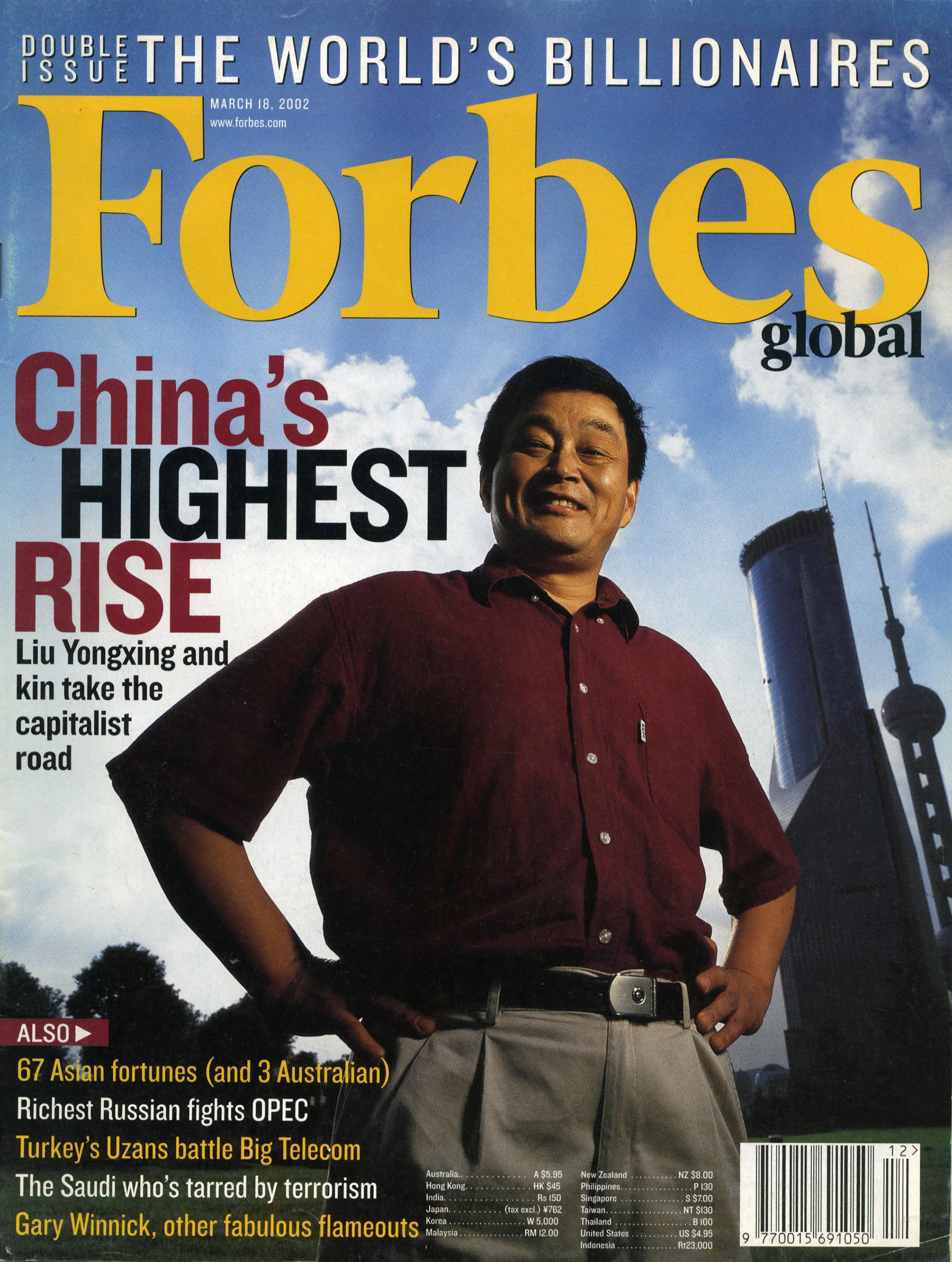
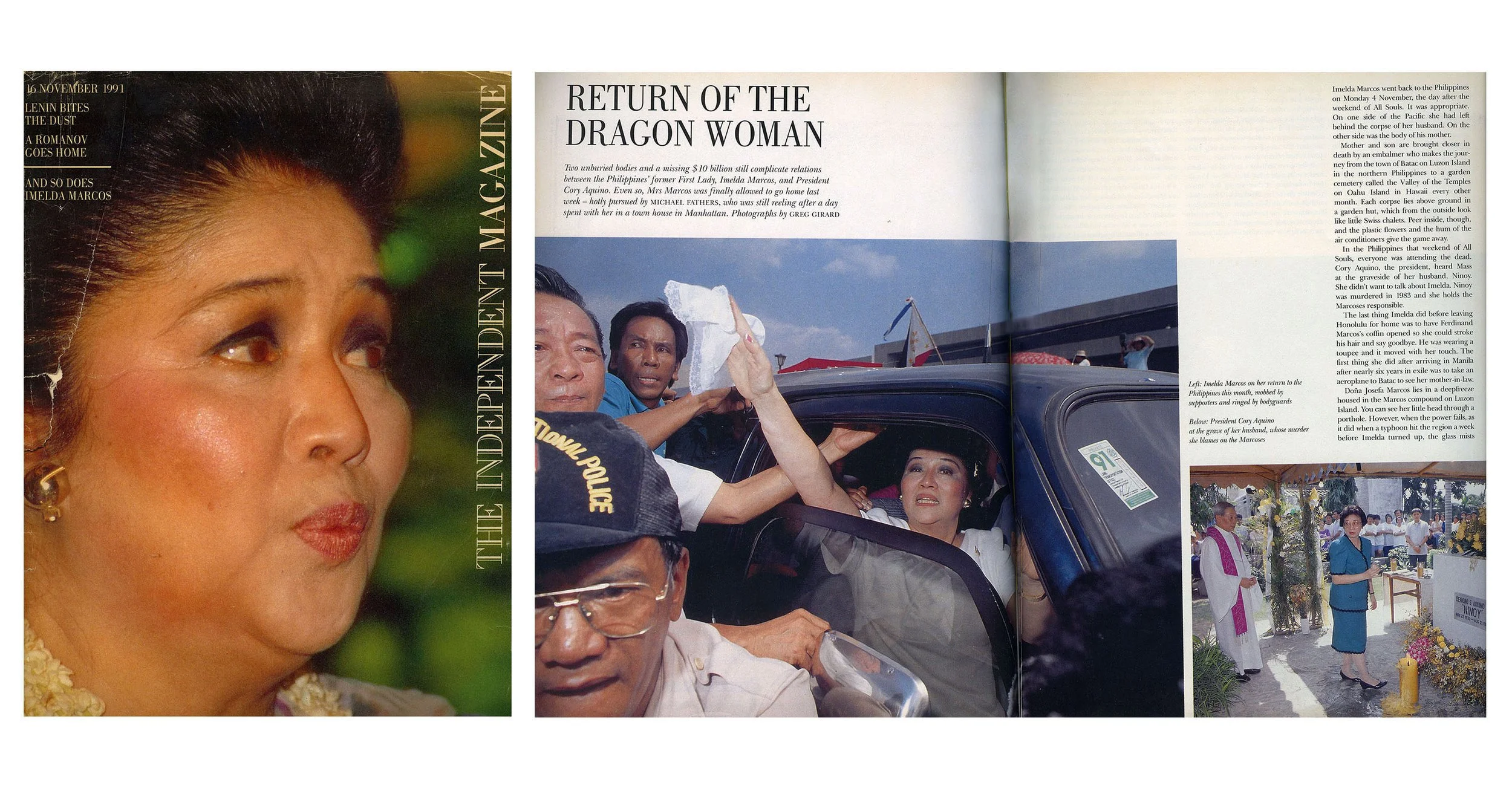
I started seeing the magazine work almost as found pictures taken by somebody else. I could look at this material, amassed over twenty years or more, as a kind of disembodied thing, as if someone else had taken it. What becomes clear is that these pictures were in service of telling, or illustrating, a story I often had only the most removed attachment to. They're workmanlike pictures, but they lack anything beyond that. They were made for a certain purpose, and they never transcended that purpose; in some cases they barely met it. It's odd to see this huge physical amount of pictures returned from magazines or my agency, stacked in boxes against the wall: thousands and thousands of images that, even after twenty or thirty years, I don't think will reveal much more than they already have, apart from the clothes, the haircuts, the cars. That's really all they will ever offer. Whereas the earlier pictures, the ones that weren't made for any purpose, are the ones that continue to connect with people somehow.
Did it change how you see your own work?
No, it mainly confirmed that I had made the right decision in returning, more recently, to that earlier impulse. That said, I wouldn't trade what happened to me for anything, even though it was, in a sense, a detour into the magazine world. It allowed me to make a living, opened up a whole other way of working and understanding, and in a way gave me a kind of clarity about what I was doing. You do one thing, you do it for a long time, and you discover it isn't the right thing. That, too, is important in the long process.
Talking about your earlier work, looking at City of Darkness alongside everything else you have photographed, what does that work mean to you today? Has your relationship with it changed over the years?
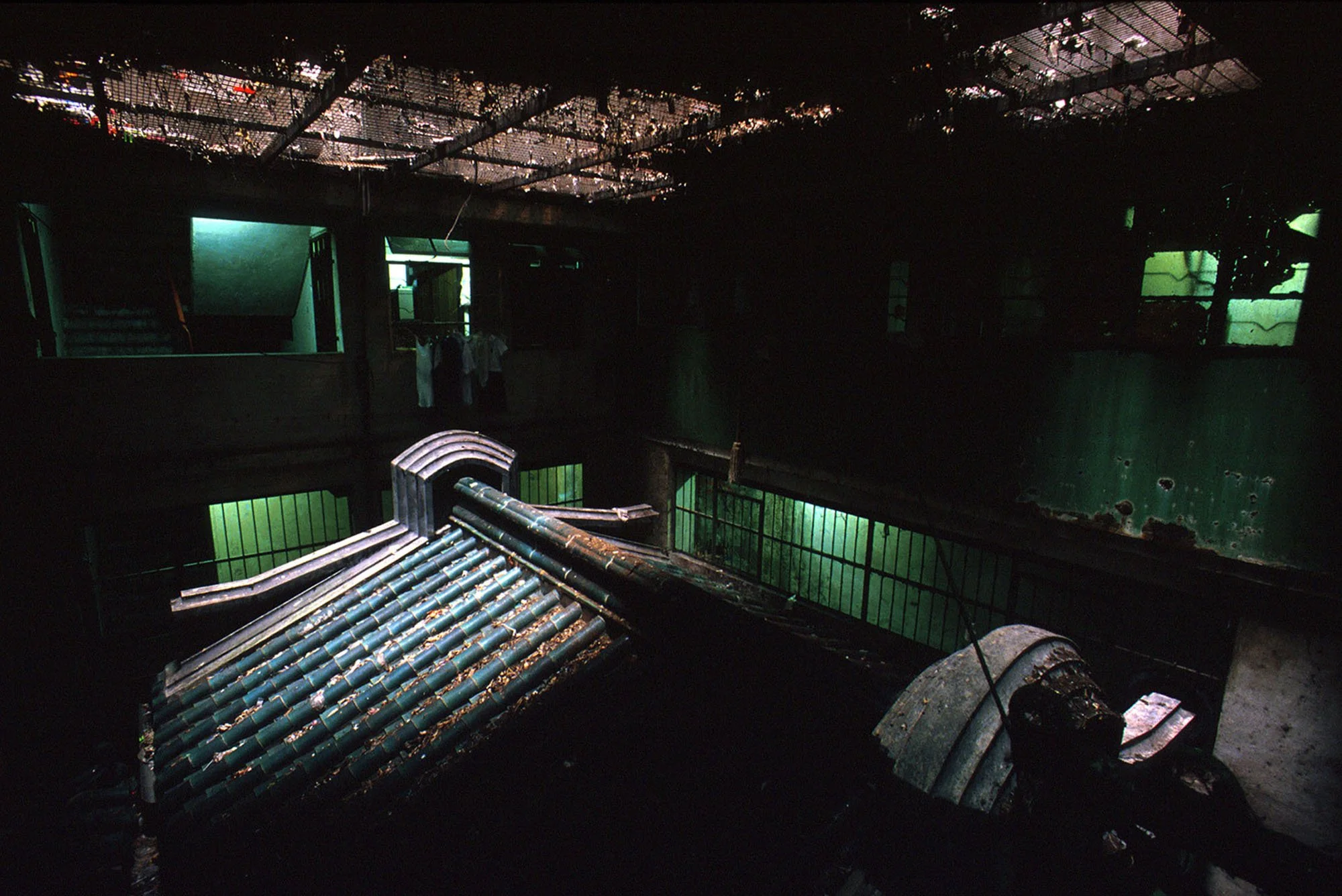
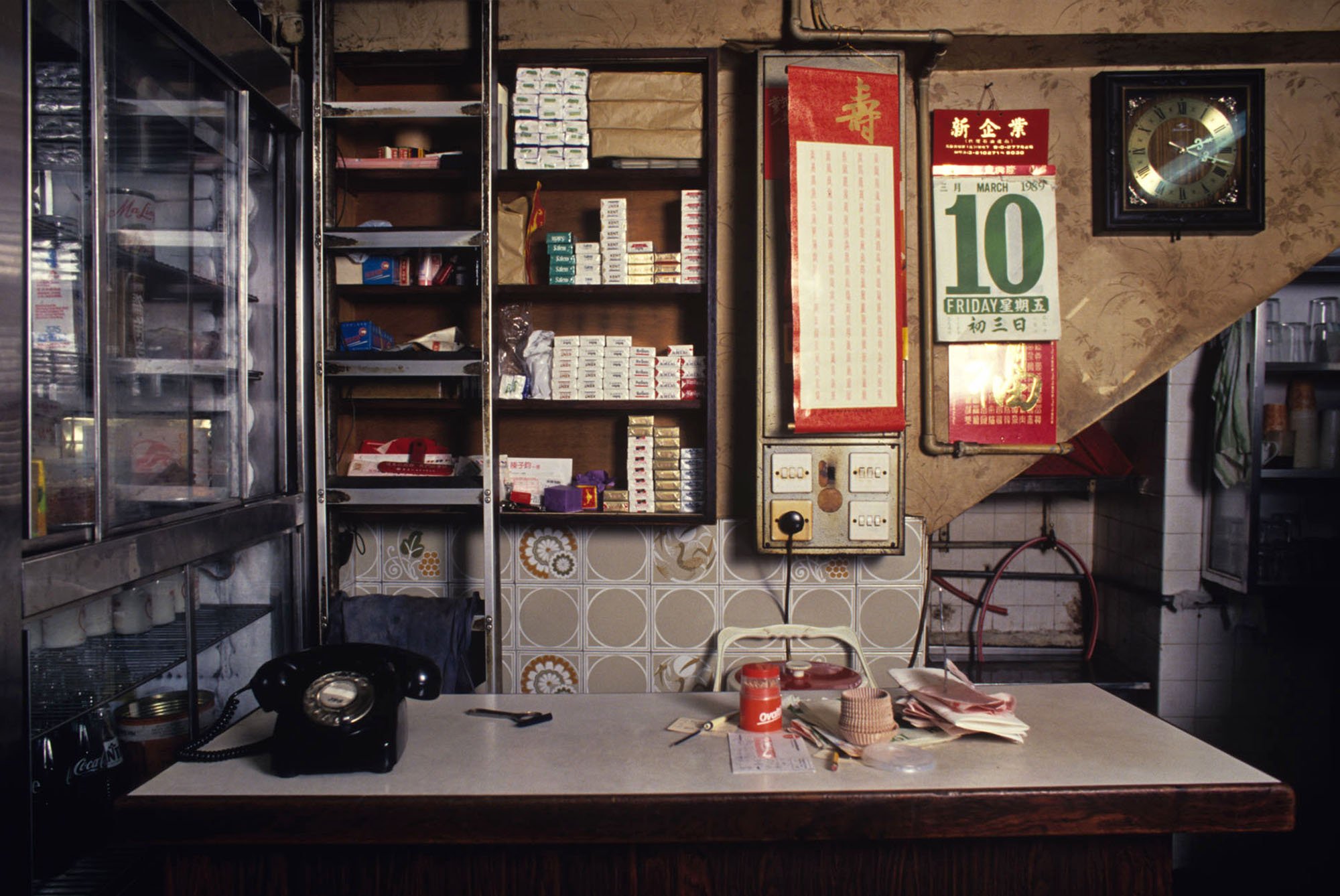
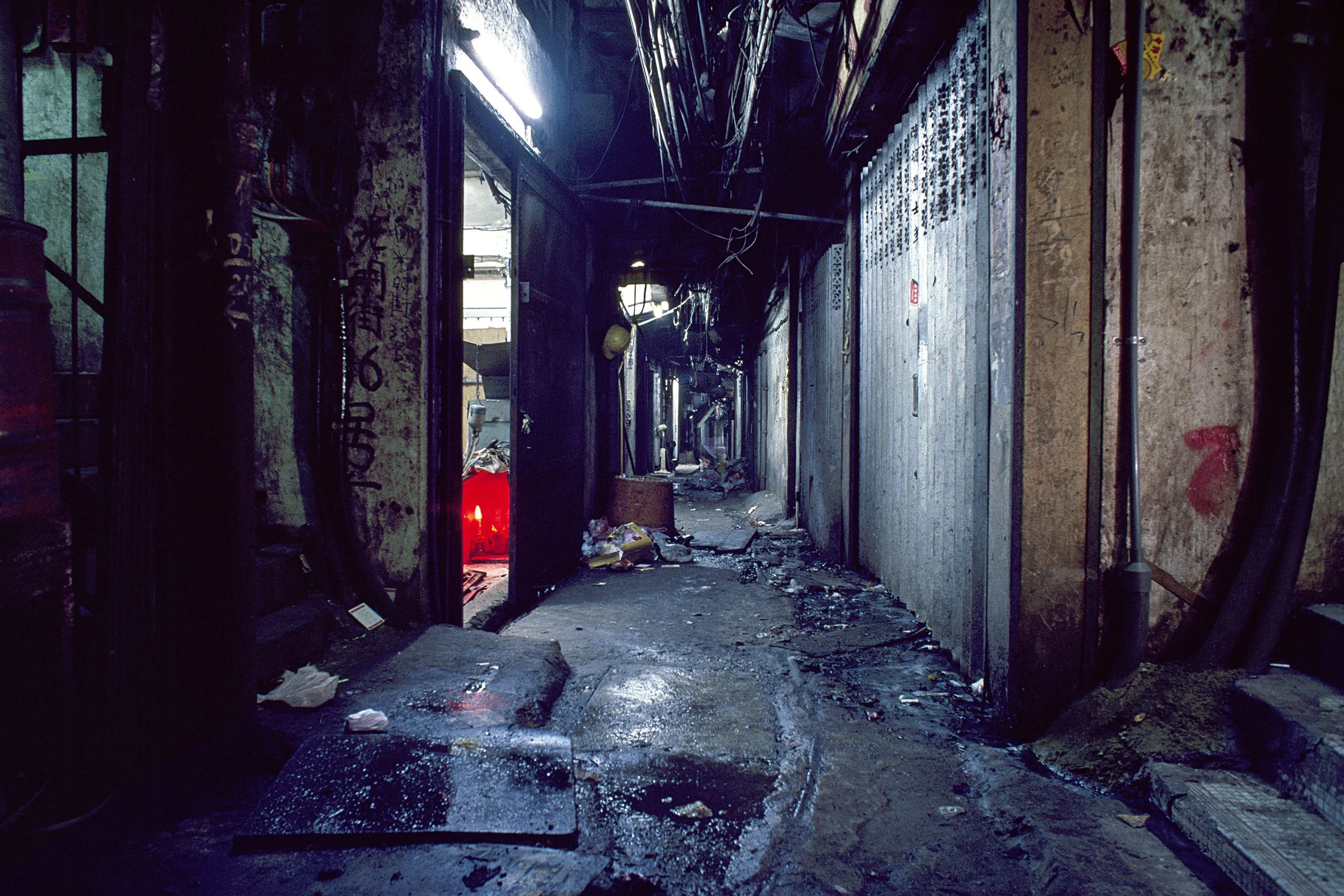
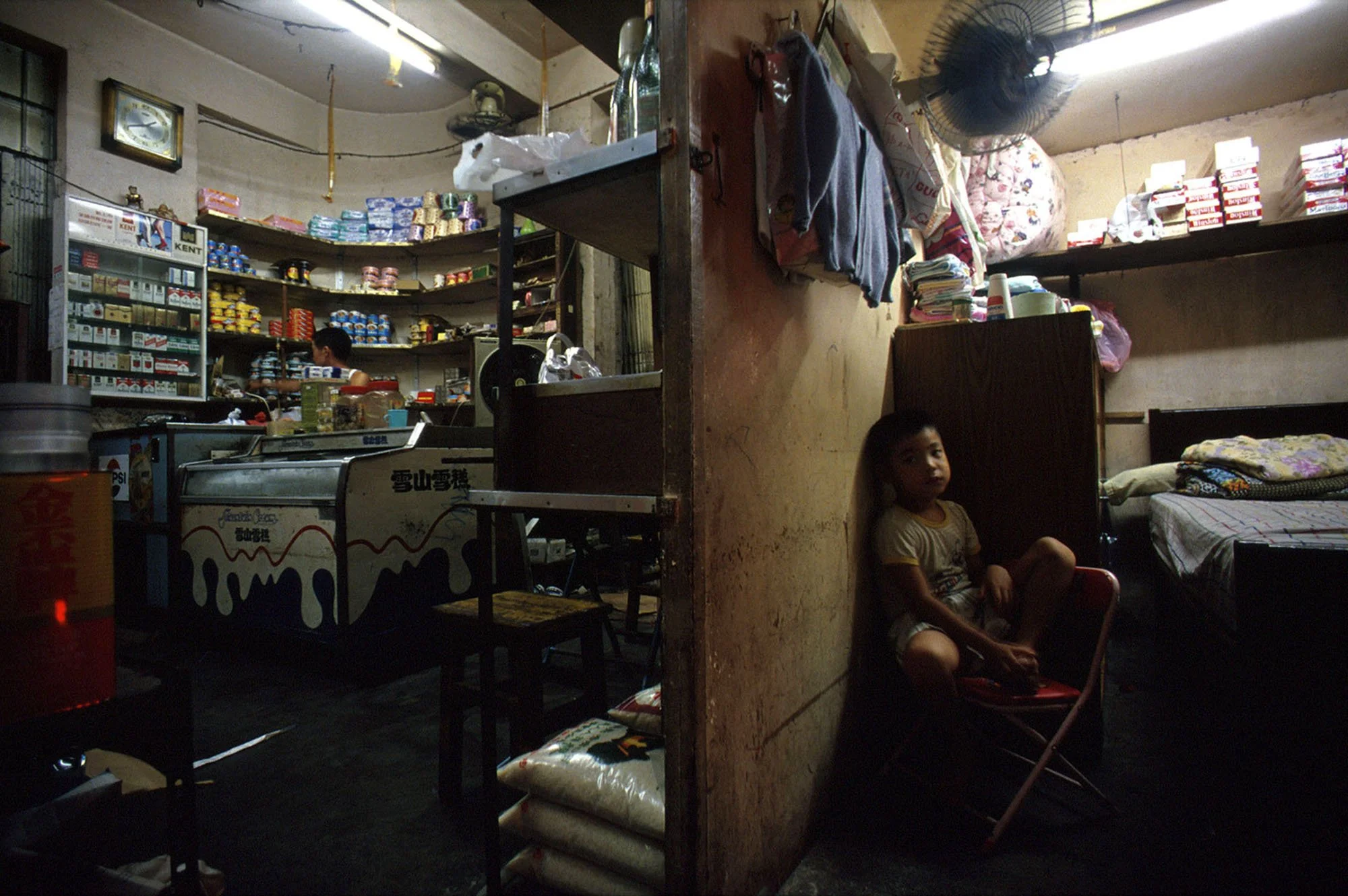
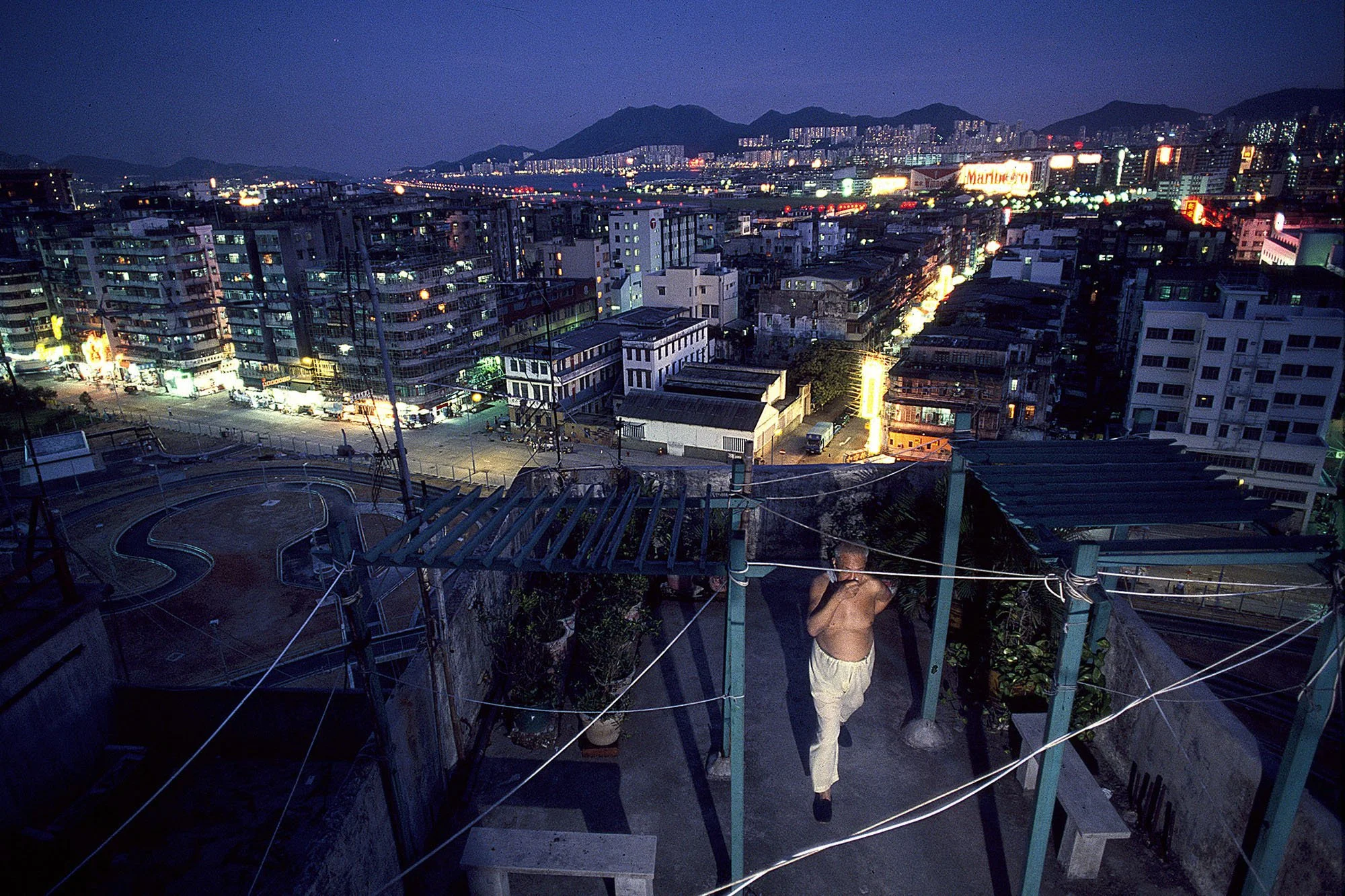
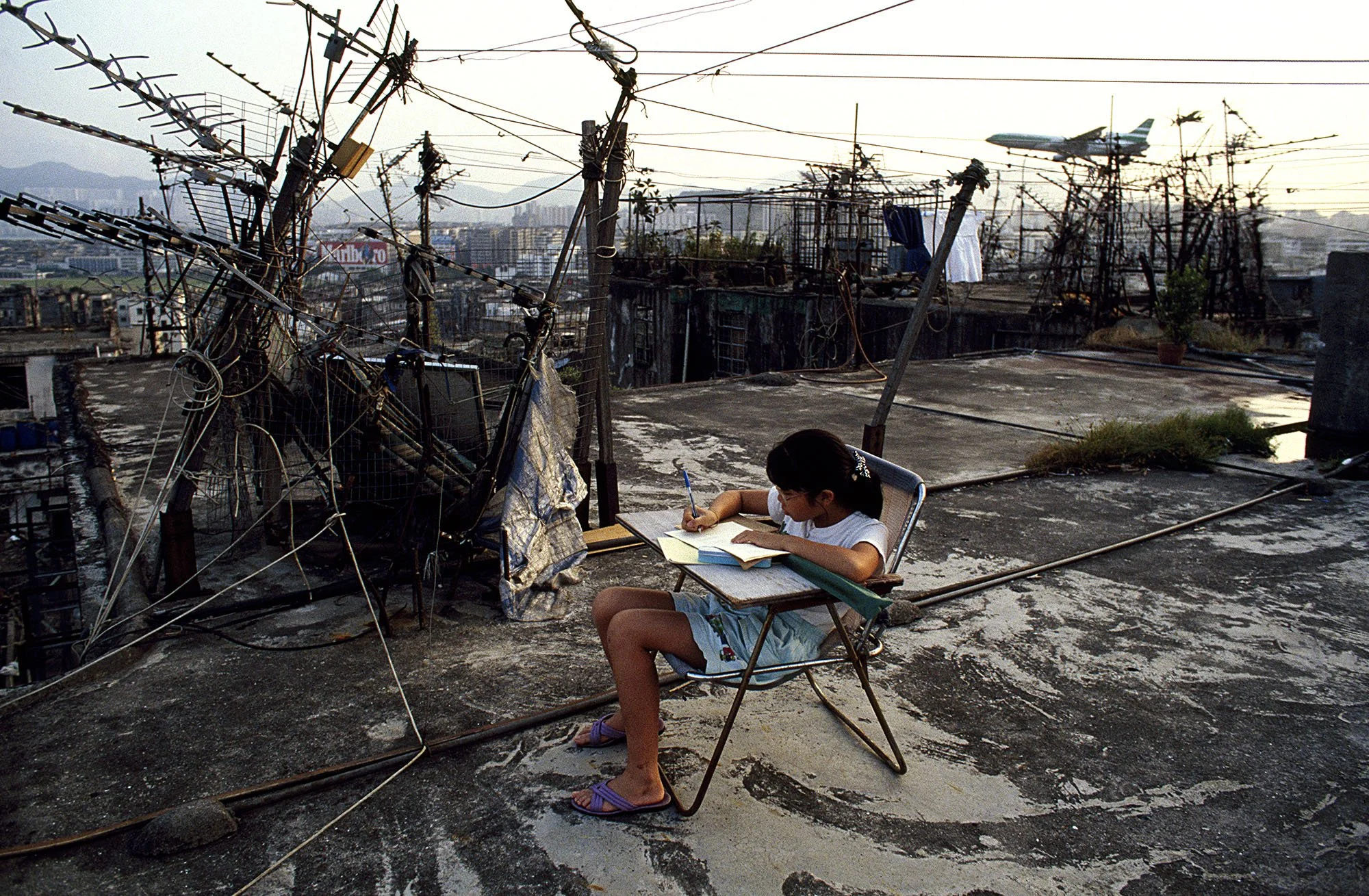
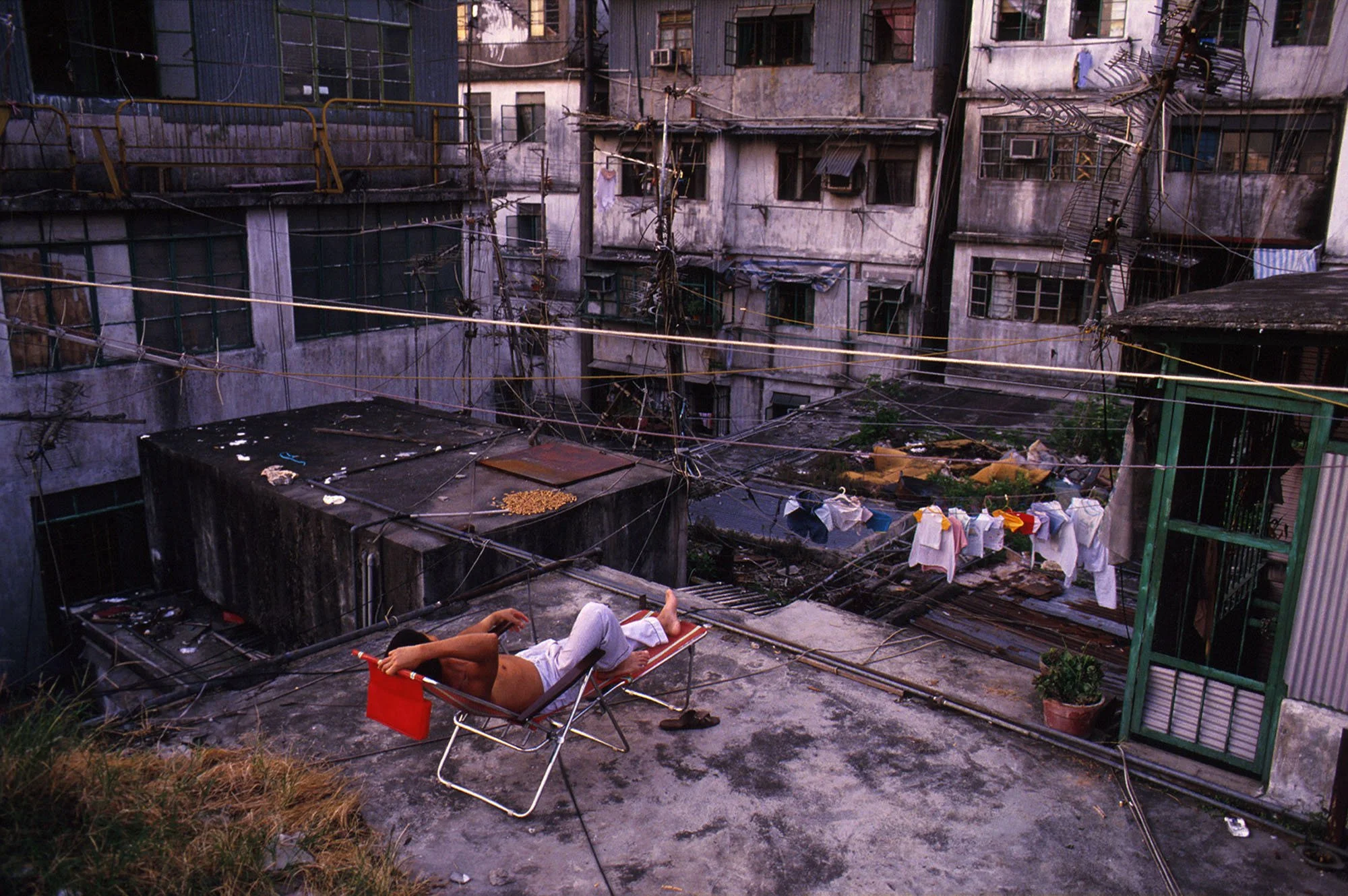
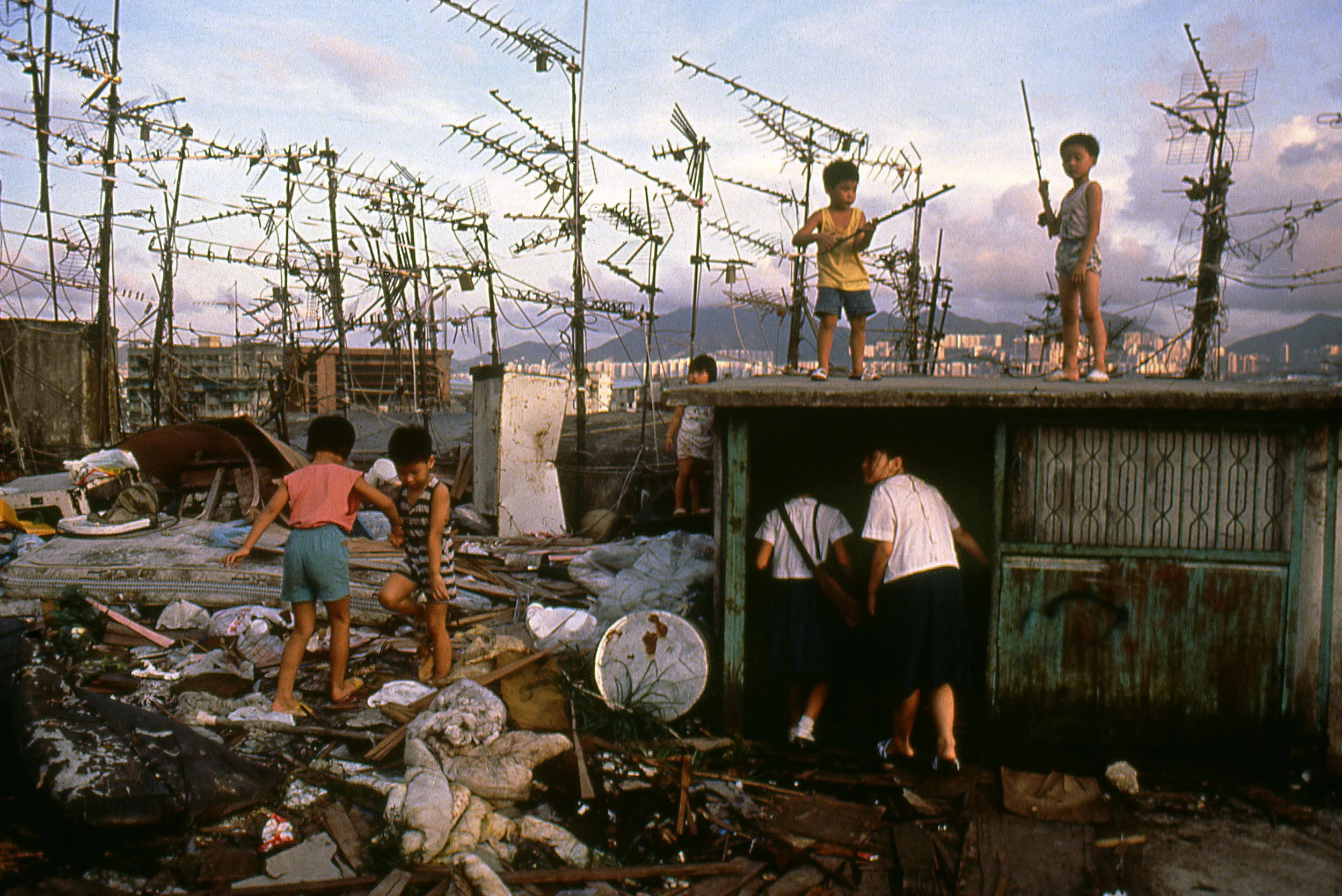
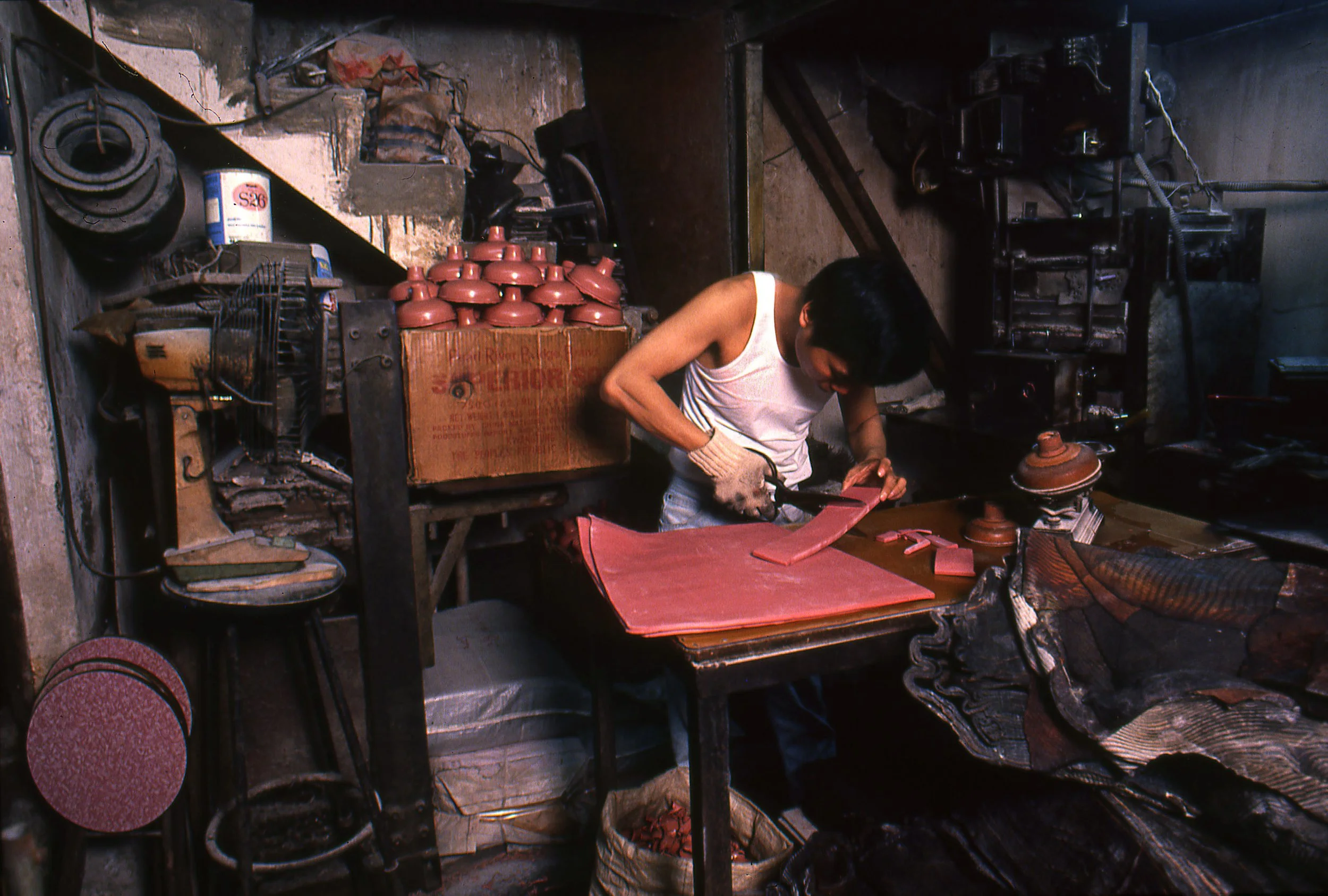
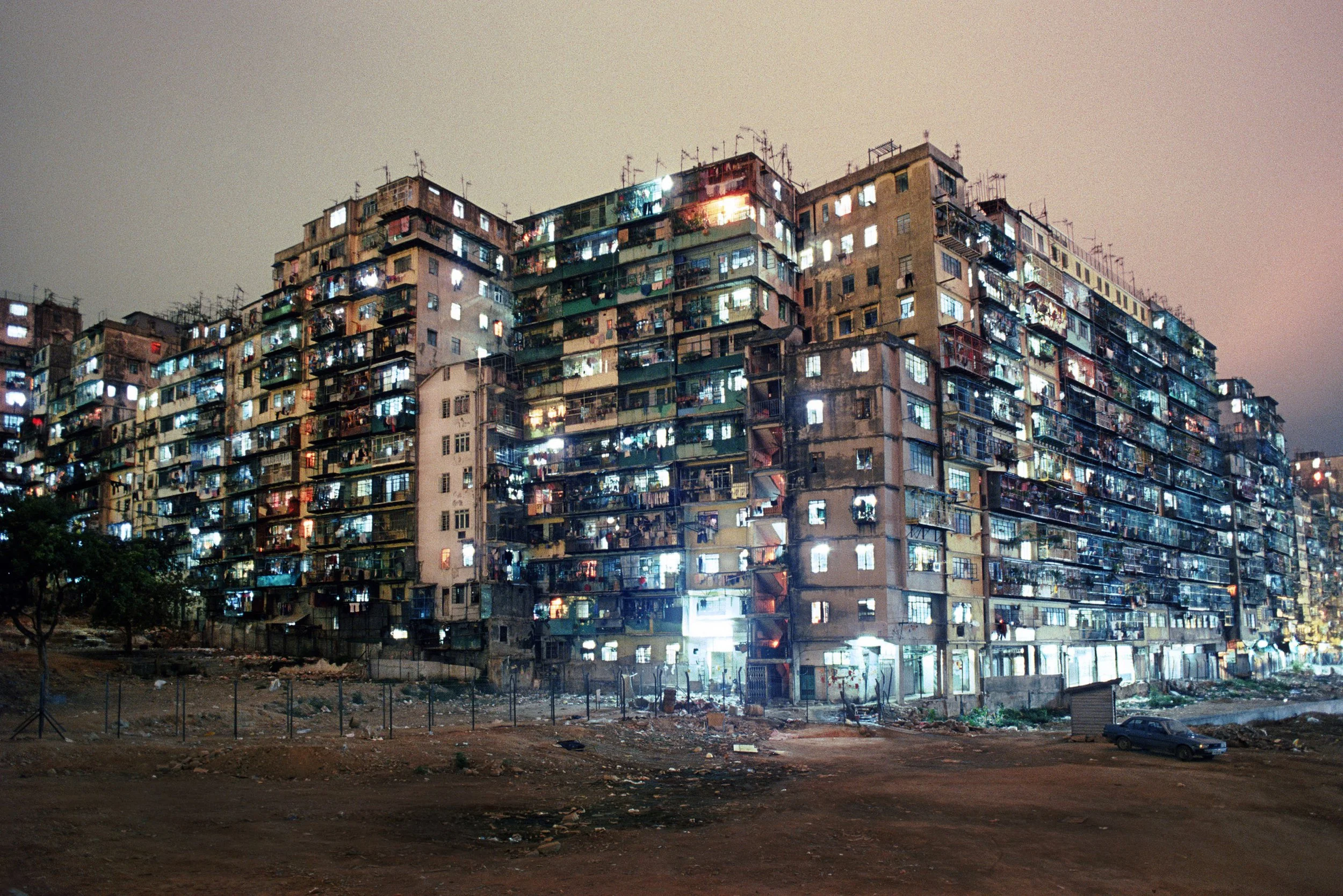
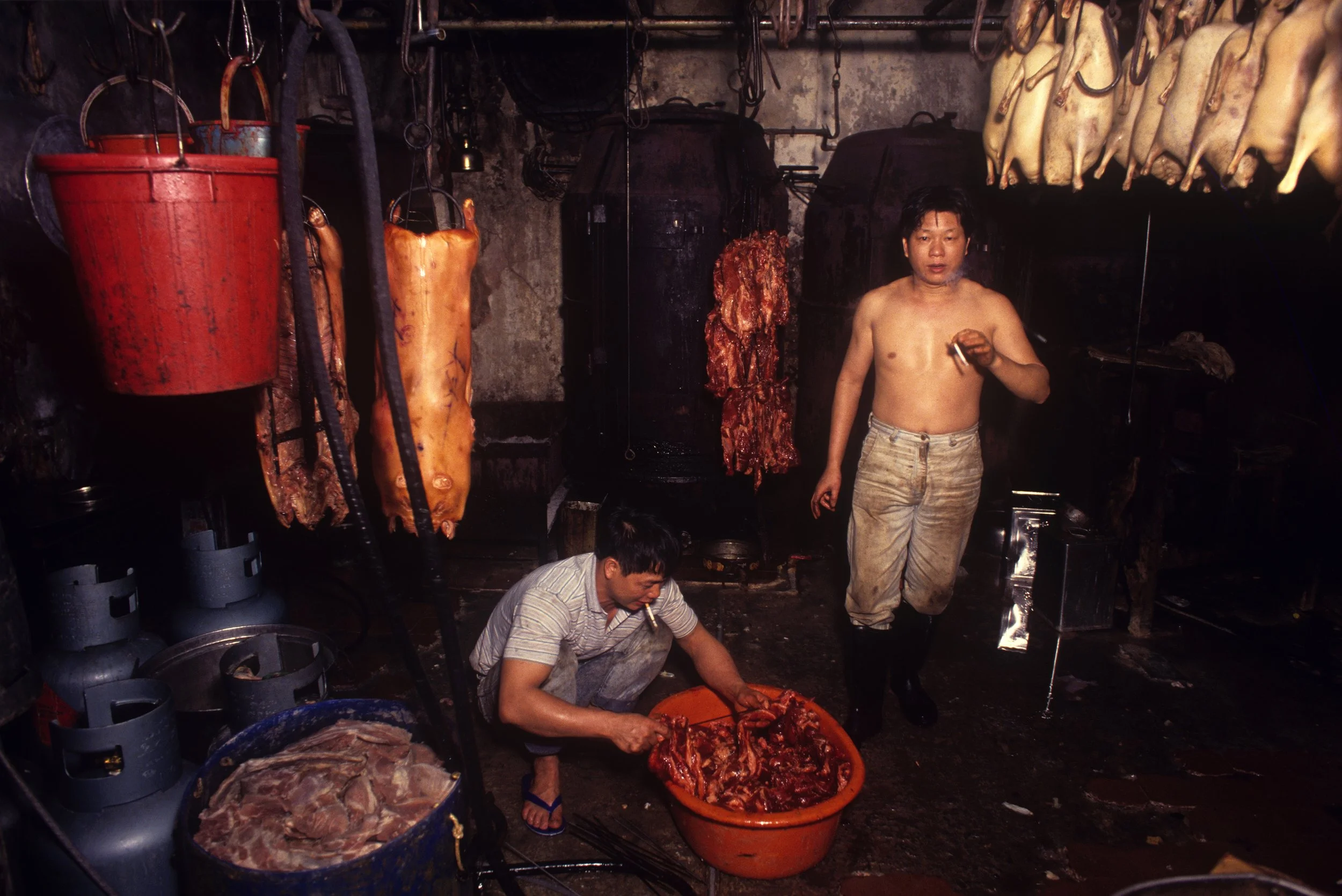
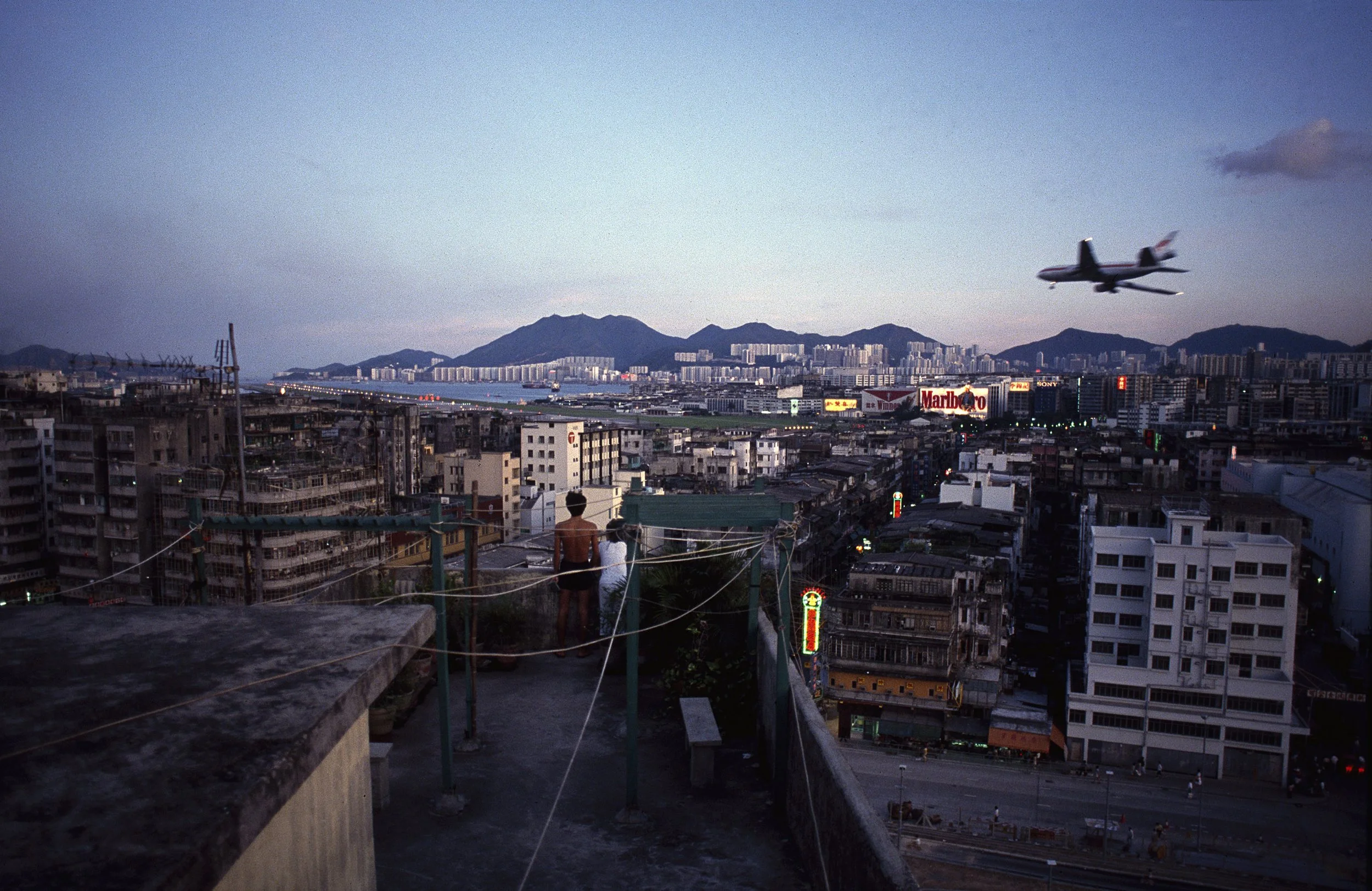
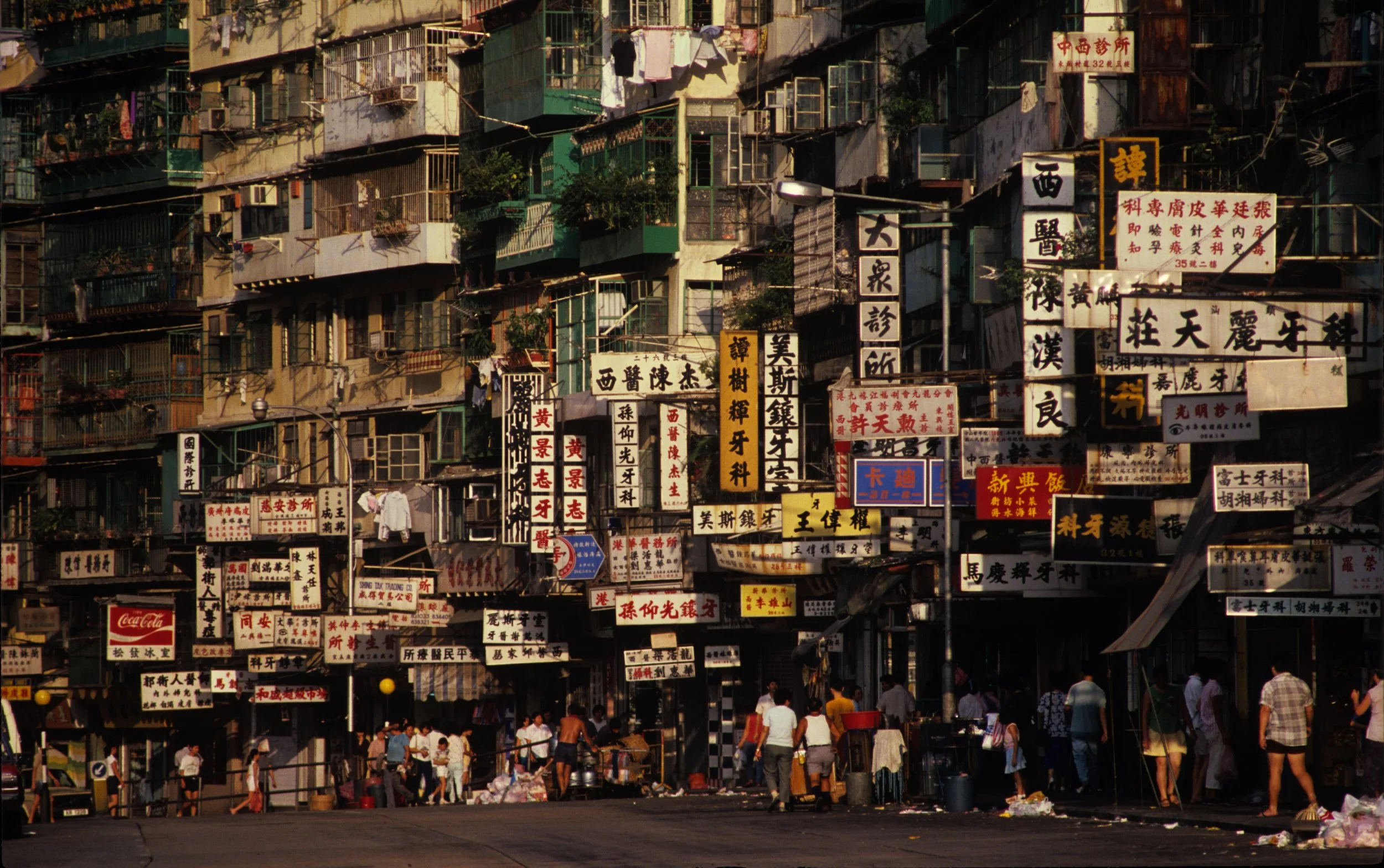
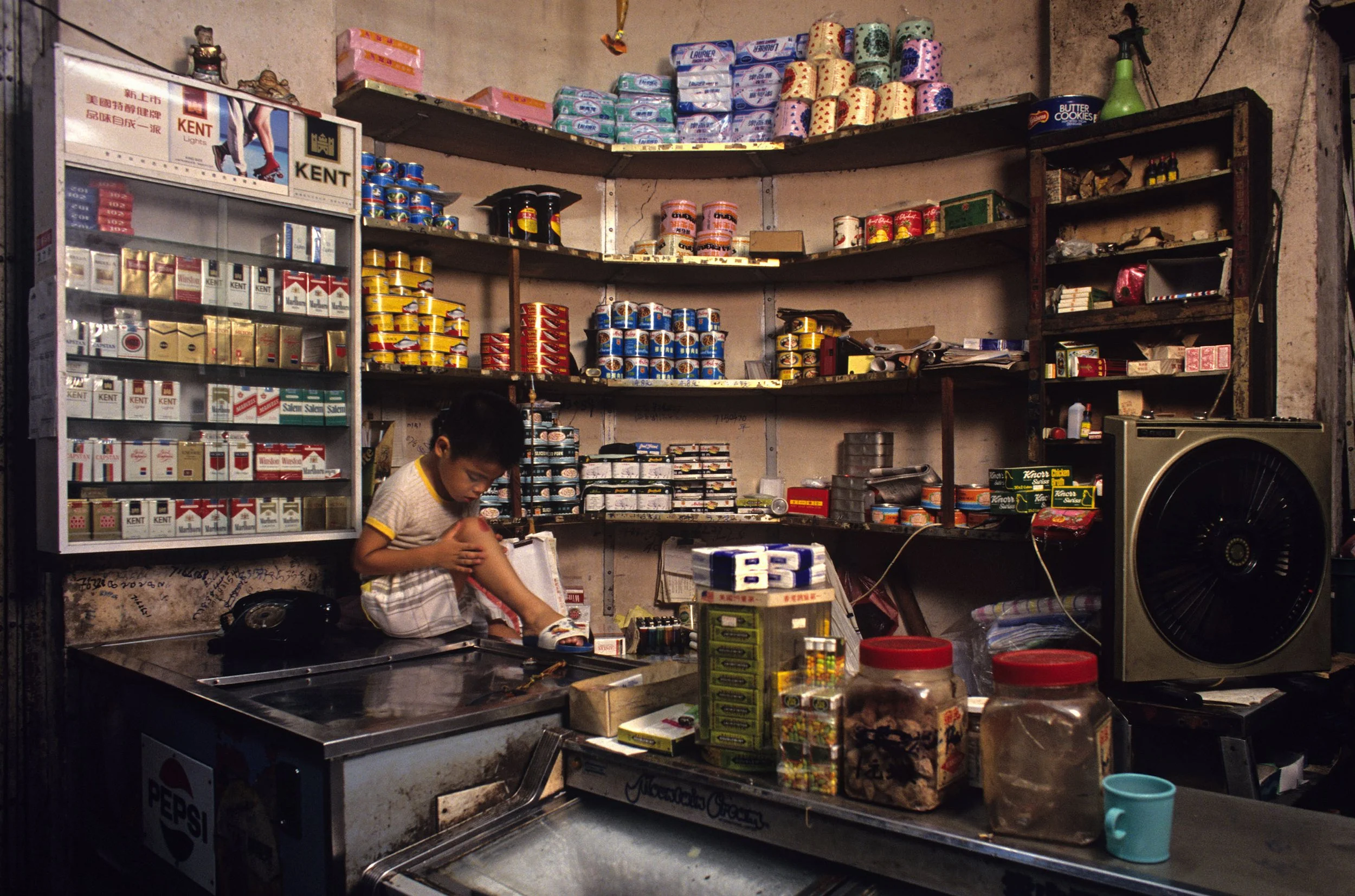
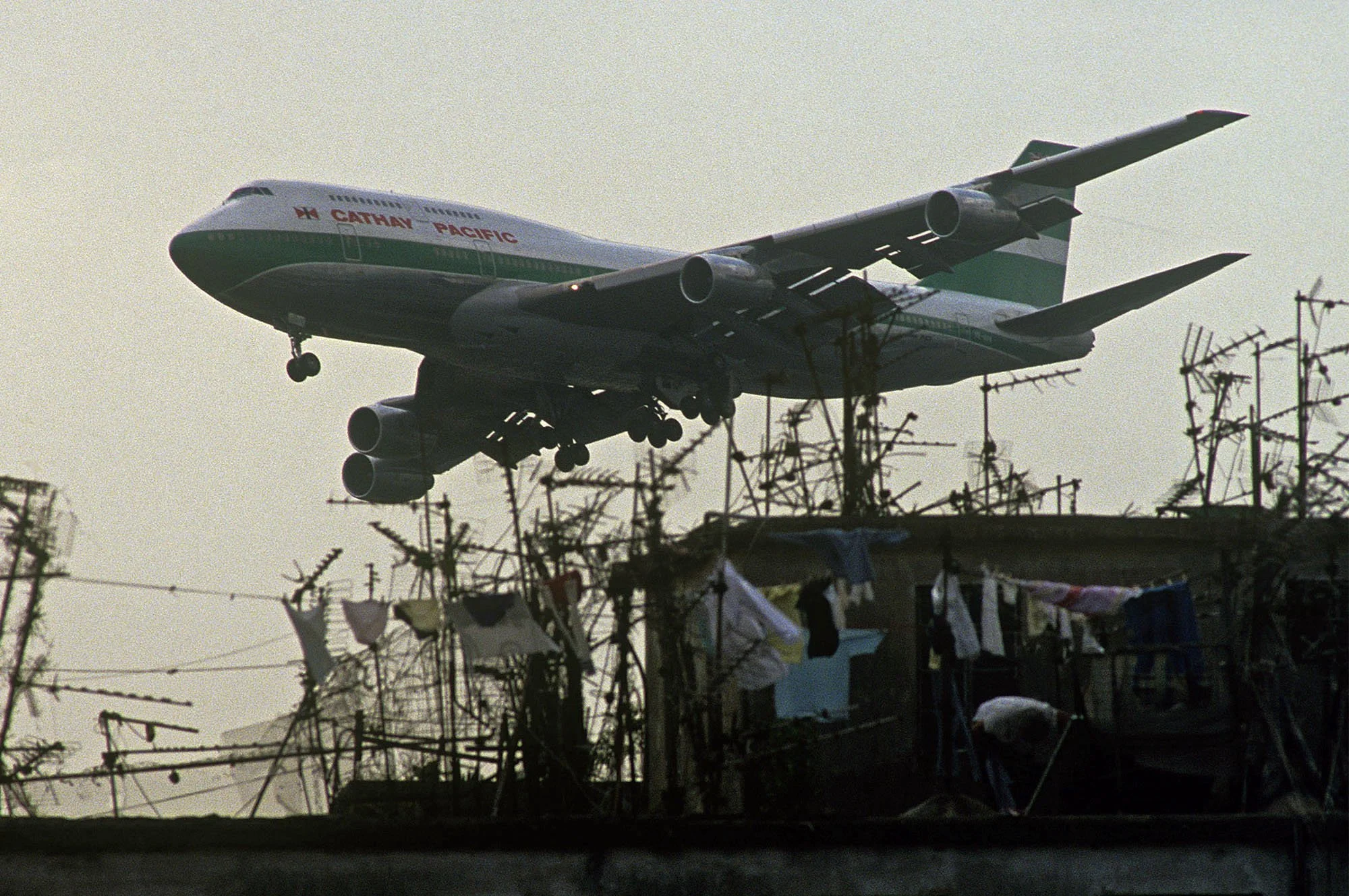
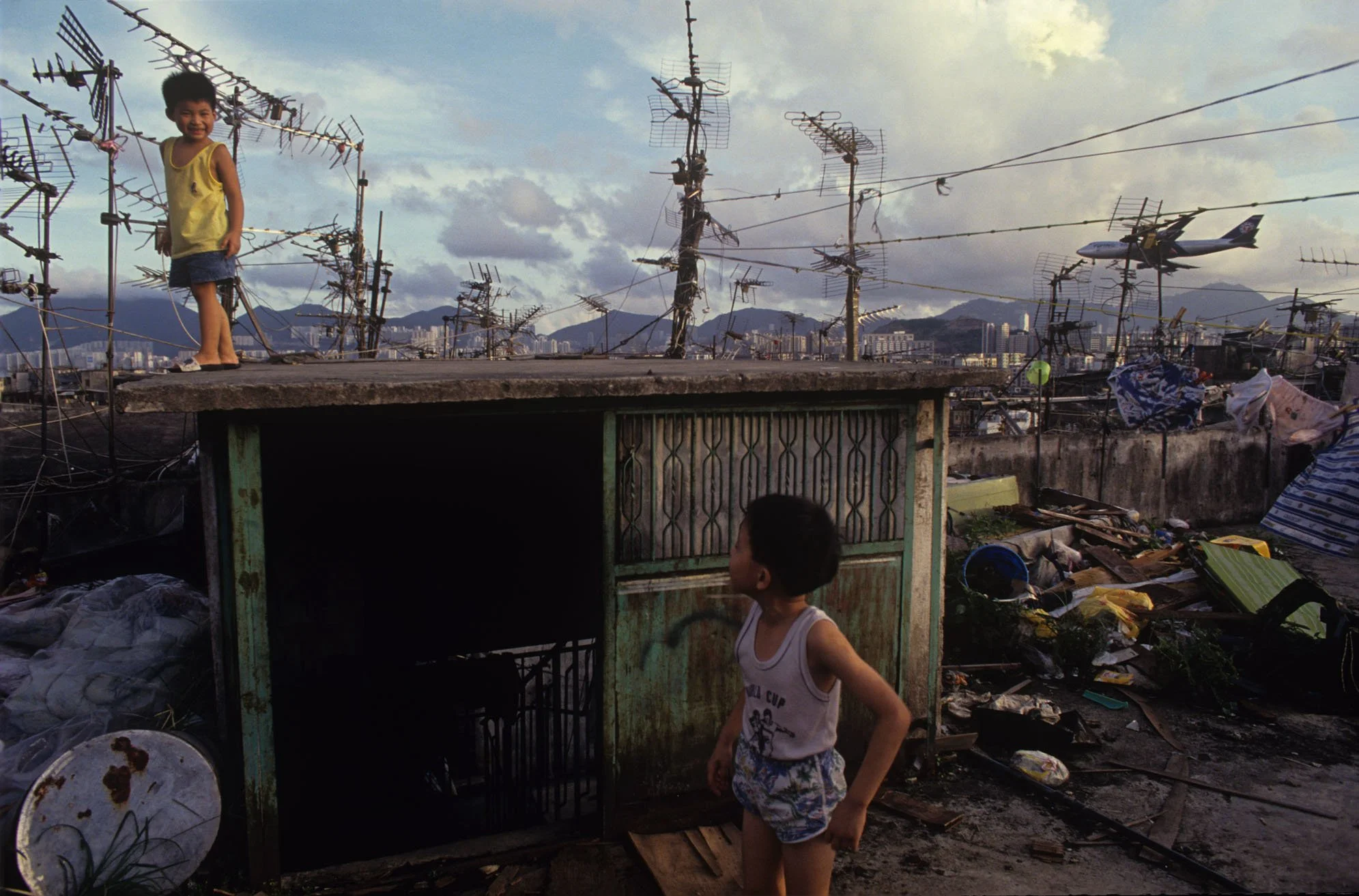
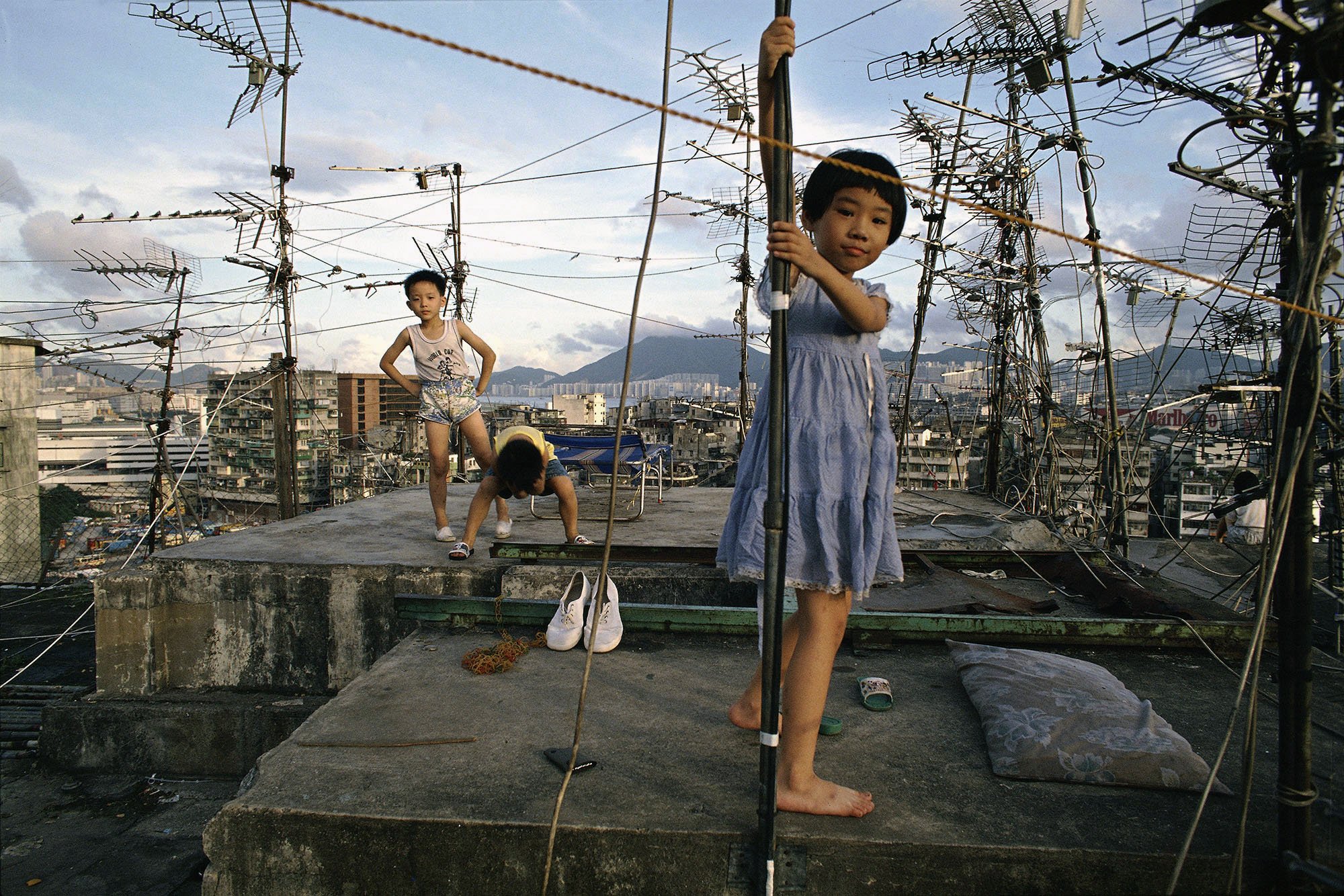
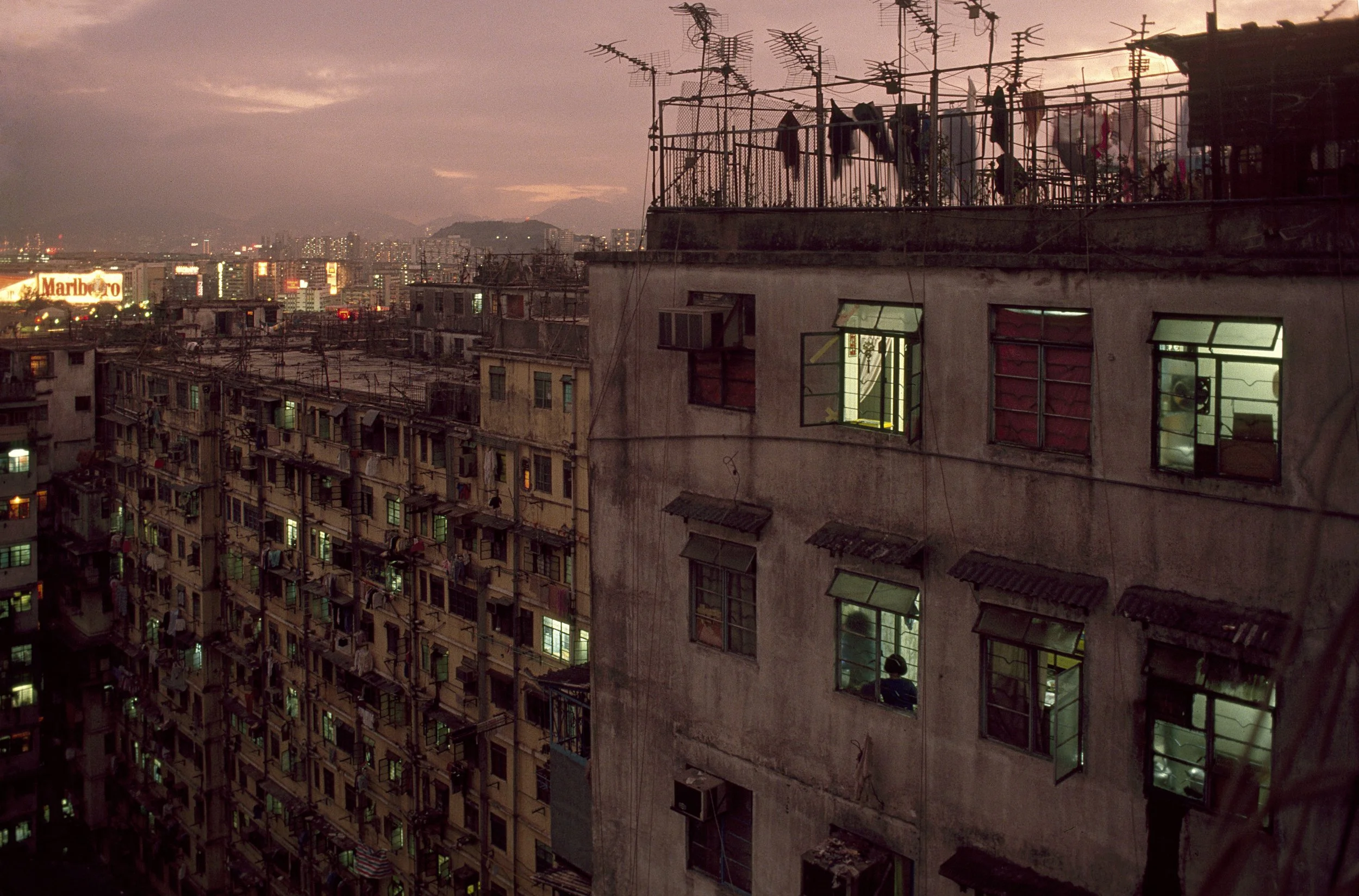
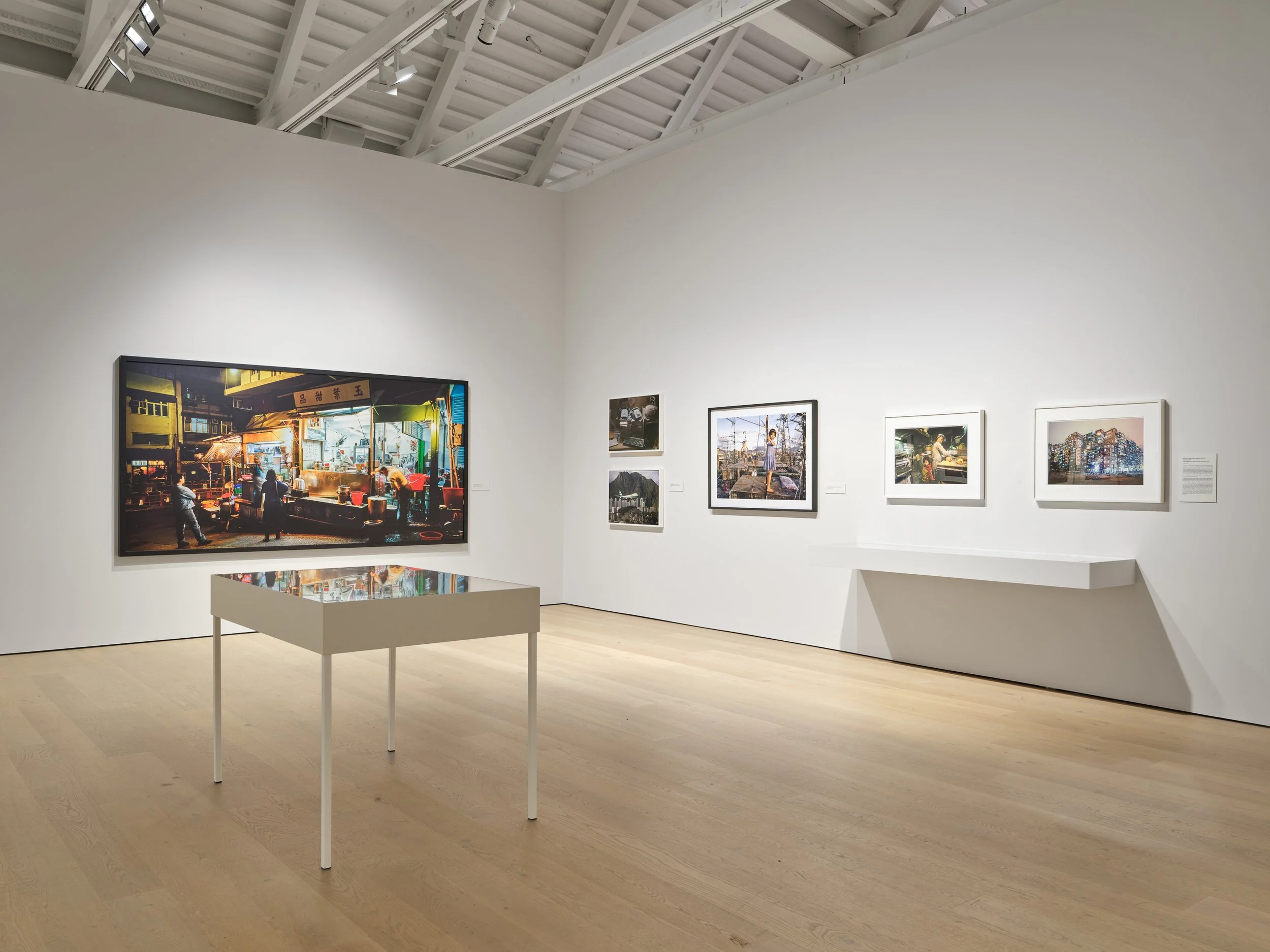
Those pictures are, in a sense, a document. Their intention was to show that place against all the expectations, reputation, and myths surrounding it. During that period, Kowloon Walled City was considered a dangerous place, associated with gangs, drugs, prostitution, and every kind of vice. That had been true earlier, but by the time I was there it was more of a working class environment, where families were trying to make a living and take care of their kids and extended families. I photographed it to show it that way, but in spite of my best efforts, all those myths about the Walled City endure, and are still built on and mythologized.
In spite of my best efforts to show it as a more typical working environment, with its own social structure, families, schools, and jobs, the myths persist. It's interesting how that has played out, with the myths overpowering the documented reality despite one's best efforts. Having said that, I understand why, because it was physically an extraordinary thing: over three hundred interconnected buildings, thirty five thousand people living in basically a single city block, the most densely populated place on earth. That feeds into a lot of ideas about what a city can be, what an unplanned city could be, and I think this notion of an unplanned city continues to resonate. This ungoverned yet somehow harmonious way of living in an extreme environment still persists as an idea.
One of the unexpected things has been that it found an audience well outside Hong Kong itself, and that it continues to endure as an idea people return to, a kind of homemade, anarchic yet harmonious environment. As you probably know, it's been widely sampled in film production design, video games, and other areas of popular culture.
Is that something people miss when they look at your work, or is there something else about that work that people rarely notice?
I think people find what they want to see in it. It can deliver a workable interpretation of both those worlds: people prevailing over a difficult social and physical environment, and also a jumping off point for fantasy. I think it services both of those impulses.
I believe you've spoken before about photos that you never managed to take. Why do you think the photographs we miss can sometimes stay with us longer than the ones we actually make?
I don't know. That's a really good question, and I honestly don't know the answer to it. Whether it's the love affair you could have had but never had, or the thing you wanted to do but didn't and should have, it's just this human capacity for infinite regret.
Do you think about them?
I try not to think about it too much. You still create the world through your decisions. But there's a poignancy to it, of course, that notion of regret. I think it's part of why we do a lot of what we do in creative terms: living with the thing inside us that remains after something is done, before we move on to the next thing. That undone thing can live inside us for a long time.
Have they influenced your later work?
In a way, maybe. It can be quite subtle, as simple as walking past something, noticing it, and then noticing it's gone, wishing you'd taken that picture you told yourself you'd take tomorrow, and never did. Being aware of that happening repeatedly over time makes you alert to smaller things that can become much bigger things: a whole path, a whole body of work, a whole departure, a new country, a new everything. That simple awareness of how small things can become big and pronounced does feature in life, and it can turn into a whole project.
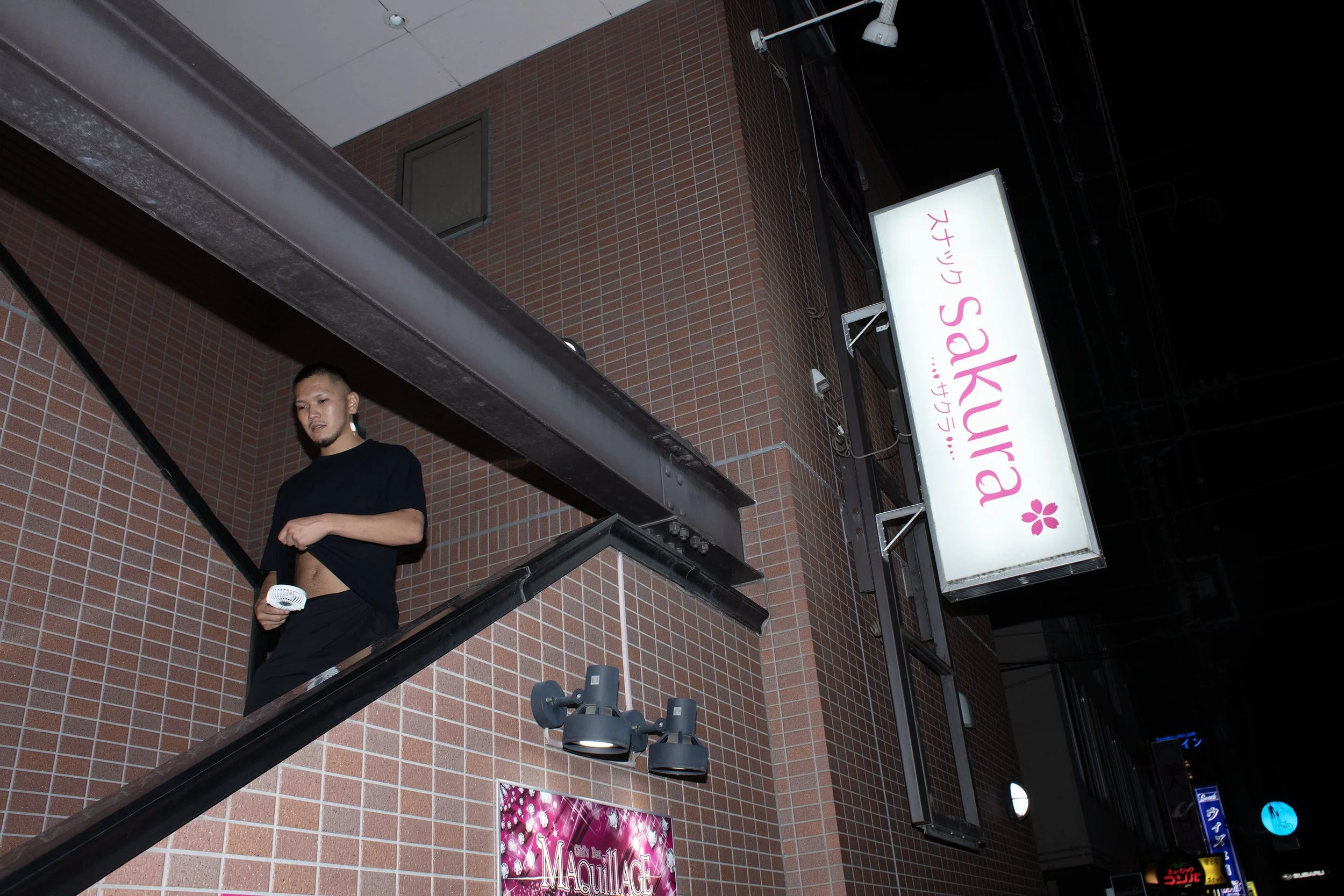
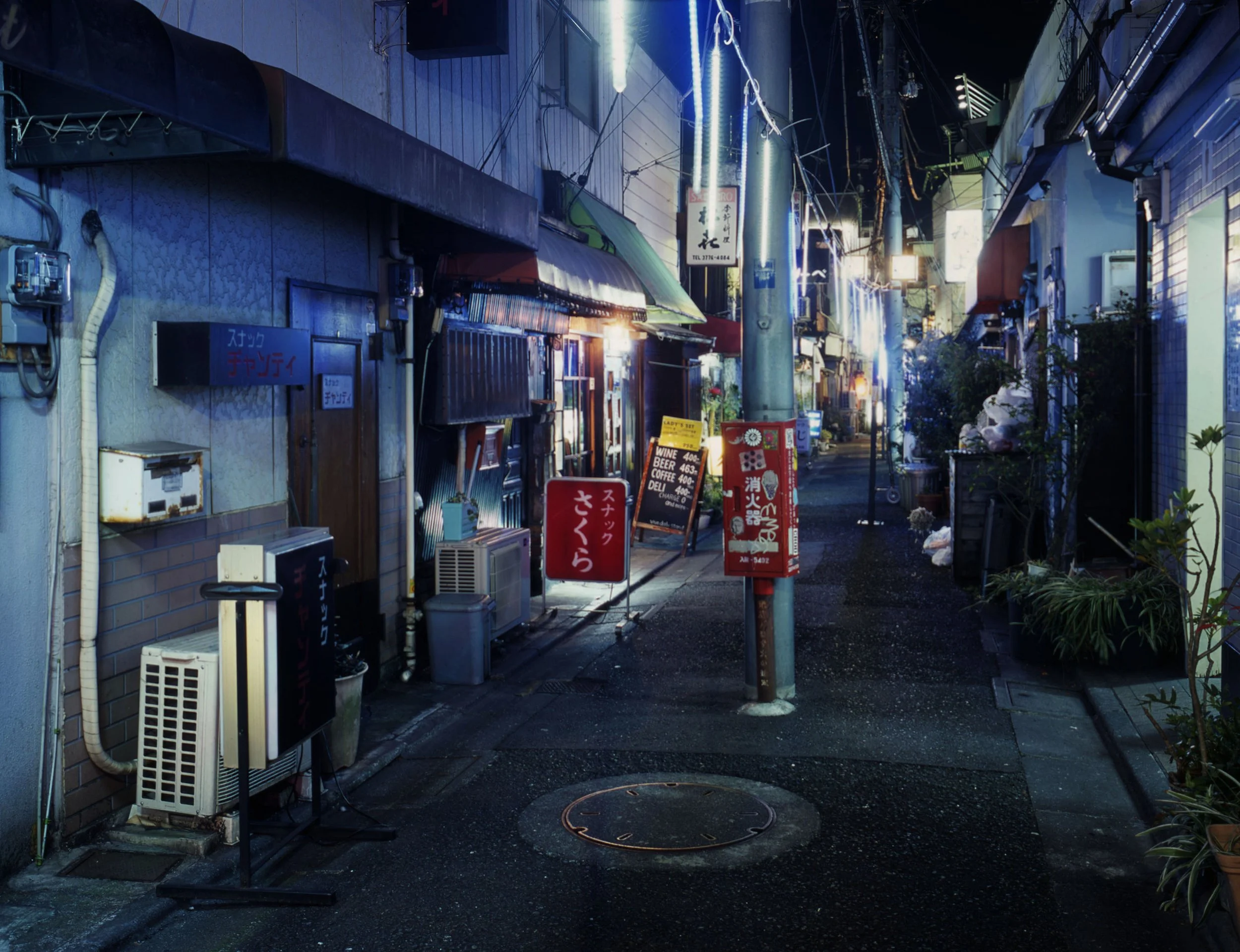
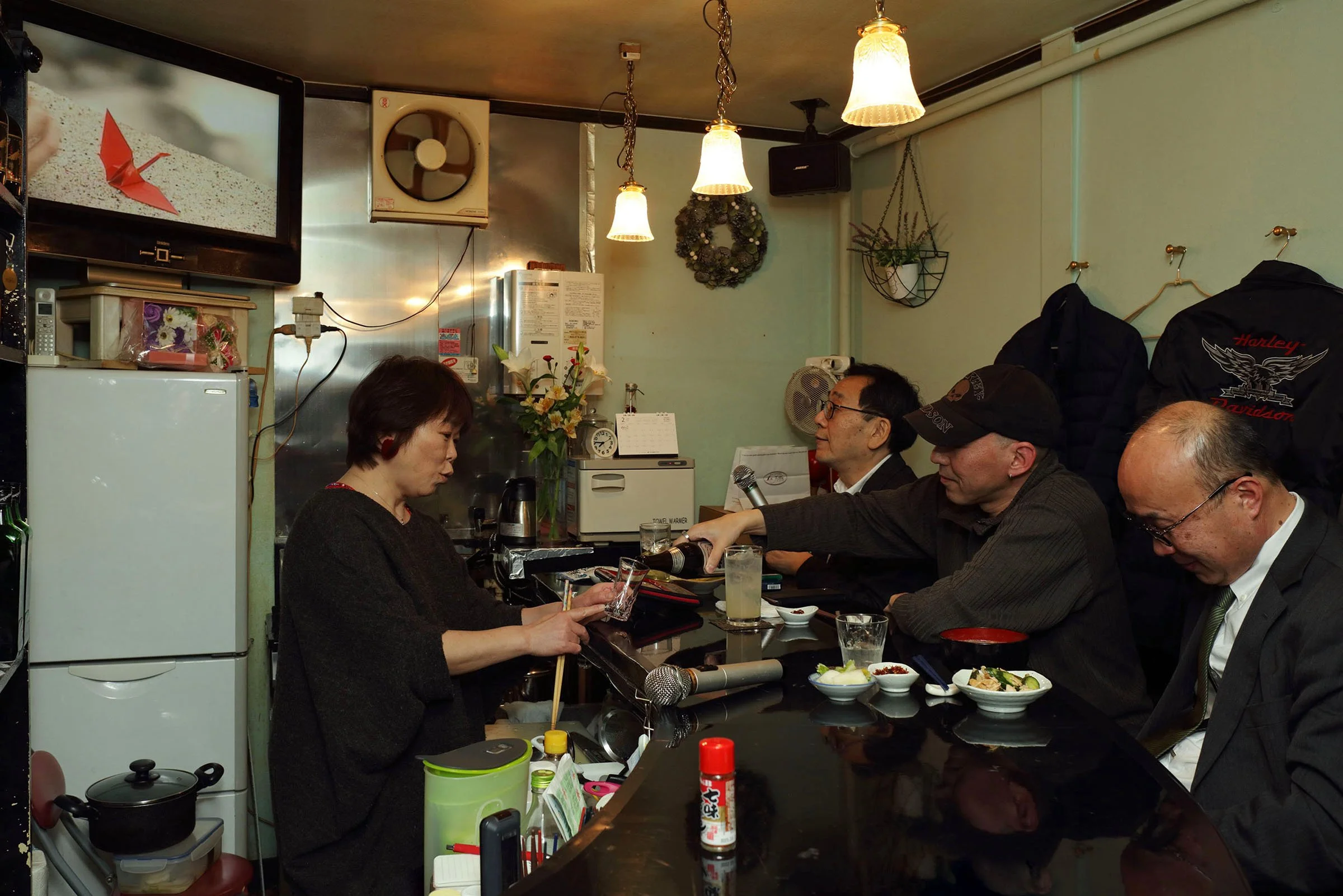
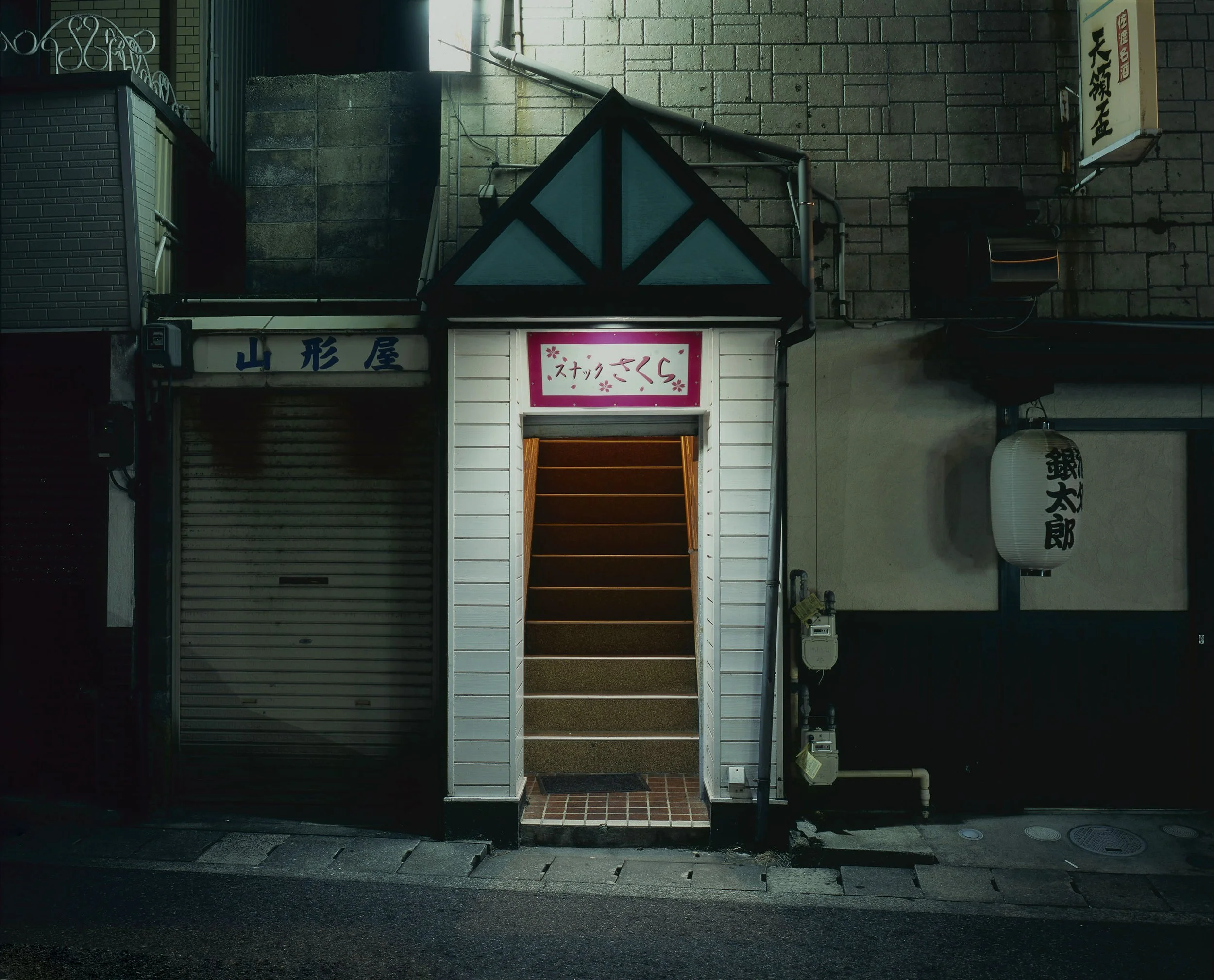
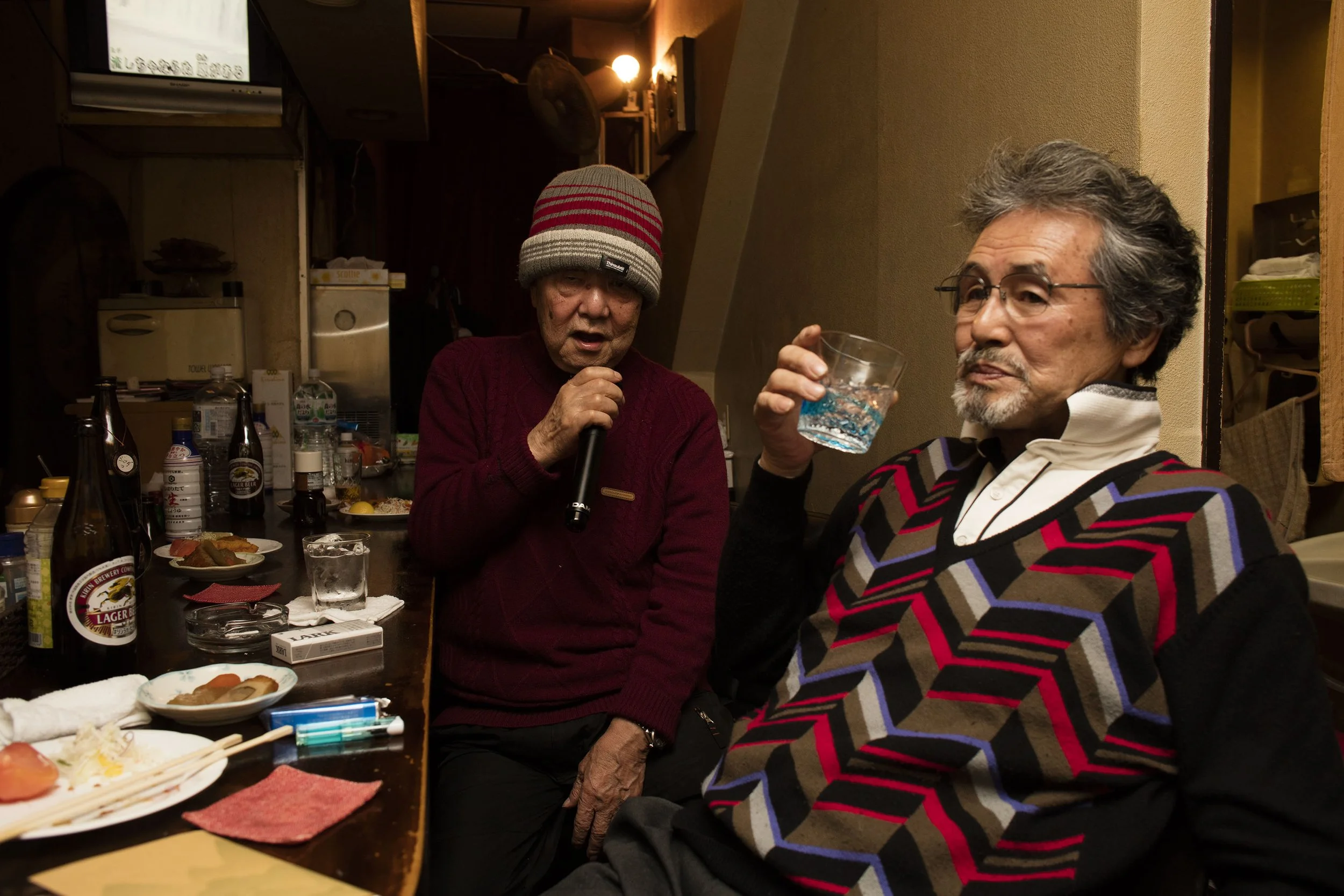
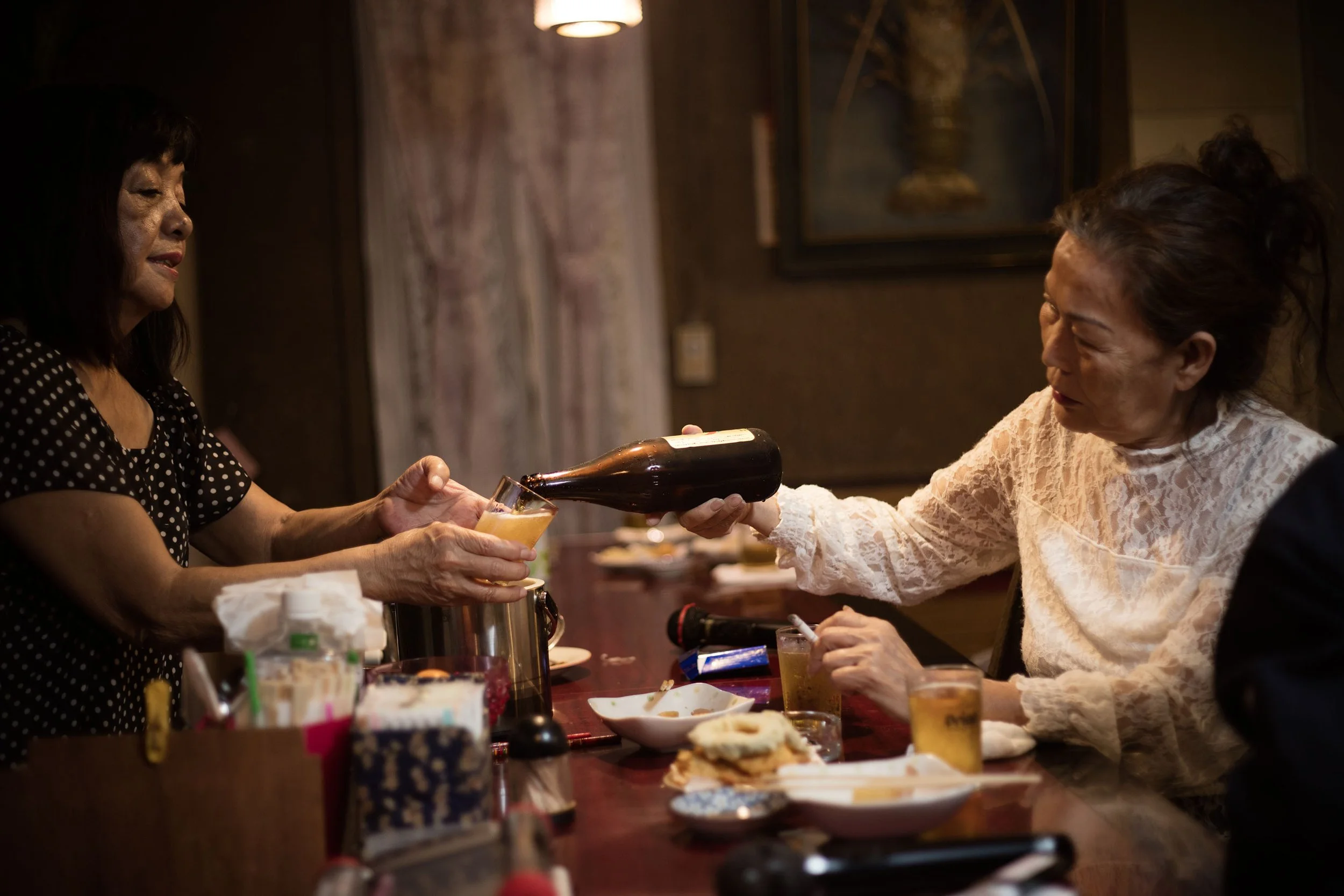
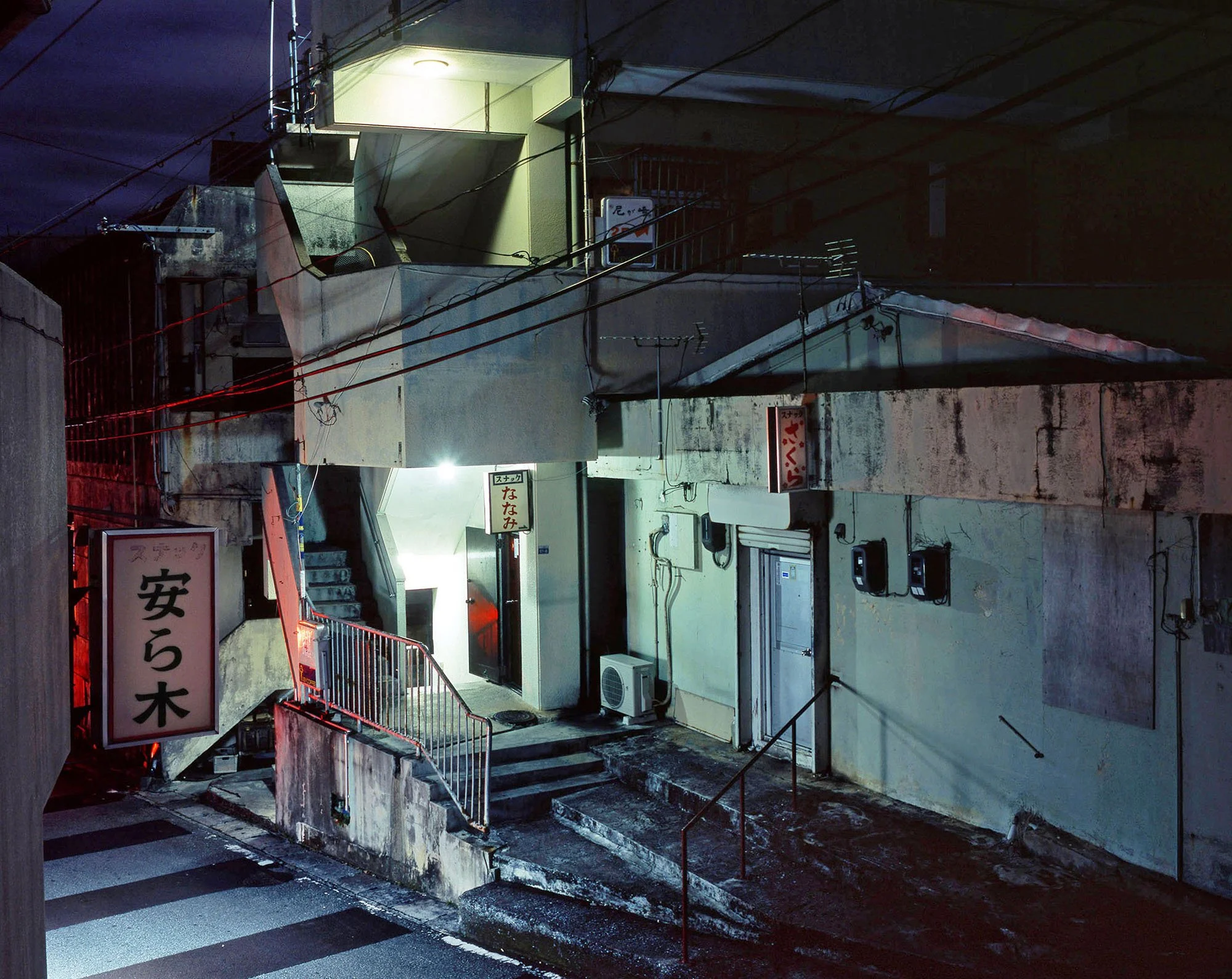
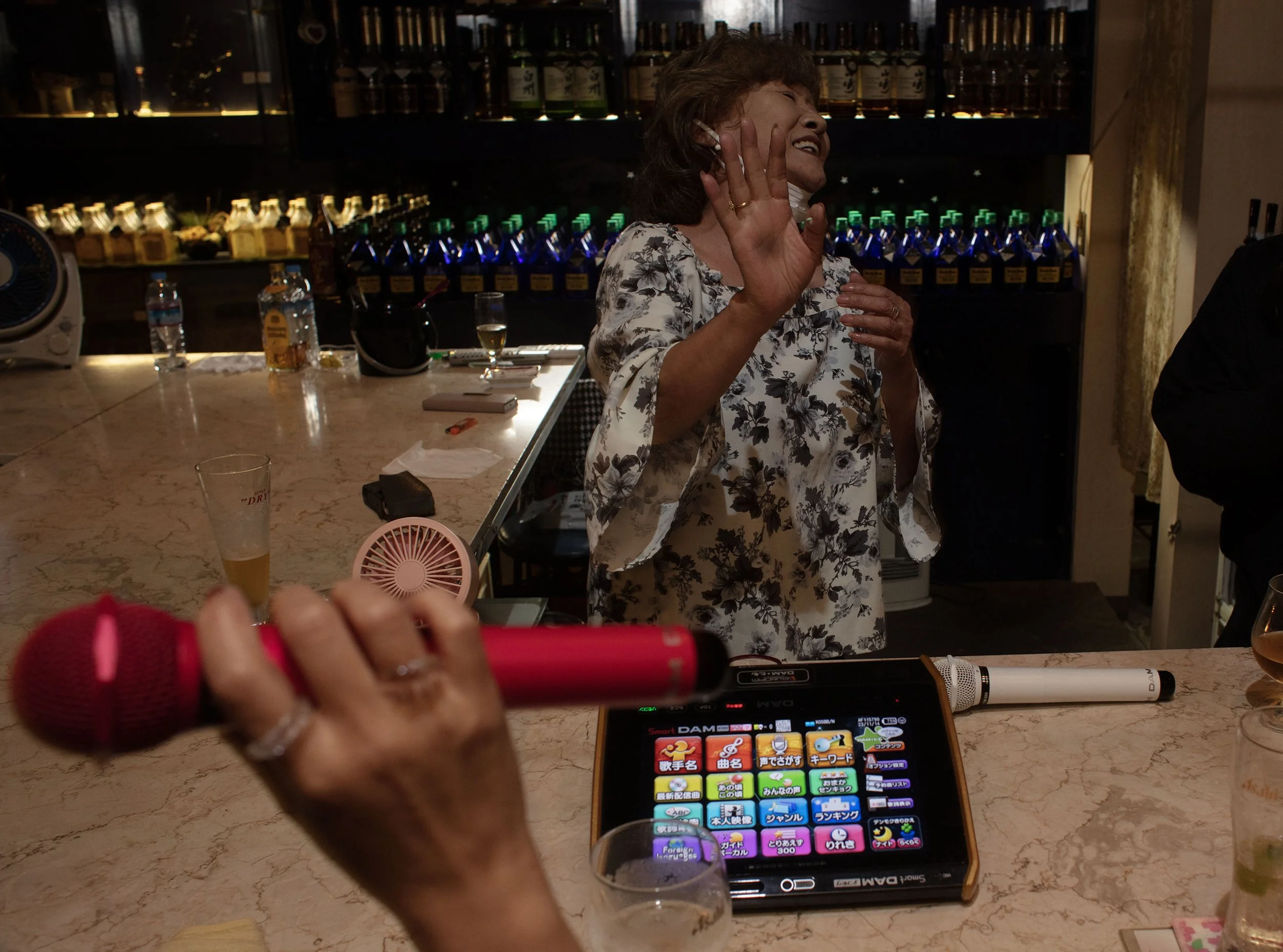
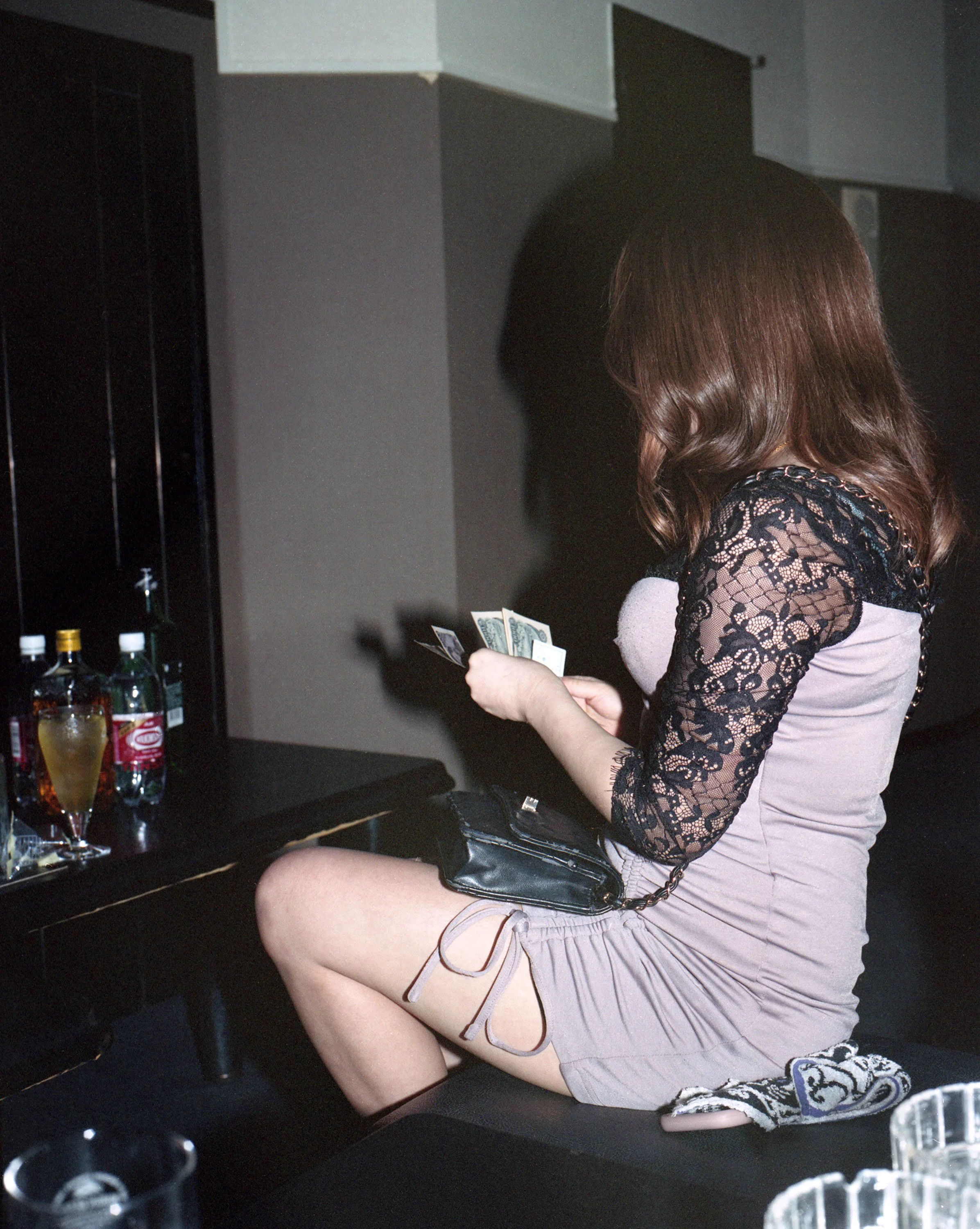
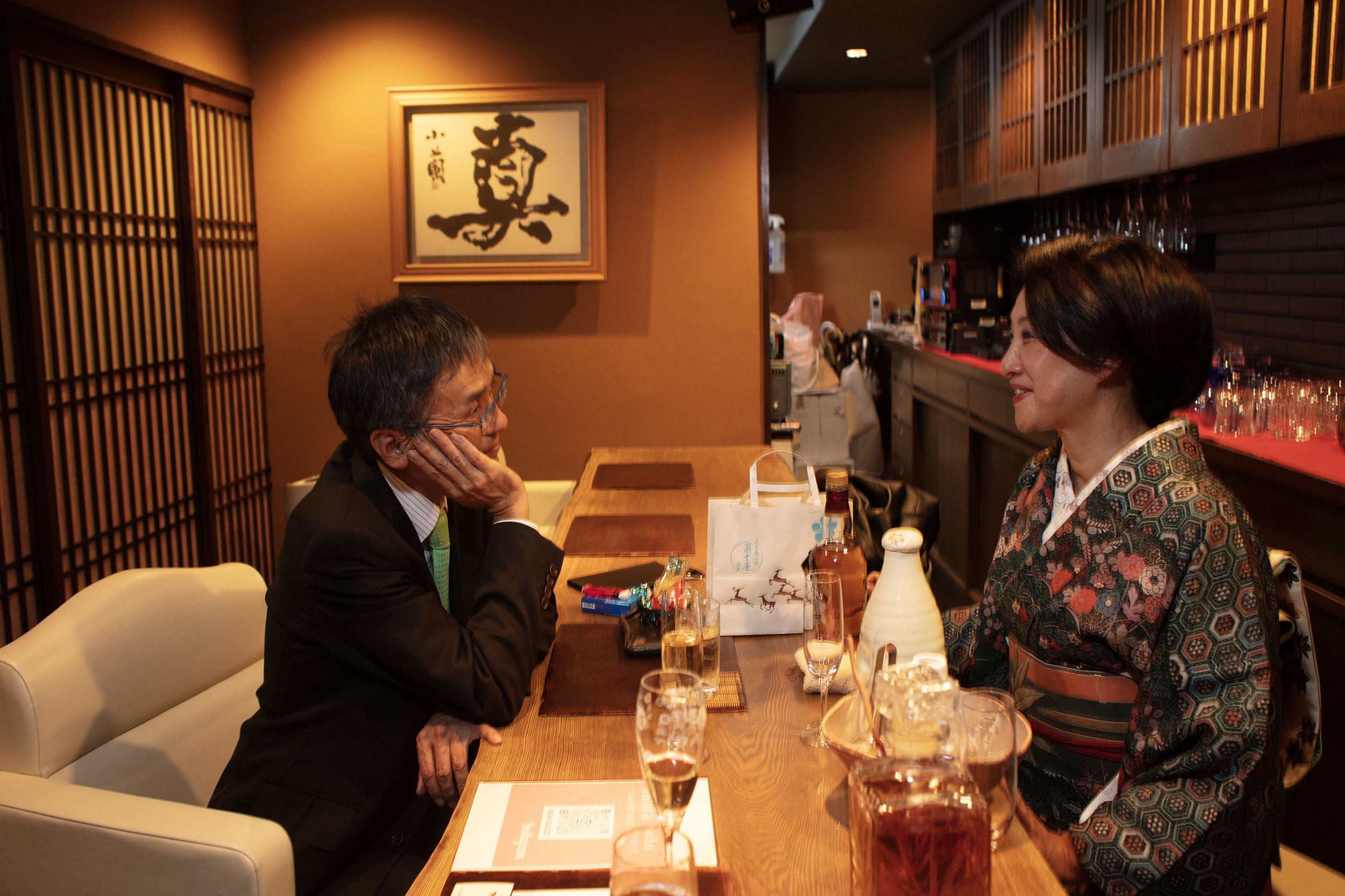
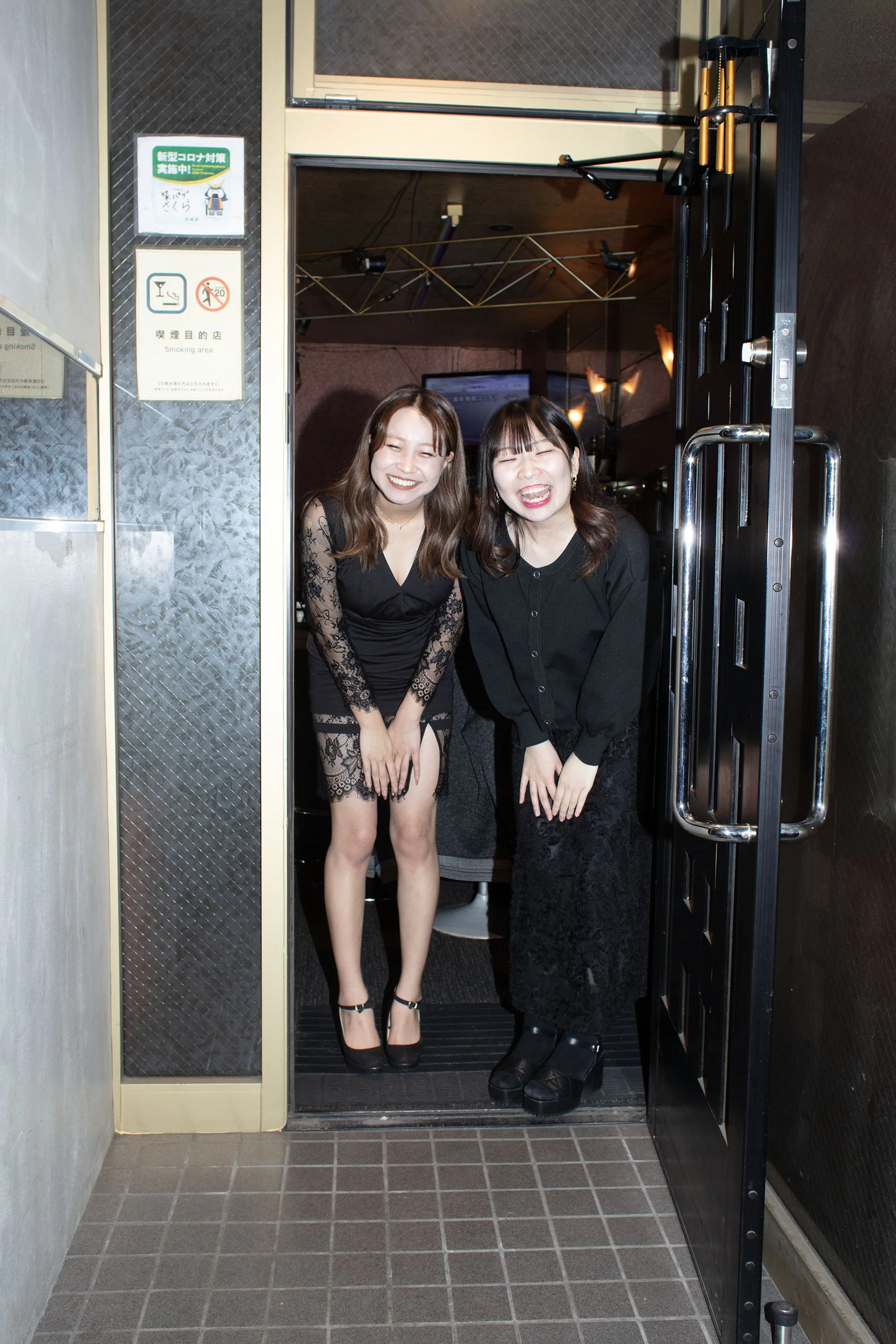
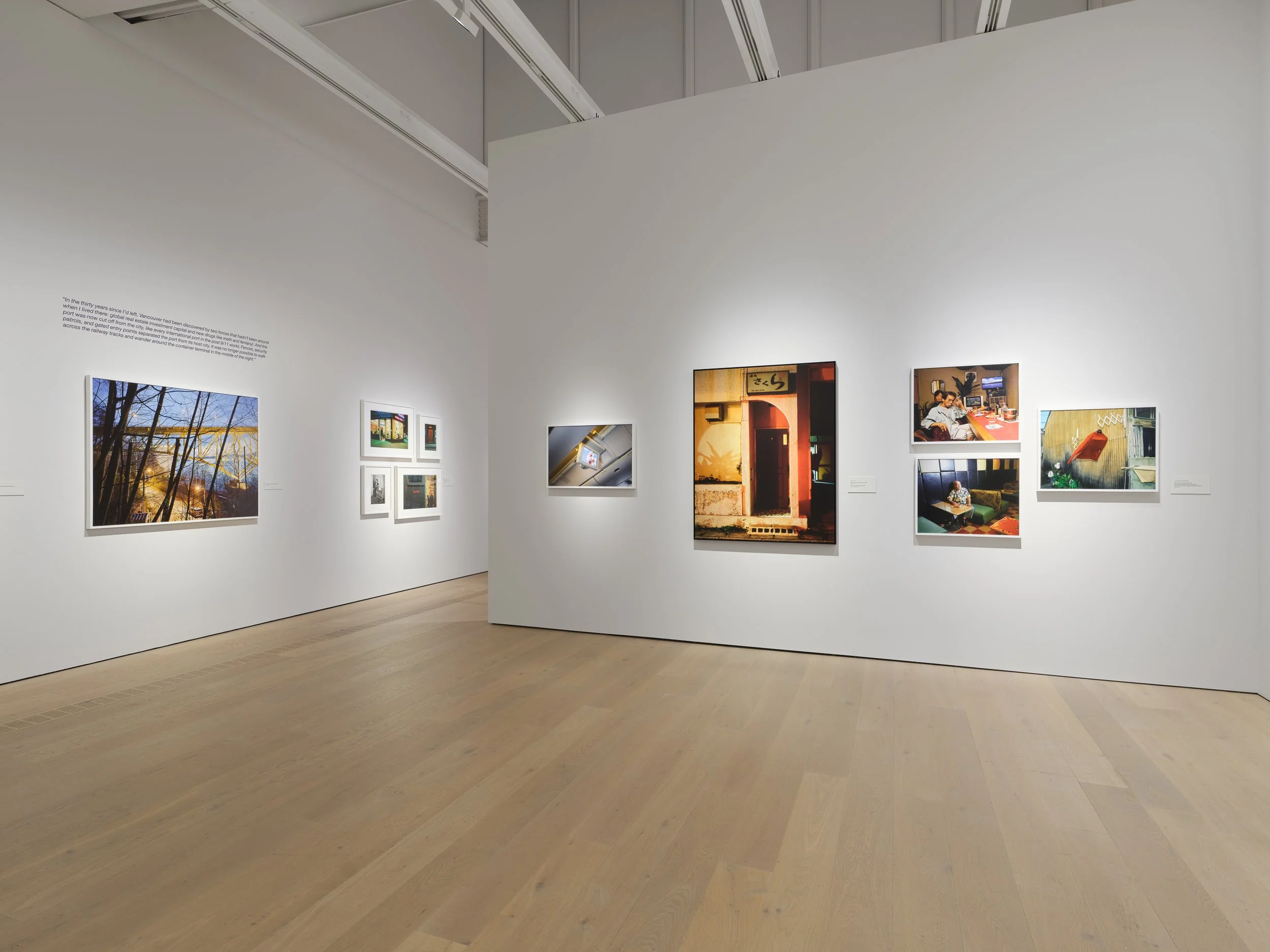
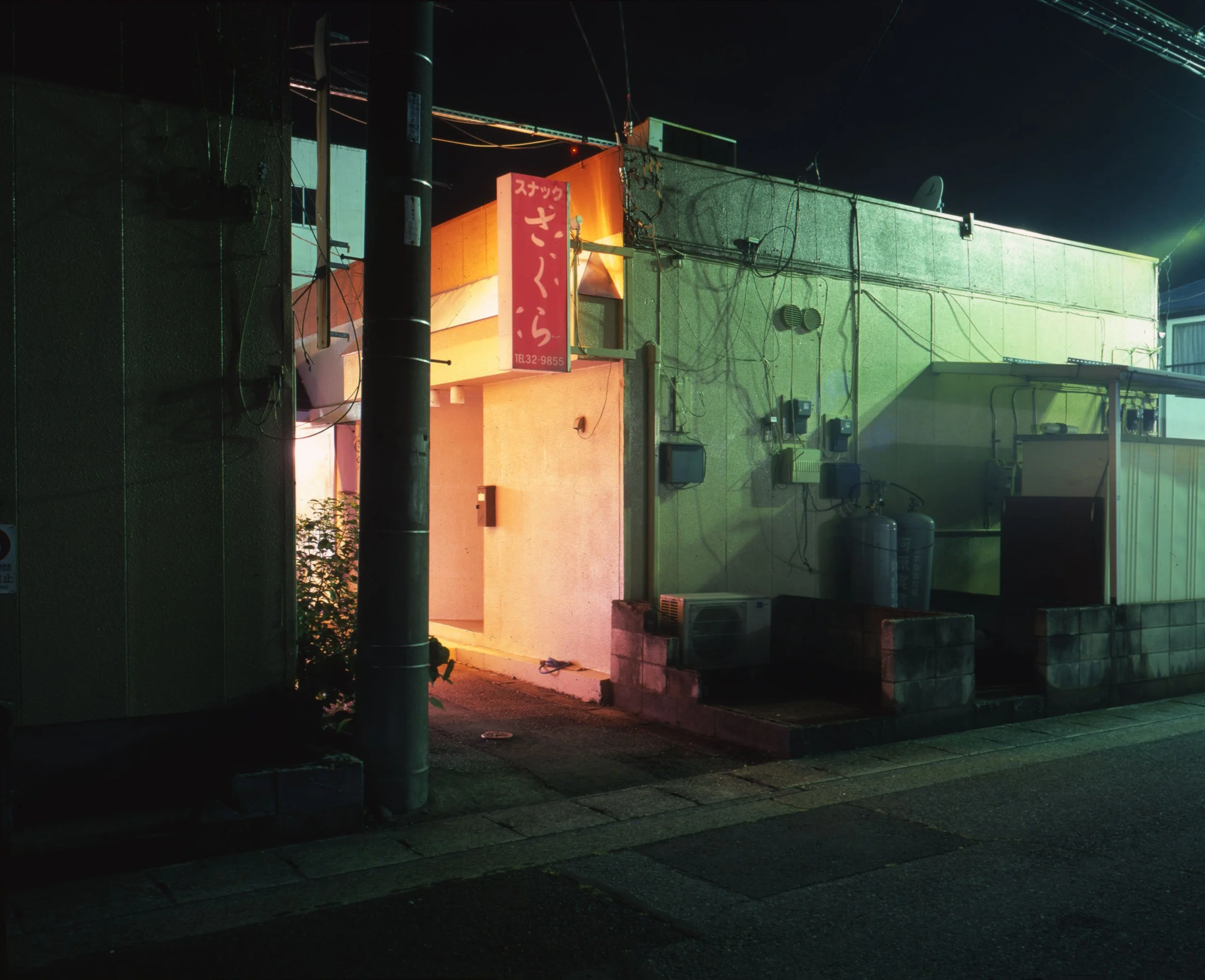
The clearest recent example for me was a book I made called Snack Sakura. Sakura means cherry blossom, and a snack is a particular kind of small drinking place in Japan. On earlier visits to Japan, while working on a different project, I started noticing that nearly every town seemed to have a place called Snack Sakura, just a sign on a building. As I went from town to town, it seemed like almost every place had one. Sakura is about the most basic, unimaginative name you could give something in Japan: cherry blossom dry cleaners, cherry blossom bar, whatever it might be. So I started investigating, going around looking for these places, and it did seem true that nearly every town had one. It's not a chain; it's just the most obvious name available for something.
I contacted the All Japan Snack Owners Association and asked what the most common name was among their members. They said Snack Sakura, so that turned out to be correct: my guess that it wasn't just common, but the most common. I started photographing them all over Japan, and that turned into a book length project. That example answers your question about the path not taken. It can start with something as inconsequential as noticing one thing and beginning to peel away whatever is hiding it. It can end up being as big or as small as you make it.
When did you realize that some photographs become more meaningful with time than they were on the day you made them?
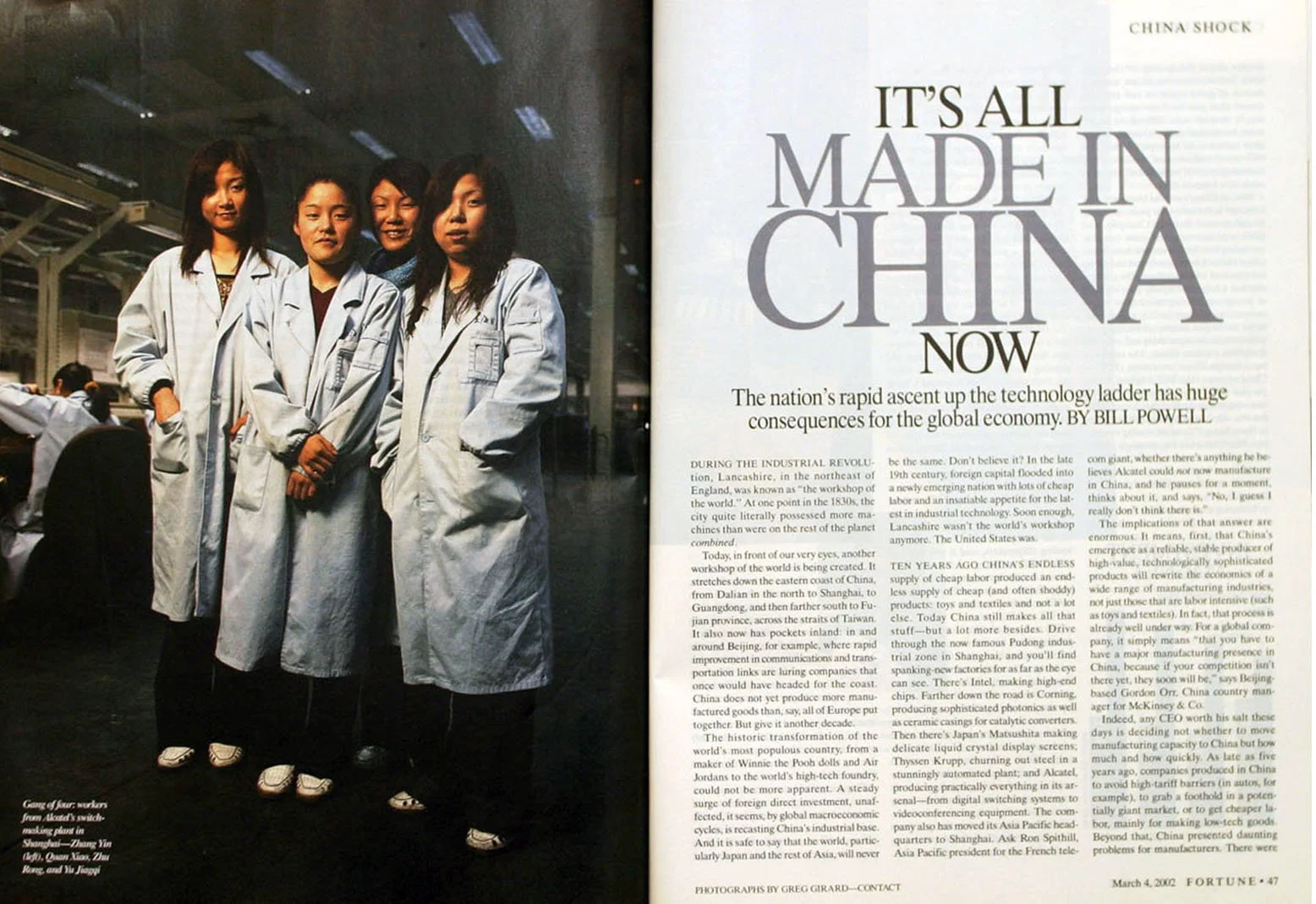
I don't think I've ever known, at the time, that a picture was going to have any consequence or become part of anything besides my archive. Working in the magazine world, illustrating stories, you know when you've got a good picture, one that will be, could be, or should be published. This was pre digital, so you didn't need to process the film to know; you just knew you had it when you had it, and I think other people working the way I did knew that too. You knew when you had a picture that would make a good double page spread in a magazine, or even a cover.
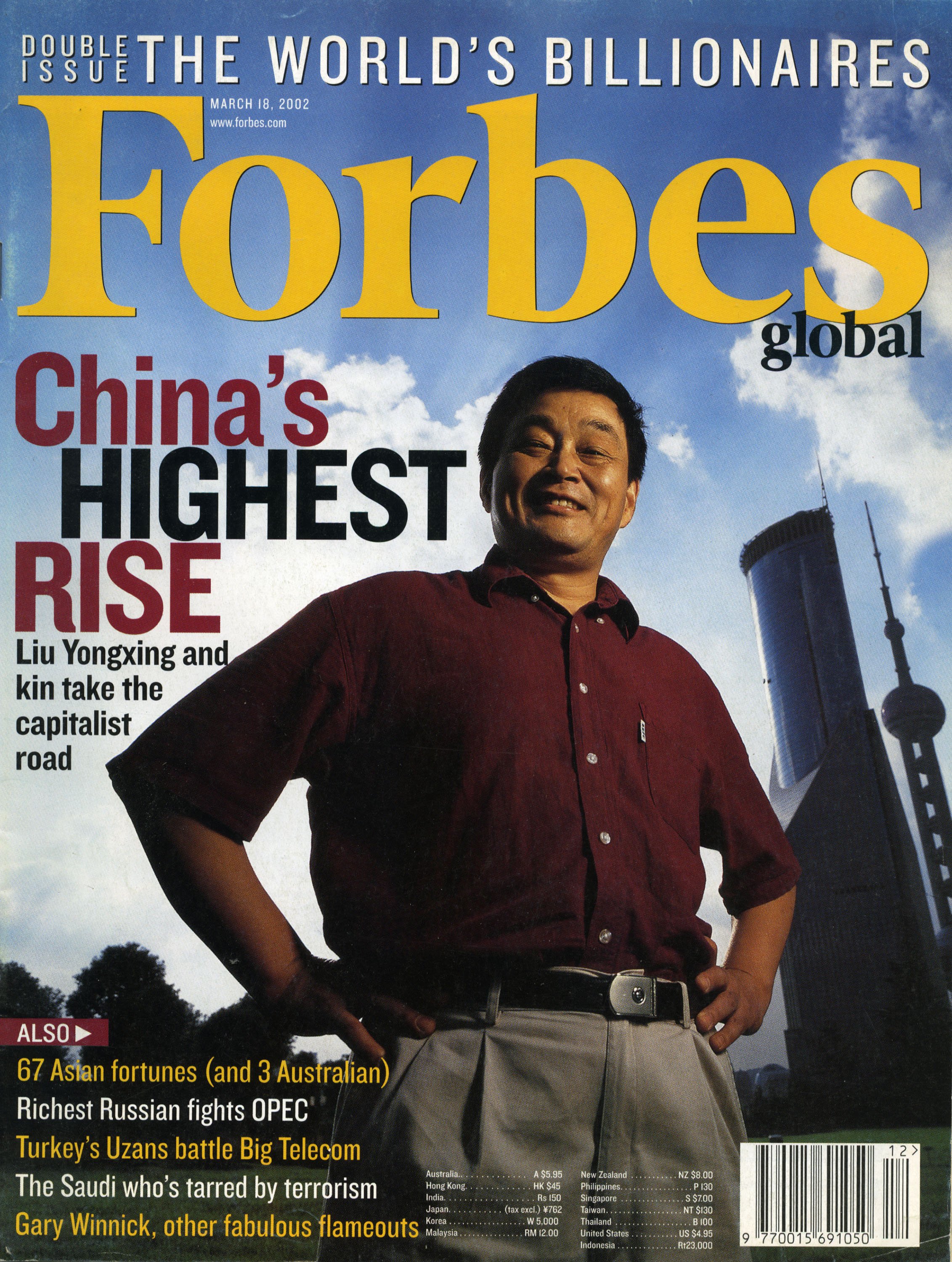
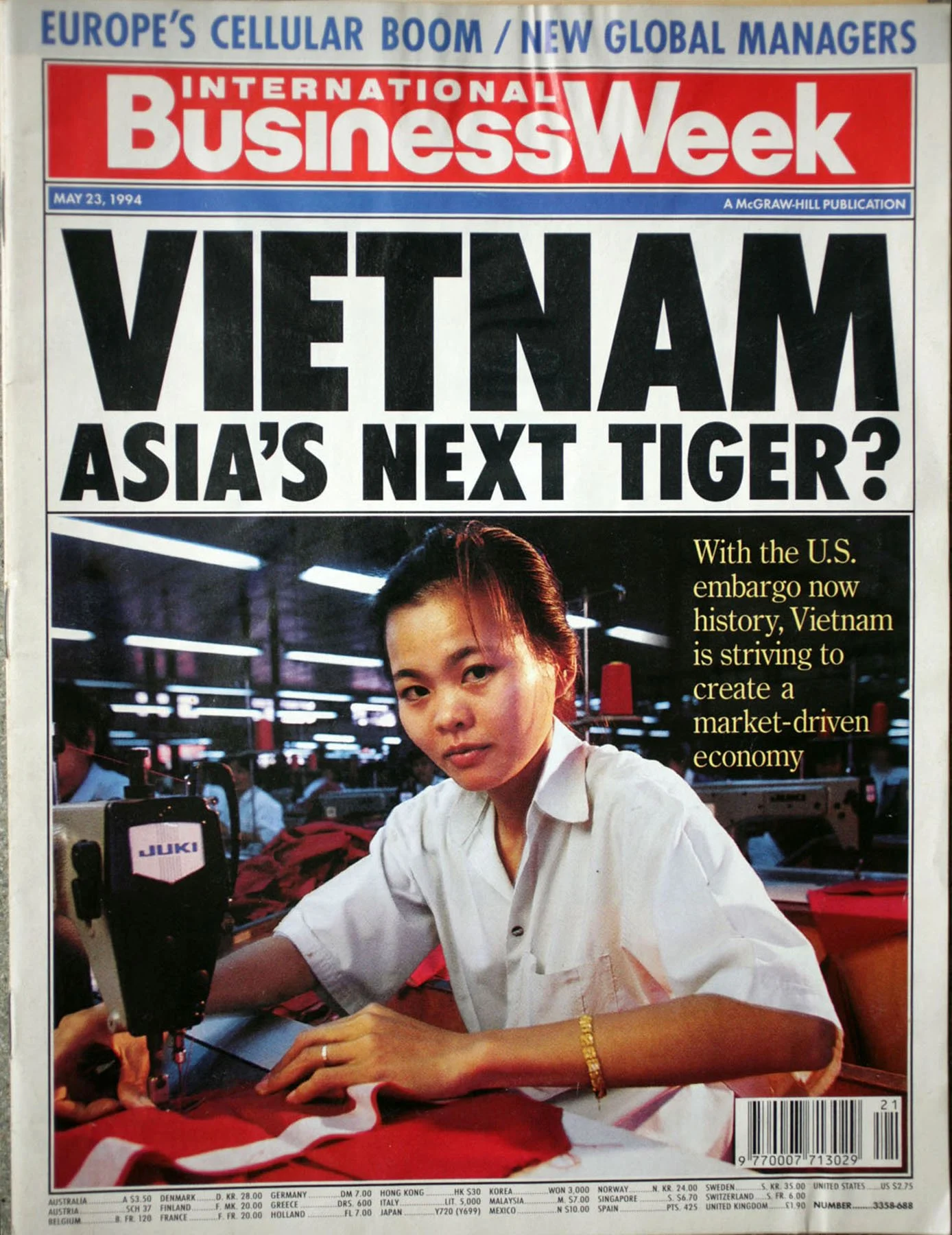
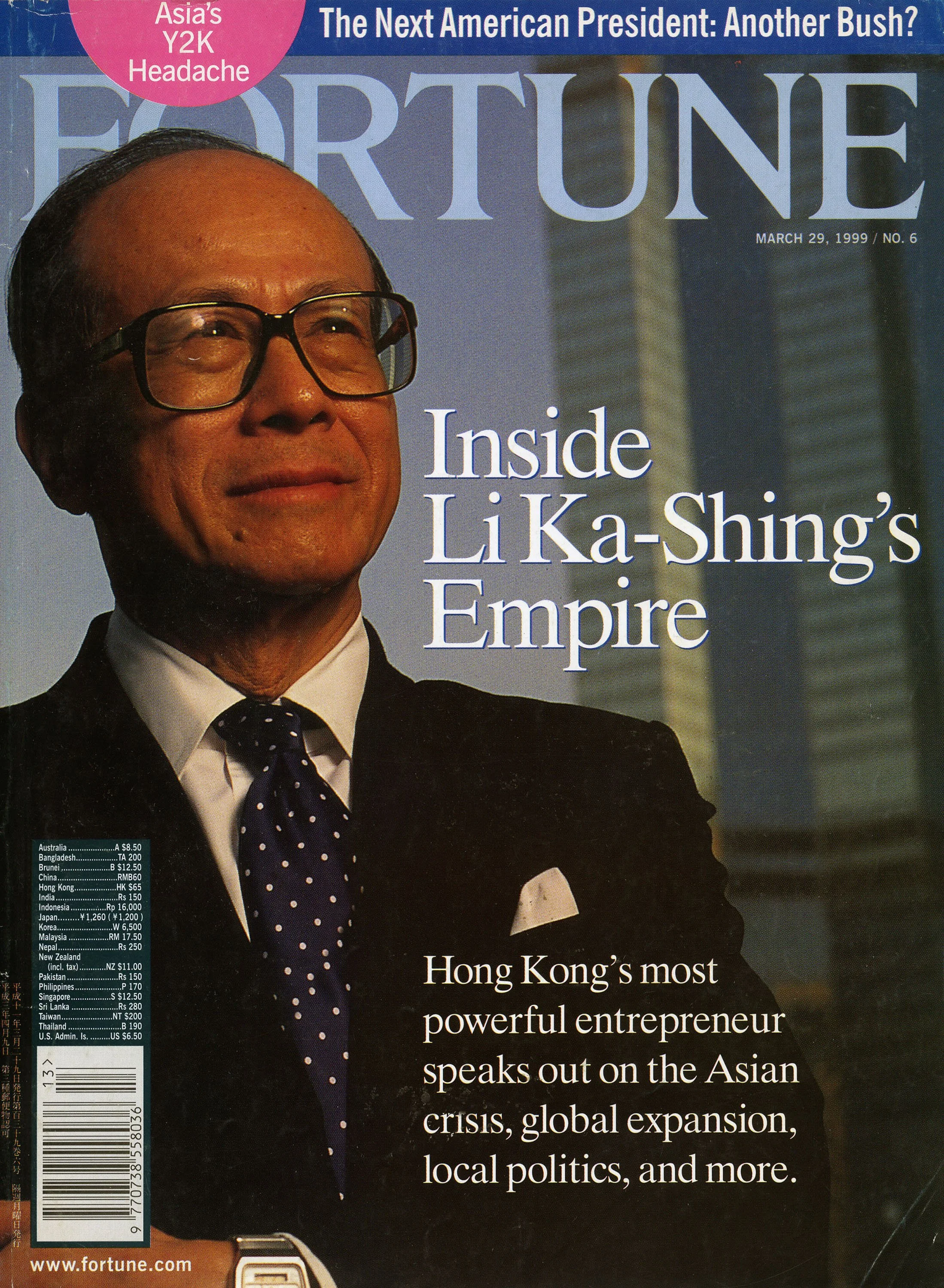
As for the rest of it, I really don't know, and never did, and still don't. What other people respond to is unpredictable. Of course I have my favorites, and my own judgment about what's more successful than something else, and that judgment can change over time. You look at a picture you made twenty years ago and think that was a good picture, the right picture. Then, twenty years later, you look at the contact sheet and find another one that seems better. Taste changes over time, and perhaps simply tiring of looking at your pictures over time makes you alert to something you haven't seen in twenty years, something you decide is better, or at least new and more interesting. For me, at least, that's unpredictable.
What makes you choose a different photograph today than you would have thirty years ago?
It's hard to say. It could be that it didn't fit, and maybe still doesn't fit, into the idea of what a good picture is, and yet it has something. I don't want to be too abstract about it, but there were certain conventions that applied, and you mess with them out of a sense of adventure, disobedience, rebellion, curiosity, or an accident that turns into something. All of those unexpected things can make an image more interesting than whatever the conventions of the moment dictate a good picture should be. When you step away from something for twenty or thirty years and then go back to it, you see what you were doing more clearly. You can see yourself trying to make a certain kind of picture, and the results of that effort. Then there are these other frames, the ones that were accidents, or where you tried something different, or that felt like a failure at the time but now look interesting. Time really can have a big effect on how we look at things and think about them.
Seeing the photographs made decades apart sitting next to each other in this book, did it teach you something about your own way of seeing?
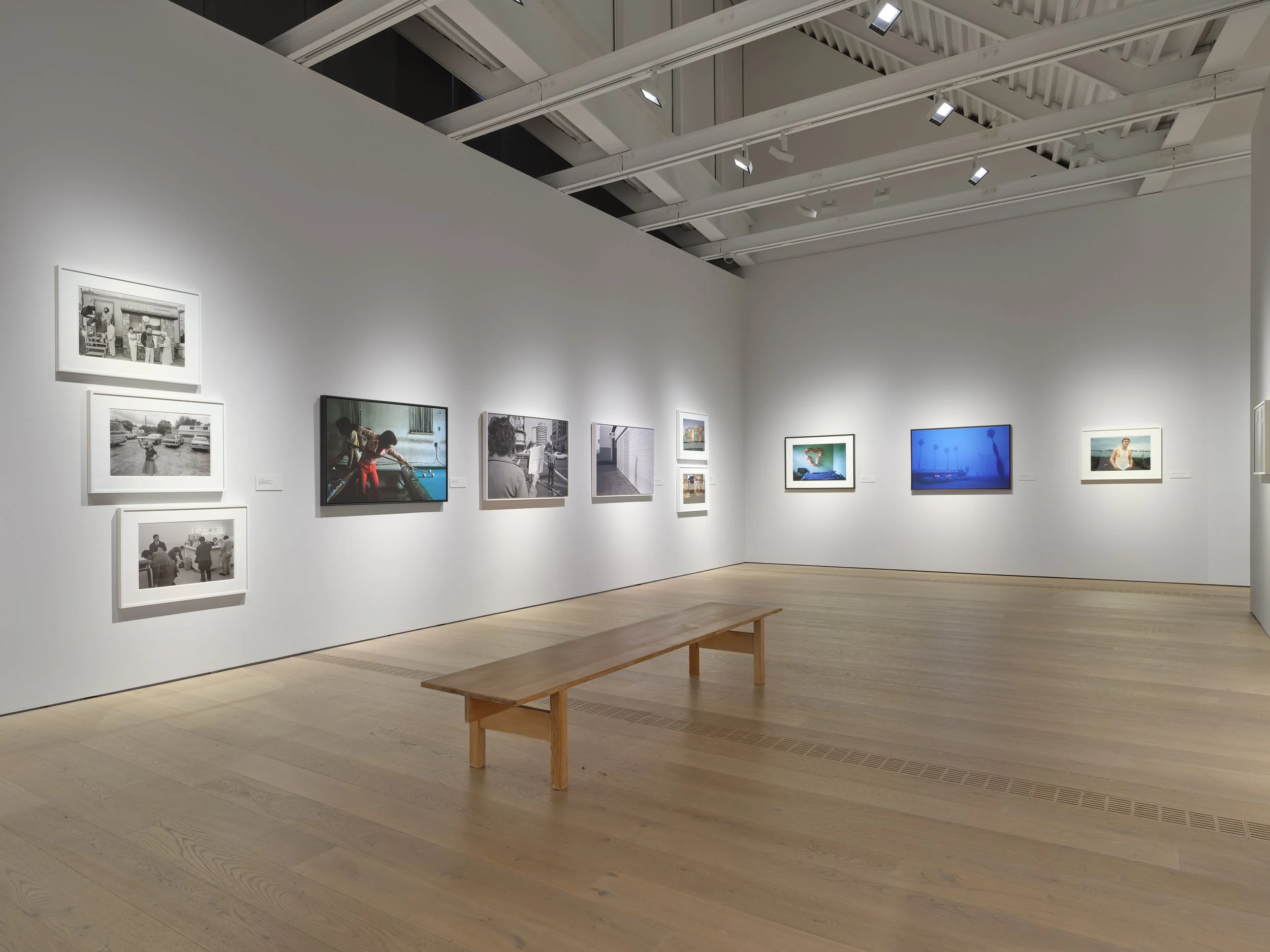
I think there is something running through the pictures over the decades. Even the magazine work, which in the exhibition we've shown in vitrines under glass as physical objects from that period, has a kind of through line, oddly enough. What that is, I don't know. I'm way too close to it all, and that's why it was great to have someone else, in a sense, take it off my hands and apply their own vision and sensibility to it, their curatorial oversight, their personal preferences.
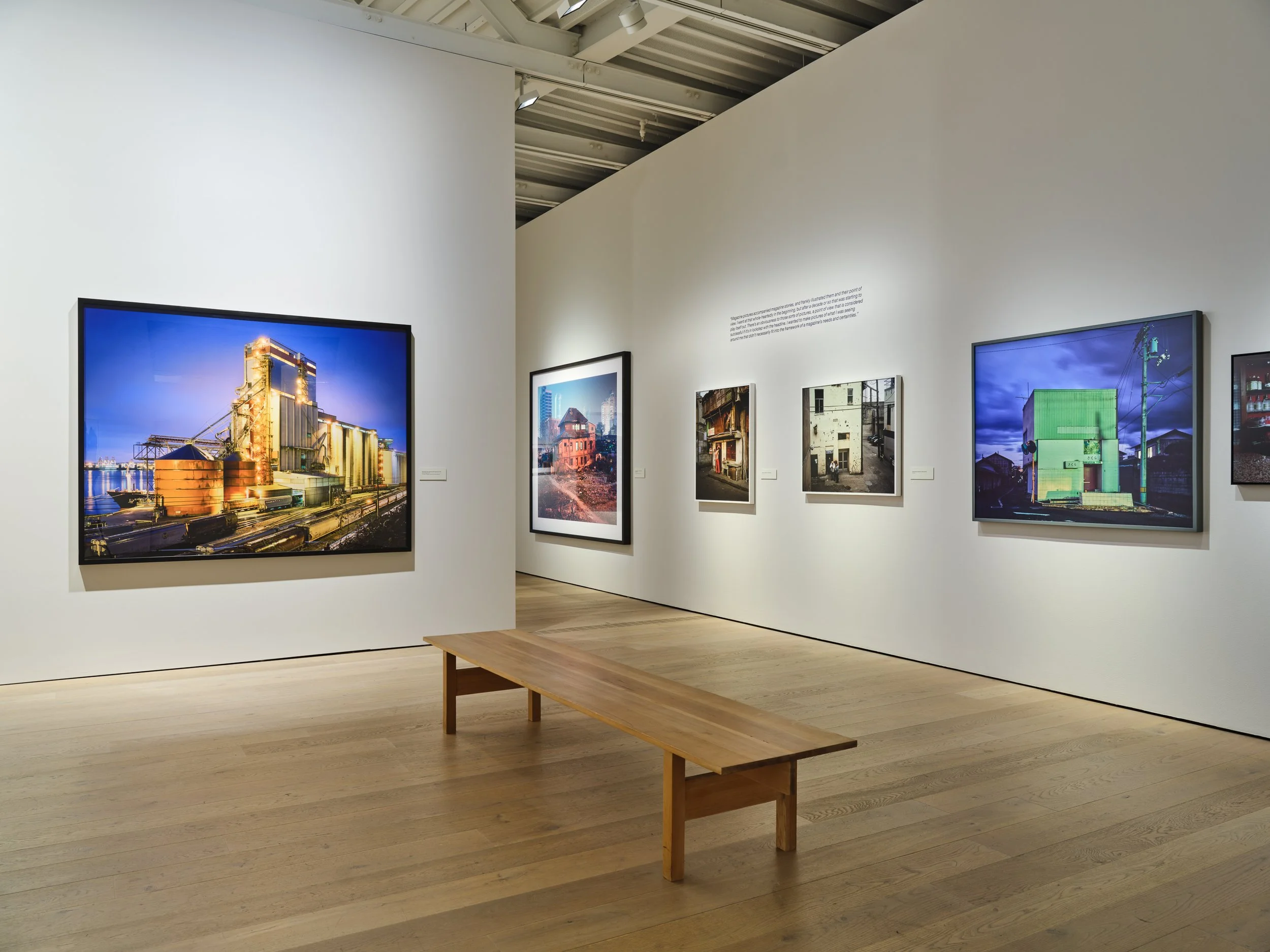
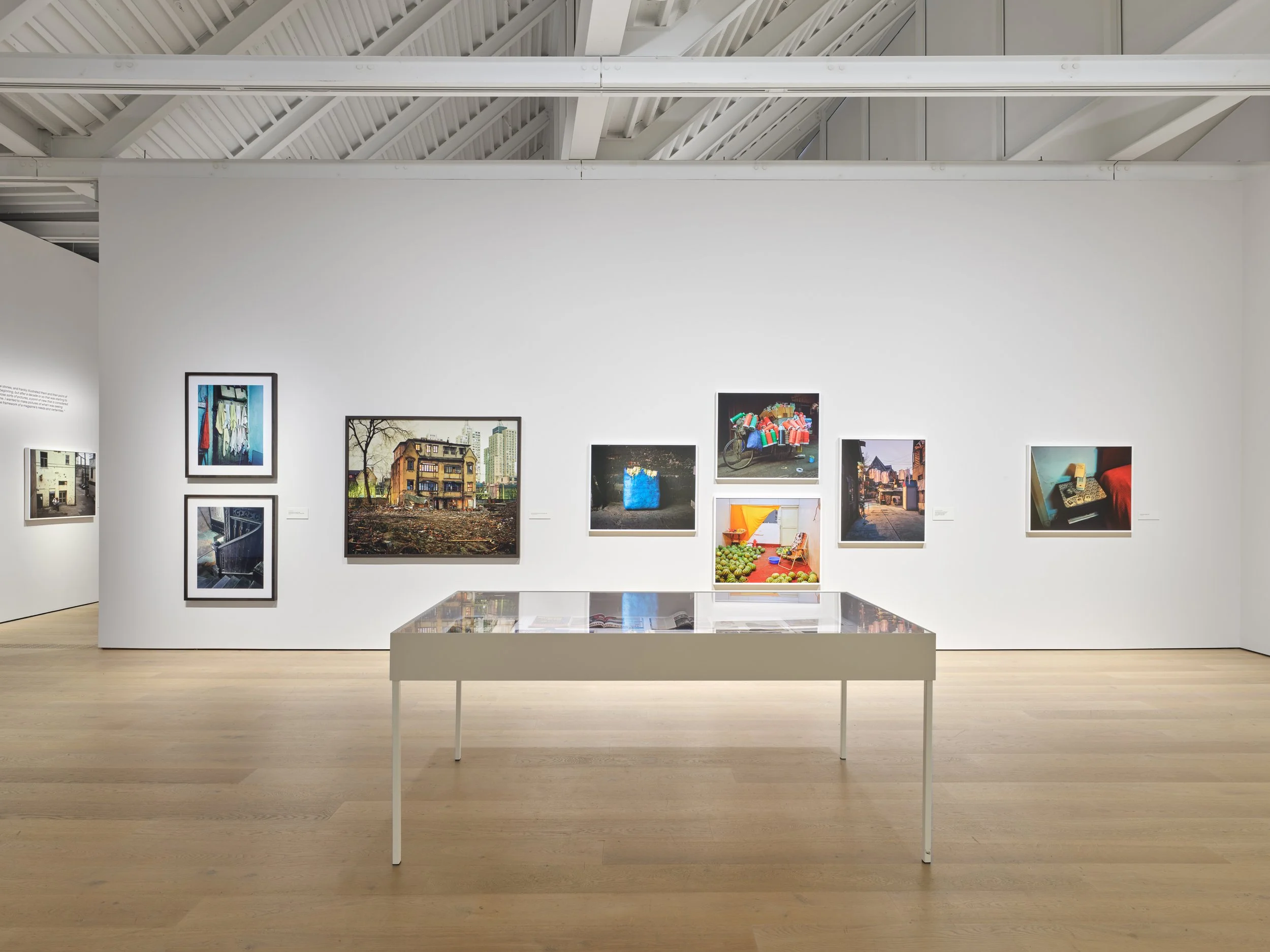
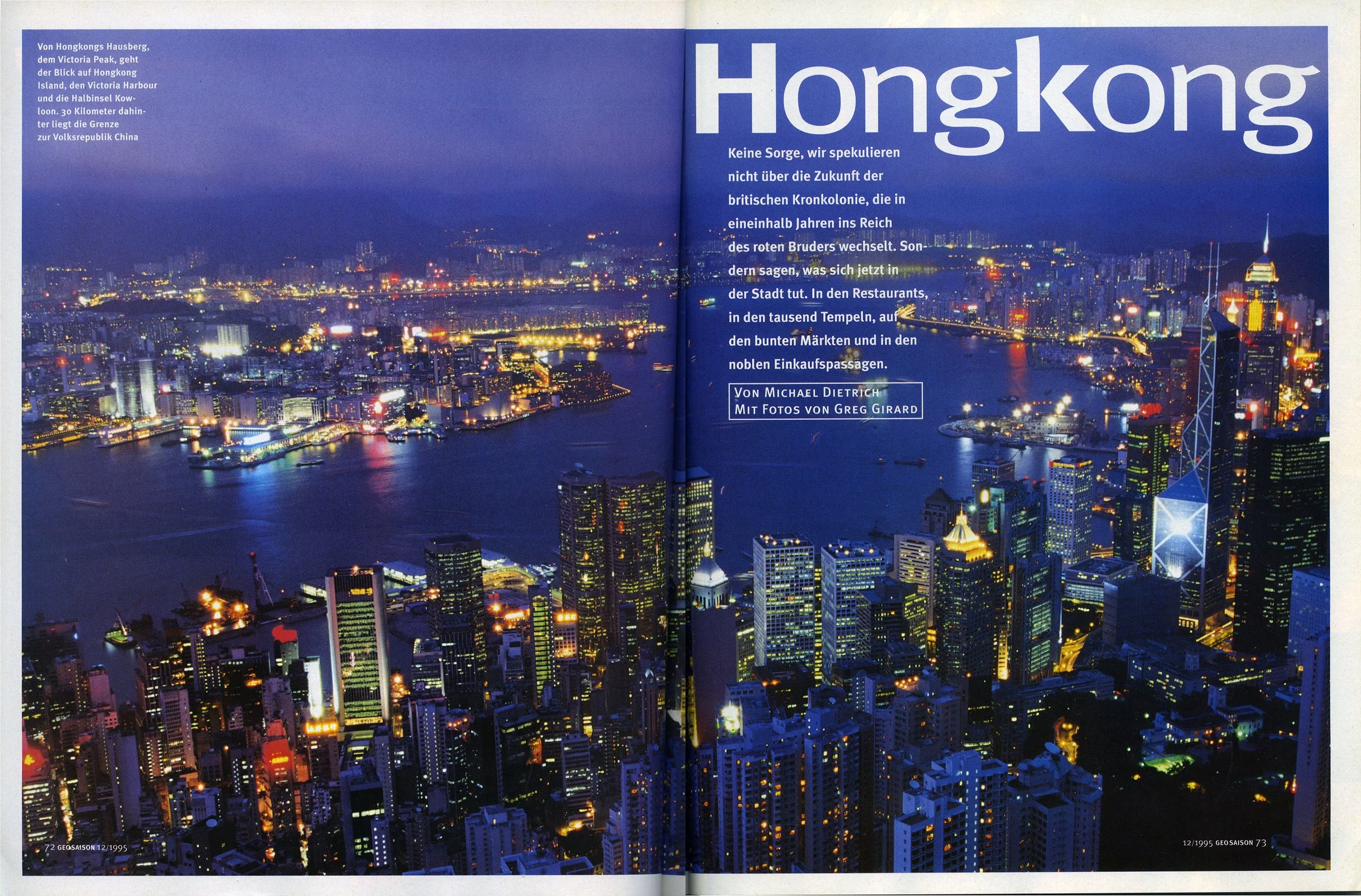
It's very lucky, and in a sense flattering, to have this attention paid to your work, and not just to have people looking at it, but thinking about it, thinking about how it fits together and how to present it. How do you show this kind of through line running across decades of work? Was there a big break at some point? Did the work change markedly between, say, 1982 and 1987? In some sense the answer might be yes, if you're talking about a detour as significant as the long period when I made magazine work and much, much less work for myself.
Even so, hopefully something of yourself is still applied to the pictures, and it shows, one hopes, if not in everything. Making hundreds of thousands of pictures, especially when a big component of them was made in response to storytelling for magazine needs, pulls you away from your early impulses in a real way. I think that path is illuminated, a little, by how the work is presented now: looking at it without needing to know what documentary means, without needing to understand what journalism is, and seeing that something objective about a place, a time, a person, is still revealed, which is a big part of the documentary impulse, the documentary job, the storytelling job for magazines.
I think that mix of things is maybe a little different from how other people's careers have gone. There's often a path into one thing or the other that people end up taking. Mine has been a little more scattered. So you see this detour in my life where I also made this other work, and we've tried to present it in a way that fits in with everything else, because I wanted it included. I didn't want to ignore this big body of magazine work. It's something I went through wholeheartedly, and it played out. I wanted it to be part of the journey.
If you think about the photographer you were at eighteen and the photographer you are today, what's the biggest thing you've changed your mind about?
I'd point to the way people respond to you differently. It was a lot easier when I was eighteen. People cut you a lot of slack when you're young, as it turns out, so I'd recommend everybody use that to their advantage as much as possible.
After spending so much time looking back at fifty years of photographs, did it change what you want to photograph next?
It made me realize that it's endless, completely infinite, what pictures can be, what a subject can be, what you might want to investigate or let your curiosity lead you toward. It's really made me feel that it's open ended in every direction. I think the borders used to be a little more defined, and I probably respected them more back then. Nowadays the borders around so many things seem to be dissolving, in both inviting and forbidding ways.
I feel that rearrangement of definitions and categories taking place, and how orthodoxy tries to keep you within its bounds, because you're rewarded for staying within those boundaries by everyone who practices within them and pays attention to them. It's still true that you can be both rewarded and punished for crossing these boundaries, or for not observing them. I think the more alert you are to where these boundaries lie, the better you can cross them, or show them for what they actually are.
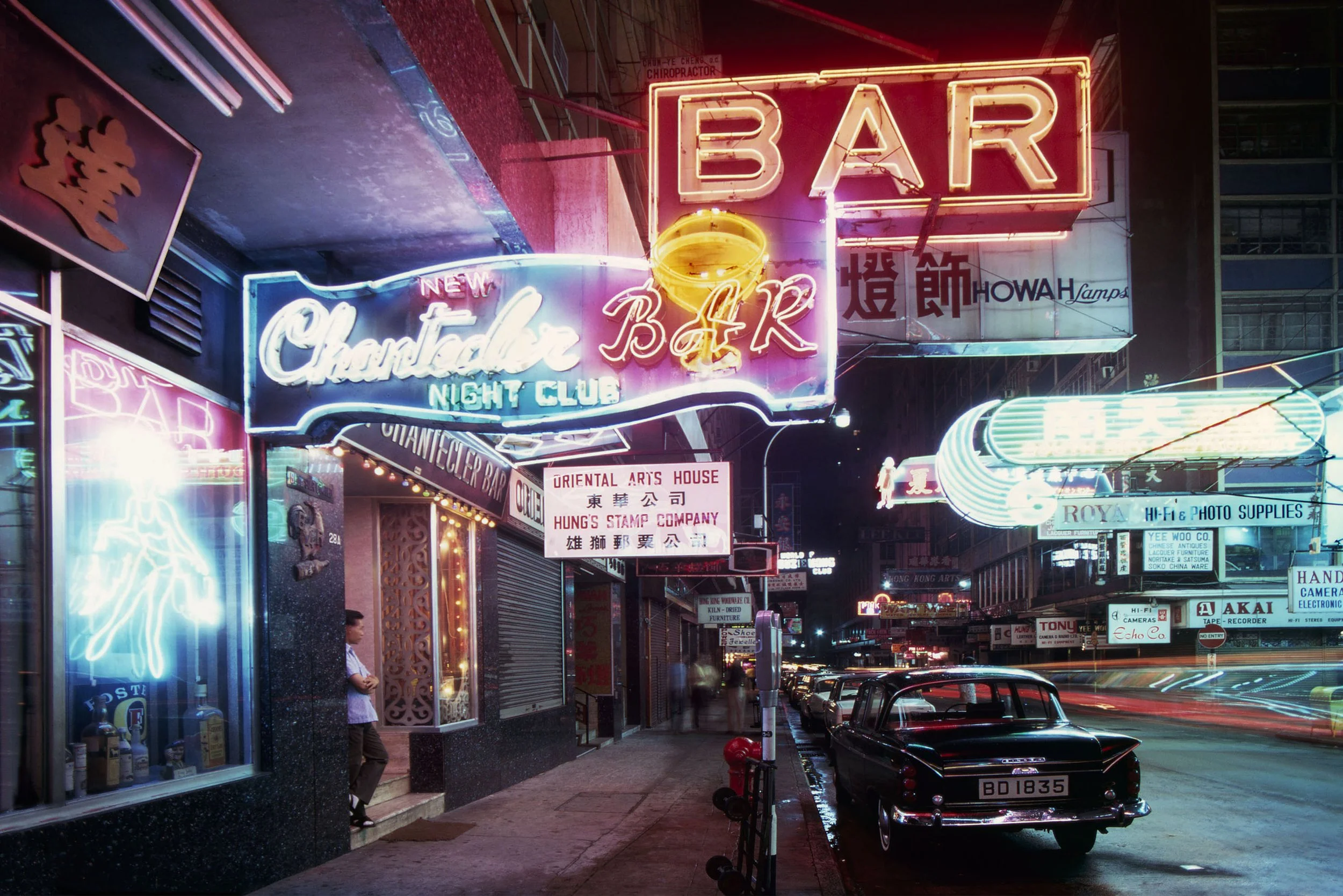
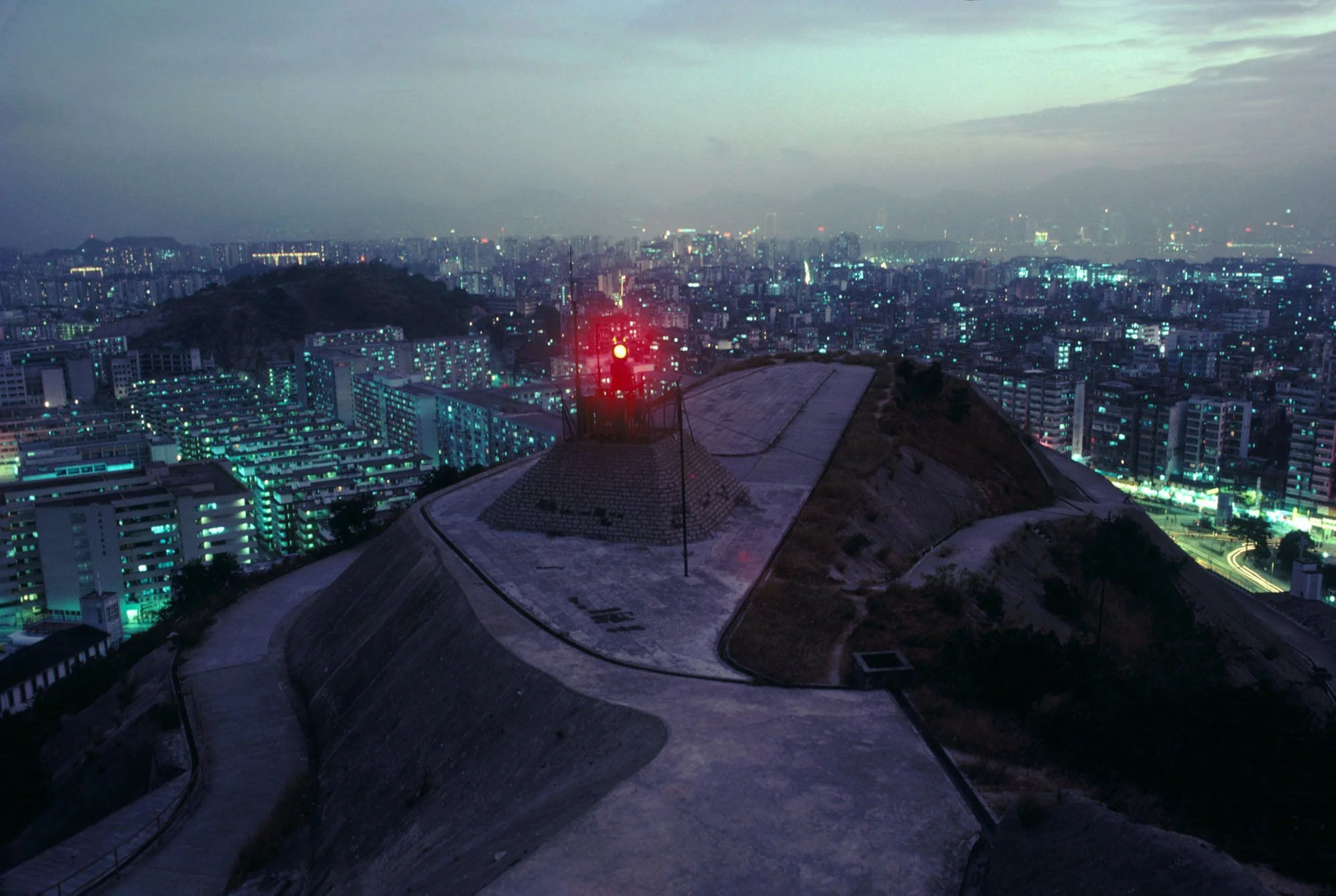
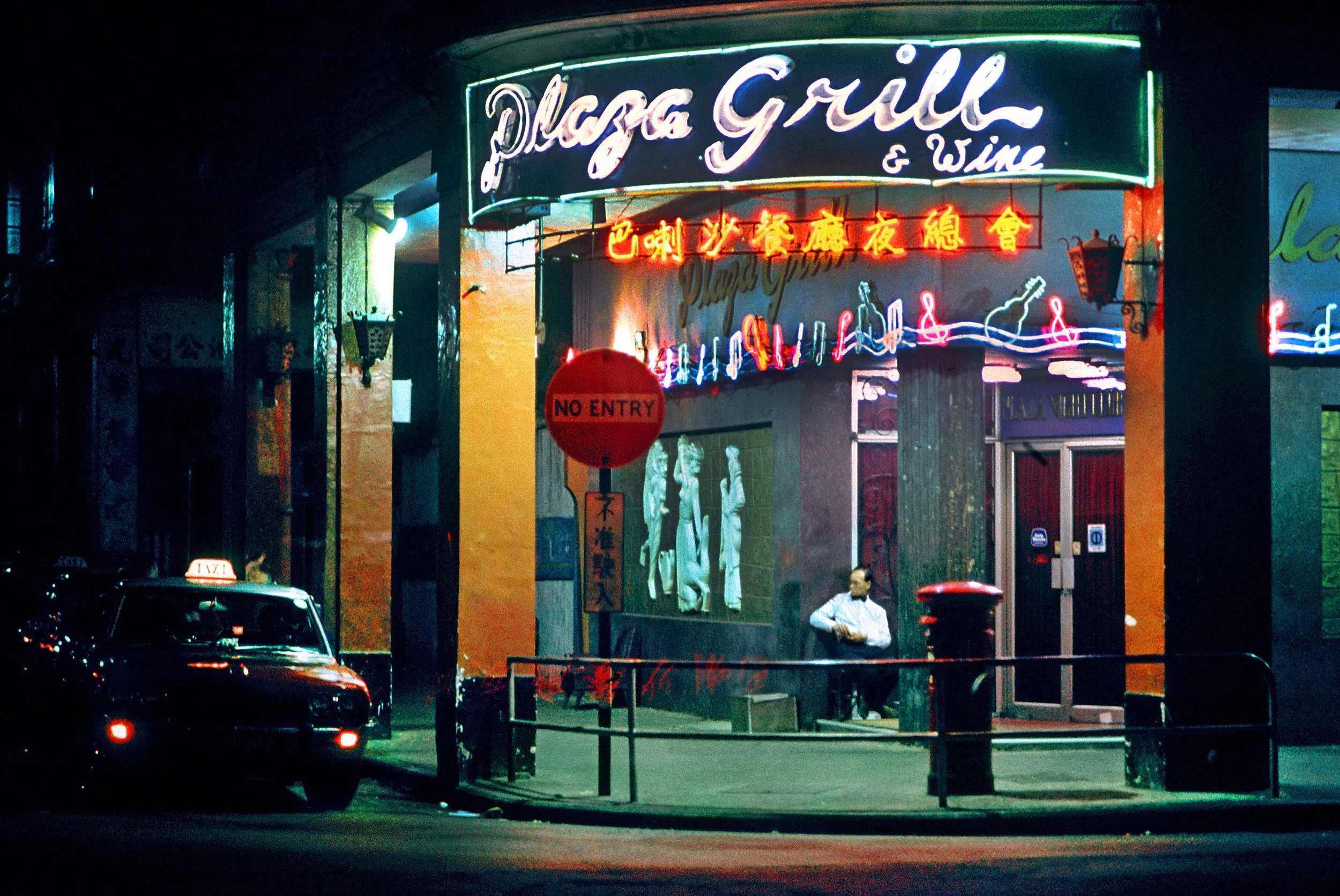
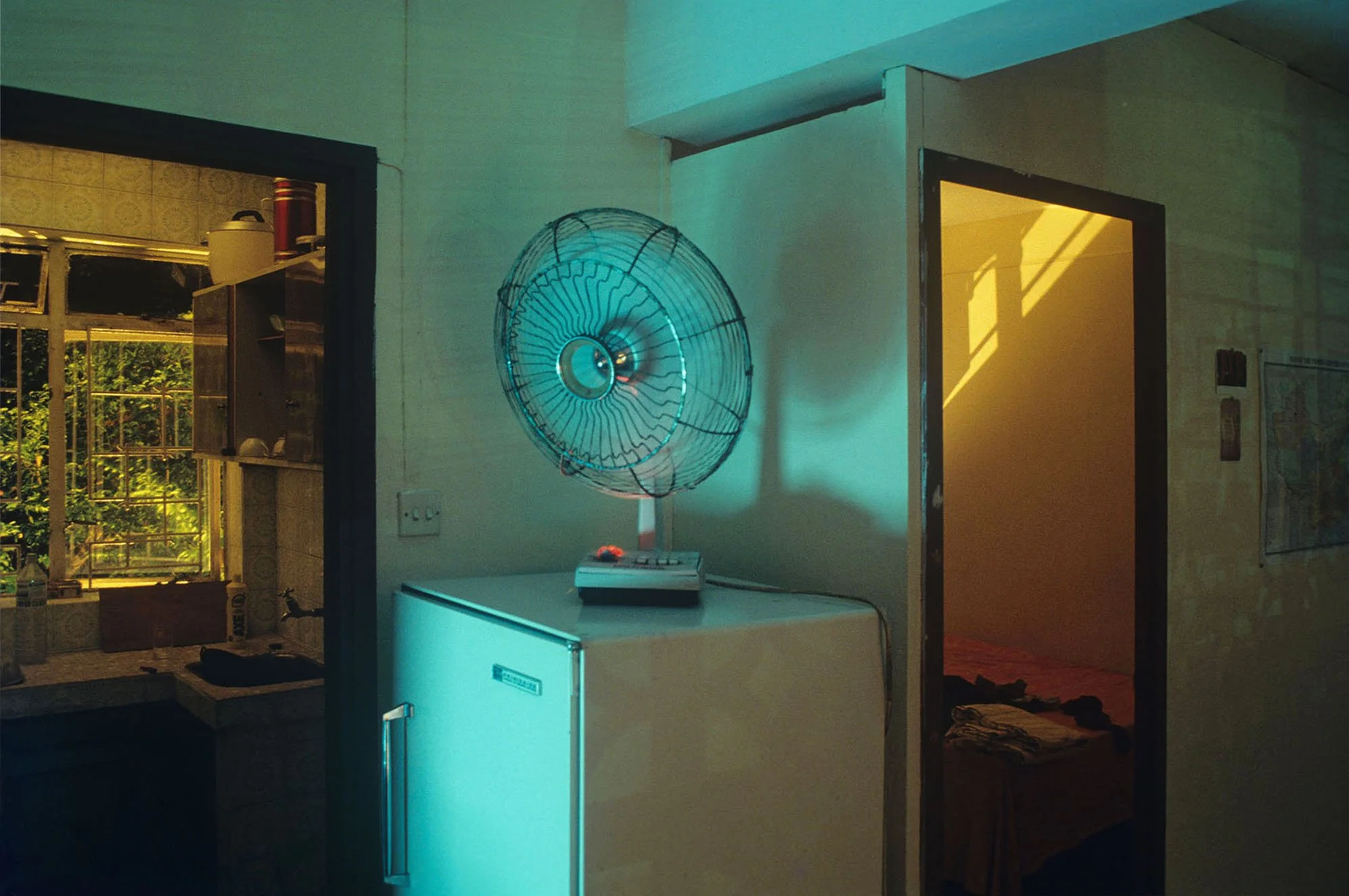
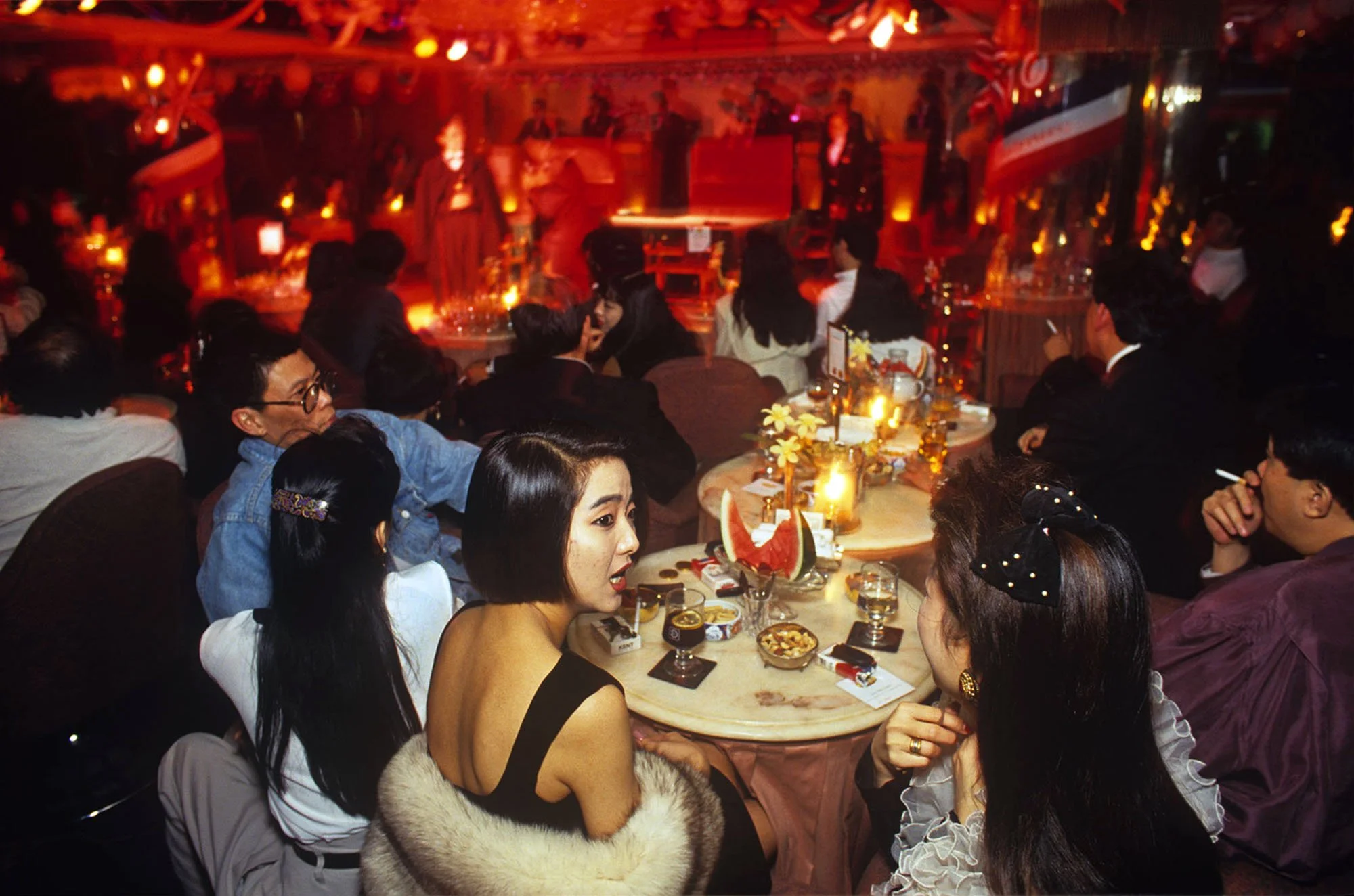
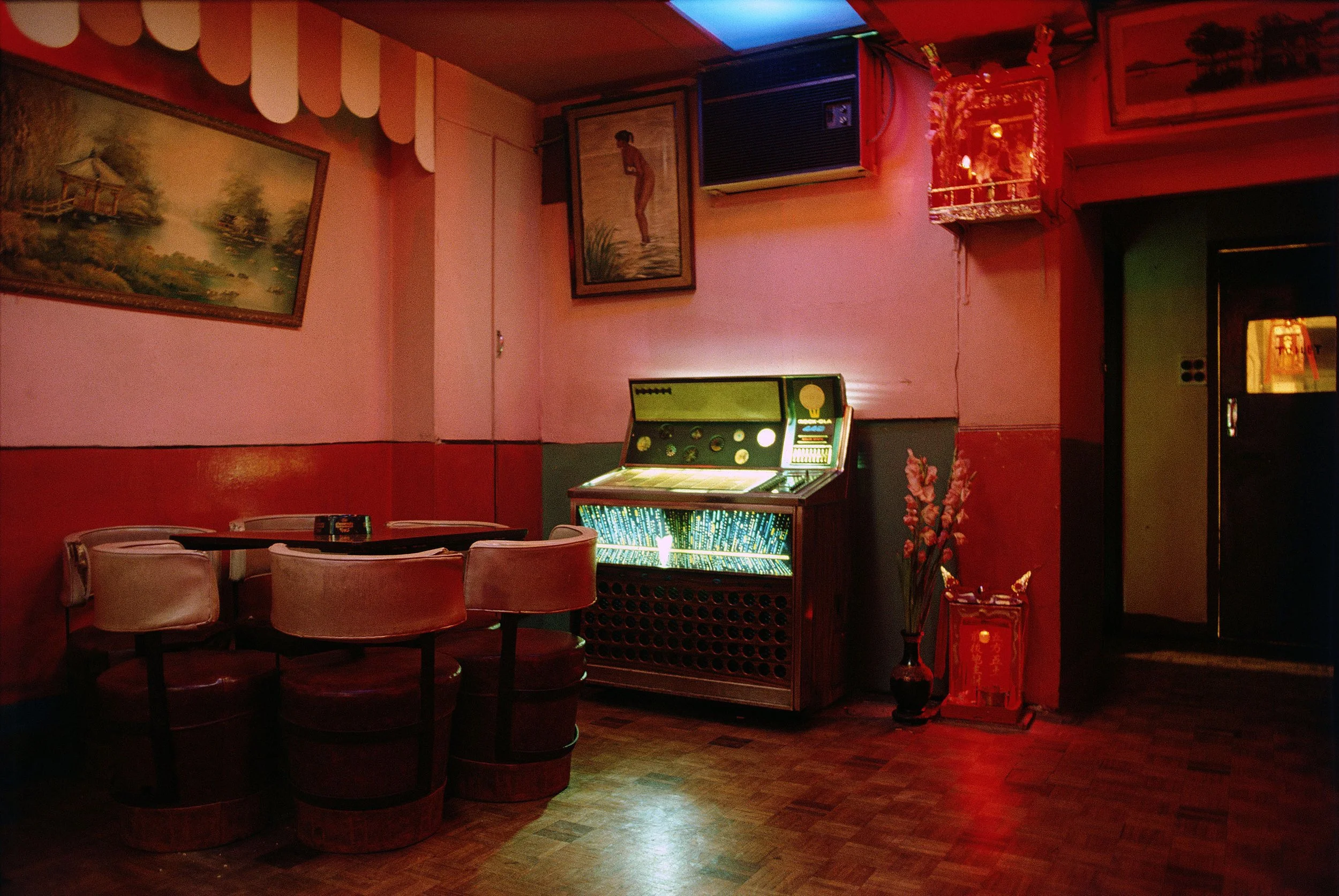
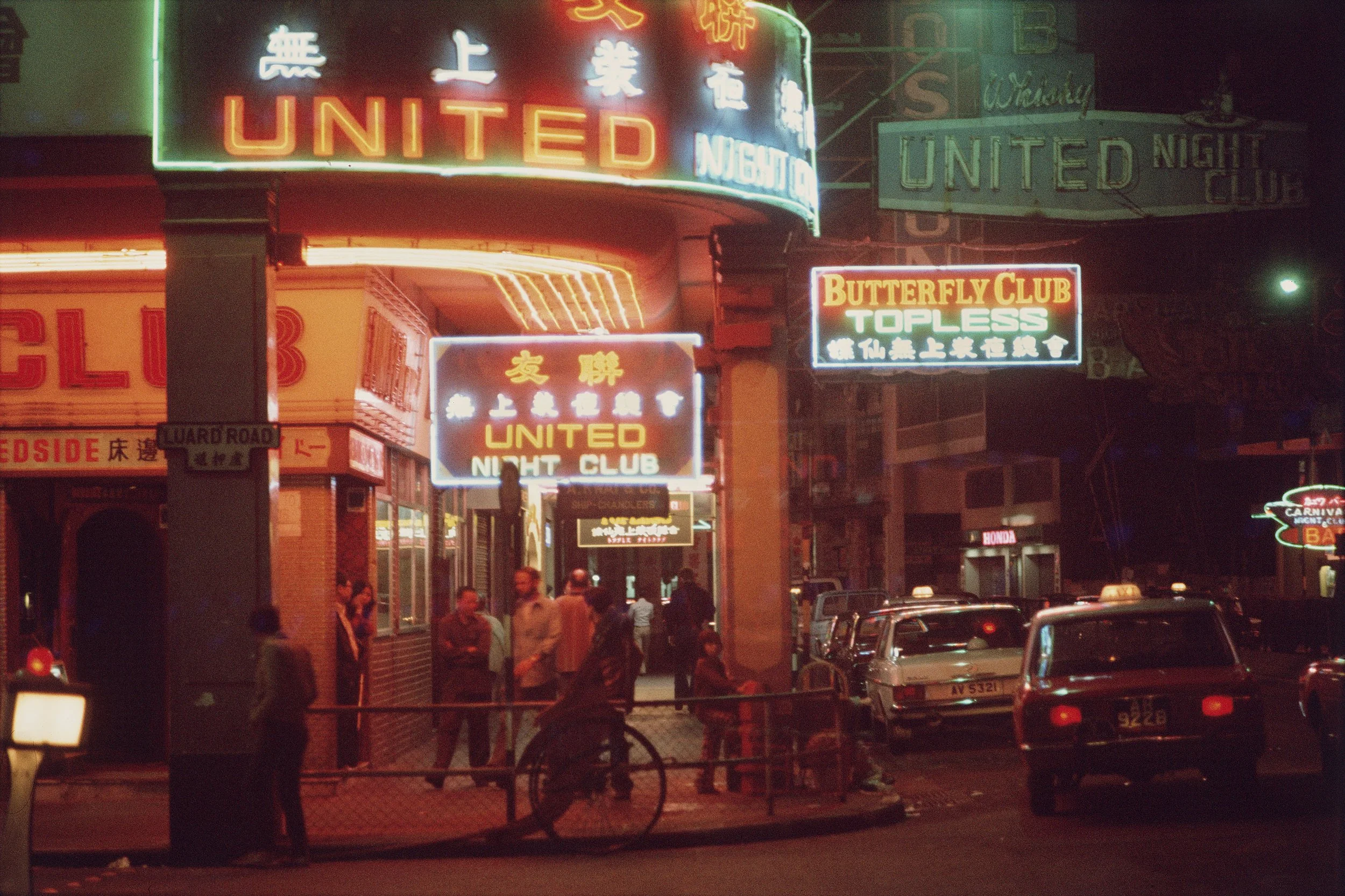
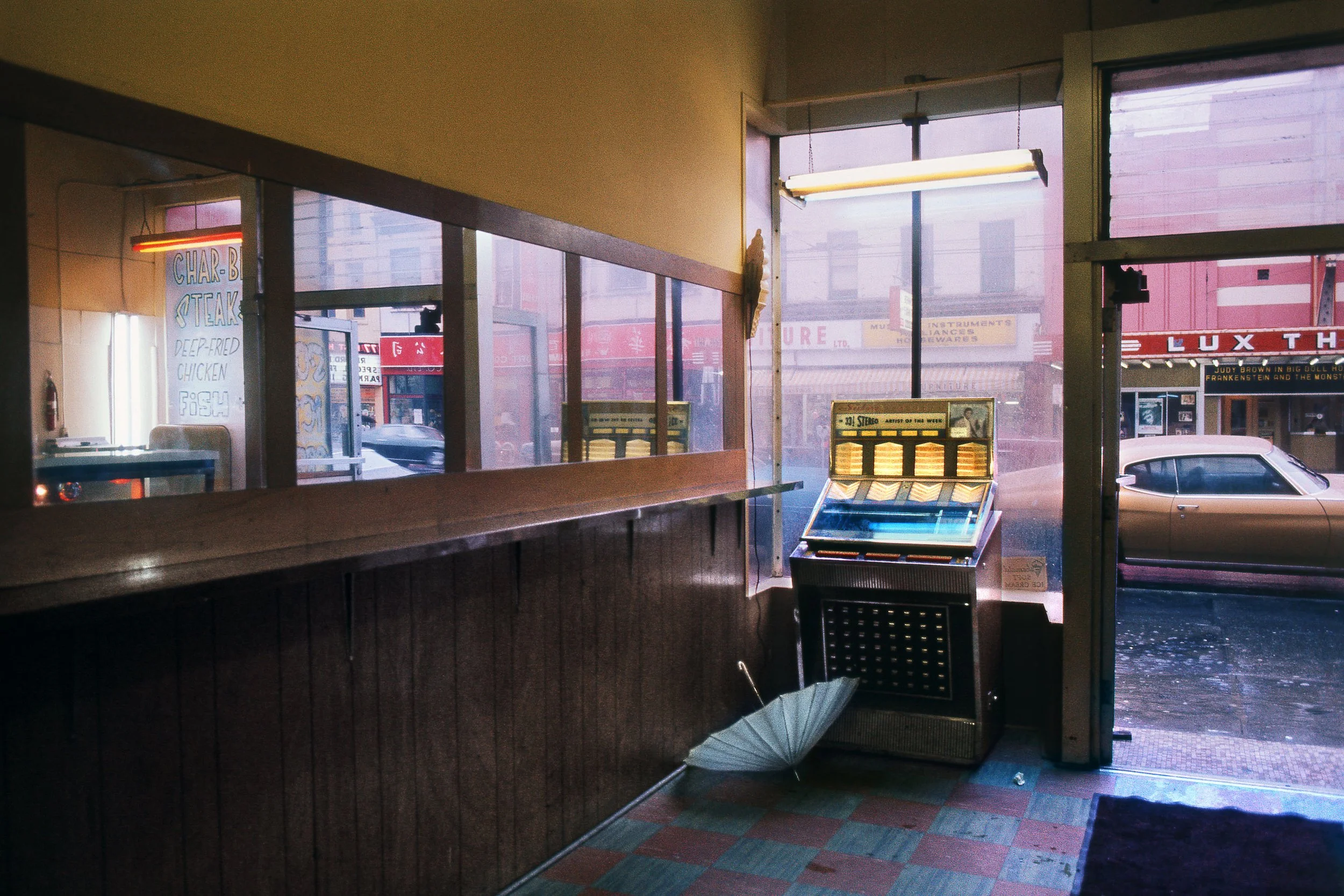
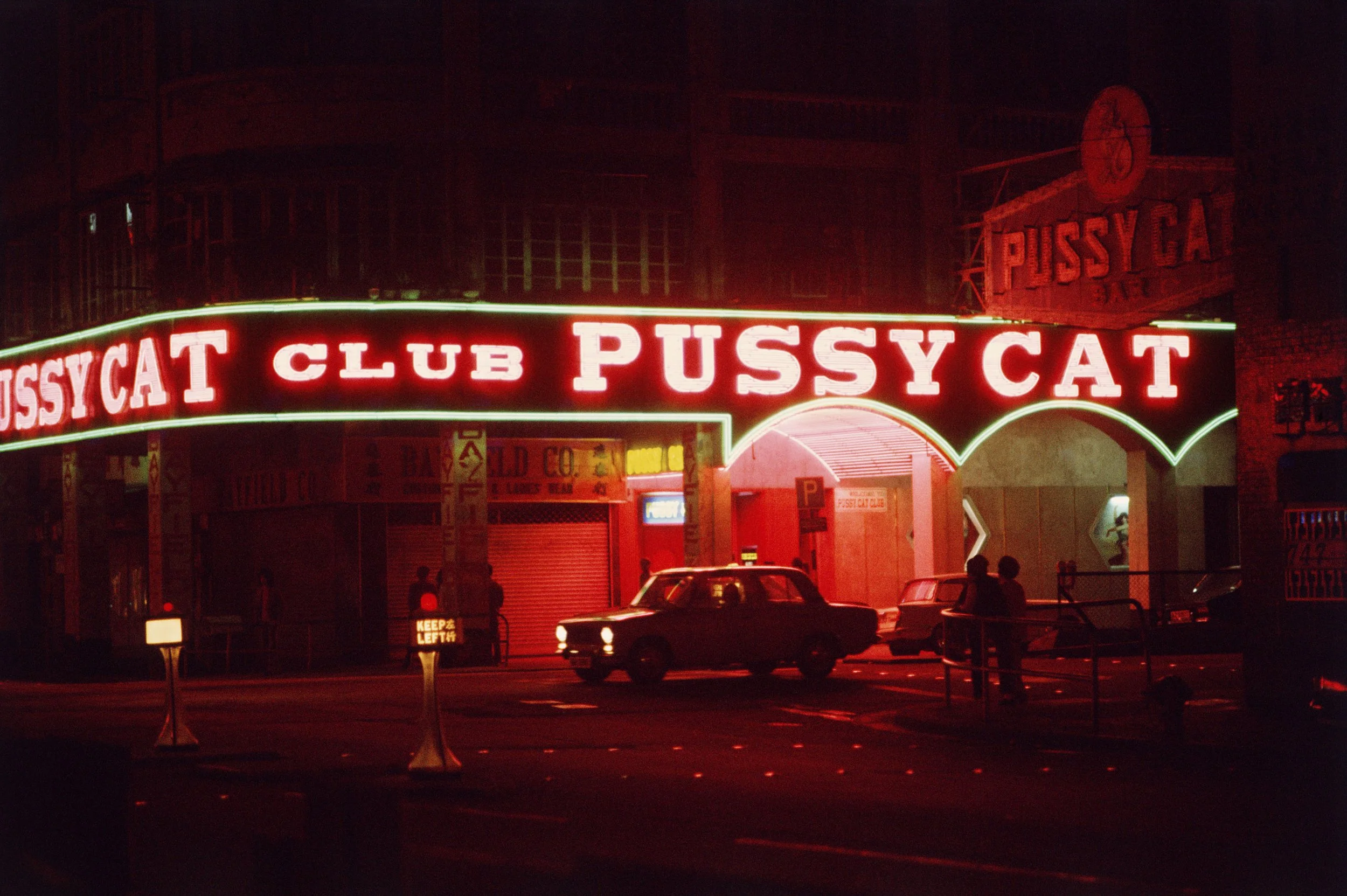
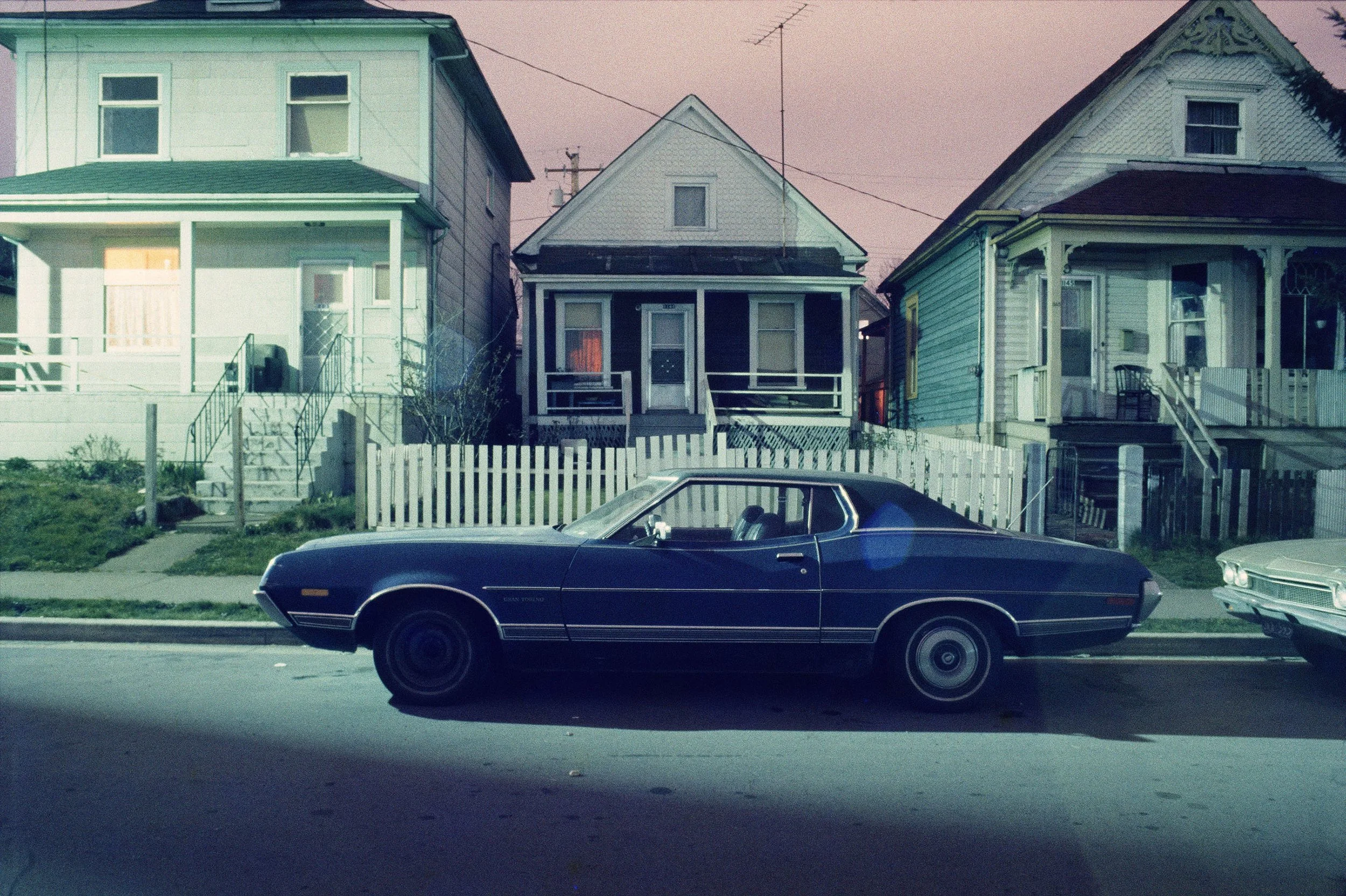
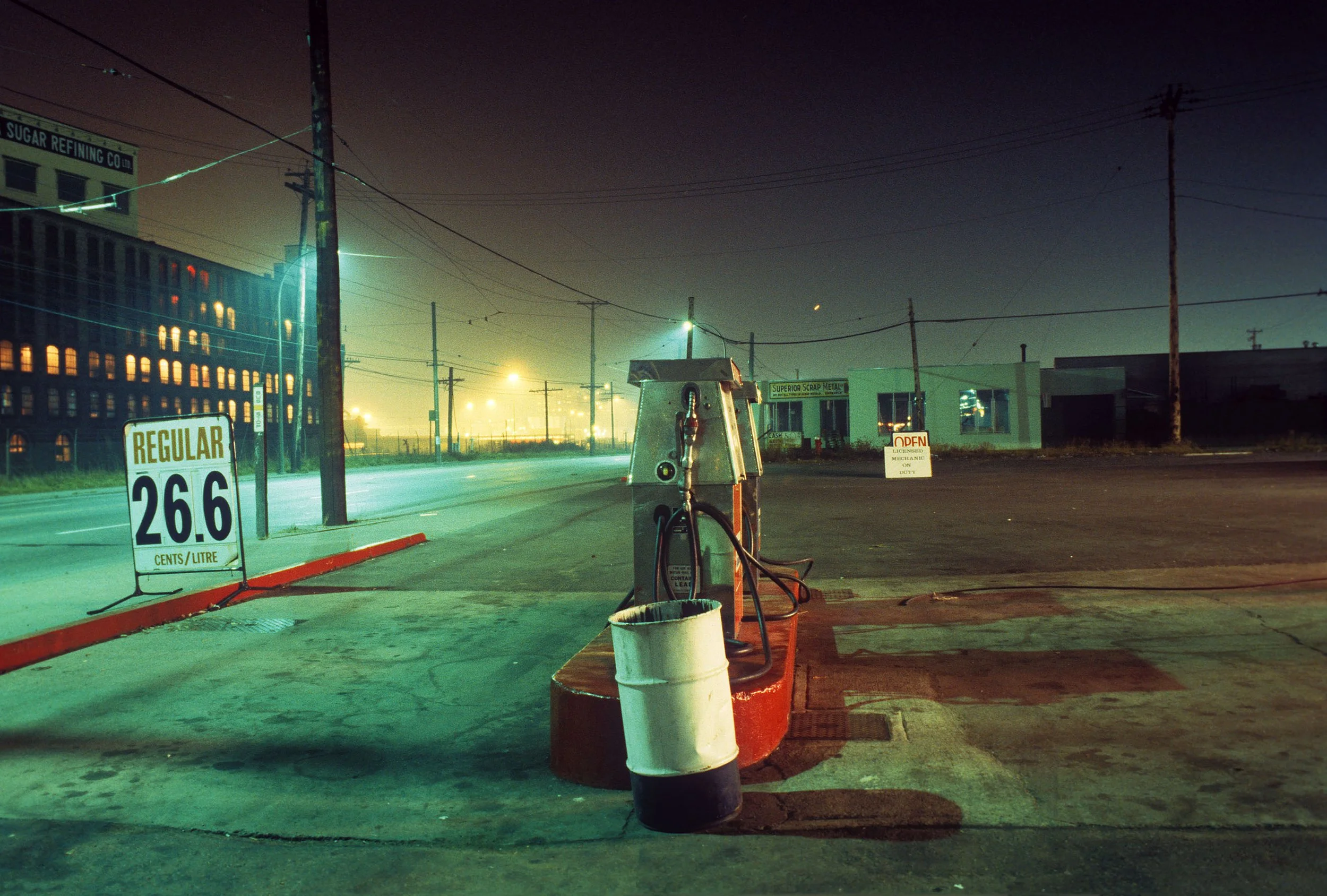
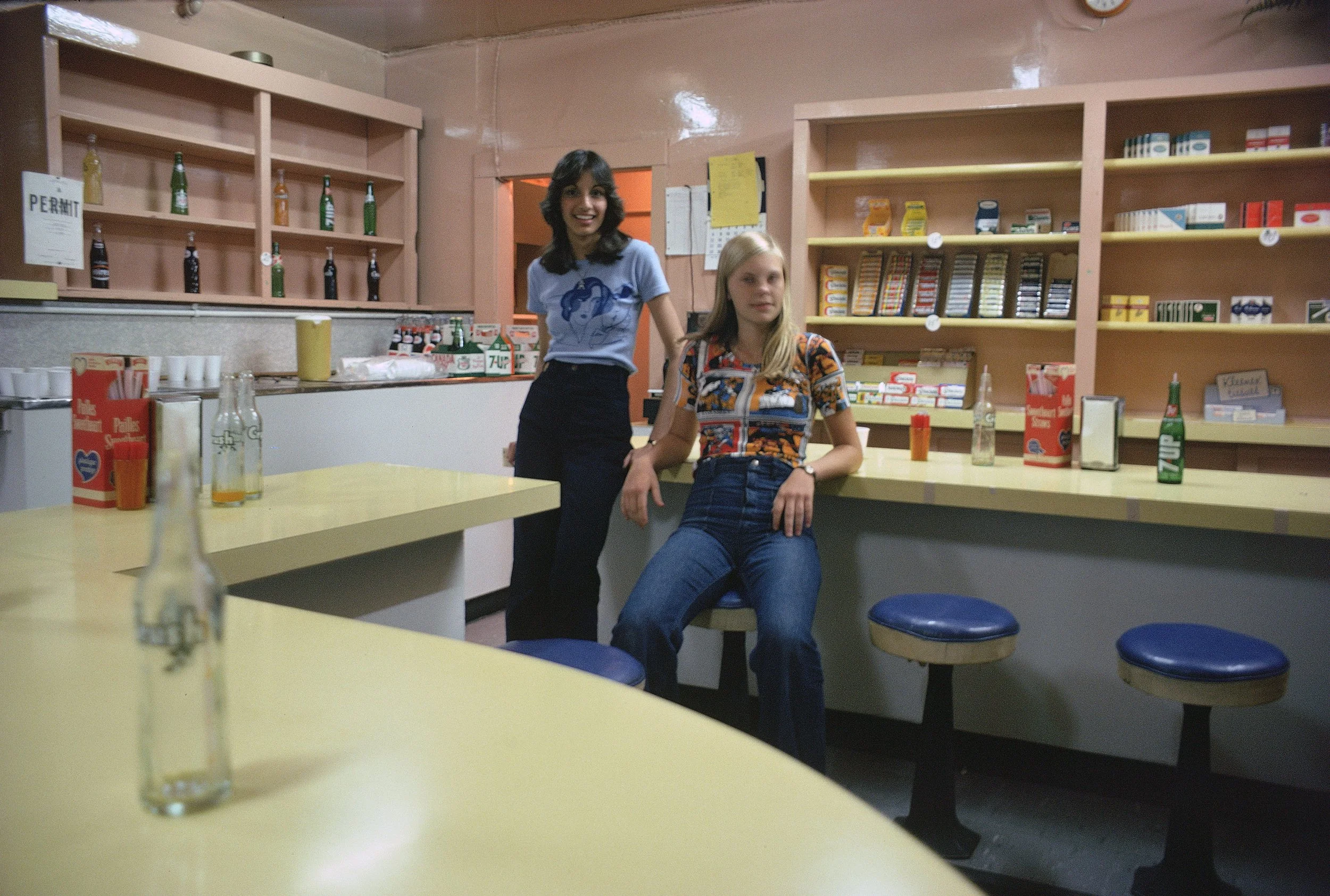
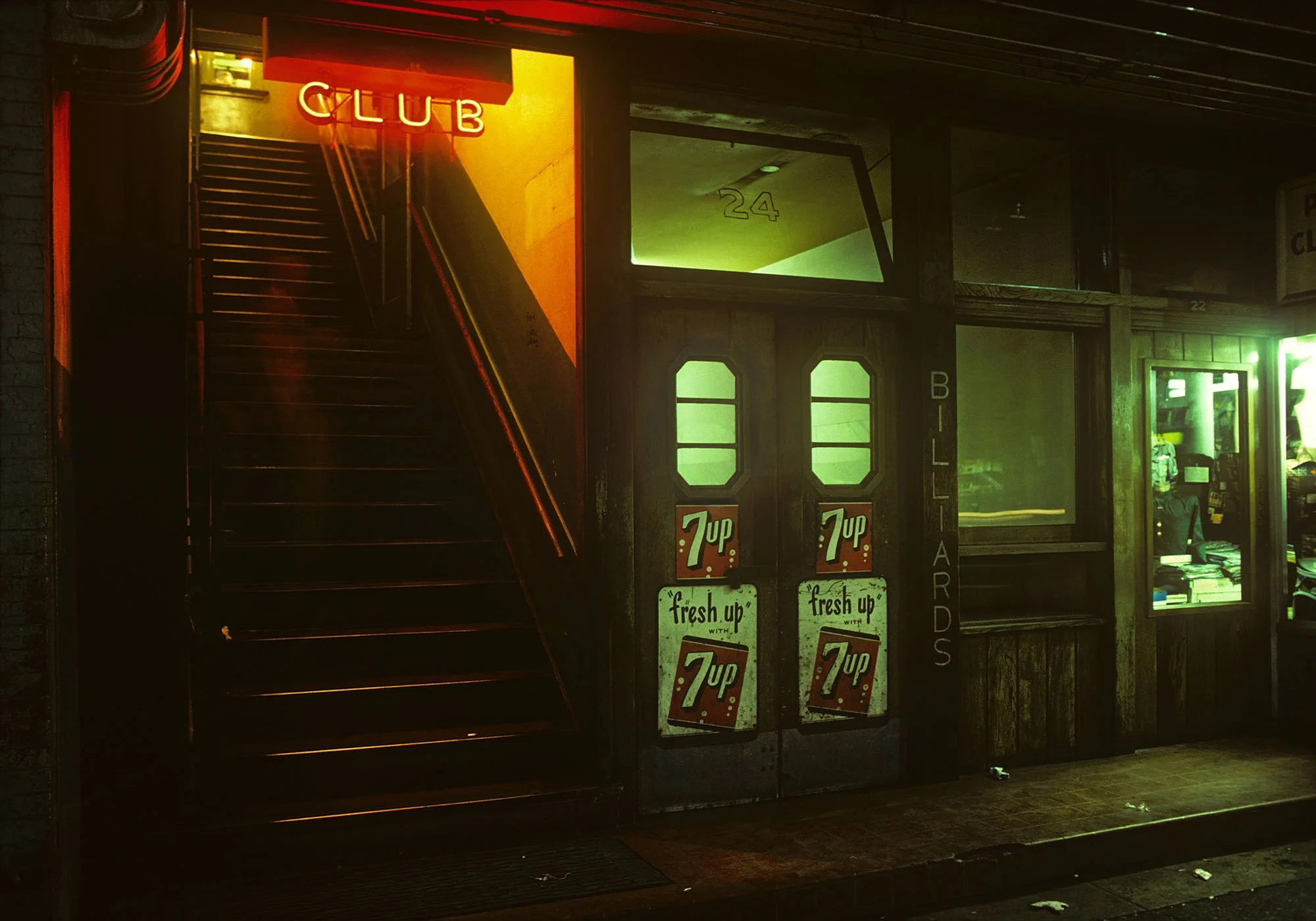
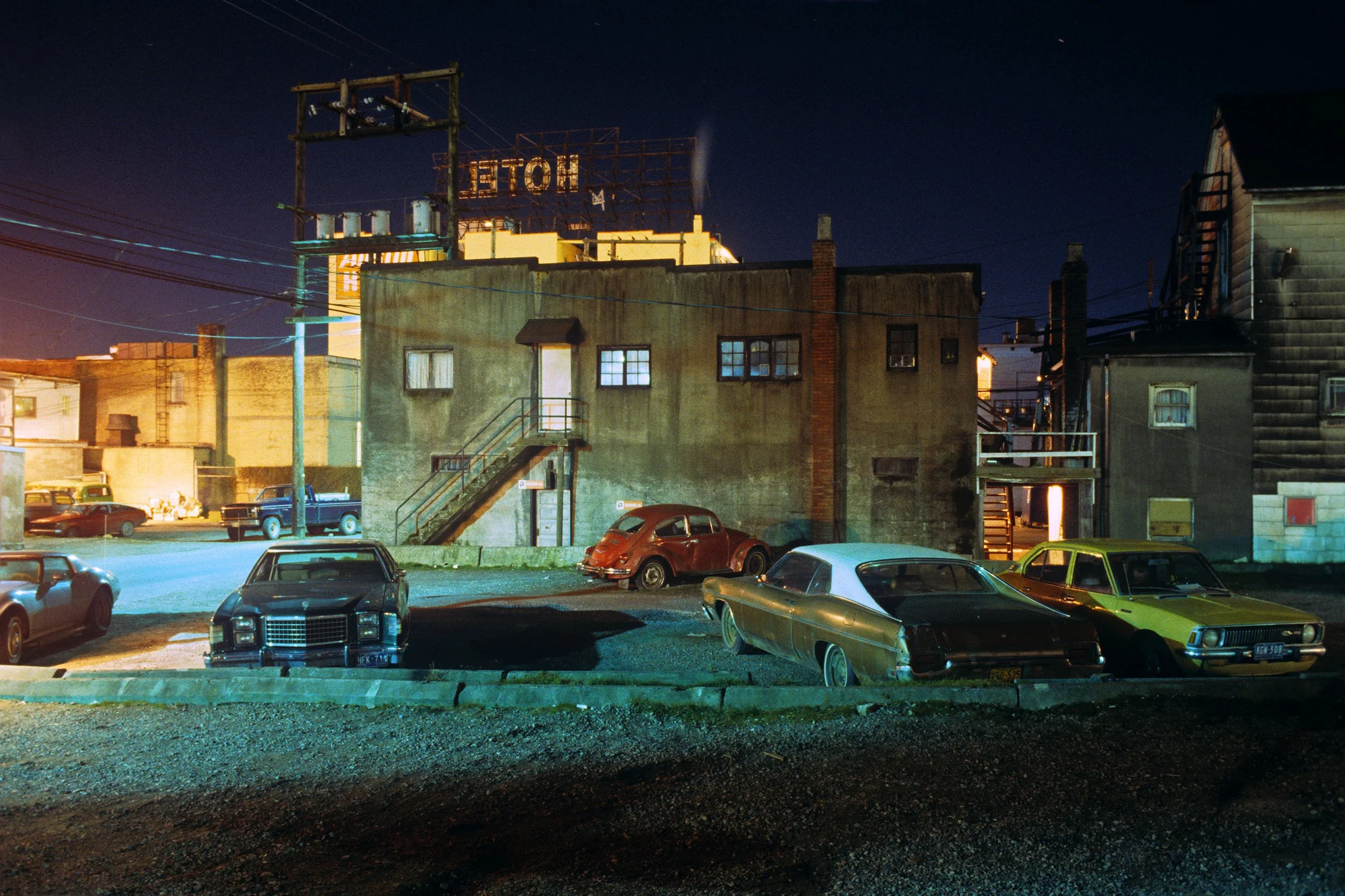
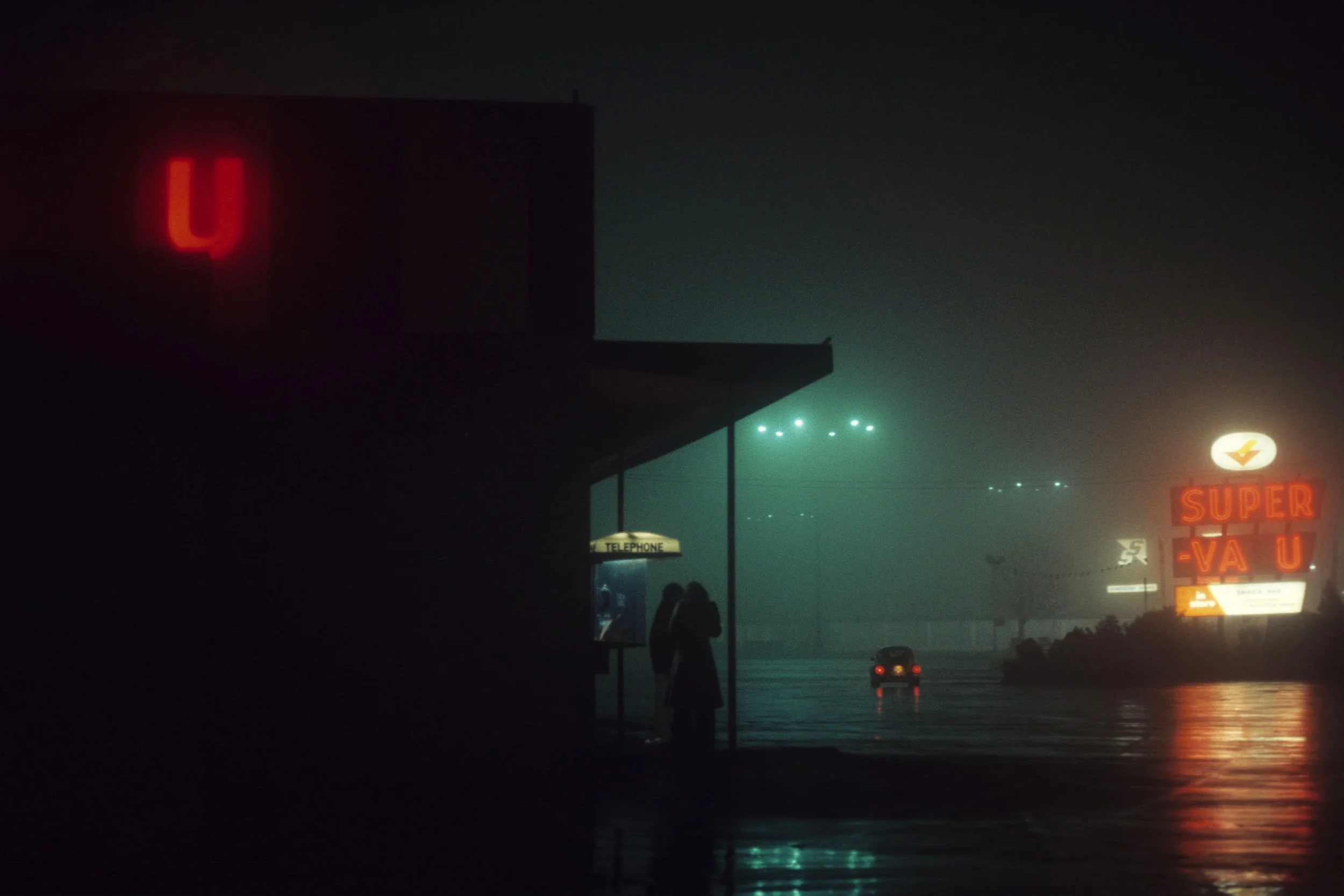
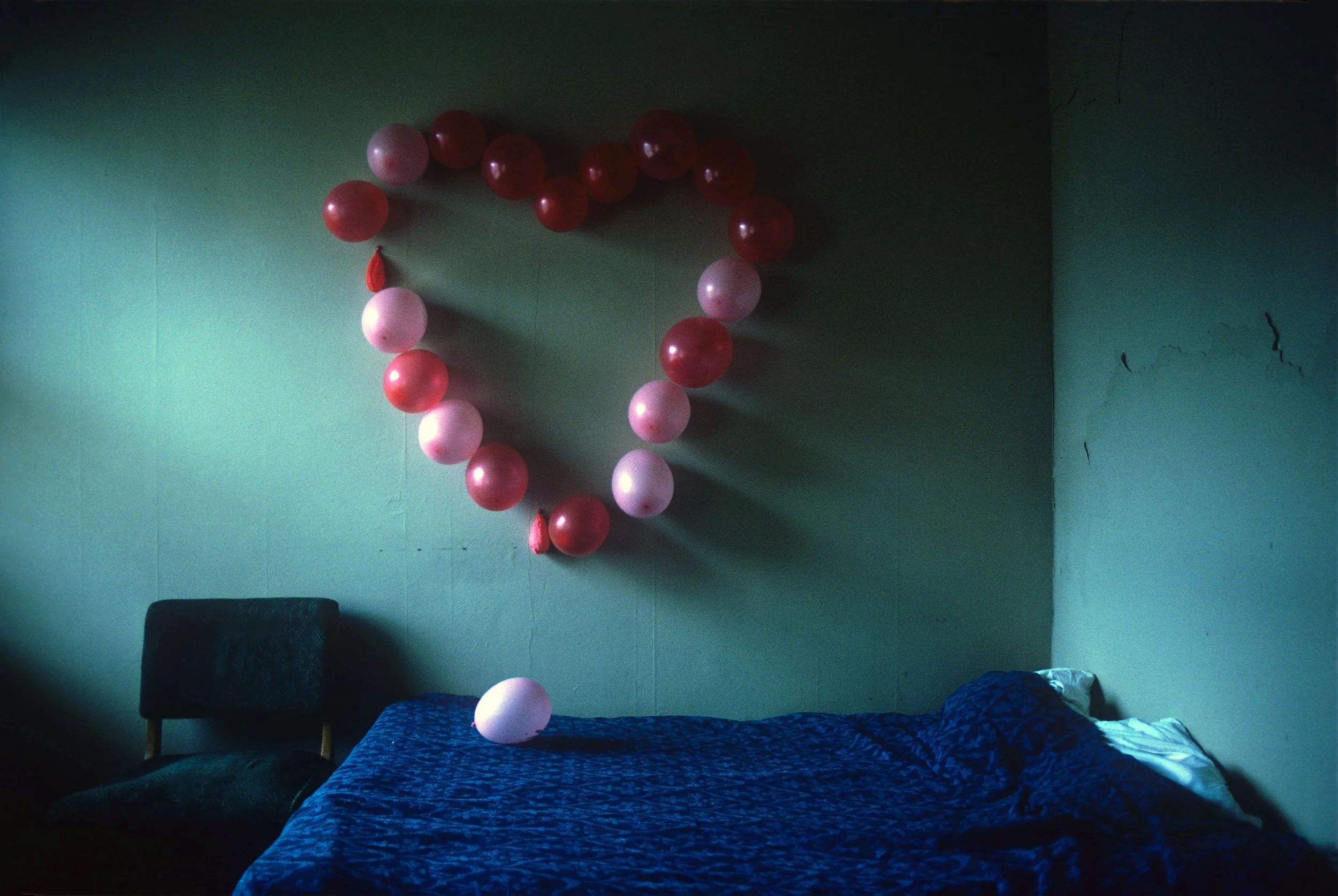
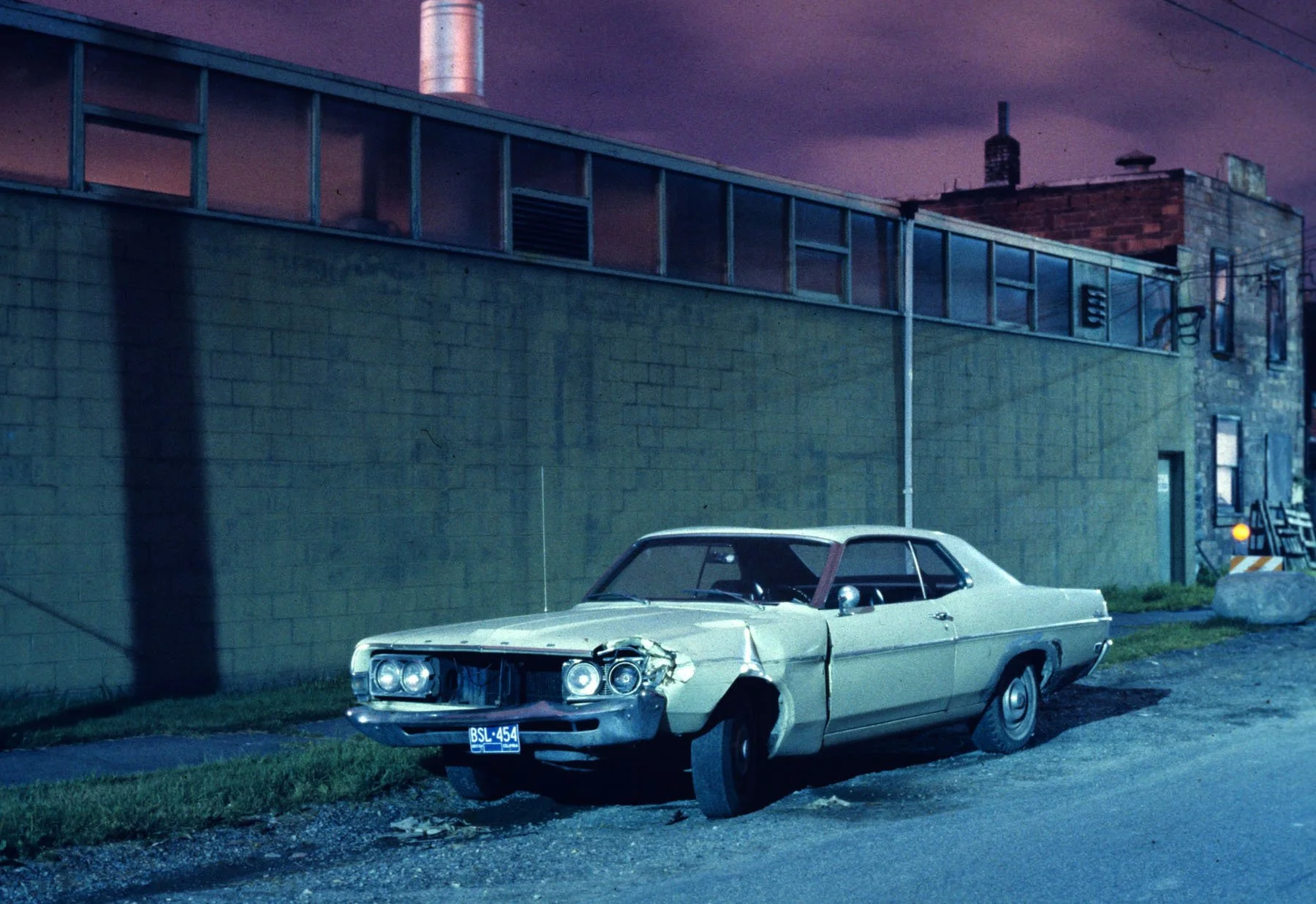
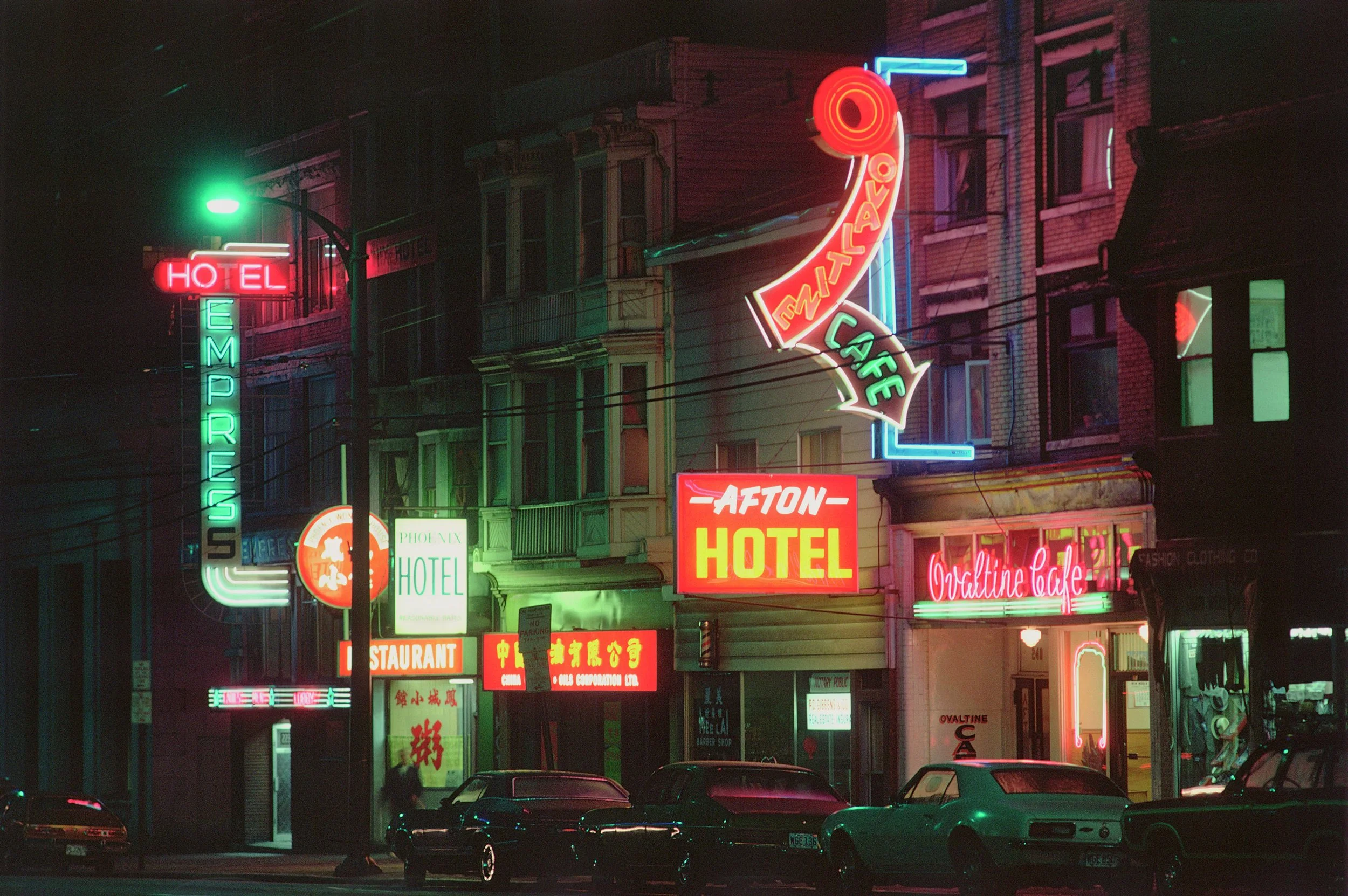
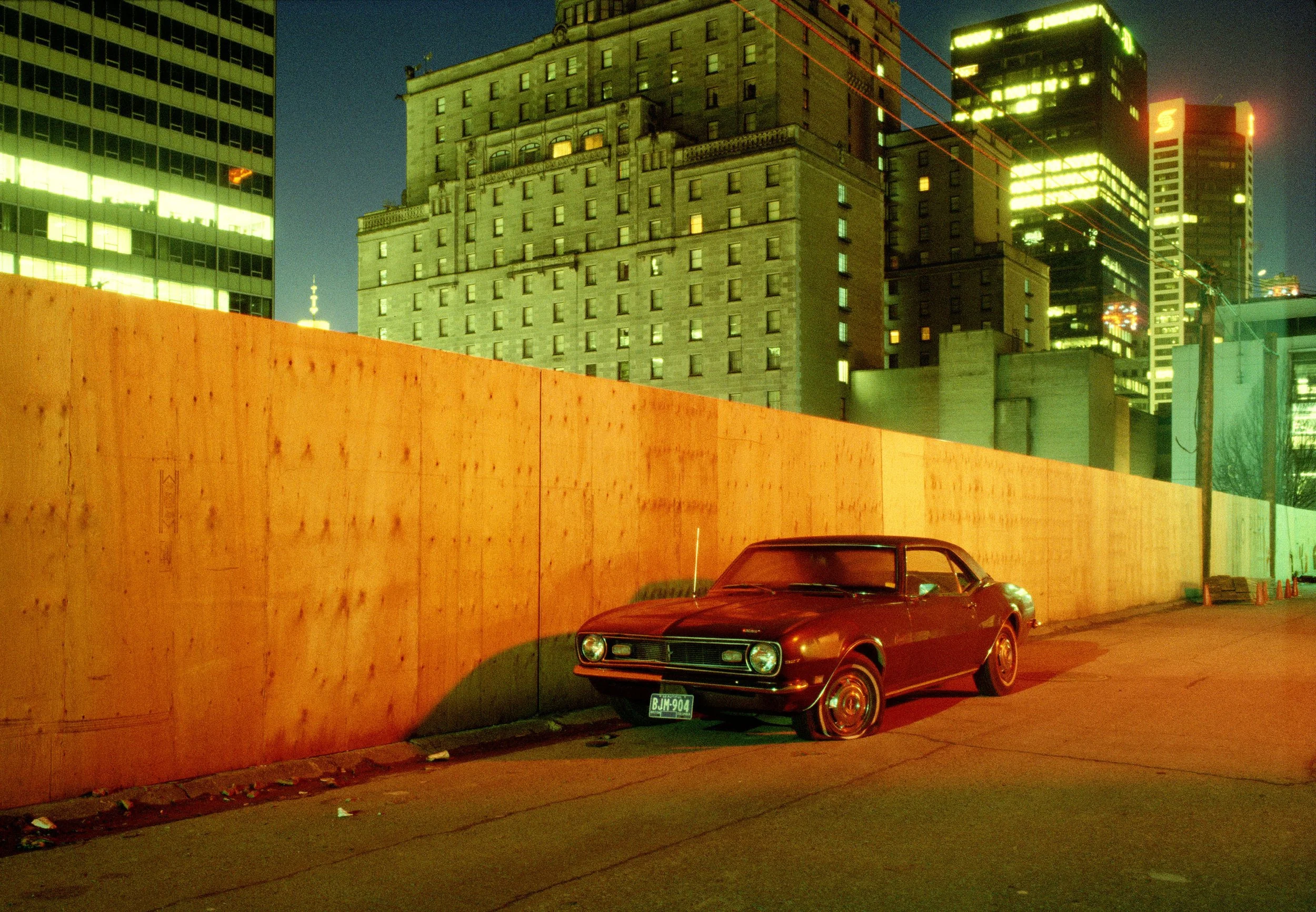
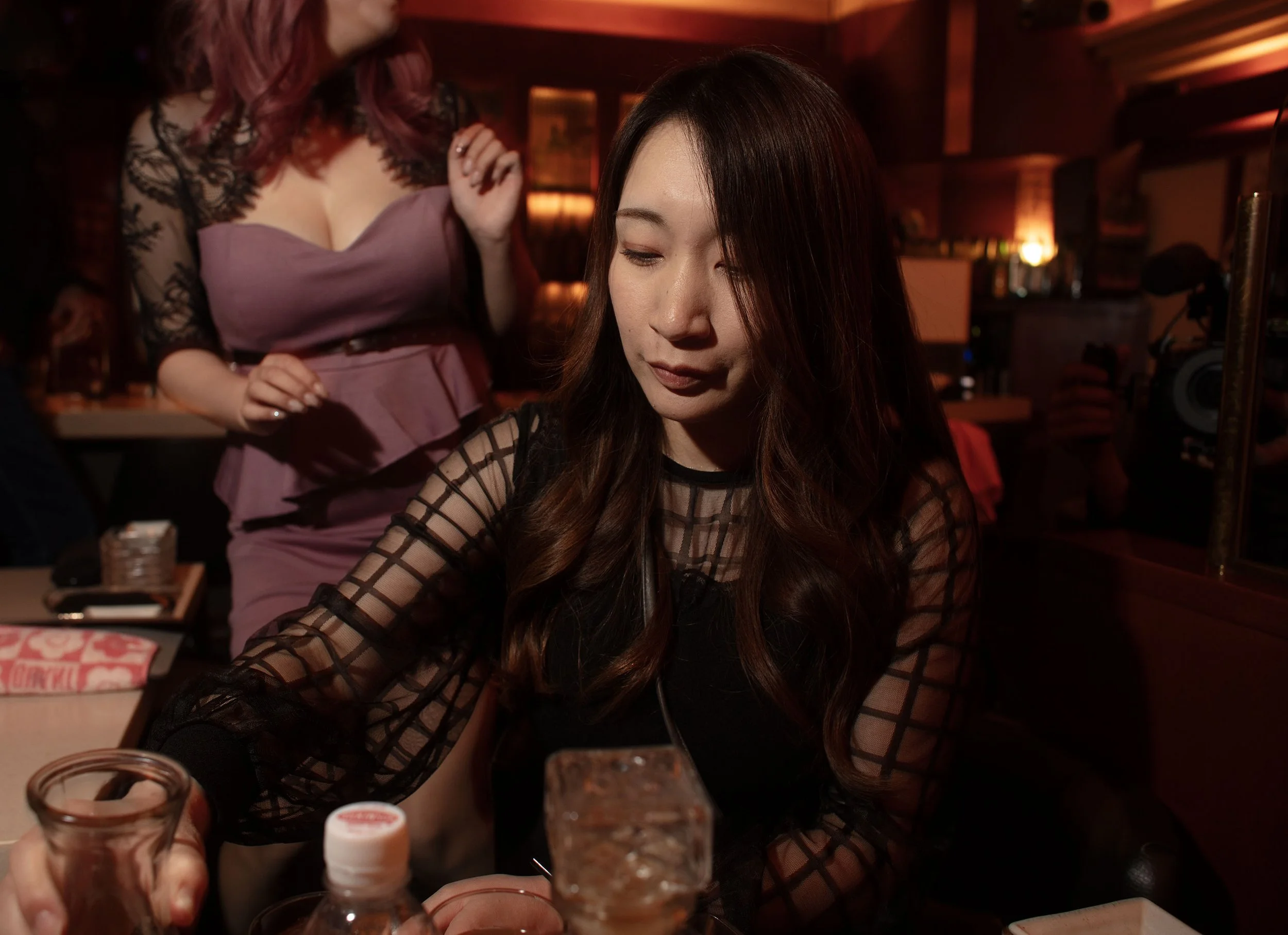
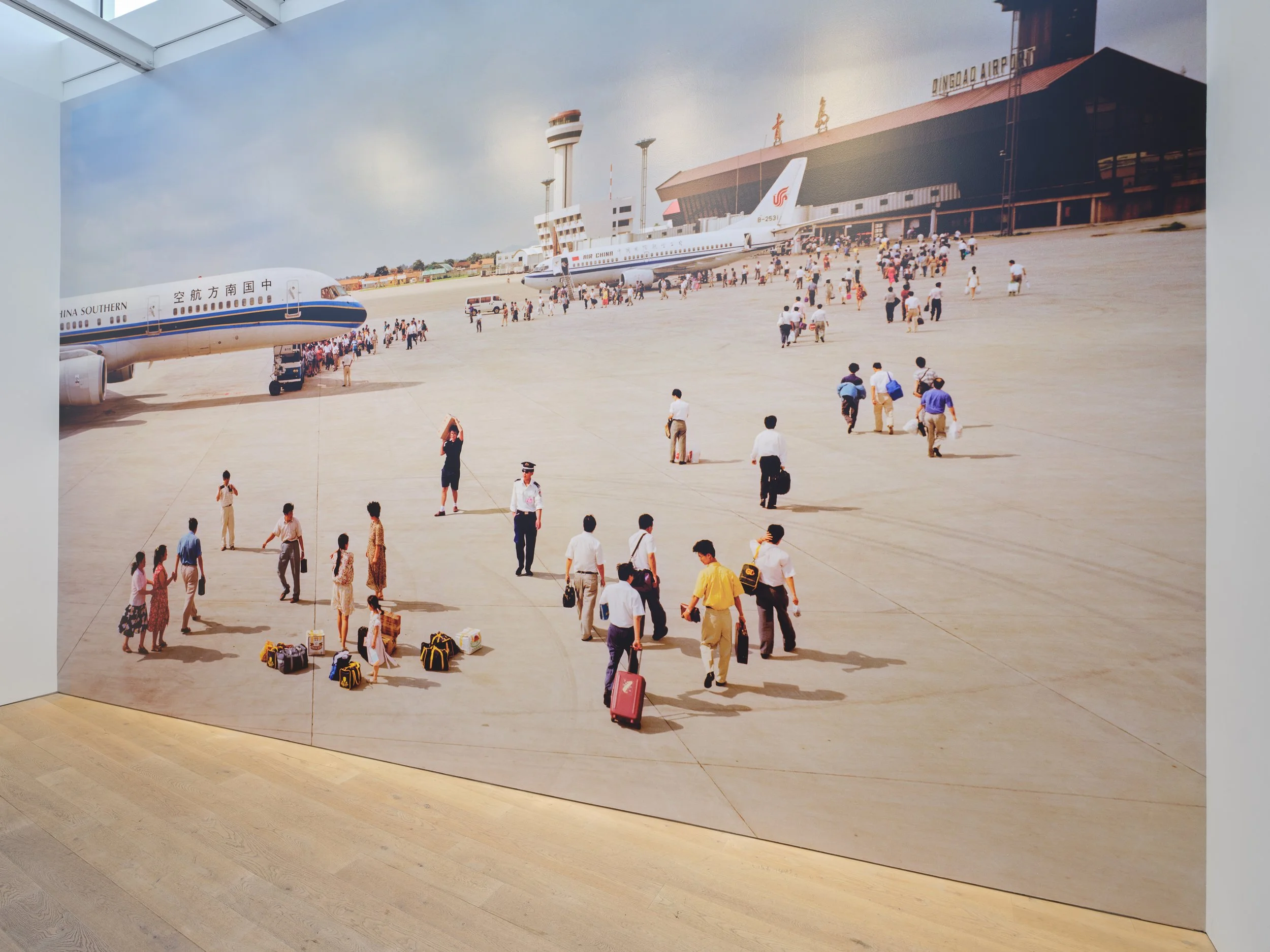
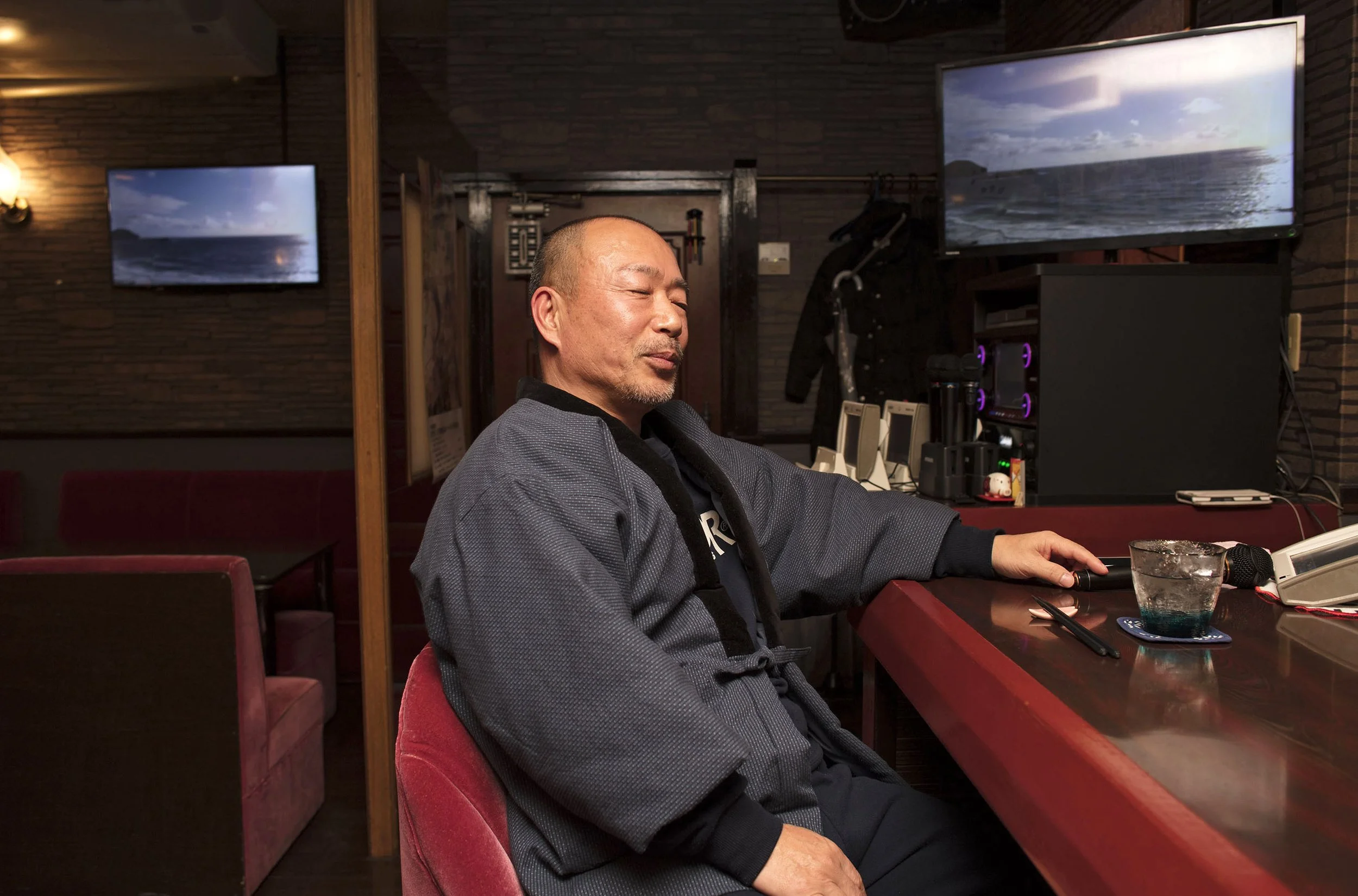
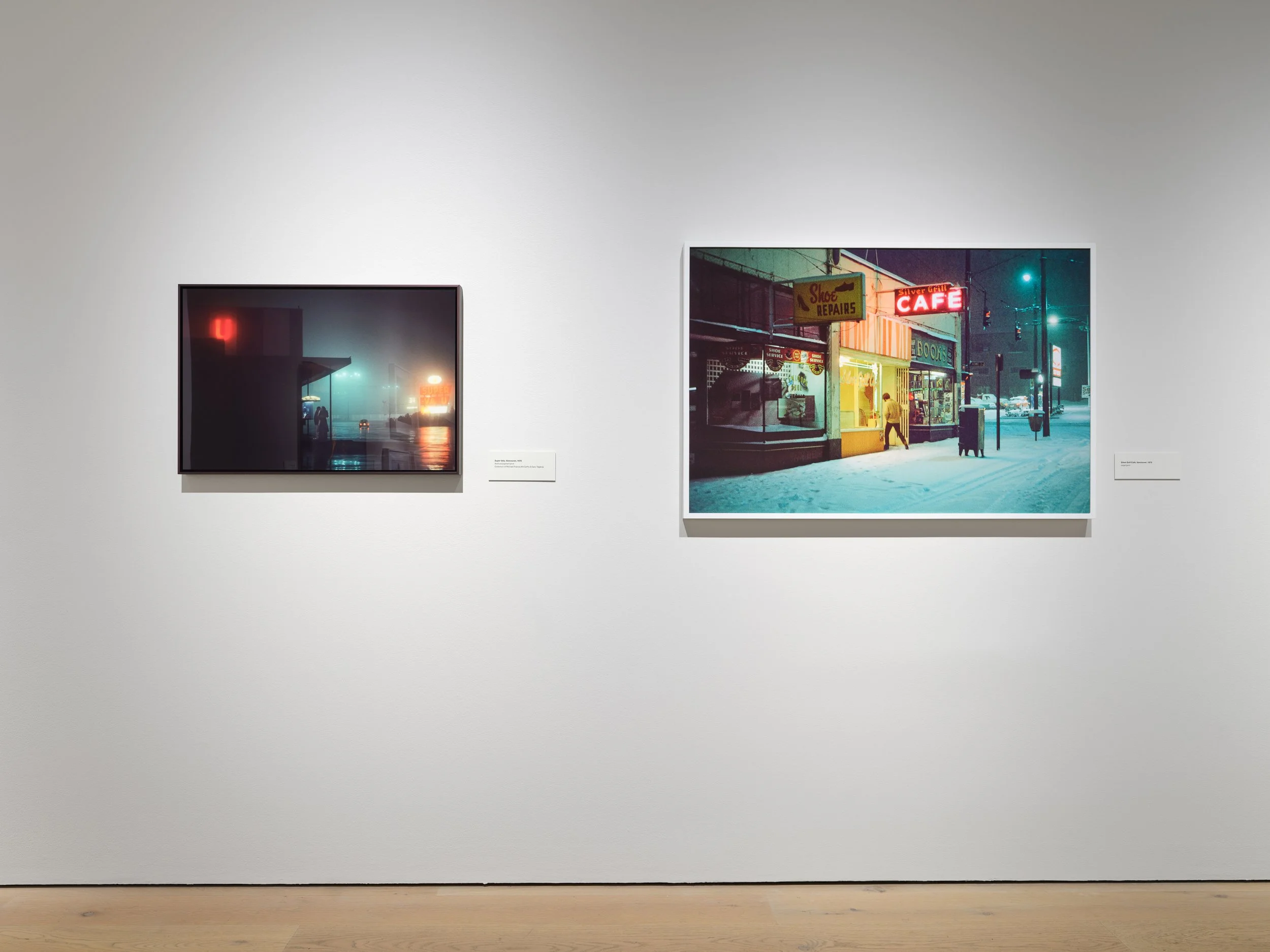
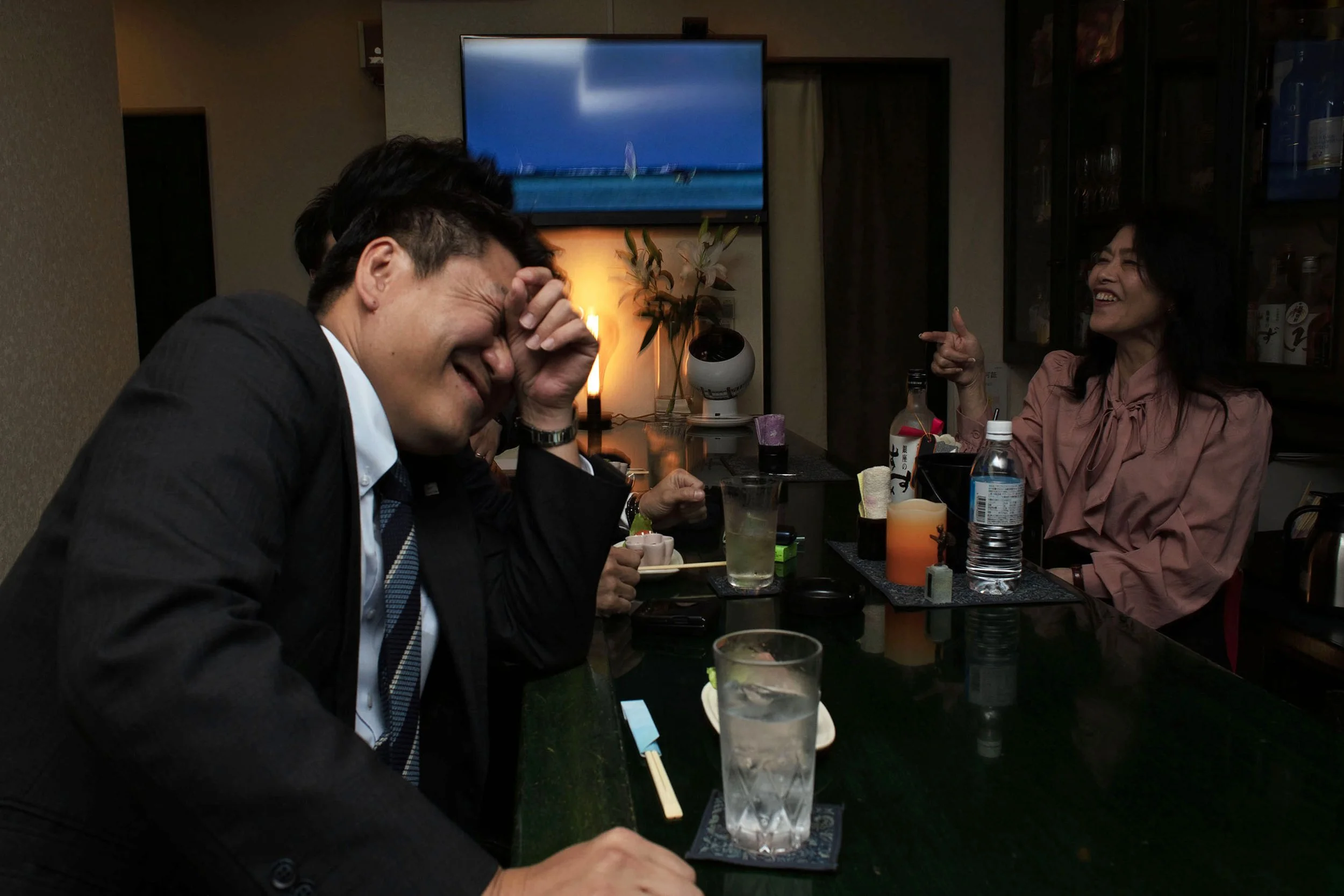
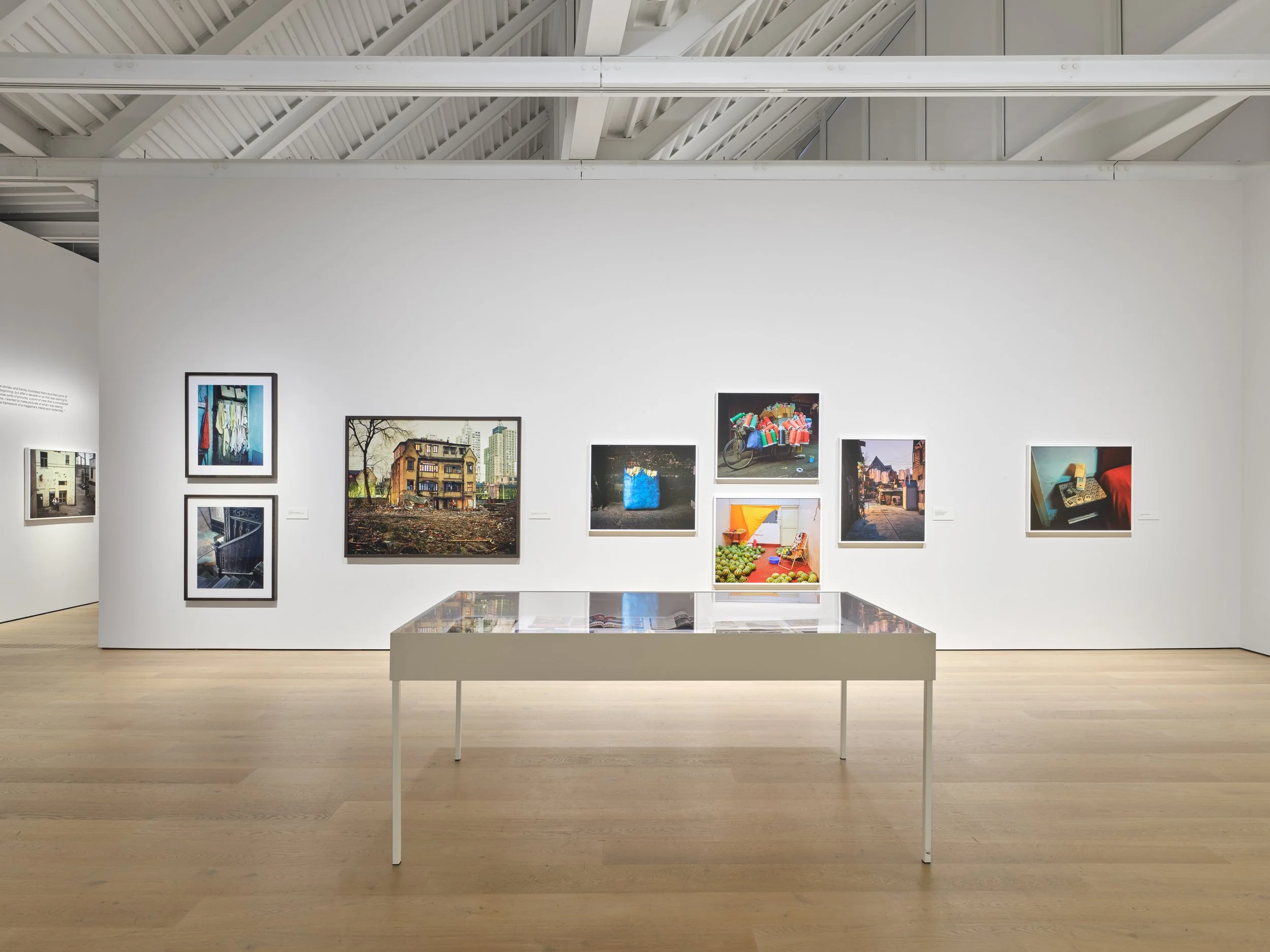
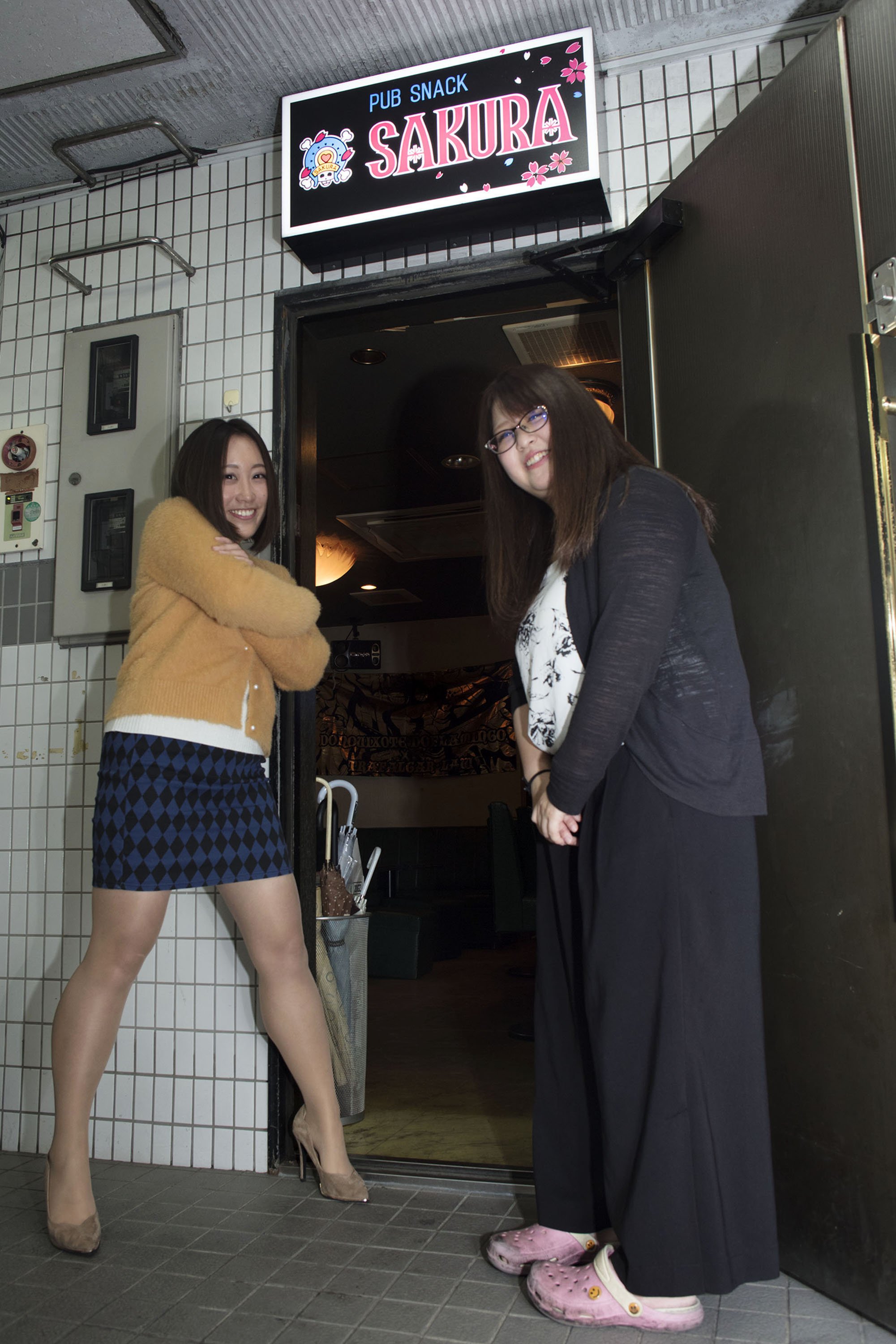
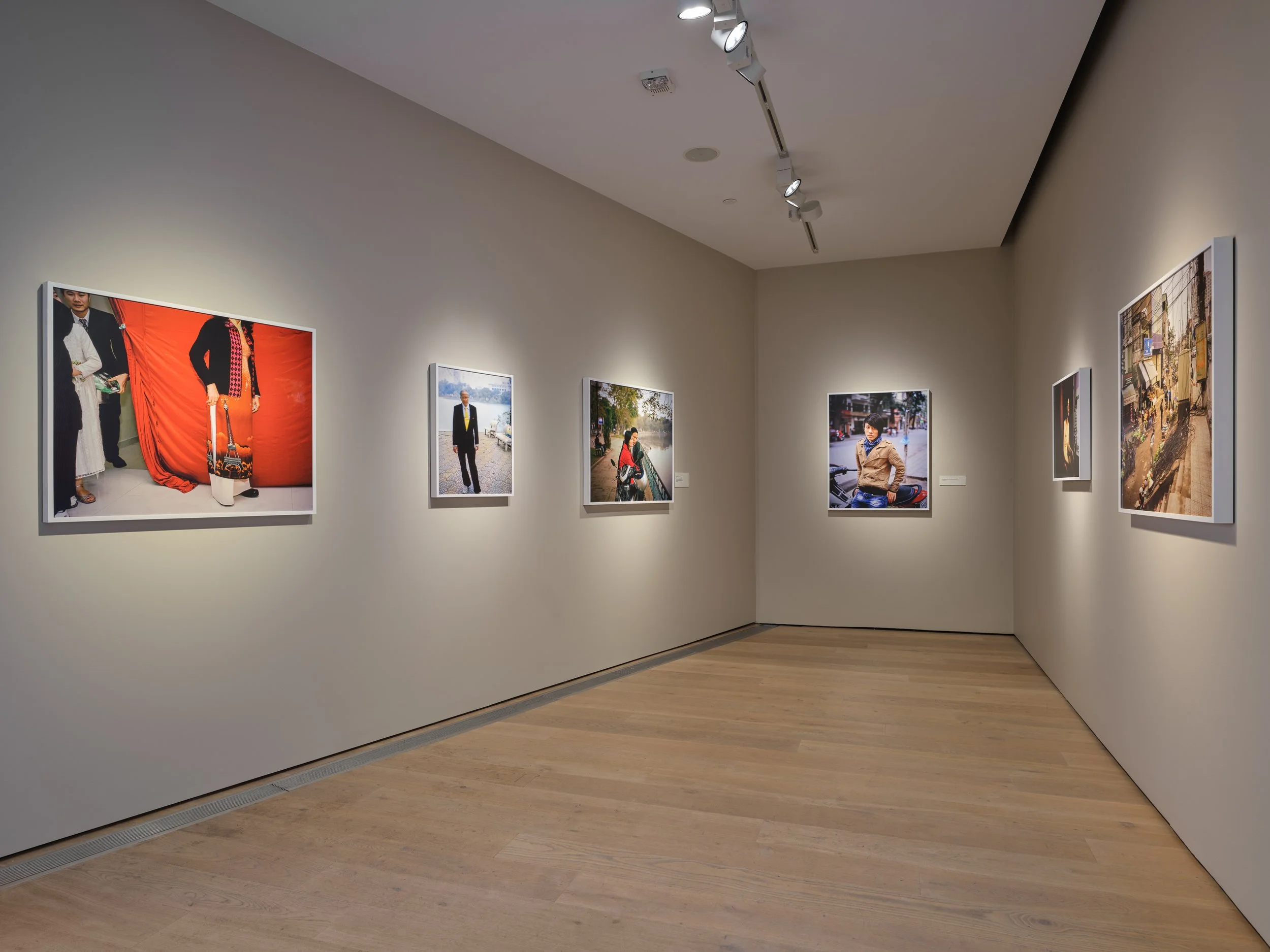
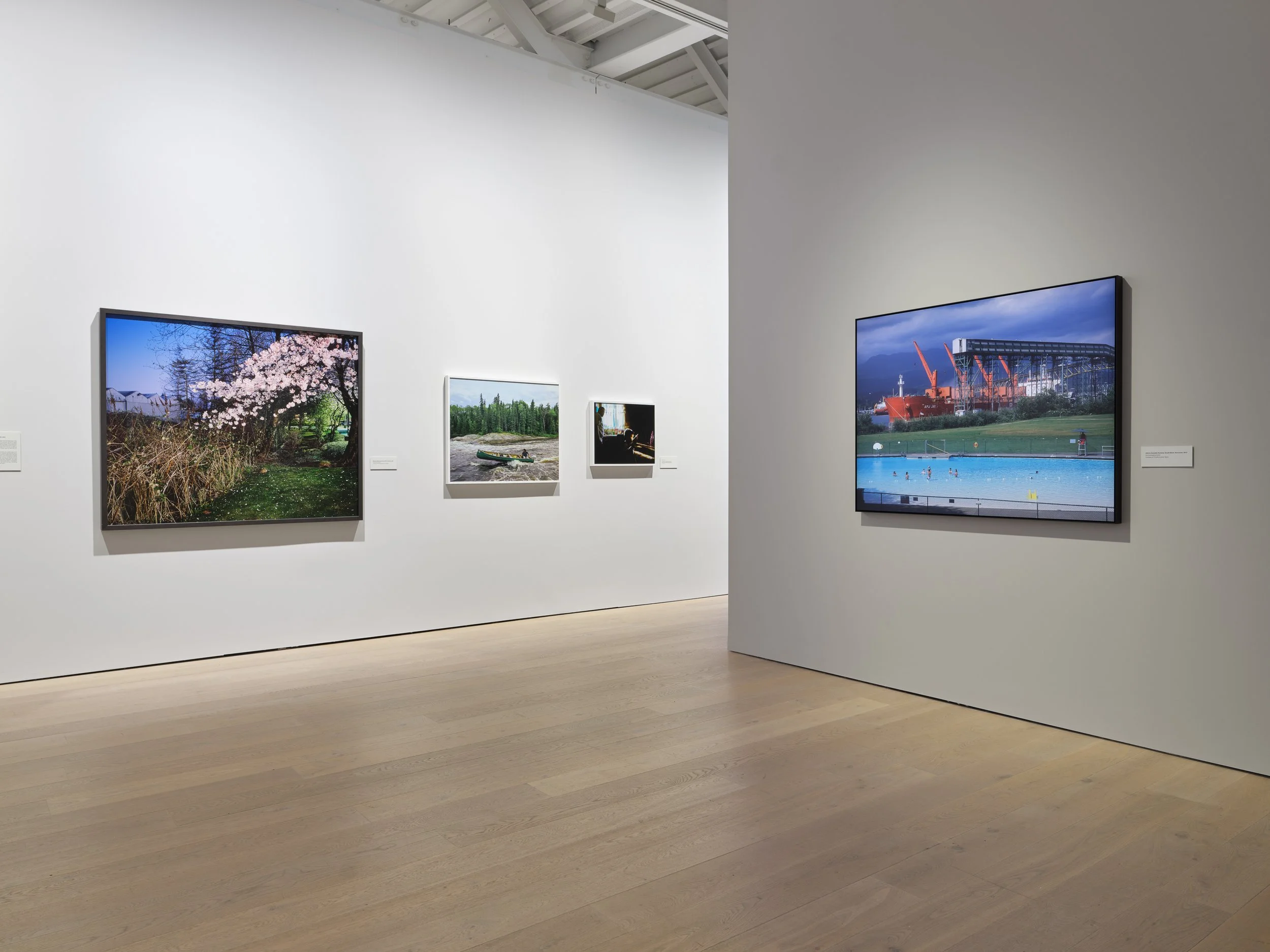
To discover more about this intriguing body of work and how you can acquire your own copy, you can find and purchase the book here. (The Magenta Foundation , Amazon)
More photography books?
We'd love to read your comments below, sharing your thoughts and insights on the artist's work. Looking forward to welcoming you back for our next [book spotlight]. See you then!
Gosbert Gottmann wanted war photographs that resisted easy reading. In Freiheit Freedom Воля, he works with images connected to the war in Ukraine and changes them through abstraction, distortion and deformation. Photography Book Spotlight