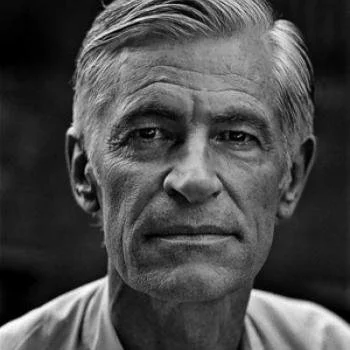
AT A GLANCE
- Known for
- Photographs of war, famine and disaster, many made for TIME since 1984
- Works in
- Black and white, and color
- Camera
- Rarely discussed. In 2001 he was still shooting 35mm film
- Also
- Subject of the documentary War Photographer (2001); TED Prize 2007; Princess of Asturias Award 2016
- Start with
- Memoria (Phaidon, 2017)
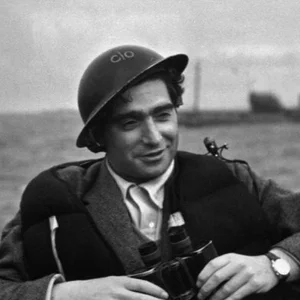
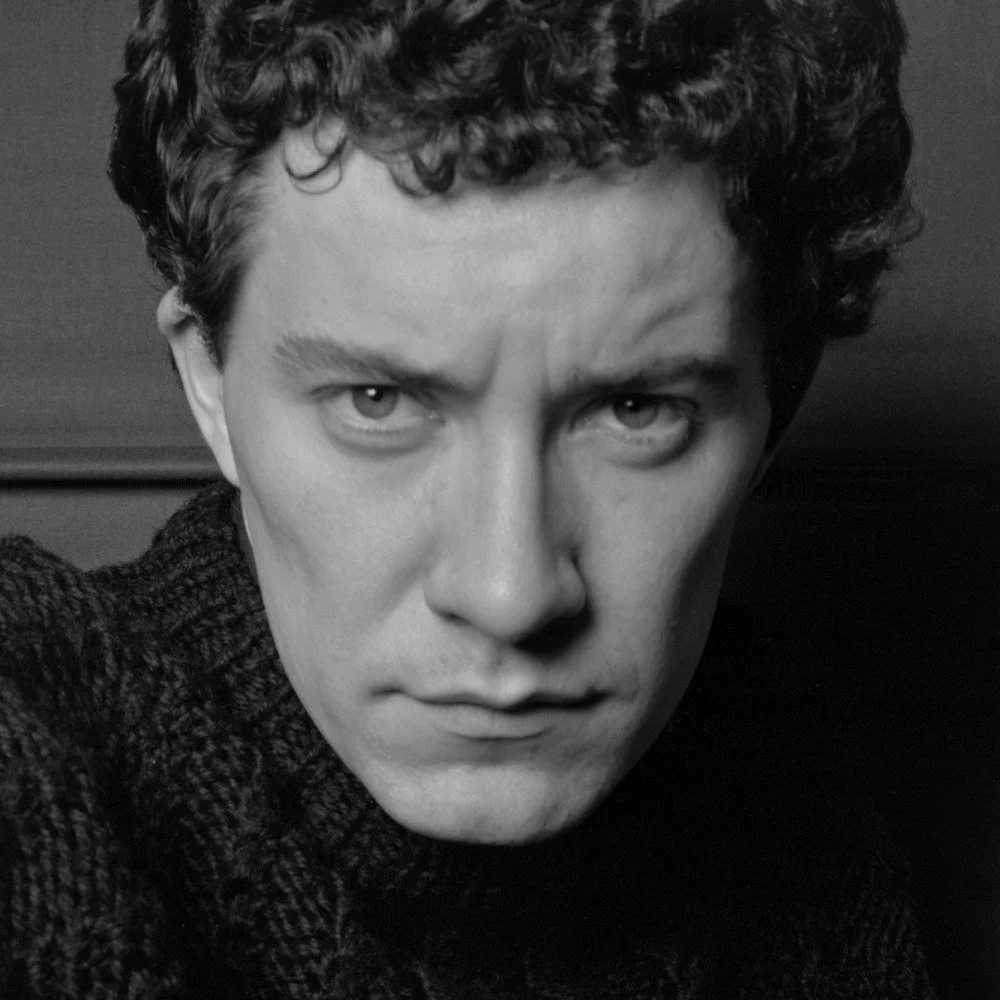
James Nachtwey (born 1948) is an American photojournalist. Since 1981 he has photographed wars, famines and disasters around the world, and since 1984 he has worked under contract for TIME. He taught himself photography and calls his pictures his testimony.
The story
After college, James Nachtwey joined the Merchant Marine and took pictures with a borrowed camera. He had not yet decided what to do with his life. Then, in Madrid, he walked into the Prado museum and saw Francisco Goya’s prints of war. “The images were so raw and really portrayed the brutality and inhumanity of war,” he said. He thought of Vietnam, the war of his student years. “That’s when I began to decide that I wanted to be a photographer.”
He had no money for graduate school, so he taught himself. He read books on composition and on developing film, and he rented darkroom space to practice. In 1976 he joined the Albuquerque Journal in New Mexico and stayed four years. In 1981 he flew to Northern Ireland to cover the hunger strike, with no assignment. Newsweek saw his pictures and hired him. From 1984 he worked under contract for TIME.
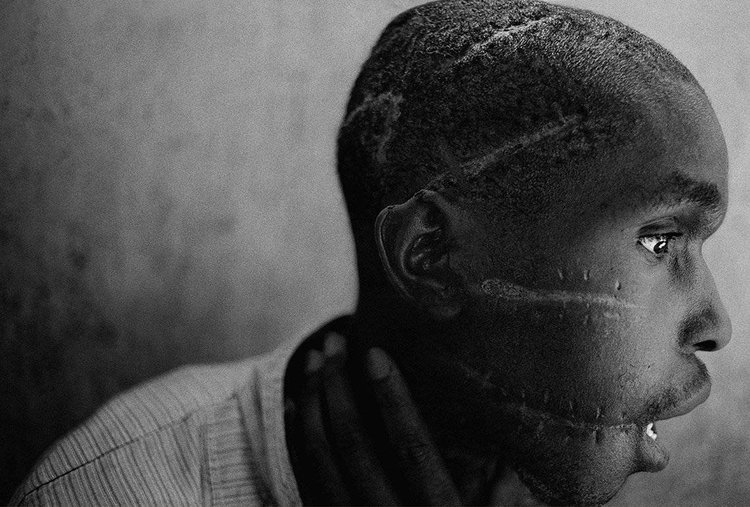
For the next decades he went where wars and famines were. In June 1994, at a Red Cross hospital in Nyanza, Rwanda, he photographed a young Hutu man. The Interahamwe militia had attacked him with machetes because they suspected he sided with the Tutsi rebels. He could not speak, and he could barely walk. The picture was named World Press Photo of the Year.
On 11 September 2001 he was at home in Lower Manhattan. “I heard a sound that was out of the ordinary,” he said. From the window he saw one of the towers of the World Trade Center burning. He walked there with his cameras. When a tower came down almost on top of him, he ran into a hotel lobby and jumped into an open elevator. In total darkness he crawled out, guided by the small blinking lights of destroyed cars. Then he spent the rest of the day photographing the firefighters.
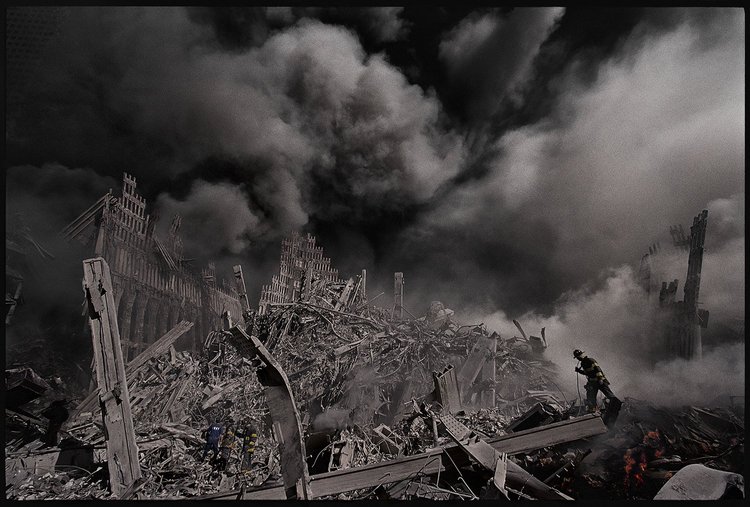
He had seen cities destroyed before, in Grozny and in Beirut. This time it was his own. “I was in a state of disbelief,” he said.
The young sailor who stood in front of Goya’s prints had become a witness himself. “I have been a witness, and these pictures are my testimony,” he says.
The work



- 1948Born in Syracuse, New York
- 1970Graduates from Dartmouth College
- 1976Joins the Albuquerque Journal
- 1981Covers the hunger strike in Northern Ireland
- 1984Becomes a contract photographer for TIME
- 1994Photographs in Rwanda; World Press Photo of the Year
- 2001Photographs 9/11; co-founds VII; film War Photographer
- 2016Princess of Asturias Award
- 2026Memoria exhibition at Fotografiska Berlin
Lessons
Go before you are sent. He went to Northern Ireland in 1981 without an assignment, and that trip started his career abroad.
Tell history through one person. For him, what happens to one person in a single moment is a human moment. The Rwanda portrait shows one man, not a crowd.
Take risks, but think. He says to take risks every step of the way, but never to be reckless.
Try this: choose one big story in your town, and tell it through one person you photograph many times.
Gear
Nachtwey rarely talks about equipment, and we found no reliable source that names his camera models.
35mm film camera: on 11 September 2001 he was still shooting film. At one point a 36-frame roll ran out and his camera stopped.
He taught himself everything, from composition to developing and printing, with books and a rented darkroom.
Books
Deeds of War (Thames and Hudson, 1989). His first book, with an introduction by the American novelist Robert Stone. It has 75 plates, many across two pages, from his first decade of work in the 1980s: the Middle East, Northern Ireland, Korea, Central America, Africa and the Philippines. It is long out of print, so look for it in second-hand shops. For readers who want to see how his work began.
Inferno (Phaidon, 1999). A very large book, 480 pages in black cloth, with 382 black-and-white photographs. It opens with lines from Dante’s Inferno and has an introduction by Luc Sante, an afterword by Nachtwey and notes on the pictures. The chapters follow places: Romania, Somalia, India, Sudan, Bosnia, Rwanda, Zaire, Chechnya and Kosovo. Nachtwey said it was “meant to immerse the viewer in a reality that’s relentless.” A hard book, for readers ready to look at suffering closely.
Memoria (Phaidon, 2017). About 350 pages, published with the large Memoria exhibition that opened at the Palazzo Reale in Milan in December 2017. The show had 200 photographs in 17 sections and was curated by Roberto Koch and Nachtwey himself. The book was his first in almost two decades and brings together work from his whole career. The best place to start.