Shoot Like a Child, Edit Like an Adult - The approach taken by Bob Farese Jr. on Finding Emotion in Water, Light, and Pattern
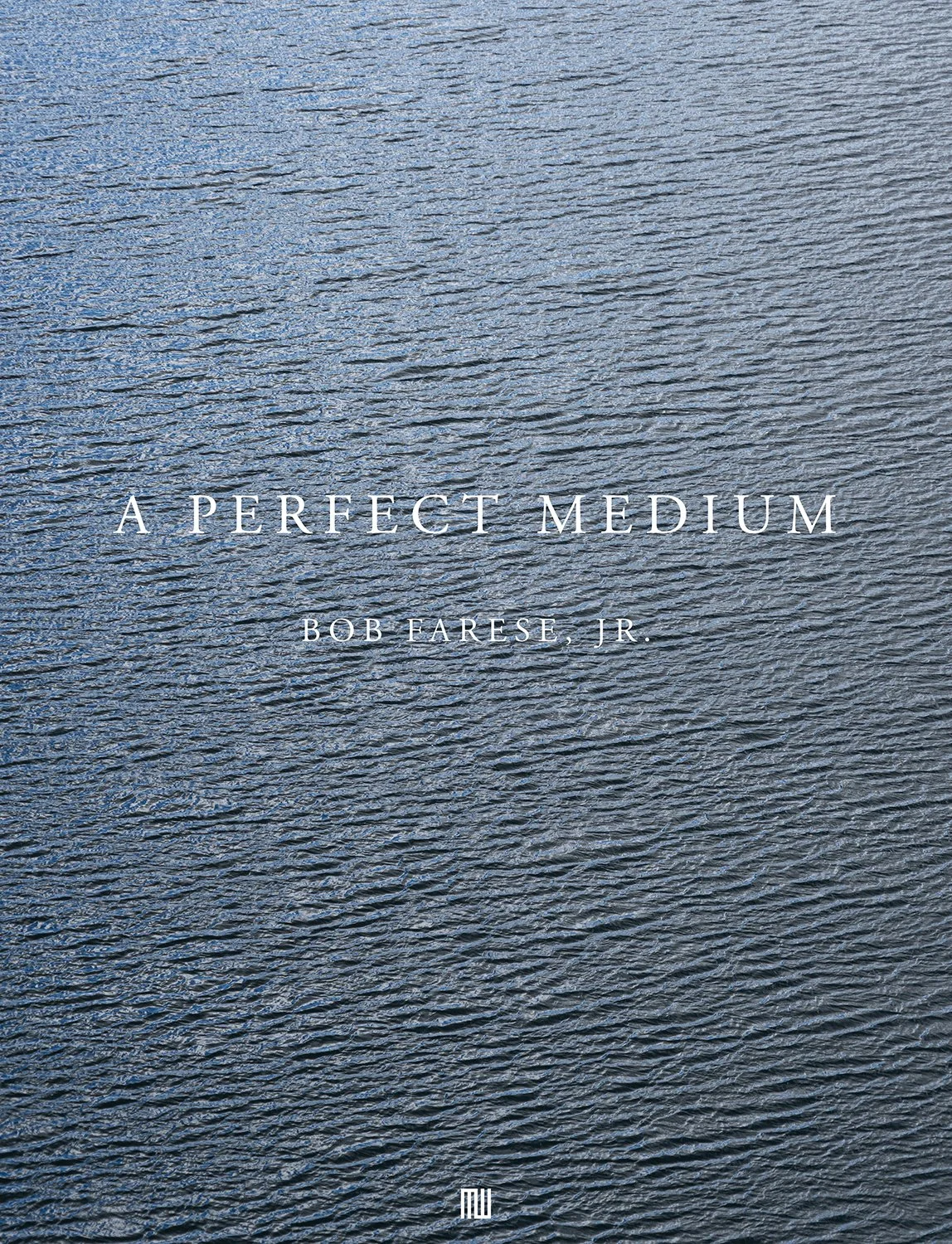
Welcome to this edition of [book spotlight]. Today, we uncover the layers of 'A Perfect Medium,' by Bob Farese, Jr. (published by MW Editions). We'd love to read your comments below about these insights and ideas behind the artist's work.
This book began with curiosity and ended in abstraction.
At first, Bob Farese Jr. photographed water very literally, searching for it in fountains, rivers, glaciers, swimming pools, and oceans across different countries. But over time, the project slowly changed into something quieter and more personal, focused less on places and more on patterns, emotion, movement, and light. The closer he looked at water, the more endless its variations became. What emerged was not simply a study of water, but a meditation on attention itself.
Some photographs feel right before words arrive.
In this interview, Bob Farese Jr. speaks about intuition, abstraction, editing, science, mentorship, and the strange emotional process of recognising an image before fully understanding it. He talks about working with Matt Black and Gueorgui Pinkhassov, learning to trust his own sensibility, and why he eventually stopped trying to explain everything directly through the photographs. The conversation moves between observation and instinct, showing how a project can slowly reveal its true direction over time. By the end, A Perfect Medium feels less like a collection of images and more like the result of years spent learning how to truly look.
For photographers, the interview also contains something practical beneath the philosophy.
Bob Farese Jr. explains how he edits rapidly before overthinking, why he separates play from judgement while shooting, and how small changes in framing completely transform an image. The conversation quietly shows how stronger photographs often come from patience, curiosity, and trusting emotional reactions before intellectual ones.
The Book
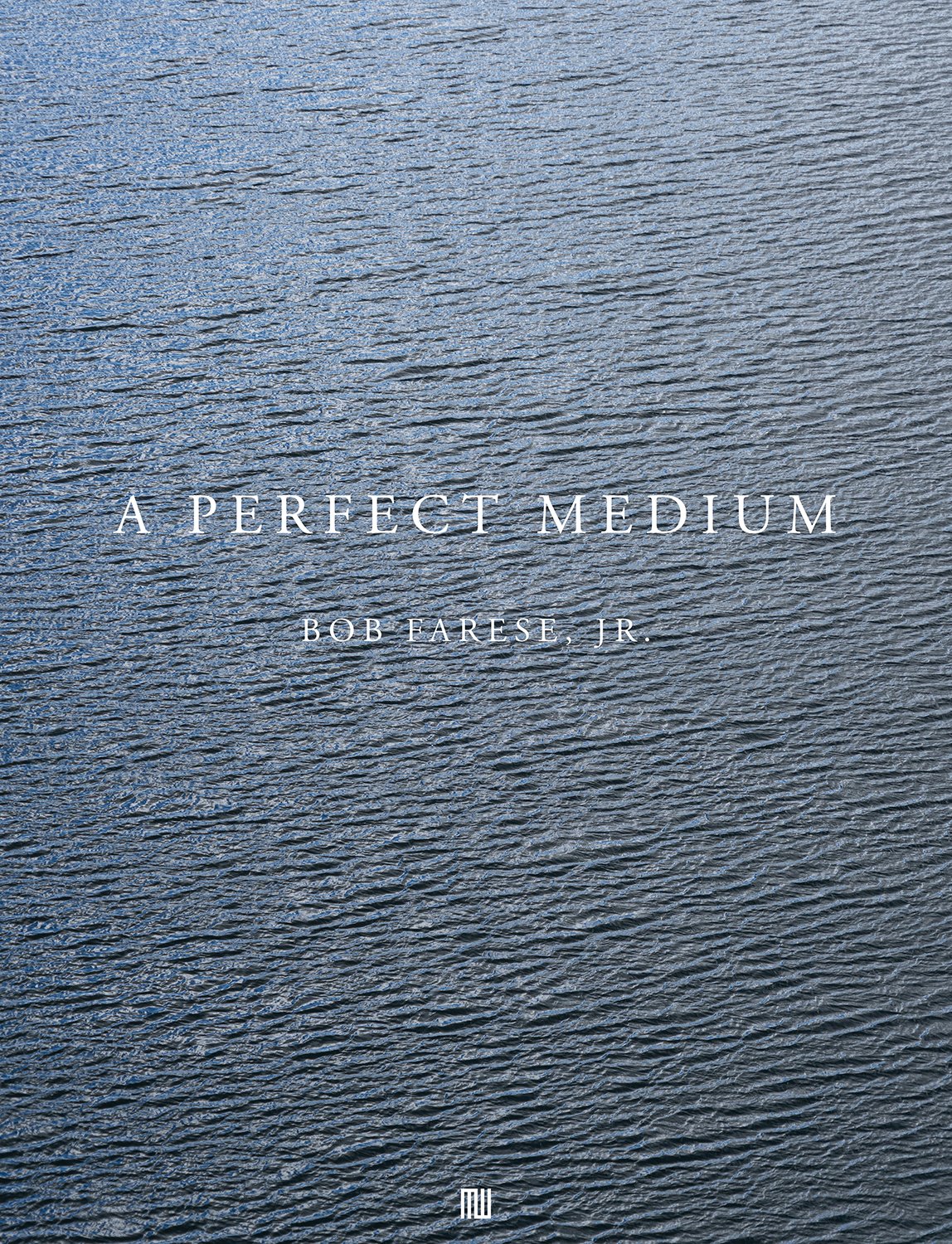
A Perfect Medium by Bob Farese Jr., published by MW Editions, is a photographic exploration of water created between 2020 and 2025 across locations including Iceland, Chile, Spain, California, Canada, and the Faroe Islands. What began as a literal attempt to photograph water gradually evolved into a more abstract and meditative body of work focused on patterns, light, texture, movement, and emotion. Influenced by Farese’s background in science and mentorship from photographers such as Matt Black and Gueorgui Pinkhassov, the book approaches water not simply as a subject, but as a way of studying attention, curiosity, and perception itself. The photographs are accompanied by short lyrical texts and an afterword reflecting on the scientific properties that make water essential for life. (Amazon, MW Editions)
Genesis: Water appears in science, in your daily life, and in your art. When did you first feel that water deserved its own book, separate from everything else you were photographing?
This project grew out of a mentorship that I had with Matt Black of Magnum Photos. When we started, Matt challenged me to think of “a topic to elevate” with my photography. Something that I might draw attention to. Along the way, we noticed that there were many pictures of water in my street photographs. This observation clicked with me and my scientific work—I am a scientist who studies how oils, or fats, are made in cells to store energy and other fatty molecules. But the biochemistry of life happens mainly in water. This made me curious. I thought it would be interesting to explore water as the medium of life.
When the project started, I took the topic of water very literally, taking photos of water in all kinds of places. But over time, my approach to water evolved to become more focused and abstract. It was a good topic for me because I travel a lot and water is literally everywhere, so I was not confined to one geographical area.
Approach: You describe your method as phenomenological, studying water through close observation rather than analysis. In practice, what does that mean when you are standing in front of a body of water with your camera?
One of my science mentors, Oliver Smithies, once commented to me, “There is so much to see if one only looks.” When I first awoke to photography, I was taken by this idea, symbolically, by one of David Guttenfelder’s photographs. It is from a trip he made in Yellowstone, I believe, and shows a fragment of a horse’s mane against a dark and stormy sky. It’s quite beautiful, and it’s the kind of thing that is right there in front of you, if you take the time to look. David, with his keen eye, saw it. I have taken this approach in photography, looking for interesting things that are there in front of us, yet often not looked for, and thus not seen.
My primary teacher in photography, Gueorgui Pinkhassov, says there are three selections in photography. The first selection is what attracts you, the second is how you decide to press the shutter mechanism in time and space, and the third is the selection of images during editing. He advises to “shoot like a child and edit like an adult”. For the water project, I took this approach, just as I do in my street photography. I just go out to look, to see what attracts me. Once I find something that catches my interest and curiosity, I play with it. I often find I cannot really see things, how they arrange themselves compositionally, until I look through the viewfinder. And here, the world opens up. Small changes make such a big difference. I play with things until it intuitively feels right to me.
At this point, I may have some sense of whether I captured something that resonates with me emotionally, but I won’t know this until I edit the images later. Remarkably then, during the editing, even if I capture many images of water, for example, there’s usually only one or possibly two images that feel right. The quality of things feeling right is not something I can describe in words, but I think most photographers can identify with that. It’s something that happens in our minds before words form.
You said that even when you photograph a lot of water in a session, there is usually only one or two images that feel right, and that quality of feeling right happens before words form. When you are editing, how long do you sit with an image before you trust that feeling?
I edit quite rapidly, with repeated rounds, often three, where I let images go. I’ll sometimes go back over the discards, but usually my rapid impression, before “thinking”, is correct in my mind. After this and narrowing down of what I keep, I have the selected images that I am most interested in. For these, I’ll often then let them sit for a while and look at them repeatedly. In many instances, it’s the image that I initially liked that I stick with. However, sometimes things change over time, and an image grows on me. For example, this happened for the image on page 56 of the book. It did not start at the top but gradually climbed there.
Gueorgui told you to shoot like a child and edit like an adult. In your experience, what is the biggest mistake photographers make when they try to do both at the same time?
I think if you try to mix these things, you are engaging different parts of your brain (play and creativity engage different networks than analysis and judgement), which can be disruptive to the playful aspect of making images. I think when making photographs, it’s good to be lost in the process and not engage the critical part of the brain. It’s not needed at this stage unless you are in the process of looking at the light or exposure or how the framing plays out for a particular image.
And with photography of real life, there is also the possible misfortune of missing the best moment to capture an image while you are busy critiquing what you just did. A “surprise” often happens while you are making photos and may be the best moment for the image. Perhaps something or someone entered the scene, or there is a flash of colour or light or a gesture, and you will miss that if you are not attentive to when it happens.
Travel: You photographed water from San Francisco to the Faroe Islands, Iceland, Chile, and Spain between 2020 and 2025. Did the emotional feeling of water change depending on where you were, or did it always feel like the same subject?
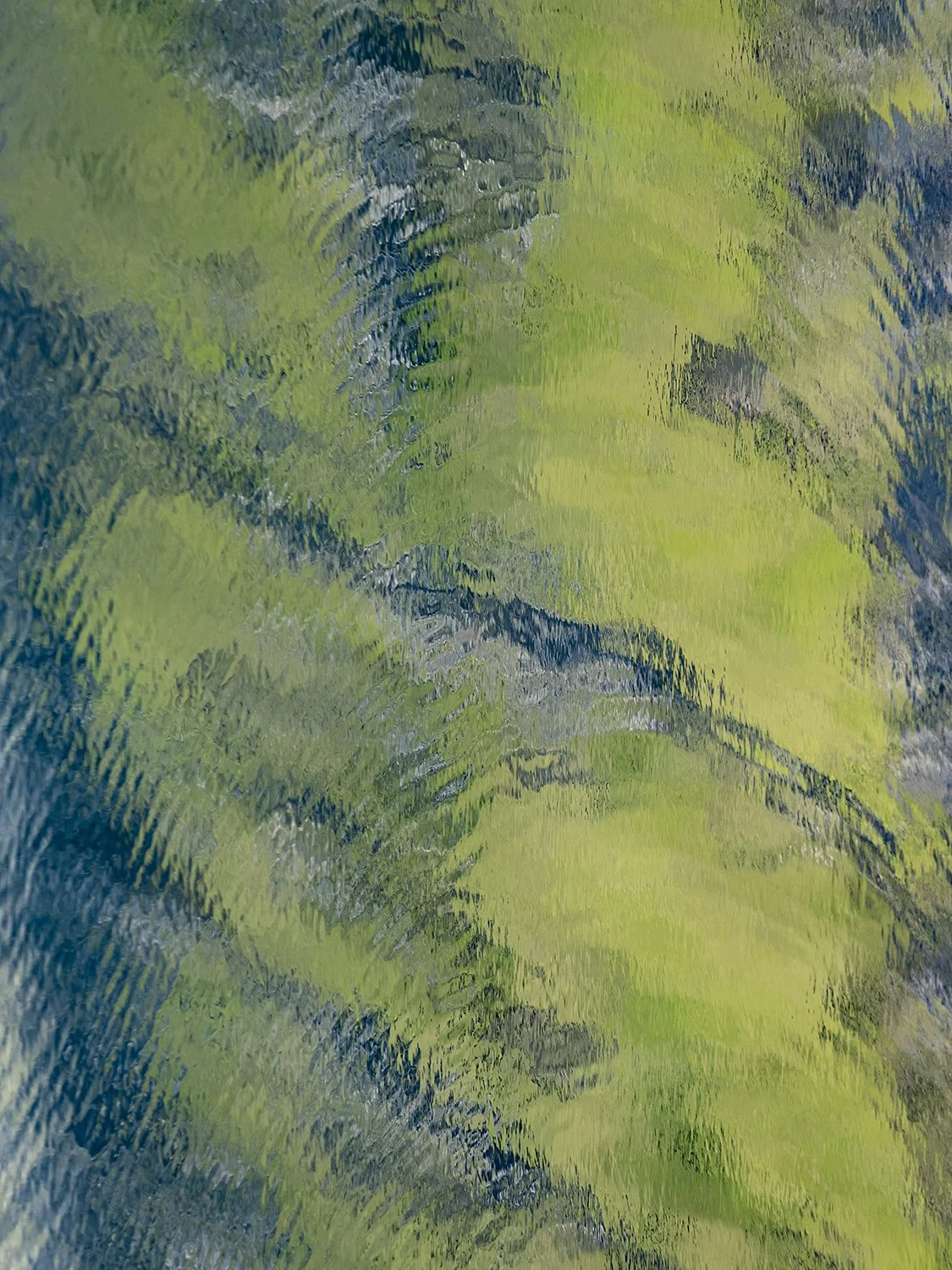
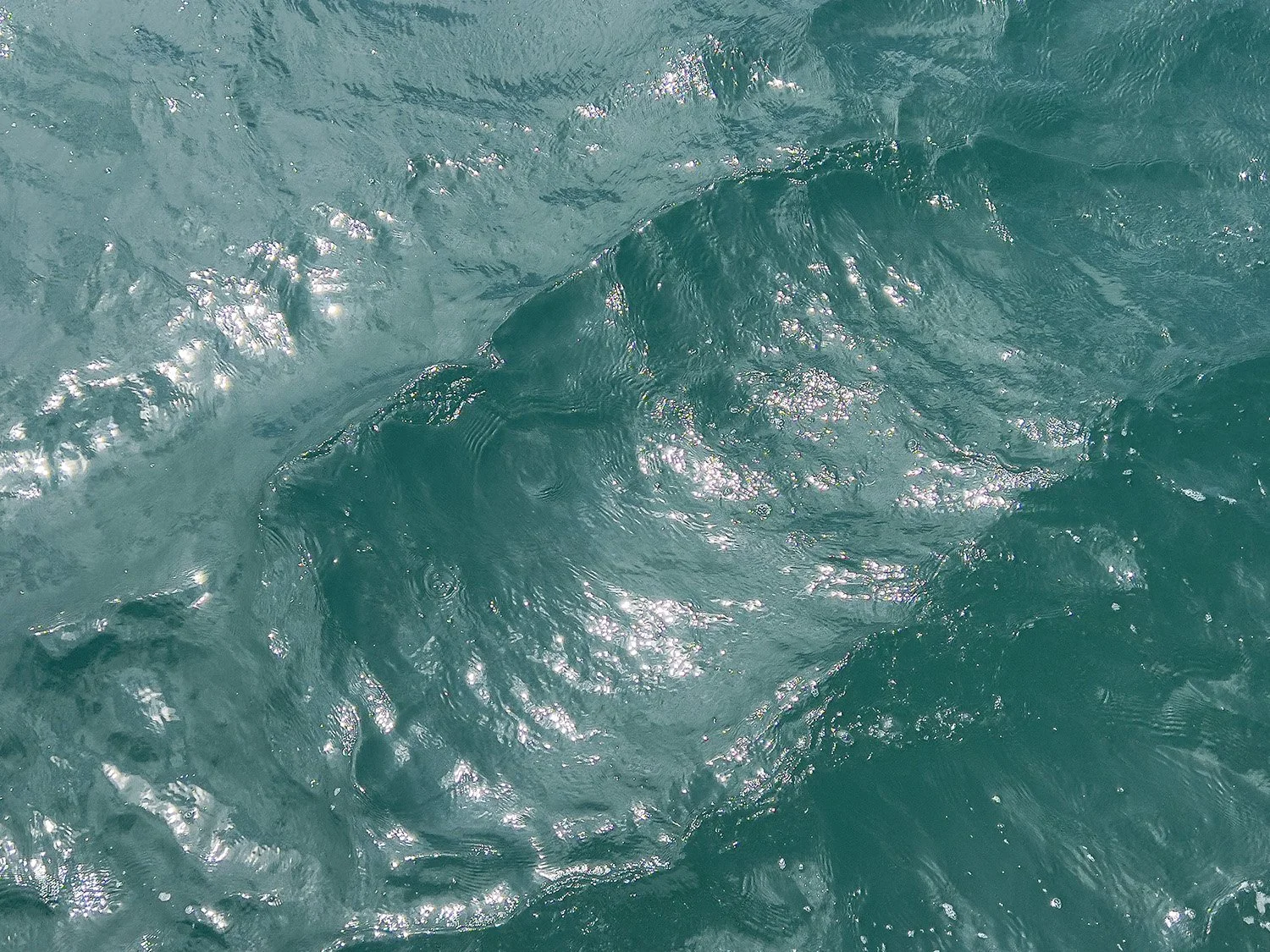
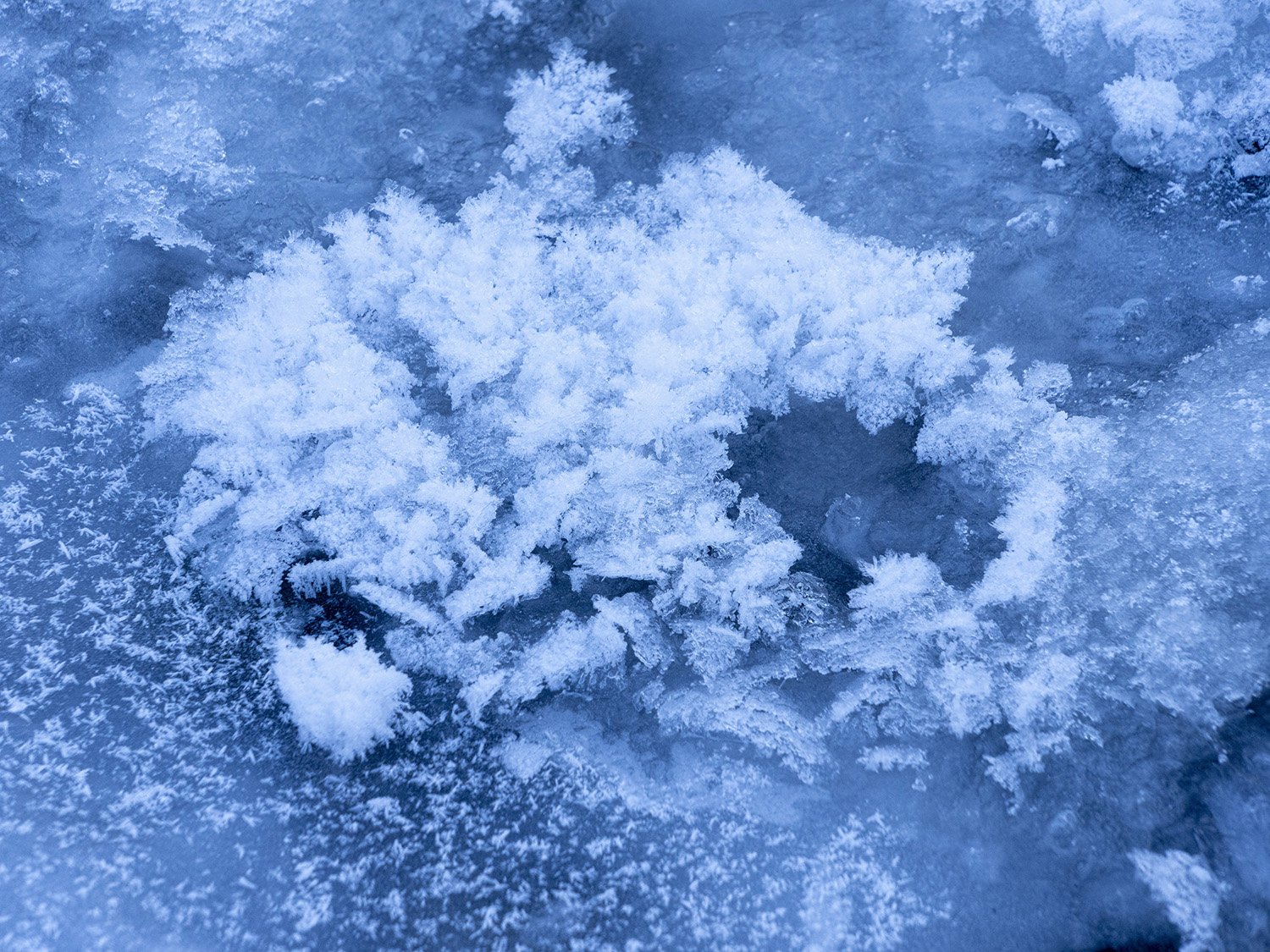
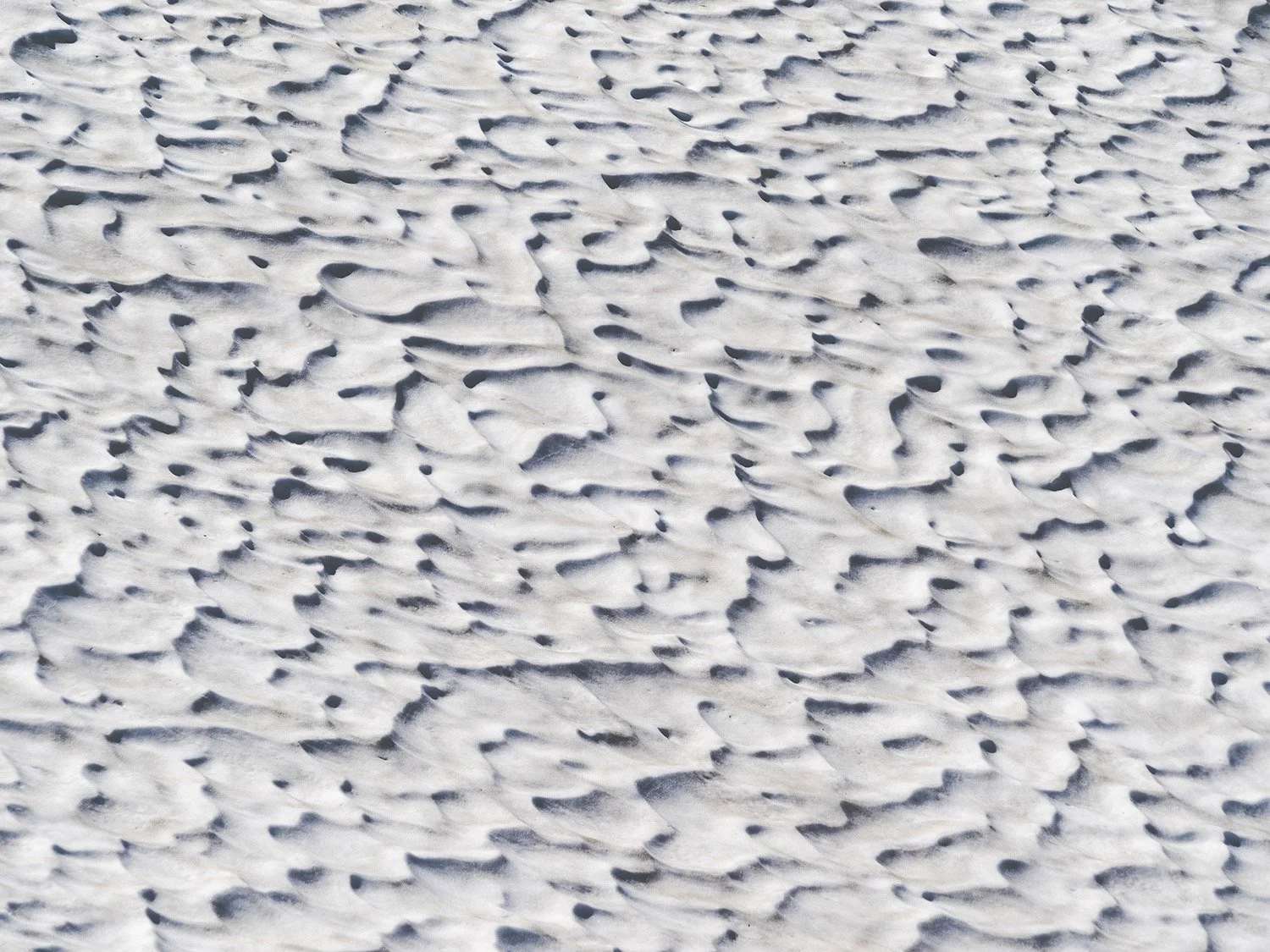
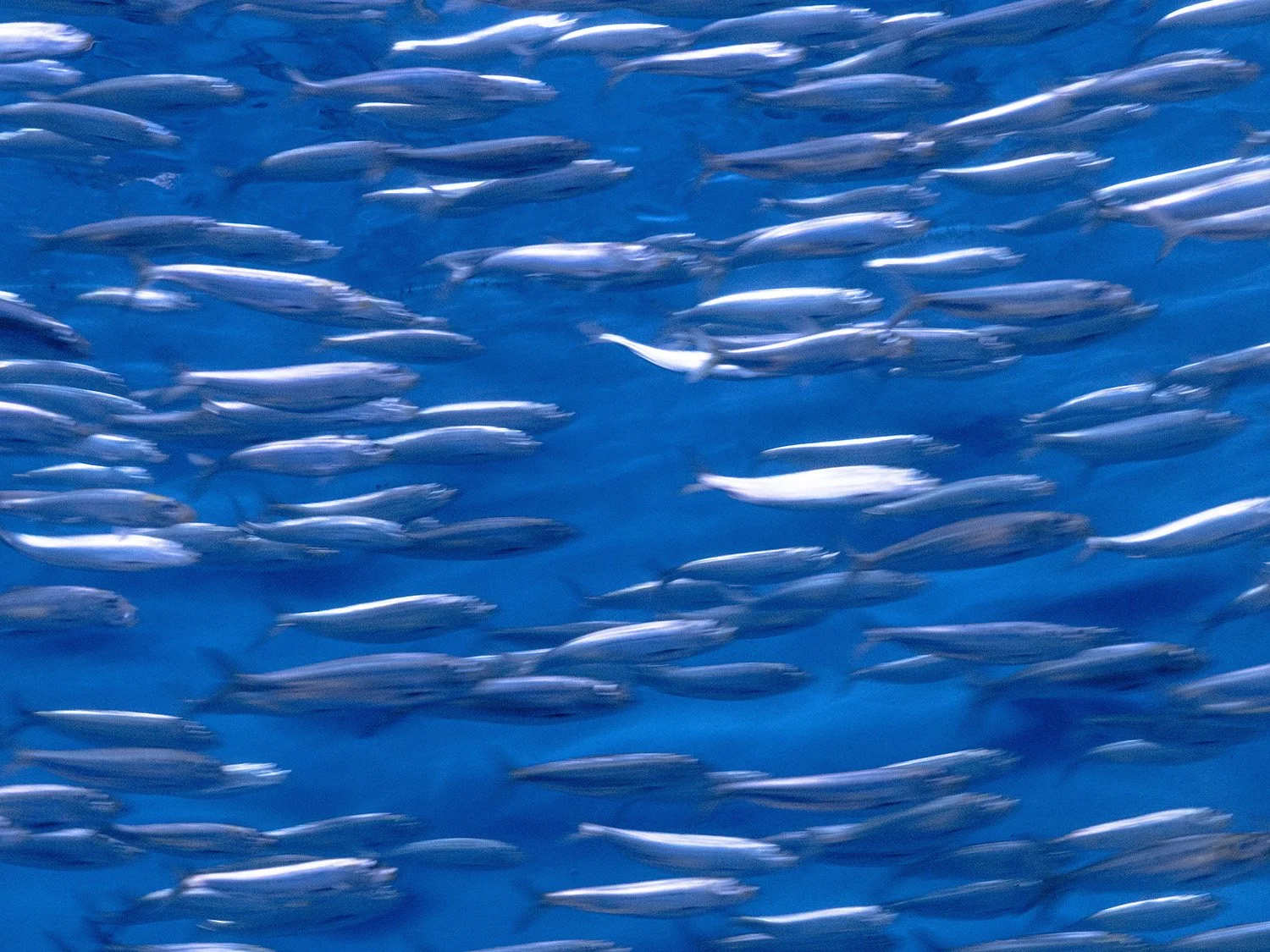
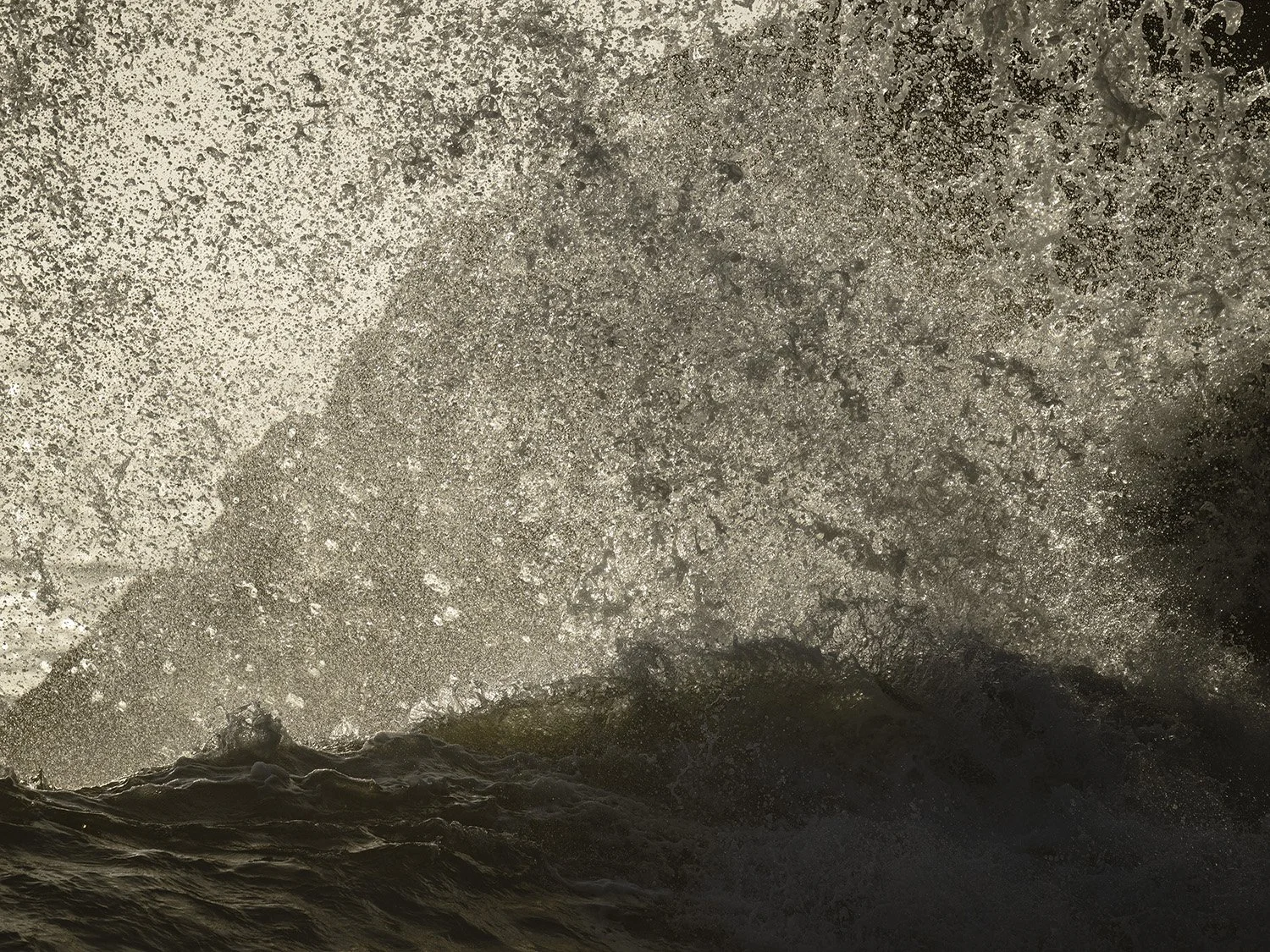
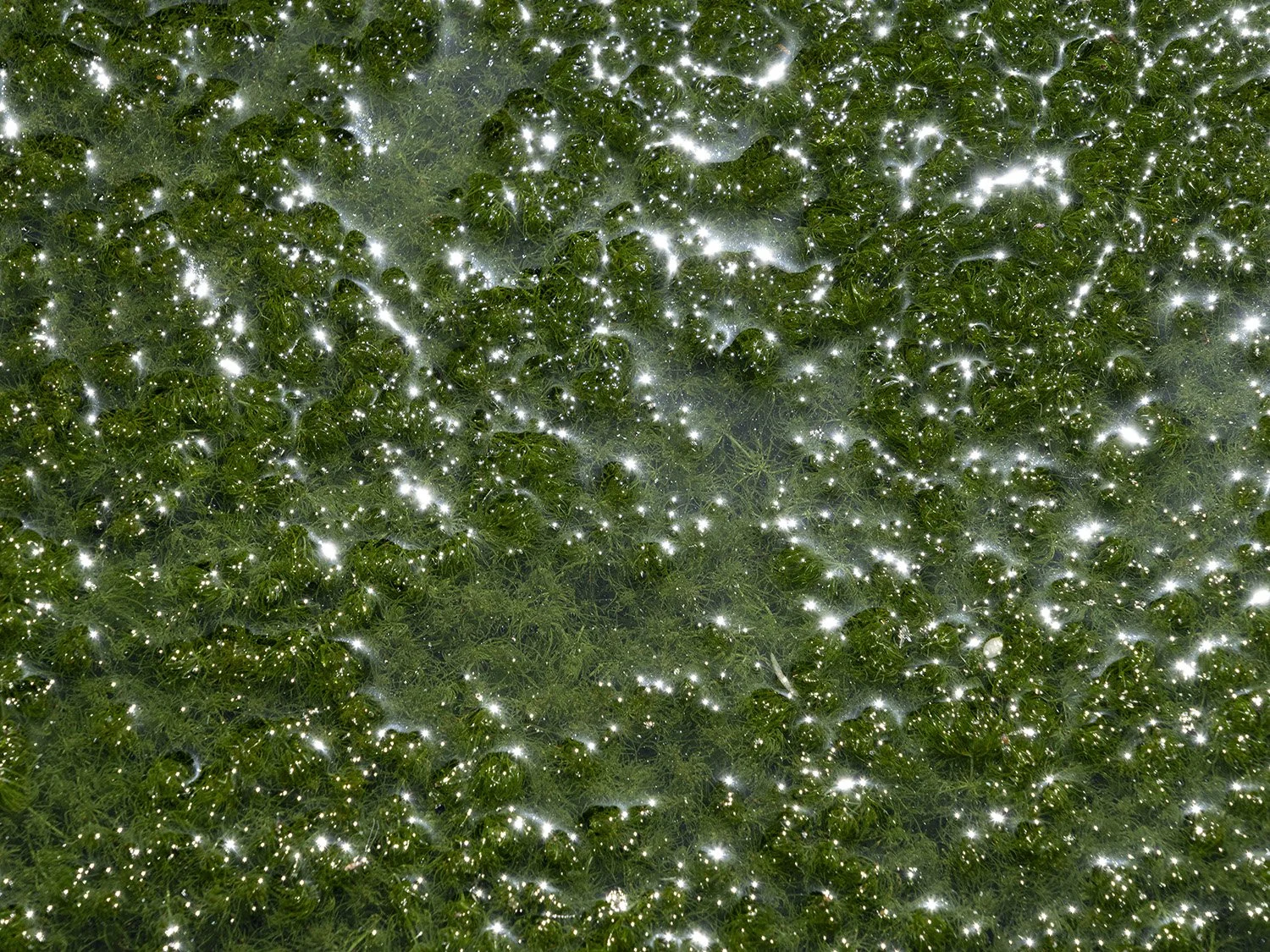
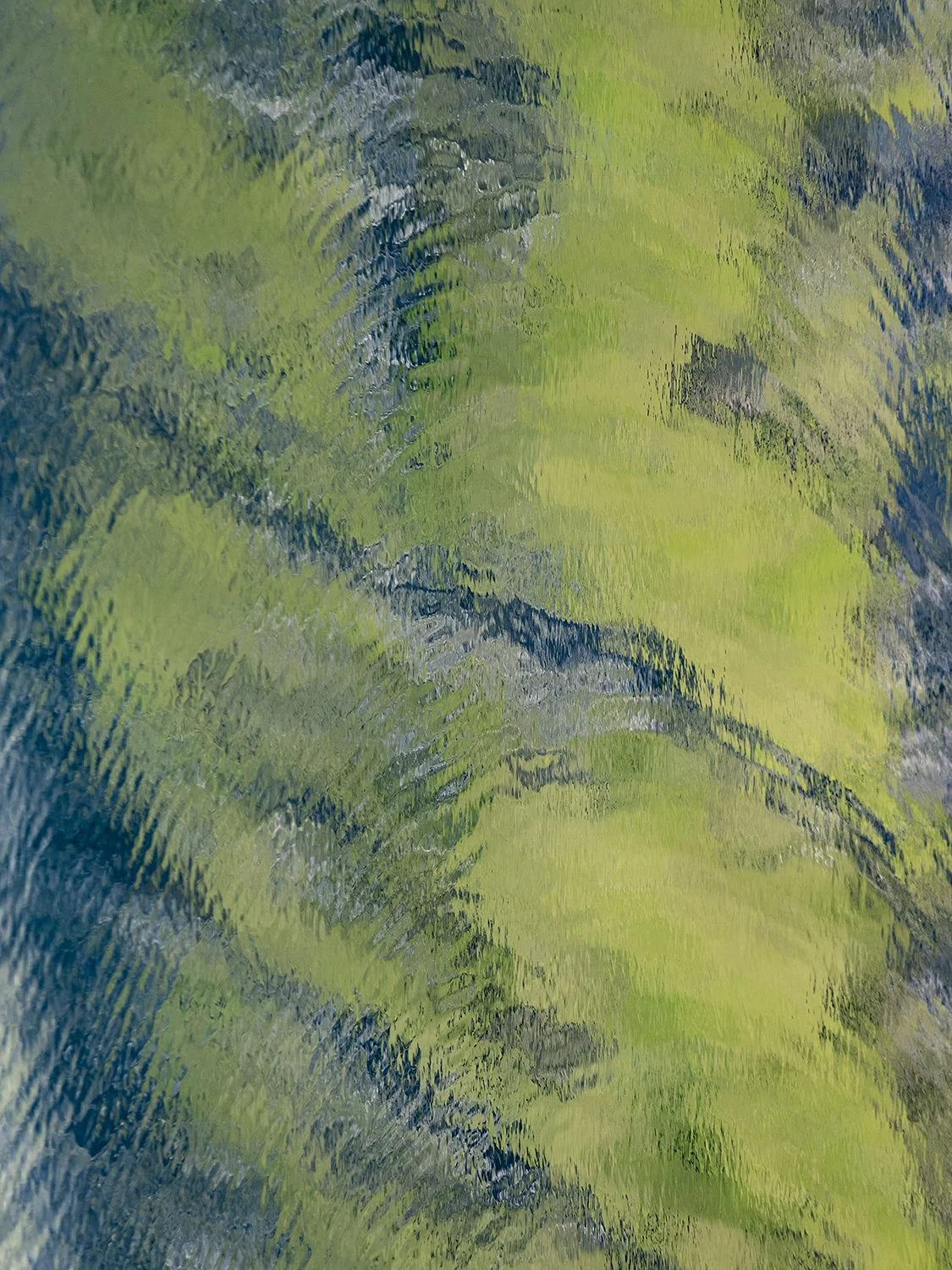
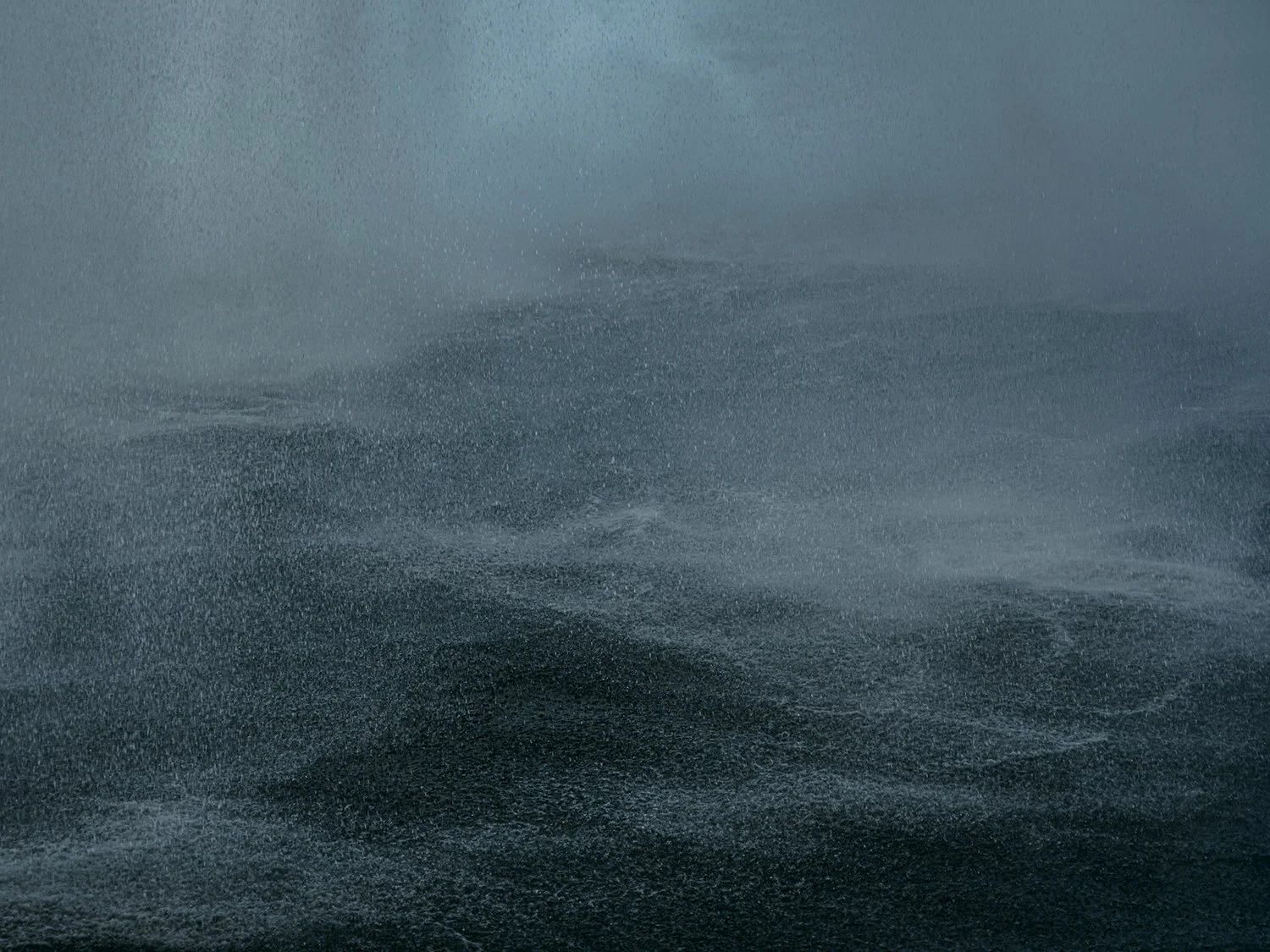
The water itself felt very different, as it holds and reflects properties of its environment. Water is a wonderful subject because when you stop to really look, the variation is endless. One thing I love about some of the images is that they have a pattern or aesthetic appeal when looking from a distance, but hold also fascinating detail when you get close up and look.
Abstraction: Many of your images are close-ups of water surfaces that sit on the edge of abstraction, so the exact location almost disappears. Was that a deliberate choice from the beginning, or something you noticed happening in your photographs over time?
This happened over time. When I first started, I was literally taking pictures of water such as a swimming pool or a fountain or a river. Matt pushed me to capture images of water alone. Then, as the project developed, the images became more abstract, reflecting my own sensibility. I began to see that what interests me is not simply images showing water, but the endless variation of patterns of light and line and shadow and colour. A certain harmony began to emerge across images of the density of complex aspects, patterns spanning them that could form some sort of cohesive body. This felt right—it was not exactly the direction that I initially pursued, but it emerged as a direction unique to my own senses. As was told to me by a friend, the best teacher is direct experience.
You said the project found its own direction, and that the best teacher is direct experience. At what point did you realise the book was telling you what it wanted to be, rather than you telling it?
When Matt looked at an update of my images and said, “I’m glad you didn’t listen to me,” I joke, but seriously, at this moment, I knew that my own sensibility was emerging and that this would lead to some cohesion amongst the images. And that it would be authentic to me. It wasn’t really the book telling me what it wanted to be, but rather that something in me was telling myself. To his credit as a mentor, Matt gave me permission to trust myself.
With time, something else emerged that was more conscious. I began to realise that I could either try to teach or I could use art to inspire via emotional connection, but that to attempt to do both would be counterproductive. I came to believe that art needs to provide an experience, in this case to raise awareness and curiosity. I made the decision to make this book a meditative experience of water, sprinkled with thoughts in the form of words.
Camera: You shot the entire book on a Sony digital camera. How did that specific tool shape the way you worked, and were there moments when you wished you had something different?
My first photobook, Am I Not Light, was shot mostly with an iPhone. For this project, I wanted a camera with a high-resolution sensor, one to make images that would hold up in larger sizes. I initially played with a medium format camera, but settled on my Sony camera because it combined the high resolution with easy portability. That said, one of the images in the book that I like a lot was taken with the medium format camera. From the experiences in this project, I am enjoying seeing patterns in nature in the world, and I’d like to do more. Now, I’m curious to experiment with a medium format camera for another project.
Mentors: Matt Black gave overall guidance for the book, Gueorgui Pinkhassov has influenced your style for eight years, and Laura El-Tantawy was your first mentor. What is the most important thing each of them taught you about seeing?
These mentors have been essential and wonderful. I came to photography later in life, after a large part of my life was spent immersed in medicine and science. But I always loved art—drawing and painting. My wife, Nancy, is a photographer and introduced me to using my iPhone to make images. I didn’t take many photography classes, but realised photography, like many things, requires some apprenticeship training. I attended a number of workshops with great photographers, and felt so fortunate to learn from some of the best. These people, the mentors you mention as well as other people I’ve learned from, like David Guttenfelder and Ed Kashi, have been so helpful and generous with their support.
Laura first taught me about feeling emotions emerging through imagery. She is incredibly perceptive and helped me to identify the selection of photos in my first book, which captured my emotions of moving to a new environment and the emotional distance I was feeling.
Gueorgui has been a huge influence on me as an artist. When I first saw his work and read his essays, it immediately resonated very deeply and I felt that I had to learn from him. I think he is a visual genius—he sees the world differently than most people. I consider his photographs like jazz music, there is an unpredictability and creative restlessness. Out in the world, while he takes pictures, he sees everything. And he is incredibly playful and experimental. He lives in the space of creativity. He taught me that there is beauty in taking interesting photographs of banal moments. Also that, ideally, there is some element of intrigue or mystery in an image. It is an artistic view of the world.
Matt has taught me how to use photography to serve something bigger than yourself. He comes from a journalism background and has now “supersized” this approach in his own work and study of subjects. His work over the past years demonstrates this—he takes beautiful and interesting images in service to topics that he is passionate about and wants to elevate into human consciousness. In a way, this is like good psychotherapy, making us aware of something important that previously lived in our subconscious. This approach guided A Perfect Medium.
Text and image: The photographs are paired with short texts, and the afterword brings in scientific facts about water. How did you decide which pictures needed words and which ones were better left alone?
For the short texts, I wanted to intersperse lyrical prose to punctuate different sections of the book. I love poetry and songwriting, but I’m not particularly good at it, and I had some guidance from a poet, Arielle Greenberg. For me, there needed to be some rhythm to the book, like a piece of music, with periods of highs and lows. How the words were interspersed in the book and the sequence of images was ultimately guided by the design team of Takaaki Matsumoto and Amy Wilkins.
I added the afterword at the end. I felt that there needed to be something more, for those that are curious, on what properties make water the perfect medium for life. The diagrams are from Richard Feynman’s lectures of physics at Cal Tech in the early 1960s. Feynman, and his joy of understanding the world, is one of my science heroes, so it felt wonderful to include some of his spirit in the book.
You included Richard Feynman's physics diagrams in the afterword because his joy of understanding the world felt right for the book. Looking back, was there a moment when you knew that bringing your scientific self fully into the book would make it stronger rather than pull it in two directions?
I think this had to eventually emerge to be true to myself concerning this topic. I have spent much of my life in science, with wonder and curiosity about the natural world. Feynman, and his approach to science, embodied this. Early on, I remembered that he used water in his physics lectures as the basis of understanding atoms in motion. And I recalled that he used simple but clear drawings of water molecules. So, it felt natural and gave me pleasure to include his diagrams.
Later, as the book was coming to completion, I felt that I had not explained sufficiently why water is a perfect medium – why, for example, we look for it as evidence of life in other parts of the universe. Plus, I was curious to better understand this for myself. It felt right to add what I learned with some deeper thought and provide this information for anyone else who is curious. I felt it added depth to the book, and I tried to keep the information very accessible.
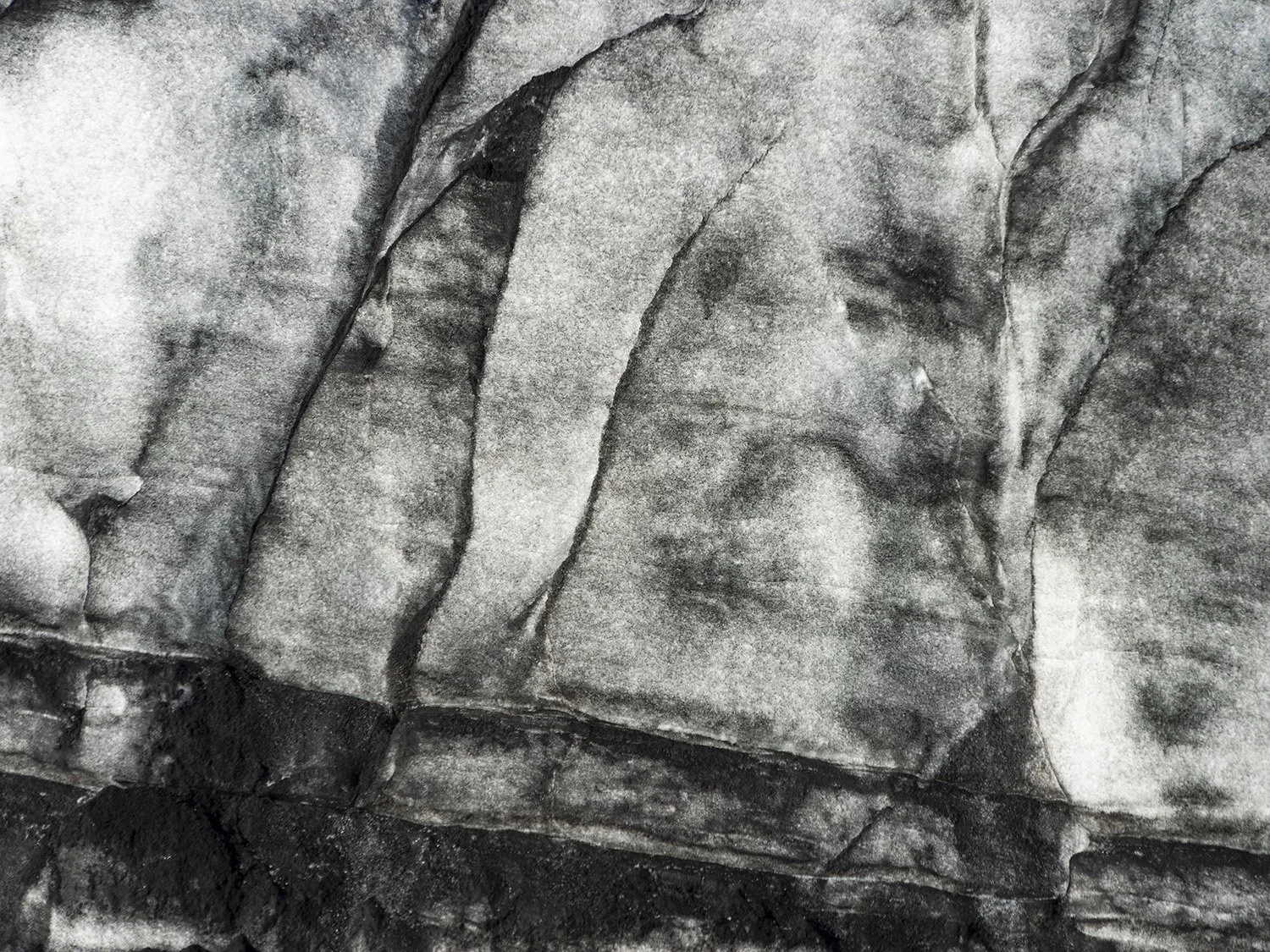
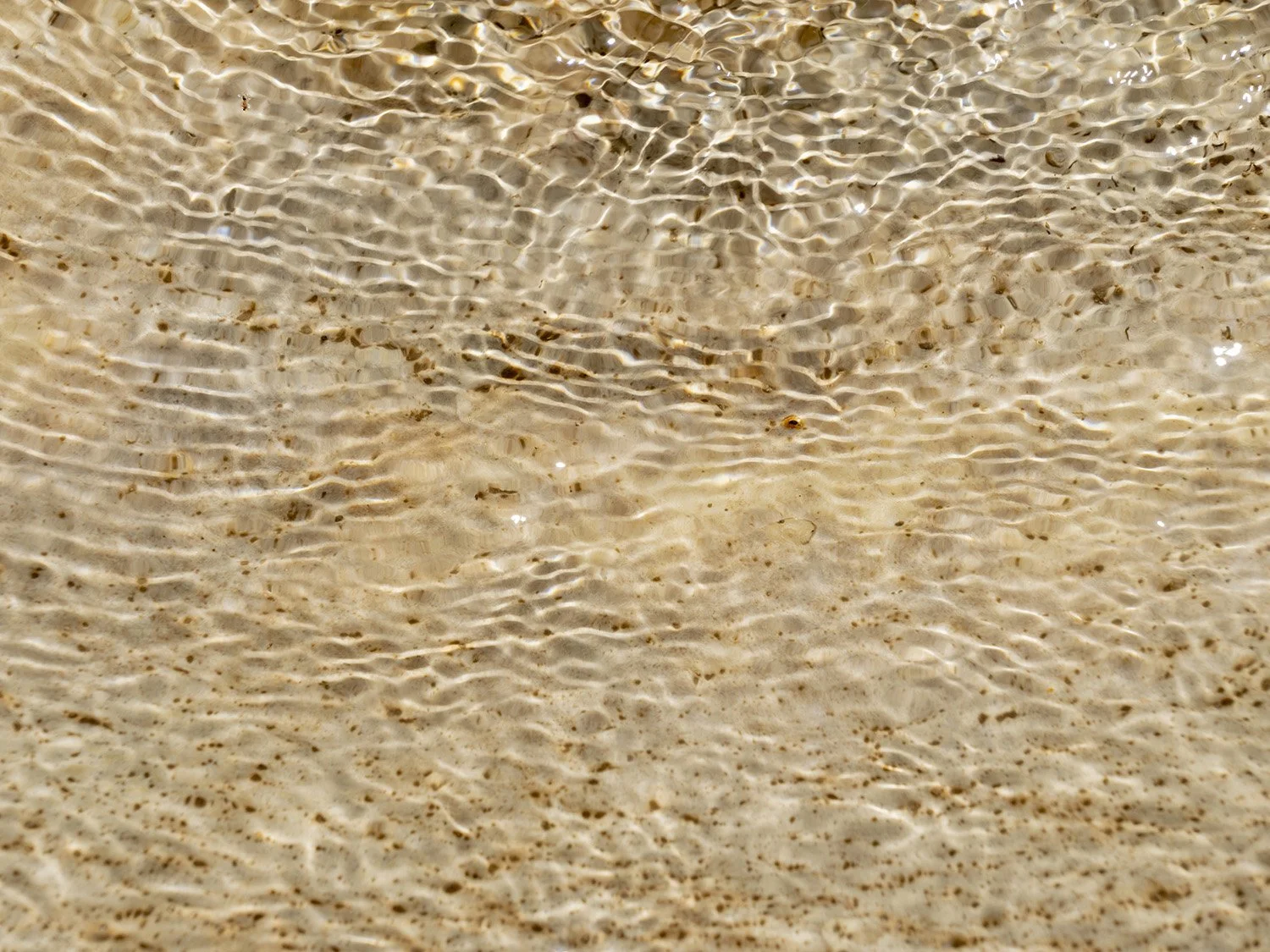
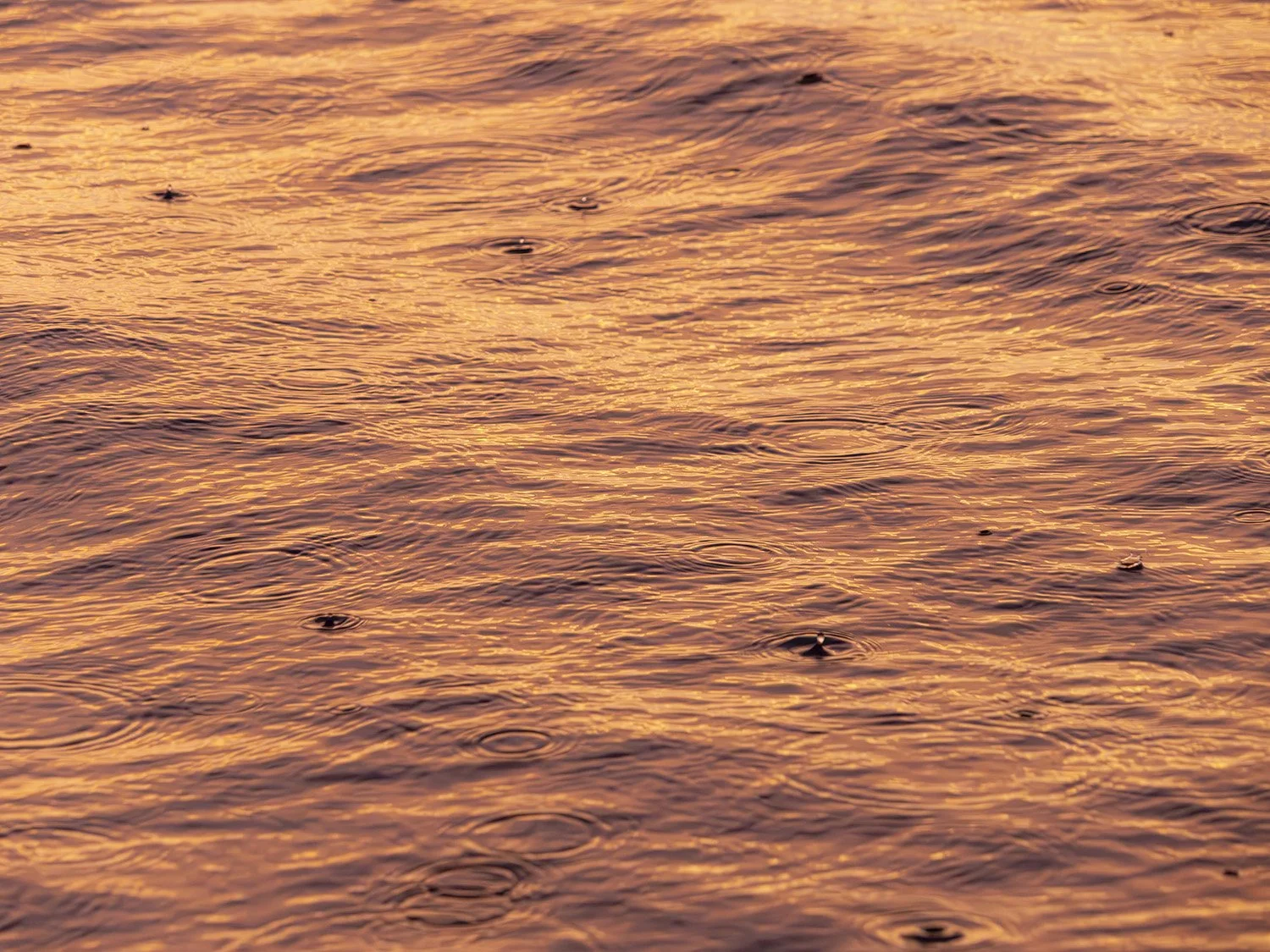
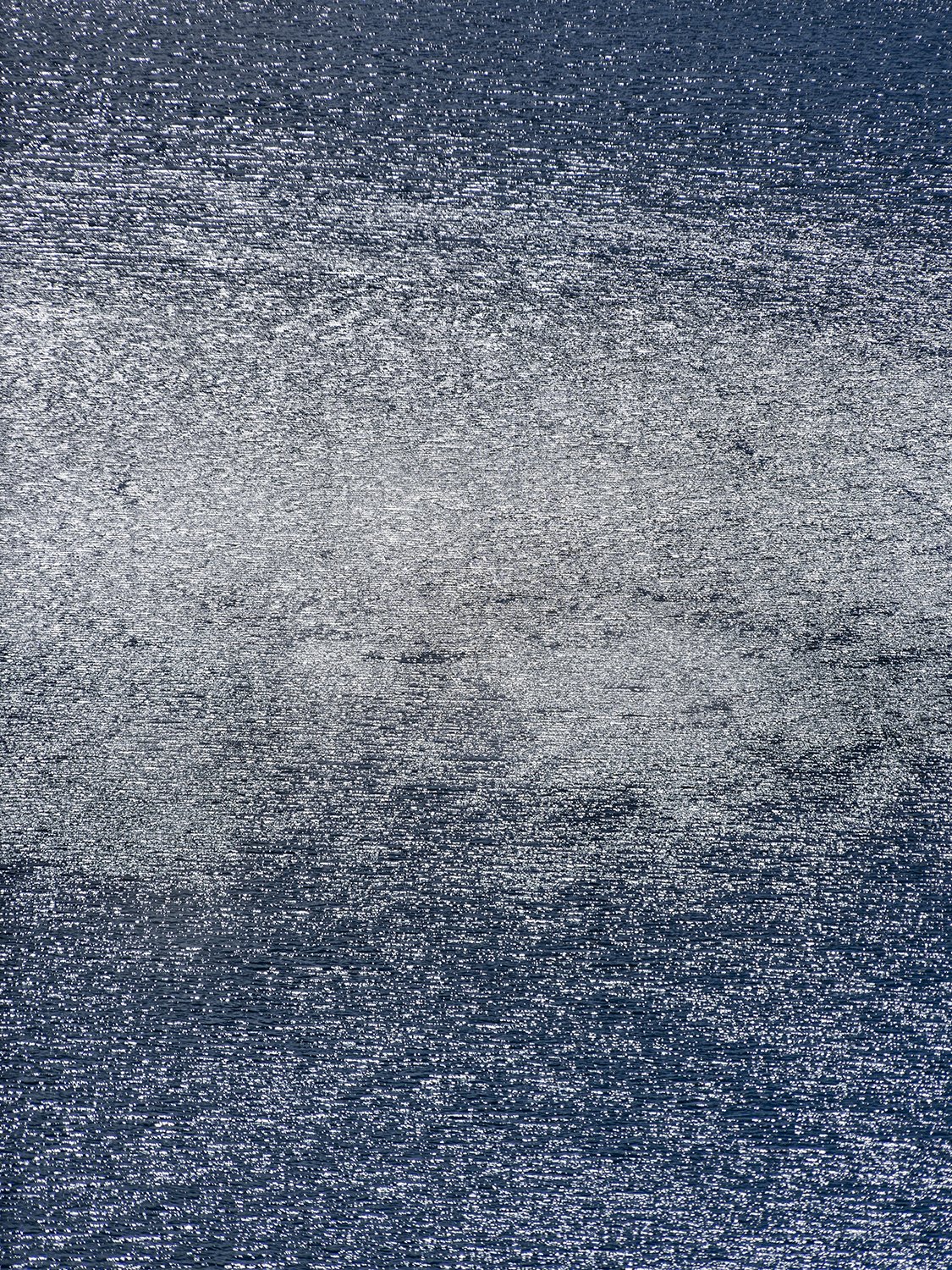
To discover more about this intriguing body of work and how you can acquire your own copy, you can find and purchase the book here. (Amazon, MW Editions)
More photography books?
We'd love to read your comments below, sharing your thoughts and insights on the artist's work. Looking forward to welcoming you back for our next [book spotlight]. See you then!
Lee Espinoza reminded Darren Vargas of his late grandfather. The photographer met the boxing coach in 2025, five years after his grandfather Esmael died. Photography Book Spotlight