How A Save The Children Assignment Became Carol Allen-Storey’s 10-Year Documentary Project About Disability, Motherhood, And Survival
Welcome to this edition of [book spotlight]. Today, we uncover the layers of 'Defying the Myth,' by Carol Allen-Storey (published by GOST Books). We'd love to read your comments below about these insights and ideas behind the artist's work.
Trust matters more than photographs in long-term documentary work.
Carol Allen-Storey discovered this through Defying the Myth, a project that began with a Save the Children assignment in 2014 and continued for more than a decade. What started as an attempt to document the reality of raising children with severe disabilities gradually became a record of friendship, resilience, exhaustion, and family life. The relationships eventually mattered more than the photographs themselves.
The camera became less important as Allen-Storey became closer to the families.
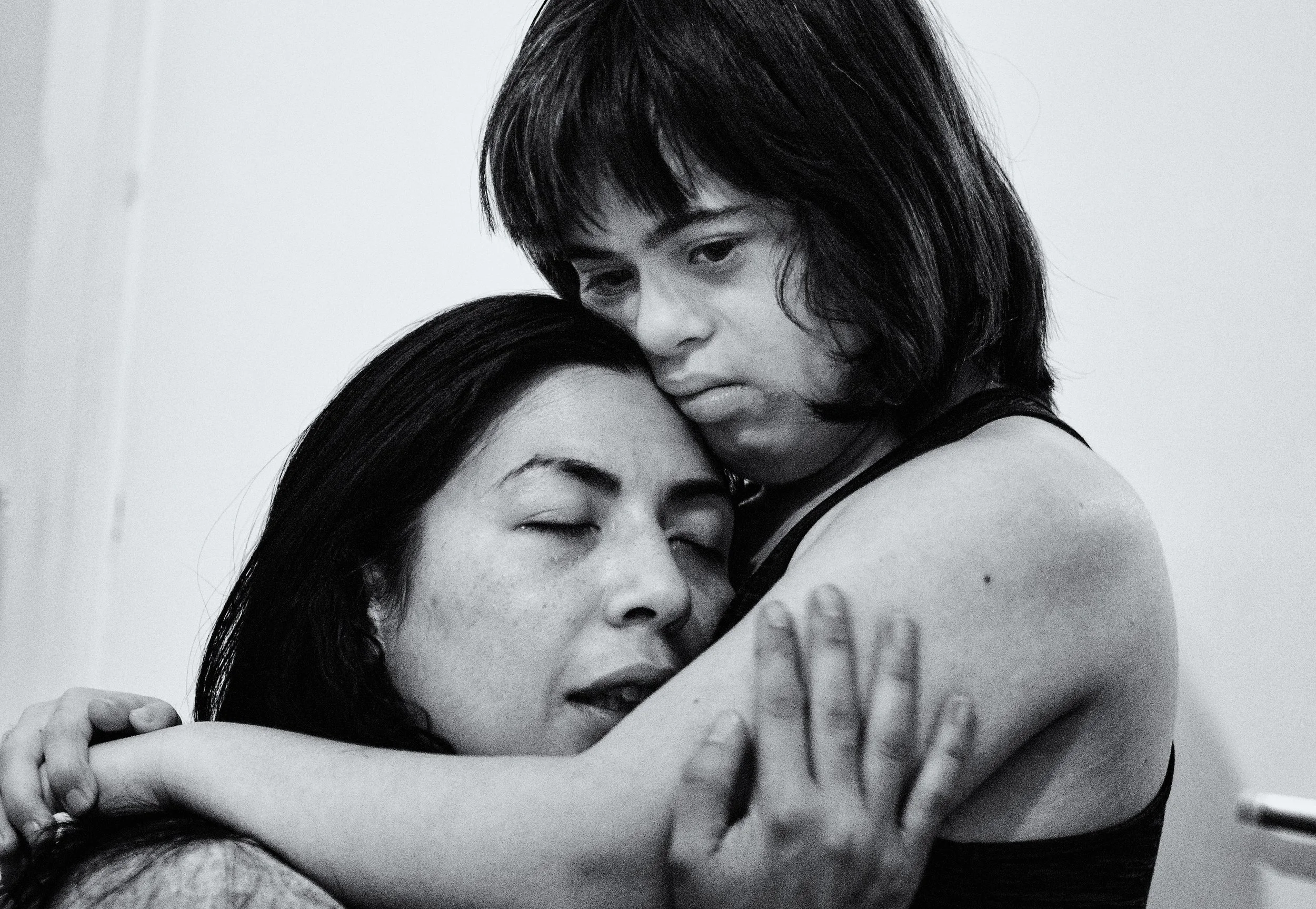
She was no longer arriving only as a photographer, but as someone the children and mothers knew and trusted. The book reflects this closeness through intimate photographs, personal texts, drawings, poems, and contributions from the families themselves. Defying the Myth is therefore not only Allen-Storey’s interpretation of their lives, but a story shaped with the people inside it.
Allen-Storey explains how patience helped her recognise meaningful moments, why some situations should remain private, and how listening can shape a documentary project before the camera is even lifted. For photographers developing long-term work, her experience offers a practical way to think about trust, boundaries, collaboration, and staying with a story long enough for its deeper meaning to appear.
The Book
Defying the Myth by Carol Allen-Storey, published by GOST Books, is a long-term documentary project about families raising children with severe disabilities. The work began in 2014 during an assignment for Save the Children and continued for more than a decade, following the daily realities of motherhood, care, medical treatment, exhaustion, love, and resilience.
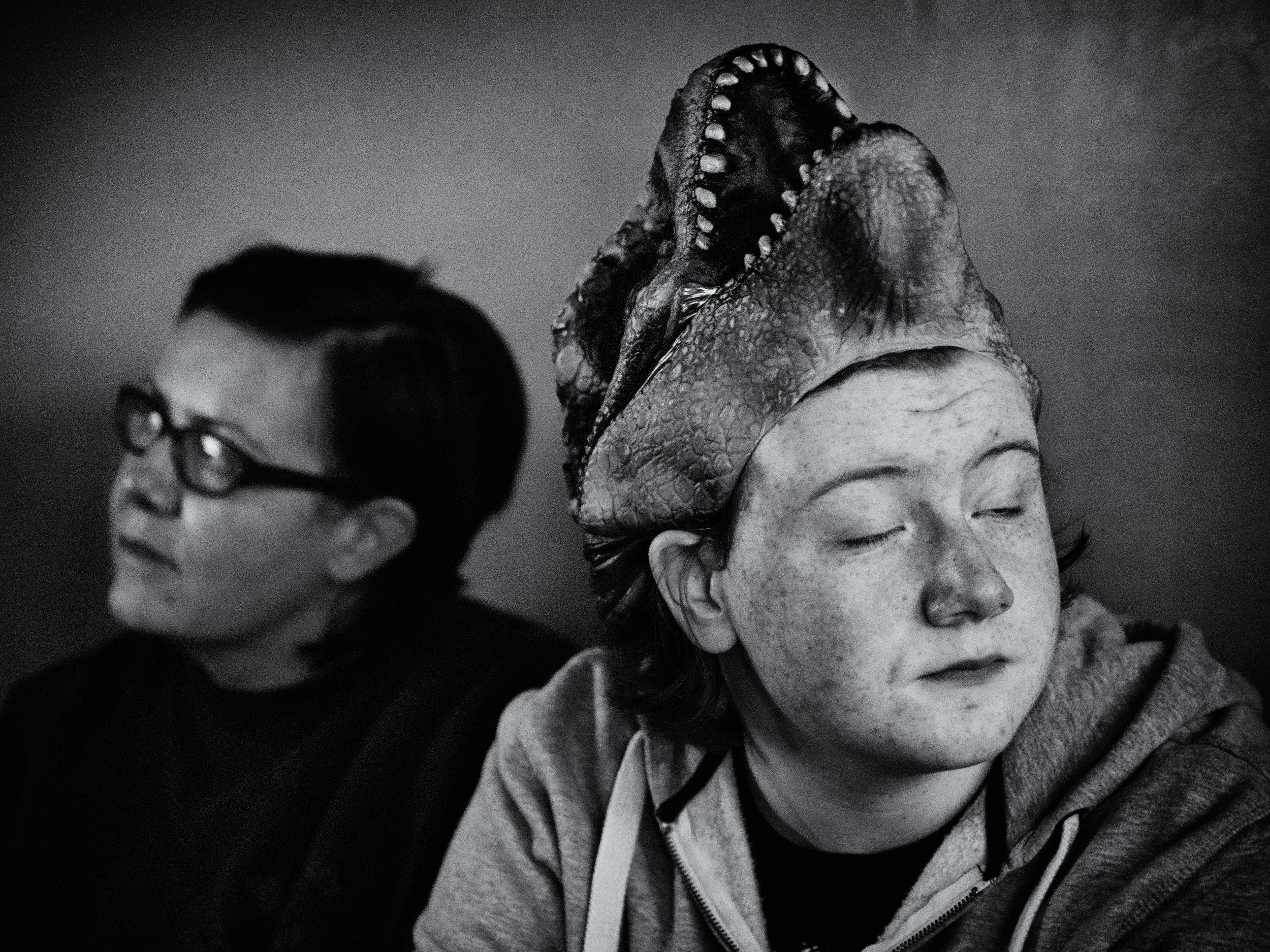
Created through close relationships with the families, the book combines Allen-Storey’s black-and-white photographs with personal writing, poetry, drawings, and contributions from the mothers, siblings, and children. Rather than presenting the families only through the photographer’s interpretation, Defying the Myth allows them to take part in shaping how their lives are represented.
The book aims to challenge assumptions about disability and make visible the emotional, practical, and social pressures carried by families, especially single mothers. At its centre is a belief that documentary photography should be built on trust, dignity, and long-term commitment. (GOST Books, Amazon)
Genesis: How did shooting one assignment for Save the Children turn into a ten-year personal project like Defying the Myth?
Some projects end when the arc of images creates a compelling story; others refuse to let you go. This personal project, Defying the Myth, continues to be ‘work in progress’, like a family.
I met Shoulana in 2014 while photographing a year-long assignment about child poverty in the UK for the NGO: Save the Children. What I encountered was not simply poverty, but the unseen weight of caring for a profoundly disabled child alone. I was struck by the quiet courage it took to navigate every day - fighting for services, challenging systems that rarely understood her family's needs, while trying to create an ordinary childhood in extraordinary circumstances.
When the commission ended, I realised the story had only just begun for me personally. The photographs had shown me something that most of us never see nor are engaged with. This, despite existing all around us. I asked Shoulana if she knew other women living similar lives, and she introduced me to Annalisa and Nicola.
Now, more than a decade later, the project has become far more than a body of work. It is a record of resilience, friendship, and trust - a testament to what can emerge when documentary photography is built not on observation alone, but on relationships that are allowed to grow over time.
Our goal is to raise public awareness about the challenges of managing these special children and the impact it has on family life, especially the trauma and mental health it has on the mothers. The key outcome of this project is to create an empathetic profile of the families and trigger a mandate to initiate opportunities to improve the quality of their lives.

Trust: You said you ask each family how they want to be photographed. How do you build that kind of trust before you even lift the camera?
Trust begins long before photography. It starts with listening.
From the very beginning, I wanted the families to understand that this was never going to be a project about observing them from the outside. It had to be something we created together. The mothers wanted to be seen and heard. They wanted the world to understand the realities of raising a child with severe disabilities - the love, the exhaustion, the bureaucracy, the isolation, and the resilience that so often goes unnoticed. My role was to help create a platform where those voices could be heard with dignity and honesty through the medium of visual storytelling.
After ten years plus of intimacy, sharing, the relationships matter far more than the photographs. The camera has become secondary. It is simply the tool that allowed these remarkable women and wider family to tell their own stories with their voice.
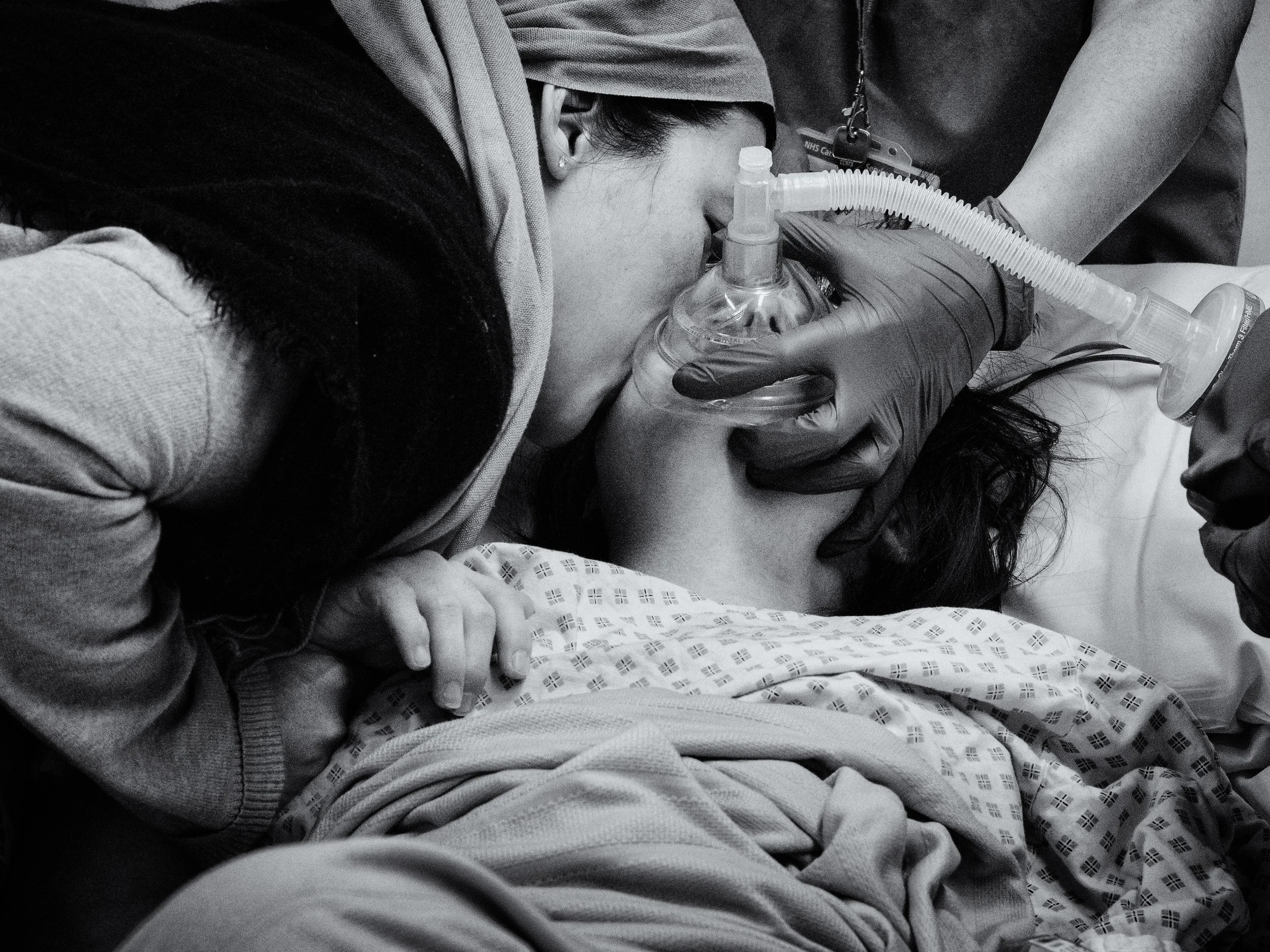
Access: Some photos are shot super close, even inside hospital rooms. How do you get that near without the moment feeling fake or forced?
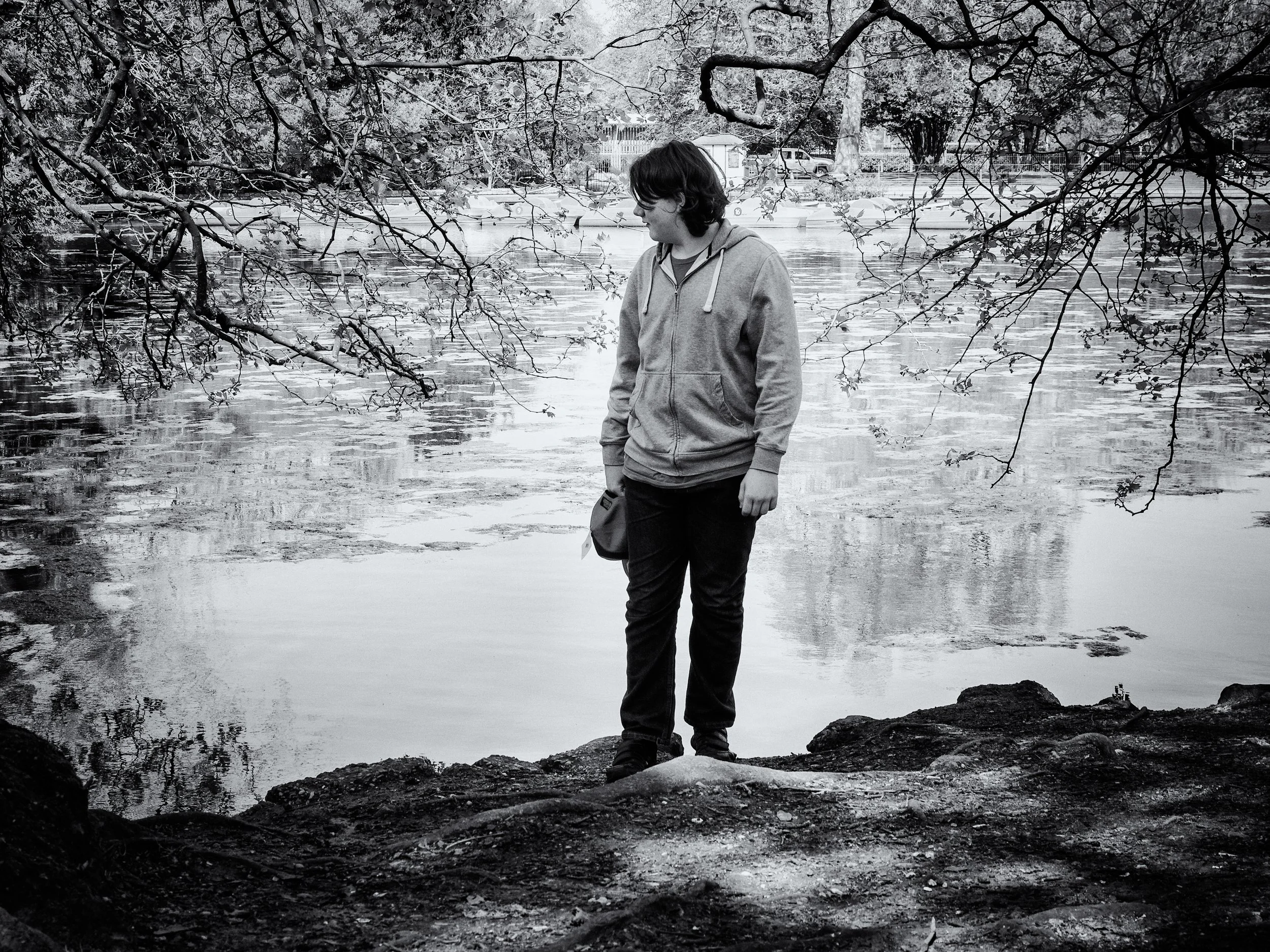
After years together, the camera became almost incidental, invisible - an unseen extension of me. I was no longer arriving as the photographer; I had become part of the family. The children barely noticed the camera anymore because they knew me first and the camera second.
I wasn't there to capture dramatic moments; I was simply present as life unfolded. The photographs are intimate because the relationships became intimate long before the pictures were made.
Black and white: Why did you choose black and white for this whole book instead of colour?
With black and white photography, the soul emits a light that is obfuscated in the diffusion of a colour spectrum. Emotions are stronger as black & white photography strips away distracting fashion, it doesn’t date, it is classic, it removes the distractions of the world and leaves us with emotion. The families come from different cultures and backgrounds, yet their experiences speak a common language. Colour would have divided and distracted.
Black and white allowed me to unify those lives and strip the images back to what mattered most: love, resilience, exhaustion, and hope. It gives the work a timelessness that colour would have interrupted.
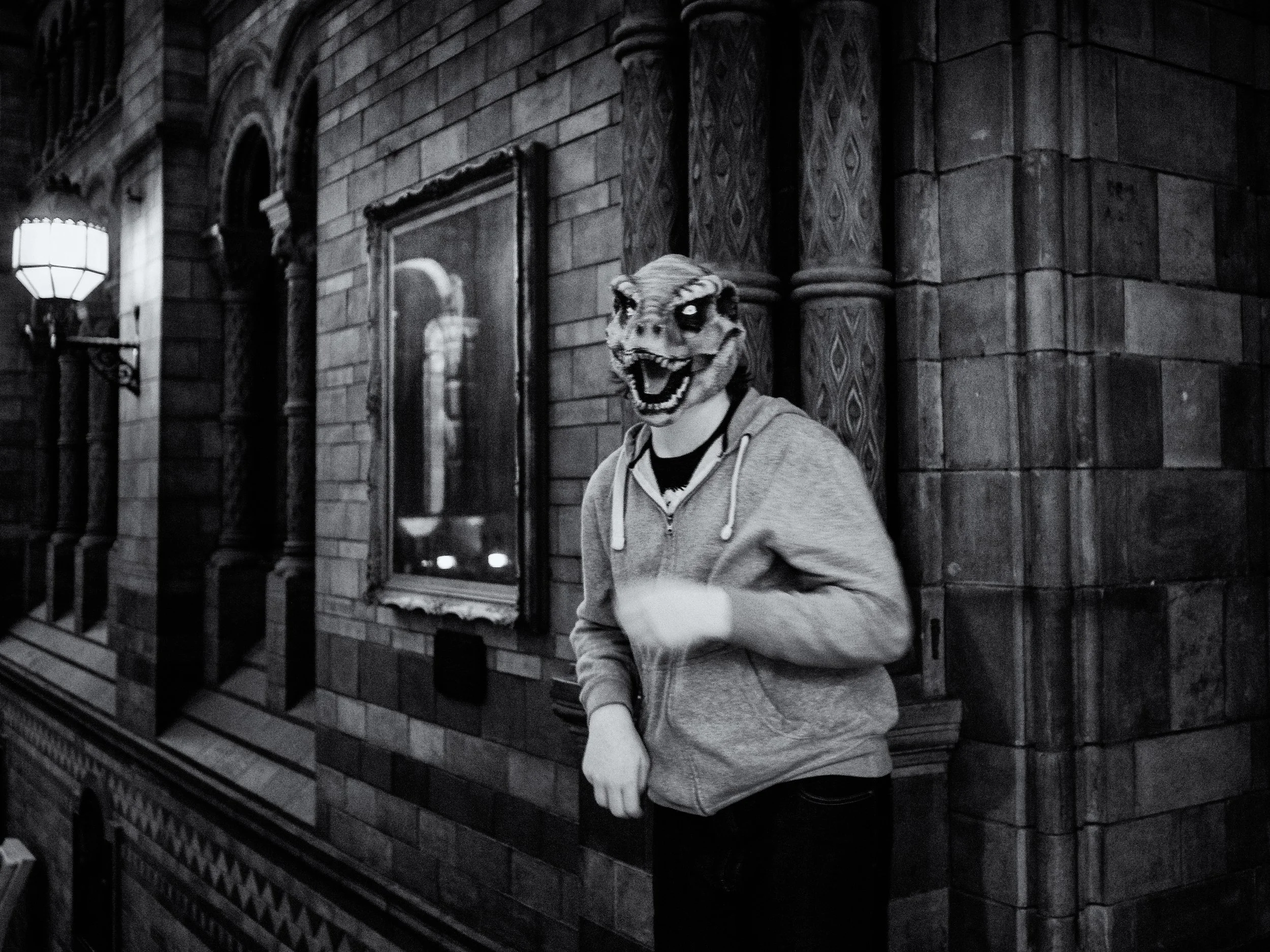
Light: A lot of these shots use hard shadows and low light, like the aquarium and nighttime photos. What is your approach to working with difficult light like that?
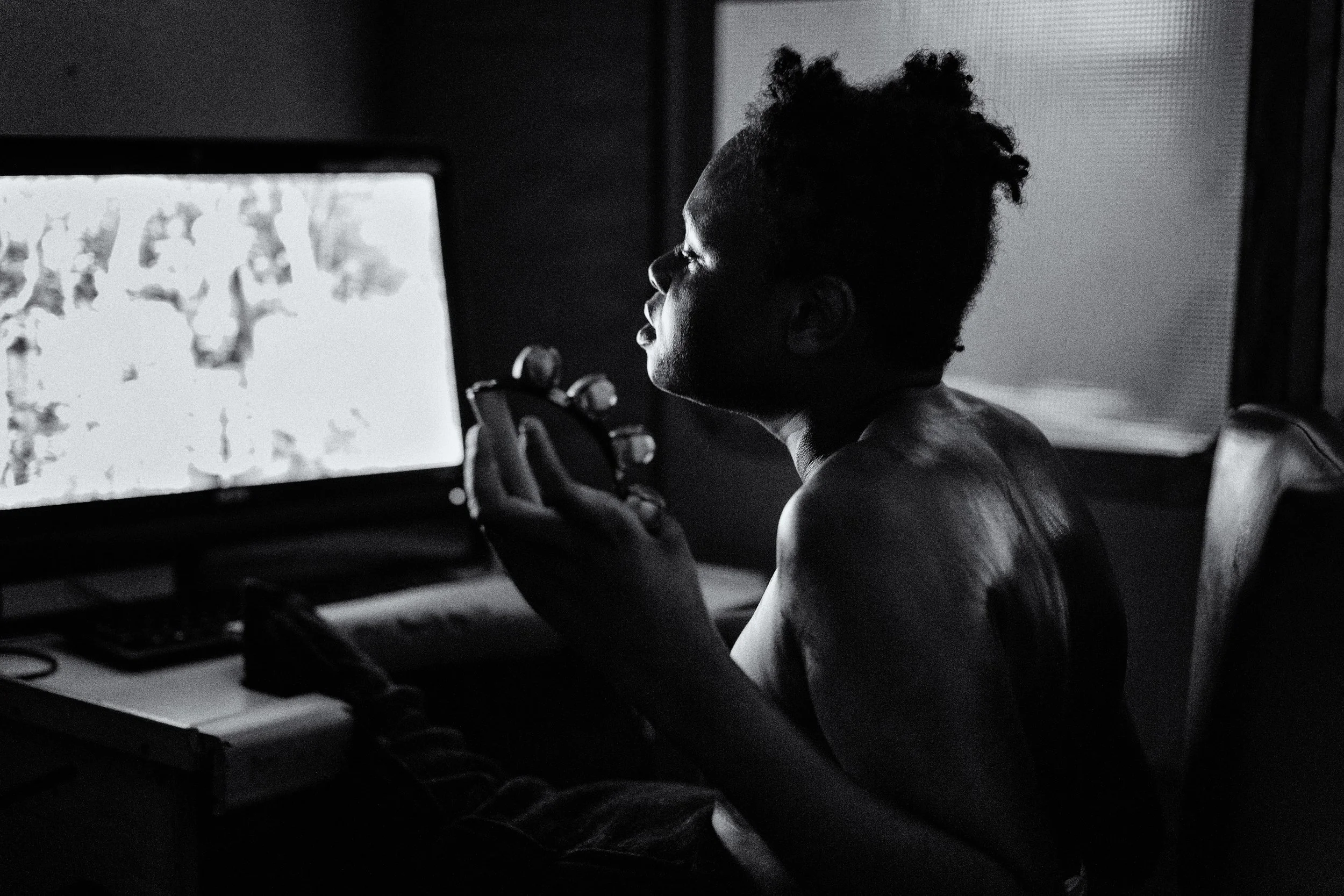
I tried to let the available light carry the emotional atmosphere.
Sometimes darkness tells the truth more honestly than brightness.
Beyond that, my brand of photography is to allow natural light, rather than artificial, to reflect what the naked eye is gazing.
Collaboration: You gave the families small prints and asked them to write captions. How did letting them shape the story change the pictures you took?
Very early on, I realised this couldn't simply be my interpretation of their lives. The project became a collaboration, with every family contributing something of themselves beyond the photographs.
They are all creative in different ways. Shoulana's mother is a poet and wrote deeply moving poems about her grandson, Mekhey. Maria's brother and sister, Jaffa and Duja, are gifted artists and designers, and I wanted their creativity to become part of the narrative too.
The book includes drawings by Kallan, Maria, Jaffa, and Duja, alongside words from all the mothers, the brothers and sisters, intimate words, and Nelissa, Shoulana’s mother, a gifted published poet. Their voices sit alongside my photographs rather than beneath them.
Defying the Myth isn't simply about photographs - it is about creating a space where these families could represent themselves in their own words. It is their story.
Boundaries: Autism and disability can involve moments that are private or hard to witness, like meltdowns or medical procedures. How do you know when to lift the camera and when to put it down?
If a situation becomes too emotionally overwhelming or deeply personal for the family, I stop photographing. Some moments are not meant to be witnessed through a lens; they call for presence, privacy, and respect.
The trust they have placed in me has always been far more valuable than any single image.
Long-term work: What is different about shooting a project for over ten years compared to a normal assignment, in terms of planning and consistency?
Long-term work teaches you that the real story is time itself. Children become adults, dreams evolve, friendships deepen, and lives unfold in ways you could never predict. The greatest lesson is patience. You stop chasing moments and begin recognising them, understanding that the quiet, ordinary days are often the ones that matter most.
The project didn't stop when the camera was put away. During lockdown, we met every week on Zoom to talk, support one another, and simply check in on how everyone was coping. Those conversations became as important as the photographs.

Purpose: You have said photos cannot do the moral work for us but can start social consciousness. What do you want a photography reader to take from that when they pick up a camera for their own long-term story?
Photography cannot change the world on its own, but it can change the way we look at it.
Before making photographs, learn to listen, observe without prejudice. Build relationships before building stories. If an image invites someone to replace judgement with empathy, then it has already begun to do something important. Every meaningful documentary project begins with an idea, not a camera.
My photographic practice specialises in chronicling complex humanitarian and social issues, especially amongst women and children. It is a personal mandate that the images created are intimate, dignified, and honour the sitters. I initiated this work because I had witnessed the trauma and travail of families that have disabled progeny, with meagre support. It is my aim that all those who view this essay will have a more empathetic understanding of what the reality is for families, especially single mothers - raising children with special needs and, as importantly, an awareness of what is needed to improve their quality of life. To be proactive!




To discover more about this intriguing body of work and how you can acquire your own copy, you can find and purchase the book here. (GOST Books, Amazon)
More photography books?
We'd love to read your comments below, sharing your thoughts and insights on the artist's work. Looking forward to welcoming you back for our next [book spotlight]. See you then!

Lee Espinoza reminded Darren Vargas of his late grandfather. The photographer met the boxing coach in 2025, five years after his grandfather Esmael died. Photography Book Spotlight