Filamenta Turns Fishing Industry Waste Into 213 Black-And-White Images About Beauty, Violence, And Vanishing Underwater Life.
Welcome to this edition of [book spotlight]. Today, we uncover the layers of 'Filamenta,' by K49814 (published by Kehrer Verlag). We'd love to read your comments below about these insights and ideas behind the artist's work.
Filamenta begins with what the fishing industry throws away.
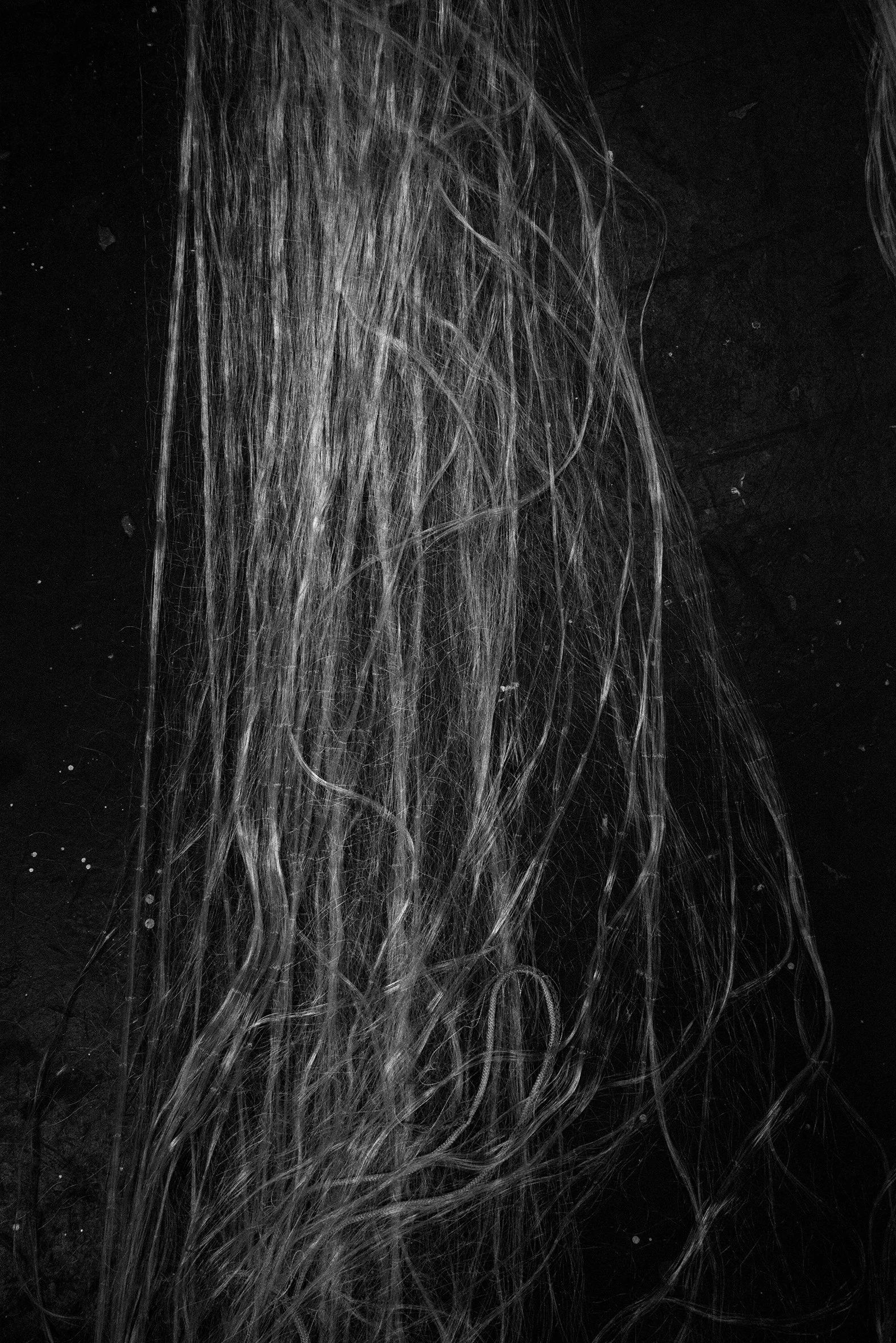
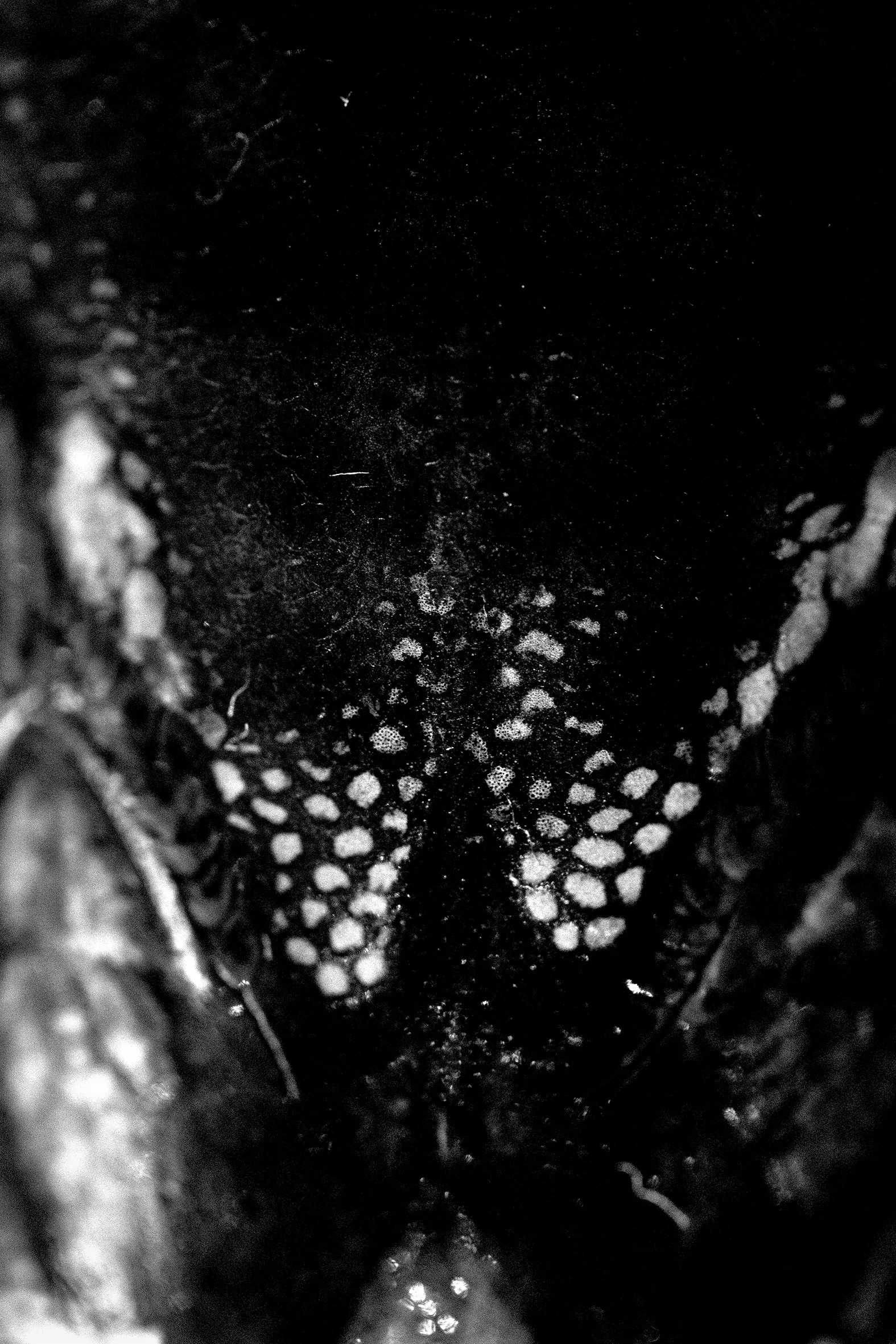
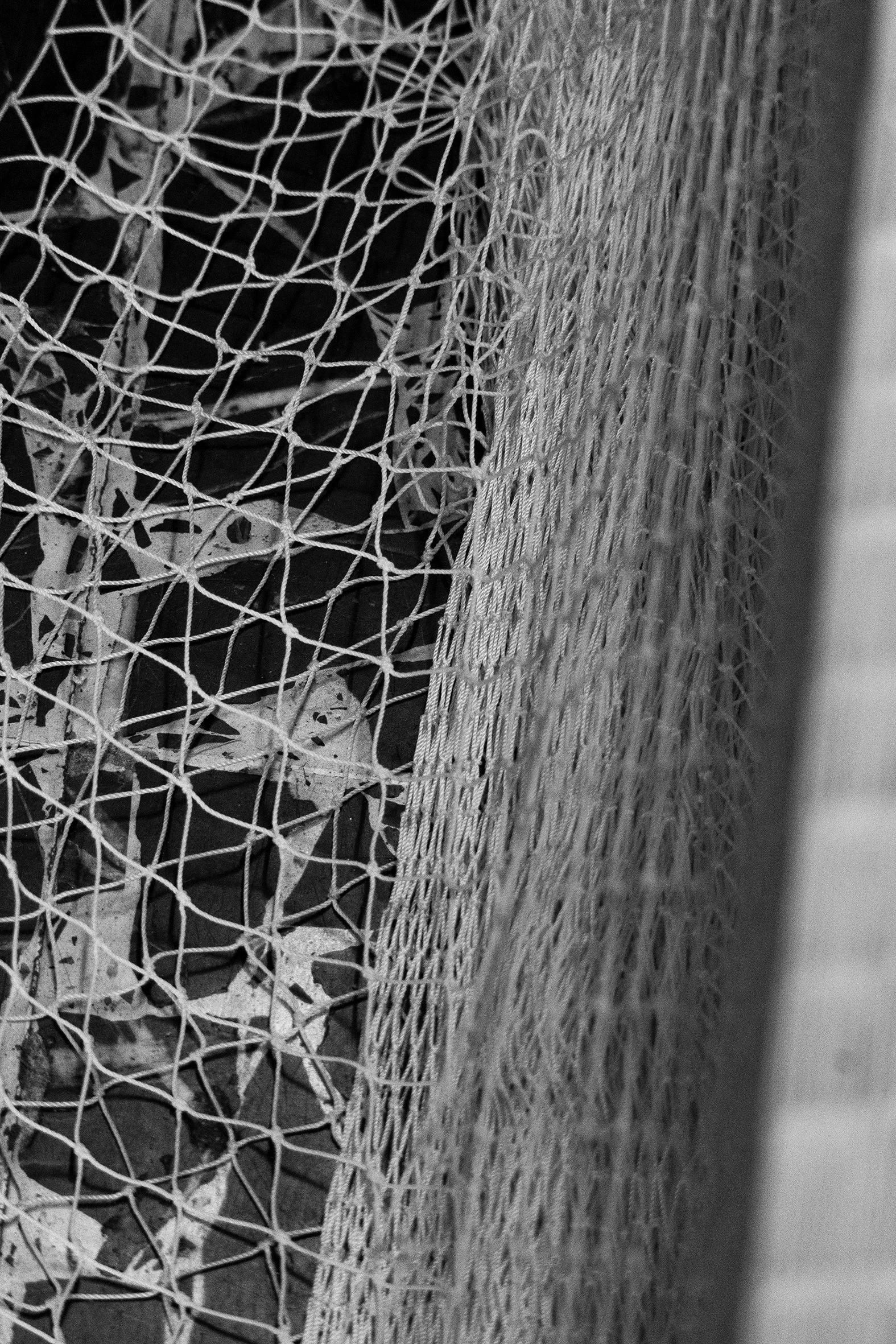
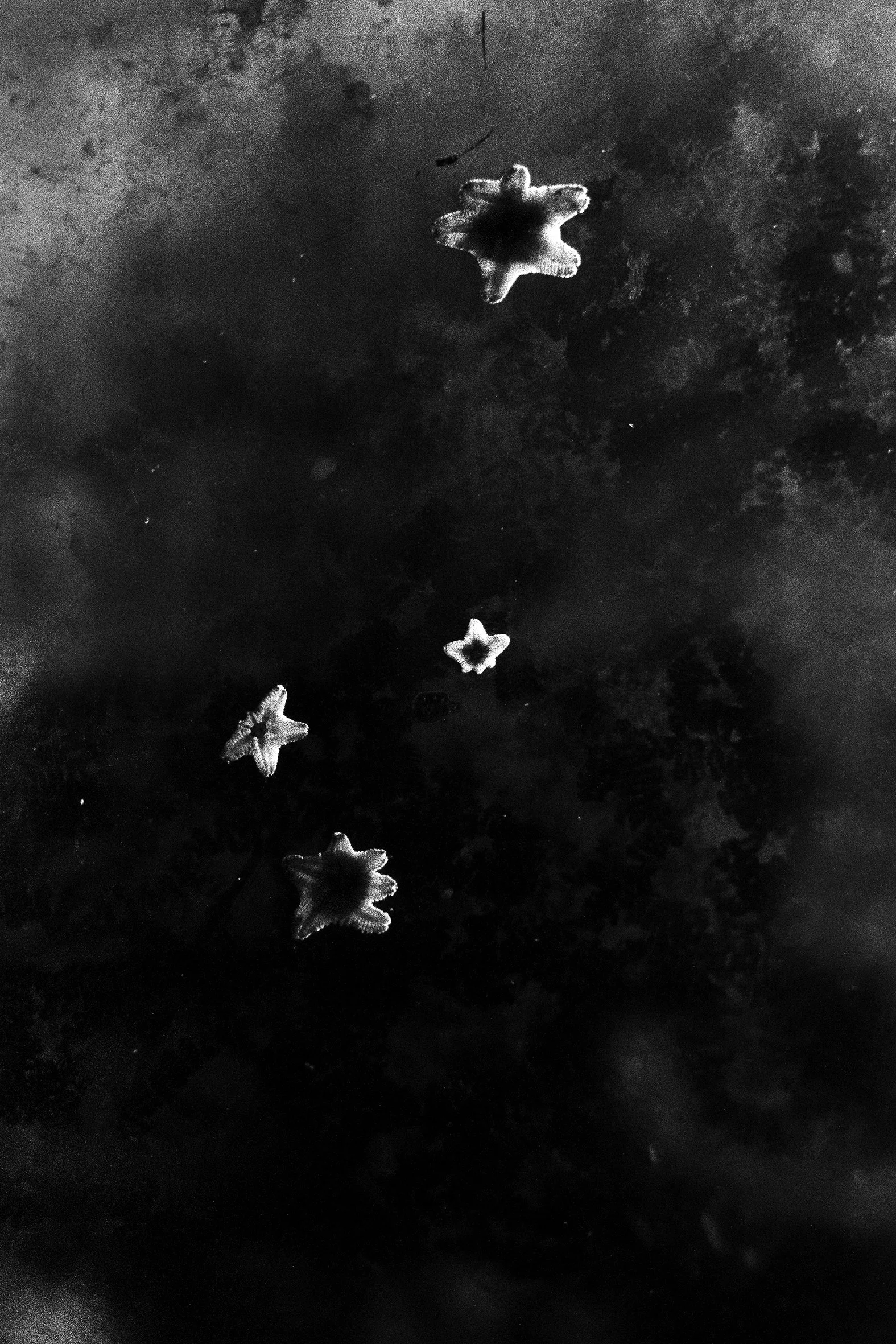
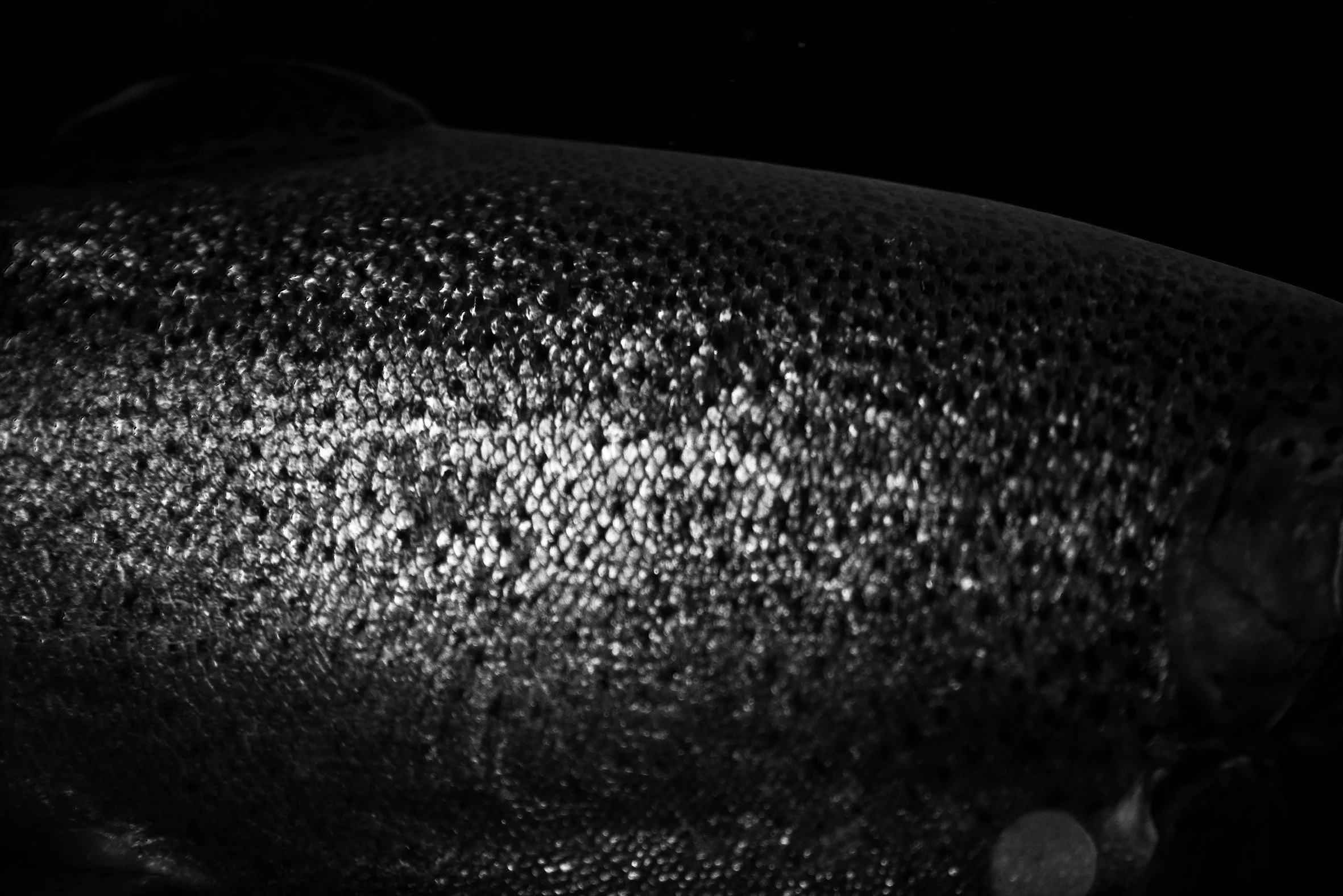
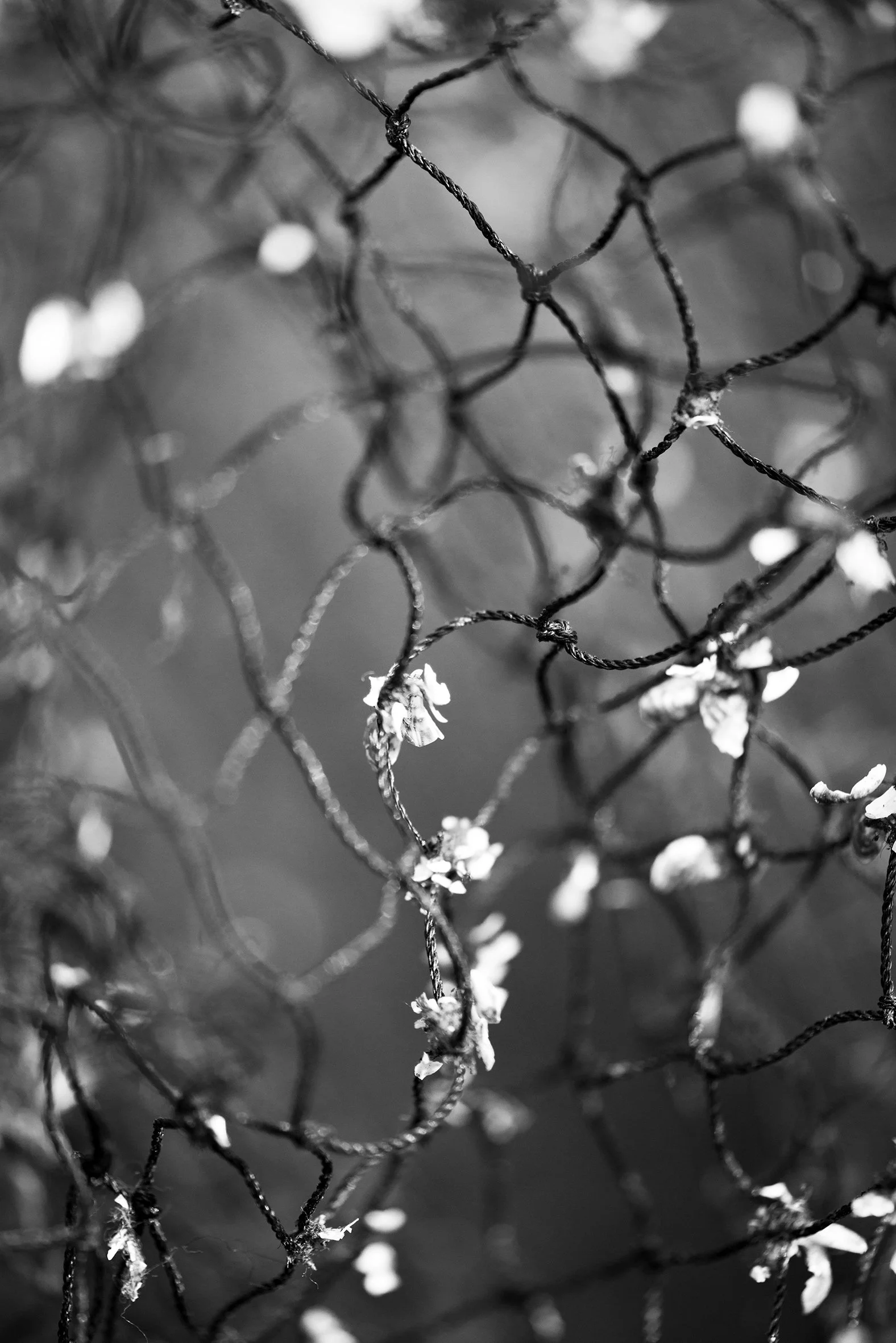
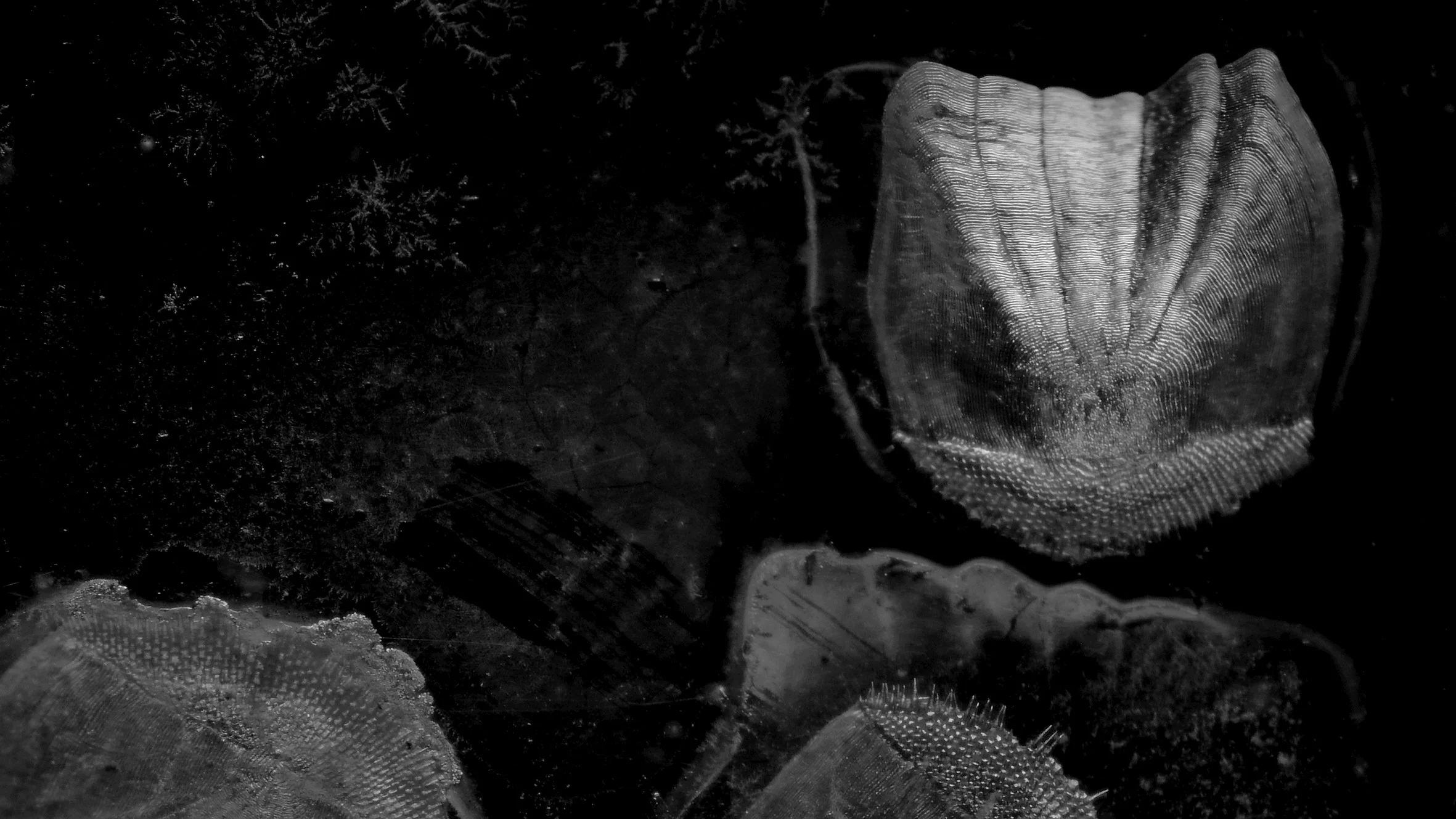
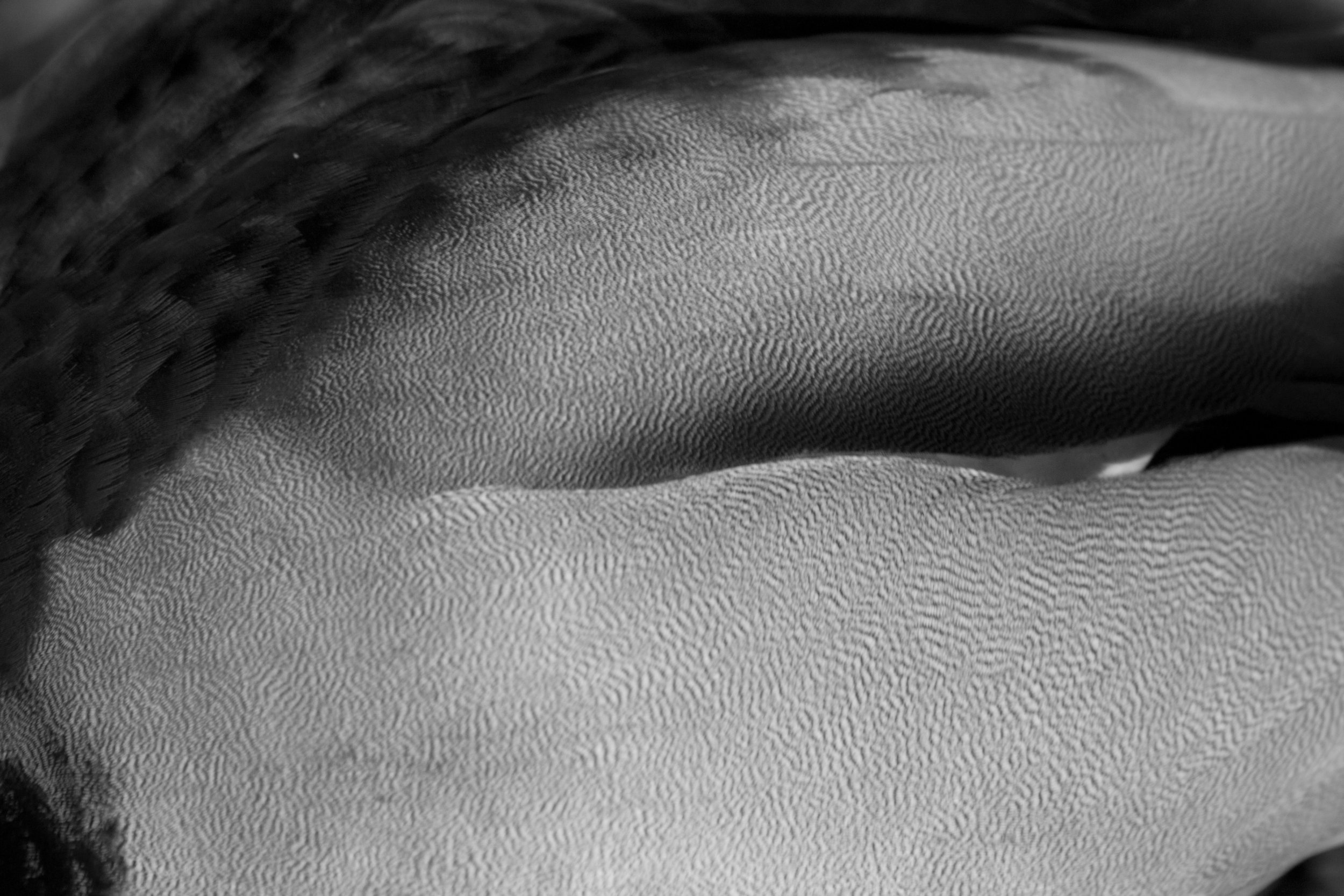
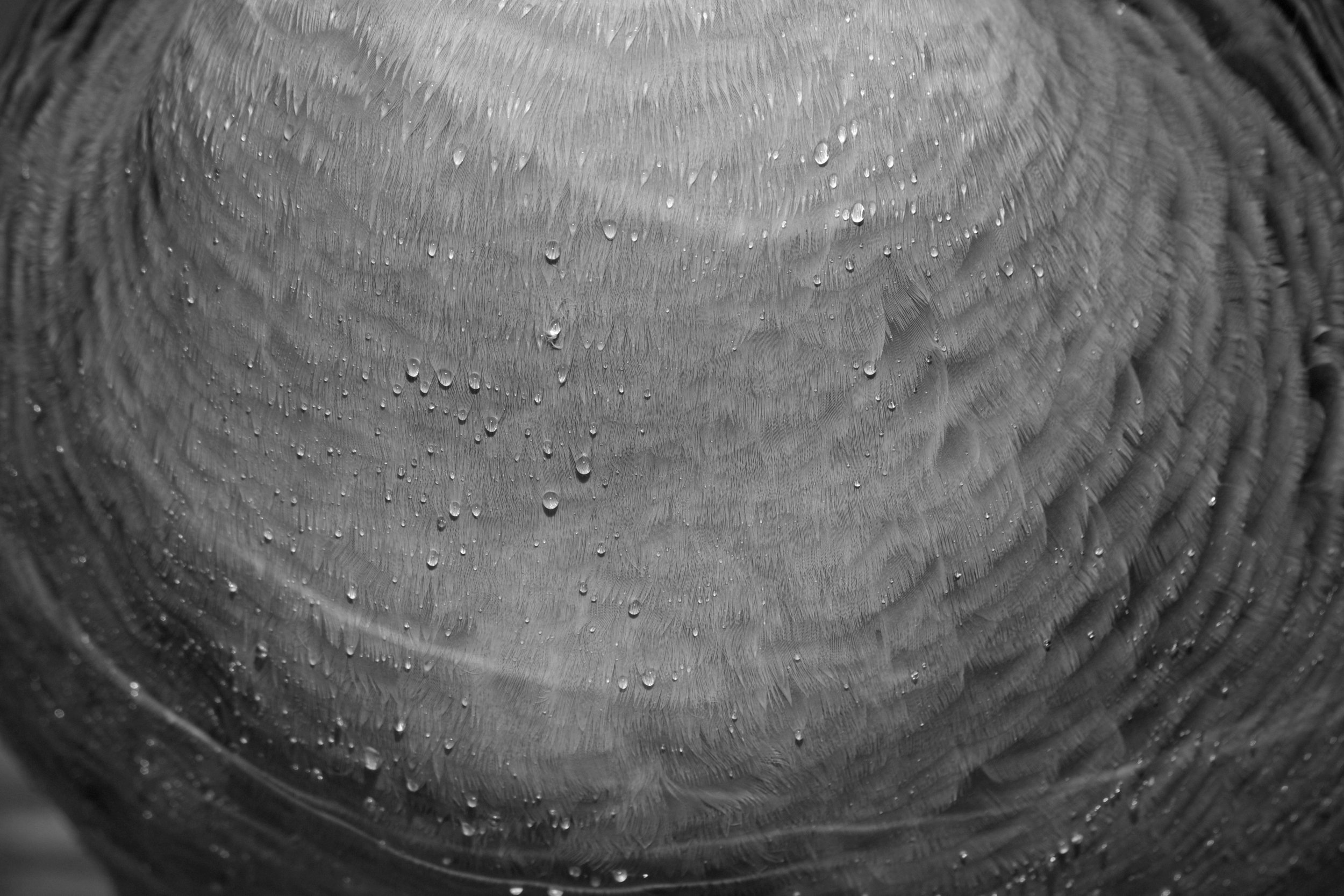
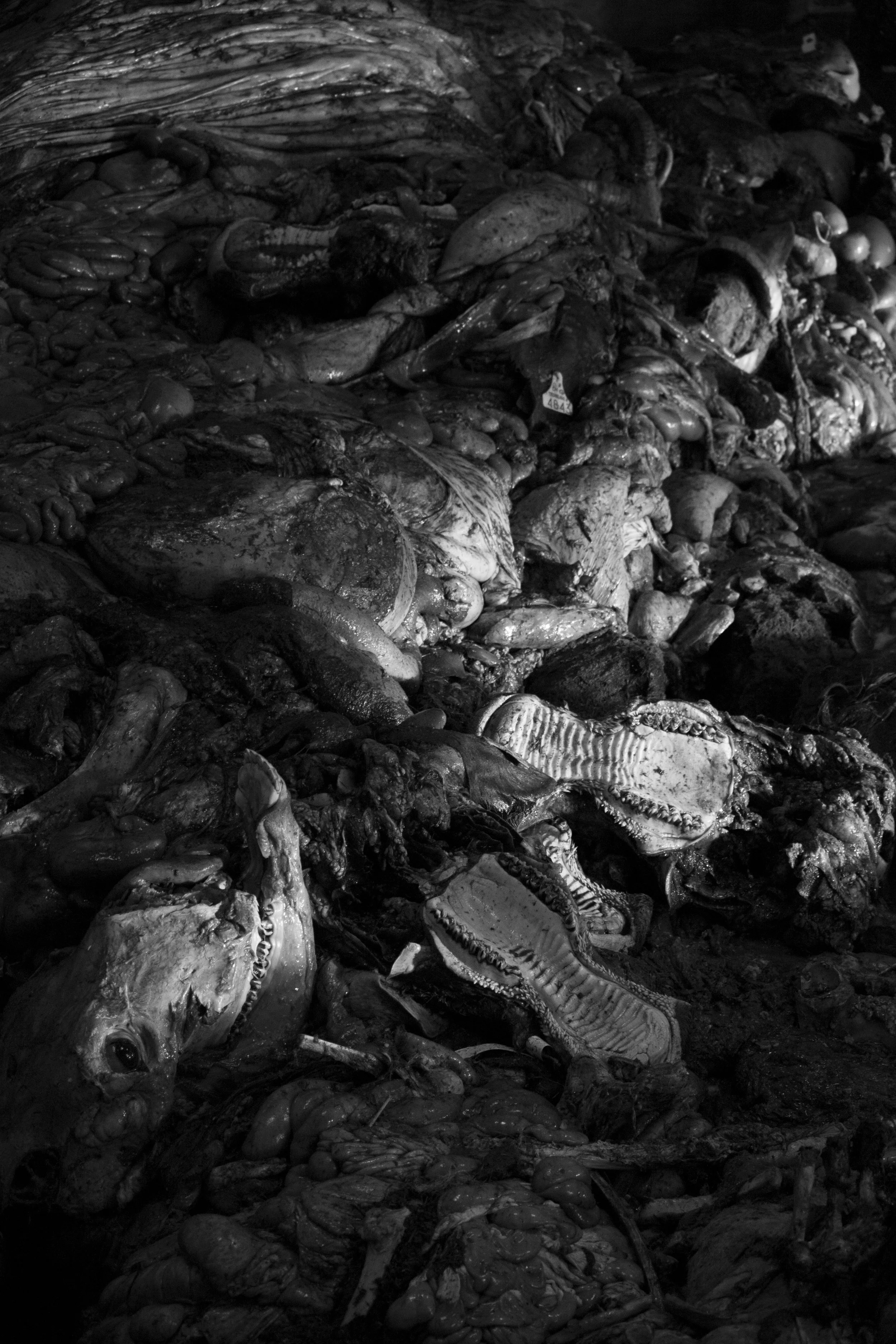
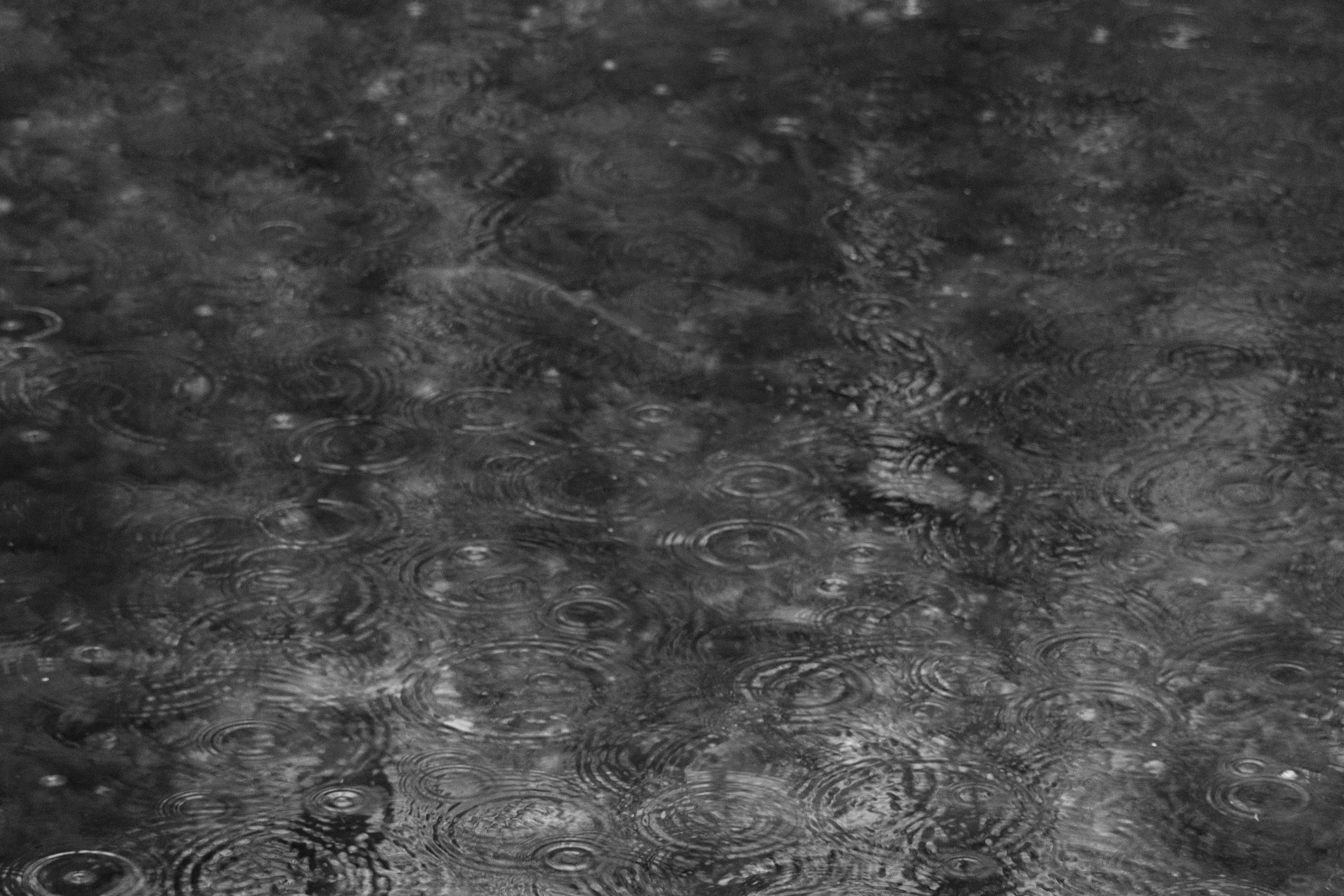
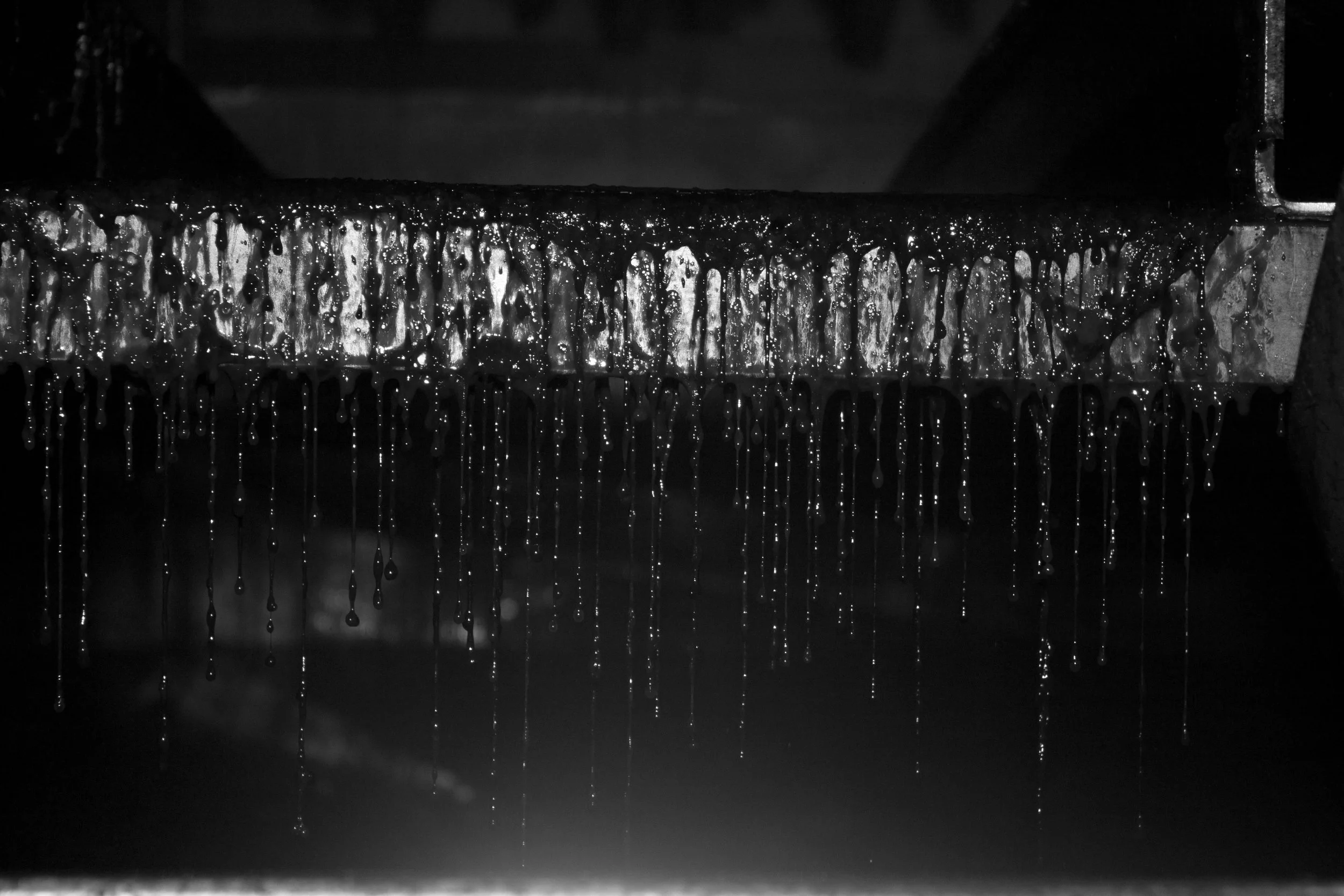
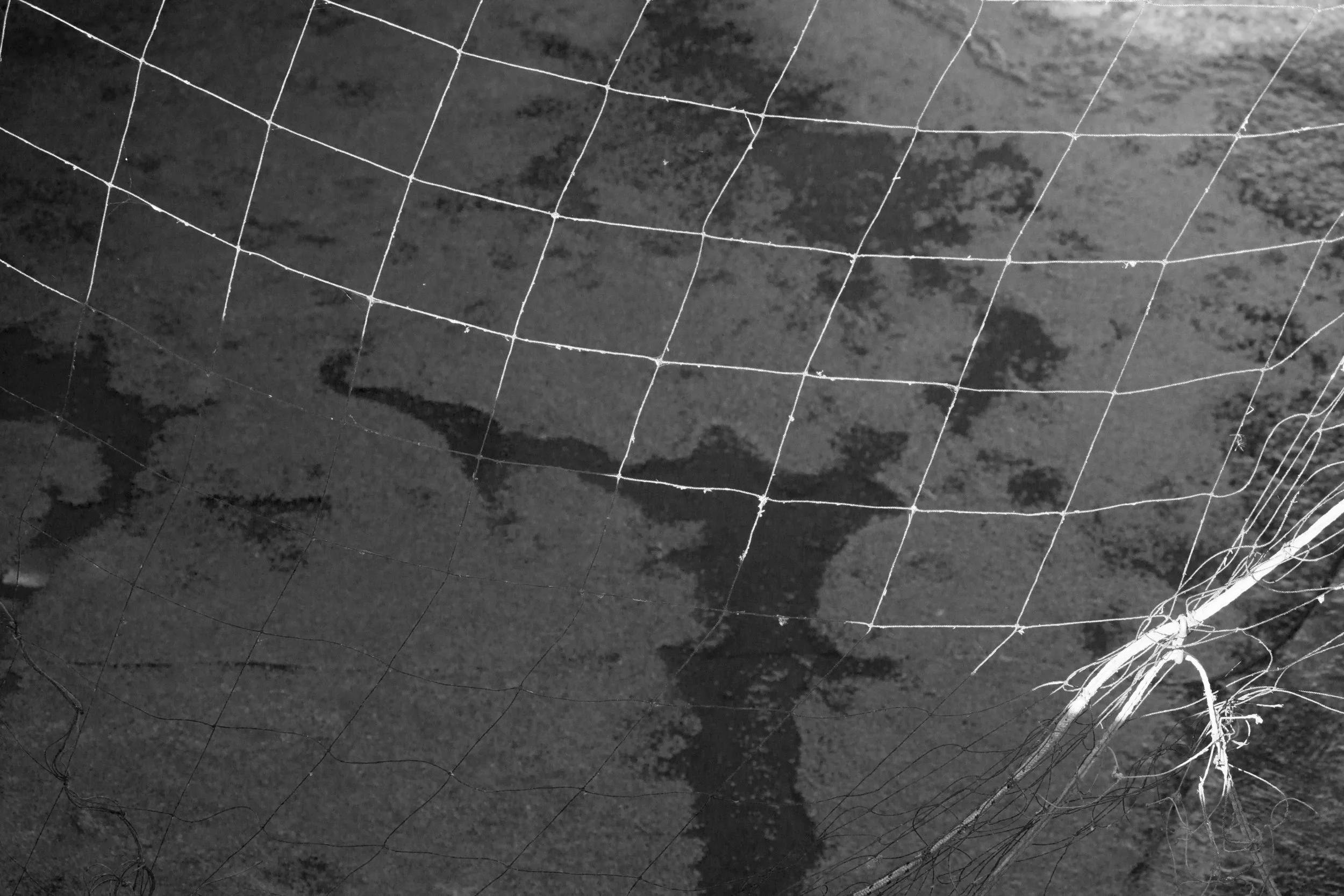
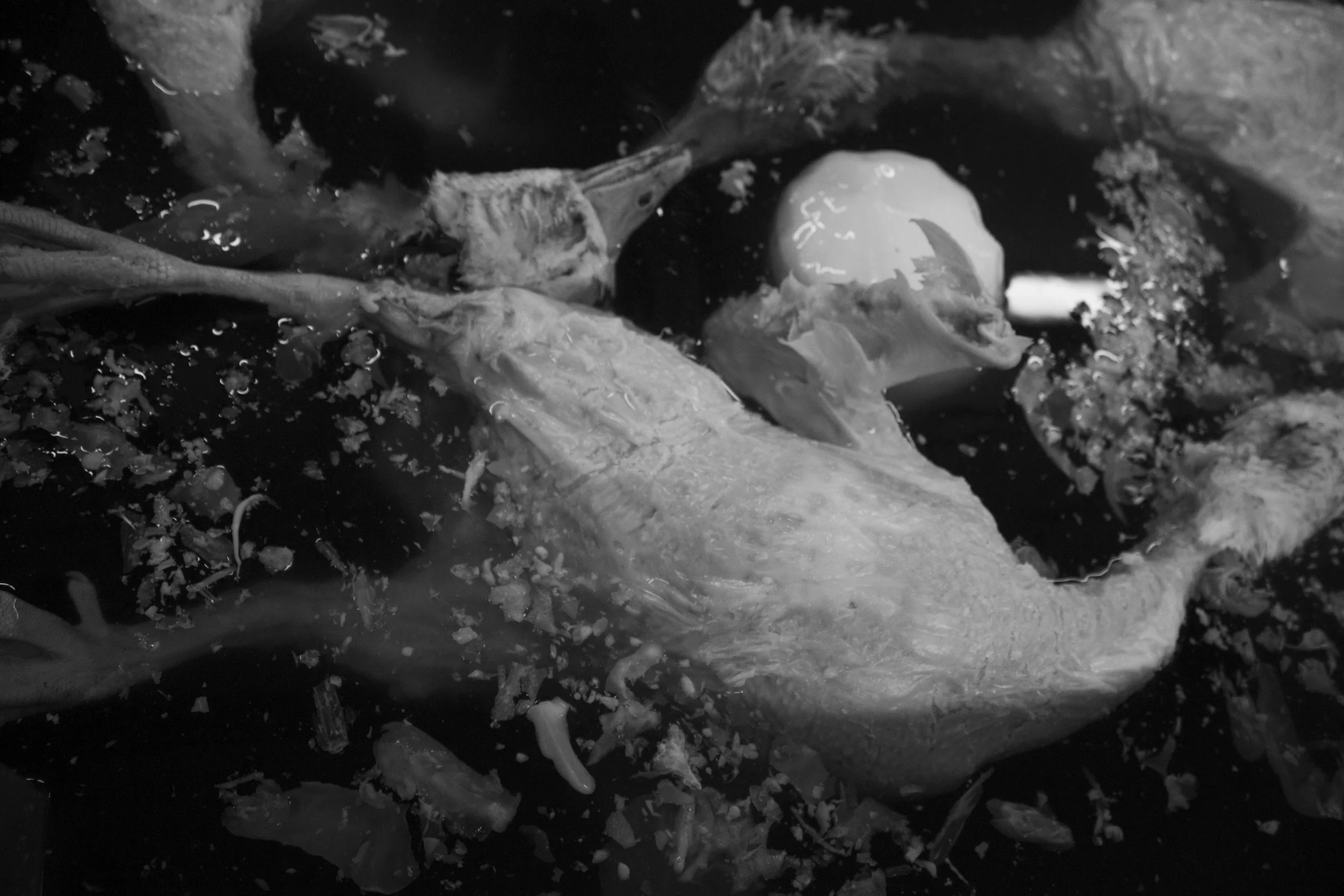
Fish scales, swim bladders, blood vessels, nets, and other remains become the material of K49814’s book. Over 7 years, the artist photographed these fragile leftovers in black and white, turning waste from the fishing industry into 213 images and 61 visual stories. The result is not a simple protest book, but a quiet and disturbing work about beauty, violence, and vanishing underwater life.
The project started with one fish scale found near the River Elbe.
For K49814, that small object opened a whole hidden world of patterns, bodies, memories, and suffering. The artist later collected more than 2.5 tonnes of discarded fish scales, washed them, dried them, and looked at them closely until they became something more than waste. In the interview, the artist later speaks about overfishing, slaughterhouses, Buddhist emptiness, animal suffering, and why beauty can sometimes reach people more deeply than shock.
This interview gives a practical lesson in attention: how a project can begin with one overlooked object, grow through years of patient work, and turn difficult material into images that people are still willing to face. It also shows how an artist can speak about violence without only showing violence, and how poetry can become a form of witness.
The Book
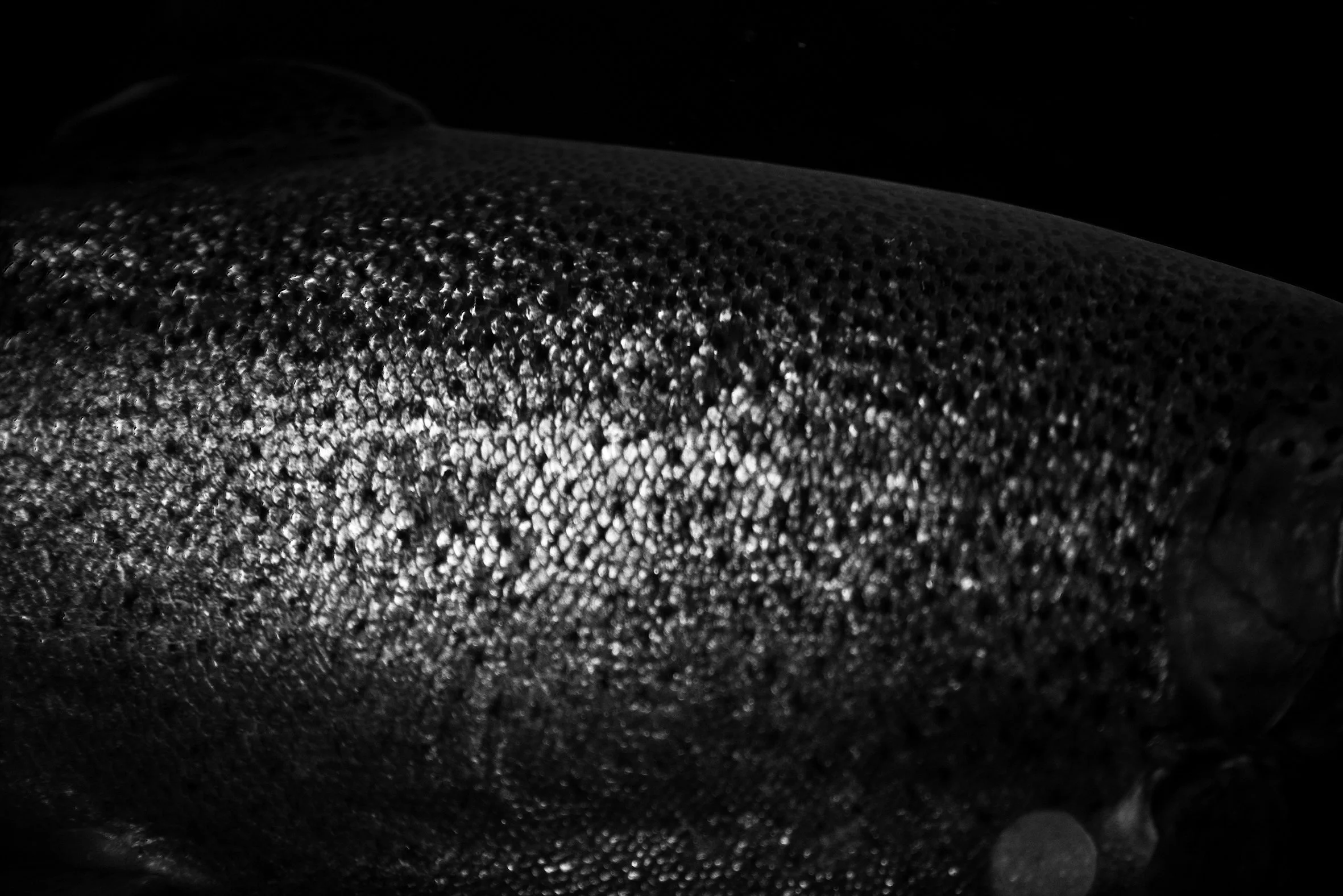
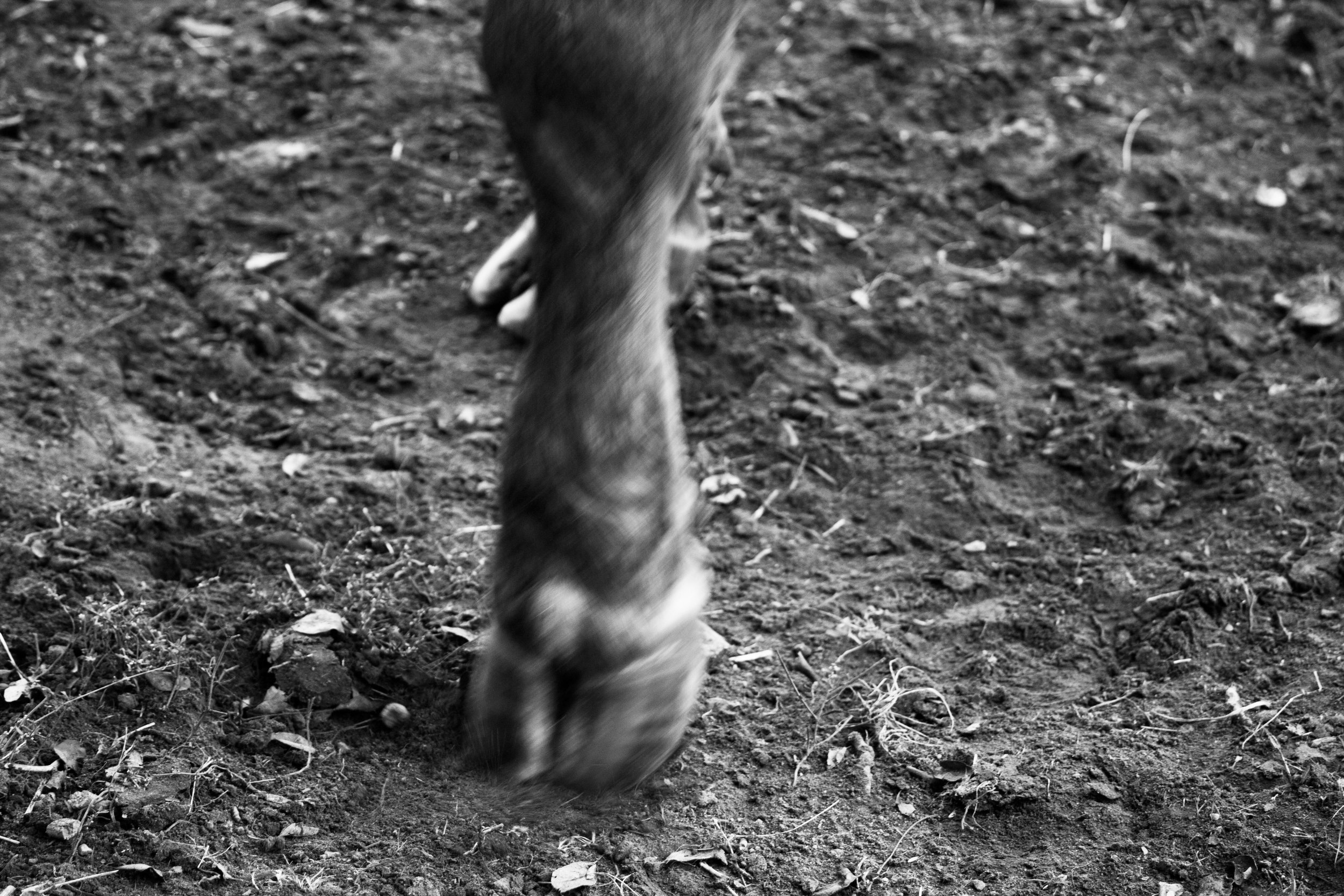
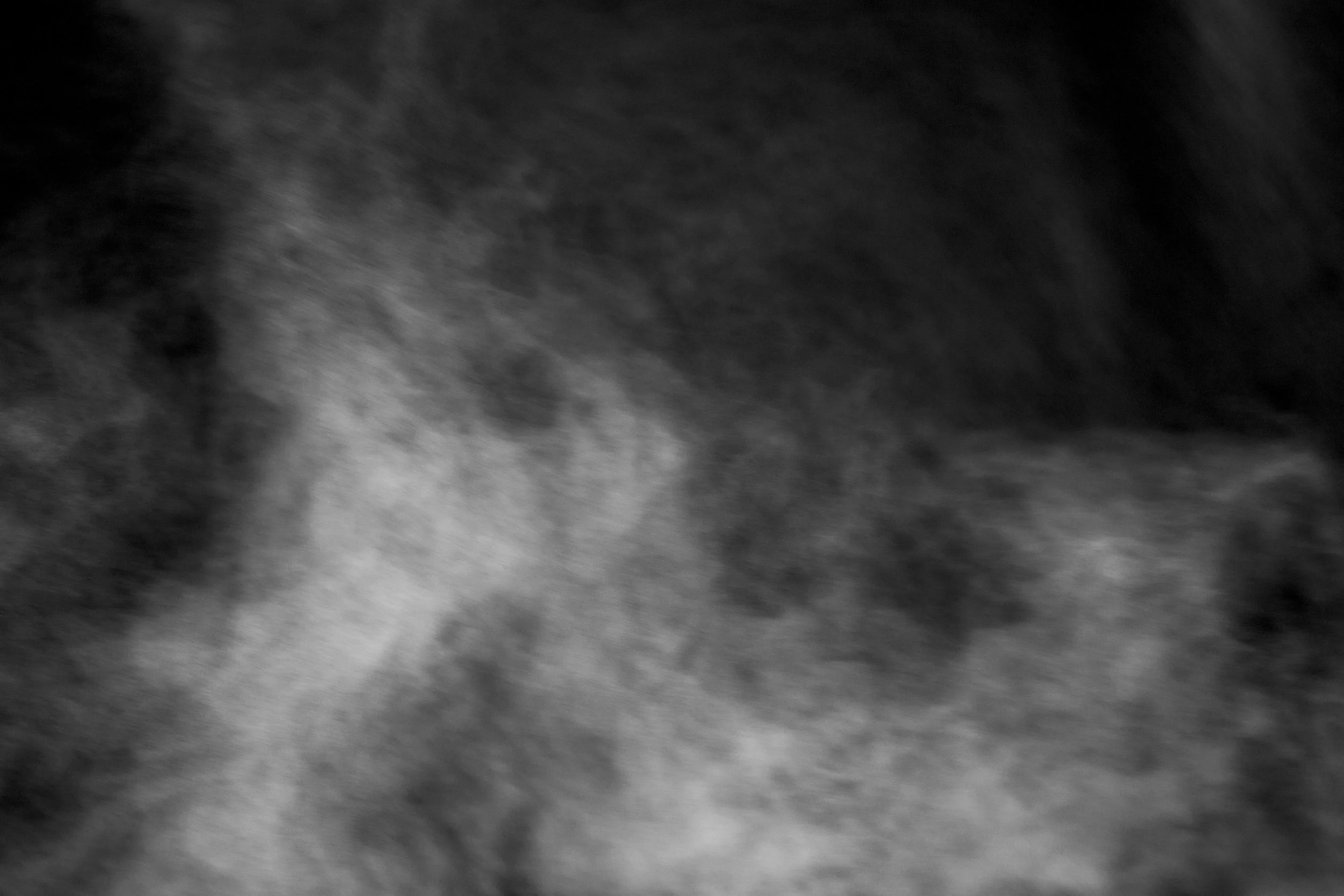
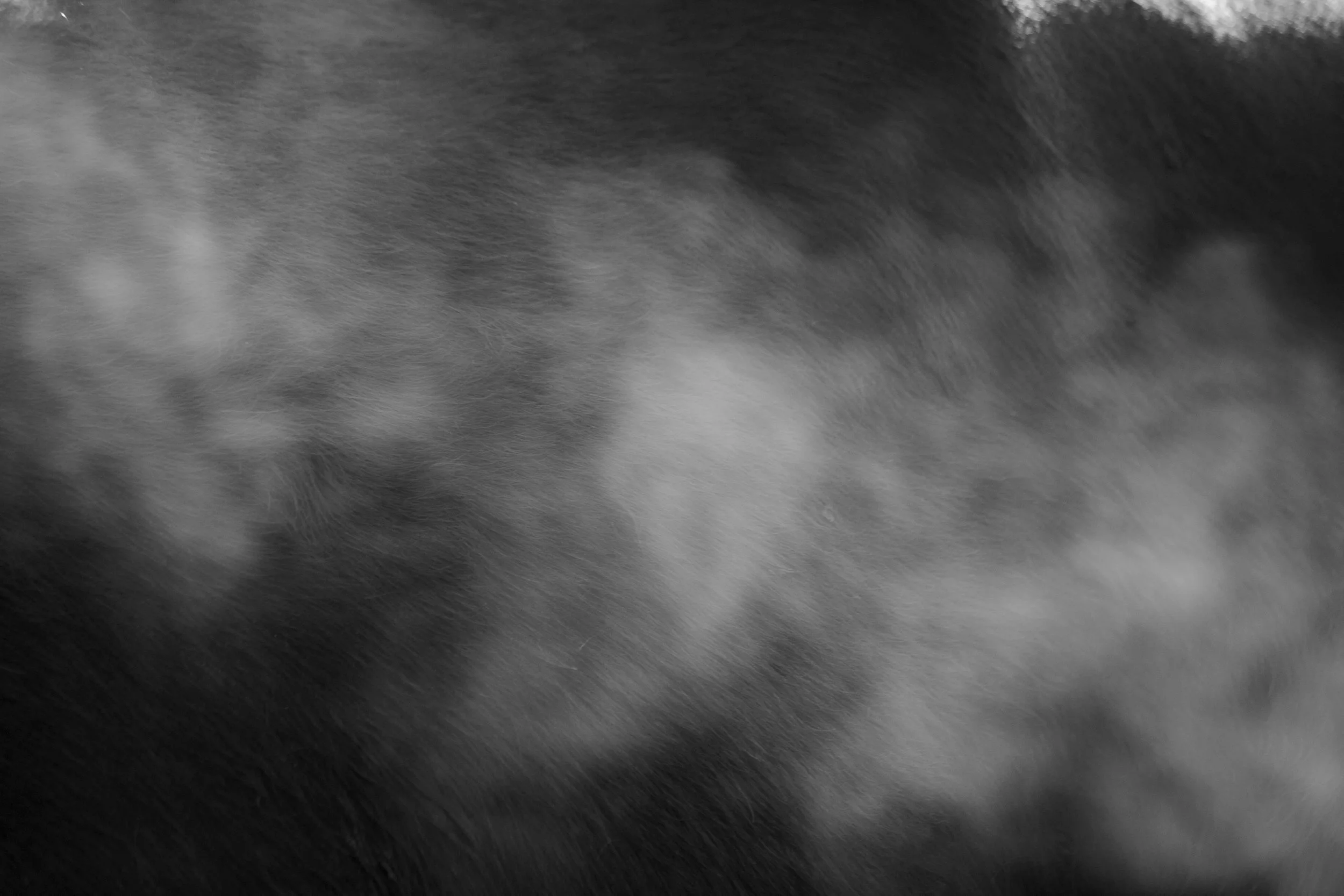
Filamenta is the second book by the artist K49814, published by Kehrer Verlag. Made over 7 years, the book brings together 213 black-and-white triplex images that look at the vanishing life of the oceans through the remains of the fishing industry. Fish scales, swim bladders, blood vessels, nets, and other discarded materials become part of 61 poetic visual stories about beauty, violence, overfishing, and the fragile connections between all living beings.
Rather than showing the ocean directly, Filamenta looks at what is left behind after the act of killing. K49814 collected, cleaned, and photographed fish scales and other remains, transforming what is usually treated as waste into images that feel like evidence, memory, and quiet resistance. The book asks the viewer to slow down and look at the smallest details of destruction, where beauty and brutality exist side by side.
Project genesis: You spent five years collecting fish scales from fishing industry waste before taking the photographs for Filamenta. What first made you want to work with fish scales, and how did that process shape what you eventually decided to photograph?
One day I found a fish scale in the loamy soil by the River Elbe. It sparkled like a precious stone. A garden of fish scales then appeared before my eyes as a grand meditation on the vast ocean of emptiness in an ephemeral installation by the sea.
Over many years, I collected over two and a half tonnes of fish scales in Europe, which, as waste from the fishing industry, are usually disposed of at sea along with the skin and bones and were therefore difficult to obtain.
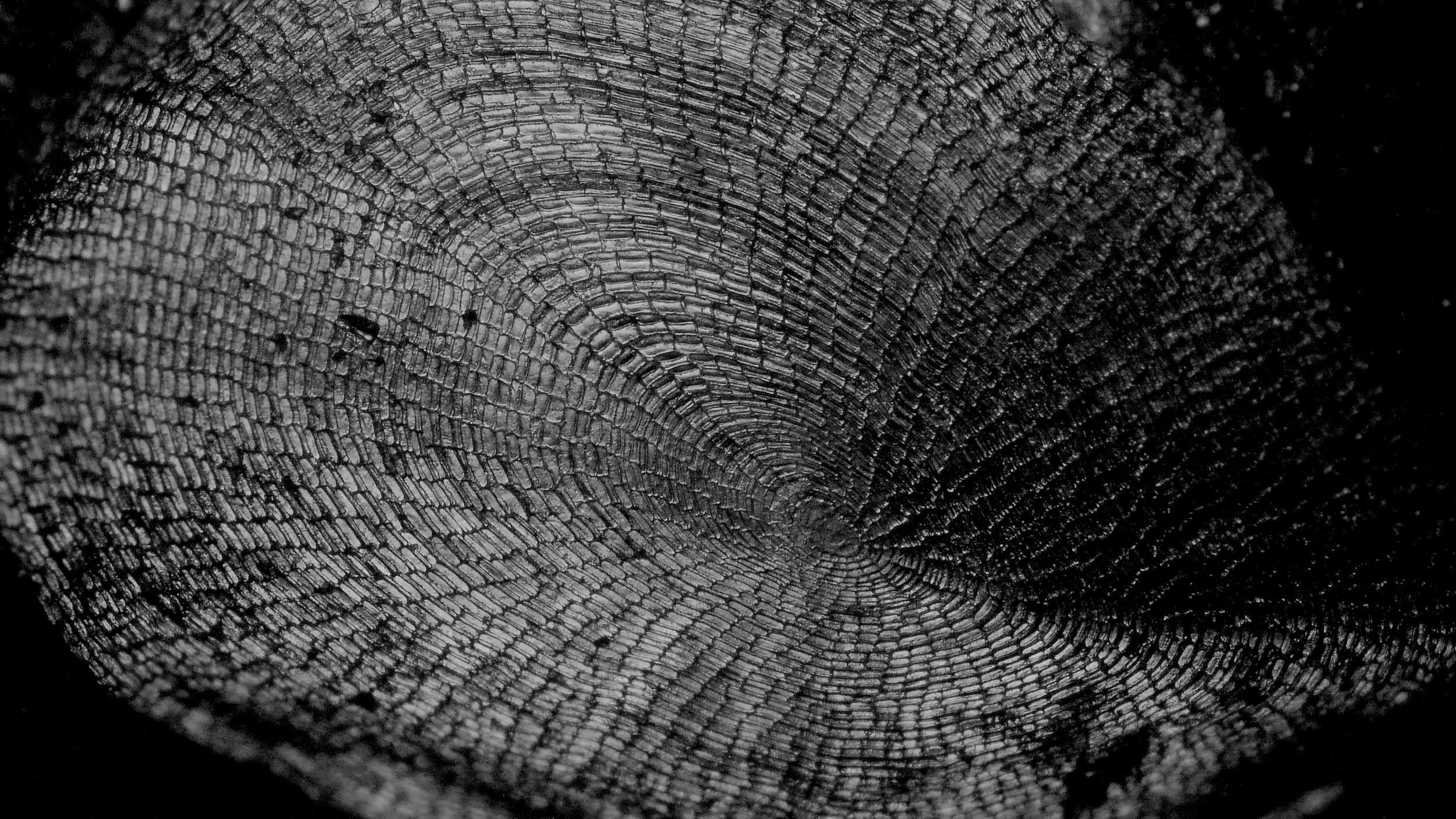
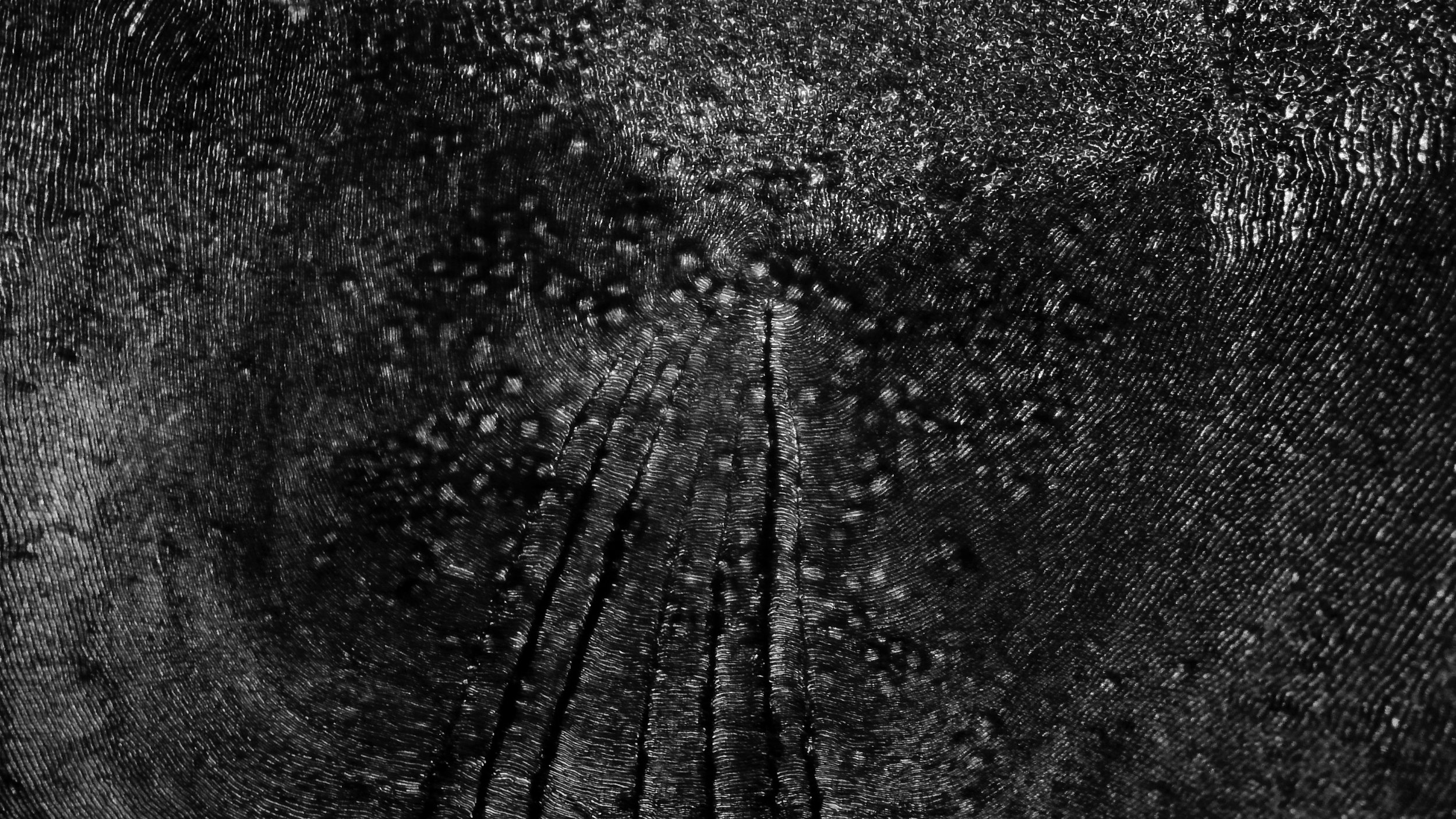
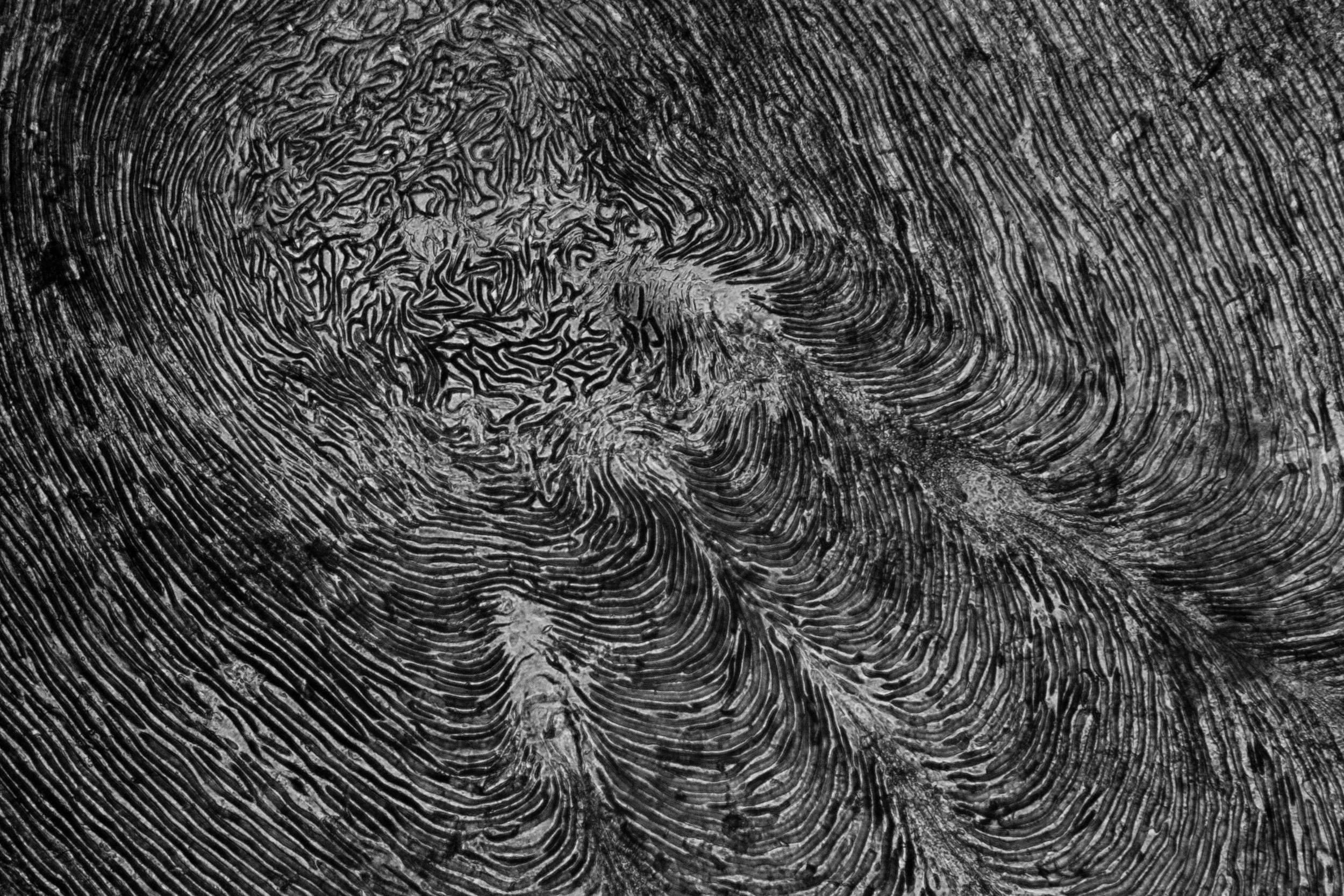
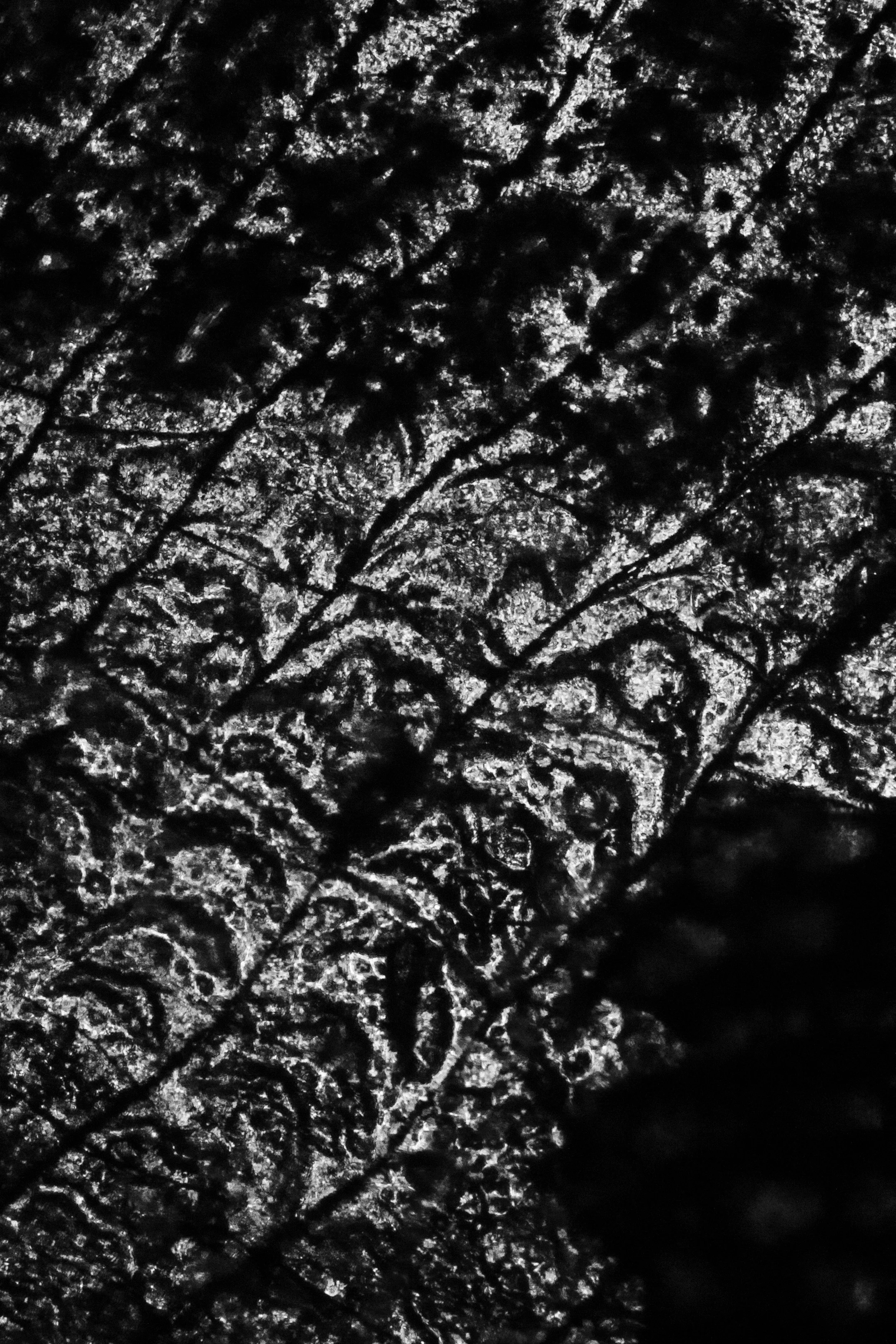
At home, I washed and dried them, sorting out any remaining bones, eyes, faeces and algae. As every single scale, with its unique texture and shape, passed through my hands, I commemorated its owner. When I examined the scales under a microscope, a cosmos of overwhelming beauty opened up before me. Fantastic patterns of plant and animal forms evoked stories in my mind.
Photographs of these, and of the delicate wonders I found lying literally along the way whilst searching for the scales, can be found in the book.
Working method: You photographed things like swim bladders, mackerel blood vessels, and microscopic scales over seven years. How did you decide which subjects to photograph, and what were you looking for in each image?
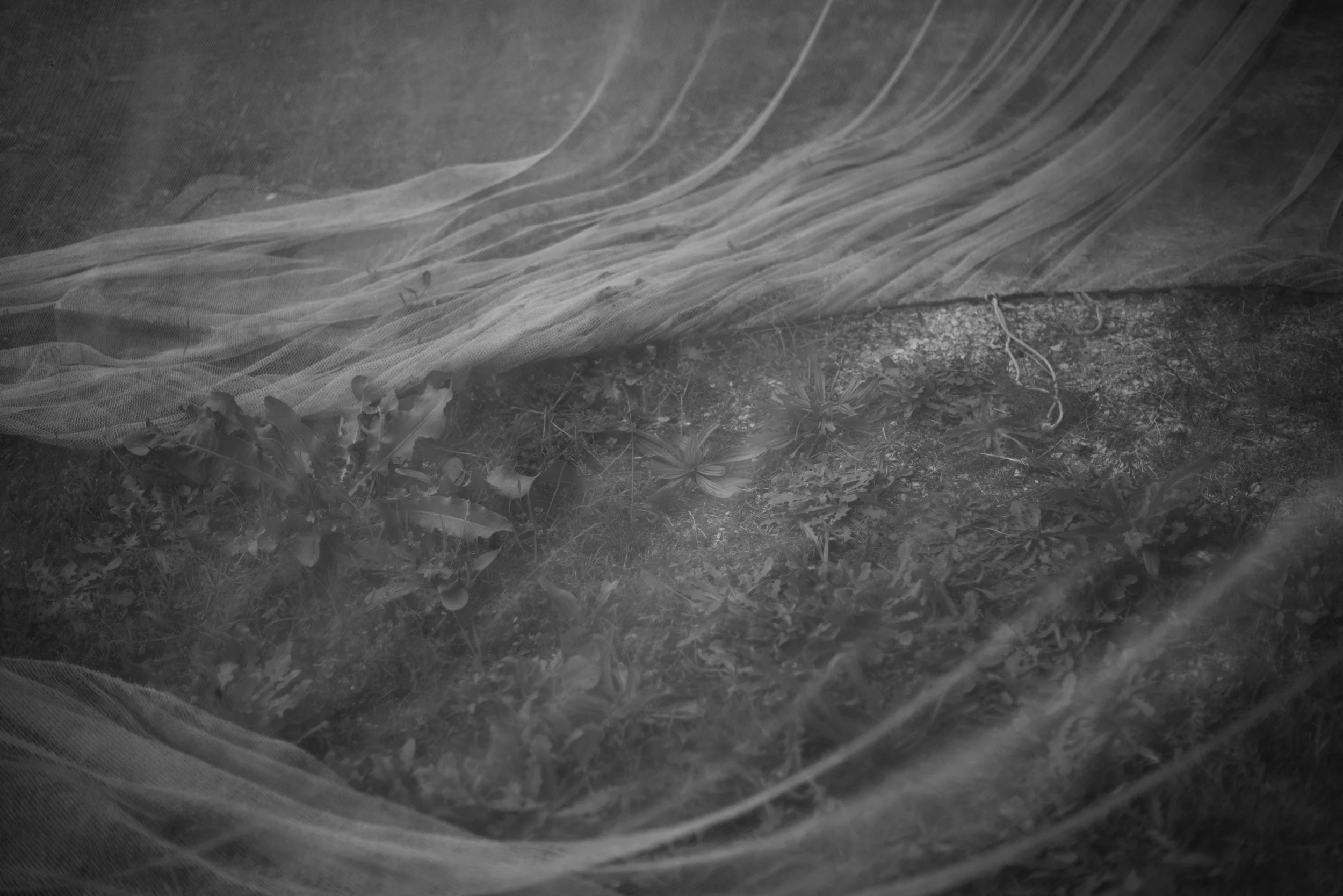
By the wayside, in rubbish bins, in discarded nets, on the decks of fishing boats, everywhere, wondrous sentient beings lie carelessly trampled, crushed, destroyed, killed. In the imagination, these tiny corpses rose up and developed a life of their own in the form of stories, as if they were real.
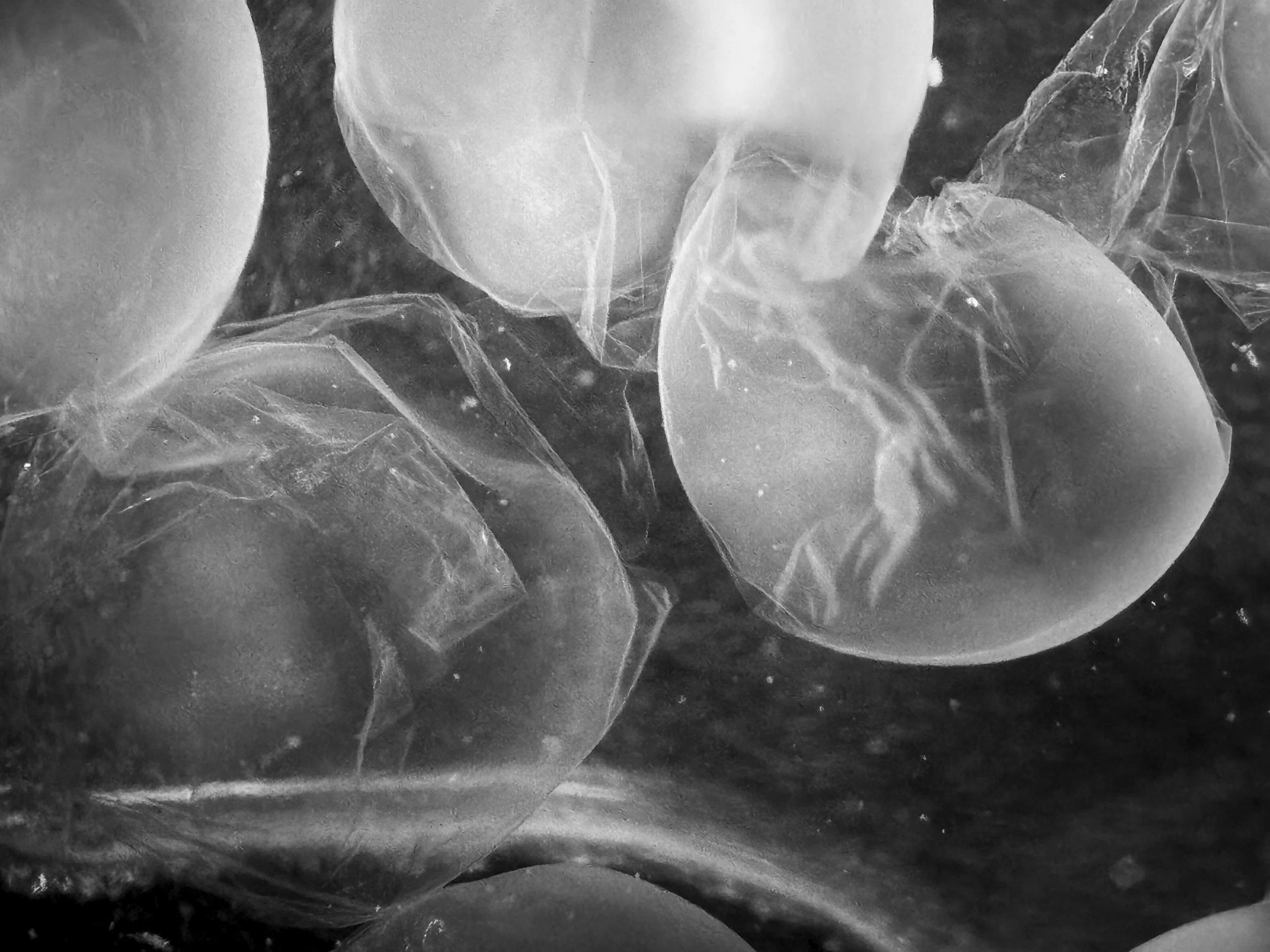
The swim bladders contain the breath of carp that have long since ceased to exist. The idea that this breath, this first, unconditional expression of the will to live, carries the swim bladder over the waves into the distance, is consoling for me. And by extending the application of religious terminology or topoi to other animals, which, in common parlance, before the law and in everyday practice, experience hierarchical subordination and devaluation, a new, egalitarian beauty and solemnity emerges.
Technical approach: The book's 213 images are all black-and-white and printed as triplex. What did black-and-white offer you that colour could not, and how did you light such small and unusual subjects?
From childhood onwards, our view of non-human animals is strongly shaped by narratives that render them subordinate to humans, at our disposal and as an edible resource. To break free from these largely unconscious abstract viewing habits, to be able to perceive details quietly and slowly and similarities more clearly, without being guided or corrupted by strong emotions, such as those evoked by the red of blood, and to establish new perspectives towards an equality of the forms of being, I choose black and white.
I generally work without a flash and with simple equipment, as on the one hand I often need to be very quick and inconspicuous in the facilities, and on the other hand I do not want to frighten the animals. Sometimes I take a torch with me to have some light.
Sequencing: The press release compares the book's 61 visual stories to Robert Schumann's Scenes from Childhood, with its cyclical, interwoven structure. How did you approach the order of the images, and when did you know a sequence was working?
Little stories emerged from what I saw. And these had an effect on the compilation of the images. Drawn from very different times and contexts, the images formed their own logic. These are not reportage photographs tied to a specific time and place, although they are documents and testimonies, because I do not edit them as images. I see them more as poems that transform reality from the particular into something more universal, like metaphors that are, at the same time, the things themselves.

Sequencing and ethical meaning: Can you describe one sequence where the order of images changed the ethical meaning of the work?
In hindsight, it has become clear to me just how much the series are shaped by my desire for them to transcend brutal reality and move towards freedom or something akin to a state of paradise.
In Atmen ohne Pause (Breathing without pause), these pressing questions about the afterlife and the hope that the animals might reach a realm or state of redemption and feeling fully accepted were already present. But it still had more the character of documentation, as in a war zone, in order to provide evidence for the time to come and to help us work through to a state of justice.
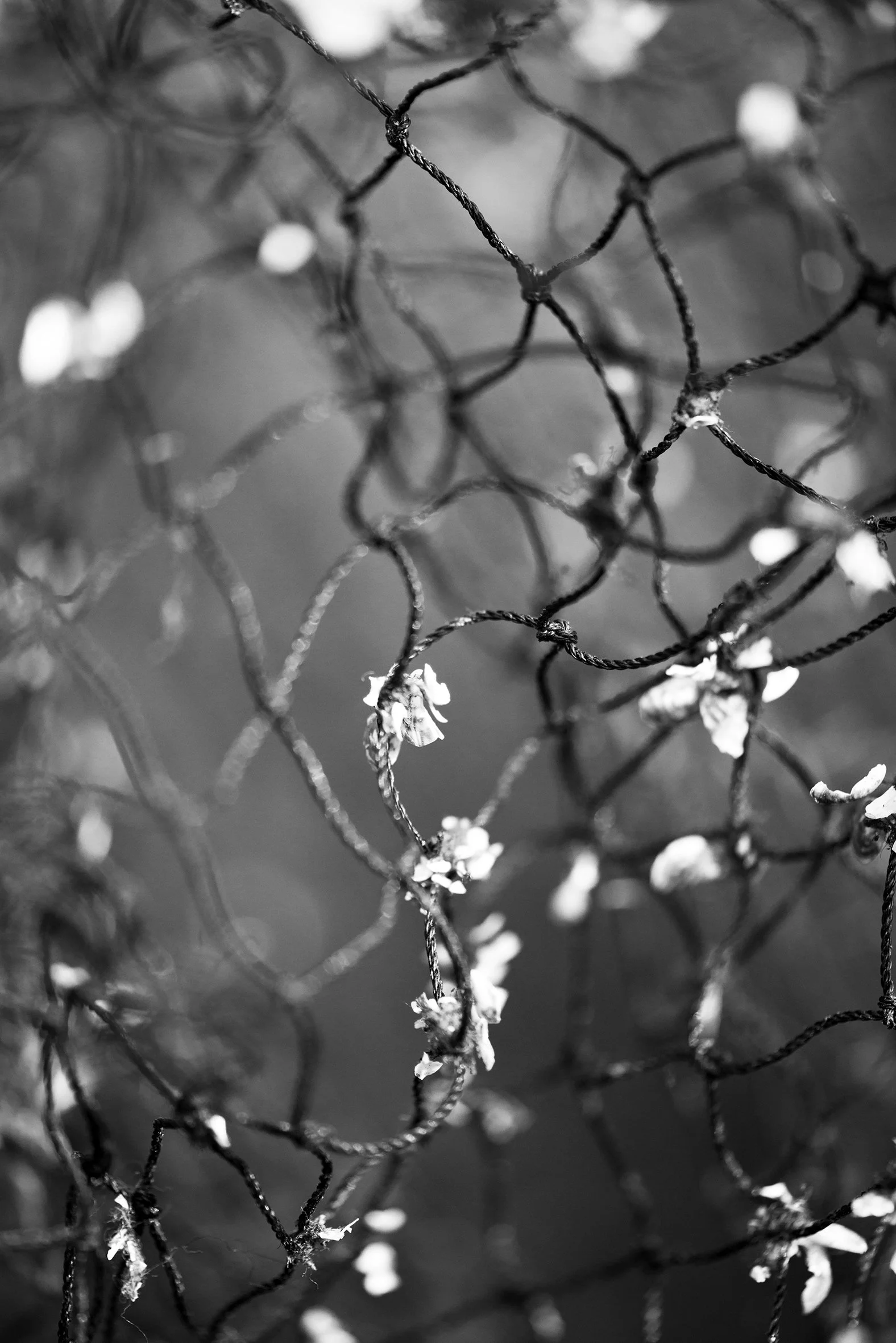
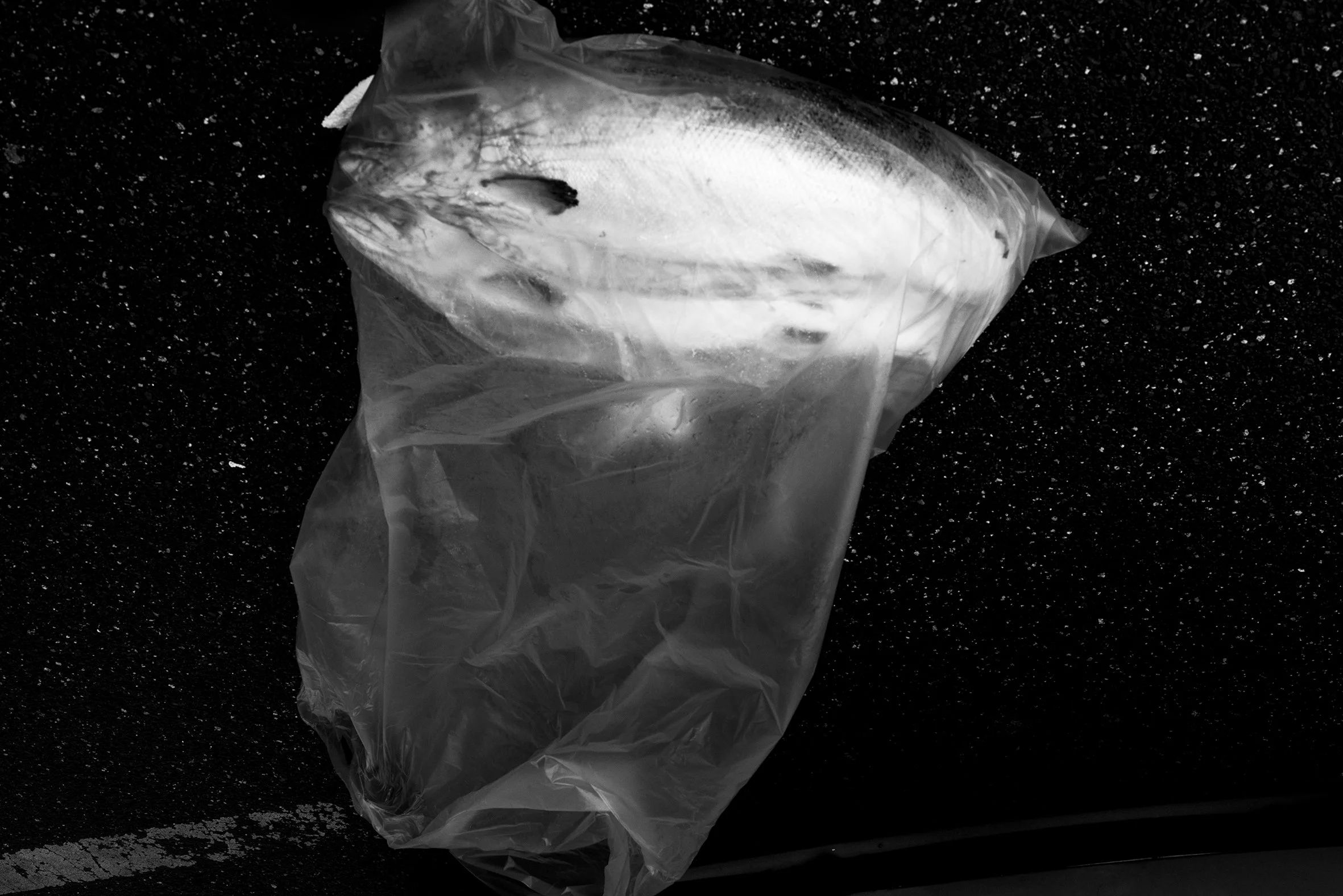
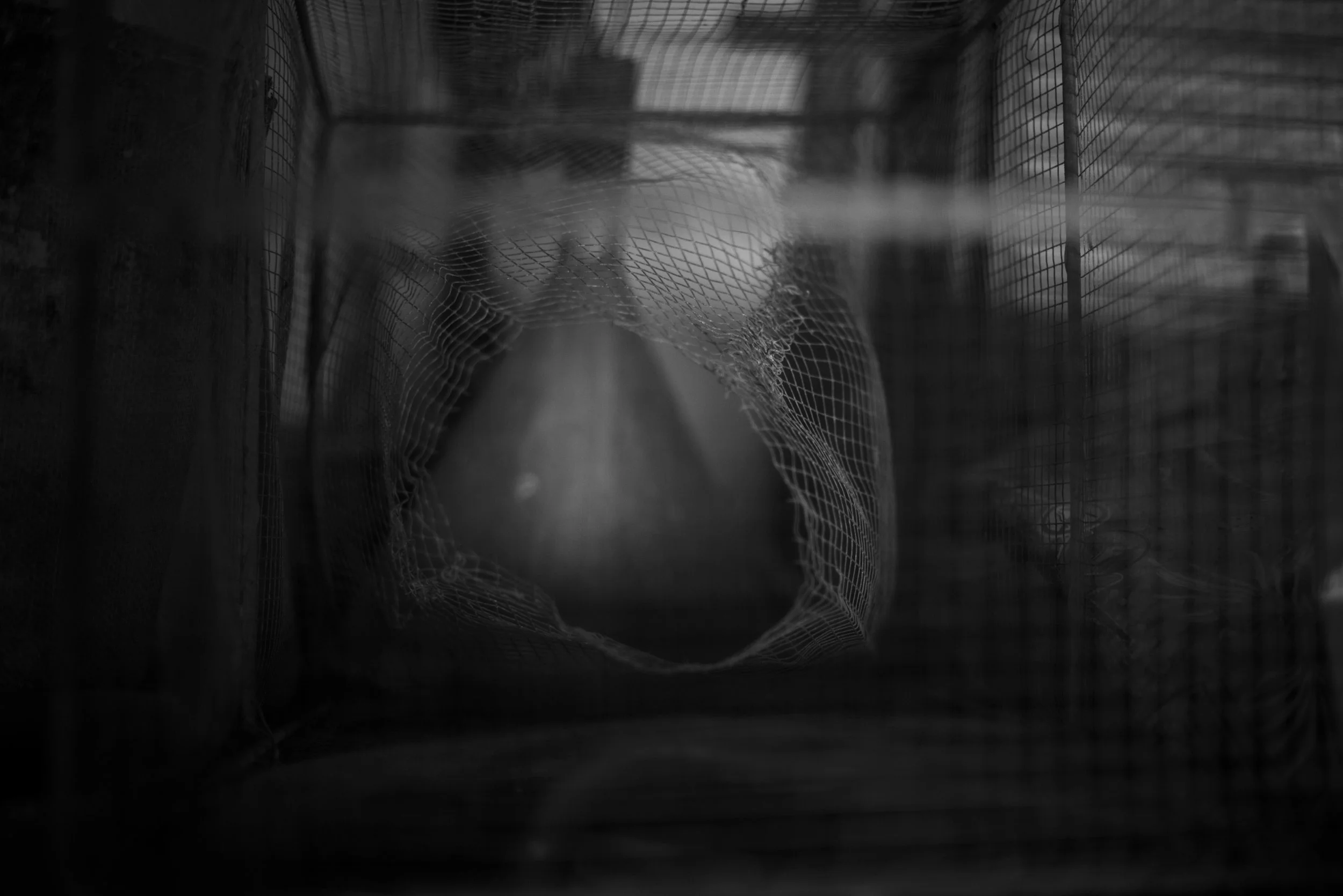
Filamenta has moved beyond this level, although the images remain documents. Because I cannot help the animals out of their hopeless situation, I, in a sort of animistic wishful belief in the power of an image, bestow upon the octopus, for example, the strength of a Taurus tearing down the nets, or give the plastic-bag fish wings at their sides, or let the "sea urchin pupa" slip through a hole in the net and turn into a butterfly, so that they can take flight and be free. Perhaps, however, this will actually inspire a desire in the viewer for us to step away from this big killing and, in a very down-to-earth way, reject avoidable suffering.
In Series 4, for example, on the day of the fish haul, the nets closed in on a large pond. The fish sensed they were being surrounded; they wanted to escape and flapped their fins in panic. But it was a futile struggle; the nets kept tightening. At an auction, I imagined how the auctioneers' hearts and hammers beat faster at the prospect of the rich haul, before they moved on to the ballroom, which actually adjoins the fish auction halls, and, under the "Ice" of the after-party in the lights of the disco ball, glittering bodies appeared to them, which before their very eyes became wandering souls and vanished from their grasp within the tiny medusa beings.
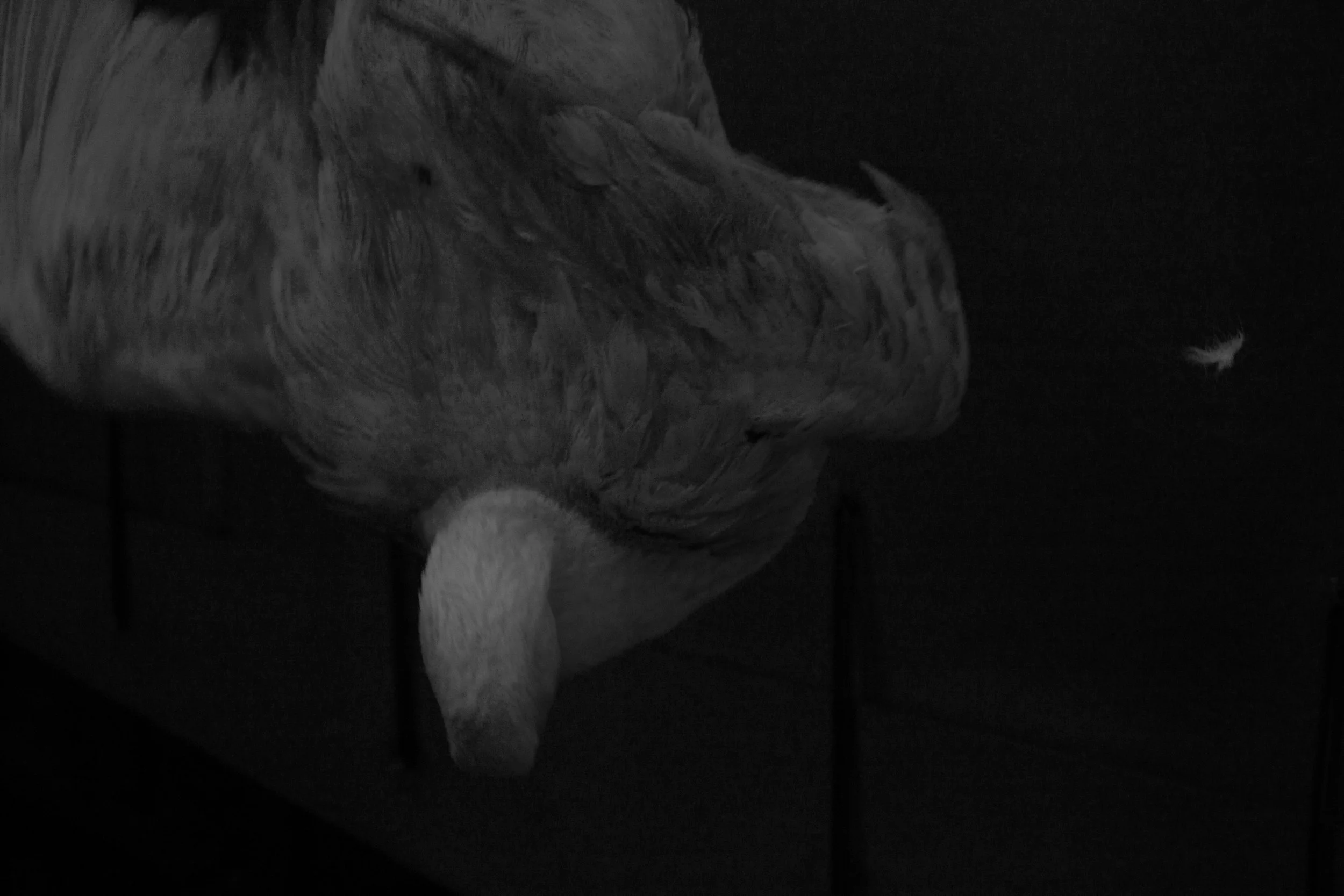
In the final series, the salmon leaps into the vast cosmos. A swan taking flight shows him the way. In some series, these guardian liminal animals are present. They lead the way, they intervene to protect the others, but above all, they watch us and our actions. We are not alone!
The pseudonym: You work under the name K49814, borrowed from the ear tag of a cow named Emma. How does using a number instead of your own name change the relationship between you and the subjects you photograph?
Emma was a cow who had been kept in isolation on a short chain by the farmer who had also given her her name, before she was due to be sent to the abattoir after being fattened up. With the help of friends, I managed to buy her freedom and find her a home at an animal sanctuary. On the one hand, Emma's ear tag serves as my cover in public so that I can continue working, because I enter the factories using my real name with my ID card. On the other hand, in the face of the immeasurable suffering of the animals depicted, I wish to step into the background as a person. When I am with the other animals, I am simply a breathing animal among others, preferably in the darkness, when even the shapes of the bodies are no longer recognisable. Species boundaries dissolve, and I make contact with the world through my breath.
Borrowing without copying: The fish scale garden that inspired this book was itself influenced by Japanese Buddhist rock and gravel gardens. How do you take something from another tradition or art form and make it your own?
The installation of the fish scale garden as a contemplation of the vast ocean of emptiness simply appeared before my eyes as I looked at the fish scale. Instead of white river pebbles, the scales of the trillions of fish pulled from the water onto dry land formed the white surface. They serve as a repository of the fishes' own experiences. Instead of a raking monk, the wind took on the task of creating wave-like formations symbolising water as a medium of indifference, and gradually carried them back into the sea. It was, as with the breath before, about experiencing the dissolution of species boundaries and of identity as form, inspired by the Zen Buddhist topos of emptiness.
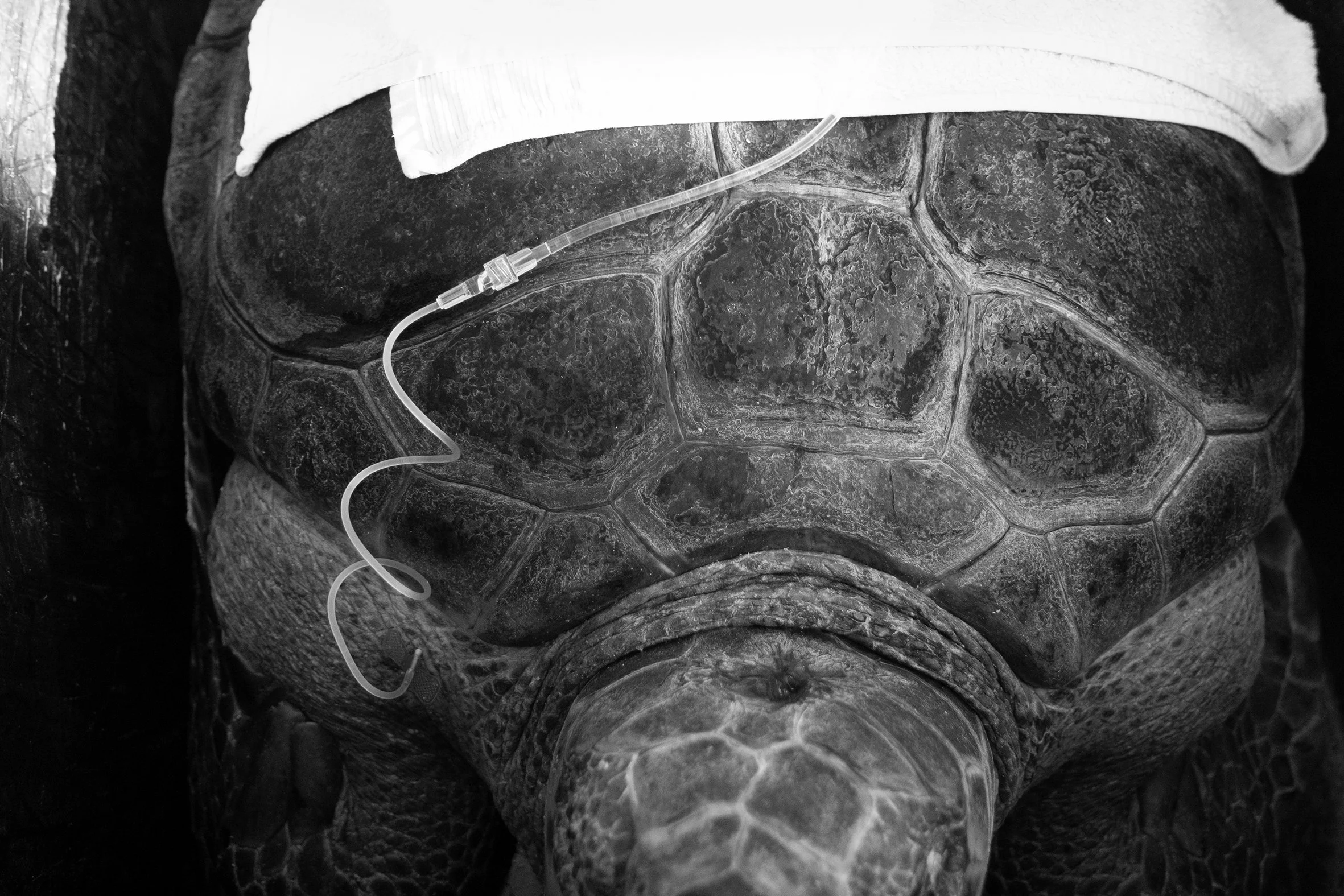
Access and constraint: You photographed inside fish slaughterhouses, on trawlers, and in a turtle hospital intensive care unit. How did you gain access to these places, and did the difficulty of access change the way you shot?
Places where animals are kept or killed for consumption are hermetically sealed off from the outside world. It takes a great deal of trust-building, time and inconspicuousness to gain entry, but also the sincerity not to harm this company itself. This is not about exposing a scandal in this particular place, it is about the whole system of killing in which our history and ways of thinking are reflected. There are probing interviews at management level and guards who never leave your side. In principle, images may only be published after approval by the corporations and institutions.
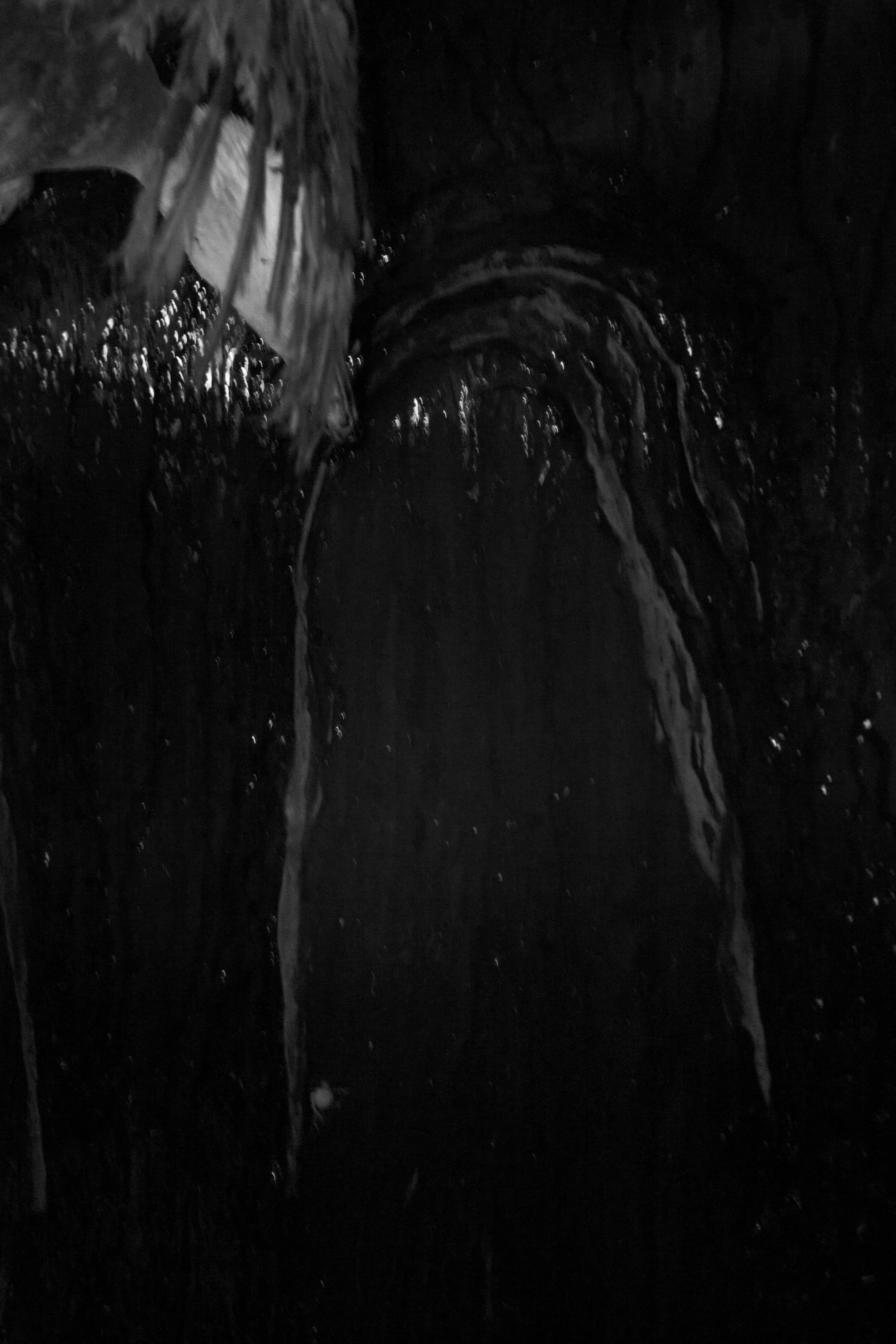
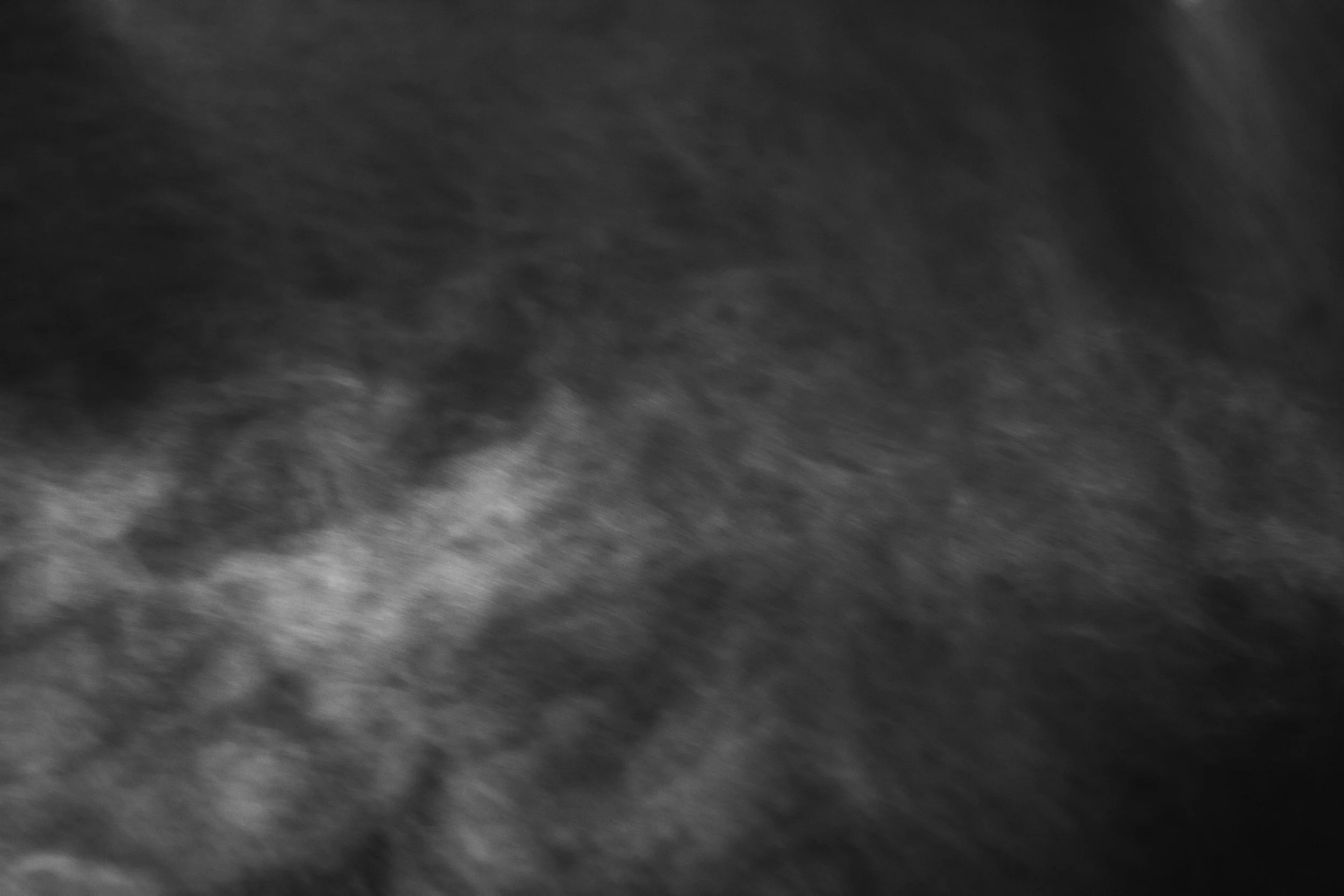
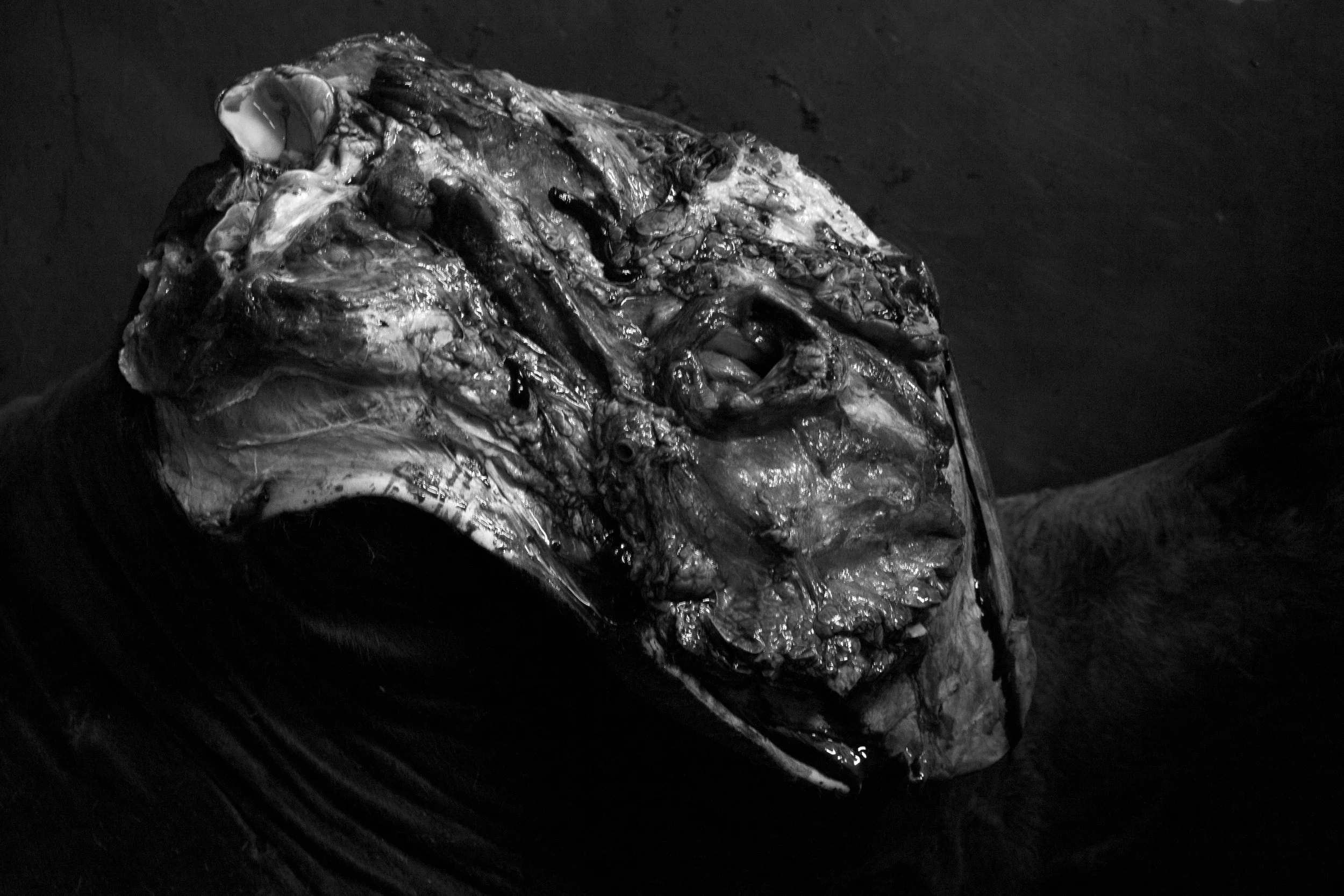
For the book Atmen ohne Pause (Breathing without pause), I had already spent several years in hellish places. This meant I was prepared for working quickly and inconspicuously, very poor lighting, slippery floors, humid air conditions, frightening background noises, streams of blood and the stench of decay. As I generally photograph without a flash, the images are almost all very dark, and in some cases out of focus. However, this is also a reflection of the prevailing conditions and is rarely corrected in post-production.
Even more challenging than these external conditions is the complexity of perspectives, stories and emotions with which I was confronted in these places. So, after many years of mental preparation and with a sense of inner calling, I arrived at a gigantic pig slaughterhouse to which I had been granted access for three days and three nights. There, unexpectedly, workers and managers told me their life stories, proud, touching, moving, precarious. Suddenly, their actions became understandable and my own preconceptions began to waver. But at the same time, the moment I looked into the eye of a pig as it was forced to enter the gas chamber, that clear sense of profound injustice and immediate compassion for this living being welled up once more. And the camera became an instrument of resistance within this vast killing apparatus.
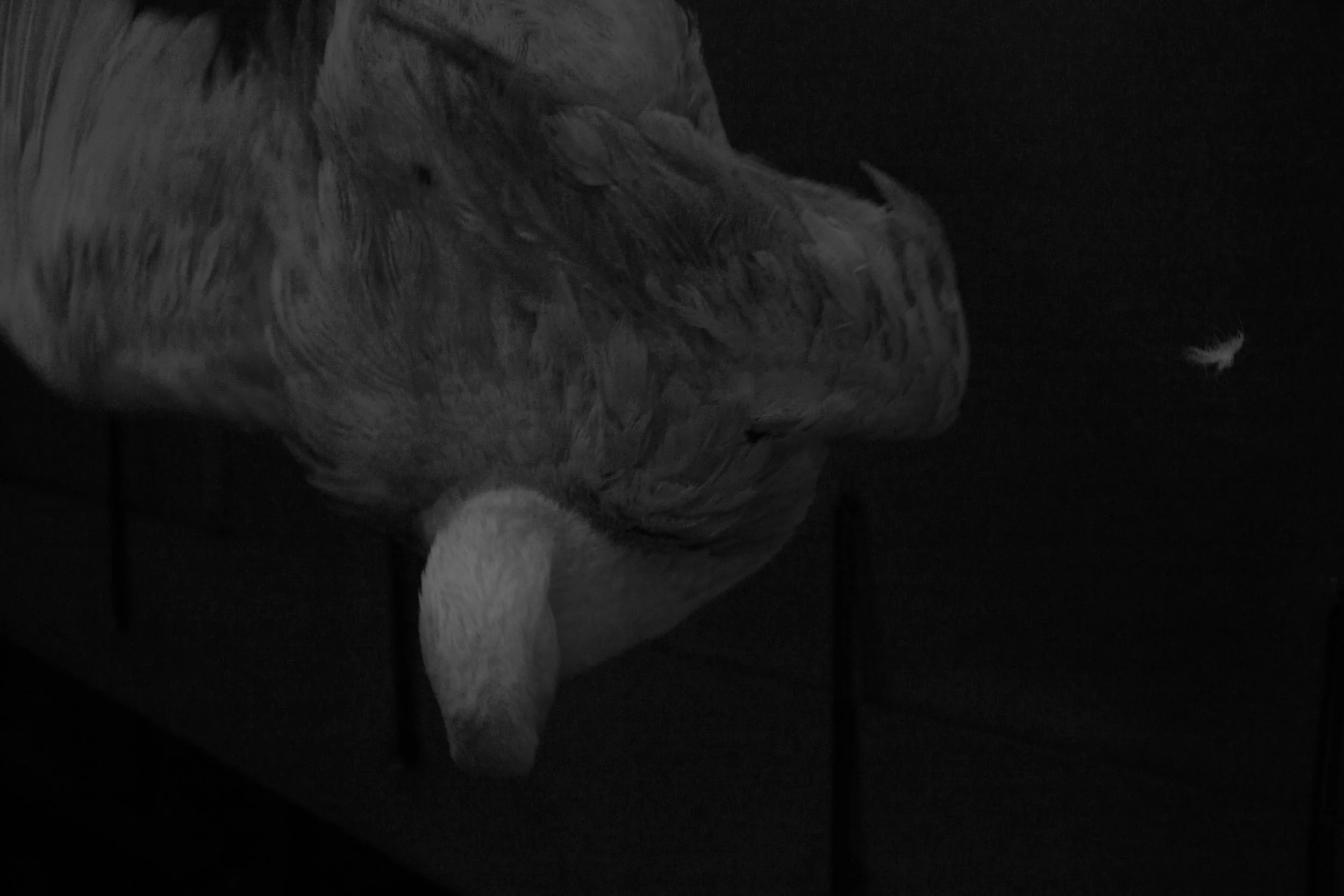
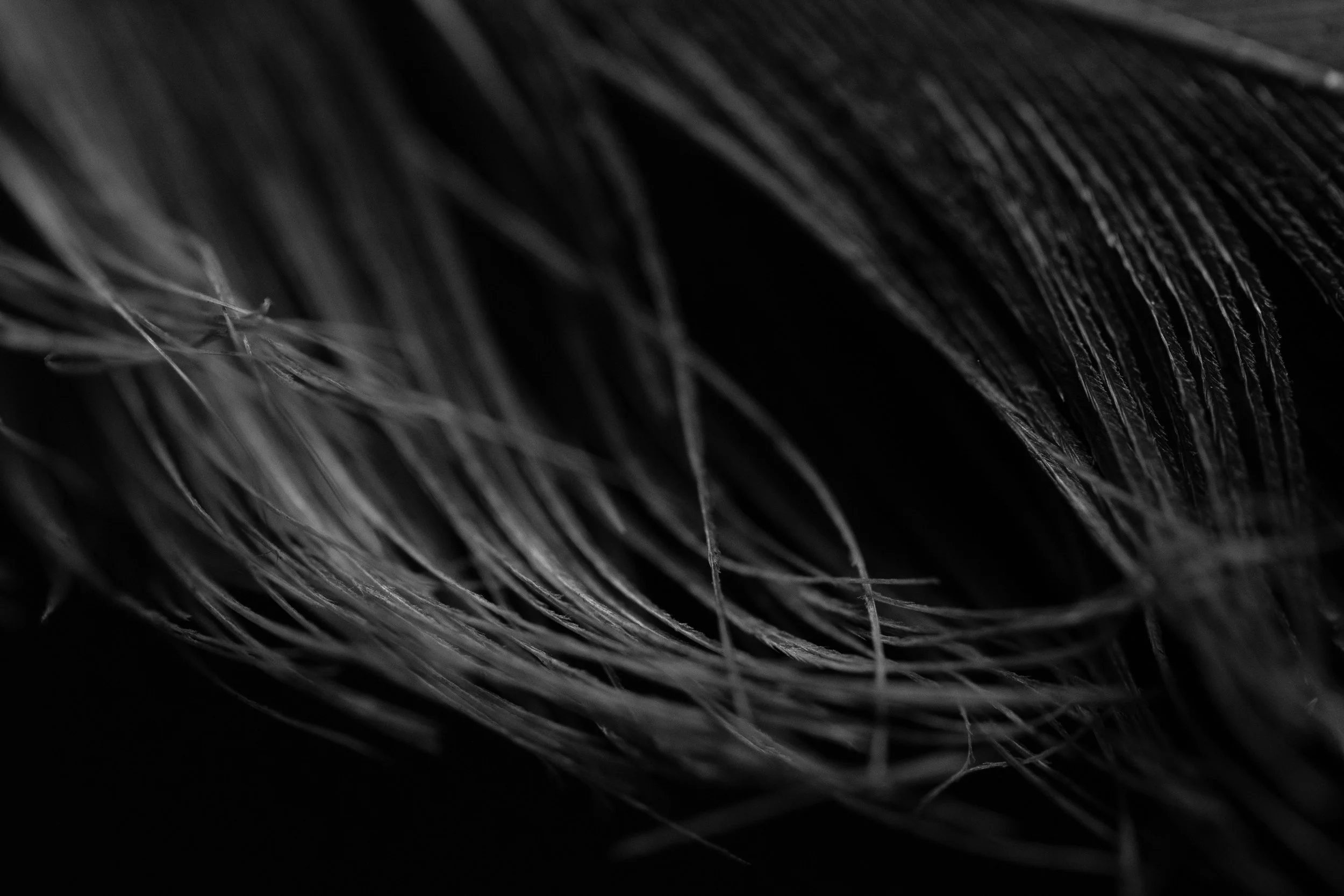
On another occasion, once the last Christmas goose had been killed and only a mountain of feathers remained in the dark barns, the managing director approached me and whispered that he could somehow understand the people who follow a vegan lifestyle. At that moment, I could not tell whether this was a test, so I gave nothing away and took his role for him, reciting the script about the good life the animals led on this farm and its "humane" slaughter methods. On the way back, I had to vomit at a service station. In hindsight, I am sure that on that day he himself had doubts about the killing and had hoped to get some kind of response from me.
I do not usually talk about these experiences. I carry the images of the animals with me; they are what drive me to carry on.
Editing under pressure: When the subject is something you feel strongly about, like the suffering of fish, how do you stop that feeling from taking over the photographs and turning them into something more like protest than poetry?
Some animal rights activists have criticised me for aestheticising suffering. I understand their criticism very well, but I do not share it in every case. I believe in, and have experienced, the transformative power of beauty and poetry, because it can open channels almost imperceptibly and touch someone's very soul. If the images were in colour and consistently shocking, just as reality is for the animals there, most people would not be able to look at them; defence mechanisms would be at work.
When I am powerless to help the animals out of their distress and hopelessness, the act of looking at them and engaging with their situation is an act of love. I see them, who have never been in daylight and exist only as a number, in their unique beauty. The photographs I take of them are in their honour and in their memory. When other people look at these photographs and allow them to resonate with them and their suffering, and, ideally, if this leads them to cause less suffering through their actions, my task is fulfilled.
If possible I take animals into my care from the photo sessions, chosen at random, representing the many other lives I cannot save, and yet so very real and unique. Feeling their down, their fur, their shell, watching them grow, hearing them breathe, seeing them explore, play, communicate, and make contact with me as a human animal gives me a sense of understanding more, fulfilment and strength, and encourages me to carry on.
Rejected images: What kinds of images did you reject because they were too shocking, too beautiful, or too unclear to carry the project?
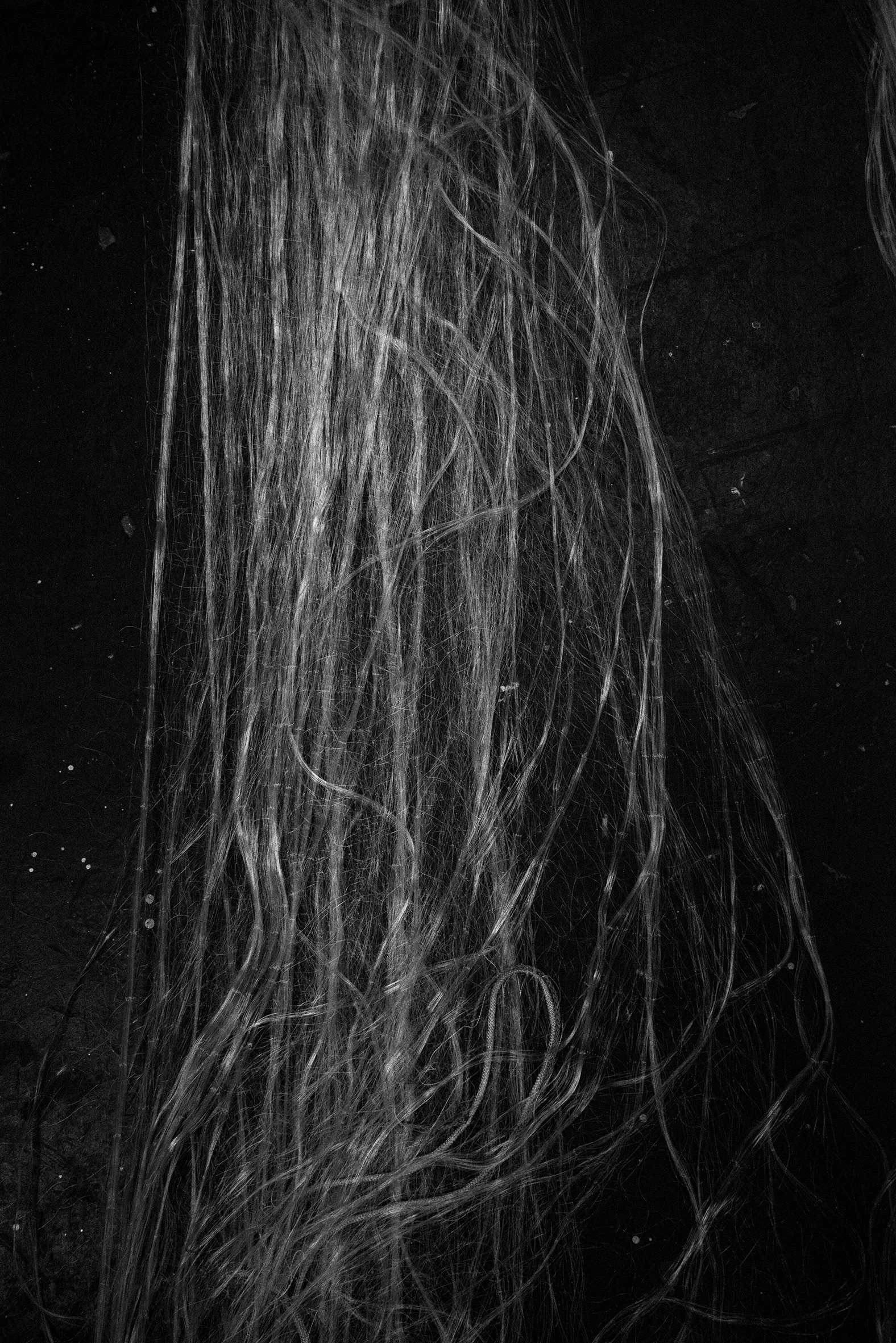
There are images showing people's hands, for example, tearing off the arms of octopuses, which also function as their brains, whilst they are fully conscious. Or of perch writhing in pain as their scales are shaved off whilst they are still alive. Or of children at carp-fishing festivals beating the carp on the head with clubs in order to slit them open and gut them. Or of the hands that examine the bellies of pregnant sturgeon with medical ultrasound equipment and then kill them and remove the immature eggs so that they are still supplied with blood vessels. I also discarded the images showing the hands of the net menders who demonstrated the various techniques to me. The absence of people is a statement.
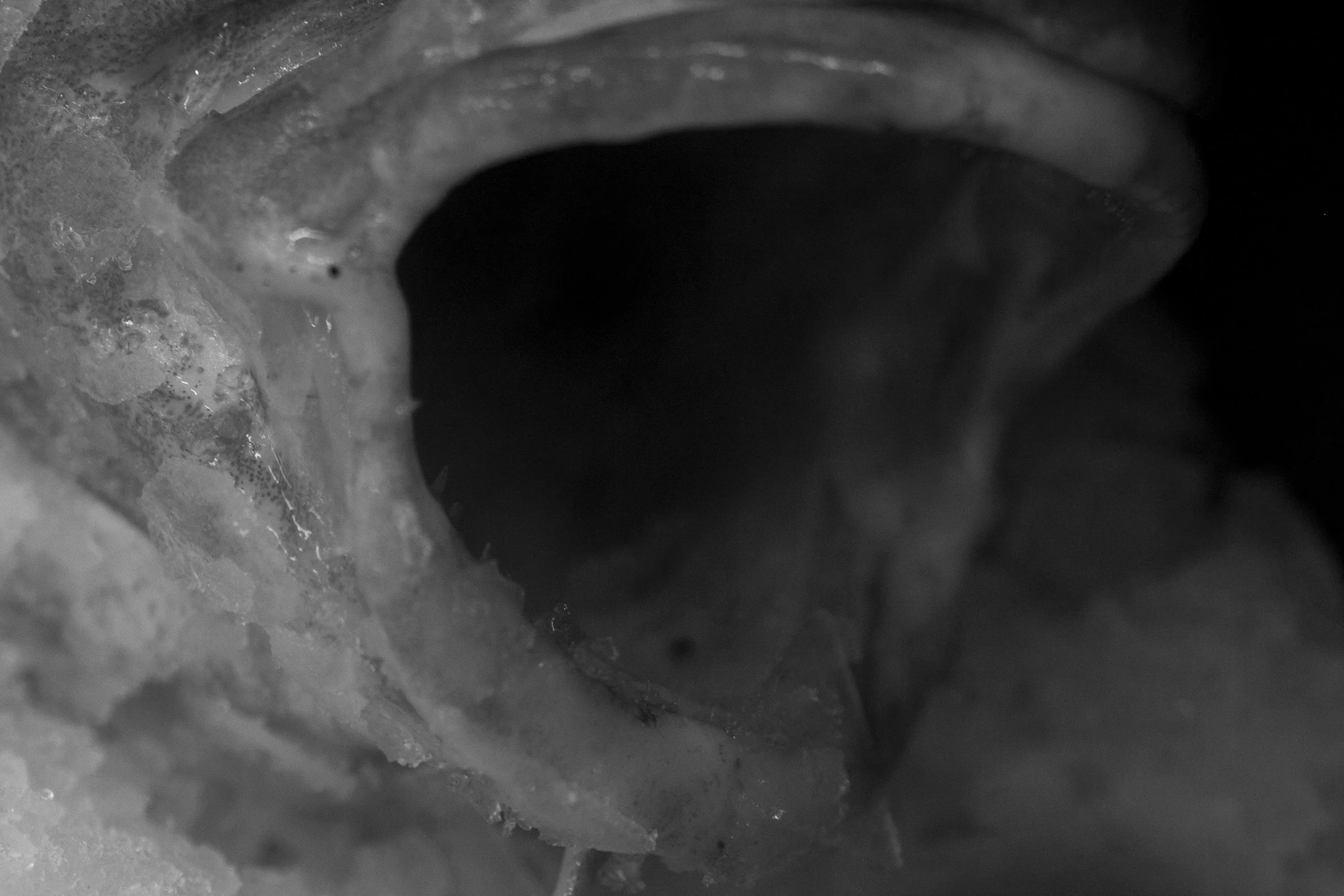
There are a few images that affected me so deeply that I cannot publish them, for example, the mouth of a sea turtle, from which an otherworldly groan emanates from the depths of their massive bodies.
Series 33, "Stupa", stems from a personal failing. The hermit crab's shell is depicted abstractly. There is no image of the crab itself. He emerged from his shell into the open and died. Actually, I try, even though I find it difficult, to leave stones, shells and everything else where I find them. In this case, it was different; I picked up this supposedly empty snail shell from the sea and took it home with me on the long train journey. When I saw that it was still inhabited, I sprinkled it with salt water and wanted to return it to the sea. But it was too late.
One might say that, compared to the countless other crabs that are caught and devoured every day, this is a trifle. But this little crab was a "you", a body, an energy, a soul that kept this very being alive in defiance of entropy, a sovereign "not-me". And I harmed it.
In the book I have visually erected a stupa for him as a sign of reverence. According to Buddhist tradition, one walks around it in a clockwise direction, just as his shell spirals.
In fact, there are many such images that ought not to be made public. For me, this is a difficult line to draw, because what we do to them is political and must be changed! I do, however, think that, alongside the attitude with which an image was made, its context determines whether the subject is once again at the mercy of others or can assert their dignity within a protective framework. If a single, powerful image is displayed without context, except perhaps in a church or another sacred place of worship, it can appear extremely beautiful, even if the person depicted is suffering or has been killed.
However, it then runs the risk of becoming a mere decorative object. Here, I believe, a critical rejection of the aestheticisation of suffering and exploitation would be appropriate.
Honoring presence: How do you tell when an image honours an animal's presence and when it risks turning that presence into a symbol or an aesthetic object?
Through post-processing, retouching, contrast adjustments, filters and so on, the non-human animals in photographs become, in my view, stylised objects. They lose their soul, and it seems to me that, as a result, the photographer, who by engaging with the non-human being has become part of a reciprocal relationship of whatever kind, is distancing themselves. For me, even if they are not in the picture themselves, they must remain present. This is also an act of honesty and equality. Everyone who is present counts and has a story to tell; plants, clouds, stones, spider's webs, every scent and every sound also form part of this relationship. If I remove or overemphasise any of these elements in favour of some imagined aesthetic, the picture becomes lifeless and false.
Photographs of visually suggested interspecies "friendships" that simultaneously imply inequality cannot work. Where chains, leg irons, cages, leashes, but also verbal subordination or the dictation of their time and lives express the actual relationship between the "owner" and the supposed friend, I would call it violent kitsch, even if I suspect a great longing lies behind it. But this longing is by no means a utopia. If we leave the other animals be, and by that I mean allow them their freedom, then encounters might occur that could possibly lead to the miracle of an interspecies friendship.
I am reminded of a photograph by a well-known photographer in which the photographer had himself photographed in the same pose as a resting animal. At first glance, it seemed as though he were sleeping there in harmonious union with the animal. On closer inspection, I saw the tension in his toes, which indicated that he was alert. That ruined the image and the photographer's credibility.
Taking it further: Your website describes wanting to dissolve the boundaries between species by finding the similarities between different life forms. What would you say to a photographer who wants to create work about animals but does not know where to start?
It is about encountering the unfamiliar other and their inherent dignity. Asking for entry into their world, their society, and the unintentional, benevolent act of simply being with them contributes to empathising and understanding.
To achieve this, I must be radically open and extremely careful, especially in contexts of inequality, hopelessness and vulnerability. Deep respect, the temporary suspension of judgement, and the constant examination of one's own attitude, motivation and actions are essential. This applies not only to the making of images, but also to how and where they are displayed. If it does not serve the animals or their species, it is misappropriated enrichment, exhibitionism and renewed exploitation.
I also always feel the need, where possible, to first hang framed prints for the photographed animals, be it in stables, roads or on slaughterhouse walls.

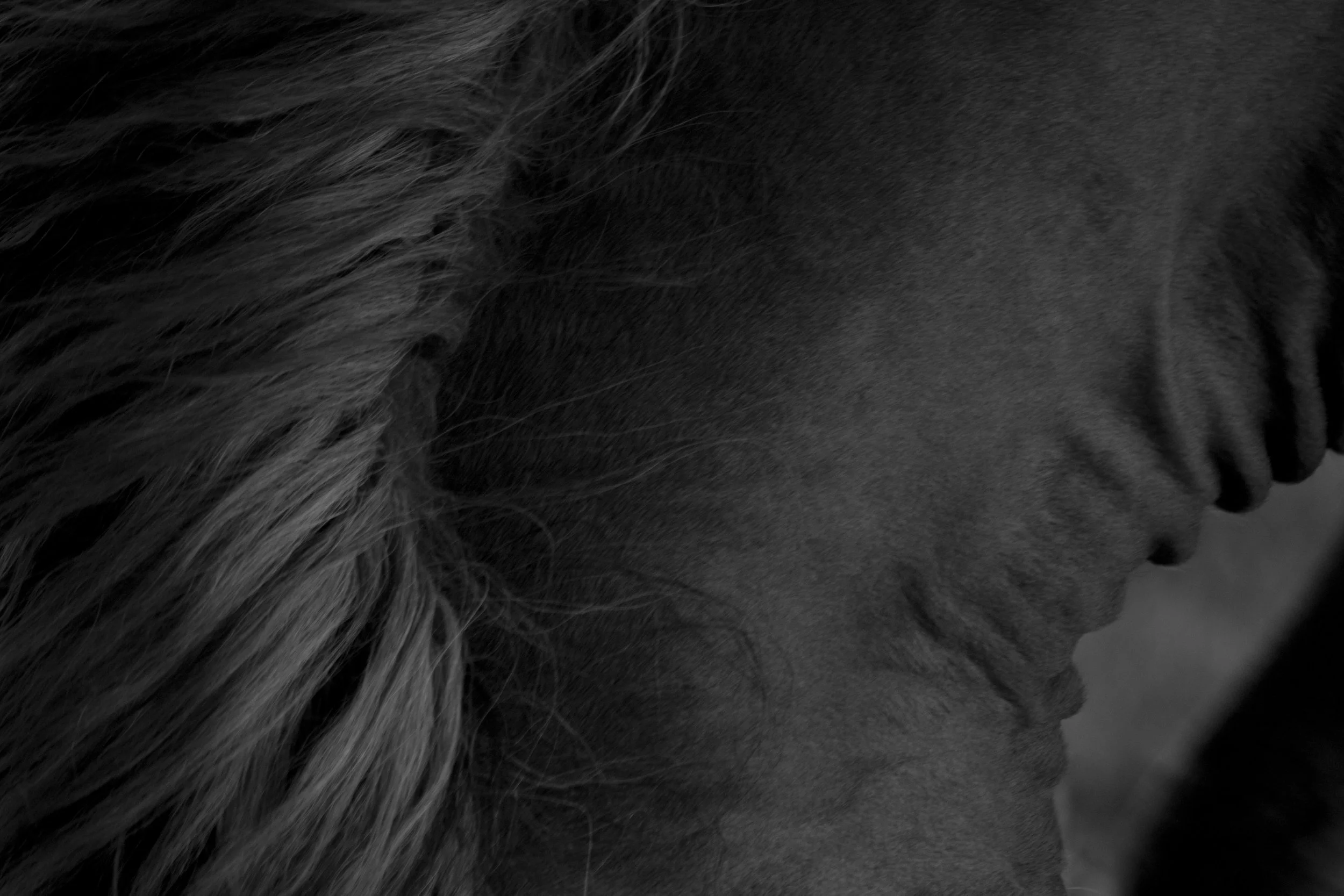
To discover more about this intriguing body of work and how you can acquire your own copy, you can find and purchase the book here. (Kehrer Verlag, Amazon)
More photography books?
We'd love to read your comments below, sharing your thoughts and insights on the artist's work. Looking forward to welcoming you back for our next [book spotlight]. See you then!
Robin de Puy could no longer make this project alone. She first photographed Randy in Ely, Nevada, during a 2015 road trip and kept returning to him for more than ten years. Interviews