How Martin Cregg Combined 210 Photographs, Spy Dispatches, And Conflicting Testimonies Without Losing The Story
Welcome to this edition of [book spotlight]. Today, we uncover the layers of 'The Plot,' by Martin Cregg (published by Kehrer Verlag). We'd love to read your comments below about these insights and ideas behind the artist's work.
How do you turn evidence into a compelling narrative?
For Martin Cregg, this question became central while making The Plot. The book combines 210 photographs with spy dispatches, historical documents, archive images, and witness testimonies about the intelligence war between the IRA and British agents. Some accounts contradict each other, while many photographed locations now look completely ordinary. His task was to build a coherent narrative without pretending that history is simple or fully settled.
The Plot developed from Cregg’s investigation into the hidden histories of Dublin.
What began during the pandemic with locations close to his home expanded into years of research, repeated visits, archival work, and book editing. He speaks about photographing places where the important event is no longer visible, creating tension without becoming too literal, and shaping a book that moves between evidence, memory, and uncertainty.
Cregg explains how to decide which research belongs in the final work, how to connect photographs with texts without turning images into illustrations, and how to reduce a large archive into a sequence that readers can follow. His experience shows that a strong narrative often depends as much on what you remove as on what you include.
The Book
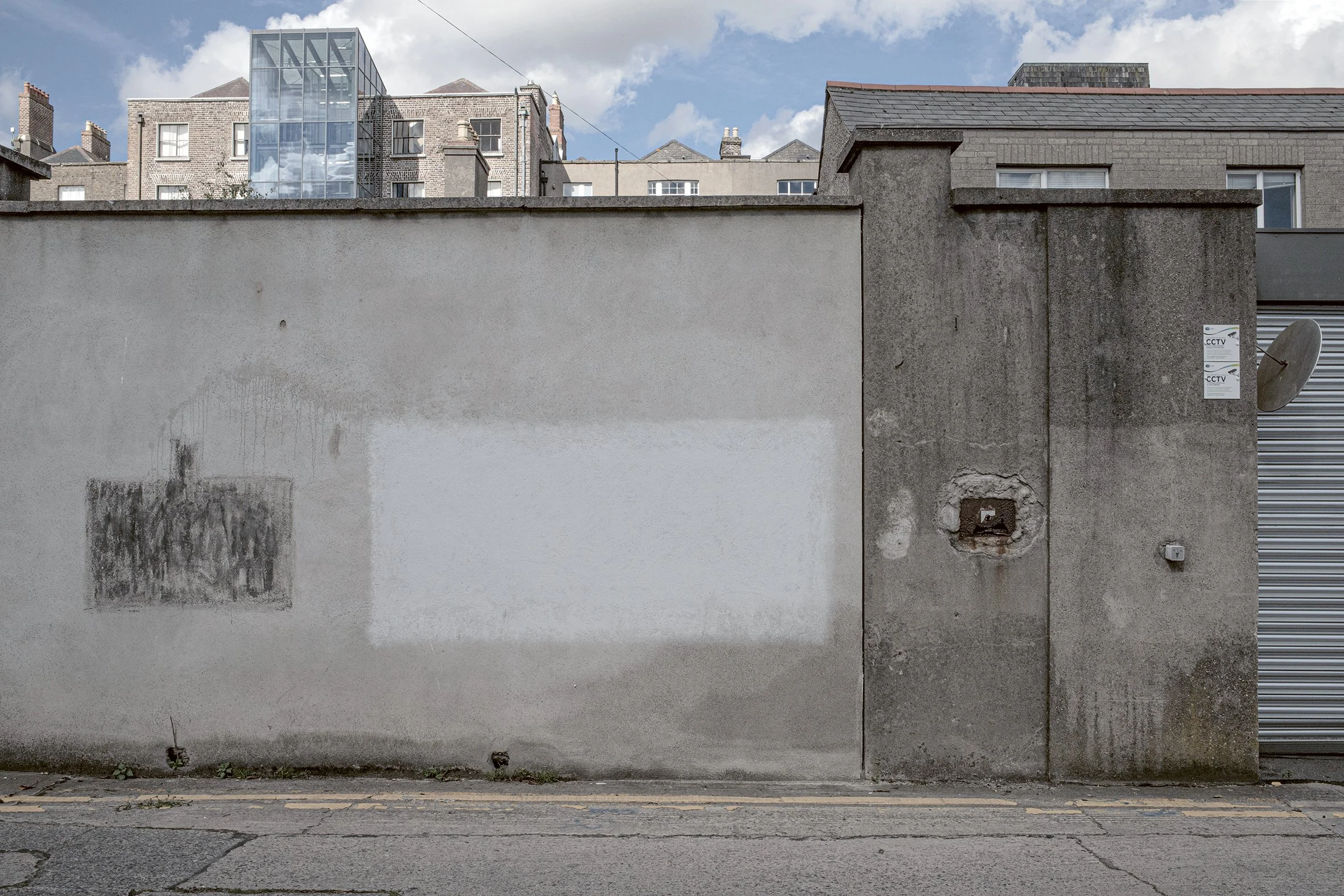
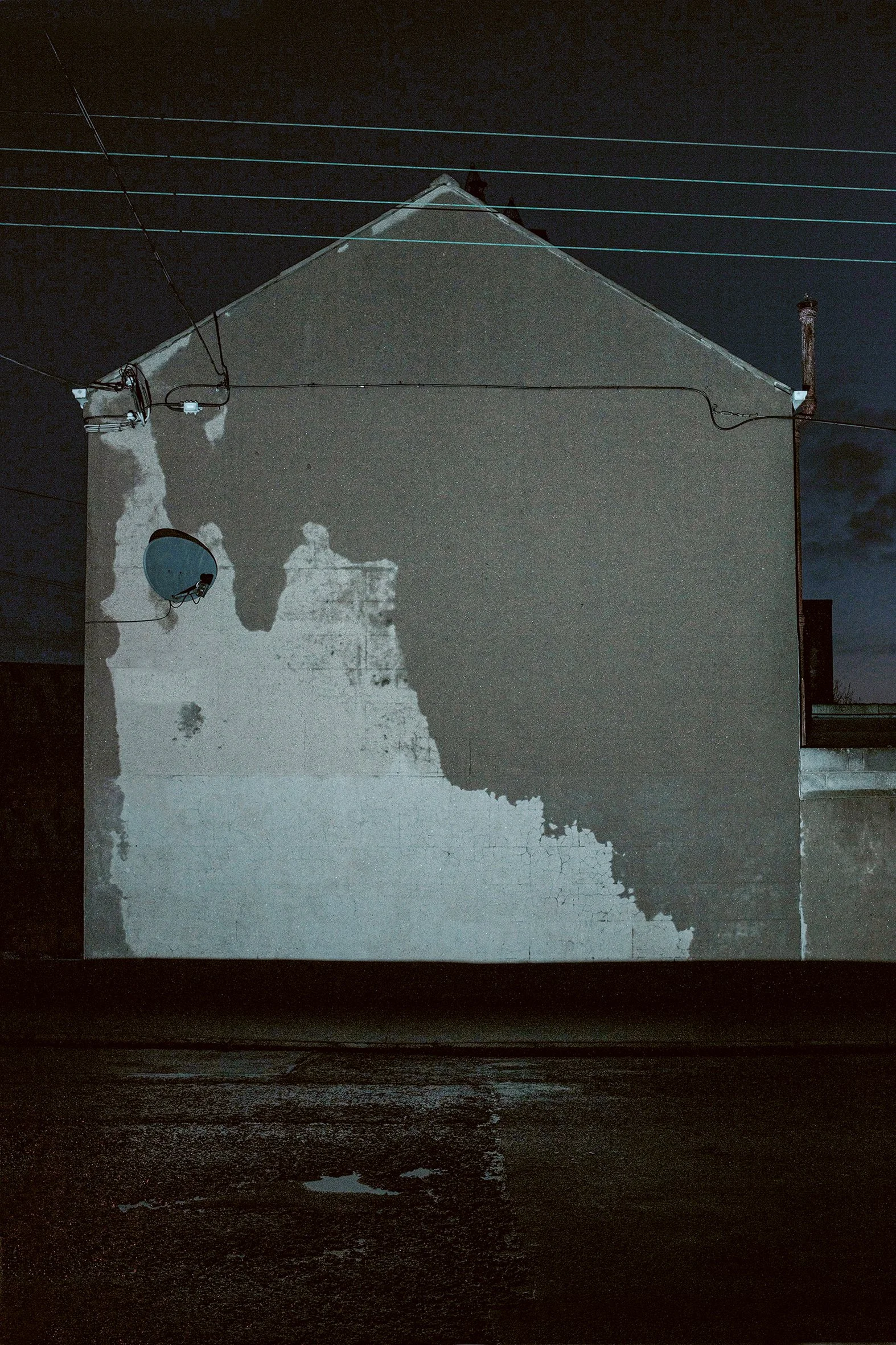
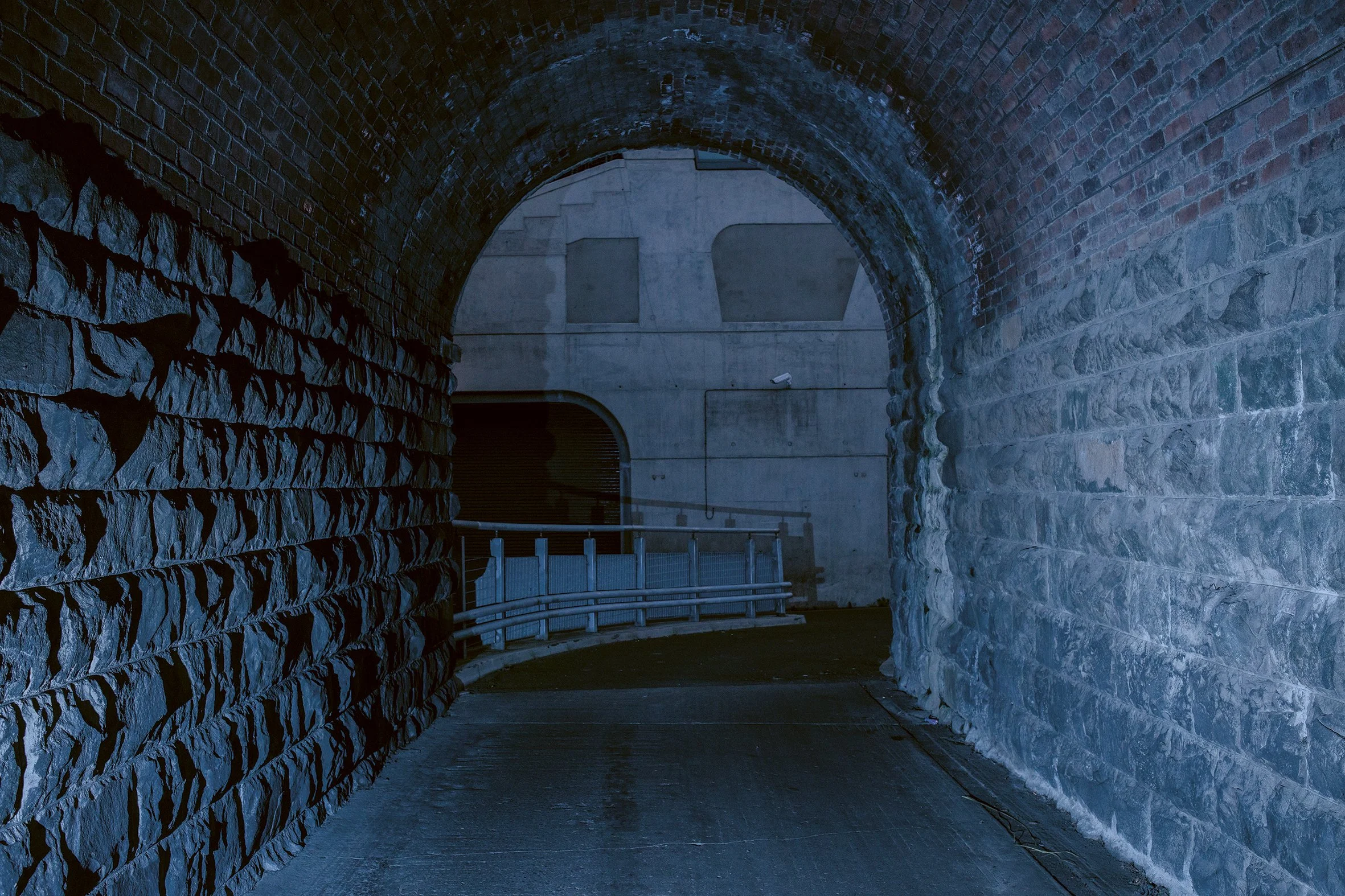
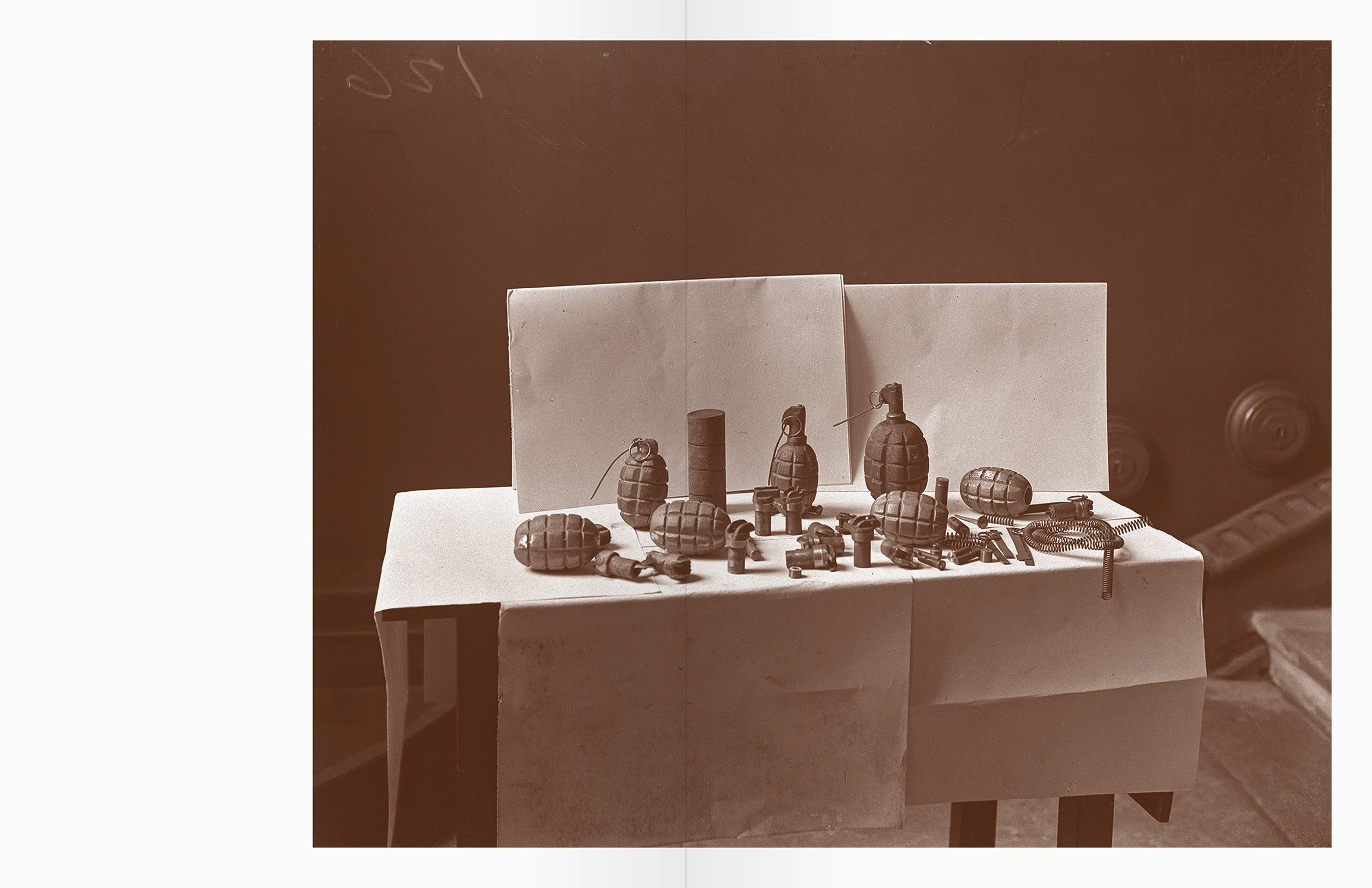
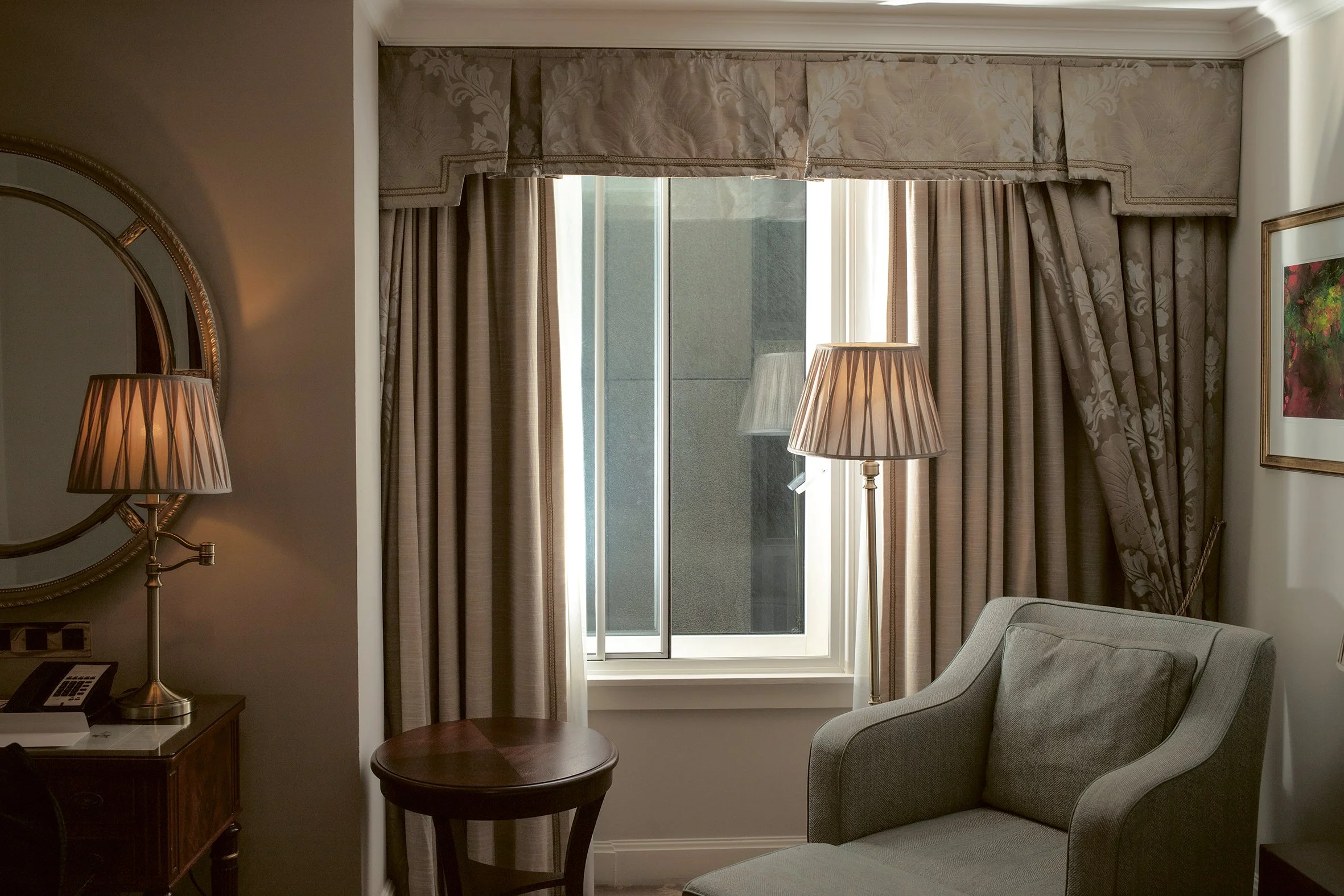
The Plot by Martin Cregg, published by Kehrer Verlag, examines the hidden intelligence war between the IRA and British agents during the Irish War of Independence. Combining contemporary photographs with archive images, witness testimonies, secret dispatches, and documents from the Michael Collins intelligence files, the book reconstructs a conflict fought through surveillance, infiltration, betrayal, and assassination. Cregg photographs safe houses, former munitions factories, ambush sites, and ordinary Dublin streets where little remains visible, creating a layered account of how violence and secrecy became embedded in the city. (Kehrer Verlag, Amazon)
Project Genesis: What first made you want to make a photography book about the IRA and British intelligence during the Irish War of Independence?
Strangely, I was not really over-familiar with the subject before I began the project. The exploration of the subject through photography became the gateway to understanding more about an incredibly rich and complex history connected with the Irish War of Independence. Of course, I knew about Michael Collins, his ‘Squad’ and the period in question from back in my school years. We grow up in Ireland well versed in narratives about Republicanism, the treatment of the Irish population by British forces and the sacrifices made by men and women over generations who tried to claim nationhood. But the more nuanced stories connected with the intelligence operations of the 1920s were quite new territory for me. The act of photographing locations with hidden histories became an enlightening way to dig into the subject in a whole new way. The more I worked, the more I learned. The more I visited key locations, the more these locations would reveal their stories to me. The more I researched, the more of our dense history I wanted to unravel. My practice has always been a process of educating myself in various ways and deep diving into a specific theme, topic, subject as a way to grow personally and professionally.
The specifics of the subject of what we can call the “Intelligence War” – the secret, silent, undercover elements of the Irish War for Independence - began during the surreal calmness of the pandemic back in 2020. In Ireland, in the early days of Covid, we had an enforced 2km rule, then a 5km rule, which meant that we could not travel outside our immediate districts. For me, as a photographer, I needed to work. The act of self-imposing such rules is in fact a central part of my teaching. My workshops on approaches to location and representation at Pearse College in Dublin encourage the idea that we stick to a limited space, produce from a restricted environment, make the act of photographing a routine, day-to-day. We can sometimes allow ourselves to be too promiscuous with the busy flow of the world and overlook features, histories, stories, meanings in our own communities and localities. Luckily for me, my locality - Inchicore and Kilmainham in South Dublin - is the epicentre of so much of the history from this period. A neighbour told me in casual conversation about a house in the village which Michael Collins himself had used as a safe house, another which was used as an arms dump, another which was under surveillance in the War of Independence period, etc. It registered with me how much of our rich and complex history was immediately available for me to draw out with my work as an image maker. This was the starting point. I researched, mapped, and visited several locations – mostly at dawn when the streets are empty and quiet - testing out approaches, methods, techniques to represent the look and feel of the work. It happened to be close to the Centenary of the event we know as ‘Bloody Sunday’ – a significant date in Irish history and one that became a turning point in the Irish War of Independence. I photographed several key locations relating to events, invested in research and writing, and was asked to publish two separate image & text pieces for our national media. This was the start of my work really.
Research and access: The book draws on files from the Bureau of Military History Archives in Dublin. How did working with those documents change the way you approached the photography?
For the book, I worked with a variety of sources relating to the subject of intelligence. The Bureau of Military History, for one, is an incredible resource which I was lucky enough to work with over the last few years. To begin, a catalogue of Witness Testimonies written in the 1950s by volunteers and people invested in and participating in the Irish War of Independence. With this incredible collection, there are detailed first-hand accounts of events from the period written - after the fact - in the 1950s, almost three decades after the Truce and the Civil War which followed.
The testimonies are so much more than simply earnest accounts of the activities of each individual. They offer rich, complex, and human sensibilities beneath the violence of Republican activities and the struggle to overthrow – militarily and psychologically - an Imperial power. The writings revealed so many profound personal perspectives, emotional insights, insecurities, and a sense of the subjective experiences of these men and women who risked everything for Irish Independence. The central voices are from the inner circle of Michael Collins' Intelligence unit – some paid assassins known collectively as ‘The Squad’, various Republican spies inside the Castle – Lily Mernin, David Nelligan, Ned Broy, and several witnesses to unfolding events from 1919 to 1922. Many first-hand accounts have a patina of romance and idealism. Some are stained with a sense of the trauma of the experience, and some are brazen, egotistical, and self-confident. There are conflicting accounts in many cases of the same event. But overall, these accounts paint an extremely detailed picture of the collective and individual experiences of these Volunteers who performed dark, dangerous deeds in their fight for freedom from the machinery of repression that was British Imperialism.
Further, the files from the Michael Collins Intelligence Papers (also in the Military Archives collection) contain dossiers and correspondences on British agents and suspected spies, communications from Collins’ Intelligence units on the ground to IRA headquarters. These are physical tabulations of discretionary notes on activities and movements of the enemy, systemised and indexed pieces of information, and dispatches from Collins’ agents to and from Collins himself. These dispatches contain lists of names, addresses, and physical descriptions of members of the Crown forces, policing and administration personnel, as well as potential spies within the ranks. Many are typed with codenames rather than with signatories or names on documents. The files also contain ephemera, news clippings, and photographs. The dossier is filled with intelligence gathering information transferred from hand to hand in dark corners of the capital, to be collated and filed and hidden in safe houses for Collins himself to view, assess, and identify targets to be eliminated. Reading these dispatches offered a vignette of how the intelligence network operated on the streets of the capital in the 1920s – how and where information was gathered, how and where surveillance was conducted, where weapons were made, acquired, and hidden, etc. For me, again, I mapped it all out, visited, and revisited locations mentioned and tried to represent the locations effectively.
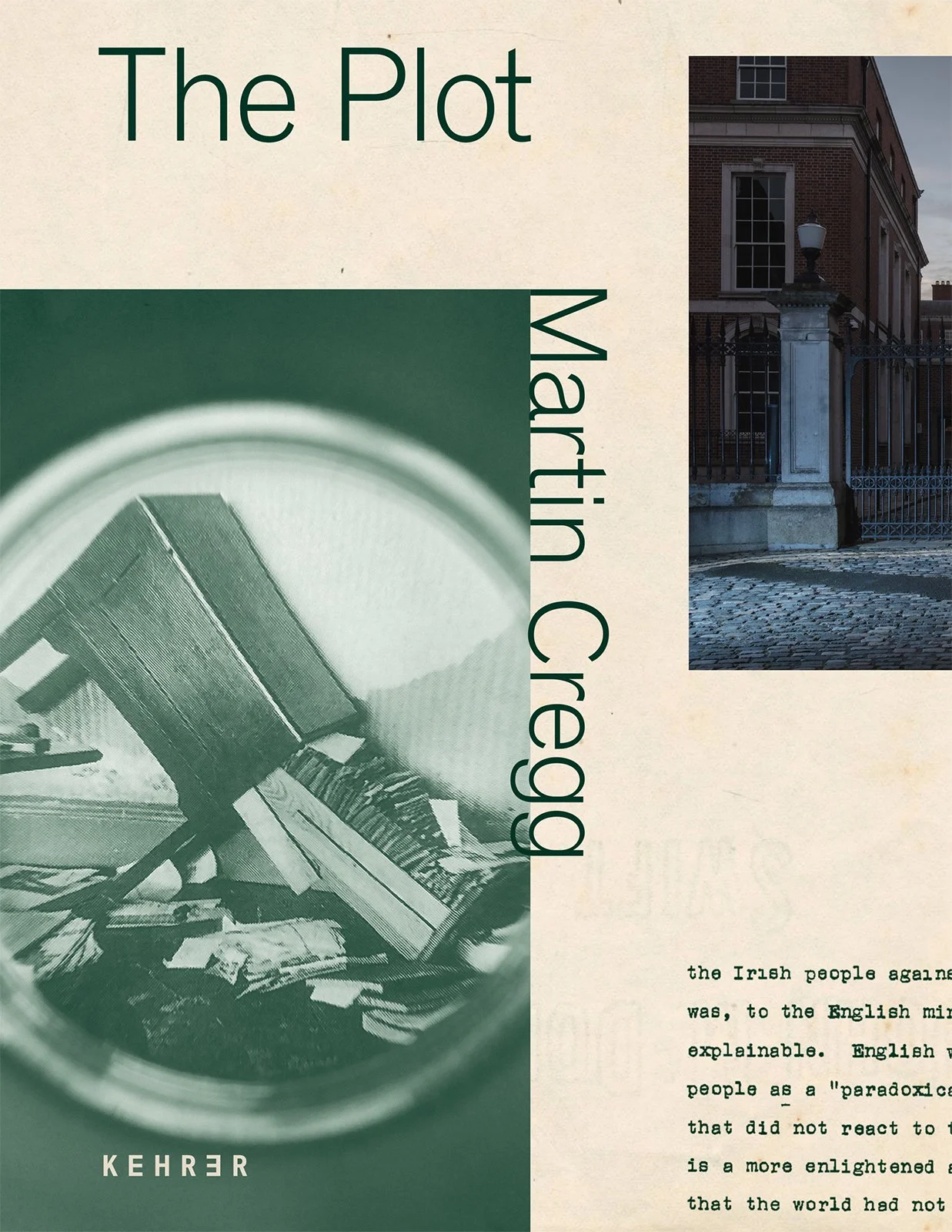
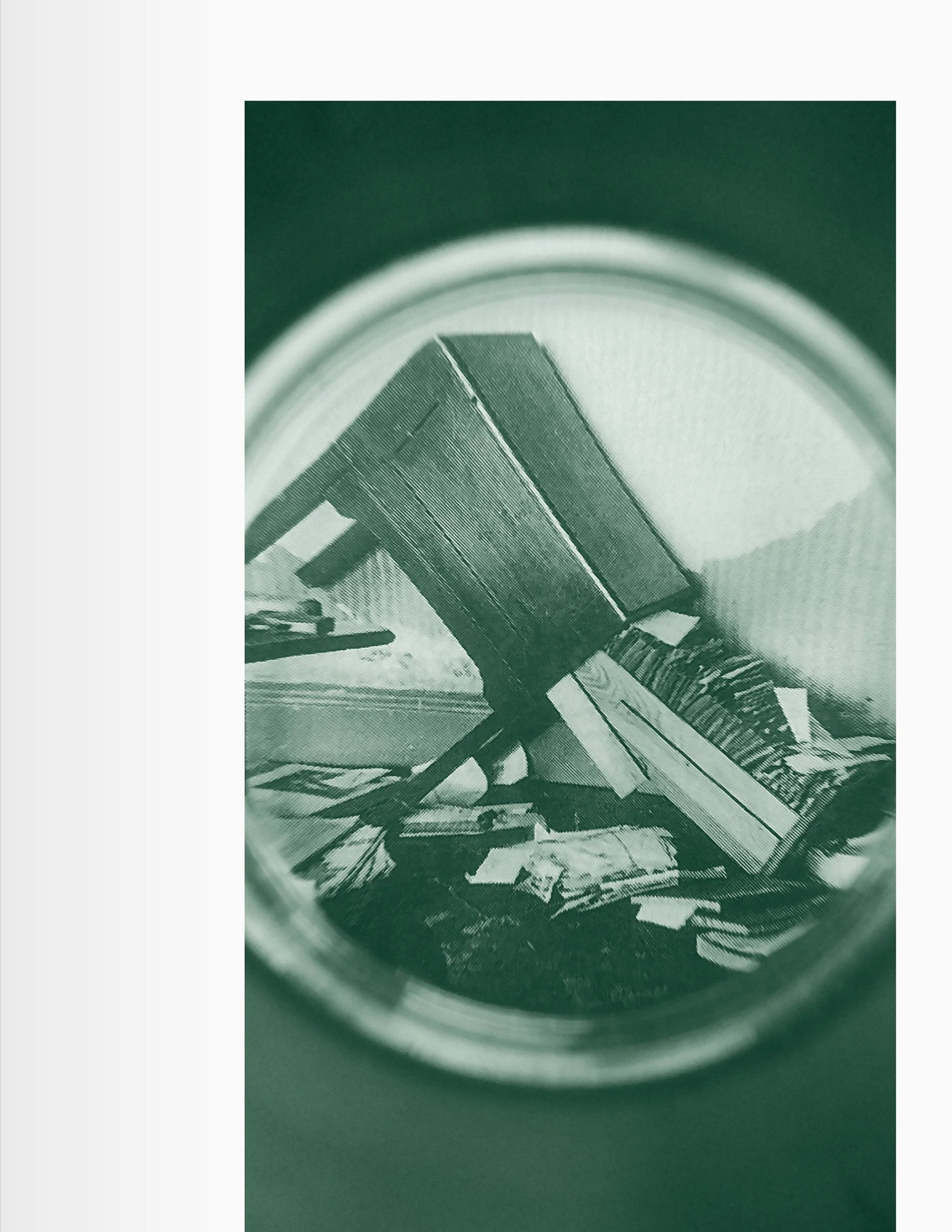
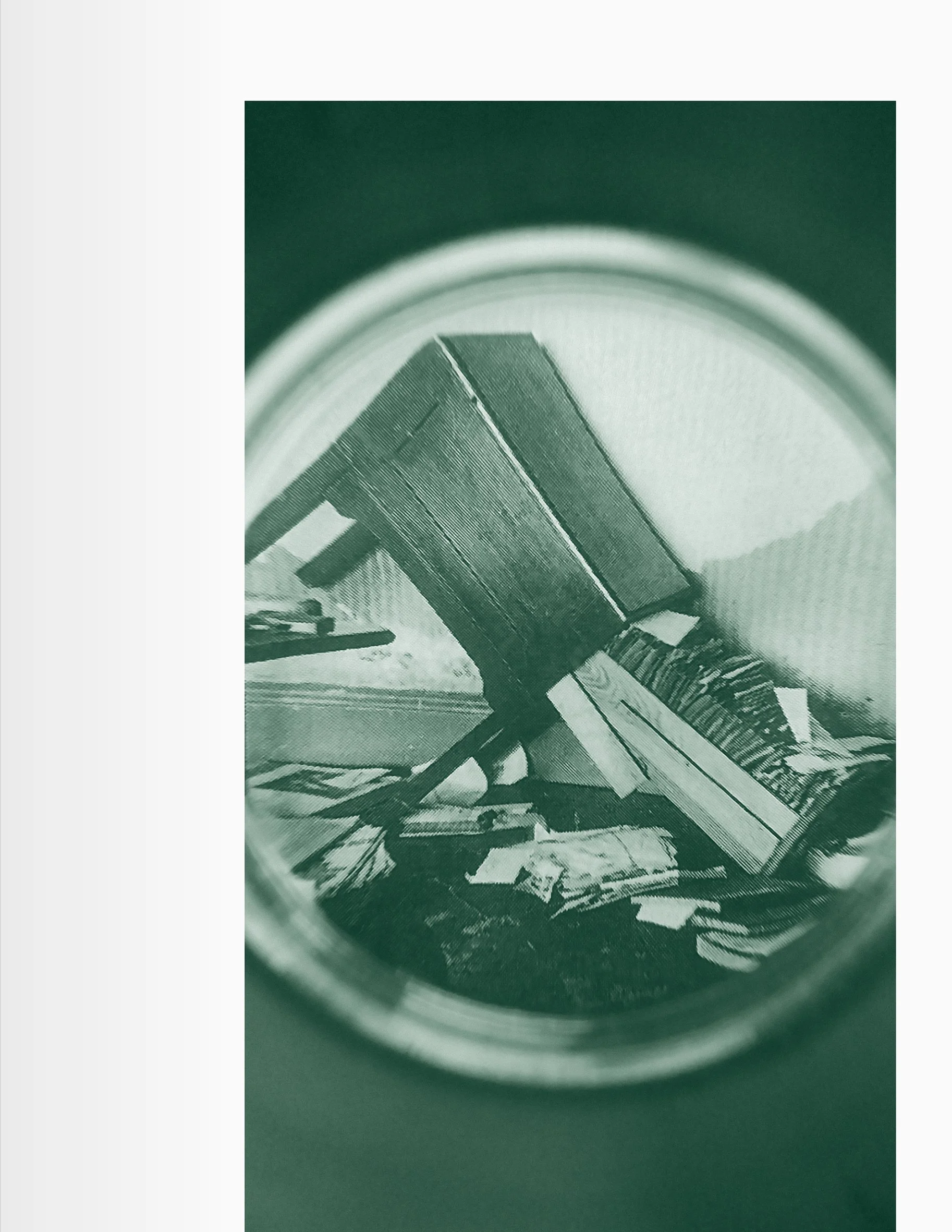
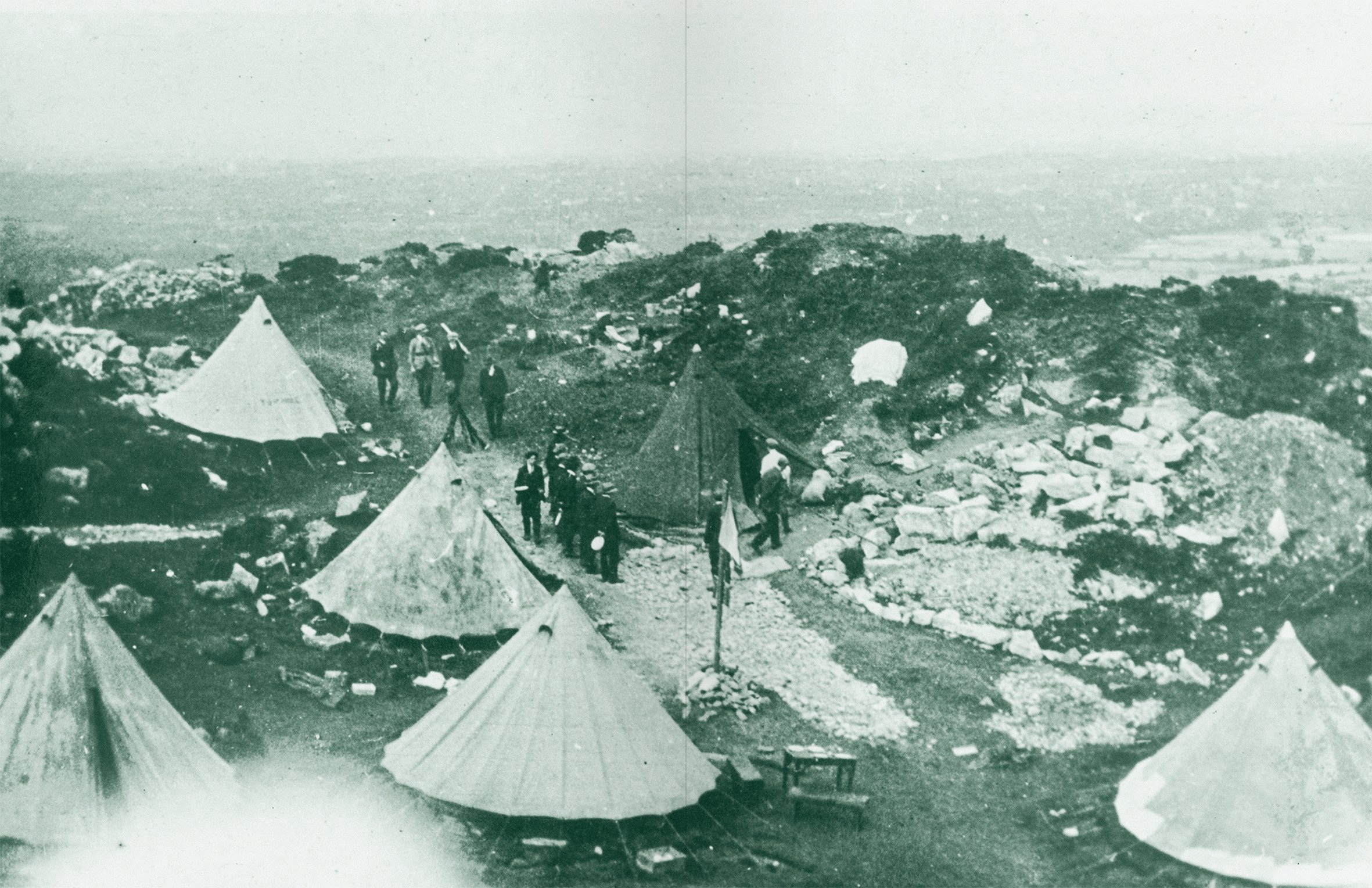
Working with archive images in collections at the National Library and Museums here in Dublin, RTE Archives, and the Imperial War Museum in London for part of the narrative structure of The Plot, my approach has been to rephotograph the images relating to the subject – photographs of police raids on covert bomb manufacturing houses, munitions dumps, safe houses, as well as the aftermath arrests, ambushes, etc. I was fascinated with closing in on my view of witnesses to these events - reselecting and reframing the conditions of viewing within each image. Using a visual device, I found myself slowly navigating the dense details of historic images - magnifying, amplifying, and redirecting the visual field into a new site of inquiry within each image. The process resonates with histories of intelligence work and the epistemologies of espionage. For the project, it creates an interesting way to engage with the image - heightening the intensity and ambiguity of what is revealed in the photographed moment. This offers a shift in focus to the backdrop of the event, or to possible overlooked details: a woman squinting through curtains at the edge of a murder scene, witness after witness to events hovering in the background, two men whispering on a street after an arrest, disguarded shirts propped on a bedpost inside the scene of a raid. Certain details of each event can feel dense with tension, urgency, and ambiguity—inviting reflection on the contingencies of historical and archival memory. The meaning of an image is never fixed. The act of rephotographing archive imagery questions how history is seen, remembered, and interpreted. Rather than passive observation, these moments of spectacle and photographed evidence encourage scrutiny and reinterpretation.
Finding the Invisible: Many of the sites you photographed, such as safe houses and secret munitions factories, no longer look like what they were. How do you photograph a place whose history is hidden?
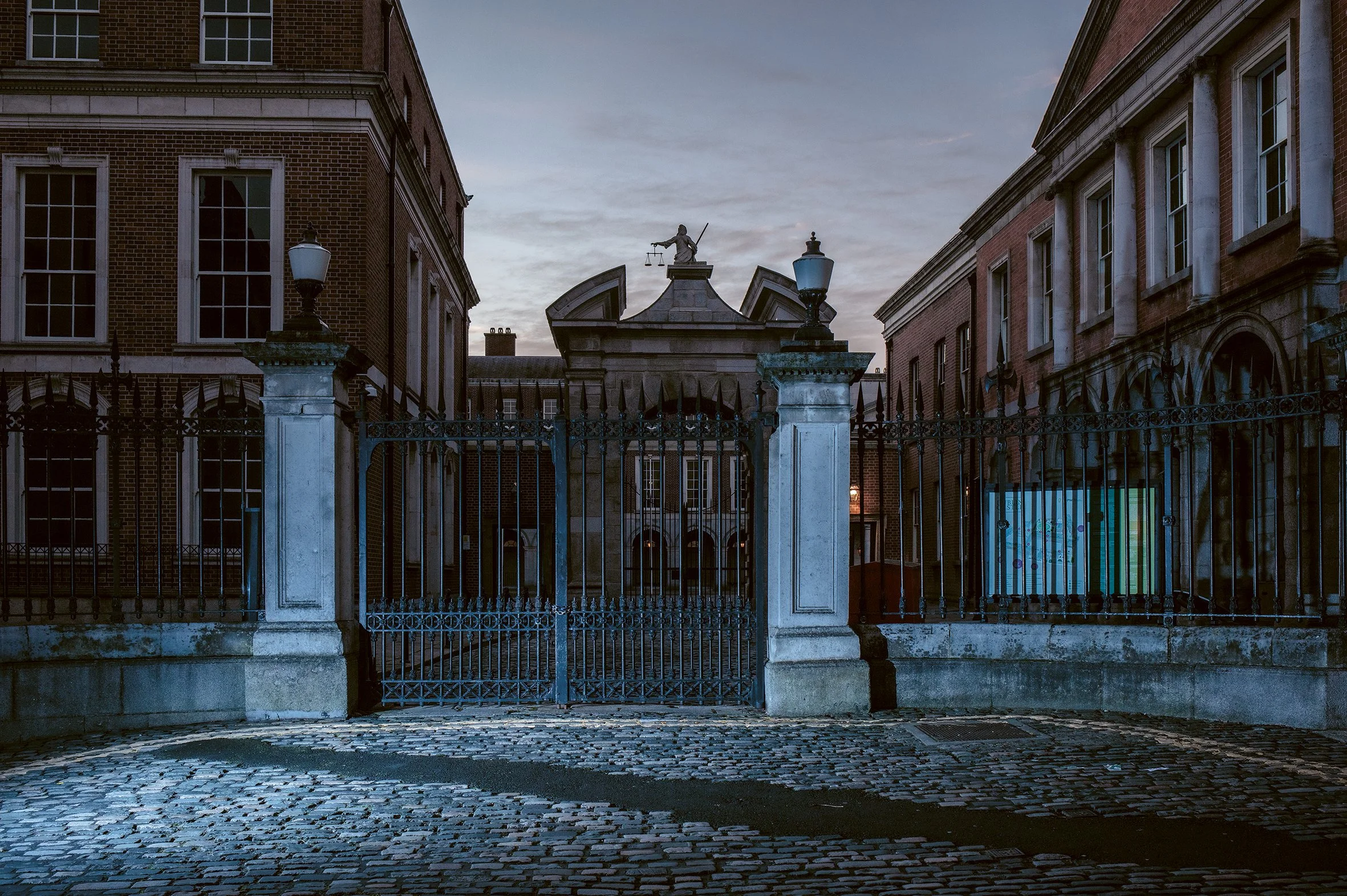
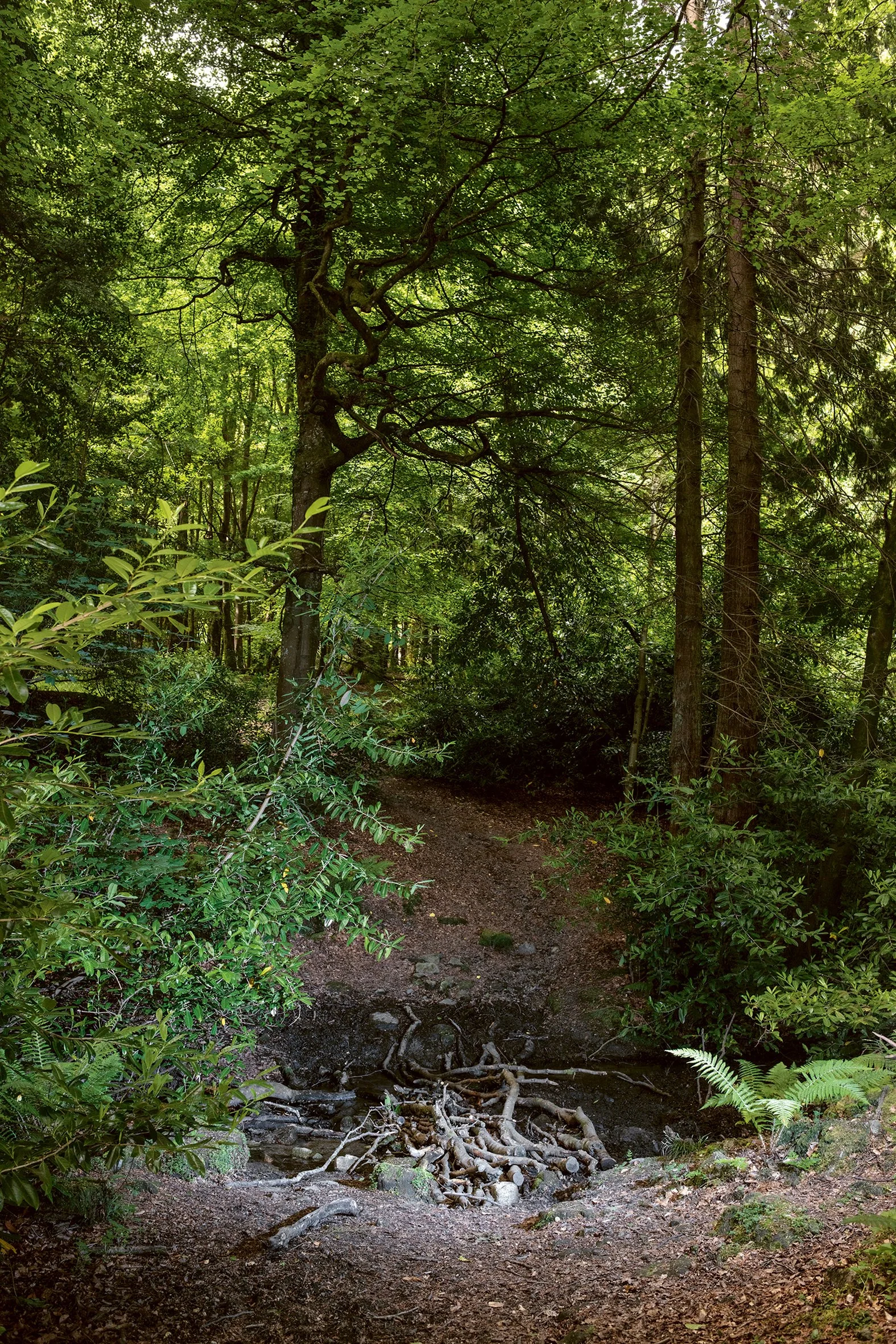
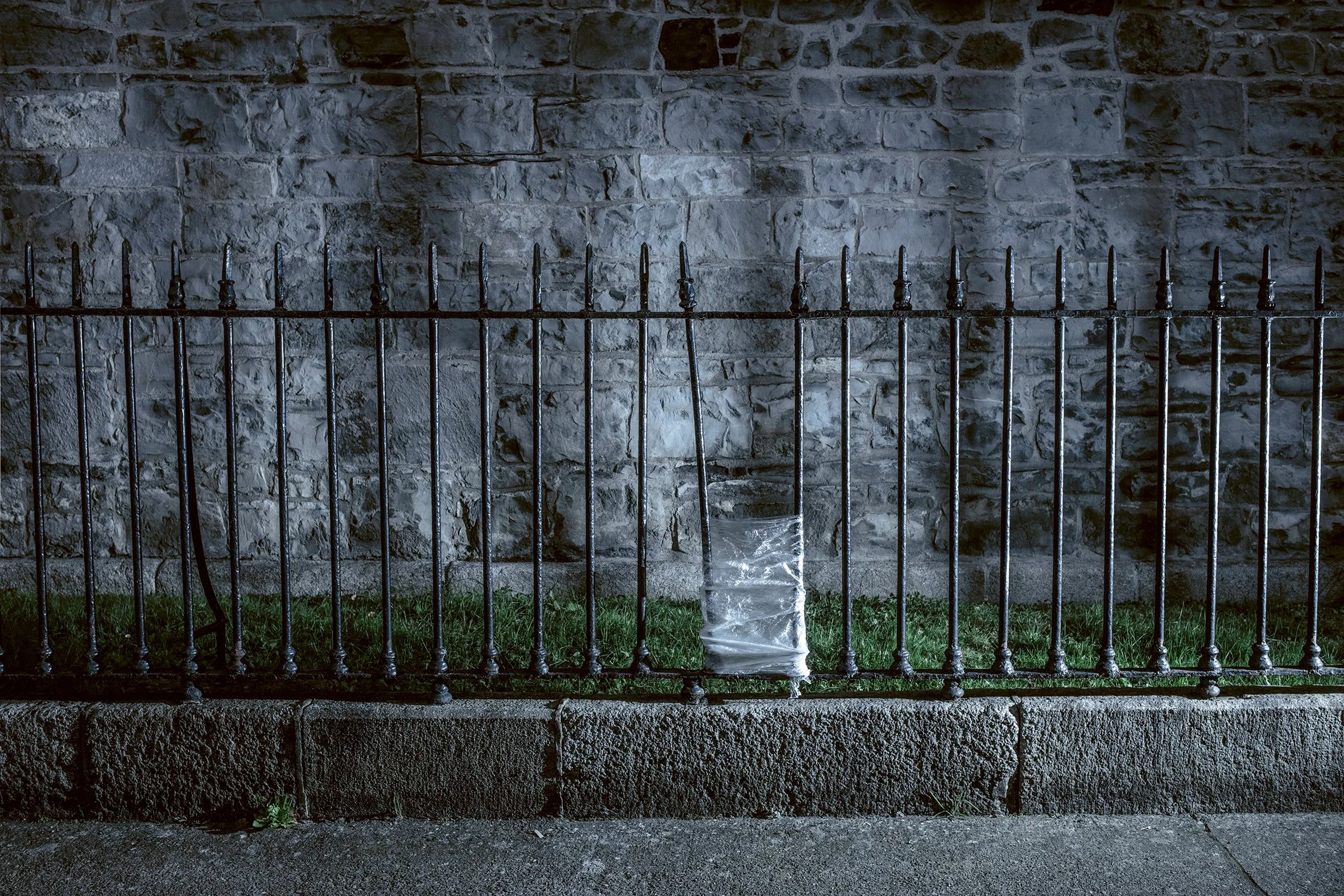
The research I conducted into the covert intelligence war, especially the witness testimonies, offered a sense of the character of the time— the look, feel, and atmosphere of Dublin in the 1920s. For me, it mapped out the hidden geography of war in the familiar terrain of Dublin city. The architecture of Dublin, in many places, is not dissimilar to what it might have been in the 1920s. Knowledge and context, of course, alter how we view locations. The act of storytelling— of any form— can activate in the imagination of an audience these hidden histories. There are layers upon layers of history, countless stories, and micro-events which happened in Dublin in the 1920s that the act of photography can unearth, amplify, and reimagine. When married with text or context, there is a perspective shift in how we look at familiar places, and they reveal their stories and hidden narratives.
The early iterations of The Plot centred around the events of what we know as Bloody Sunday— in November 1920. On this day, British forces opened fire on spectators of a sporting event at Croke Park. My focus was on the morning of Bloody Sunday when Michael Collins and Frank Thornton orchestrated a synchronised attack in multiple locations in the city at dawn. The targets were British officers, G-Men (plainclothes detectives), and British spies who had lodgings in the south area of the city. My work, initially, combined photographs taken at these ambush locations— at dawn— with witness testimonies from those who participated in these attacks. These early works formed the building blocks of The Plot and forced me to structure, to write, to give shape and form to a possible book.
Over time, access to and use of dispatches, documents, and photographs in the Intelligence files at the Bureau just added another layer to the project. These dispatches and notes made by Collins’ spies provided a fascinating insight into surveillance operations and strategies of the Republican movement— with details, names, addresses of possible British agents, possible undercover detectives or touts who were watched, followed, observed. It painted a picture of espionage, intelligence, and counter-intelligence in the streets of Dublin in the 1920s. Dublin became a theatre of espionage, and my own work shifted a little to try to portray the sense of mystery— away from simply matching up the simple equation of location plus context equals narrative. I didn’t want the work to be too literal, too indexical. Moreso, to maintain a sense of mystery and a feeling of this book acting like a visual spy novel.
Mixing materials: The book combines your photographs with historical documents, spy dispatches, and witness interviews. How did you decide what to put next to what?
As well as the production of my own photographs, the work is prompted by all the documents, witness testimonies, and resource materials I had to draw upon. I was offered the opportunity to scrutinise, to unpick the history, and piece it back together to create a nuanced and fresh narrative of the Intelligence War. Dispatches, letters, witness statements from key players, and photographs provided me with an immersive experience when it came to visual storytelling. The tactile experience of looking through the original Collins intelligence files, for example, made history a very present experience.
It took a long time to piece together this narrative. The initial working book was much bigger than it ended up. It had overall a variety of materials, but also a variety of aesthetic approaches. Too much material and not a lot of structure. The process happened day to day for about one year before I settled on the first dummy draft – it was about 400 pages. I created the dummy in physical form, which I prefer, to begin then migrate the edit virtually to design tools for PDF. In my mind, I had to stick to a loose chronology of events, so the plot has a narrative thread through it.
These men and women who were centrally involved in the Intelligence war are the dramatis personae of this narrative. The texts or witness statements offer voice to this narrative. I made a creative decision to make composites and combinations of witness texts and statements by multiple key players from the time, interwoven and threaded together to create a more concentrated and flowing narrative of events through the book.
It's hard to answer the questions of logic when it comes to editing books. There are logical reasons for placing certain images next to certain text, or smaller sequences of images together for contextual, design, or aesthetic reasons. But many of the decisions are based on just instinct – something feels right. I would not classify myself as a designer, but with this book, I was determined to do as much as I could myself – to learn, to grow, and exercise control over my own product.
Building a long project: The plot is a major body of work that clearly took years of research. What kept you going, and how did you know when it was finished?
The work had several different phases, each was time-consuming, exhausting, and trying to balance immersive work like this with a full-time job and a young family was tough at times. The image-making part was so very enjoyable - getting up at dawn 2-3 days per week, working in quiet streets, in the half light, was energising. The research element was fascinating and an education in itself. The design element is always a challenge – the piecing together of the whole puzzle was a long process. For design, it took over a year to create the first dummy suitable for submissions to publishers. Luckily, Kehrer Verlag showed a lot of interest. Further, writing and publishing are not natural territories for me as an image maker. But my philosophy is to just be as adaptable as possible, not label myself or limit myself to just being a photographer, or lens-based artist, or whatever the suitable title needs to be. I could have gone further with the work, I feel. There are possibilities to segway one way or another with this work. There are locations I didn’t get opportunities to explore, stories from research I did not represent. But eventually, we have to stop production and realise the product.
To discover more about this intriguing body of work and how you can acquire your own copy, you can find and purchase the book here. (Kehrer Verlag, Amazon)
More photography books?
We'd love to read your comments below, sharing your thoughts and insights on the artist's work. Looking forward to welcoming you back for our next [book spotlight]. See you then!
Lee Espinoza reminded Darren Vargas of his late grandfather. The photographer met the boxing coach in 2025, five years after his grandfather Esmael died. Photography Book Spotlight