Can a Photograph Humanize a Murderer Without Excusing the Crime?
Welcome to this edition of [book spotlight]. Today, we uncover the layers of 'For the Grace of God,' by Vladimir Karamazov (published by GOST Books). We'd love to read your comments below about these insights and ideas behind the artist's work.
Vladimir Karamazov entered prison looking for humanity.
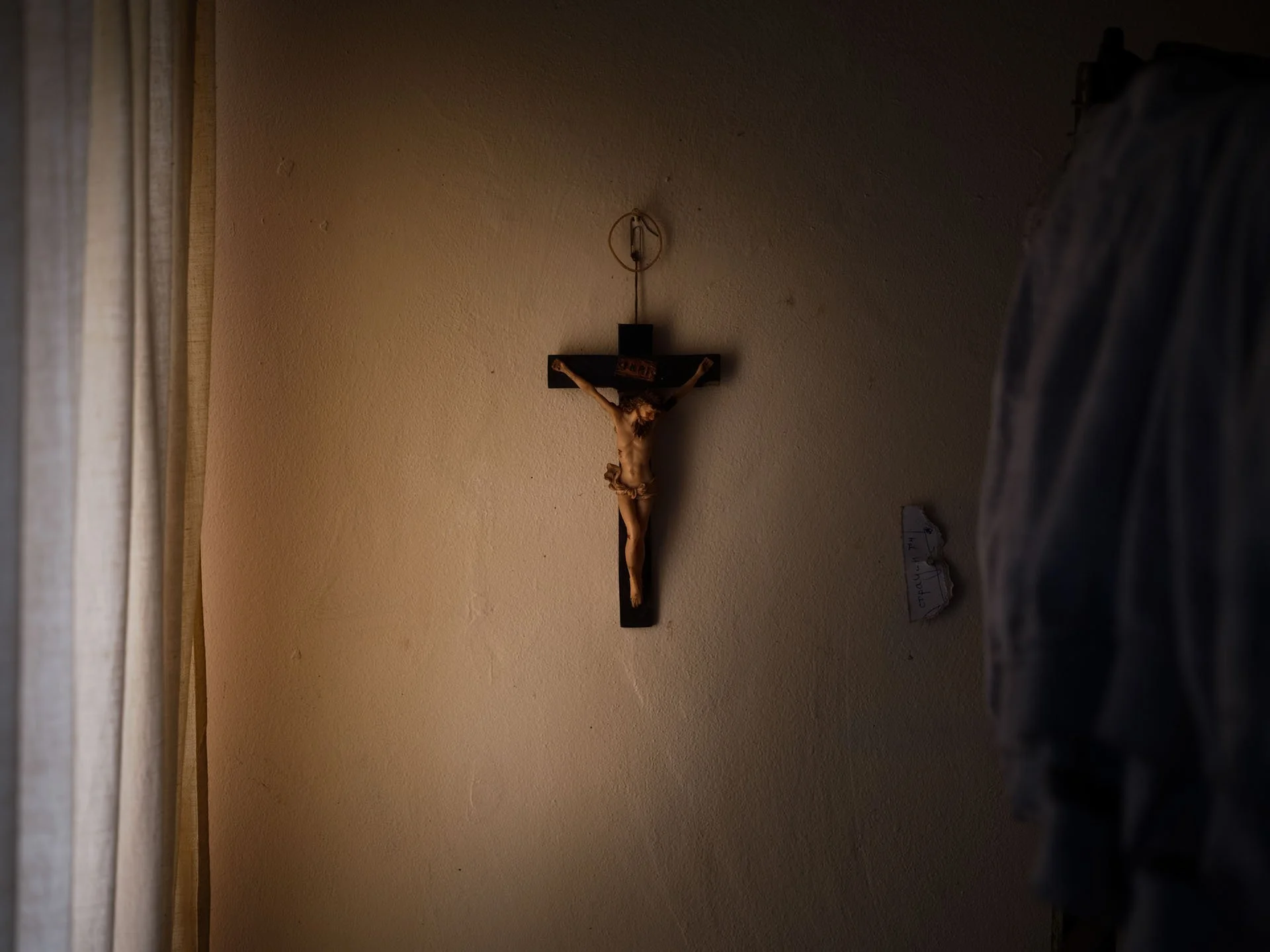
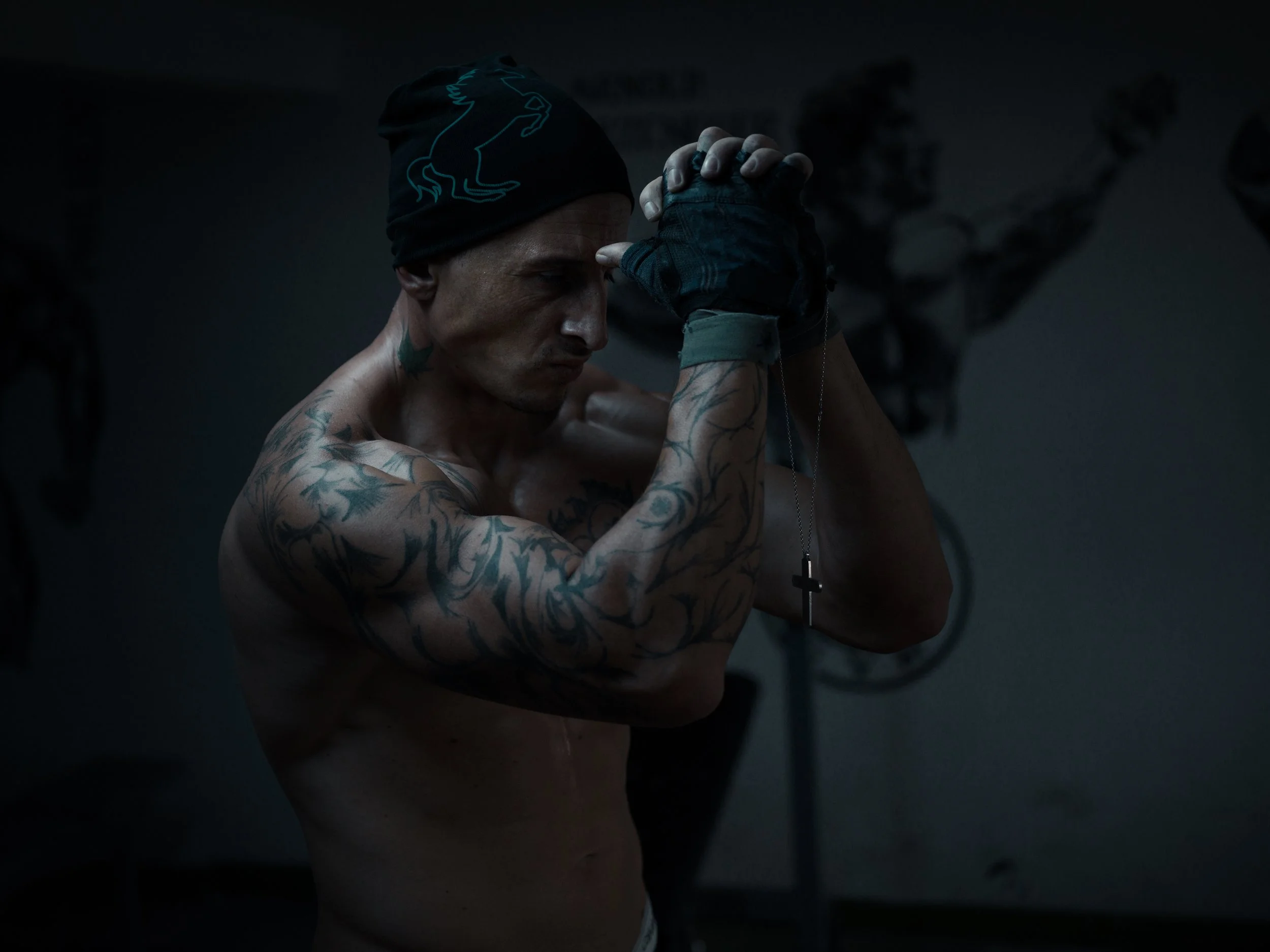
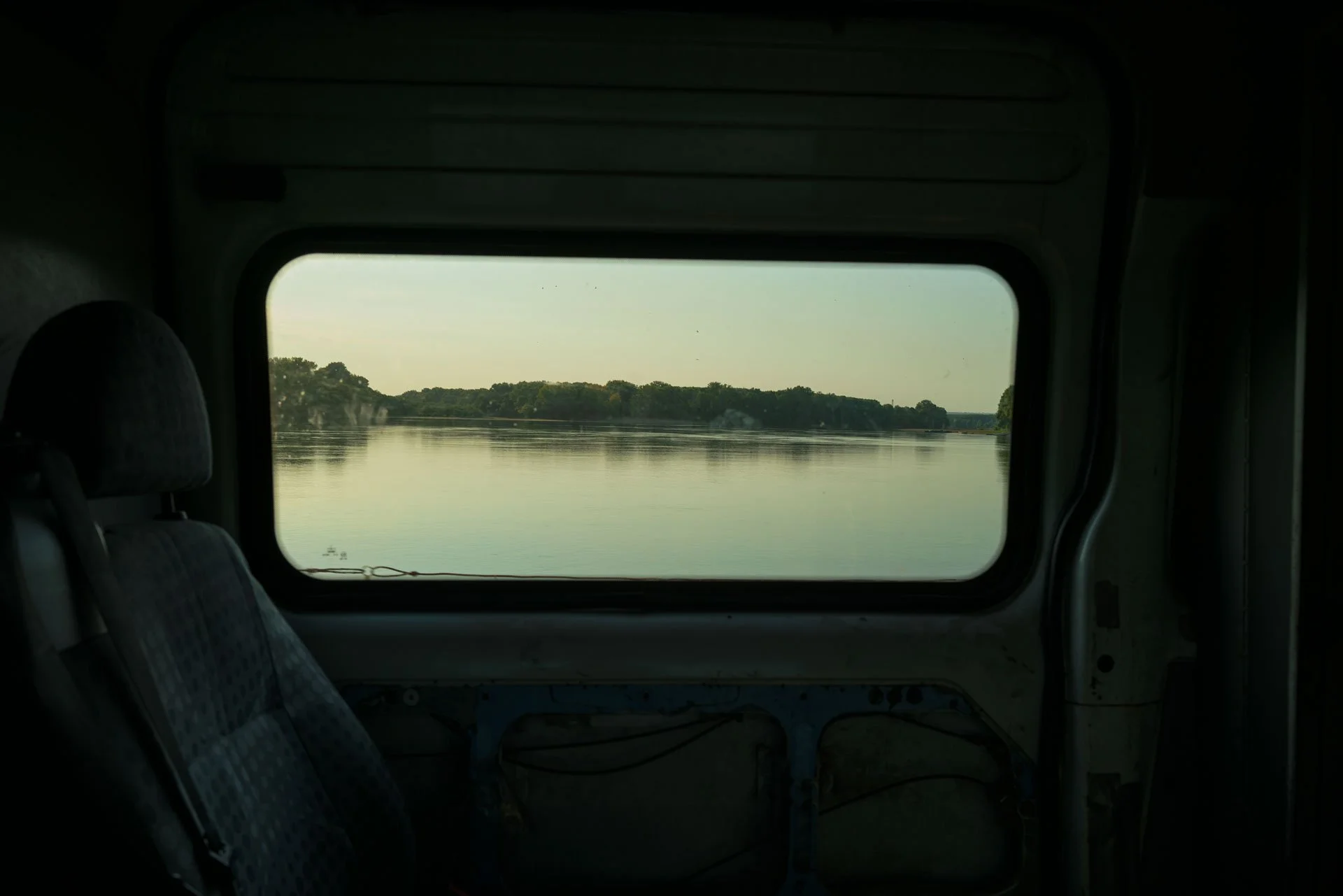
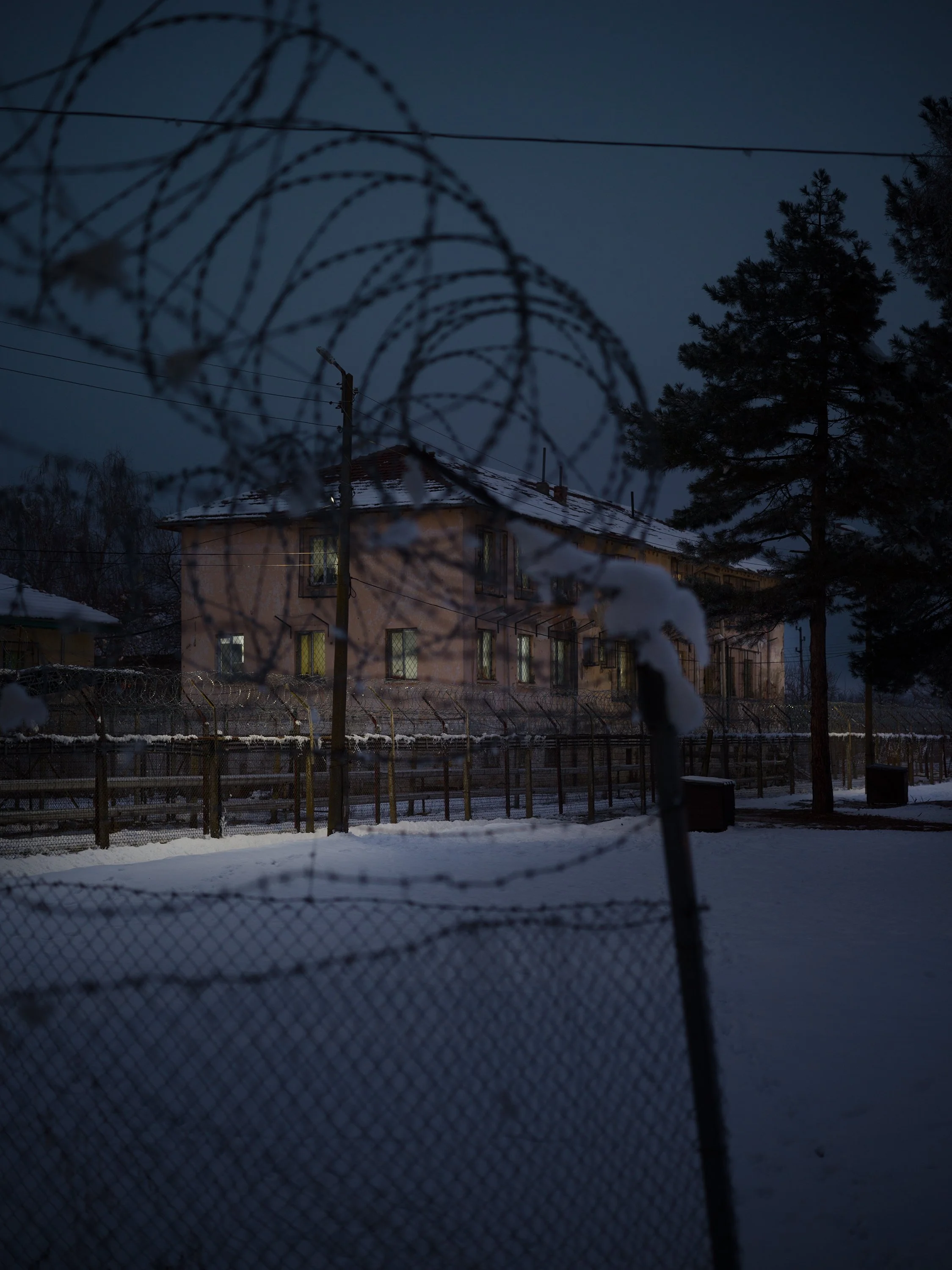
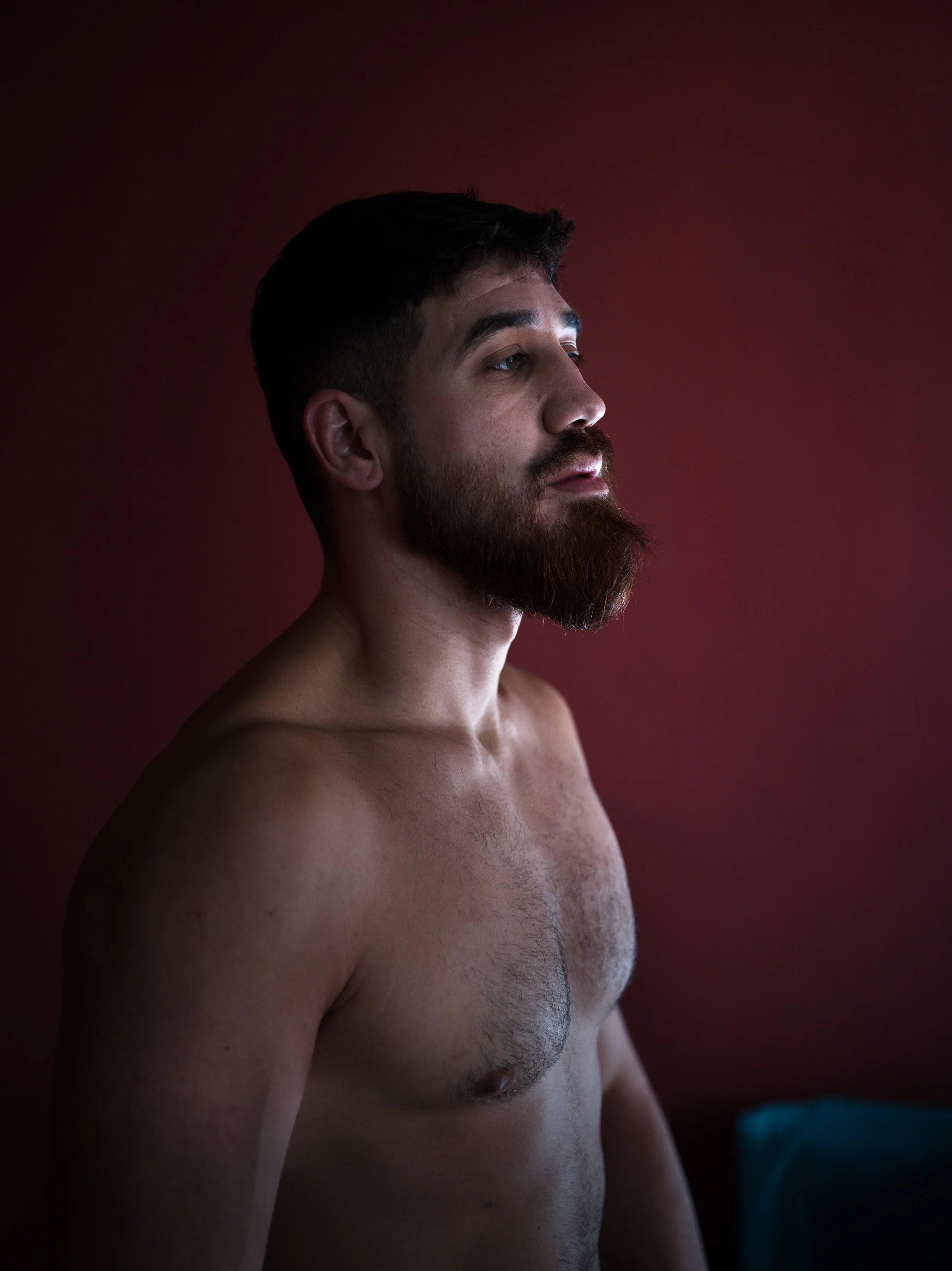
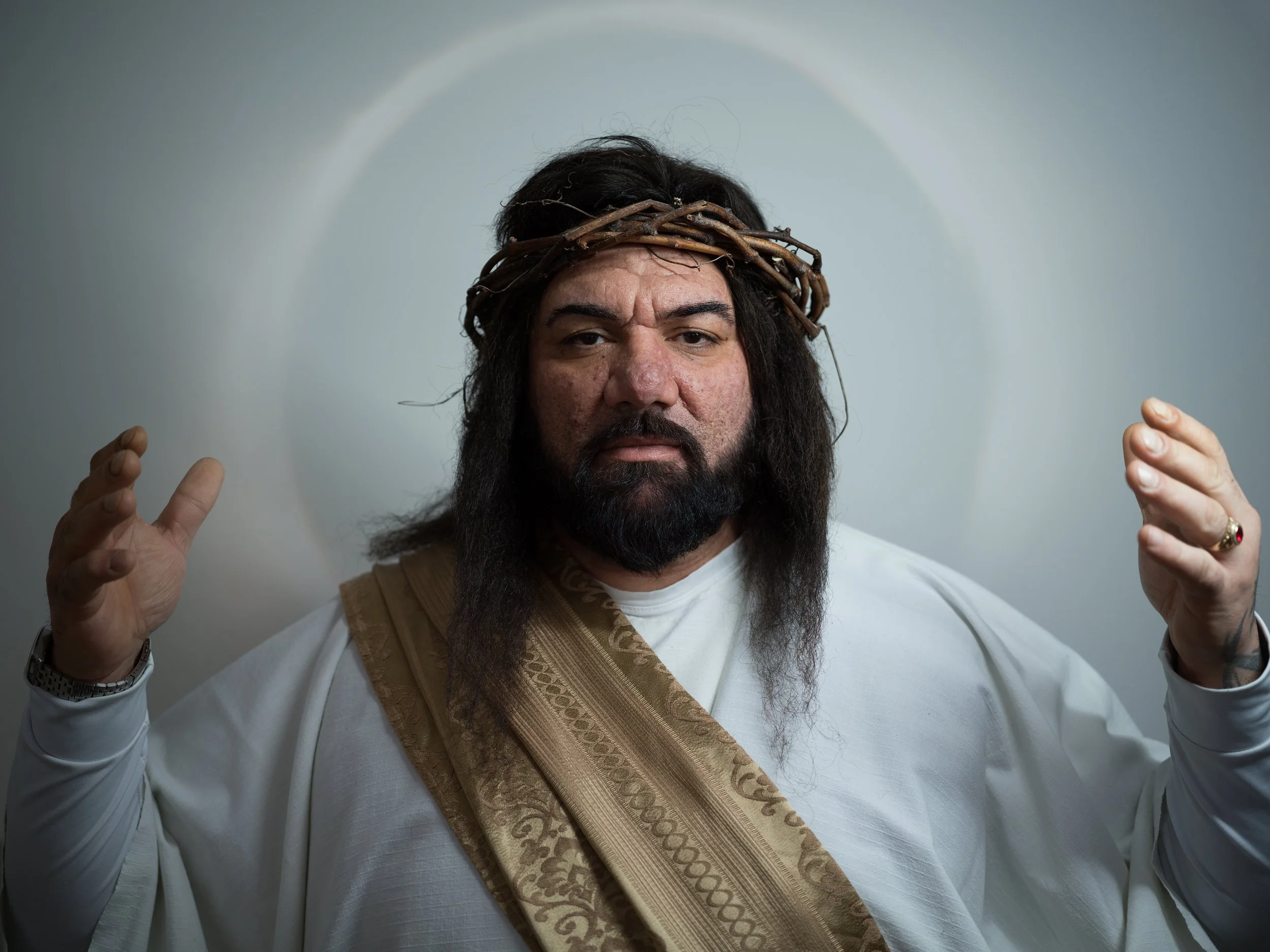
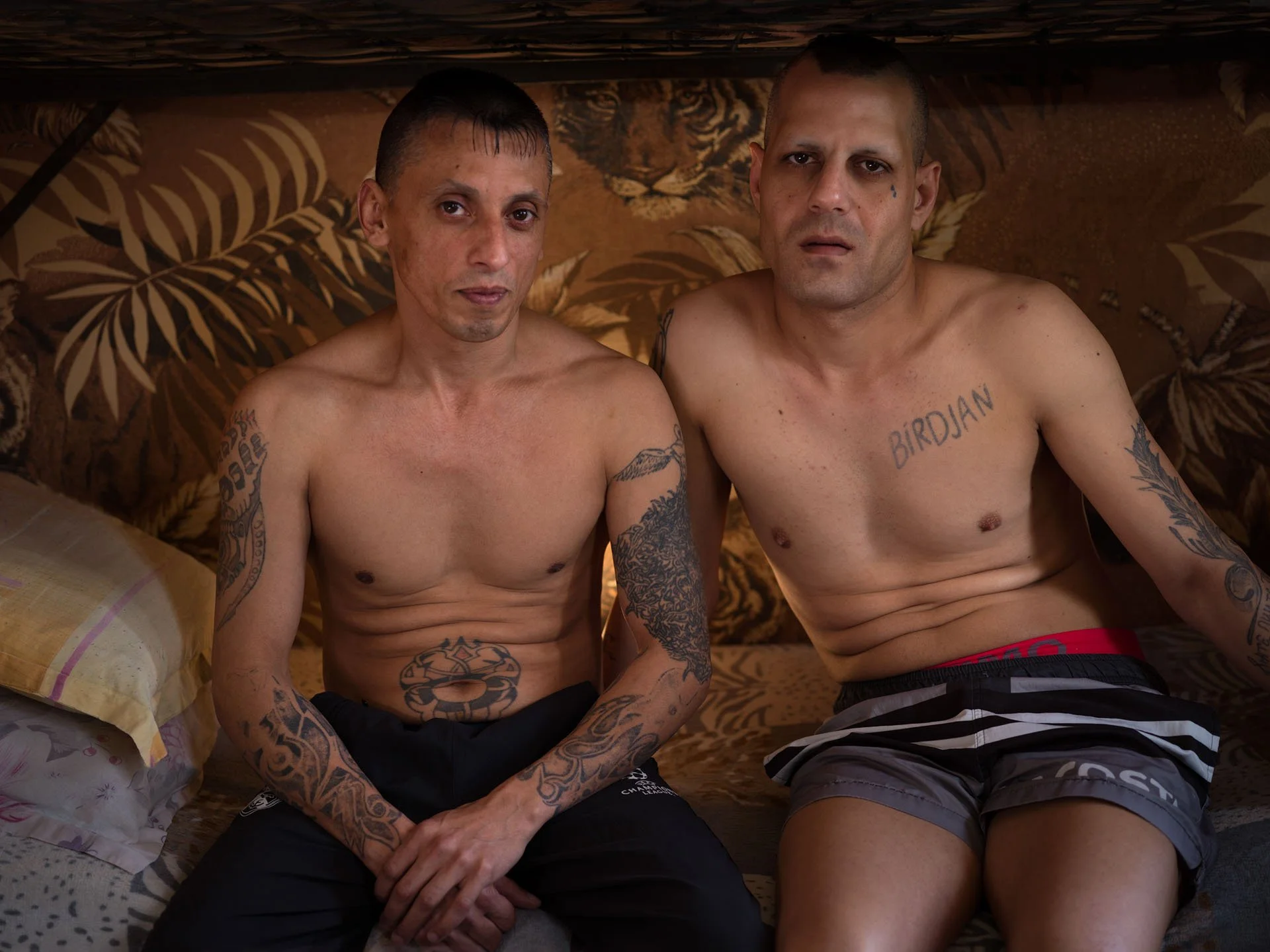
For one year, he photographed inside Belene Prison in northern Bulgaria, the country’s most heavily guarded prison and home to many men serving life sentences for murder. The work became For the Grace of God, a photobook published by GOST Books. Alongside portraits, the book includes photographs of the prison, the island landscape, and letters, poems, drawings, and testimonies collected during his visits.
The project was built over time.
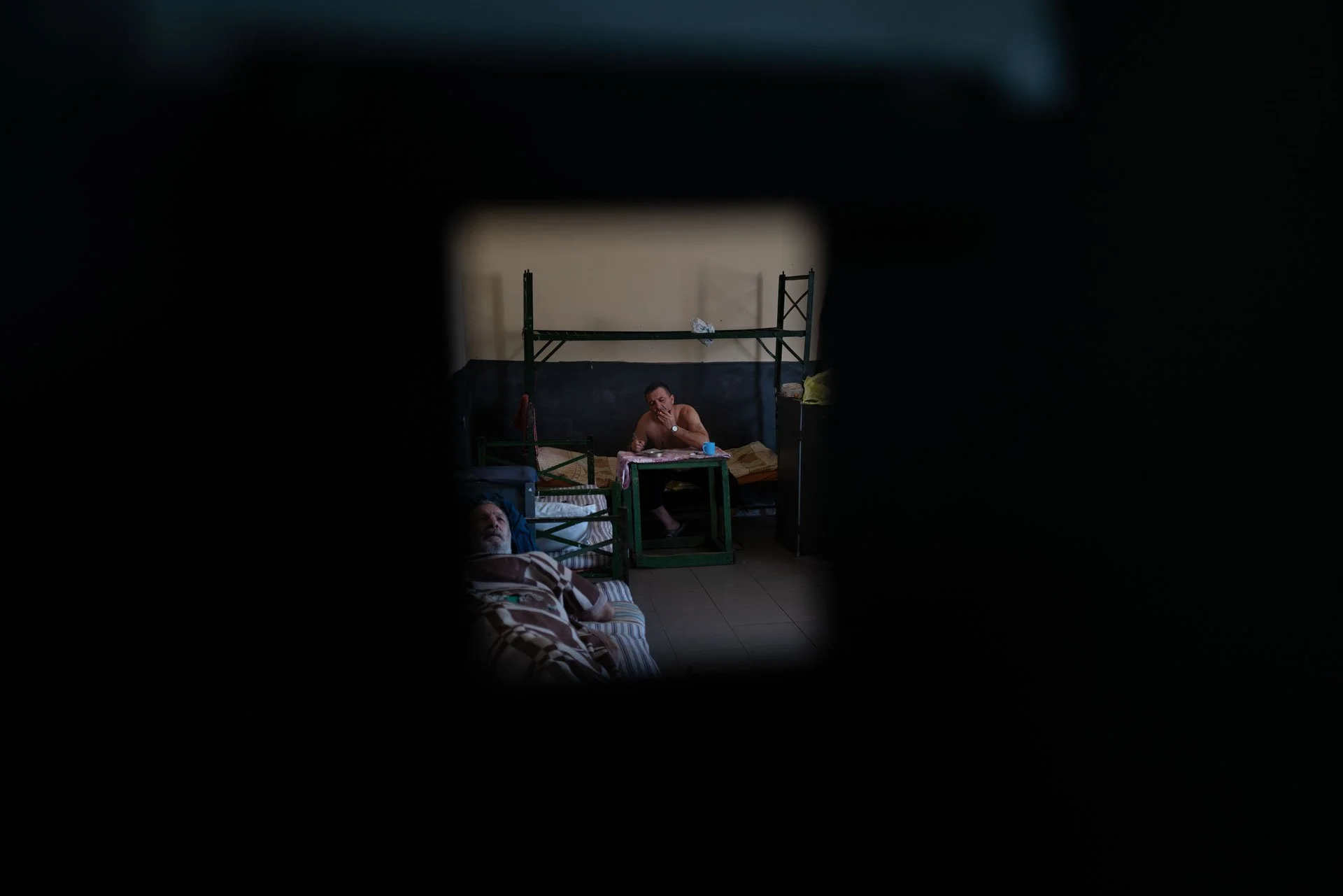
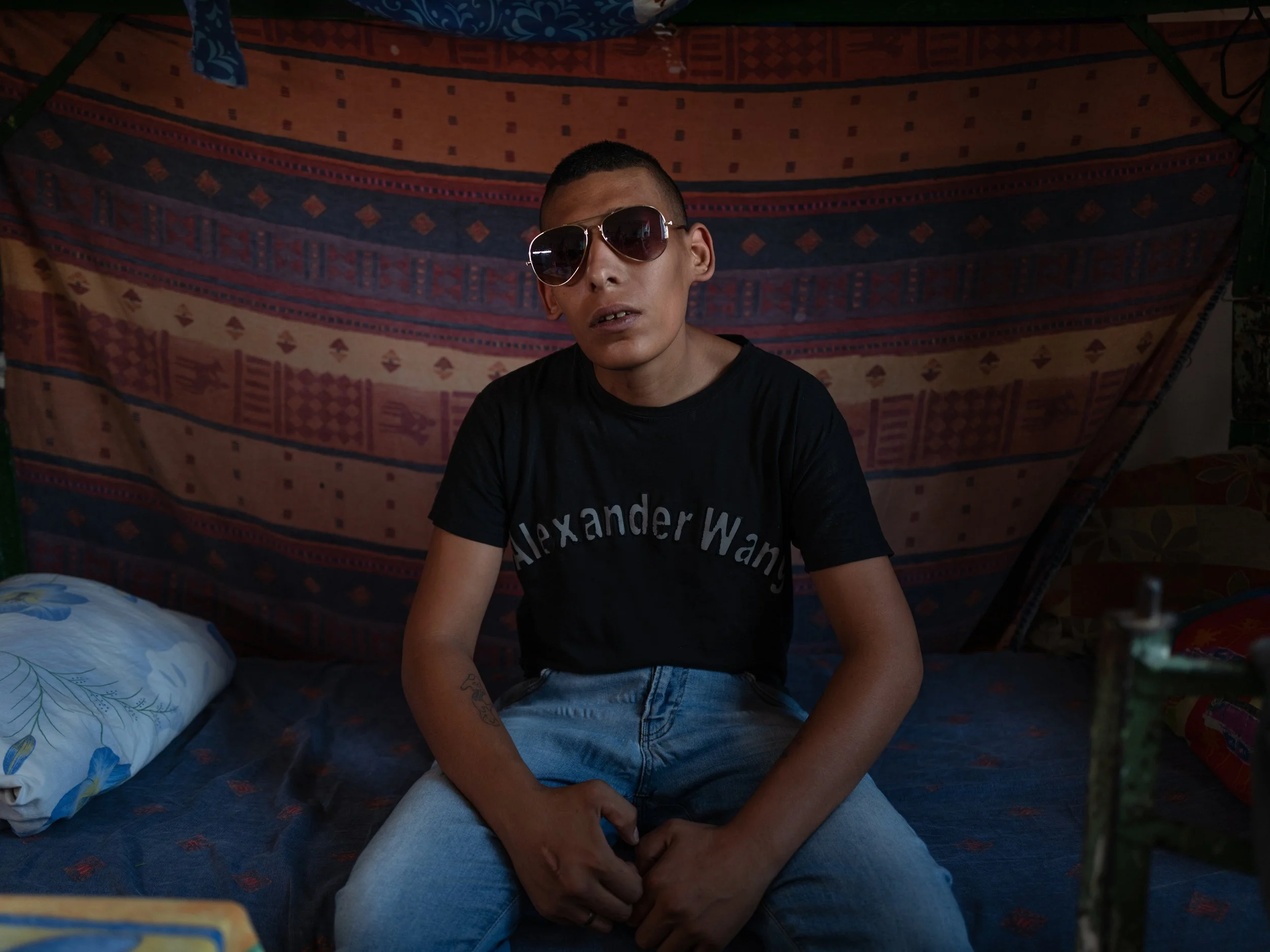
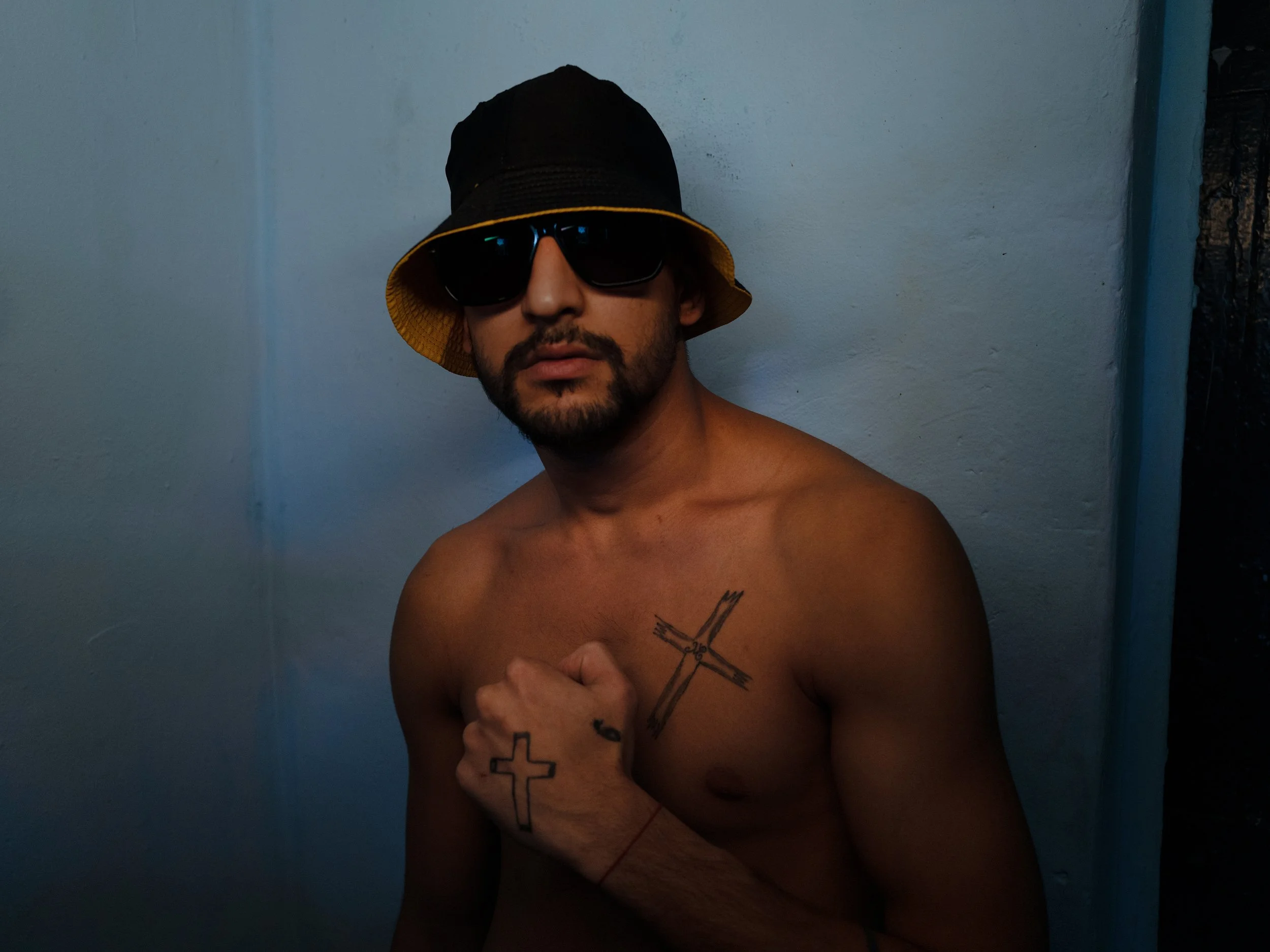
Karamazov returned to the prison throughout a full year, gradually earning the trust of both prisoners and staff. As the relationships developed, he photographed inside cells, shared meals with inmates, and gathered personal writings that appear throughout the book. Together, these materials document daily life inside Belene and the people living there.
Karamazov talks about gaining access to the prison, building trust with men serving life sentences, photographing inside their cells, and deciding what should appear in the final edit. He also discusses the ethical questions behind the work, the role of the prisoners’ letters and drawings, and what he hopes readers will think about after closing the book.
The Book
For the Grace of God by Vladimir Karamazov, published by GOST Books, is a photographic study of Belene Prison, Bulgaria’s most heavily guarded prison and home to many men serving life sentences for murder. Made over one year, the book moves between portraits of prisoners, the architecture of confinement, the island landscape, and personal materials including letters, poems, drawings, and testimonies. Rather than separating the men from their crimes, Karamazov examines guilt, punishment, regret, and the possibility that a person can change without being released from responsibility. (GOST Books, Amazon)
Genesis: What made you want to go inside Belene Prison and start this project?
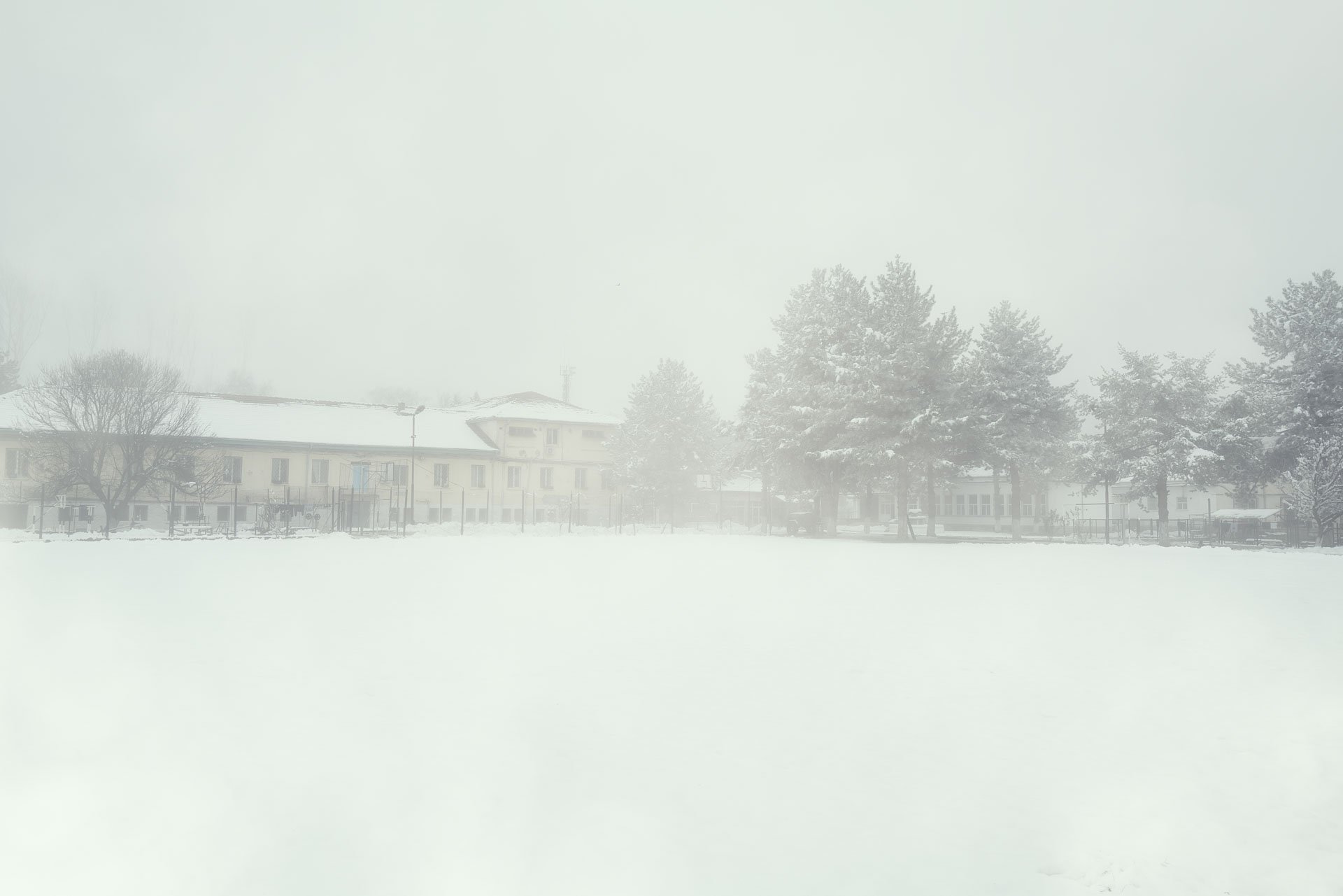
The biggest reasons were curiosity, fear, and the ignorance I felt towards the prison. How do people live there, why did they turn to crime, how do they think and what do they dream about? I wanted to stand face to face with people who had killed. I remember that on the day I was to enter for the first time, it was cold and foggy on the island. I was terrified of what awaited me. I imagined awful scenarios, above all the encounters with lifers. I was sweating and nervous. A few minutes later, the heavy iron doors closed behind me, and I began the project.
Access: How did you convince the prison to let you in, and how long did it take to build trust with the inmates?
I can say with confidence that access like mine is impossible in the times we live in. My access allowed me, for one calendar year, to work freely without limited time directly in the prisoners’ cells and everywhere I chose. First, I convinced the prison director; then, with him, we waited about three months for permission from the Ministry of Justice and the General Directorate of Prisons. One autumn day, they called me and said the minister had given a positive answer. I could not believe it had happened. It is an absolute precedent for my country, and I think for many other places in the world.
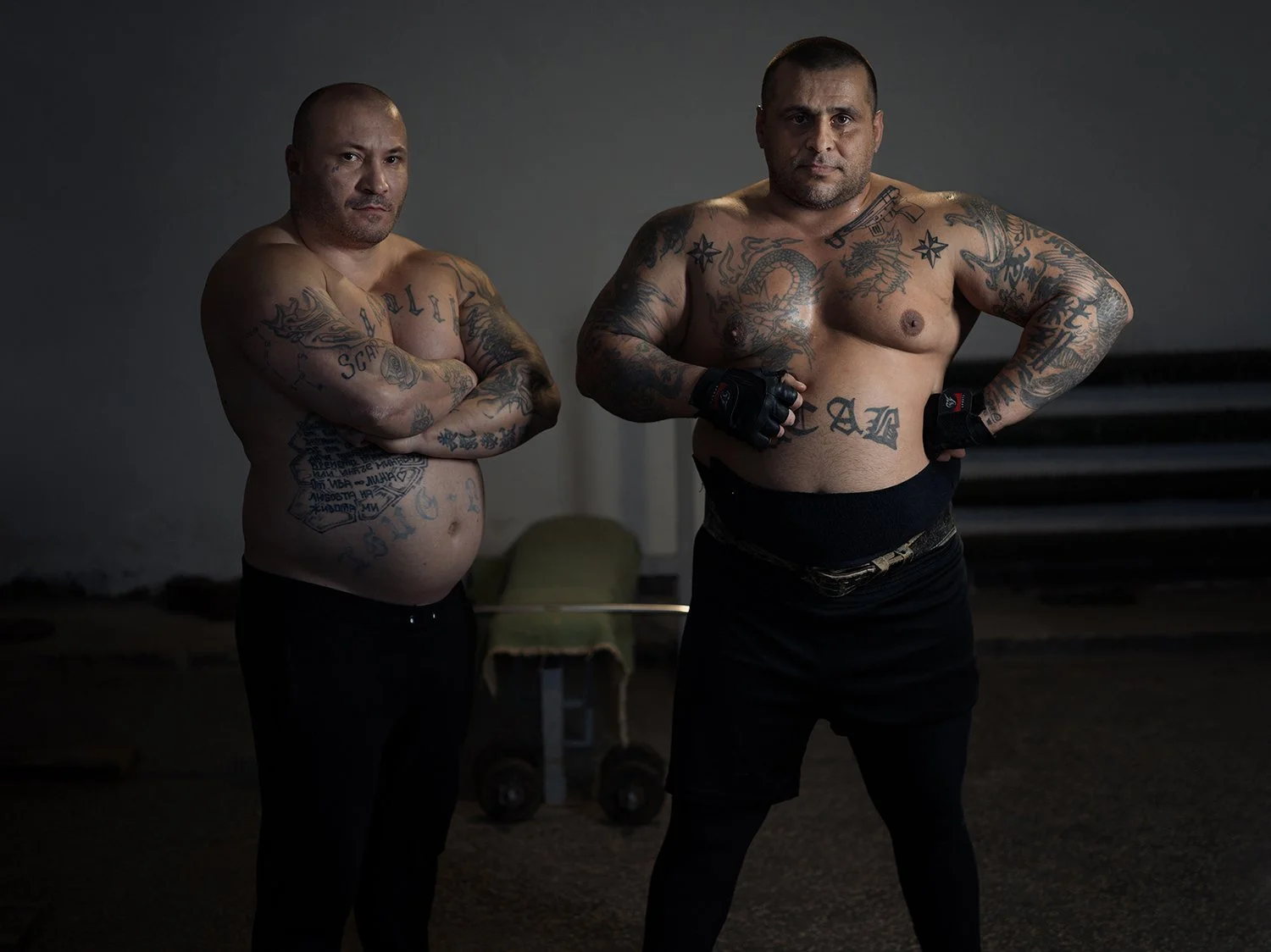
It was difficult with the inmates at first. We held separate meetings with different groups. Each group is associated with different crimes and is housed in a separate building. They looked at me while I explained that I wanted to do something different, to present them as people, but they did not understand. Some were even irritated with me. That’s when the great help of the three most important prisoners in the prison came. They have great power inside, and when I asked who would like to be photographed, they raised their hands. When they raised their hands, everyone else followed. All three are serving life sentences for murder, and I can safely say that I am now friends with them. They call me often.
Time: You took photos from October 2023 to November 2024. How did your approach change the longer you spent there?
Great question. Everything changed month by month as they gradually accepted me more and more. After the sixth month, they accepted me as one of them, believed in the project, and I truly felt free to ask them for anything. And they gave it to me. There’s an interesting story. At first, everyone wanted my phone number. I wouldn’t give it - I always found an excuse not to answer - but I felt bad about lying to them. On my next visit, I learned that my phone number had a high price. They were trading it. Someone had seen it on a document. I thought to myself: I want them to be honest and open with me, and I’m lying and not being sincere. So I decided to give my phone number to 350 prisoners. Now everyone has my number, and everyone calls me. I don’t regret it, because it’s part of the project, and actions like that won them over.
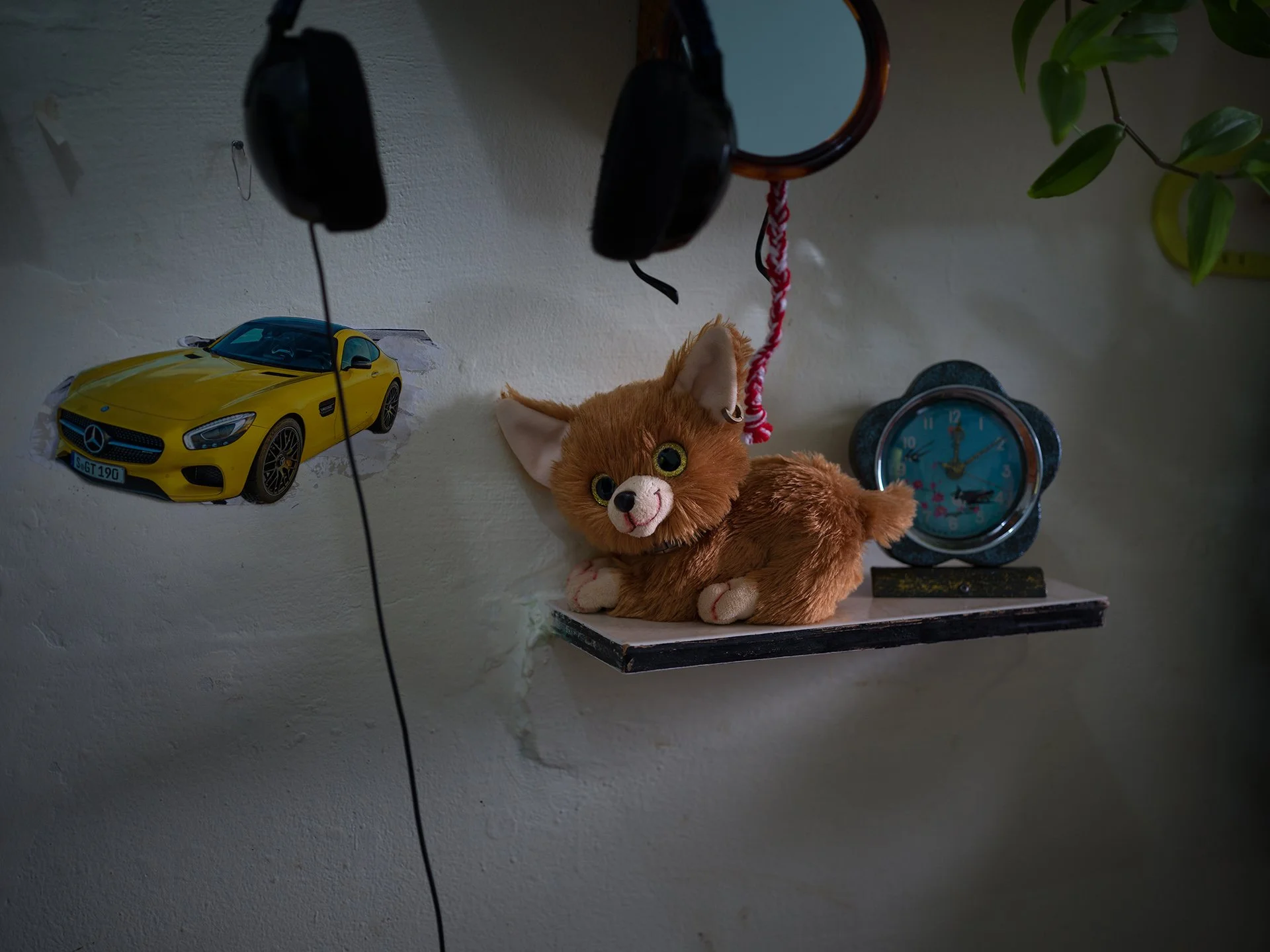
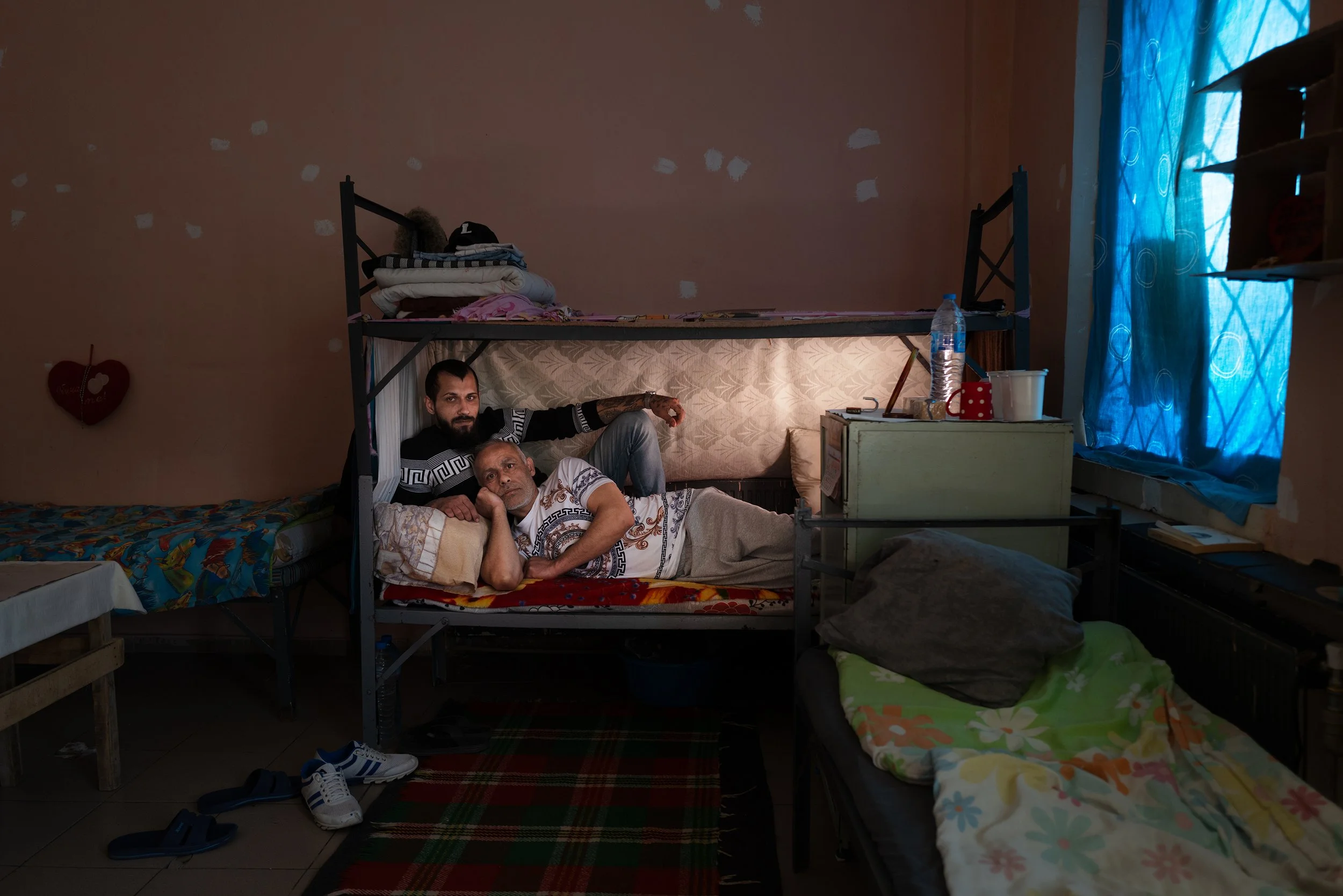
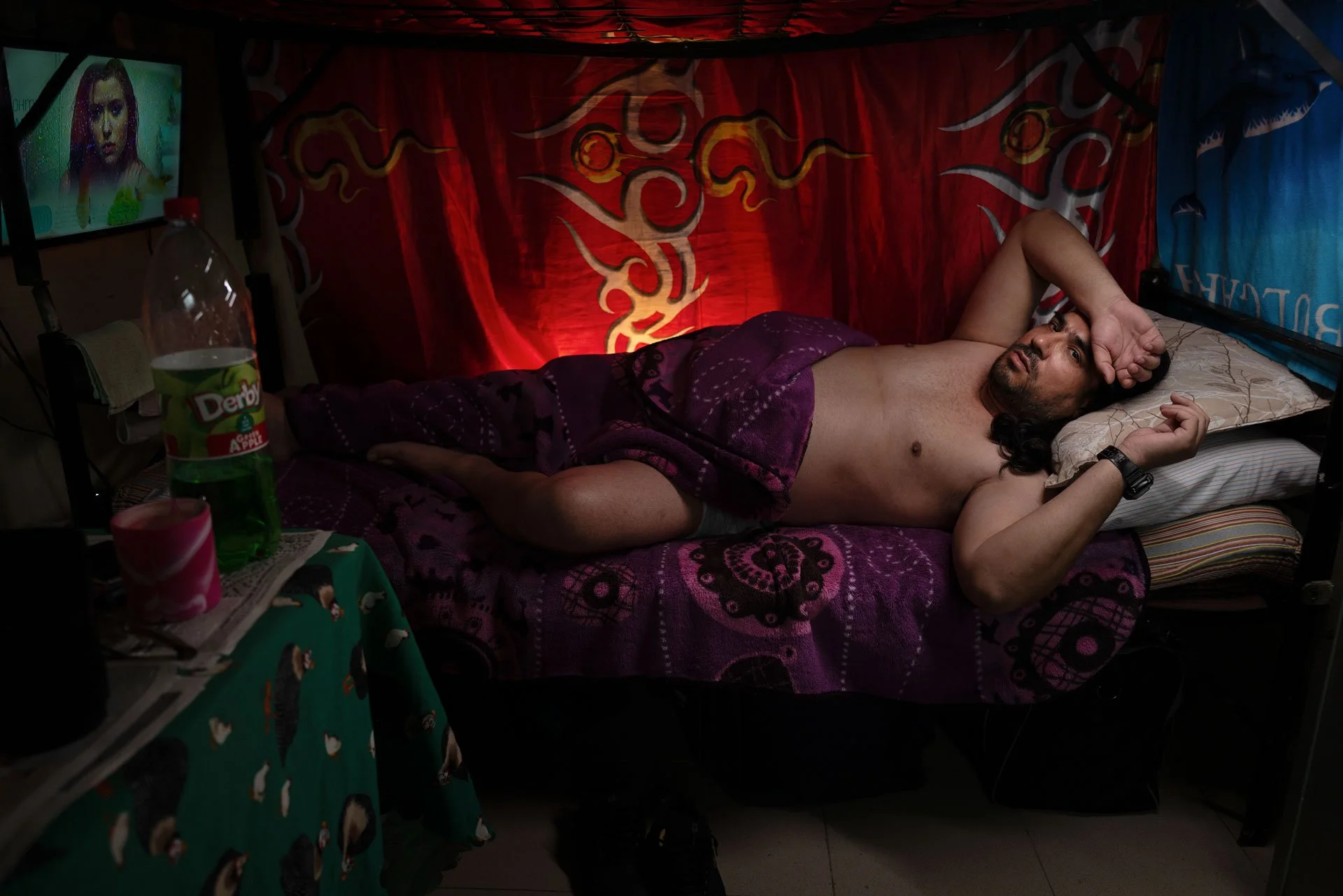
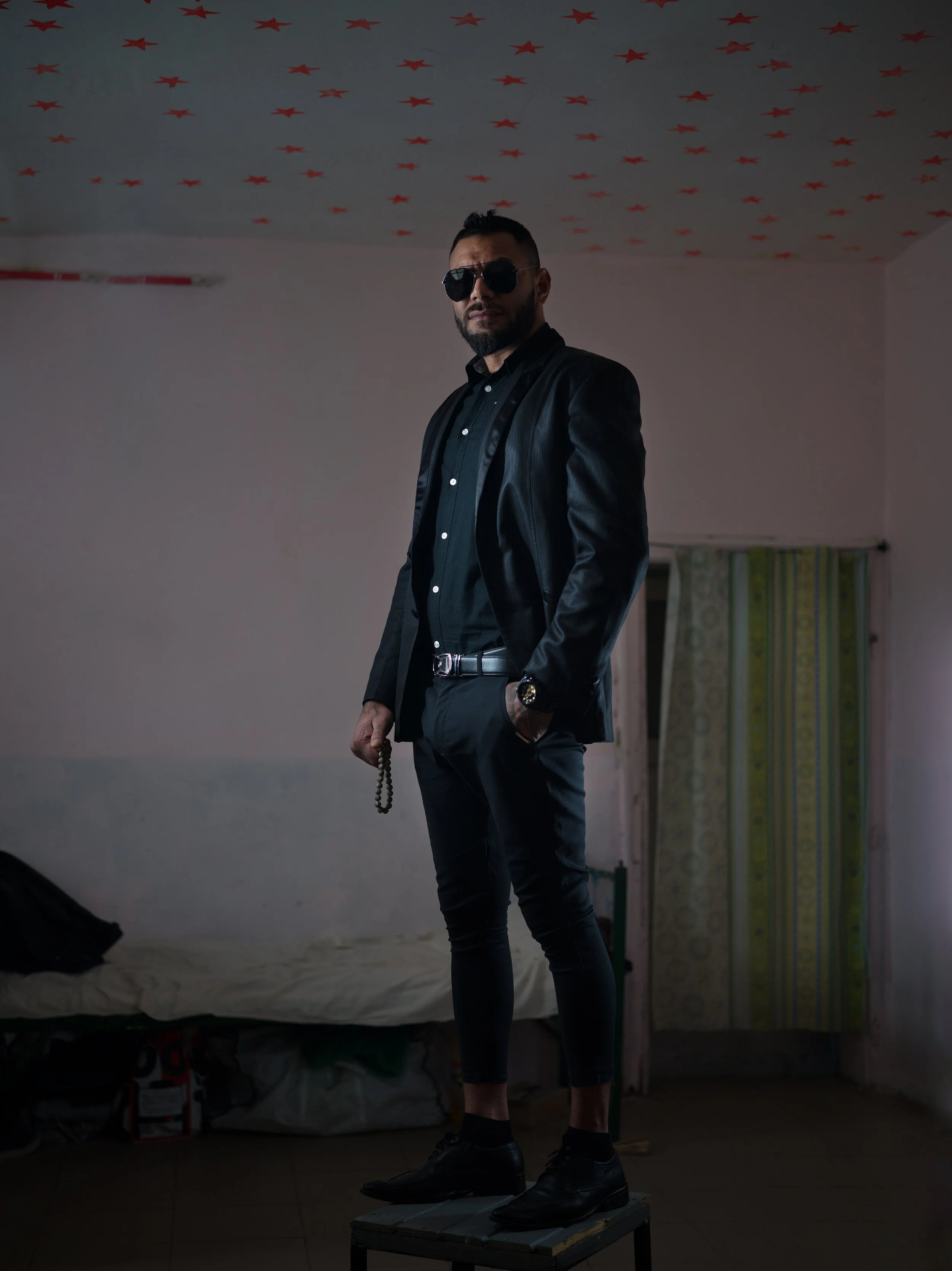
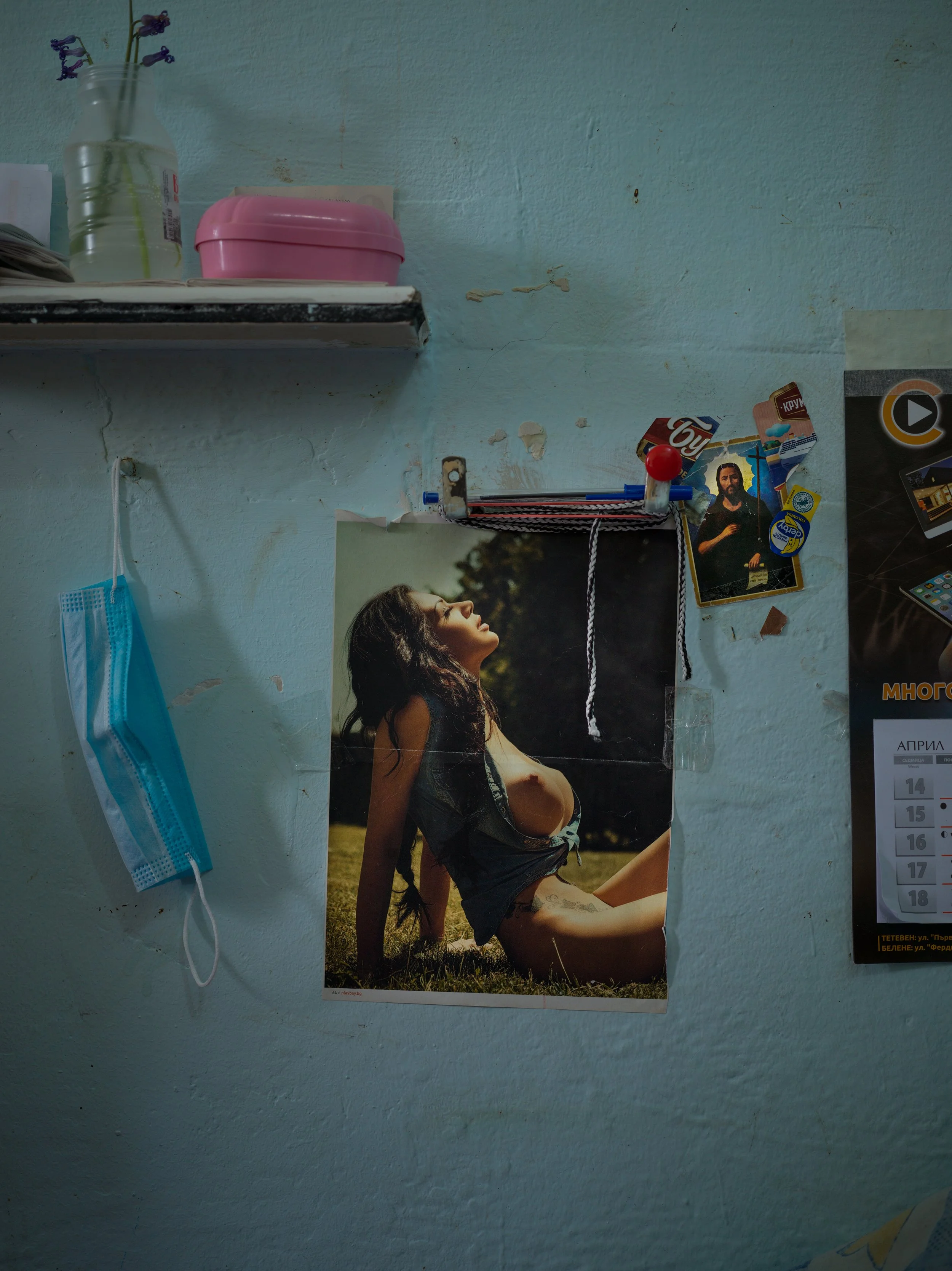
I began photographing them in their beds; they cooked for me, and I ate with them. I penetrated deeper and deeper into their lives, into their stories, and that shows in my images.
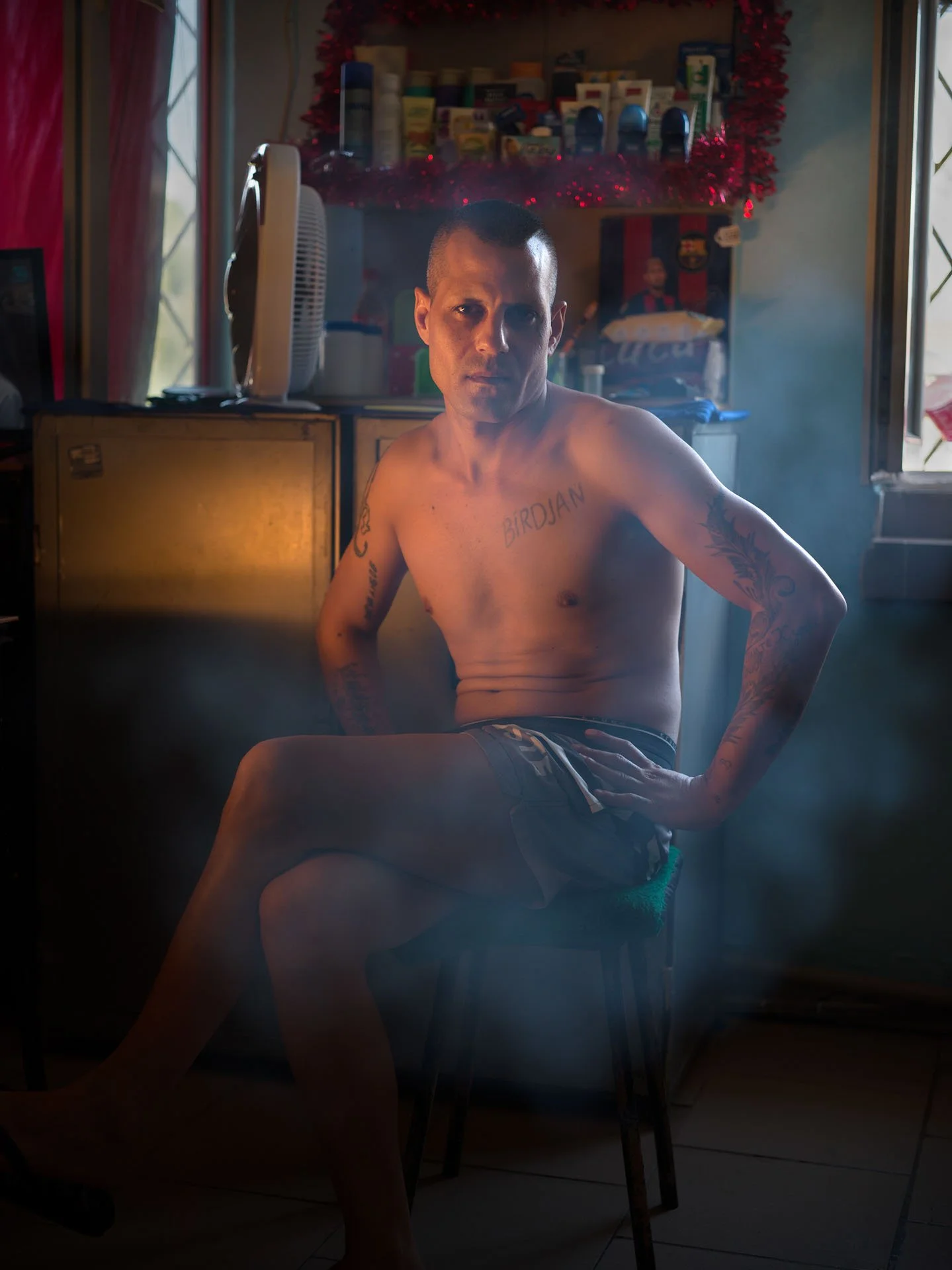
Portraits: What was it like photographing a man in his cell? How do you get someone to feel comfortable in front of your camera in a place like that?
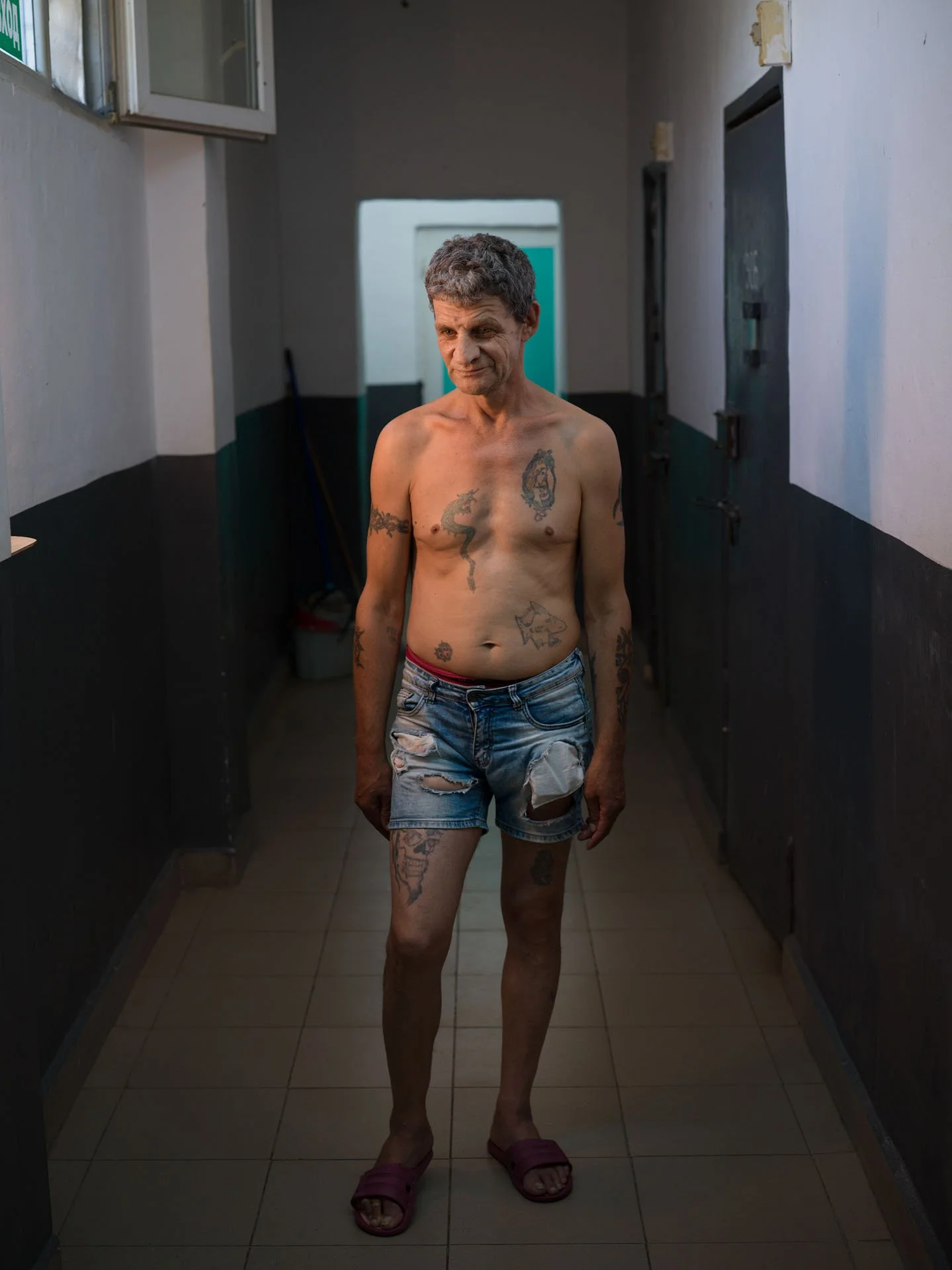
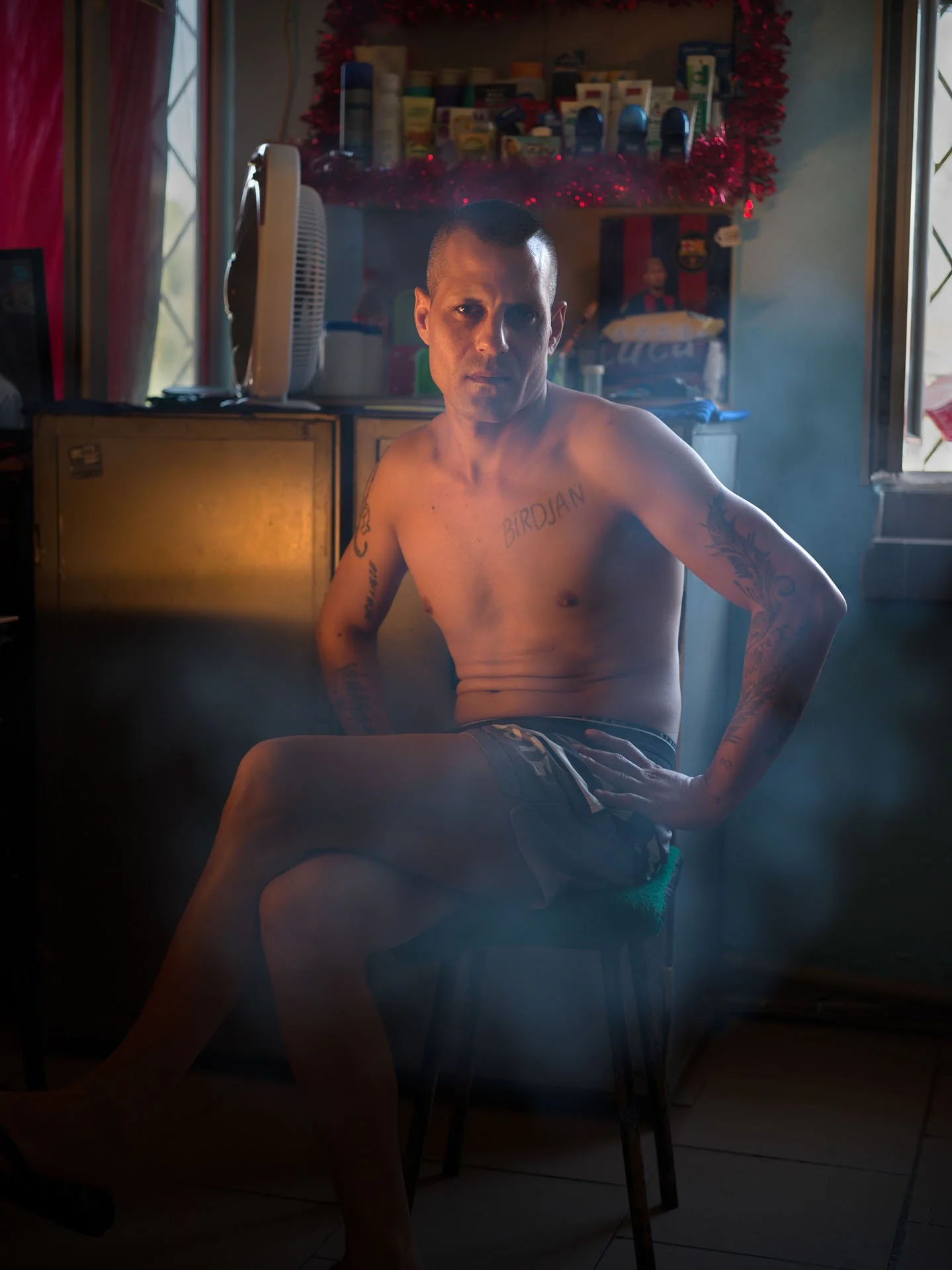
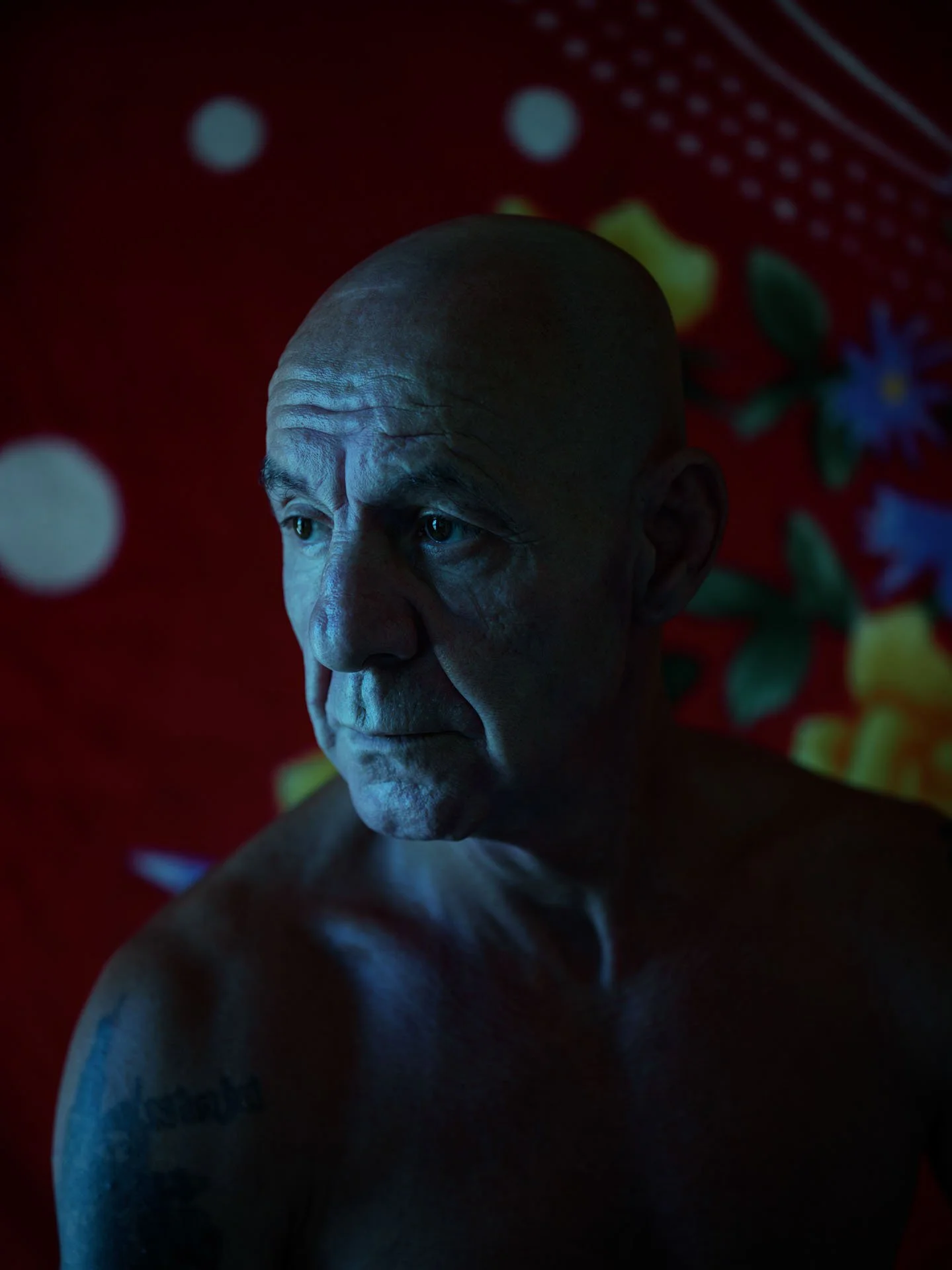
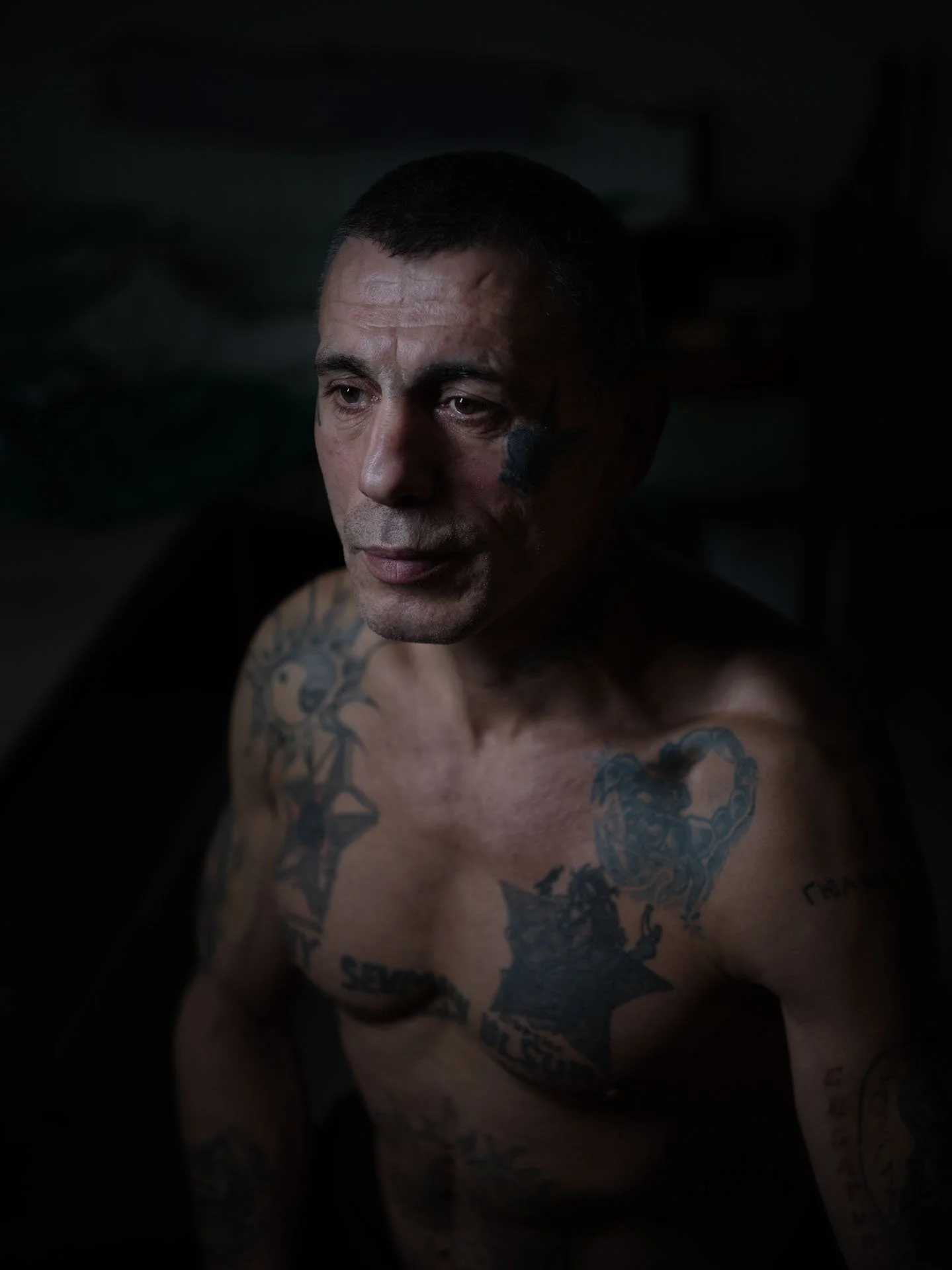
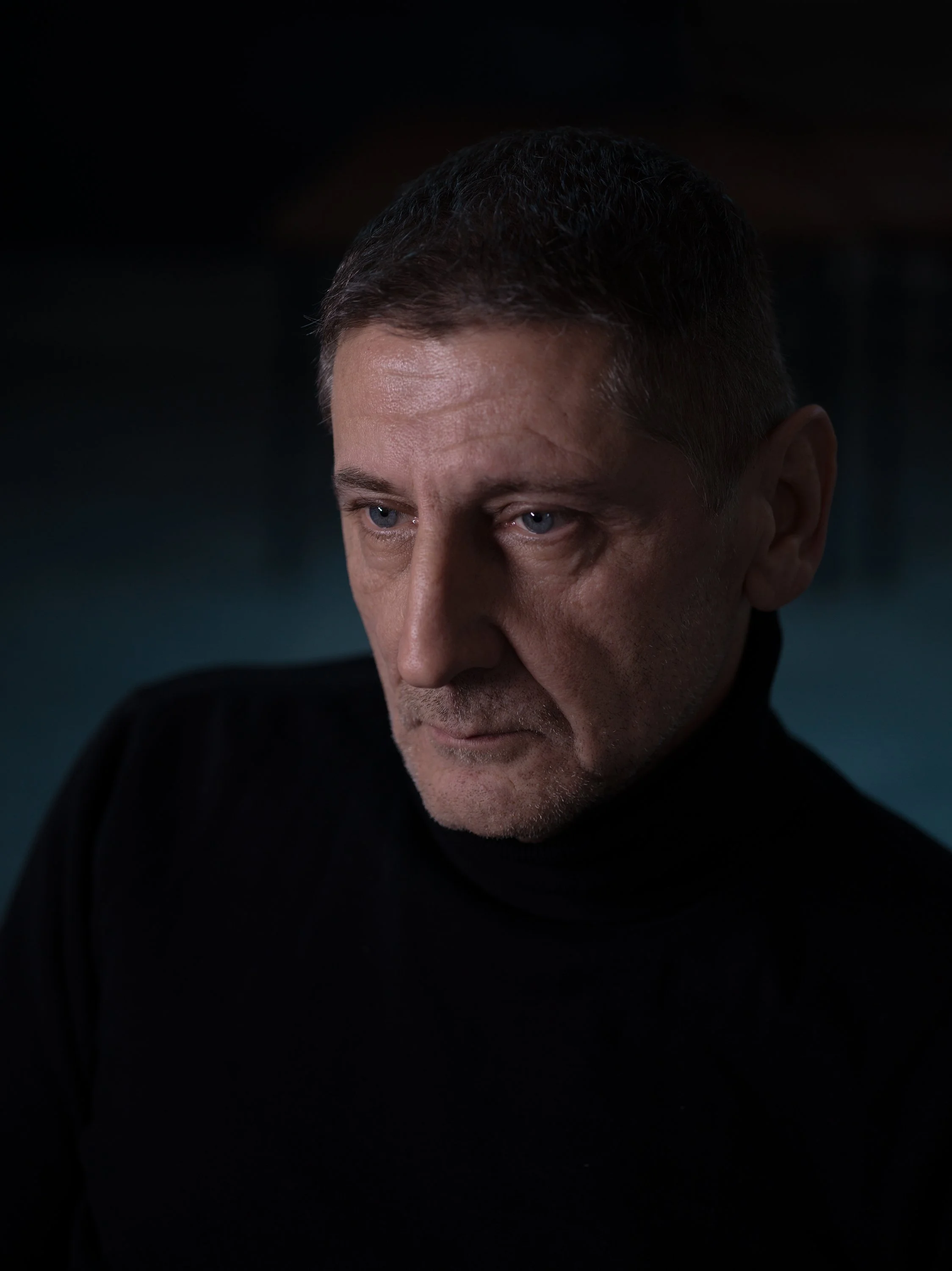
The atmosphere in the prison is completely different from my portraits. The noise is enormous; everyone talks, there are many men in the corridors, and everyone thinks he’s the most important. Especially when I’m among them, everyone wanted to stand out, everyone wanted to tell me something. There was a lot of information, and it was hard for me to gather my thoughts. I have one favourite portrait, perhaps because of the story. The man’s name is Marin, nicknamed Hotamana. A man who has spent 25 years in various prisons. A man who is familiar with crime. I really liked his face. I told him I wanted to photograph him, but that he would listen to me, not speak, and that I wanted to enter his cell with just the two of us and send everyone else out. It would take a long time, and I wanted him to be patient. Until I made a masterpiece portrait, we would not leave the cell, do you agree? He agreed. We started and stayed there maybe two hours, getting to know him and him getting to know me. I explained that I wanted to capture something in him that he didn’t know existed. And I would only be able to catch it if he was calm and looked inside himself. He laughed at everything and couldn’t remain serious. But after a while, he sank into his true nature, and there I saw a wounded human being; my image shows his sorrow. It was very emotional for me. After I made his portrait, I said, “I have a masterpiece, and you have never seen yourself like this.” He looked through the camera’s viewfinder and began to cry.
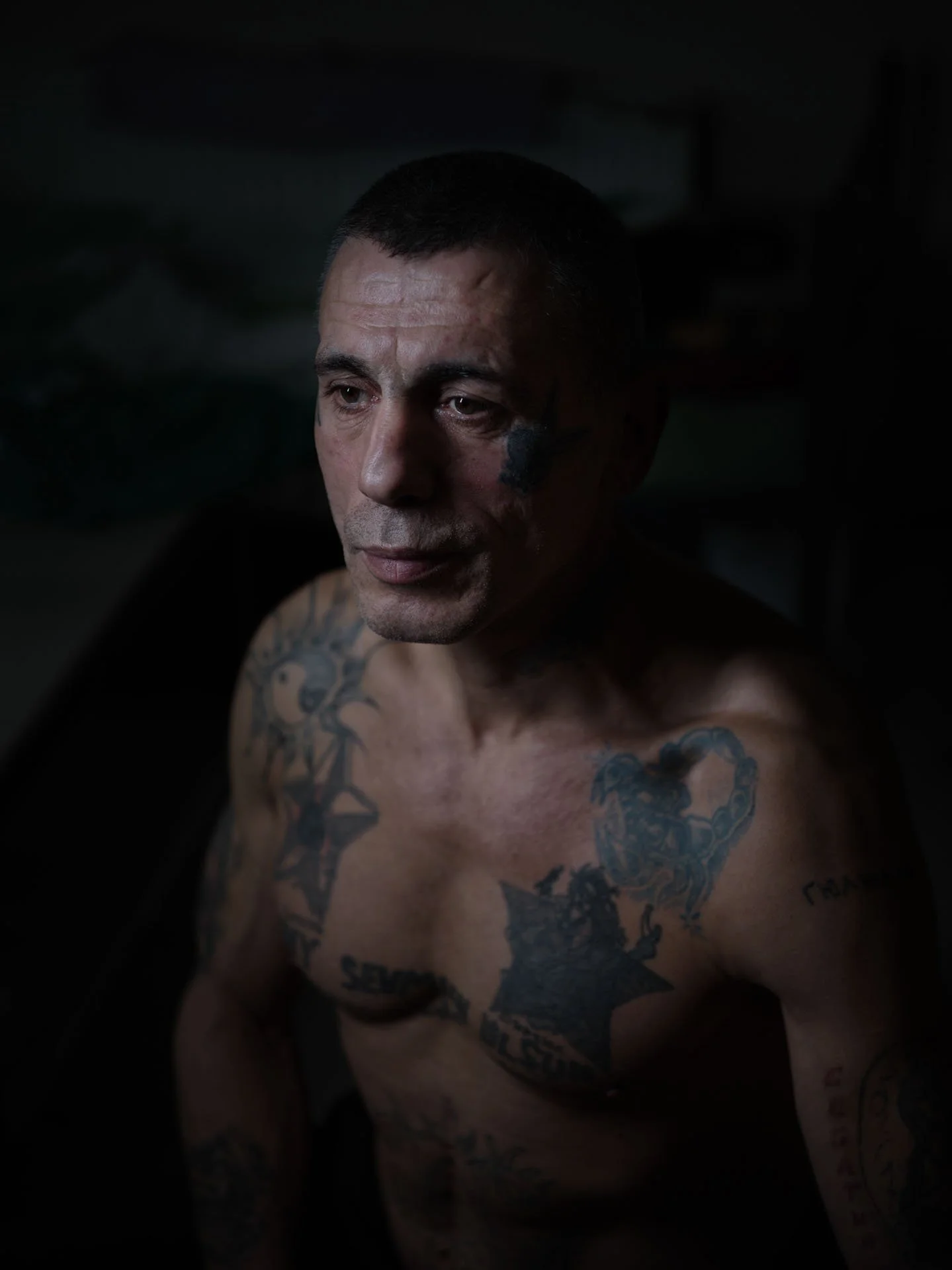
Light: The book shows barbed wire, walls, and snow on the island. How did you use light to show the feeling of the place?
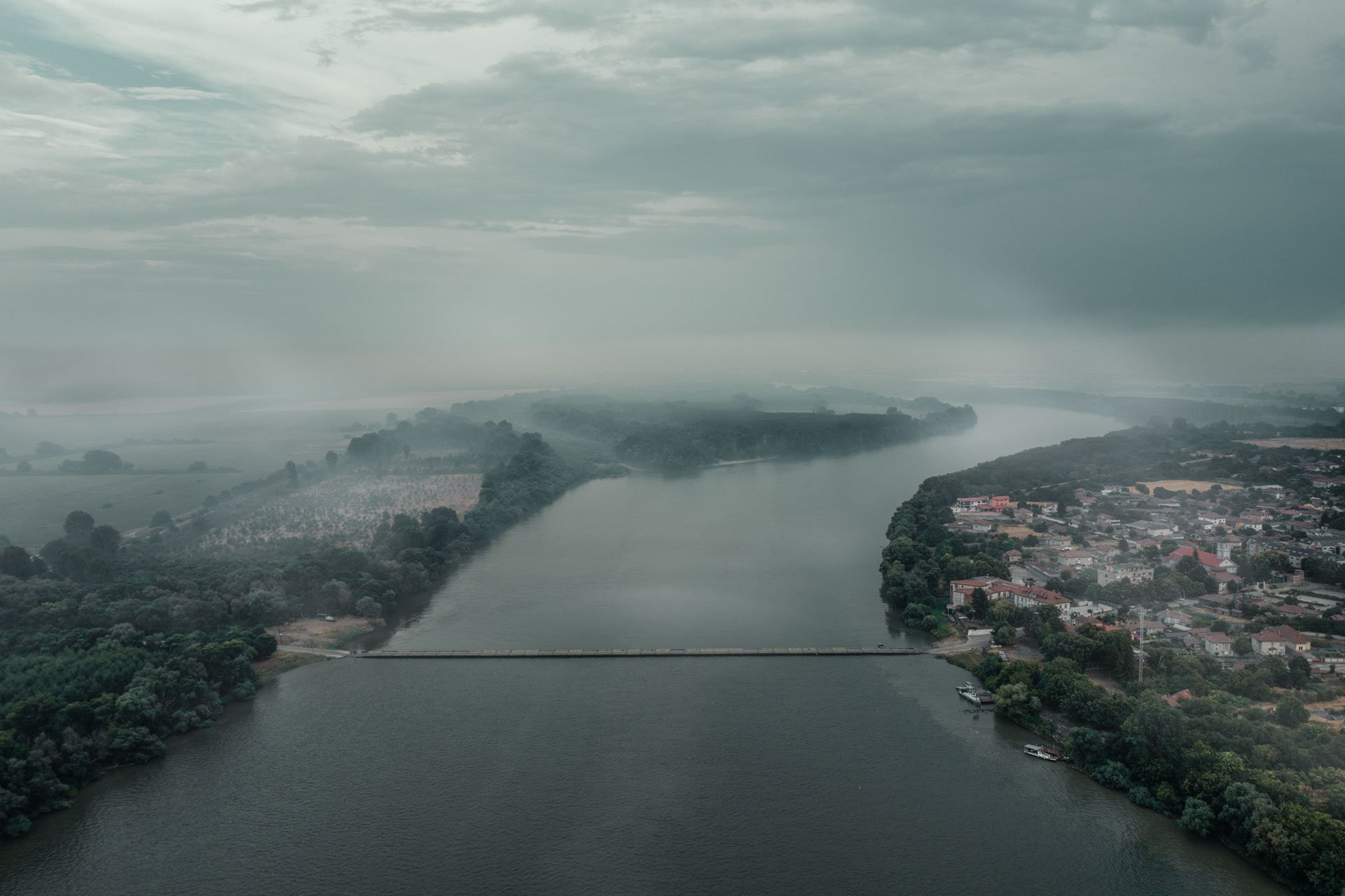
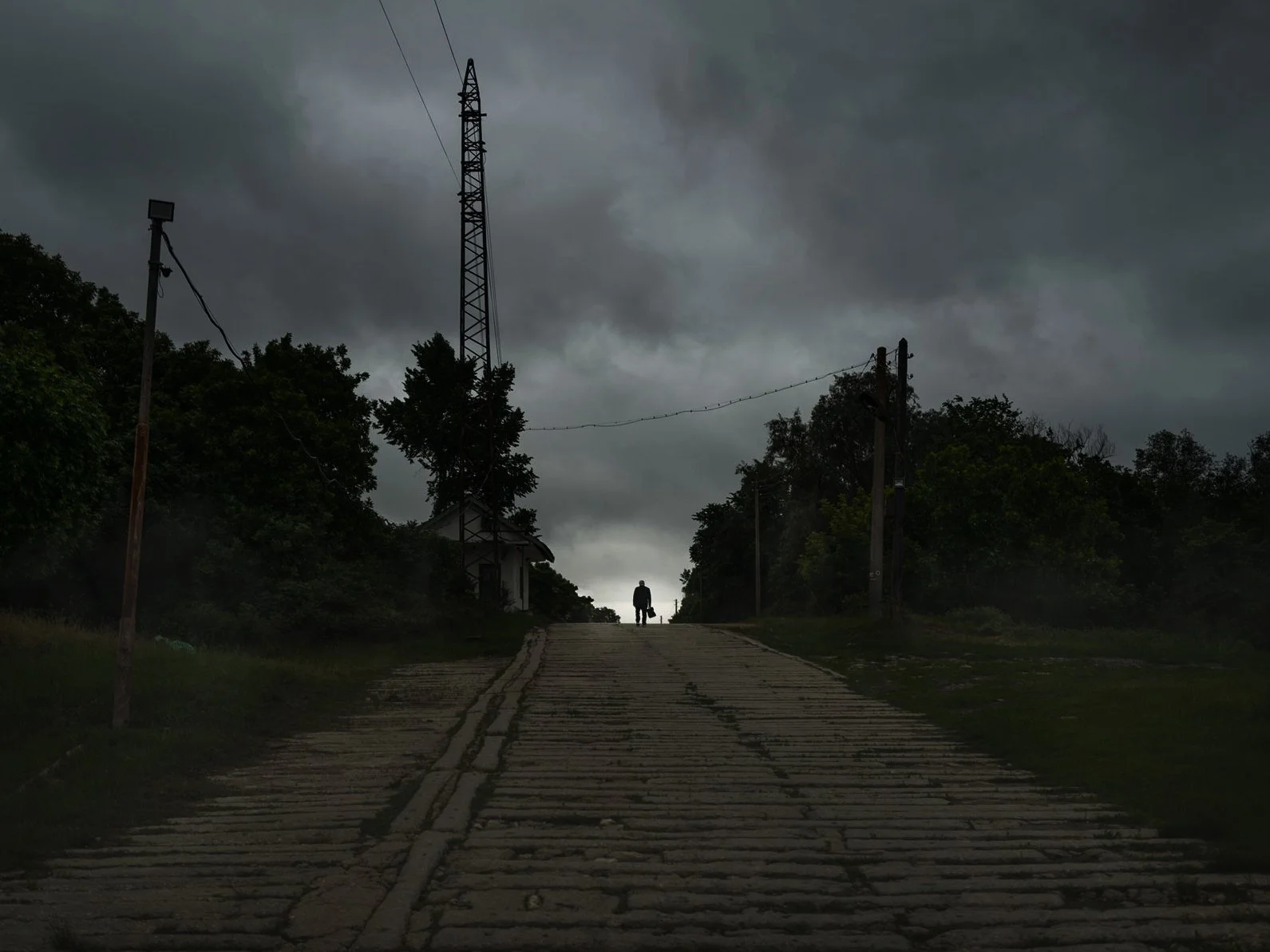
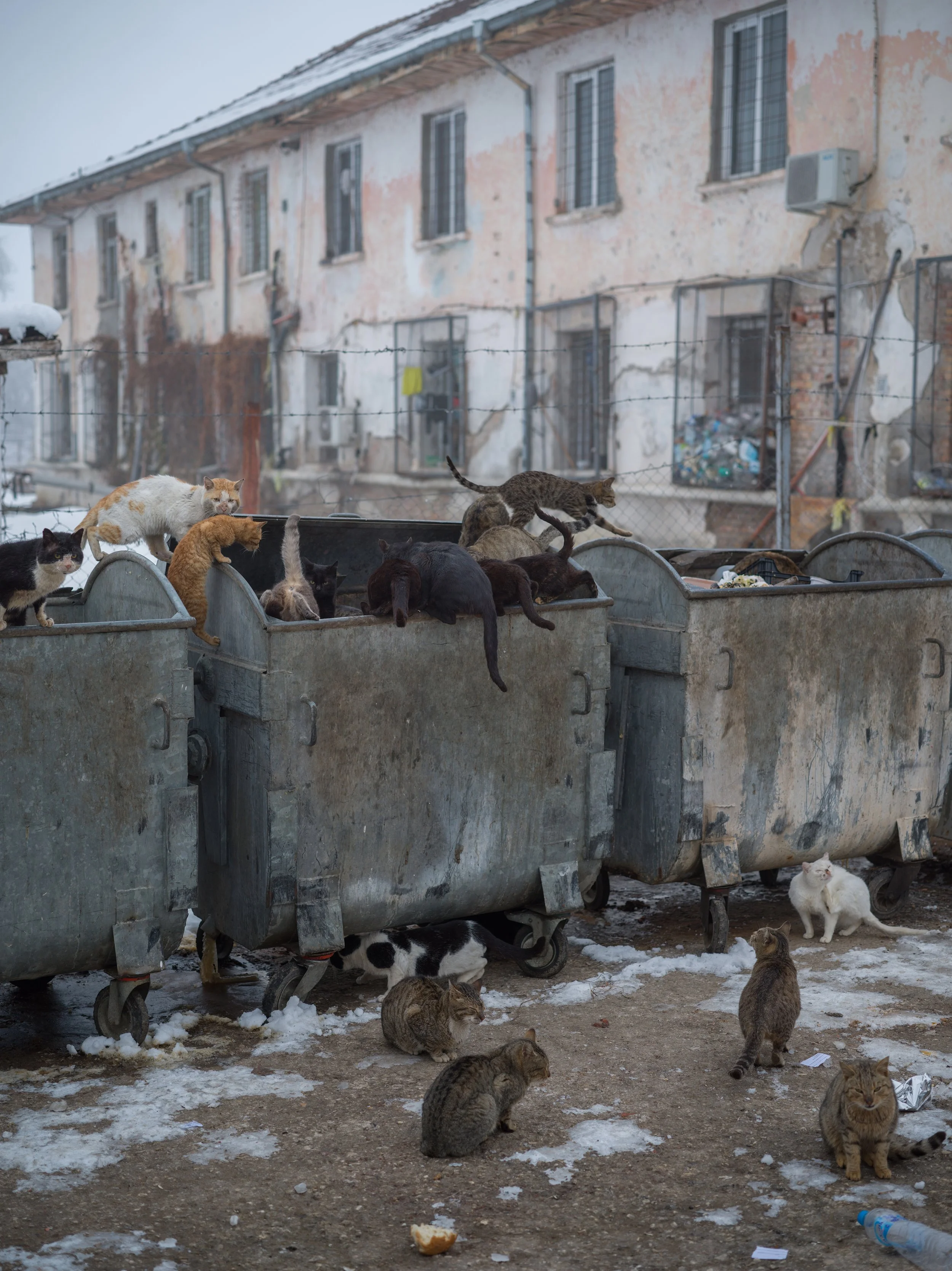
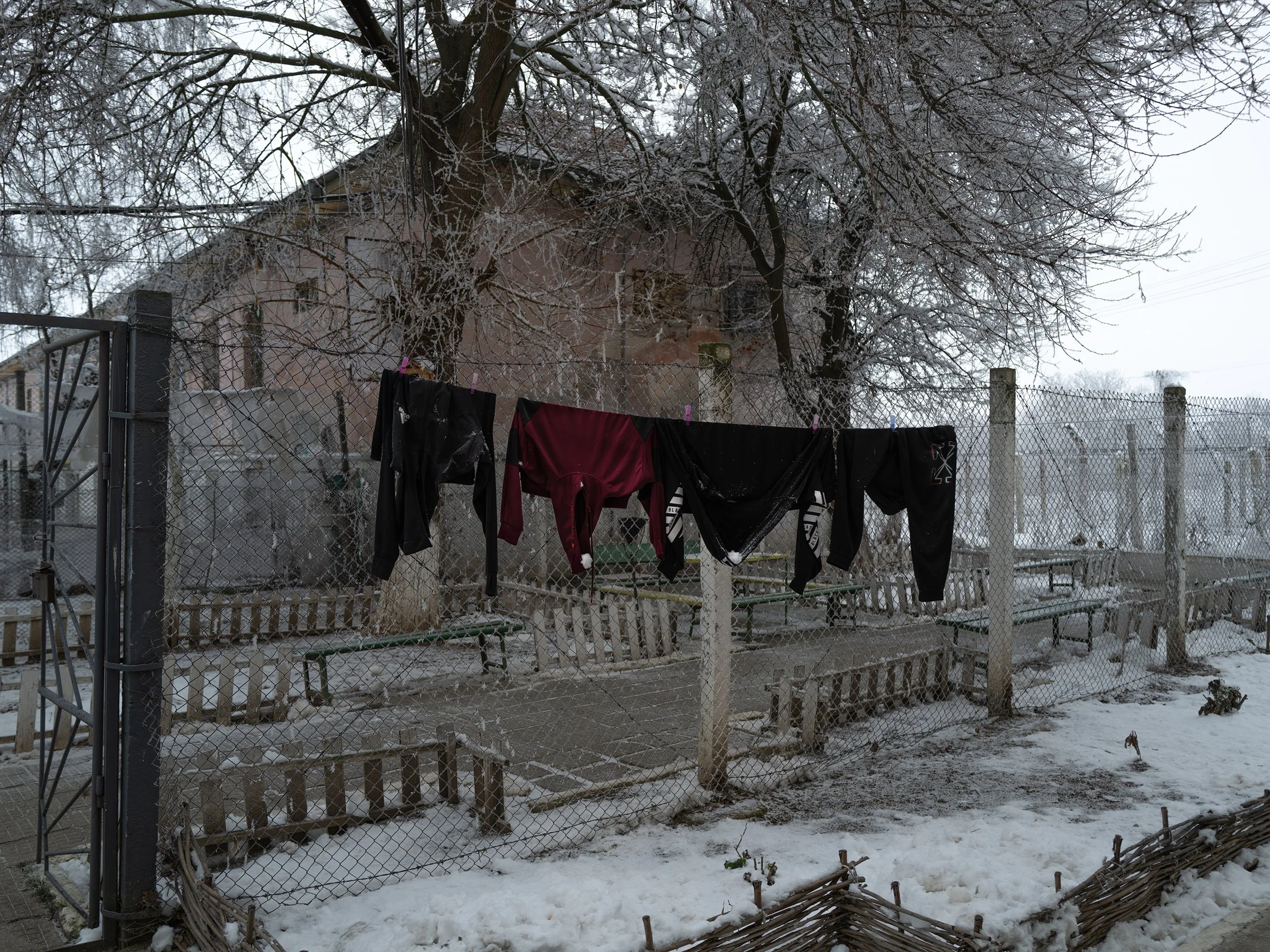
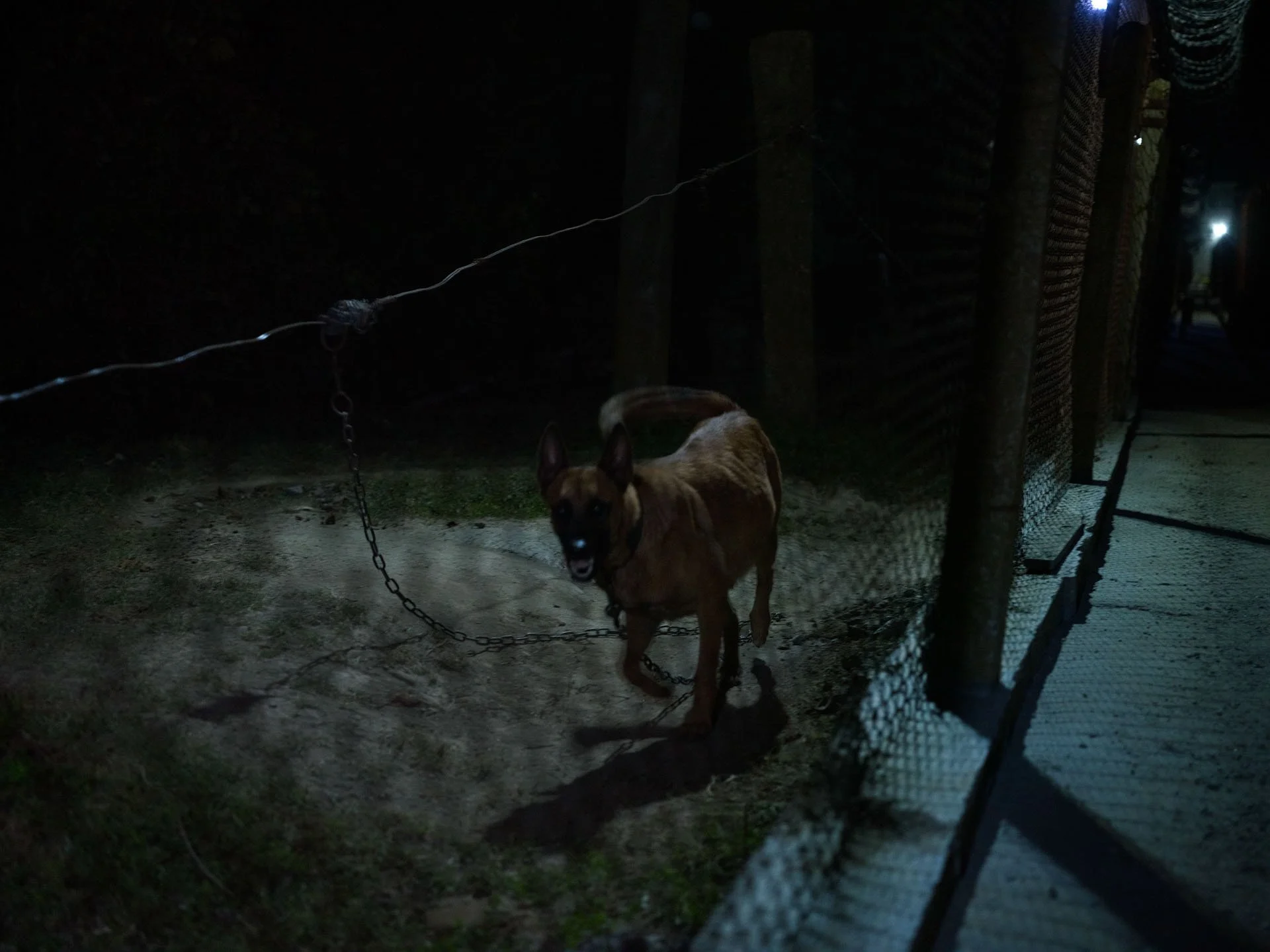
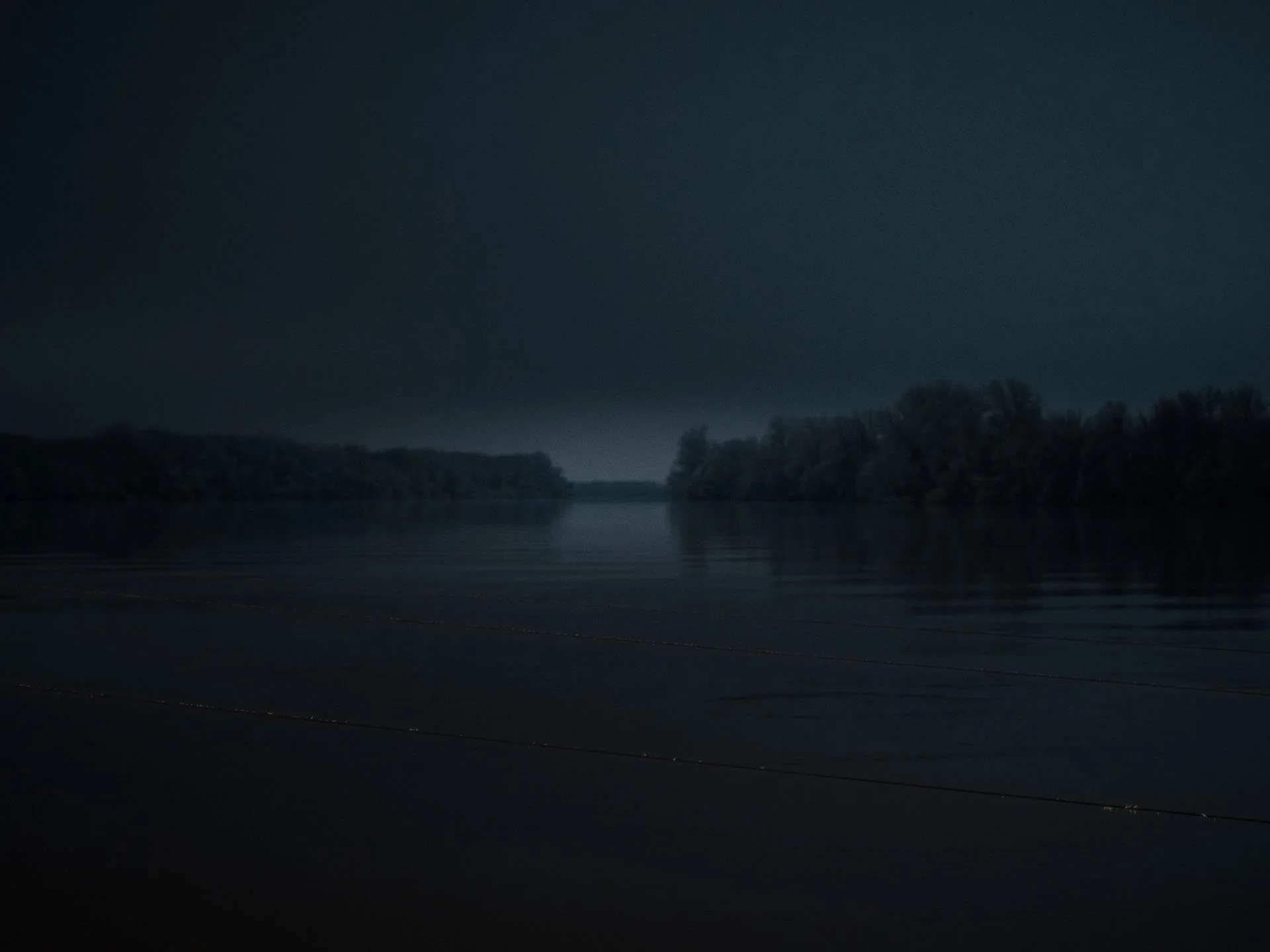
Only one lamp. It is very dark in the prison, and that lamp helped me a lot. Quite often, the prisoners themselves were my assistants once they understood how and where to hold the lamp. I also used a lot of natural light. I wanted to show the place and the atmosphere as I see and feel it. In winter, the snow helped me a great deal because it reflects the light like a reflector. In summer, I photographed less outside and took advantage of the strong sunlight that comes through the cell windows. I also waited for bad weather and fog for the landscapes. The island is in a lowland, and fog is common there; winters are very cold, and summers unbearably hot.
Archive material: The book also has drawings, letters, and poems from the prisoners. Why did you want to include these, and how do they work together with your images?
My idea is to show these people as thinking, repentant human beings. We don’t realise it, but they change like we do. If they committed the crime at 30 and serve 20 years, they are 50. It takes a long time for a person to understand their mistake and regret it. Most of them are intelligent people. They write, they paint. That is something that brings them closer to us. They have a soul, and that soul drives them to create. One of the men who committed murder wrote a 450-page handwritten novel about his life. Another has collections of poems. All of this beautifully complements my idea and perspective. They are people who have crossed the line of what is permissible. But they remain human.
Gear: What camera and lens setup did you use inside, and did the prison rules limit what gear you could bring?
On my first visit, I had a lot of equipment, cameras, lighting... The head of security told me, “That can’t go in. Choose one camera and one lamp and make everything fit in this small bag.” At first, I was very upset because I felt I wouldn’t manage. I took my Leica Q2, my Hasselblad for the portraits, and one lamp. That turned out to be enough. I photographed all the scenes from their lives with the Leica’s 28mm lens, and the portraits with the other camera. I was very anxious about the SD cards because they are the most traded item in the prison. Those cards are used to transfer porn, music, and films, but they are forbidden. I often checked that they were in my slots. But an incident never happened.
Ethics: Some of these men committed serious crimes. How did you decide what to show and what to leave out of the book?
I can show everything; the book contains only an edit by GOST. The exhibition selection is quite different. I don't want to hide anything and I haven't manipulated anything. This is the truth. When I made Stoycho's portrait, I showed it to my friends and asked, "Do you know who this man is?" They began to guess, famous actor, businessman... where did I find him, he looks great in that polo. When I revealed the truth that he is a murderer, they were shocked, started zooming in on the phone screen and looking for the marks of the devil. But they didn't find them, then they began to think. And how many people around us have killed or done something terrible but were not convicted and we don't know? How many people kill others in wars without us calling them murderers? The world is very complicated and this is a project about one side. Next, I should make a project about the other side, about the victims.
Message: You said photography can bring light into the basement. What do you hope readers feel or understand after seeing this book?
I would very much like us to ask ourselves whether we are tolerant, because this project is a test of how tolerant we are and whether we can accept. Do we believe in forgiveness and can we forgive? Do we allow that we can change for the better? Do we judge too easily? Prison is the greatest test, but we treat all smaller communities and different people the same way. Often we don’t accept them either and we condemn them - simply because they are not like us.
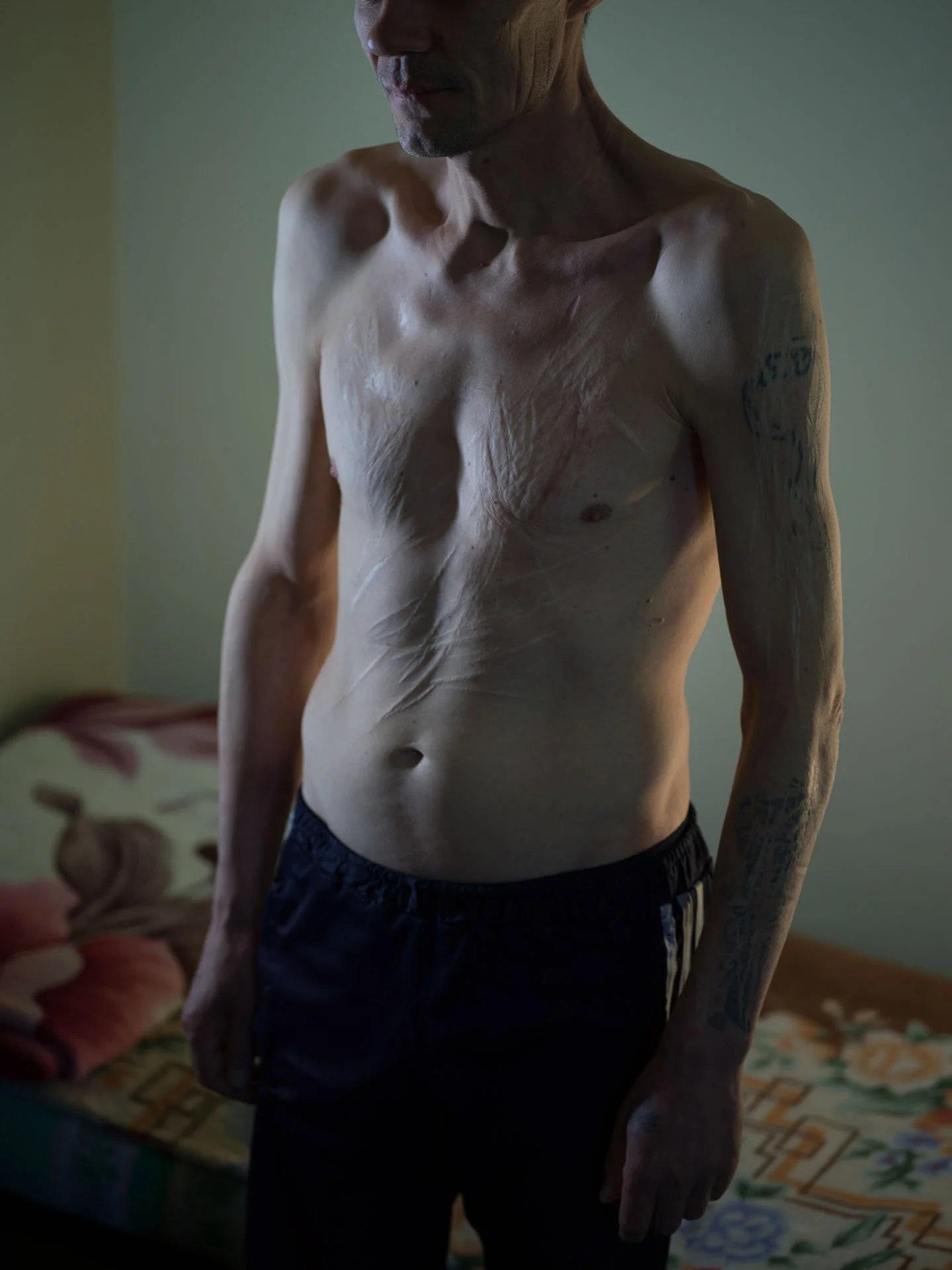
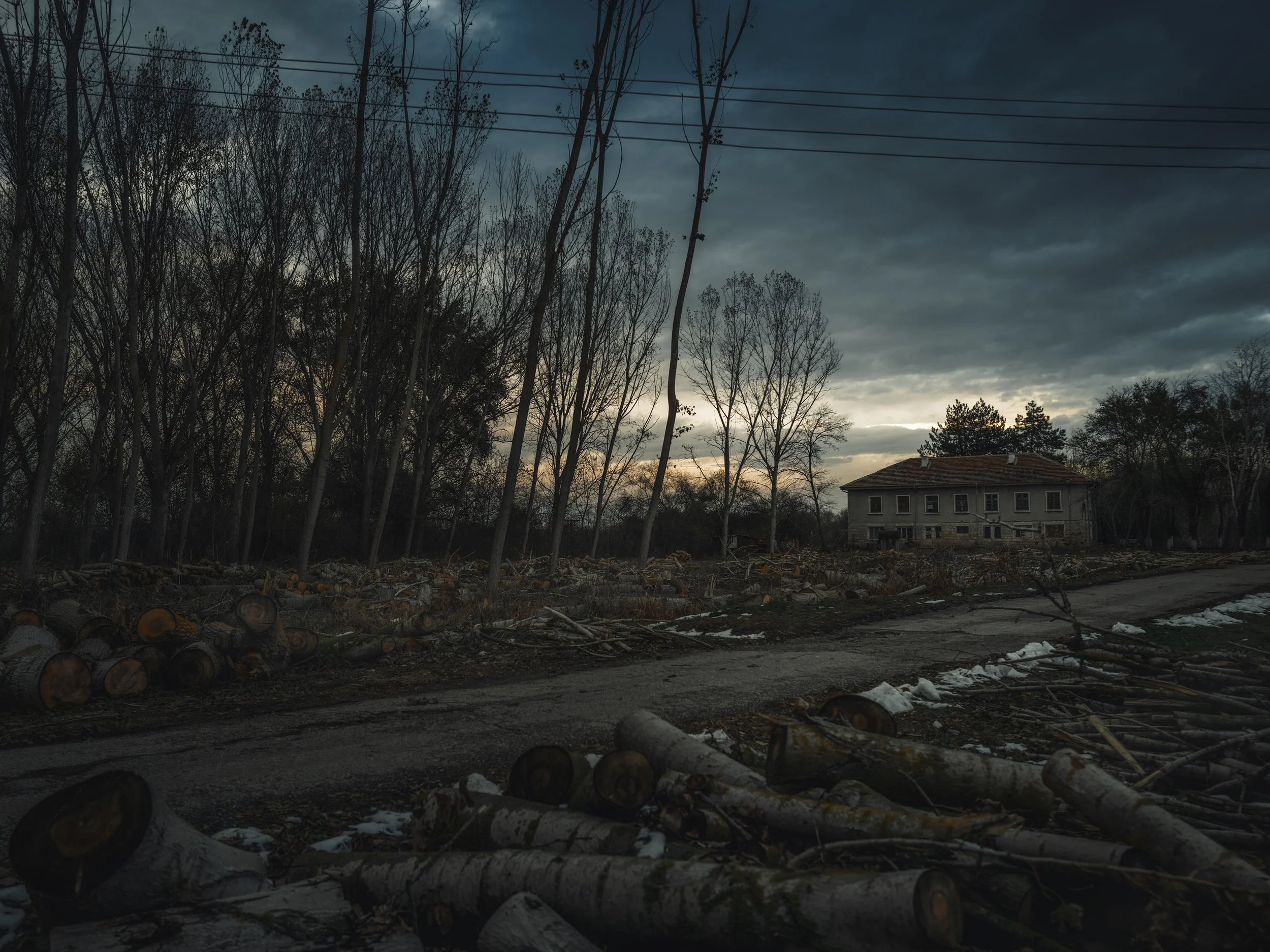
To discover more about this intriguing body of work and how you can acquire your own copy, you can find and purchase the book here. (GOST Books, Amazon)
More photography books?
We'd love to read your comments below, sharing your thoughts and insights on the artist's work. Looking forward to welcoming you back for our next [book spotlight]. See you then!
The past became visible once Richards learned where to look. For The Inner Passage, Virginia McGee Richards spent fifteen years photographing a waterway in the South Carolina Lowcountry. Photography Book Spotlight