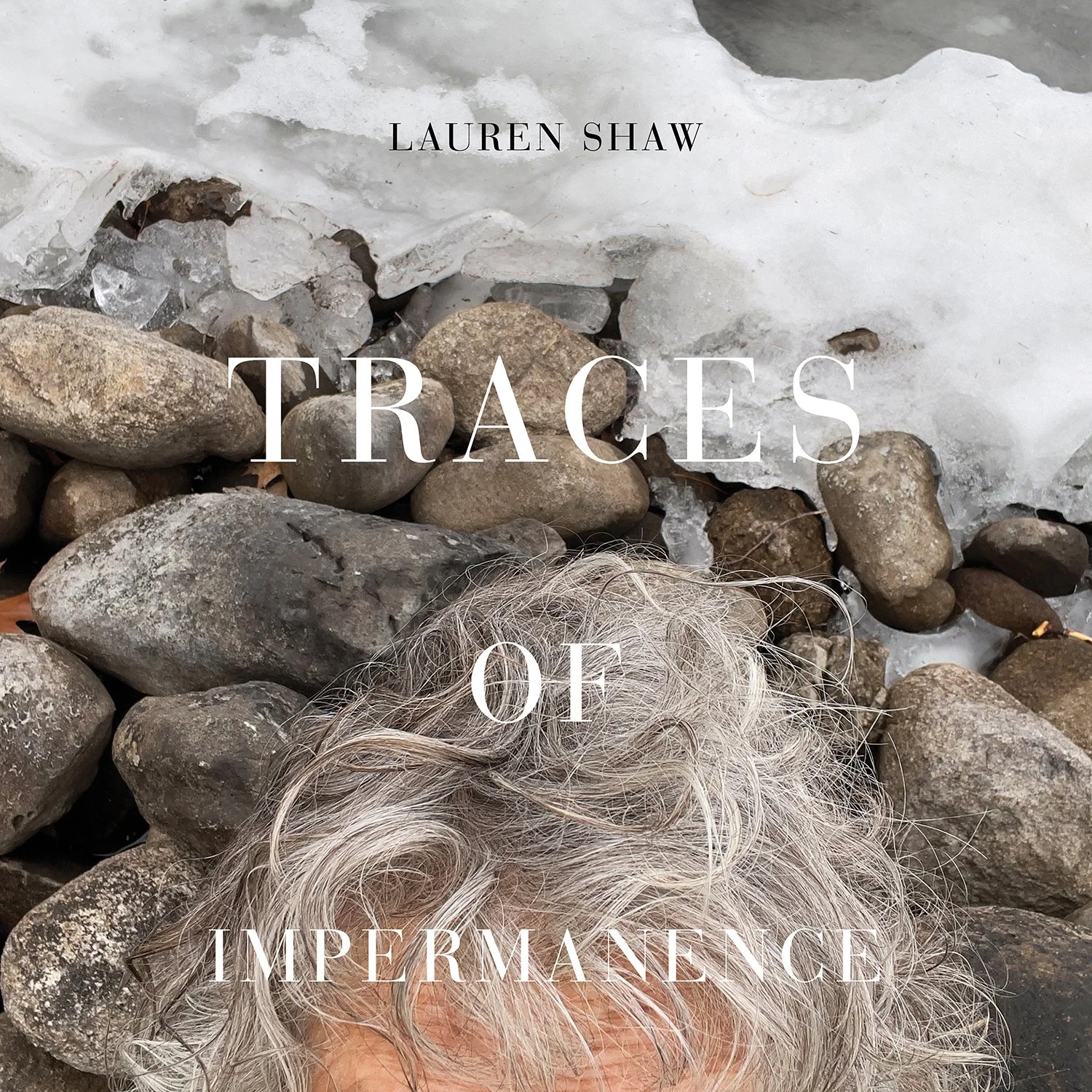
Welcome to this edition of [book spotlight]. Today, we uncover the layers of 'Traces of Impermanence,' by Lauren Shaw (published by MW Editions). We'd love to read your comments below about these insights and ideas behind the artist's work.
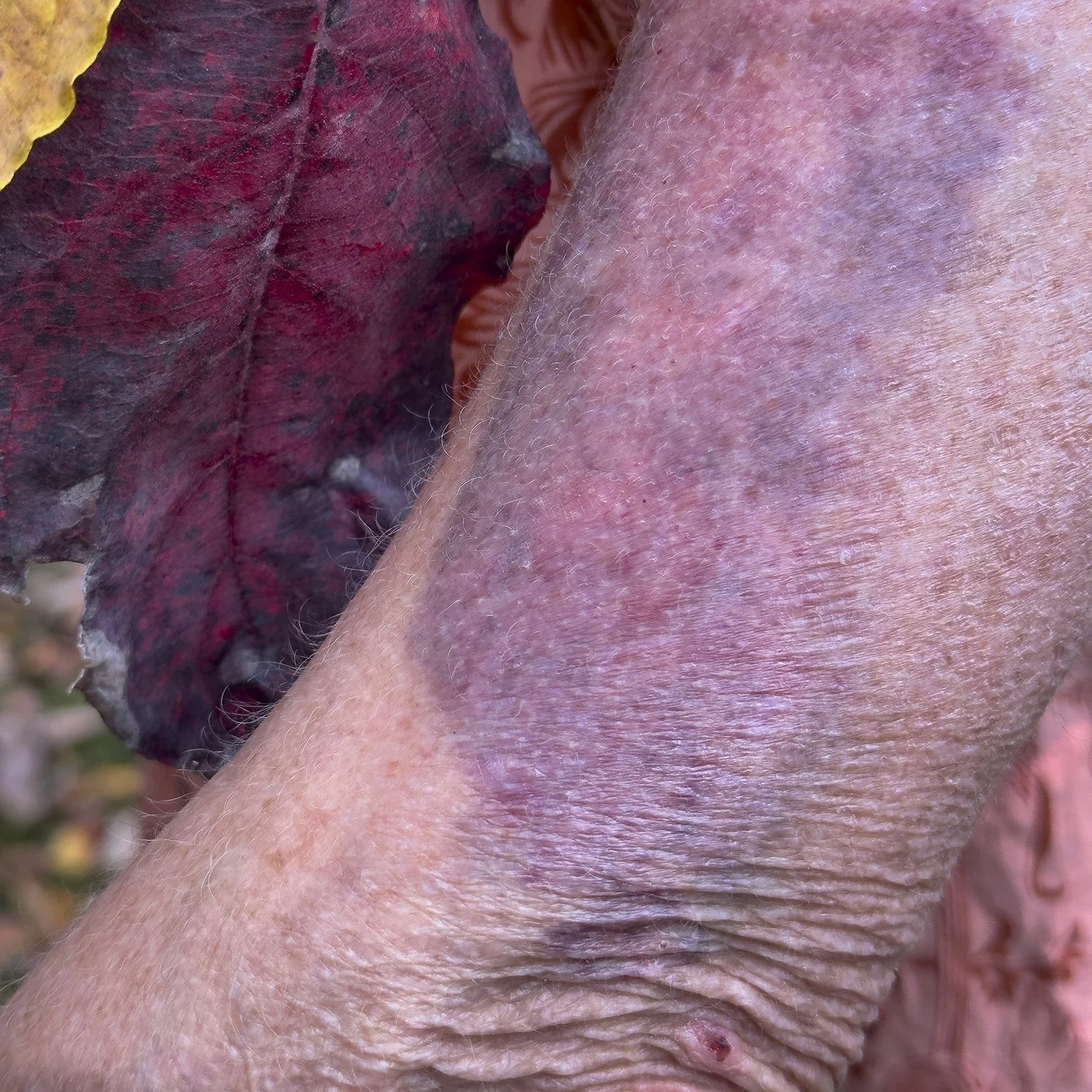
Lauren Shaw found connections between her body and nature.
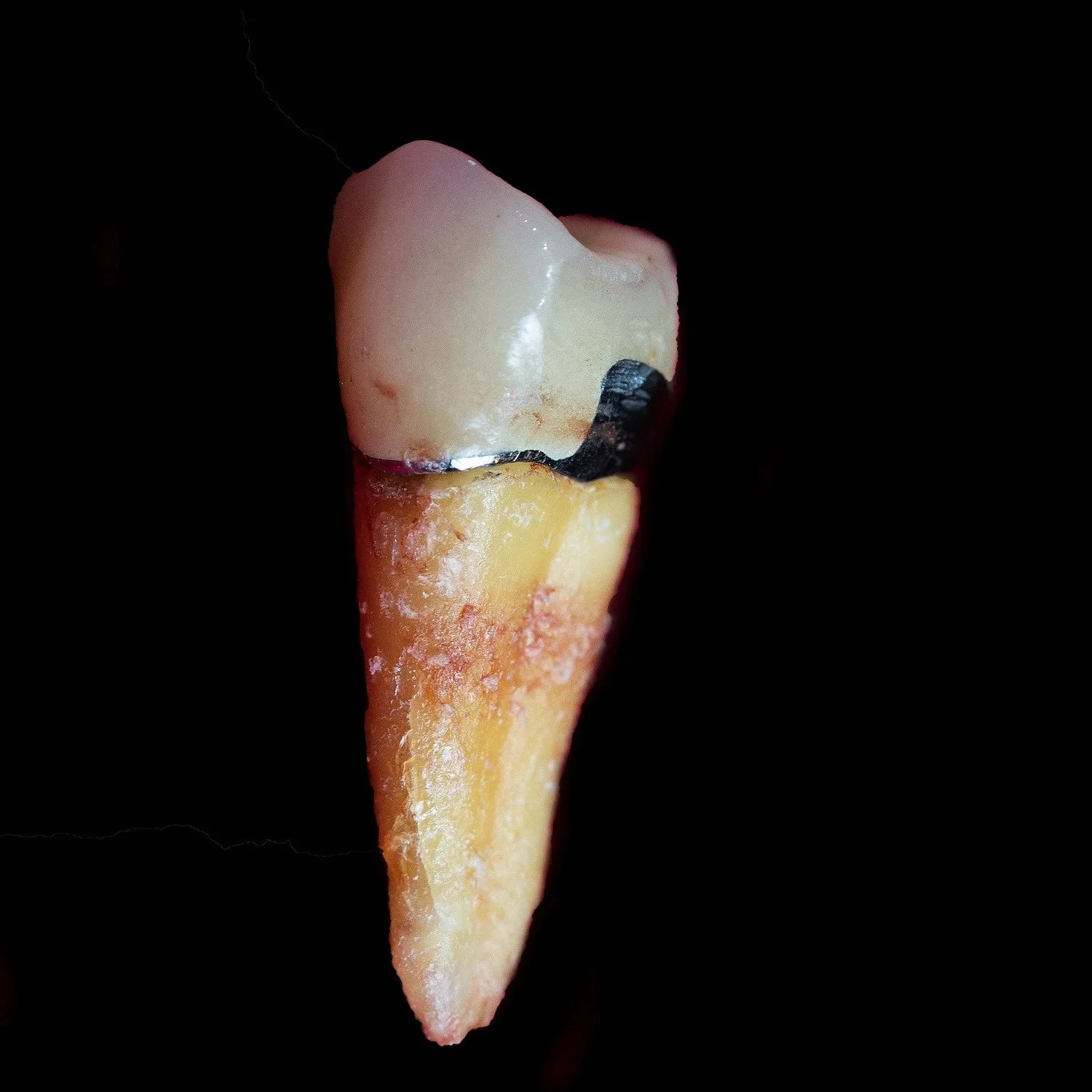
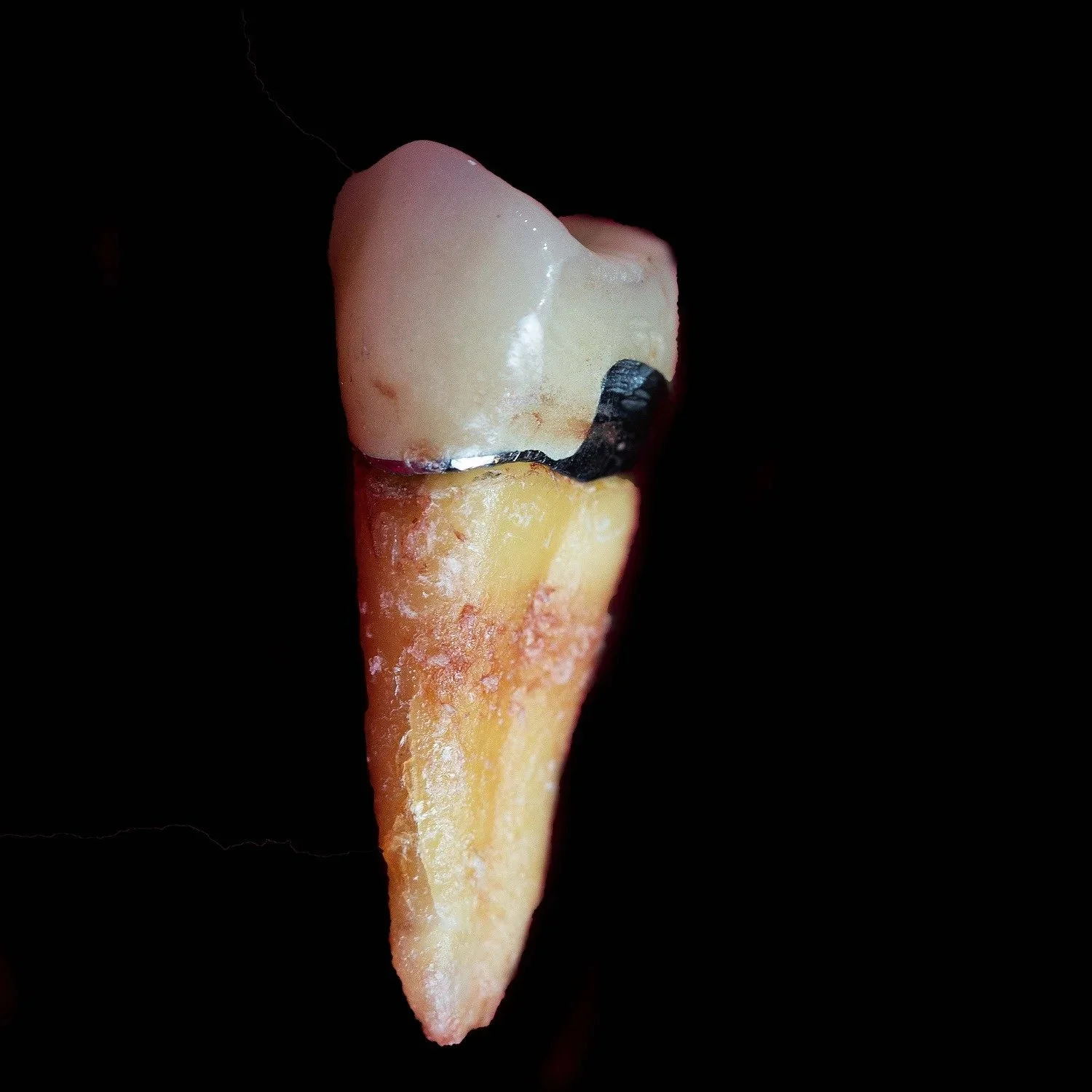
In March 2020, she brought an extracted tooth home from the dentist, amazed that it had come from her own body. She spent several days photographing it. That small act became the beginning of Traces of Impermanence, as she turned her attention toward changes she was experiencing herself.
Turning the camera on herself was new to Shaw.
Some images felt too personal to publish, while others helped her accept the changes she was recording. Making the book also meant seeing these photographs through someone else’s eyes. Its designer, Takaaki Matsumoto, moved away from her original sequence, finding connections between images that followed her story less literally.
Shaw explains how she decided what to share and why she welcomed a different order for photographs that carried strong personal meaning. Her experience offers ways to reconsider an edit, seek feedback from trusted people, and keep some photographs private without abandoning the work.
The Book
Traces of Impermanence
MW Editions · 96 pages · Essays by Lucy R. Lippard and Terry Tempest Williams
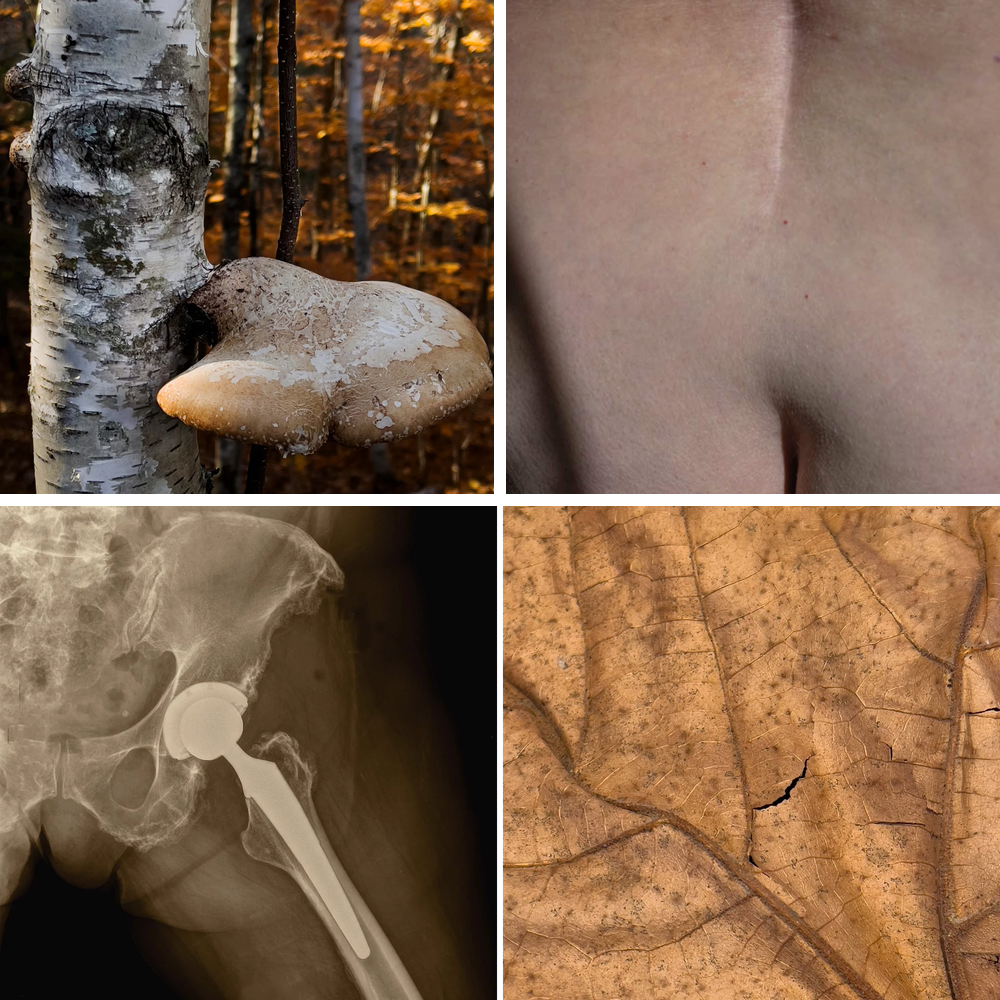
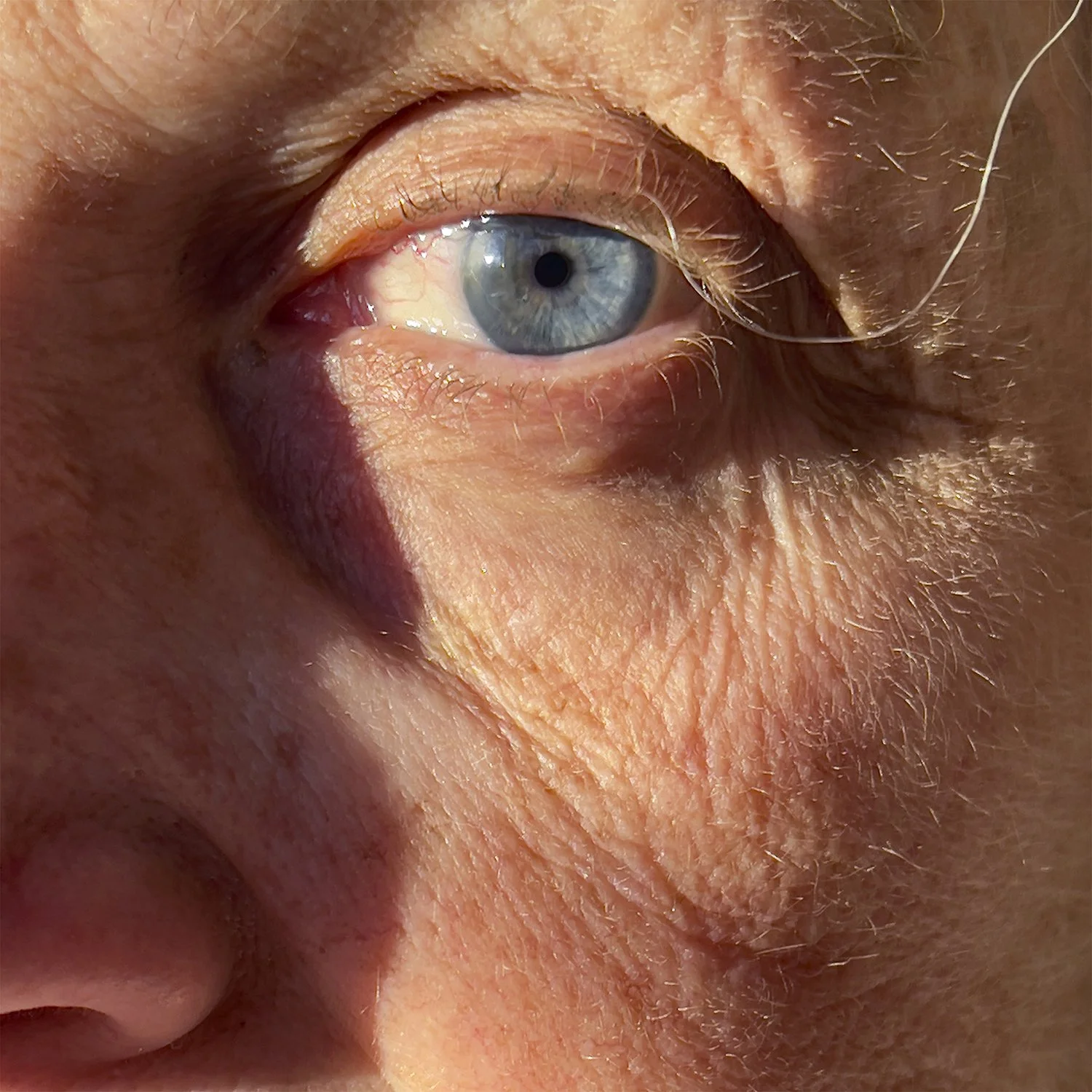
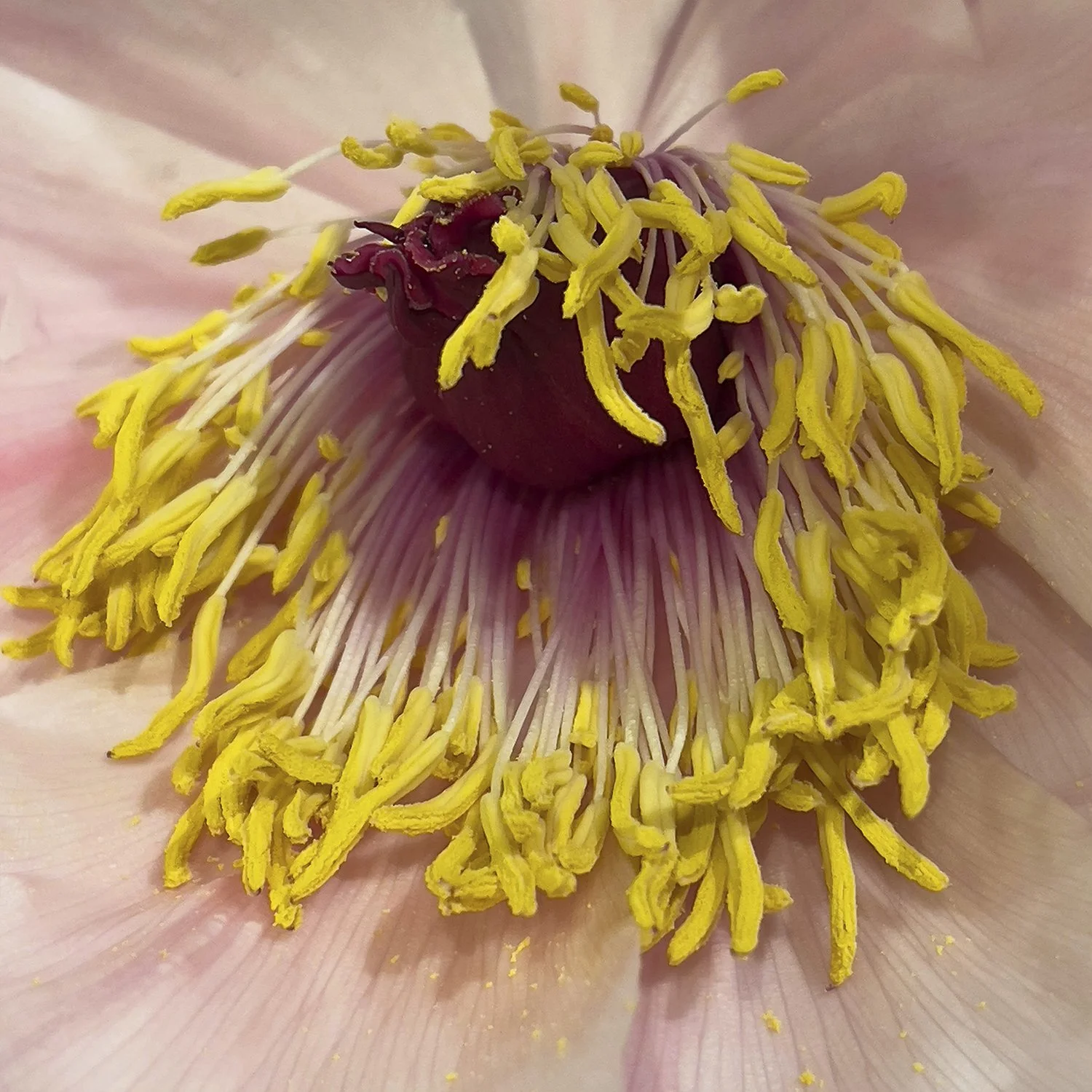
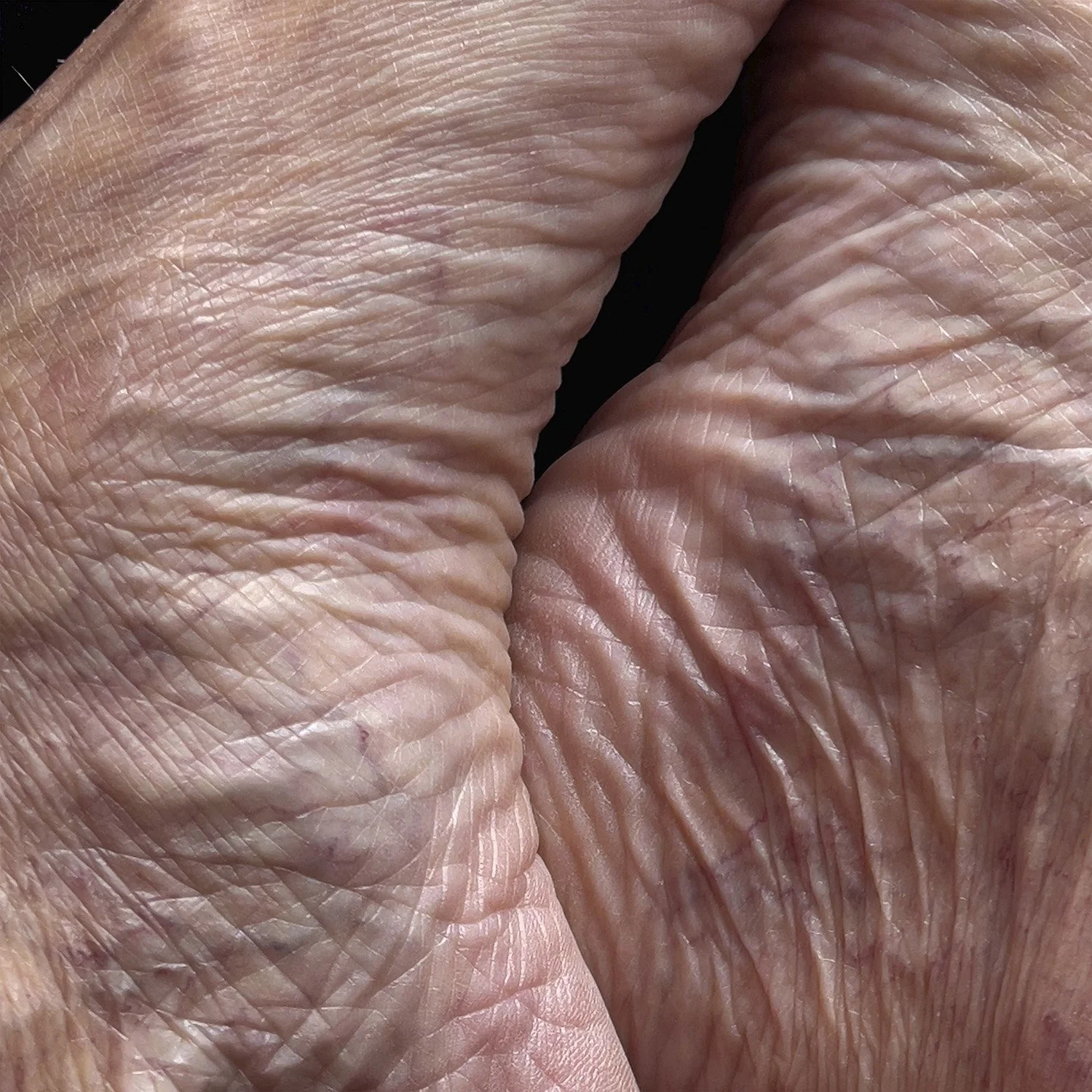
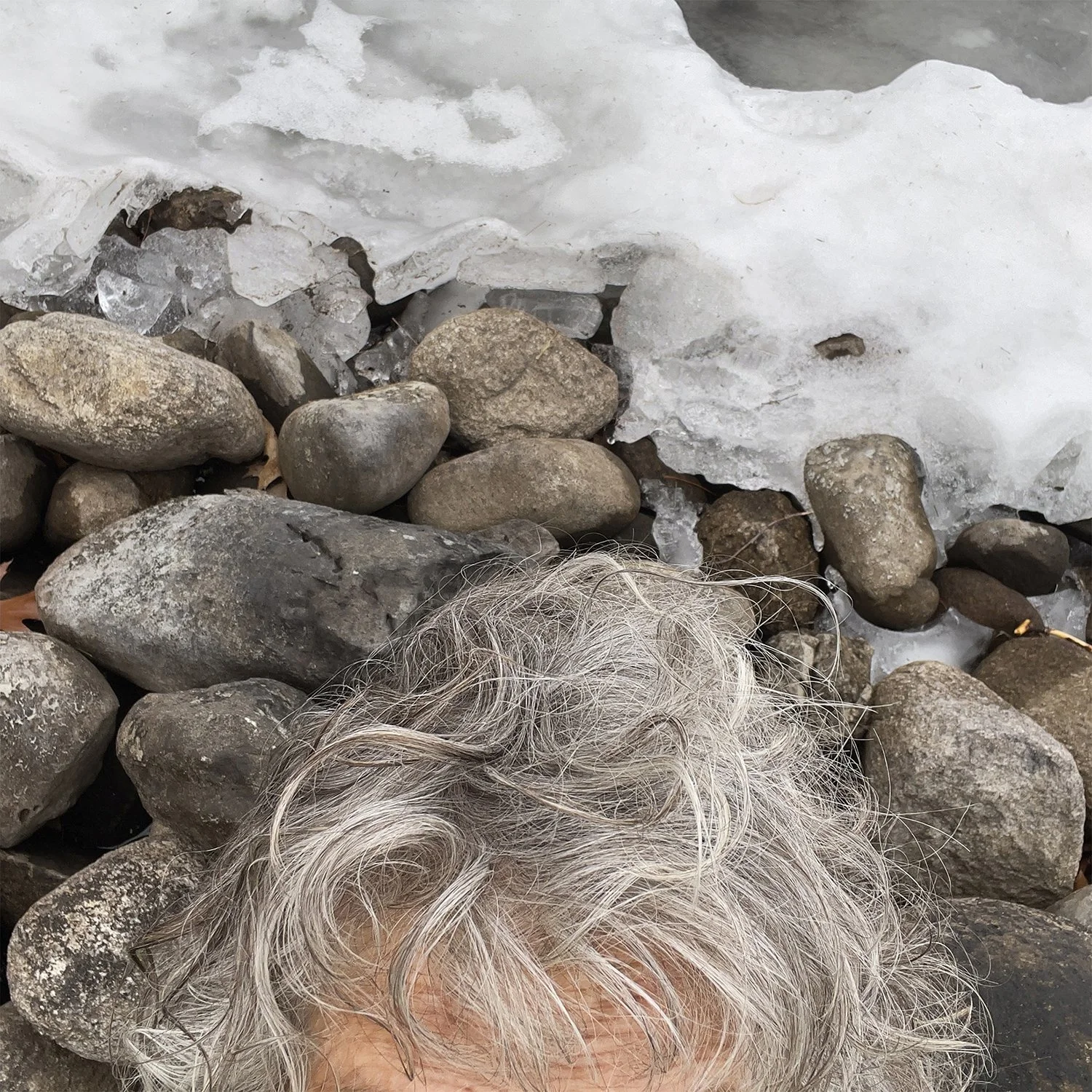
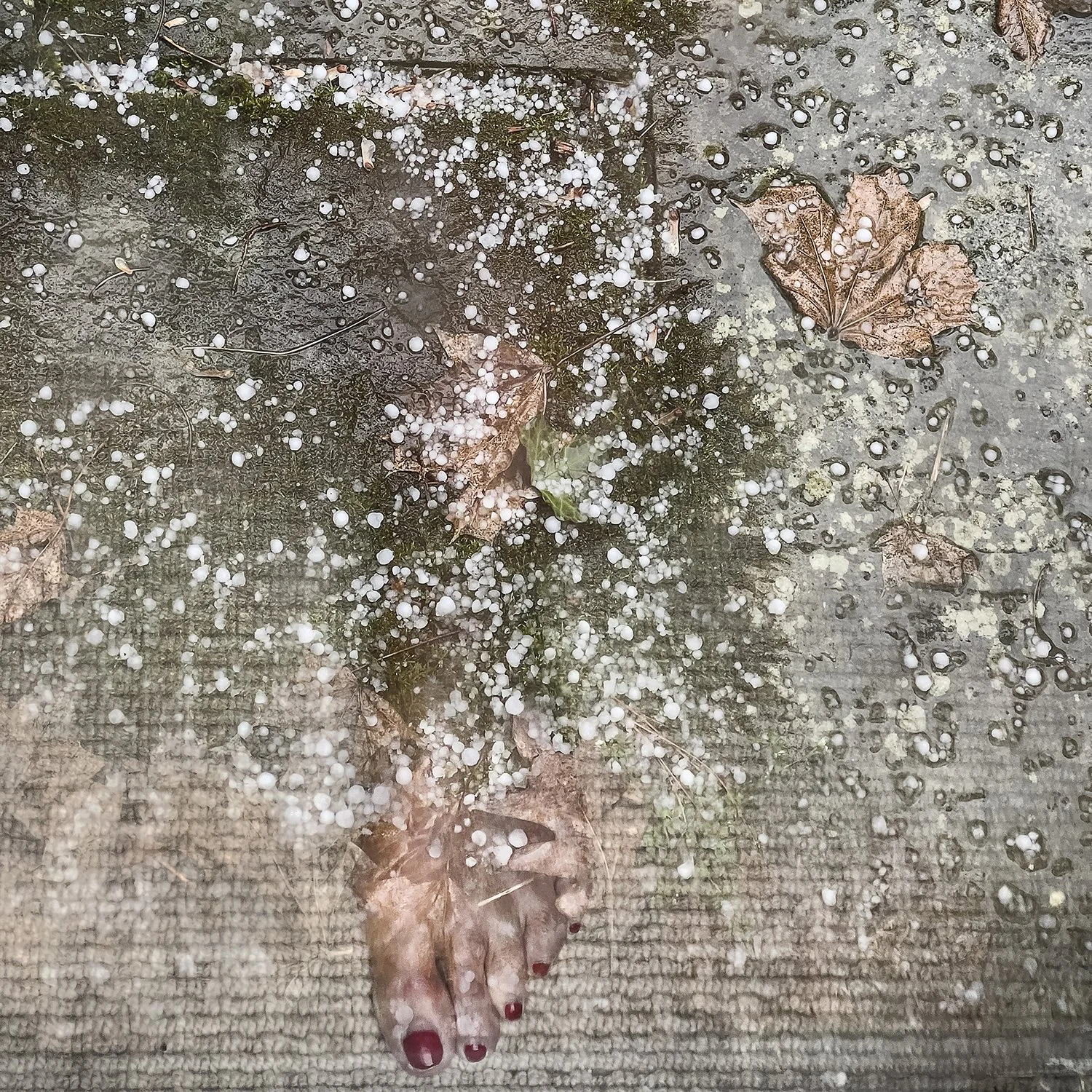
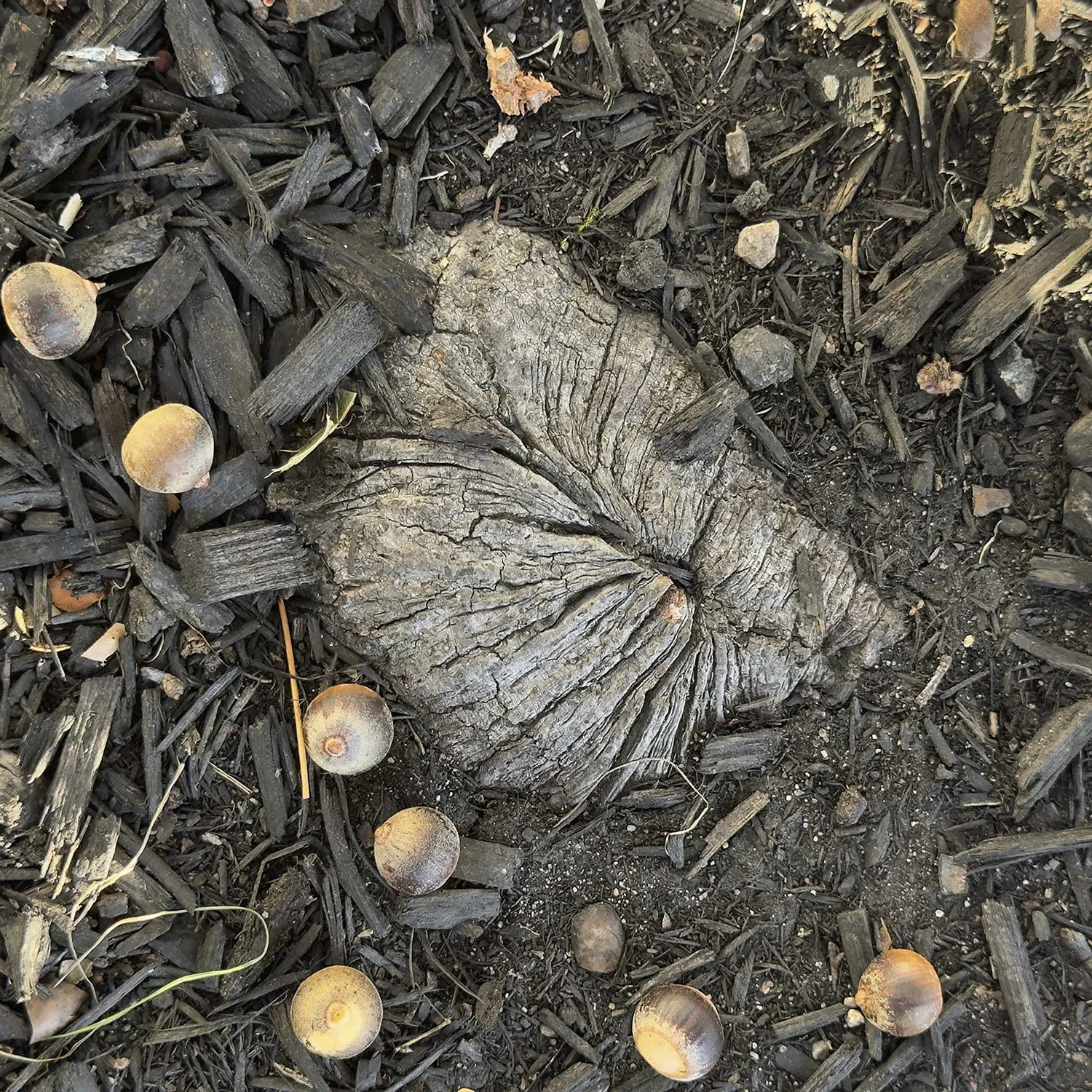
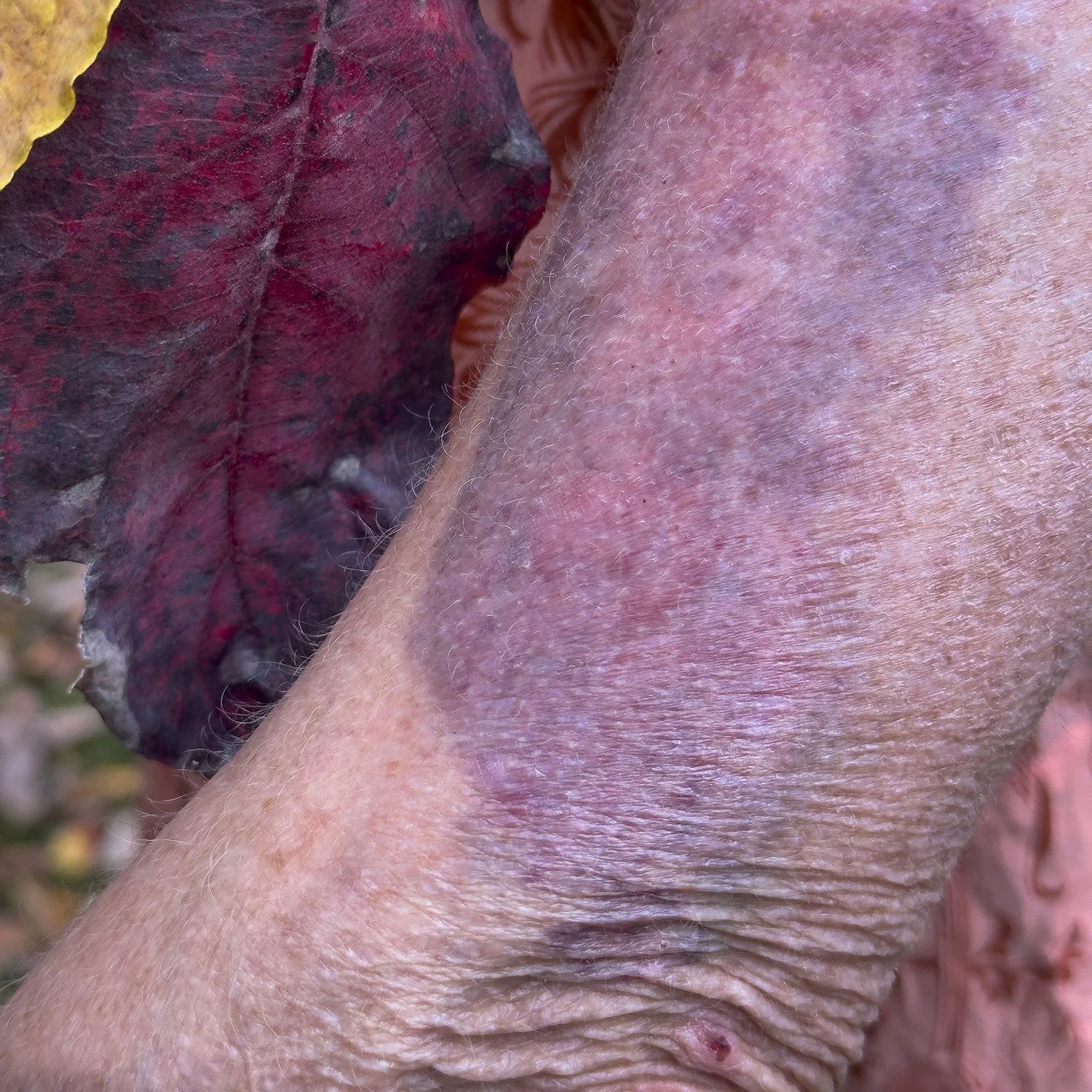
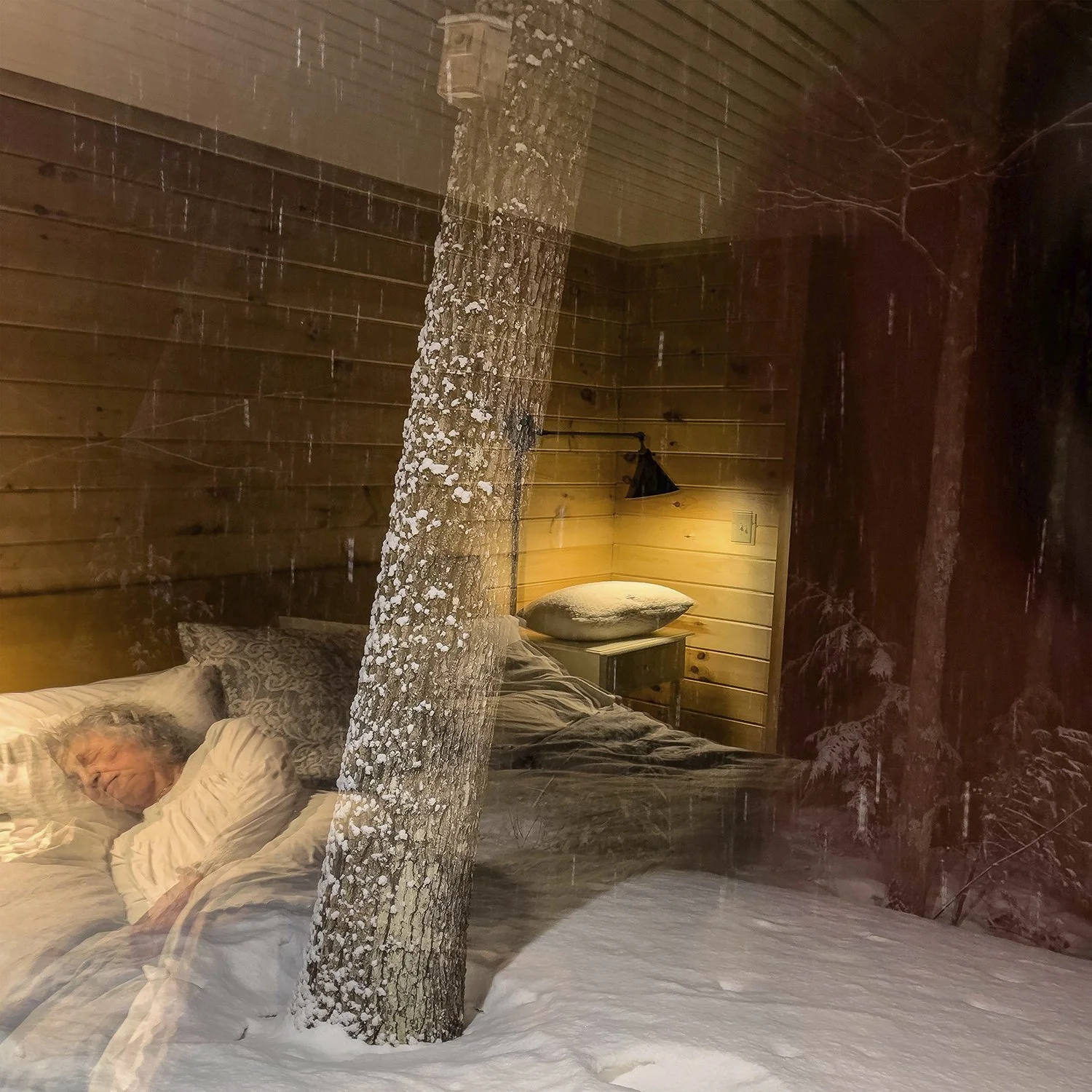
Traces of Impermanence brings together Lauren Shaw’s photographs and writing. Published by MW Editions, the book places images of scars, bruises, and other marks on her body alongside photographs of growth and decay in nature. Her reflections on aging draw partly on memories of her mother, whose carefully maintained appearance began to change as Alzheimer’s disease progressed. Remembering her mother’s attention to beauty, Shaw considers how appearance can help preserve a person’s sense of self.
Essays by art critic Lucy R. Lippard and writer Terry Tempest Williams accompany Shaw’s photographs and reflections. Together, these contributions consider bodily change through personal experience and the cycles of the natural world.
Finding the Project: Traces of Impermanence began partly with watching your mother grow older and develop Alzheimer’s. When did that personal experience become something you realized you could explore through photographs? Was there an early image that showed you the way?
March 2020, Covid shut down. I broke a tooth and my dentist said it needed to come out to avoid infection. Everything was covered with plastic in his office and the tooth came out. I brought it home with amazement that this tooth came out of my body. I wanted to photograph it and did for several days. This was the first image I made and the beginning of my photographic journey.
Before the Photograph: When you notice a mark on your body or something changing in nature, what makes you stop and photograph it? Do you already see its connection to the project, or does that often come later?
I do not truly remember. The traces had to be significant: bad bruises, wrinkles, x-rays, incisions (I found an application to open x-rays from CDs on my computer). I think the realization evolved.
Body and Nature: Can you remember the first time a photograph of your body and one from nature made you realize they could belong to the same visual language? What did the pairing reveal?
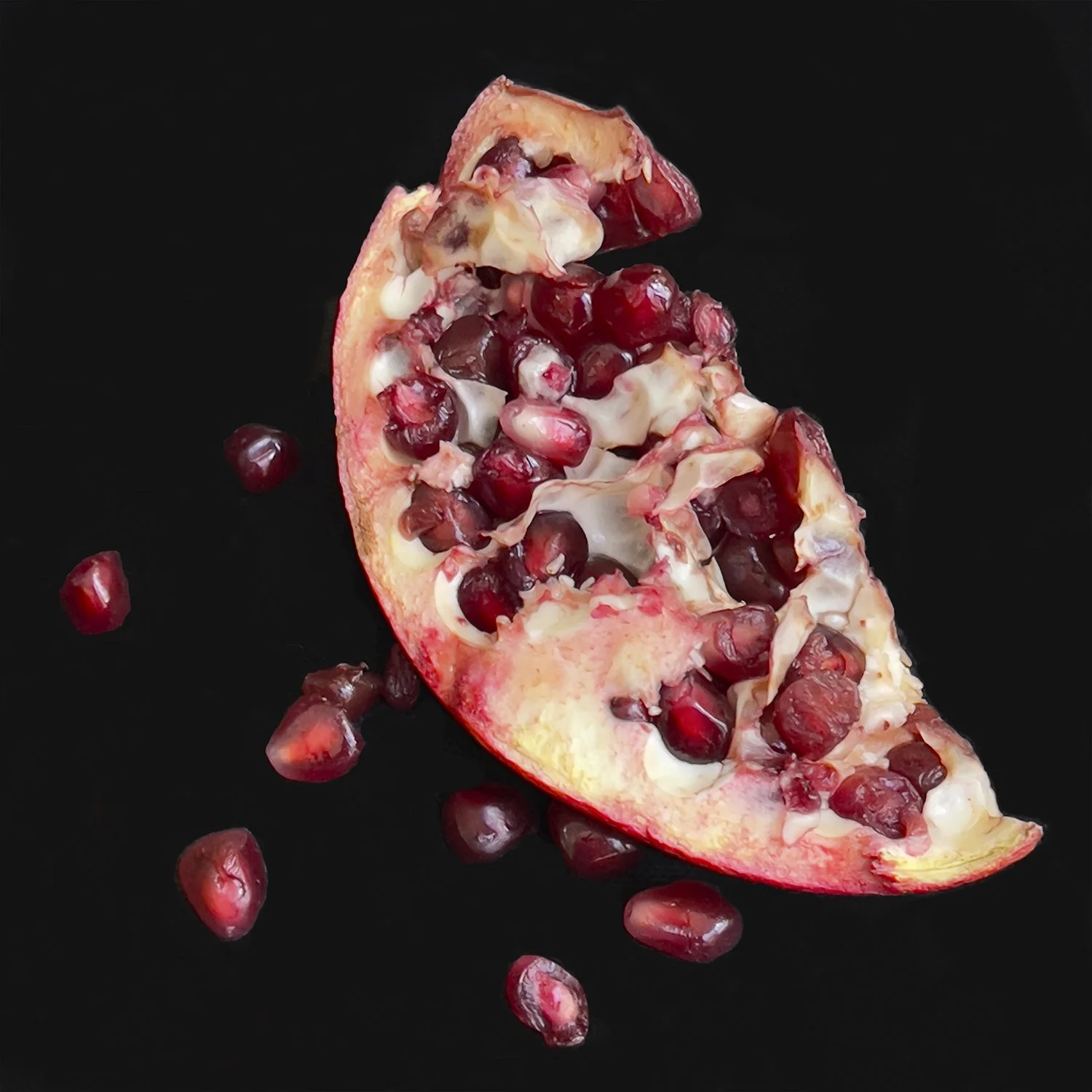
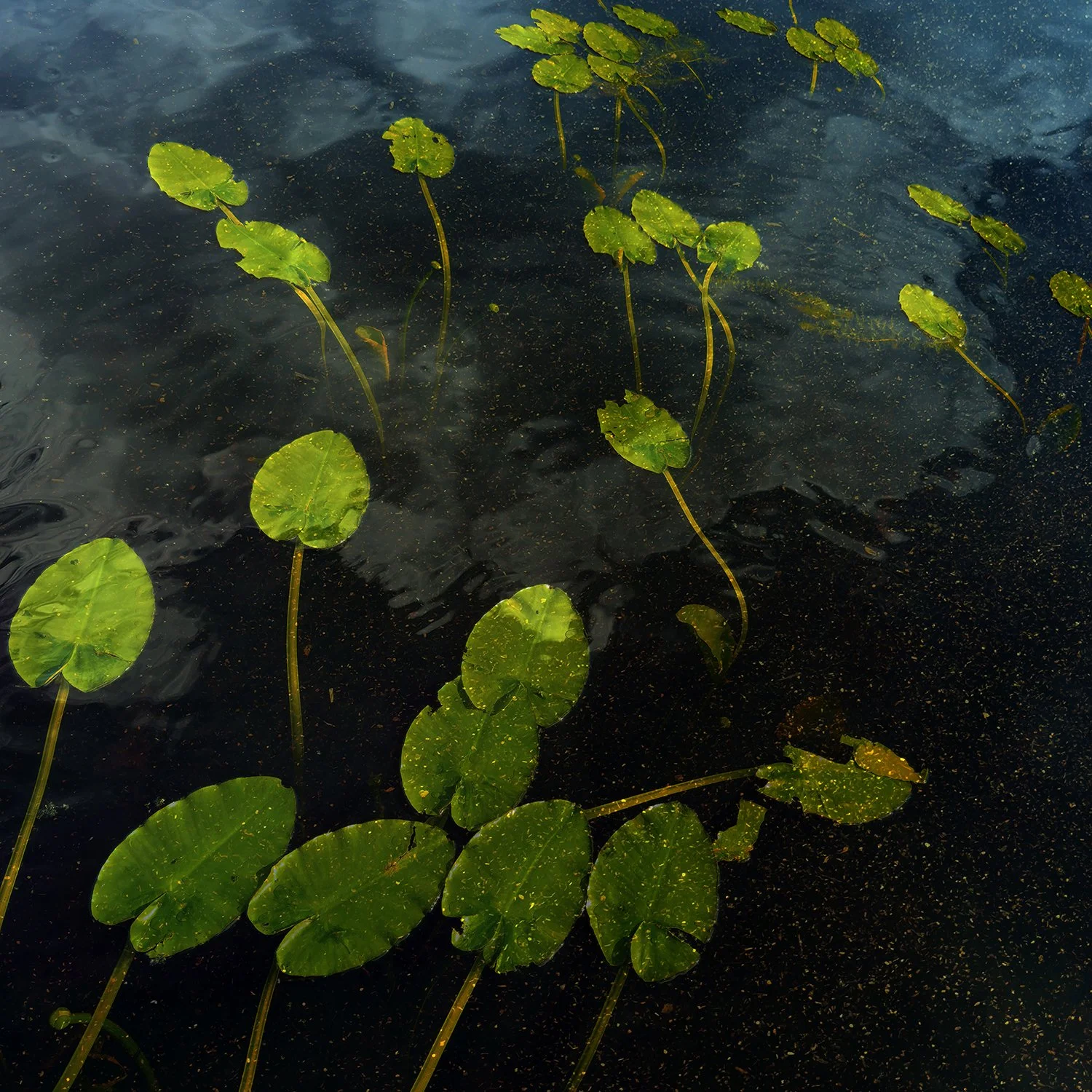
It revealed how much our bodies and nature are similar in every way when we look closely. What continued to be paramount in this work was the contrast between beauty and decay, aging and transformation. I learned so much about acceptance of my own body.
Pairing Versus Resemblance: Was there a pairing that worked visually but that you eventually rejected because the connection was too obvious? What made you realize it was not enough?
I worked hours creating pairings and sequences. I rejected many and often asked my partner his opinion. The entire order and sequence were critical to my presentation. I marveled at the way Takaaki, the designer of MW Editions, ultimately sequenced the book. I found his sequences more engaging. His approach was less literal and descriptive while following my writing. His sequencing was a journey of the unexpected.
The Designer's Sequence: Can you choose one pairing that Takaaki changed from your original sequence? What was your pairing saying too literally, and what became possible when he separated or rearranged those photographs?
It was the flow with the images. Originally the tooth was alone because it was such an important image for me. Takaaki created a sequence that was about the images and transitions from one page to the other. I originally had the sequences following my story and did not have the b/w images together the way he created. I ultimately was so excited over his experience and vision with my images and the order that he created.
Judging Your Own Body: Was there a photograph of your body you initially resisted because of what it showed about you, but later realized was important to the project? How did you separate personal discomfort from photographic judgment?
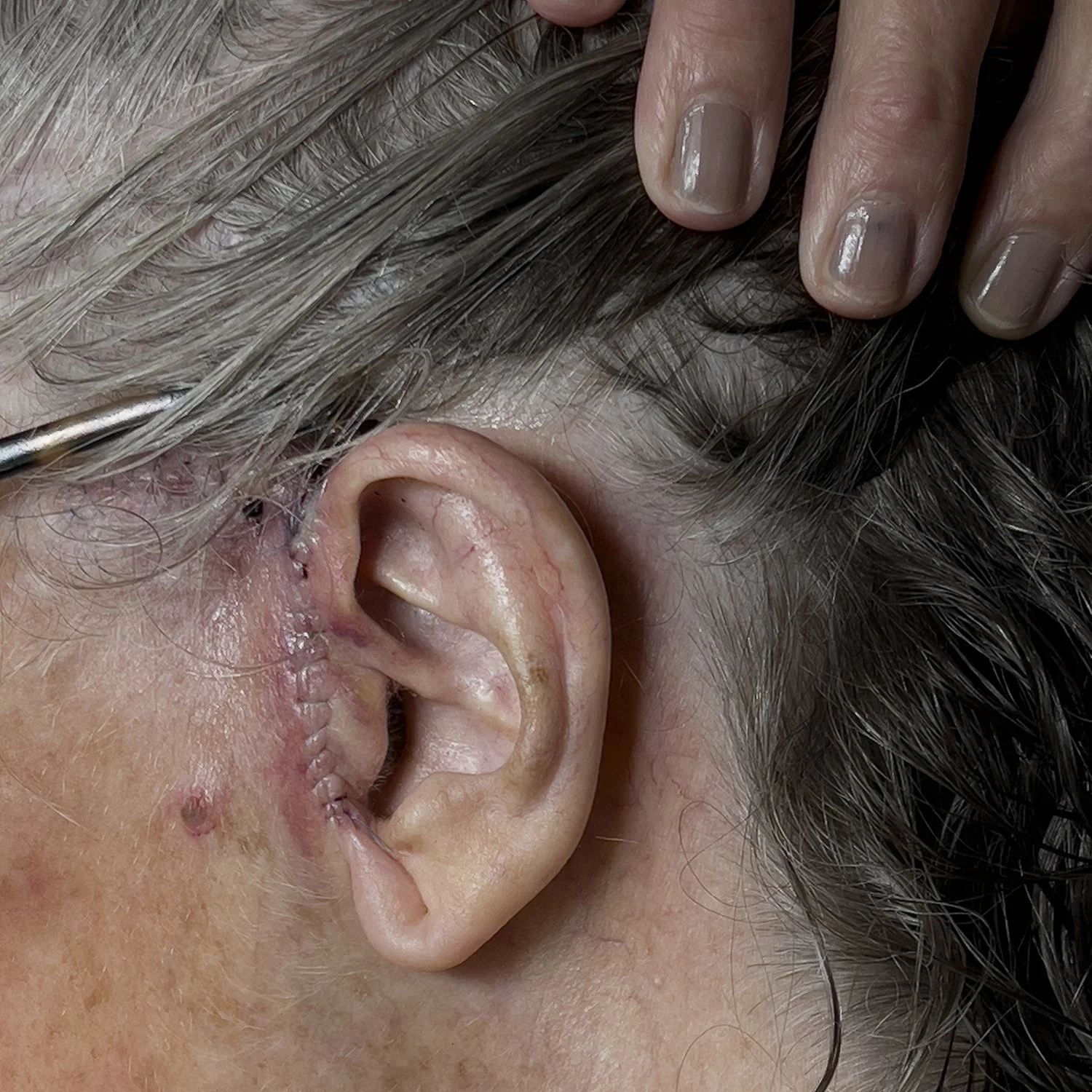
The photograph of the squamous cell incision did at first seem too provocative, and there were others of my body that were too personal that I decided against. Ultimately, I found a balance and an acceptance of turning the camera on myself. I had never done this before, so the process was new to me. Contrasting my body's traces to nature was uplifting and inspiring. As I went for walks during Covid, it came to me the power of nature without any regret. There is no ego in nature.
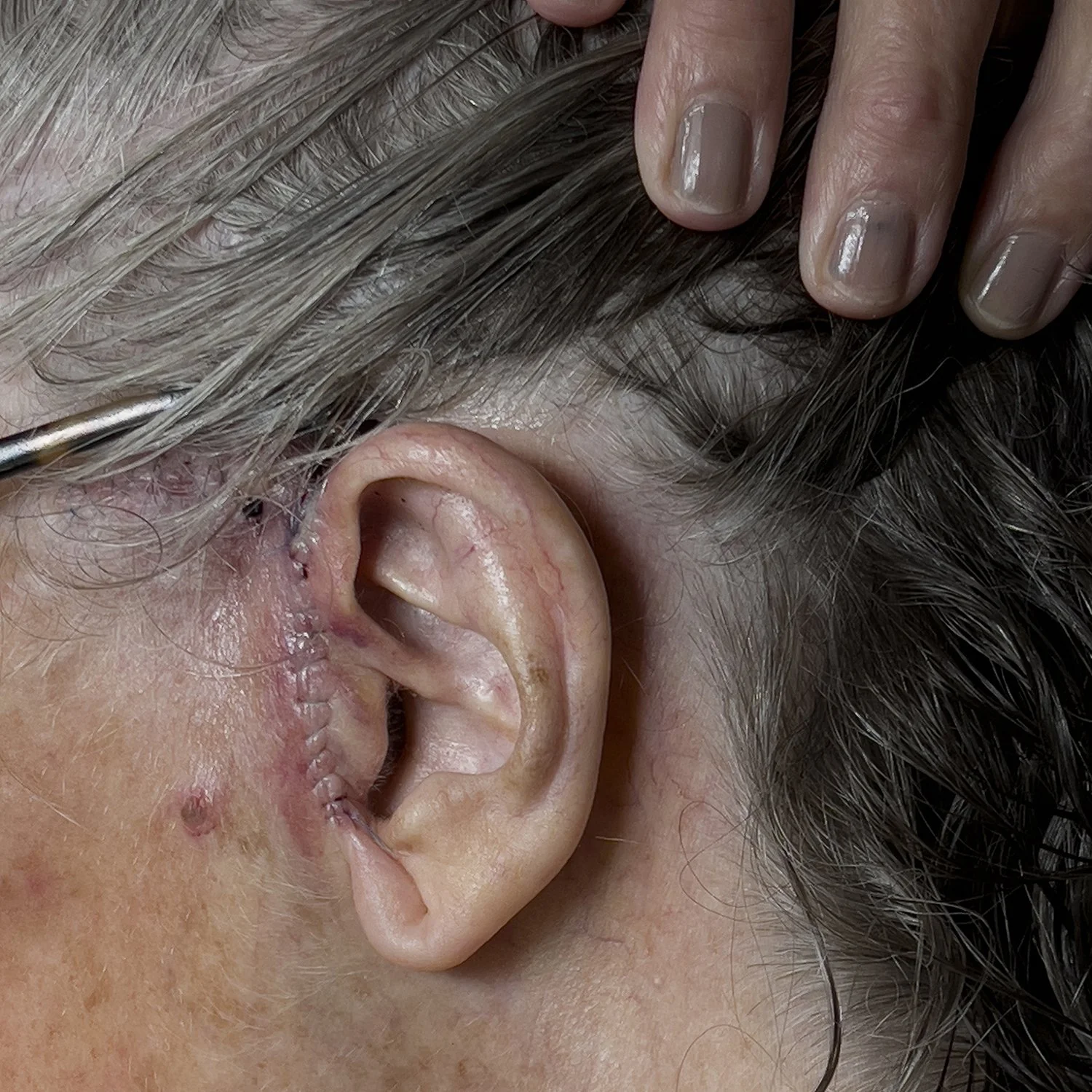
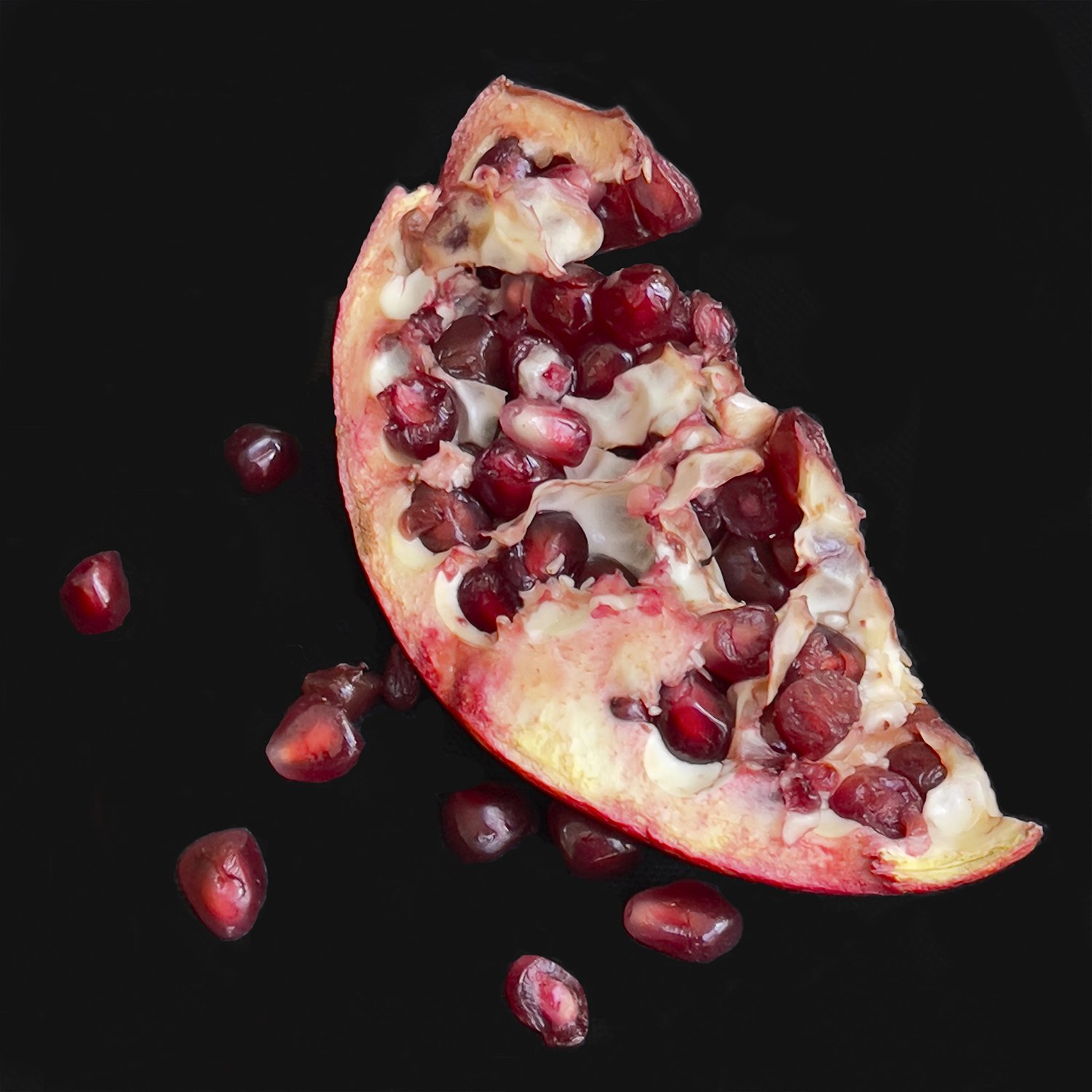
Where the Line Was: You mention that some photographs of your body felt too personal to include. Can you choose one and explain what made it cross that line, while the photograph of the squamous cell incision ultimately stayed?
The images of my body that I decided against are personal, and I decided I did not want to share, so there weren't many, just a few.
What Failed: Was there a type of photograph or direction within Traces of Impermanence that you kept trying but eventually accepted was not working? What convinced you to stop?
No, I was always on a journey. I kept looking and discovering and did not reject my impulses but let them go. I also learned from these images about myself, nature, and transformation. What I discovered often surprised me. My work has been my greatest teacher. It is not difficult when you are working alone to be honest with yourself. Traces of Impermanence was truly unexpected as I allowed my emotions and photographs to unfold. I cannot stress enough how much I have learned from this project. It is apparent in my own writing.
Another Person's Eye: During the development of the book, did anyone challenge a photograph or pairing that you wanted to keep? If so, did their criticism make you see something you had stopped seeing yourself?
My daughter-in-law, who is a graphic designer and has a very sharp eye, encouraged me to keep two photographs in that I was not sure about. She shared with respect and honesty so that I listened and saw her point of view. These are two images she urged me to keep in. Once again, I used my partner as my personal judge because it was often a deep discussion of why it worked or didn't. I always have the impulse to share my images with those that I deeply trust and know my work.
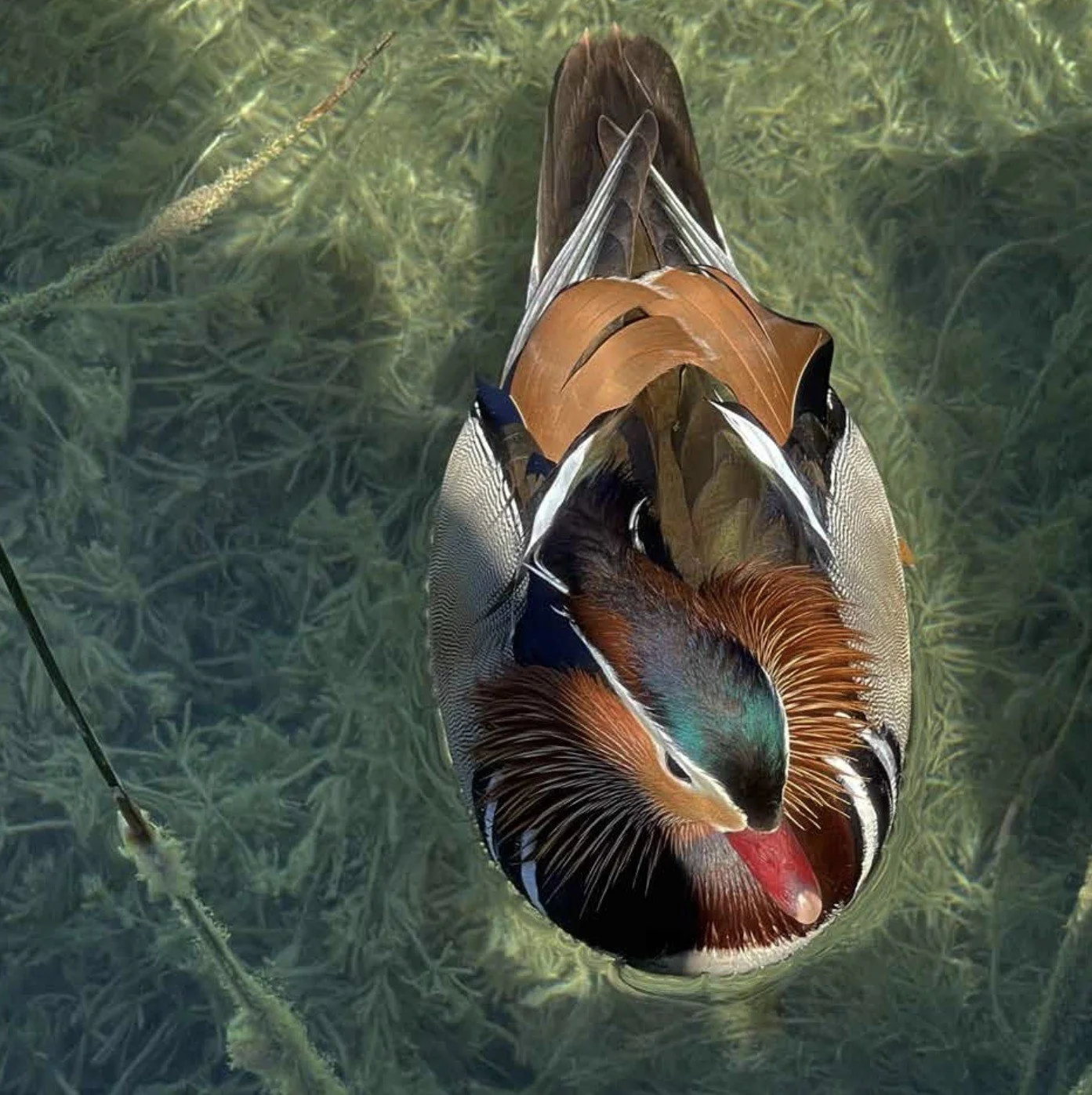
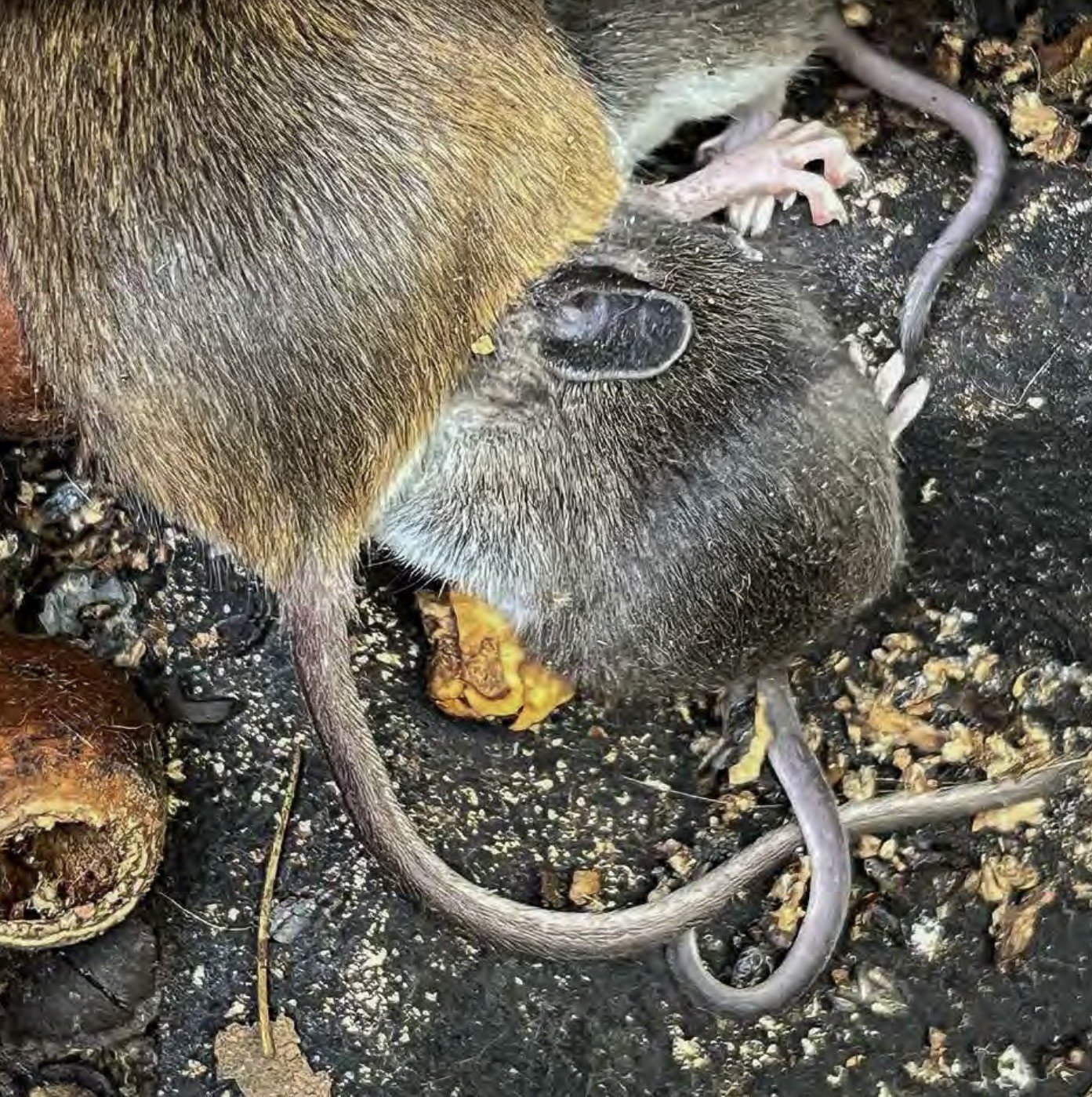
A Second Look: Can you choose one of the two photographs your daughter-in-law convinced you to keep? What did she see in it that you had initially missed or doubted?
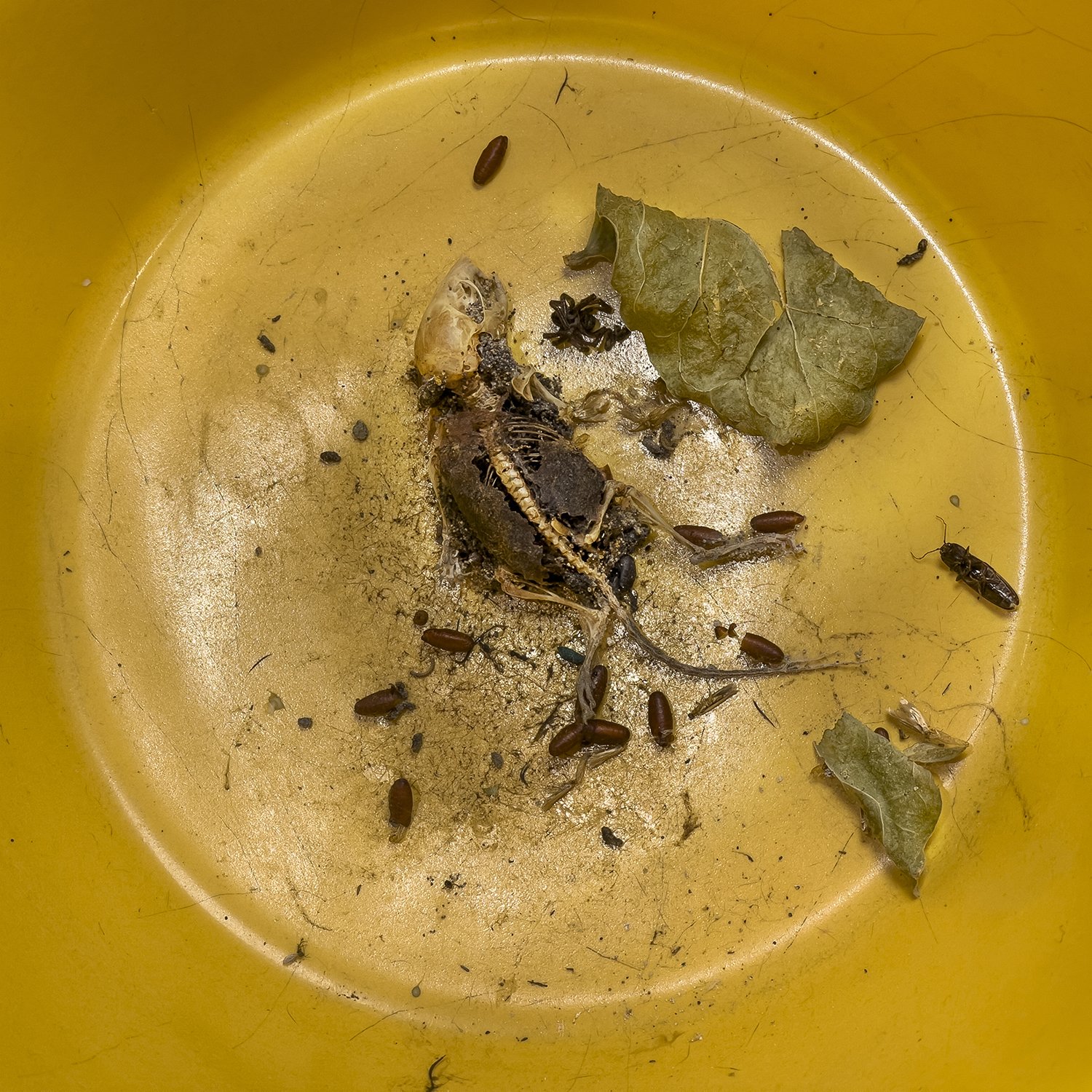
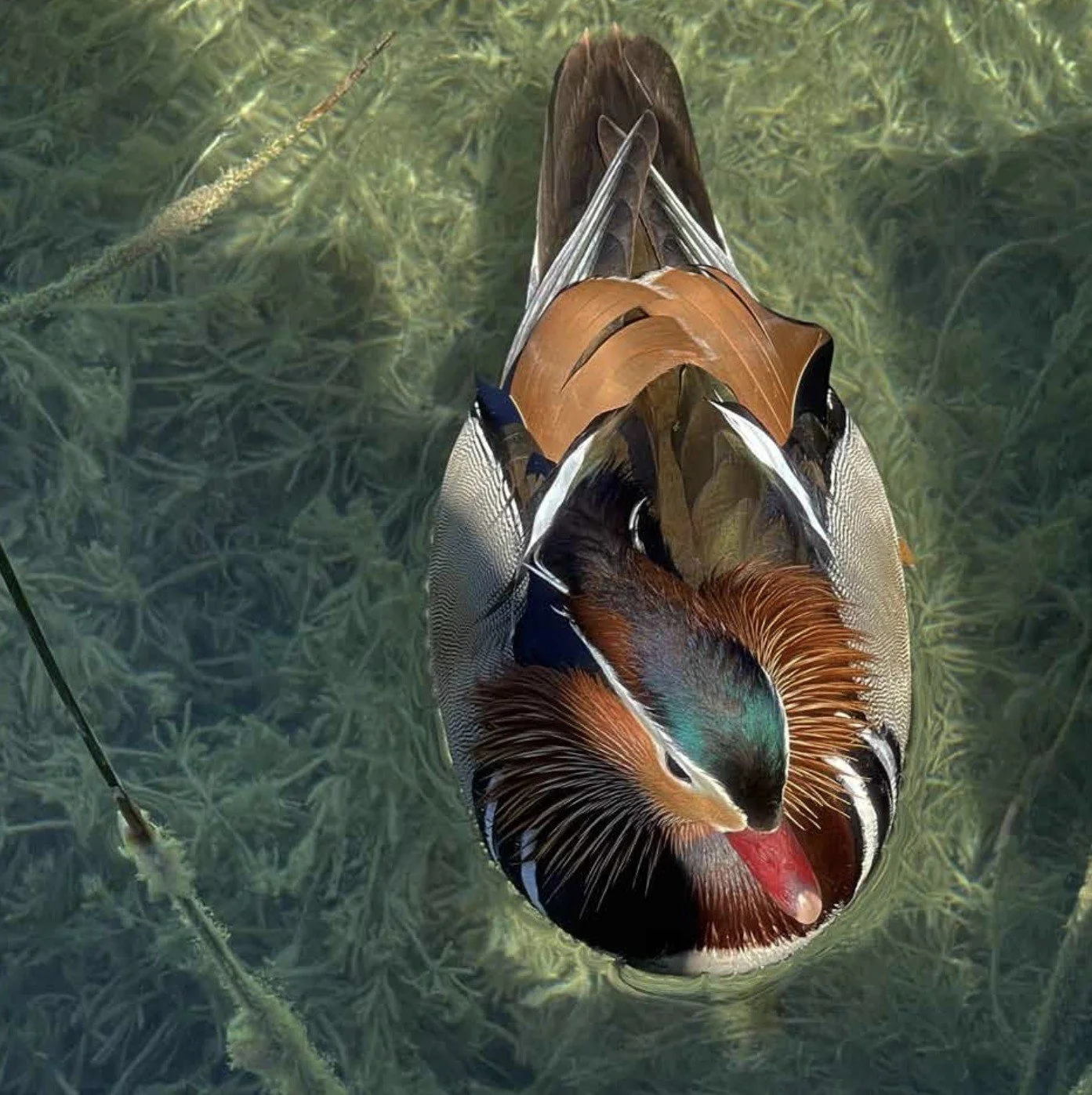
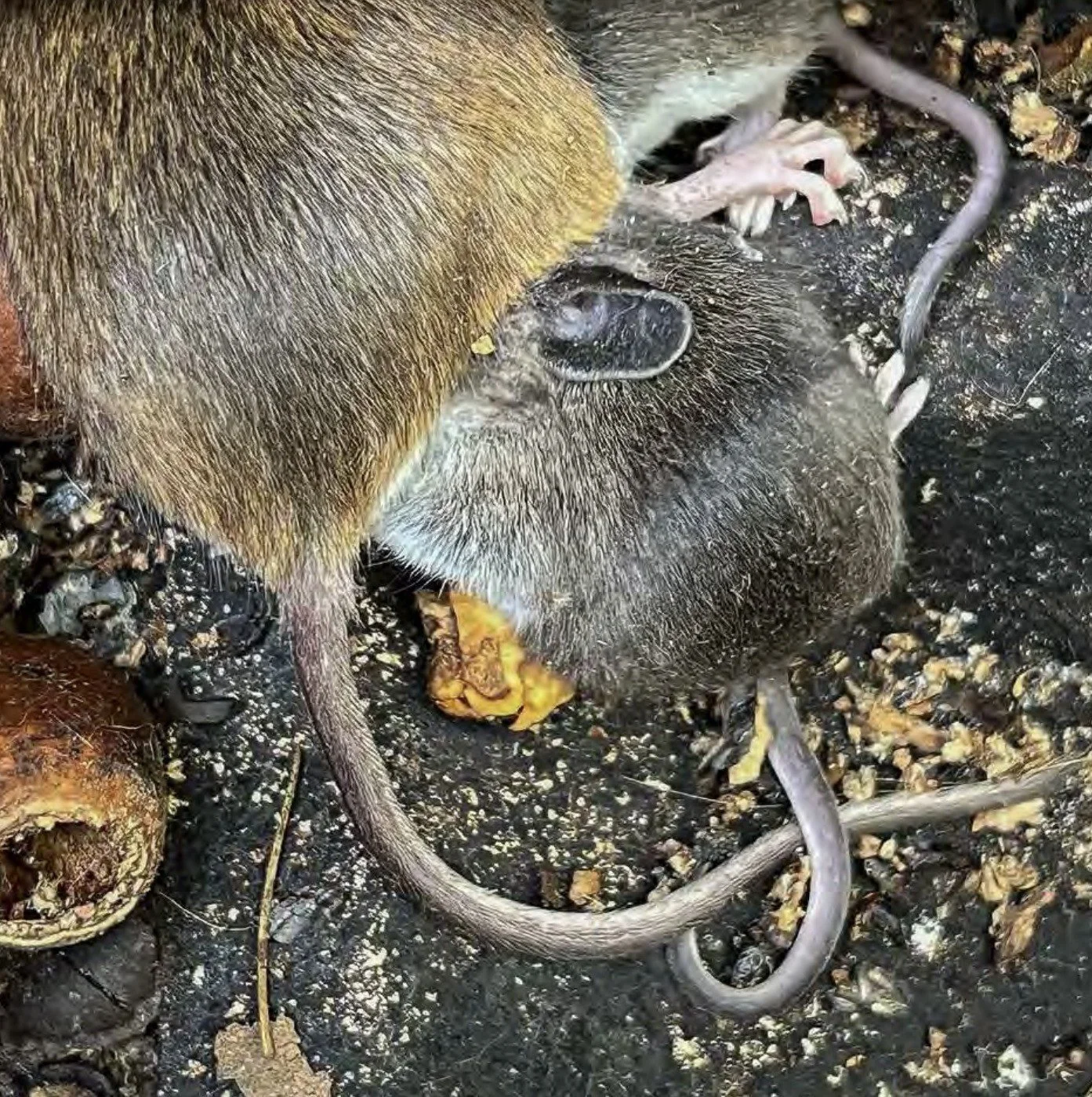
Eliza strongly encouraged me to put these two images in: Duck and the mouse nursing her babies.
Influence Without Copying: You studied with Harry Callahan and Aaron Siskind. Is there something you learned from either of them that still shapes how you work, even if it is no longer visible in your photographs? What did you choose not to carry forward?
When I first met Harry on an interview before I had been accepted, I met him in a bar after his morning photography session around town. I knew then that for him photographing every day was like breathing for him. I do not photograph every day but I am seeing images all the time. His vision was so concrete that he took that vision and sensibility wherever he was traveling. I think I do the same. Aaron was more of a deeply cultural artist that loved music and other disciplines. I did not see that enthusiasm in Harry, but Aaron loved so many creative practices. I too am driven by words, music, and nature. I know deeply that the one power that drives me in my life is beauty. Both were committed to their vision, which one can see throughout their work. Not necessarily in subject matter, but their approach, which became their own. They were great pals and honored each other's friendship and work. Aaron came to RISD my second year at the request of Harry since his time in Chicago was over. They met in Chicago many years before. I was so lucky to be at the juncture of a new chapter in their lives as teachers and artists. They never taught together or did critiques together. There were only 5 in my year, and the next year when Aaron came it was increased to 15, but the 5 of us stayed together and we were not mixed with the new second year graduate students. There was nothing that I ever chose not to take with me. They encouraged me always, and when Lisette Model came to meet with us, I did not know who she was. She took an interest in my work and invited me to come to NY. Harry encouraged me to follow through. The first time the graduate students met at Harry's house, Robert Frank was there. I was breathless and showed the portfolio I submitted for graduate school. Robert looked at my photographs of weathered windows and doorways in Paris (no people) and said, “Go and get close to someone.” I spent the next two years photographing the longshoremen on the docks of Providence. It was there that I learned about the ethics of photographing strangers.
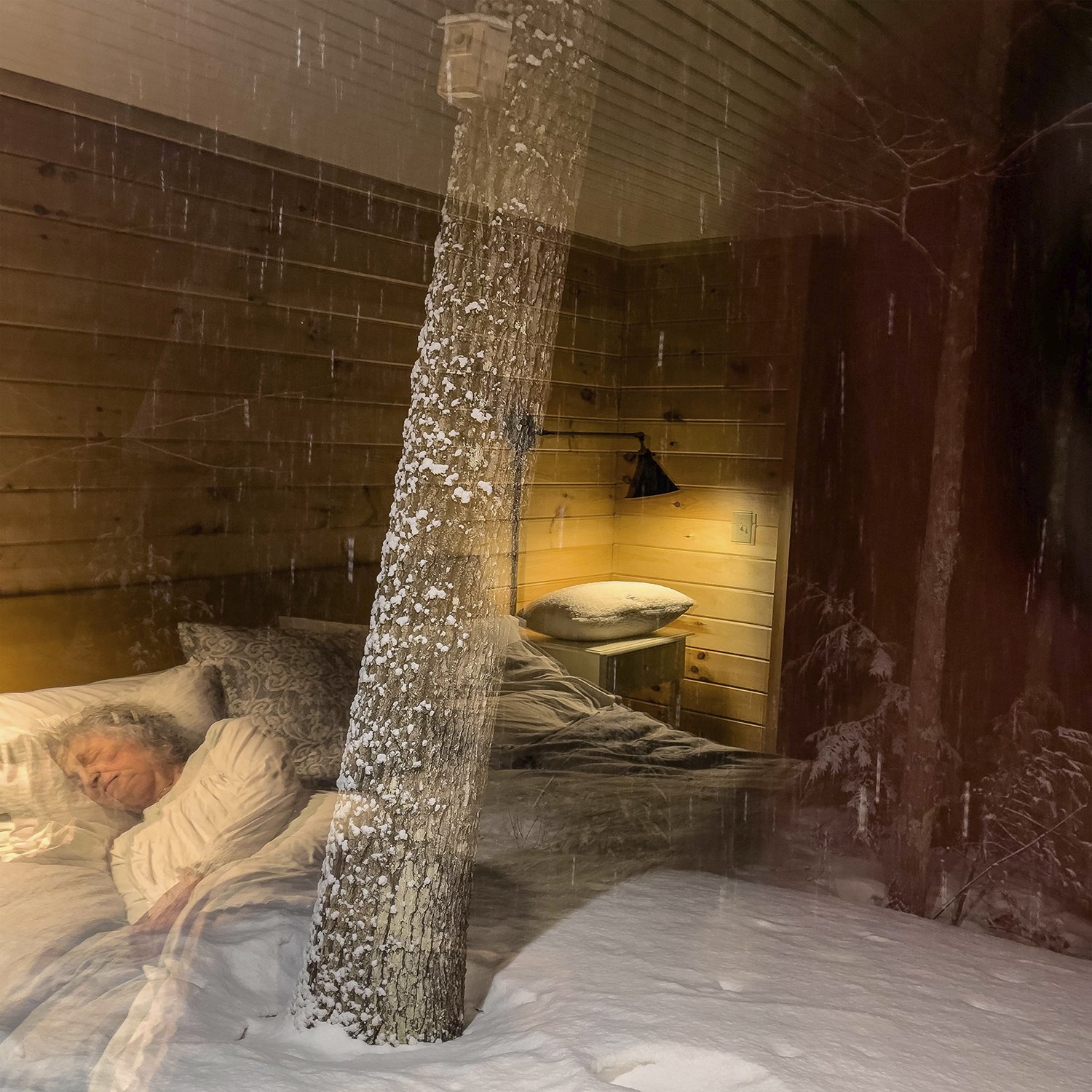
From Windows to People: Robert Frank's comment led you from photographing empty windows and doorways to spending two years with longshoremen. What was the first thing you had to change in the way you photographed once another person, rather than a building, was in front of you?
I lived in a Cape Verdean neighborhood in Providence with many longshoremen. I went down to the docks after Robert made that comment and photographed the men and ultimately their families for the next two years. My graduate photo thesis is these images. Most importantly, as I have already stated, I learned about the ethics and trust of photographing strangers. Because of that I hold that body of work very close to me. Robert's suggestion was easy for me to hear because I was/am very interested in people and engaging with them. To photograph people who lived in my neighborhood felt so right. Traces of Impermanence is the first time I turned the camera on myself. I was influenced because of the isolation from the outside world during Covid. There was also death all around.
Finding Her Voice: After more than fifty years of making and teaching photography, is there a photographic principle or way of working you once trusted but no longer believe in? What changed your mind?
To the contrary: I was the only woman in my graduate class, and I was very aware of that. So many of my fellow students made images like Harry's. It was uncanny. My colleagues did not give me much feedback about my work, but Harry and Aaron always did. I was quiet except when I was in discussion at critiques with Harry and Aaron. I know my voice was somewhat silent. It was the early '70s and women photographers were not that visible. It was beginning and I felt it deeply. As I began my teaching, my major focus was encouraging my students to find their voices. It was for both genders. It has always been my most passionate teaching practice. I now wonder if it is because I did not have a voice with my peers when I was at RISD. Former students always have honored me for encouraging them always to find and discover their creative voice. When I turned to making documentary films, I continued to use everything I learned and practiced as a photographer. My passion for storytelling continued and I encouraged my participants to always use their voices in interviews.
To discover more about this intriguing body of work and how you can acquire your own copy, you can find and purchase the book here. (Amazon, MW Editions)
More photography books?
We'd love to read your comments below, sharing your thoughts and insights on the artist's work. Looking forward to welcoming you back for our next [book spotlight]. See you then!

Lauren Shaw found connections between her body and nature. In March 2020, she brought an extracted tooth home from the dentist, amazed that it had come from her own body. She spent several days photographing it. Photography Book Spotlight