Welcome to this edition of [book spotlight]. Today, we uncover the layers of 'El Sur,' by Julio Mitchel (published by GOST Books). We'd love to read your comments below about these insights and ideas behind the artist's work.
Julio Mitchel finished El Sur without seeing conditions improve.
From the 1980s to 2000, he travelled through seven Latin American countries, photographing poverty, inequality, and the abuse of power. After many trips, he felt he was repeating himself. As he explains, the issues themselves were repeating too. That was when he stopped.
El Sur brings together two different ways of photographing.
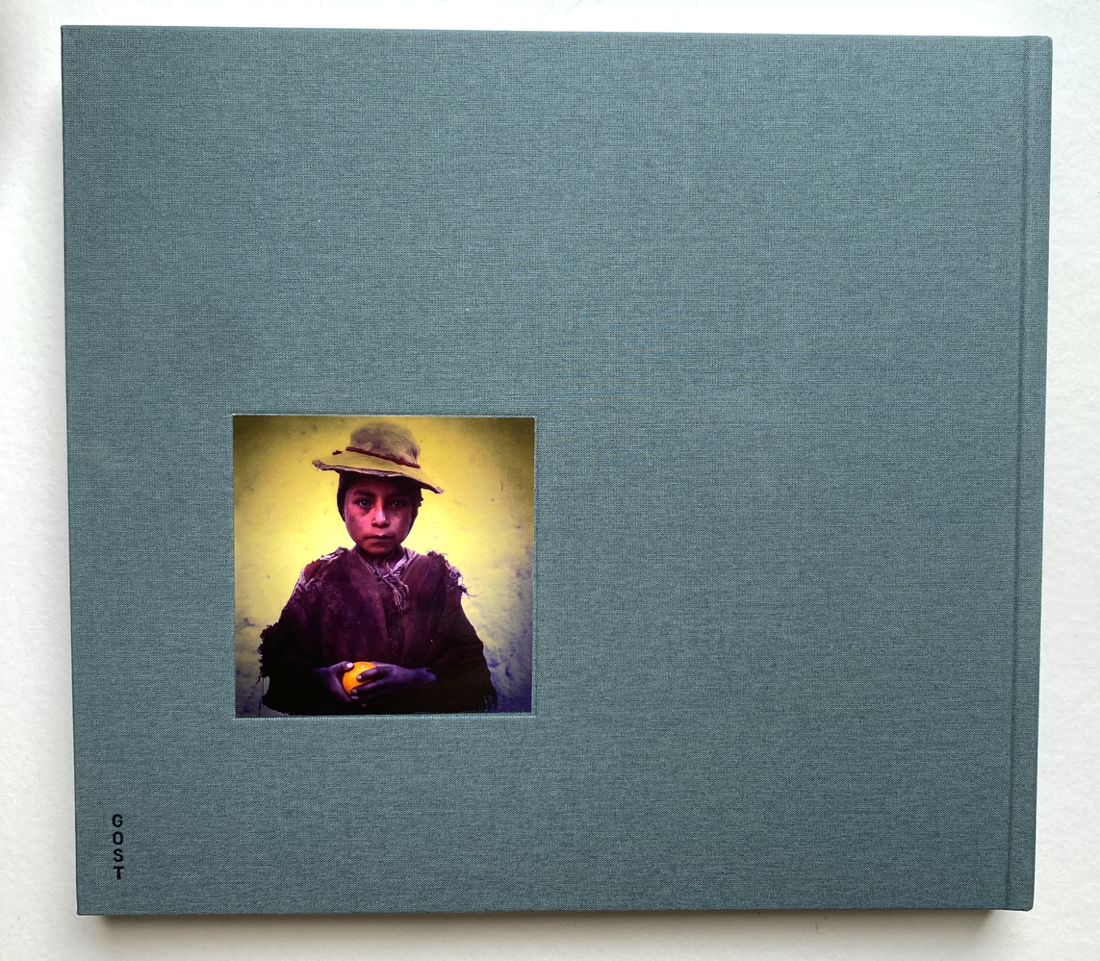
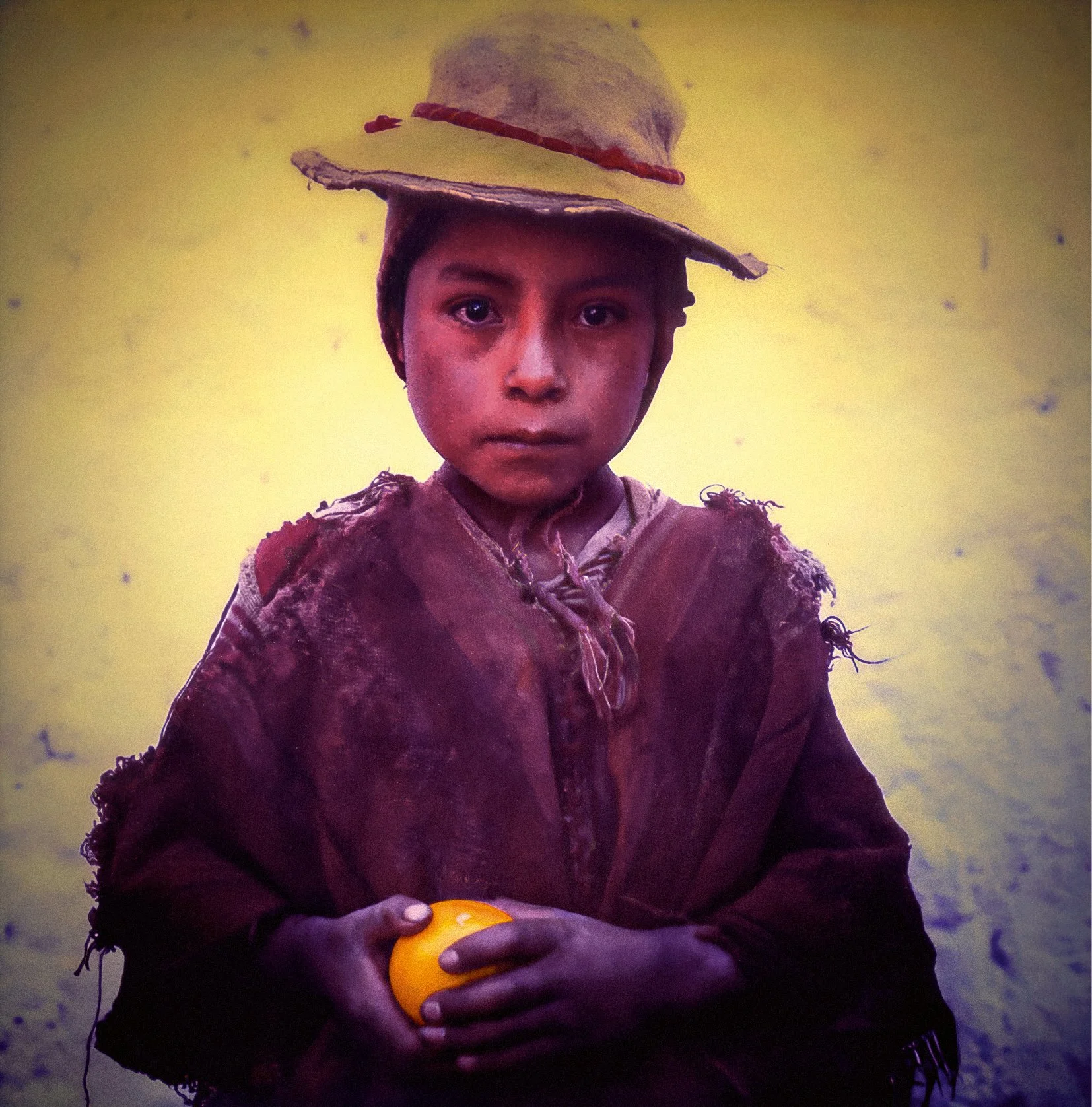
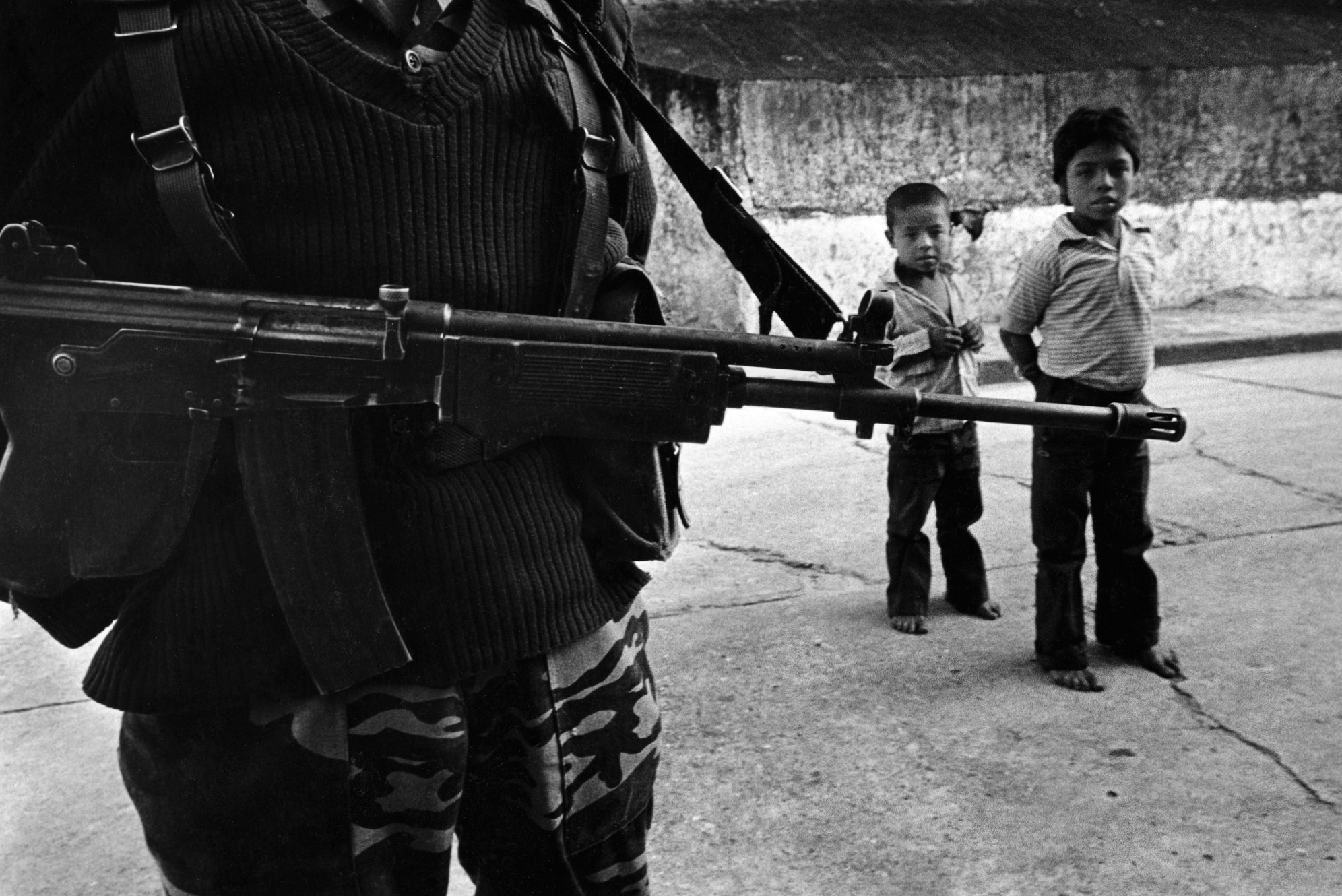
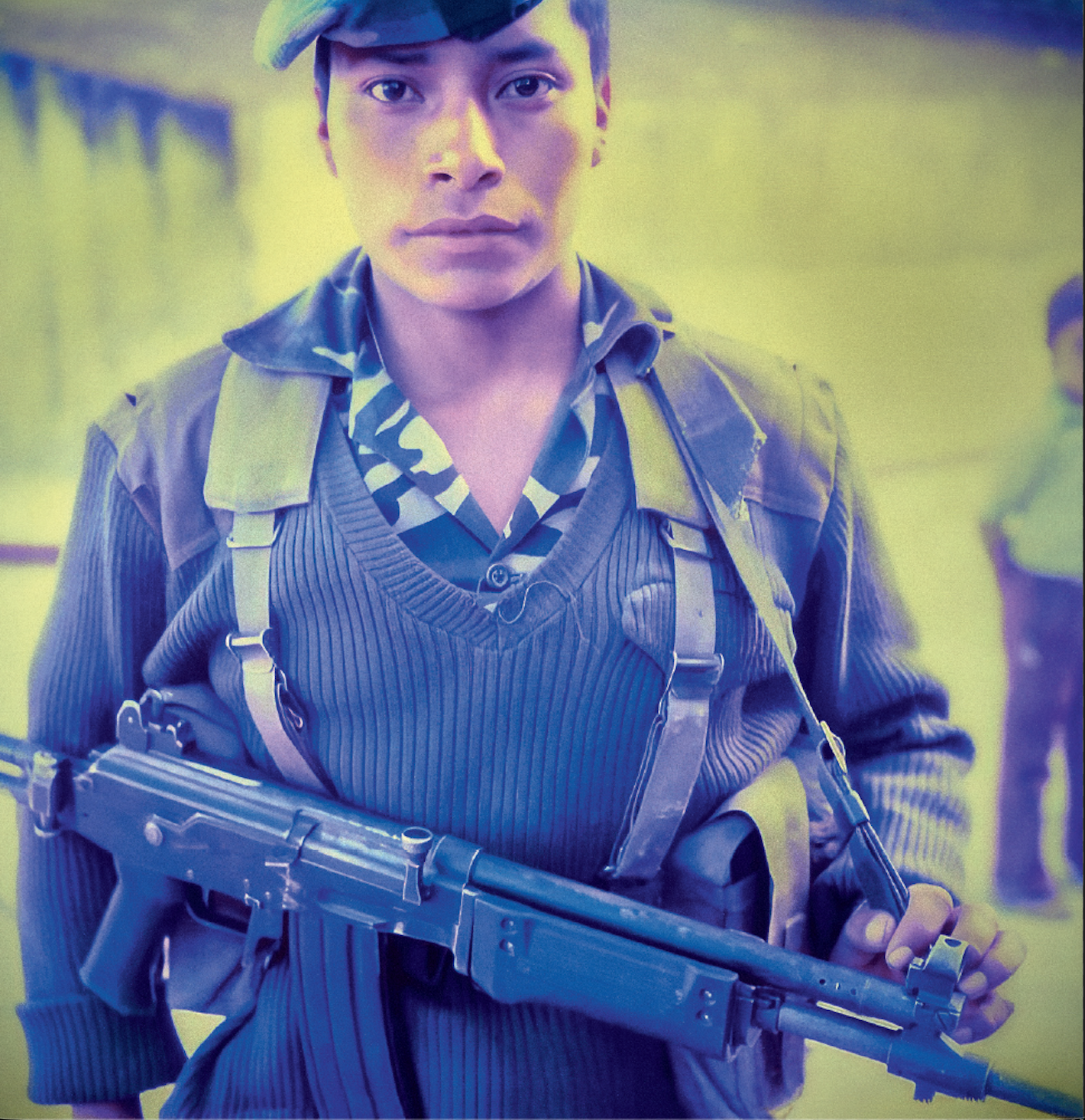
JOURNEY contains black and white photographs, while PORTRAITS presents a more introspective series in colour. Mitchel kept them separate because they reflected different emotional and visual approaches. He left out individual captions to focus on the problems shared across the countries he visited.
Mitchel describes watching where his hand stops over a contact sheet and explains why dramatic events can produce superficial pictures. For photographers deciding what to keep or whether to continue a project, these observations offer a starting point for asking what another image would add.
The book
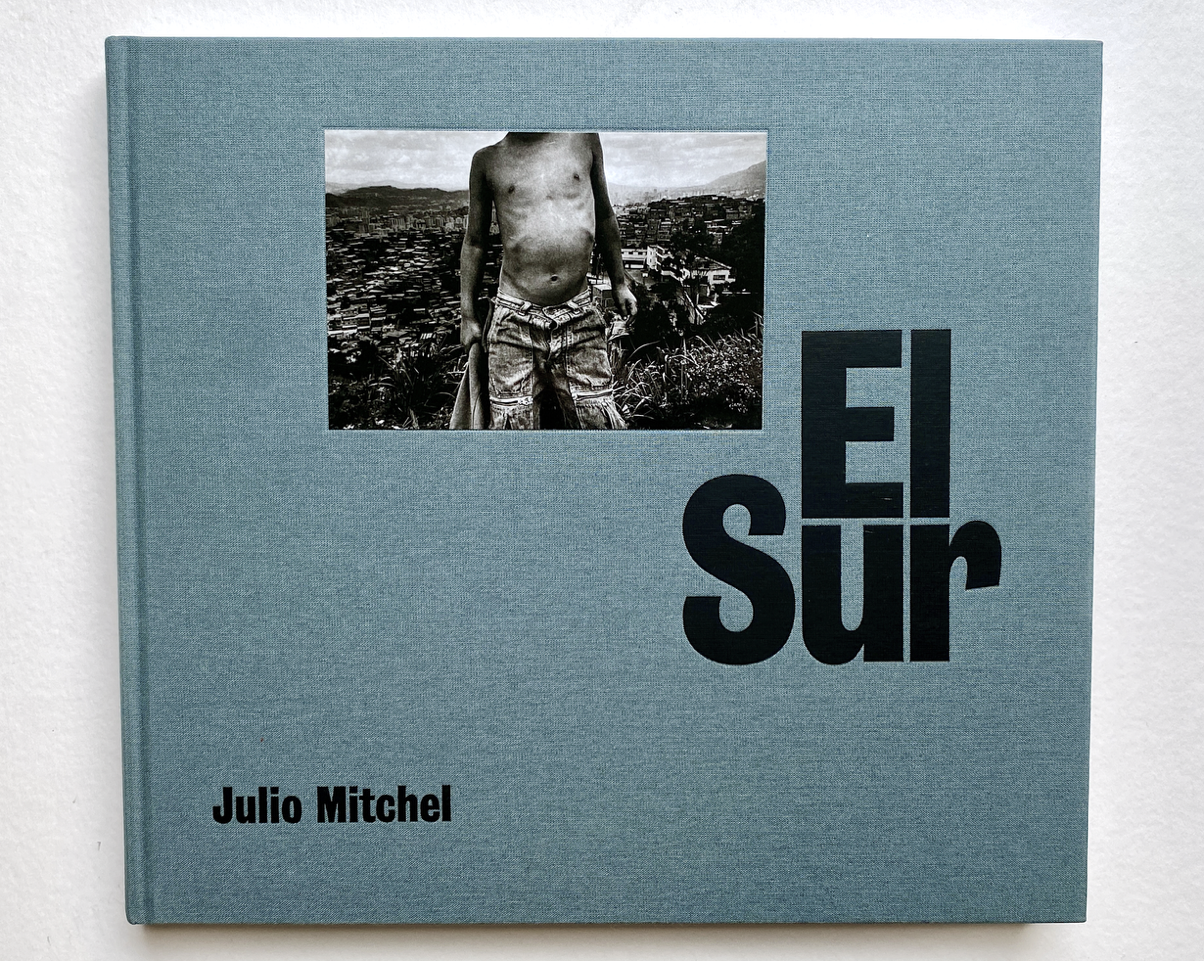
El Sur gathers Julio Mitchel’s photographs from seven Latin American countries. Made between the 1980s and 2000, the work spans Nicaragua, Guatemala, Mexico, Brazil, Venezuela, Ecuador, and Perú. Mitchel’s attention centres on the conditions behind the violence: poverty, racial and class inequality, and corruption within military and religious institutions.
Published by GOST Books, the volume contains 151 photographs across 220 pages, including 98 black and white images and 53 in colour. Its two sections, JOURNEY and PORTRAITS, bring together his travels and encounters with people across the region, which he describes as conversations with the living and the dead.(GOST Books, Amazon)
The Book Now You shot this work between the 1980s and 2000. The book comes out in 2026. Was El Sur finished the moment you stopped photographing, or did you only see what it was once you went back through the archive years later?
El Sur was finished when, after so many trips, I found I was repeating myself. Actually, the issues were repeating themselves. As I write in my introduction, “Everything has changed for the worse...” So I stopped.
Was there a specific photograph that made you think, “I already know this”? What was it no longer adding?
It wasn't one specific moment. It was an accumulation of specific moments.
Before the Frame: You've said your real subject was the underlying causes, poverty, corruption, inequality, a corrupt military and clergy, not violence itself. Can you point to one photograph in El Sur where that idea, not just a strong scene, is what made you raise the camera?
I can't point to a single image. Each one had its own dynamics. They are all related to each other, otherwise they would not have survived my edit.
What was the most common reason a photograph didn't survive your edit, even when it was strong on its own?
With a magnifying glass over the contact sheet, I scan each frame. If my hand doesn't automatically stop and hover for more than five seconds, I move on.
Two Books in One: You describe El Sur as two books folded into one, JOURNEY in black and white and PORTRAITS in colour. When you began shaping the book, what told you these two visual languages needed to stay distinct rather than be merged into one consistent sequence?
If merged, beyond the different format and film materials, which would have made it visually confusing and jarring, I was operating emotionally and visually on two separate but related levels. As I state in my introduction, JOURNEY, as the word itself, is self-explanatory: a journey. PORTRAITS is more introspective, a conversation with the living and the dead. That, and not only the choice of format and film, is what dictated two separate books.
Looking Again: Going back through twenty years of negatives to build this book, did you trust your original prints and choices, or did you find yourself editing with a different eye than the one you shot with?
I can't separate one from the other.
A Photograph That Changed: Is there one image in El Sur that you passed over, or barely printed, when you made it, that you now think is one of the strongest in the book? What changed?
I changed.
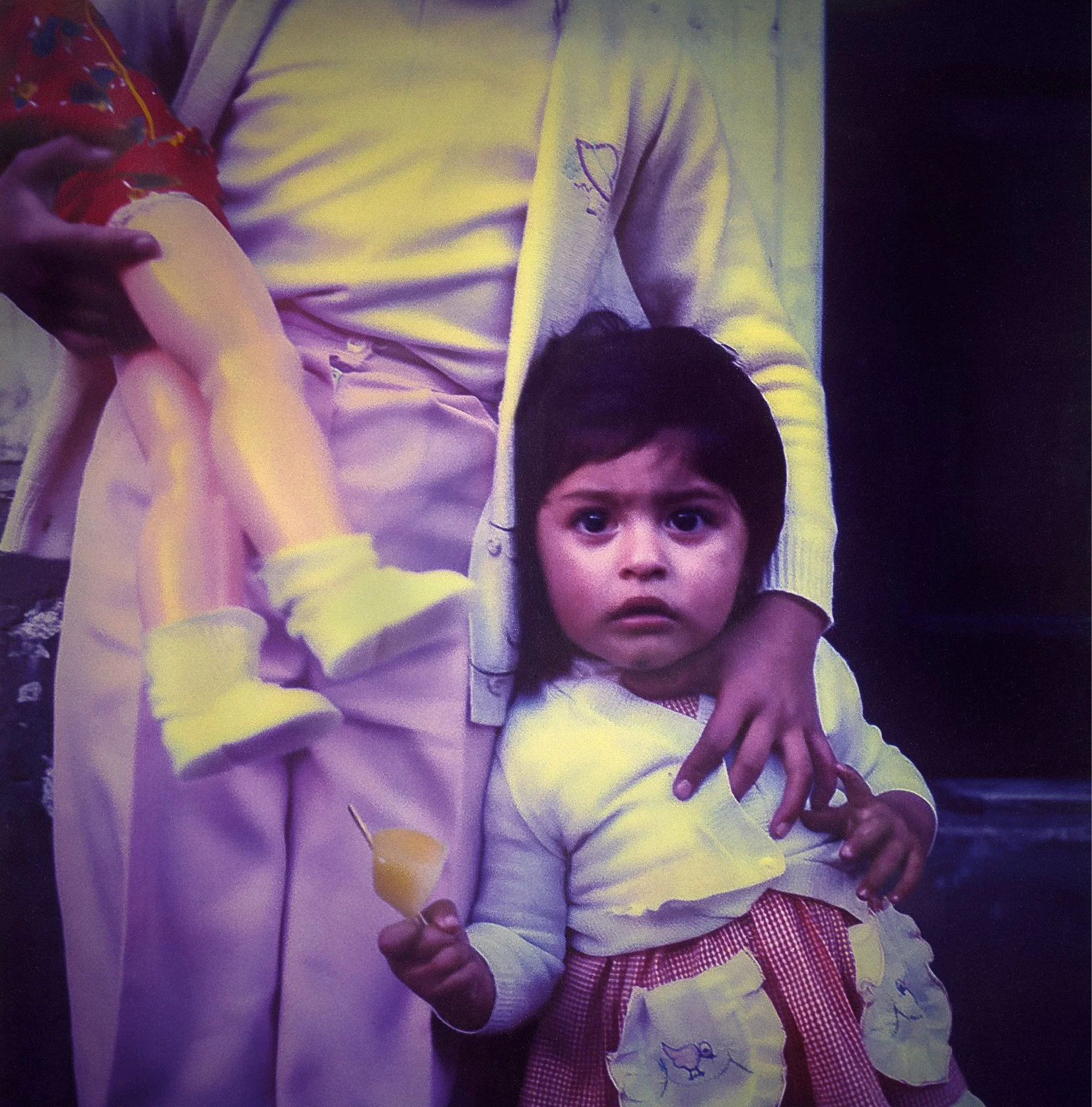
What changed in you that let you see something in that photograph you couldn't see when you made it?
I became more vulnerable.
One Shared Story: The book moves across seven countries and twenty years without identifying each image by place. Was there a photograph you worried might lose too much without that context, but decided to leave uncaptioned anyway? What made you trust it could still work inside the larger story?
I've learned over the years that if a photograph needs a caption or context beyond what's journalistically required, it has already failed as a photograph. “If you could say it in words, there would be no need to paint.” Edward Hopper.
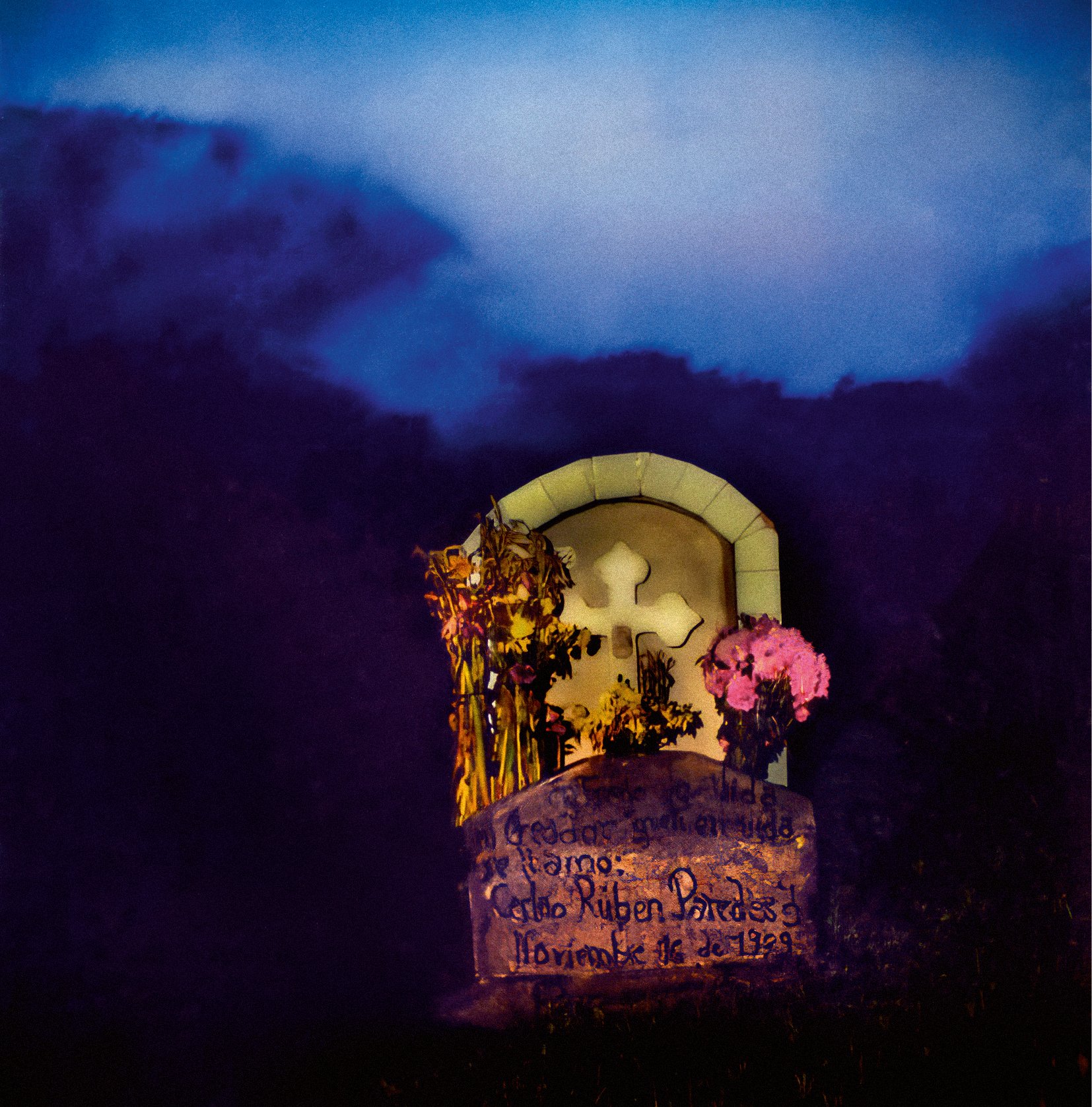
Removing the Caption: You left out individual captions to keep the focus on one shared thesis instead of seven separate national stories. Was there a photograph where you almost kept a caption because, without it, something true about that place gets lost?
No, for the same reason. If a photograph needs a caption to work, it has already failed as a photograph.
What Model Gave You: Your first class with Lisette Model reportedly left you in tears, and she still became a friend. Your Latin America work looks nothing like her New York street portraits. What did you keep from her anyway, and what did you have to drop to make this work your own?
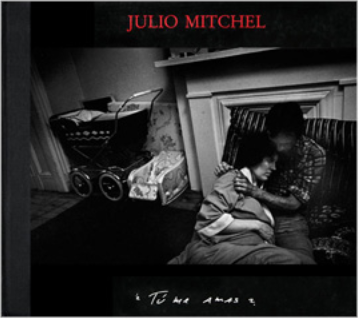
I didn't have to keep or drop anything from Lisette Model as it specifically applies to El Sur. It had more to do with life in general, and that shaped my work, as it did my other books, Triptych and Do You Love Me? / Tu Me Amas?
Can you name one specific lesson from her that later changed how you behaved when you were actually out photographing?
Lisette Model was one of Arnold Schoenberg's earliest and most trusted music students. He once confided in her about an incident that shaped his own life, and it became a lesson in hers too. She passed that lesson on to me. Out of respect for Schoenberg's and Lisette Model's memory, I keep the specifics to myself.
Judgment Now: Looking back at photographs you made as a much younger man, what do you understand now about the difference between photographing a dramatic event and photographing the deeper conditions behind it?
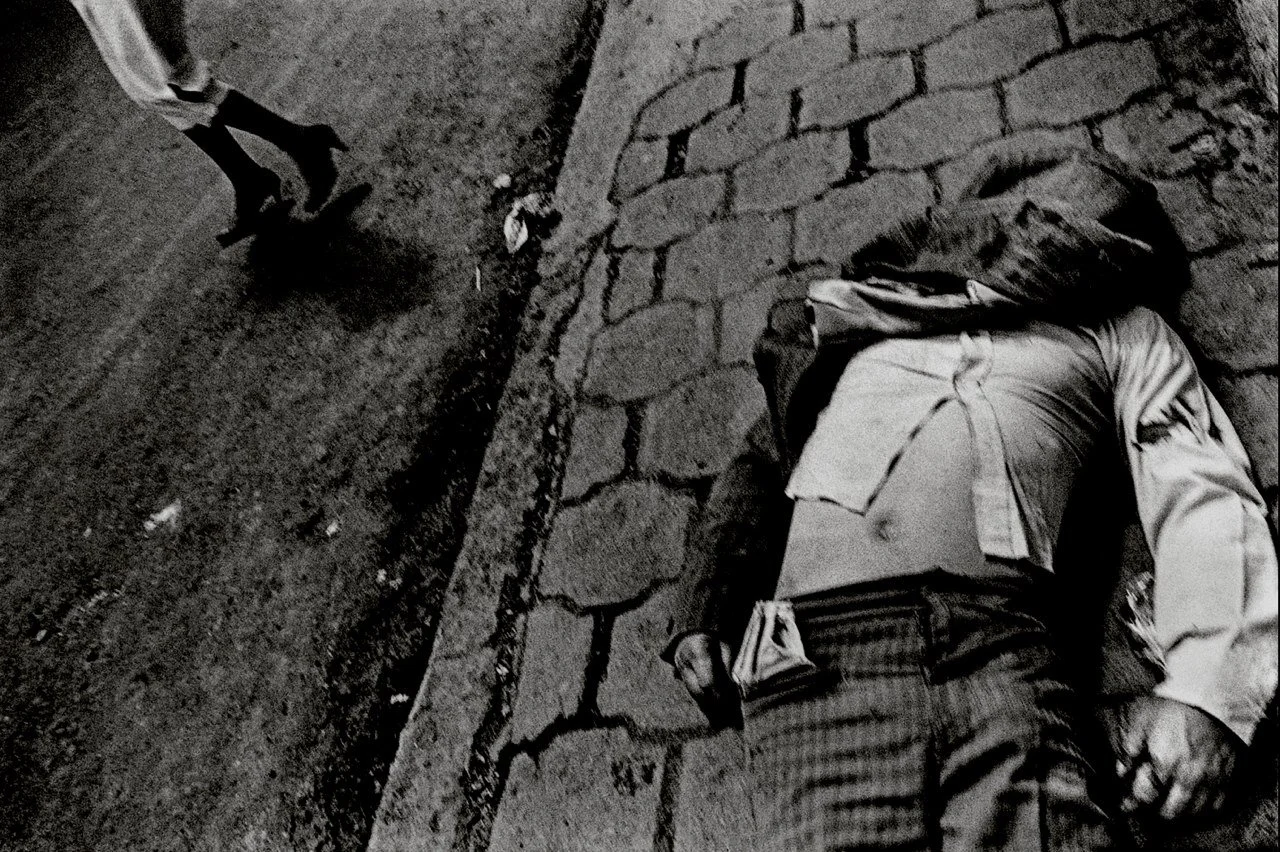
Earlier in my imperfect photographic life, I learned not to be fooled by “dramatic” events or “decisive moments.” They often resulted in superficial photographs.
Can you give one example from El Sur where something dramatic was happening, but you chose to photograph something quieter instead, because it told you more?
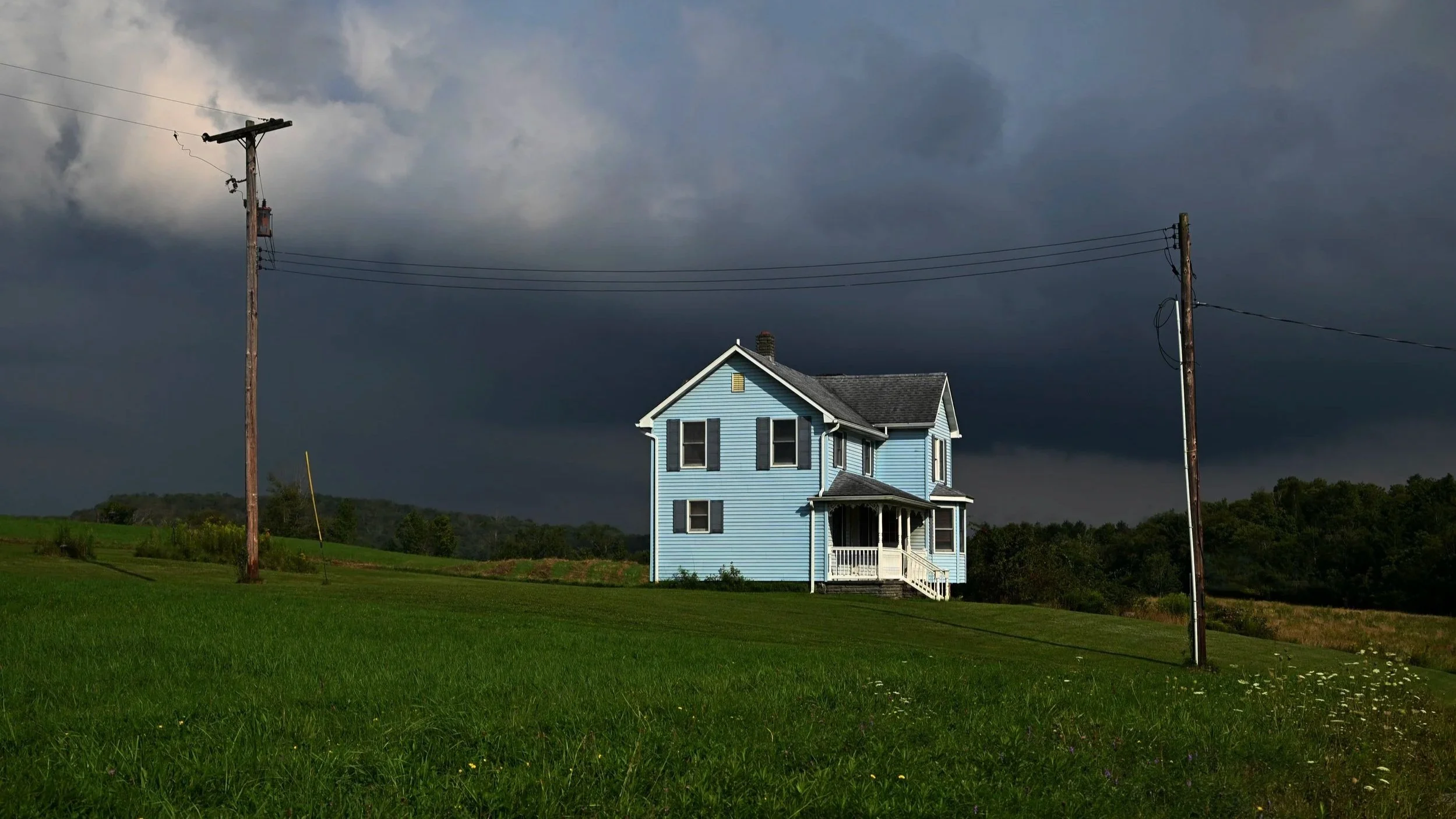
Julio answered with a photograph rather than words:
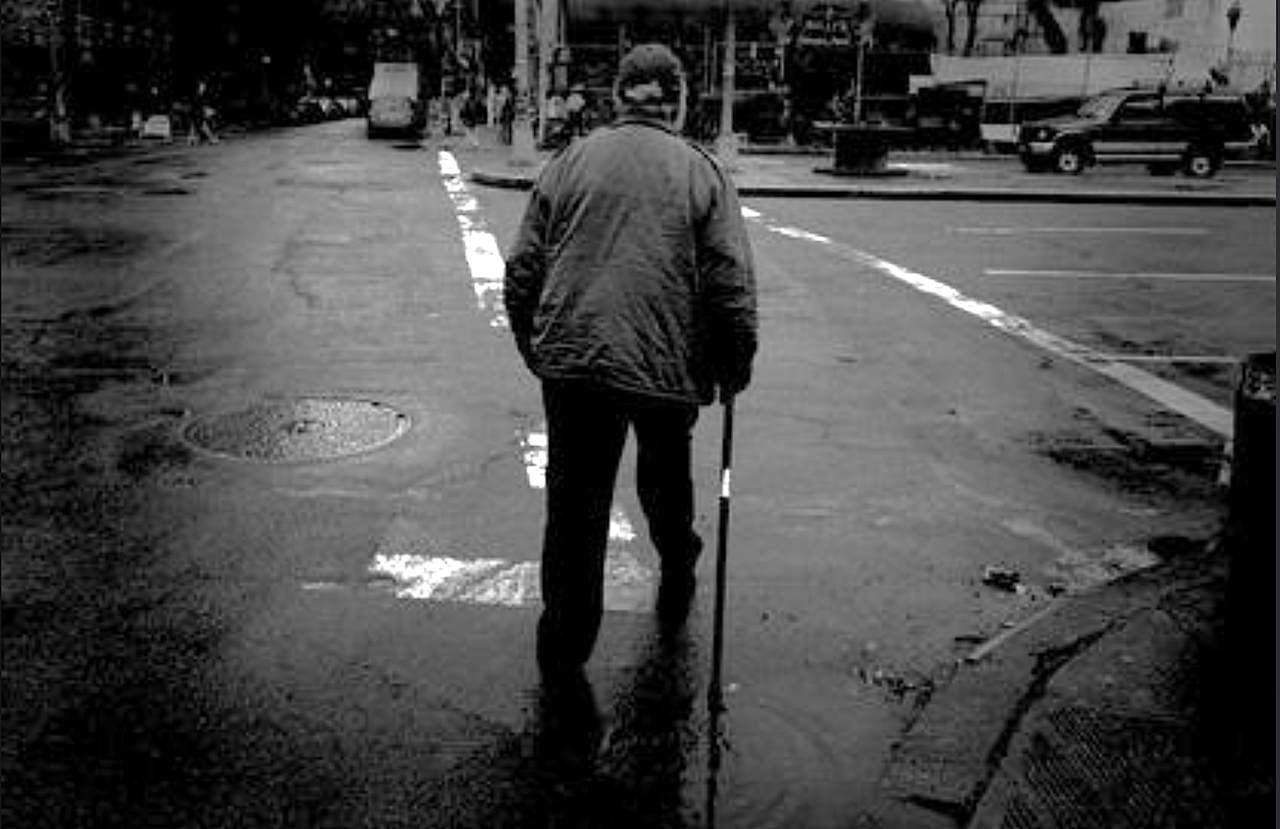
A Reader’s Comment: Michael J. wrote under this article that one of the great Mitchel photographs is a more recent image of Robert Frank, seen from behind yet so recognizable, crossing the street in NYC.
Julio thanked Michael J. for his comment and answered with the photograph, made as he and Robert Frank were about to cross Houston Street in New York:
To discover more about this intriguing body of work and how you can acquire your own copy, you can find and purchase the book here. (GOST Books, Amazon)
More photography books?
We'd love to read your comments below, sharing your thoughts and insights on the artist's work. Looking forward to welcoming you back for our next [book spotlight]. See you then!

Julio Mitchel finished El Sur without seeing conditions improve. From the 1980s to 2000, he travelled through seven Latin American countries, photographing poverty, inequality, and the abuse of power. Photography Book Spotlight