AT A GLANCE
- Known for
- Bold, close portraits of strangers: the rich on the Promenade des Anglais in Nice, the Coney Island Bather, night life in New York bars, shop window reflections and Running Legs
- Works in
- Black and white film, gelatin silver prints, strong cropping in the darkroom
- Camera
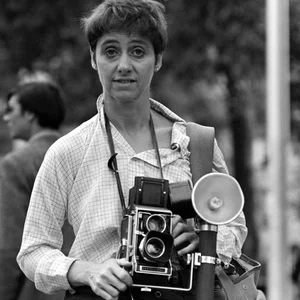
- A medium-format reflex camera; Rogi André showed her how to use one in Paris
- Taught
- California School of Fine Arts (1949) · New School for Social Research (1951 until her death) · students included Diane Arbus, Larry Fink, Rosalind Fox Solomon, Bruce Weber and Peter Hujar
- Awards
- Guggenheim Fellowship (1965) · Honorary Doctor of Fine Arts, New School (1981) · Medal of the City of Paris (1982)
- Start with
- Lisette Model (Prestel, 2025)
Lisette Model was an Austrian-born photographer who lived and worked in New York. She was born in Vienna in 1901 and died in New York in 1983. Her pictures of strangers are close, bold and full of life: rich people on the seafront in Nice, a laughing bather at Coney Island, singers and drinkers in New York bars. She was also one of the great teachers of photography. Diane Arbus was her most famous student.
The story
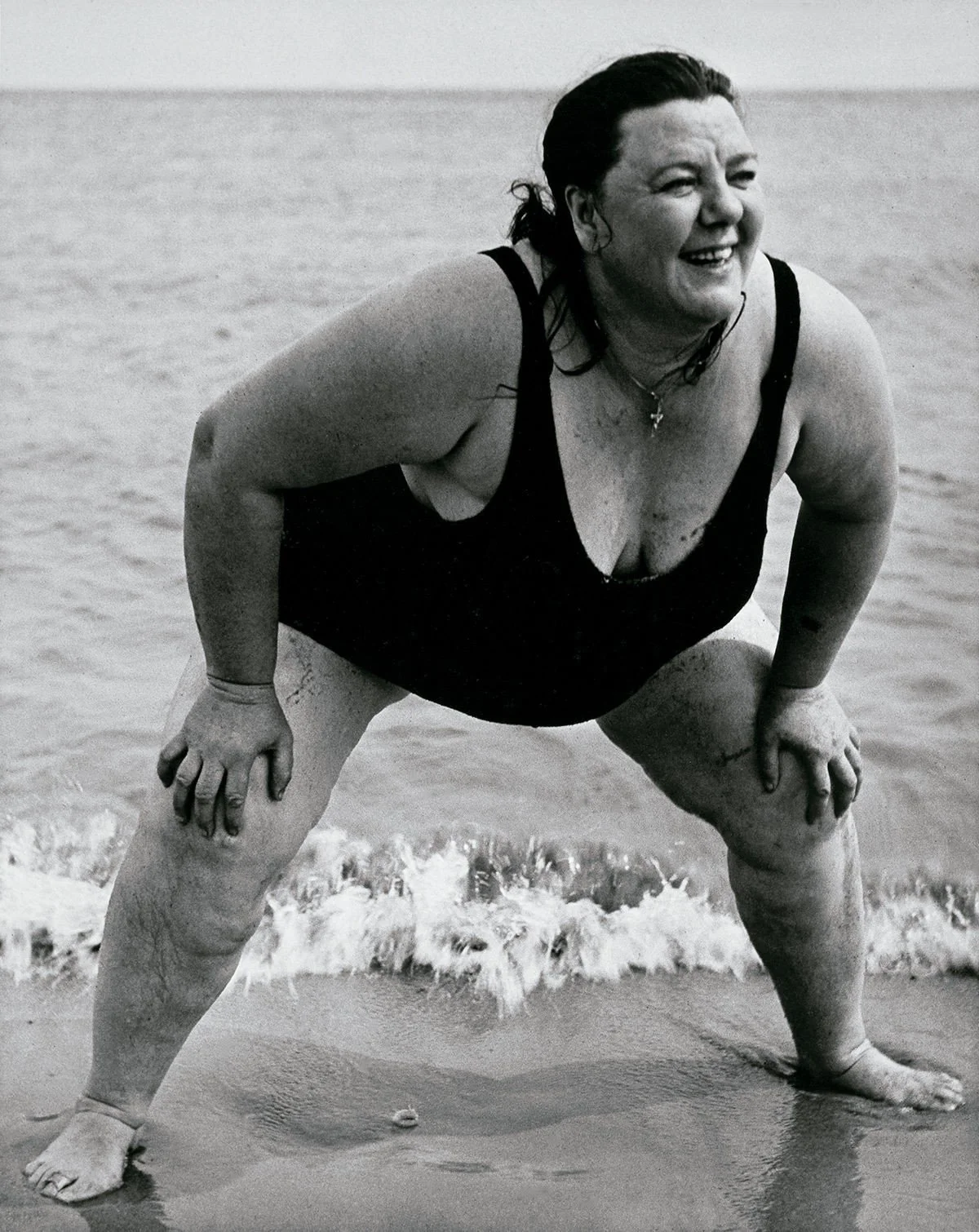
Coney Island, New York, around 1940. Lisette Model was walking on the beach with a heavy camera. A big, heavy-set woman saw her and called out: “Lady, take a picture of me!” People nearby began to laugh at the woman. She did not care. With a broad smile she called back to them: “You stupid people. Have you never seen a fat woman?” Model told this story in an interview in 1979. Her picture shows the woman leaning toward the camera in the surf, hands on her knees, laughing.
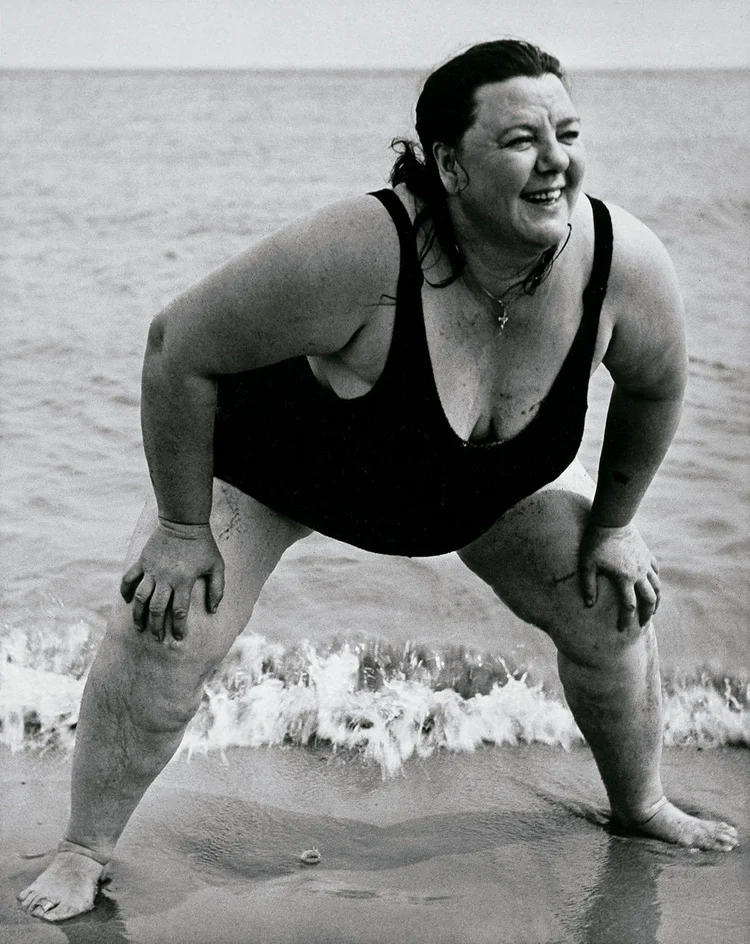
That picture, Coney Island Bather, became one of her most famous works. In 1941 it was the first of her photographs to appear in Harper’s Bazaar. But only a few years earlier, Model had not been a photographer at all. She was born in Vienna in 1901 into a wealthy family. As a young woman she wanted to be a musician. She studied music with the composer Arnold Schönberg and later took singing lessons in Paris.
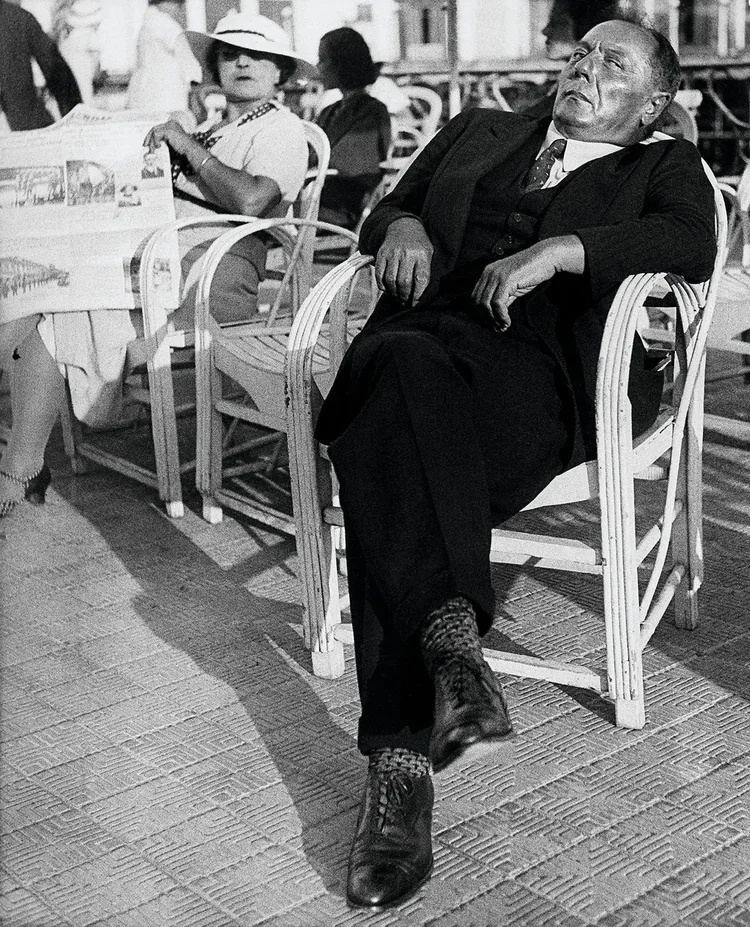
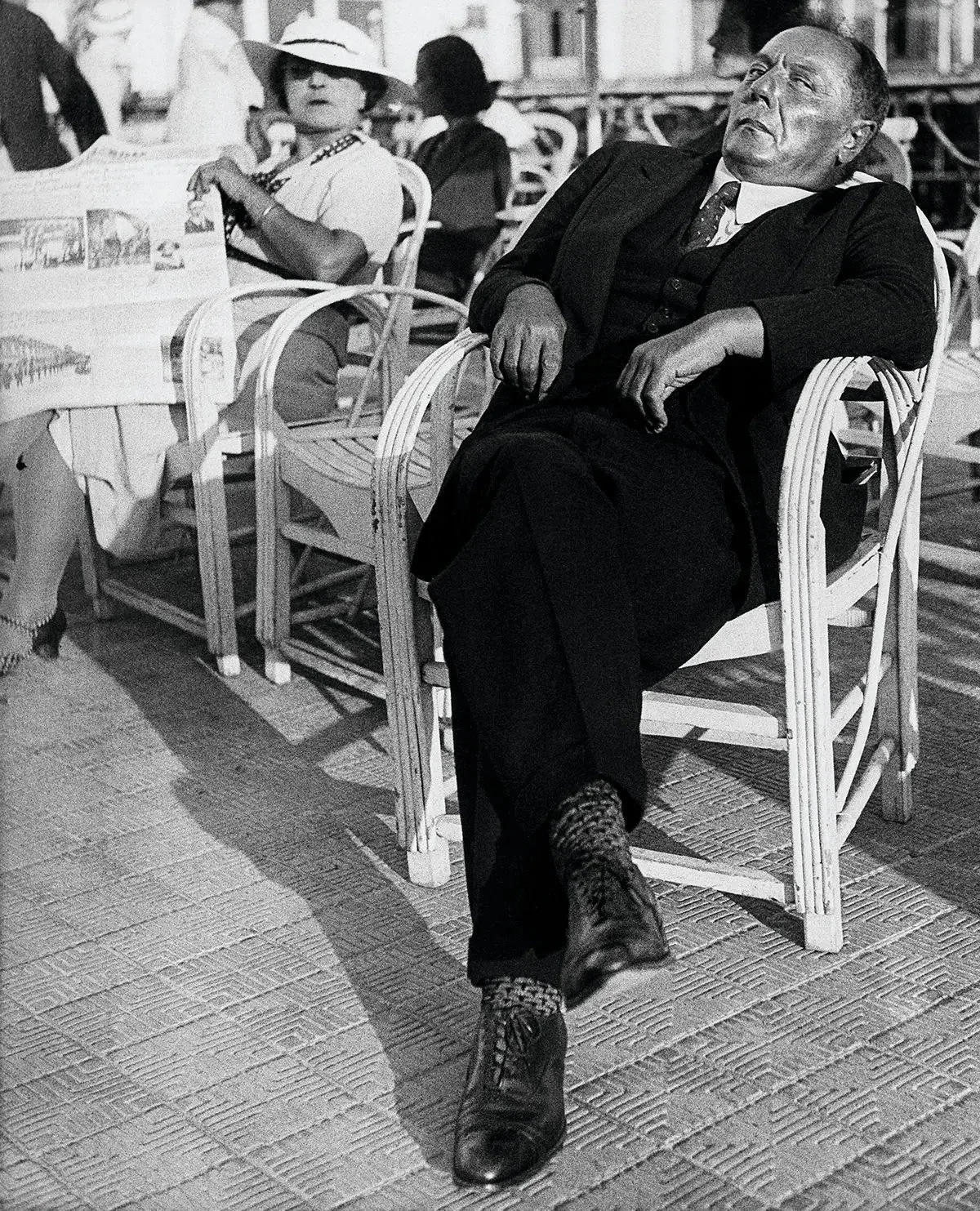
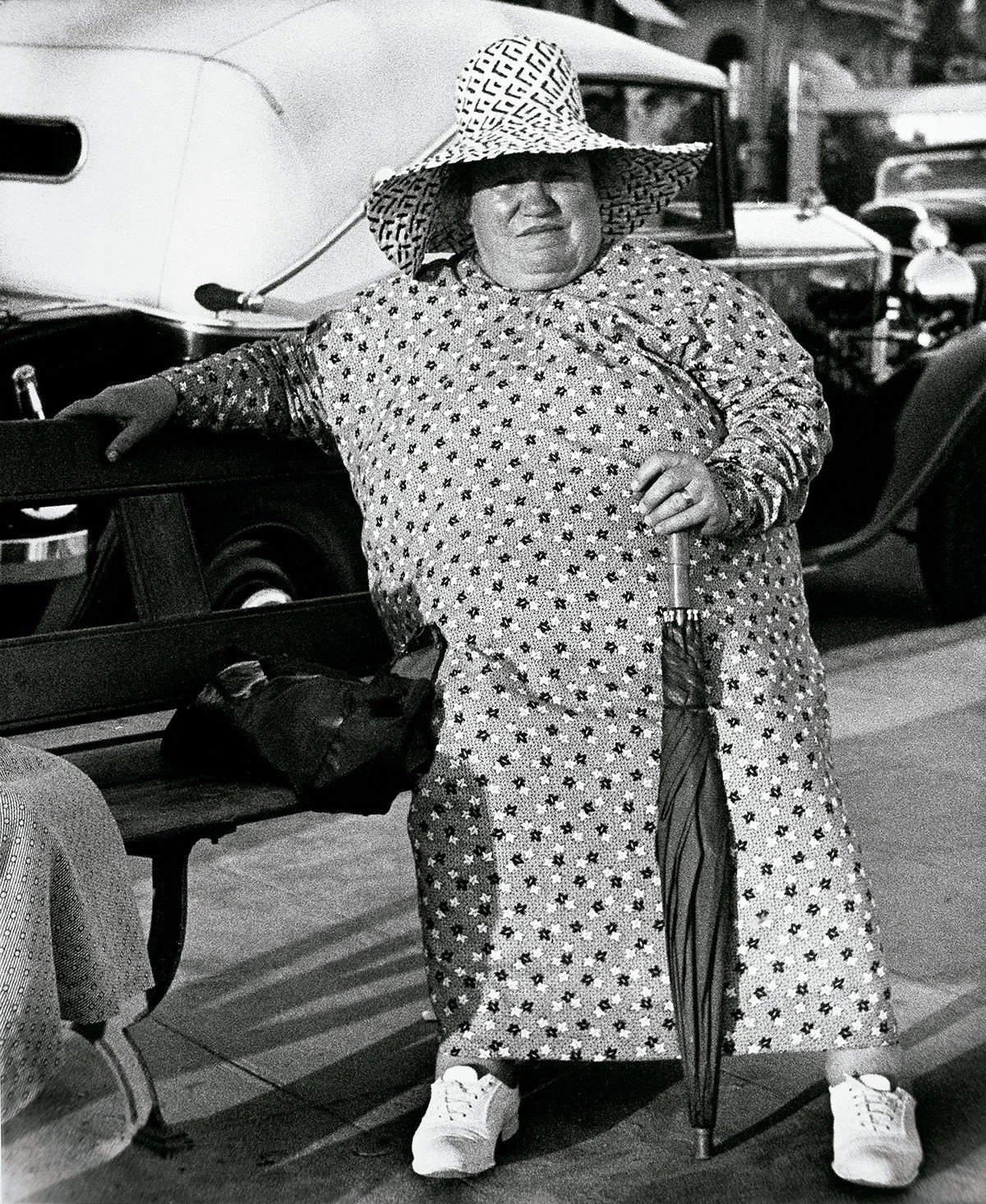
In 1933 she gave up music for good and turned to photography. Her younger sister Olga helped her with the first steps. Her friend Rogi André gave her the only lesson she ever accepted: never photograph anything you are not passionately interested in. In 1934, on a visit to her mother in Nice, Model went to the Promenade des Anglais. There she photographed the rich people who sat in the sun along the seafront: a gambler half asleep in a wicker chair, a large woman in a flowered dress. The French magazine Regards published the pictures in 1935.
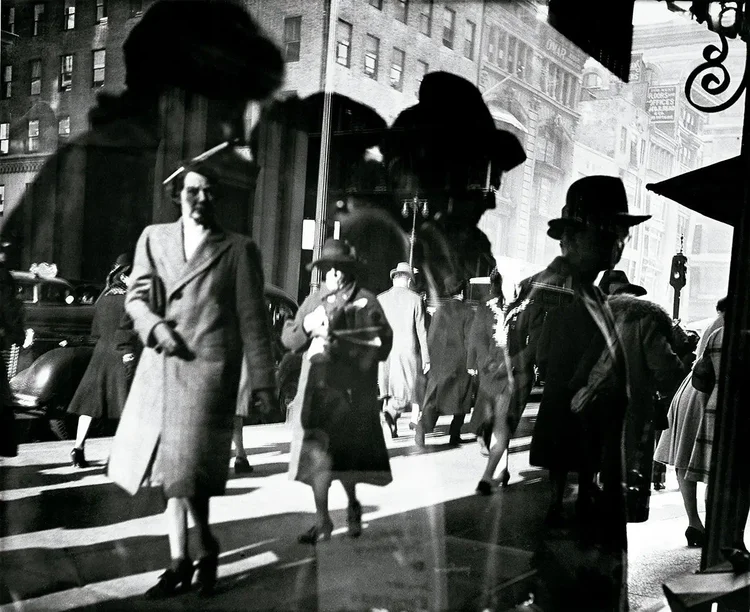
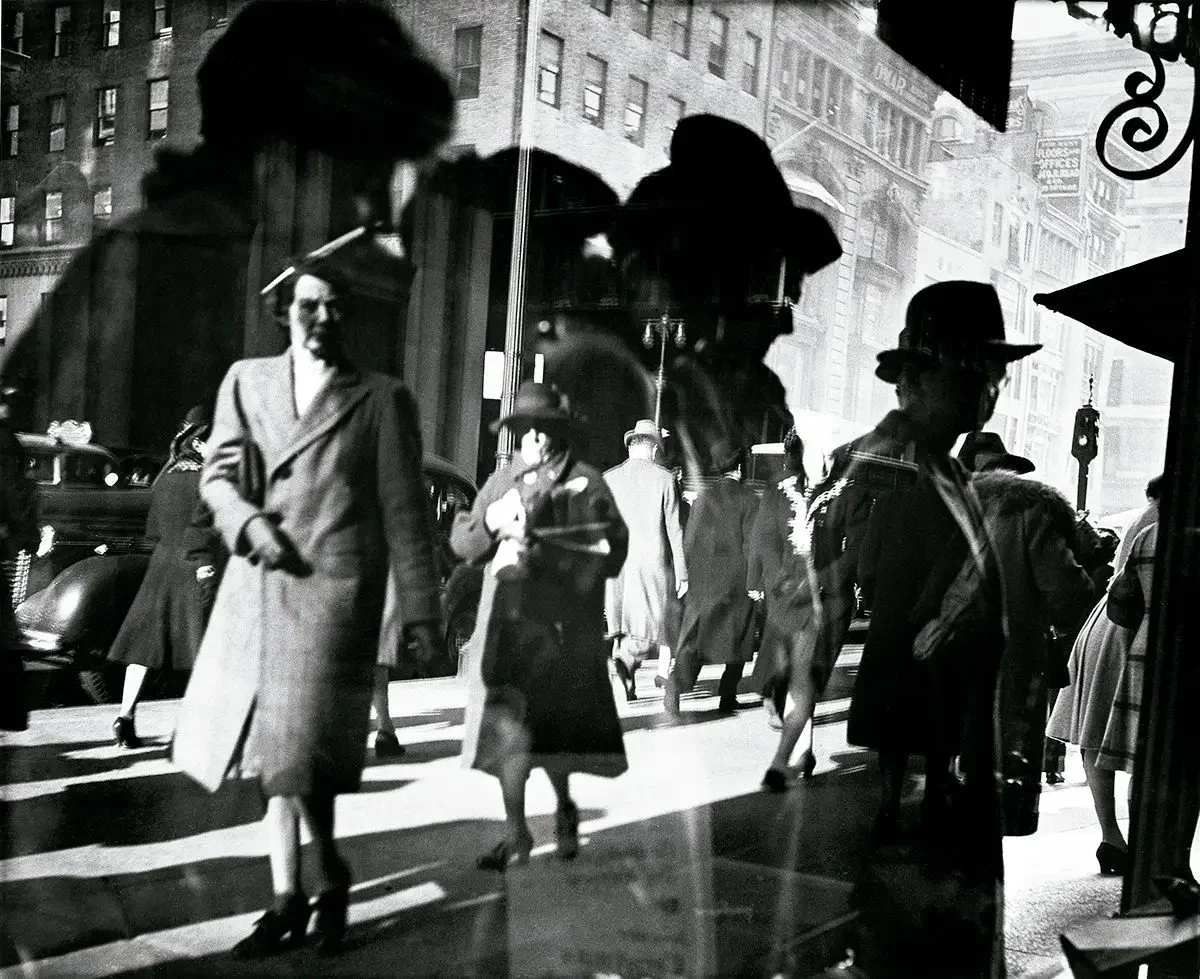
In 1938 Model and her husband, the Russian-born painter Evsa Model, left Europe and settled in New York. She loved the city at once. She photographed its shop windows, where people and skyscrapers mixed in the glass. In 1940 the Museum of Modern Art bought two of her photographs. Soon the magazine PM’s Weekly and the art director Alexey Brodovitch at Harper’s Bazaar were printing her work. In 1941 the Photo League gave her a first solo show.
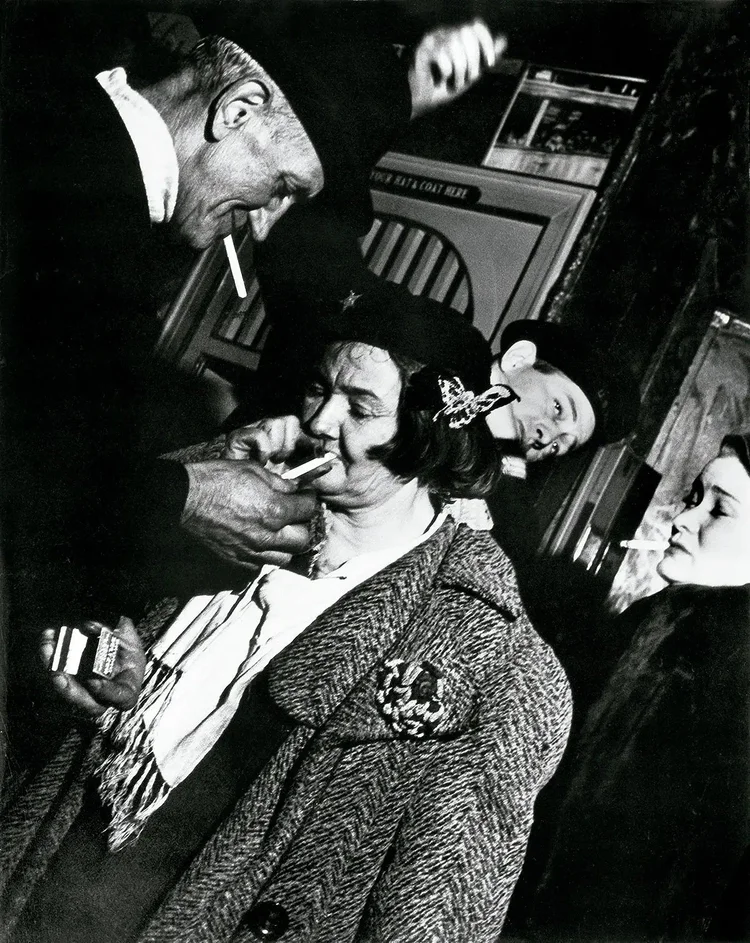
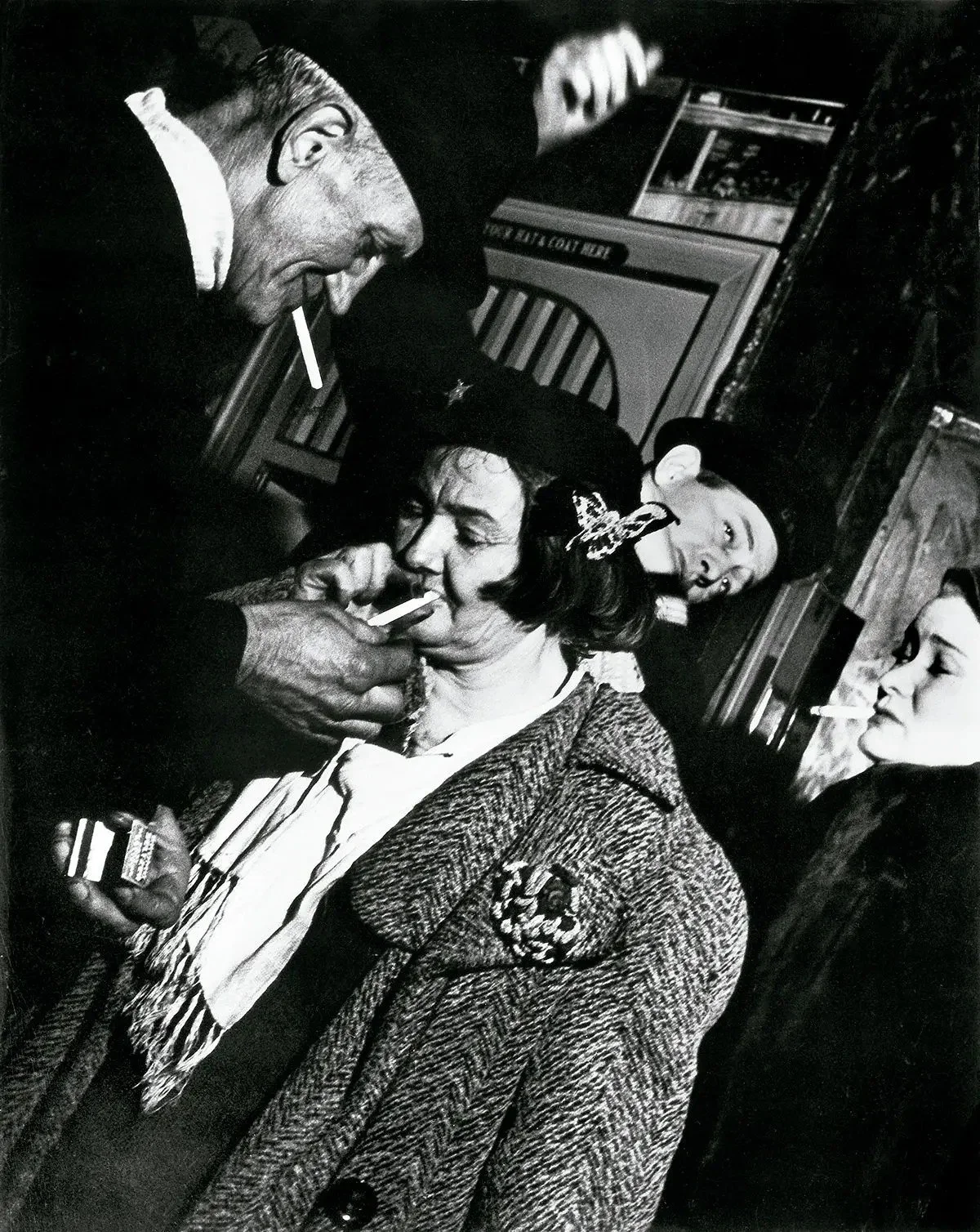
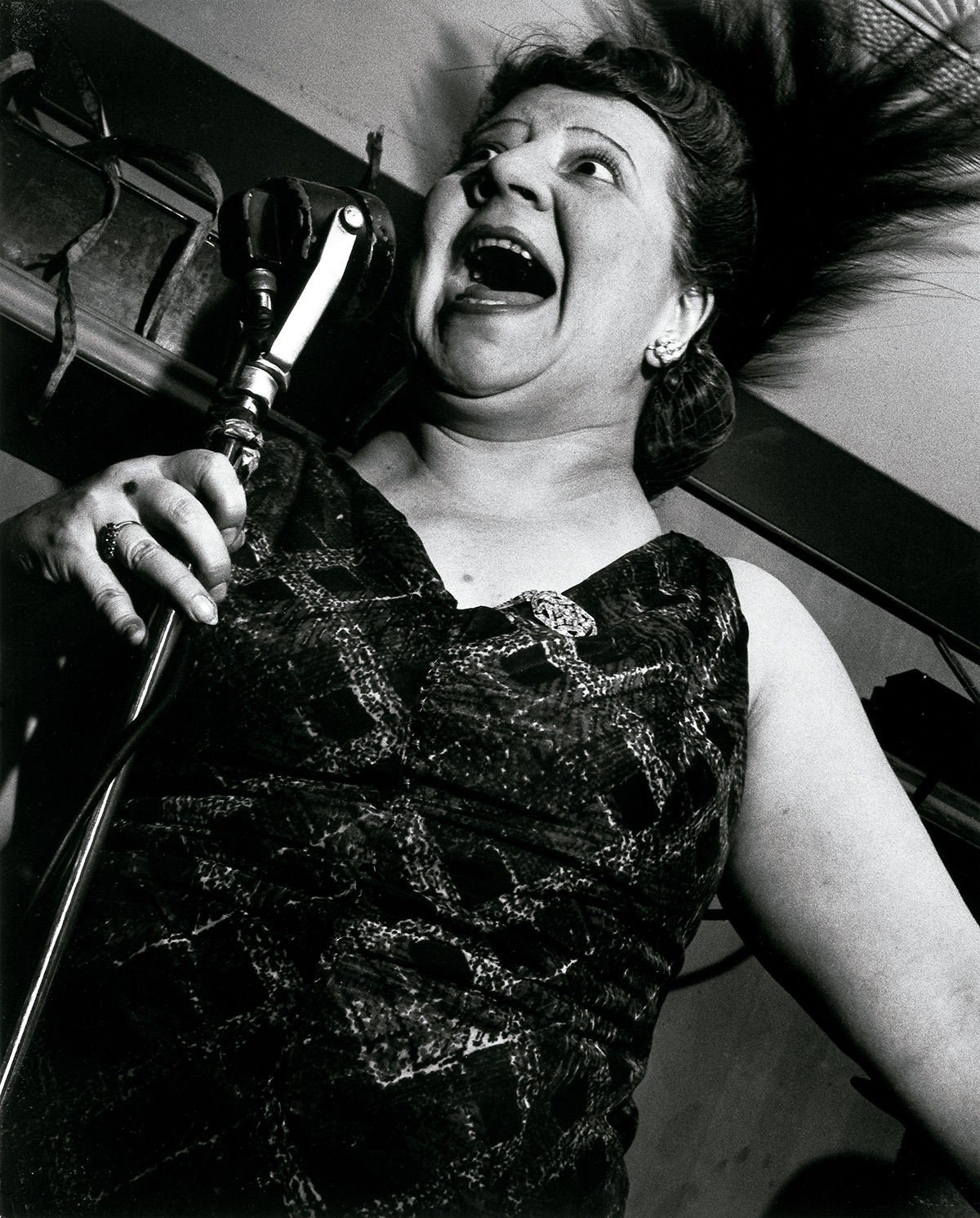
Her most productive years came next. She went into the bars and night clubs of the Lower East Side and the Bowery. At Sammy’s, a bar on the Bowery, she photographed the people at the bar up close, even a couple dancing; Harper’s Bazaar ran the story in 1944. At the Café Metropole she caught a singer at the microphone, head thrown back, mouth wide open.
But by the early 1950s, teaching had become the centre of her life. From 1951 until her death she taught at the New School for Social Research in New York. She took her students out into the streets. Among them were Diane Arbus, Larry Fink and Bruce Weber. Her famous advice to them was short: “Shoot from the gut!” She died in New York on 30 March 1983. Her own idea of photography fits in two lines: “The camera is an instrument of detection. We photograph not only what we know, but also what we don’t know.”
The work
Model worked close to people. She often shot from a low angle, used flash at night and kept strong black and white contrast. Her pictures are direct portraits of single people, often big and full of character. Some writers say her work comes near to caricature. Others stress that she was always direct and respectful toward the people she photographed.
The darkroom was part of her art. She cropped her negatives hard to remove every extra detail, and she sometimes made the angles stronger. Her other well known series include Running Legs (1940 to 1941), pictures of the feet of people hurrying through Manhattan, and Pedestrians (around 1945). In the 1950s she photographed jazz musicians, among them Louis Armstrong and Ella Fitzgerald.
Her archive, with about 25,000 negatives, her teaching notebooks and letters from Diane Arbus, Ansel Adams and Berenice Abbott, is at the National Gallery of Canada in Ottawa. In 2025 the ALBERTINA in Vienna, the city where she was born, published a large catalogue for a retrospective of her work from 1933 to 1957.
- 1901Born Elise Amélie Félicie Stern in Vienna, Austria, on 10 November
- 1920Studies music with the composer Arnold Schönberg in Vienna
- 1934Photographs the rich on the Promenade des Anglais in Nice
- 1938Moves to New York with her husband, the painter Evsa Model
- 1941First solo show at the Photo League; first assignment for Harper’s Bazaar
- 1951Starts teaching at the New School for Social Research, until her death
- 1965Receives a Guggenheim Fellowship
- 1979Aperture publishes a book of her photographs
- 1983Dies in New York
Lessons
Photograph only what moves you. Her friend Rogi André told her never to photograph anything she was not passionate about. Model kept this rule all her life and passed it on to her students.
Get close. She stood near her subjects, often looking up at them. She taught her students, Diane Arbus among them, to come close to the people they photographed.
Finish the picture in the darkroom. Model cropped her negatives hard. Many of her strongest pictures became strong only after she cut away everything that did not matter.
Try this: go to a busy place, like a market or a beach, for one hour. Photograph only the people who make you stop and feel something. At home, pick your best frame and crop it hard until only the person and the feeling are left.
Gear
Model did not talk much about equipment. The sources say only a little.
Medium-format reflex camera: in Paris her friend Rogi André taught her to use a medium-format reflex camera. At Coney Island around 1940 she carried a heavy camera. One gallery text says she borrowed a 35mm camera from her sister for the first Nice pictures, so the sources do not fully agree.
Books
Lisette Model (Prestel, 2025). The catalogue of the ALBERTINA retrospective in Vienna, 256 pages in English. It covers her main groups of work from 1933 to 1957, with famous pictures like Coney Island Bather and Metropole Cafe and many rarely seen ones. Texts are by Damarice Amao, Duncan Forbes, Astrid Mahler, Walter Moser, Arne Reimer, Audrey Sands and Ann Thomas. The best place to start for anyone new to her work.
Lisette Model (Aperture, 1979). The first monograph, made while Model was still alive. Marvin Israel designed it and Berenice Abbott wrote the text. It is a classic photobook for collectors and for readers who want to see how her work was shown in her own time.
Lisette Model (National Gallery of Canada, 1990). Written by Ann Thomas, curator at the National Gallery of Canada, which holds Model’s archive. It was made for the large retrospective in Ottawa in 1990. A detailed study for readers who want the full story of her life and work.
Lisette Model (Fundación MAPFRE and Jeu de Paume, 2009). The catalogue of the exhibition shown in Madrid and at the Jeu de Paume in Paris, 232 pages. Texts are by the curator Cristina Zelich and by Ann Thomas. It brings together her best known pictures and lesser known series, such as the San Francisco Opera audience and the bars of Reno. Good for readers who want a large, well printed overview.
In her words
“The camera is an instrument of detection. We photograph not only what we know, but also what we don’t know.”
“Photography is the easiest art, which perhaps makes it the hardest.”
“I am a passionate lover of the snapshot because of all photographic images, it comes closest to the truth.”
“Shoot from the gut!”