AT A GLANCE
- Known for
- The magazine Provoke (1968), the photobook For a Language to Come (1970) and the Paris installation Circulation: Date, Place, Events (1971)
- Works in
- Rough, blurred black and white in the Provoke years, then clear colour pictures after 1977
- Also
- Editor, critic and essayist · burned many of his early prints and negatives in the 1970s · kept photographing near his home in Yokohama after a serious illness in 1977
- Awards
- Newcomer Award, Japan Photography Critics’ Association (1969) · Society of Photography Award (1990)
- Start with
- For a Language to Come (Osiris, 2010)
- Links
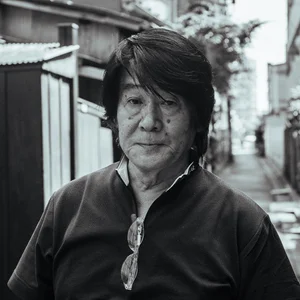
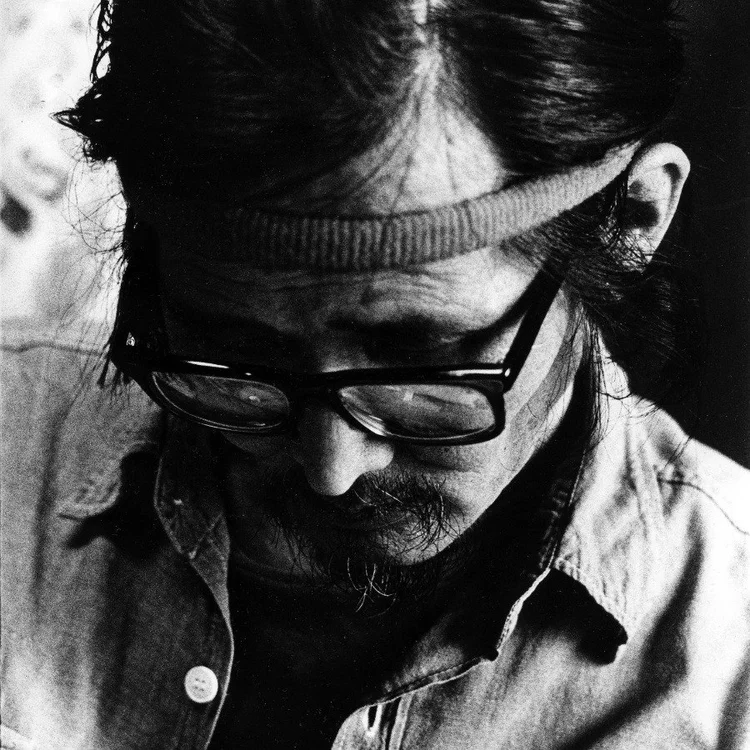
Takuma Nakahira (1938 to 2015) was a Japanese photographer, critic and editor. He was born in Tokyo and, in 1968, helped to start the magazine Provoke, which made rough, blurred pictures famous. He is best known for the photobook For a Language to Come (1970) and for Circulation: Date, Place, Events (1971), a work he made day by day at the Paris Biennale. After a serious illness in 1977 he kept working, and in his later years he photographed the streets near his home in Yokohama.
The story
On the afternoon of 28 September 1971, Takuma Nakahira arrived at the seventh Paris Biennale. He was several days late. He felt “hollowness” and “despair,” as he later wrote for the Japanese weekly Asahi Journal.
He had not wanted to make this trip. His book For a Language to Come had left him tired, with little wish for new photo projects. But Takahiko Okada, a fellow Provoke member who chose the Japanese entries, talked him into going after much debate. Nakahira later said he went “at least to do some sightseeing.”
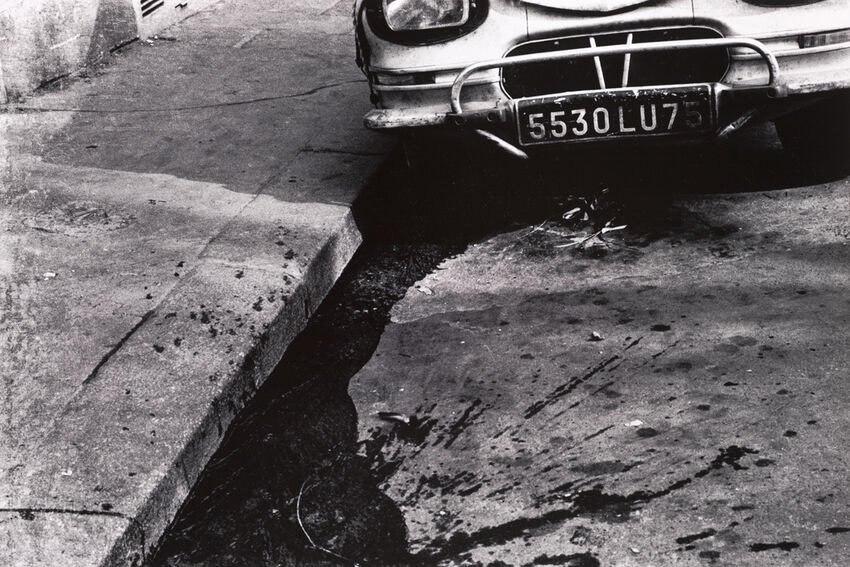
So he made a plan for the city itself. He would not send old pictures. He would show only the Paris he was living in that day. In his words, “To put it concretely, I set myself to photograph, develop, and exhibit nothing but the Paris that I was living and experiencing.”
Each day he walked out from his hotel and took pictures. He developed the film the same day and made about two hundred prints a day for a week. In the evening the prints went up on the wall, often still wet, and only that day’s pictures were shown. He also photographed the visitors who walked past. He called the work Circulation: Date, Place, Events.
The work gave him new hope. In Asahi Camera in February 1972 he wrote, “Now, as a result of this project, I can feel that the things that I say and the things that I do are beginning to agree with one another for the first time.” The prints were never made to last. New prints from the original negatives were shown in New York in 2012.
Soon he changed course again. He felt that the rough, blurred look was losing its force as others copied it. In 1973 he wrote the essay Why an Illustrated Botanical Dictionary? and turned toward sharp colour pictures. He burned many of his own prints and negatives.
In 1977 he collapsed at a party from acute alcohol poisoning. He survived, but his memory and speech were badly damaged. He kept going. He spent much of his time making photographs near his home in Yokohama, often returning to the same objects and places again and again. In his book A New Gaze, published in 1983, he explained why: “I’ve forgotten everything so taking photographs was an unavoidable action.”
The work
Nakahira was one of the founders of Provoke. He started the magazine in 1968 with the critic Koji Taki, the poet Takahiko Okada and the photographer Yutaka Takanashi. Daido Moriyama joined from the second issue, at Nakahira’s invitation. The magazine ran for three issues, from November 1968 to August 1969. Its pictures were grainy, blurred and tilted. Critics mocked them as bure-boke shashin, which means blurry, out-of-focus photography. The group answered that, in a world that keeps changing, this was closer to what the naked eye really sees. After the third issue they published the book First Abandon the World of Pseudo-Certainty (1970).
His own first photobook, For a Language to Come, followed in 1970. It holds one hundred black-and-white photographs, including work from Provoke. In 1969 he showed La nuit at the Paris Biennale, a series of six bleak photogravure city views. La nuit 2, La nuit 3 and La nuit 5 in the gallery come from this time. Nakahira was also a writer. He worked as an editor at the New Left journal Contemporary View and wrote essays on photography, film and politics. In Why an Illustrated Botanical Dictionary? (1973) he argued for sharp colour pictures set side by side, like the pictures in a botanical dictionary. He won the Newcomer Award of the Japan Photography Critics’ Association in 1969 and the Society of Photography Award in 1990.
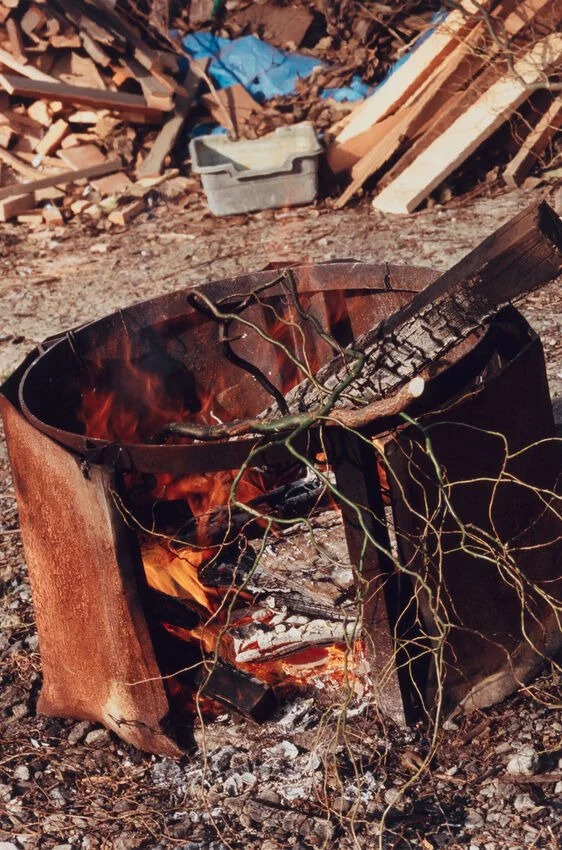
After 1977 he photographed what he met on the streets near his home, such as fire, water, birds, animals, trees and flowers. The pictures turned from black and white to colour. The Yokohama Museum of Art showed his work in the exhibition Degree Zero, Yokohama in 2003. The two colour pictures in the gallery, from the series Degree Zero - Yokohama (1997-1999) and Documentary (2004), belong to this late period. His books from these years include A New Gaze (1983), Adieu à X (1989) and Documentary (2011). In 2024 the National Museum of Modern Art in Tokyo held a large show of his work.
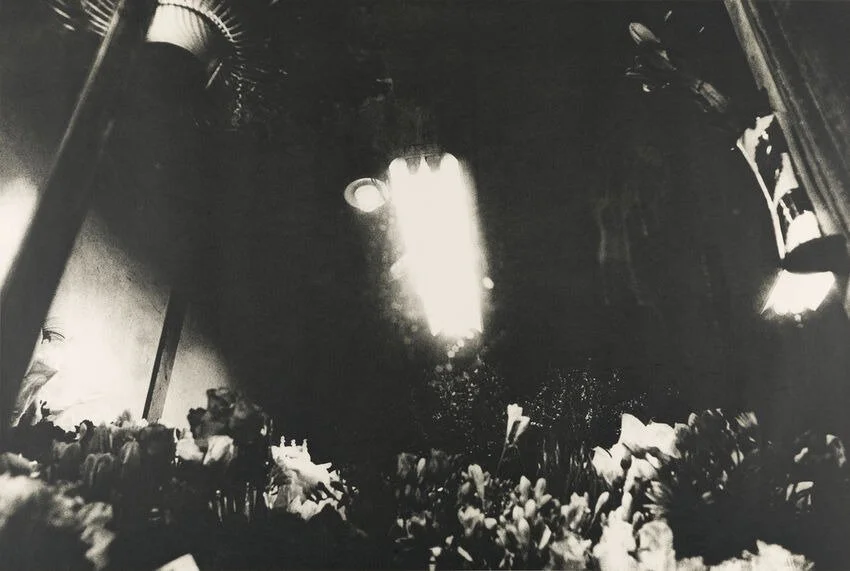
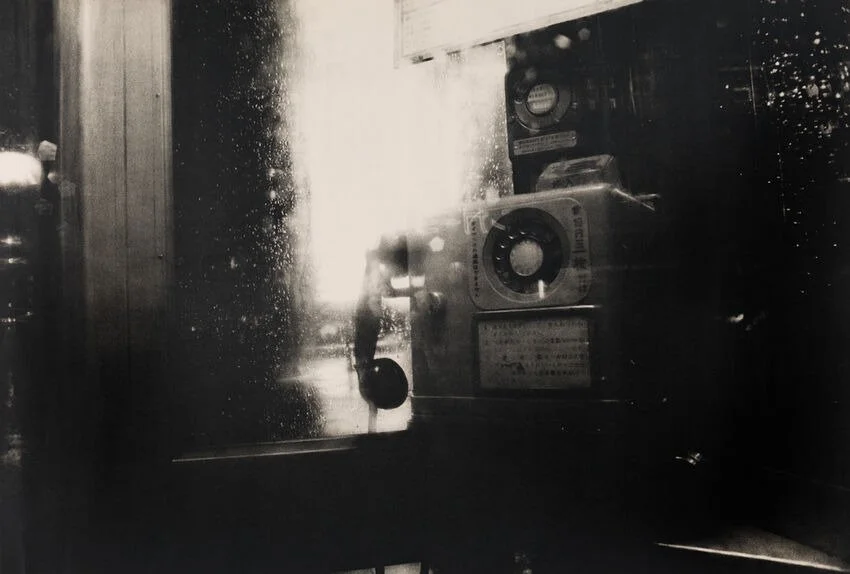
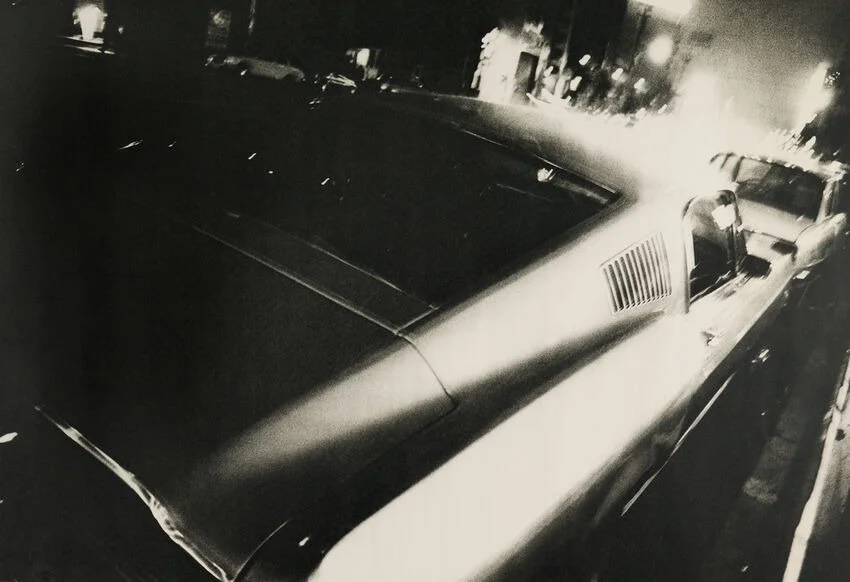
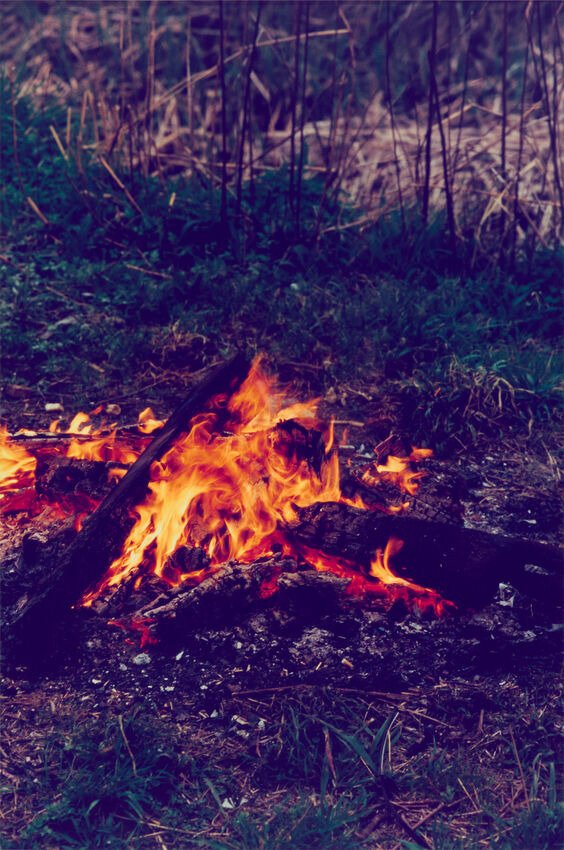
- 1938Born in Tokyo
- 1963Graduates in Spanish from the Tokyo University of Foreign Studies
- 1968Starts the magazine Provoke with Koji Taki, Takahiko Okada and Yutaka Takanashi
- 1970Publishes his first photobook, For a Language to Come
- 1971Makes Circulation: Date, Place, Events at the Paris Biennale
- 1977Falls gravely ill and loses much of his memory and speech
- 1983Publishes A New Gaze
- 2003Solo show Degree Zero, Yokohama at the Yokohama Museum of Art
- 2015Dies in Yokohama
In his words
“Now, as a result of this project, I can feel that the things that I say and the things that I do are beginning to agree with one another for the first time.”
“To put it concretely, I set myself to photograph, develop, and exhibit nothing but the Paris that I was living and experiencing.”
“Only through human use can a language be given life”
“When I saw Shomei Tomatsu’s photographs, I decided to be a photographer.”
“I’ve forgotten everything so taking photographs was an unavoidable action.”
Photography, Reconsidered follows questions like this through the work of other photographers.
Gear
No camera model or film of Nakahira is stated in two sources. These parts of his way of working are.
Wide-angle lens: The curator Masashi Kohara writes that the Provoke photographers often used wide-angle lenses. In a 2003 film, Nakahira says he made some early pictures with a wide-angle lens.
Same-day darkroom printing: For Circulation he developed his film and made enlargements on the same day. He hung the prints in the evening, often still wet.
Colour photography: After the 1970s he worked mostly in colour. Later books, such as Documentary (2011), print his colour pictures.
Books
For a Language to Come (Osiris, 2010). This is the reprint of his first photobook, first published by Fudosha in 1970. It has 160 pages and one hundred black-and-white photographs, including work from Provoke. The new edition adds three essays that Nakahira wrote in the early 1970s. It is for readers who want to see where his work began.
Circulation: Date, Place, Events (Osiris, 2012). This book follows the Paris project of 1971. The essays are translated by Franz Prichard, and the cultural critic Akihito Yasumi wrote an afterword. It is for readers who want to understand the idea behind the work as well as the pictures.
Nakahira Takuma: Degree Zero, Yokohama (Osiris, 2003). This catalogue came out with the Yokohama Museum of Art show of 2003. It has 192 pages. The main texts are in Japanese, by Shino Kuraishi, Akihito Yasumi, Daido Moriyama, Takashi Homma and Michio Nakagawa, with the artist’s comment and the list of works in English. It is for readers who want to see the work after 1977.
Documentary (Akio Nagasawa Publishing, 2011). This hardcover has 128 pages of colour pictures in vertical format, taken over about ten years from around 2005. The belly band carries words by Daido Moriyama. It is for readers who like his quiet late work close to home.