AT A GLANCE
- Known for
- Colour photographs of India, books such as Bombay: Gateway of India (1994) and River of Colour (1998), and pictures such as Victoria Terminus, Bombay, Maharashtra, 1991
- Works in
- Colour, with a handheld camera and slide film, mostly in India
- Also
- Thirteen books in his lifetime · lived in Hong Kong, Paris, London and New York · lecturer at the School of Visual Arts in New York
- Exhibitions
- Art Institute of Chicago (1999) · retrospective Modernism on the Ganges, The Met Breuer, New York (2017)
- Start with
- Raghubir Singh: Modernism on the Ganges (The Metropolitan Museum of Art, 2017)
- Links
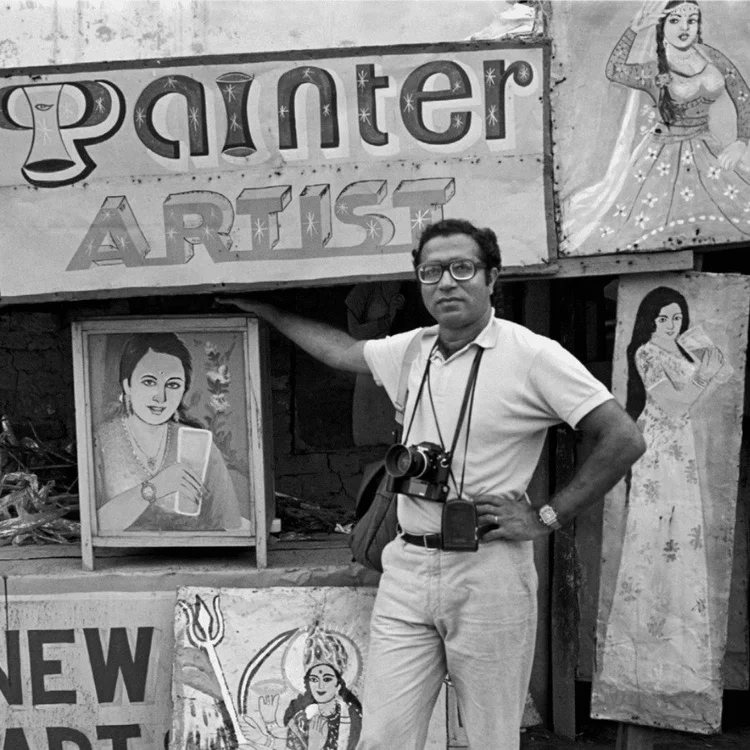
Raghubir Singh (1942 to 1999) was an Indian photographer. He was born in Jaipur, Rajasthan, and spent about thirty years photographing India in colour, when many professionals still worked in black and white. He lived in Hong Kong, Paris, London and New York, but India stayed his lifelong subject. He is known for thirteen books published in his lifetime, among them Bombay: Gateway of India, and for pictures such as Victoria Terminus, Bombay, Maharashtra, 1991.
The story
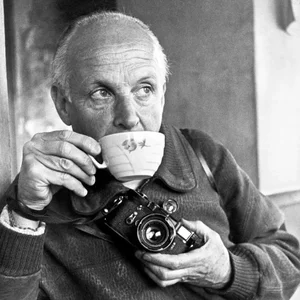
In 1966, in his home city of Jaipur, Raghubir Singh spent a few days with Henri Cartier-Bresson. Singh was in his early twenties. He had admired the French photographer’s pictures of India since he was young.
Singh learned from the master, but he did not copy him. Unlike Cartier-Bresson, he chose colour film. He felt that colour suited India. In 1974 he published his first book, Ganga: Sacred River of India. More books followed, each about a different part of the country.
But not everyone agreed. Some critics said his colour pictures were like travel books, not documentary. Singh said he was not making India glamorous. “I realized fairly early there was no contradiction between sadness or poverty, and colour.”
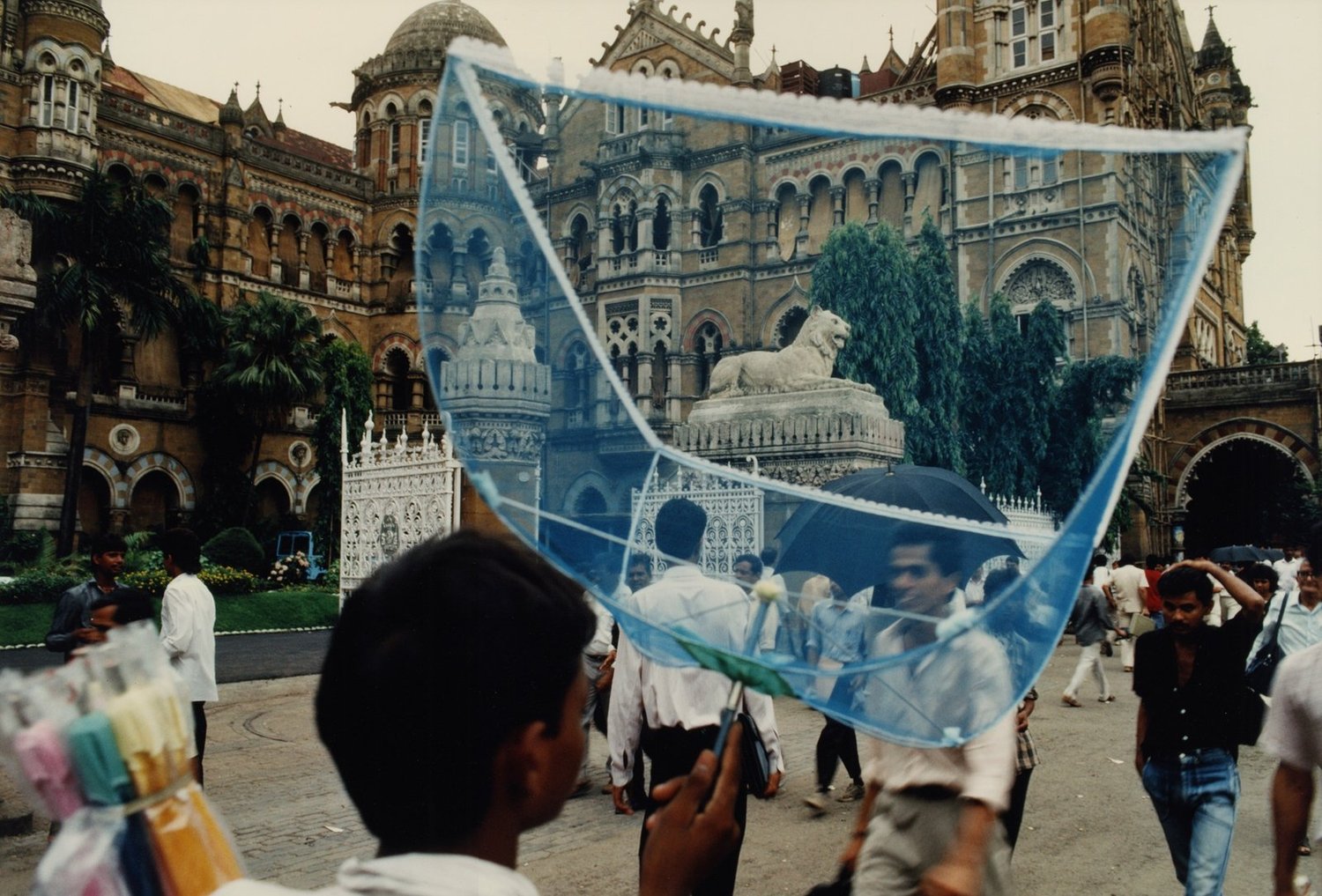
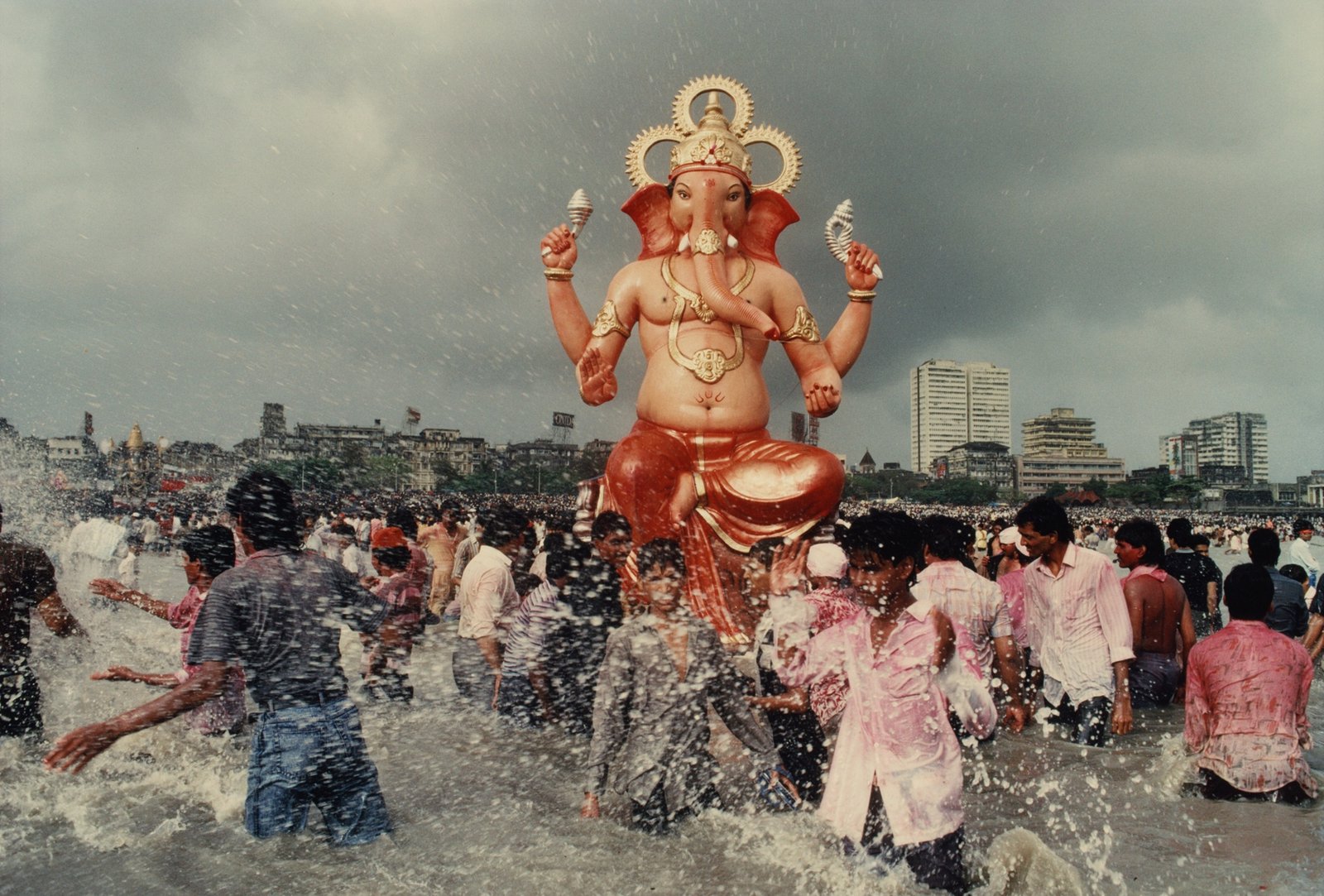
His turning point came in Bombay. He photographed the city from the late 1970s to the mid 1990s, and later saw this work as a change in the way he dealt with modern Indian life. In a conversation with the writer V.S. Naipaul he called it “direct. There is more confrontation and tension.”
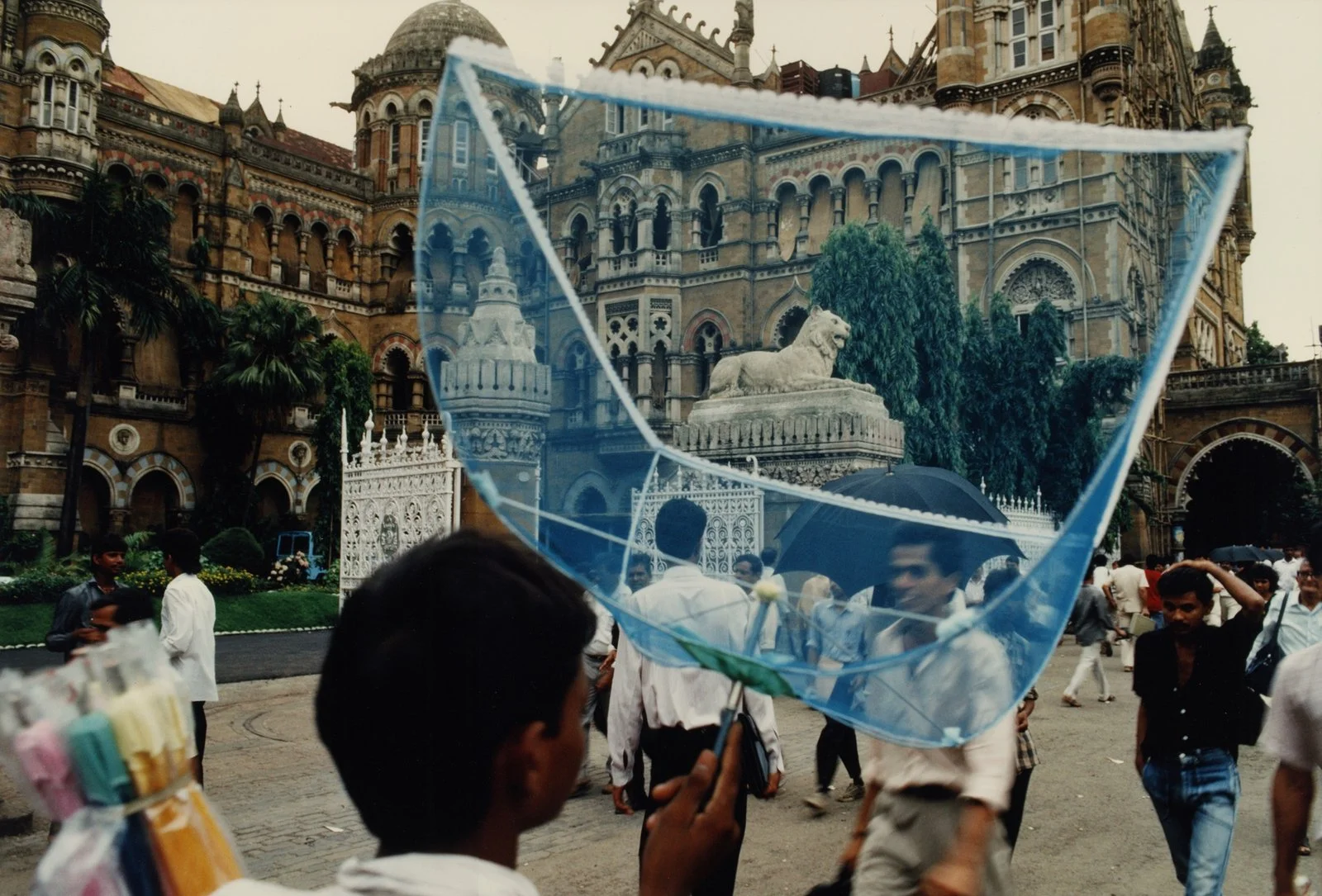
Look at Victoria Terminus, Bombay, Maharashtra, 1991. Aperture notes that a man’s net seems to take up a statue of a lion at the station. In Singh’s frames, busy scenes often look like carefully arranged collages. He also liked reflections. He told Naipaul that they “suggest a future not the past.”
In 1998 came River of Colour, the last book published in his lifetime. In April 1999 Singh died in New York of a heart attack. He was 56. At that time the Art Institute of Chicago was showing his work in what was meant to be a midcareer survey.
Years earlier, in The Grand Trunk Road, he had written that he would like his ashes to be scattered where the road crosses the Ganges. Why there? “There all castes and all kinds of men and women walk.”
The work
Singh was born into an aristocratic family in Rajasthan and taught himself photography. His brother gave him his first camera when he was 14. He later worked for magazines such as National Geographic and Life. He lived in Hong Kong, Paris, London and New York, but his lasting subject was India.
His books were organised by place, for example Rajasthan, Kashmir, Calcutta and Benares. Aperture calls them together a map of Indian culture. Bombay: Gateway of India (1994) includes a conversation with V.S. Naipaul. The Grand Trunk Road (1995) follows the old road across north India and has an essay by the historian Jean Deloche. A book about the Indian-made Ambassador car came out after his death. In 2017 the Met Breuer in New York showed 85 of his photographs, and the show later travelled to Houston and Toronto.
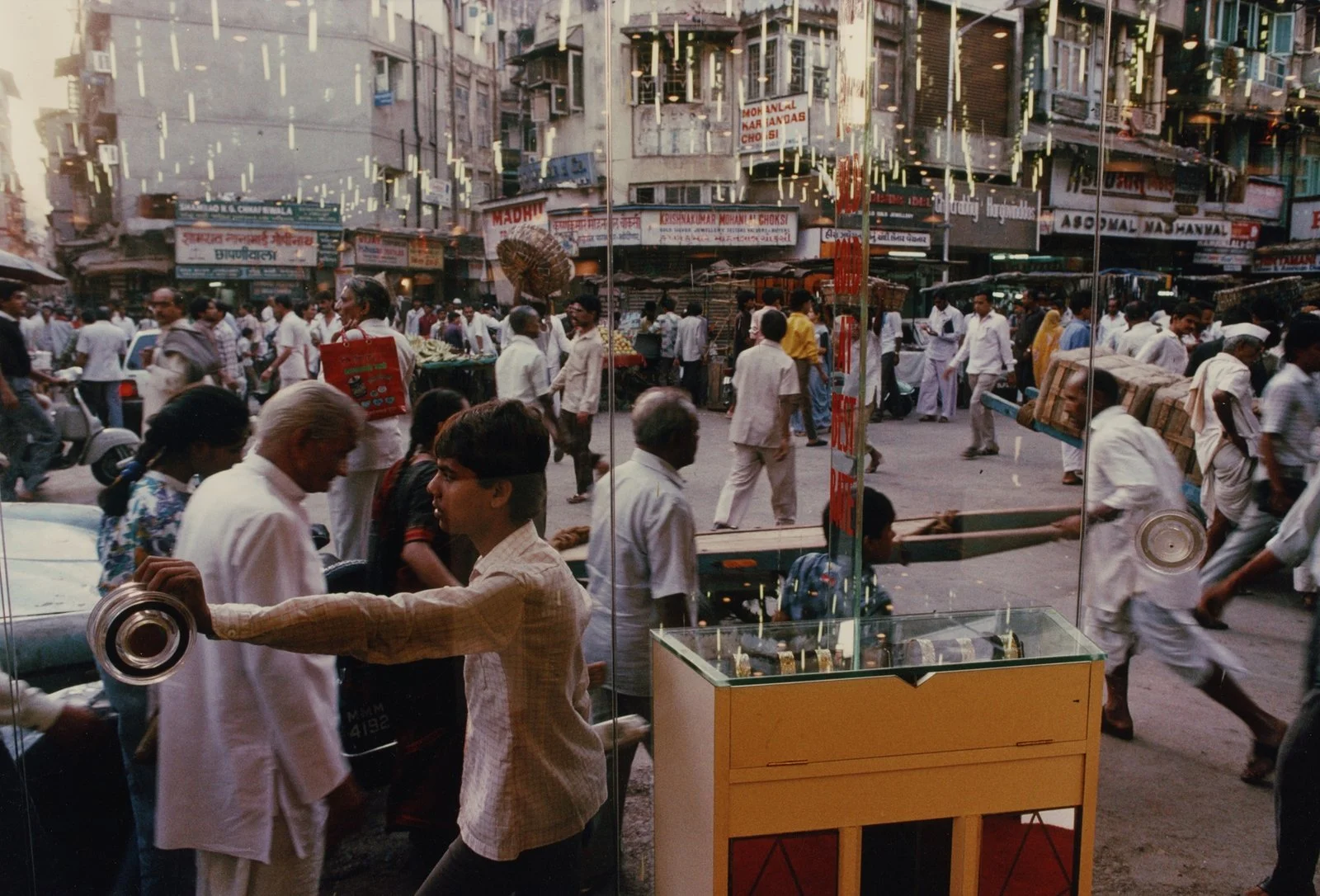
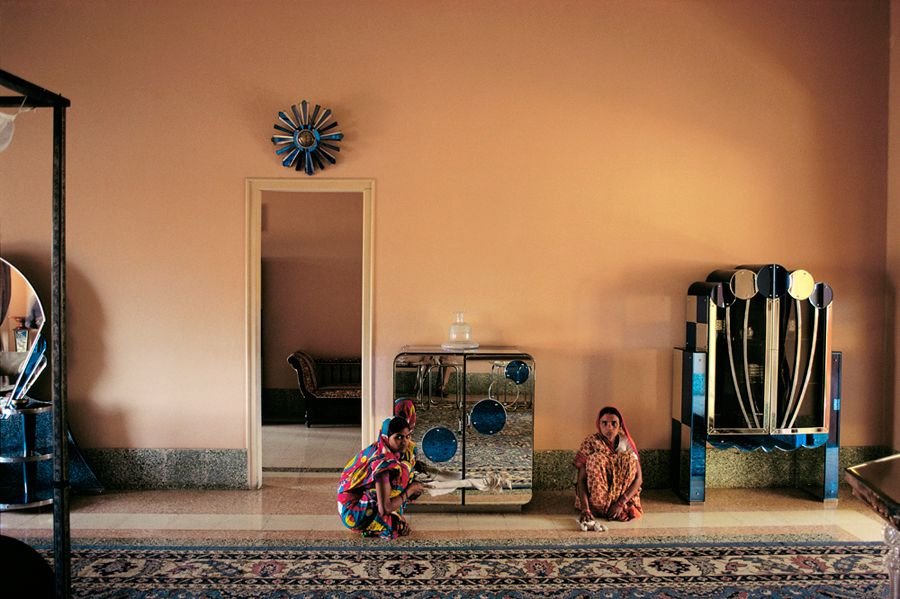
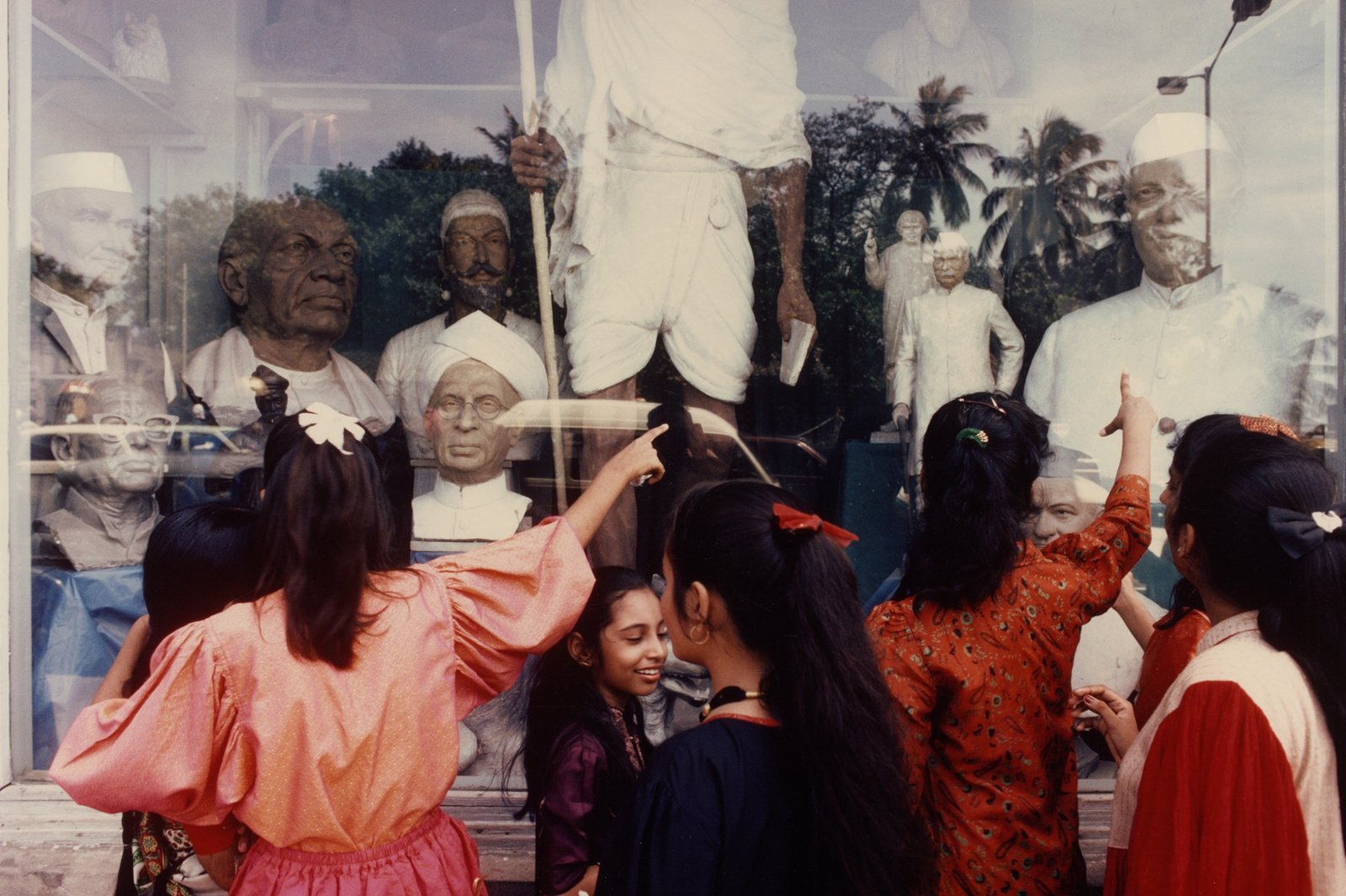
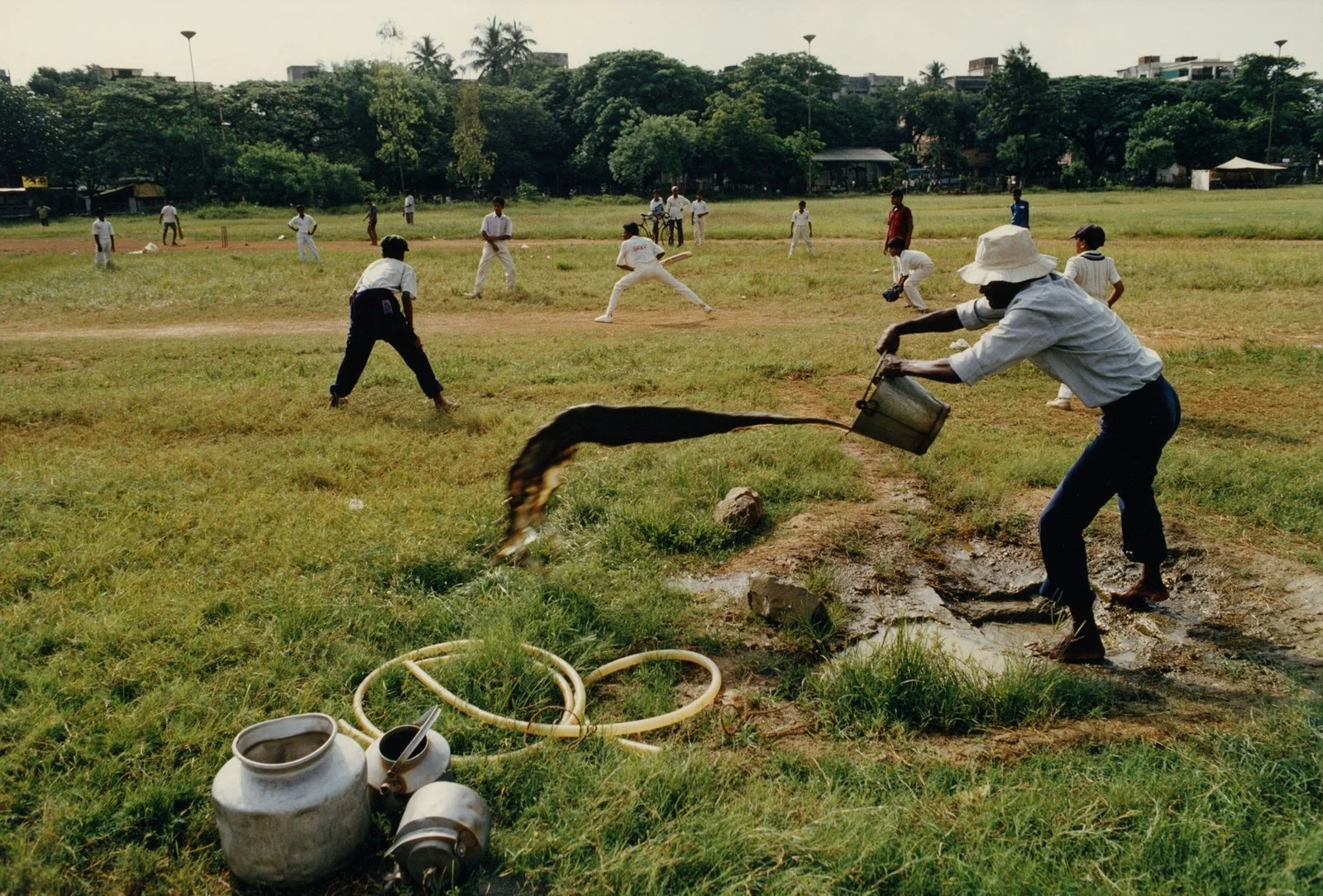
The Met says he worked with a handheld camera and colour slide film. His pictures are dense and often look like friezes, with many things happening at once. Reflections in glass and water, doorways and windows often frame the scene. Naipaul compared his photographs to Mughal miniatures, where constant movement is packed into a small space. Zaveri Bazaar and Jeweller's Showroom, Bombay, Maharashtra, 1989 looks from inside a shop out onto a street of jewellers. Employees, Morvi Palace, Gujarat, 1982 was made inside a palace, far from the city street. The curator Mia Fineman learned that, on the street with Singh, you could see his eyes marking out the four corners of frames to come.
- 1942Born in Jaipur, Rajasthan, India
- 1966Meets Henri Cartier-Bresson in Jaipur
- 1974Publishes his first book, Ganga: Sacred River of India
- 1982Photographs Employees, Morvi Palace, Gujarat
- 1994Publishes Bombay: Gateway of India, with a conversation with V.S. Naipaul
- 1995Publishes The Grand Trunk Road
- 1998Publishes River of Colour: The India of Raghubir Singh
- 1999Dies in New York
In his words
“I realized fairly early there was no contradiction between sadness or poverty, and colour.”
“on the Ganges side of modernism, rather than the Seine or East River side of it”
“the cycle of rebirth, in which color is not just an essential element but also a deep inner source”
“lyric poetry inherent in the life of India”
“There all castes and all kinds of men and women walk.”
Photography, Reconsidered follows questions like this through the work of other photographers.
Gear
The camera model Singh used is not clearly documented in the sources. These two things are.
Colour slide film (Kodachrome): The Met says he worked with a handheld camera and colour slide film. Aperture describes his pictures as drawn in the colours of Kodachrome.
Daytime flash: Platform notes that Singh sometimes used flash in the daytime in his Bombay pictures. He also played with mirrors and other reflections of light.
Books
Raghubir Singh: Modernism on the Ganges (The Metropolitan Museum of Art, 2017). This book accompanied the Met retrospective. It is written by Mia Fineman, with essays by Amit Chaudhuri, Shanay Jhaveri and Partha Mitter. It has more than 100 of his photographs, shown next to work by Henri Cartier-Bresson, Lee Friedlander and traditional South Asian art. It is a good first book for anyone new to Singh.
River of Colour: The India of Raghubir Singh (Phaidon, 1998). This is a large retrospective of his photographs of India, published in the year before he died. LensCulture credits the text to David Travis. It was a book for the Art Institute of Chicago show of his work. It is for readers who want to see the full range of his colour pictures.
Bombay: Gateway of India (Aperture, 1994). The book shows Bombay through places such as the jewellery district and the Dharavi slums. It includes a conversation between Singh and the writer V.S. Naipaul. It is for readers who like city photography and want to see the work he called a turning point.
The Grand Trunk Road: A Passage Through India (Aperture, 1995). Singh wrote an account of his travels along the old road across north India and took the colour photographs. Jean Deloche of the École Française d’Extrême-Orient wrote an essay on the road’s history. It is for readers who enjoy photographs together with travel writing.