AT A GLANCE
- Known for
- Portraits of Mother Teresa, Indira Gandhi and the Dalai Lama, long work on daily life in Delhi, Calcutta and across India, and pictures of the 1984 Bhopal gas disaster
- Works in
- Black and white, later also color. He moved from film to digital. In his later years he used one camera and one lens
- Camera
- An Agfa Super Silette for his first published picture in 1965. Later one camera and one lens
- Agency
- Magnum Photos, member from 1977 and the first Indian photographer in the agency
- Also
- Chief photographer of The Statesman from 1966 · picture editor at Sunday and India Today · more than 18 books
- Awards
- Padma Shri · Officier des Arts et des Lettres, France (2009) · Master of Photojournalism, Lucie Foundation (2018)
- Start with
- Picturing Time: The Greatest Photographs of Raghu Rai (Aleph Book Company, 2015)
- Links
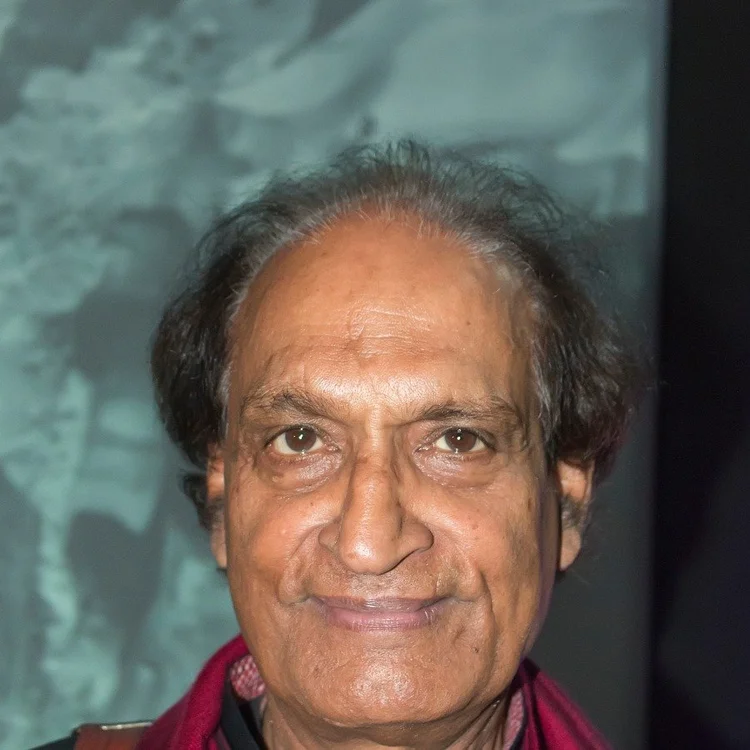
Raghu Rai (1942 to 2026) was an Indian photographer. He was born in Jhang, in what is now Pakistan, and began to photograph in 1965. In 1977 he joined Magnum Photos as its first Indian member. He is known for his long work on India, for portraits of Mother Teresa, Indira Gandhi and the Dalai Lama, and for his pictures of the 1984 Bhopal gas disaster.
The story
It was 1965, and Raghu Rai was in Delhi. He had been working for the government as a civil engineer. Now he was visiting his older brother, S. Paul, an accomplished photographer. One day a friend of his brother was going to his village to take pictures. Rai asked to come along. He remembered it later like this: “Since I was doing nothing, I said, ‘Why don’t you give me a small camera and I’ll go along and take some pictures.’”
In a field he saw a baby donkey. He recalled it standing “like a statue in the early evening light.” The camera was a borrowed Agfa Super Silette with a fixed lens. “I had no training. I had no idea what a good picture was.”
But the picture worked. It was sent to The Times in London, and it ran on a half page with his name on it. Within months he joined the Hindustan Times, and in 1966 he became chief photographer of The Statesman. Then, in 1970, an editor there called him. He had met a nun in Calcutta who was hardly known, and he wanted a feature about her. Her name was Mother Teresa.
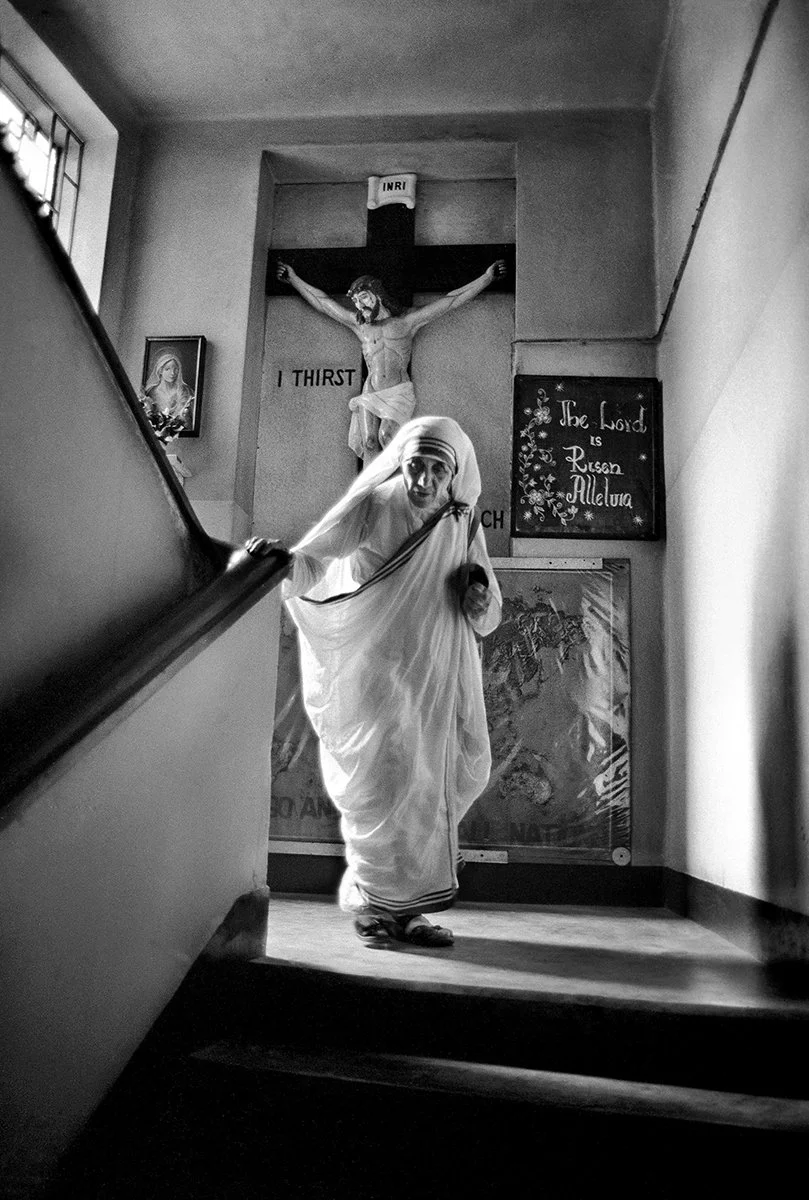
Rai's first picture of her was made that year. She allowed him to photograph her in prayer on Easter morning, if he stayed in one place. He did not manage. In his own words: “I needed a frontal position to capture that moment of connectivity. Despite my commitment, I was restless, so I walked around and took all the desired photographs.”
Afterwards he folded his hands and asked her to forgive him for breaking his promise. She held both his hands, looked into his eyes and said, “God has given you this assignment. You must do it well.” He returned in 1979 to photograph her work with the sisters of her order. The pictures became books.
More work followed. In 1971 he documented the Bangladesh Liberation War. In 1972 his first major exhibition, at Gallery Delpire in Paris, caught the eye of Henri Cartier-Bresson. A letter from Magnum came to Rai at home. “I was so scared that I did not reply.” In 1977 he found the letter again and accepted. He became the first Indian photographer in the agency.
Late in life, in a masterclass video for National Geographic India, he gave this advice to young photographers: “Your response should come from your heart, because your heart is you.”
The work
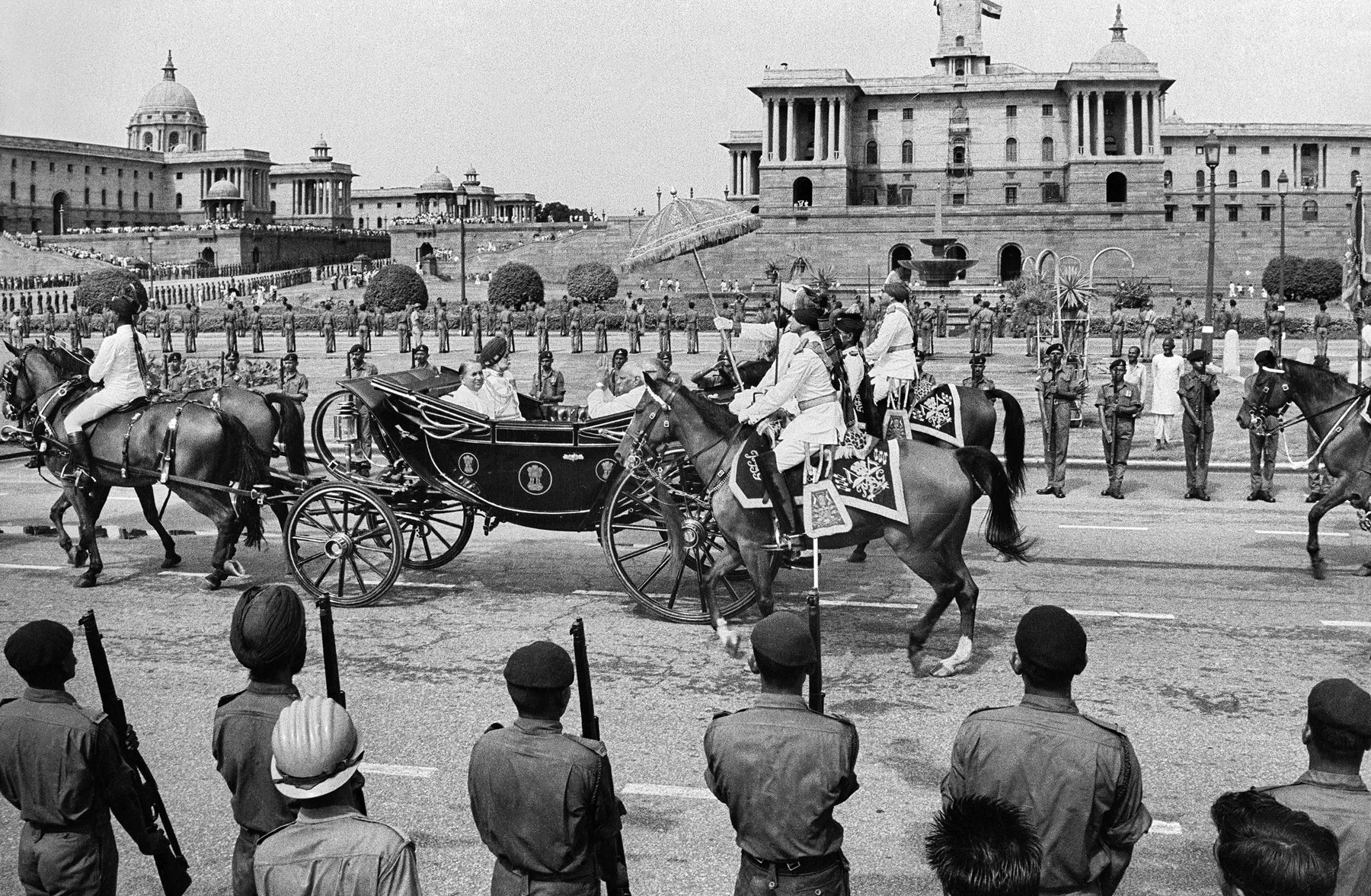
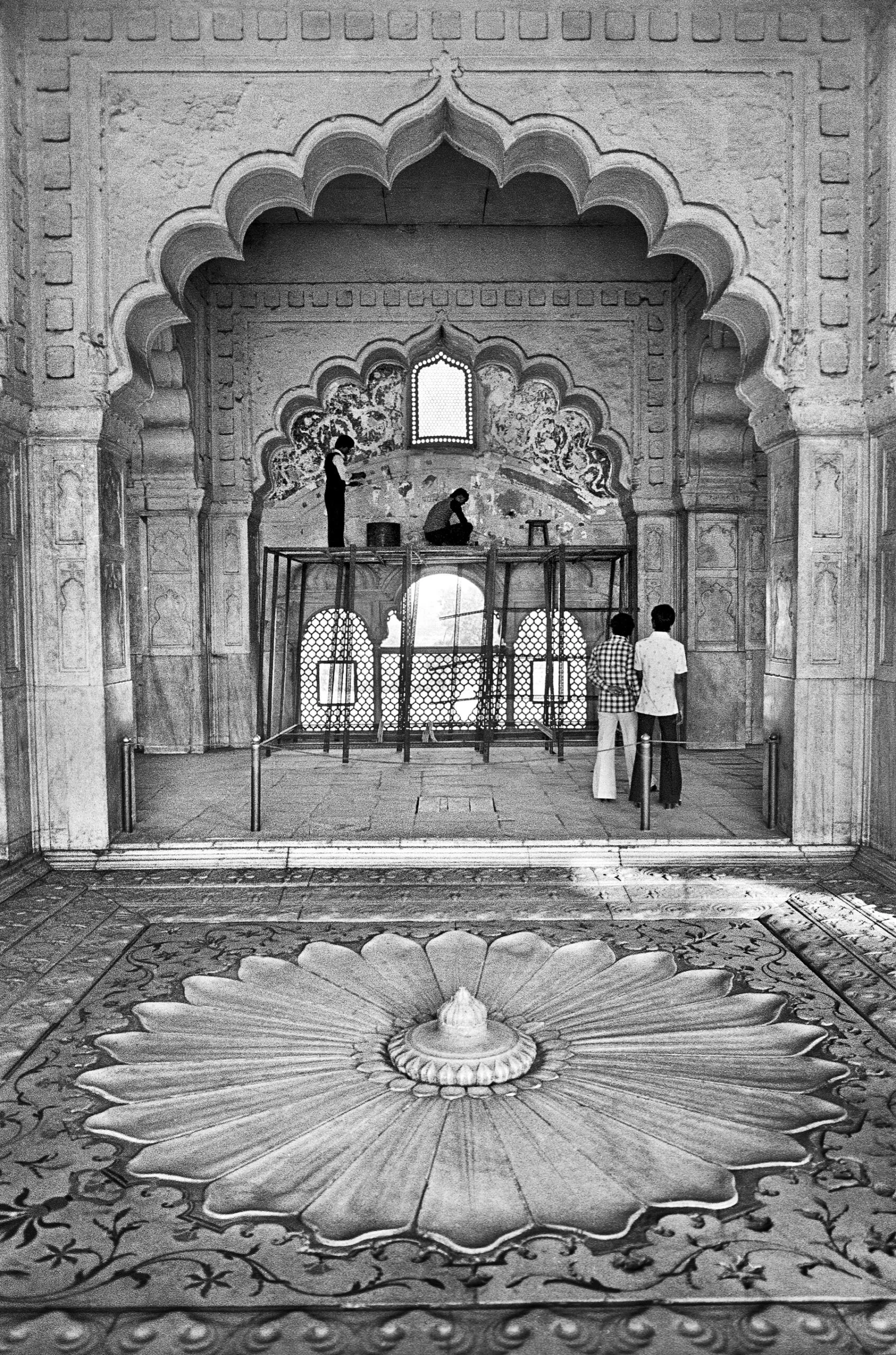
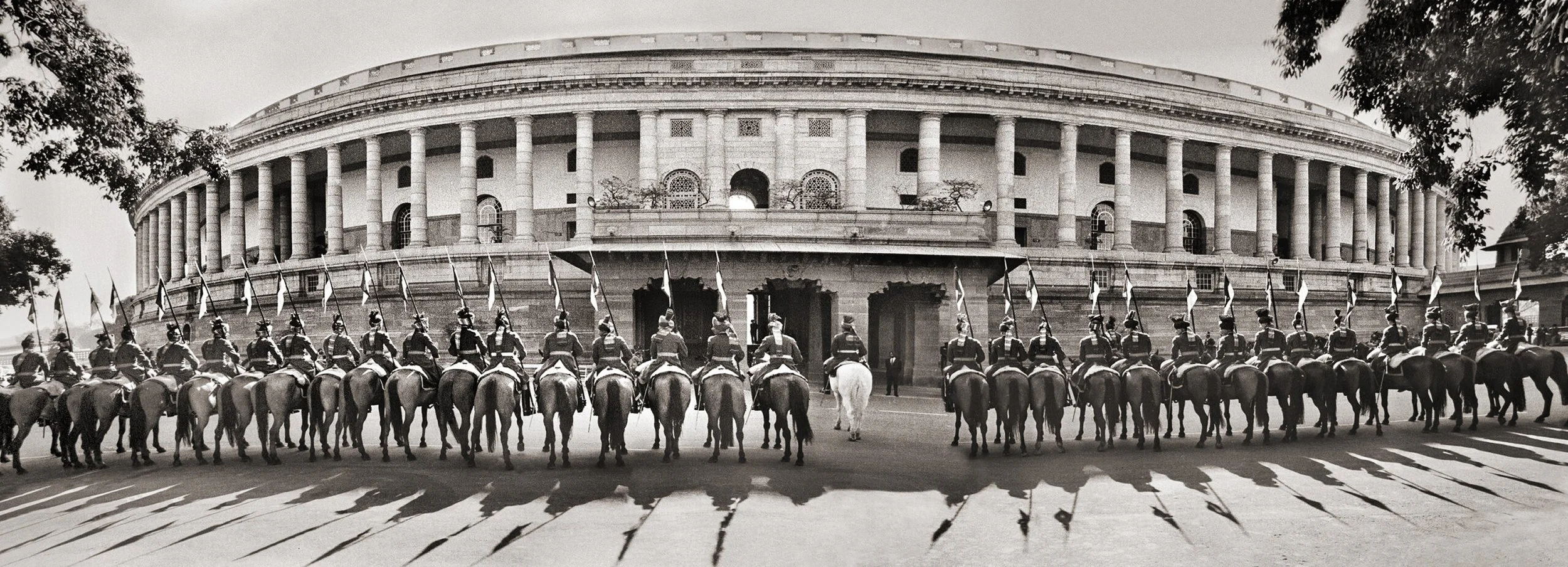
Rai spent most of his career on one country. Magnum notes that he photographed India for decades, because the subjects there were endless. His three photobooks on Delhi follow the city over about forty years. He wrote that Delhi holds “a photo-history that cannot be written.” Ojas Art, a Delhi gallery, showed his city pictures in two exhibitions called Delhi That Was, in 2012 and 2019. Presidential Procession, Rajpath, 1972, Repairs at Red Fort, 1973 and Parliament House, Delhi, 1977 are among the prints it lists.
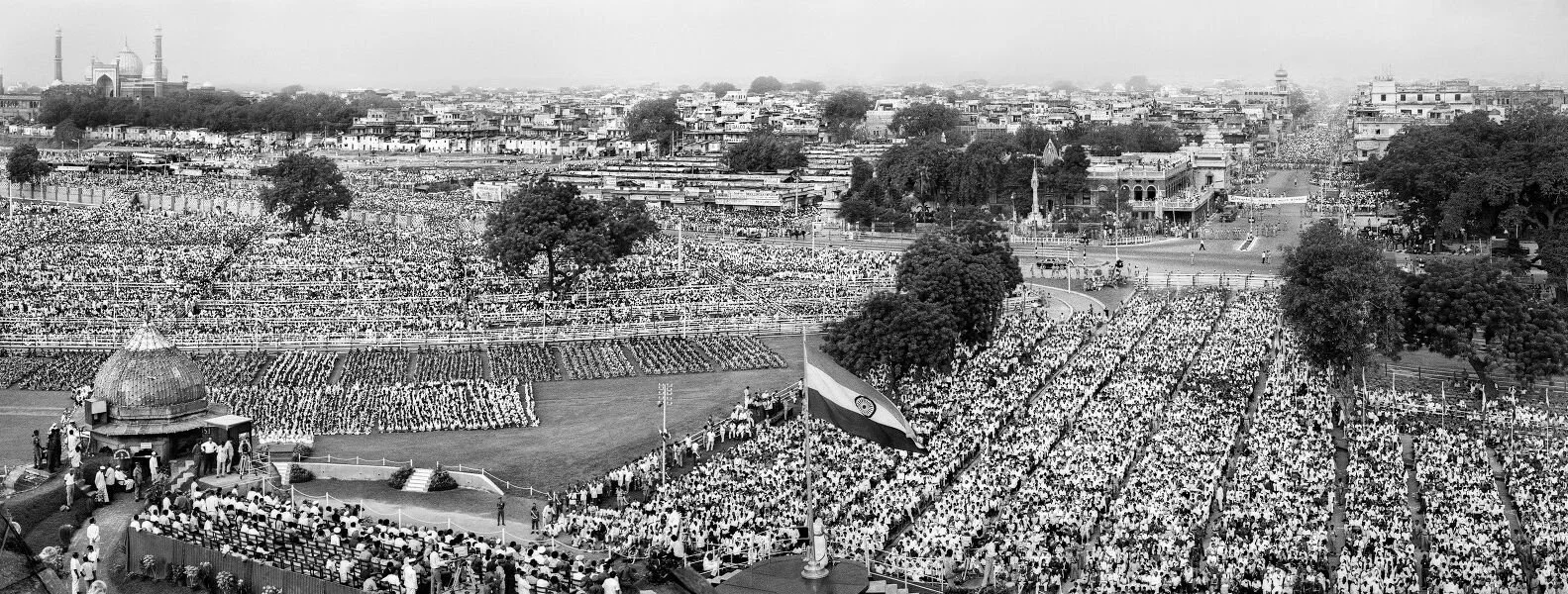
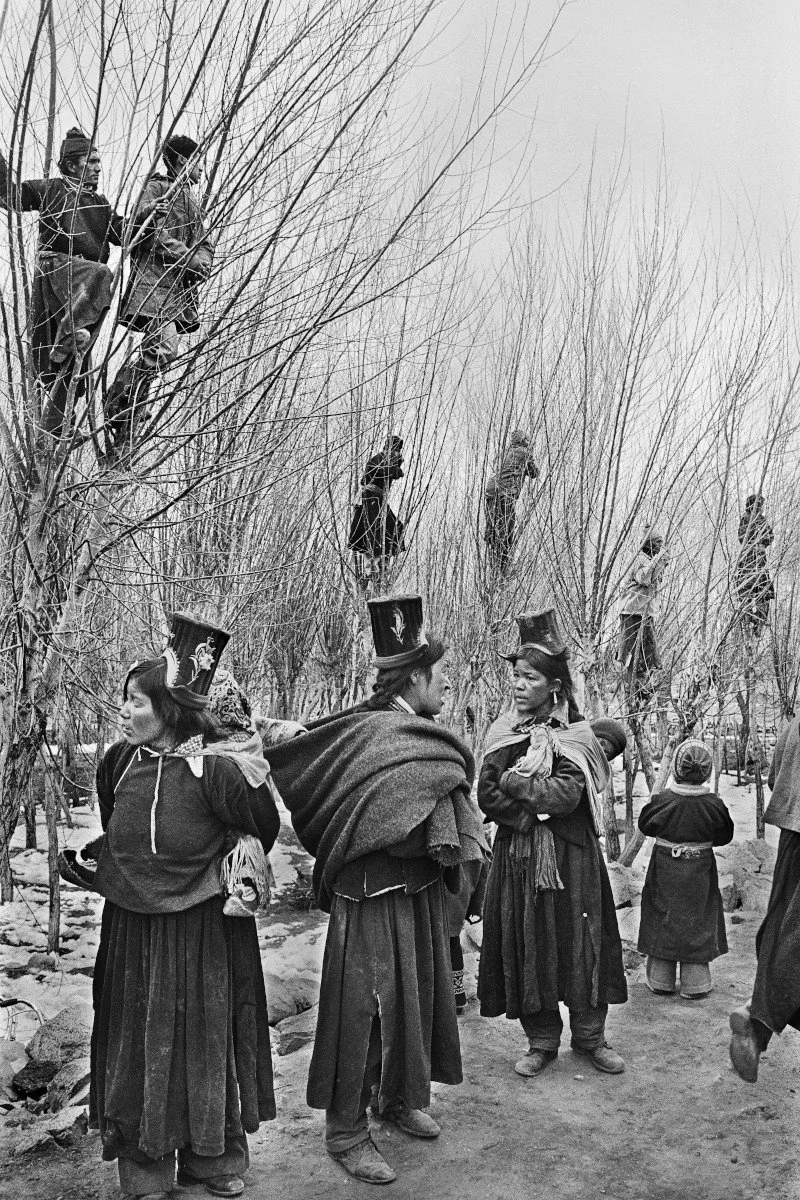
Power was a second thread. Rai said he photographed Indira Gandhi almost every other day from 1967, when she became prime minister, and he followed her until her death in 1984. Indira Gandhi addressing the nation from Red Fort, Delhi, 1980 is a wide view of the crowd at the Red Fort, with the flag in the middle. He also photographed the Dalai Lama from the late 1970s until 2015. His 1991 book Tibet in Exile has a foreword by the Dalai Lama. Watching Ice Hockey, Ladakh, 1975 comes from the Himalayas. Men stand in bare trees while women in tall hats look on.
In December 1984, Rai was among the first photographers at Bhopal after the gas leak at the Union Carbide plant. He later wrote, “No matter how many shots I took, I couldn’t capture the scale of it.” His Bhopal work for Greenpeace became a book and three exhibitions that have toured since 2004. In 2014 he went back for Amnesty International and photographed people who still live with the effects.
He changed with the times. Rai moved from black and white to color, and from film to digital. He worked for India Today in the 1980s and became known for photo essays on social and cultural themes. In 2015 he published Picturing Time, a book of his best known pictures with the stories behind them.
- 1942Born in Jhang, in what is now Pakistan
- 1965Takes up photography in Delhi and has a picture of a baby donkey published in The Times in London
- 1966Becomes chief photographer of The Statesman
- 1970Photographs Mother Teresa in Calcutta for the first time
- 1971Documents the Bangladesh Liberation War
- 1972First major exhibition, at Gallery Delpire in Paris, where he meets Henri Cartier-Bresson
- 1977Joins Magnum Photos as the first Indian photographer in the agency
- 1984Is among the first photographers at Bhopal after the gas leak
- 2026Dies in Delhi
In his words
“A photograph has picked up a fact of life, and that fact will live forever.”
“Your response should come from your heart, because your heart is you.”
“I don’t want to look like a photographer. I want to look like somebody who walks in and walks out.”
“When I take a person’s portrait, I am trying to capture the aura of the person, the person’s spirit in the picture.”
“It has to be multi-layered to capture the complexity of India.”
Photography, Reconsidered follows questions like this through the work of other photographers.
Gear
Two things about Rai’s tools are stated by more than one source.
Agfa Super Silette: Rai made his first published picture, a baby donkey in 1965, with a borrowed Agfa Super Silette. It is a camera with a fixed lens. He had no training at the time.
One camera, one lens: In his later years Rai carried a single camera with a single lens. He said he wanted to look like somebody who walks in and walks out.
Books
Picturing Time: The Greatest Photographs of Raghu Rai (Aleph Book Company, 2015). This 192-page book gathers pictures from fifty years of Rai’s work, with the stories behind them. It came out with an exhibition at Ojas Art in Delhi for his fifty years as a photographer. It is a good first book for anyone who wants an overview of his career.
Exposure: Portrait of a Corporate Crime (Greenpeace International, 2002). Rai’s photographs of the Bhopal gas disaster and the long fight of the survivors, with an introduction by the Bhopal-based journalist Anil Sharma. It was made with Greenpeace for a touring exhibition. It is for readers who want to understand the human cost. The pictures are hard to look at.
Mother Teresa: A Life of Dedication (Harry N. Abrams, 2005). A photographic record of Mother Teresa’s work in Calcutta, with short texts in which Rai recalls his meetings with her. He met her in the early 1970s and photographed her until her death in 1997. It is for readers who want a close, quiet look at one of his great subjects.