Featured

Documentary photographers
Featured
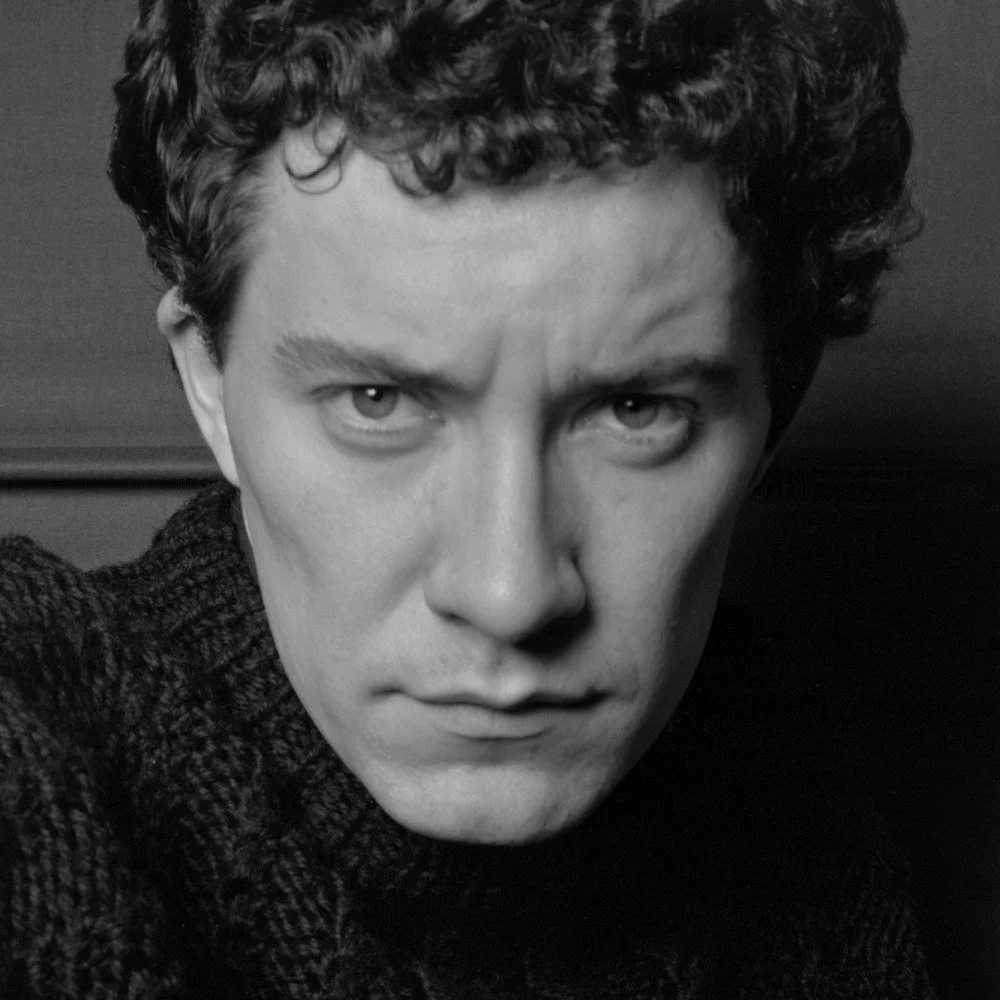


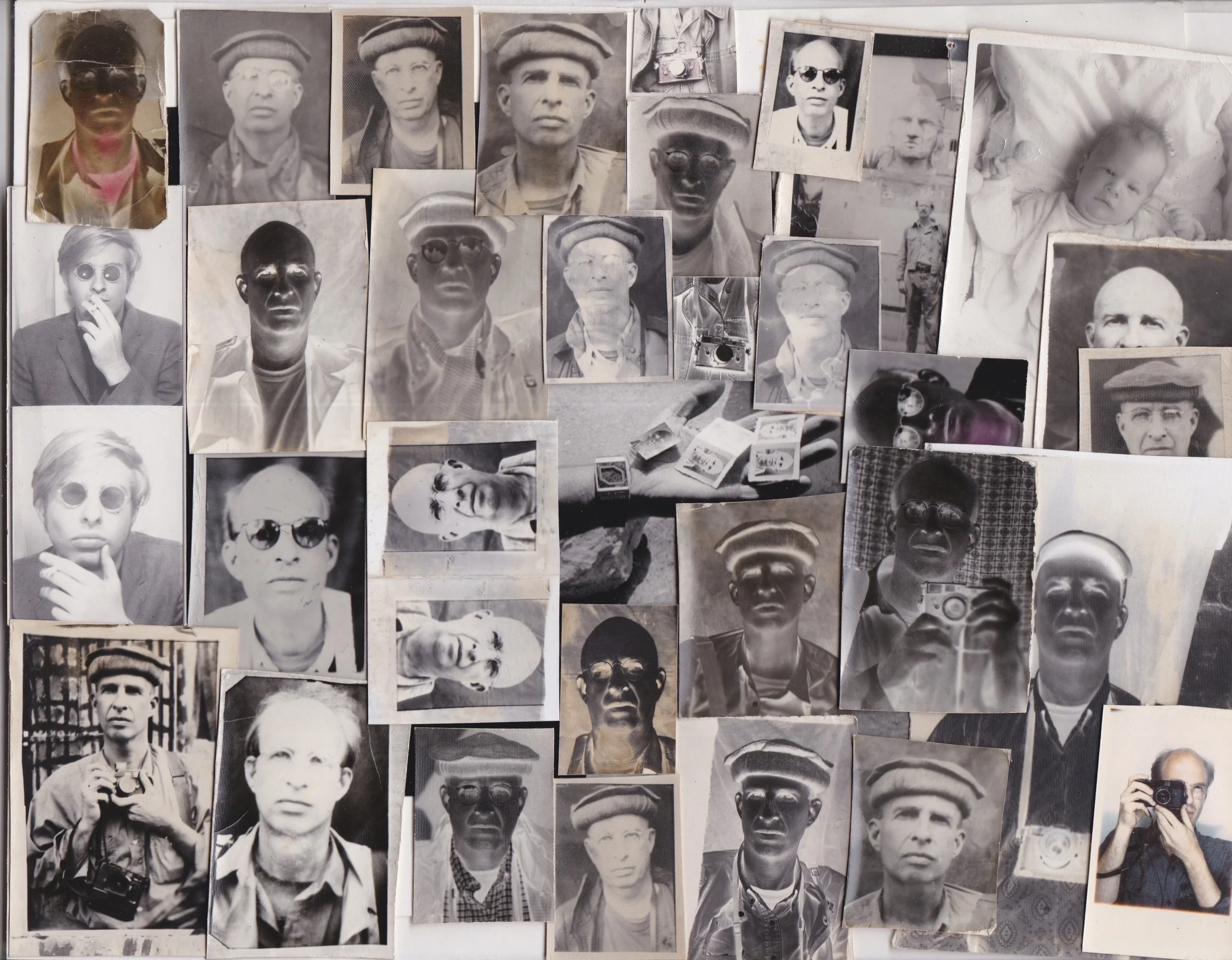


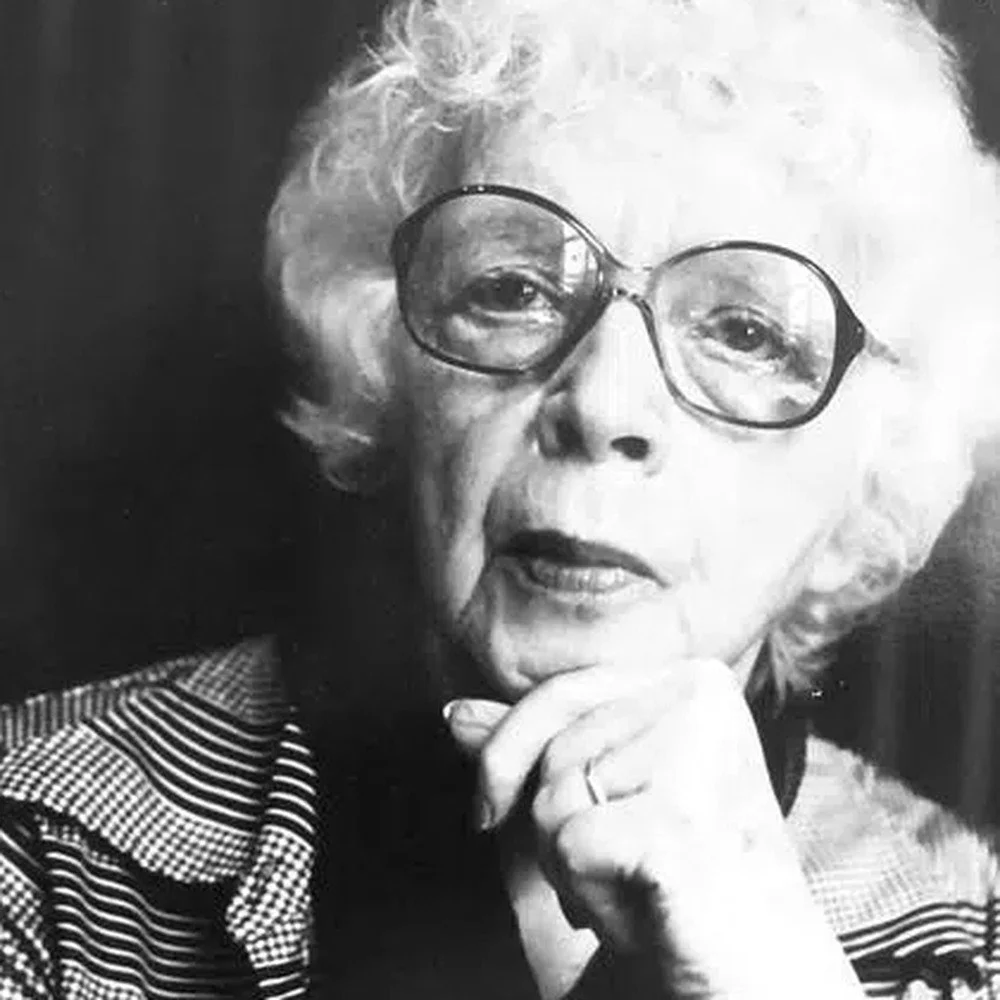
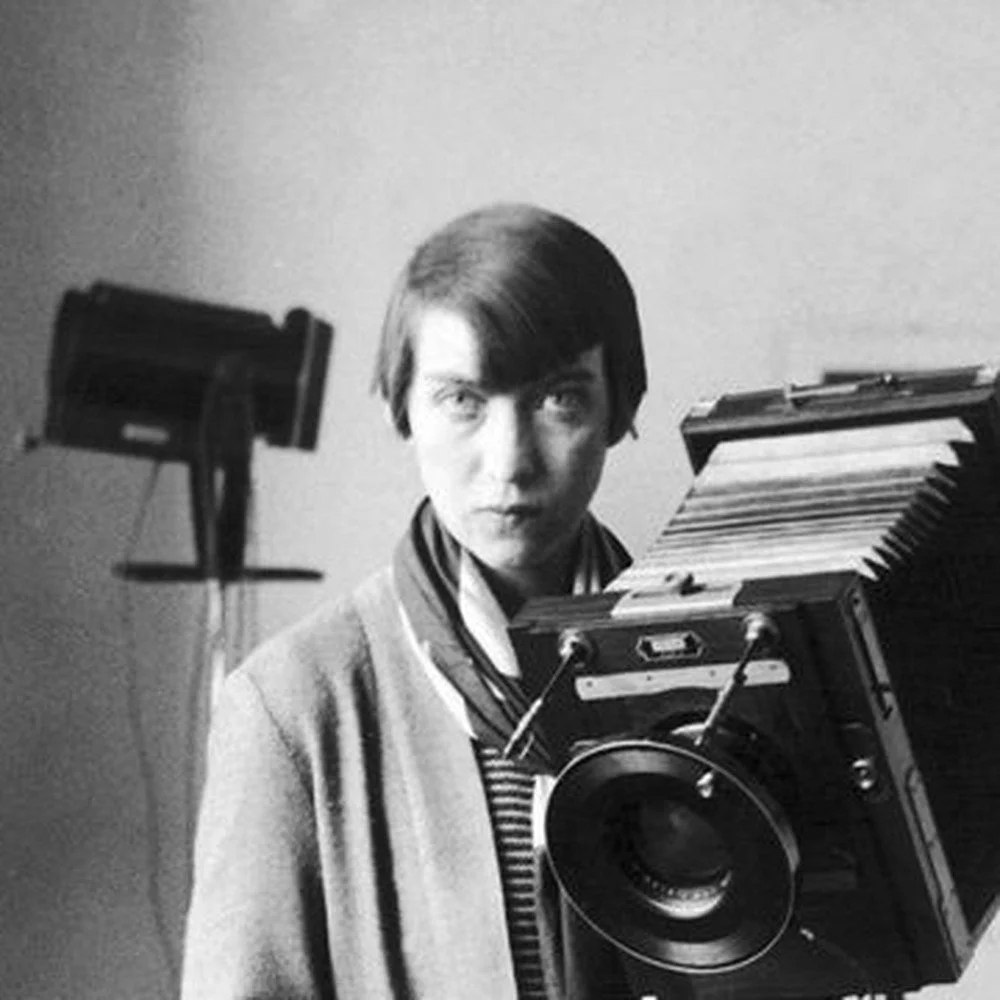
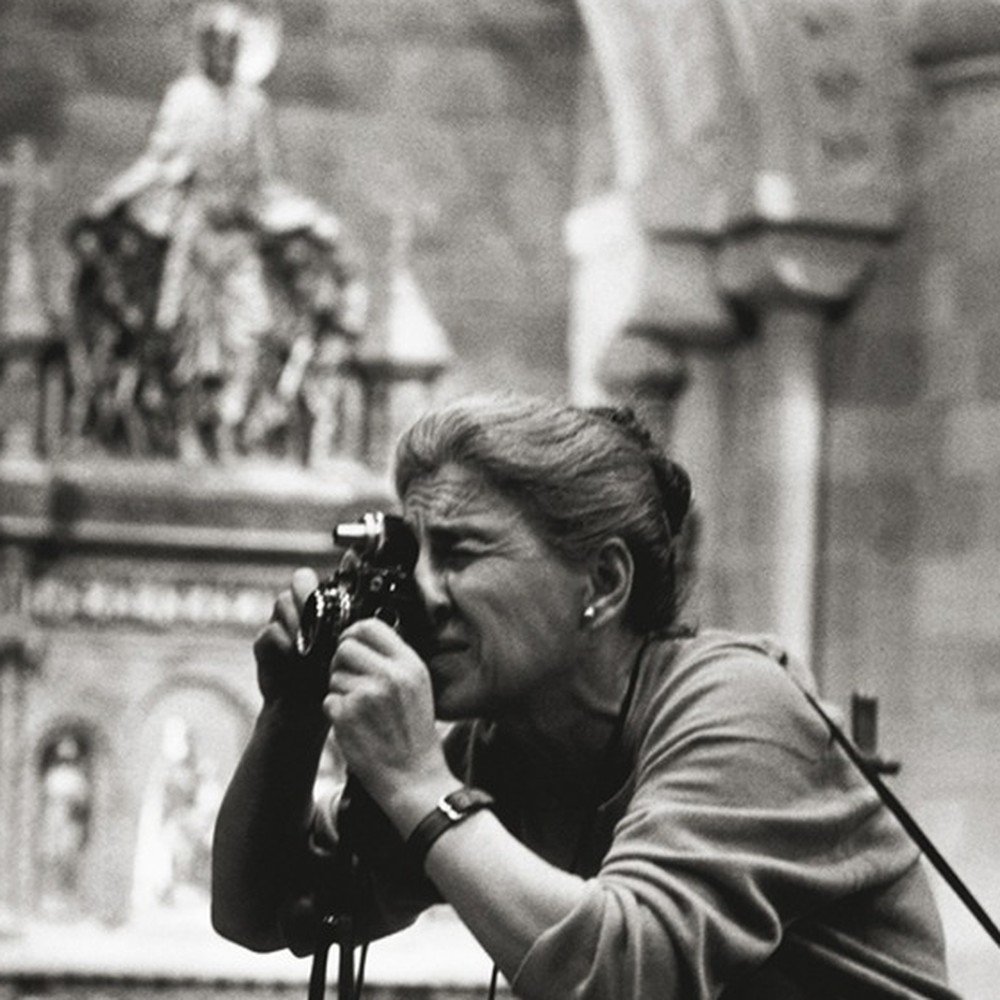
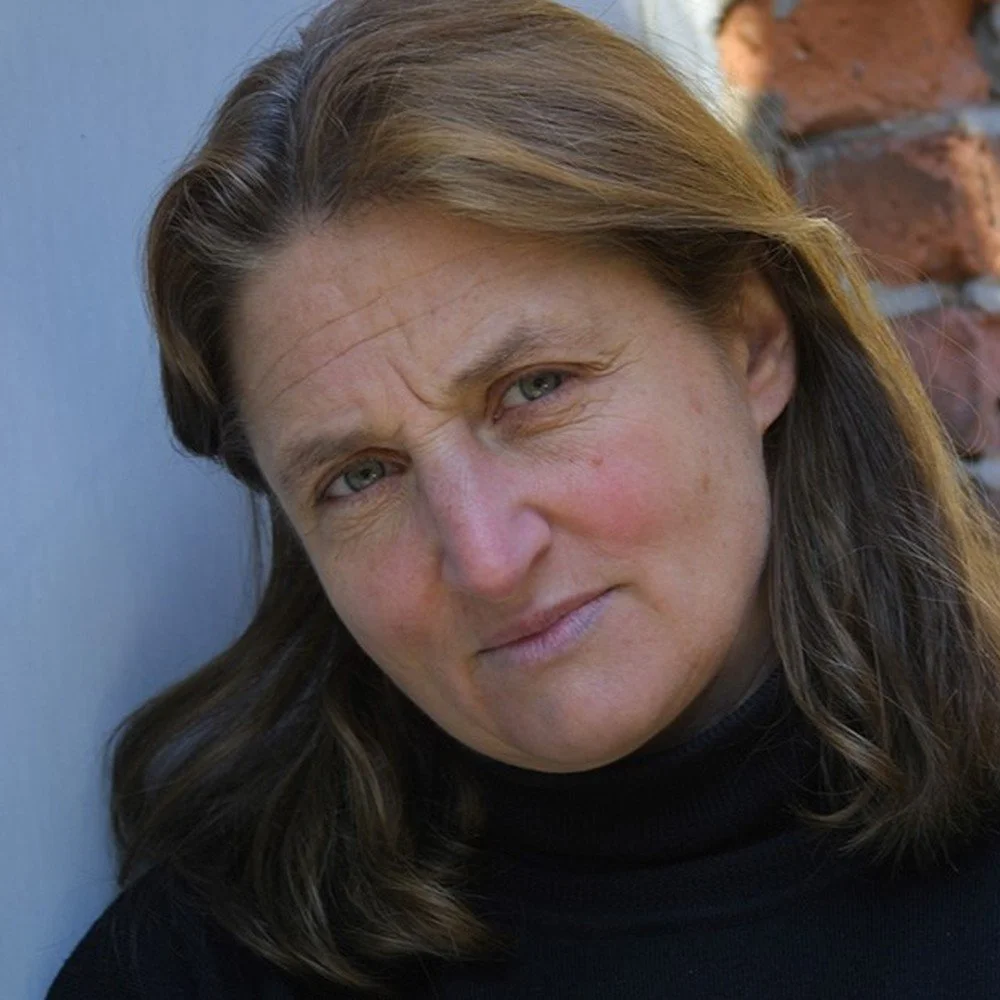
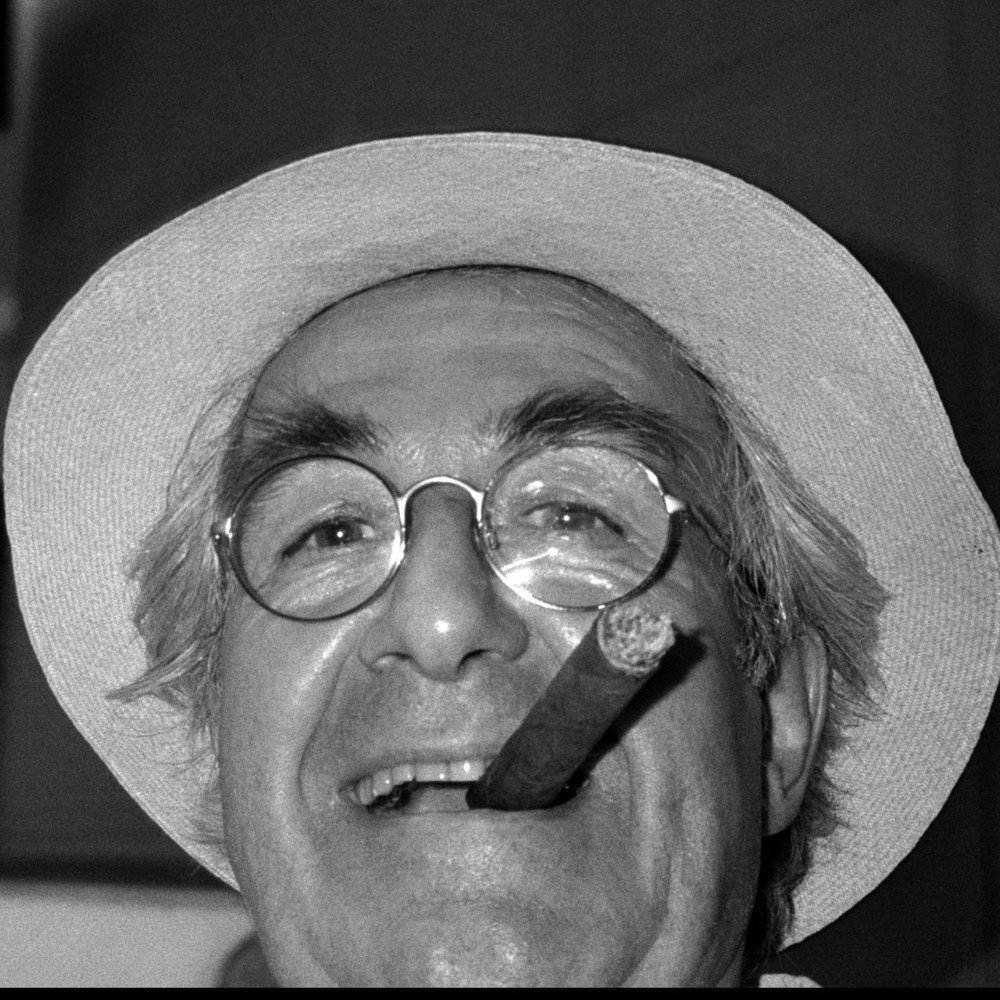


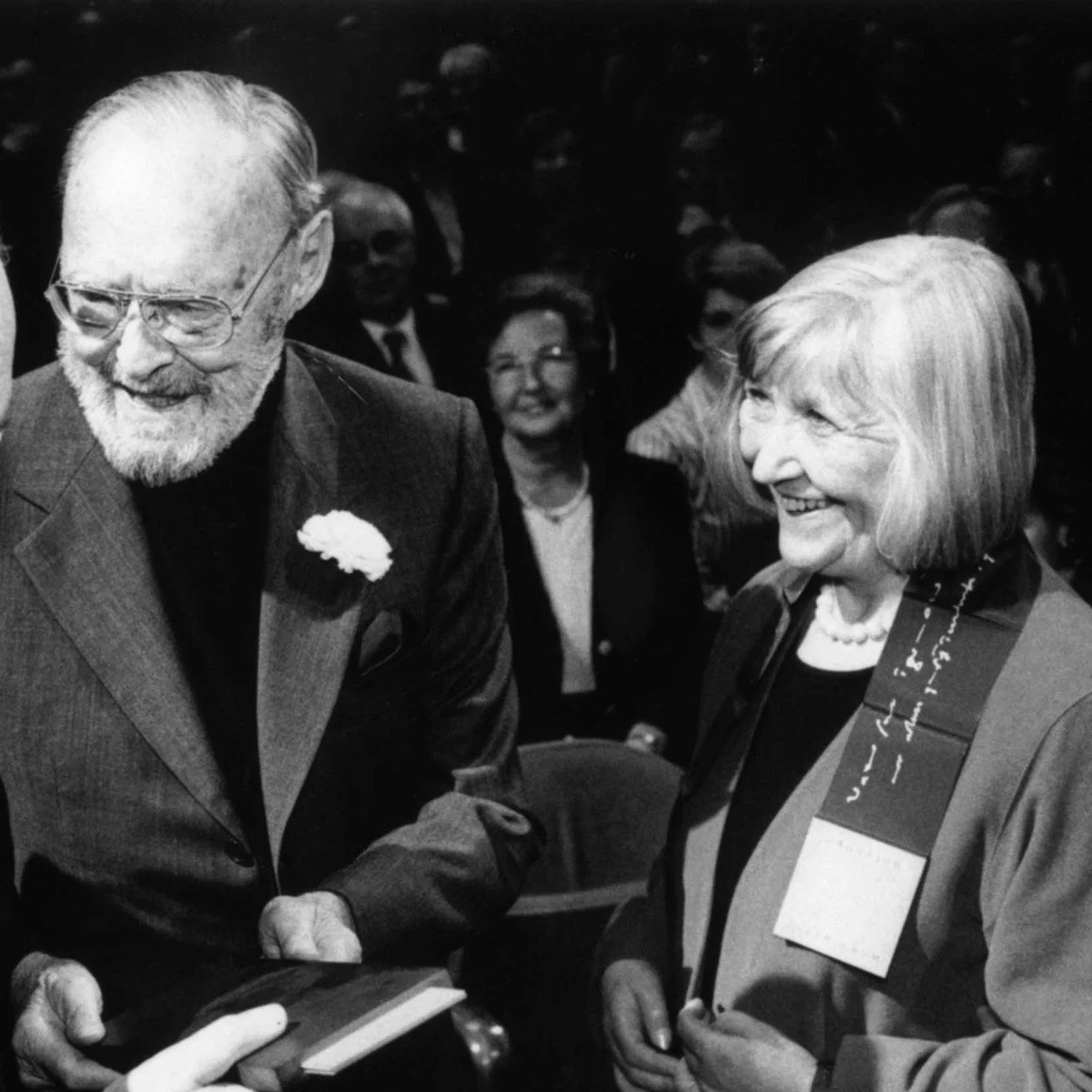




Documentary photography records real people, places and events, often to call attention to a problem. This guide covers its main approaches, its history from Jacob Riis and Lewis Hine to Dorothea Lange and Robert Frank, ethics and techniques.
Erwan Illian is a French photographer who photographed the punk scene at CBGB in New York on color slide film around 1980. His book LIVE AT CBGB's was published by Fall Line Press in 2026.
Robert Nickelsberg is an American photojournalist who worked as a Time magazine contract photographer for nearly thirty years. His books include Afghanistan: A Distant War and Kashmir, the Valley.
David Campbell is an educator and writer who studies how photographs are made and understood. He is Director of Education at The VII Foundation and edits its magazine, Dispatches.
Edward Grazda is an American photographer who has photographed in the USA, Latin America and Asia. His books include Afghanistan Diary, Mean Streets and The Power of Observation.
Jan Banning is a Dutch photographer and artist based in Utrecht. His work looks at state power, justice and the long-term effects of war, including the book Blood Bonds (Lecturis, 2025).
Mads Nissen is a Danish documentary photographer based in Copenhagen. He has received World Press Photo’s main prize three times.
Glenn Ruga is a photographer, graphic designer and curator. He founded Social Documentary Network in 2008 and ZEKE magazine in 2015.
Kinga Owczennikow is a photographer originally from Poland, now based in New York City. Her first photobook, Framing the World, was published by Ephemere in 2025.
Lisette Model (1901 to 1983) was an Austrian-born photographer in New York, known for bold, close portraits like Coney Island Bather and her pictures of the Promenade des Anglais in Nice. She was also a great teacher; Diane Arbus was her most famous student.
Berenice Abbott was an American photographer who learned her craft in 1920s Paris as Man Ray’s assistant. Her 1930s series Changing New York recorded a city caught between old and new, and she saved the life’s work of Eugène Atget.
Eve Arnold (1912–2012) was an American photojournalist and one of the first women in Magnum Photos. She is known for her pictures of Marilyn Monroe, Malcolm X and the Harlem fashion shows, and for her long work about women's lives.
Susan Meiselas (born 1948) is an American documentary photographer and Magnum member. She is known for Carnival Strippers, her color pictures of the Nicaraguan revolution, and her collaborative history of the Kurds.
René Burri (1933–2014) was a Swiss Magnum photographer who made the famous 1963 portrait of Che Guevara with a cigar. He photographed history, artists and modern architecture around the world for almost sixty years.
Marc Riboud (1923–2016) was a French Magnum photographer. He is known for his painter on the Eiffel Tower, the young woman with a flower at the Pentagon, and forty years of pictures of China.
David “Chim” Seymour (1911–1956) was a Polish-born photojournalist and a founder of Magnum Photos. He is best known for his pictures of the Spanish Civil War and of Europe’s war children, made for UNICEF in 1948.
Inge Morath (1923–2002) was an Austrian-American photographer and one of the first women members of Magnum Photos. She is known for A Llama in Times Square, her portraits of artists and passers-by, and her books on Spain, Iran, Russia and China.
George Rodger (1908–1995) was a British photojournalist and a founder of Magnum Photos. He photographed the Blitz and the liberation of Bergen-Belsen for LIFE, then spent more than thirty years photographing the peoples of Africa, above all the Nuba of Sudan.
Bernd and Hilla Becher were a German artist couple who photographed old industrial buildings for almost fifty years. Their grids of water towers, blast furnaces and cooling towers, and their students in Düsseldorf, changed late 20th century photography.
Chris Killip (1946 to 2020) was a British documentary photographer from the Isle of Man. His book In Flagrante (1988) shows working-class life in the North East of England as its industries closed.
Don McCullin (born 1935) is a British photographer known for his black and white pictures of war, from Cyprus and Vietnam to Biafra and Beirut. He has also photographed poverty in England and, in later years, the dark landscapes of Somerset.
Bill Brandt (1904–1983) was a German-born British photographer. He pictured English life in the 1930s, London at night and in the Blitz, and later made famous wide-angle nudes.
Margaret Bourke-White (1904–1971) was an American photojournalist who shot the first LIFE cover. She photographed steel mills, the Great Depression, World War II, Gandhi and South Africa, and opened many doors for women in photography.
Lewis Hine was an American photographer and teacher. His pictures of child workers for the National Child Labor Committee helped change American law, and his later portraits of workers, including the builders of the Empire State Building, showed the pride of people at work.
Dan Nelken is a photographer, documentary storyteller and educator based in New York City. His book HeadStrong: The Women of Rural Uganda (Kehrer Verlag, 2026) brings together portraits and stories of working women in rural Uganda.
Pie Aerts (born 1985) is a Dutch photographer based in Haarlem. His first monograph, Coirón (GOST Books, 2026), follows aging gauchos who work alone on the ranches of Chilean Patagonia.
Weegee (Arthur Fellig, 1899 to 1968) was a New York news photographer who often reached crime scenes before the police. His flash-lit pictures of murders, fires, crowds and city nights, collected in Naked City, made him famous.
Paul Strand (1890–1976) was an American photographer and filmmaker. His sharp New York pictures of 1916 helped make photography a modern art, and his later books gave quiet portraits of small communities in New England, Italy, the Hebrides and beyond.
August Sander (born 1876, died 1964) was a German portrait photographer. His lifelong project People of the 20th Century shows German society through hundreds of calm, direct portraits of farmers, workers, artists and outsiders.
Eugène Atget (1857–1927) was a French photographer who spent about thirty years photographing old Paris with a large wooden camera. His quiet pictures of streets, courtyards and shop windows were sold as “documents for artists” and later shaped documentary photography.
Sam Abell (born 1945) is an American documentary photographer who worked for National Geographic for 33 years. His calm, carefully composed color pictures follow one simple rule: compose and wait.