AT A GLANCE
- Known for
- Black-and-white street and documentary projects about Venice Beach, its people and its dogs
- Works in
- Mostly black and white; in 2024 he began a color project at the Venice Beach drum circle
- Camera
- Leica M Monochrom (M10 Monochrom by 2020), manual focus, often a 35mm lens
- Also
- Former tech entrepreneur; teaches street and documentary workshops for Leica Akademie and Storyteller Workshops
- Start with
- Venice Beach: The Last Days of a Bohemian Paradise (Kehrer Verlag, 2018)
- Links
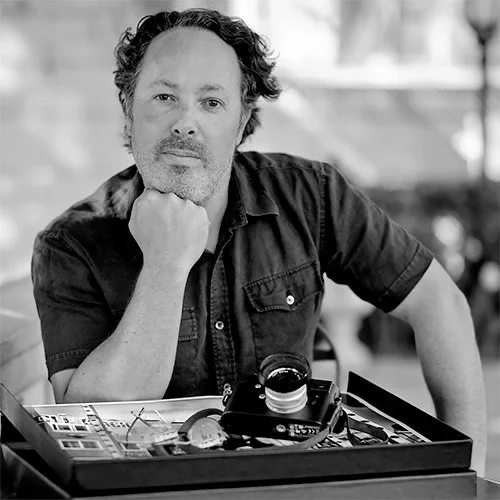
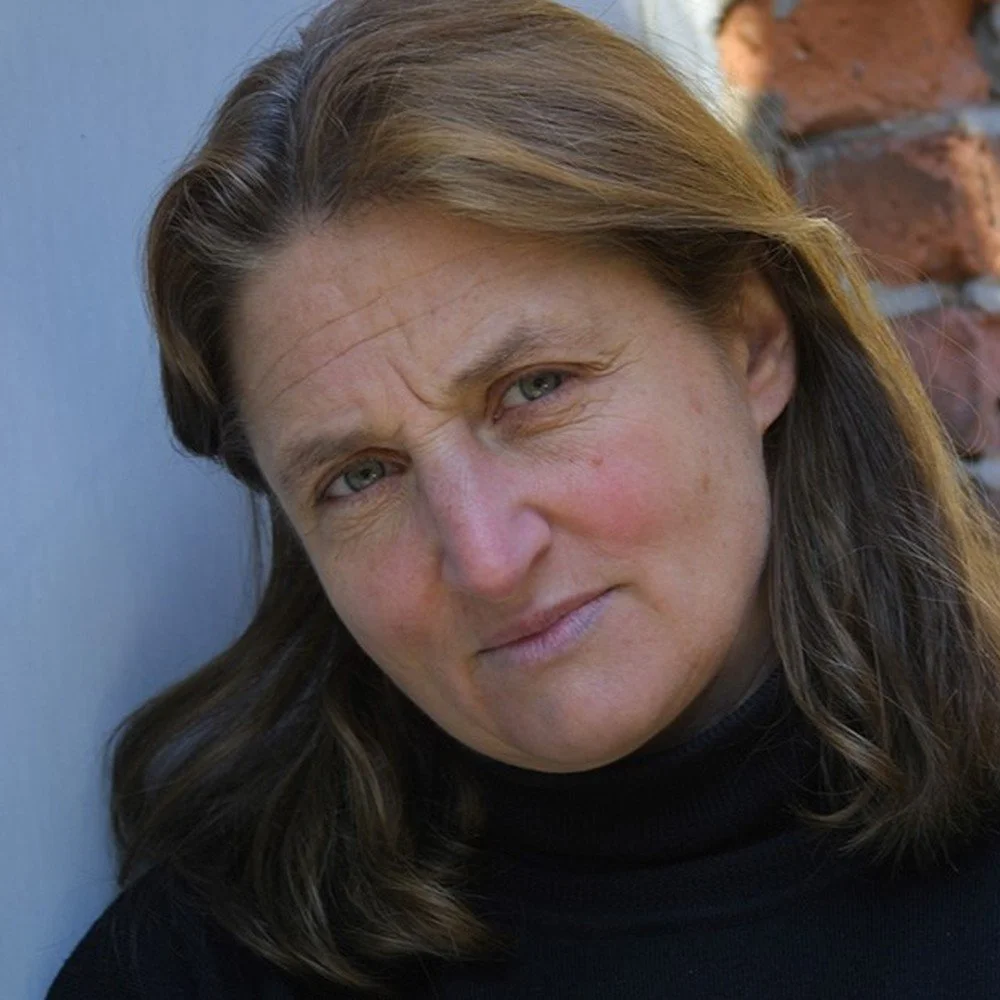
Dotan Saguy (born c. 1971) is a street and documentary photographer based in Los Angeles. Born in Israel and raised near Paris, he left a career in high tech in 2015 to photograph full time. He is best known for his black-and-white books on Venice Beach, a family living in a school bus, and the dogs of the boardwalk.
The story
In 2005, Dotan Saguy lost his father to cancer. He was only 63. His father had installed phone systems for businesses and took photographs as a hobby, and that hobby is what first made his son curious about cameras. “He had all these dreams of traveling, and he never got to live those dreams,” Saguy later said.
At the time, Saguy was a tech entrepreneur in Los Angeles. Born on a kibbutz near Israel's border with Lebanon, he grew up in Sarcelles, a suburb of Paris, and studied computer science there. Then came startups in New York and Los Angeles. “I was working 60- and 70-hour weeks under a lot of pressure,” he remembered. His father's death made him stop and ask what he was really after. In 2007 he sold his company, Blue Lava, and started to work less.
He wanted more time for photography. In the fall of 2015 he joined an advanced photojournalism class at Santa Monica College and shot for the student paper. There he learned a rule he still follows: everything must be candid. Nothing staged, nothing removed, nothing added. In 2016 he attended the Eddie Adams Workshop and the Missouri Photo Workshop, and won first place in a National Geographic photo contest.
Paid assignments still did not come. So he gave himself long-term projects. The first was Venice Beach, the corner of Los Angeles he felt closest to. From 2015 to 2017 he spent about 500 hours on the boardwalk, among bodybuilders, skaters, street musicians and snake keepers. In Hello Sunshine, a young woman stands behind a large snake wrapped around the exercise bars. The book Venice Beach came out in 2018 and won a Bronze award at the German Photo Book Award.

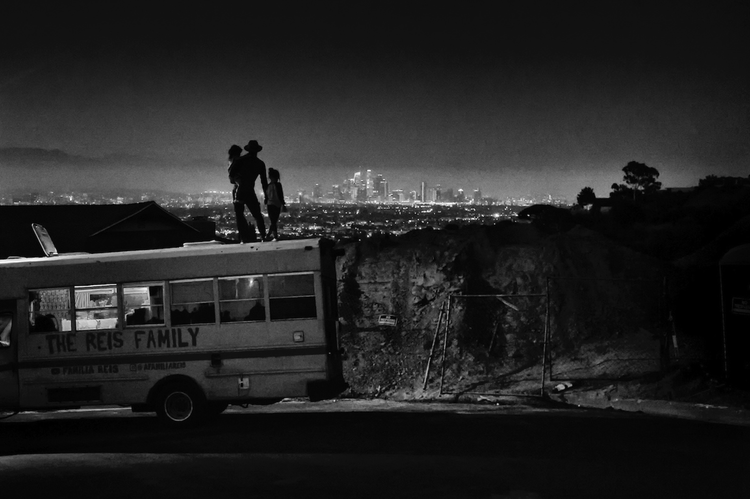
His next story arrived by road. On their first day in Los Angeles, he met the Reis family, Brazilian immigrants who lived with their three children in a converted yellow school bus. He followed them for ten months. Their life became the book Nowhere to Go but Everywhere (2020). The dogs of the boardwalk followed in DOGTOWN (2024).
His father never made his journeys. Saguy found his own close to home: one beach, one bus, one boardwalk full of dogs. Looking back at 2016, the year it all came together, he said: “Everything was like a dream come true.”
The work


- c. 1971Born on a kibbutz near Israel's border with Lebanon; grows up in Sarcelles, near Paris
- 2003Moves from New York to Los Angeles
- 2005His father dies at 63; he begins to rethink his tech career
- 2015Takes a photojournalism course at Santa Monica College and starts the Venice Beach project
- 2016Eddie Adams and Missouri Photo Workshops; first place in a National Geographic photo contest
- 2018Publishes Venice Beach (Kehrer Verlag); Bronze at the German Photo Book Award
- 2020Publishes Nowhere to Go but Everywhere
- 2021Featured in Leica's worldwide branding campaign; photographs reflections in the ghost town of Bodie
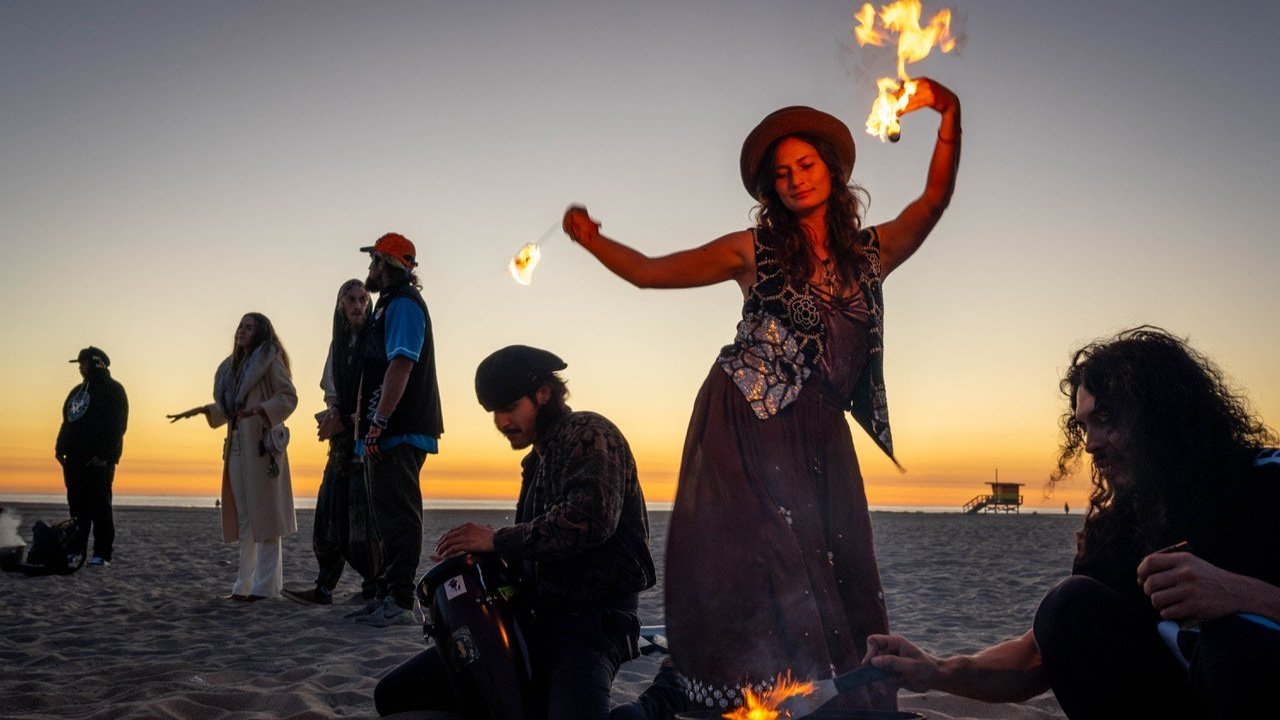
- 2024Publishes DOGTOWN; starts a color project at the Venice drum circle
Lessons
Give yourself the assignment. When paid work did not come, he set his own long-term projects. Venice Beach was the first.
Go back again and again. He spent about 500 hours on the Venice boardwalk, then kept returning for years to photograph its dogs.
Keep it real. He does not stage, remove or add anything. He waits for the scene to happen.
Try this: choose one busy place near you and go back every week for a month at the same hour. Find one "character", a person or a dog, and follow them until something interesting happens.
Gear
Saguy talks more about method than about gear. What is known comes from his interviews.
Leica M Monochrom: a digital rangefinder that records only black and white. He moved to Leica from Fuji and has used the Monochrom since. By 2020 he was shooting mainly with the M10 Monochrom. He uses a second camera for color.
35mm lens: he used a 35mm lens at f/2 for his 2024 picture of a barbecue at the Venice drum circle.
His Leica has no autofocus, so for fast subjects like dogs on skateboards he relies on zone focusing and high shutter speeds. His first camera was a Nikon SLR, a wedding present from friends.
Books
Venice Beach: The Last Days of a Bohemian Paradise (Kehrer Verlag, 2018). His first monograph, made over three years on the Venice boardwalk, from 2015 to 2017. The hardcover has 128 pages and 67 duotone photographs of bodybuilders, skaters, street performers, surfers and families, at a time when rising rents were changing the neighborhood. It was edited by Gail Fisher, with texts by Ed Kashi, Alain Laboile, Jamie Rose, Aline Smithson, Matt Stuart and Jim Wagner. It won a Bronze award at the German Photo Book Award and is now in its second edition. A good first book for anyone who loves layered street photography.
Nowhere to Go but Everywhere (Kehrer Verlag, 2020). A close, warm portrait of the Reis family, Mormons from Brazil who lived with their three children in a converted yellow school bus during ten months in Los Angeles. The book has 168 pages with 77 duotone and 12 color images, in an edition of 1,000 copies. Between the black-and-white chapters, color flaps show the fabrics from the bus, with interviews with the family printed on the back. It includes a text by Peter Fetterman. The title comes from Jack Kerouac. For readers who like long-term, intimate documentary work.
DOGTOWN: The Pups of Venice Beach and their Humans (Kehrer Verlag, 2024). His third monograph, with 144 pages and 86 duotone photographs, plus street art drawings. The title refers to Dogtown, the name of the Venice and Ocean Park area known for its surfers and skateboarders in the 1960s and 70s. Today its dogs ride skateboards, walk the boardwalk and steal the scene. The texts are by Saguy himself, including a short history of Dogtown. The publisher calls it a modern homage to Elliott Erwitt. A light, funny book for dog lovers and street photographers alike.
In his words
“Looking for these shots is immensely satisfying. It puts me in a meditative state to chase them.”
“It's like solving a 4-dimensional visual puzzle, time being one of the dimensions.”





Street photography isn't about luck; it's about method. Most photographers walk the streets hoping something interesting will happen in front of their camera. Interviews