AT A GLANCE
- Known for
- The Falling Man (11 September 2001) and more than fifty years of news pictures for the Associated Press
- Works in
- Daily news photography for the AP, in San Francisco from 1970 and in New York since 1972
- Also
- Photographed the shooting of Robert F. Kennedy in 1968, at 21 · Fellow of the Society of Professional Journalists (2023)
- Awards
- Part of the AP staff portfolio of the 1992 presidential campaign that won the 1993 Pulitzer Prize for Feature Photography
- Start with
- September 11: The 9/11 Story, Aftermath and Legacy (The Associated Press, 2021)
- Links
Content note: this profile contains a photograph of a person falling to his death on 11 September 2001.
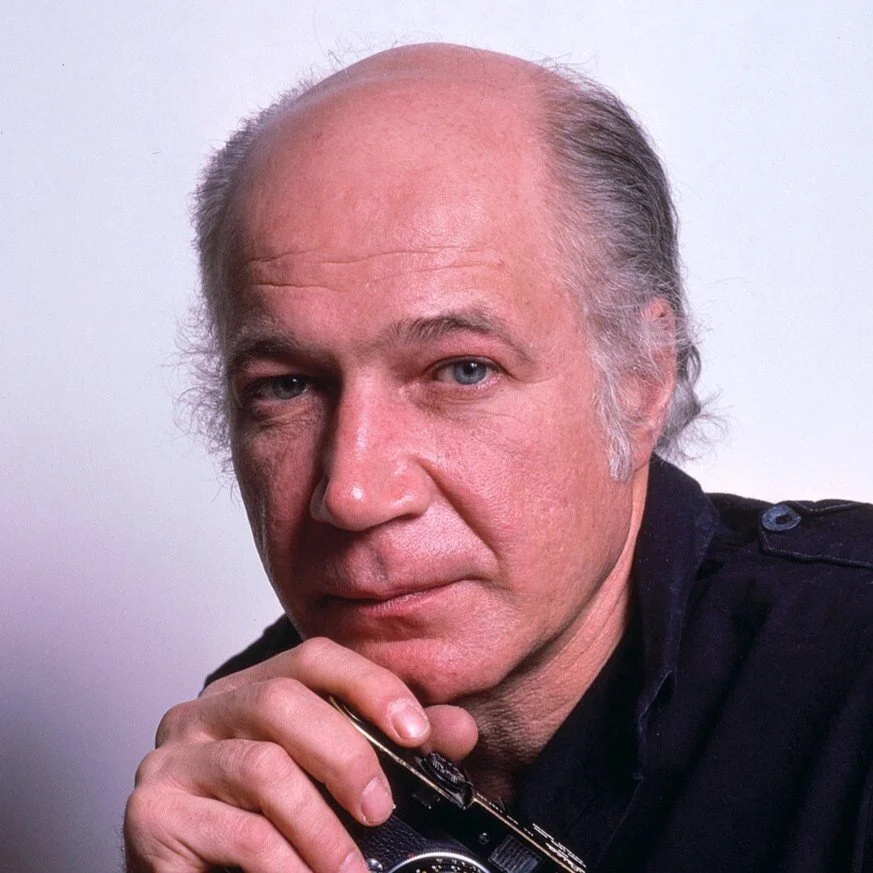
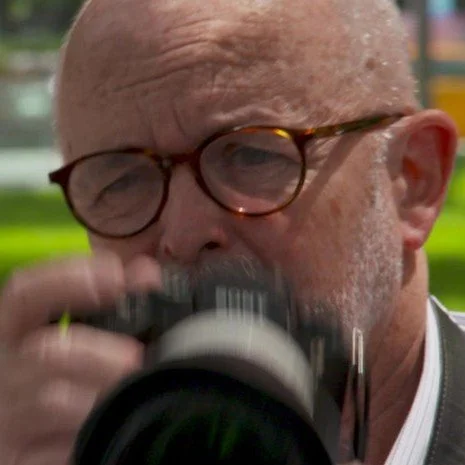
Richard Drew (born 1946) is an American news photographer. He grew up in Temple City, near Los Angeles, and has worked for the Associated Press since 1970, most of that time in New York. He is best known for The Falling Man, made on 11 September 2001.
The story
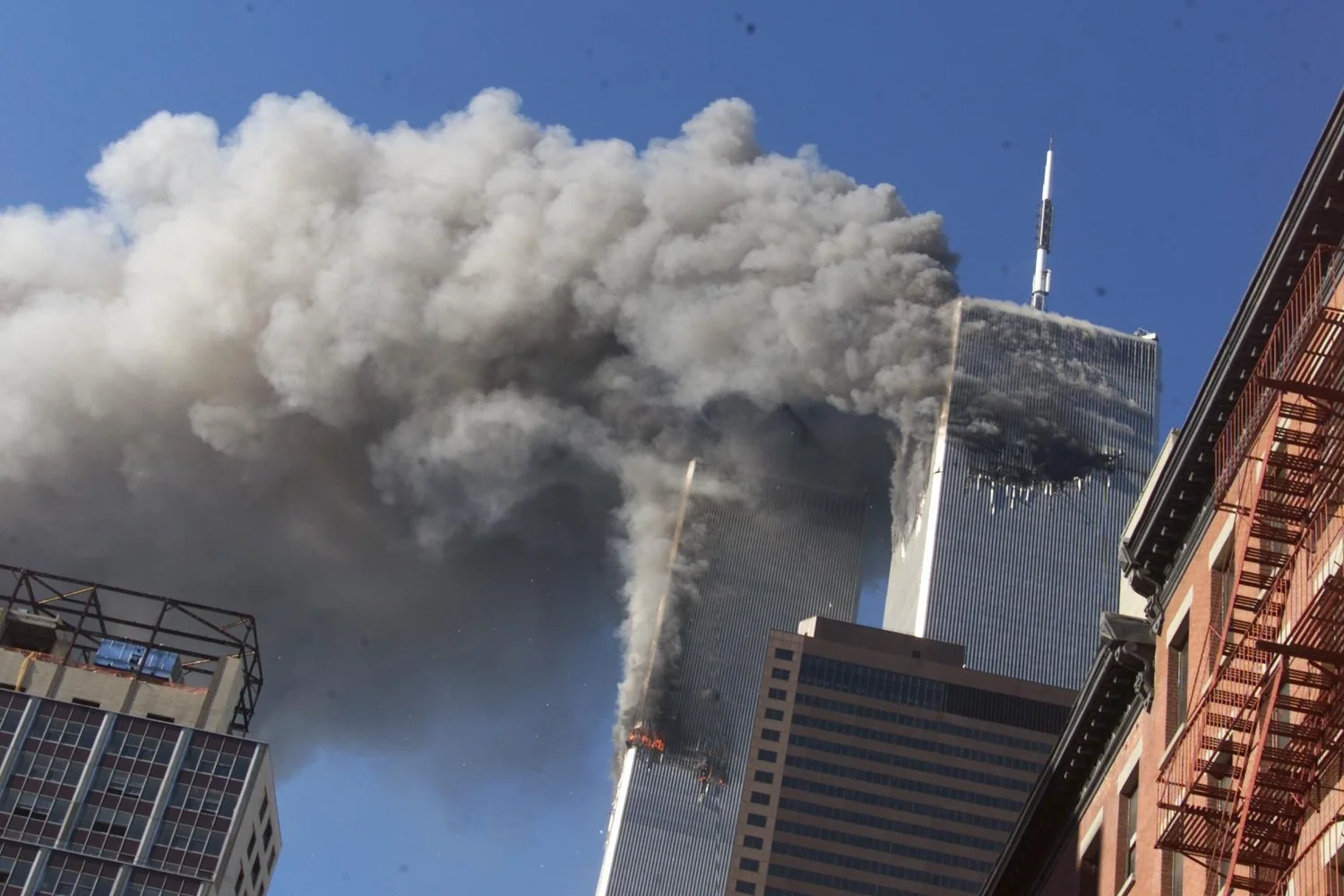
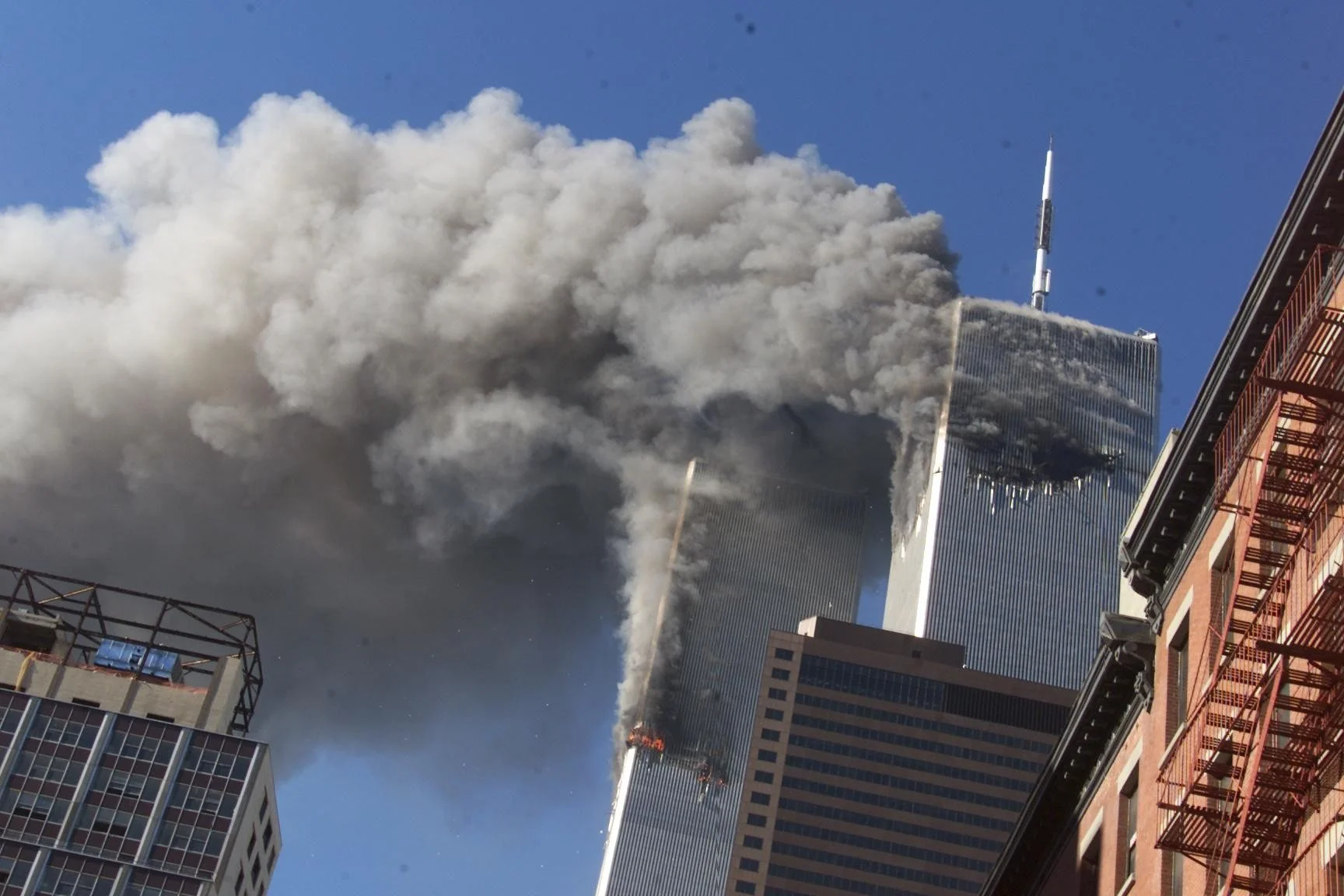
On the morning of 11 September 2001, Richard Drew was photographing a maternity fashion show in Midtown Manhattan for the Associated Press. Then his office called and told him, very calmly, that a plane had hit the World Trade Center. He took the subway downtown and started to work “the minute I came out of the subway.”
He stood at the corner of West and Vesey streets, below the North Tower. The smoke made it hard to see and harder to breathe. He heard loud cracks and first thought it was concrete hitting the ground. It was people. He focused on one person falling through the air and made eight frames.
Then came a huge noise. He kept shooting. He was looking through a telephoto lens and did not see that a tower was coming down. An emergency worker pulled him away, and as they ran he stopped and made nine more frames. “It’s all reflexive. You just do it. You just do your job.”
One of those frames became known as The Falling Man. A man falls head first, his body lined up with the vertical lines of the tower behind him. Drew later wrote that most newspaper editors refused to print it, and the papers that did received hundreds of letters of complaint. His family calls it “the picture that won’t go away.”
Drew does not see it as a picture of death. He has written that every time he looks at it, he sees the man alive. He thinks it upsets people because they put themselves in the man’s place. The Esquire writer Tom Junod tried to find out who the man was, without success. For Drew that question no longer matters: “He was you and me.”
He had seen history up close before. In 1968, as a 21-year-old photographer, he was standing behind Robert F. Kennedy at the Ambassador Hotel in Los Angeles when Kennedy was shot. He had gone there on his own, without an assignment. He grew up in Temple City and at 19 bought a police scanner to chase car accidents and fires. He joined the AP in San Francisco in 1970 and moved to New York in 1972. His idea of the job has not changed. “My job is to record history, and I record history every day.”
The work
Most of Drew’s work is daily news. CBS News lists his pictures of Frank Sinatra escorting Jackie Onassis, Muhammad Ali landing a knockout punch and Ross Perot bursting into the 1992 presidential race. The Perot picture was part of the AP portfolio from the 1992 campaign that won the 1993 Pulitzer Prize for Feature Photography.
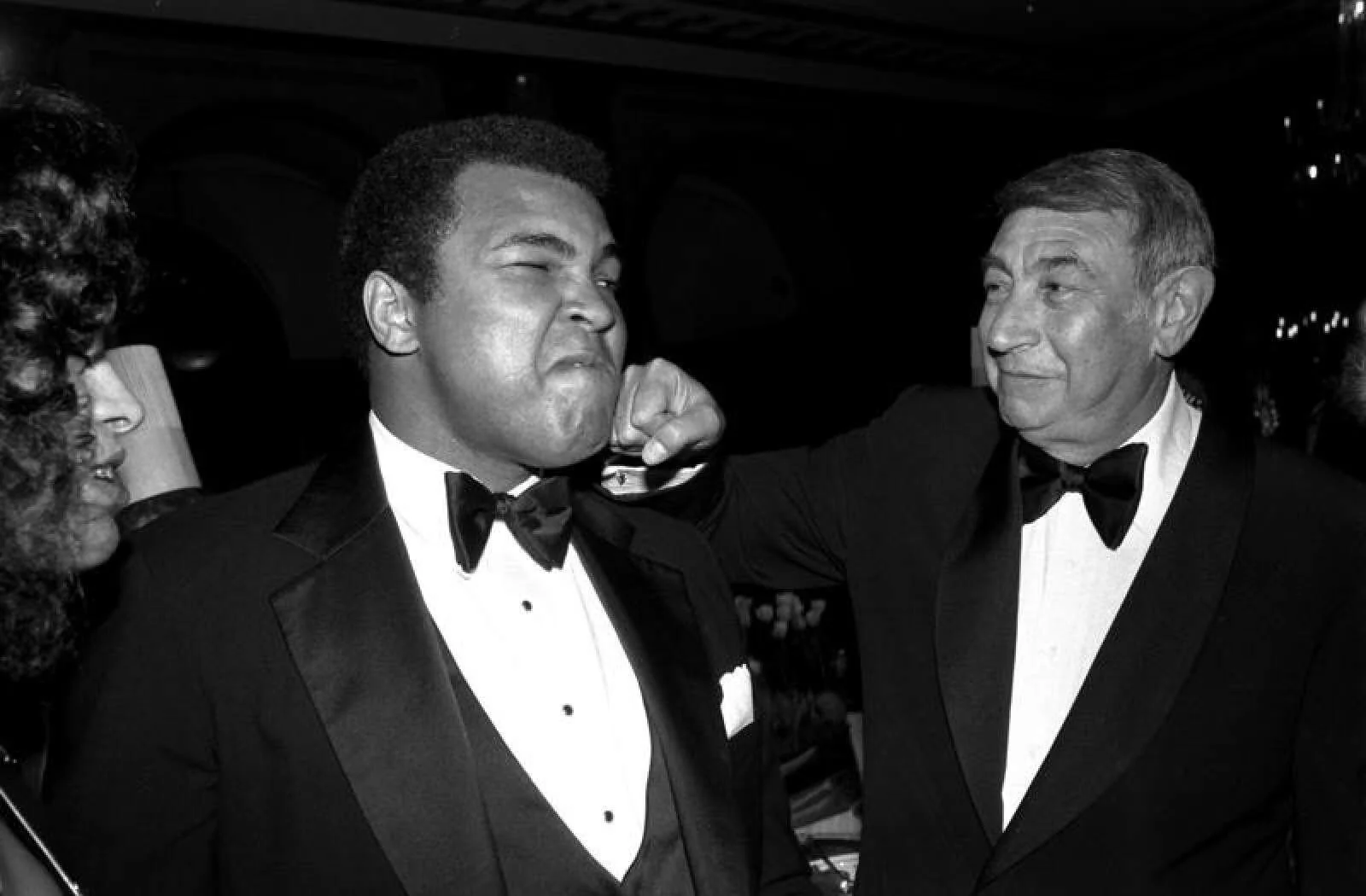
He also catches lighter moments. In Howard Cosell and Muhammad Ali, New York, 1981, the sportscaster jokingly puts his fist to the chin of the former champion at a dinner. On 11 September 2001 he also photographed people running north, away from downtown Manhattan.
In 2023 the Society of Professional Journalists named him a Fellow. Quill magazine noted that in 53 years with the AP he had covered foreign wars, Olympic Games, political races and European royalty, as well as fires, police chases and small-town heroes.
- 1946Born in the United States; grows up in Temple City, near Los Angeles
- 1968At 21, photographs the shooting of Robert F. Kennedy at the Ambassador Hotel
- 1970Joins the Associated Press in San Francisco
- 1972Moves to the AP bureau in New York
- 1993The AP portfolio of the 1992 campaign, with his Ross Perot picture, wins the Pulitzer Prize for Feature Photography
- 2001Makes The Falling Man on 11 September in Lower Manhattan
- 2023Named a Fellow of the Society of Professional Journalists
In his words
“My job is to record history, and I record history every day.”
“That you can be two hours early, but you can’t be a 60th-of-a-second late.”
“It’s all reflexive. You just do it. You just do your job.”
“I made a photographic record of someone living the last moments of his life.”
Gear
Only a few of Drew’s tools are clearly documented.
Telephoto lens: On 11 September 2001 he worked with a telephoto lens. He has said that it is why he did not see the first tower fall.
Police scanner: At 19 he bought a police scanner, so he could hear about accidents and fires and get there with his camera.
Books
September 11: The 9/11 Story, Aftermath and Legacy (The Associated Press, 2021). A book by the Associated Press about its coverage of 11 September 2001 and the years after. It includes Drew’s own account of the morning and of the reaction to The Falling Man. Good for readers who want to see how a news agency worked that day.
The Falling Man (essay by Tom Junod) (Esquire, 2003). A long magazine essay by Tom Junod about Drew’s picture and the search for the man in it. It is not a book, but it is the best known text about the photograph. For readers who want to understand why one frame mattered so much.