AT A GLANCE
- Known for
- Documentary pictures of South Africa from the 1960s to 2018, including On the Mines, Some Afrikaners Photographed, In Boksburg and The Transported of KwaNdebele
- Works in
- Black and white for most of his career, with colour in later work · series, portraits and photographs of buildings and landscapes
- Also
- Founded the Market Photography Workshop in Johannesburg in 1989 · his archive is held by Yale University
- Awards
- Hasselblad Award (2006), Henri Cartier-Bresson Award (2009), ICP Infinity Award (2013), Commandeur des Arts et des Lettres (2016)
- Start with
- Structures of Dominion and Democracy (Steidl, 2018)
- Links
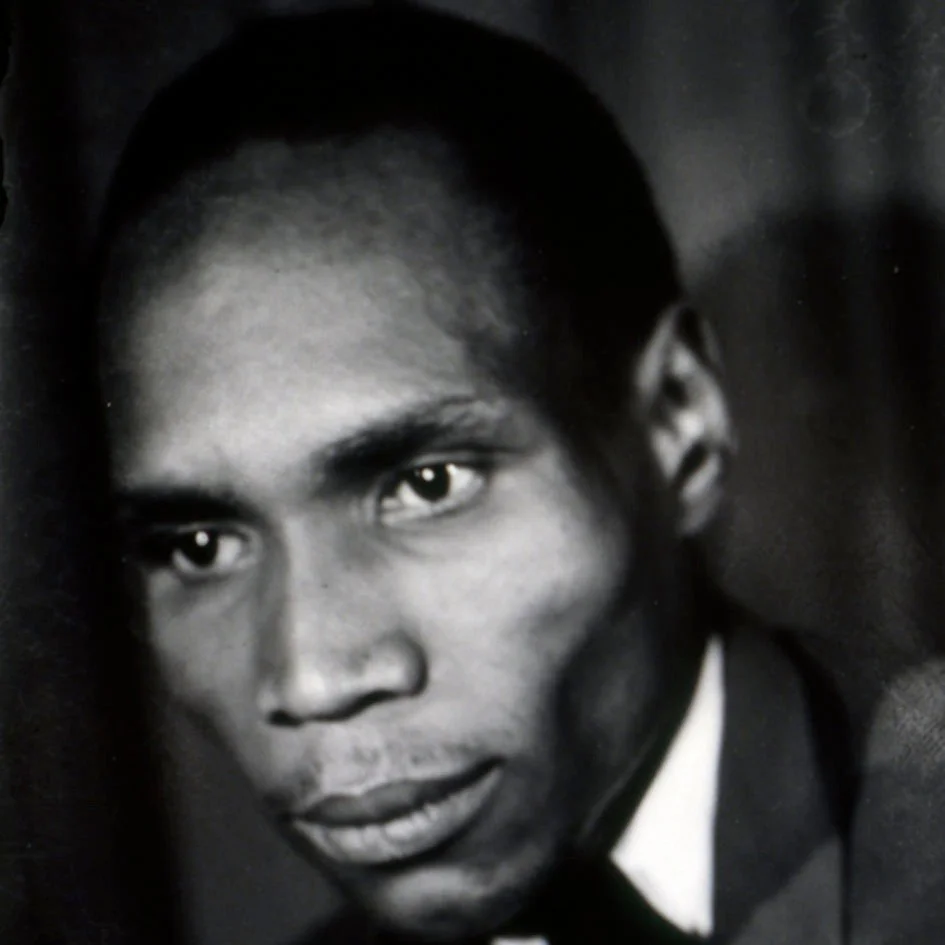
David Goldblatt (1930 to 2018) was a South African photographer. He was born in Randfontein, a mining town near Johannesburg, and photographed his country for about seventy years. He is known for series such as On the Mines, Some Afrikaners Photographed and In Boksburg. Goodman Gallery says he was drawn to the quiet and commonplace. He also photographed buildings and landscapes, and he founded the Market Photography Workshop in Johannesburg.
The story
On 15 September 1963, David Goldblatt became a full-time photographer. He was 32 years old. His father had died the year before. Goldblatt had sold the family clothing store.
But what would he photograph? He turned to people he already knew. Steidl says he began Some Afrikaners Photographed in 1963, and that the Afrikaners in the book were people he had met in his father’s store. He guessed that most of them voted for the National Party. Yet he found them, in his words, “austere, upright, unaffected people of rare generosity of spirit and earthy humor.”
The National Party was then tightening its grip on the country. Goldblatt did not follow the big events. Steidl says he looked instead at ordinary life, and that the Afrikaner press reacted with outrage to the pictures that showed rural Afrikaners. Their strength and their contradictions moved and disturbed him, Steidl adds.
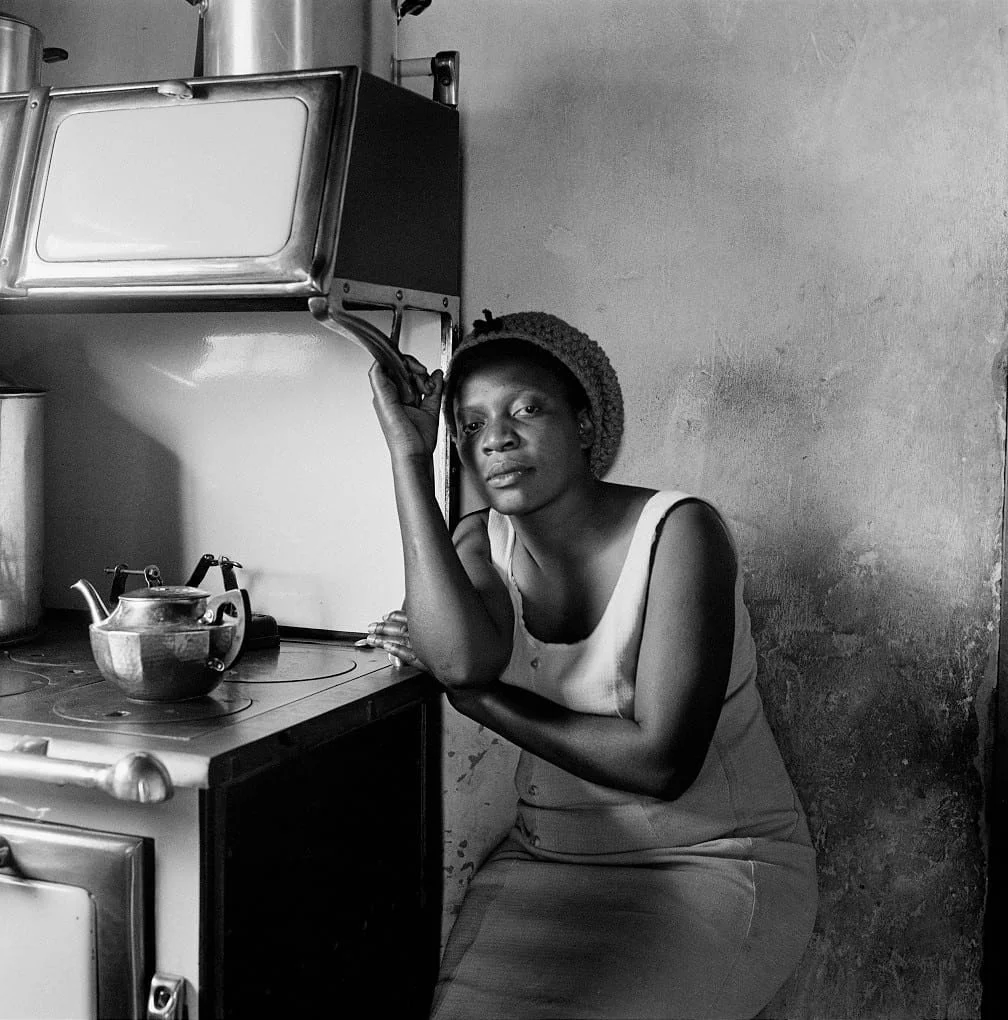
He kept to this way of looking. In 1972 he made portraits of people in Soweto. The University of Cape Town says this was a turning point in his development. Pictures such as Patience Poni visiting her parents, Ruth and Jackson Poni, 1510A Emdeni South, Soweto, 1972 come from that year.
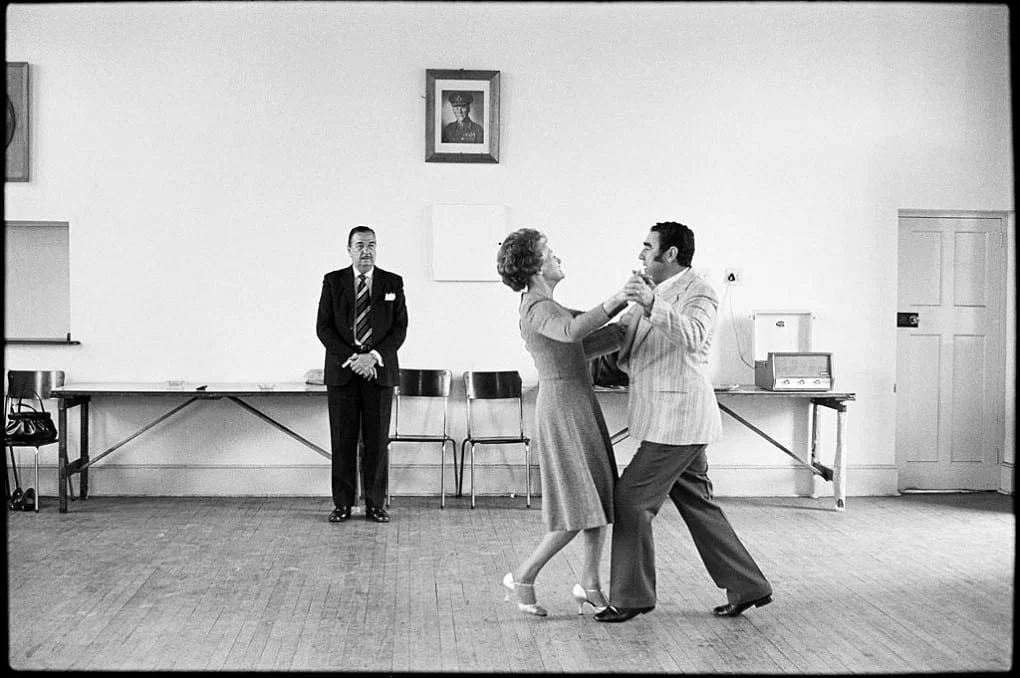
Then he turned to a white town. Between 1979 and 1980 he photographed everyday scenes in Boksburg, east of Johannesburg, in streets, shops, clubs, churches, homes and gardens. Steidl notes that Boksburg was legally white only, yet it depended heavily on black labour. One picture shows the dancing-master Ted van Rensburg, who watches two of his pupils swing to a record in a hall at the old Court House. The book In Boksburg followed in 1982.
He explained what the book was about. “We were all complicit in it. And that complicity is, I suppose, what In Boksburg is about.” Looking back at his early choices, he said it plainly. “I was drawn not to the events of the time, but to the quiet and commonplace.”
The work
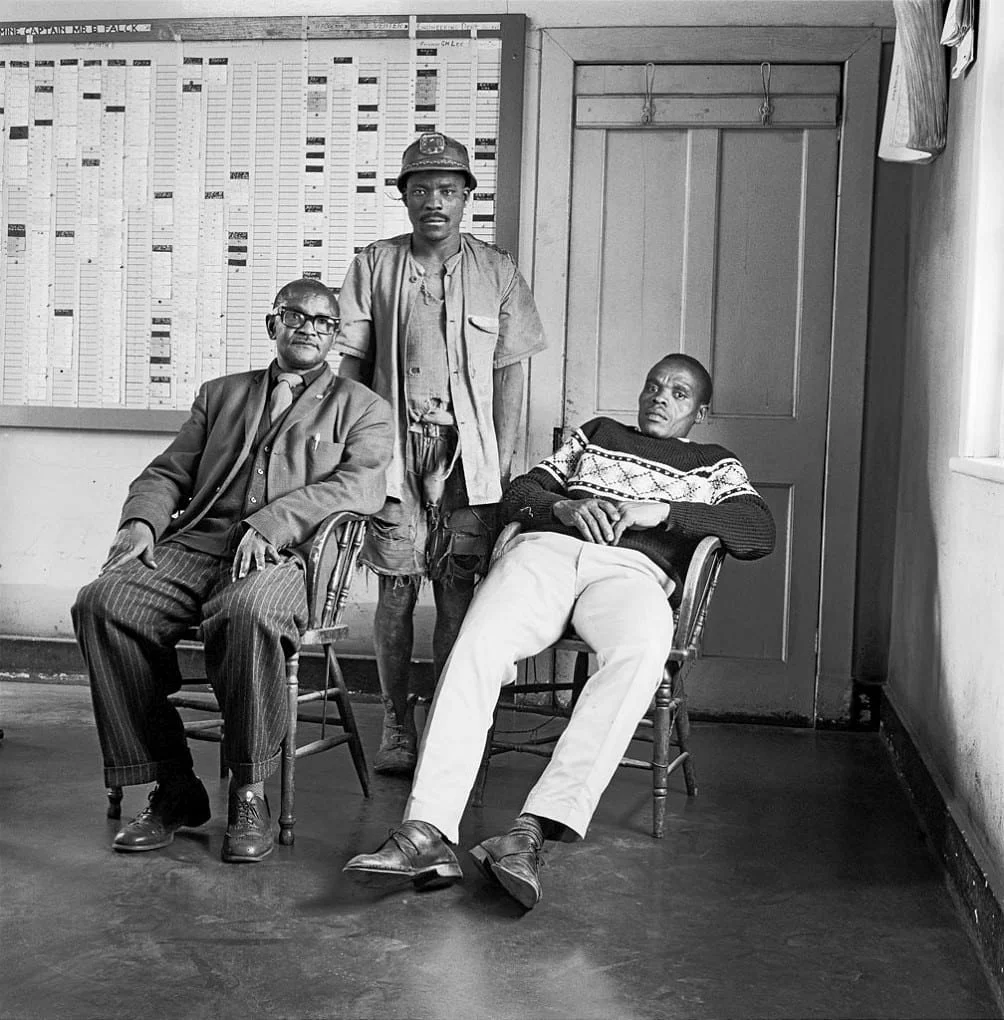
Goldblatt grew up in Randfontein, a town shaped by the gold mines around it. Steidl says that when the mines began to fail in the mid-1960s, he started to photograph them. This became On the Mines (1973), with an essay by Nadine Gordimer. A picture such as Time office clerks and a miner, City Deep Gold Mine, Johannesburg, 1966 belongs to this period.
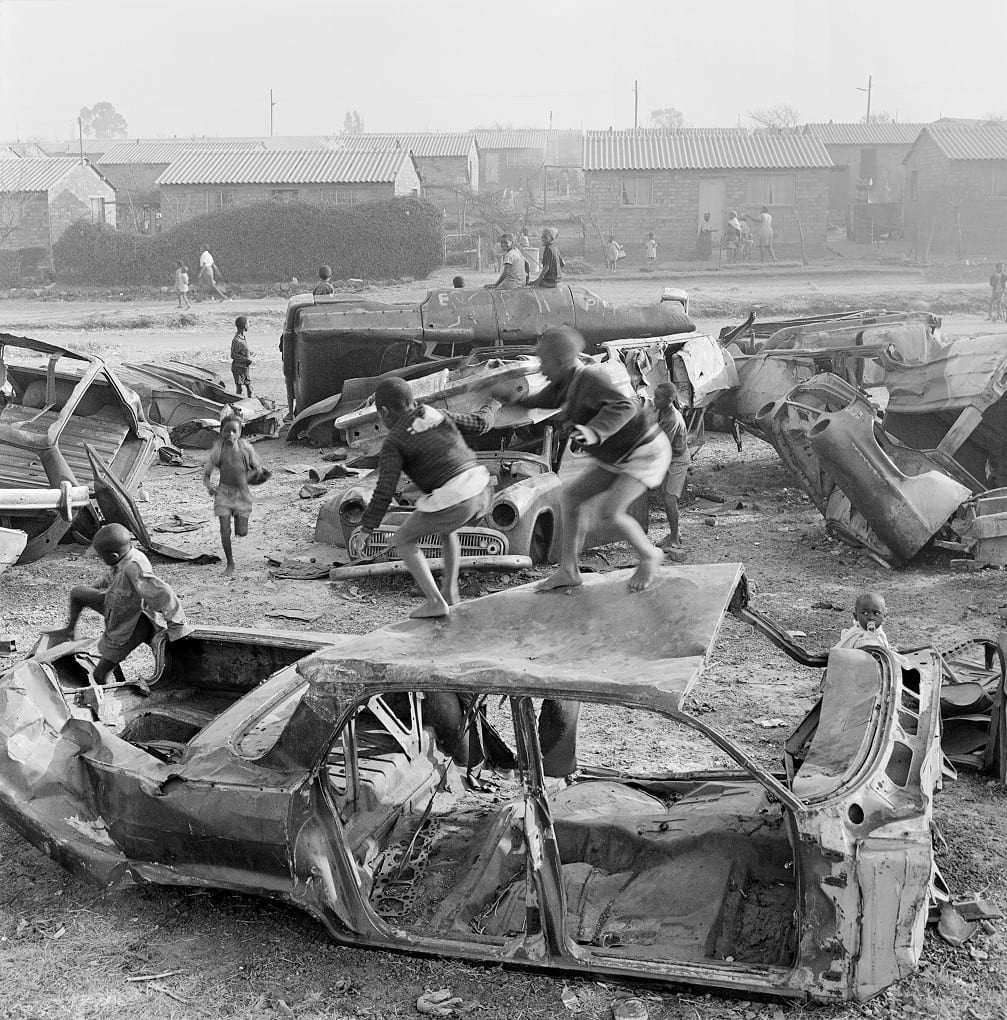
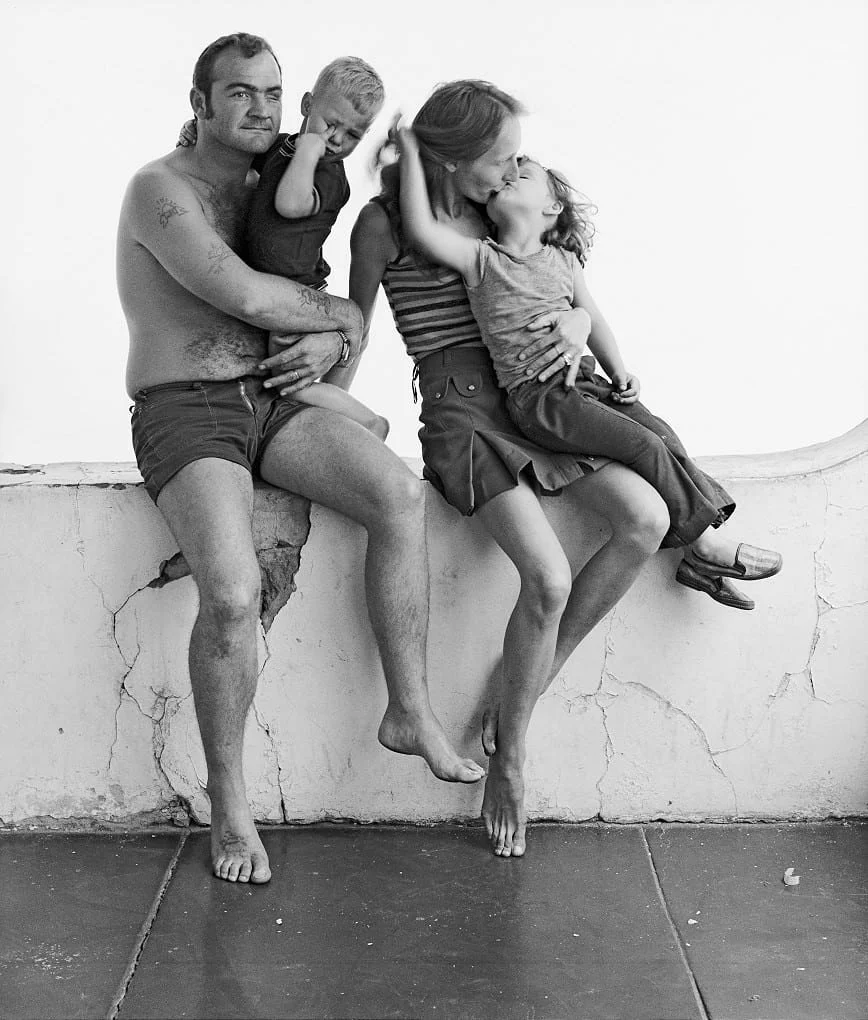
Portraits were a second thread. After the Soweto portraits of the early 1970s, Steidl says he began a quieter study of posture and body language in 1975. This became Particulars. Steidl links his eye for posture and gesture to his years in his father’s men’s outfitting store. The house-painter and his family, Pretoria Street, Hillbrow, January 1973, and Playground, Chiawelo, Soweto, September 1972, show how he worked with people in Johannesburg and Soweto in these years.
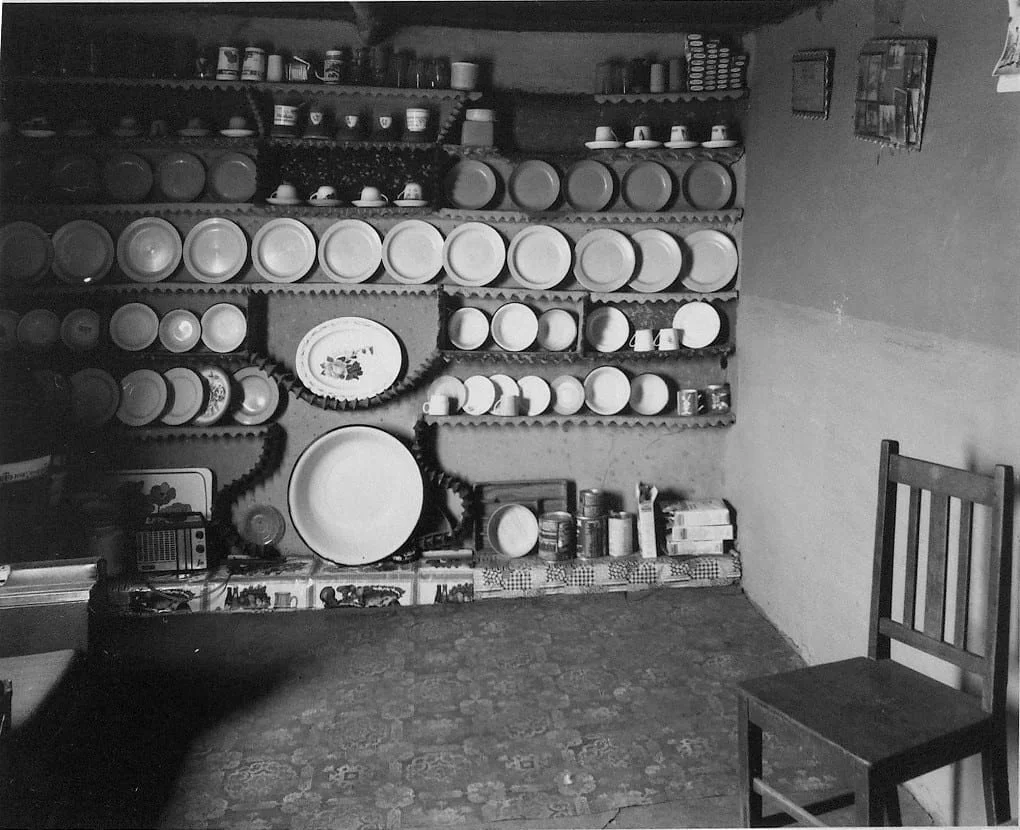
In 1989 he published The Transported of KwaNdebele. It follows workers from a homeland who took buses as early as 2:45 am to reach Pretoria by 7:00. From the 1980s he also made the Structures series, which looks at how buildings reflect political change. Interior of the foreman’s house, Sonop, Windburg, Orange Free State, 24 August 1986, belongs to the same decade. Later he made Ex Offenders at the Scene of Crime, begun in 2008, in which people who had committed crimes are photographed at the place of the crime and tell their own stories. In 1989 he also founded the Market Photography Workshop in Johannesburg, to teach young people who had been disadvantaged by apartheid.
- 1930Born in Randfontein, South Africa
- 1948Finishes school and starts to photograph; Goodman Gallery dates his work from this year
- 1963Sells the family clothing store and becomes a full-time photographer
- 1973Publishes On the Mines, with an essay by Nadine Gordimer
- 1975Publishes Some Afrikaners Photographed
- 1989Founds the Market Photography Workshop in Johannesburg
- 1998Has a solo show at the Museum of Modern Art in New York, the first for a South African
- 2006Receives the Hasselblad Award
- 2018Dies at home in Johannesburg
In his words
“I was drawn not to the events of the time, but to the quiet and commonplace.”
“The camera is a strange instrument. It demands, first of all, that you see coherently.”
“Events in themselves are not so much interesting to me as the conditions that led to the events.”
“We were all complicit in it. And that complicity is, I suppose, what In Boksburg is about.”
Gear
No camera, lens or film of Goldblatt is stated by two sources that agree, so none is listed here. These two things are documented.
A camera that makes you see clearly: Goodman Gallery quotes Goldblatt: the camera is a strange instrument, and it demands, first of all, that you see coherently. The sources do not name the camera he used.
Captions as part of the work: In an Aperture interview he says he learned from Life, Look and Picture Post, and that he offers captions in a form where they can be split. His pictures are often shown with long, exact titles.
Books
Structures of Dominion and Democracy (Steidl, 2018). This is a selective retrospective, edited by Karolina Ziebinska-Lewandowska, with essays by Ivor Powell and Ziebinska-Lewandowska and texts by Goldblatt. It brings together series such as On the Mines, Some Afrikaners and Structures. It has 344 pages and 383 images. It is a good first book for anyone who wants an overview.
Some Afrikaners Photographed (Steidl, 2020). This is a new edition of the 1975 book, with essays by Antjie Krog and Ivor Powell. It has 240 pages and 109 images. It is for readers who want to see how Goldblatt looked at the people he knew from his father’s store.
On the Mines (Steidl, 2012). A re-designed and expanded version of the 1973 book. It has an essay by Nadine Gordimer, a text by Goldblatt about his childhood, and 31 new photographs. It is for readers who like the history of the gold mines near Johannesburg.
The Transported of KwaNdebele (Steidl, 2013). First made in 1989, this edition has interviews by Brenda Goldblatt and an essay by Phillip van Niekerk, and bus riders speak in 2012. It is for readers who want a long documentary project about daily travel under apartheid.