AT A GLANCE
- Known for
- Nuit de Noël (Happy Club), 1963, pictures of Bamako’s young people at parties in the 1960s, and portraits made at his Studio Malick
- Works in
- Black and white film, at parties and clubs and in his own small studio. He developed his own negatives
- Camera
- A Brownie flash camera, his first, bought in 1956
- Also
- Nicknamed the “Eye of Bamako” · stopped photographing events in 1978 and kept working in the studio
- Awards
- Hasselblad Award (2003) · Golden Lion for lifetime achievement, Venice Biennale (2007) · Infinity Award, International Center of Photography (2008)
- Start with
- Mali Twist (Atelier EXB and Fondation Cartier pour l’art contemporain, 2017)
- Links
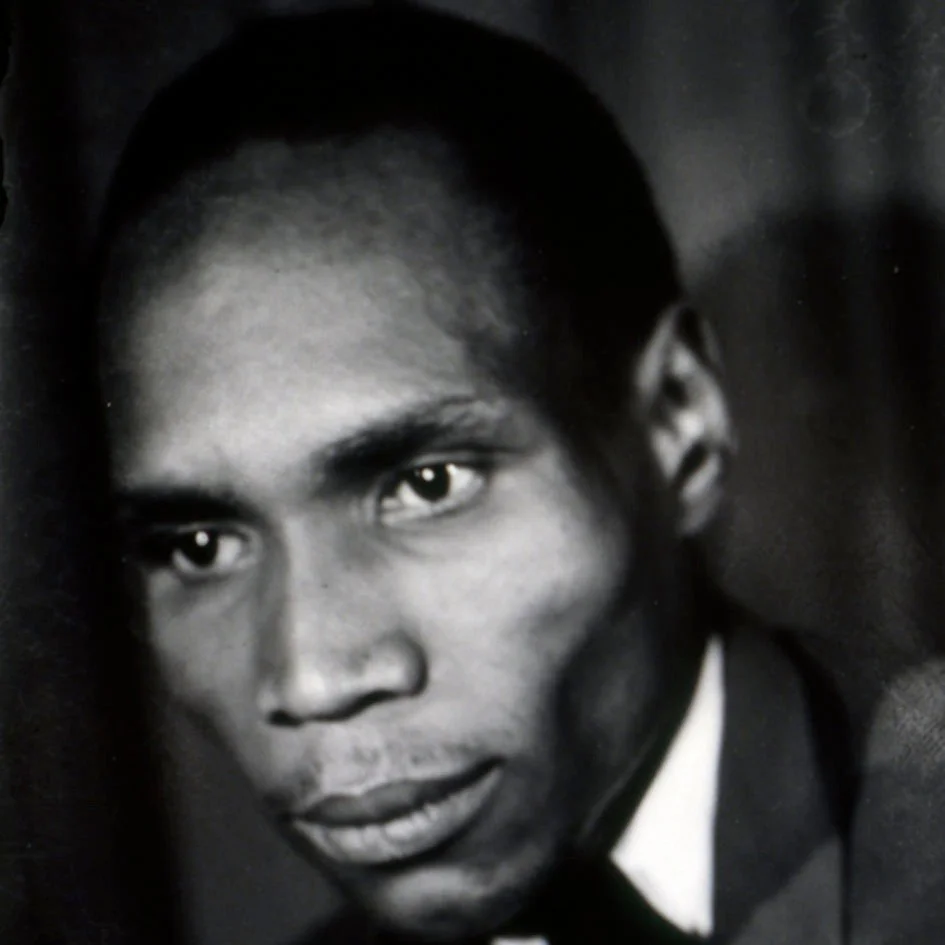
Malick Sidibé (1935 to 2016) was a Malian photographer. He was born in the village of Soloba and worked for most of his life in Bamako. He was known as the “Eye of Bamako”. In the 1960s he photographed the parties and clubs of the city’s young people, and he made portraits in his small Studio Malick. One of his best known pictures is Nuit de Noël (Happy Club), 1963, of a couple dancing close together.
The story
In 1956 Malick Sidibé bought his first camera. It was a Brownie flash. Dazed writes that he had no training and learned by watching Gérard Guillat, the French photographer he worked with in Bamako.
The flash made the difference. He later said, “Luckily, I was the only one who had a flash, so I began to take photographs of parties at night.” On Friday and Saturday nights he went out to parties. He often stayed up through the night so that the prints were ready to sell the next day.
Then the pictures went on show in his shop. He developed the film, and on Mondays and Tuesdays he hung the photos there so that young people could choose the ones they liked. “My studio was always lively because all the young people would come to see photos of the parties.”
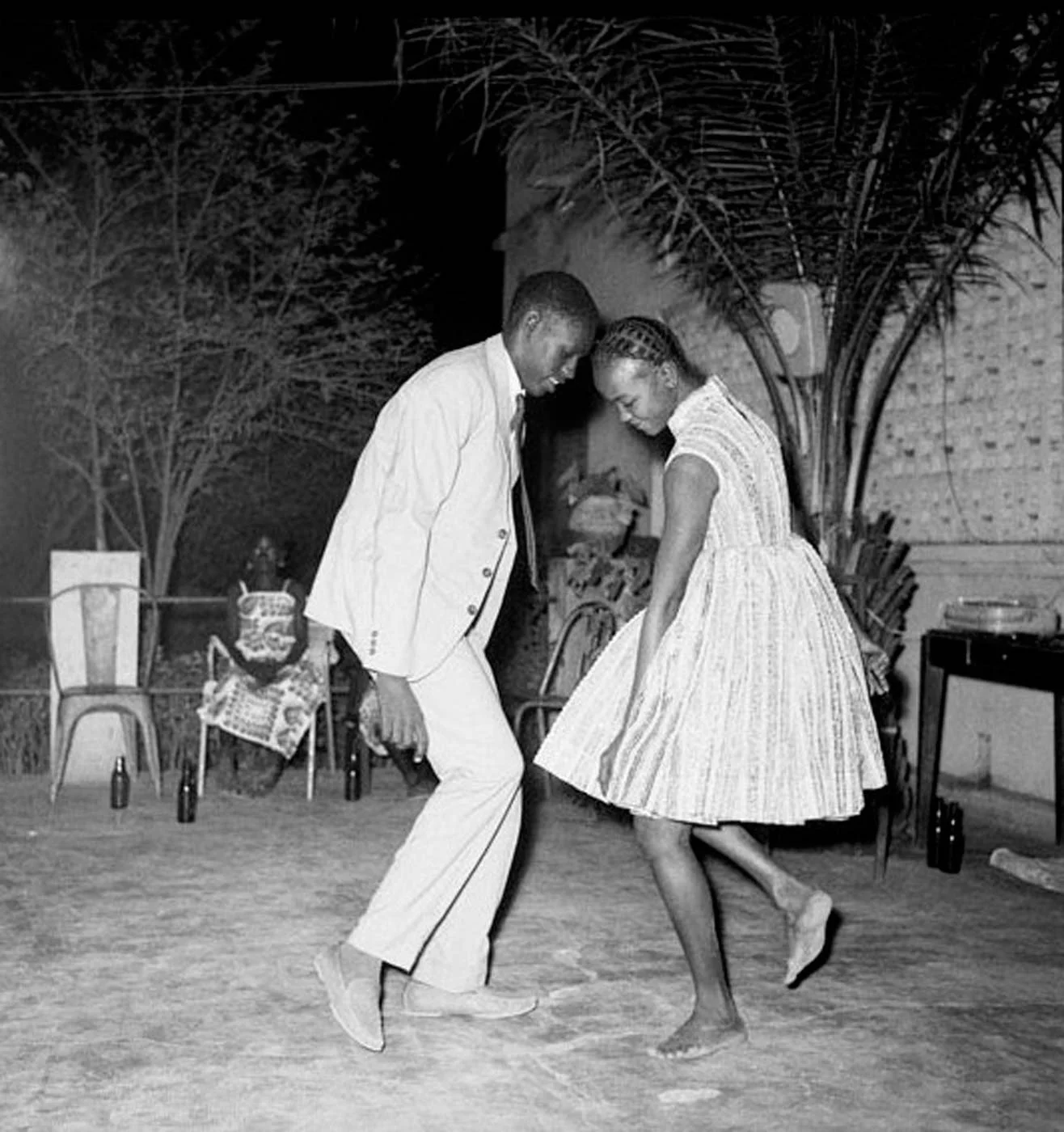
One picture from those nights became his best known. Eye magazine describes Nuit de Noël (Happy Club), 1963: a man in a white suit and a barefoot woman in a dress dance close but do not touch, both with shy smiles. Sidibé himself called it the most well known of his dancing couples, and added that it was not the one he liked the most.
He opened Studio Malick in Bamako in 1958. It was small, about three by four metres, according to the Dazed article. In 1968 he also photographed the military coup in Mali, which he felt was needed. In 1978 he stopped photographing events, but he kept working in the studio.
Recognition came later. In 1995 the Fondation Cartier in Paris showed his work in his first solo exhibition outside Africa. He received the Hasselblad Award in 2003 and a Golden Lion for lifetime achievement at the Venice Biennale in 2007. He died in Bamako on 14 April 2016. When he spoke about the 1960s, he spoke about the dance floor. “Music freed us. Suddenly, young men could get close to young women, hold them in their hands.”
The work
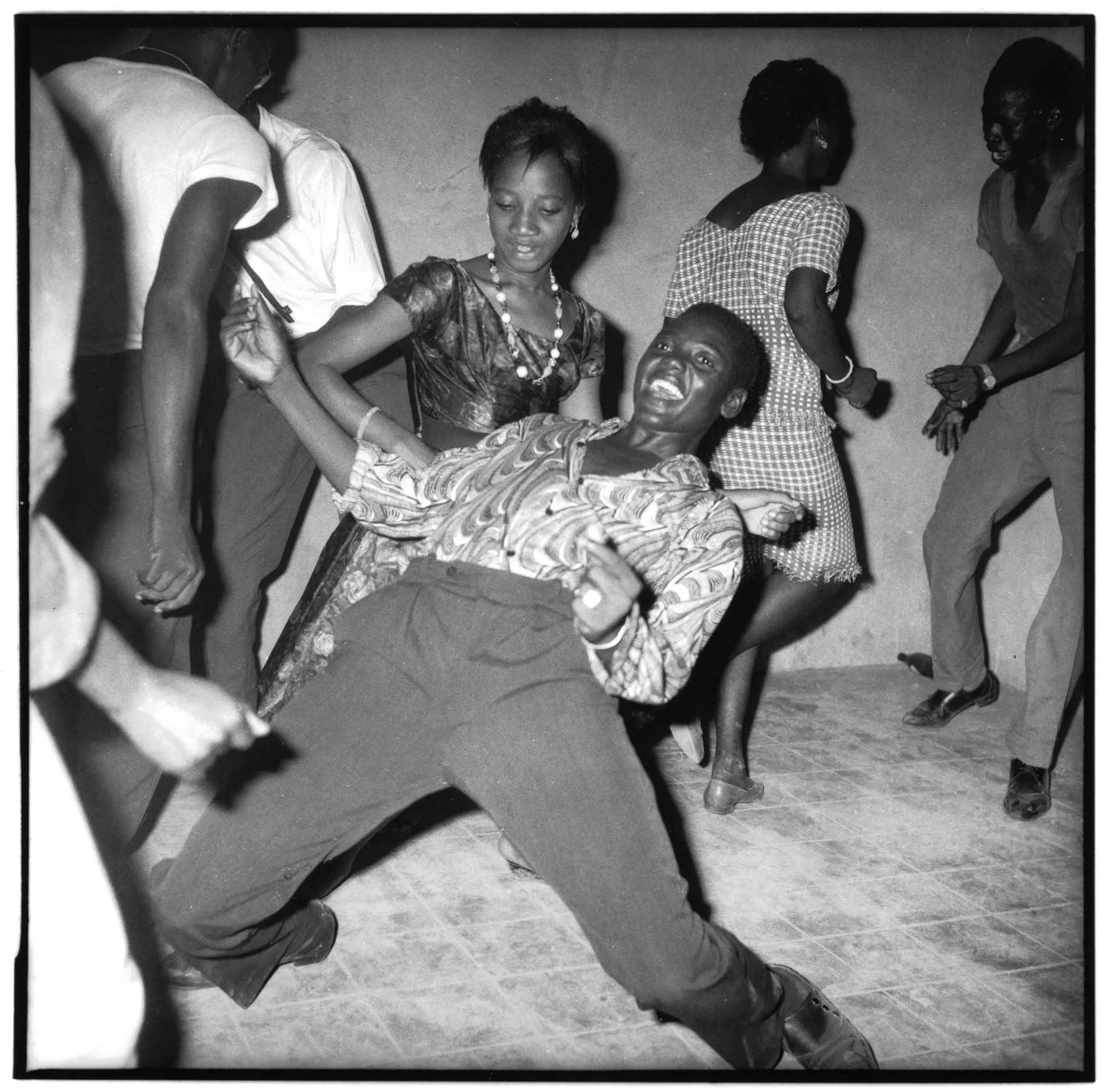
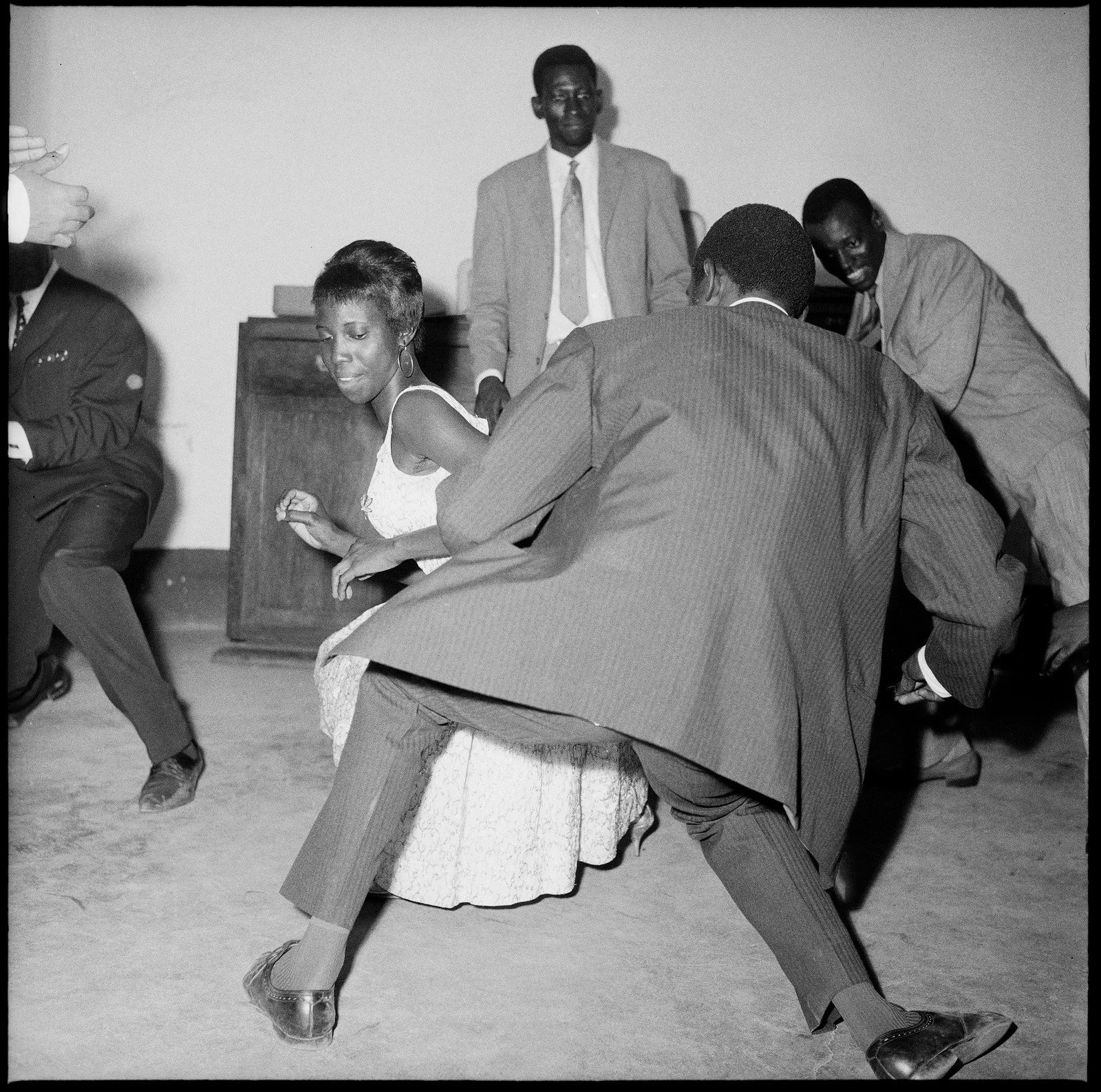
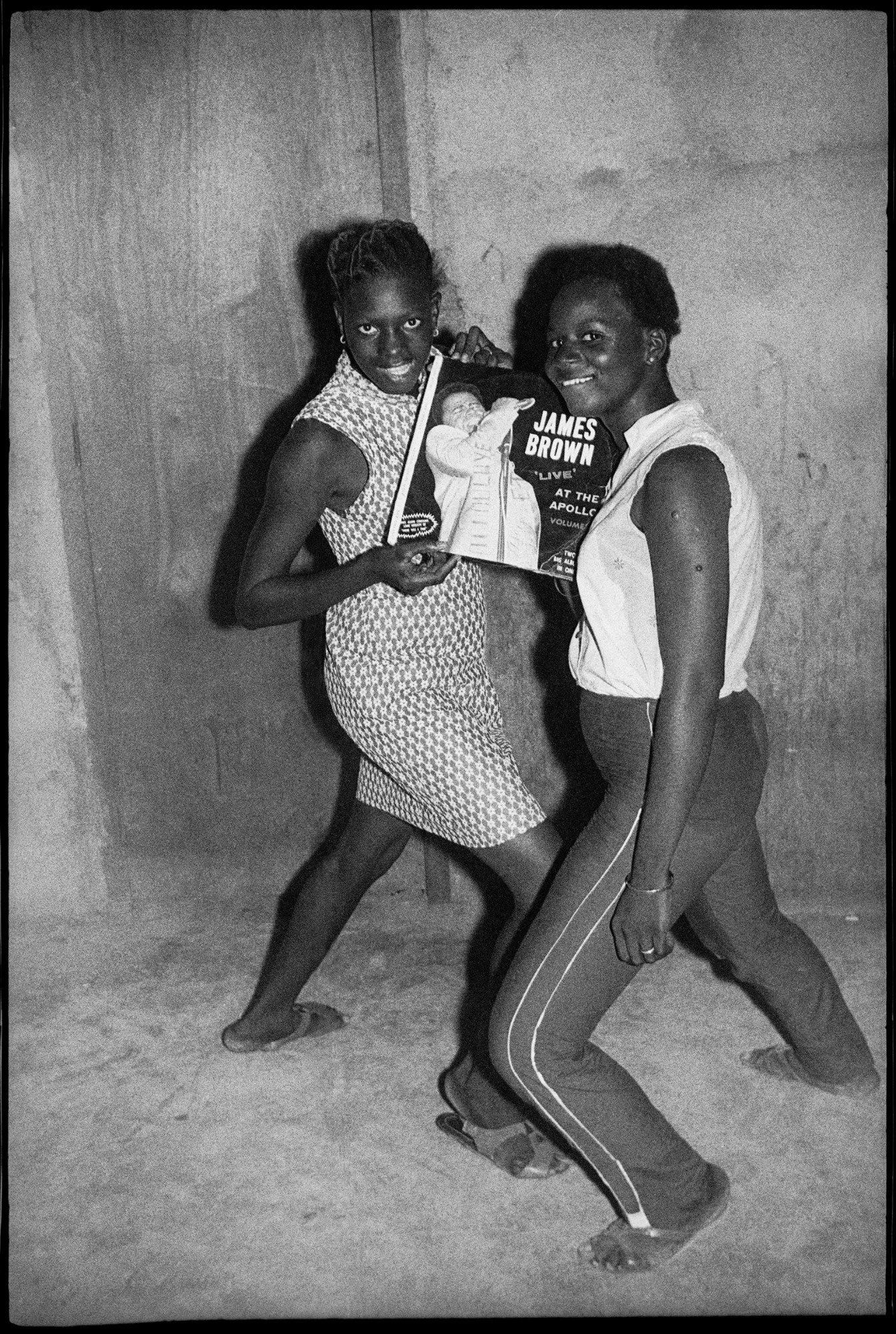
His night pictures of the 1960s are full of movement. In Regardez-moi!, 1962, a young man leans far back as he dances while others move around him. In Dansez le Twist, 1965, a couple bends low in a dance. In Les fans de James Brown, 1964, two young people pose with a James Brown record. Eye magazine notes that young people in Mali then listened to James Brown and the Beatles. The Fondation Cartier named its 2017 exhibition Mali Twist after a 1963 song by Boubacar Traoré.
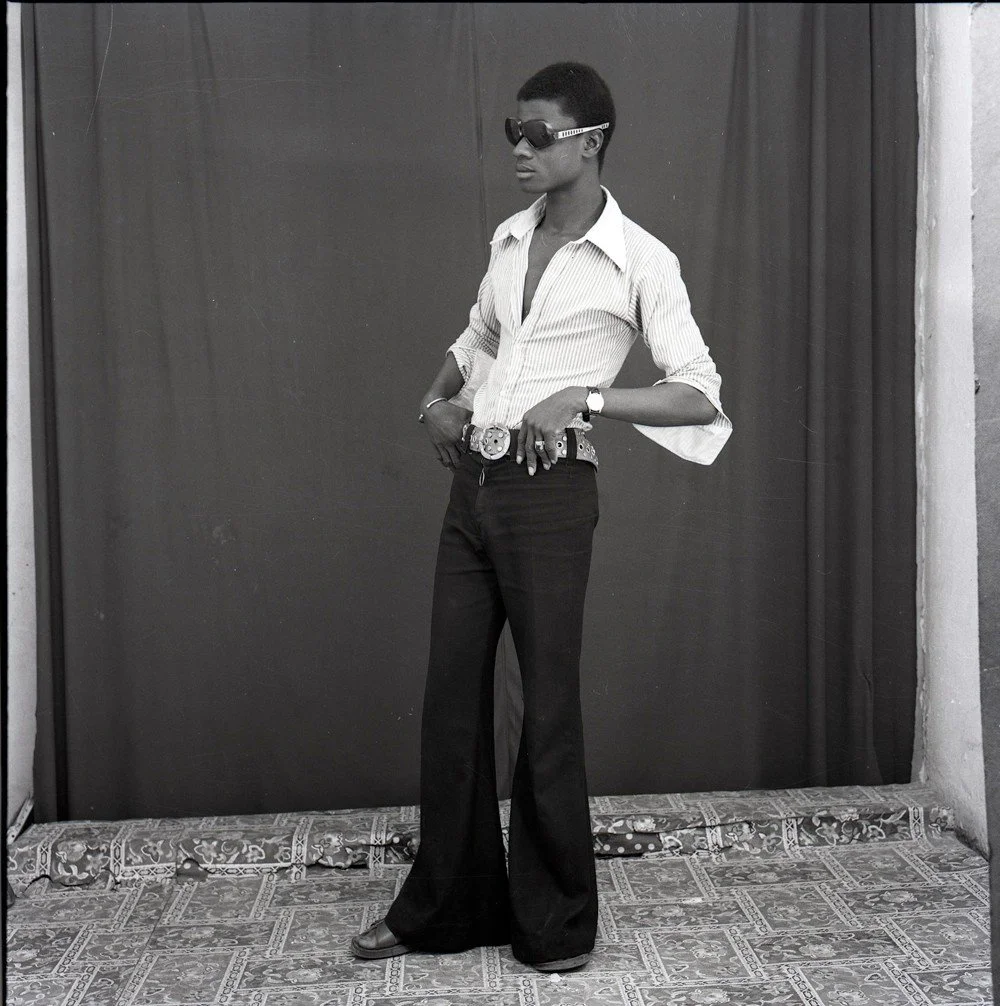
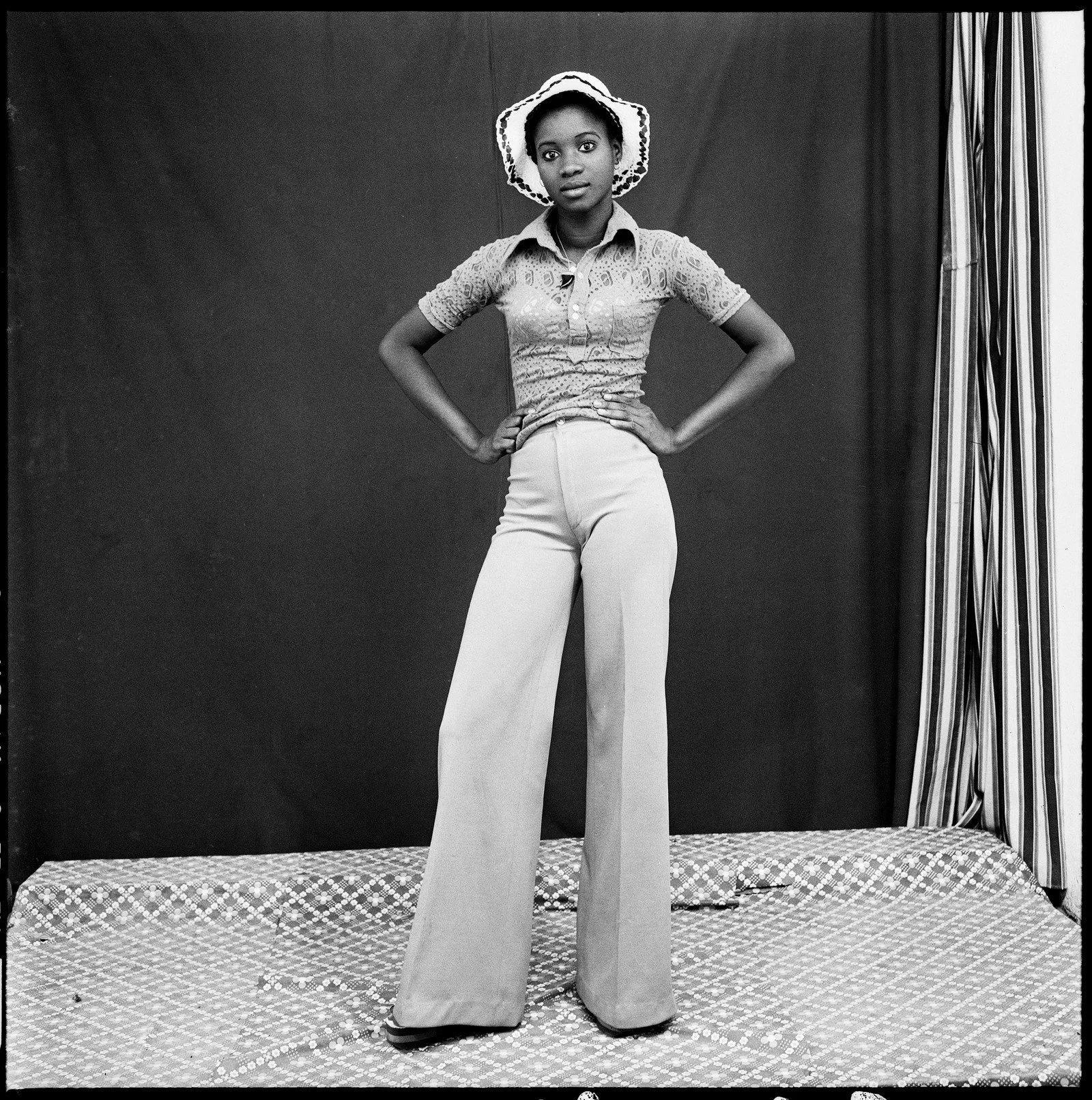
Studio Malick was a second thread. Eye magazine says that clients brought props such as hats, guitars or favourite records, and that Sidibé described the studio as a party. Dazed adds that people came with new clothes, hats, belts and radios. In Moi seul, 1974, and Mon chapeau et pattes d’éléphant, 1974, a single person stands in front of a cloth backdrop.
He also photographed along the Niger River in the 1970s, where friends swim and pose together, as Eye magazine describes. He kept his negatives. Dazed reports that he is believed to have left more than 400,000 of them. In 2016 Somerset House in London showed 45 of his prints in a show called The Eye of Modern Mali, and in 2017 the Fondation Cartier held the retrospective Mali Twist.
- 1935Born in Soloba, Mali, into a Fula family of farmers
- 1955Graduates from the School of Sudanese Craftsmen in Bamako
- 1956Works with the photographer Gérard Guillat and buys his first camera, a Brownie flash
- 1958Opens Studio Malick in Bamako
- 1963Photographs Nuit de Noël (Happy Club)
- 1995First solo show outside Africa, at the Fondation Cartier in Paris
- 2003Receives the Hasselblad Award
- 2007Receives the Golden Lion for lifetime achievement at the Venice Biennale
- 2016Dies in Bamako
In his words
“Luckily, I was the only one who had a flash, so I began to take photographs of parties at night.”
“My studio was always lively because all the young people would come to see photos of the parties.”
“Music freed us. Suddenly, young men could get close to young women, hold them in their hands.”
“Photographs are reality: they never lie, and that’s important to me.”
“Photography is like hunting.”
Gear
Only a few tools of Sidibé are documented in the sources.
Brownie flash camera: Dazed says he bought his first camera, a Brownie flash, in 1956. Eye magazine says he developed his night style at the clubs with a Brownie Flash camera.
Flash: Sidibé said he was the only one who had a flash, so he could photograph parties at night.
Own darkroom work: He said he developed all of his own negatives and kept them sorted in his studio.
Books
Mali Twist (Atelier EXB and Fondation Cartier pour l’art contemporain, 2017). This book goes with the Fondation Cartier retrospective. It has texts by Manthia Diawara, André Magnin, Brigitte Ollier and Robert Storr. It has 250 black and white photographs, among them studio portraits, party pictures and lesser known images of youth outdoors. It is a good first book for anyone new to Sidibé.
Malick Sidibé (Scalo, 1998). This earlier monograph carries a text by André Magnin, who worked with Sidibé for many years. It is for readers who want to see how his work was first presented to an international audience.
Malick Sidibé: Chemises (Steidl and GwinZegal, 2008). Chemises is the title of two of his 2008 exhibitions, at Foam in Amsterdam and at the Fondation Zinsou in Cotonou. The book appeared in the same year. It is for readers who want a focused book from a major publisher.
Malick Sidibé: Photographs (Hasselblad Center and Steidl, 2003). This book was published by the Hasselblad Center in the year Sidibé won the Hasselblad Award. It is for readers who want a catalogue linked to that prize.