AT A GLANCE
- Known for
- Black-and-white pictures of Istanbul in the 1950s and 1960s, which made him known as “The Eye of Istanbul”, plus portraits of artists and leaders and photo reports such as Aphrodisias
- Works in
- Black-and-white and colour photojournalism, reports and portraits
- Camera
- Leica cameras (no model is named in the sources)
- Also
- Worked for Hayat, Time-Life, Paris Match, Stern and The Sunday Times · made the film Hero’s End · museum in Istanbul opened on his 90th birthday
- Agency
- Magnum Photos (joined in the early 1960s)
- Awards
- Master of Leica (1962) · Photographer of the Century in Turkey (1999) · Lifetime Achievement Lucie Award (2009) · Leica Hall of Fame (2015)
- Start with
- Ara Güler’s Istanbul (Thames & Hudson, 2009)
- Links
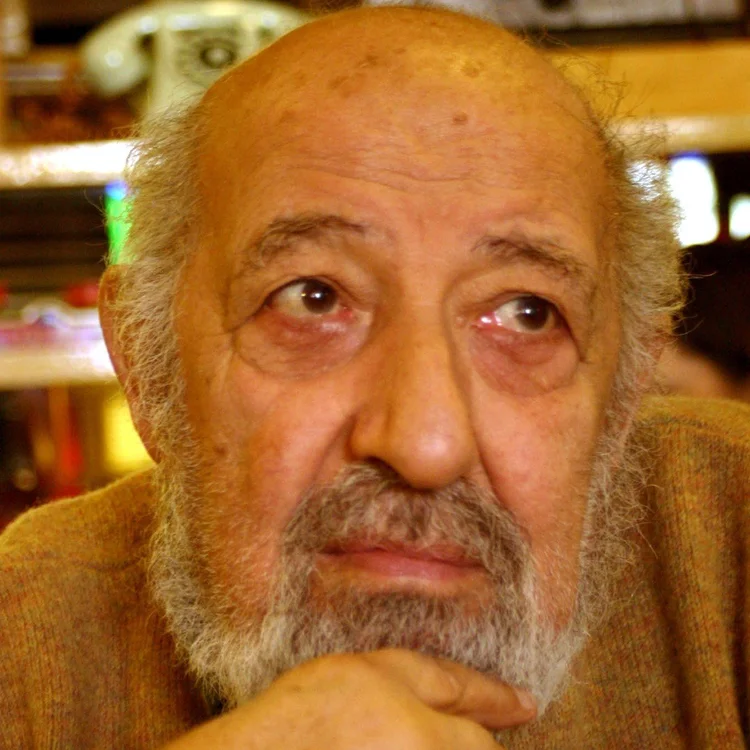
Ara Güler (1928 to 2018) was a Turkish photographer from Istanbul. People called him “The Eye of Istanbul”. He is best known for his black-and-white pictures of the city in the 1950s and 1960s, of its docks, ferries, streets and people. He also photographed artists and leaders for magazines around the world, and he joined Magnum Photos in the early 1960s.
The story
Late in the summer of 1958, Ara Güler was lost. He worked for the magazine Hayat and had gone to photograph the Kemer Dam in the Aydın region. He stayed until the light was right. After sunset he and the driver from the governor’s office lost their way back. They ended up in a village with no electricity.
The village was Geyre. Güler later remembered that people there were playing on stones from the Roman period. Then came the morning. “In the morning I wandered around the village and children showed me the ruins.”
He was a young photojournalist then. He had started at the newspaper Yeni İstanbul in 1950 and had worked for Time and Life since 1956. A wrong turn on a dark road was not part of any plan.
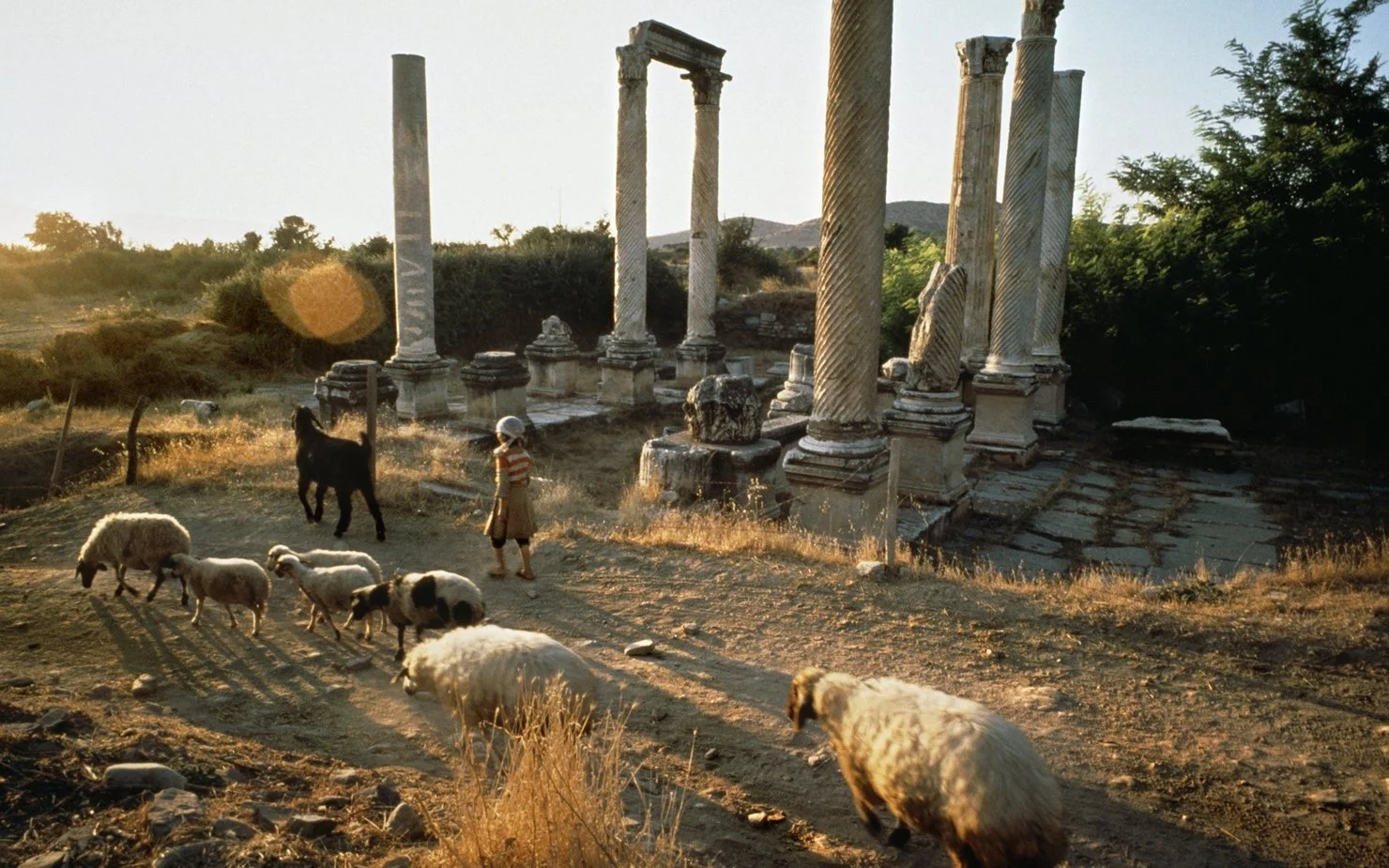
But he knew what to do with it. He took pictures, and the report on Aphrodisias, the ancient city under and around Geyre, appeared in Architectural Review in 1961 and then in other international journals. According to Anatolian Archaeology, the pictures reached archaeologists such as Kenan Erim, and systematic excavations began in 1961. Güler saw his own part in it clearly. “If I had not stumbled upon it, the ancient city of Aphrodisias would not have been discovered.”
He kept going back. From the 1960s he visited Geyre and Aphrodisias again and again. His museum says he documented how the area changed from a village into a UNESCO World Heritage Site.
He did not call himself an artist. He called himself a photojournalist. In 2012 he said: “We record our period and leave it to the next generation.”
The work
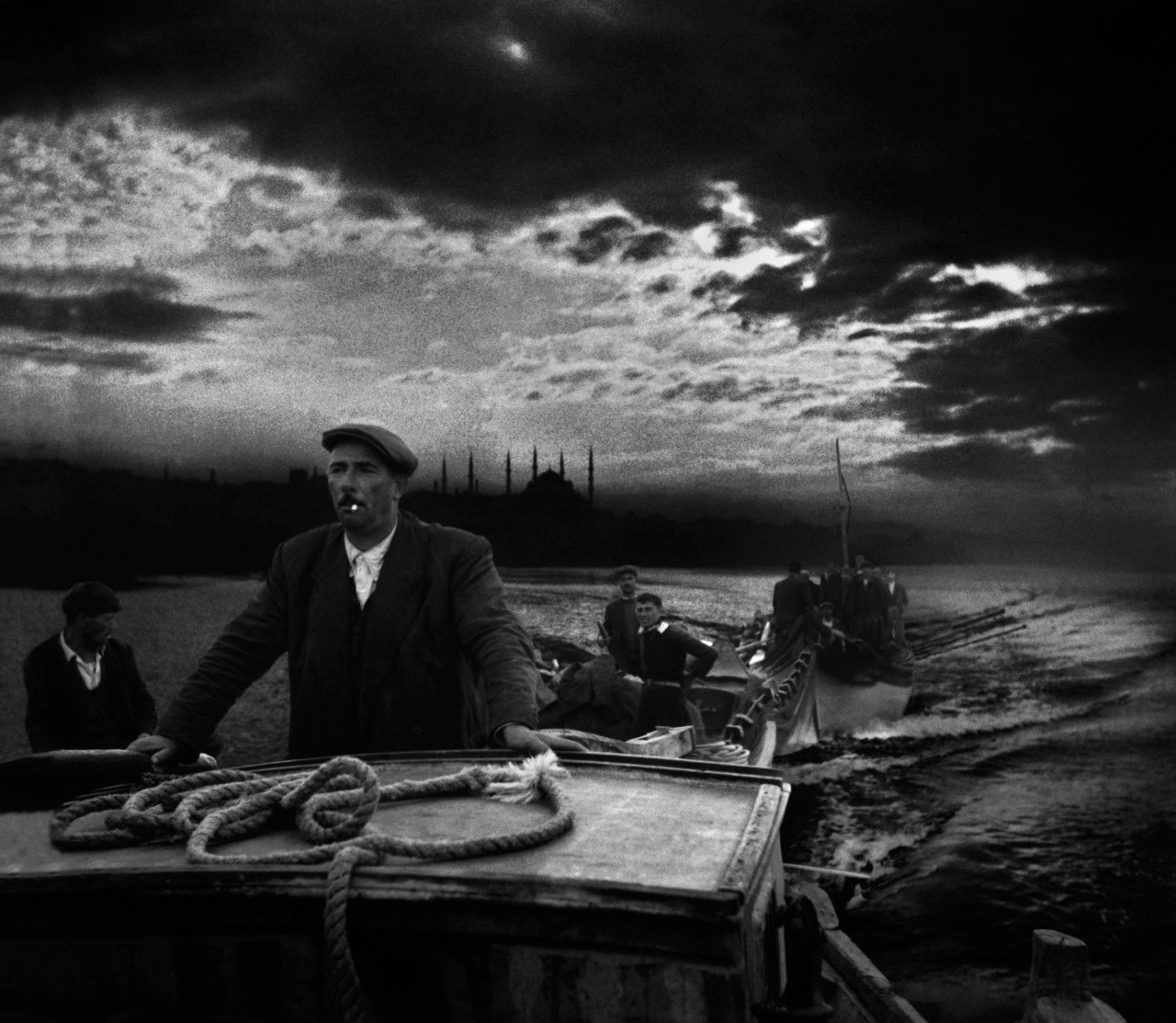
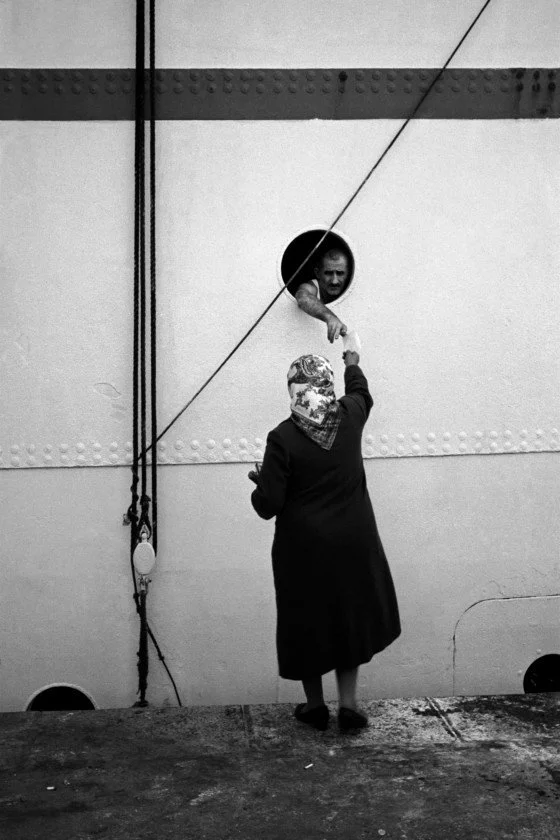
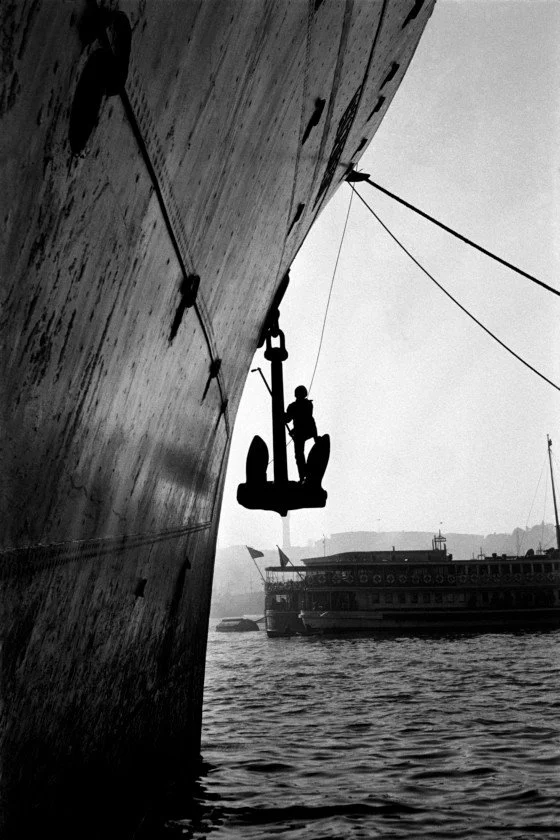
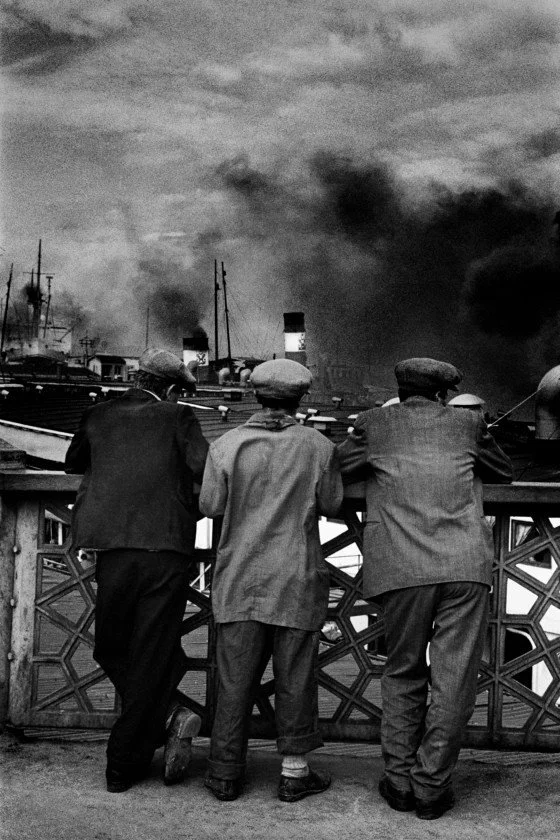
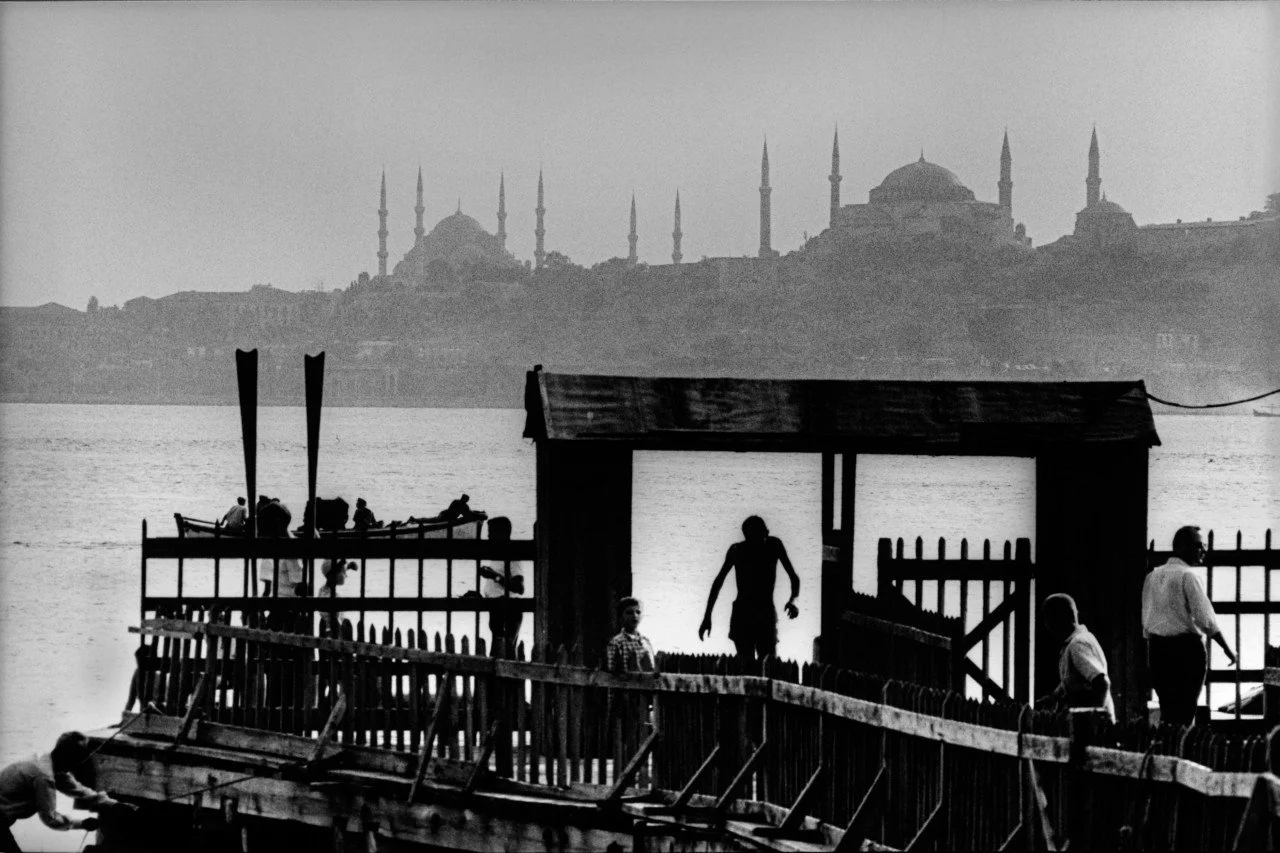
Istanbul was his main subject. In May 1952 the Armenian newspaper Jamanak ran his series about the fishermen of Kumkapı over seven days. After that he went back to Kumkapı often, because he knew the old harbour and houses would disappear. They were pulled down once a new coast road was begun in 1956. Magnum says his black-and-white photographs of his hometown, its people, streets and docks are, for many, his greatest work. You can see it in Kumkapi fishermen returning to port in the first light of dawn, 1950, and in Saying good-bye on the Galata quay, 1955, where a woman reaches up to a man in a ship’s porthole. The man painting the anchor of a boat, Karaköy, 1954, Provincials looking at the boats from Galata bridge, 1956, and Salacak landing-stage and Istanbul silhouette, 1968, show the same port city. LensCulture describes his Istanbul as melancholy and fog-shrouded, lit by streetlights, rainy pavements and the lights of ferries.
Portraits were a second thread. Güler said, “Our world was created by artists: I looked for them everywhere and took their photographs.” His subjects included Pablo Picasso, Salvador Dalí, Bertrand Russell and the Turkish writer Yaşar Kemal. Leica adds Marc Chagall, Alfred Hitchcock, Willy Brandt, Maria Callas, Indira Gandhi and Winston Churchill. His photograph of Picasso was used on the cover of a book that the publisher Skira made for Picasso’s 90th birthday.
He also made long reports. His pictures helped the world to know Mount Nemrut, and he told the Anatolia news agency that he climbed it for nine hours on a mule. A report on Noah’s Ark was sent by Magnum to more than 100 publications. In 1974 he travelled to the United States and photographed well-known Americans for the show Creative Americans. He also made an experimental film, Hero’s End, about the breaking up of the battleship Yavuz, and took part in the Day in the Life project in Indonesia, Malaysia and Brunei from 1989. In his last years he met fans and young photographers at Ara Kafé in Galatasaray.
- 1928Born in Istanbul, to Armenian parents
- 1950Starts as a photojournalist at the newspaper Yeni İstanbul
- 1952Jamanak newspaper runs his series on the fishermen of Kumkapı
- 1958Gets lost near the Kemer Dam and makes his first pictures of Geyre and Aphrodisias
- 1961Meets Henri Cartier-Bresson and joins Magnum Photos; named one of the world’s seven best photographers
- 1962Leica magazine names him Master of Leica
- 2018His museum opens in Istanbul on his 90th birthday, 16 August
- 2018Dies in Istanbul on 17 October
In his words
“We record our period and leave it to the next generation.”
“Many photographers reproduce an image. But one has to show movement, living people.”
“Our world was created by artists: I looked for them everywhere and took their photographs”
“First I would befriend them and only then begin my reportage.”
“A good photographer must have a love for people.”
Gear
The sources do not name a camera model, but they agree on the brand. These things are documented.
Leica cameras: Leica’s own Hall of Fame page says he made his Istanbul pictures using his Leica. The Ara Güler Museum says he got his first Leica early and kept buying and replacing Leica cameras for the rest of his life. In 1962 Leica magazine named him Master of Leica.
A modest, affordable camera: In 2012 he told the Anatolia news agency that he owned more than 50 cameras. He said he did not use an expensive camera of 8,000 dollars, but one of 600 dollars, and liked the result.
Books
Ara Güler’s Istanbul (Thames & Hudson, 2009). This hardback has 184 pages and 153 illustrations of daily life in Istanbul from the 1940s to the 1980s. The foreword is by the writer Orhan Pamuk, who was also born in Istanbul. It is a good first book for anyone who wants to see the city through his eyes.
Fishermen of Kumkapı (Ara Güler Museum, 2024). This 168-page book follows his 1952 series on the Armenian fishermen of Kumkapı. It has essays by Ara Koçunyan and Levon Bağış and a text by Vartan Ozinyan, with unpublished photographs, contact sheets and other papers. It is for readers who want to see how a young photojournalist worked.
Aphrodisias (Ara Güler Museum, 2018). The book was made for the museum’s second exhibition, in Turkish and English, with texts by Güler and the archaeologist R.R.R. Smith. It tells how he reached Geyre in 1958 and shows his later visits. It is for anyone who likes the story of a photo report and a place.
Ara Güler Archive Series: Black and White Istanbul (Ara Güler Museum, 2022). This small book of 48 pages has a preface by the writer Onat Kutlar and photographs by Güler. It is a short, easy way in for readers who want only his black-and-white city.