AT A GLANCE
- Known for
- Red-Color News Soldier (2003), his book of Cultural Revolution pictures from Harbin, many of them hidden for decades
- Works in
- Black and white news and documentary photography
- Also
- Photographer at the Heilongjiang Daily (from 1963) · head of its photography department from 1972 · taught photography at a university in Beijing from 1982 · represented by Contact Press Images since 1999
- Awards
- Top prize for the series Let the Past Speak to the Future, Beijing (1988) · Olivier Rebbot Award, Overseas Press Club of America (2004)
- Start with
- Red-Color News Soldier (Phaidon, 2003)
- Links
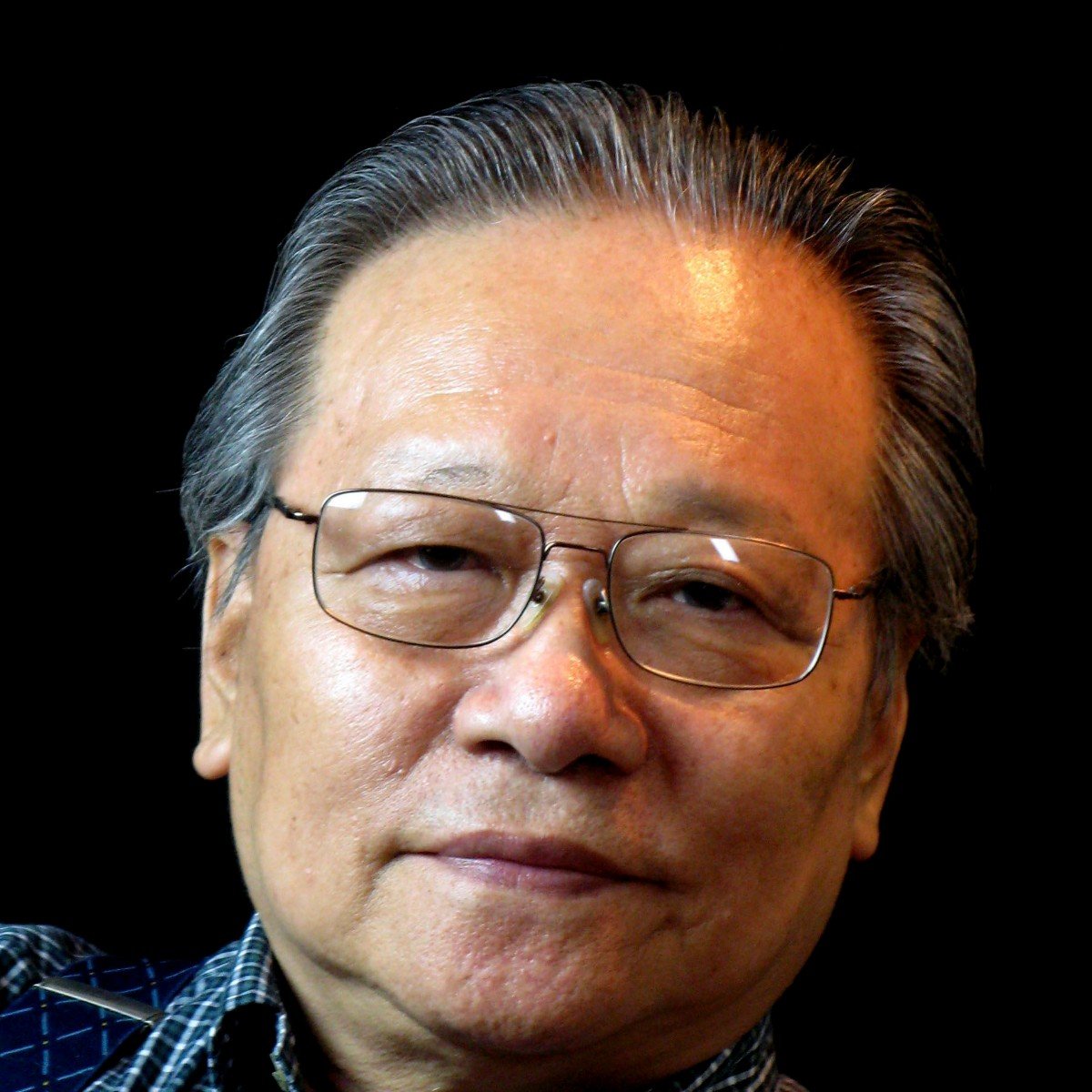
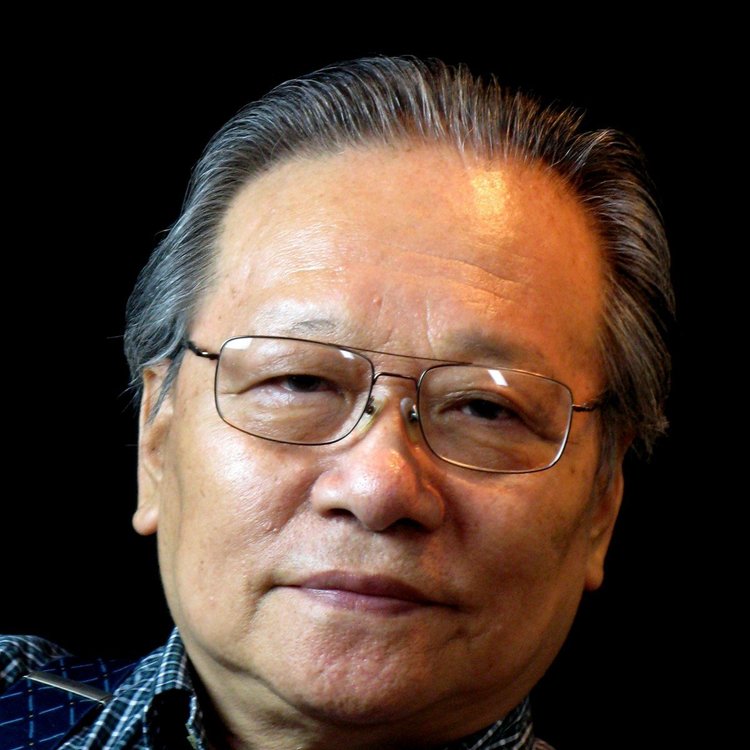
Li Zhensheng (1940 to 2020) was a Chinese photojournalist. He was born in Dalian and worked for the Heilongjiang Daily in Harbin. During the Cultural Revolution he made the pictures his newspaper needed, and he also made others in secret. He hid many negatives for decades. They became the book Red-Color News Soldier (2003), one of the fullest visual records of that time outside Beijing.
The story
Li Zhensheng stayed in the newspaper office in Harbin until he was alone. Then, late at night, he hid negatives in secret places in his desk. Later he took them home, where they lay under the floorboards.
These were pictures the paper had not asked for. Li was a young photographer at the Heilongjiang Daily, a local paper in northeastern China. When Mao started the Cultural Revolution in May 1966, Li wore an armband that read Red-Color News Soldier. It gave him extraordinary access to official events. “I was excited like everyone else,” he told The New York Times in 2003. “The happiness was real. We felt lucky to be living the moment.”
But the excitement soon gave way to worry. In Heilongjiang he saw Red Guards ransack churches and temples, burn scriptures and criticize monks. So he began to keep a second record next to the official one. “I realized that I had to document this tumultuous period,” he wrote.
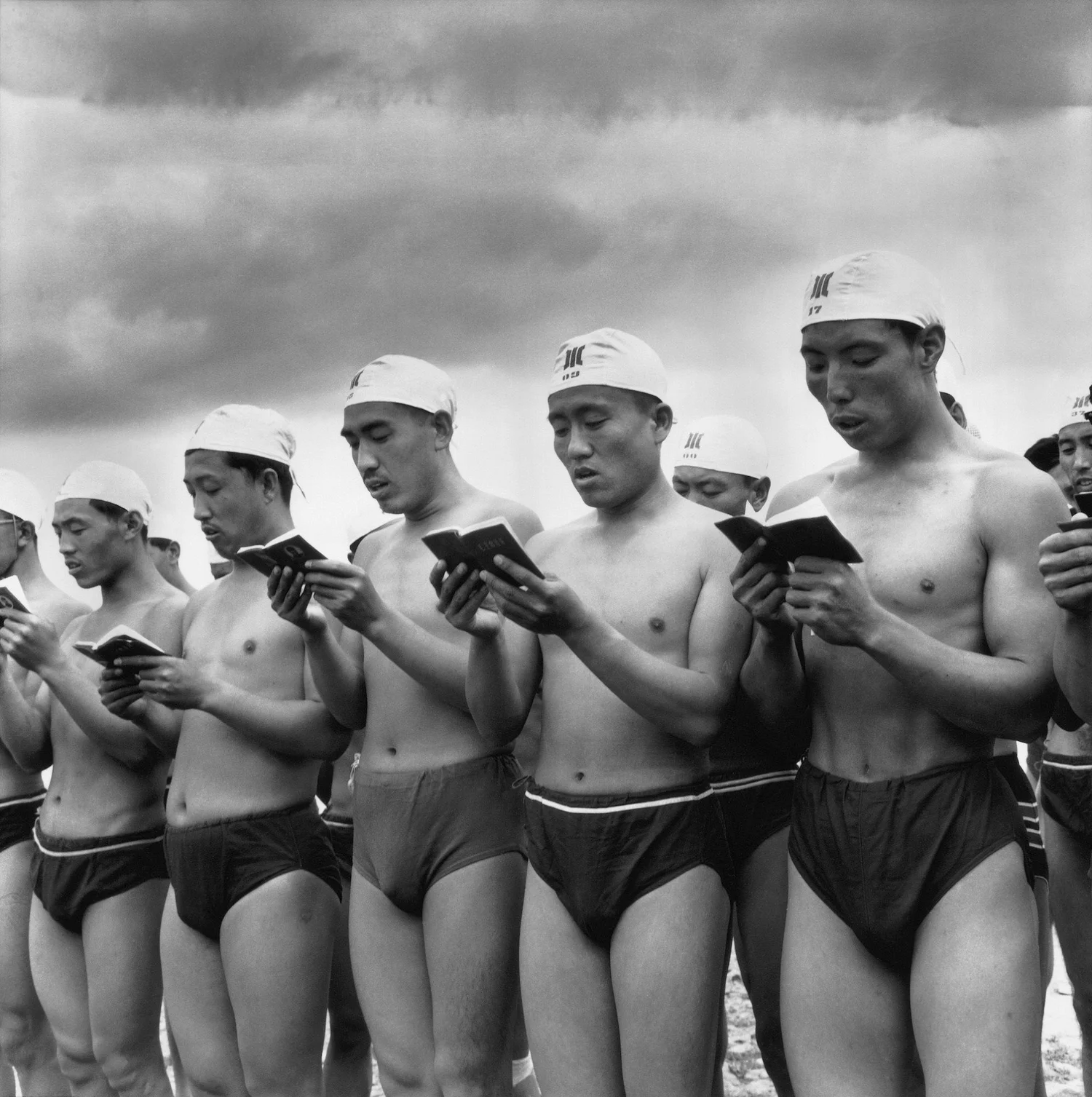
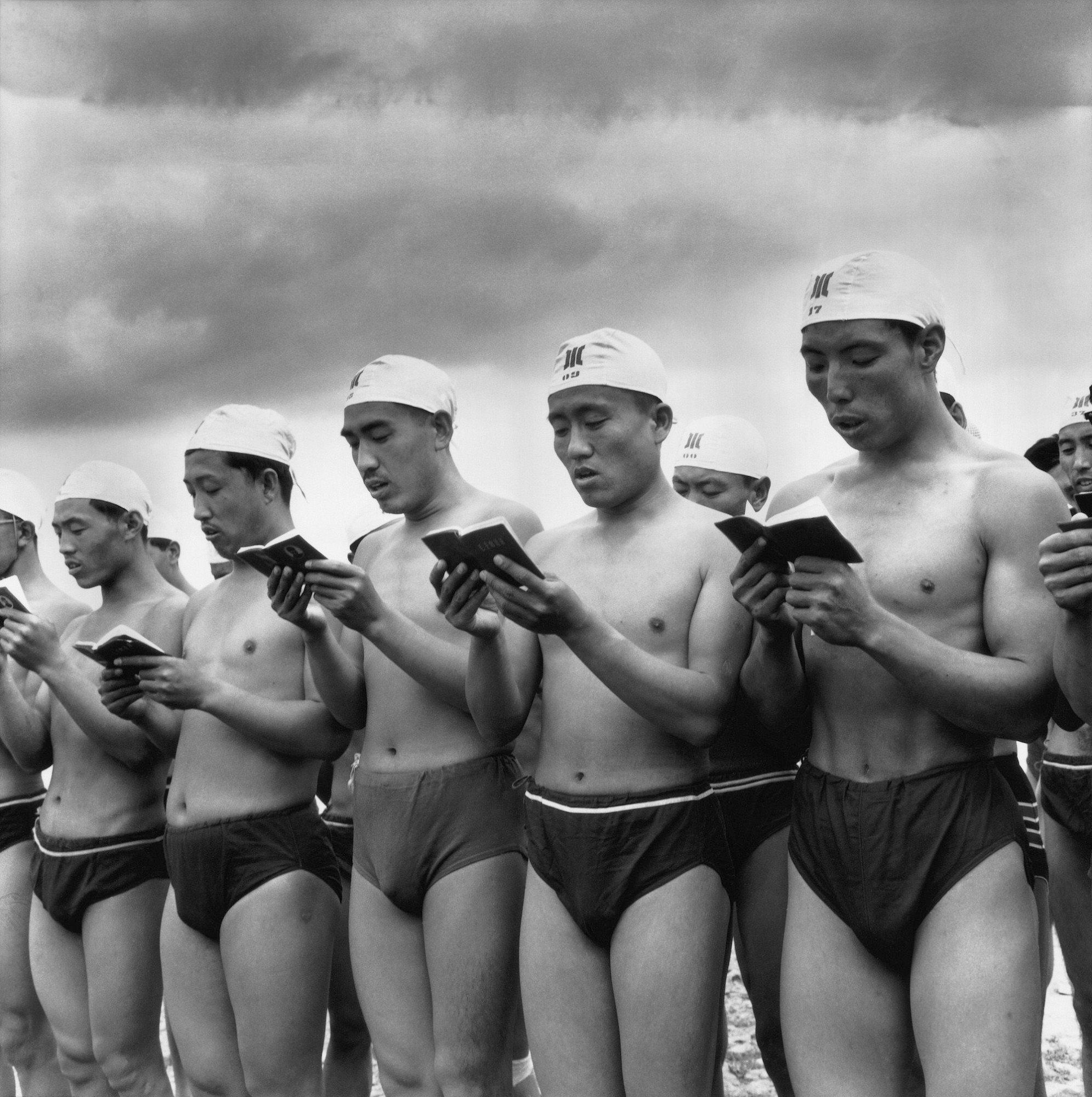
He still delivered what the paper needed. In July 1968 he photographed men in swimming trunks who read from Mao’s words before a swim in the Songhua River. It was an official event, held to remember Mao’s famous swim in the Yangtze.
The danger was real. In 1968 Li was accused of being a “new bourgeois.” He was criticized before 300 employees of the newspaper for more than six hours and was demoted. The next year he and his wife, Zu Yingxia, were sent to the countryside for hard labor. They came back to Harbin in 1971. The negatives had stayed hidden.
After Mao died in 1976, it still took years. In 1988 Li showed 20 of his hidden pictures in Beijing for the first time. The series, Let the Past Speak to the Future, won the top prize in the competition. That year he also met Robert Pledge of Contact Press Images. Later Li delivered about 30,000 small envelopes to the agency’s New York office. Each held one negative, with a caption in his own calligraphy. From 2000 to 2003 a small group met nearly every Sunday to piece the history together, and they even listened to Li sing revolutionary songs of the time.
The book came out in 2003. In 2018 the first Chinese-language edition was published in Hong Kong. Li knew what had driven him, and he said it plainly. “I didn’t really know whether I was doing it for the sake of the revolution, for myself or for the future, but I knew I had to use a camera as a tool to document it.”
The work
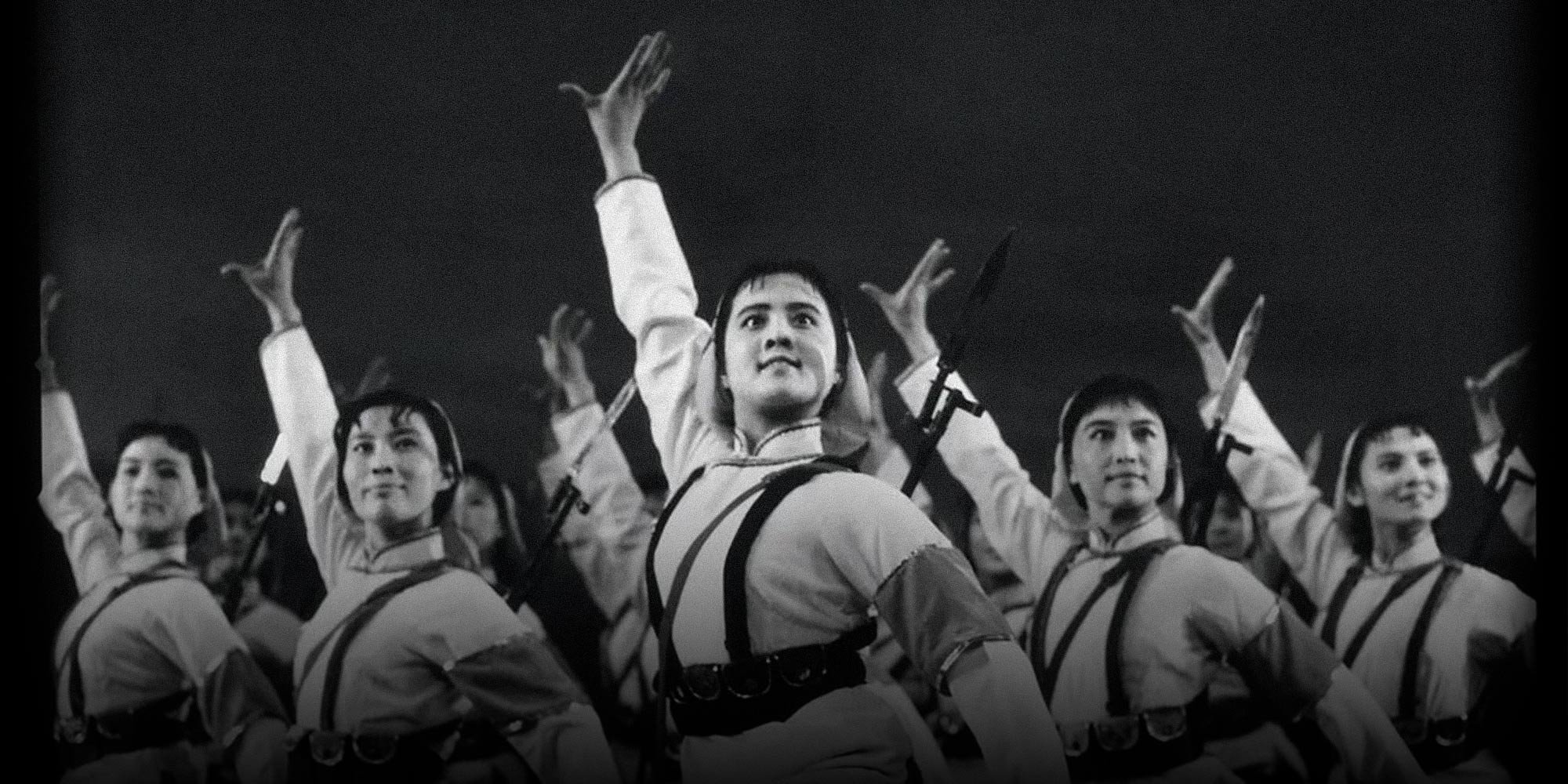
Li’s archive holds two kinds of pictures. There are the official scenes that his paper needed, such as rallies and parades. There are also pictures of the harder side of the time, including struggle sessions, where people were criticized in public. Together they show daily life far from Beijing. A photo such as Dancers perform “Militia Women” in Harbin, Heilongjiang province, April 25, 1966, shows dancers with their arms raised in a stage performance.
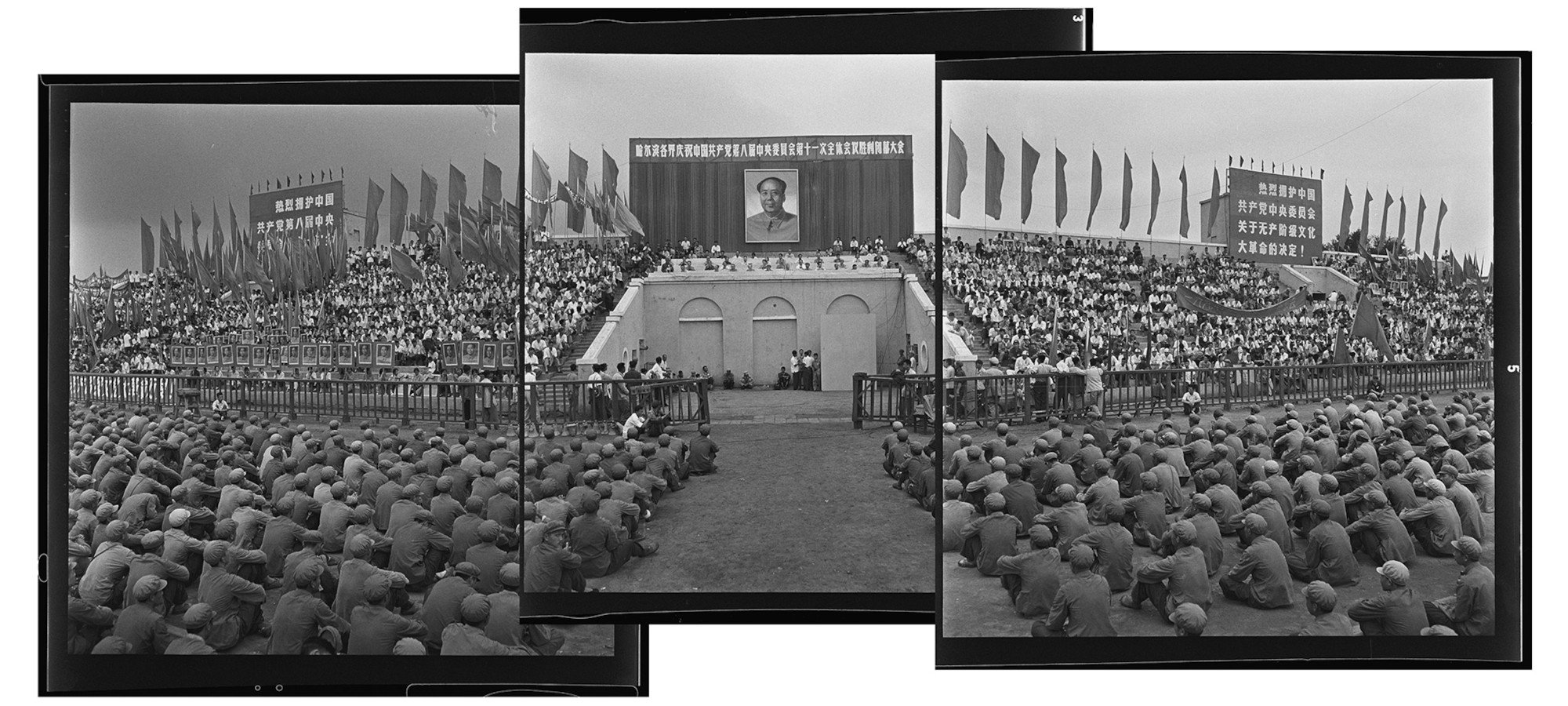
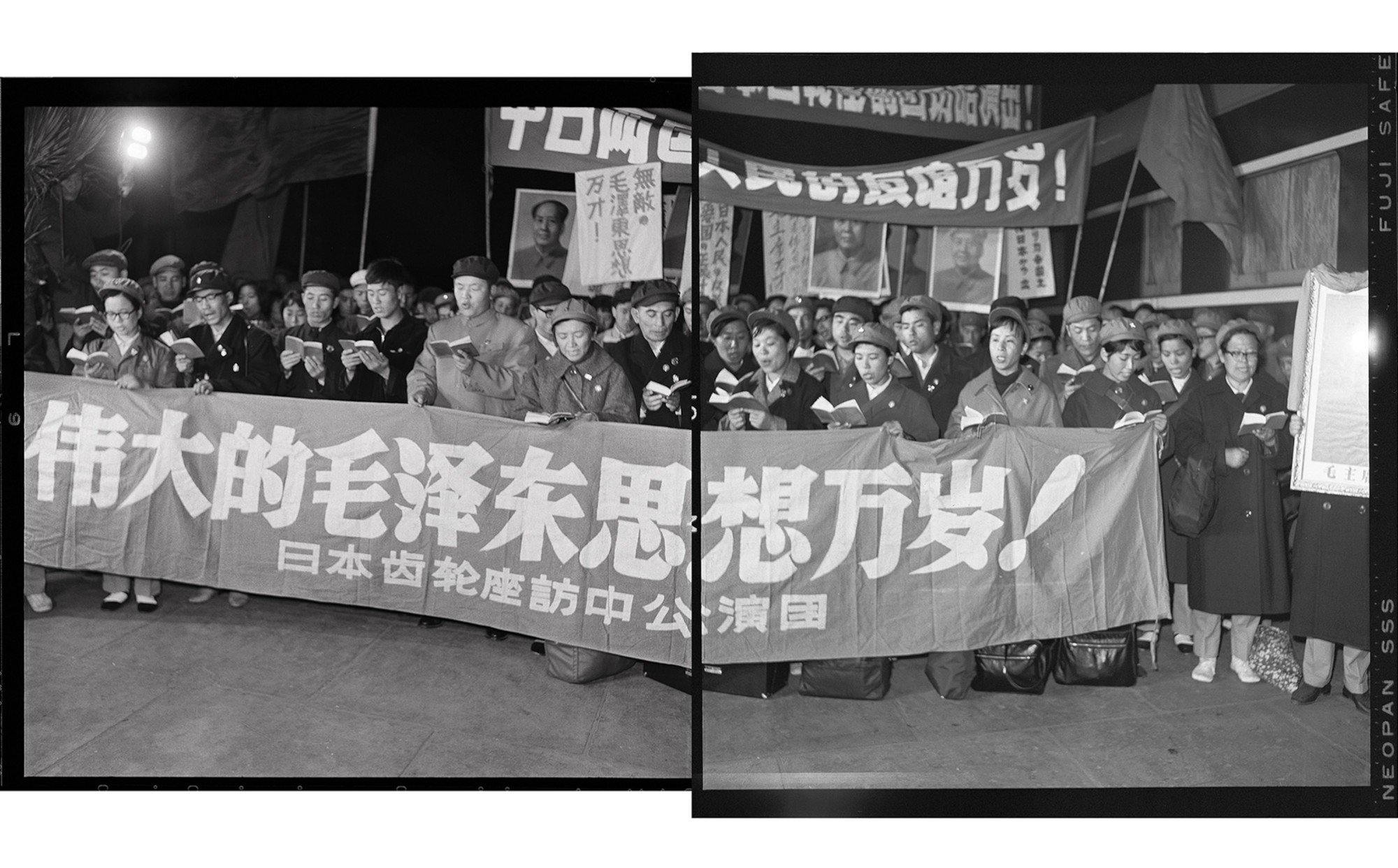
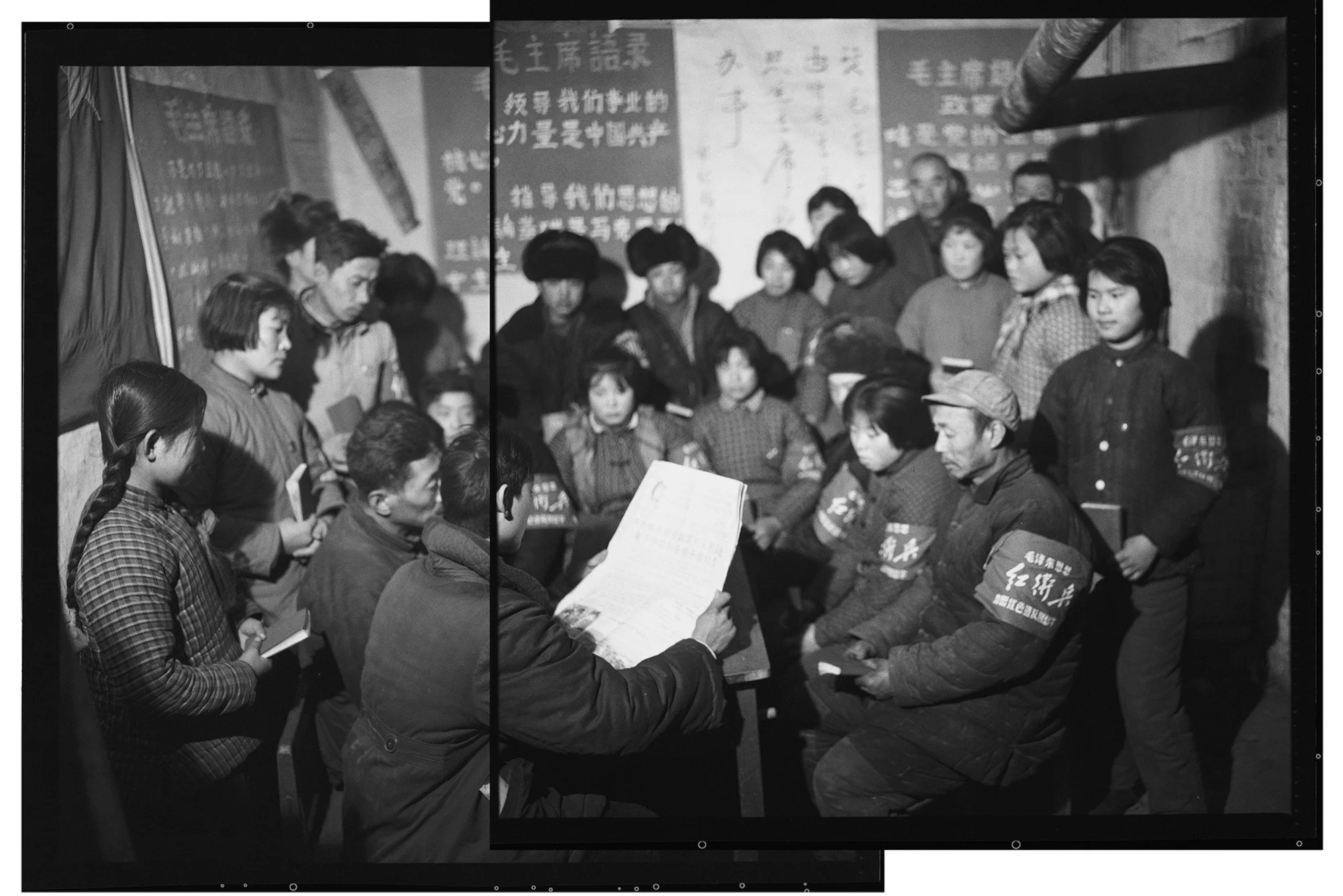
Mao is everywhere in the frames. In A group reads quotes from Mao at the Harbin Railway Station in 1967, people stand with books and a banner. A crowd attends a 1966 rally in Red Guard Square (formerly People’s Stadium) in Harbin, Heilongjiang Province shows a great stadium filled with people. Some pictures leave the city. Peasants from the countryside read a letter from the Communist Party addressed to Chinese peasants in Shangzhi County in 1968 is one of them.
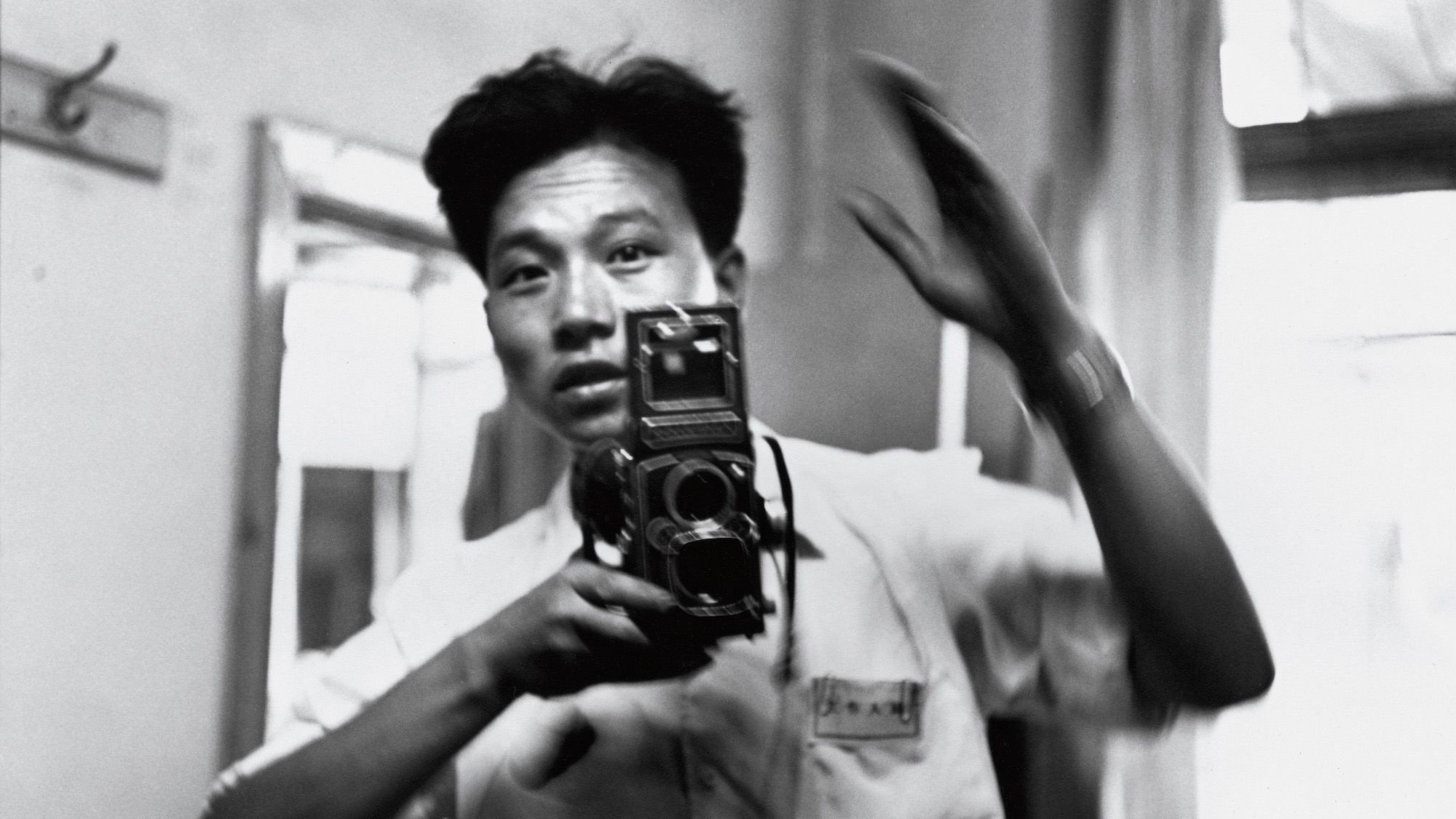
The curator Gabriel Bauret wrote that Li often used the square format and filled the frame with energy and tension. Li also turned the camera on himself. In Self-portrait in the mirror, Harbin, July 1967, he looks into a mirror with his camera raised. At his death he was working with Pledge on a new book of self-portraits made during the Cultural Revolution.
- 1940Born in Dalian
- 1963Starts as a photographer at the Heilongjiang Daily in Harbin
- 1966Returns to Harbin just before the Cultural Revolution begins and photographs it
- 1969Is sent with his wife, Zu Yingxia, to hard labor in the countryside, and returns in 1971
- 1982Begins to teach photography at a university in Beijing
- 1988Shows 20 hidden pictures in Beijing and meets Robert Pledge
- 2003Red-Color News Soldier is published by Phaidon
- 2018The first Chinese-language edition appears in Hong Kong
- 2020Dies in New York
In his words
“I realized that I had to document this tumultuous period.”
“I didn’t really know whether I was doing it for the sake of the revolution, for myself or for the future, but I knew I had to use a camera as a tool to document it.”
“I want to show the world what really happened during the Cultural Revolution.”
“Why can’t we Chinese talk about our own history?”
“The aim of looking back is to look forward.”
Gear
No camera, lens or film brand of Li is clearly documented. One tool of his work is.
Negative envelopes with handwritten captions: Robert Pledge describes how each negative lay in a glassine pouch inside a small brown envelope. Li wrote the caption on the envelope in calligraphy.
Books
Red-Color News Soldier: A Chinese Photographer’s Odyssey Through the Cultural Revolution (Phaidon, 2003). Robert Pledge edited the book and wrote the preface. Jacques Menasche wrote the texts and Jonathan D. Spence the introduction. It has 316 pages, 277 duotone photographs and 30 historical documents. It has five chapters, and each starts with Li’s own account of the time. It is the first book for anyone who wants to see the whole archive.
Red-Color News Soldier (Chinese-language edition) (The Chinese University of Hong Kong Press, 2018). This is the first Chinese-language edition of the book above. It was distributed mainly in Hong Kong and Taiwan, and some copies found their way to mainland China. It is for readers of Chinese who want Li’s work in his own language.