AT A GLANCE
- Known for
- War photographs for the Sunday Times Magazine, pictures of poverty in Britain, and dark, quiet landscapes of Somerset
- Works in
- Black and white film; he makes his own gelatin silver prints in his darkroom at home
- Camera
- A Rolleicord was his first camera; later Nikon cameras, including a Nikon F
- Also
- Staff photographer at the Sunday Times Magazine for eighteen years (1966 to 1984); autobiography Unreasonable Behaviour (1990)
- Awards
- World Press Photo of the Year (1964) · CBE (1993) · Cornell Capa Award, ICP (2006) · Knighthood (2017)
- Start with
- Don McCullin (Jonathan Cape, 2015)
- Links
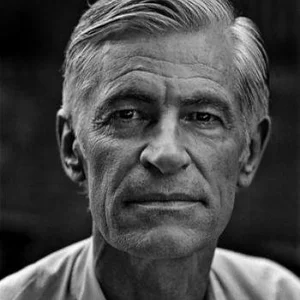
Don McCullin (born 1935) is a British photographer. For more than sixty years he has photographed war, hunger and poverty, both abroad and at home in England. His black and white pictures from Cyprus, Vietnam, Biafra and Beirut made him one of the best known photojournalists of his time. In later years he has also photographed the landscapes of Somerset, where he lives.
The story
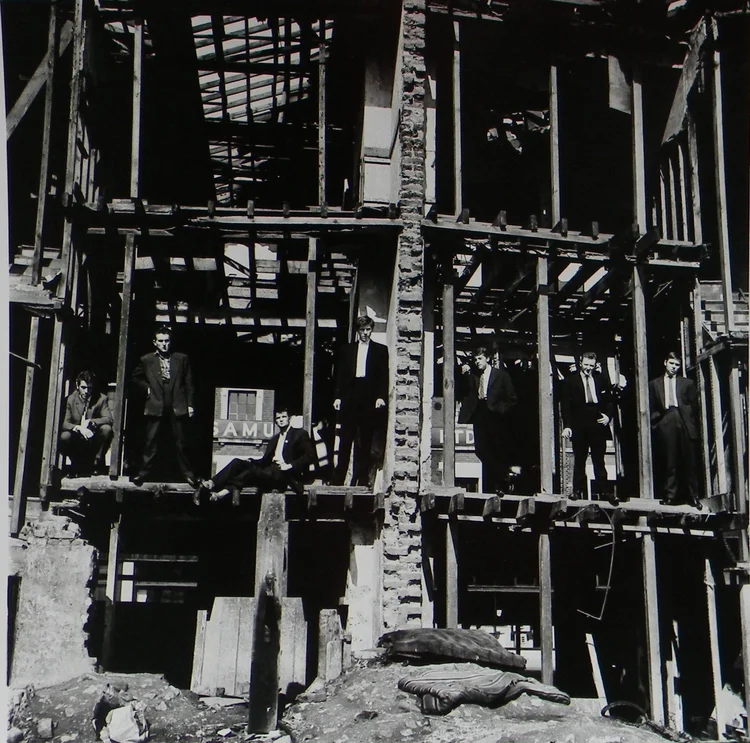
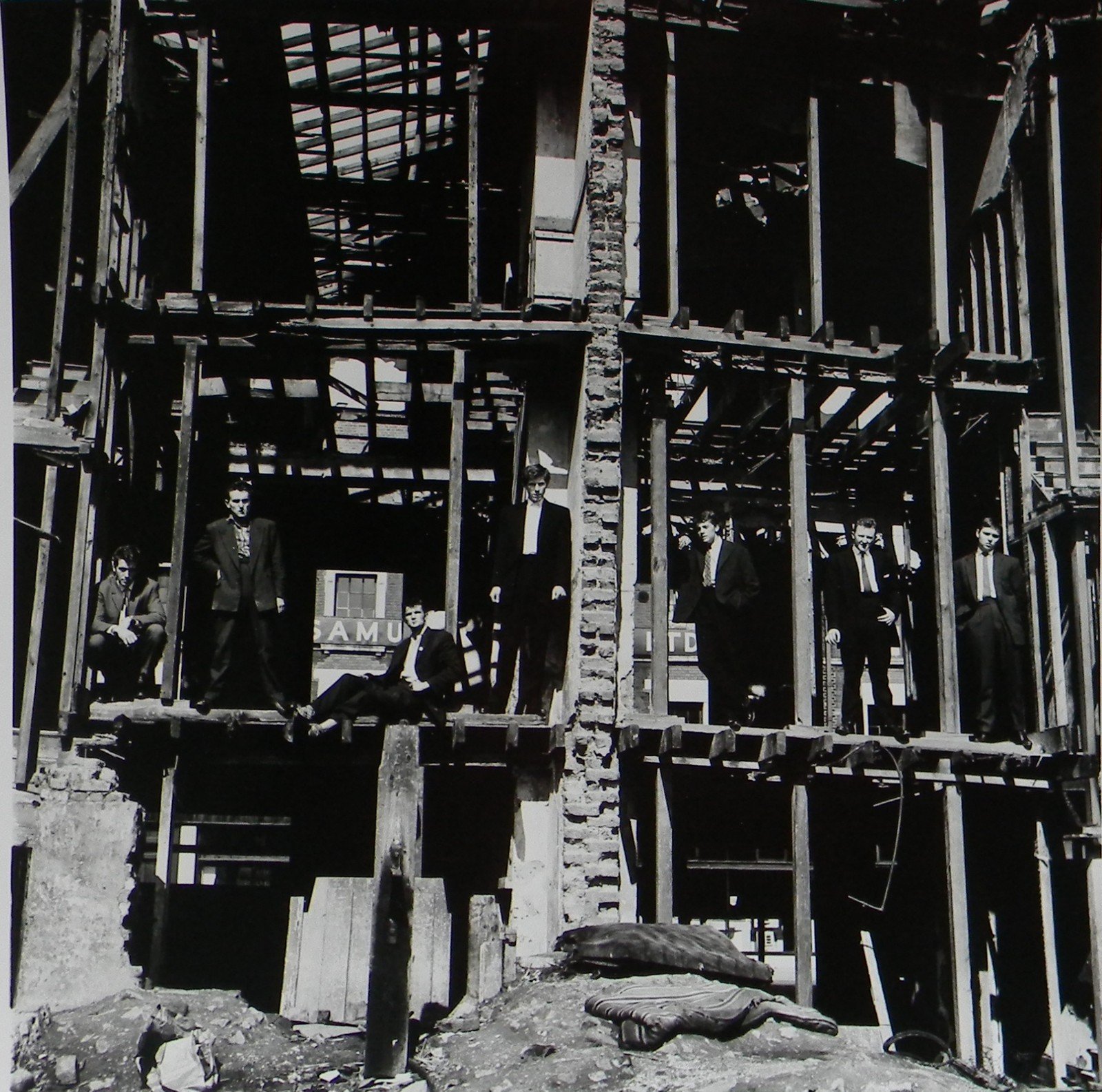
In 1959 Don McCullin saw his own name printed under a photograph in the Observer. The picture showed a gang from his part of north London, the Guv’nors, posing in their Sunday suits inside a bombed-out house. The paper paid him fifty pounds. For him, the most important thing was something else: his father’s name was now on the page.
His father had died young, when Don was a teenager. The family lived in two damp basement rooms in Finsbury Park. Don left school at fifteen and washed dishes on a steam train. During national service with the RAF he worked as a photographic assistant, and in north Africa he bought his first camera, a Rolleicord. So when the gang he had grown up with was linked to the killing of a policeman, his pictures of them were suddenly news. Editors noticed. A career had started almost by accident.
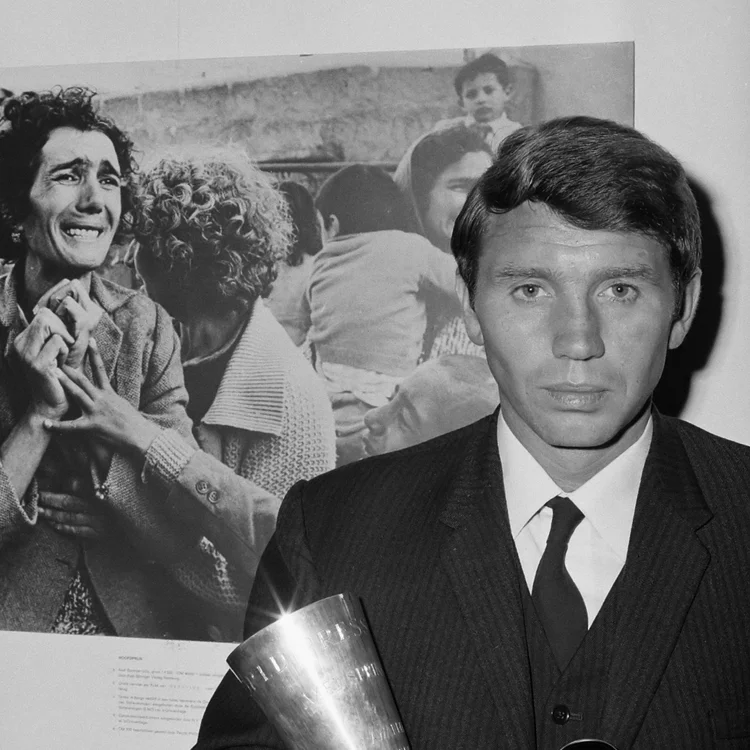
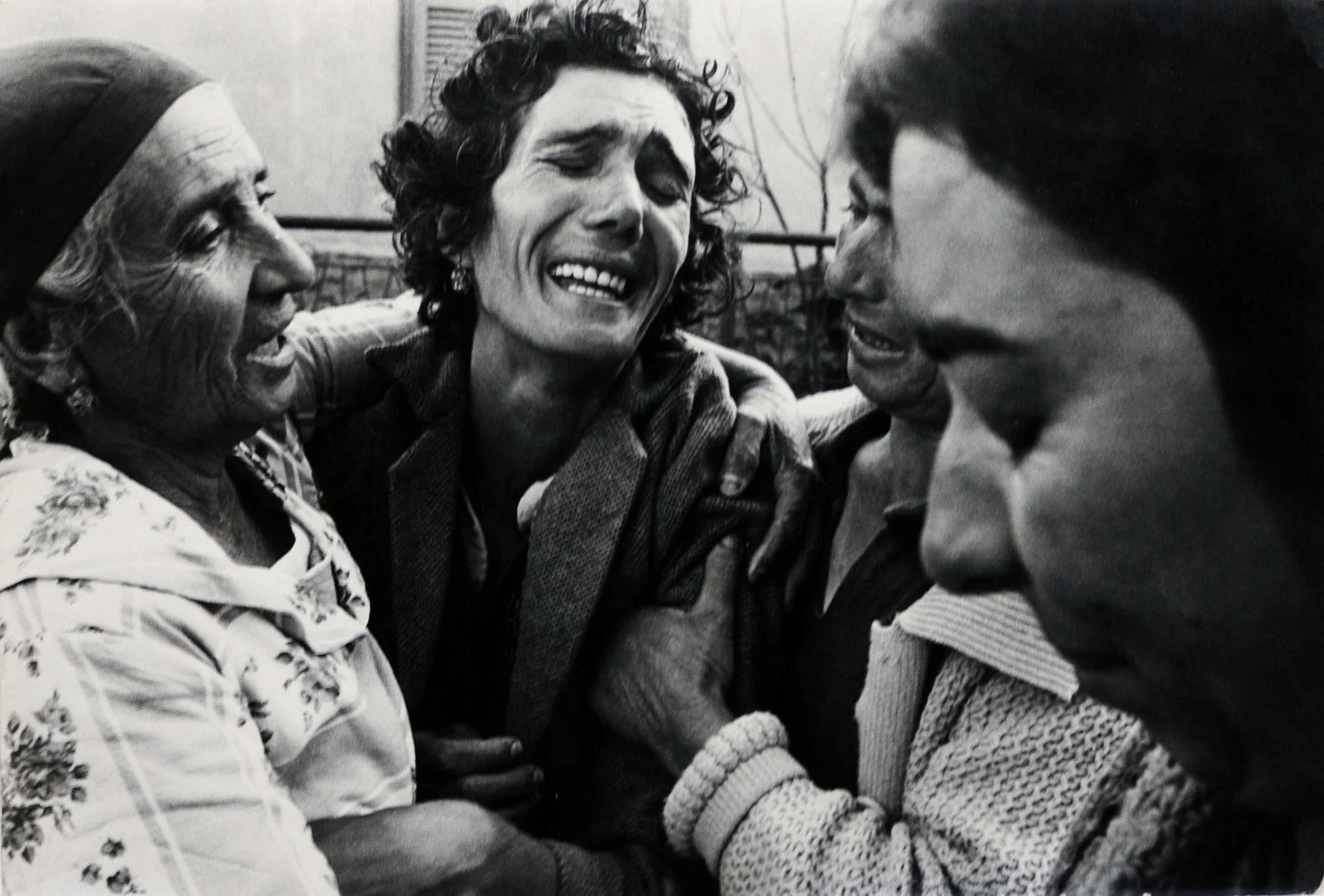
Two years later he went to Berlin on his own money and photographed the Wall as it went up. Those pictures won him a British Press Award and a contract with the Observer. In 1964 the paper sent him to Cyprus, his first war. His picture of a Turkish woman mourning her husband became the World Press Photo of the Year. At first, as he later admitted, war felt exciting to him.
But that changed. From 1966 he worked for the Sunday Times Magazine, and for eighteen years he went wherever people were suffering: Vietnam, Biafra, Bangladesh, Northern Ireland, Lebanon. In 1969 in Biafra he walked into a schoolhouse where hundreds of children were dying. He called it a monumental day of sobering up. Therefore the work became heavier for him, full of guilt and questions. He tried to give the people in them dignity, and he wanted readers to stop and look, not turn the page.
Back home he turned his camera on poverty in the East End and in Bradford. Later he found some peace in the winter fields of Somerset. Yet he never stopped believing in the hard pictures. As he said: “You have to bear witness. You cannot just look away.”
The work
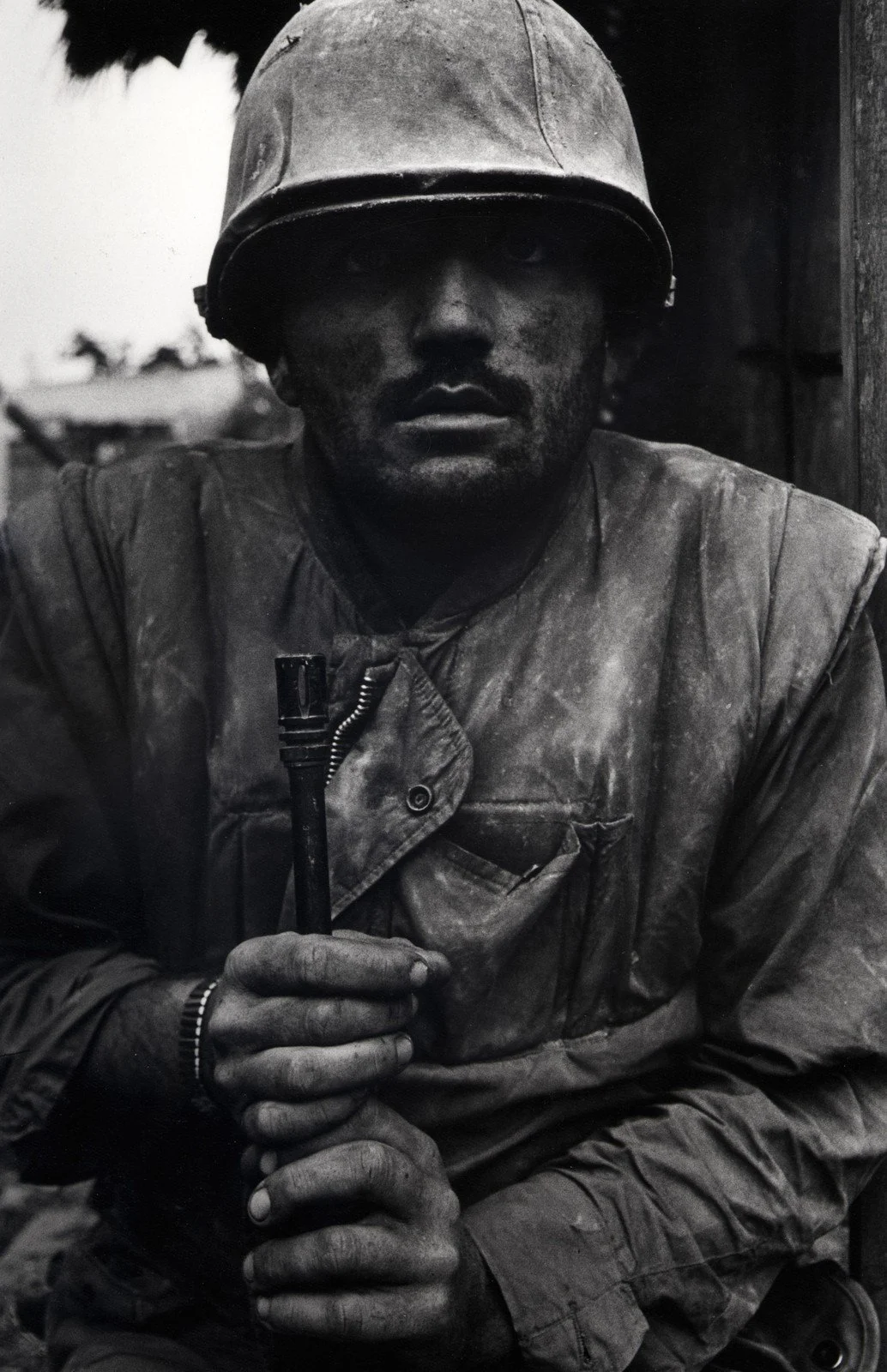
McCullin’s best known picture, Shell Shocked Marine, Hue, Vietnam, 1968, was made during the Battle of Hue, when he spent eleven days with American troops. He dropped to his knees and took five frames in a row. In all of them the soldier’s face did not change. The picture says very little and shows a great deal, and that is typical of his war work: one person, close, seen with respect. He has said he tries to be near enough that people know they are being photographed, and to look them in the eye for their silent permission.
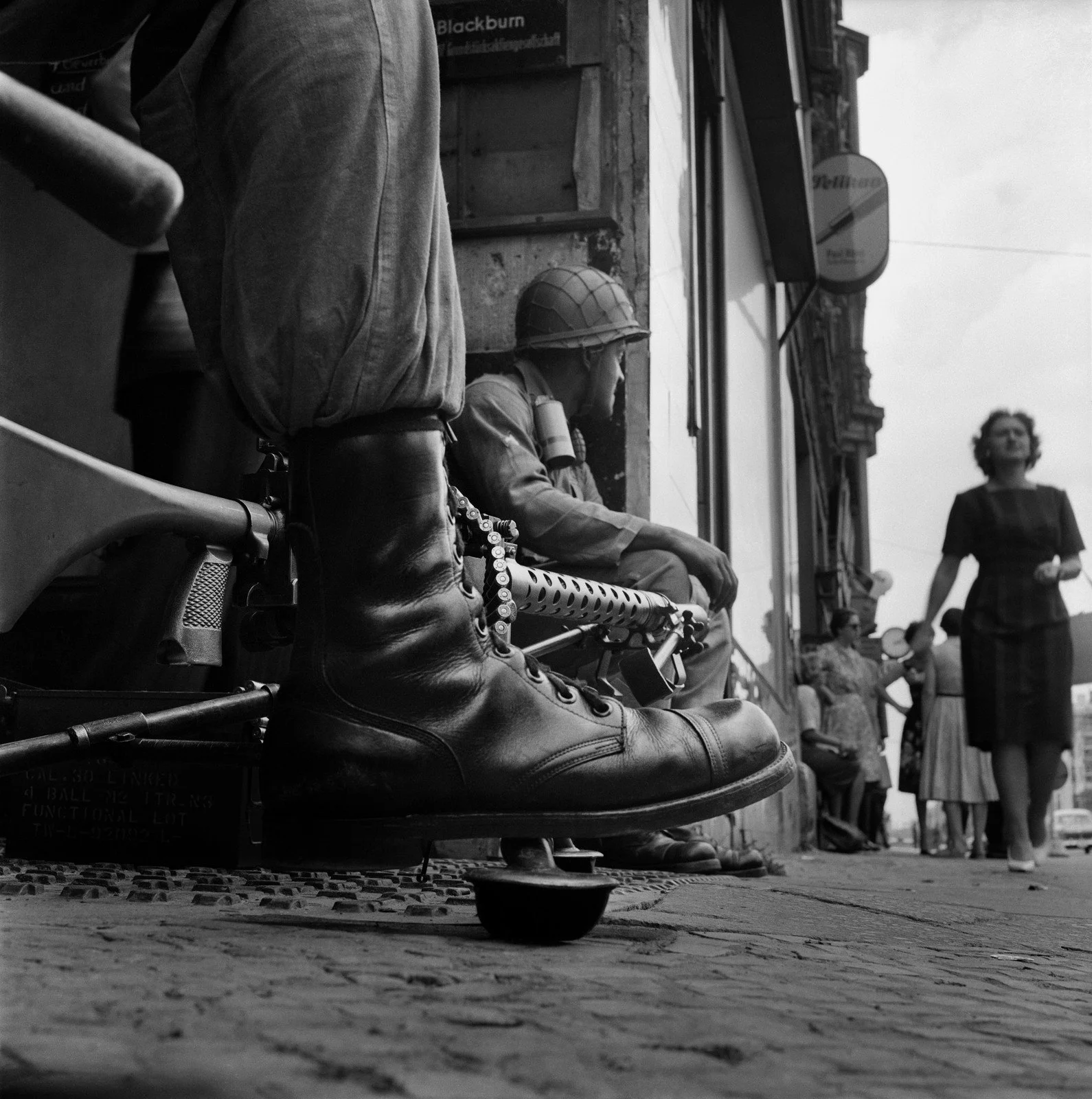
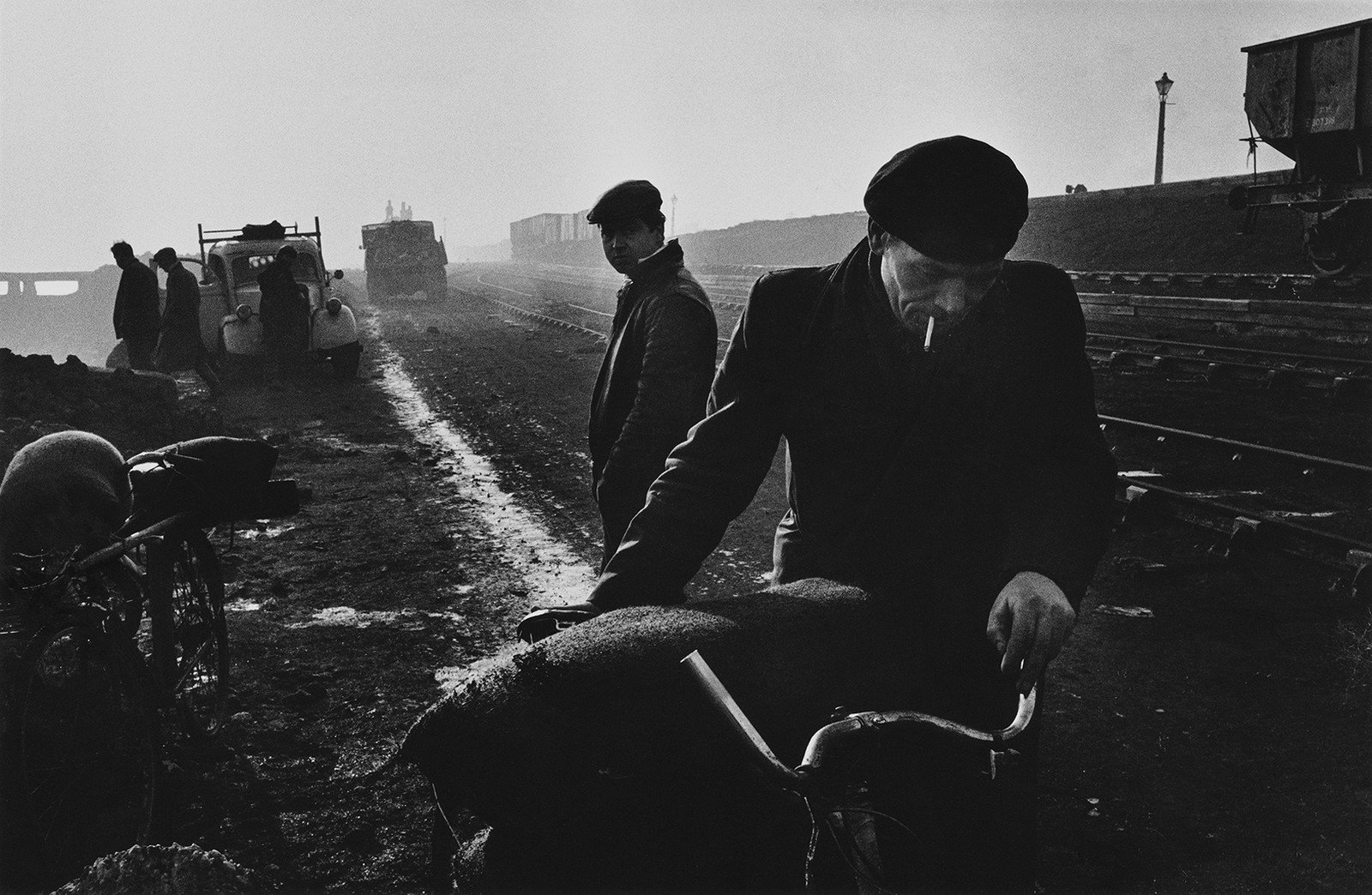
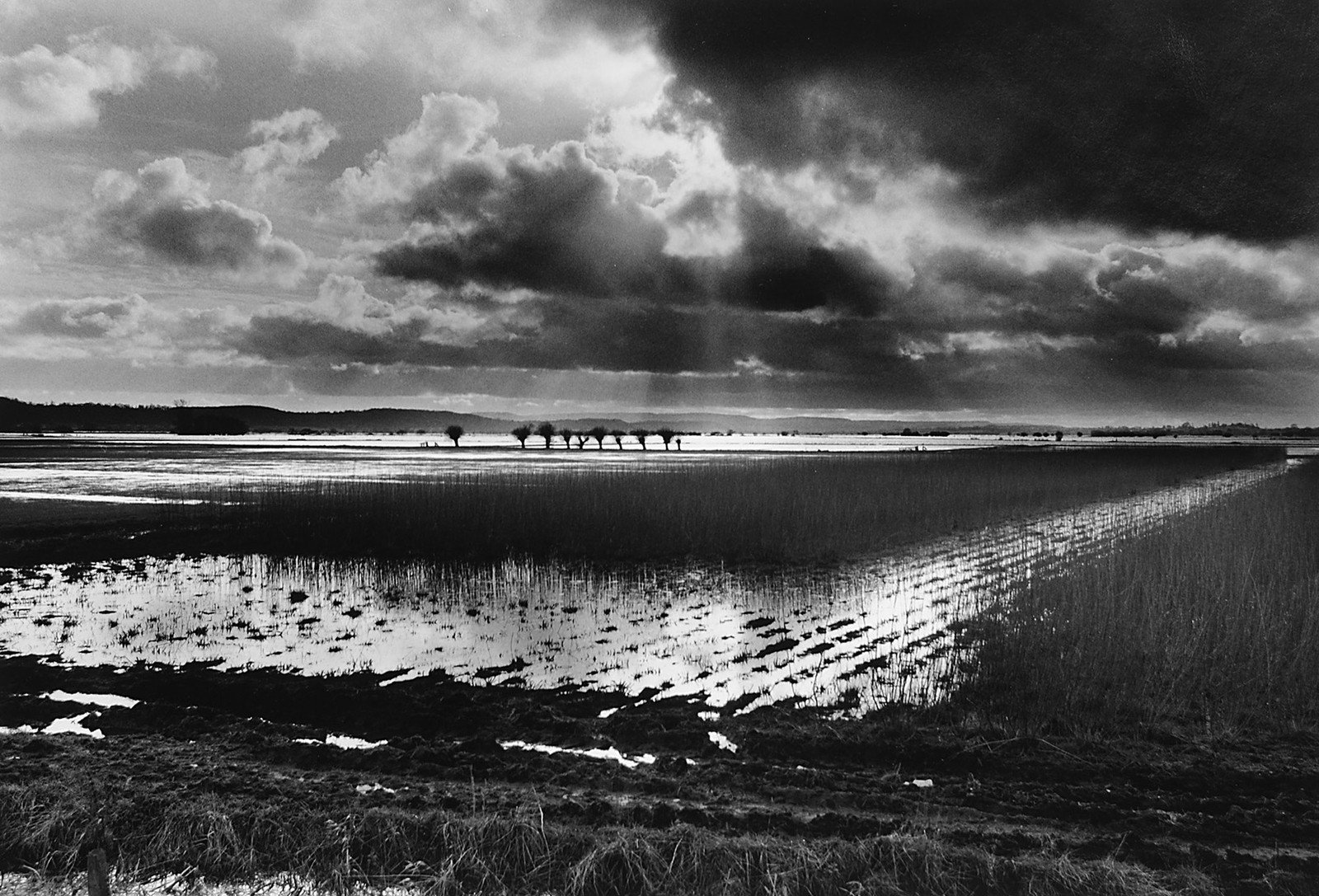
His work at home is just as serious. Unemployed Men Gathering Coal from the Shore, West Hartlepool, County Durham, 1963, shows the same hard life he knew as a boy. Near Checkpoint Charlie, Berlin, 1961, shows a city learning to live with soldiers. In later decades his landscapes, like Somerset Levels, Sedgemoor, c.1992, are dark and heavy, with skies that look like a battlefield. He prints everything himself and goes back to the same negatives again and again. He admires Alfred Stieglitz for never letting a weak print out of the darkroom, and he puts Josef Sudek at the top of his list.
- 1935Born in London; grows up in Finsbury Park
- 1959The Observer publishes his photograph of the Guv’nors, his first published picture
- 1961Photographs the building of the Berlin Wall and wins a British Press Award
- 1964Covers the war in Cyprus; wins World Press Photo of the Year
- 1966Joins the Sunday Times Magazine, where he stays for eighteen years
- 1993Becomes the first photojournalist to be made a CBE
- 2017Knighted for services to photography
- 2019Large retrospective at Tate Britain, with every print made by himself
- 2026Don McCullin. 90 at Hauser & Wirth Somerset, with new pictures from West Papua
Lessons
Start with what you know. McCullin’s first pictures were of the gang he went to school with. Years later, in Bradford, he said photographing a woman there was like looking at his own past.
Be close, and be seen. He does not hide. He stands near enough that people know he is there and tries to meet their eyes, so the picture is made with their silent permission.
Make the print part of the work. He prints every photograph himself and returns to old negatives again and again, trying to make a better print each time.
Try this: go back to a street or a place from your own childhood. Spend one morning there and photograph the people you meet, but only after they have seen you and agreed with a nod or a word. Use black and white. Then print or edit your six best frames twice, a week apart, and compare which version feels more true.
Gear
McCullin often says the camera matters less than the eyes and the heart. Still, the sources name a few tools.
Rolleicord: his first camera, bought during national service with the RAF in north Africa. He also used it in Berlin in 1961.
Nikon F: he worked with Nikon cameras in his war years. A Nikon F he was holding to his eye in Cambodia stopped a bullet, and it has been shown in exhibitions.
Home darkroom: he makes his own gelatin silver prints at home and is known for very dark, rich tones.
Books
Don McCullin (Jonathan Cape, 2015). This large retrospective was published by Jonathan Cape for McCullin’s 80th birthday, with an introduction by Harold Evans, his former editor at the Sunday Times. It follows his whole path, from the streets of north London through the wars to the landscapes of Somerset, and adds forty photographs not published before. It is the best single book for anyone who wants to see the full range of his work.
Unreasonable Behaviour (Vintage, 2002). McCullin’s autobiography, first published in 1990 and later updated. He tells his own story, from a poor childhood in Finsbury Park to Cyprus, Vietnam, Biafra and a Ugandan prison, with many of his pictures alongside. The writing is direct and often painful. It is for readers who want to understand the person behind the photographs, and what this work costs.
In England (Jonathan Cape, 2007). Published by Jonathan Cape, this book gathers McCullin’s pictures of his own country, from his early Finsbury Park work to new photographs made for the book. It shows the gap between rich and poor, but also a wry humour, as if the country were as absurd as it is sad. It is a good choice for documentary photographers who want to work close to home.
In his words
“The photographic equipment I take on an assignment is my head and my eyes and my heart.”
“We don’t live in a black and white world, but once you see a black and white photograph, it haunts you.”
“Landscapes freed me from the emotional garbage that I was carrying.”
“I didn’t choose photography, it seemed to choose me, but I’ve been loyal by risking my life for fifty years.”