AT A GLANCE
- Known for
- Mobile wooden “museums” such as Museum of Chance (2013), photobooks, portraits, and photographs of archives and empty rooms
- Works in
- Black and white and colour photography, shown in books, teak structures and gallery rooms. Lives and works in New Delhi
- Camera
- Hasselblad
- Also
- More than 20 books, many with the publisher Gerhard Steidl · studied at the National Institute of Design and the International Center of Photography
- Awards
- Hasselblad Award (2022) · Paris Photo-Aperture PhotoBook of the Year for Museum Bhavan (2017) · Prince Claus Award (2008)
- Start with
- Sea of Files. Hasselblad Award 2022 (Steidl, 2022)
- Links
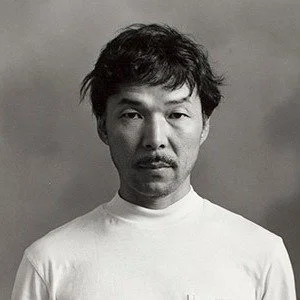
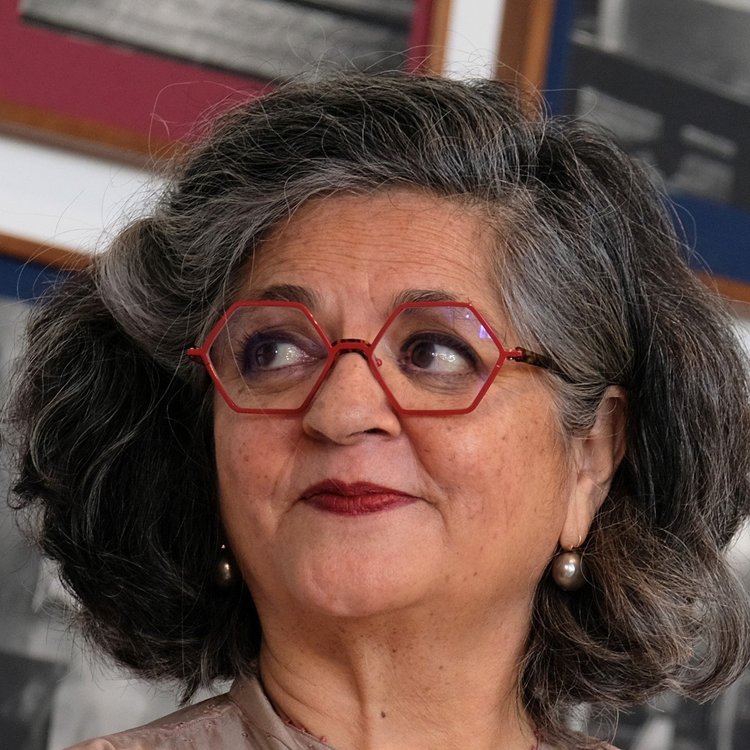
Dayanita Singh (born 1961) is an Indian photographer who lives and works in New Delhi. She is known for photobooks, portraits and photographs of archives. She is also known for wooden “mobile museums” in which her pictures can be edited, re-sequenced and displayed, such as Museum of Chance (2013). In 2022 she received the Hasselblad Award, as the first laureate from South Asia.
The story
In 2000, Dayanita Singh had an exhibition at the Saligao Institute in Goa. The pictures showed people she had photographed there. All of them came to the opening. When the show was over, they peeled the photographs off the wall and took them home.
Singh had hoped for exactly that. “I already knew that if my work could become part of people’s domestic archive, that is far more significant than any museum.” It was only the second show of her life. “I had never imagined that any museum or institution would be interested in my work.”
The road to that room had not been smooth. Singh was born in New Delhi in 1961 and studied visual communication at the National Institute of Design in Ahmedabad. India had no school for photography then, so she went to senior photographers to ask how to begin. She heard that Mary Ellen Mark was teaching a workshop in Benares. Singh could not pay for it. But she travelled 13 hours in an unreserved train compartment to meet her, and Mark took her on as a teaching assistant.
Mark later helped to convince Singh’s mother that Singh should study at the International Center of Photography in New York. Singh asked for that school instead of a dowry, and her mother agreed.
Books had come first. Her graduation project at the National Institute of Design was a book about the tabla player Zakir Hussain. She had travelled with him and his fellow musicians for six winters. Himalayan Books published the book in 1986.
After her studies in New York she returned to India. There she was asked to photograph the Hijra community, and she met Mona Ahmed, who became a lifelong friend. Twelve years of work together grew into the book Myself Mona Ahmed, published by Scalo in 2001.
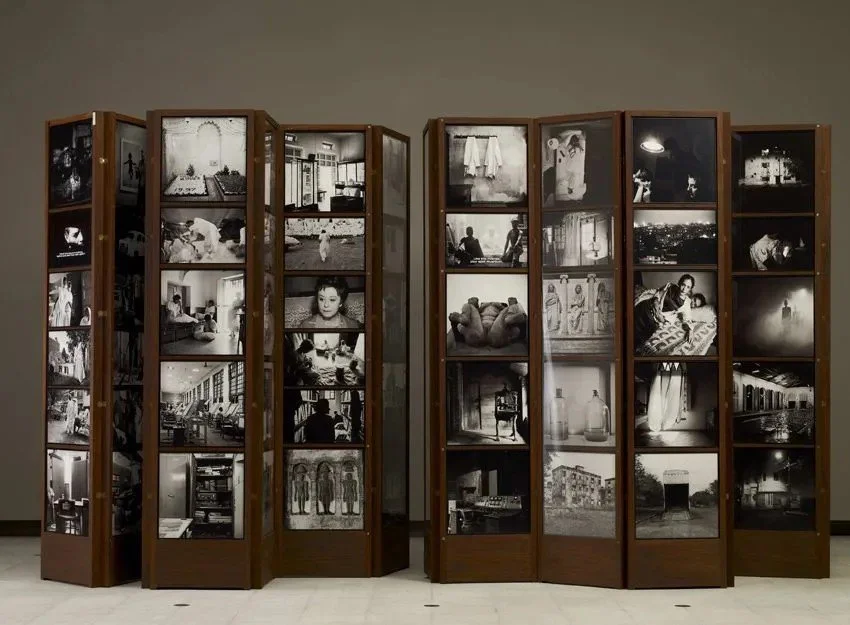
Singh moved away from photojournalism and toward the book. Go Away Closer (2007) has 31 black-and-white photographs and no text. She calls it a novel without words. Then came a new question. What if a book could be an exhibition, and an exhibition a book? So she began to build rooms out of her pictures. Museum of Chance (2013) has two large wooden structures, 26 small ones, four tables, four stools and 162 framed photographs. It can stand as two tall pillars or open out into a room. The Museum of Modern Art in New York holds it. Singh says she thought the call about buying it was a prank.
Why take photographs off the wall at all? In an interview about her 2022 show in Berlin, she said: “I don’t want my work to be fossilised behind glass. I want it to be alive.”
The work
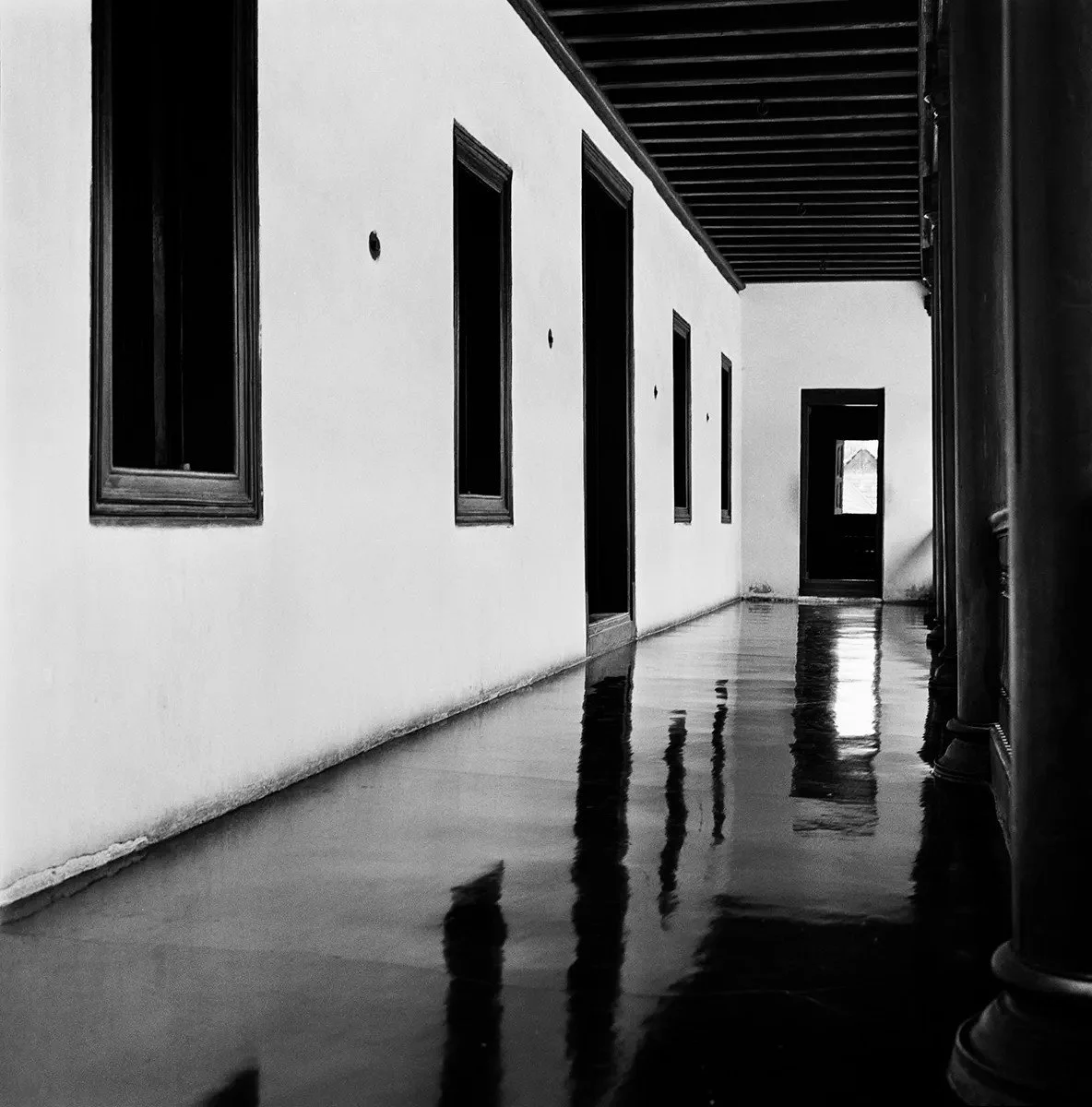
Early on, Singh was best known for portraits of families in India’s cities. Then she turned to places. In Empty Spaces, shown at Frith Street Gallery in London in 2001, the black-and-white photographs show interiors such as a palace ballroom, private homes, museums, libraries and wedding stages. Almost all of them are empty of people, and the gallery says Singh sees them as portraits of places. Padmanabhapuram Palace, Kerala, is listed with that show. In Chairs (2005), made during a residency at the Isabella Stewart Gardner Museum in Boston, she photographed furniture as though the chairs were the people she would have photographed before.
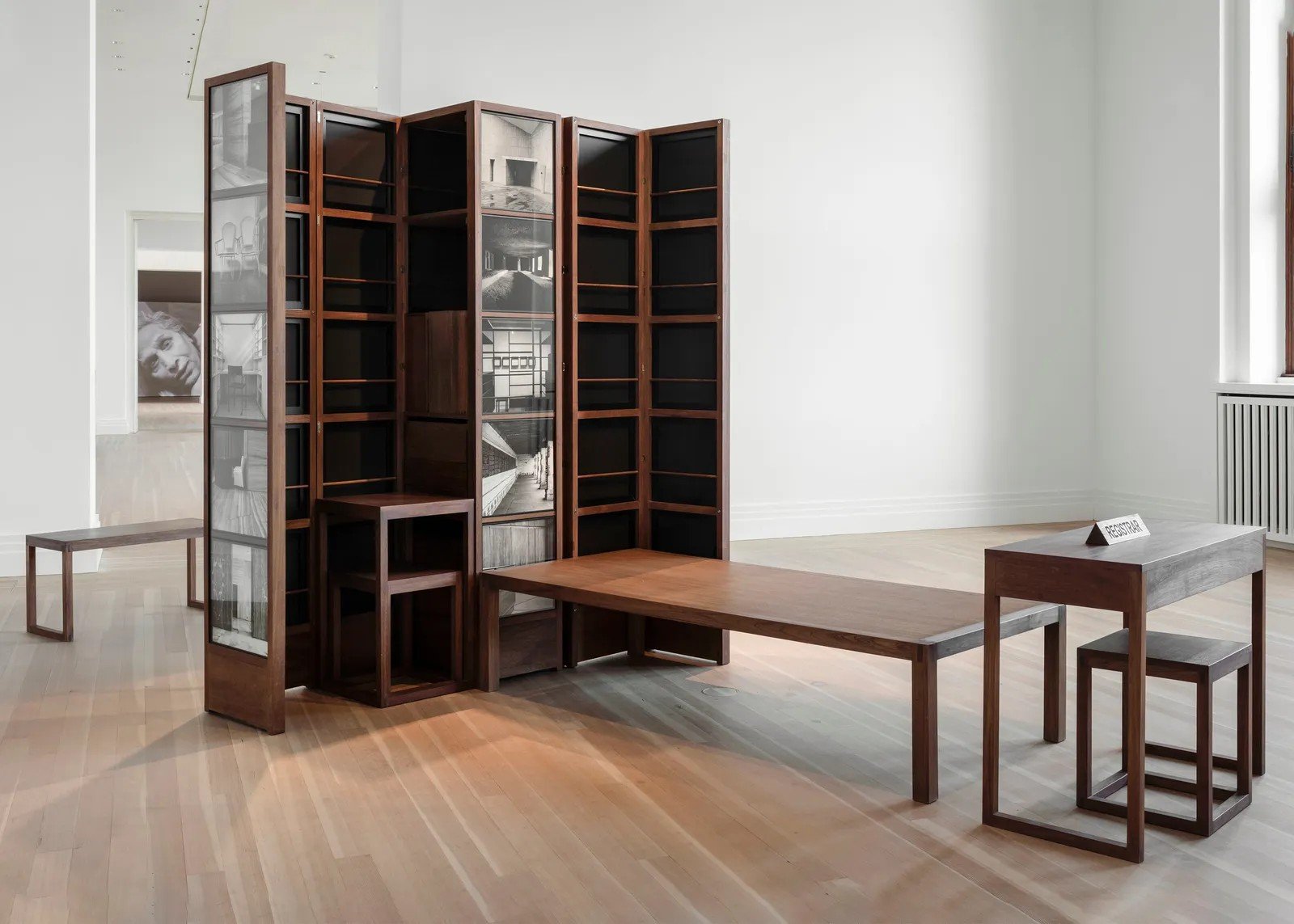
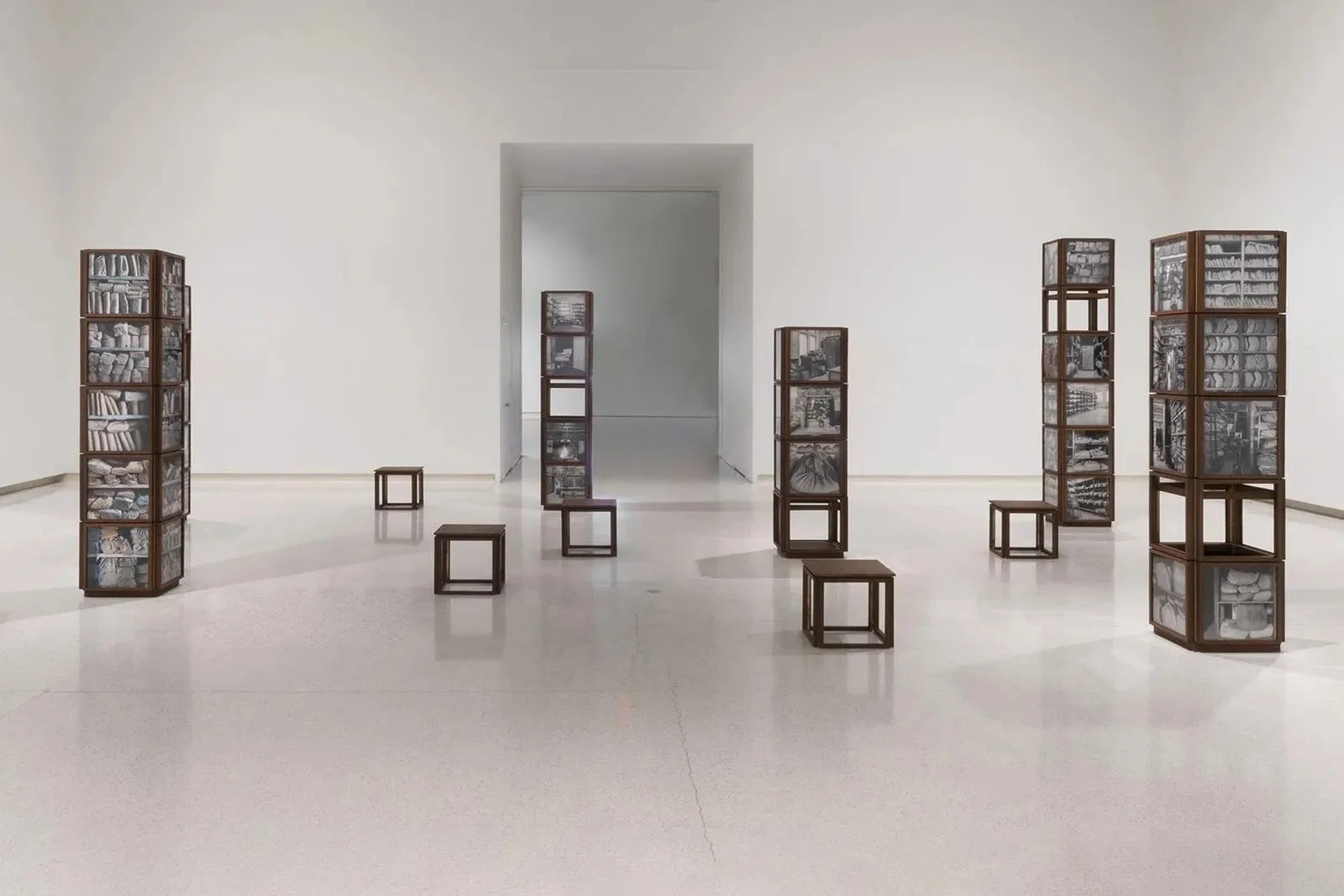
In the 2010s the pictures moved into “museums”. Museum of Shedding (2016) has a bed, a desk, a bench, a table, a stool and storage, so that one can imagine the curator living inside. Its pictures are black-and-white photographs of architecture from her archive. Pothi Khana (2018) takes its name from a word for an archive room, where papers are kept in cloth bundles. It was first shown at the Carnegie International in Pittsburgh. Its wood-framed cubes can be stacked, and photographs slot into hidden grooves, so the work can be rearranged.
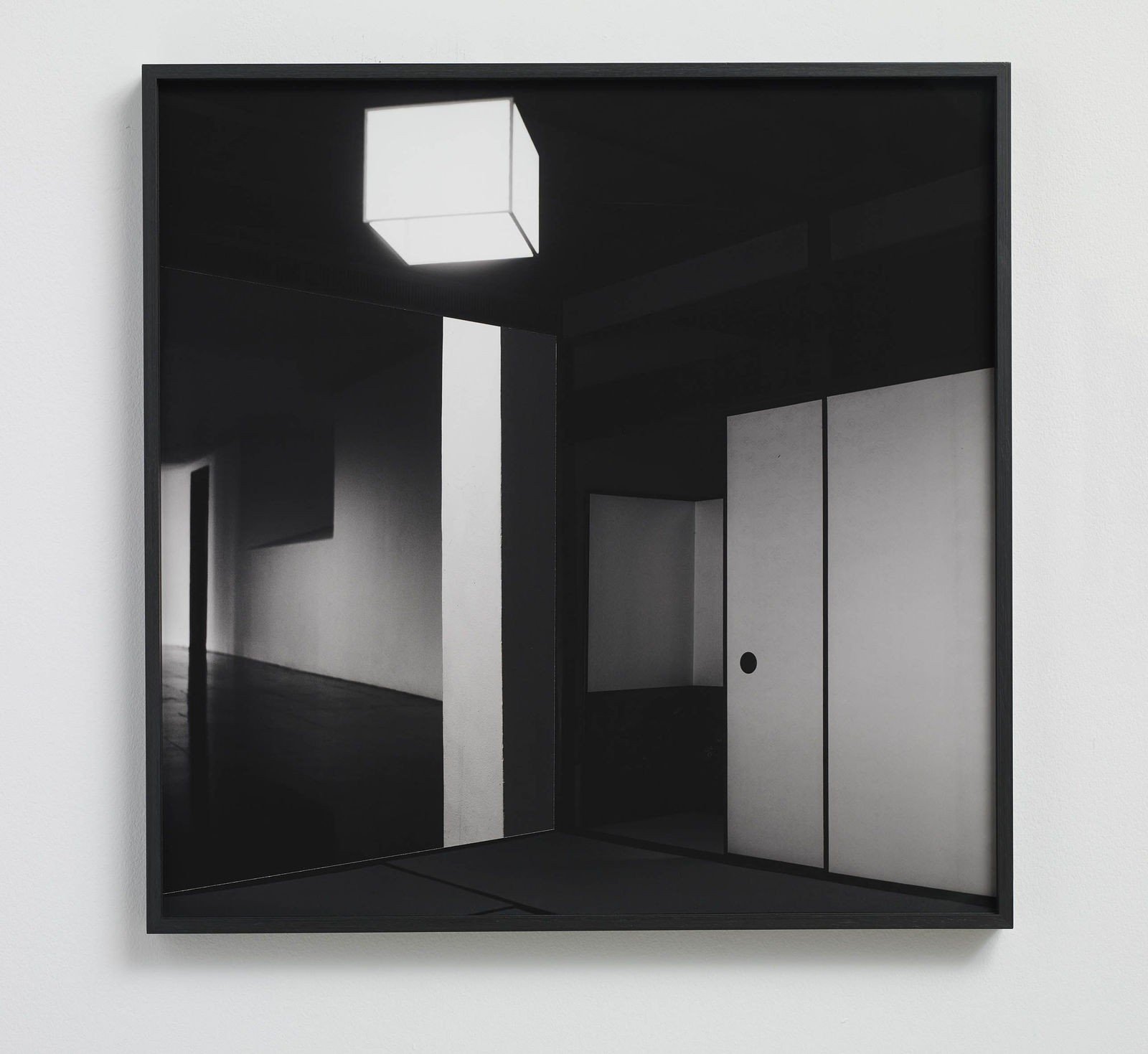
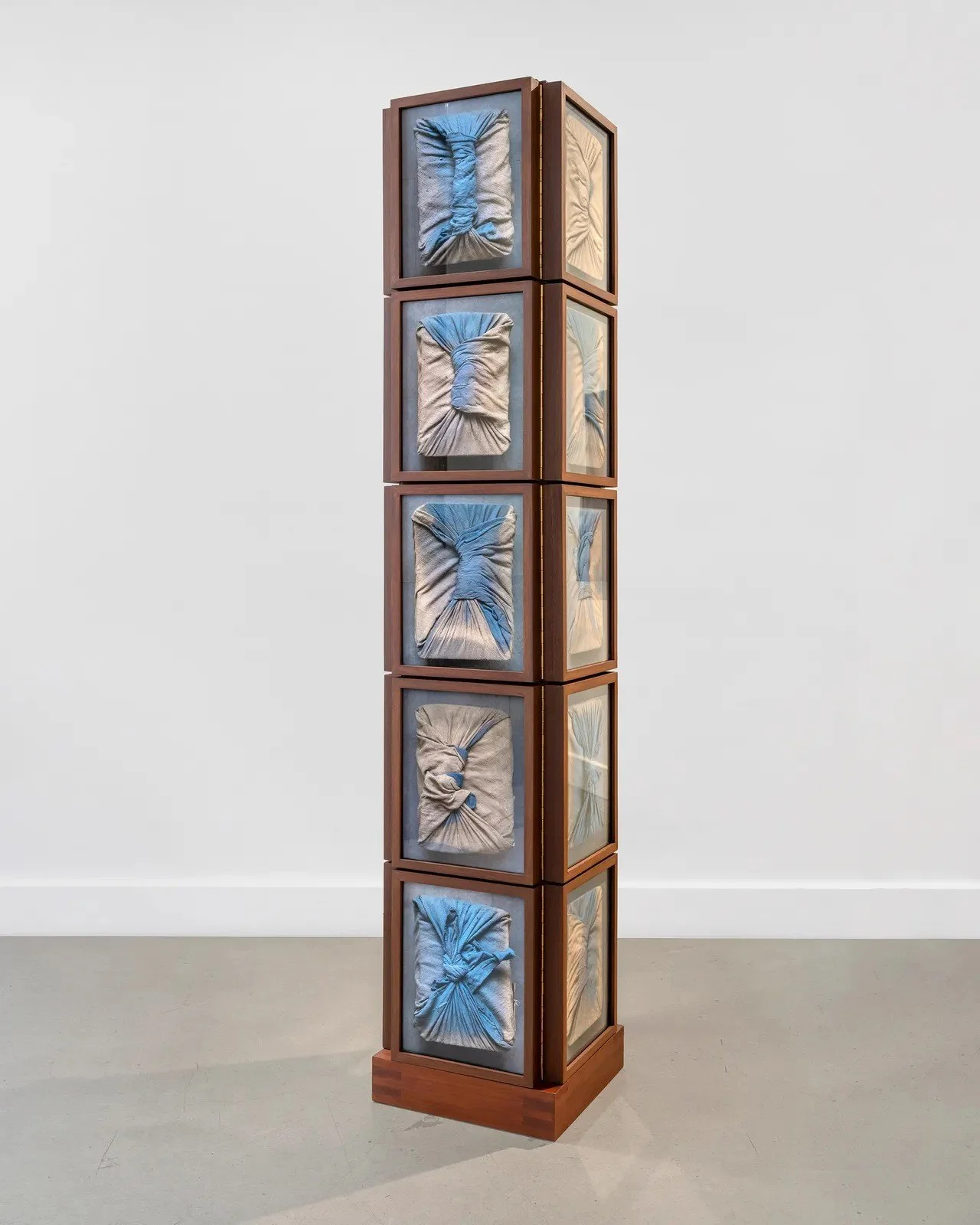
Her Montage series combines prints of the same size with a single cut. The results are rooms that look possible but are not. Montage III, 2019 is one of them. Blue Measures (2025) holds 20 archival pigment prints in a teak pillar. Archives remain a thread. Her book File Room (Steidl, 2013) shows paper archives and their keepers across India. The Hasselblad Foundation says her influence on younger photographers, especially in India, has been far-reaching.
- 1961Born in New Delhi
- 1986Graduates from the National Institute of Design in Ahmedabad; her first book, Zakir Hussain, is published
- 1988Completes her studies at the International Center of Photography in New York
- 2001Shows Empty Spaces at Frith Street Gallery in London; Scalo publishes Myself Mona Ahmed
- 2013Shows Go Away Closer at the Hayward Gallery in London and takes part in the German Pavilion at the Venice Biennale
- 2017Museum Bhavan wins the Paris Photo-Aperture PhotoBook of the Year award
- 2022Receives the Hasselblad Award and has a retrospective at the Gropius Bau in Berlin
- 2026Opens ARCHIVIO at the Museo Nazionale Etrusco in Rome
In her words
“I gather hundreds of photographs, edit them ruthlessly and then sequence them. By then the form presents itself.”
“The book is at the heart of my work. To me, the exhibition is the catalogue of the works in the book.”
“I came to photography through book-making. One made photos to make a book, just as my mother made photos to make albums for each child or event.”
“I want people to experience the image rather than just see it.”
“I don’t want my work to be fossilised behind glass. I want it to be alive.”
Gear
Singh’s camera is documented. Lens and film are not clearly documented.
Hasselblad: Singh has said that she switched to the Hasselblad and began to photograph empty spaces. In 2022 she said she had wanted for years to teach a class called Dancing with my Hasselblad.
Archival pigment prints: Her recent Montage works and Blue Measures are made as archival pigment prints, which she shows in frames or inside teak structures.
Books
Sea of Files. Hasselblad Award 2022 (Steidl, 2022). This book was made with the Hasselblad Foundation for the award. It has 156 pages and 188 images, and a personal essay by the Nobel Prize winner Orhan Pamuk. It shows her visual essay Sea of Files in full, and Museum of Innocence (The Madras Chapter) for the first time. It is for readers who want to see how she works with archives.
Museum of Chance (Steidl, 2015). This book has 88 quadratone images in 96 pages. The same images appear on the covers in random pairs, so each copy is slightly different. Steidl describes it as a book about how life unfolds. It is for anyone who likes photobooks that read like a novel.
File Room (Steidl, 2013). This book of 88 pages shows archives and their keepers across India. It was made in ten cloth colours. Steidl lists it as out of print, with a new edition planned for 2026. It is for readers who like quiet pictures of paper and memory.
Museum Bhavan (Steidl, 2017). This is a box with nine small books, 298 pages and 241 images in all. Each book is its own museum, and the strips can be folded out and displayed at home. It won the Paris Photo-Aperture PhotoBook of the Year award in 2017. Steidl lists it as out of print, so it is mainly for collectors.