AT A GLANCE
- Known for
- Karasu (Ravens, 1986), the family portraits of Family, pictures of his wife Yoko, and playful self-portraits such as Bukubuku
- Works in
- Black and white series and photobooks, later colour, large Polaroids and hand-painted prints
- Also
- Born into a family photo studio in Bifuka · co-founded the Workshop Photography School in 1974 · photographed his cat Sasuke for years
- Awards
- Ina Nobuo Award · Special Award, 8th Higashikawa Photography Awards (1992)
- Start with
- Ravens (MACK, 2017)
- Links
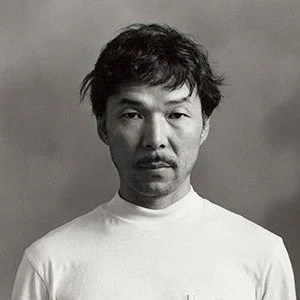
Masahisa Fukase (1934 to 2012) was a Japanese photographer. He was born in Bifuka, Hokkaido, into a family of studio photographers. He is best known for Karasu (Ravens), a book of pictures of crows and ravens that came out in 1986. He also made Family, Yoko, series about his cat Sasuke, and many self-portraits. Most of his work was made in series, and his own life was always the subject.
The story
In 1976, Fukase showed a set of new pictures to Shoji Yamagishi, an editor at the magazine Camera Mainichi. He already had a title for them. It was Tonpoku-ki, which means the accounts of an escape to the north.
Yamagishi looked at the prints and saw many birds. He suggested a different name: ravens.
Fukase was not sure. As he recalled, he “wasn’t sure at first because it made me think of wildlife photographs but I decided to go with it because of the expression tabi-garasu.” The word means a travelling raven, a person who moves from place to place with no stable home.
He was 42. It was a hard time. His marriage to Yoko, which began in 1964, had just ended. He had left Tokyo for Hokkaido, the island where he was born, hoping to get away from his troubles. The pictures came from that trip.
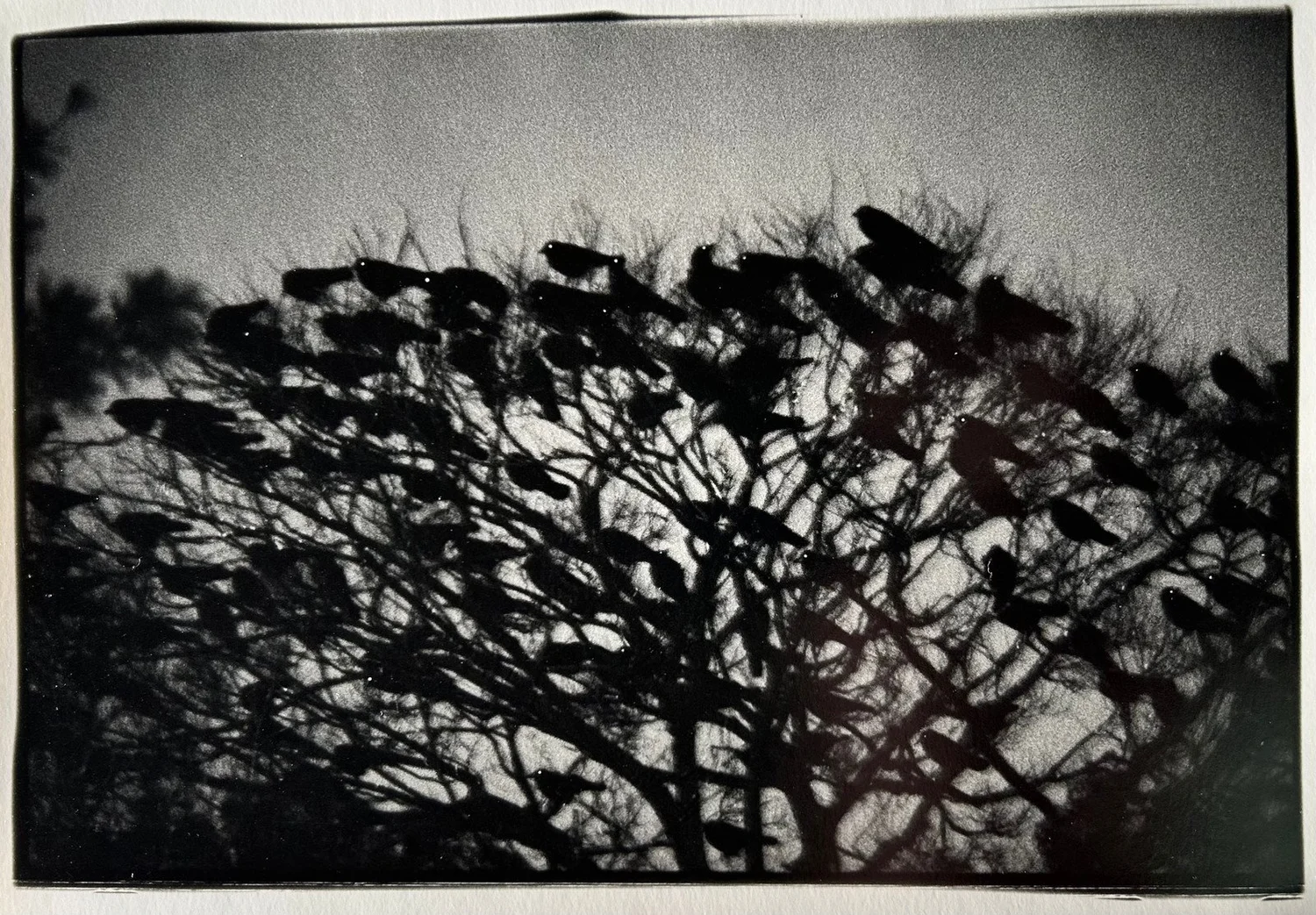
The project grew. Camera Mainichi ran it as a serial from 1976 to 1982. The book Karasu was published in 1986 by Sokyu-sha. In 2010 the British Journal of Photography called it the best photobook of the past 25 years.
In the last part of the serial, in November 1982, he wrote a short text. “The ravens themselves weren’t really the point. I myself had become a raven.”
After Ravens he turned the camera on himself. In the early 1990s he made several self-portrait series, among them Bukubuku (1991), pictures of himself in his bathtub. He also walked the streets and bars of Tokyo and made Hibi, which he worked on until 1992.
That year he fell down the stairs of a bar he often visited in Tokyo. He suffered a serious brain injury and was never able to work again. Several sources describe a coma that lasted until his death in 2012.
Then his work found its way to the public. Tomo Kosuga set up the Masahisa Fukase Archives in Tokyo, and many pictures that nobody had seen came to light. Looking back, the sentence he had written in 1976 still says it best. “I became a raven with a camera.”
The work
Fukase grew up in the family studio in Bifuka, which his grandfather founded in 1908. He was expected to take it over. Instead he moved to Tokyo in 1952 to study photography and graduated from Nihon University College of Art in 1956. His series Kill the Pig, made at a slaughterhouse, first brought him public attention. He became a freelance photographer in 1968.
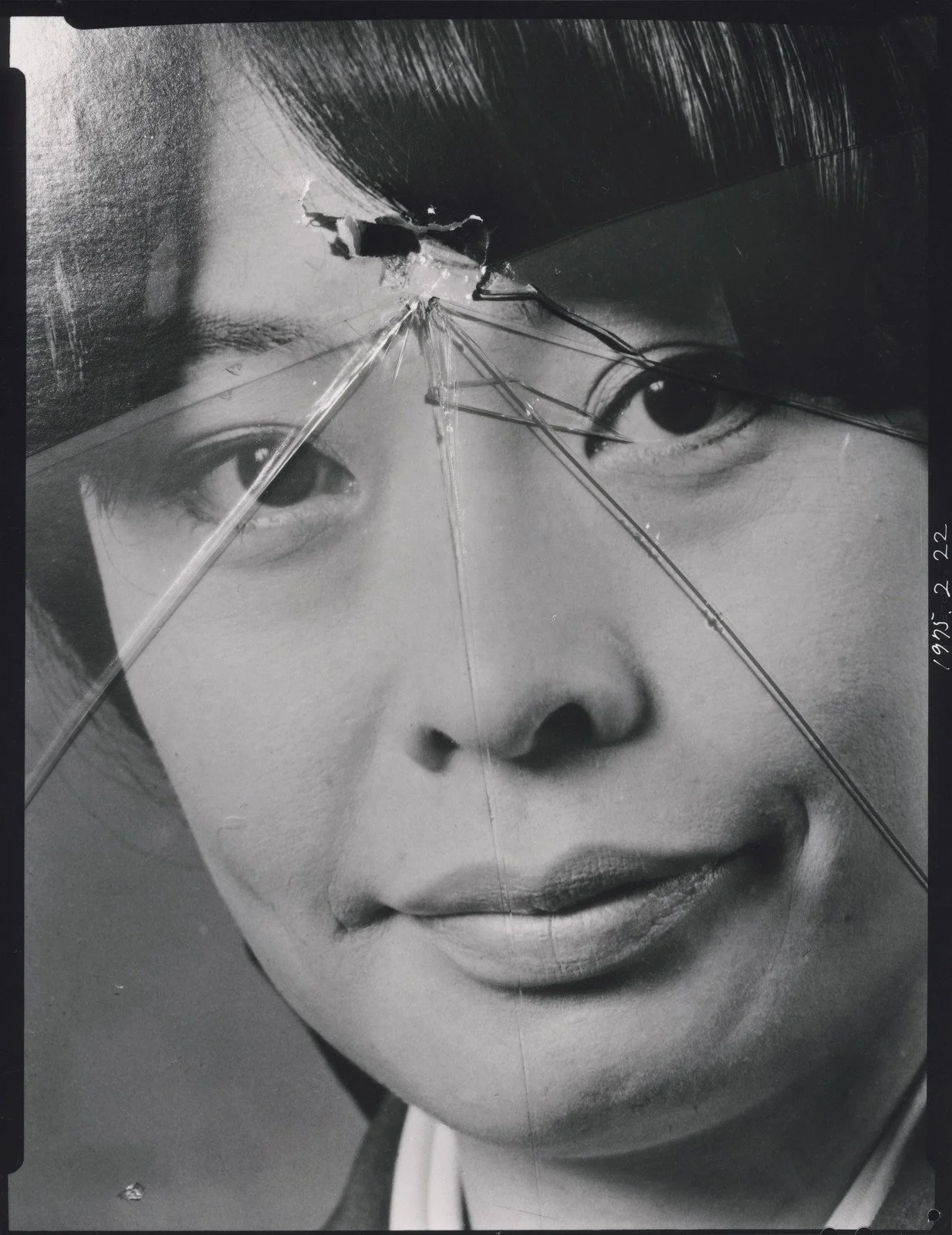
His wife Yoko was his main subject for about twelve years. The book Yugi (Homo Ludens) came out in 1971 and the book Yoko in 1978. You can see this period in Yoko, 1975. Fukase’s work was also shown in the exhibition New Japanese Photography at the Museum of Modern Art in New York in 1974. The Tate holds From Window, 1974.
In 1971 he went back to Bifuka for the first time in many years and began Family. Over almost two decades he photographed his relatives in the studio. The series records the passing of time, his father growing older and the studio closing. It was published as a book in 1991.
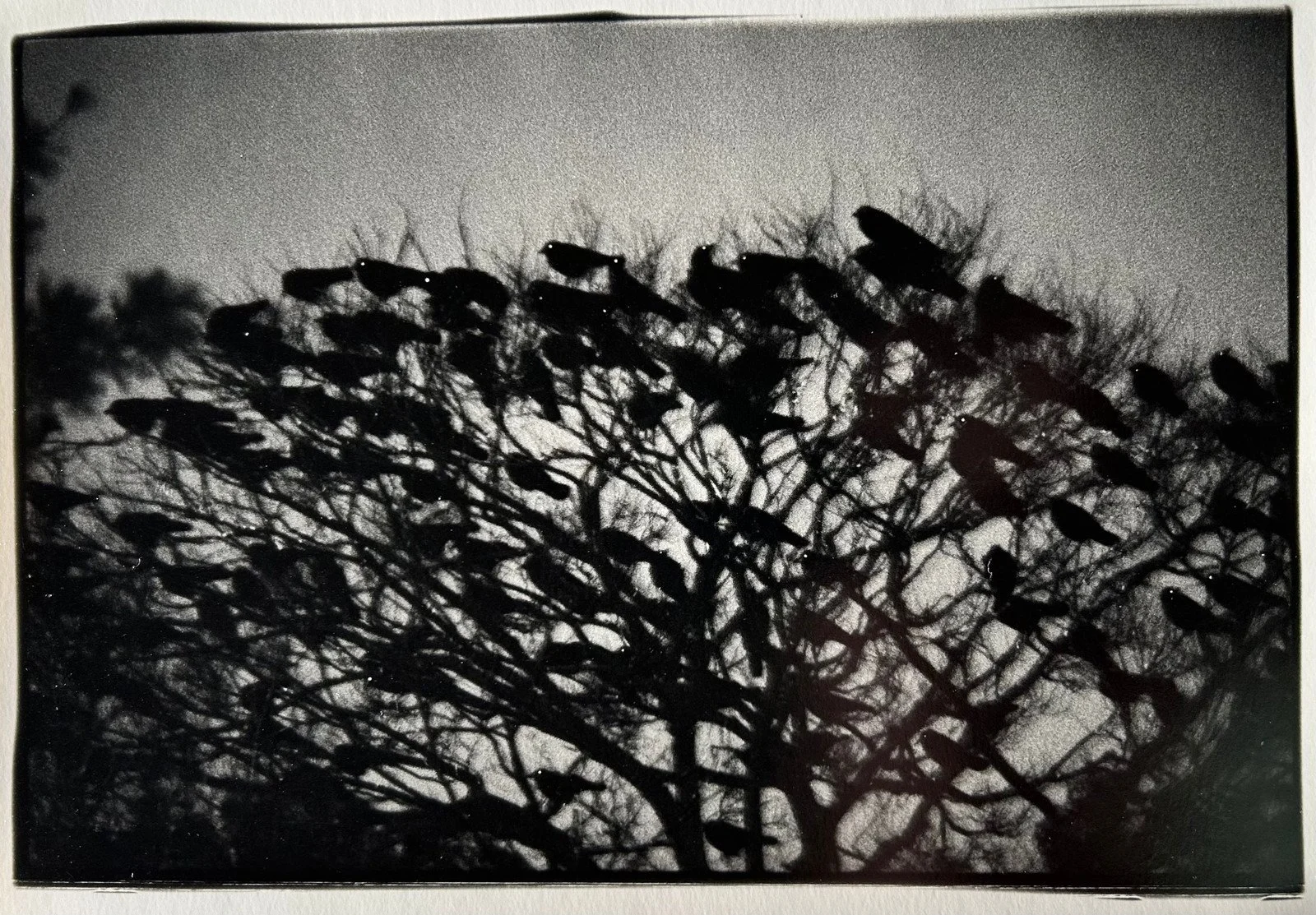
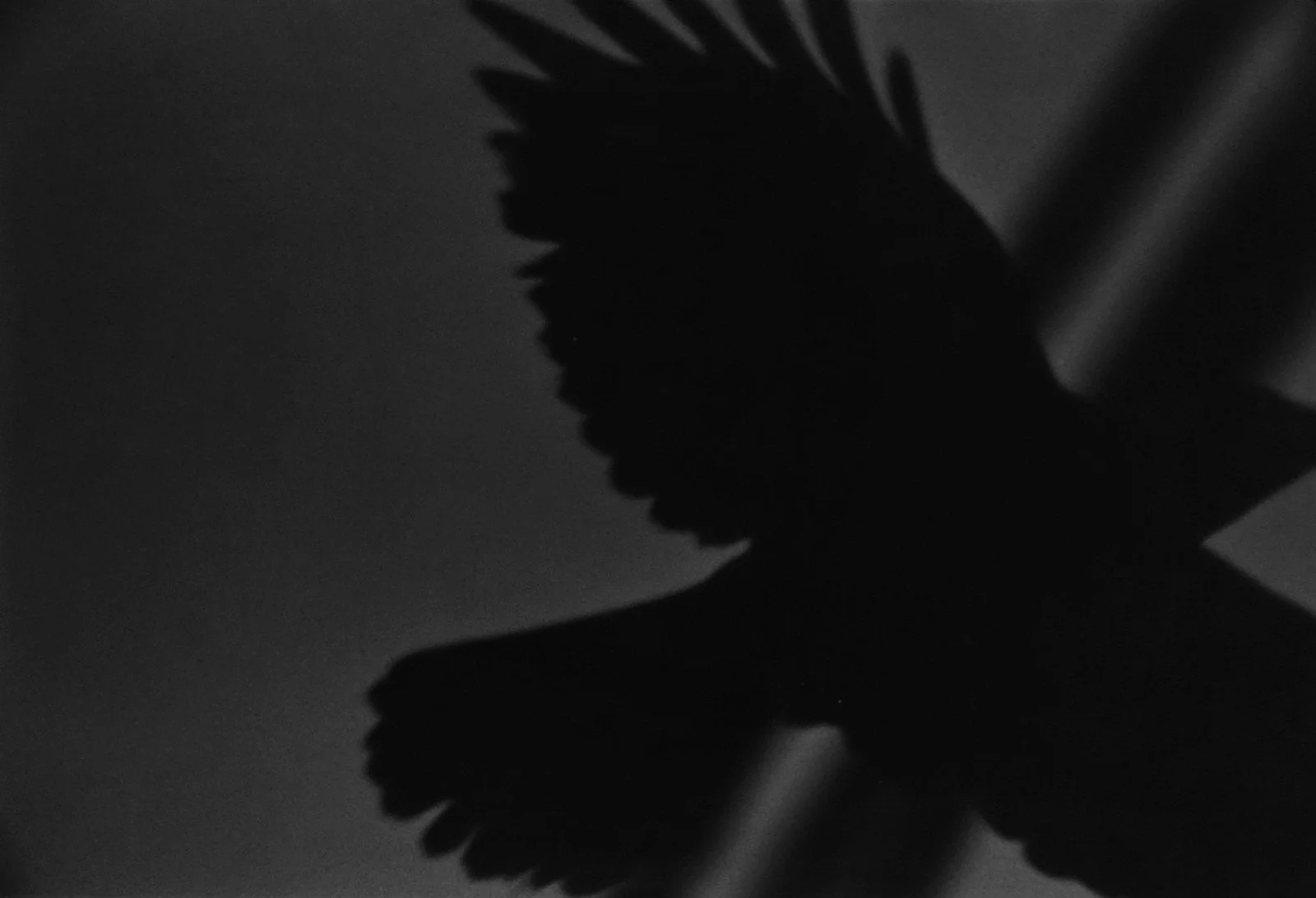
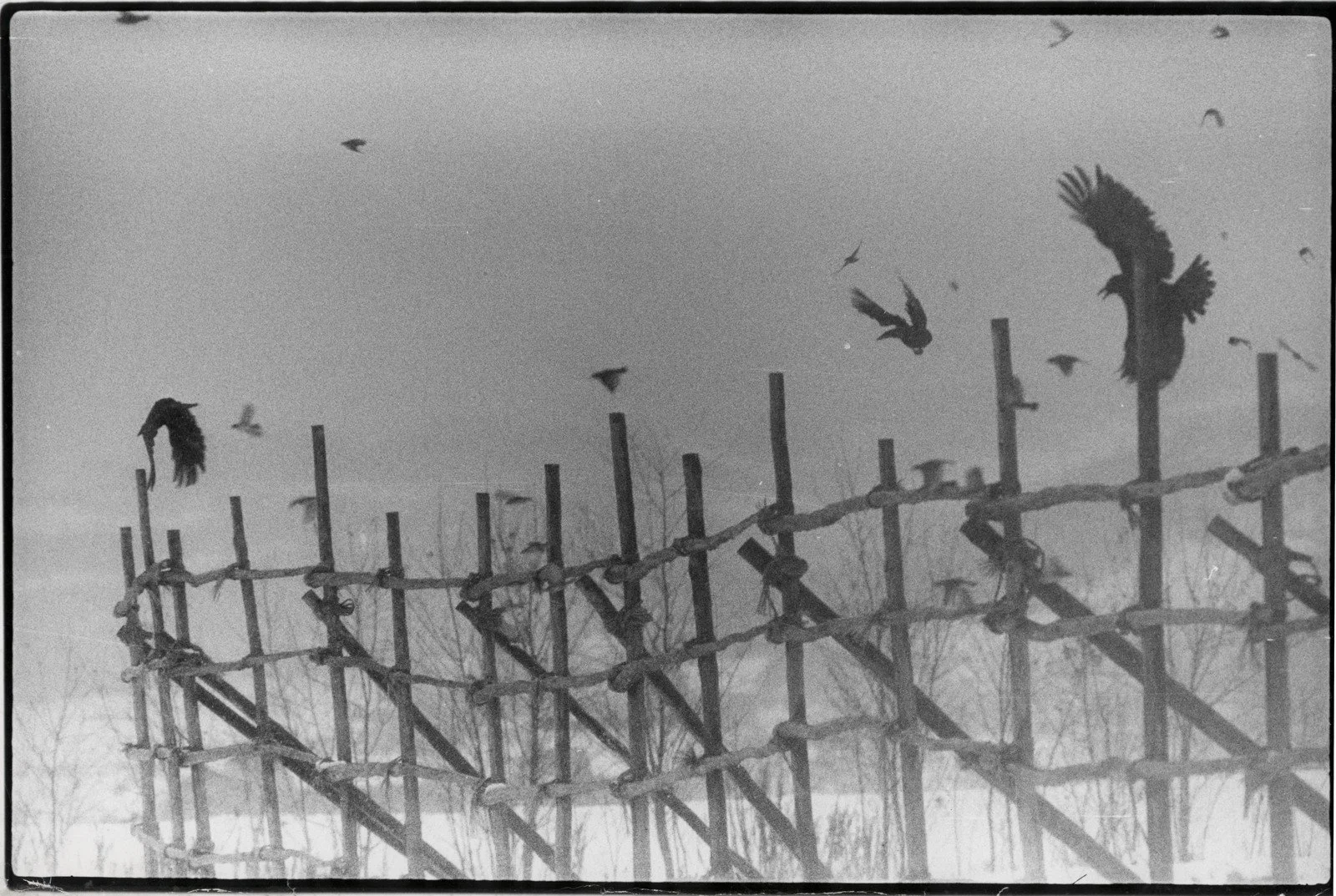
Ravens is the work he is most known for. The pictures are grainy and dark, with single birds and flocks. Many show crows over the coasts of Hokkaido. Look at Kanazawa, from Solitude of Ravens, 1977, Nayoro, from the Solitude of Ravens, 1977 and Erimo Cape, from the Solitude of Ravens, 1976. In the same years he photographed cats, above all his own cat Sasuke.
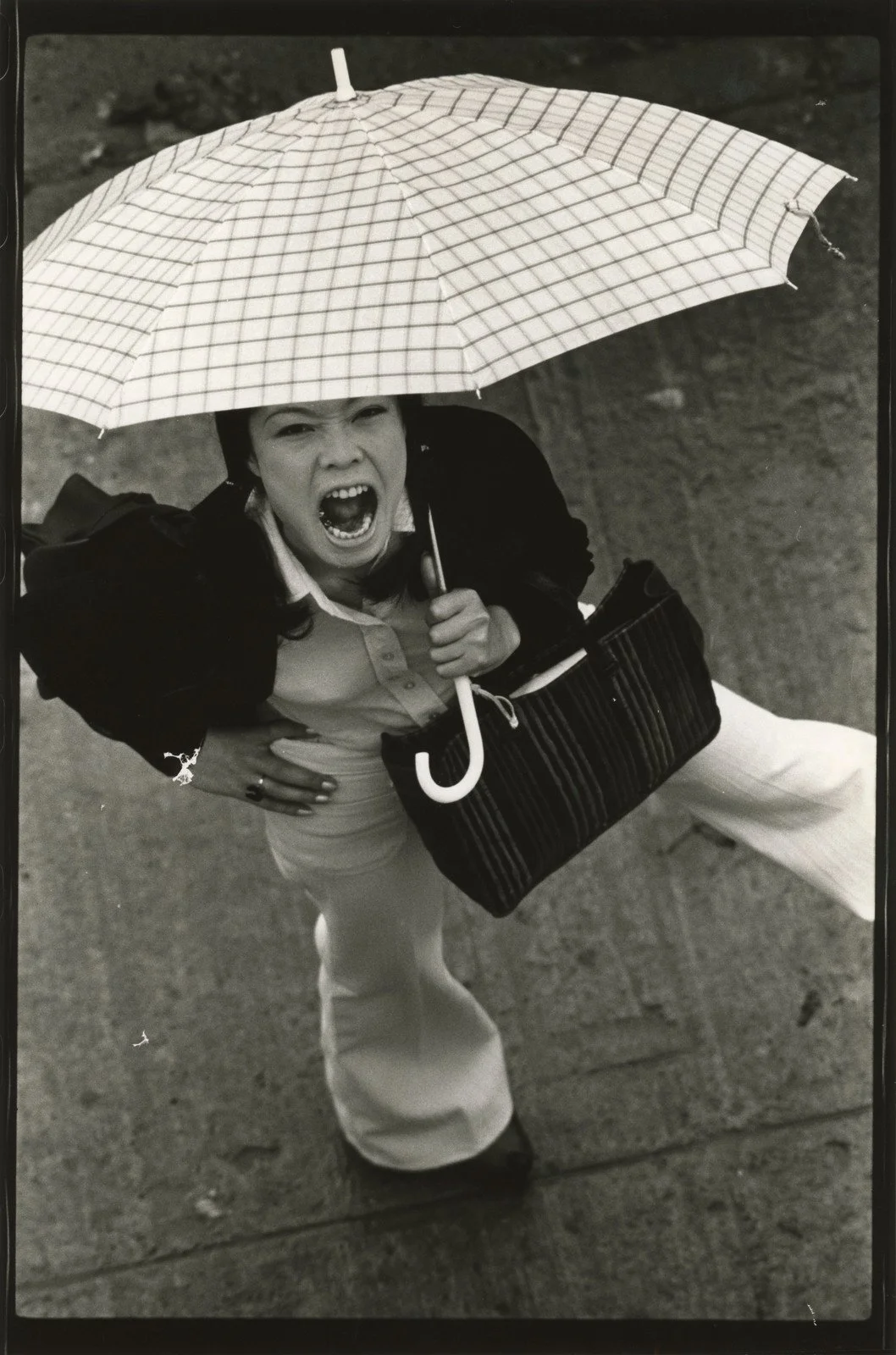
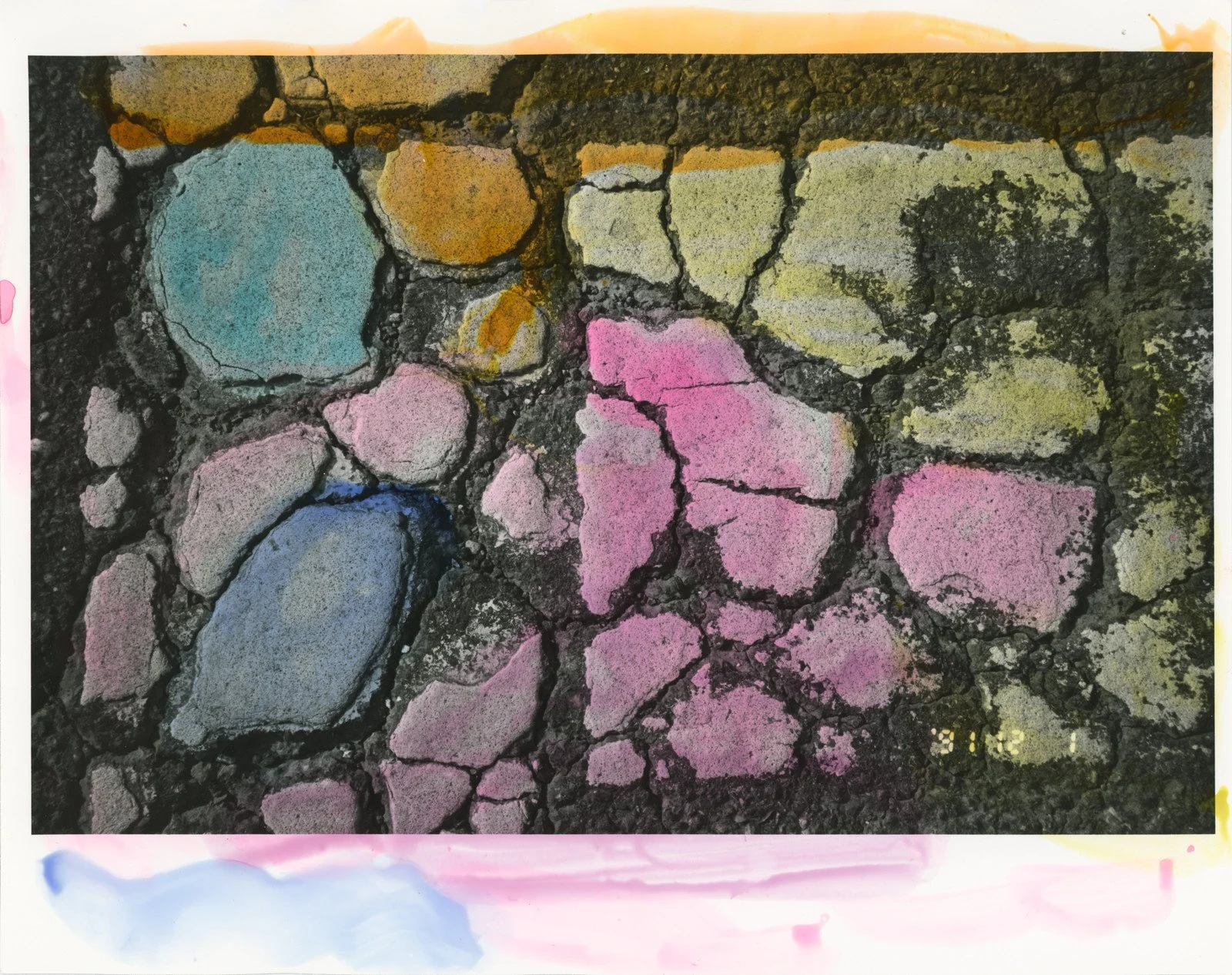
Hibi (1990 to 1992) follows his wanderings through the streets and nightlife of Tokyo, together with self-portraits. HIBI 34, 1991 comes from this series. In Berobero he made pairs of people touching tongues and later painted on the prints. In 1974 he also taught as a co-founder of the Workshop Photography School in Tokyo.
- 1934Born in Bifuka, Hokkaido, into a family of studio photographers
- 1956Graduates from the photography department of Nihon University College of Art
- 1968Becomes a freelance photographer
- 1971Publishes Yugi (Homo Ludens) and begins the series Family in Bifuka
- 1974Co-founds the Workshop Photography School and is shown in New Japanese Photography at MoMA
- 1976Divorces Yoko, travels to Hokkaido and begins the Ravens series
- 1986Karasu (Ravens) is published by Sokyu-sha
- 1992Falls down the stairs of a bar and suffers a serious brain injury
- 2012Dies in Tokyo
In his words
“The ravens themselves weren’t really the point. I myself had become a raven.”
“I became a raven with a camera.”
“I have as many faces as I have acquaintances.”
“That was the crossroads where I chose to become a photographer rather than to take photos in a photography studio.”
“I wonder whether I’m truly enjoying myself when I take photographs?”
Photography, Reconsidered follows questions like this through the work of other photographers.
Gear
No camera or lens of Fukase is clearly documented. These two things are.
Compact camera with a date stamp: For Bukubuku, his bathtub self-portraits of 1991, he used a compact camera. The Archives say it was waterproof. Foam notes that in his last years he added a digital date stamp to his prints.
Polaroids and painted prints: Fukase did not stop work at the click of the shutter. The Archives mention his large Polaroids and his painted self-portraits. Foam shows colour Polaroids from his Raven Scenes series of 1985.
Books
Ravens (MACK, 2017). This is a bilingual facsimile of the 1986 first edition of Karasu, with 80 tritone plates and 13 colour plates. It has an essay by Tomo Kosuga, the founder of the Masahisa Fukase Archives, with recently found photographs and drawings. It is the best first book for anyone who wants to see his best-known series.
Masahisa Fukase (Atelier EXB, 2018). This is the first retrospective book, with 350 pictures from 26 series. The texts were written and supervised by Tomo Kosuga, with an introduction by Simon Baker. It shows Ravens, Memories of Father, the cat series, Bukubuku and Berobero. It is for readers who want the whole picture of his life in photography.
Family (Kazoku) (MACK, 2019). This book reissues the 1991 original. It starts with a photograph of the family studio, followed by 31 family portraits in the order they were made, from 1971 to 1989. It has a text by Fukase and a new essay by Tomo Kosuga. It is for readers who like quiet stories about a family and time.

Kirk Truman is a British portrait and fine art photographer who works from his studio in Bloomsbury, London.