AT A GLANCE
- Known for
- Photographs of Nagasaki after the atomic bomb, the series Chewing Gum and Chocolate about American bases in Japan, and The Pencil of the Sun (1975) from Okinawa
- Works in
- Black and white documentary series and photobooks, and color from 1971 in Okinawa
- Also
- Founding member of the agency VIVO (1959) · started the publishing house Shaken and the journal Ken · organized the 1968 exhibition A Century of Photography, the first survey of Japanese photography from 1840 to 1945
- Awards
- Japan Photo Critics Association Newcomer’s Award (1958) · Mainichi Art Award (1976) · Medal with Purple Ribbon (1995) · Photographic Society of Japan Distinguished Contributions Award (2005)
- Start with
- Shomei Tomatsu: Skin of the Nation (San Francisco Museum of Modern Art / Yale University Press, 2004)
- Links
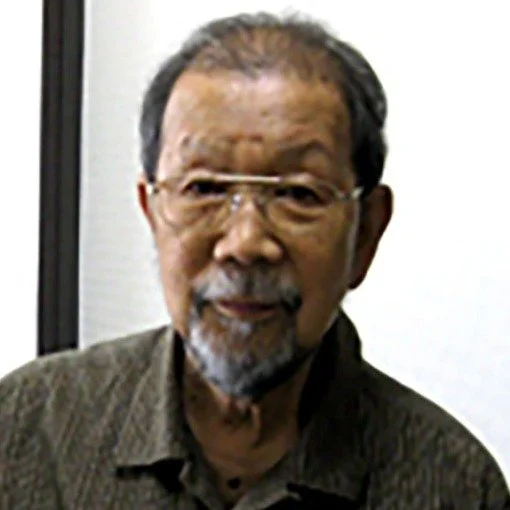
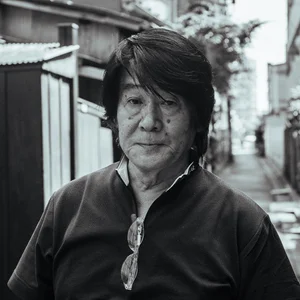
Shōmei Tōmatsu (1930 to 2012) was a Japanese photographer. He was born in Nagoya and is widely seen as the most important figure in Japanese postwar photography. He is best known for his pictures of Nagasaki after the atomic bomb, for his long study of the American presence in Japan, and for his work in Okinawa.
The story
During the war, Nagoya was bombed again and again. When the air raid warning sounded, the teenage Tōmatsu first ran to a shelter. Soon he got bored. So at night he opened the window and set up a mirror, so that he could see the sky from his futon. Then the B-29 bombers came, very low. “As they passed by, they looked so beautiful. I enjoyed watching them in the mirror while lying on my futon.”
Later he knew how close that was. “I was right next to death.” His house did not burn, but most houses around it did. When the war ended, the raids stopped. “The sky was blue and very quiet, with clouds floating. I thought, ‘This is the real sky.’” The grown-ups had promised a win. Then the occupiers arrived and answered the children’s “Gimme” with chocolate and chewing gum. Tōmatsu counted himself in a generation that no longer trusted grown-ups. Later he gave his long series about the American bases the title Chewing Gum and Chocolate.
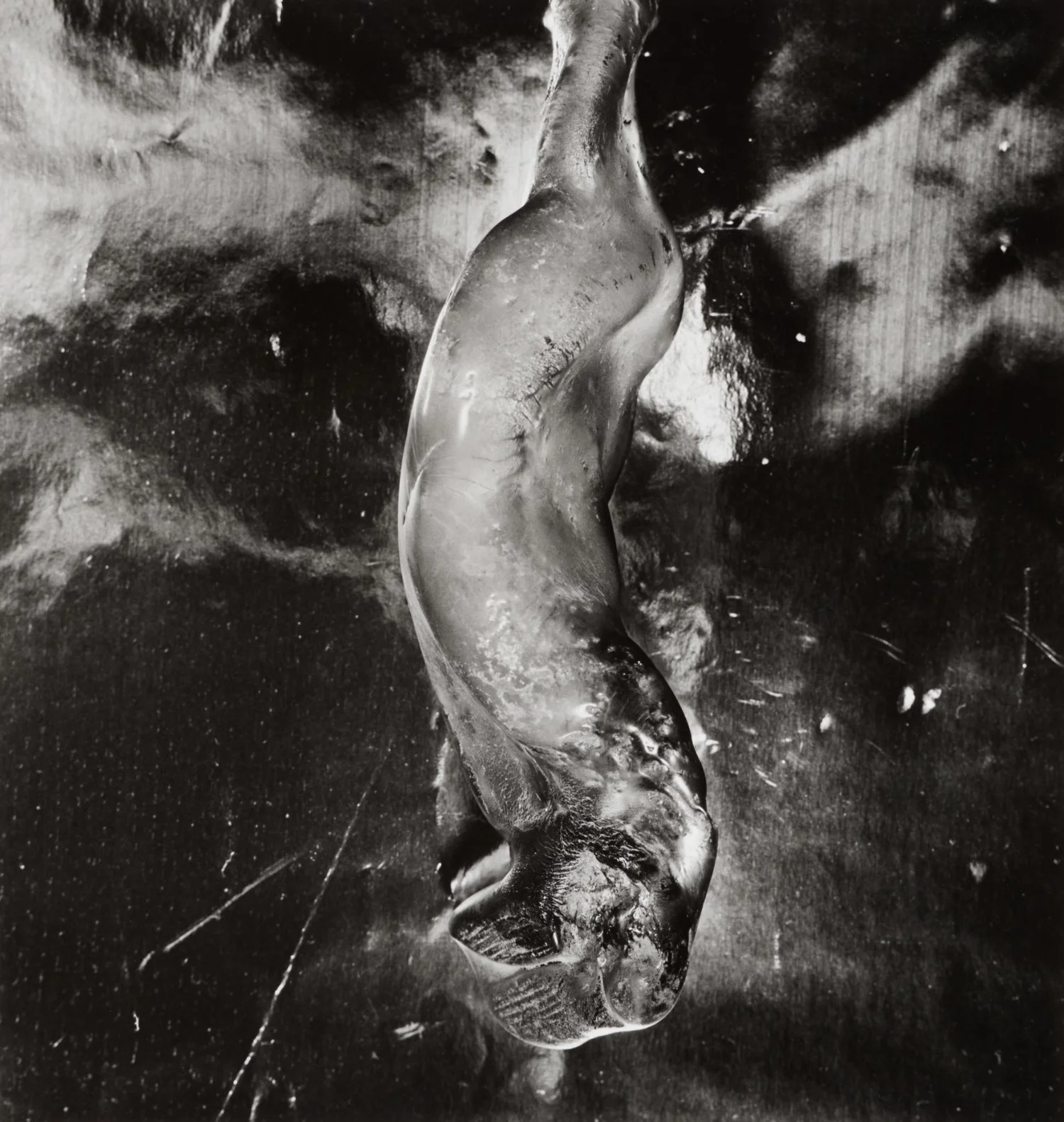
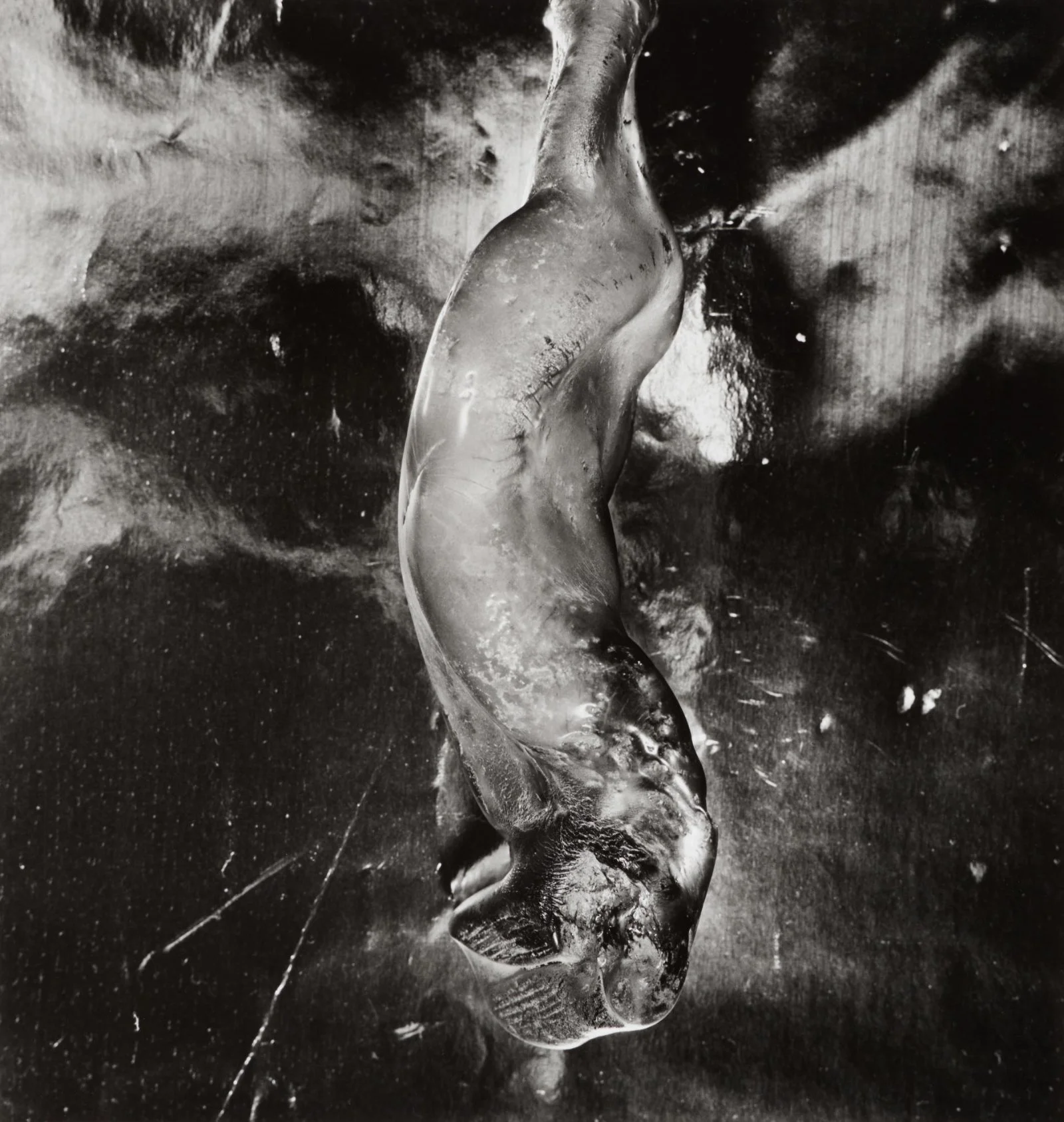
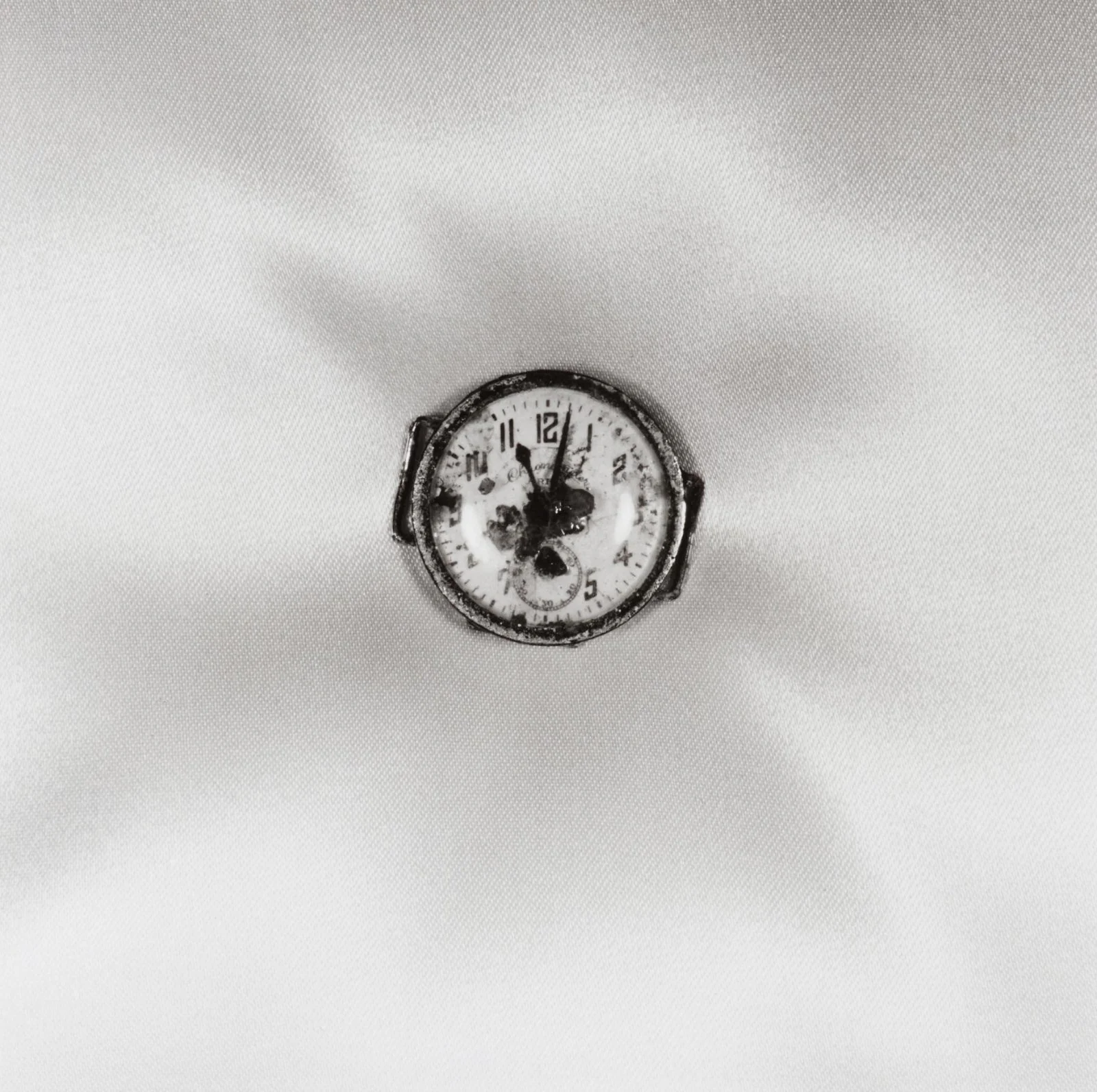
He found photography as a student. After a short job at the publisher Iwanami Shoten, he joined five other young photographers in 1959 to form the agency VIVO. Then, around 1960, a task came to VIVO. The Japan Council Against Atomic and Hydrogen Bombs needed pictures of Nagasaki for a book. “They named me as a photographer. Even now, I don’t know why they wanted me.” Ken Domon had already photographed Hiroshima. So Tōmatsu went to Nagasaki, fifteen years after the bomb. He visited people who had lived through it. He also visited a hall where objects from the bomb were shown, and he photographed them. Among them were a wristwatch stopped at 11:02 and a beer bottle melted by the heat.
The people were harder to photograph. When he visited the poet Sumako Fukuda, whose skin had been damaged by the bomb, Tōmatsu hesitated. “My camera would not come out of my bag.” Then she spoke to him. “You are here to photograph me. Do it already!” Her words helped him to begin. He thought she wanted to tell the whole world what an inhumane weapon the bomb was.
Another survivor became a friend for many years. Senji Yamaguchi had been sent as a student to work in a weapons factory, just as Tōmatsu was sent to an ironworks. “So, if our places had been switched, I could have been an A-bomb victim.” The Nagasaki pictures were shown in Tokyo in 1962 and became his book 11:02 Nagasaki in 1966. He kept returning to the city. In 1999 he moved there. He photographed Yamaguchi once more, now an older man on a boat ride, seen from behind.
Okinawa pulled him too. In 1969 it was still run by the American military, and at first he could not get permission to go. An editor of Asahi Camera found a way, and Tōmatsu went as a special correspondent. He stayed two months. Away from the bases, he found islands with almost no sign of the occupation. He came back every year, and in 1972, when Okinawa returned to Japan, he registered as a resident. He explained it with a simple picture. “If you fall in love with Nagasaki, you want to live in Nagasaki. If you fall in love with Okinawa, you live in Okinawa.”
The work
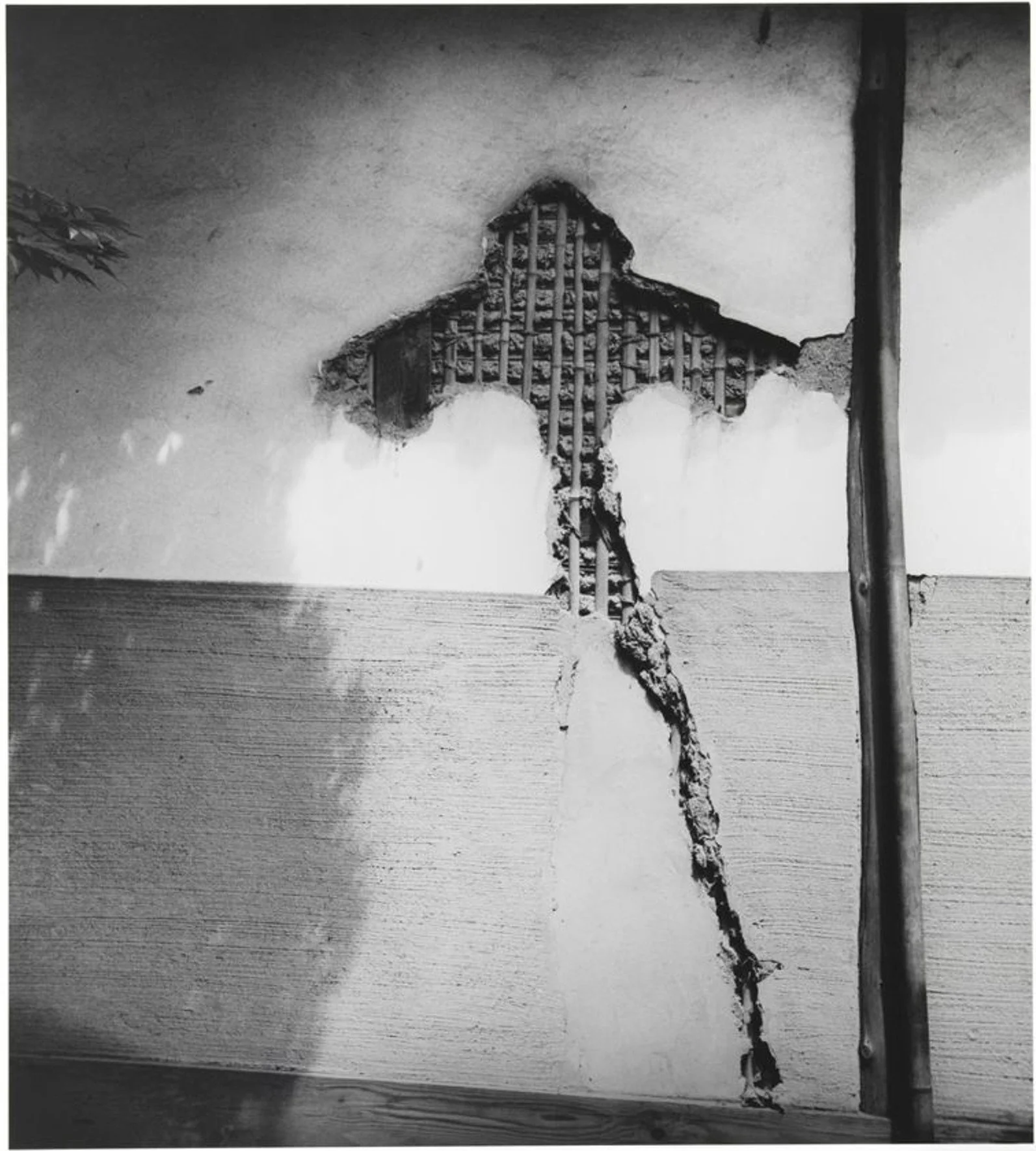
Tōmatsu started to photograph as a student in Nagoya. The Path of the Wind, Nagoya, Aichi, 1951 dates from these years. SFMOMA says his first series, Disabled Veterans, Nagoya (1952) and Pottery Town, Seto, Aichi (1954), showed poverty after the war and an old craft culture that lived on. In 1959 the Ise Bay typhoon hit Nagoya, where he grew up. It destroyed his mother’s home, and he photographed the aftermath.
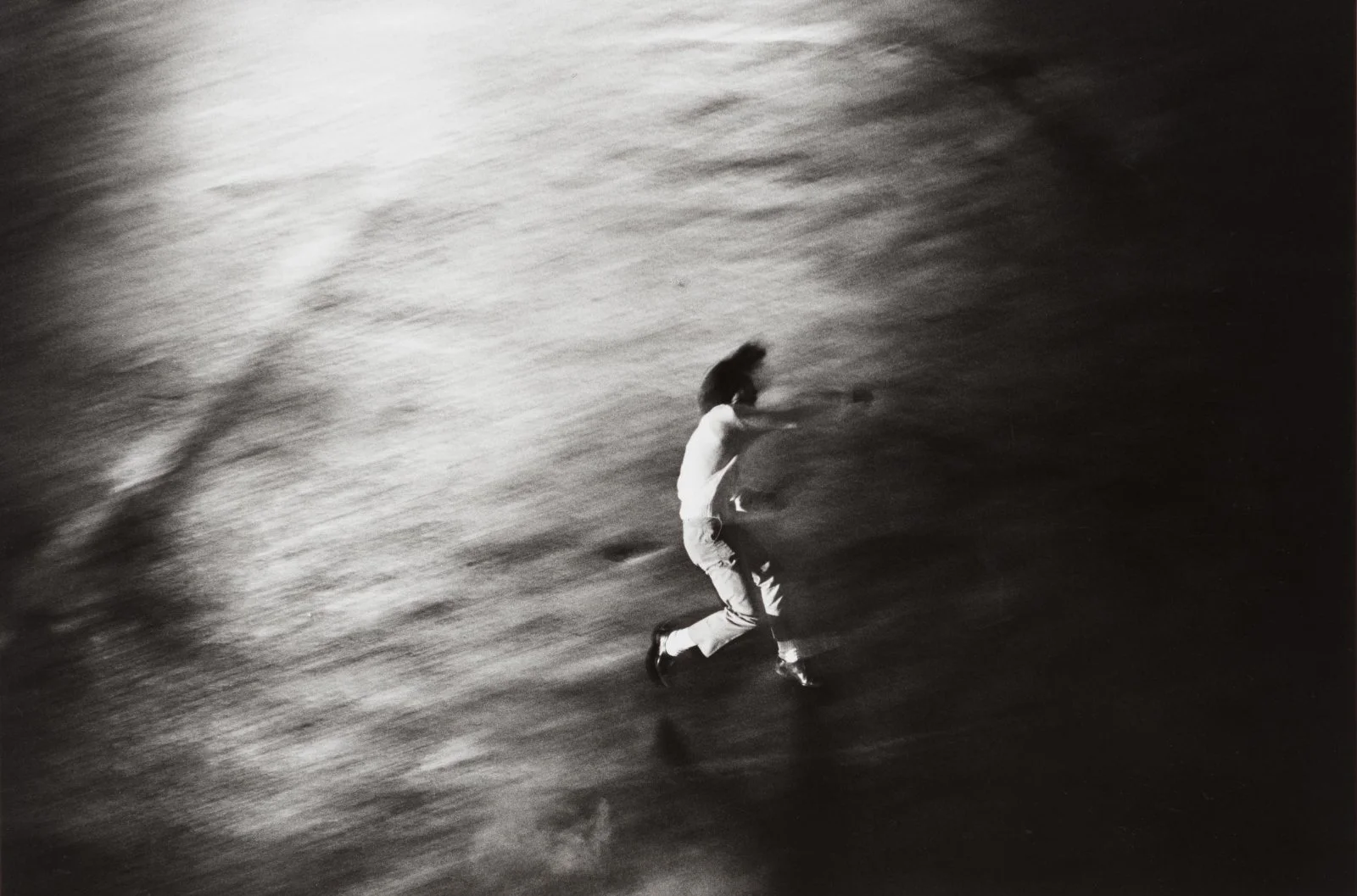
In 1959 he also began to photograph the American military bases around Tokyo. He first called the series Occupation. Later it became Chewing Gum and Chocolate, after the sweets that soldiers gave to Japanese children. The same year he joined Ikko Narahara, Kikuji Kawada, Eikoh Hosoe, Akira Sato and Akira Tanno to form VIVO, modelled on Magnum. In 1969 he photographed the student protests in Tokyo. Protest, Tokyo, 1969 belongs to this work. Younger photographers took notice. Daido Moriyama is quoted as saying that for him, everything began with Tōmatsu.
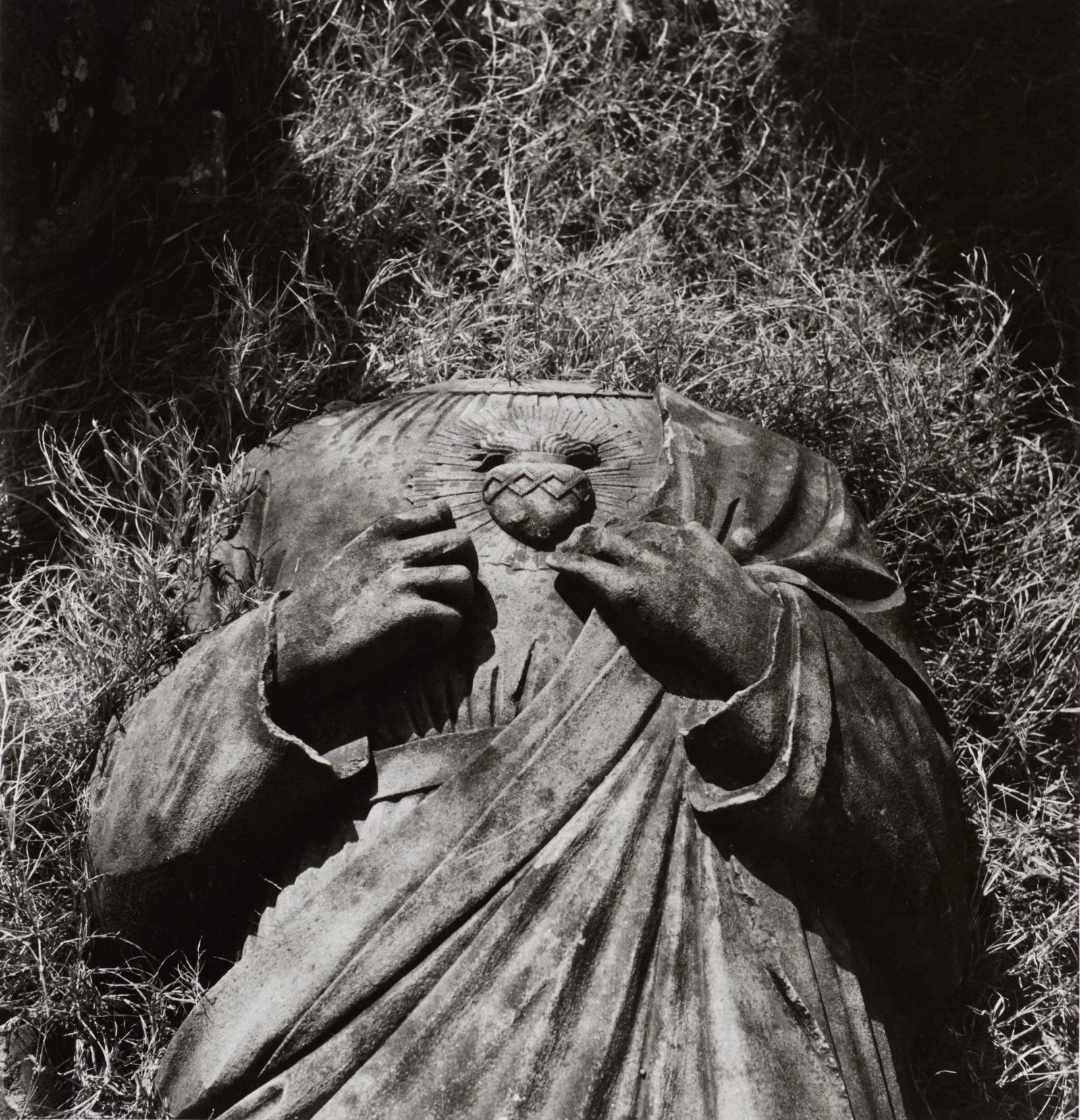
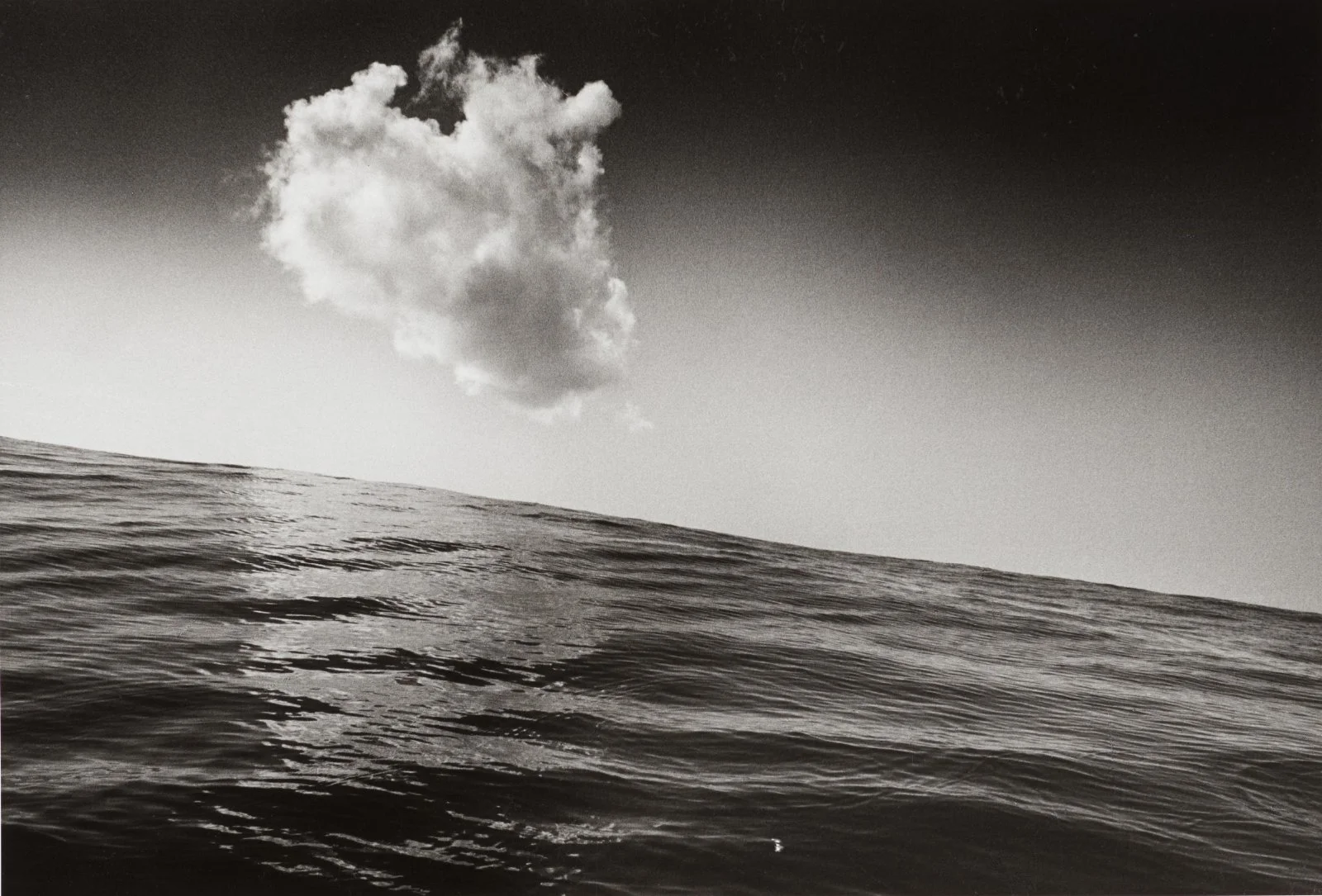
The Nagasaki pictures grew into the book 11:02 Nagasaki (1966). SFMOMA says he also photographed details of the city’s cracked cathedral. Statue of a Saint That Was Beheaded by the Atomic Explosion, 1945, Nagasaki, 1961 is one of his pictures of a broken statue. After his first trip to Okinawa in 1969, he turned from the bases to the islands’ older culture. This led to The Pencil of the Sun (1975), a title that points to Fox Talbot’s The Pencil of Nature. Hateruma Island, Okinawa, 1971 comes from that series. In Okinawa he also changed to color film. In 1988 and 1989 he photographed rubbish washed up on a beach in Chiba in the series Plastics. After 1999 he lived in Nagasaki, and he spent his last two years in Okinawa.
- 1930Born in Nagoya
- 1945Is fifteen when the war ends in Japan
- 1954Begins to work for the publisher Iwanami Shoten
- 1959Joins five other photographers to form the agency VIVO
- 1960Goes to Nagasaki for the first time to photograph survivors of the atomic bomb
- 1969Visits Okinawa for the first time and publishes the book Okinawa Okinawa Okinawa
- 1975Publishes The Pencil of the Sun
- 1999Moves to Nagasaki
- 2012Dies in Naha, Okinawa
In his words
“As they passed by, they looked so beautiful. I enjoyed watching them in the mirror while lying on my futon.”
“The sky was blue and very quiet, with clouds floating. I thought, ‘This is the real sky.’”
“It was from the ruins of war that Japan was reborn, Phoenix-like. It was only from here that it could make a fresh start.”
“The everyday customs or landscapes that were discarded in the process of Japan’s modernization. I found them in Okinawa and they appealed to me.”
“If you fall in love with Nagasaki, you want to live in Nagasaki. If you fall in love with Okinawa, you live in Okinawa.”
Photography, Reconsidered follows questions like this through the work of other photographers.
Gear
No camera, lens or film brand of Tōmatsu is documented in more than one source. One thing is.
Color film: In Okinawa, from about 1971, he began to use color film. He wrote that in color, America’s presence is diminished. The second half of The Pencil of the Sun was made in color.
Books
Shomei Tomatsu: Skin of the Nation (San Francisco Museum of Modern Art / Yale University Press, 2004). This book goes with the SFMOMA retrospective, the first major American show of Tōmatsu. It has texts by Leo Rubinfien, Sandra S. Phillips and John W. Dower, and a preface by Daido Moriyama. It covers the atomic bomb in Nagasaki, American influence and the boom years. It is a good first big book for anyone who wants the full picture.
Shomei Tomatsu: Chewing Gum and Chocolate (Aperture, 2014). Aperture gathers his series on the American bases in one volume for the first time. Leo Rubinfien writes an essay, and the book includes texts by Tōmatsu from the 1960s and 1970s that were translated for the first time. It is for readers who want to follow how Japan met America after the war.
Shomei Tomatsu (Phaidon 55) (Phaidon Press, 2001). Ian Jeffrey writes this small paperback of 128 pages. The publisher says Tōmatsu mixes symbolism and realism, and the book covers the typhoon, the atomic bomb in Nagasaki and the Americanization of Japan. It is for readers who want a short, low-cost introduction.
Hiroshima-Nagasaki Document 1961 (Japan Council Against Atomic and Hydrogen Bombs, 1961). Tōmatsu photographed Nagasaki and Ken Domon photographed Hiroshima for this book. It has texts by Hideki Yukawa and others, and the design is by Kiyoshi Awazu, Kohei Sugiura and Kazunobu Shimura. It is for readers who want to see where the Nagasaki pictures first appeared.


Tarik Ahmet is a London photographer and the photography half of Oh Brother Creative, a team he runs with his brother.