AT A GLANCE
- Known for
- The Tract Houses (1971), The New Industrial Parks near Irvine, California (1974), and the series Nevada, Park City, San Quentin Point and Candlestick Point
- Works in
- Black-and-white series of the American West until the 1980s, then large color prints made in Europe
- Taught
- Pomona College and CalArts in the early 1970s, later the IUAV in Venice and the European Graduate School
- Awards
- Guggenheim Fellowship (1977), National Endowment for the Arts grants (1973 and 1977)
- Start with
- The New Industrial Parks near Irvine, California (Castelli Graphics, 1974)
- Links
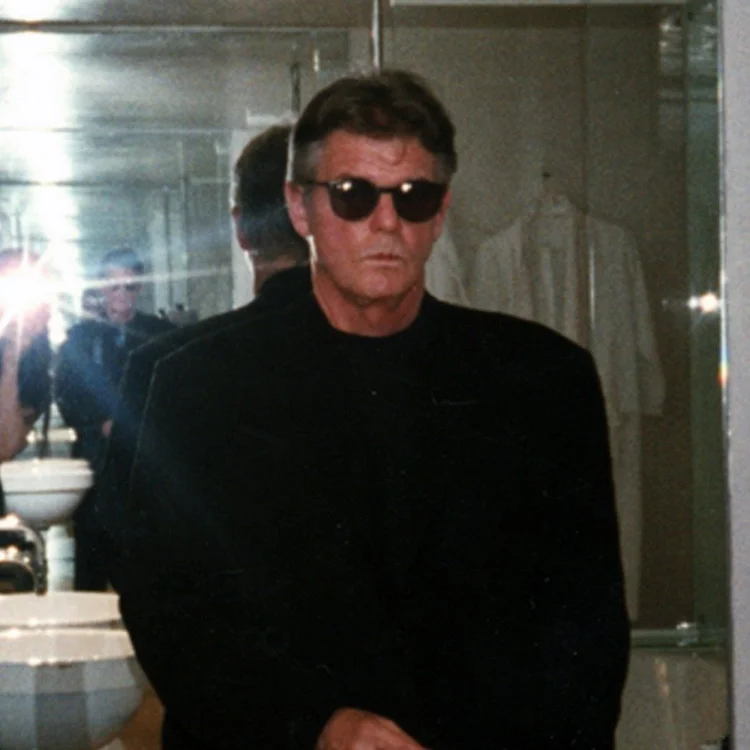
Lewis Baltz (1945 to 2014) was an American photographer. He was born in Newport Beach, California, and became a key figure of the New Topographics group of the 1970s. He is best known for The New Industrial Parks near Irvine, California (1974), a series on new industrial buildings. Later he moved to Europe, worked in color, and died in Paris.
The story
Lewis Baltz was twelve years old when he started to hang around a camera store in Laguna Beach, California. Looking back, he said, “When I was 12 years old, I began to photograph seriously. Too seriously.”
The store belonged to William Current. Baltz bought a Rolleiflex camera there. Current talked with the boy about art and photography, and gave him a job in the shop when he was 14. The Getty Research Institute calls Current his early mentor.
But the coast around that shop was changing fast. Baltz grew up in postwar Southern California and watched open farmland and desert turn into new towns. So by 1967 he was photographing the plain things that came with them: stucco walls, blank windows, signs and parking lots. He studied at Monterey Peninsula College, then at the San Francisco Art Institute, where he graduated in 1969.
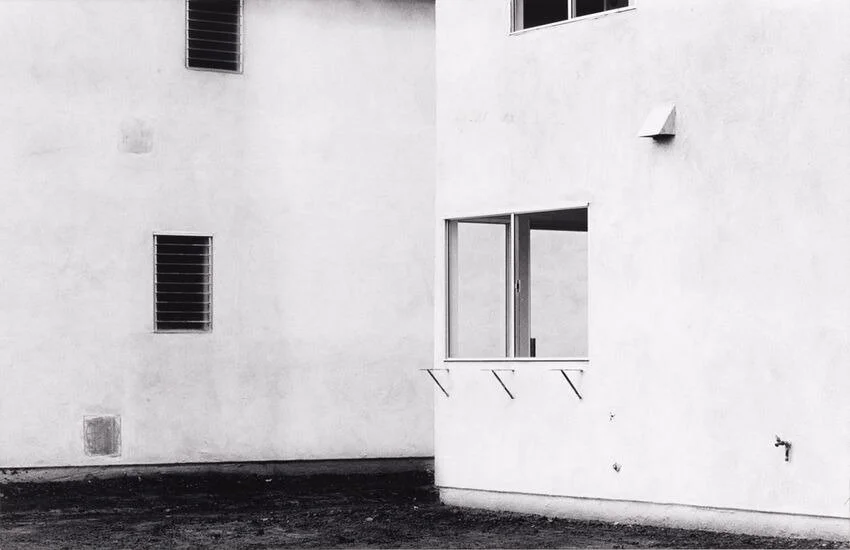
His teachers were not impressed. Of those first pictures he said, “The point is, everyone hated this work. It was everything that they didn’t like.” Then came the series of houses under construction. Tract House #22 shows plain walls with a few small windows. In 1971 he had his first solo show, Tract Houses, at the Leo Castelli Gallery in New York. He was 26.
Therefore he kept going, one place at a time. In 1974 he published The New Industrial Parks near Irvine, California, 51 pictures of new business buildings where farm fields had been. In 1975 he was one of the photographers in the exhibition New Topographics at the George Eastman House in Rochester. Nevada, Park City and San Quentin Point followed. Then came Candlestick Point, his only commission in the United States. It has 84 pictures, and 12 of them are in color.
After it, a museum in Newport Beach was building a new home, and he thought about a survey of that site too. He walked around the place and stopped. “I realized I had come to an end of doing this kind of thing.”
The work
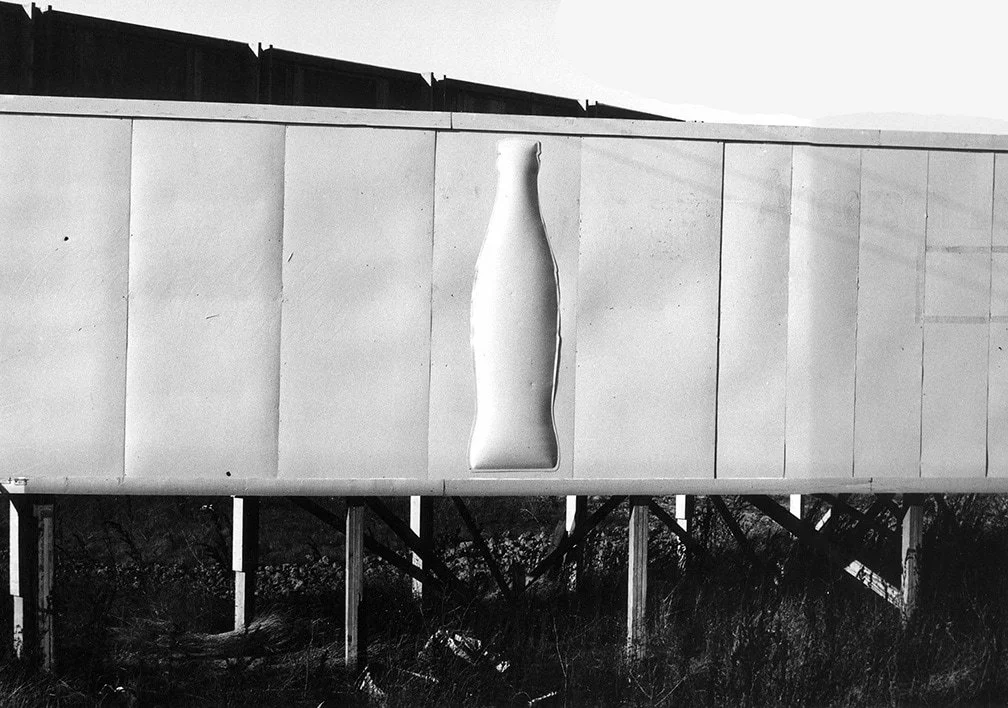
Baltz called his early pictures Prototypes. By this he meant things that can be copied: model buildings and everyday habits. Gallery Luisotti says they show stucco walls, parking lots and billboards in Californian sunlight, as in Sign, Gilroy, 1967. He gave each series a title with a place in it. He said he wanted to give the impression that the pictures were “exactly specifically located and locatable.”
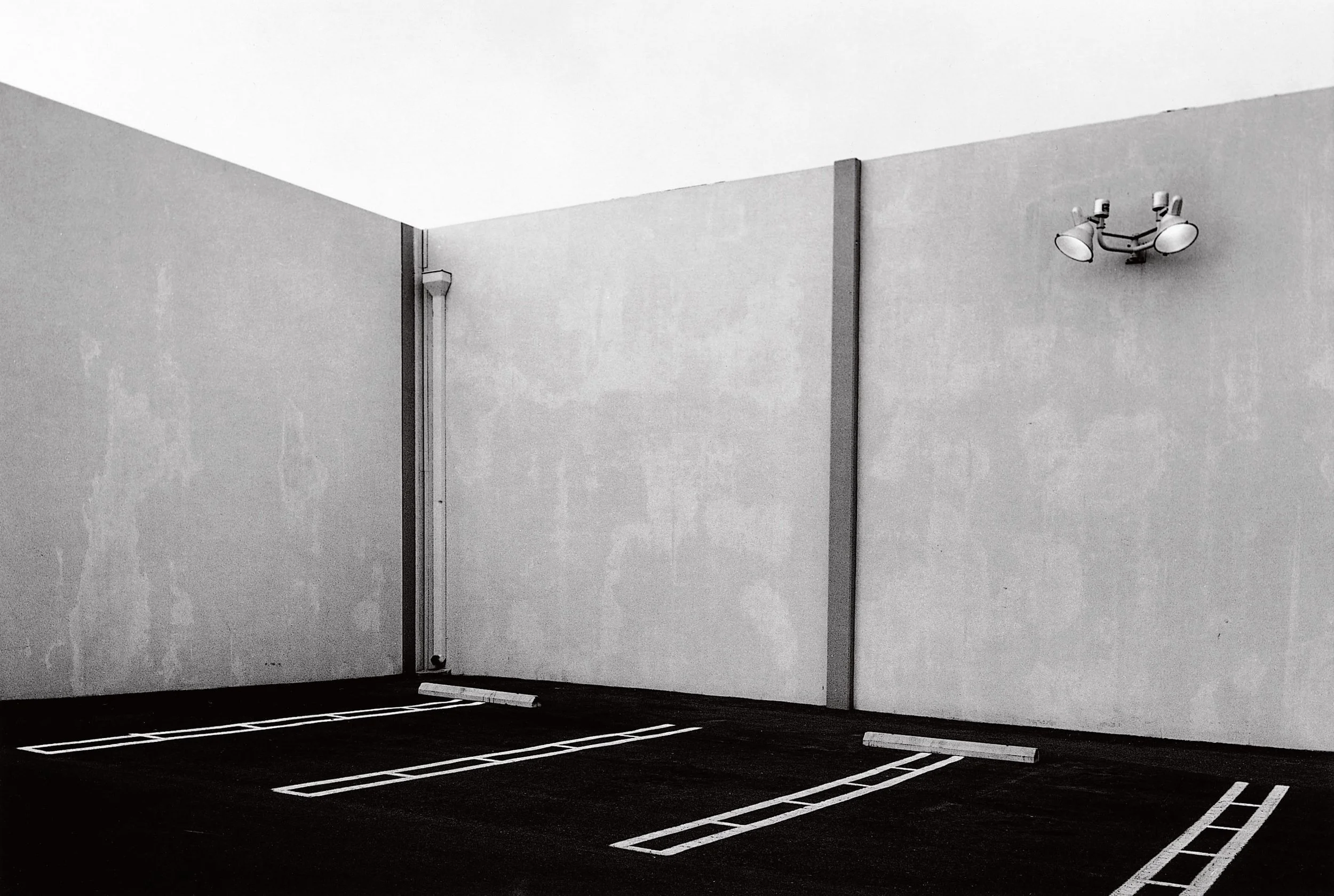
His best-known series, The New Industrial Parks near Irvine, California, has 51 pictures. They show a landscape that changed fast from farmland to technology industry. One example is The New Industrial Parks near Irvine, California, #1, 1974. The CCA in Montreal notes that the pictures were made in Costa Mesa, Irvine and El Toro. His cool, detached view later influenced photographers in the United States, Germany and Japan, says his publisher Steidl.
Nevada looked at new building around Reno, as in Element #6 (New Construction, Shadow Mountain), 1977. In Park City, Utah, he said the town was growing so rapidly that it looked different each time he came back. Park City #4, 1980 and San Quentin Point #49, 1984 come from these series. From the late 1980s he lived in Europe and worked in large color prints. He photographed sites of science and technology, and empty city streets at night. From 1993 his main publisher was Gerhard Steidl.
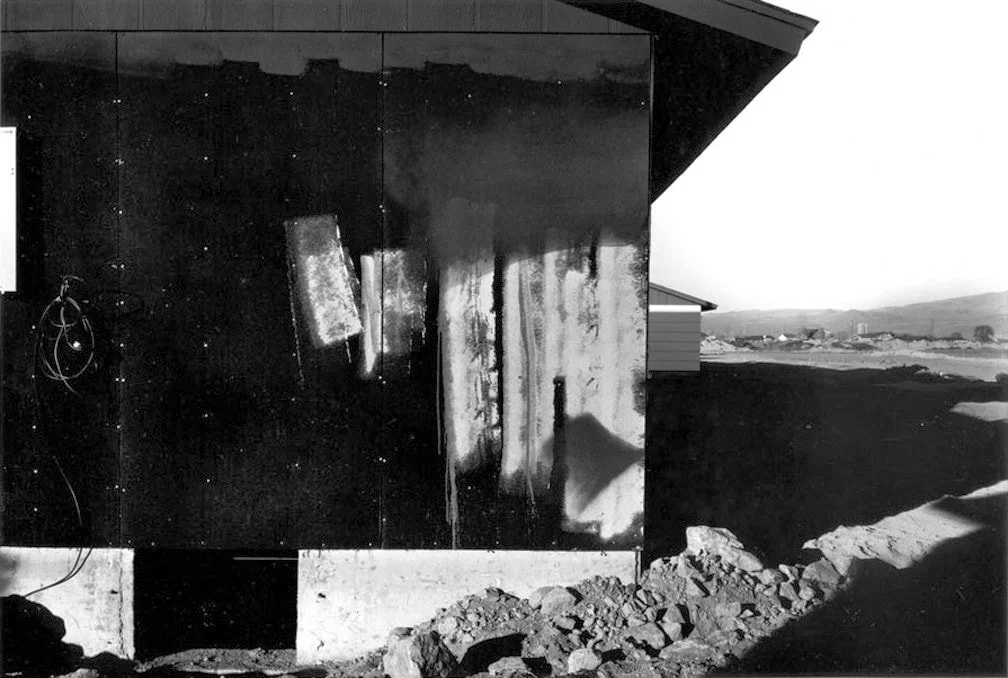
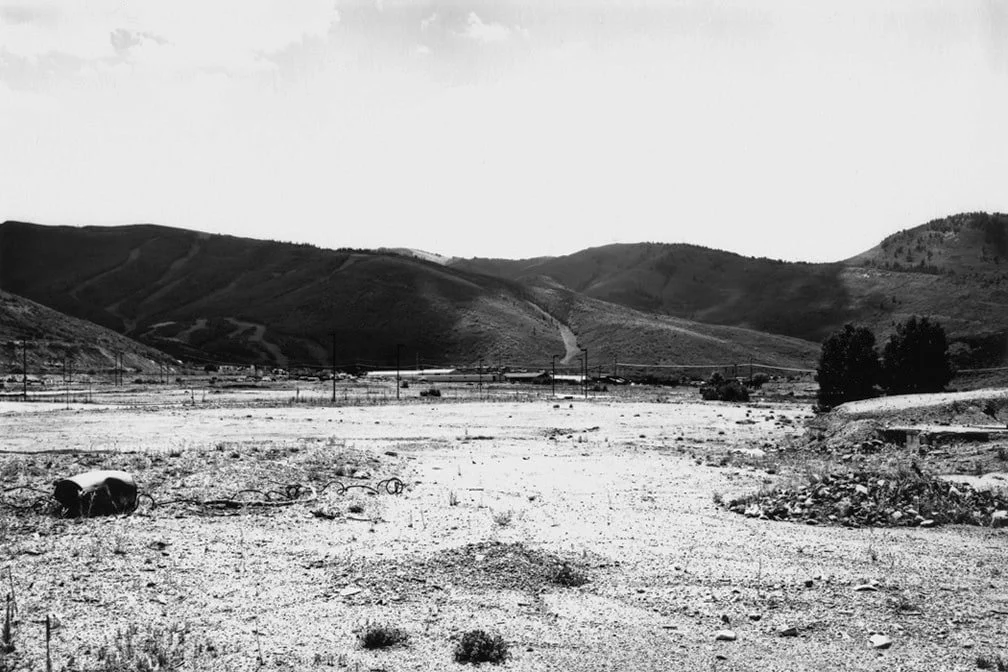
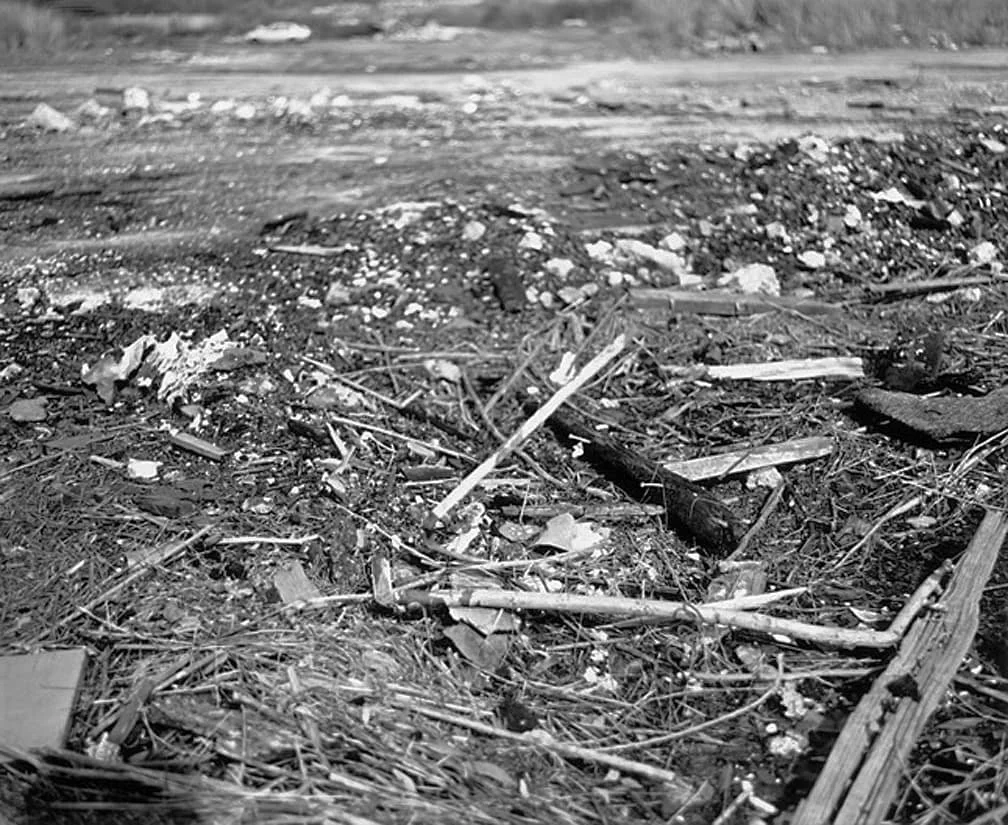
- 1945Born in Newport Beach, California
- 1969Gets a BFA from the San Francisco Art Institute
- 1971Gets an MFA from Claremont Graduate School and has his first solo show, Tract Houses, at Leo Castelli Gallery in New York
- 1974Publishes The New Industrial Parks near Irvine, California
- 1975Takes part in the exhibition New Topographics at the George Eastman House
- 1977Receives a Guggenheim Fellowship
- Late 1980sMoves to Europe, where he works mostly in color
- 2014Dies in Paris
Lessons
Look at the places others skip. Baltz photographed generic details of new buildings: walls, signs and parking lots. The Getty says these were the things people usually overlooked. Look for what is around you every day and never gets a picture.
Name the place and keep to it. Baltz gave his series titles with a clear location, and he made many pictures in each place. He said he wanted them to seem specifically located. A fixed place gives a body of work a clear edge.
Know when a subject is finished. After Candlestick Point, Baltz felt he had come to an end of this kind of work. Later he worked in color and in Europe. It is fine to stop a project when you have nothing new to say.
Try this: choose one new street, parking lot or building site near your home. Stand at the same distance from each subject and wait for flat, even light. Take twelve pictures with no people in them. Then give the set a title that names the exact place, as Baltz did, and print the pictures in one row.
Gear
No camera, lens or film of Baltz is stated by two sources. These two things are documented.
Black-and-white gelatin silver prints: Gallery Luisotti lists the Irvine, Nevada and Park City pictures as gelatin silver prints, 8 x 10 inches. Baltz made most of his series of the 1970s and early 1980s in black and white.
Large color prints: Candlestick Point has his first color images, 12 of 84. In Europe he later worked almost only in large color prints.
Books
The New Industrial Parks near Irvine, California (Castelli Graphics, 1974). This is his best-known book. It holds 51 pictures of new industrial buildings near Irvine. Steidl lists a new edition with English and German text. It is a good first book for anyone who wants to see New Topographics at its clearest.
Candlestick Point (Steidl, 2011). This is a new edition of a book first published in 1989. It shows the landfill land near San Francisco where rubble and waste lay, with traces of drainage and building work. It has 108 pages. It is for readers who want to see his change from black and white to color.
Rule without Exception / Only Exceptions (Steidl, 2012). Two books in one slipcase. Rule Without Exception is a new edition of the book of his retrospective of 1991, from The Prototype Works to Sites of Technology, with texts by several writers. Only Exceptions shows his commissioned work from 1992 on. It has 376 pages and is for readers who want the full career.
Common Objects (Steidl, 2014). This book puts his series next to film stills by Hitchcock, Antonioni and Godard. It asks for the first time how European cinema influenced him. It has 112 pages and is for readers who like to see how pictures and films talk to each other.
In his words
“When I was 12 years old, I began to photograph seriously. Too seriously.”
“The point is, everyone hated this work. It was everything that they didn’t like.”
“I wanted to at least give the impression, possibly a false one, that these things were exactly specifically located and locatable, even if they weren’t.”
“I could go there and work for a couple of weeks, and go away for two months and come back, and it would all be different.”
“I realized I had come to an end of doing this kind of thing.”