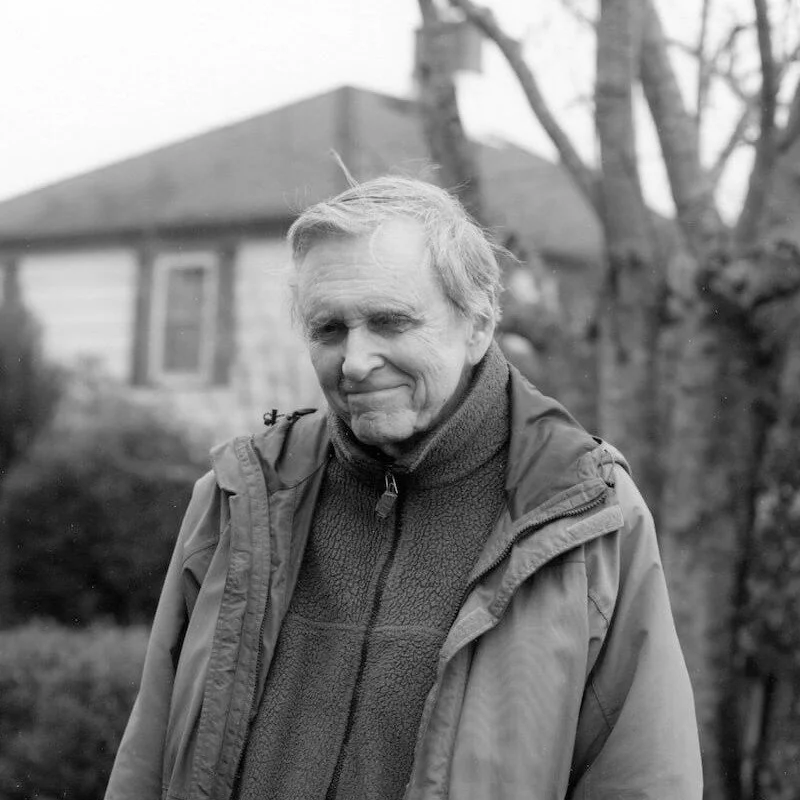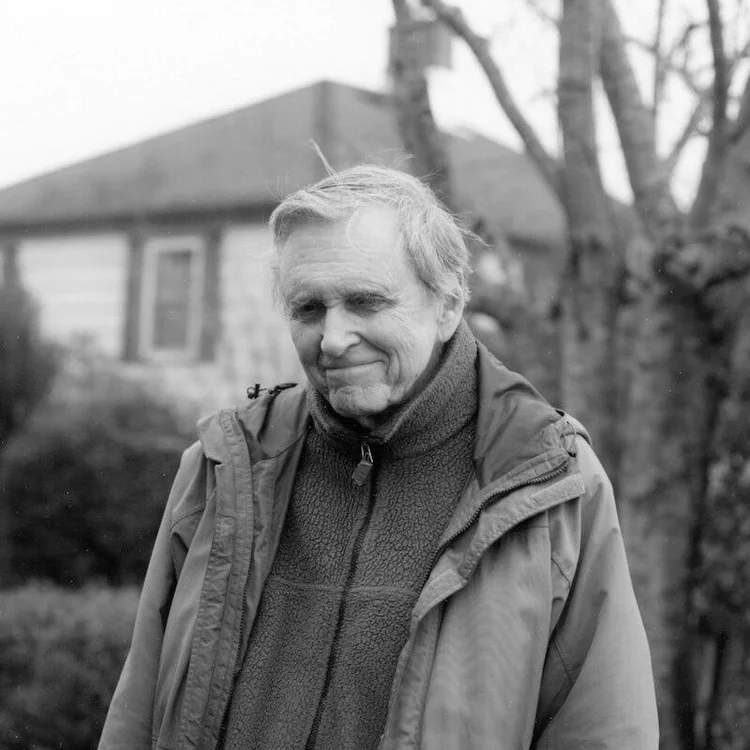
AT A GLANCE
- Known for
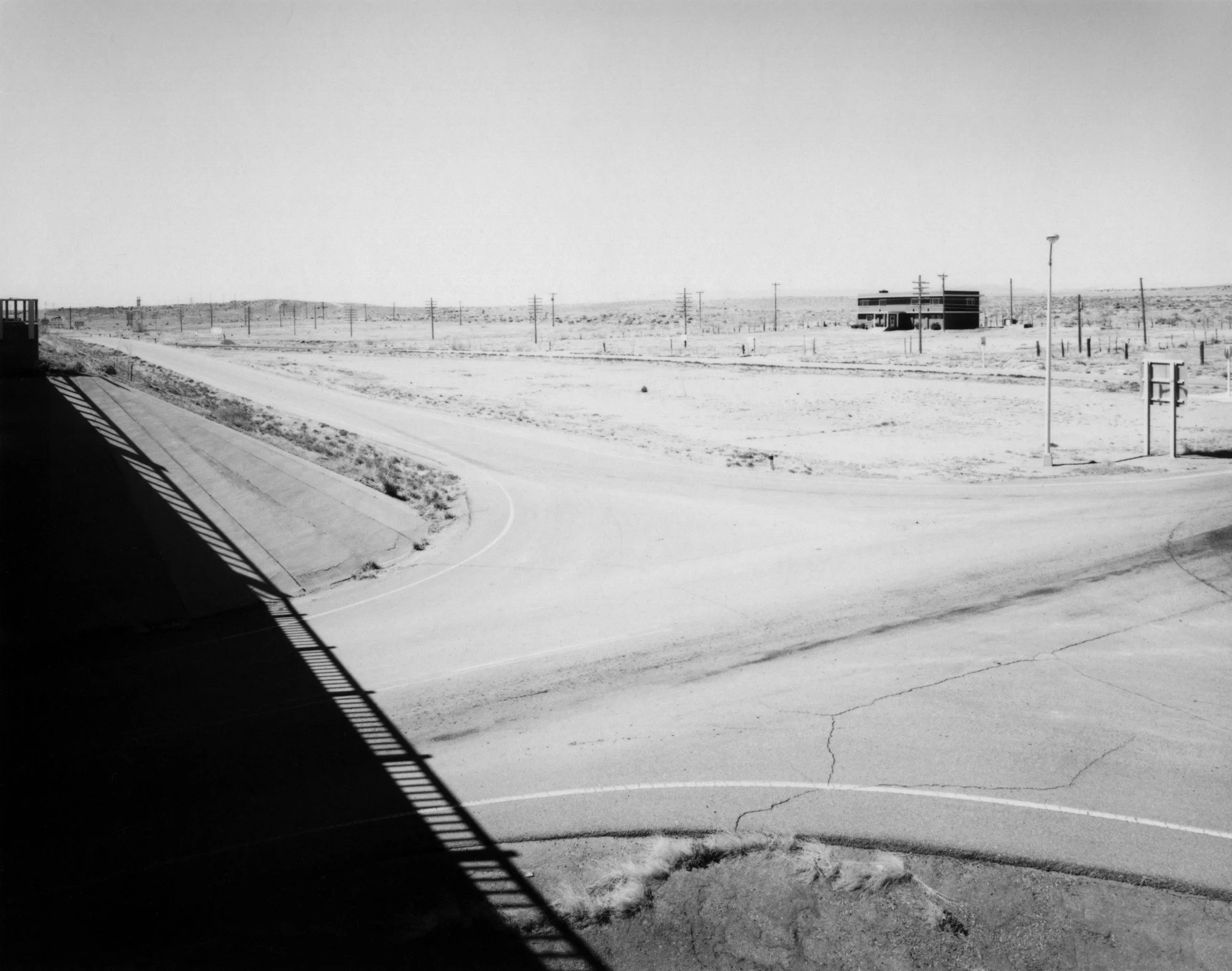
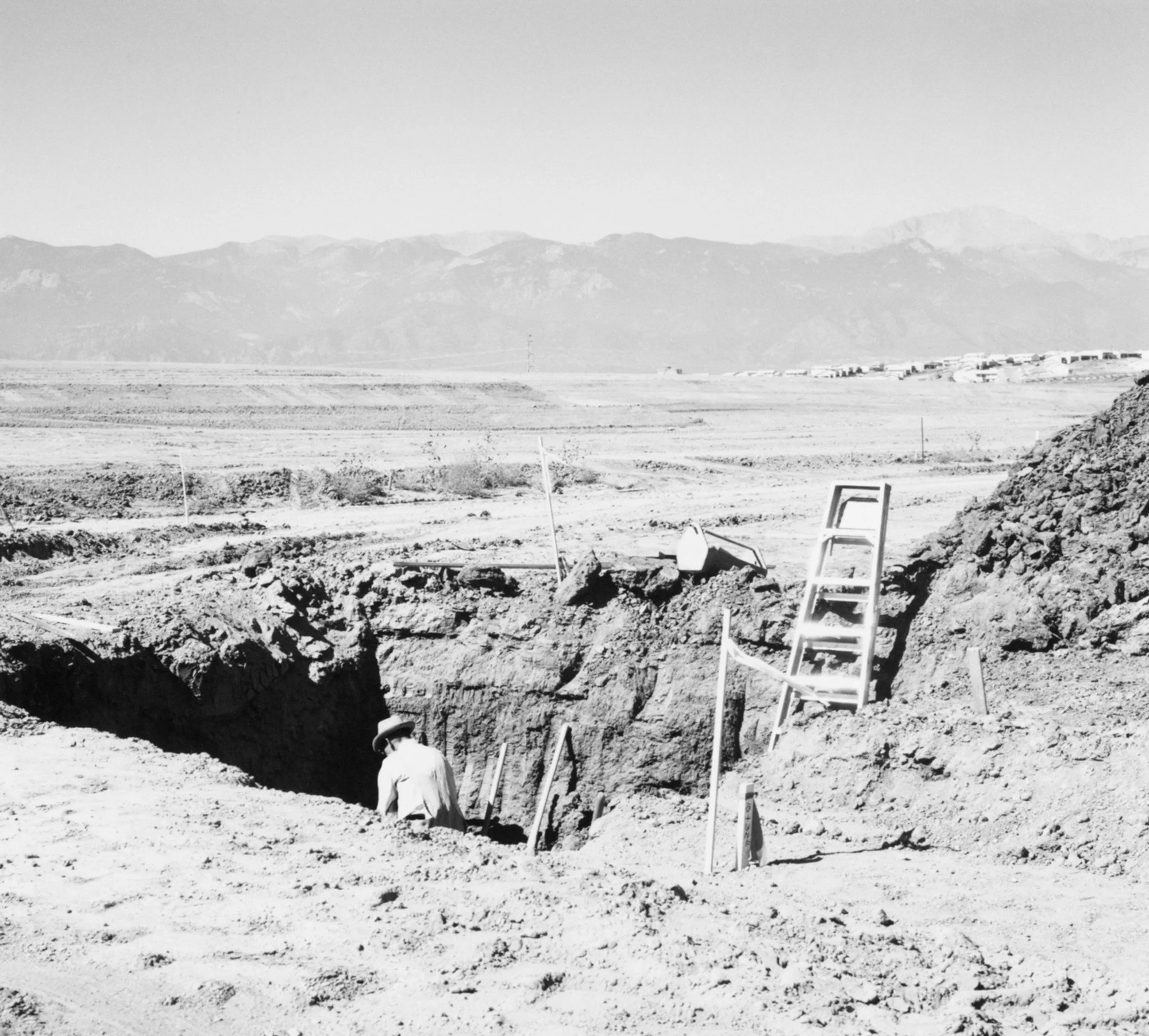
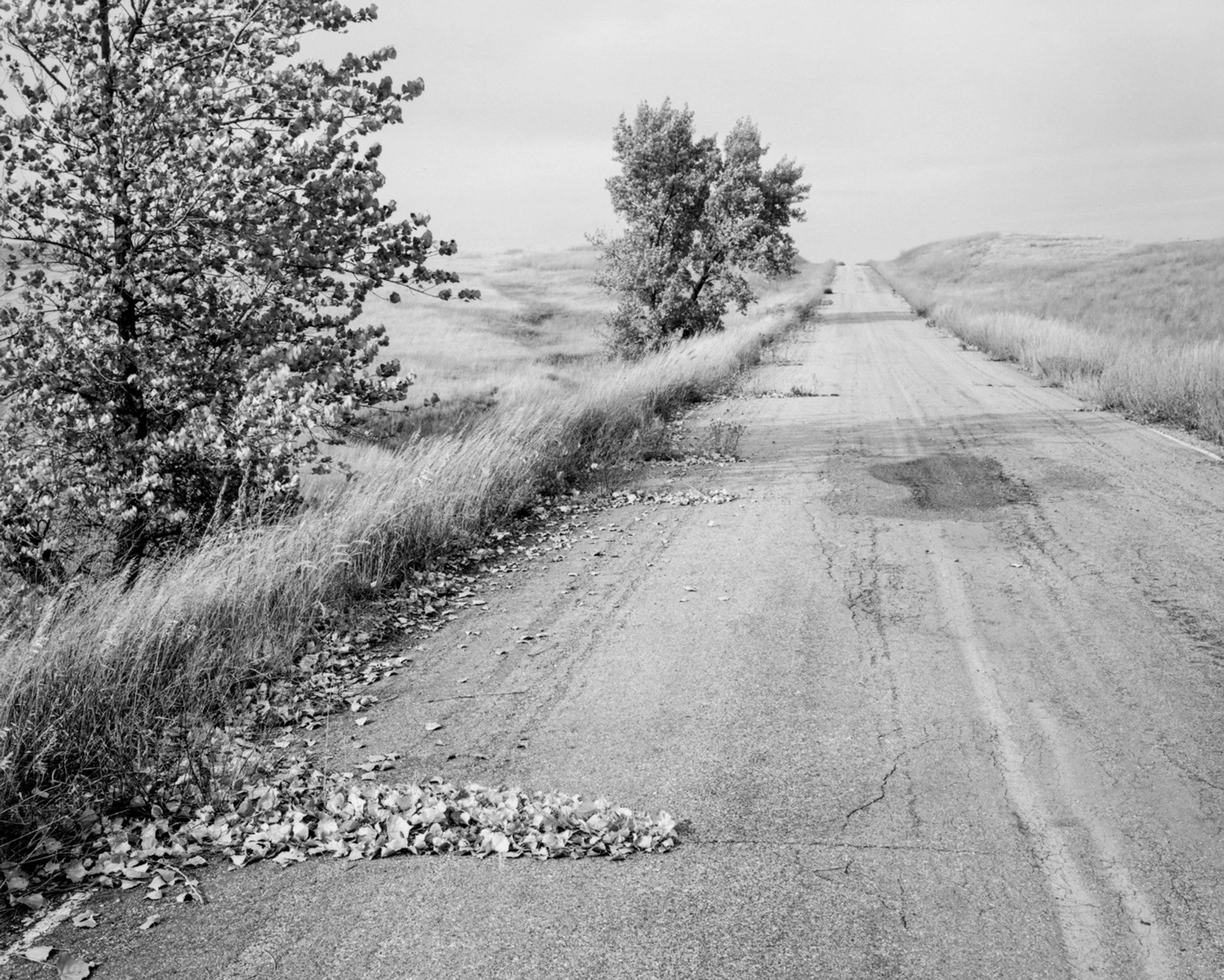
- Quiet pictures of the American West: new suburbs, empty plains, roads and cut forests
- Works in
- Black and white film, gelatin silver prints
- Camera
- 35mm camera, his first in 1963
- Also
- New Topographics (1975); more than fifty books; four books of essays
- Awards
- MacArthur Fellowship (1994) · Deutsche Börse Photography Prize (2006) · Hasselblad Award (2009)
- Start with
- The New West (Aperture, 2008)
Robert Adams (born 1937) is an American photographer. For more than fifty years he has photographed the American West: new suburbs, empty plains, rivers and cut forests. His book The New West (1974) and the exhibition New Topographics (1975) changed the way photographers look at the land.
The story
Robert Adams did not start out as a photographer. In the early 1960s he was a young English teacher at Colorado College in Colorado Springs. He had his summers free. In 1963 he bought a 35mm camera and began to learn photography.
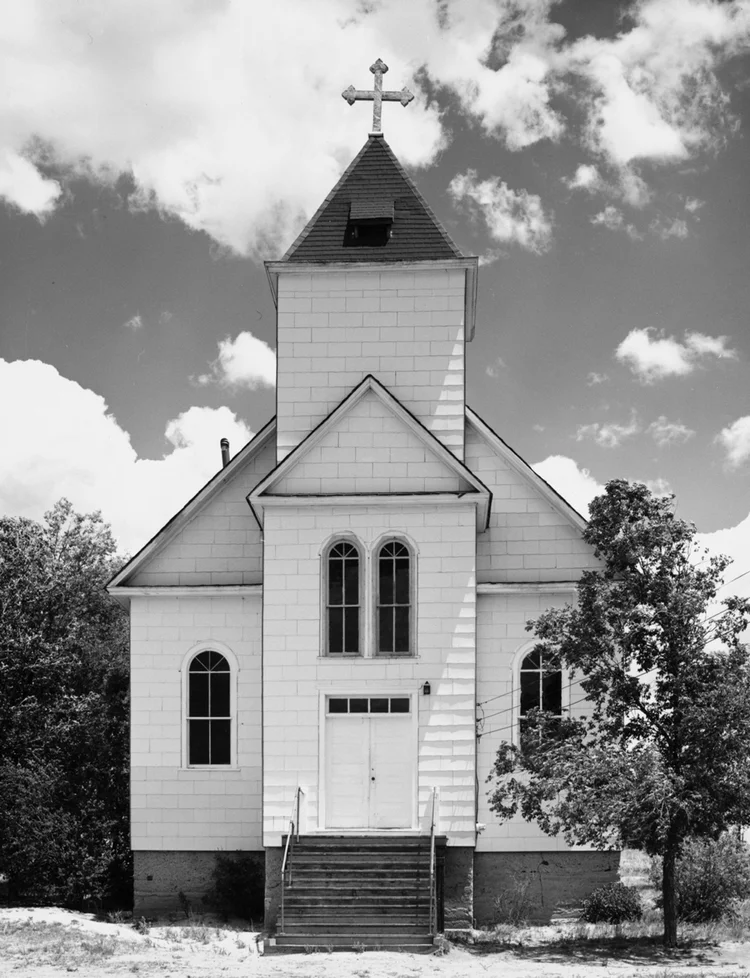
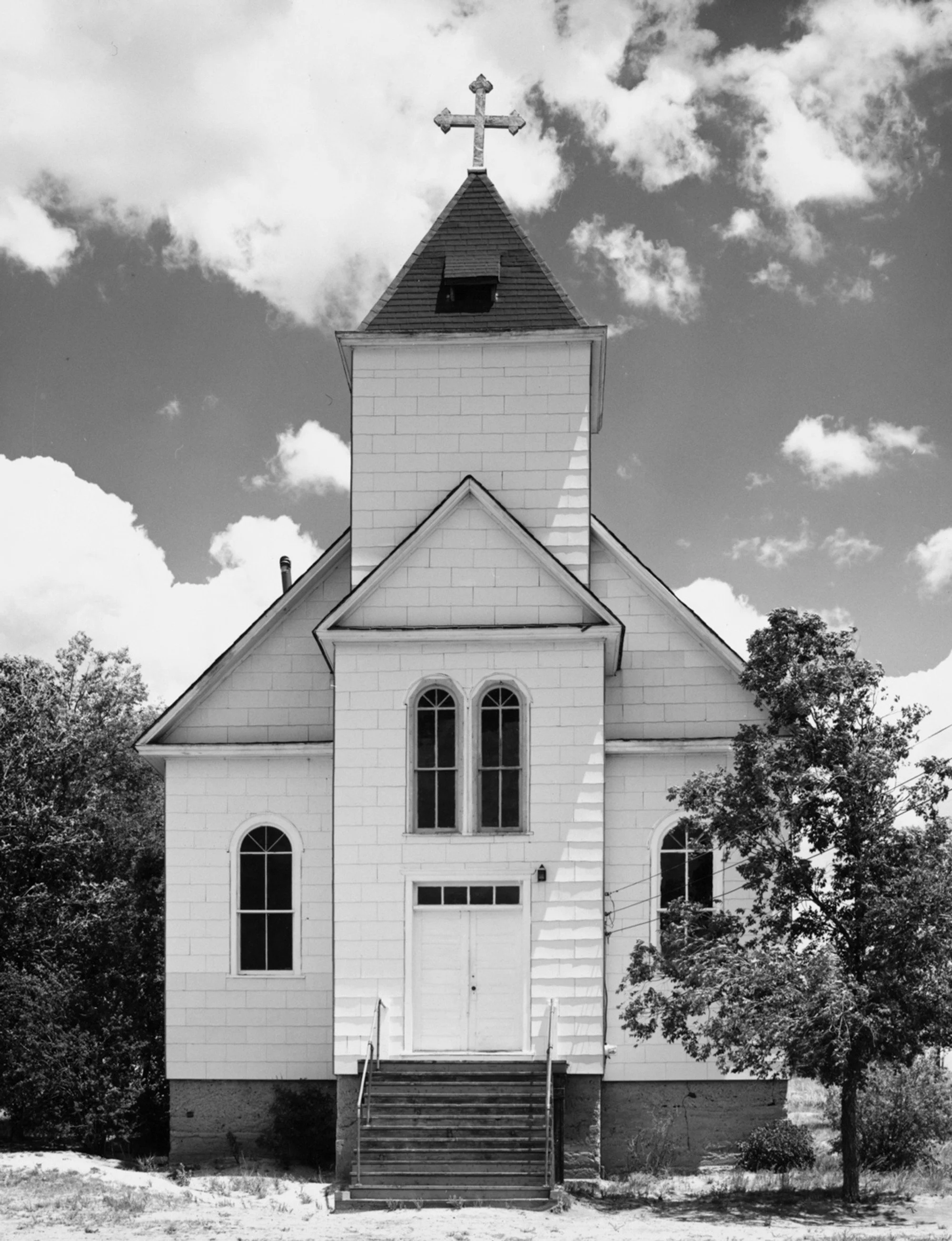
His first subjects were simple and beautiful: old wooden churches on the prairie and early Hispanic art in Colorado. Both became his first small books, in 1970 and 1974.
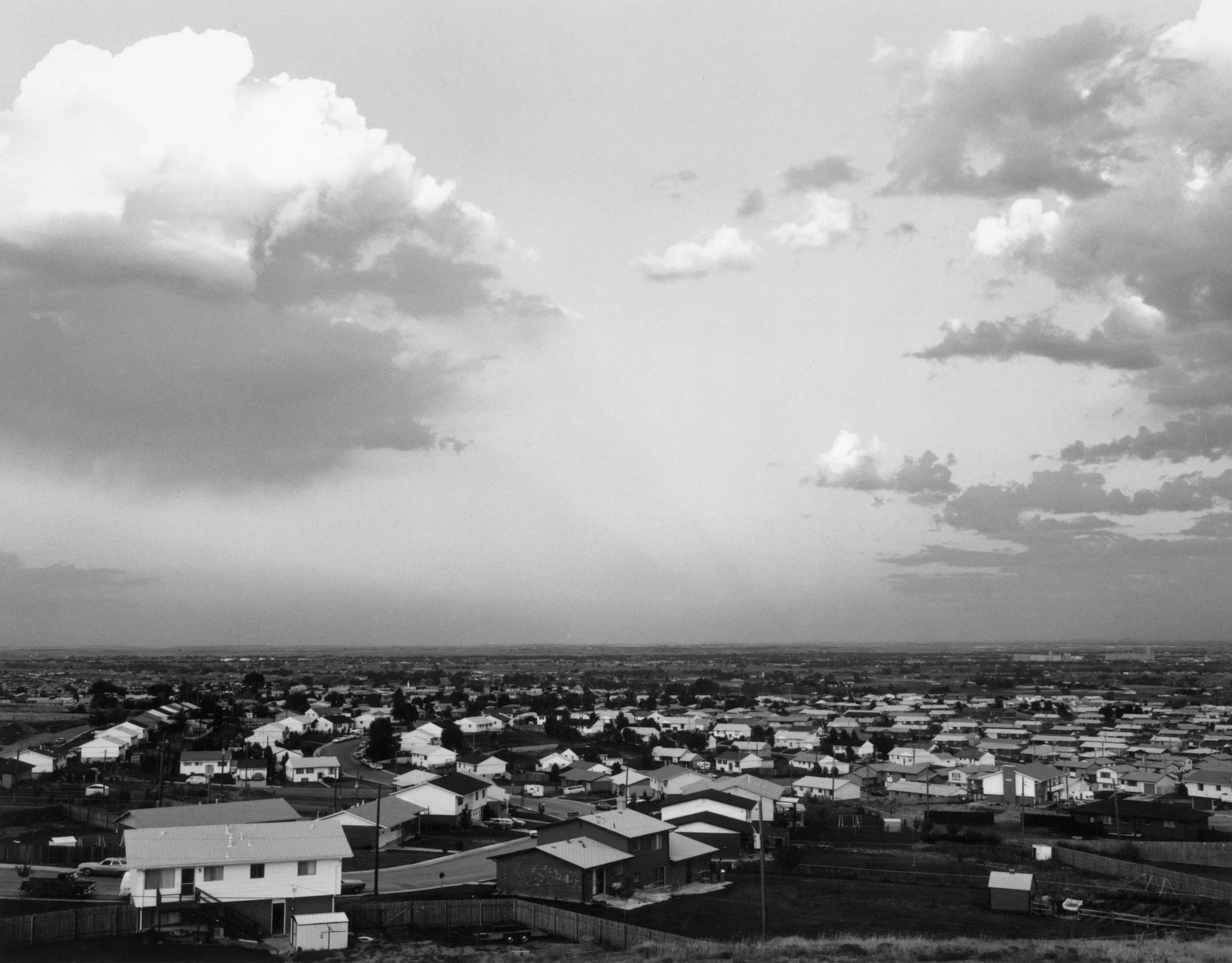
Then he spent time in Scandinavia with his Swedish wife, Kerstin. After that trip, he saw that the American landscape was more complicated than it looked. At home, Colorado was changing fast. Tract houses, roads and billboards were spreading along the Front Range, between the plains and the mountains. So he started to photograph them.
In 1970 he became a full-time photographer. In 1974 he published The New West, his pictures of these new suburbs. A year later his work hung in New Topographics at George Eastman House in Rochester, New York. The show changed how many photographers saw the land.
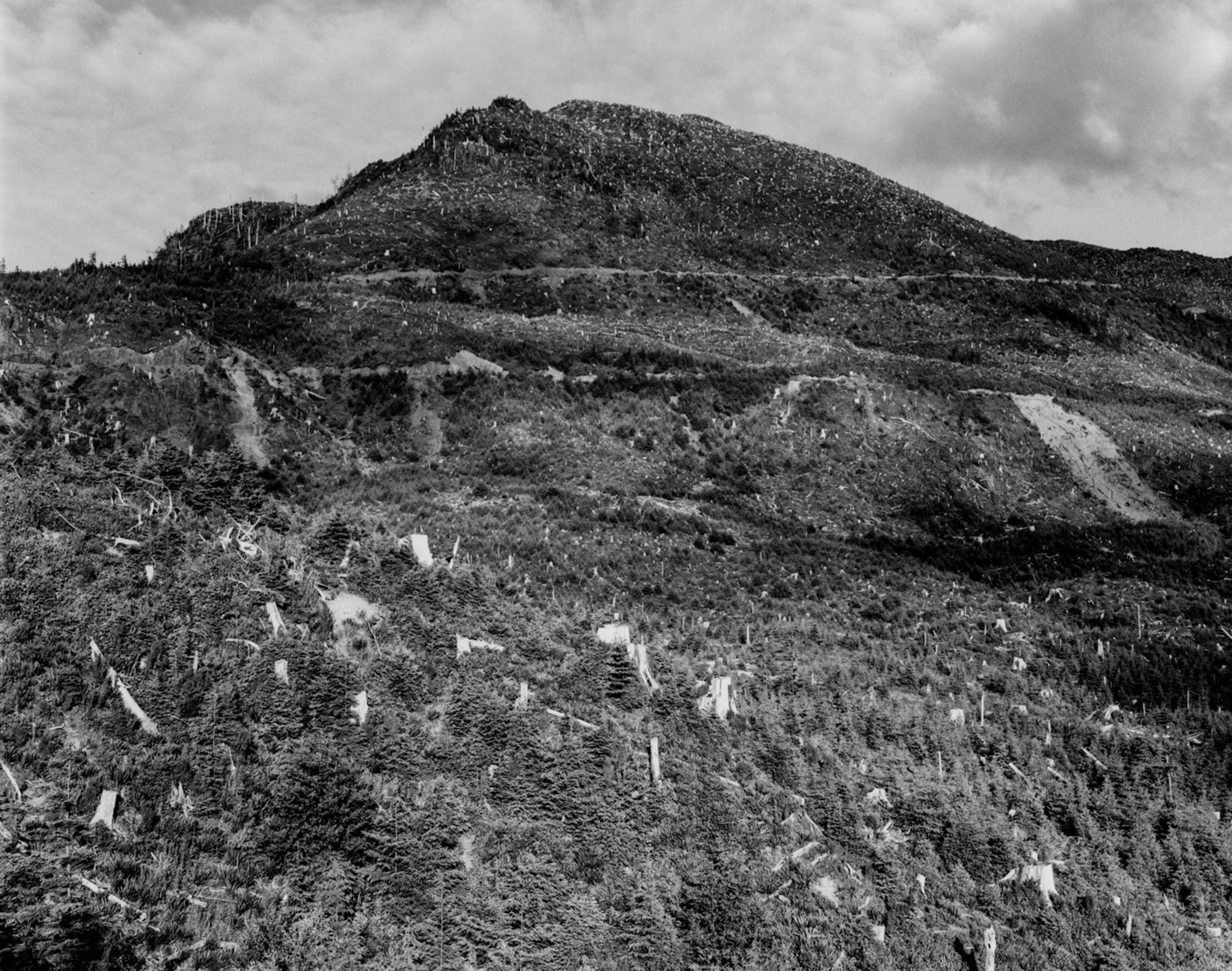
But Adams never made fun of the suburbs. He showed the damage, and he also showed the light, the space and the silence that were still there. In 1997 he and Kerstin moved to the Oregon coast. Together they photographed the clear-cut forests of the Coast Range. That work became the book and exhibition Turning Back. Kerstin was his editor and partner in this work until her death in 2026.
He has put his aim into one short line: “The goal is to face facts but to find a basis for hope. To try for alchemy.”
The work
Adams works in black and white. His prints are small and calm. They show ordinary places: a tract house, a road, a field, a river, a cut forest. In the 1970s and 1980s his books The New West, Denver, What We Bought and Summer Nights followed the growing suburbs of Colorado. Later books looked at the Los Angeles basin, the plains and the forests and sea of the Northwest.
He has published more than fifty books of pictures. He has also written four small books of essays: Beauty in Photography, Why People Photograph, Along Some Rivers and Art Can Help. In 2022 the National Gallery of Art in Washington, D.C., opened his large retrospective, American Silence.
- 1937Born in Orange, New Jersey
- 1963Teaches English at Colorado College and buys a 35mm camera
- 1970Becomes a full-time photographer
- 1974Publishes The New West
- 1975Shows in New Topographics at George Eastman House, Rochester
- 1994MacArthur Fellowship
- 1997Moves with Kerstin to the Oregon coast
- 2009Hasselblad Award
- 2022American Silence retrospective at the National Gallery of Art, Washington
Lessons
Photograph where you live. Adams spent years on the Front Range of Colorado, close to his own home. Ordinary places were enough.
Show the facts, then look for hope. His pictures show what people have damaged. They also show the light and land that survive.
Keep it quiet. Black and white, small prints, plain titles. Nothing in the picture shouts.
Try this: walk one street near your home at the edge of town, where new buildings meet open land. Make one picture of the change and one of something that still feels whole. Put them side by side.
Gear
Adams has never made a big story of his tools. What the sources say is simple.
35mm camera: he bought his first one in 1963, as a young English teacher, and began to photograph with it.
Black and white film: his pictures are black and white, printed as gelatin silver prints.
Books
The New West (Aperture, 2008). A new edition of his 1974 book, with John Szarkowski. The 136 pages show the new suburbs, roads and billboards along the Colorado Front Range around 1968 to 1972. It is the best place to start: the book that made his name and helped start a new way of photographing the land.
Why People Photograph (Aperture). His selected essays and reviews, first published in 1994. Short, clear texts about why photographs matter and about photographers he admires. Good for any photographer who wants to think about the reasons behind the work.
American Silence: The Photographs of Robert Adams (Aperture, 2021). The 304-page catalogue of his retrospective at the National Gallery of Art in Washington, D.C. Text by the curator Sarah Greenough, with an afterword by the writer Terry Tempest Williams. The best overview of his whole career in one book.
In his words
“I think if you placed me almost anywhere and gave me a camera you could return the next day to find me photographing. It helps me, more than anything I know, to find home.”
“No place is boring, if you’ve had a good night’s sleep and have a pocket full of unexposed film.”
“If you are crossing the plains, leave the interstate and find a back road on which to walk; listen.”