AT A GLANCE
- Known for
- A 1993 picture of a starving child and a vulture in Ayod, Sudan, and pictures of the violence in South Africa's townships
- Works in
- News photography for South African newspapers, then freelance and agency work
- Camera
- Not named in the sources
- Also
- Member of the Bang-Bang Club with Ken Oosterbroek, Greg Marinovich and João Silva
- Awards
- Pulitzer Prize for Feature Photography (1994)
- Start with
- The Bang-Bang Club (Basic Books, 2011)
Kevin Carter was a South African news photographer from Johannesburg. In the last years of apartheid he photographed the violence in the townships, as one of four friends known as the Bang-Bang Club. His 1993 picture of a starving child and a vulture in Sudan won the Pulitzer Prize for Feature Photography in 1994.
The story
In March 1993 Kevin Carter flew into southern Sudan with his friend, the photographer João Silva. Rob Hadley of the UN's Operation Lifeline Sudan had invited them. They landed near the village of Ayod, where famine had brought people to a feeding centre.
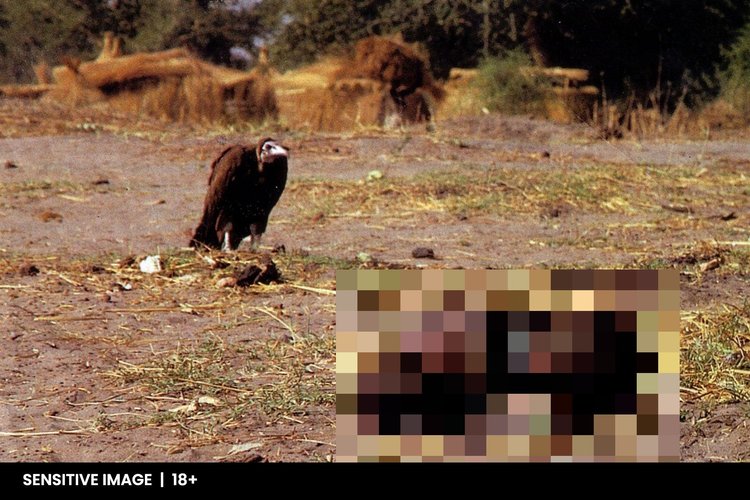
Near the village Carter saw a small, starving child resting on the ground on the way to the centre. A vulture landed close by. Carter waited about 20 minutes, hoping the bird would spread its wings. It did not. He made his pictures and chased the vulture away. Then he sat under a tree, smoked, and cried. Read the full story behind the photograph.
He had learned to work in hard places at home. Carter was born in Johannesburg in 1960 and grew up in a Catholic family in the suburb of Parkmore. From a young age he questioned apartheid. After school he started to study pharmacy but dropped out, and then he was called up for military service. In 1983, while still in service, he was injured in the Church Street bombing in Pretoria.
Back in Johannesburg he took a job in a camera shop. Soon he was photographing sport at weekends for the Sunday Express. In 1984 he moved to The Star, a daily paper, to cover the unrest in the townships. In the mid-1980s he photographed a public execution by "necklacing", a killing with a burning tyre.
In the early 1990s the violence in the townships grew worse. Carter worked there next to Ken Oosterbroek, Greg Marinovich and João Silva. A South African magazine, Living, called them the Bang-Bang Club. Describing one shoot-out, he said simply: “I had to think visually.”
Then came Sudan. The New York Times bought the picture from Ayod and printed it on 26 March 1993. Many readers asked the paper what had happened to the child. Nobody there knew. In April 1994 Carter won the Pulitzer Prize for Feature Photography.
But 1994 also brought great loss. On 18 April Ken Oosterbroek, his best friend, was killed in the township of Thokoza while photographing a gun battle, and Greg Marinovich was badly wounded. On 27 July 1994 Carter died by suicide in Johannesburg. He was 33.
In 2011 the Spanish newspaper El Mundo found out more about the child in the picture. It was a boy, Kong Nyong, and he had survived the famine.
The work
Carter was a news photographer first. He started with weekend sport for the Sunday Express, then worked for The Star and later for the Weekly Mail, which gave him leave for the Sudan trip in 1993. He then went freelance. The Pulitzer entry in 1994 named him as a freelance photographer. In 1994 he also had a contract with TIME.
His best known work comes from the four violent years before South Africa's first free election in 1994. Day after day he photographed the fighting in the townships around Johannesburg. His pictures of the township violence are hard to look at, and they are not shown here for that reason.
- 1960Born in Johannesburg on 13 September
- 1983Injured in the Church Street bombing in Pretoria during his military service
- 1984Joins The Star in Johannesburg to cover unrest in the townships
- 1993Photographs a starving child and a vulture in Ayod, Sudan; The New York Times prints it on 26 March
- 1994His friend Ken Oosterbroek is killed in Thokoza on 18 April
- 1994Wins the Pulitzer Prize for Feature Photography
- 1994Dies in Johannesburg on 27 July
In his words
“I had to think visually.”
Photography, Reconsidered follows questions like this through the work of other photographers.
Gear
No source we found names Carter's cameras or lenses.
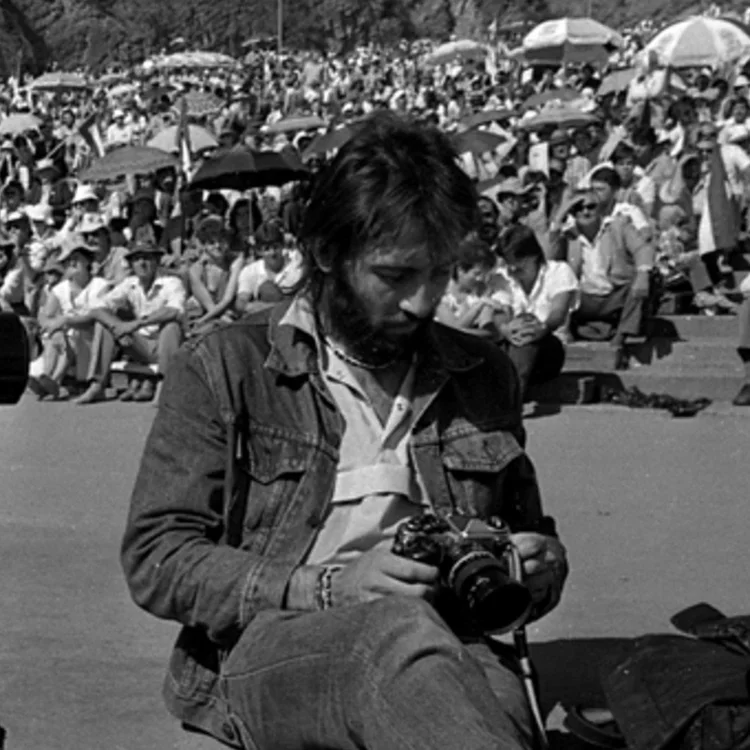
35mm SLR camera: a photo of him at work on Wikimedia Commons shows him holding a 35mm SLR camera; the make and model are not documented.
Books
The Bang-Bang Club (Basic Books, 2011). Written by Greg Marinovich and João Silva, two of Carter's closest colleagues, with a foreword by Desmond Tutu. First published in 2000, this edition came out with the film The Bang Bang Club (2010). The book tells the story of the four photographers in the townships before the 1994 election, including Carter's life, the Sudan picture and his death. It is for anyone who wants to understand news photography in South Africa in those years.

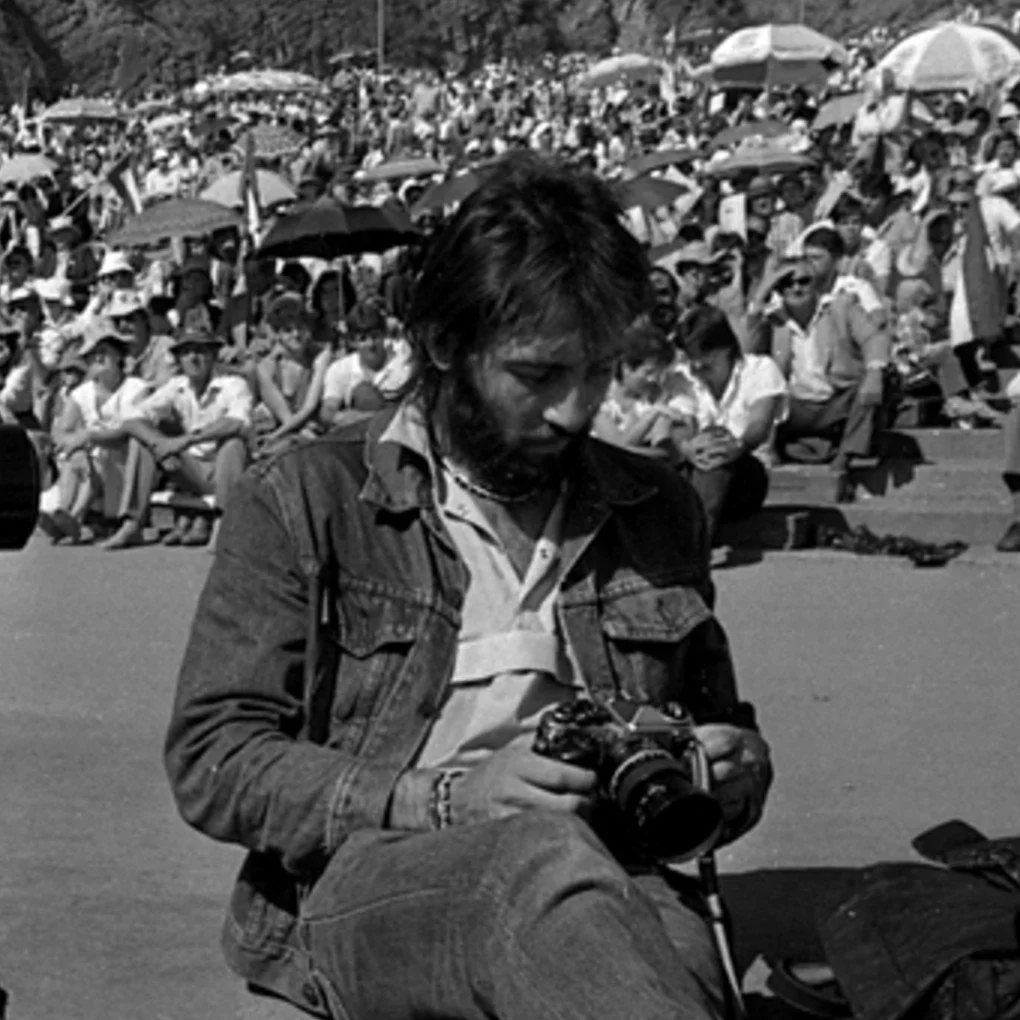
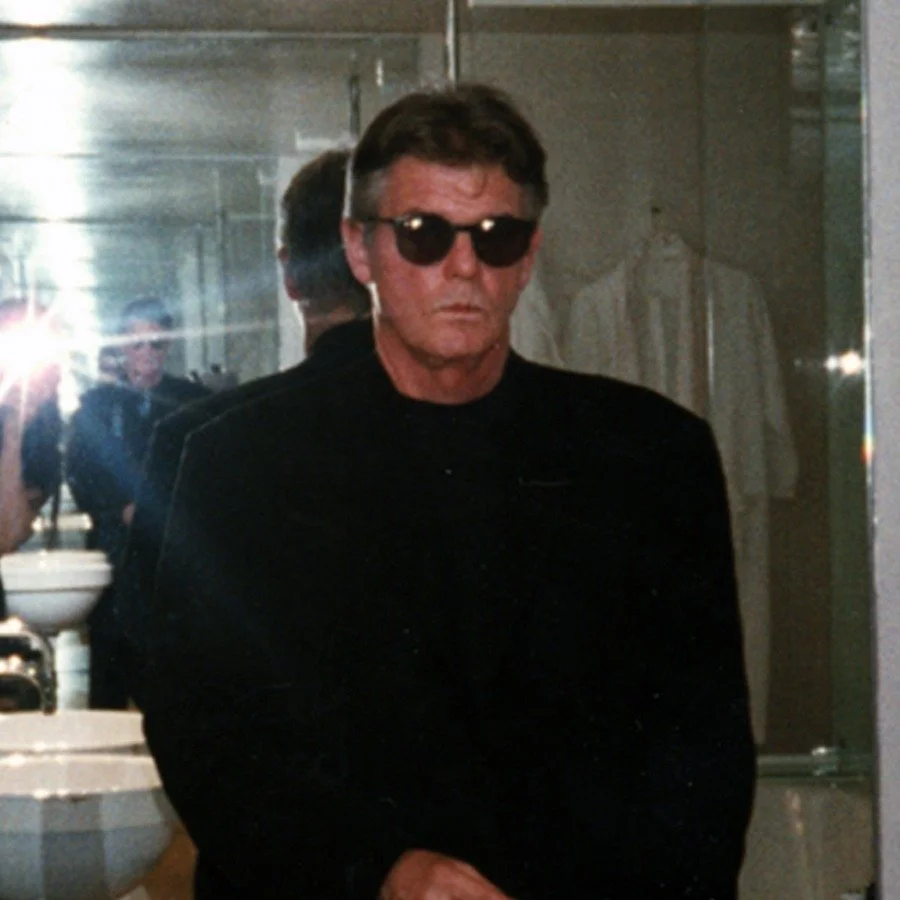



Kevin Carter waited about twenty minutes for a vulture to spread its wings. The New York Times published his photograph from Ayod, Sudan, on 26 March 1993. Readers wanted to know what happened to the child.