AT A GLANCE
- Known for
- Sentimental Journey (1971), a photobook of his honeymoon, personal diary-style photography, flowers and pictures of Tokyo
- Works in
- Gelatin silver prints and color prints, Polaroids, and photographs painted over by hand
- Also
- More than 500 photobooks · worked at the advertising agency Dentsu from 1963 to 1972 · photographed Björk for the cover of her album Telegram (1996)
- Awards
- Taiyo Prize (1964) · Austrian Decoration of Honor for Science and Arts (2008) · Ango Prize (2011) · Mainichi Art Award, special award (54th)
- Start with
- Sentimental Journey/Winter Journey (Shinchosha, 1991)
- Links
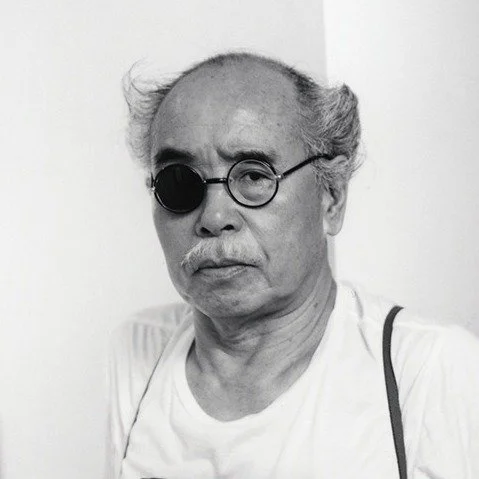
Nobuyoshi Araki (born 1940) is a Japanese photographer from Tokyo. He is best known for Sentimental Journey (1971), a photobook about his honeymoon, and for more than 500 books that followed. His work is a kind of picture diary. It includes portraits, scenes of Tokyo, flowers and pictures of his own life.
The story
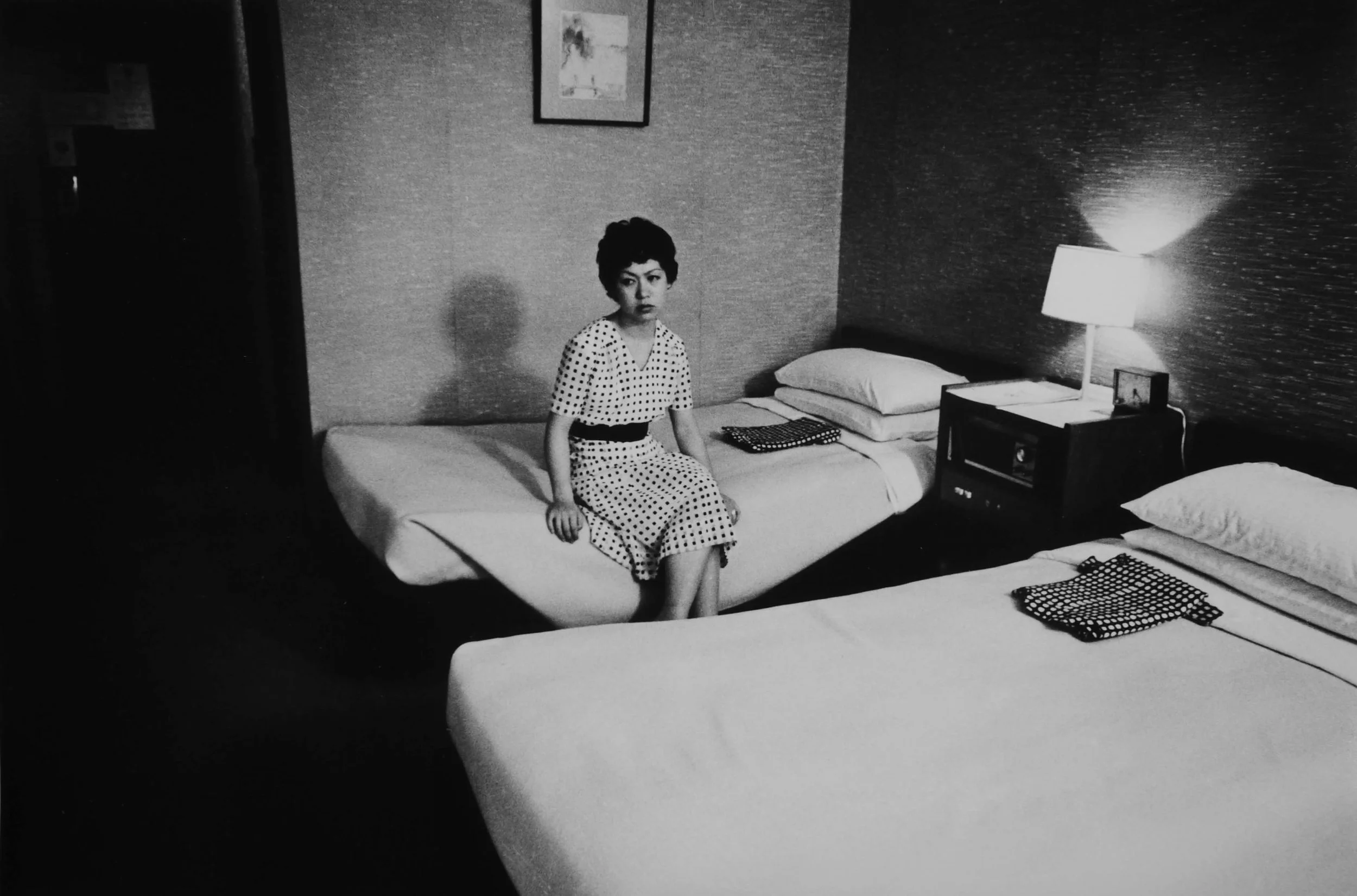
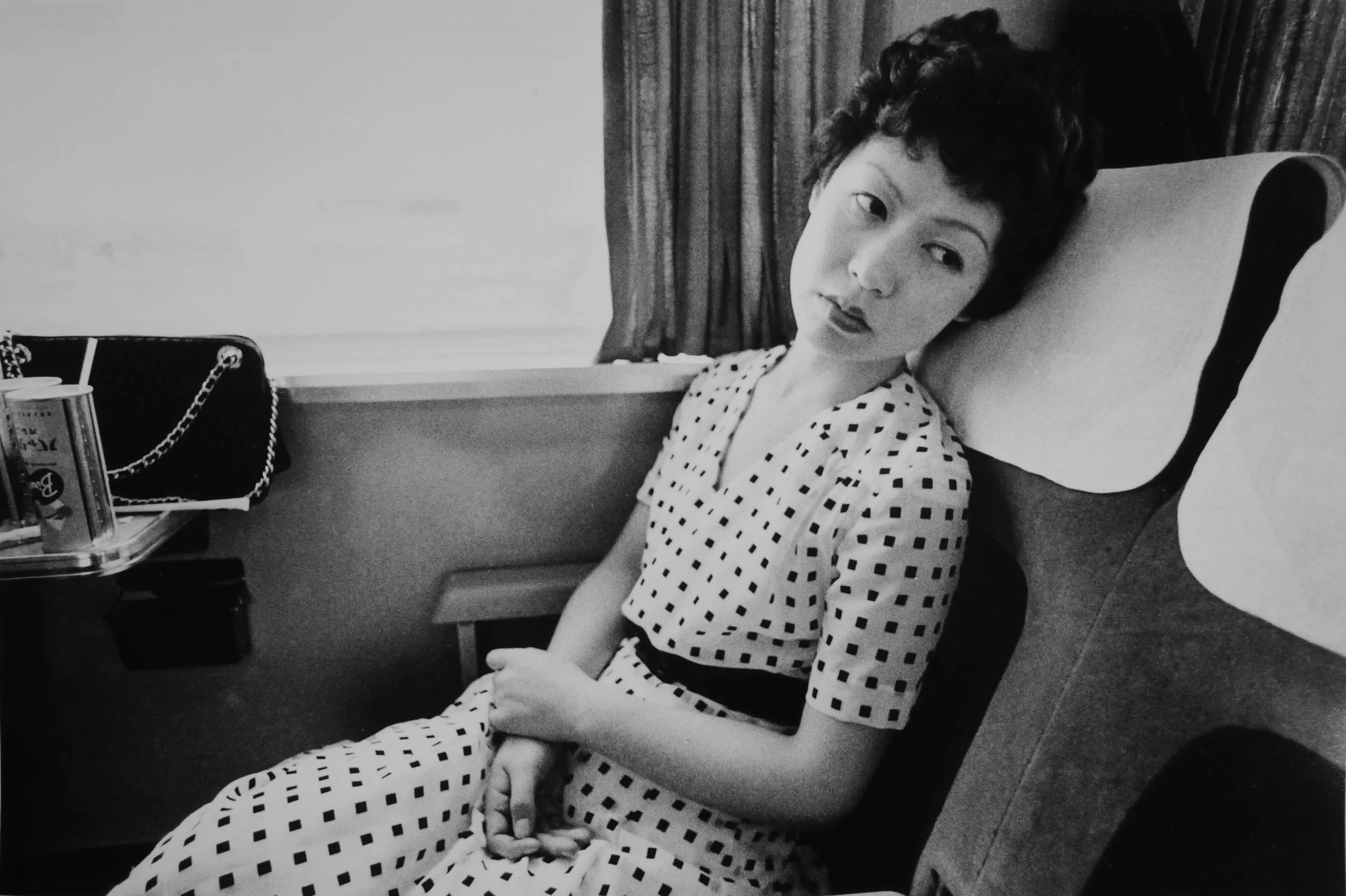
In 1971 Araki got married. His wife was Aoki Yoko, whom he had met at the advertising agency Dentsu. For their honeymoon the couple travelled to Kyoto and Kyushu. Araki took his camera along.
He made a photographic record of the trip, and hotel rooms and train rides are part of it. Then he published it himself as a book called Sentimental Journey.
Years later he explained the title in an interview with SFMOMA. “Sentimental Journey is a photobook of my honeymoon. To live is a journey. My photography is also a journey.”
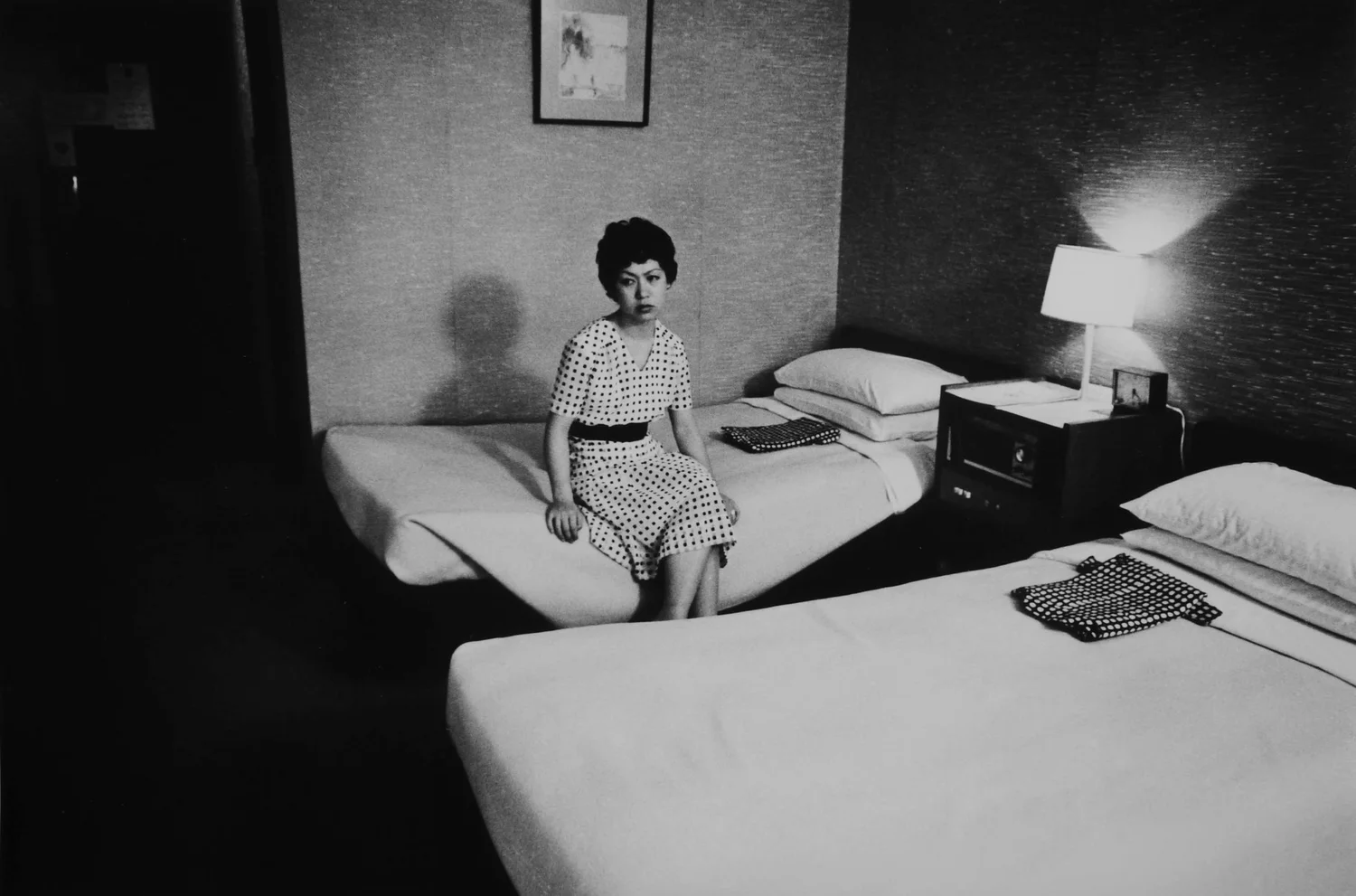
The book did something new. In a short preface Araki wrote about the I-novel, a Japanese form of writing in the first person. “I believe it is the ‘I-novel’ that is the very closest artistic form to photography.”
He later gave this way of working a name, shishashin, in English “I-photography” or “personal photography”. The critic Iizawa Kotaro says it became one of the important currents in Japanese photography. In 1972 Araki left Dentsu to work as a freelance photographer.
But the story did not stay a happy one. Yoko died of cancer in 1990. Araki had photographed her from the time she got sick until her death. In 1991 those pictures were joined with the honeymoon pictures in one book, Sentimental Journey/Winter Journey.
Looking back in 2016, he said that even when the first book was printed he felt it was not a journey to happiness, but already a journey to death. “I am saying that Sentimental Journey/Winter Journey is my favorite now, but my best photo is yet to come.”
The work
Araki grew up in Tokyo, in the old working-class area called shitamachi. His family made wooden geta clogs, and his father was an enthusiastic amateur photographer. Araki began to take pictures as a child. His first public success was Satchin, a series about the children of his neighborhood. It won the first Taiyo Prize in 1964. In 1970 he used the Xerox copier at Dentsu to make 25 volumes of Xerox Photo Albums, each in 70 copies, and mailed them to friends and art critics.
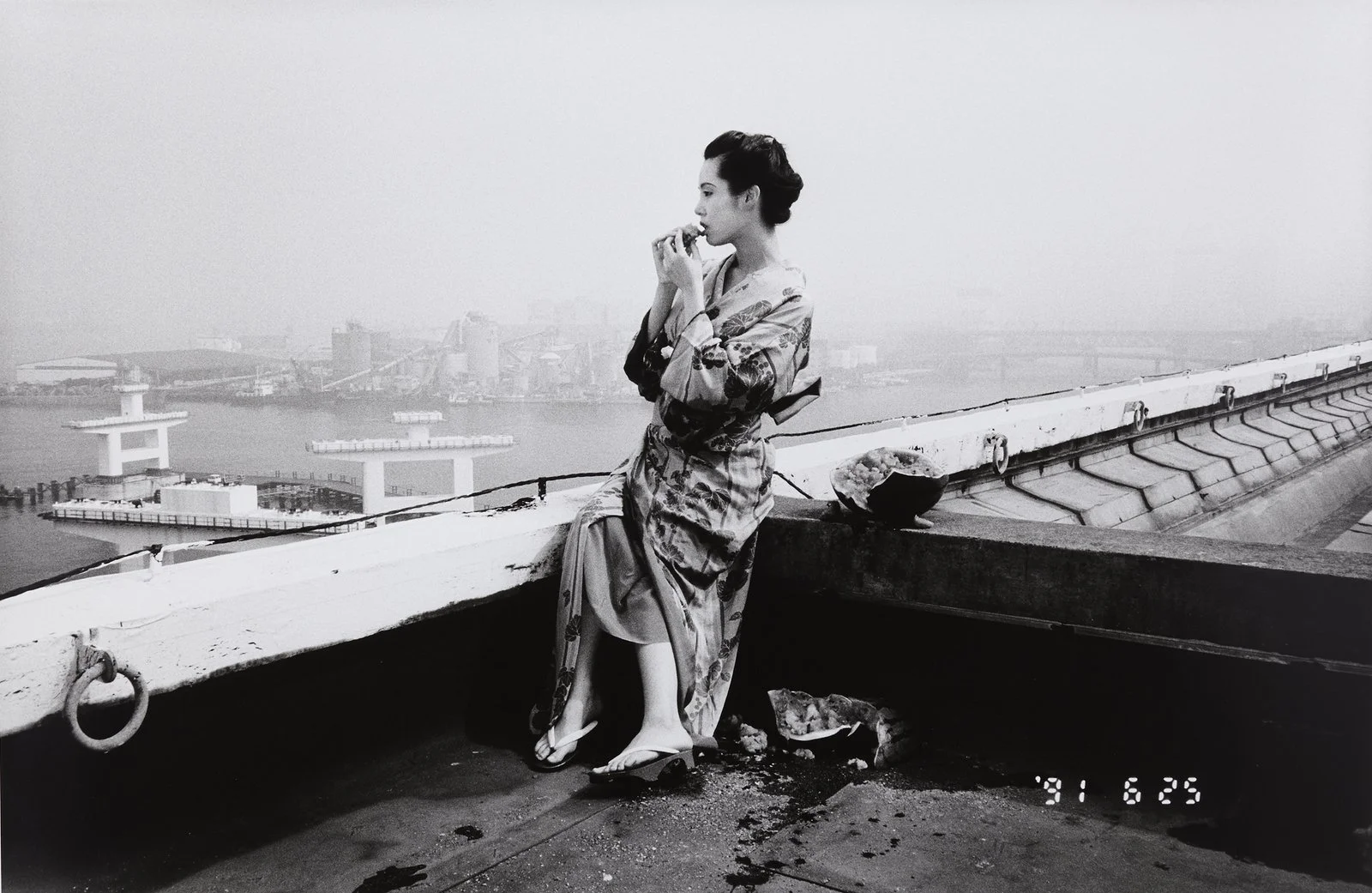
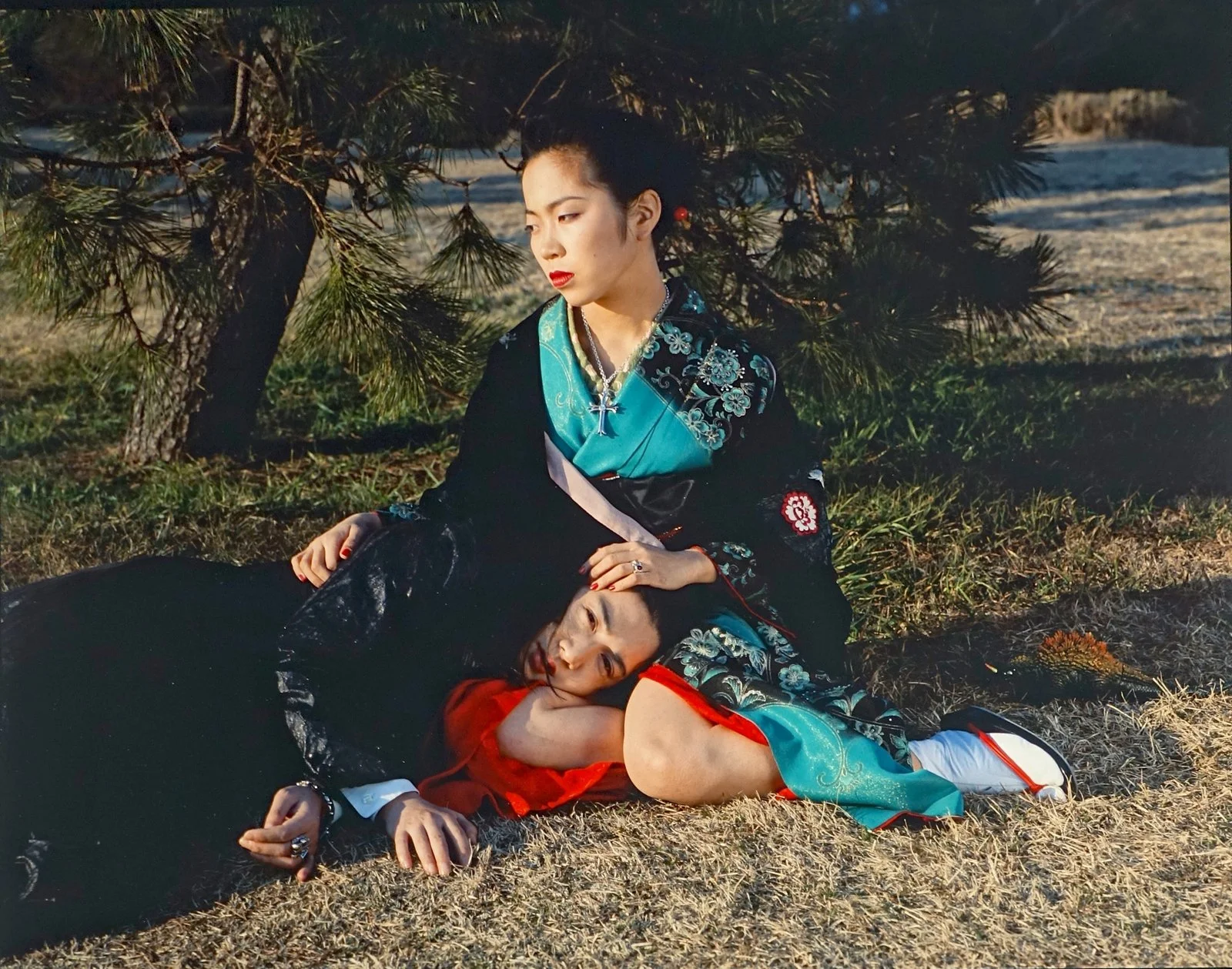
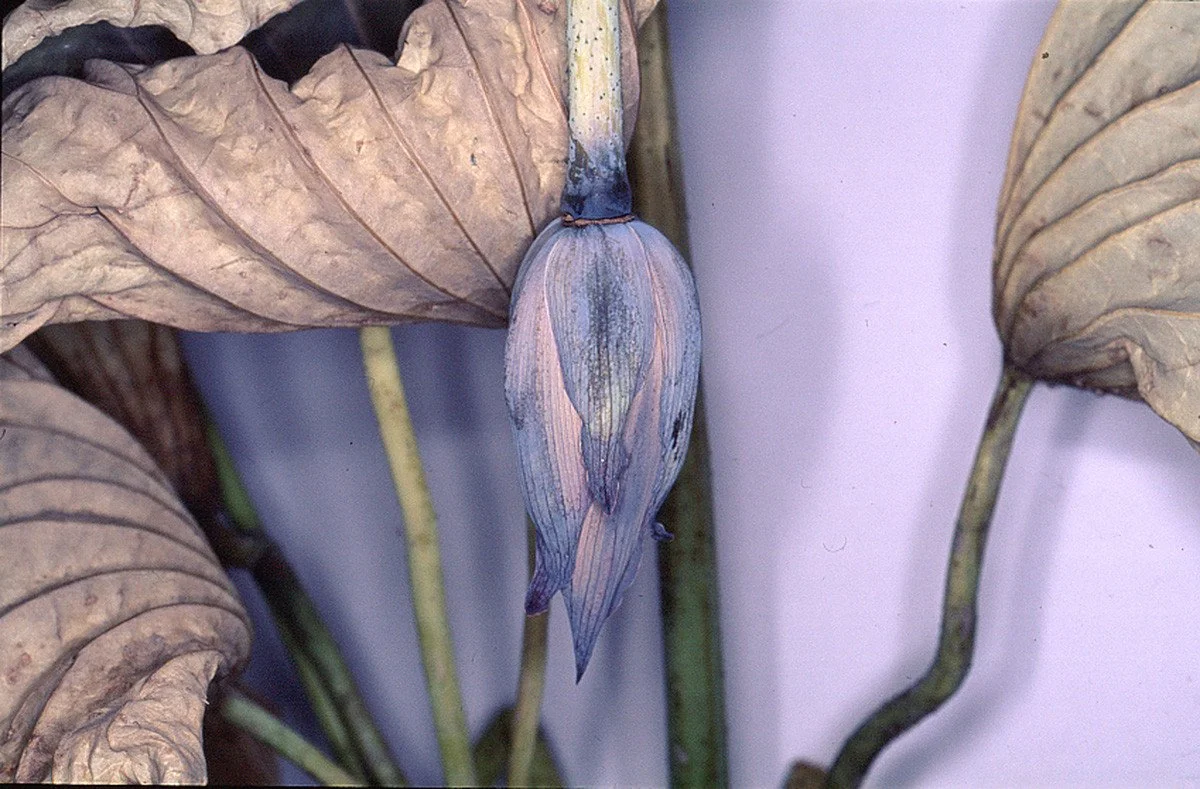
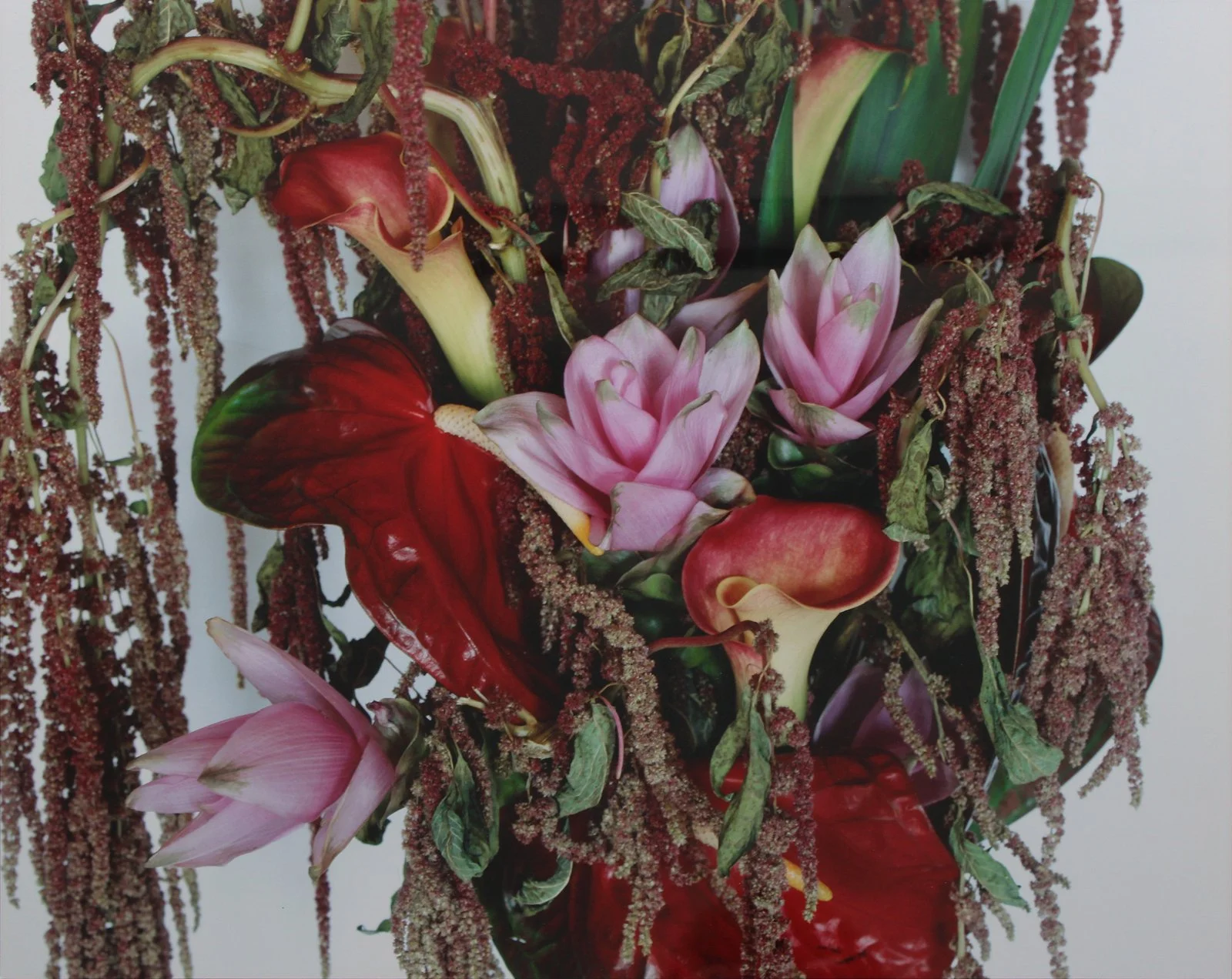
After he went freelance in 1972, he became one of the most productive photographers of his time. In 1974 the National Museum of Modern Art in Tokyo included him in the exhibition Fifteen Photographers Today. Taka Ishii Gallery says that sex and death, Eros and Thanatos, have been a central theme, next to flowers, food, his cat, faces and Tokyo street scenes. Flower Rondeau, 1997 and Excessive Flower Emotions, 1998 belong to his flower pictures. Photo Maniac’s Diary, 1991 and Tokyo Nostalgia, 1998 are two more works shown by the Michael Hoppen Gallery.
His solo shows include the Fondation Cartier in Paris (1995), the Barbican in London (2005) and the Musée Guimet in Paris (2016). In 2008 he was treated for prostate cancer, and in later years he worked a lot with Polaroids. In July 2026 an exhibition of his latest works opened at the gallery ANOMALY in Tokyo. His work has also drawn criticism. In 2018 a dancer named Kaori, who had posed for him from 2001 to 2016, wrote in a blog post that she had no contract, was often not paid, and was not told when her pictures were shown. The New York Times reported that Araki declined to comment.
- 1940Born in Tokyo
- 1963Graduates from Chiba University and joins the advertising agency Dentsu
- 1964Wins the first Taiyo Prize for Satchin
- 1971Marries Aoki Yoko and publishes Sentimental Journey about their honeymoon
- 1972Leaves Dentsu and becomes a freelance photographer
- 1974Included in Fifteen Photographers Today at the National Museum of Modern Art, Tokyo
- 1990His wife Yoko dies of cancer
- 2016Solo exhibition Araki at the Musée Guimet in Paris
- 2026Exhibition of his latest works at the gallery ANOMALY in Tokyo
In his words
“Sentimental Journey is a photobook of my honeymoon. To live is a journey. My photography is also a journey.”
“And having a camera is sentimental, so it had a double meaning.”
“I felt that to live is something sentimental, and it should be something sentimental.”
“I believe it is the ‘I-novel’ that is the very closest artistic form to photography.”
“I am saying that Sentimental Journey/Winter Journey is my favorite now, but my best photo is yet to come.”
Photography, Reconsidered follows questions like this through the work of other photographers.
Gear
No camera or lens of Araki is documented in more than one source. These tools and materials are.
Polaroid instant film: SFMOMA says he experimented with Polaroid instant technology in later years. Taka Ishii Gallery has shown his Polaroids in an exhibition.
Xerox copier: In 1970 he used the Xerox copier at Dentsu to make his Xerox Photo Albums, 25 volumes of 70 copies each.
Paint on photographs: Pen Online says he paints with acrylic over black and white prints, and The New York Review of Books describes paint splashed over his photographs.
Books
Sentimental Journey/Winter Journey (Shinchosha, 1991). This hardcover in a slipcase combines two series. Sentimental Journey is about the early years of his marriage to Yoko. Winter Journey records her last illness in 1989 and 1990. It is for readers who want to start with his most personal work.
Araki: Self, Life, Death (Phaidon Press, 2005). Edited by Akiko Miki, Yoshiko Isshiki and Tomoko Sato, it has essays by Ian Jeffrey, Akiko Miki, Yuko Tanaka and Jonathan Watkins and an interview by Hans Ulrich Obrist. It is a 720-page survey of his career. It is for readers who want the full picture, and who accept that it also contains his adult work.
Araki: Love and Death (Skira, 2011). Edited by Francesca Bernasconi and Fuyumi Namioka, with texts by Marco Franciolli, Fuyumi Namioka and Guido Comis. It has over 300 photographs from cycles such as Satchin, Sentimental Journey, Winter Journey and Sensual Flowers. It goes with a show at the Museo d'Arte in Lugano and is for readers who want a clear overview.




Kirk Truman is a British portrait and fine art photographer who works from his studio in Bloomsbury, London.