
Osamu Matsuo
Osamu Matsuo is a Japanese photographer, born in 1970 in Sasebo, Nagasaki Prefecture. He studied photography at Nihon University College of Art and has worked in Tokyo for many years. His commissioned work is in magazine and advertising photography, and he has been the lead photographer of the sneaker magazine Shoes Master. Alongside this he has published a long run of photobooks, including Someone Else’s Album (2008) and On Photography (2012). He has also written a book of essays, What Are You Looking at from inside the photograph (2020, new edition 2025).
His personal work keeps returning to Sasebo, the port town in western Japan where he grew up, with its shipyard and US Navy base. Through the Sasebo Project he has published Hills and Cranes (2014), Someone’s Idol (2015), HEAVY METAL (2016) and 17 (2018). 17 is a book of portraits of seventeen-year-olds he met on the streets of Sasebo in 2017, all photographed in the same way. That fixed method became the basis of his later work in the town. Matsuo has said that when you photograph your own hometown, you should not drown in your own nostalgia and should stand a little outside the circle.
Other Shore (CLOCK Inc., 2026) takes the method of 17 to a wider circle of his friends and the places around them in Sasebo. The book holds 78 black-and-white photographs made between 2023 and 2026. Every person was photographed with the camera on a tripod at the same height and angle, the whole body in the frame and the person in the centre. Matsuo left out lively expressions, symbolic regional landscapes and pictures improved by clever angles. The designer Kazune Watanabe set a mirror into the cloth cover, so readers see themselves before they open the book.
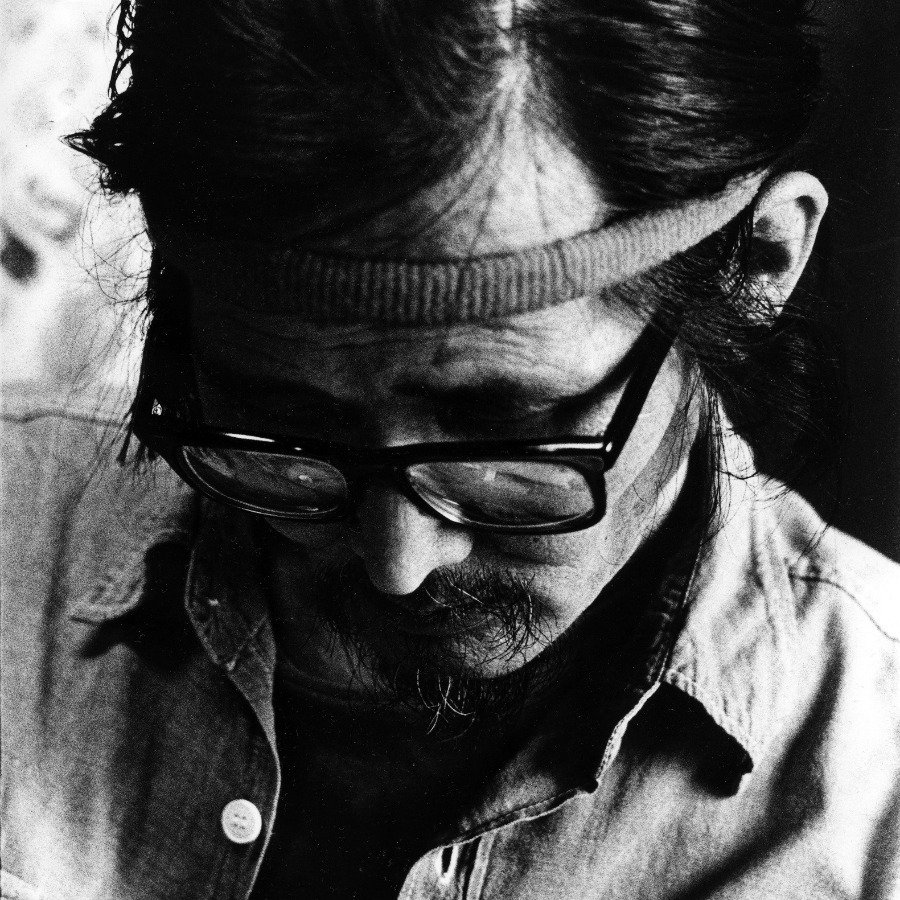
Takuma Nakahira
Takuma Nakahira (1938 to 2015) was a Japanese photographer and critic who helped to start the magazine Provoke. He is known for For a Language to Come (1970) and for Circulation: Date, Place, Events (1971).
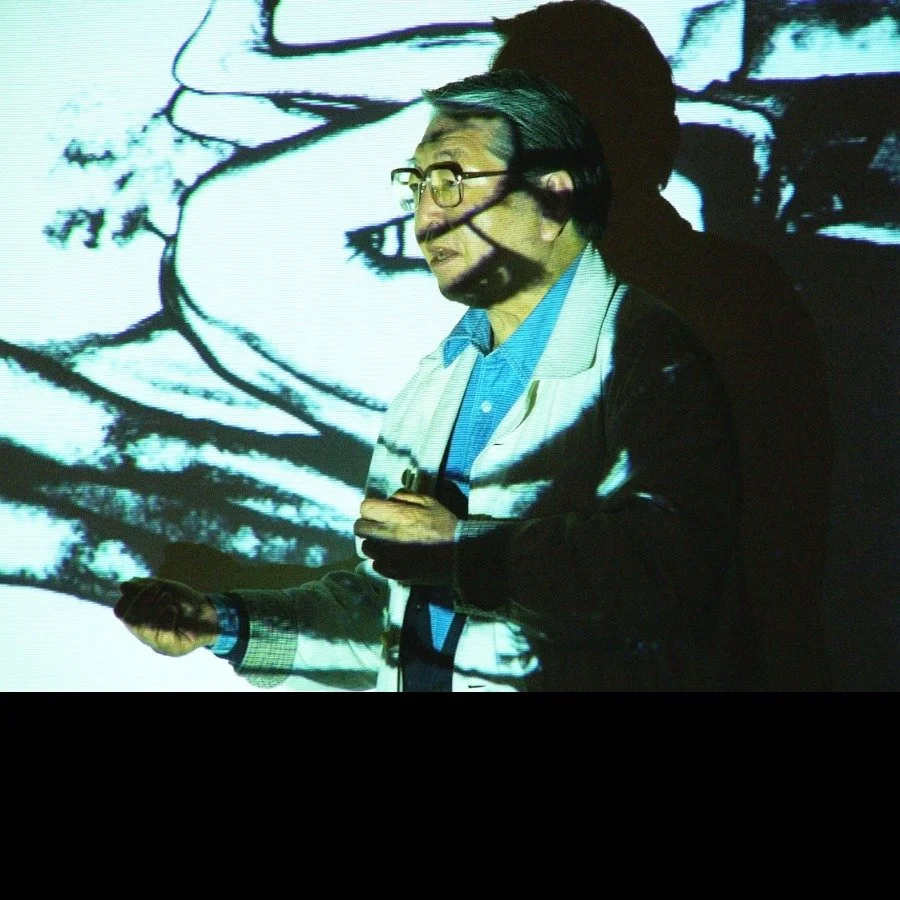
Eikoh Hosoe
Eikoh Hosoe (1933 to 2024) was a Japanese photographer. He is known for Ordeal by Roses, his portraits of Yukio Mishima, and for Kamaitachi.

Masahisa Fukase
Masahisa Fukase (1934 to 2012) was a Japanese photographer from Hokkaido. He is known for Karasu (Ravens, 1986), his book of raven pictures, and for his personal series such as Family and Bukubuku.

Shōmei Tōmatsu
Shōmei Tōmatsu (1930 to 2012) was a Japanese photographer. He is known for his pictures of Nagasaki after the atomic bomb, for his series on American bases in Japan, and for his work in Okinawa.

Nobuyoshi Araki
Nobuyoshi Araki (born 1940) is a Japanese photographer from Tokyo. He is known for Sentimental Journey (1971), a photobook about his honeymoon, and for more than 500 books.

Ulysses Aoki
Ulysses Aoki is a Japanese and American photographer based in Tokyo, known for candid colour photographs of the city.

Tatsuo Suzuki
Tatsuo Suzuki is a Japanese street photographer known for close black-and-white pictures of Tokyo and the book Friction / Tokyo Street.

Masao Yamamoto
Masao Yamamoto is a Japanese photographer known for small, hand-worked gelatin silver prints of nature, made as objects and shown as installations.

Hiroshi Sugimoto
Hiroshi Sugimoto (born 1948) is a Japanese artist who lives and works in Tokyo and New York. He is known for photo series such as Seascapes, Theaters and Architecture.
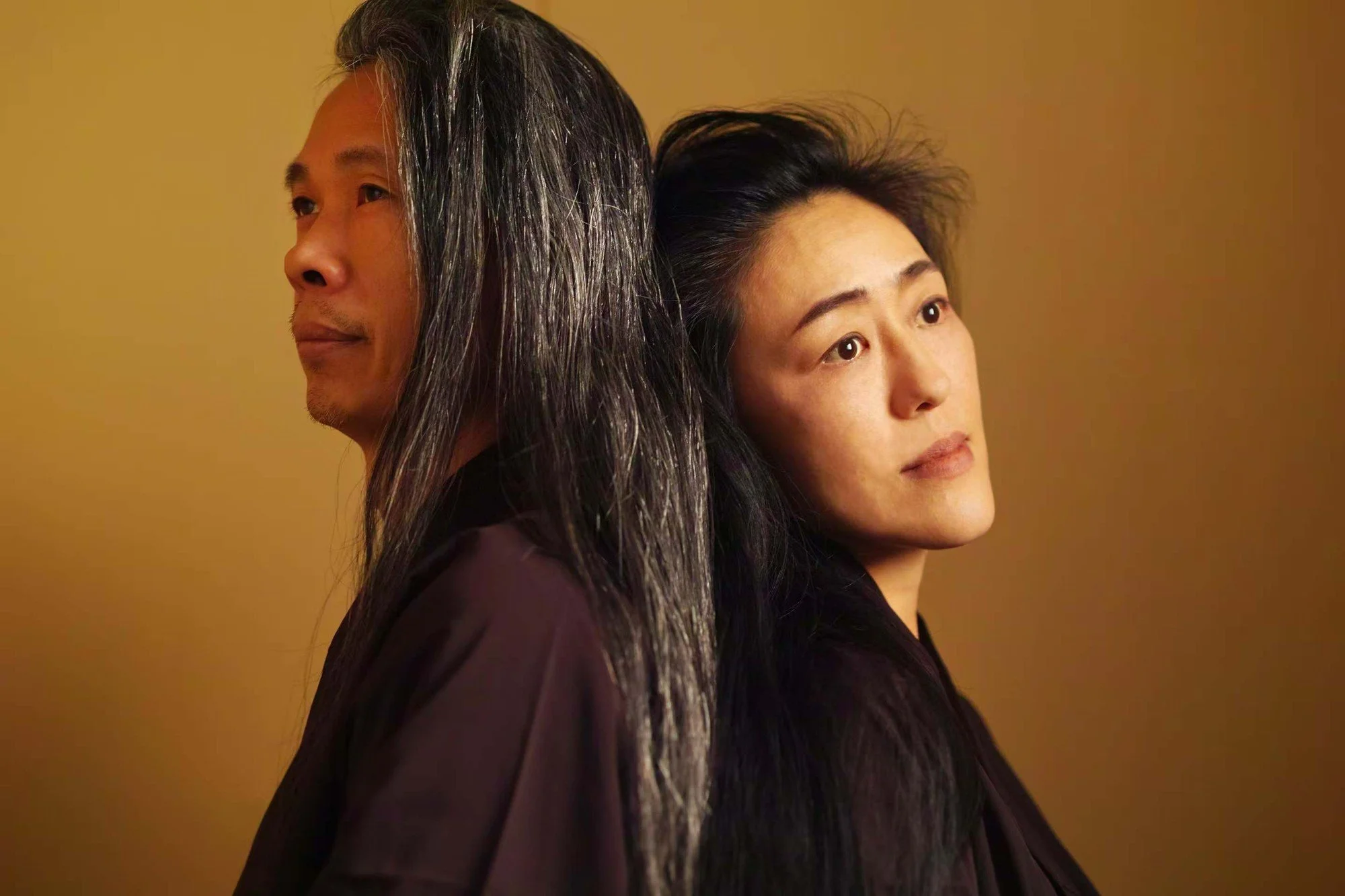
RongRong&inri
RongRong&inri are a photographic duo from China and Japan who have worked together since 2000. They founded Three Shadows Photography Art Centre in Beijing.
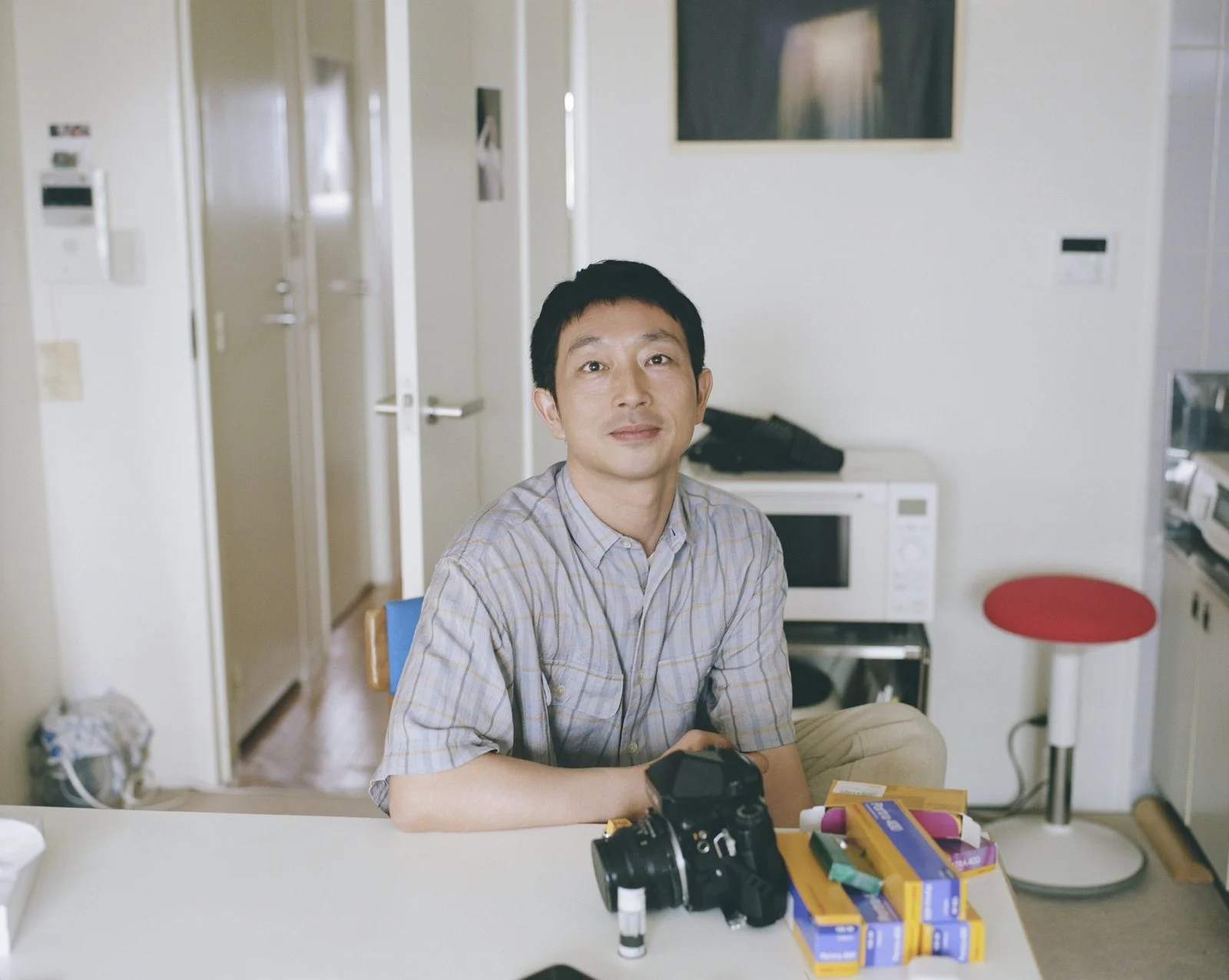
Kotori Kawashima
Kotori Kawashima is a Japanese photographer, born in Tokyo in 1980. His book Mirai-chan, a year with a little girl on Sado Island, has sold more than 130,000 copies.
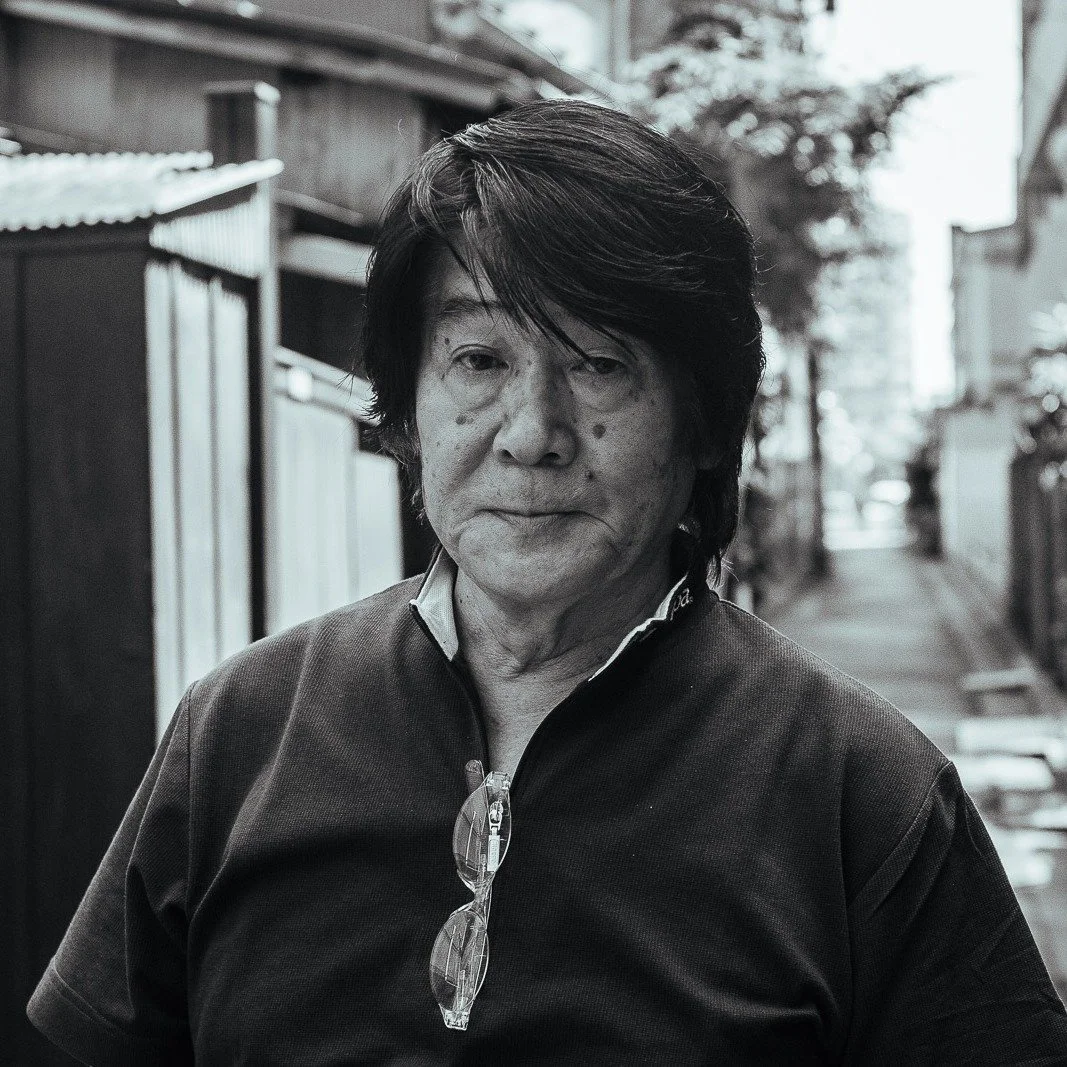
Daido Moriyama
Daido Moriyama (born 1938) is a Japanese street photographer. His grainy, blurred black and white pictures of Tokyo, made with a small camera, made him one of the best known photographers of postwar Japan.

Taisuke Nakano
Taisuke Nakano is a Japanese photographer born in 1994 and based in Tokyo. His book Spin around the Night Consumed by the Fire (Fugensha, 2026) grew out of a 2000 murder case whose perpetrator shared his name.
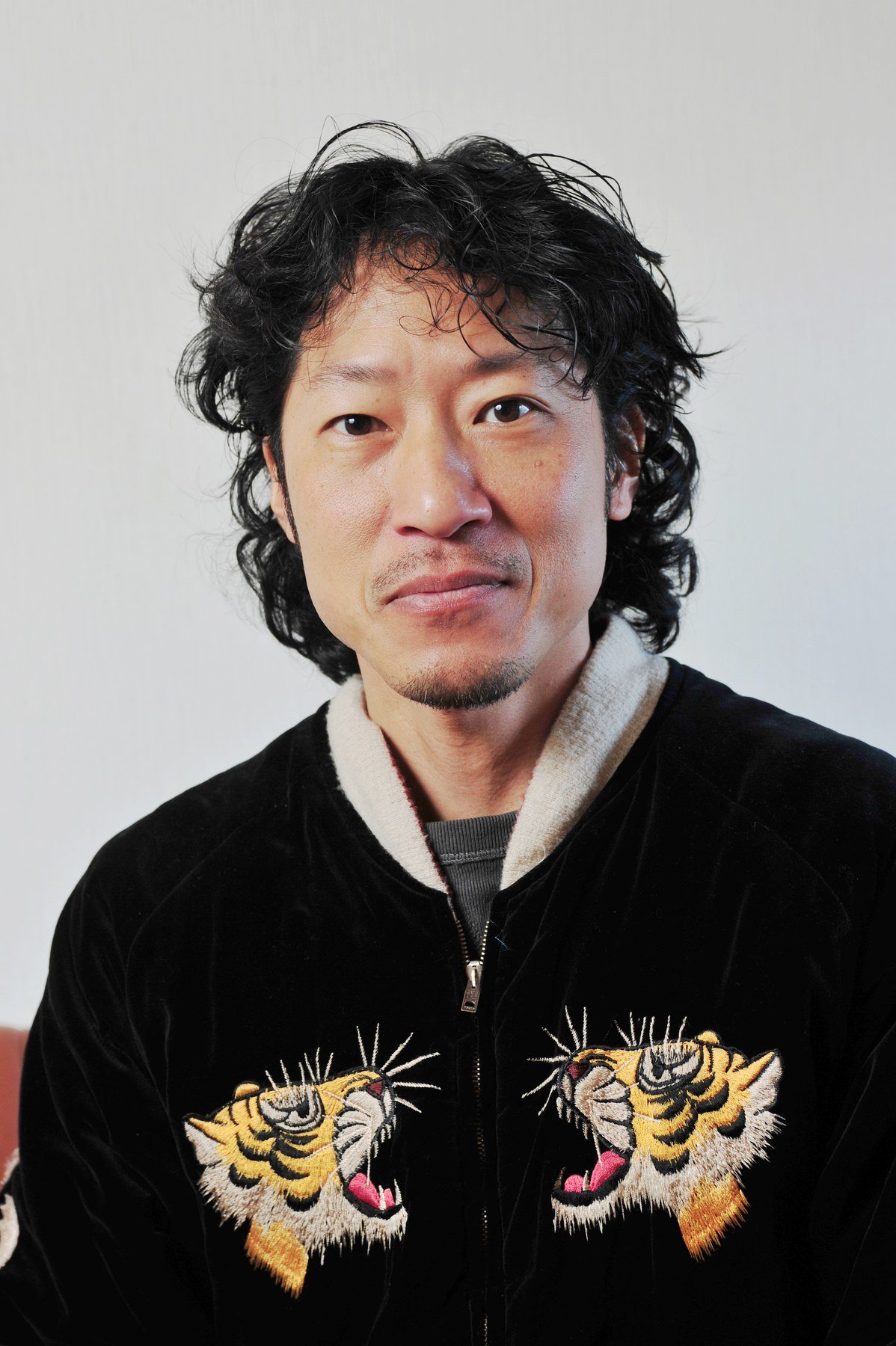
Keizo Motoda
Keizo Motoda is a Japanese street photographer, born in Osaka in 1971. His book Short Hope (Fugensha, 2026) is about the Kamagasaki district of Osaka.
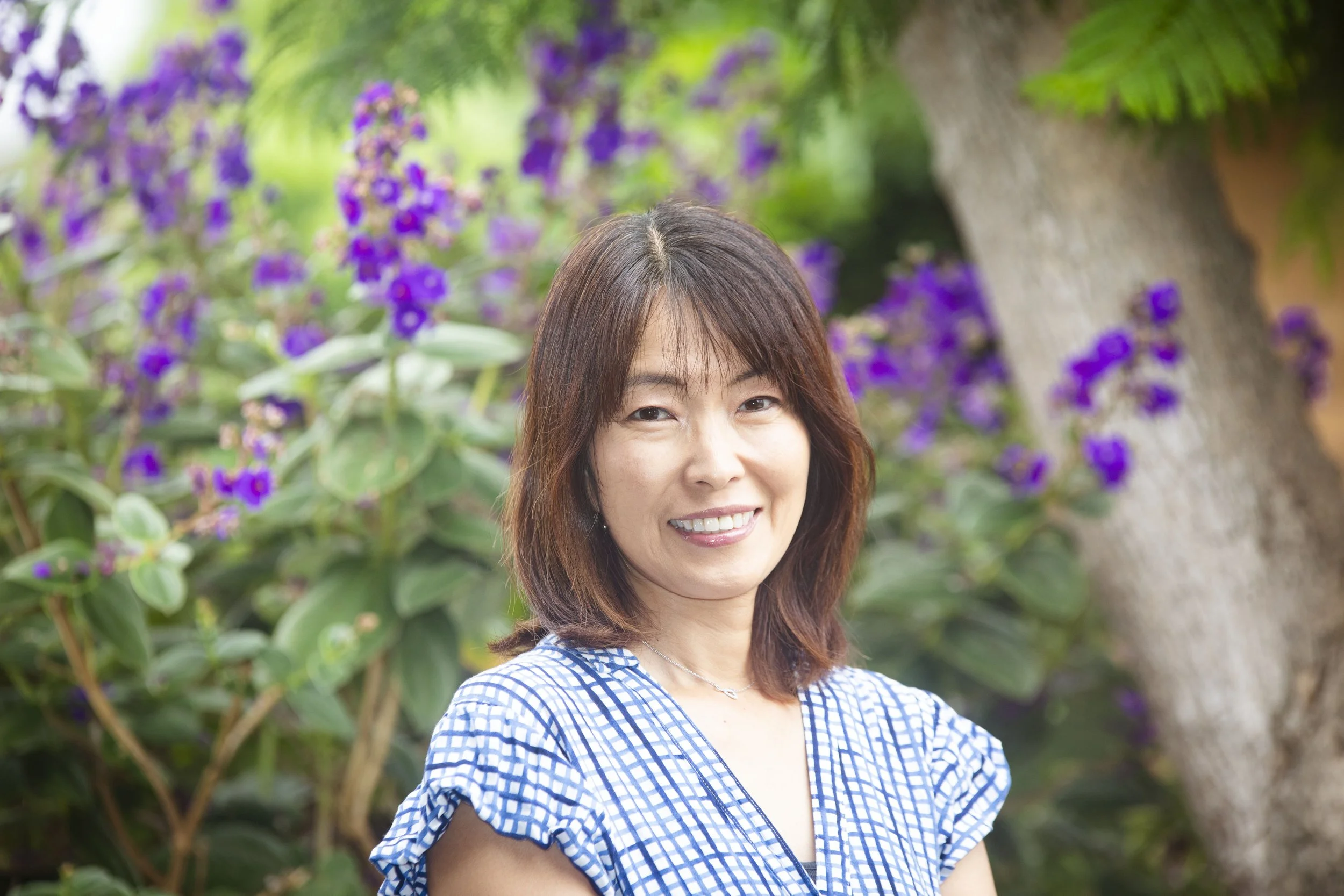
Eri Morita
Eri Morita is a photographer born in Japan and based in California. Her book Moon Rainbow (Fugensha, 2025) follows her family over 18 years.
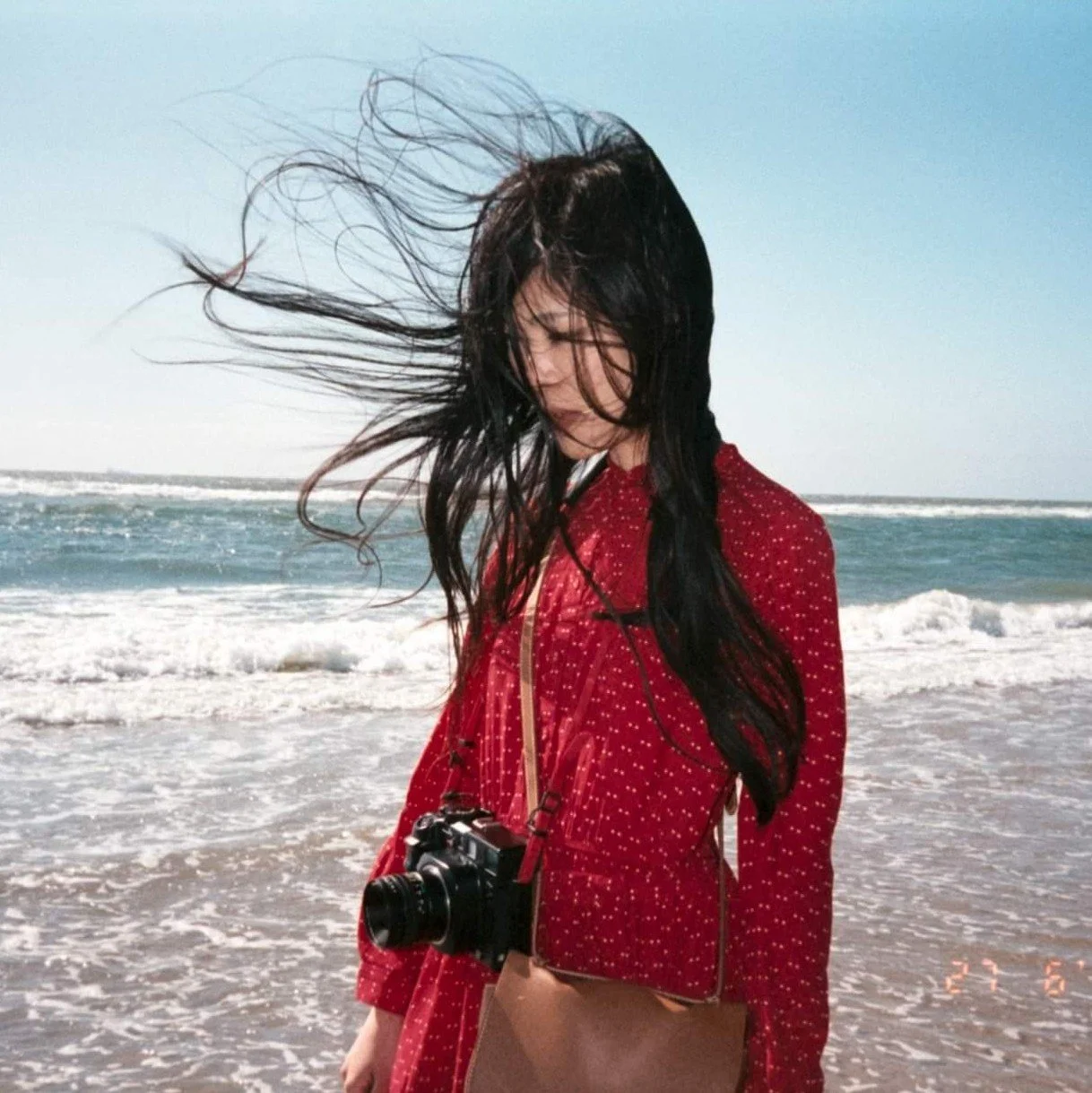
Iwauko Murakami
Iwauko Murakami is a Japanese photographer based in Tokyo. Her series Known Unknown, shown in the book published by Fugensha in 2024, portrays women whose faces are not clearly visible.
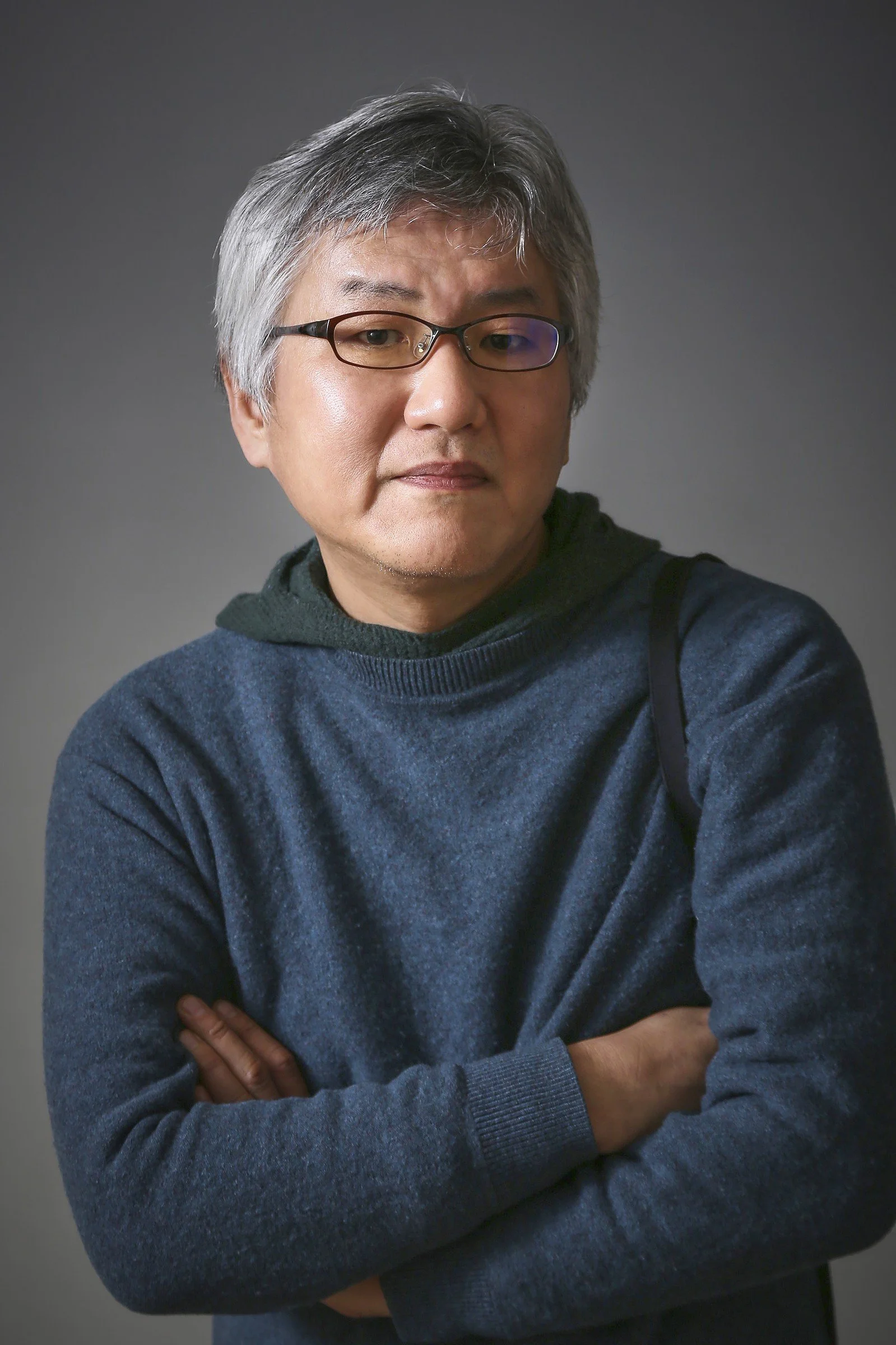
Yasuhiro Ogawa
Yasuhiro Ogawa is a Japanese photographer based in Tokyo. His book Lost in Kyoto (Photo Editions, 2025) is the result of ten years of visits to the city. Tales of the Islands (Photo Editions, 2026) gathers his black-and-white photographs of Japan’s remote islands.
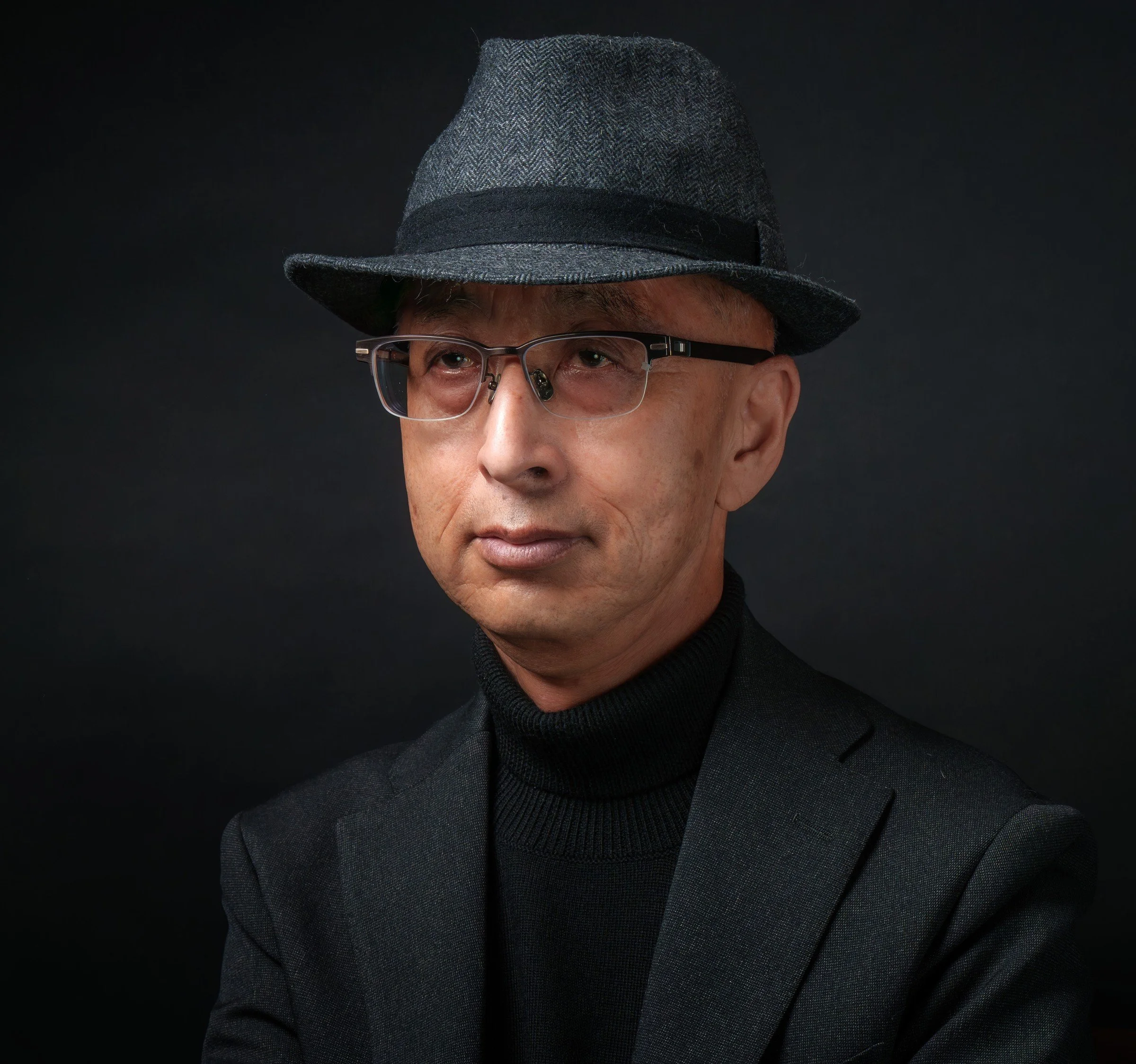
Eiji Ohashi
Eiji Ohashi is a Japanese photographer from Hokkaido. Since 2008 he has photographed lone vending machines glowing in snowy nights, in his series Roadside Lights.

Keiko Nomura
Keiko Nomura is a Japanese photographer based in Okinawa. Her photobooks include Deep South (1999) and Bloody Moon (Tosei-sha, 2006), shot on film.