AT A GLANCE
- Known for
- Long series of black and white photographs: Seascapes, Theaters, Dioramas and Architecture
- Works in
- Gelatin silver prints made in series. Also colour prints (Opticks), sculpture, architecture and stage work
- Camera
- Large format view camera, 8 x 10 inch
- Also
- Founder of the Odawara Art Foundation and its Enoura Observatory · designs exhibition spaces and buildings
- Awards
- Hasselblad Foundation International Award (2001), Praemium Imperiale (2009), Isamu Noguchi Award (2014)
- Start with
- Hiroshi Sugimoto: Architecture (Damiani/Matsumoto Editions, 2019)
- Links
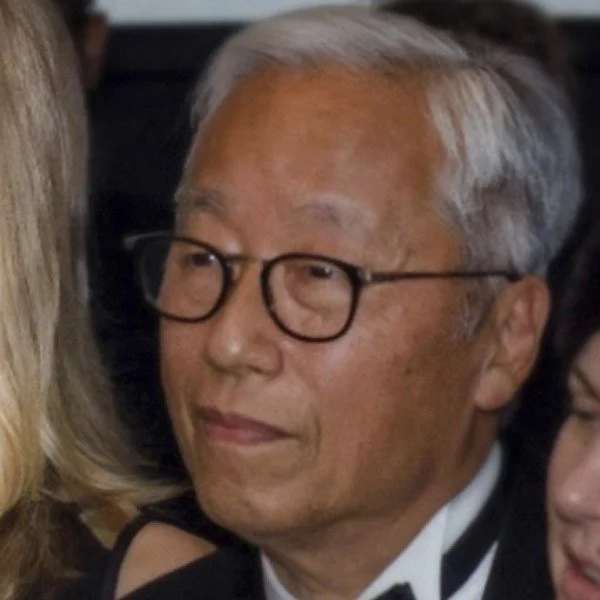
Hiroshi Sugimoto (born 1948) is a Japanese artist who works in Tokyo and New York. He is known for long series of photographs, among them Seascapes, Theaters and Architecture. His pictures are in major museum collections, and he also designs exhibition spaces, gardens and buildings.
The story
Hiroshi Sugimoto's earliest childhood memory is a train ride. The Shonan train ran on the old Tokaido line from Atami to Odawara. He later wrote: “When we came out of the twin tunnels, there was the vast Pacific, extending away to a sharp horizon line that snapped my eyes wide open. In that moment I also awoke to the fact that I was me, and that I was here on this earth.”
The sea stayed with him. Sugimoto was born in Tokyo in 1948 and moved to New York in 1974. In 1980 he began Seascapes, a series he still continues. Its subject, he says, is not the sea itself. “Water and air are the two fundamental elements of the world. That's the subject, not the seascapes.”
He has said that New Year's Day is the only day he can photograph the sea in Japan without any sea traffic. Even the fishermen take that day off.
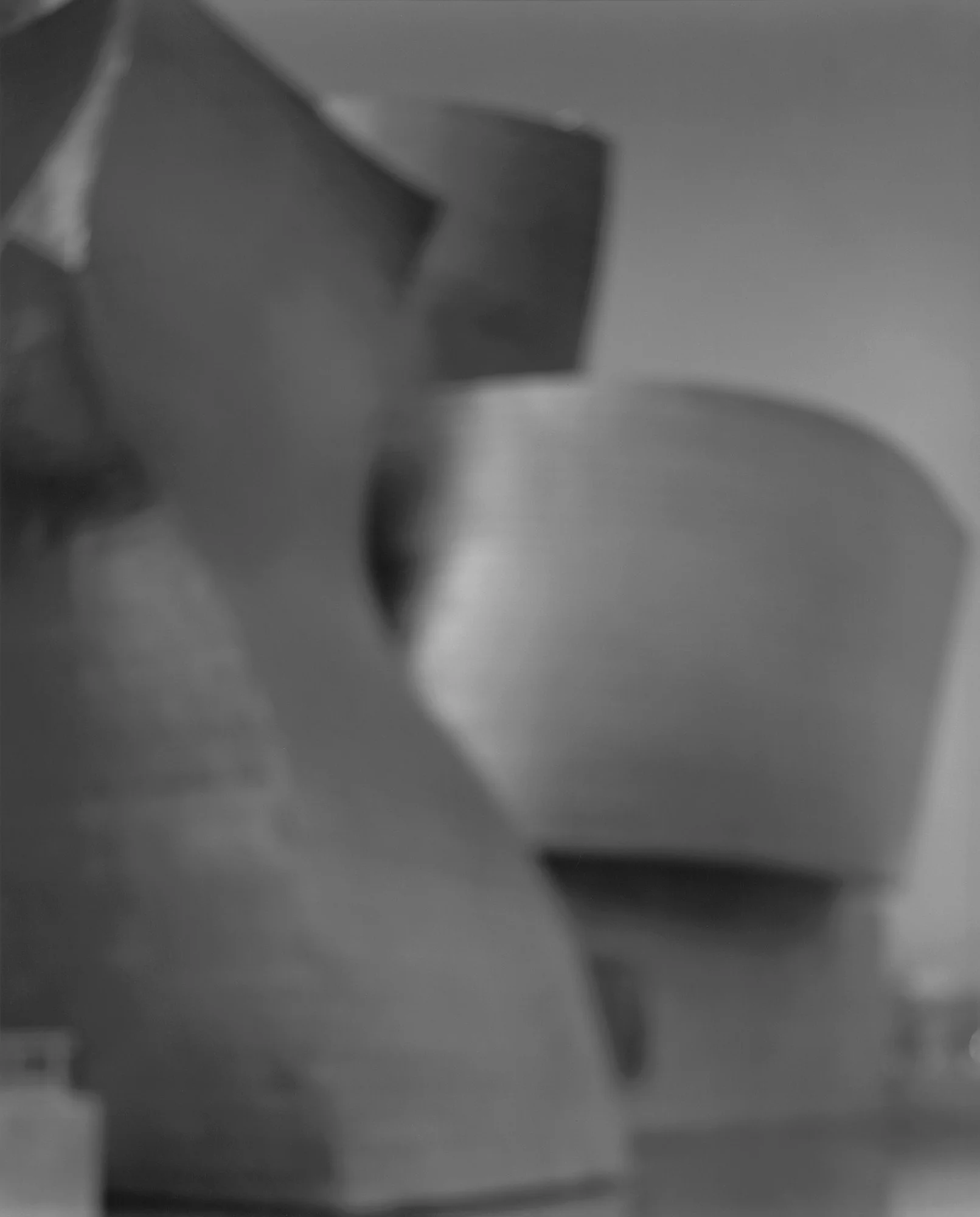
In 1997 he began a very different series, Architecture. The subjects were famous buildings, and he photographed them in a way that breaks the rules of architecture photography. He took them out of focus on purpose. Sugimoto works with an 8 x 10 inch view camera, and for these pictures he used it in a new way.
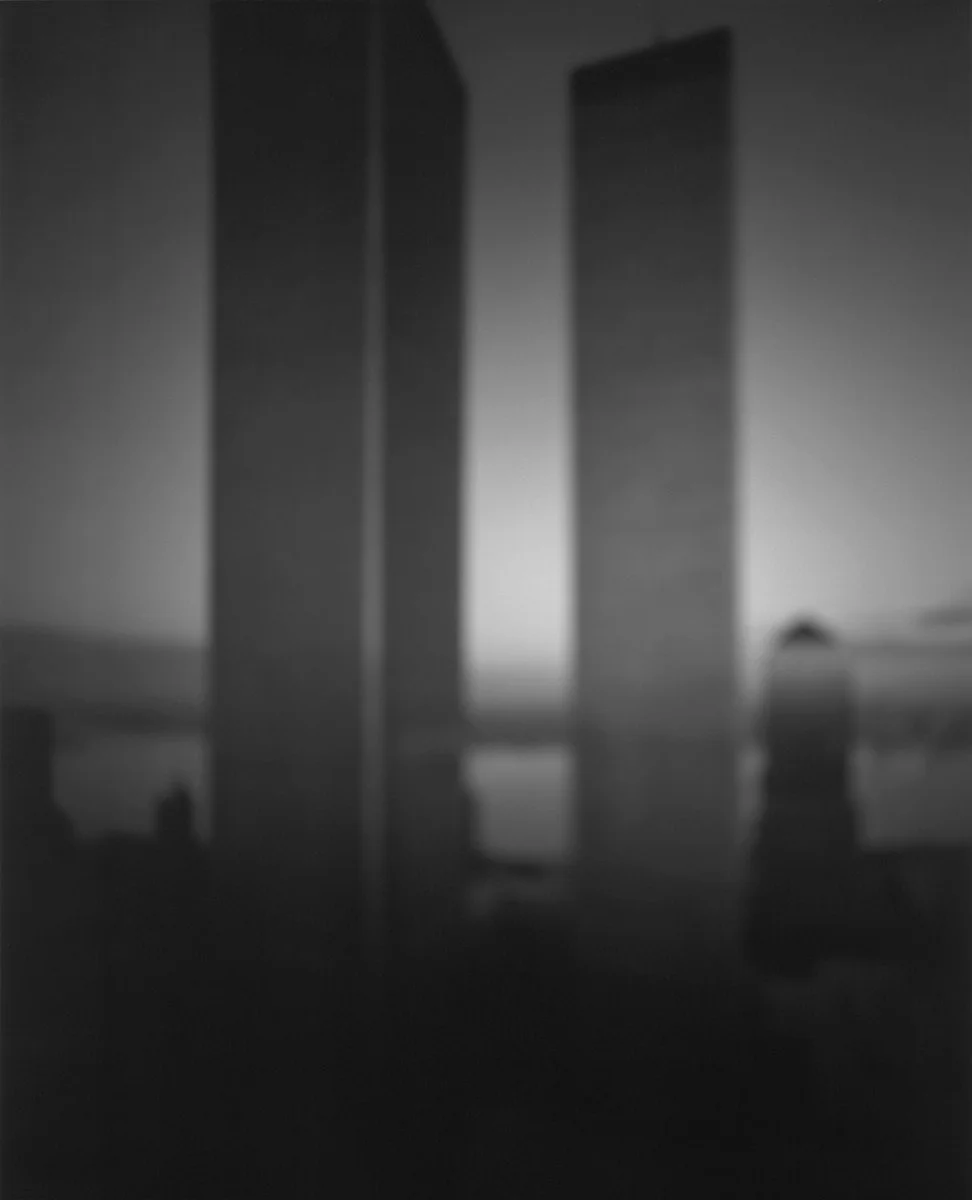
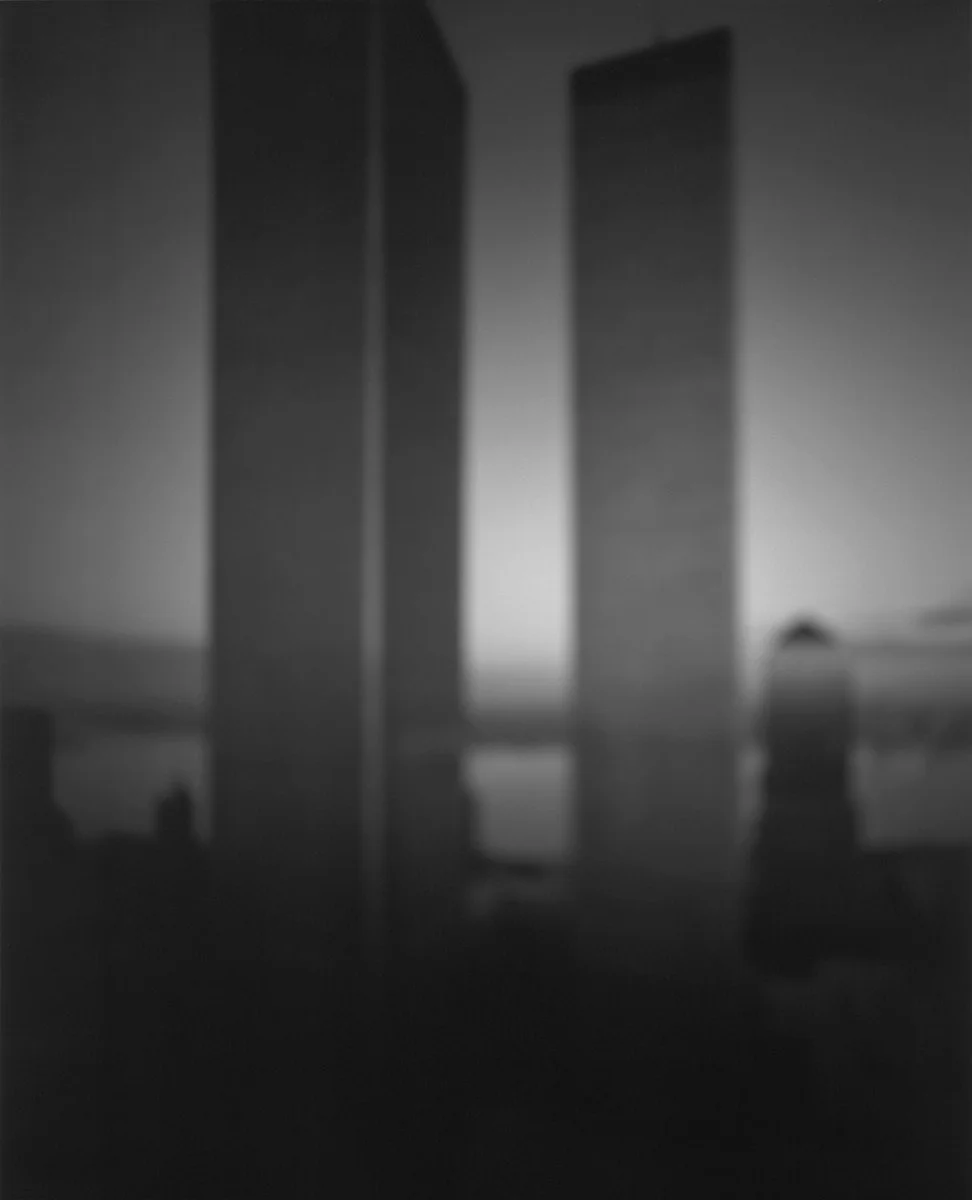
In World Trade Center, 1997, two dark towers rise into a soft sky. Their edges are gone. No window or steel beam can be seen. Fraenkel Gallery writes that the blur mutes the details and leaves the essence of the building, a bit like the way memory keeps images.
Sugimoto explained what he did with the camera. He pushed its focus out to what he called “twice-infinity”. Then he began what he calls erosion-testing: he wanted to test how durable a building is. Many of the buildings melted away in the process. The strongest ones did not.
The series was shown in full at the Museum of Contemporary Art in Chicago in 2003, in an installation Sugimoto designed himself. It had about thirty pictures. His own summary of the test is short. “I discovered that superlative architecture survives the onslaught of blurred photography.”
The work
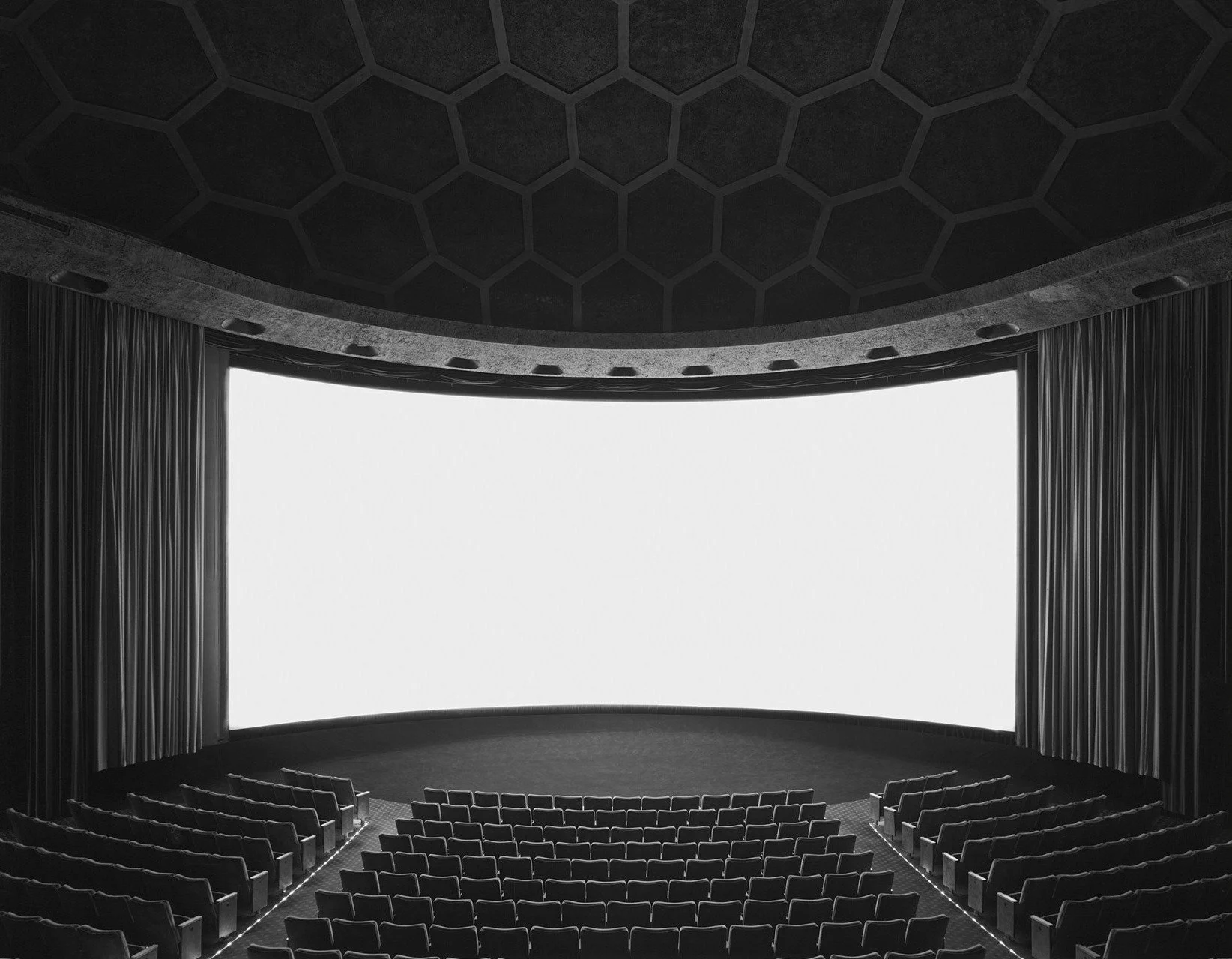
Sugimoto works in series, and he returns to the same subjects for decades. He began Dioramas at the American Museum of Natural History in 1975, he told Aperture, and he is still making them. In Theaters he photographs inside cinemas, and the exposure lasts as long as the film. Cinerama Dome, Hollywood, 1993 is a picture of a cinema. About this idea he wrote: “My dream was to capture 170,000 photographs on a single frame of film.”
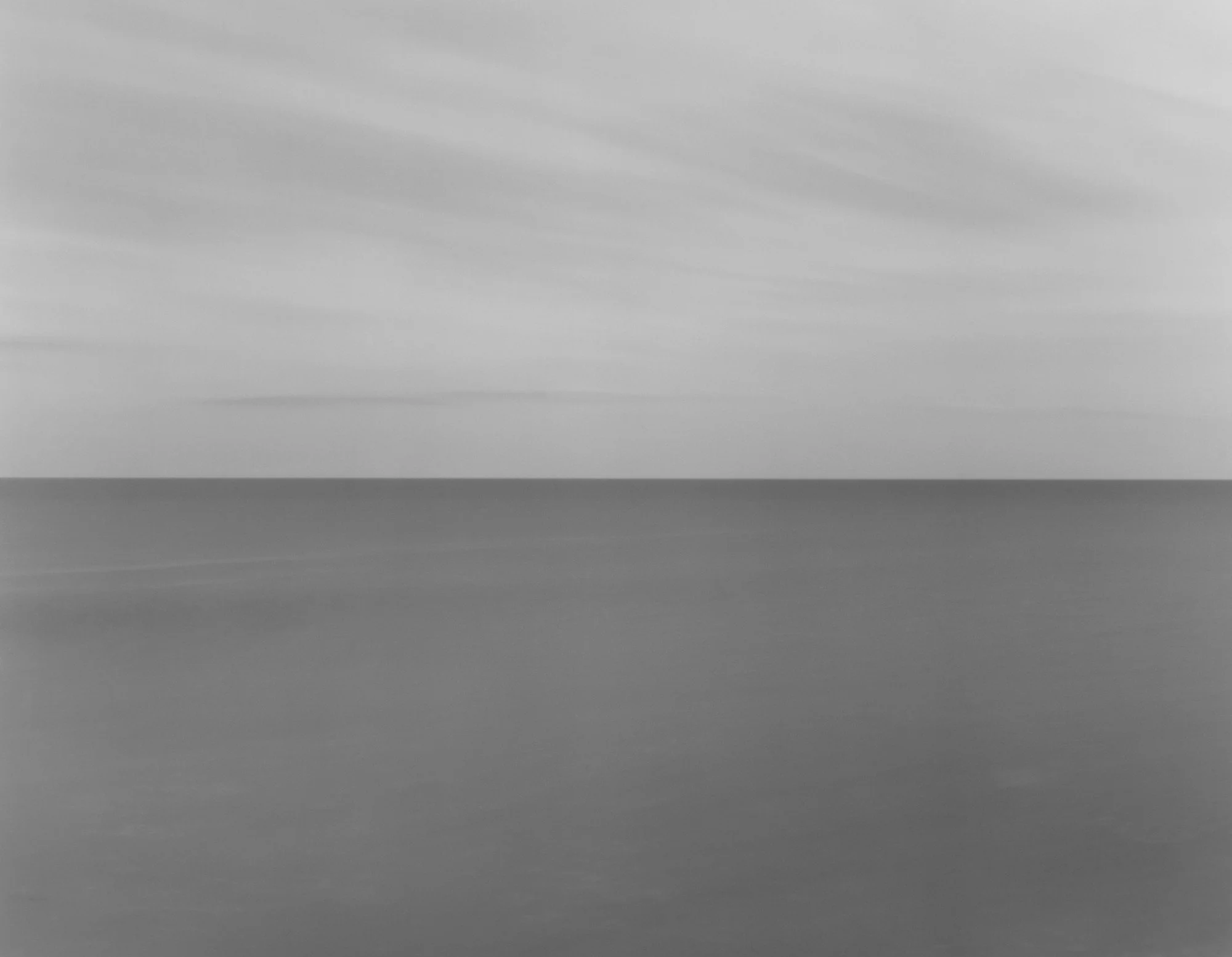
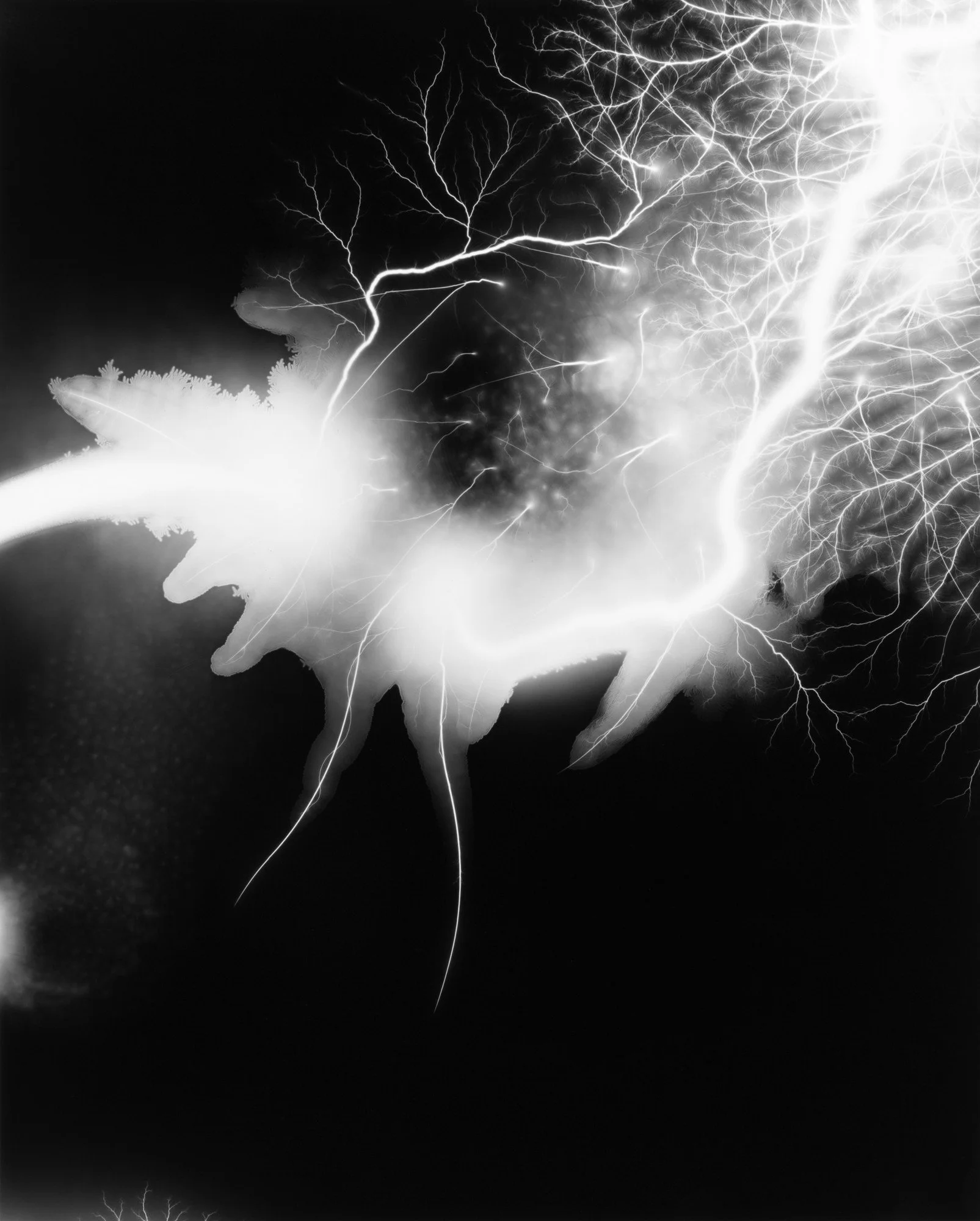
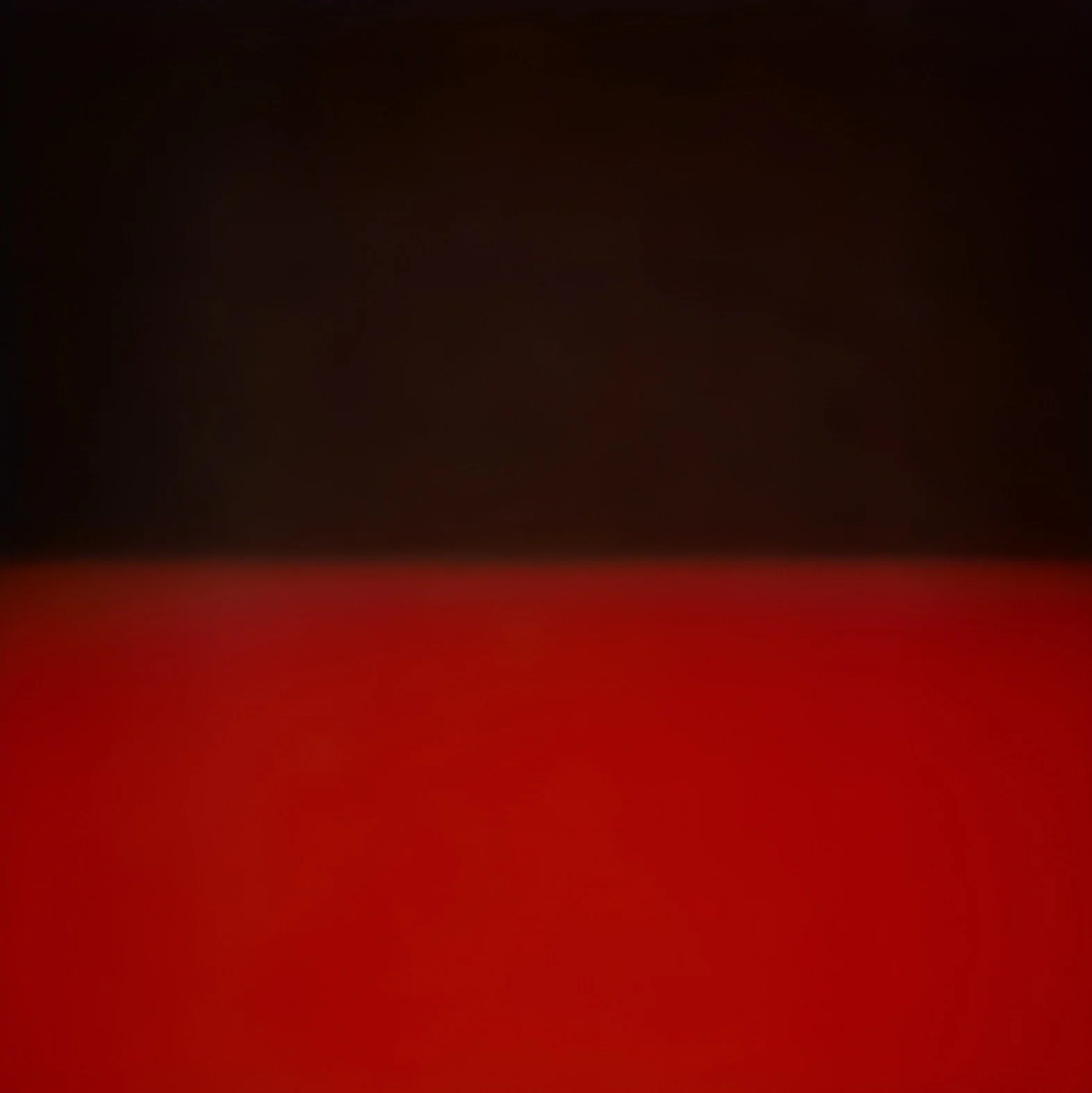
Seascapes put sky and water on either side of the horizon. Sea of Japan, Rishiri Island, 1996 is one of them. Lightning Fields goes the other way: Sugimoto applied a 400,000-volt electric current directly to film. Lightning Fields 168, 2009 is one of these. Opticks shows the colours of light seen through a prism, and he confirms it is his first work in colour. Opticks 058, 2018 belongs to it.
Architecture is the series behind the story above. Guggenheim Museum, Bilbao, 2000 sits next to World Trade Center, 1997 in it. Beyond photographs, Sugimoto founded the Odawara Art Foundation in 2009. In 2017 it opened the Enoura Observatory above Sagami Bay, a site that he designed, with a gallery, a noh stage and a tea house.
- 1948Born in Tokyo
- 1974Finishes his studies at the Art Center College of Design in Los Angeles and moves to New York
- 1981Has his first show at Sonnabend Gallery in New York
- 1997Begins the Architecture series, with out of focus pictures of famous buildings
- 2001Receives the Hasselblad Foundation International Award in Photography
- 2003The Museum of Contemporary Art, Chicago, shows Architecture from 22 February to 1 June
- 2009Founds the Odawara Art Foundation
- 2017The Enoura Observatory opens to the public in October
- 2026A large survey, Extinction, runs at the National Museum of Modern Art, Tokyo, from June to September
Lessons
Come back to the same subject. Sugimoto has photographed dioramas since 1975 and seascapes since 1980. He says he still uses the same developer for the dioramas. A long series lets small changes show up.
Bend your own rule. He usually works with sharp, precise prints. For Architecture he did the opposite and went out of focus. The change turned into a test of how strong a building is.
Think about where the picture will hang. Sugimoto designs the exhibition spaces for his shows, and he says it is almost an obsession. The room is part of how people see the photograph.
Try this: pick a building you know well. Photograph it three times from the same spot: sharp, a little soft, and very soft. Use manual focus. Look at the three pictures and ask which shape still says what the building is. Show the very soft one to a friend and ask if they know it.
Gear
Sources agree on a few things: Sugimoto works with a large format view camera and prints on gelatin silver paper.
8 x 10 inch view camera: Two publishers state that Sugimoto works with an 8 x 10 inch view camera. For Architecture he used it out of focus, pushing the focal length to what he calls twice-infinity. Published sources do not name a camera maker, lens or film.
Books
Hiroshi Sugimoto: Architecture (Damiani/Matsumoto Editions, 2019). Sugimoto's own website lists this book with text by Sugimoto. MW Editions describes a clothbound volume of 160 pages with 19 previously unpublished images, including Villa Savoye, the Seagram Building and Guggenheim Bilbao. It is for readers who want the whole blurred series.
Hiroshi Sugimoto: Theaters (Damiani/Matsumoto Editions, 2016). The text of this book is by Sugimoto himself. In it he writes about the idea of a whole film on a single frame. Fraenkel Gallery quotes his line about the 172,800 afterimages in a two hour movie. It is for readers who like to hear how an artist explains his own idea.
Hiroshi Sugimoto: Seascapes (Damiani/Matsumoto Editions, 2015). This book on the Seascapes series has a text by Munesuke Mita, according to Sugimoto's website. The series is about sea and sky divided by the horizon. It is for readers who want to see one idea shown again and again over many years.
In his words
“Rather than the camera projecting the outside world onto film, I am using it to project outward the world that exists inside me.”
“Water and air are the two fundamental elements of the world.”
“My dream was to capture 170,000 photographs on a single frame of film.”
“I discovered that superlative architecture survives the onslaught of blurred photography.”
“Well, all my life is just coincidence. It's never been well planned.”