AT A GLANCE
- Known for
- The picture of a man taking King Baudouin's sword in Léopoldville in 1960, and decades of reportage and portraits for Stern
- Works in
- Photo reportage and portraits for magazines
- Magazines
- Revue, Kristall, Stern · editor-in-chief of Geo in 1977 and 1978
- Awards
- Dr. Erich Salomon Prize (1991) · Infinity Award, ICP New York (2002) · Henri Nannen Award for life's work (2007)
- Start with
- Unverschämtes Glück (Steidl, 2004)
- Links
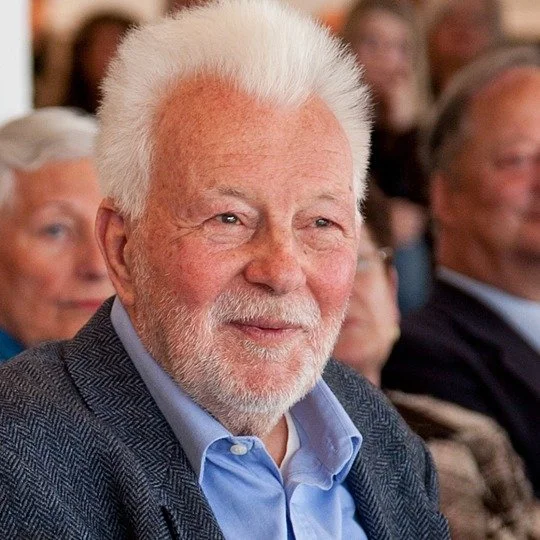
Robert Lebeck (born 1929, died 2014) was a German photojournalist from Berlin. He became known in 1960 for his picture of a man taking the ceremonial sword of King Baudouin of Belgium in Léopoldville, in the Belgian Congo. Later he worked for many years for the magazine Stern, where he made reportages and portraits of writers, artists, actors and politicians.
The story
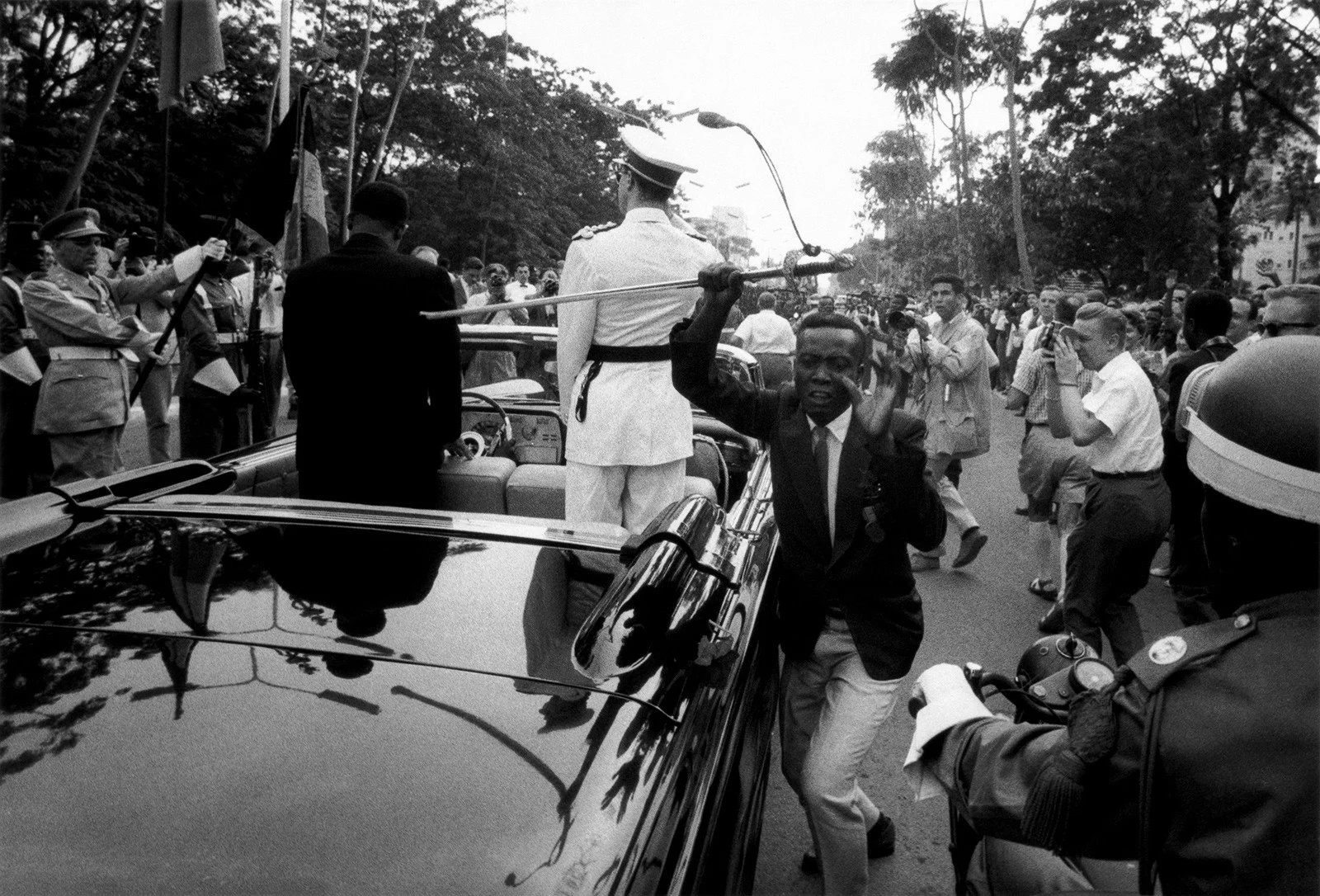
The king's open car had already passed Robert Lebeck when a young man pushed in between the car and its escort. He grabbed the king's ceremonial sword. Lebeck reacted fast. He framed the man who was running toward him and took the picture.
This was Léopoldville, today Kinshasa, on 29 June 1960. The next day the Belgian Congo would become independent. King Baudouin of Belgium rode in an open limousine next to Joseph Kasa-Vubu, the new Congolese president.
Lebeck was working for the magazine Kristall. His report from Africa was called “Afrika im Jahre Null”, Africa in Year Zero. According to a French article, he did not wait at the airport. He went straight into the city, to the Boulevard Albert, where the convoy of the king and the president was expected.
The man did not get far. The pictures on the archive's website show what came next: police chase him, bring him down, arrest him and lead him away in a jeep. Lebeck kept shooting through all of it.
But Lebeck did not know what he had. In his own words he realised only after the film was developed that he had caught a “decisive moment”. The picture went around the world. It became a symbol of the end of colonial rule. Lebeck later called it his photographic calling card.
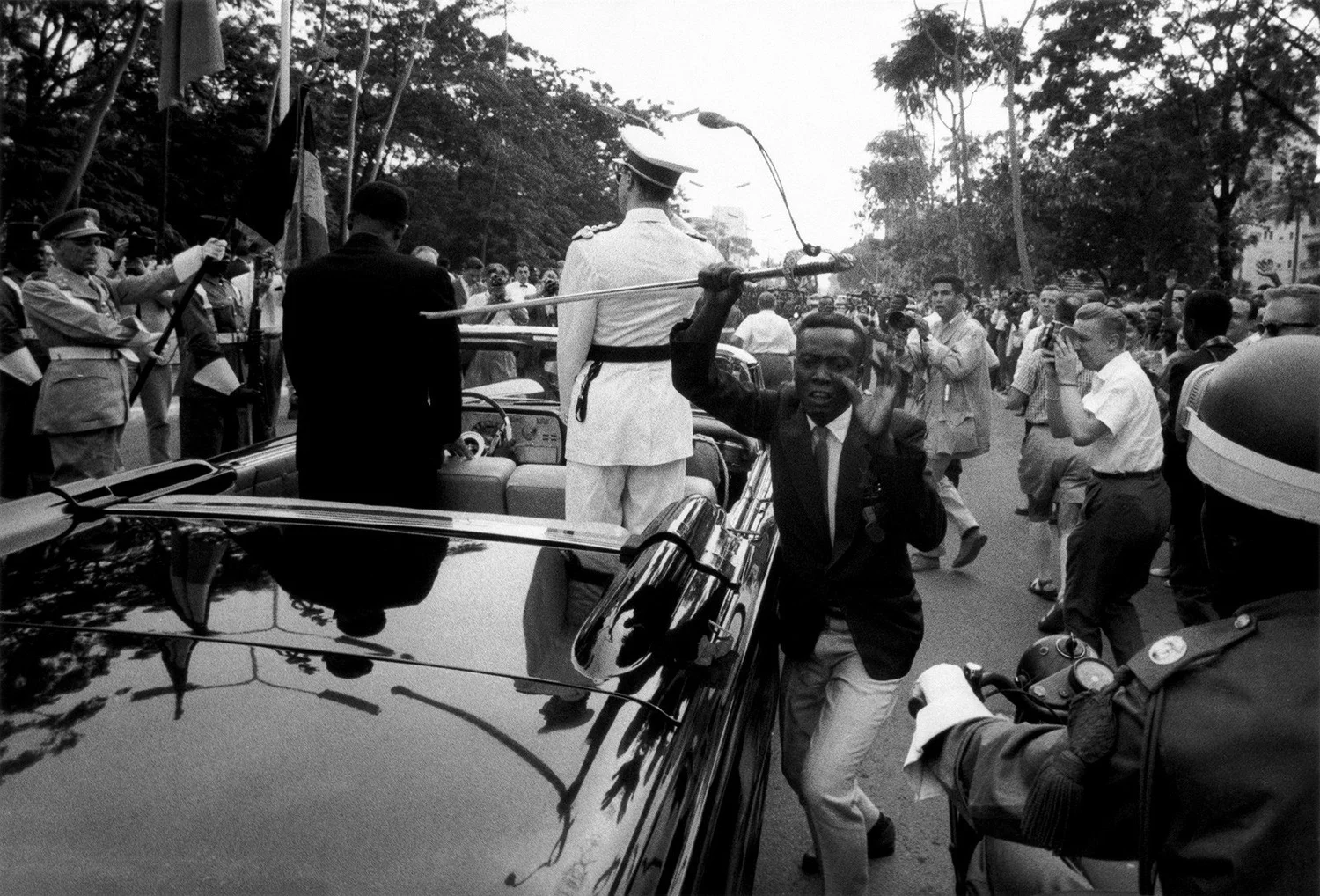
Who was the man? For a long time this was unclear. One article says the German magazine Kristall printed a name in 1960 that was invented, and that another magazine later gave a different name. The same article says that since 2010 the leading candidate is Ambroise Boimbo. It also says Lebeck looked for the man on later trips to the country and did not find him.
The name Boimbo comes from later research. A Belgian film crew went to the Congo in 2009 and 2010 to look for the man. Their film, Boyamba Belgique, or Why a King Should Not Lose His Sword, says they found the real thief. The sources are few, and they disagree on details.
The picture made Lebeck known, but it was only the start. In 1966 he joined the photo team of Stern. He stayed there for decades, except for 1977 and 1978, when he was editor-in-chief of the magazine Geo. In 1991 he received the Dr. Erich Salomon Prize. In 2007 he was the first photographer to receive the Henri Nannen Award for his life's work.
Lebeck died in Berlin in 2014. He had never made much of his own luck. As the LFI magazine puts it, his often-quoted answer was: “Most of the time, I was just incredibly lucky.”
The work
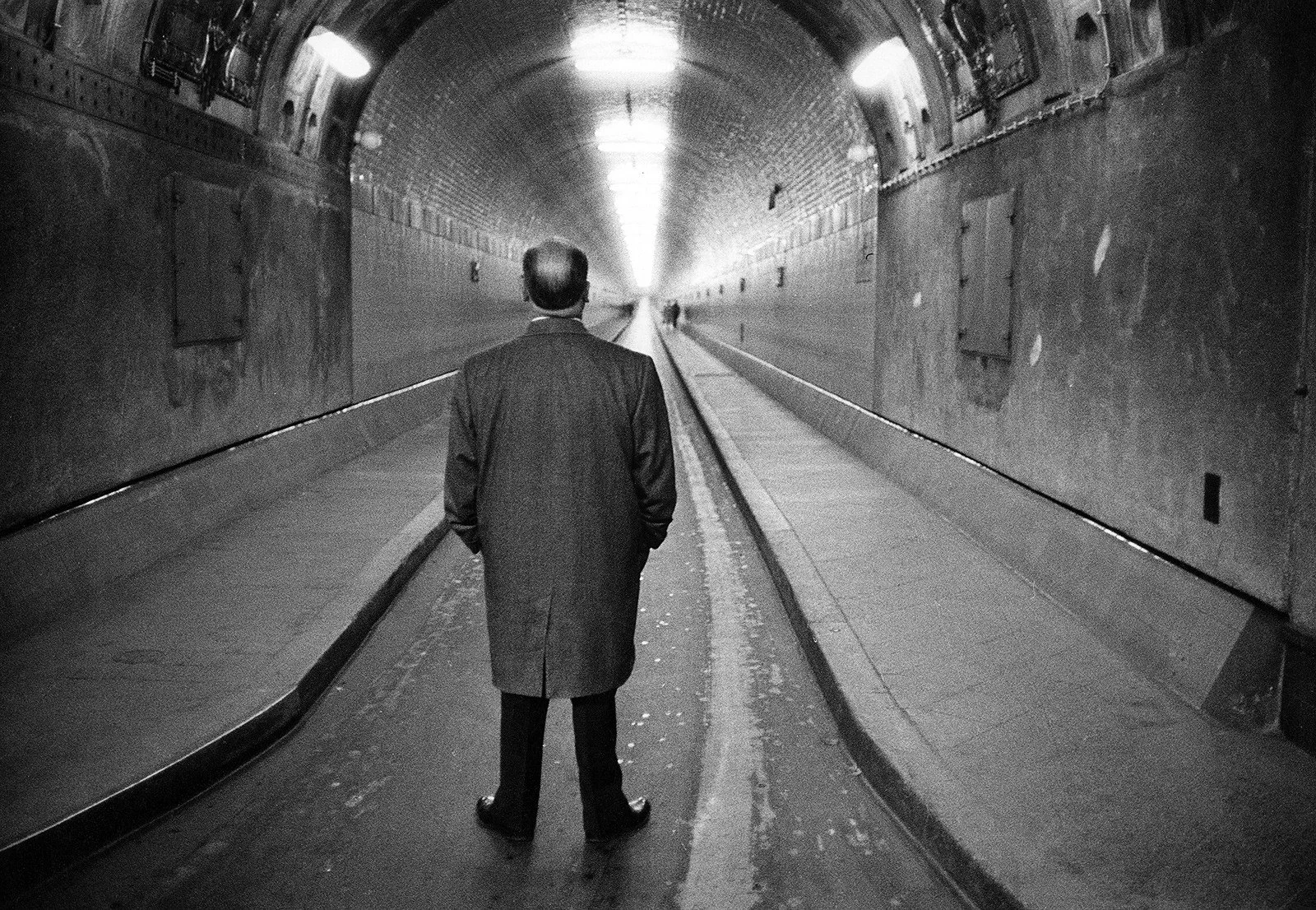
Lebeck saw himself as a reporter. A review of his 2004 book Unverschämtes Glück says he described himself as a journalist, not an artist. For Stern he travelled to Spain and Brazil, covered politics and daily life in Germany, and photographed many well-known people.
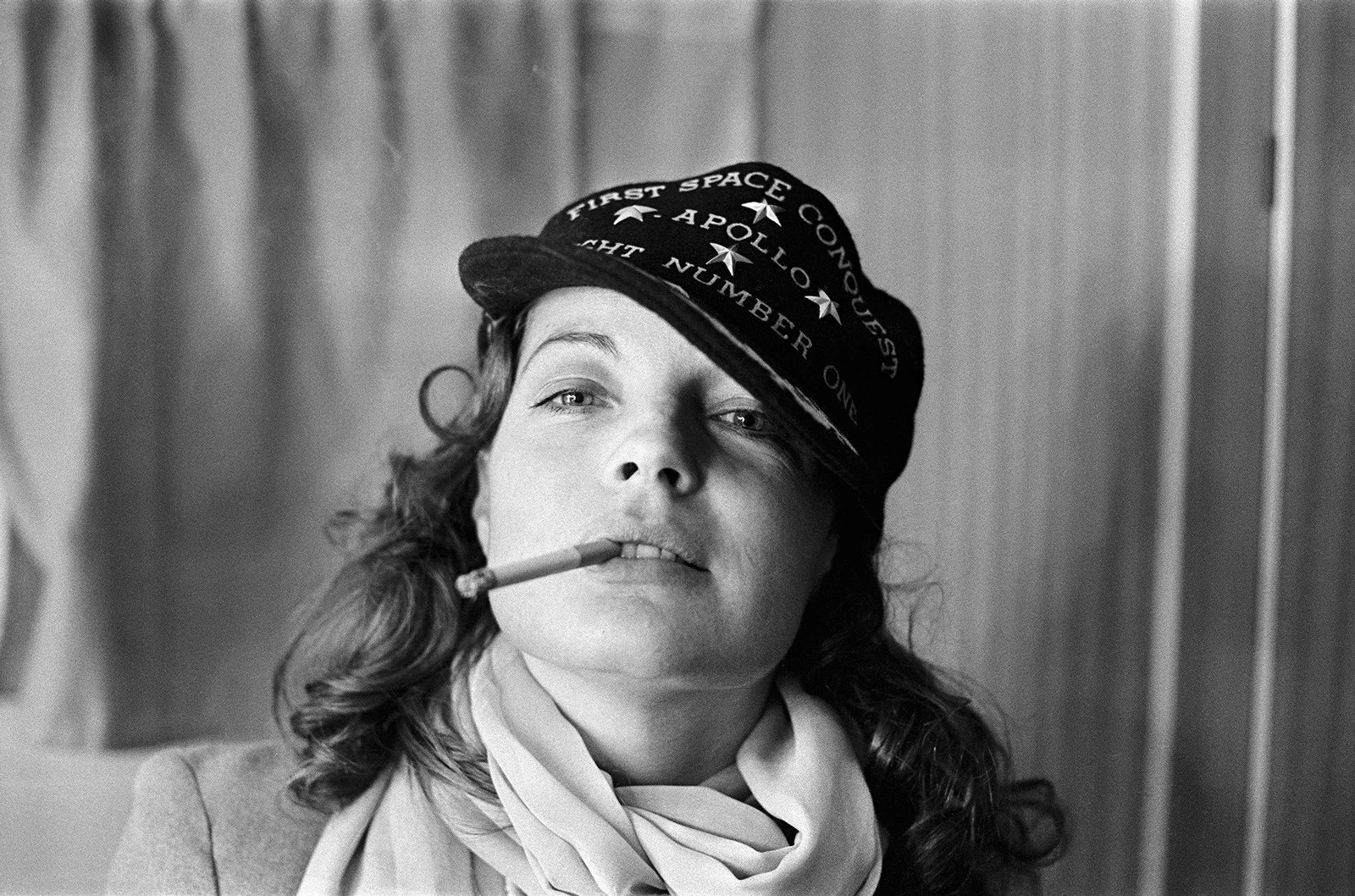
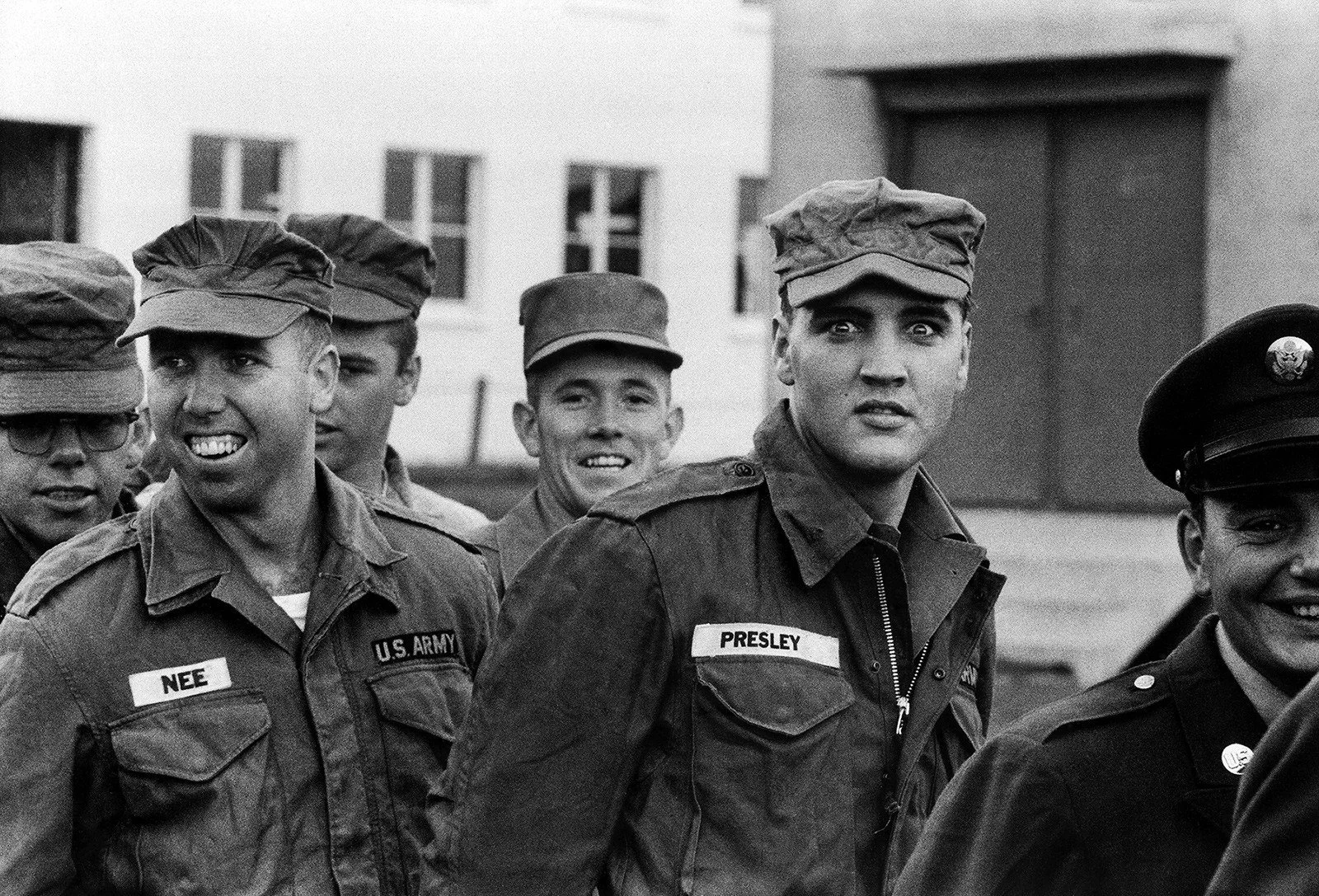
His portraits show how close he could get. He photographed Alfred Hitchcock in Hamburg in 1960 and Romy Schneider in Berlin in 1976. He also made pictures of Elvis Presley as a soldier in Friedberg in 1958. One magazine quotes his own idea of how this worked: “If I smile at you now, then you cannot help but smile back.”
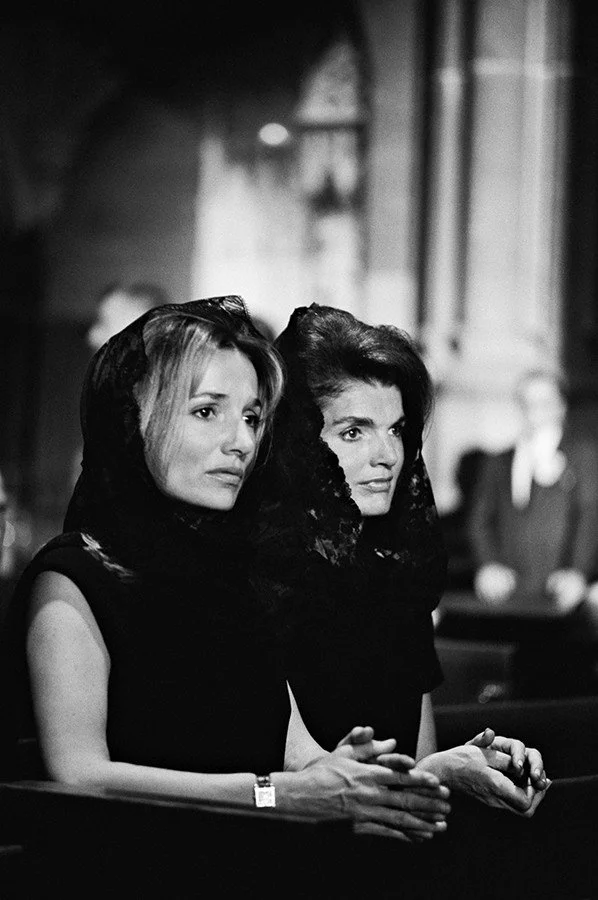
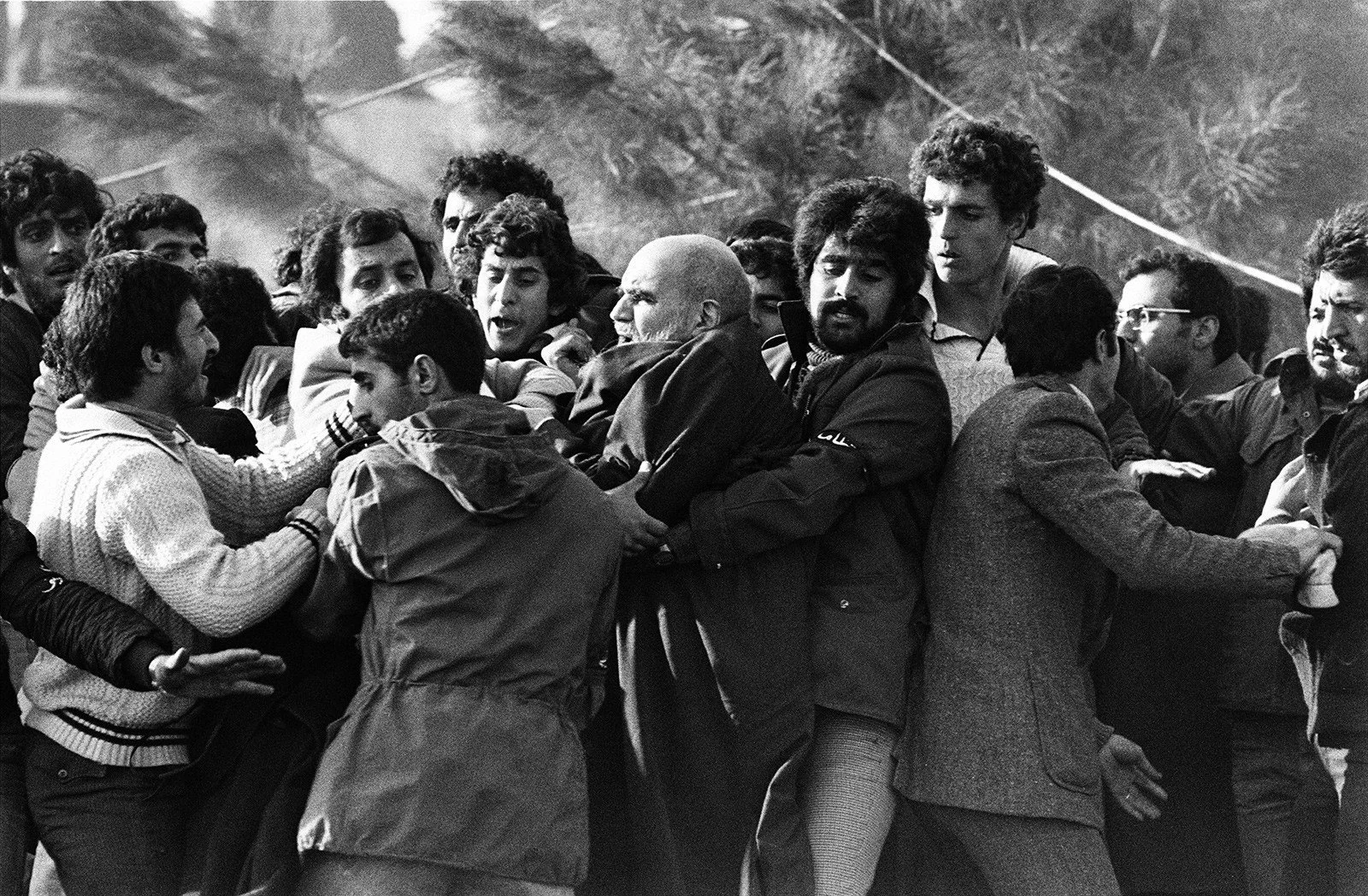
Big news was part of the job too. In 1968 he photographed the funeral of Robert Kennedy in New York, including Jackie Kennedy and her sister Lee Radziwill at the coffin. In 1979 he was with Ayatollah Khomeini in his exile in Paris and on the day of his arrival in Tehran. His 1968 work as a whole is the subject of a Kunstmuseum Wolfsburg show. Lebeck wrote about that year: “The year of the student protests took place without me.”
- 1929Born in Berlin
- 1952Gets his first camera and begins to work as a photo reporter for newspapers in Heidelberg
- 1955Becomes head of the editorial office of the magazine Revue in Frankfurt
- 1960Photographs the man with King Baudouin's sword in Léopoldville and starts work for Kristall in Hamburg
- 1966Joins the photo team of Stern
- 1977Becomes editor-in-chief of Geo, a post he holds for one year
- 1991Receives the Dr. Erich Salomon Prize
- 2007Receives the Henri Nannen Award for his life's work
- 2014Dies in Berlin
Lessons
Stand where the story will pass. Lebeck did not go to the airport. According to one article, he chose a place in the city on the route of the convoy, and the moment came to him.
Keep shooting after the key picture. The archive shows a whole series: the man with the sword, then the chase, the arrest and the jeep. The story is in all the frames, not only in one.
Do not wait to know what you have. Lebeck says he understood only after developing the film what he had caught. His job was to react first.
Try this: go to a parade, a market or a festival in your town. Choose one spot where people will pass and wait there. Take at least twenty frames of one short event from start to end, not only the best moment. Look at the whole series afterwards and write one line for each frame.
Gear
Little is published about Lebeck's equipment.
First camera: Lebeck was given his first camera at the age of 23, in 1952, and soon began to work as a photo reporter. Published sources do not say which camera and lens he used for the sword picture.
Books
Unverschämtes Glück (Steidl, 2004). This 264-page book has texts by Claude W. Sui, Ulrike Posche and Matthias Harder, and an interview with Lebeck by Heinz-Norbert Jocks. It collects portraits and everyday scenes from Germany and abroad that he made for Stern. It is a good first book for readers who want to see the range of his work.
Face the Camera (Steidl, 2016). Cordula Lebeck, his wife and archivist, compiled this book of 208 pages and 130 pictures. It has mostly unpublished photographs from the late 1950s to the 1970s, including portraits of Elvis Presley, Woody Allen, Romy Schneider and Willy Brandt. It suits readers who like his portraits.
1968 (Steidl, 2018). This book goes with the 2018 show at the Kunstmuseum Wolfsburg. The catalogue was edited by Ralf Beil and Alexander Kraus. It shows his work for Stern in 1968, with series from New York, Bogotá, Kassel, Belfast and Wolfsburg, including Rudi Dutschke in Prague and the funeral of Robert Kennedy. It is for readers who want to see one year of photojournalism in detail.
In his words
“Most of the time, I was just incredibly lucky.”
“If I smile at you now, then you cannot help but smile back.”
“The year of the student protests took place without me.”
“When the barricades were burning in Paris, I was working in Florida on a series about two murdered students; when students began protesting in front of the Springer Building, I was photographing the christening of Hildegard Knef’s baby”