AT A GLANCE
- Known for
- Mainbocher Corset (1939), elegant Vogue fashion pictures, portraits of stars such as Coco Chanel, and still lifes
- Works in
- Black and white studio photography, color for Vogue, platinum-palladium prints from the 1980s
- Also
- More than 90 Vogue covers · photographed houses and gardens for Vogue and House & Garden · lifelong partner of the writer Valentine Lawford
- Awards
- Master of Photography, International Center of Photography (1996)
- Start with
- Horst: Photographer of Style (V&A Publishing, 2014)
- Links
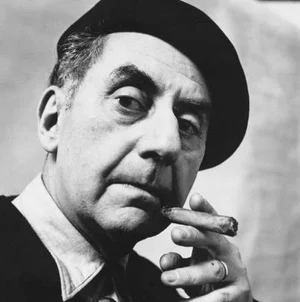
Horst P. Horst (1906 to 1999) was a German-born American photographer. He was born in Weißenfels and became one of the leading photographers of Vogue, with a career of about sixty years. He is best known for Mainbocher Corset (1939), a picture of a woman seen from behind with her corset laces hanging loose. He also made portraits of stars, still lifes, plant studies, and photographs of houses and gardens.
The story
It was August 1939, and Horst was packed. He was about to leave Paris for New York. Then, as he told it later, “suddenly he brought in this corset.” The V&A says the picture was made on the day he left France.
He was sad. War was coming, and he could feel it. A shelf was left over in the studio, so he asked the model to sit up there. “We talked about leaving, and the girl was crying and all that.” Then he loosened her corset a little and let the strings hang out.
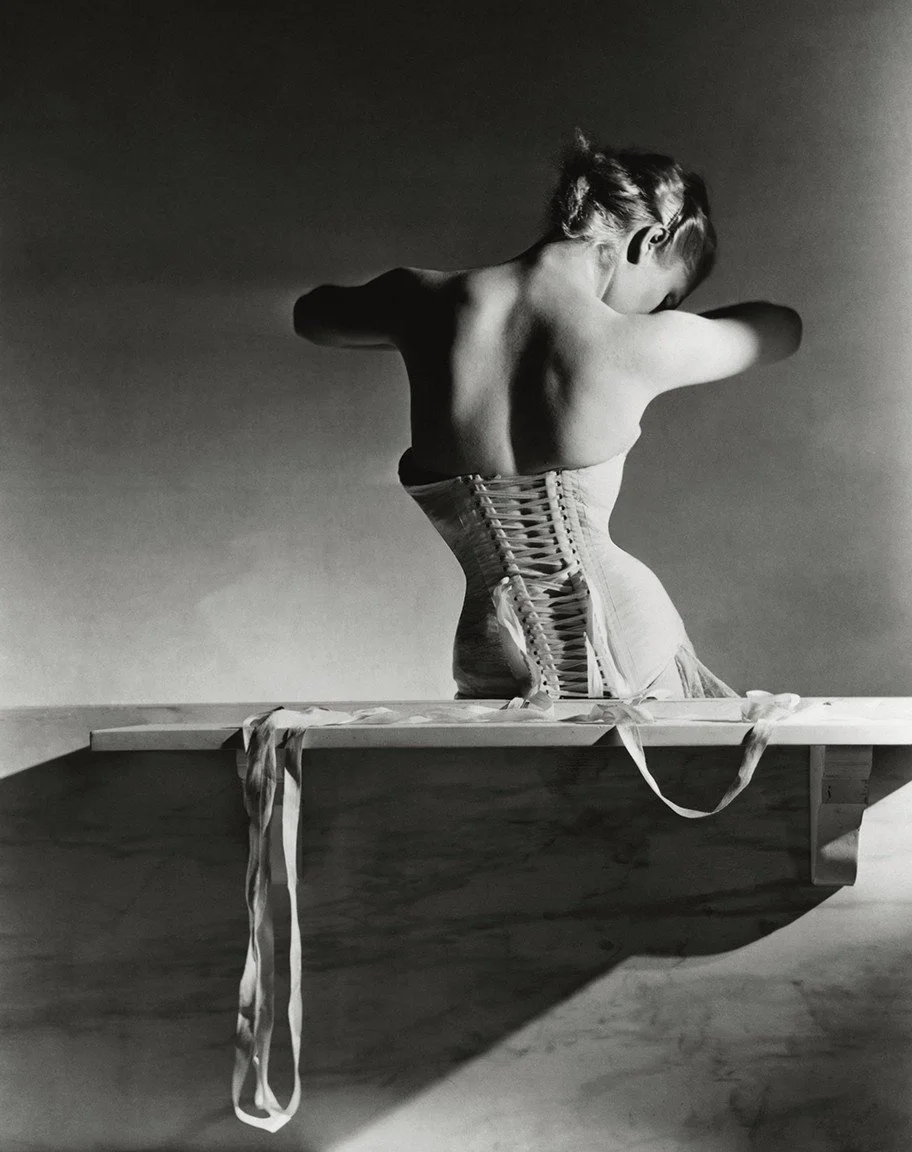
The corset is pink satin. According to the V&A, it was made by Detolle for the fashion house of Mainbocher, and the model was Madame Bernon. So the picture is often called Mainbocher Corset, even though the corset maker was Detolle.
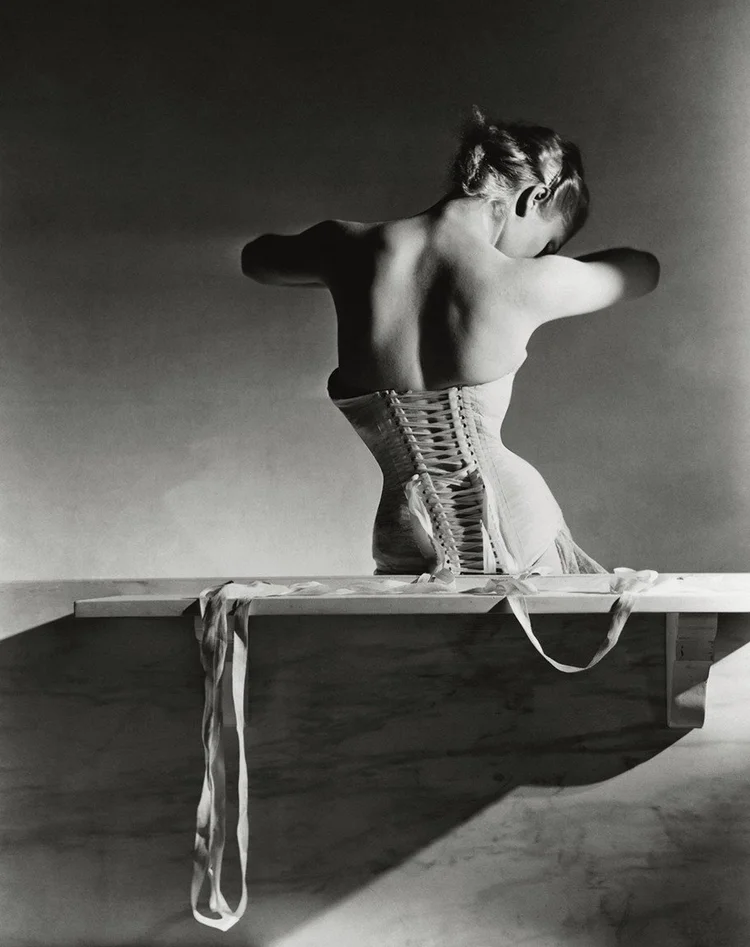
The photograph ran in American Vogue on 15 September 1939. In December it appeared in French Vogue, on page 35, under the title C’était hier, which means It was yesterday. Artsy reports that Vogue’s version was airbrushed to show less. Horst told The New York Times, “At that time Mr. Nast wouldn’t dream of showing a nude.” Condé Nast was the owner of Vogue.
Horst arrived in New York and became an American citizen in 1943. The picture stayed with him. Looking back, he spoke about the light. “There appears to be only one source of light. But there were actually reflectors and other spotlights. I really don’t know how I did it. I would not be able to repeat it.” In 1990 Madonna’s video for the song Vogue echoed its mood.
Why did he leave the laces open? He explained it in his own words. “And that’s the picture, you know, ’cause it was a farewell to France.”
The work
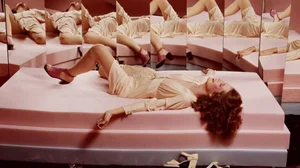
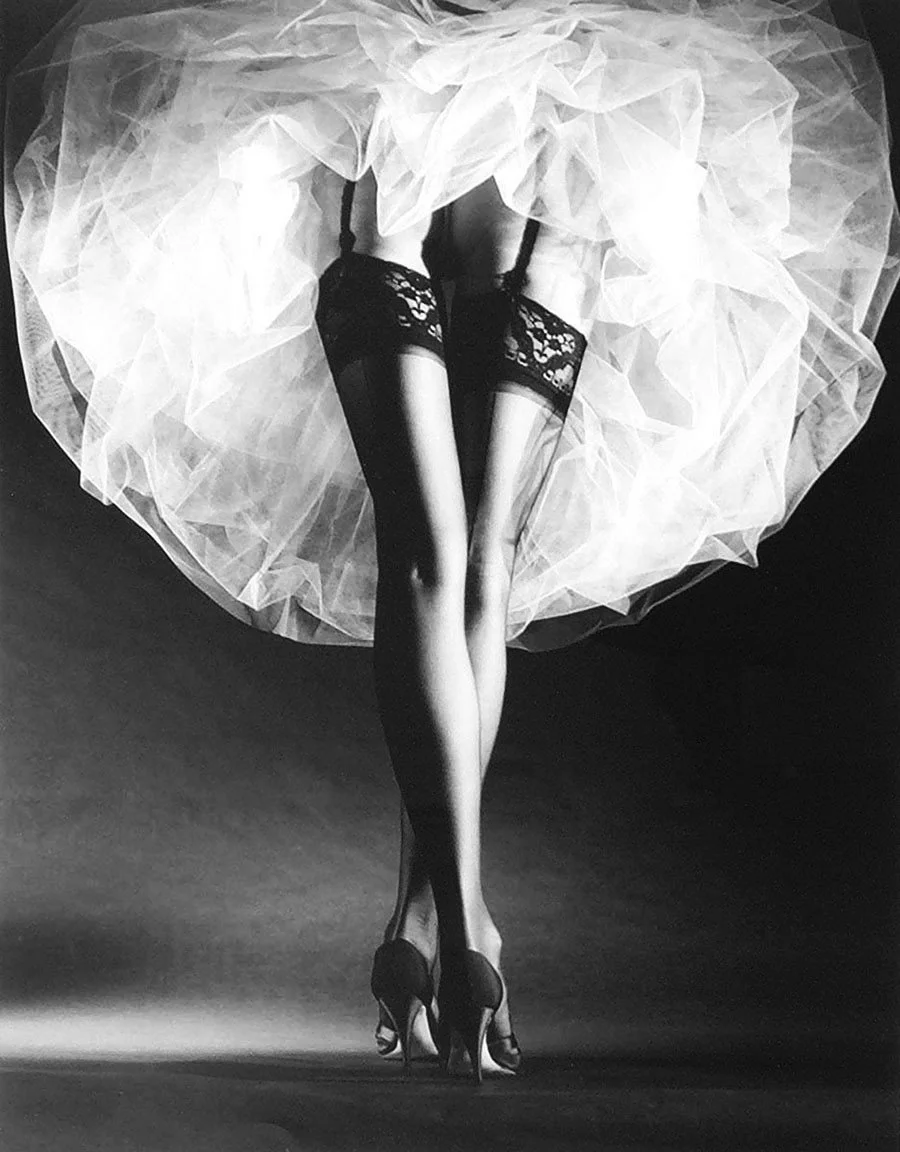
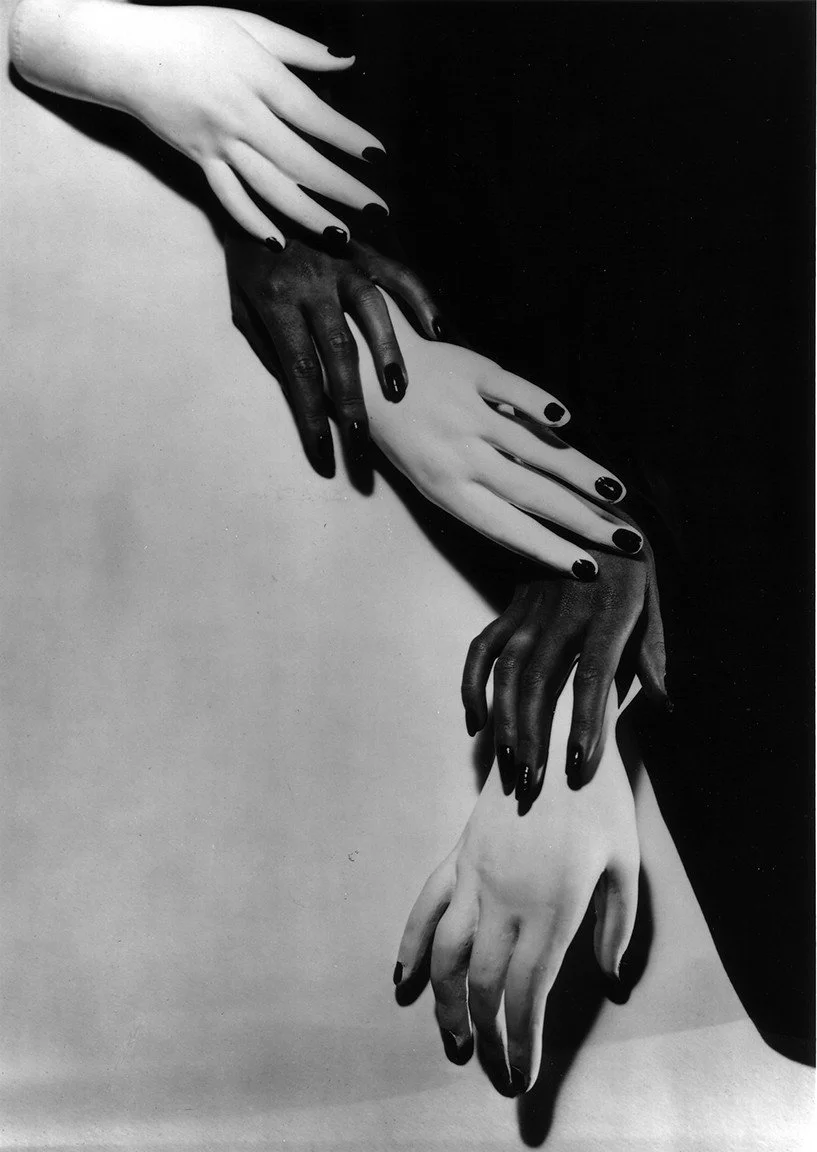
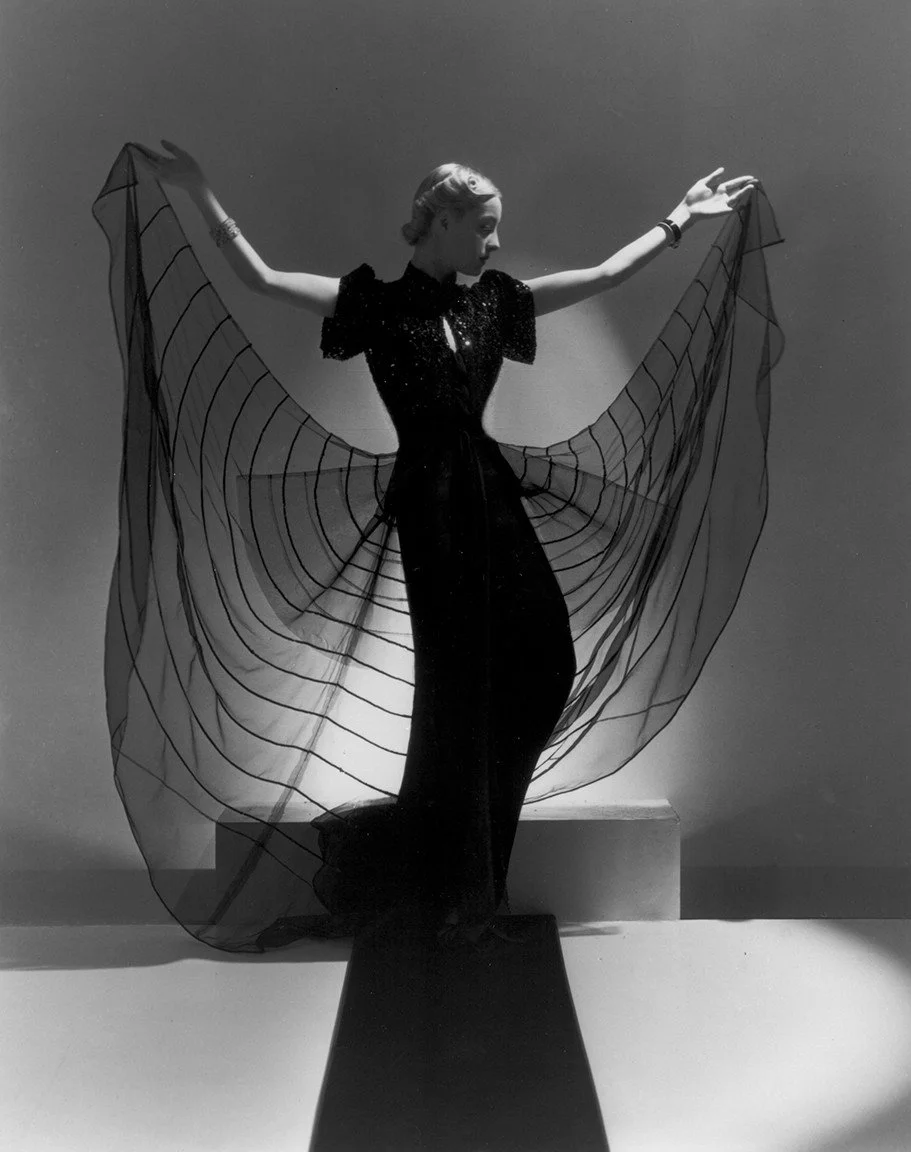
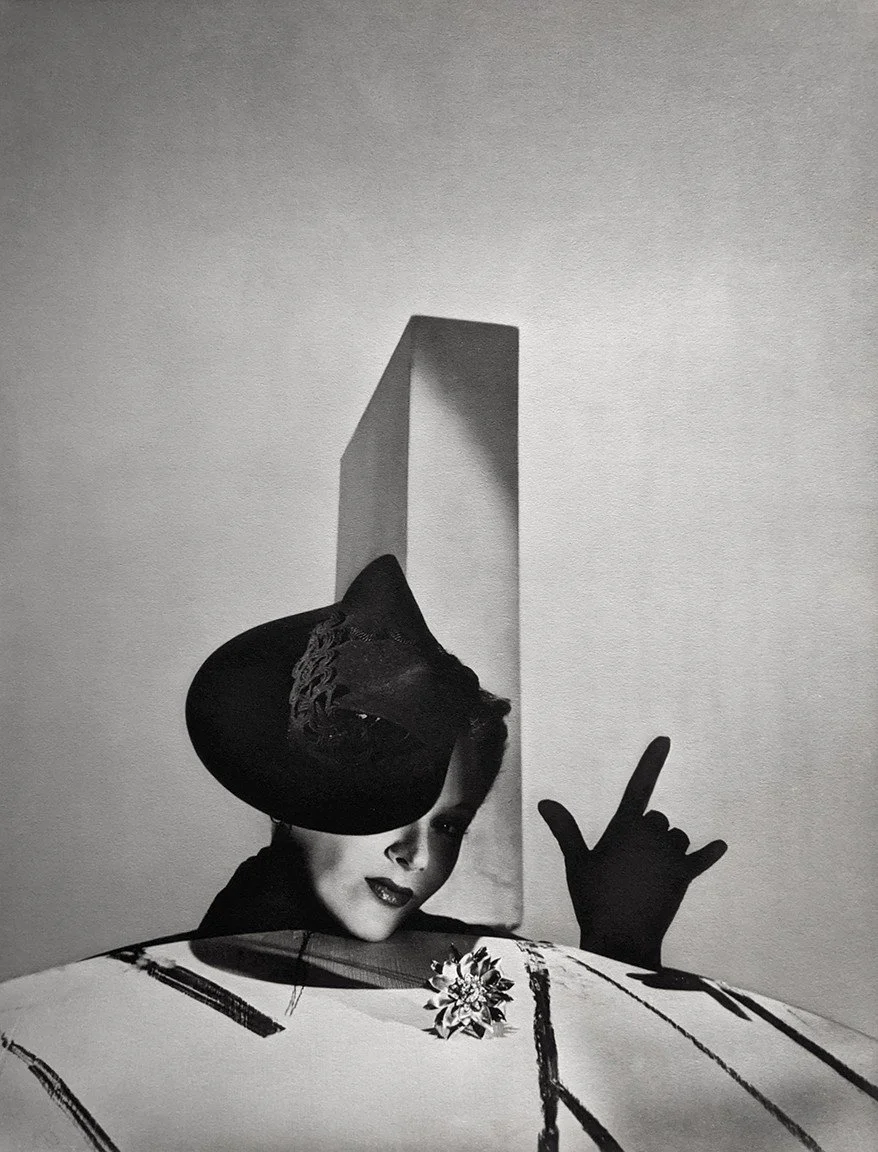
In the 1930s Horst turned fashion pictures into staged scenes, where clothes, body and setting are held together by light. He worked with designers such as Chanel, Vionnet, Alix and Schiaparelli, and with models such as Lisa Fonssagrives. The V&A notes that he was influenced by his Surrealist contemporaries, among them Salvador Dalí and Man Ray. You can see a playful, dream-like touch in Helen Bennett in Spider Dress, New York, 1939, where a sheer cape spreads like a web. In Hands, Hands..., New York, 1941, hands fill the frame.
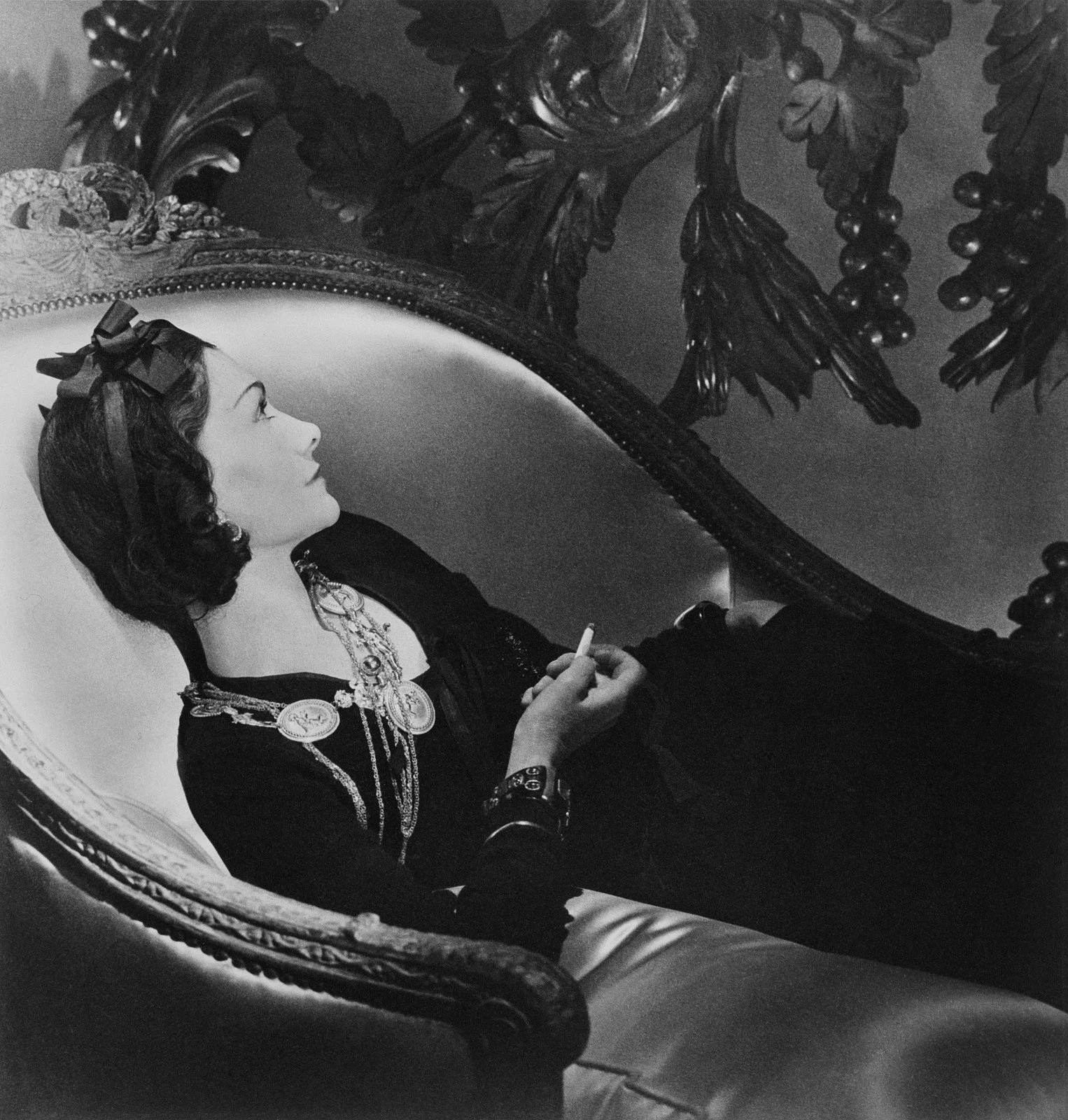
Portraits were a second thread. He photographed actors, writers and designers. Coco Chanel became a friend. The V&A says that his portrait Coco Chanel, Paris, 1937 stayed her favourite picture for many years, and that she gave him pieces of her furniture to thank him for the prints.
In 1946 he published Patterns from Nature, close studies of plants, shells and minerals. From the 1960s, encouraged by the Vogue editor Diana Vreeland, he photographed fine houses and gardens, with texts by his partner Valentine Lawford. In the 1980s he made new platinum-palladium prints of pictures from every decade of his career. A late picture such as Round the Clock I, New York, 1987 comes from this time. Failing eyesight made him stop working in 1992.
- 1906Born Horst Paul Albert Bohrmann in Weißenfels, Germany
- 1930Moves to Paris and meets the photographer George Hoyningen-Huene
- 1931Begins to work for French Vogue
- 1932First exhibition, at La Plume d’Or in Paris
- 1937Photographs Coco Chanel in Paris
- 1939Makes Mainbocher Corset in Paris and leaves for New York
- 1943Becomes an American citizen and takes the name Horst P. Horst
- 1996Receives the Master of Photography award of the International Center of Photography
- 1999Dies in Palm Beach Gardens, Florida
Lessons
A simple look can hide careful work. Horst said the Mainbocher Corset seems to have one light, but he used reflectors and other spotlights too. Build the light step by step, then judge only the result.
Leave one thing undone. The open laces make the picture feel as if something just happened. Horst said he left it open because it captured the mood in France in 1939.
Let your own feeling into the work. Horst was sad to leave Paris that day. He said he was thinking of all he was leaving behind. The picture carries that mood.
Try this: set one lamp to the side of a simple object, such as a coat on a chair. Add a white card on the other side to soften the shadow. Take a photo. Then change one small thing, for example loosen a button or let a ribbon hang. Take a second photo and ask a friend which one feels more alive.
Gear
No camera, lens or film of Horst is clearly documented in the sources I could check. These two things are.
Studio lights and reflectors: Horst said the Mainbocher Corset looks as if it has one light. In fact he used reflectors and other spotlights as well.
Platinum-palladium prints: In the 1980s he made new prints in platinum-palladium, a costly process, from pictures of every decade of his career.
Books
Horst: Photographer of Style (V&A Publishing, 2014). This is the catalogue of the big Horst show at the V&A in London. It is edited by Susanna Brown, with a foreword by Anna Wintour. It has essays, many plates and reference material on fashion, portraits, still lifes and nudes. It is a good first book for anyone who wants the full picture.
Horst: His Work and His World (Alfred A. Knopf, 1984). This large book was written by his friend and partner Valentine Lawford. It shows fashion, portraits, still lifes and interiors, together with the people and places around them. It is for readers who like to see a career told through pictures and stories.
Horst: Patterns from Nature (Merrell Publishers, 2014). Martin Barnes writes about Horst’s project of the mid-1940s, close studies of plants, shells and minerals. The book also shows his collages and pattern experiments. It is for anyone who wants to see Horst away from fashion.
Around That Time: Horst at Home in Vogue (Abrams, 2016). Edited by Hamish Bowles, this book collects Horst’s Vogue photographs of homes, rooms, portraits and flower details. It looks at how he showed the way people live. It is for readers who like interiors and style.
In his words
“It was the last photograph I took in Paris before the war.”
“While I was taking it, I was thinking of all that I was leaving behind.”
“I had left it open, because it captured the mood in France in 1939, the idea of escape.”
“And that’s the picture, you know, ’cause it was a farewell to France.”
“Fashion is an expression of the times. Elegance is something else again.”