AT A GLANCE
- Known for
- Guerrillero Heroico (1960), his portrait of Che Guevara, and his pictures of the Cuban Revolution
- Works in
- Black and white photography, often in natural light
- Also
- Born Alberto Díaz Gutiérrez · called the first fashion photographer in Cuba · photographer for the newspaper Revolución · underwater photography from 1967 to 1978
- Awards
- Palma de Plata (1959) · National Culture Distinction, Cuba (1994)
- Start with
- Cuba by Korda (Ocean Press)
- Links
Alberto Korda (1928 to 2001) was a Cuban photographer. He began in fashion and advertising in Havana. After 1959 he became one of the main photographers of the Cuban Revolution. He is best known for Guerrillero Heroico, his 1960 portrait of Che Guevara.
The story
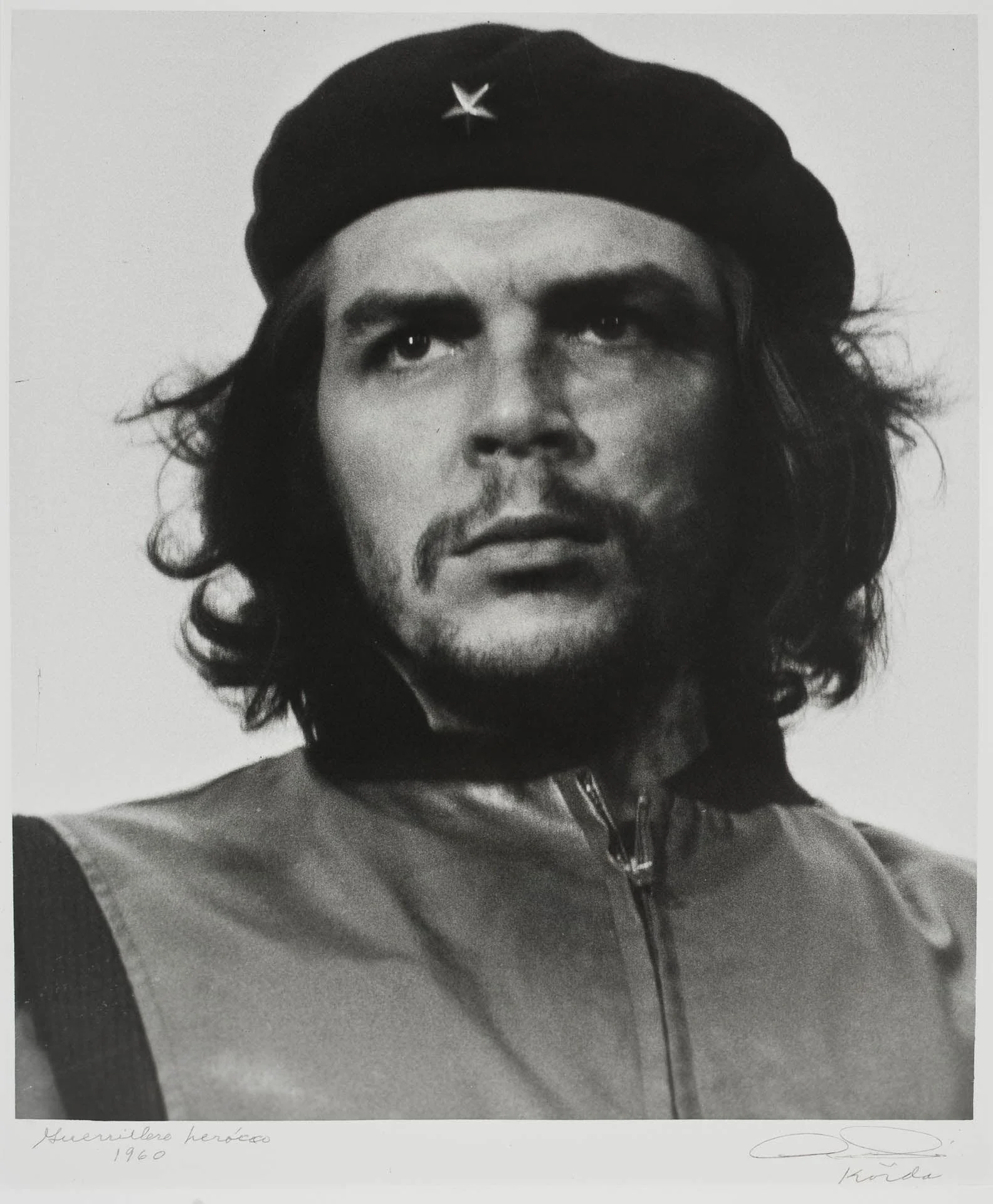
It was the morning of 5 March 1960 in Havana. A crowd had gathered for a funeral. The dead were victims of a ship that had been blown up in the harbour. Alberto Korda was there for the newspaper Revolución. Fidel Castro was speaking.
Then Che Guevara stepped forward. Korda had only a moment. He took two frames, one upright and one wide. Then Guevara moved back and was gone.
Back at the paper, the editor did not use the picture. Korda did not throw it away. He cropped the frame into a tall portrait and kept it.
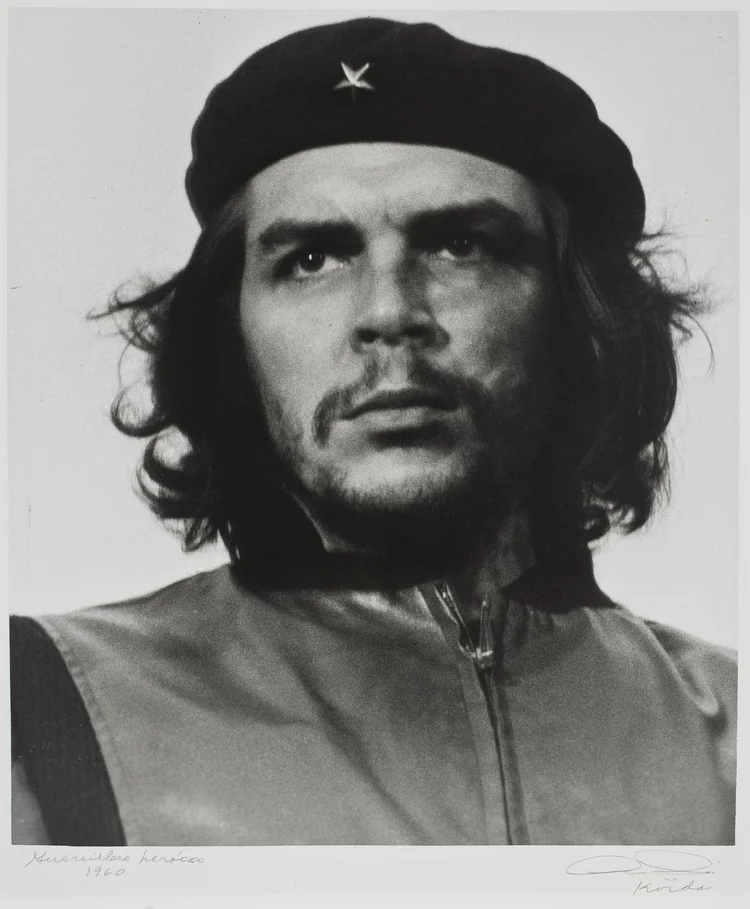
Seven years later, Che Guevara died in Bolivia. Suddenly the portrait was wanted everywhere. The Italian publisher Giangiacomo Feltrinelli had been given two prints by Korda in early 1967, free of charge. After Guevara's death he printed thousands of posters. From there the image travelled around the world.
Korda received no royalties for those early years. A museum text at the University of Notre Dame says he got little recognition and no payment for his best known picture at the time.
In 2000, a vodka advertisement used the portrait. Korda took legal action, and the case ended with an out-of-court settlement. He said he was satisfied, because he saw the advert as a denigrating use of his image. He had no problem with the picture on T-shirts and banners. He gave the money, about 50,000 dollars, to buy medicine for children in Cuba.
Korda always spoke about the picture with modesty. The Jordan Schnitzer Museum of Art notes that he insisted it was a lucky break. He also said what mattered was never the equipment: “Forget the camera, forget the lens, forget all of that. With any four-dollar camera, you can capture the best picture.”
The work
Korda was born Alberto Díaz Gutiérrez in Havana. He took the name Korda early in his career, after the Hungarian film makers Zoltan and Alexander Korda. In the late 1940s he worked as a wedding photographer. Then he moved into fashion and advertising and ran a studio. The Museum of Latin American Art in Long Beach calls him the first fashion photographer in Cuba. He published in the magazine Havana Weekly, and he liked natural light.
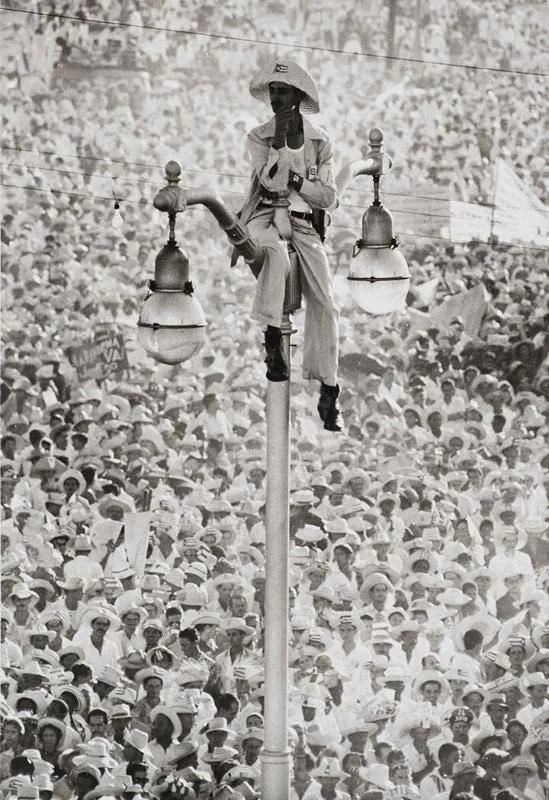
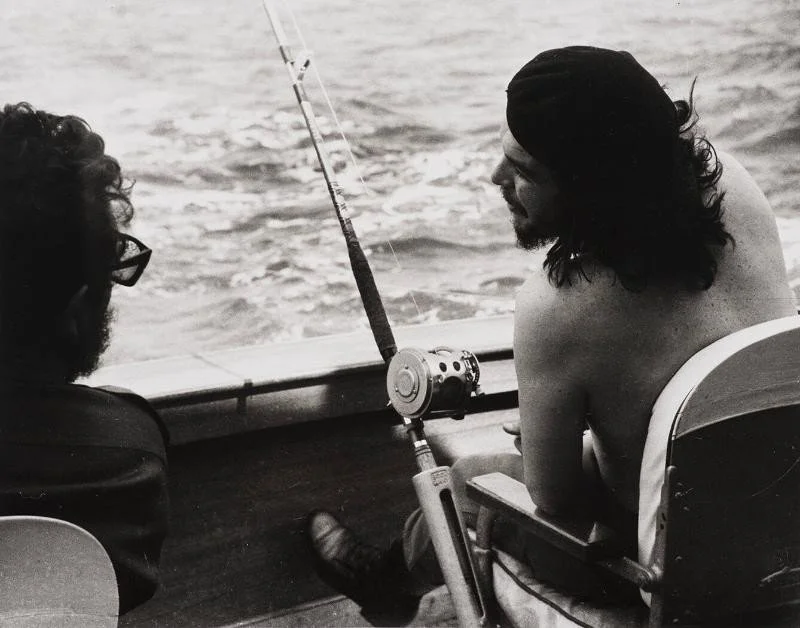
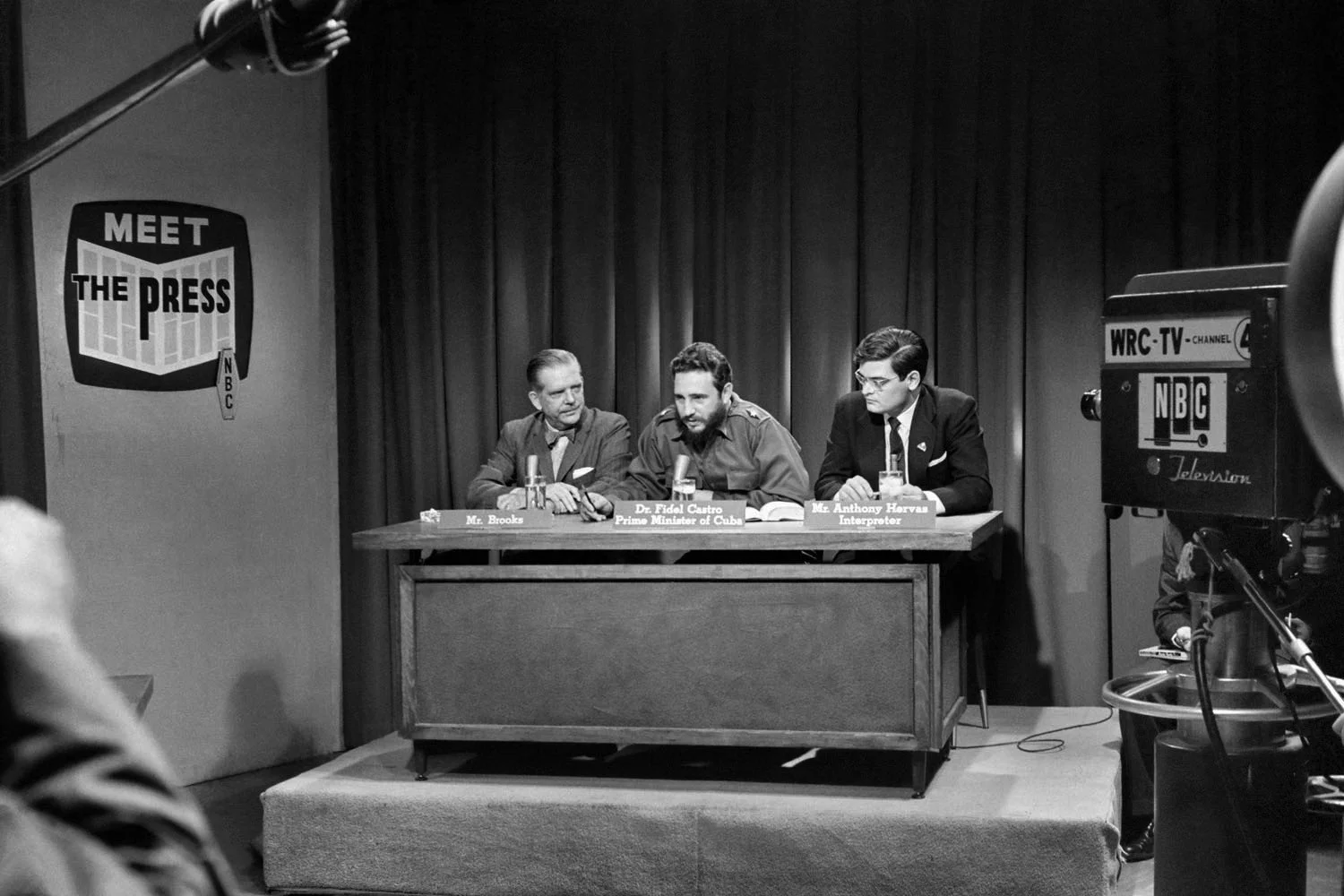
In 1959 he received the Palma de Plata for photography. He worked for Revolución and photographed the new leaders. He had close access to Fidel Castro, and he photographed him until 1968. In April 1959 he travelled with Castro to the United States. Pictures from that trip include Castro on the television programme Meet the Press in Washington. Other pictures show Castro and Che Guevara on a fishing trip, and a man sitting on a lamppost above a huge crowd, known as Don Quixote of the Lamppost.
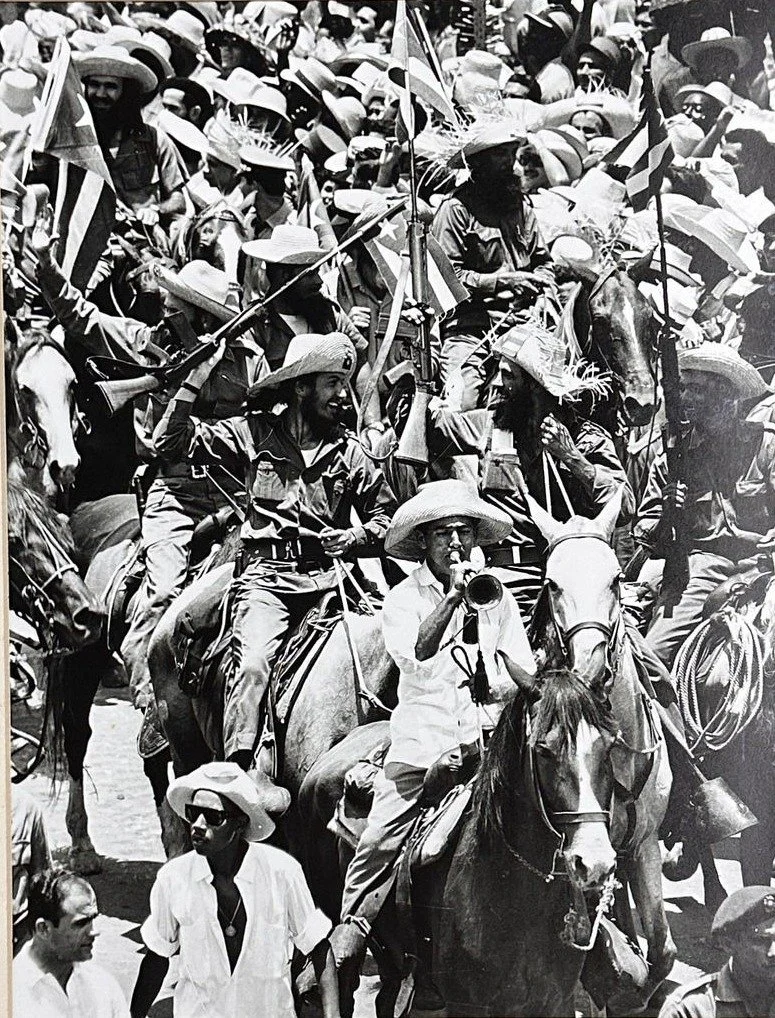
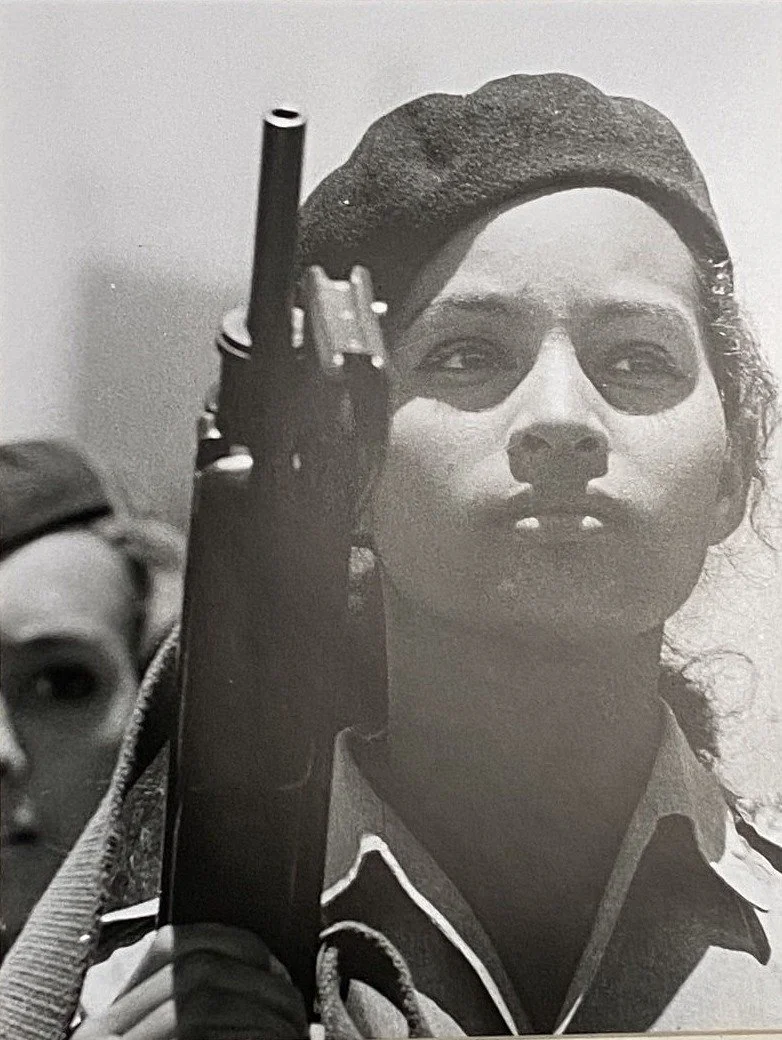
From 1967 to 1978 Korda turned to underwater photography around Cuba. He later returned to fashion. His fashion work and his political pictures both show his eye for composition and for faces. Further works in the gallery are Caballeria (1959) and Miliciana (1960).
Korda died in Paris on 25 May 2001, of a heart attack. He was there to prepare an exhibition of his work.
- 1928Born in Havana on 14 September
- 1950sWorks as a wedding photographer, then opens a studio for fashion and advertising
- 1959Wins the Palma de Plata and begins to document the Cuban Revolution
- 1960Photographs Che Guevara at a funeral in Havana on 5 March
- 1967Begins underwater photography around Cuba, which he continues until 1978
- 1994Receives the National Culture Distinction from the Cuban Ministry of Culture
- 2000Reaches an out-of-court settlement over the use of his Che portrait in an advert
- 2001Dies in Paris on 25 May
Lessons
Be ready for a short moment. Korda had a few seconds and two frames of Guevara. He made them count.
Keep the pictures you believe in. His newspaper did not print the portrait. Korda cropped it and kept it. Seven years later it was needed everywhere.
Use the light you have. Korda liked natural light. He said that with any simple camera you can make a very good picture.
Try this: At your next event, watch the edges of the scene as well as the centre. When someone steps into view for a moment, make two frames, one upright and one wide. At home, crop one of them into a tall portrait and compare it with the original.
Gear
Sources do not agree on the exact camera and film Korda used for his best known picture, so none is named here. What is clear is his view of equipment.
Any simple camera: Korda said that you can make the best picture with any four-dollar camera. He cared more about light and framing than about gear.
Books
Cuba by Korda (Ocean Press). This book was first published in France and then by Ocean Press. It gives an overview of Korda's work. It starts with his early fashion pictures and goes to documentary images of the revolutionary years. You find the Che portrait, Don Quixote of the Lamppost and rarer pictures. It also shows the contact strip of the roll that held the famous Che frame. A later edition by Seven Stories Press has 160 pages and lists texts by several contributors, including Christophe Loviny. It suits readers who want the full story in pictures.
Alberto Korda: A Revolutionary Lens (Steidl). This large book has 440 pages and was published by Steidl. Mark Sanders is listed as the author. It covers Korda's fashion work, Cuban society and the Revolution, with his pictures of Fidel Castro and Che Guevara. It also looks at his underwater and fashion work of the 1970s and 1980s. José A. Figueroa, Korda's assistant in the 1960s and 1970s, supervised the prints. It is for readers who want a deep look at his whole career.
In his words
“I have loved the beauty of women as much as the beauty of those men who led the Revolution.”
“Forget the camera, forget the lens, forget all of that. With any four-dollar camera, you can capture the best picture.”
“If Che was still alive, he would have done the same.”