AT A GLANCE
- Known for
- The portrait of Che Guevara with a cigar (1963), the building of Brasilia, Germany after the war, and portraits of artists like Picasso, Giacometti and Le Corbusier
- Works in
- Black and white reportage for magazines; a large, long hidden body of colour work; films, drawings and collages
- Camera
- He usually carried at least two cameras, one with black and white film and one with colour
- Agency
- Magnum Photos: associate in 1955, full member in 1959 · helped create Magnum Films (1965)
- Awards
- Ordre des Arts et des Lettres (1991) · Dr Erich Salomon Prize (1998) · Swiss Press Photo Life Achievement Award (2011) · Leica Hall of Fame Award (2013)
- Start with
- René Burri: Explosions of Sight (Scheidegger & Spiess, 2020)
- Links
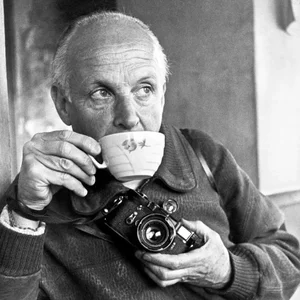
René Burri (1933–2014) was a Swiss photojournalist and a member of Magnum Photos. For almost sixty years he travelled through Europe, the Middle East, Asia and the Americas. He photographed big moments in history and many famous people, from Picasso and Le Corbusier to Che Guevara. His 1963 portrait of Che with a cigar became one of the best known photographs of the twentieth century. Next to his black and white reportage, he also made a large body of colour work, which he showed to the public only much later.
The story
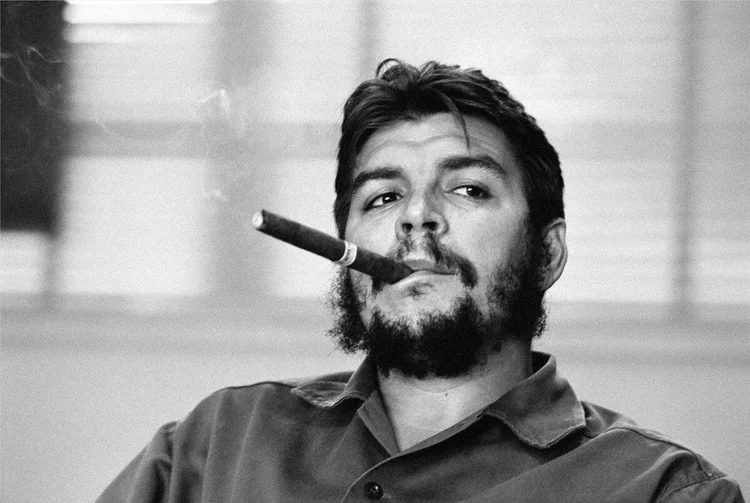
In 1963, a young Swiss photographer walked into the office of Ernesto “Che” Guevara at the Ministry of Industry in Havana. René Burri was there for Look magazine, together with an American reporter. He saw at once that the blinds were closed. That was a problem for his pictures. So he asked: “May I open the blinds?” Che said no, it was not necessary.
The interview began right away, and it soon got heated. Che bit off the tip of his cigar. He jotted down figures. Sometimes he left the room and came back in his officer’s boots and combat fatigues. For two whole hours Burri moved all around him. But the minister never once turned to the camera. Burri later said: “He never once looked at me, which was extraordinary.” Only afterwards did he understand why. Che was so focused on the talk that he did not want to see what was going on outside.
Burri had been getting ready for moments like this since boyhood. Born in Zurich in 1933, he photographed Winston Churchill there at the age of 13, when the British leader rode through the city in an open car in 1946. He trained at the Zurich School of Applied Arts. His teacher Hans Finsler taught clean, careful object photography, and he learned about colour from Johannes Itten. But Burri was more interested in people and in the chaos of the street. In 1955 his story “Touch of Music for the Deaf,” about Mimi Scheiblauer’s music classes for deaf children, appeared in Life. The Swiss photographer Werner Bischof had already introduced him to Magnum, and that same year Burri became an associate of the agency.
Not everything went his way. In 1958 Magnum turned down his request for full membership. Henri Cartier-Bresson told him: “Tu as bien travaillé, mais tu es trop jeune.” You worked well, but you are too young. Therefore Burri went further away. He flew to South America for three weeks and stayed six months. He searched the pampas for gauchos for the Swiss magazine Du. He drove a jeep about 14,000 km from Buenos Aires to Lima and back. He also flew to Brasilia, which was still a giant building site. In 1959 Magnum made him a full member.
He kept working where the world was changing. Germany interested him because there, as he put it, “certain fault lines were the most visible after the war.” His first book, Die Deutschen, came out in Zurich in 1962. In 1963 the Paris publisher Robert Delpire released it as Les Allemands. In 1965 he helped start Magnum Films and spent six months in China making the film The Two Faces of China for the BBC.
The Che picture, meanwhile, took on a life of its own. Magnum sent the story around the world. In 1966 friends asked to make a poster of it. In Paris, in May 1968, the photo appeared on flags. Years later, back in Havana, Burri saw his picture on T-shirts and bought some for his children. He told the salesperson: “That photo is mine!”
In 2013 he set up the Fondation René Burri at Photo Elysée in Lausanne to keep his complete work together. He died in Zurich on 20 October 2014, at the age of 81. For him, a good picture always needed more than facts: “What counts is putting the intensity that you yourself have experienced into the picture. Otherwise it is just a document.”
The work
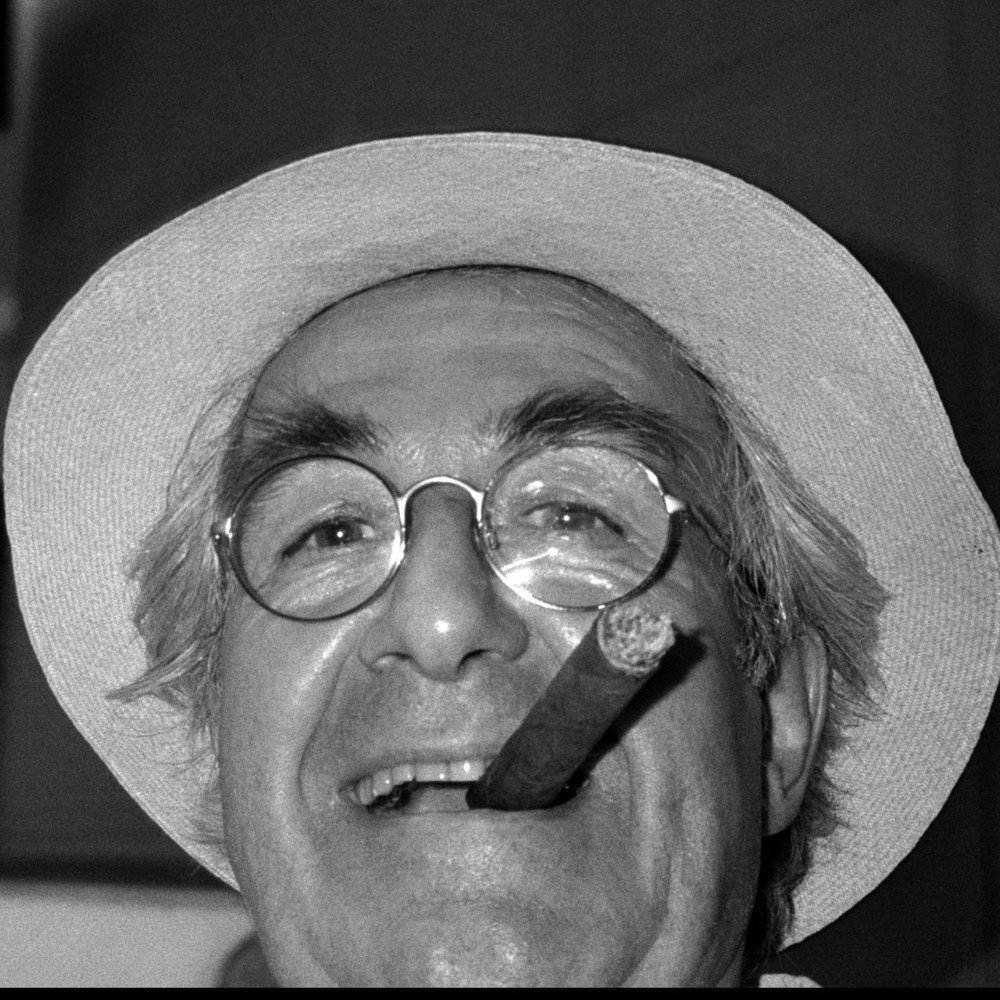
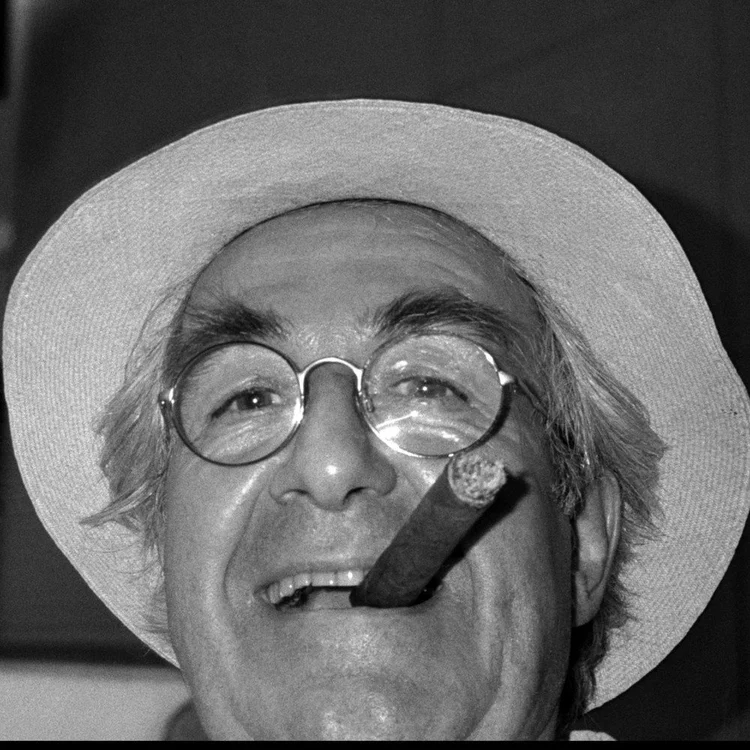
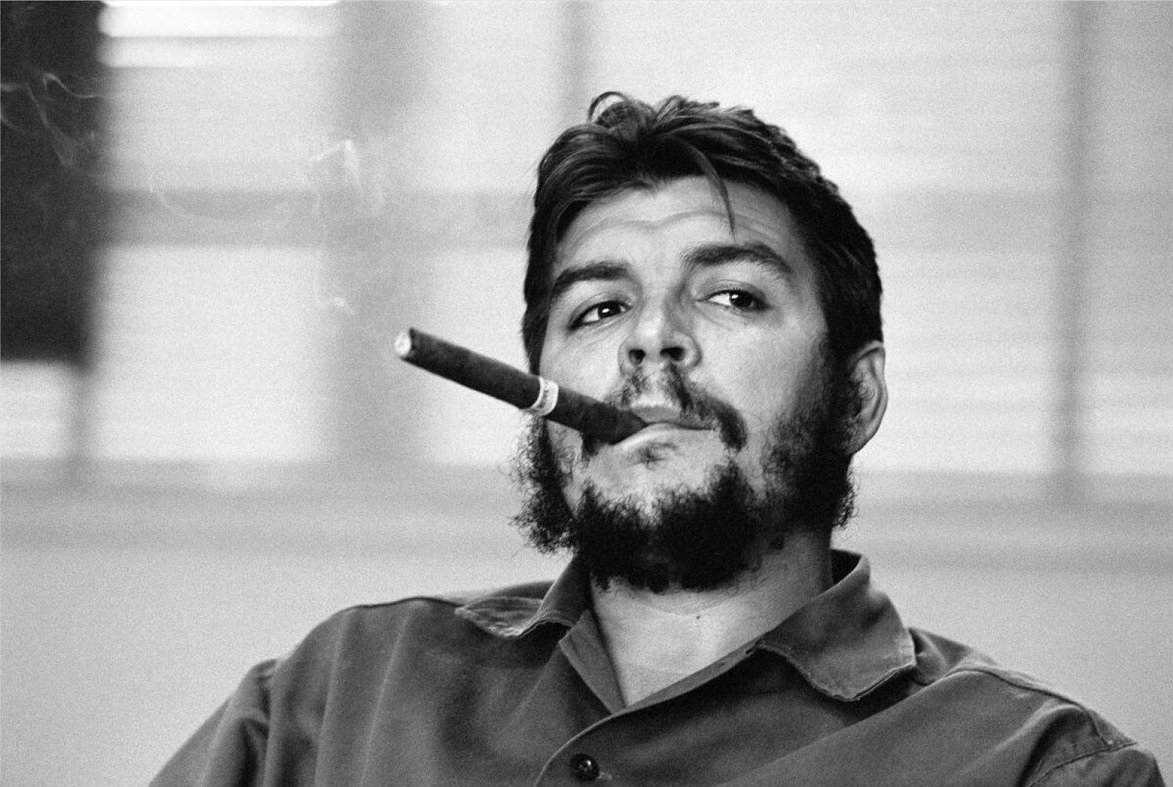
Burri is best known for Che Guevara, Havana, Cuba, 1963. Che leans back with a cigar in his mouth and looks away, past the camera. The light from the closed blinds is soft and grey. Burri took it during the two-hour interview, and Magnum later shared the full contact sheet, with all the frames around the famous one.
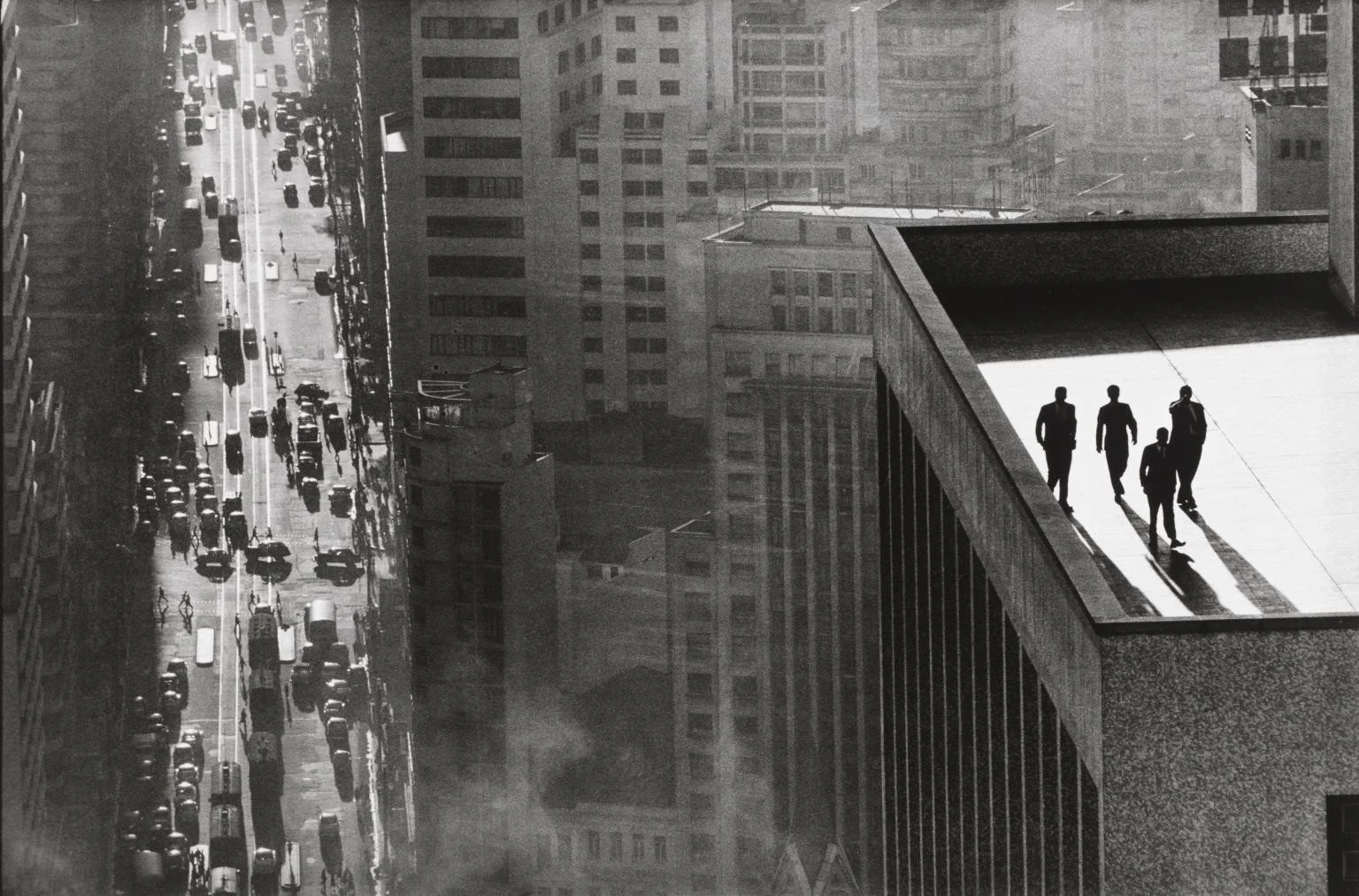
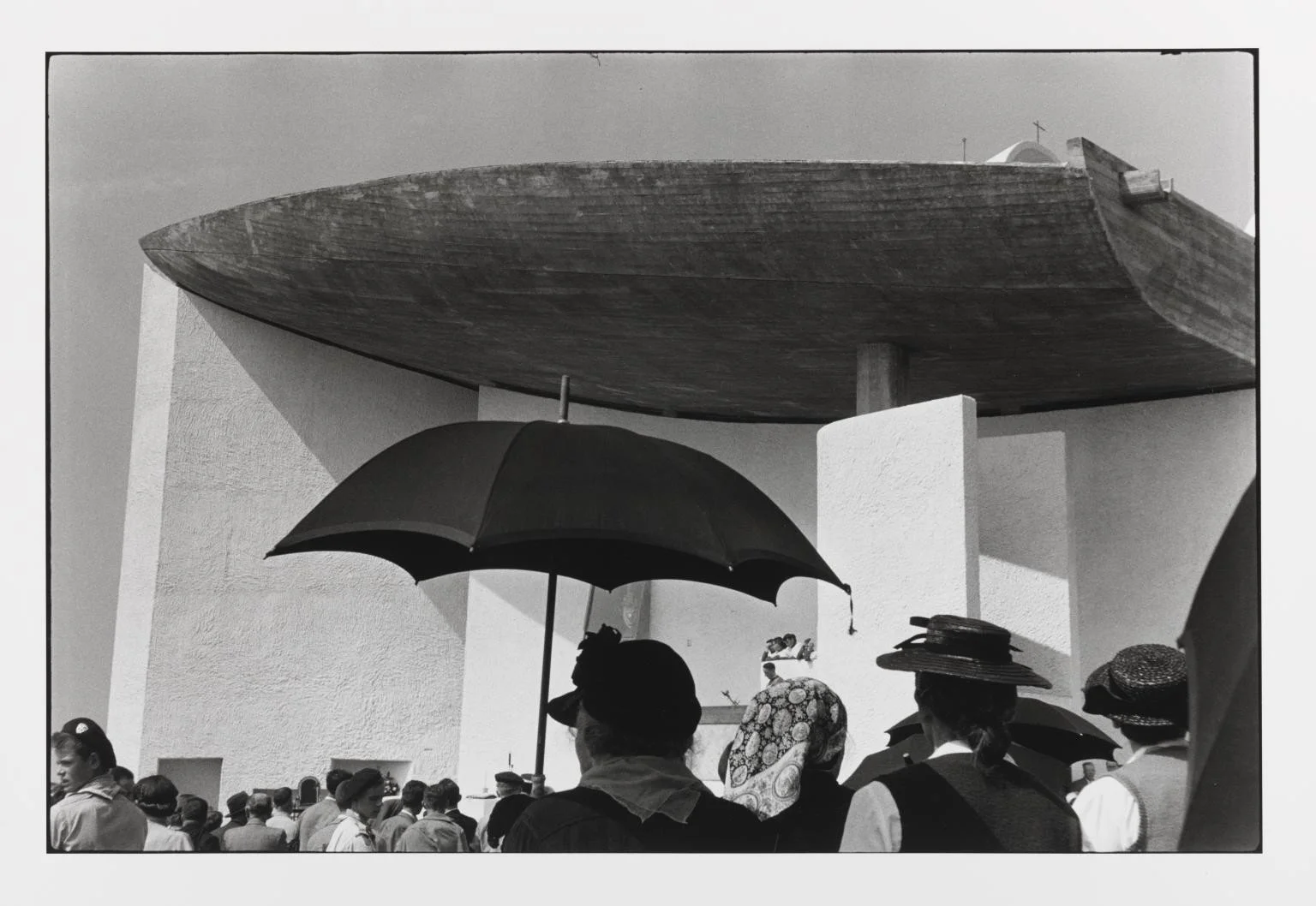
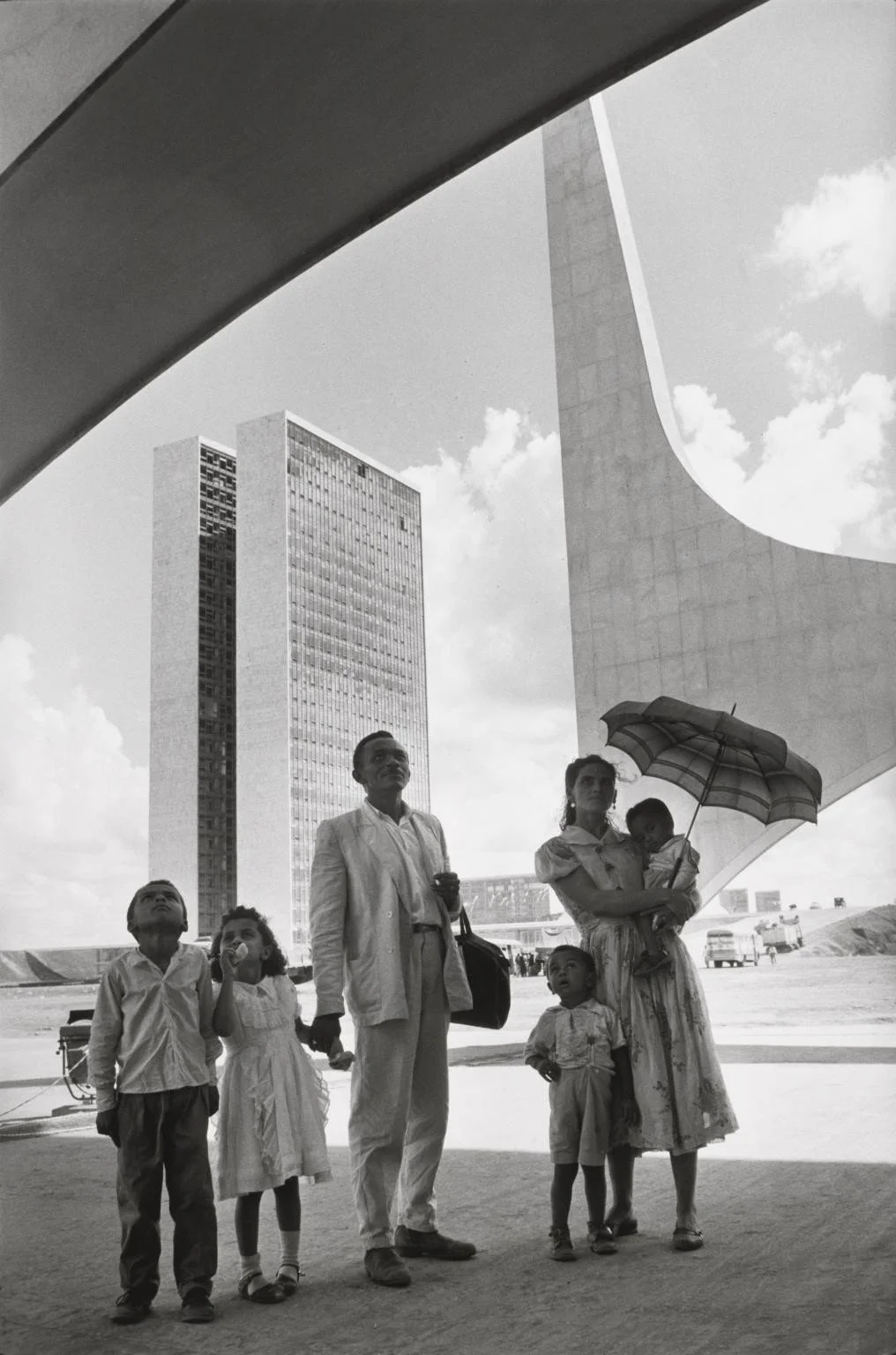
Architecture and modern life run through his whole career. Inauguration of the Chapel of Notre-Dame du Haut, France, 1955 shows people under hats and an umbrella in front of Le Corbusier’s new church at Ronchamp. These pictures were his first to make a mark in Paris Match. In Sao Paolo, Brazil, 1960, he looked down from a skyscraper. Four small men walk across a sunny rooftop, high above a deep street full of cars. Worker for Nordeste Shows His Family the New City Designed by Oscar Niemeyer on Inauguration Day, Brasilia, Brazil, 1960 puts a family in their best clothes in front of the brand new Congress towers. He followed Brasilia for years, from empty plateau to finished city.
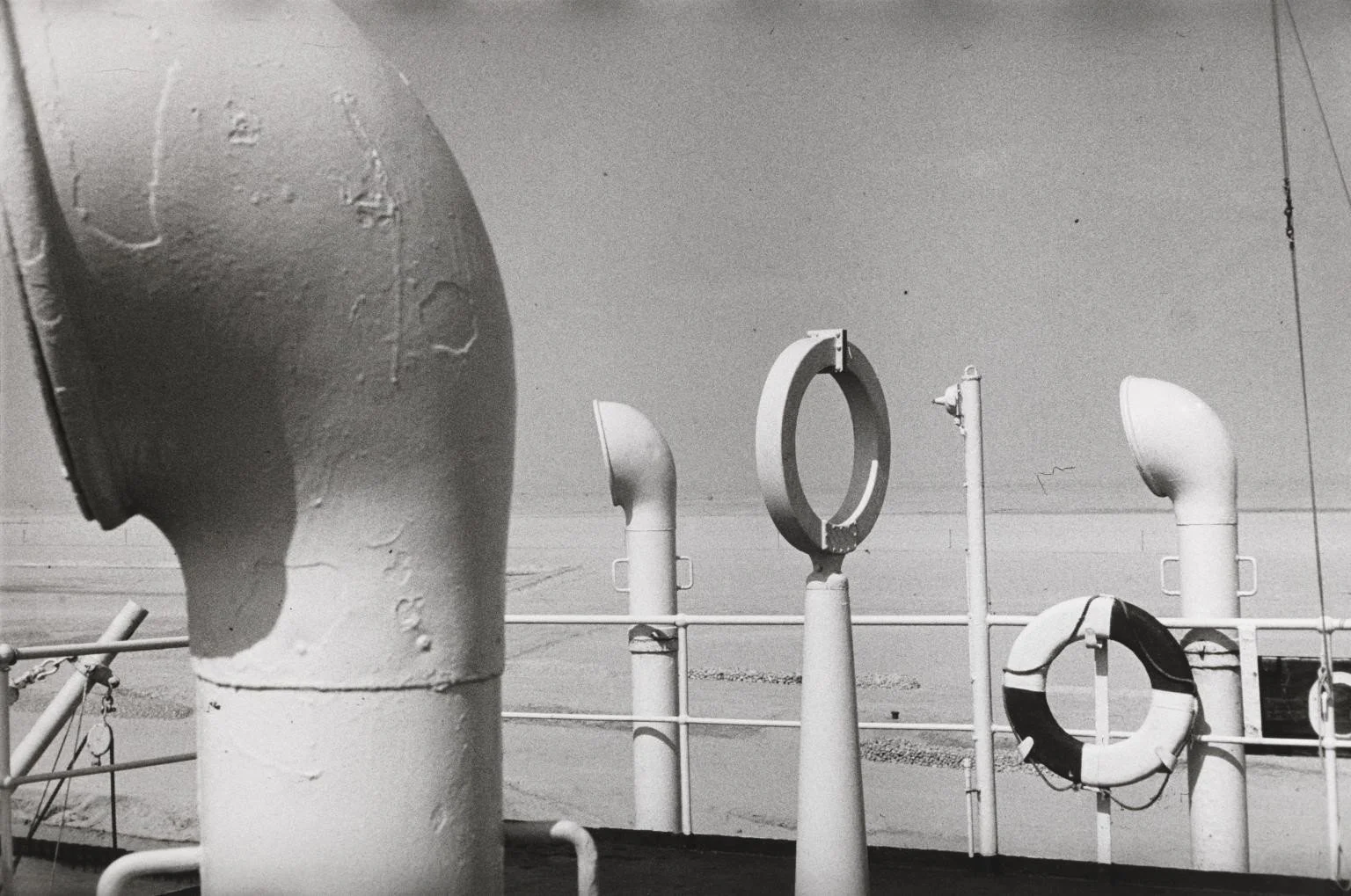
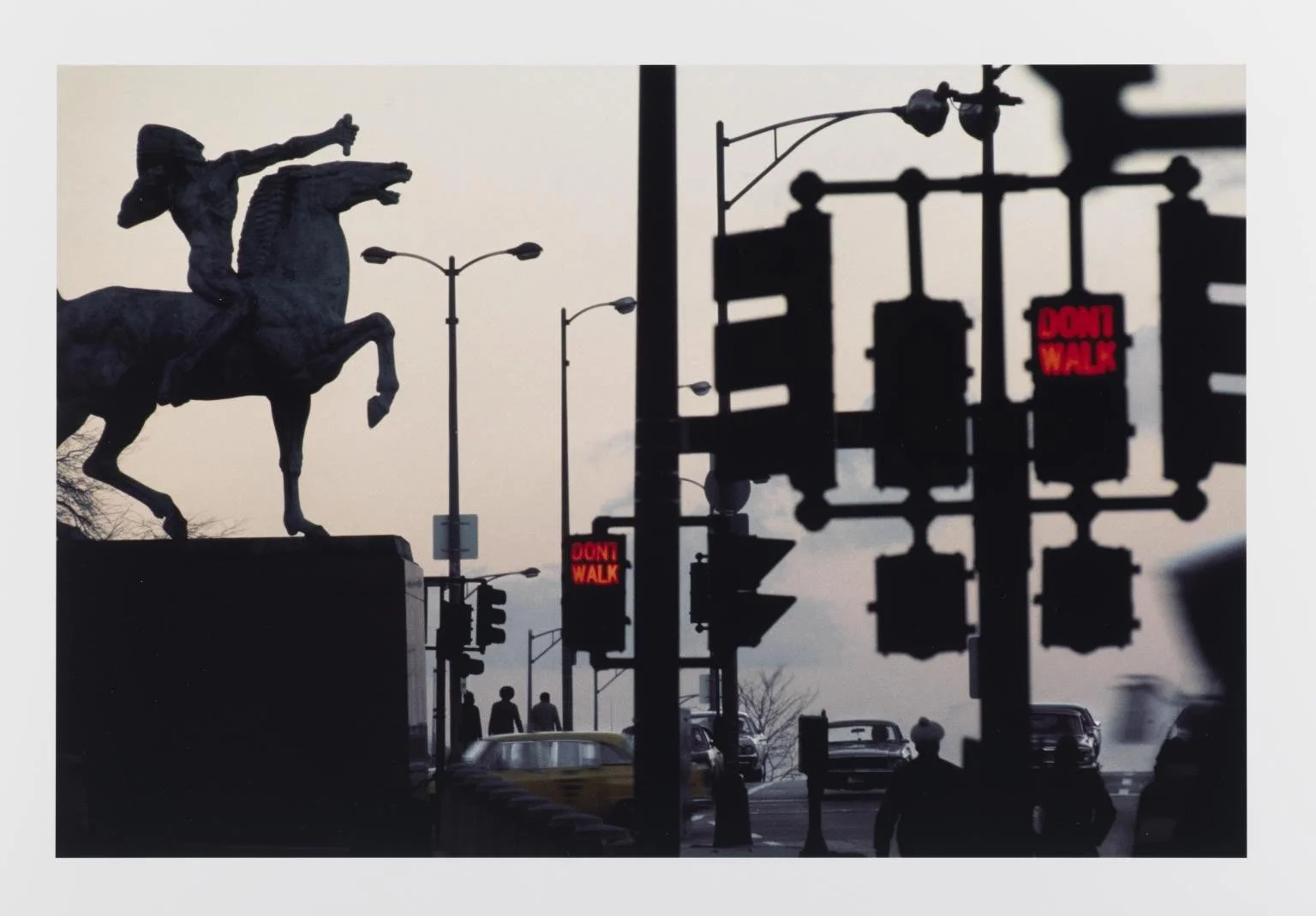
His eye for strong shapes works on ships and streets too. Suez Canal, Egypt, 1956 is almost abstract: white ventilation pipes and a life ring on a deck, with flat water behind. Chicago, Illinois, USA, 1971 is one of his colour pictures. A statue of a rider stands in silhouette against a pale sky, next to traffic lights where a red “DON’T WALK” glows. Burri said he had led two lives as a photographer, one in black and white and one in colour. He first showed his colour work in the 1980s, in his exhibition One World.
- 1933Born in Zurich, Switzerland
- 1946At 13, photographs Winston Churchill on his visit to Zurich
- 1955His story on music classes for deaf children runs in Life; becomes a Magnum associate
- 1959Becomes a full member of Magnum Photos
- 1962First book, Die Deutschen; Delpire publishes it in Paris as Les Allemands in 1963
- 1963Photographs Che Guevara in his office in Havana
- 1965Helps create Magnum Films and makes The Two Faces of China for the BBC
- 2013Sets up the Fondation René Burri at Photo Elysée in Lausanne
- 2014Dies in Zurich
Lessons
Go where things clash. Burri chose Germany for his first book because the tensions after the war were most visible there, not because it was a pleasant subject.
Let people forget you. In Che Guevara’s office he moved around for two hours while nobody paid attention to him. That is how he got a famous portrait in which Che never looks at the camera.
Keep a second way of seeing. Burri carried at least two cameras, one with black and white film and one with colour. His wife Clotilde Blanc Burri believes he would never have taken his Zurich funfair picture in black and white.
Try this: carry two ways of seeing for one week. Set one camera or phone app to black and white and keep the other in colour. Photograph the same street with both. At the end of the week, sort the pictures: which ones only work in colour, and which only in black and white?
Gear
Burri did not make a big story of his tools. The sources say little about camera models, but they agree on one habit.
35mm film camera: like many Magnum photographers of his time, he usually carried at least two cameras, loaded with different films: one with black and white and one with colour. In 2013 Leica gave him its Hall of Fame Award, with a Leica M Monochrom as the prize.
Books
René Burri: Explosions of Sight (Scheidegger & Spiess, 2020). This book goes with the big 2020 retrospective at Photo Elysée in Lausanne, which holds his archive. It follows his whole life and work, and it includes an essay by the photographer Bernard Plossu on Les Allemands. The exhibition also showed contact sheets, notebooks, collages and drawings. It is the best first book for anyone who wants the full picture of Burri.
Impossible Reminiscences (Phaidon, 2013). A large book of Burri’s colour photographs, most of them little known, chosen by Burri himself. He tells the stories behind the pictures, and Hans-Michael Koetzle wrote an essay. It has 320 pages and 308 illustrations. It is for readers who know the black and white Burri and want to see his other side.
Brasilia (Scheidegger & Spiess, 2011). This book shows Burri’s pictures of Brazil’s new capital, from building site to finished city, in full for the first time. The architecture historian Arthur Rüegg wrote the long essay René Burri’s Journeys to Brasilia. It is a good book for anyone who loves modern architecture and how people live in it.
Les Allemands (Robert Delpire, 1963). Burri’s first book, a portrait of Germany fifteen years after the war, first published in Zurich as Die Deutschen by Fretz & Wasmuth in 1962. Delpire, the Paris publisher who had just made Robert Frank’s The Americans, released it in 1963. It shows old and young Germans, soldiers, new buildings and the rising Berlin Wall. It is for readers interested in classic photobooks and in Europe after the war.
In his words
“What counts is putting the intensity that you yourself have experienced into the picture. Otherwise it is just a document.”
“He never once looked at me, which was extraordinary.”
“Back then, Germany was simply the place where certain fault lines were the most visible after the war.”
“I have led a life as a photographer – one in black and white and one in color.”
“I want to use my eyes, heart and mind to be part of the world, to capture what's going on around me.”