AT A GLANCE
- Known for
- Soft, painterly prints of the 1900s, star and fashion portraits for Vogue and Vanity Fair, and the exhibition The Family of Man
- Works in
- Platinum and gum bichromate prints, autochrome color plates, gelatin silver prints
- Camera
- A Kodak Detective camera and a Primo folding view camera, both bought in 1895
- Also
- Co-founder of the Photo-Secession (1902) · gallery 291 with Alfred Stieglitz · Director of Photography at MoMA from 1947 to 1962
- Awards
- Presidential Medal of Freedom (1963)
- Start with
- The Family of Man (The Museum of Modern Art, 1955)
Edward Steichen was a photographer, painter and curator. He was born in Luxembourg in 1879 and grew up in the American Midwest. Few photographers have had so many careers. He made dreamy art prints in the 1900s, led aerial photography in the First World War and became the star photographer of Vogue and Vanity Fair. Later he ran the photography department of the Museum of Modern Art in New York and made The Family of Man, an exhibition seen by about ten million people.
The story
In 1900 a young man from Milwaukee stopped in New York on his way to Paris. He was twenty-one. He went to the Camera Club of New York to show his pictures to Alfred Stieglitz, the club's vice-president and the editor of its journal, Camera Notes. Stieglitz bought three of them for five dollars each: a self-portrait and two woodland scenes. Steichen told him he had never sold a photograph for more than fifty cents. Then he left more prints with Stieglitz and sailed for Europe.
Eduard Steichen was born on 27 March 1879 in Bivange, a village in Luxembourg. His family moved to the United States when he was a small child and later settled in Milwaukee. At fifteen he began a four-year apprenticeship at a lithography firm. In 1895 he bought his first camera, a Kodak Detective camera. Soon he was making and selling portraits. He also painted, and in 1896 he founded the Milwaukee Art Students' League.
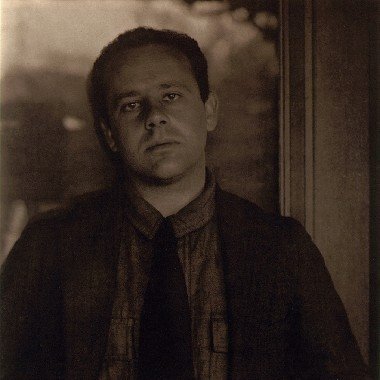
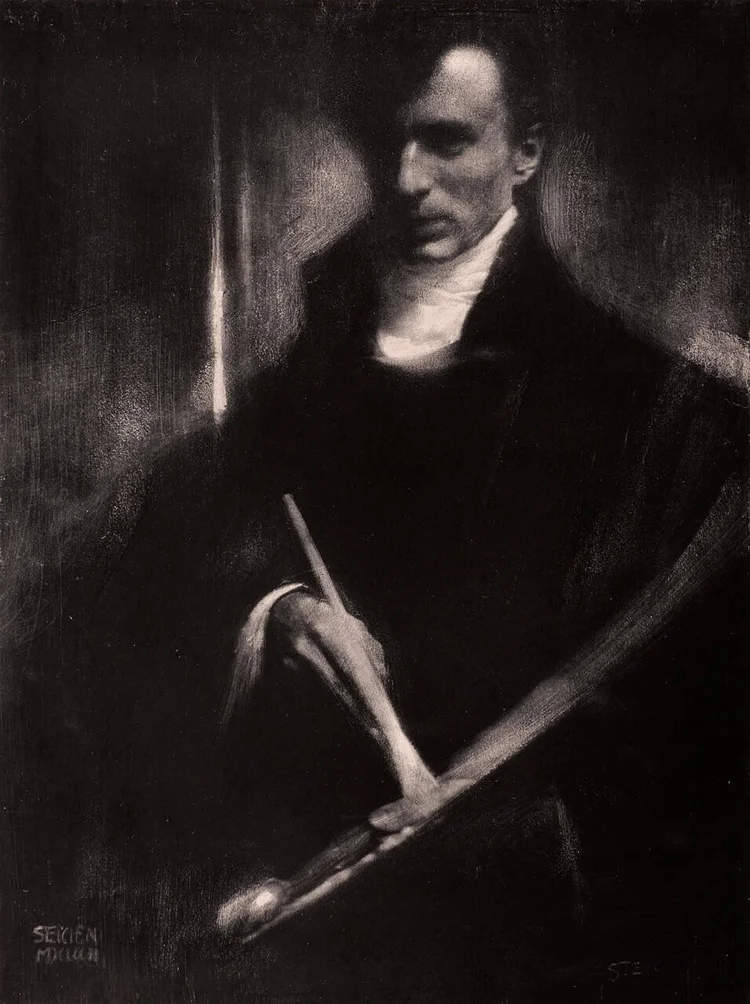
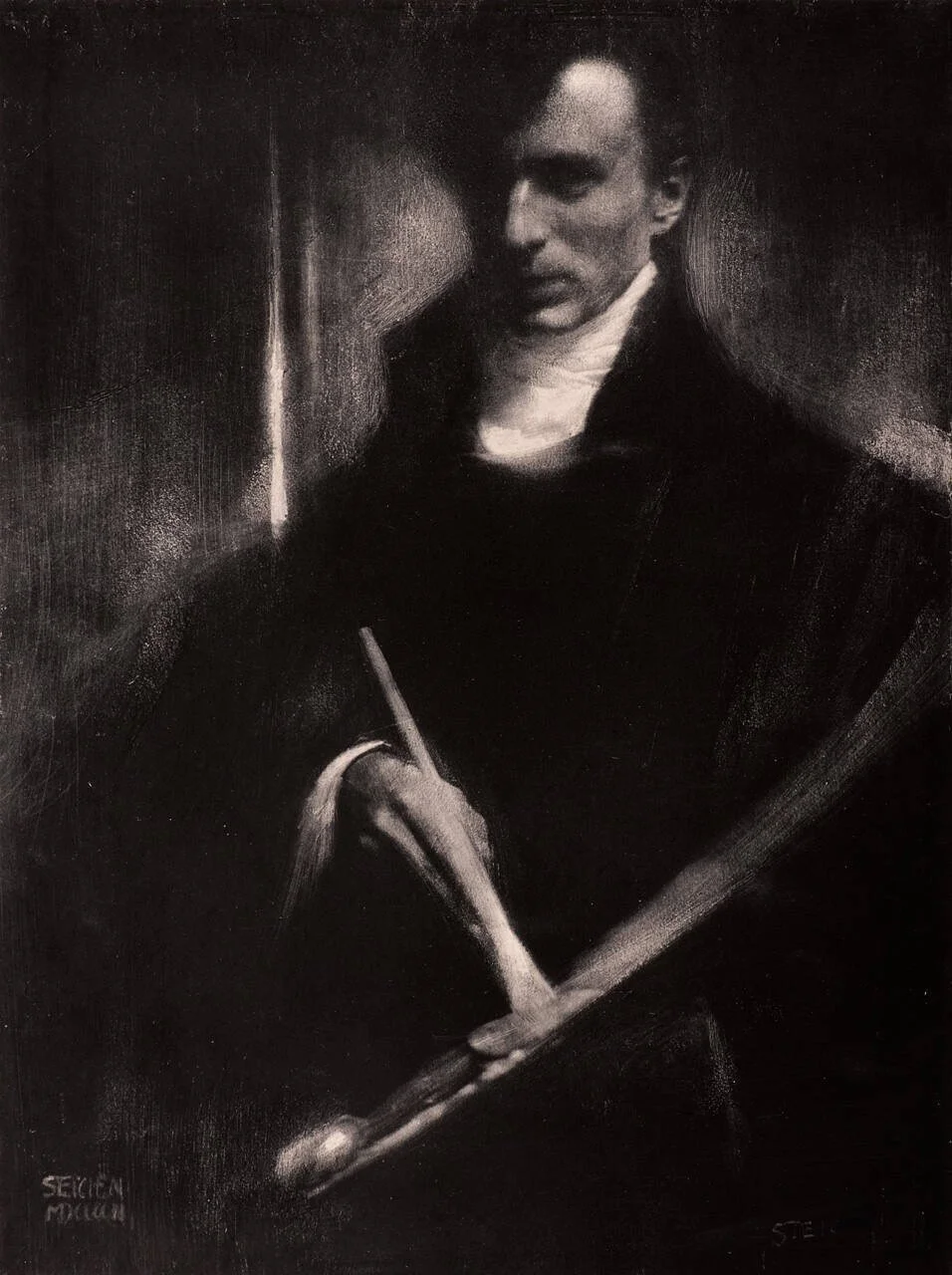
In Paris he signed up at the Académie Julian, an art school. He left it quickly. Photography pulled harder. He learned the gum bichromate process, which gives prints a soft, painterly look, and he built a name as a portraitist. In 1901 he met the sculptor Auguste Rodin. That same year he showed himself as an artist in Self-portrait with brush and palette, with a dark jacket, a white scarf and the tools of a painter in his hands.
Back in New York in 1902, Steichen rented a top-floor studio at 291 Fifth Avenue. That year Stieglitz started the Photo-Secession, a loose group of photographers whose work he showed and promoted, and Steichen was a co-founder. In 1905 Stieglitz took over the studio and two rooms next to it, and the space became a gallery. People called it simply 291. In the magazine Camera Work, no photographer was shown more often than Steichen.
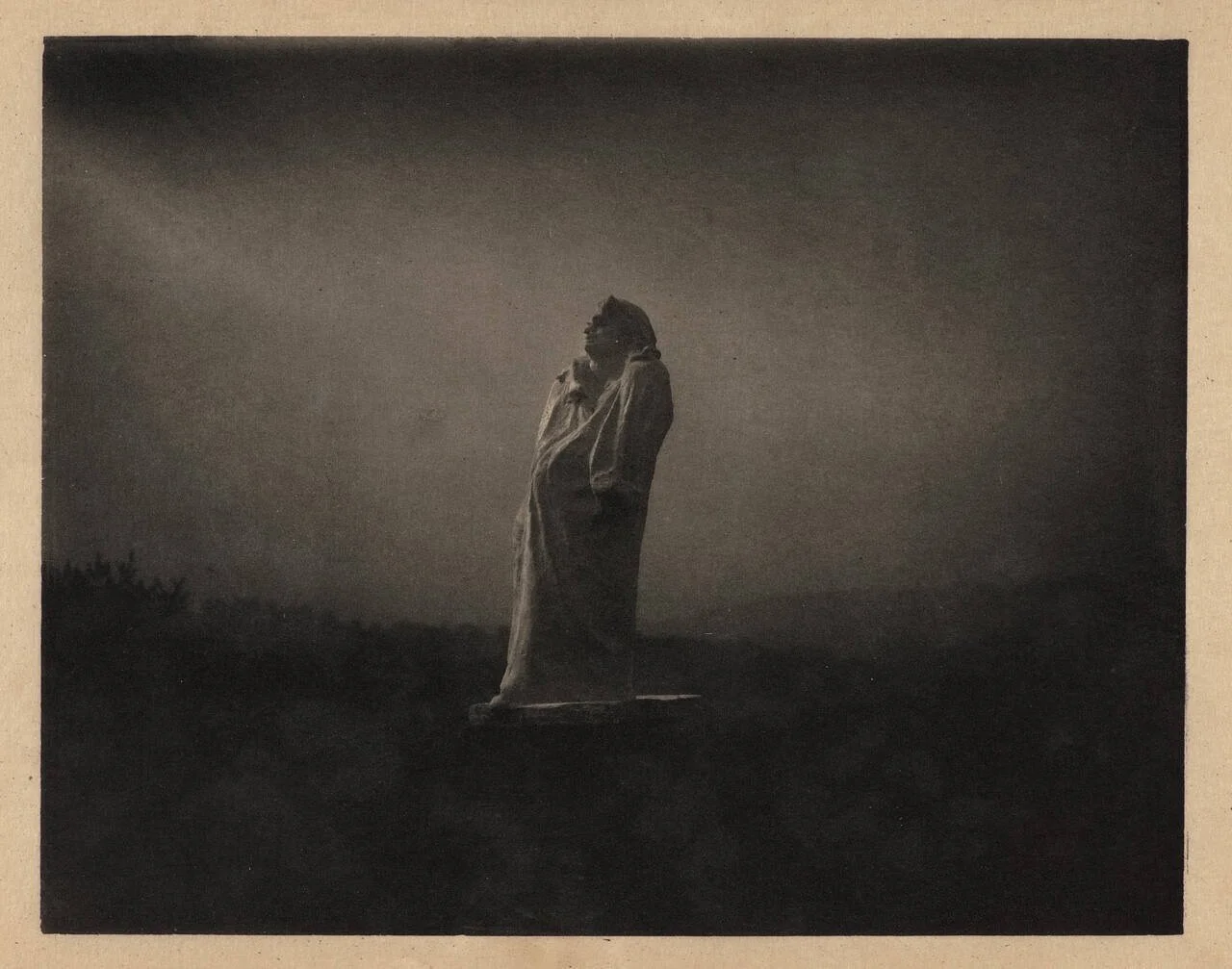
In October 1908 Rodin moved his plaster statue of the writer Balzac onto the terrace of his studio in Meudon. He asked Steichen to photograph it by moonlight. Each exposure took between fifteen minutes and an hour. In Balzac, Toward the Light, Midnight, Meudon, the white figure stands alone in the dark. Rodin saw the prints and said: “You will make the world understand my Balzac with your pictures.”
Then came the First World War. In 1917 Steichen joined the US Army as an aerial photographer, and in 1918 he became chief of its aerial photography unit in France. After the war he turned away from soft, painterly prints and chose clear, straight photography. In the early 1920s he burned the paintings left in his studio. Therefore the camera became his only tool.
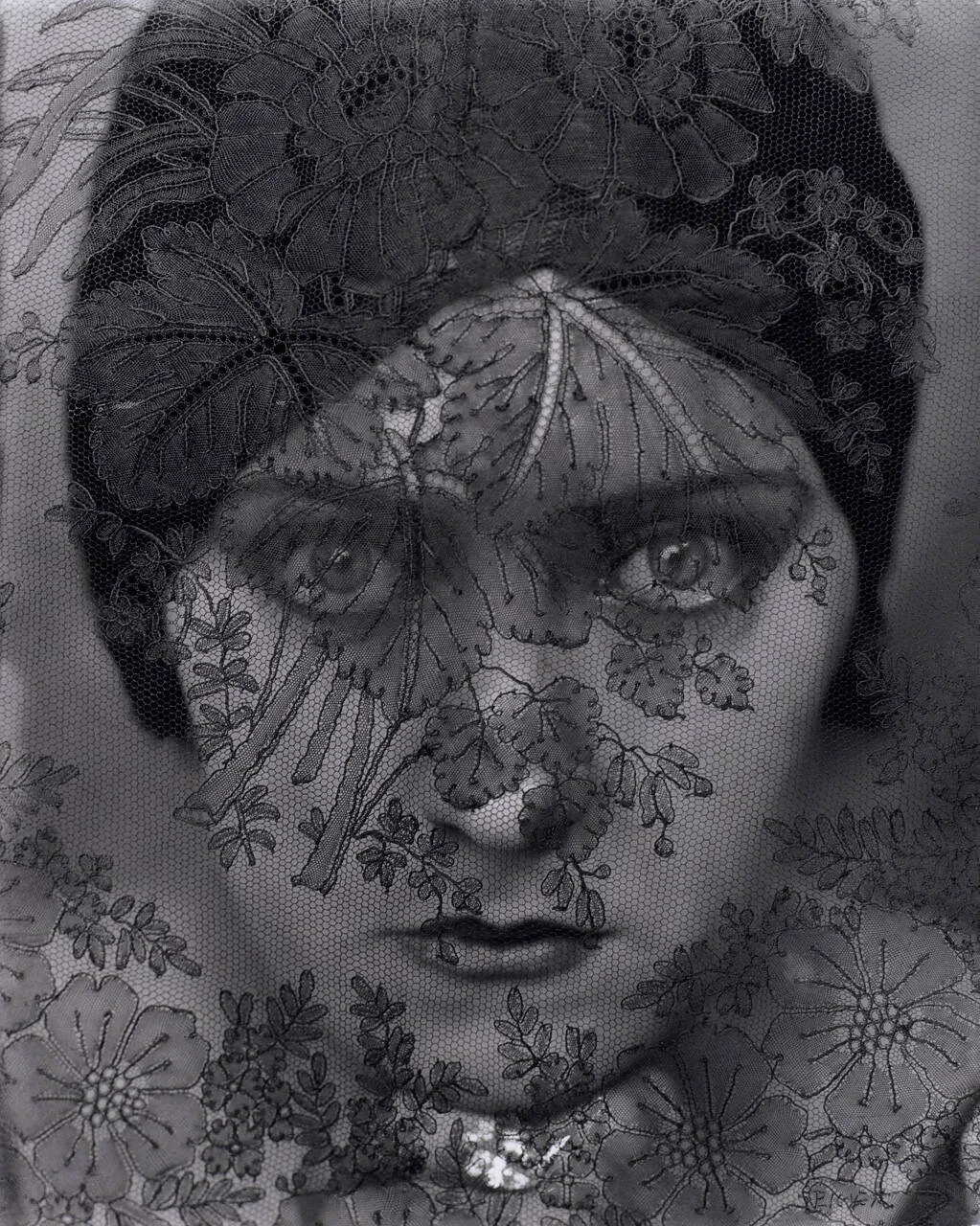
In 1923 he became chief photographer for Vogue and Vanity Fair. In 1924 Gloria Swanson came to his studio. They worked for a long time, with many changes of costume and light. At the very end, he hung a black lace veil in front of her face. “Her eyes dilated, and her look was that of a leopardess lurking behind leafy shrubbery, watching her prey,” he remembered. The picture became the defining image of the film star.
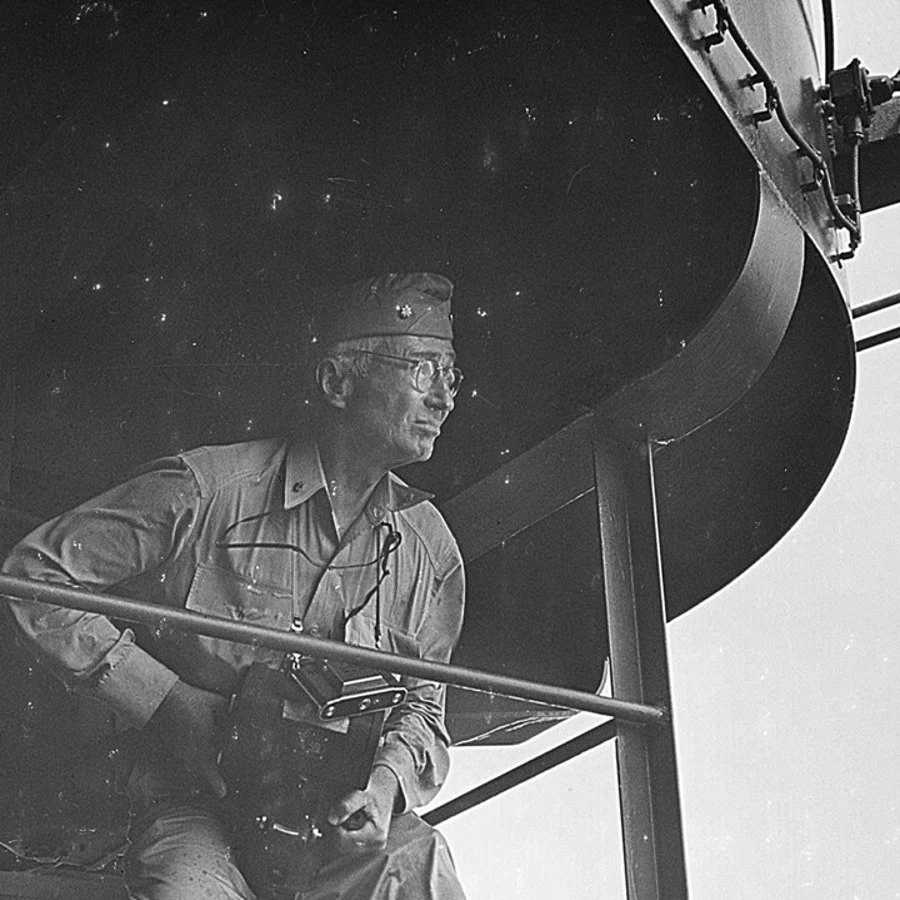
In the Second World War he led a Navy unit of combat photographers. In 1947 he became Director of Photography at the Museum of Modern Art. There he spent years on The Family of Man. It opened in 1955 with 503 photographs by 273 photographers from 68 countries, and then it traveled the world for seven years. He had made war exhibitions before, but he felt they had not changed anything. He explained the new idea simply: “I came to the conclusion that I had been working from a negative approach, that what was needed was a positive statement on what a wonderful thing life was, how marvelous people were and, above all, how alike people were in all parts of the world.”
The work
Steichen's early prints look like paintings. He printed in platinum and gum bichromate, and many pictures show twilight or moonlight. Influences came from the painter James McNeill Whistler and from Rodin. In 1907 he began to work with the autochrome, an early color process, and wrote about it for Camera Work.
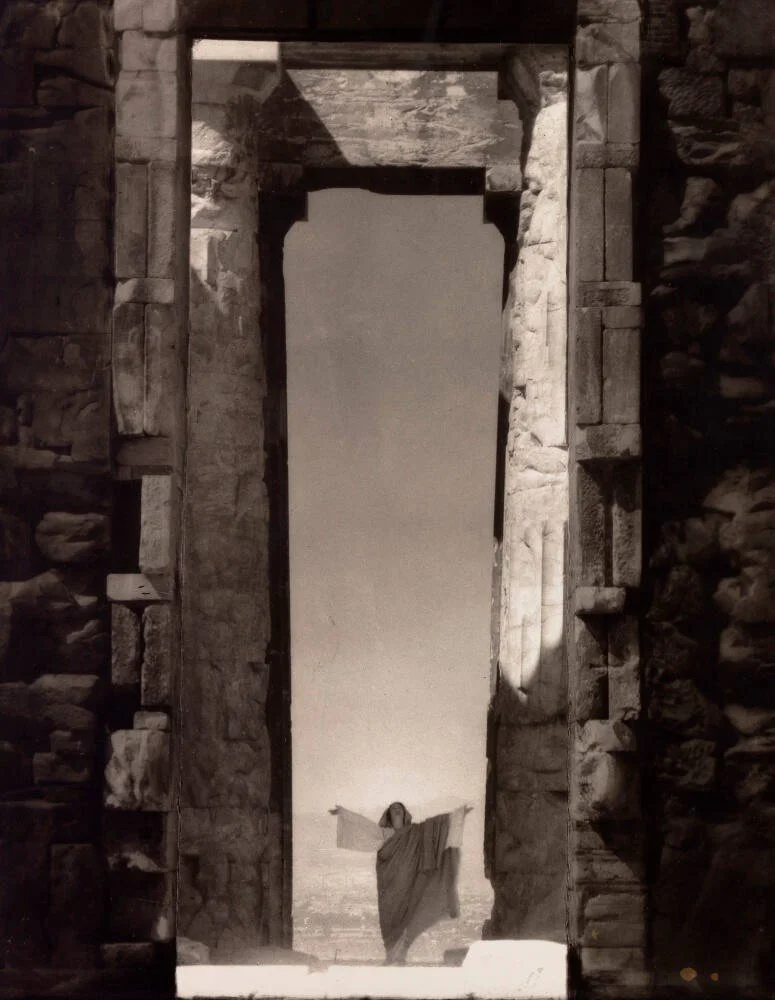
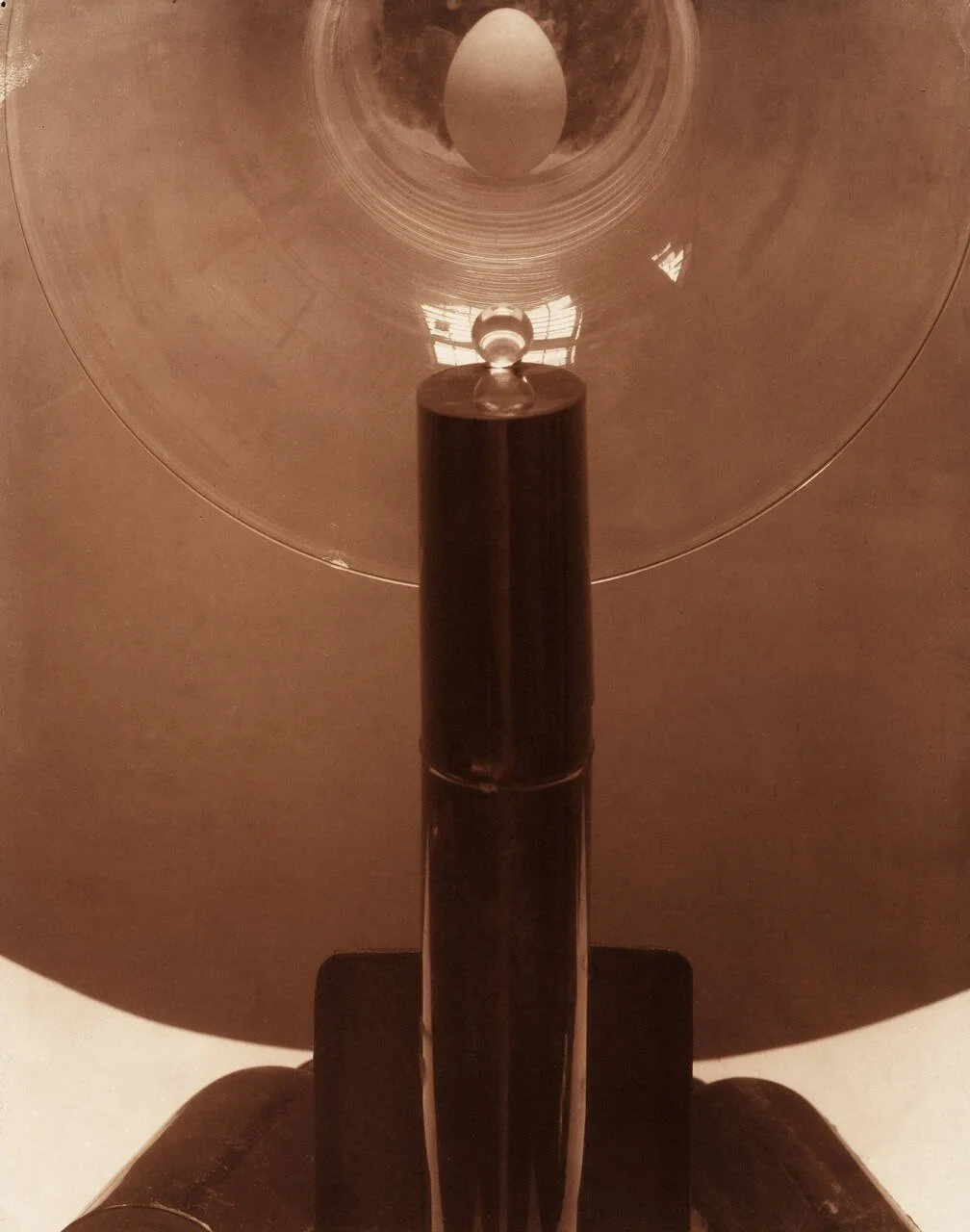
After 1918 his style became sharp and modern. Triumph of the Egg, from 1921, shows only an egg on a glass dish above a dark cylinder: a study of shape and light. That same year he photographed the dancer Isadora Duncan at the Parthenon in Athens, her arms open between the huge columns.
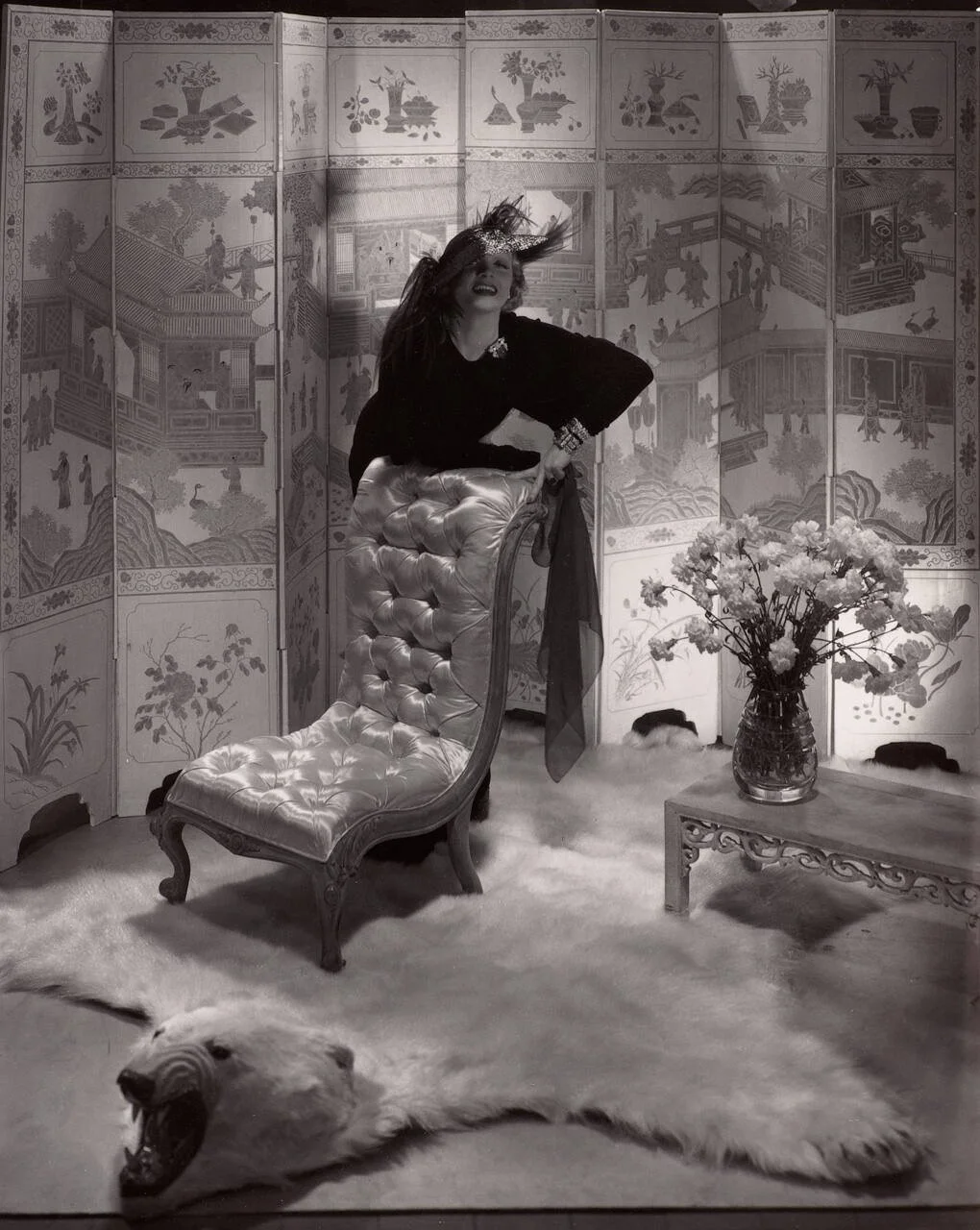
At Condé Nast, from 1923 to 1937, he photographed actors, writers, dancers, athletes and fashion. Gloria Swanson and Marlene Dietrich, New York, from 1932, are two examples. He had made his first fashion photographs much earlier, in 1911, of Paul Poiret's gowns for the French magazine Art et décoration.
As a curator he reached millions of people. At MoMA he organized 44 exhibitions. The Family of Man was shown in more than 150 museums. The last complete version went to Luxembourg as a gift from the US government. Since 1994 it has been on permanent view in the castle of Clervaux, and in 2003 UNESCO added it to its Memory of the World register.
- 1879Born in Bivange, Luxembourg, on 27 March
- 1895Buys his first camera while training as a lithographer in Milwaukee
- 1900Sells three prints to Alfred Stieglitz in New York, then sails to Paris
- 1905Opens the gallery 291 with Stieglitz in New York
- 1917Joins the US Army as an aerial photographer in the First World War
- 1923Becomes chief photographer for Vogue and Vanity Fair
- 1947Becomes Director of Photography at the Museum of Modern Art
- 1955The Family of Man opens at MoMA
- 1973Dies in West Redding, Connecticut
Lessons
Show your work to the right person. At twenty-one, Steichen walked into the Camera Club of New York to show his prints to Stieglitz. Stieglitz bought three prints and soon showed his work.
Let the light do the work. For the Balzac pictures he waited for the moon and kept the shutter open for up to an hour. The light, not the statue, sets the mood.
Try one more idea at the end. His best-known picture of Gloria Swanson came after a long session, when he hung a lace veil in front of her face.
Try this: at the end of your next portrait session, when you think you are done, hang a thin fabric such as lace, a net curtain or a scarf between the camera and your subject. Make ten more frames. Compare them with the pictures you made before.
Gear
Steichen used many cameras in a very long career. The sources name only his first ones.
Kodak Detective camera: he bought one in 1895, at sixteen, and soon made and sold portraits with it.
Primo folding view camera: he bought this folding camera in the same year, 1895.
Books
The Family of Man (The Museum of Modern Art, 1955). The book of Steichen's famous exhibition, made for the Museum of Modern Art. It has a prologue by the poet Carl Sandburg and an introduction by Steichen himself. More than 500 photographs show life from birth to death in many countries. It is a good start for anyone, and an easy way to see the exhibition today.
Edward Steichen: In High Fashion, The Condé Nast Years 1923-1937 (W. W. Norton, 2008). Written by Todd Brandow and William A. Ewing, this large book shows his work for Vogue and Vanity Fair. Inside are portraits of stars such as Gloria Swanson, Greta Garbo, Gary Cooper and Charlie Chaplin, and many fashion pictures. Many of these images were not published in a book before. It is for readers who love portraits, fashion and the style of the 1920s and 1930s.
A Life in Photography (Doubleday, 1963). Steichen's own story of his life, told in his words and pictures. It came out in 1963, the year he received the Presidential Medal of Freedom. Many of the stories about his work, such as the Gloria Swanson session, come from this book. It is for readers who want to hear the photographer himself.
In his words
“I came to the conclusion that I had been working from a negative approach, that what was needed was a positive statement on what a wonderful thing life was, how marvelous people were and, above all, how alike people were in all parts of the world.”
“Her eyes dilated, and her look was that of a leopardess lurking behind leafy shrubbery, watching her prey.”
“The Family of Man was the most important undertaking of my career.”
“The exhibition, now permanently presented on the pages of this book demonstrates that the art of photography is a dynamic process of giving form to ideas and of explaining man to man.”