AT A GLANCE
- Known for
- New York at night in the 1930s and 1940s: crime scenes, fires, crowds and the people who stood watching
- Works in
- Black and white, flash at night, gelatin silver prints
- Camera
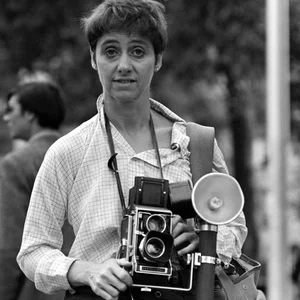
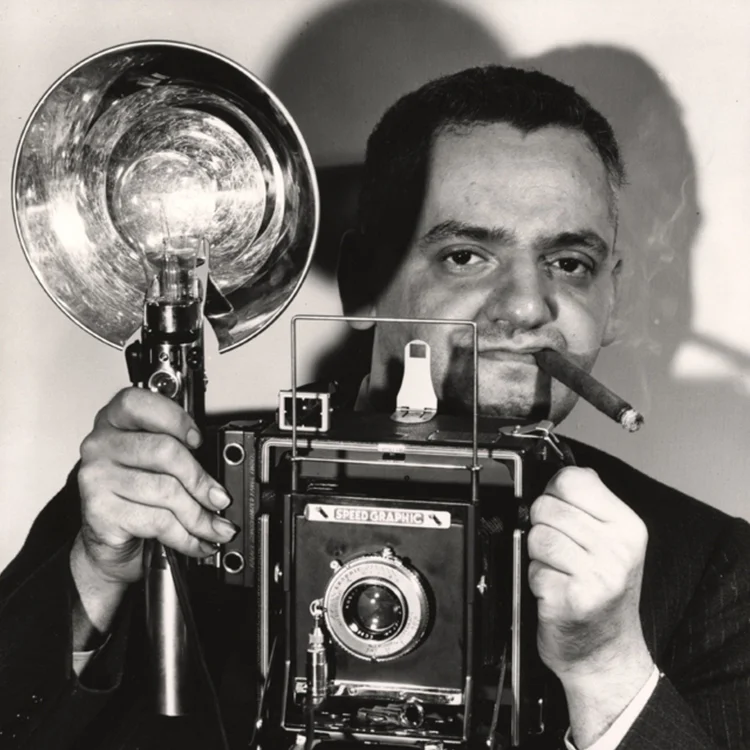
- Speed Graphic press camera with flashbulbs
- Also
- Books Naked City (1945) and Weegee by Weegee (1961); work in Hollywood films; distorted portraits of famous people
- Shows
- Photo League (1941) · Museum of Modern Art (1943) · Weegee's World at ICP (1997)
- Start with
- Naked City (Da Capo Press, 2002)
Weegee was the working name of Arthur Fellig, born Usher Fellig in 1899 in Złoczów, in Austrian Galicia (today Zolochiv in Ukraine). He grew up on the Lower East Side of New York and taught himself photography. From 1935 he worked as a freelance news photographer. With a police radio in his car, he often reached a crime scene before anyone else. He photographed murders, fires and arrests, but also the crowds who came to look, the opera, the circus and Coney Island. His first book, Naked City (1945), made him famous. He later worked in Hollywood, made distorted portraits of celebrities and wrote his life story. He died in New York in 1968.
The story
In 1938 Weegee got permission to put a police radio in his car. Now he heard the calls at the same moment as the police. Often he was the first at the scene. The trunk of the car held his camera, a typewriter and a complete small darkroom. So he could bring finished pictures and a story to his editors with amazing speed. At home he slept in his clothes, with the radio switched on next to his bed.
He had come a long way to that car. Born Usher Fellig in Austrian Galicia in 1899, he came to New York with his family around 1910. On the Lower East Side his name became Arthur. He left school in his early teens to help support the family. Self-taught, he did many small photography jobs. In 1923 he took a darkroom job at Acme Newspictures. But he wanted to make the pictures himself, and in 1935 he became a freelance news photographer.
He lived in one room at 5 Centre Market Place, across the street from police headquarters. Fires, arrests, accidents and murders came to him through the radio. By morning he sold the pictures to papers such as the Daily News, the Post and the Sun. People said he seemed to know where news would happen, as if he had a Ouija board. From that word came his name, Weegee. Yet one of his best-known pictures shows no crime at all.
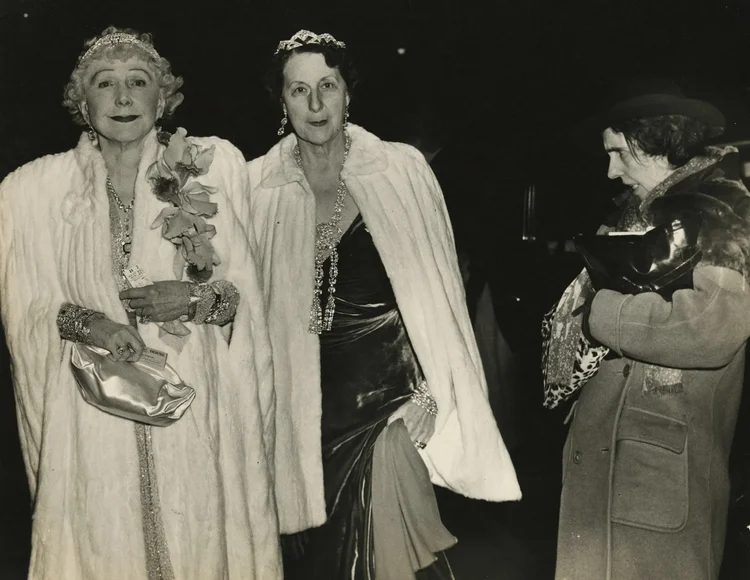
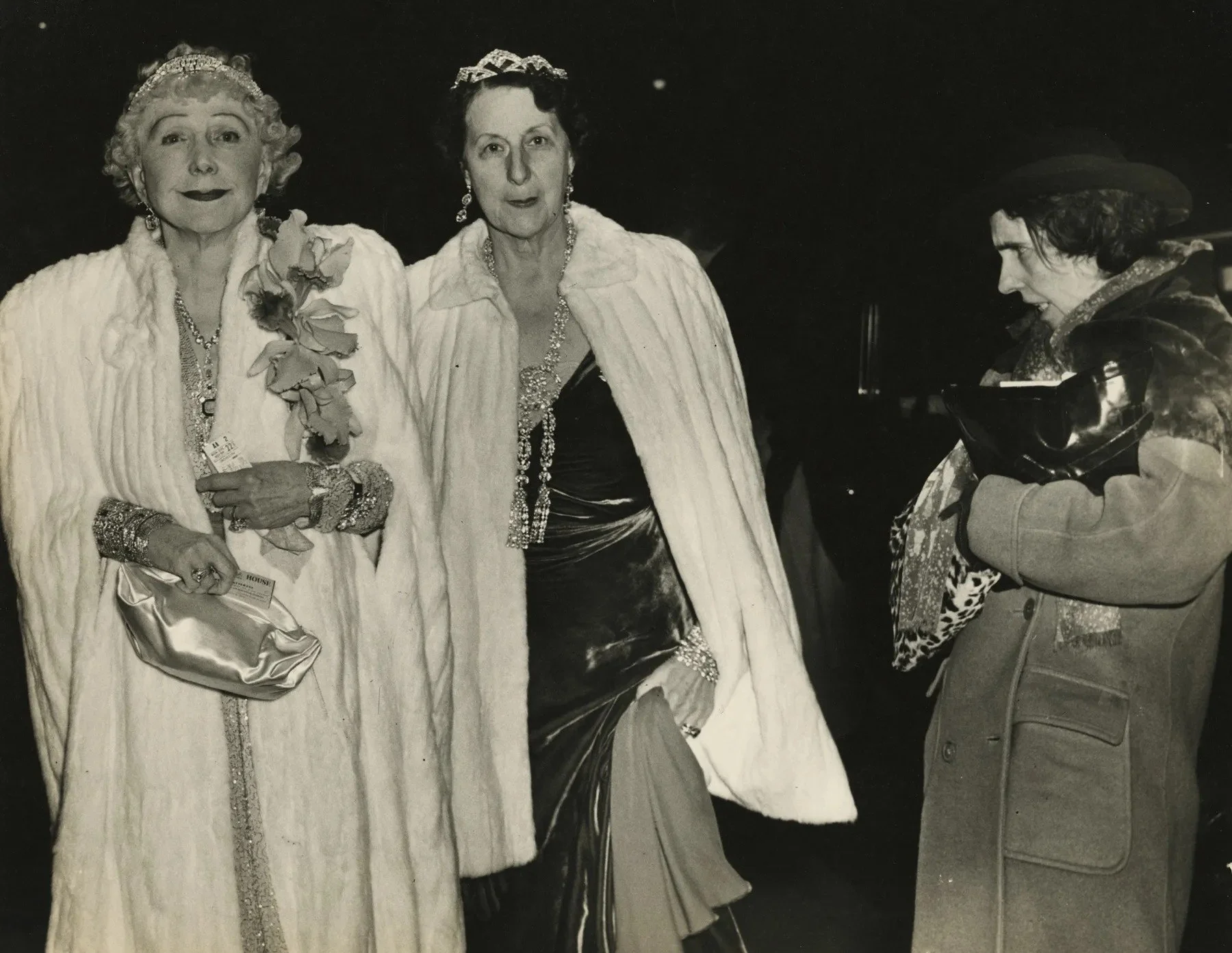
It is The Critic, from 1943. On the opening night of the Metropolitan Opera's sixtieth season, he brought along a well-known regular from Sammy's, a bar on the Bowery. He gave her cheap wine and placed her near two rich society women, Mrs. George W. Kavenaugh and Lady Decies. His flash lit up their white furs and diamonds. Then he cropped the print so that only the meeting of rich and poor remained. The Whitney Museum calls it a carefully planned scene.
The art world was watching too. The Photo League showed his work in 1941, and the Museum of Modern Art showed it in 1943. In 1945 came his first book, Naked City. It was a runaway success and brought him work for Life and Vogue. By his second book, Weegee's People (1946), he had cut the wires to his police radio.
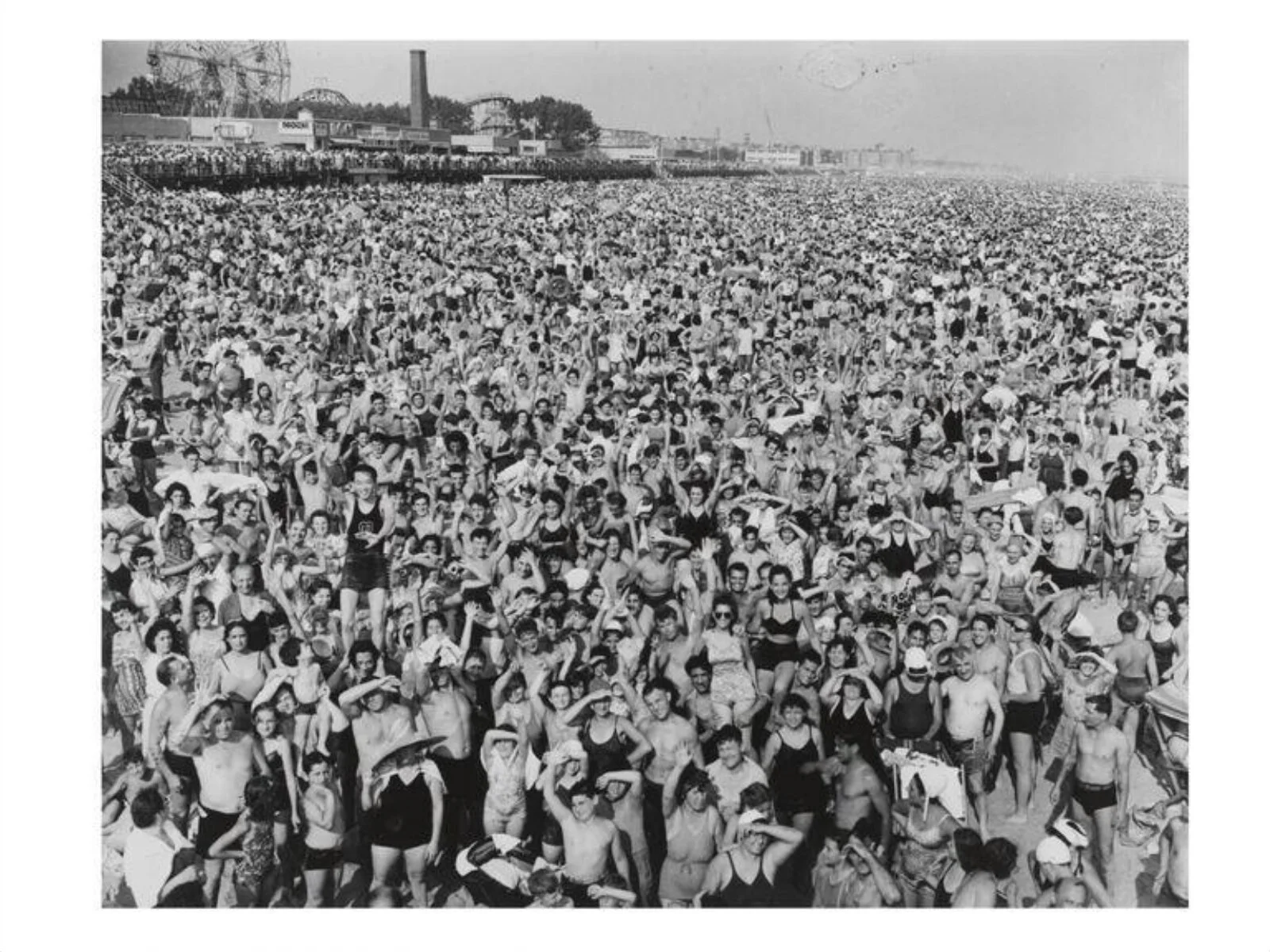
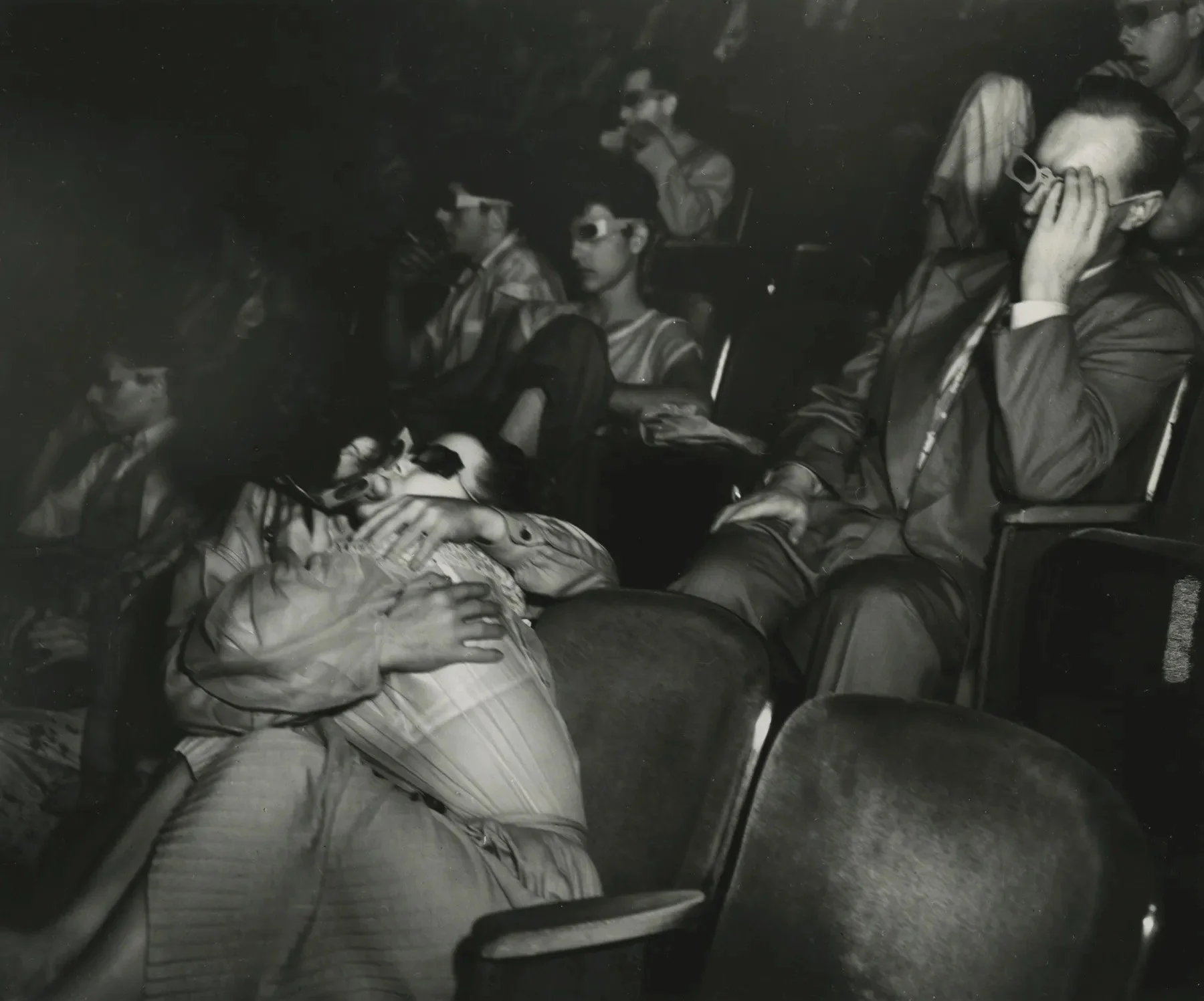
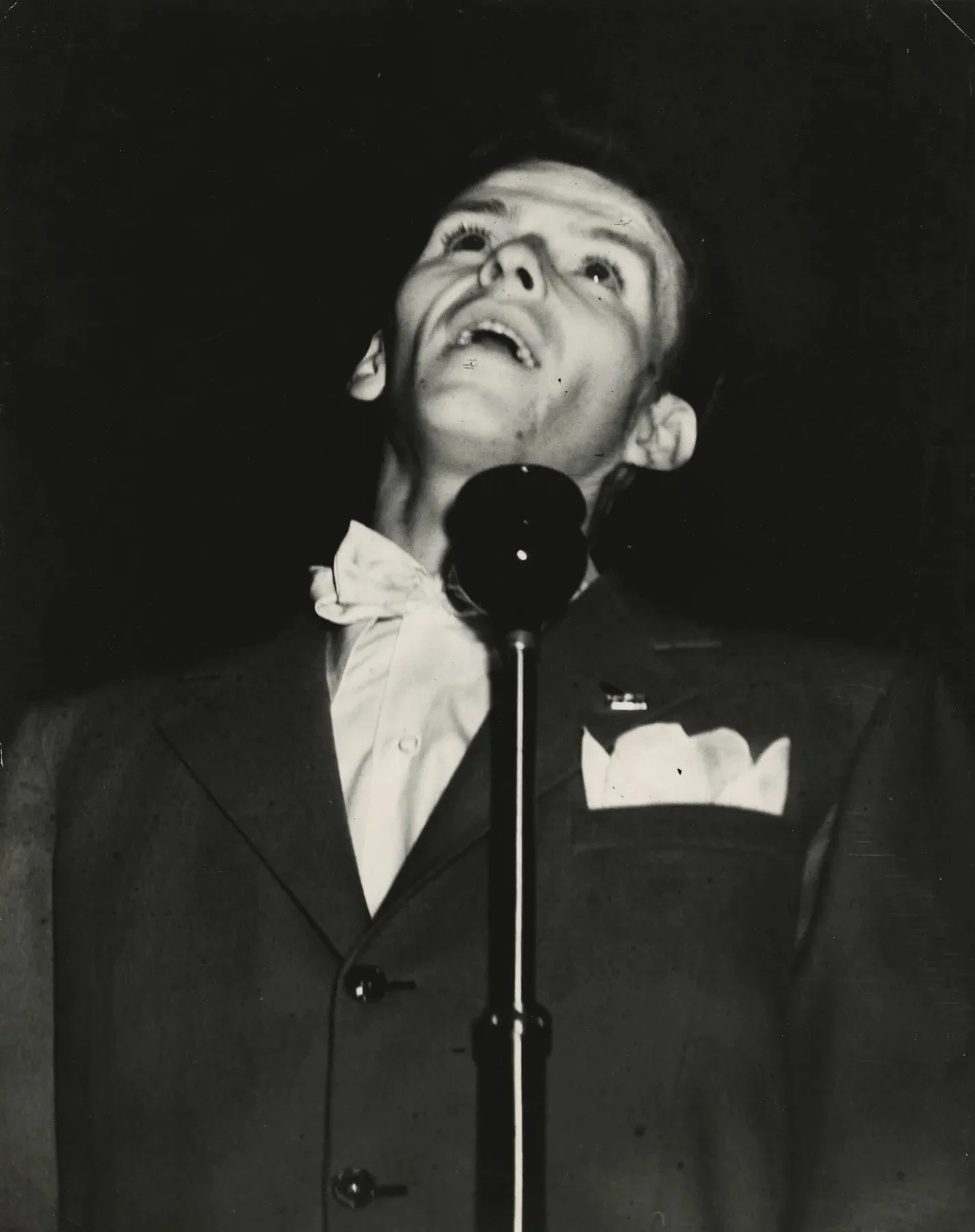
Therefore the people became the story. At Coney Island in 1940 he photographed a beach so crowded that you can hardly see the sand. In the dark of the Palace Theatre he photographed lovers in their seats, around 1945, and Frank Sinatra singing on its stage in 1944. He once explained why he did not look away from the hard side of the city: “Everybody likes beauty, but there's ugliness. Don't forget, it's human.”
The work
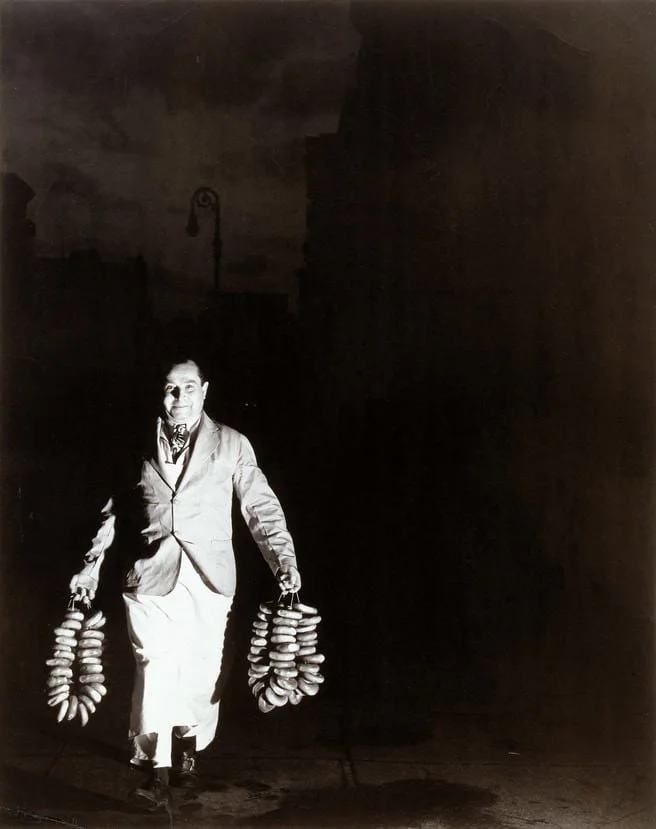
Weegee worked with a Speed Graphic press camera and flashbulbs. He called his flash his Aladdin's lamp, and he spoke of the Rembrandt light it gave him: bright figures coming out of deep darkness. Max Is Rushing in the Bagels to a Restaurant on Second Avenue for the Morning Trade, from about 1940, shows this well. Weegee met the bagel man at six in the morning near Union Square, and the flash catches him in mid-step on a black street. In dark cinemas and at the opera he often used infrared light, so people could not see the flash.
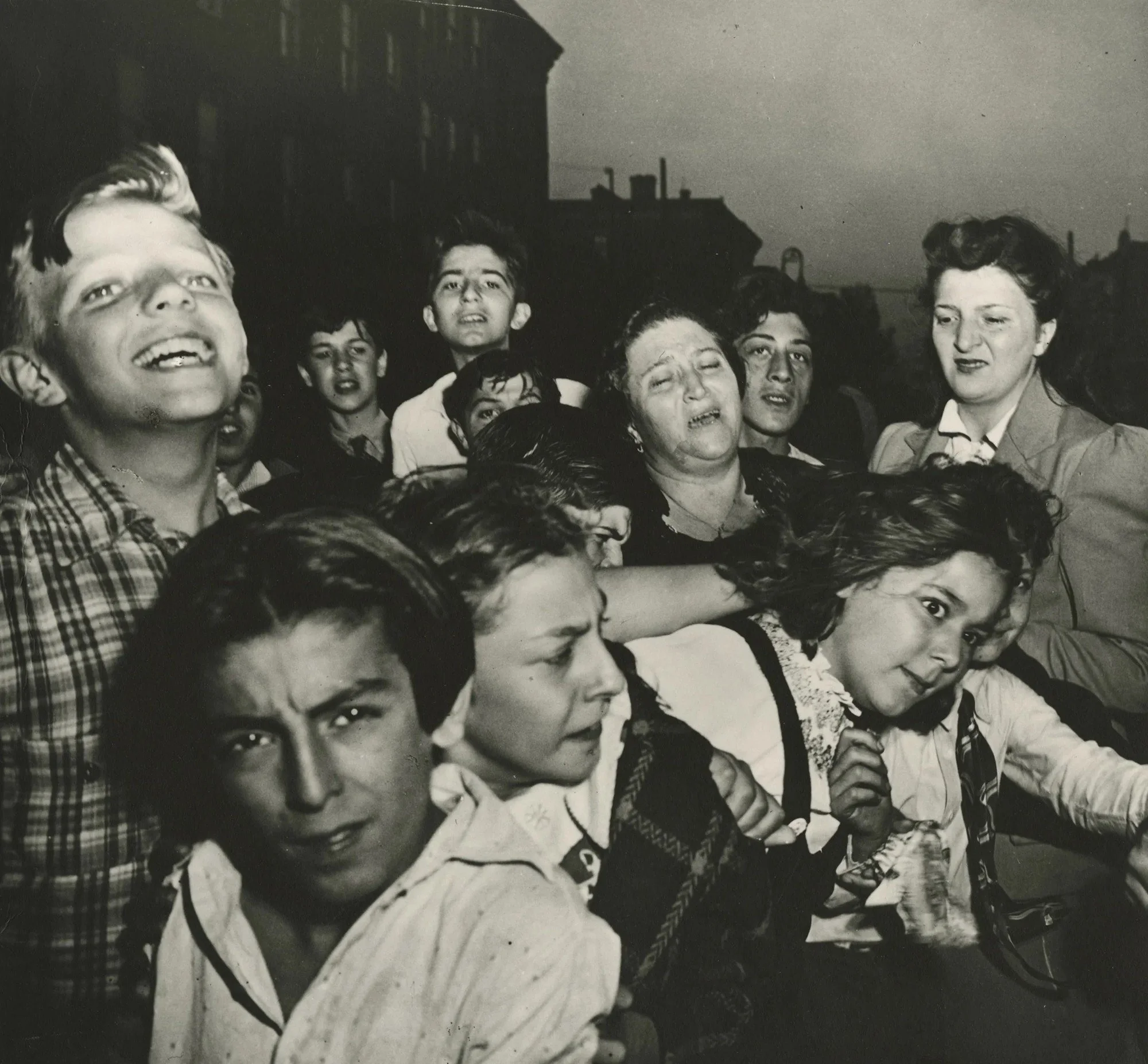
He was also interested in the people who came to look. Brian Wallis, chief curator of the International Center of Photography, says that his interest in what he called human drama set him apart from other news photographers. Their First Murder, which Howard Greenberg Gallery dates to about 1936, shows a crowd of children and adults pressing together at a crime scene.
From 1940 to 1945 he worked for the newspaper PM. In 1941 he joined the Photo League, where he lectured, taught courses and had his first gallery exhibition. He called it Murder Is My Business and hung the pictures himself. Naked City was made into a film that won an Oscar in 1948. From 1947 to 1952 he lived in Hollywood. He worked there as a technical and special effects adviser and played small parts in films. The actor Peter Sellers met him on the set of Dr. Strangelove and was taken with his voice and accent.
Back in New York he made distorted portraits of famous people, which he called caricatures. They first appeared in Vogue in 1955. He lectured at the New School and published his autobiography, Weegee by Weegee, in 1961. He died in New York on December 26, 1968. His companion Wilma Wilcox cared for his work, and in 1993 the International Center of Photography received his archive of about 20,000 photographs. The museum has shown his work many times since, including the big retrospective Weegee's World in 1997.
- 1899Born Usher Fellig on June 12 in Złoczów, Austrian Galicia (today Zolochiv, Ukraine)
- 1910Arrives in New York with his family; his name becomes Arthur
- 1923Takes a darkroom job at Acme Newspictures
- 1935Becomes a freelance news photographer
- 1938Gets permission to put a police radio in his car
- 1941Joins the Photo League and has his first exhibition there
- 1945Publishes his first book, Naked City
- 1947Moves to Hollywood, where he stays until 1952
- 1968Dies in New York
Lessons
Be ready before it happens. Weegee kept a police radio by his bed and a darkroom in his car. Being first was his plan, not his luck.
Turn around and look at the crowd. The people watching an event often tell more than the event itself. His curators point to this human drama as what set him apart.
Make your light part of the picture. He called his flash his Aladdin's lamp. It pulled faces out of the dark and gave his pictures their hard, bright look.
Try this: go to a small public event near you, such as a street market, a concert or a football match. Do not photograph the event at all. Photograph only the faces of the people watching it. Make twenty frames, then choose the one that tells what happened without showing it.
Gear
Weegee used the standard tools of a New York press photographer. The sources name these.
Speed Graphic camera: a large press camera that used sheet film. He carried it with flashbulbs to every scene, and his best-known self-portrait shows him holding one.
Flashbulbs and flash: most of his night pictures were lit by flashbulbs. For one wide scene he used flash powder instead.
Infrared film: in dark cinemas and at the opera he used infrared film and infrared flash, so people did not see the flash go off.
Books
Naked City (Da Capo Press, 2002). His first book, first published in 1945 and a runaway success. Weegee chose the pictures and wrote the short texts himself. Inside are coffee shops at three in the morning, summer nights in the tenements, crime scenes, parties and lovers on park benches. This 244-page paperback is the best place to start for anyone who wants to see Weegee in his own words.
Weegee: Murder Is My Business (International Center of Photography, 2013). A 264-page book by Brian Wallis, chief curator at the International Center of Photography, drawn from the museum's Weegee archive. It covers his crime decade from 1935 to 1946 and is designed as a series of dossiers, following how he turned from freelancer into a photo detective. It shows his ties to the tabloid press and his deep knowledge of New York's dark corners. Good for readers who want the full story of his crime work.
The Weegee Guide to New York (DelMonico Books · Prestel, 2015). Written by Christopher George, ICP's Weegee archivist, and edited by Philomena Mariani. It holds more than 260 of his photographs, some never published before, arranged like a guidebook with old and new maps of Manhattan and Brooklyn. You can see where each picture was made. Good for history lovers and anyone who knows or plans to walk New York.
In his words
“Everybody likes beauty, but there's ugliness. Don't forget, it's human.”
“To me, this was drama. This was like a backdrop.”
“I have no inhibitions, and neither has my camera.”
“I stepped all the way back, about 100 feet. I used flash powder, and I got this whole scene: the people on the fire escapes, the body - everything.”