AT A GLANCE
- Known for
- New York in snow and steam, The Steerage, hundreds of portraits of Georgia O’Keeffe, and his cloud pictures called Equivalents
- Works in
- Platinum, palladium and gelatin silver prints; photogravures for his magazine Camera Work
- Camera
- A small 4 x 5 inch hand camera, used on the street from the 1890s
- Also
- Founded the Photo-Secession (1902) · edited Camera Work, 50 issues · ran the galleries 291, The Intimate Gallery and An American Place
- Collections
- National Gallery of Art (the Key Set) · The Metropolitan Museum of Art · Art Institute of Chicago · Philadelphia Museum of Art
- Start with
- Alfred Stieglitz: An American Seer (Random House (An Aperture book), 1973)
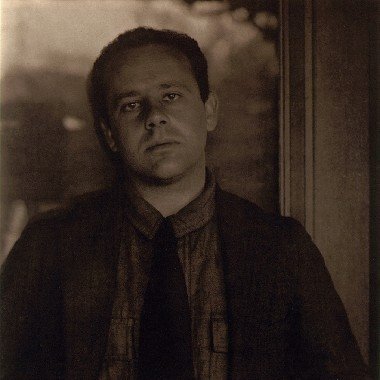
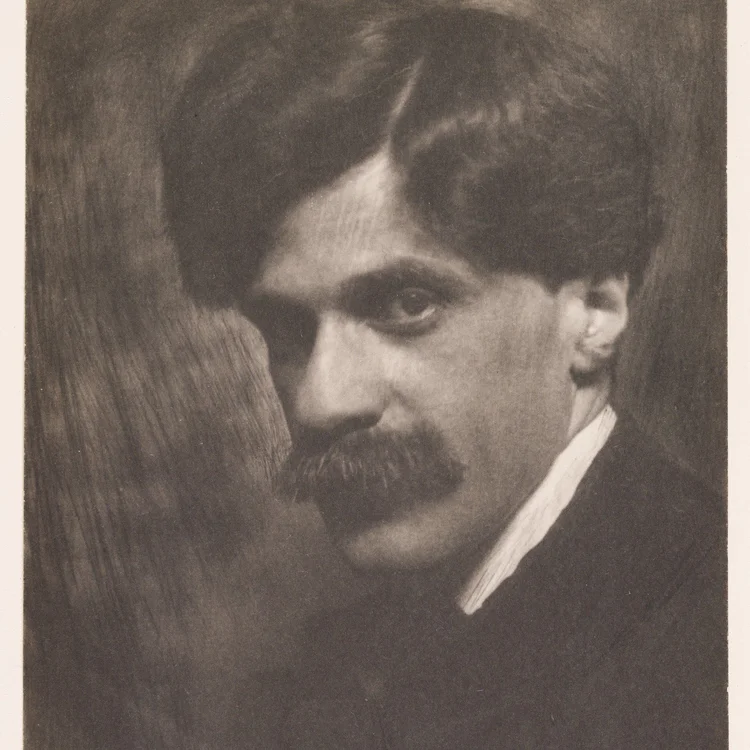
Alfred Stieglitz (1864–1946) was an American photographer, editor and gallery owner. He fought for one idea all his life: that a photograph can be a work of art, just like a painting. His pictures of New York, his portraits of Georgia O’Keeffe and his photographs of clouds are classics. His magazine Camera Work and his gallery 291 also brought modern art from Europe to America.
The story
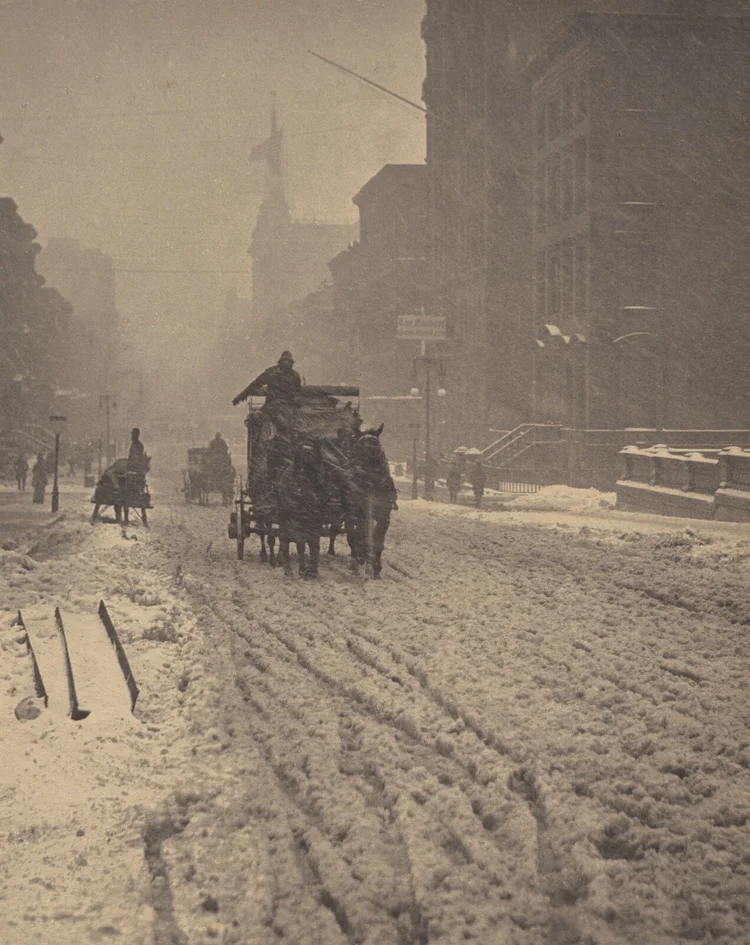
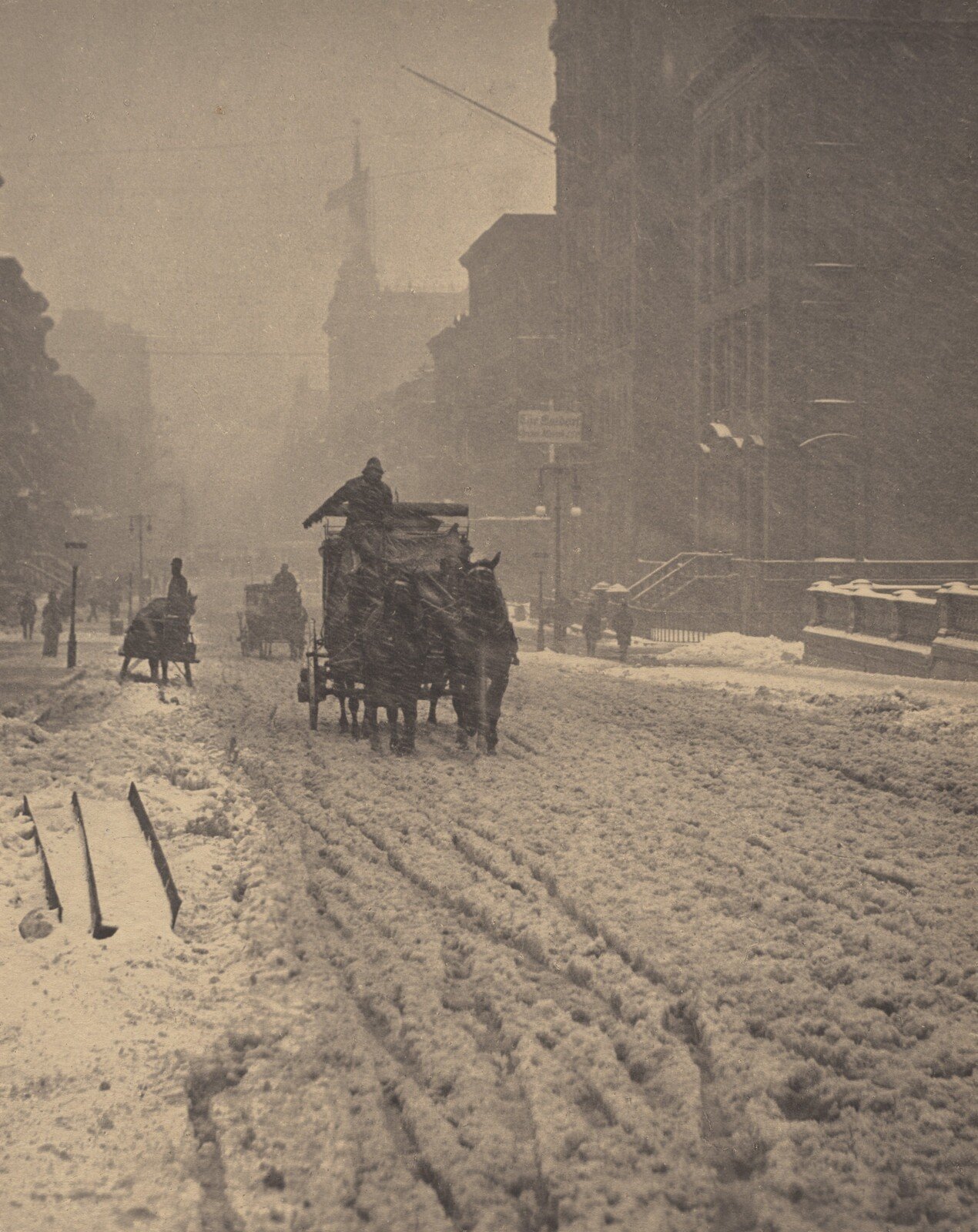
On 22 February 1893 a blizzard hit New York. Alfred Stieglitz went out into the storm with a small hand camera. He stood at the corner of Fifth Avenue and 35th Street and waited. Later he wrote that the picture came from “a three hours’ stand during a fierce snow-storm.” That picture became Winter, Fifth Avenue. In it, a horse-drawn coach pushes up the white street.
His friends were not impressed. They said the negative was not sharp. But Stieglitz had a plan. In an essay from 1896 he explained his method: choose a subject, study its lines and light, then wait for the right moment. This, he wrote, “often means hours of patient waiting.” The negative alone did not make the picture. He often enlarged only part of it.
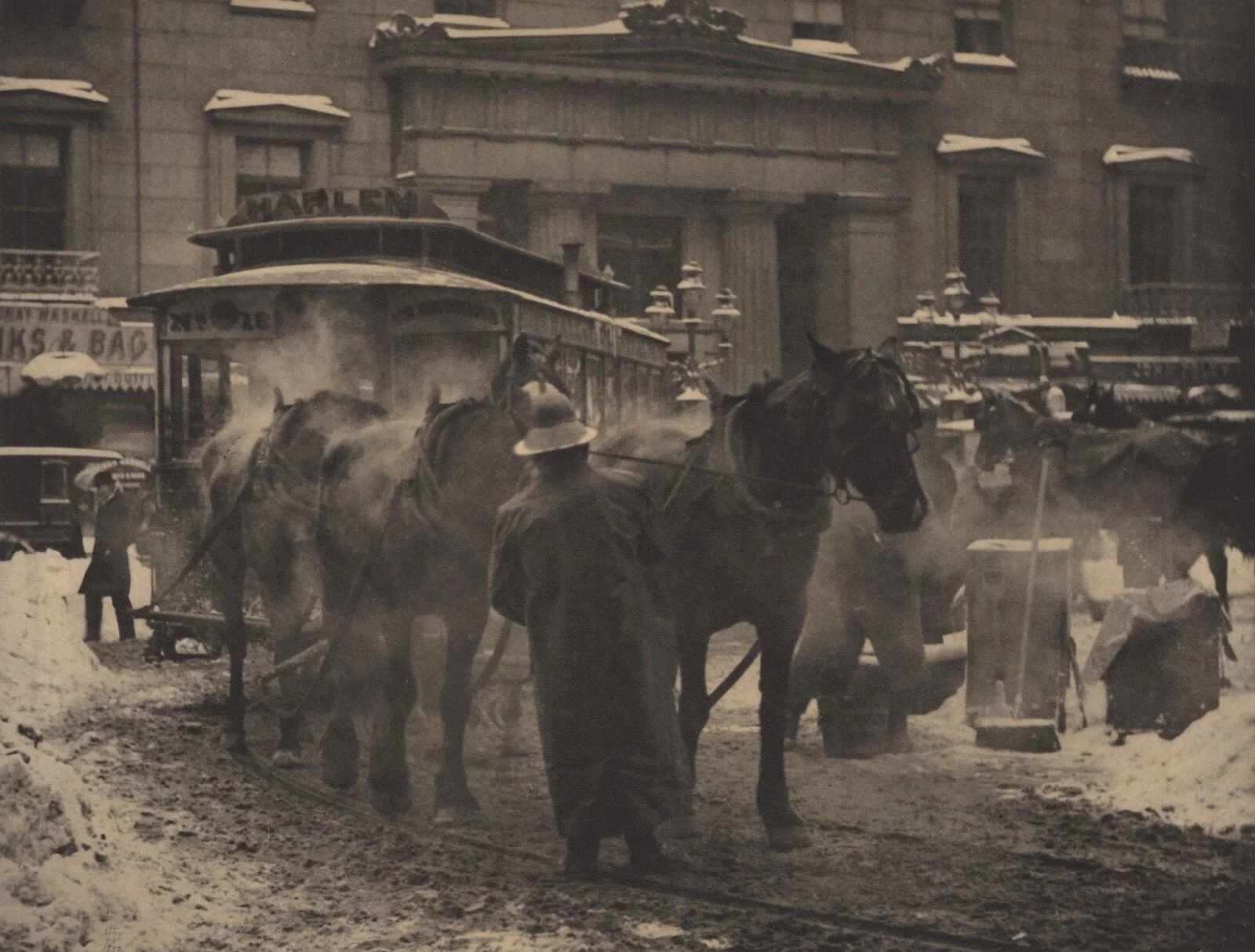
He had come to photography far from New York. Born in Hoboken, New Jersey, on 1 January 1864, he went to Berlin in 1882 to study engineering. There he also studied with the photochemist Hermann Vogel. In 1890 he came back to New York. At that time the small 4 x 5 inch hand camera was not seen as worthy of art. Stieglitz used it to roam the city anyway. In 1893 he also made The Terminal, with horses and a streetcar in the snow.
Pictures were not enough for him. He edited Camera Notes, the journal of the Camera Club of New York. But members did not like his strict choices, so in 1902 he and a group of friends broke away and founded the Photo-Secession. In January 1903 the first issue of his own magazine, Camera Work, came out. In 1905, with help from Edward Steichen, he opened a small gallery on Fifth Avenue. People soon called it simply 291. It gave Henri Matisse, Paul Cézanne and Pablo Picasso some of their first shows in America.
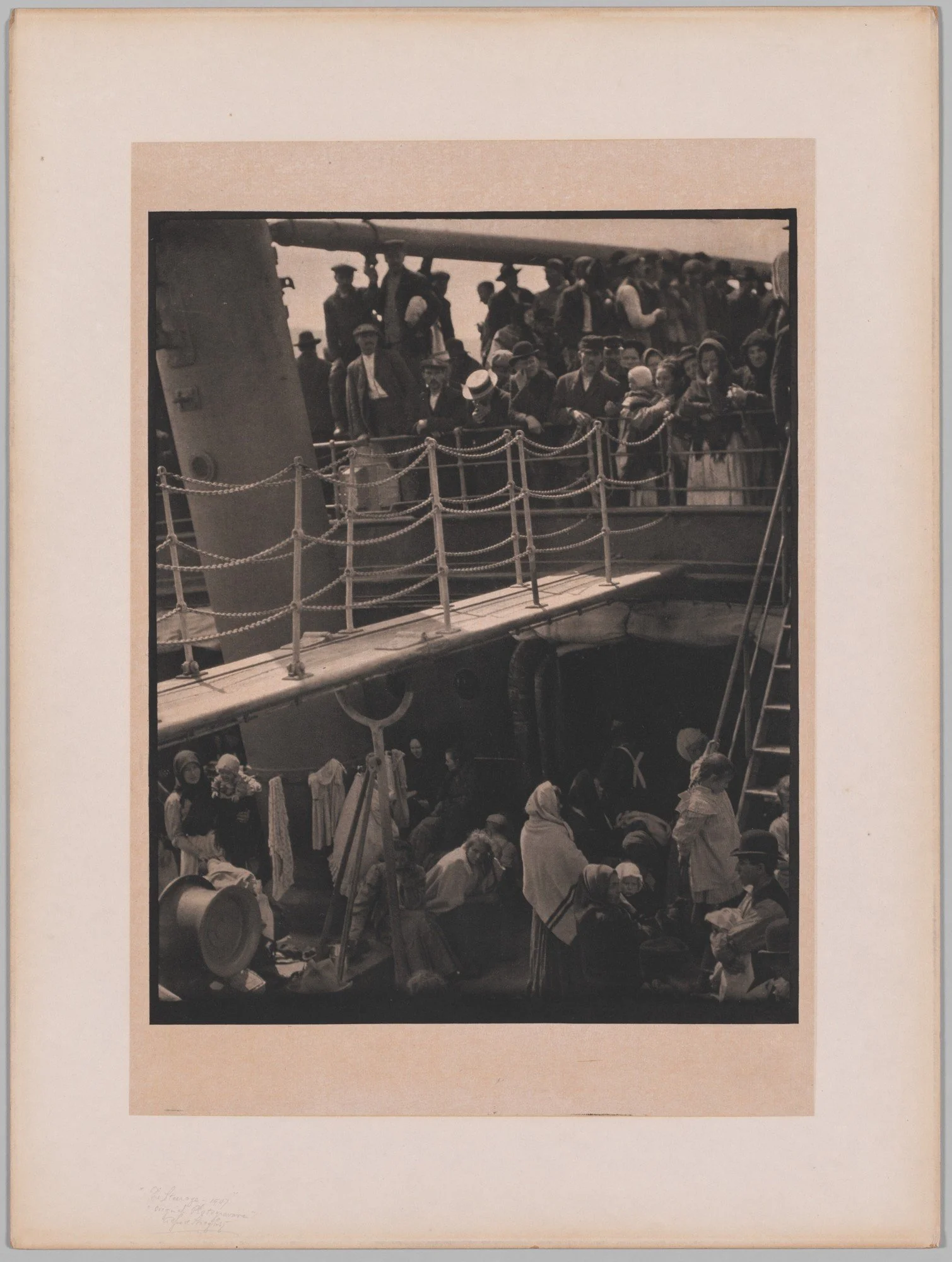
In 1907 he sailed from New York to Germany on the ship Kaiser Wilhelm II. On a lower deck he saw the passengers of the cheapest class, and he made The Steerage. Years later he wrote: “I saw shapes related to each other.” In 1911 he printed it in Camera Work next to a Cubist drawing by Picasso. The picture marked his turn from soft, painterly prints to a clear and modern style.
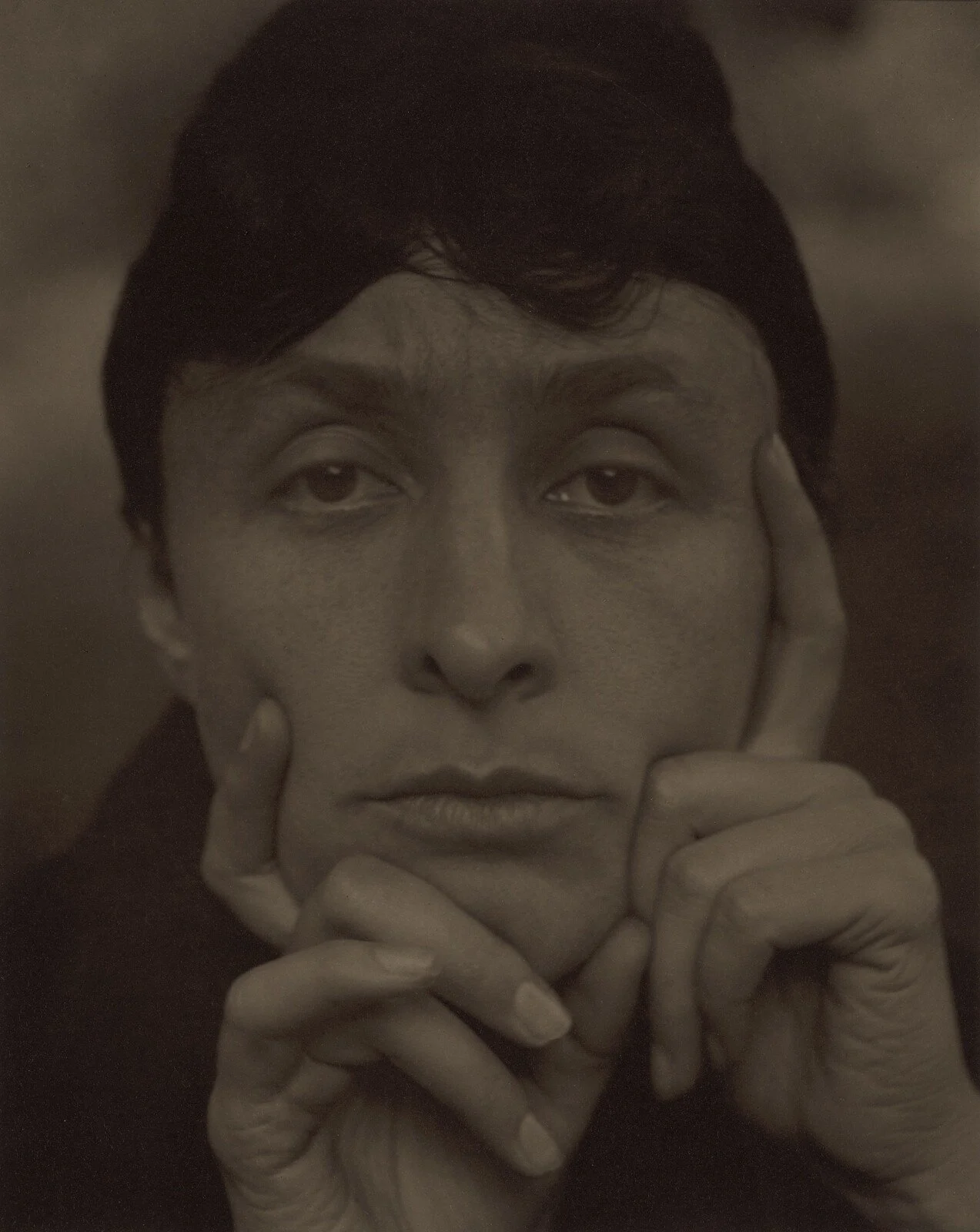
His fight for photography also brought results. In 1910 a large photography show opened at the Albright gallery in Buffalo. Stieglitz called it “The full recognition of photography by an important art museum!” Then, in 1917, he began to photograph the painter Georgia O’Keeffe. By 1925 he had made several hundred pictures of her: her face, her hands, her body. They married in 1924. In 1921 he wrote down his whole life in a few short lines: “I was born in Hoboken. I am an American. Photography is my passion. The search for Truth my obsession.”
The work
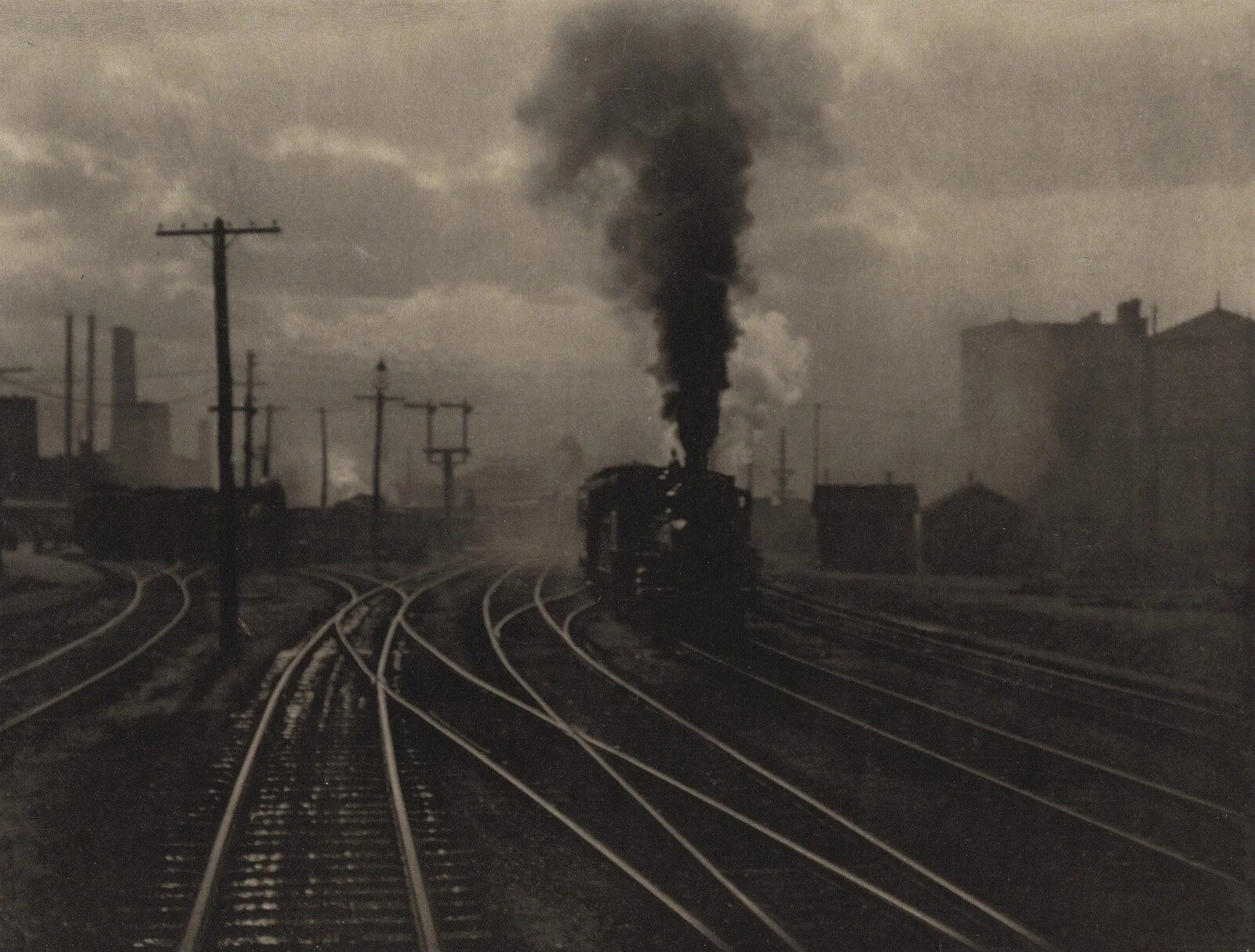
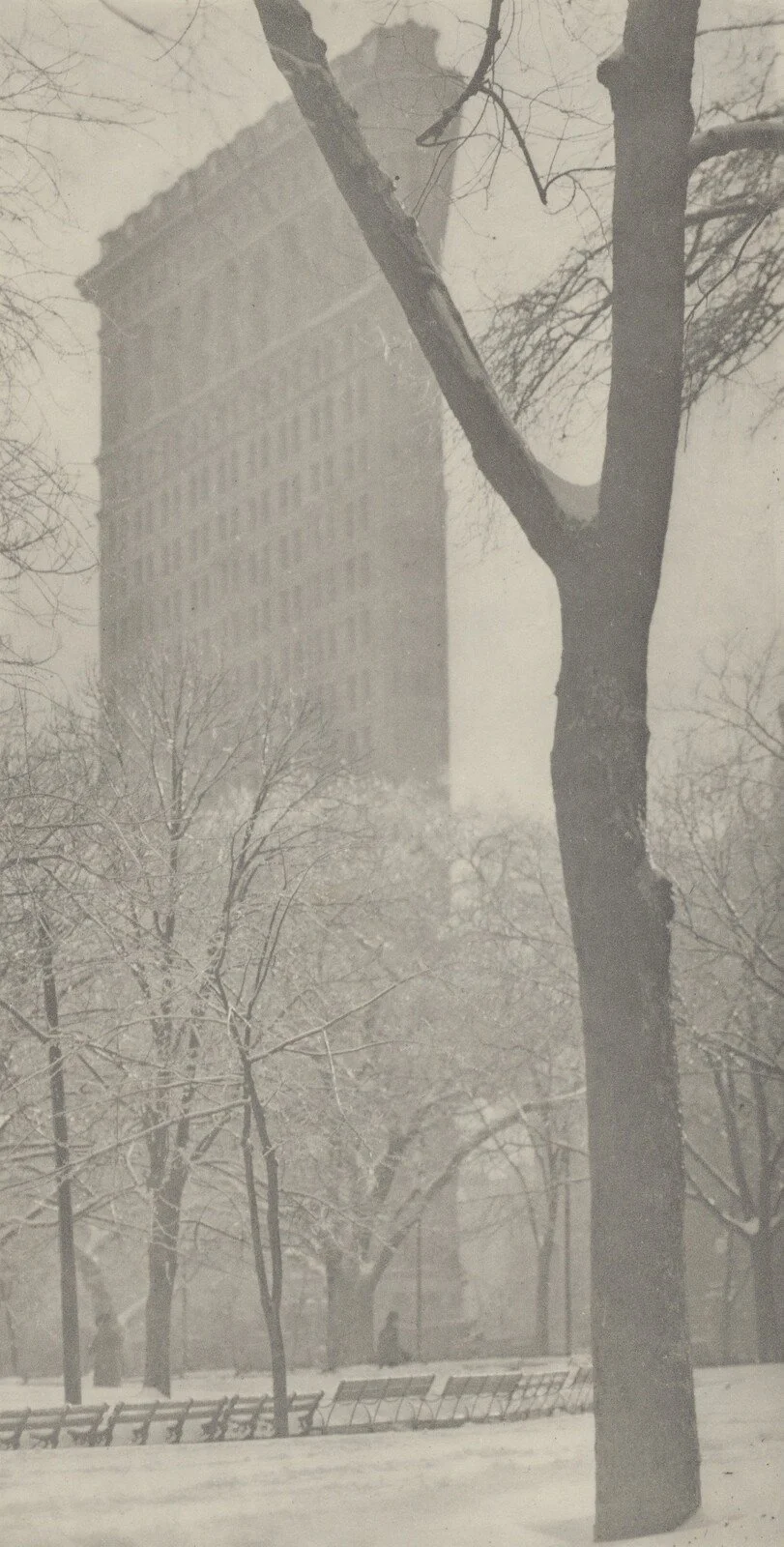
Stieglitz’s New York pictures show a city in change. The Hand of Man (1902) was made from the back of a train in Long Island City, on a 4 x 5 inch negative. A locomotive sends dark smoke into the sky above a field of rails. In The Flatiron (1903) the tall building rises behind a tree trunk and snowy trees. Many of these pictures were printed as large photogravures, and some were planned for a portfolio of New York views.
His portraits of O’Keeffe are among the most famous in the history of photography. In Georgia O’Keeffe (1918) she looks straight at the camera, with one hand resting against her face. He often printed these pictures on platinum and palladium paper, which gives soft, deep tones.
In the summer of 1922 he began to photograph clouds. Some people said his portraits worked only because he hypnotized his sitters. The clouds were his answer. “I wanted to photograph clouds to find out what I had learned in 40 years about photography,” he wrote in 1923. He first called them Music: A Sequence of Ten Cloud Photographs and Songs of the Sky. Later he named them Equivalents: the sky stood for a feeling.
From 1925 to 1929 he ran The Intimate Gallery, and from 1929 until his death An American Place. There, in 1936, he gave Ansel Adams an important show. He stopped taking photographs in 1937. After he died, O’Keeffe chose the finest print of each of his mounted photographs. This Key Set of 1,642 pictures went to the National Gallery of Art in 1949 and 1980.
- 1864Born on 1 January in Hoboken, New Jersey
- 1882Goes to Berlin to study engineering; also studies with Hermann Vogel
- 1890Returns to New York
- 1893Makes Winter, Fifth Avenue during a blizzard on 22 February
- 1902Founds the Photo-Secession; Camera Work starts in January 1903
- 1905Opens the Little Galleries of the Photo-Secession, soon called 291
- 1907Makes The Steerage on board the Kaiser Wilhelm II
- 1922Begins photographing clouds, the start of the Equivalents
- 1946Dies in New York on 13 July
Lessons
Wait for the moment. Stieglitz chose his place, studied the lines and the light, and then waited. Winter, Fifth Avenue took three hours in a snowstorm.
Look for shapes first. On the ship in 1907 he did not see only people. He saw shapes related to each other, and that made The Steerage.
Make one long portrait. He photographed Georgia O’Keeffe for many years: face, hands, body. Together the pictures say more than any single one.
Try this: choose one corner in your town on a day with bad weather: rain, fog or snow. Stand there for one hour. Study the lines and the light first, then wait for one person or one car to complete the picture. Take only a few frames and pick the best one.
Gear
Stieglitz did not chase new equipment. He chose simple tools and spent his effort on waiting and on printing.
4 x 5 inch hand camera: from the 1890s he used a small 4 x 5 inch hand camera on the streets of New York. It needed no tripod, so he could move freely. The Hand of Man was made on a 4 x 5 negative from the back of a train.
Platinum and palladium printing: he often made platinum prints, and many O’Keeffe portraits are palladium prints. Many of his pictures were also reproduced as photogravures in Camera Work.
Books
Alfred Stieglitz: The Key Set (National Gallery of Art / Harry N. Abrams, 2002). A two volume boxed catalogue by Sarah Greenough, curator of photographs at the National Gallery of Art. It reproduces all 1,642 photographs that Georgia O’Keeffe and the Stieglitz Estate gave to the museum, with exhibition histories, variant prints and essays. It is the most complete record of his work. It suits serious collectors and researchers, and a newer digital edition is free on the National Gallery website.
Stieglitz, Steichen, Strand: Masterworks from The Metropolitan Museum of Art (The Metropolitan Museum of Art / Yale University Press, 2010). Written by Malcolm Daniel, this book of 180 pages and 135 pictures tells the linked stories of three great photographers. It includes Stieglitz’s portraits of Georgia O’Keeffe, Steichen’s Flatiron pictures and Strand’s early abstract work. It is a good choice for readers who want to see Stieglitz next to the friends he shaped. The book is out of print, so look for used copies.
Alfred Stieglitz: An American Seer (Random House (An Aperture book), 1973). Dorothy Norman knew Stieglitz well during the last twenty years of his life, and this book grew from their conversations. The first edition has 80 of his photographs and 90 documents. Aperture later made a smaller reprint with 40 photographs. It suits readers who want to hear the man, not only see the pictures.
In his words
“I was born in Hoboken. I am an American. Photography is my passion. The search for Truth my obsession.”
“I saw shapes related to each other… I saw a picture of shapes and underlying that the feeling I had about life.”
“I wanted to photograph clouds to find out what I had learned in 40 years about photography.”
“The full recognition of photography by an important art museum!”