AT A GLANCE
- Known for
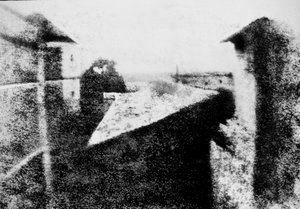
- Heliography and View from the Window at Le Gras, the oldest surviving photograph made in a camera
- Process
- Bitumen dissolved in oil of lavender on a polished pewter plate, hardened by light
- Partner
- Worked with Louis Daguerre from 1829 until his death in 1833
- Other invention
- The Pyréolophore, an early internal combustion engine, made with his brother Claude
- Where to see it
- The heliograph from Le Gras is at the Harry Ransom Center, University of Texas at Austin
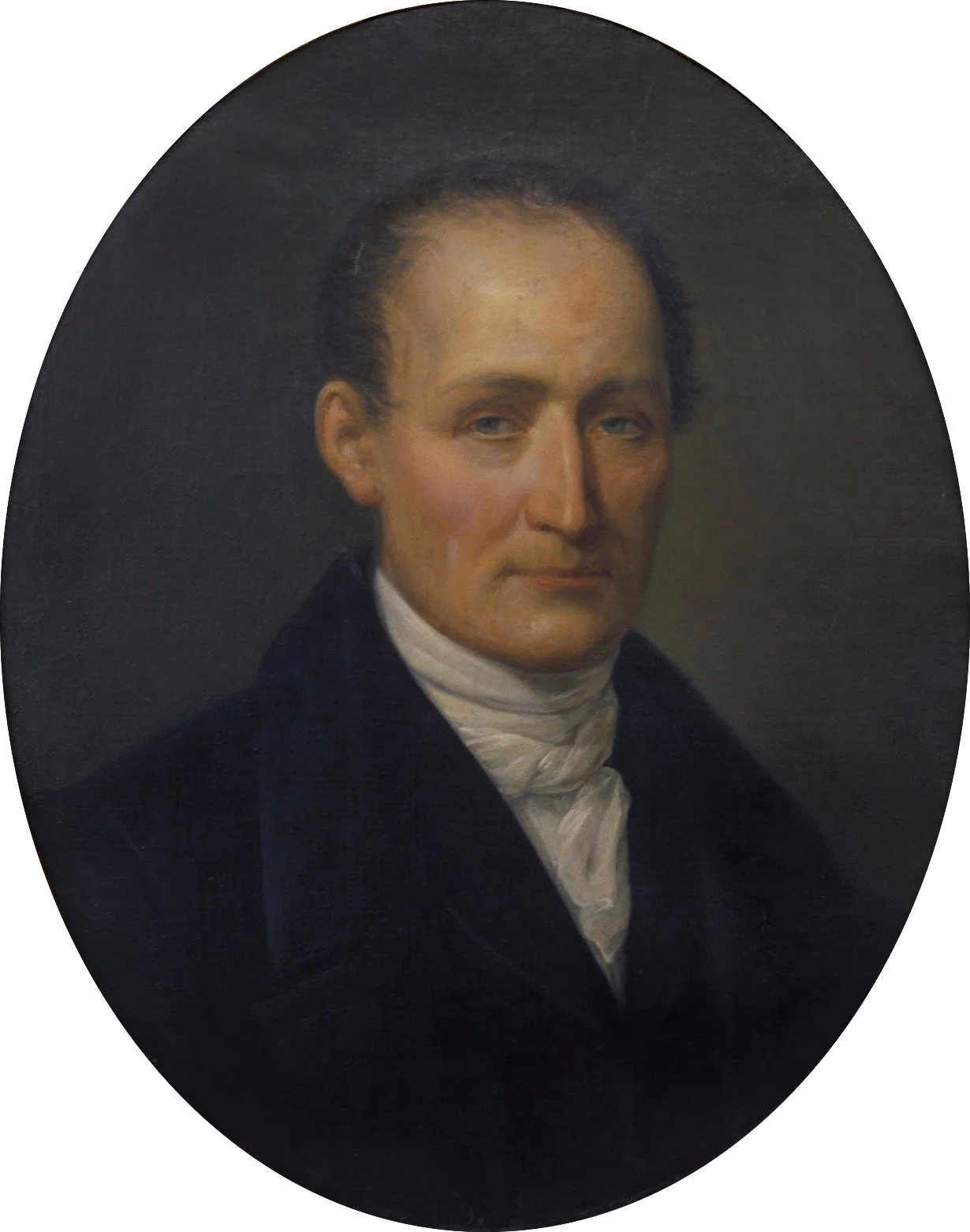
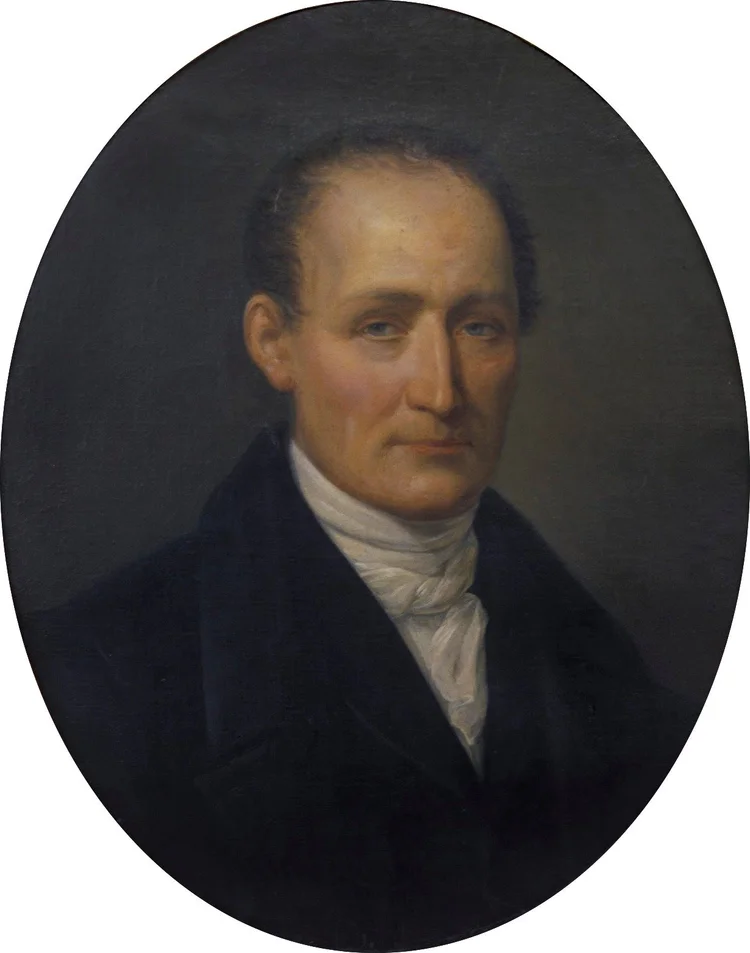
Nicéphore Niépce (1765 to 1833) was a French inventor. In the 1820s he found a way to fix the image of a camera on a metal plate, and his view from a window at his home in Saint-Loup-de-Varennes is the oldest surviving photograph made in a camera.
The story
Joseph Nicéphore Niépce was born on 7 March 1765 in Chalon-sur-Saône, in Burgundy, France, to a prominent family.
He served in the French army and later returned to his family's estates near Chalon, where he spent his life on experiments, often together with his older brother Claude. Together they built the Pyréolophore, one of the first internal combustion engines.
Niépce was interested in lithography, a popular way of printing pictures. He wanted to copy prints and to record scenes from real life with a camera, without having to draw them by hand.
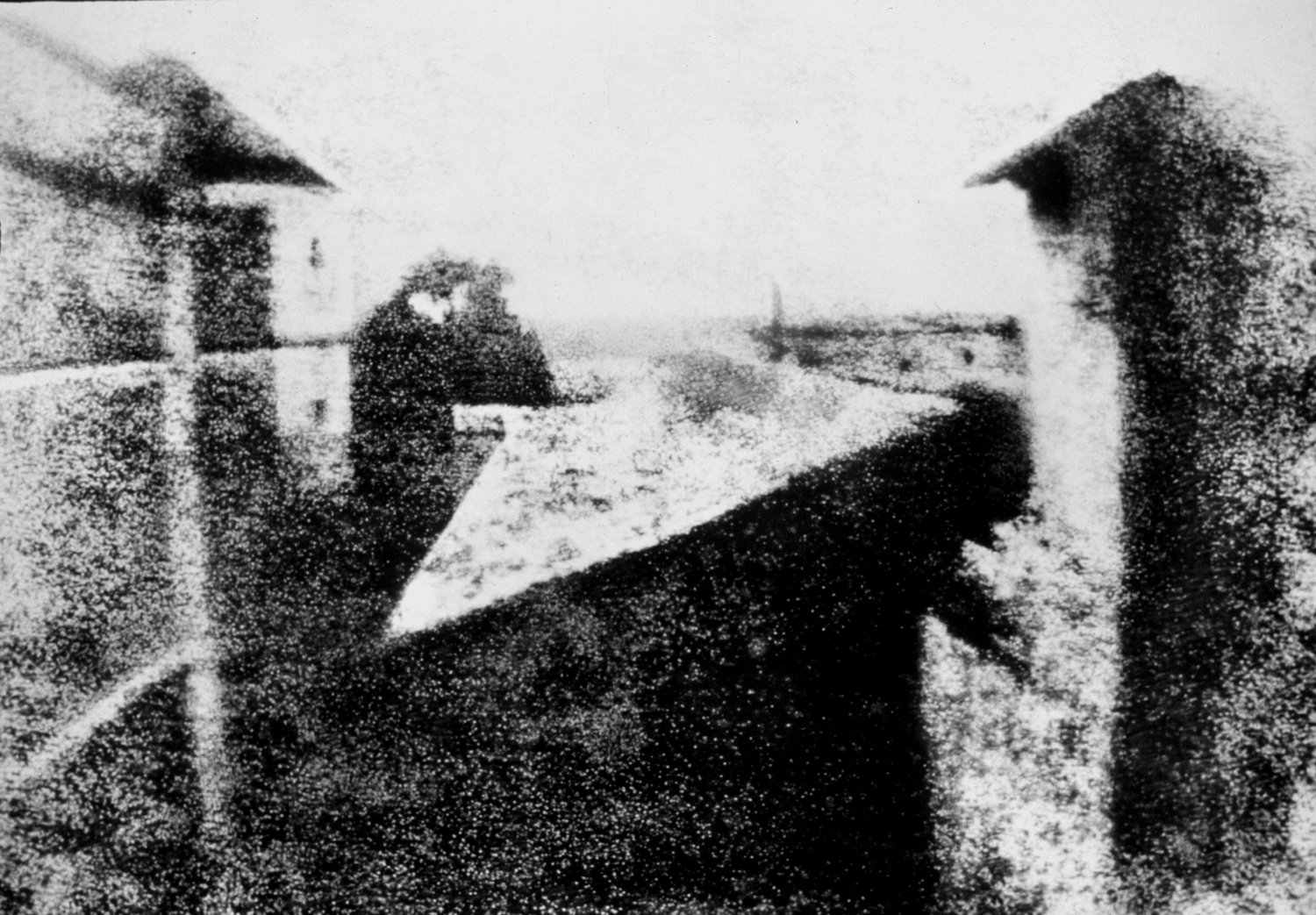
At his house in Saint-Loup-de-Varennes, he made his first camera pictures in 1816, but they did not last. Over the next ten years he tried many chemicals and materials. He called the process that finally worked héliographie, "sun writing".
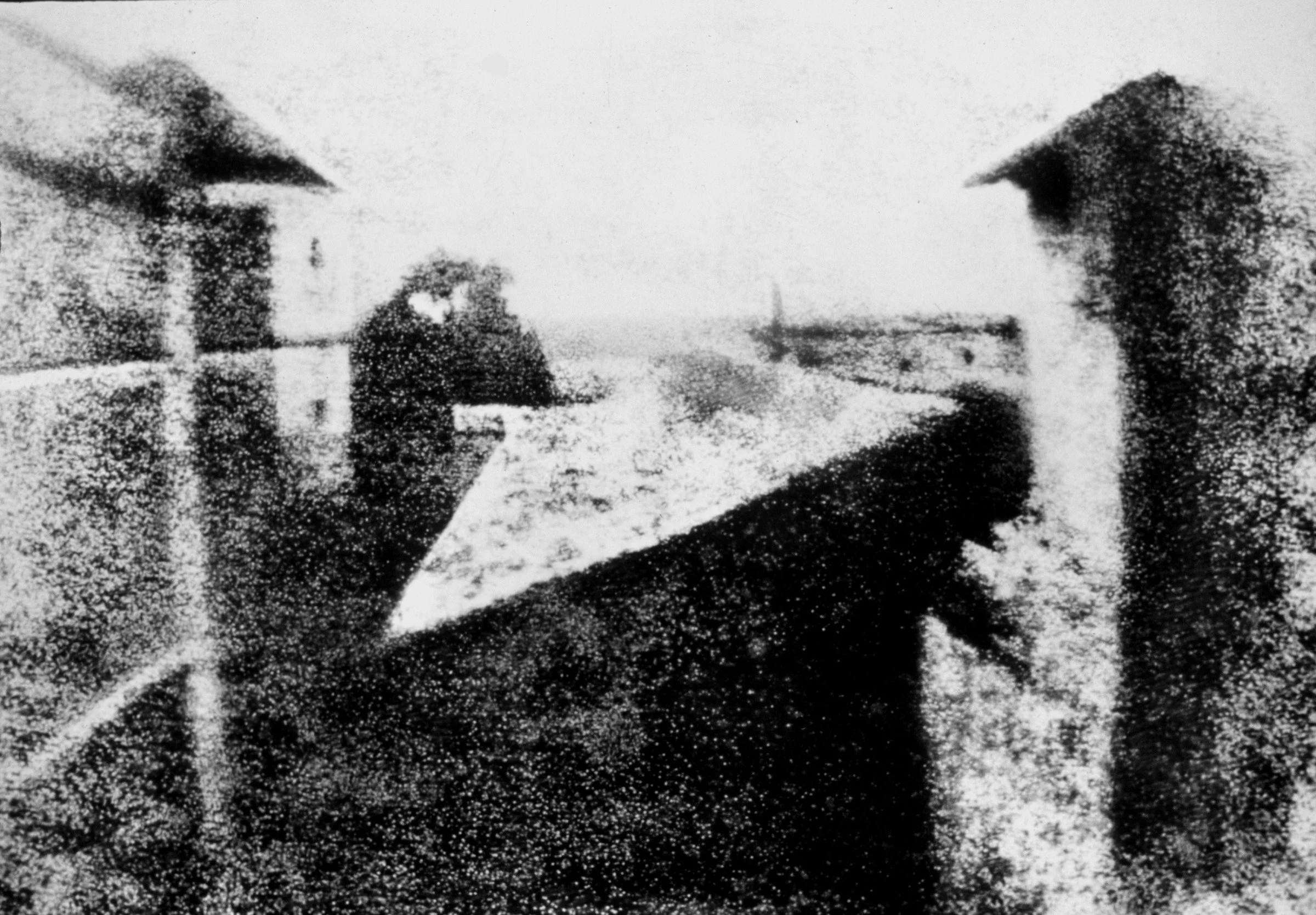
He dissolved bitumen, a natural asphalt that hardens in light, in oil of lavender and spread a thin layer on a polished pewter plate. He put the plate in a camera obscura near a window of his upstairs workroom. After several days of sunlight, the plate kept an image of the courtyard, the outbuildings and the trees outside. In December 1827 he wrote that the process still needed work, but called it "the first uncertain step in a completely new direction."
The work
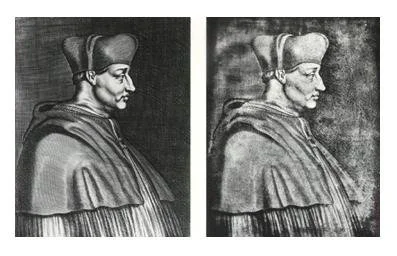
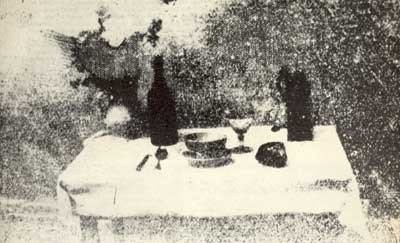
More than twenty of his heliographic plates and prints from 1825 to 1829 survive, among them copies of engravings, such as a portrait of Cardinal d'Amboise. The view from his window at Le Gras is the only camera picture of his that survives.
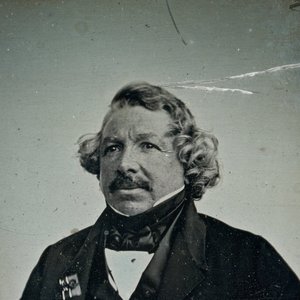
In 1829 he became the partner of Louis Daguerre, the creator of the Diorama in Paris. Niépce died at Saint-Loup-de-Varennes on 5 July 1833, before photography was announced to the world. Daguerre kept improving the process and made the daguerreotype public in 1839. After that announcement, Niépce's early supporters showed the Le Gras plate as proof of his part in the invention.
The plate passed through private hands in Britain. In 1963 the Harry Ransom Center at the University of Texas at Austin bought it as part of the Gernsheim Collection. Read the story of View from the Window at Le Gras.
- 1765Born in Chalon-sur-Saône, France
- 1816First camera pictures at Saint-Loup-de-Varennes, which do not last
- 1825Heliographic copies of engravings, such as Cardinal d'Amboise
- 1826–27View from the Window at Le Gras
- 1827Calls his process "the first uncertain step in a completely new direction"
- 1829Partnership with Louis Daguerre
- 1833Dies at Saint-Loup-de-Varennes
Gear
A camera obscura and polished pewter plates coated with bitumen.
Books
Photography: The Whole Story (edited by Juliet Hacking, Thames & Hudson, 2012). Opens with Niépce and the first years of photography.