AT A GLANCE
- Known for
- Sharp, direct pictures of New York around 1916, then quiet portraits of villages and their people in New England, France, Italy, the Hebrides and Ghana
- Works in
- Black and white; platinum, palladium and gelatin silver prints; photobooks and documentary film
- Camera
- A camera with a fake lens for street portraits (1916); a large format camera from the 1920s; an Akeley movie camera from 1922
- Also
- Films Manhatta (with Charles Sheeler), Redes and Native Land · president of Frontier Films, 1937 to 1942
- Shows
- First one-man show at 291 (1916) · Camera Work 49–50 devoted to him (1917) · MoMA retrospective (1945)
- Start with
- Paul Strand: Master of Modern Photography (Philadelphia Museum of Art, 2014)
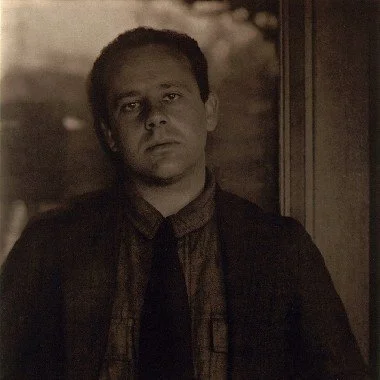
Paul Strand (1890–1976) was an American photographer and filmmaker. His sharp, direct pictures of New York from around 1916 helped make photography a modern art of its own. Later he made long, patient portraits of small communities in New England, France, Italy, the Outer Hebrides, Egypt and Ghana. Many of them became books that he made together with writers.
The story
One day in 1907, a teacher at the Ethical Culture School in New York took his photography class to a gallery on Fifth Avenue. The teacher was Lewis Hine. The gallery was 291, run by Alfred Stieglitz. One of the four or five students was Paul Strand, then about seventeen. Years later he remembered that day: “I walked out of that place that day feeling, This is what I want to do, this is what I would like to do in my life.”
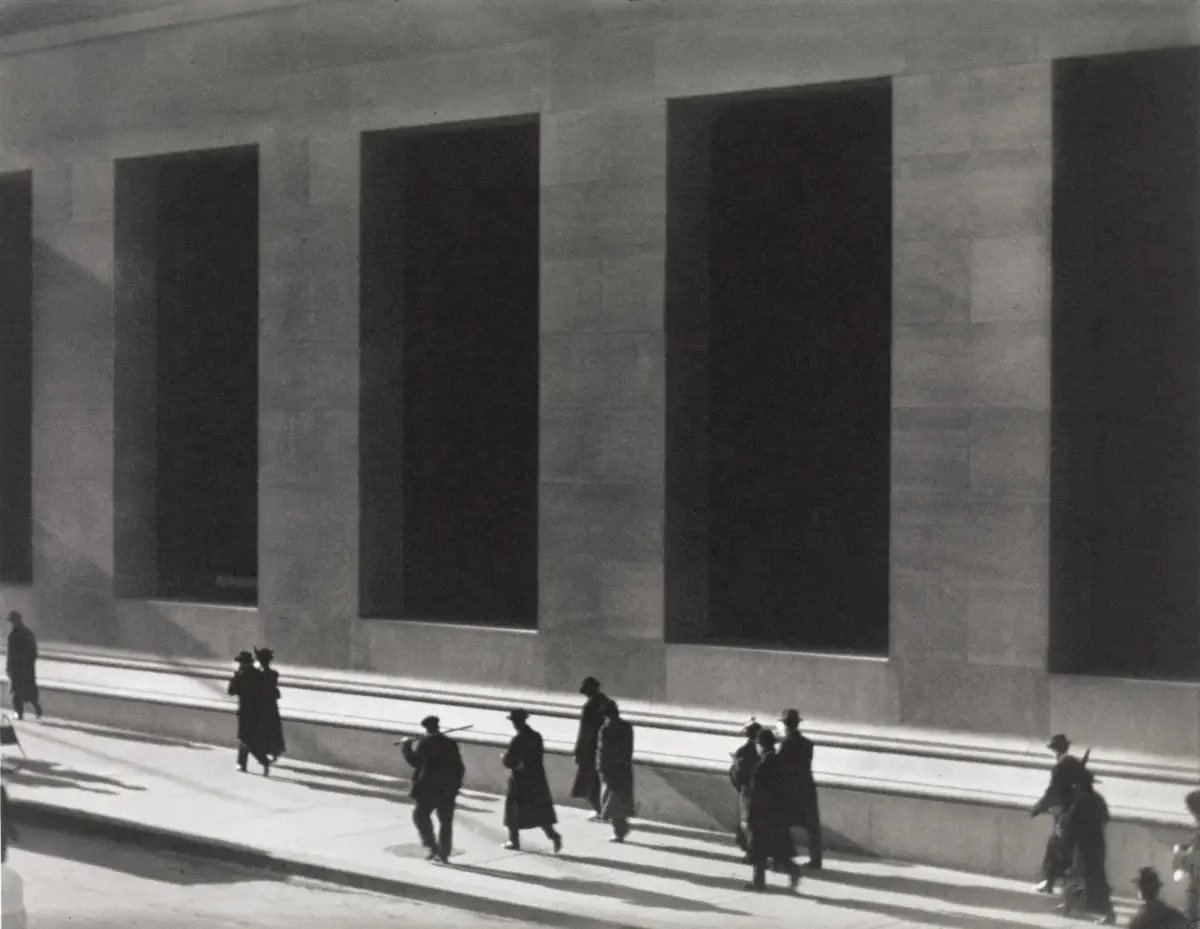
Strand was born in New York in 1890 to a family with roots in Bohemia. After school he started to show his prints to Stieglitz. The older man was hard on him. In early 1915 Stieglitz criticised the soft, misty look of his pictures. Strand took it seriously, and over the next two years his style changed. The same year he made Wall Street, New York: small figures walk with long shadows past the huge dark windows of a stone building. In 1917 it won first prize in the Wanamaker competition in Philadelphia.
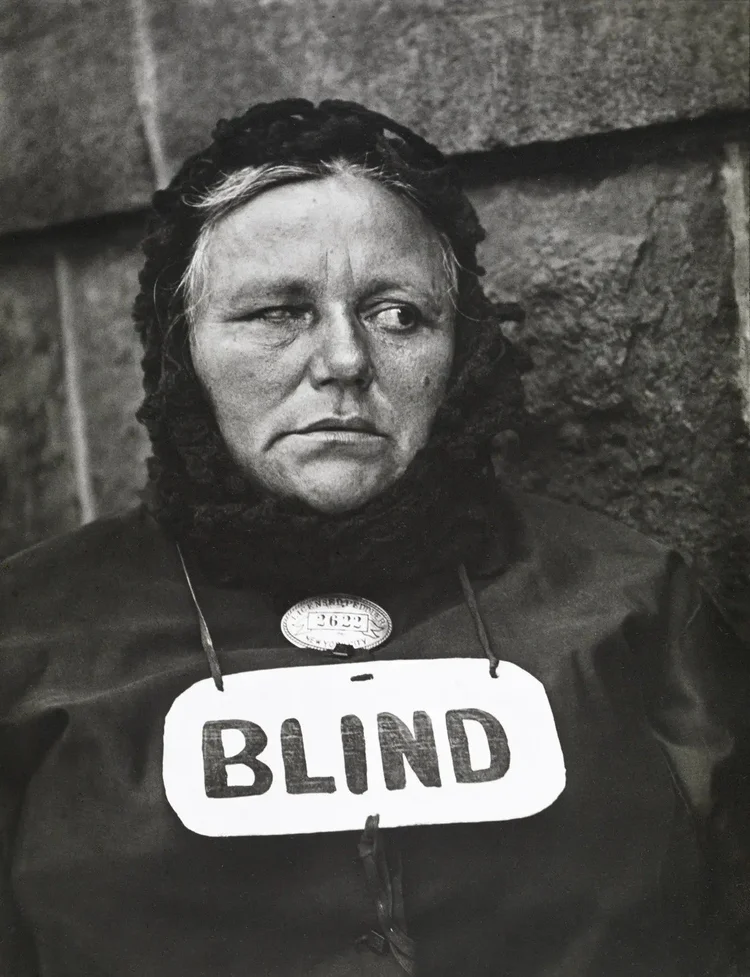
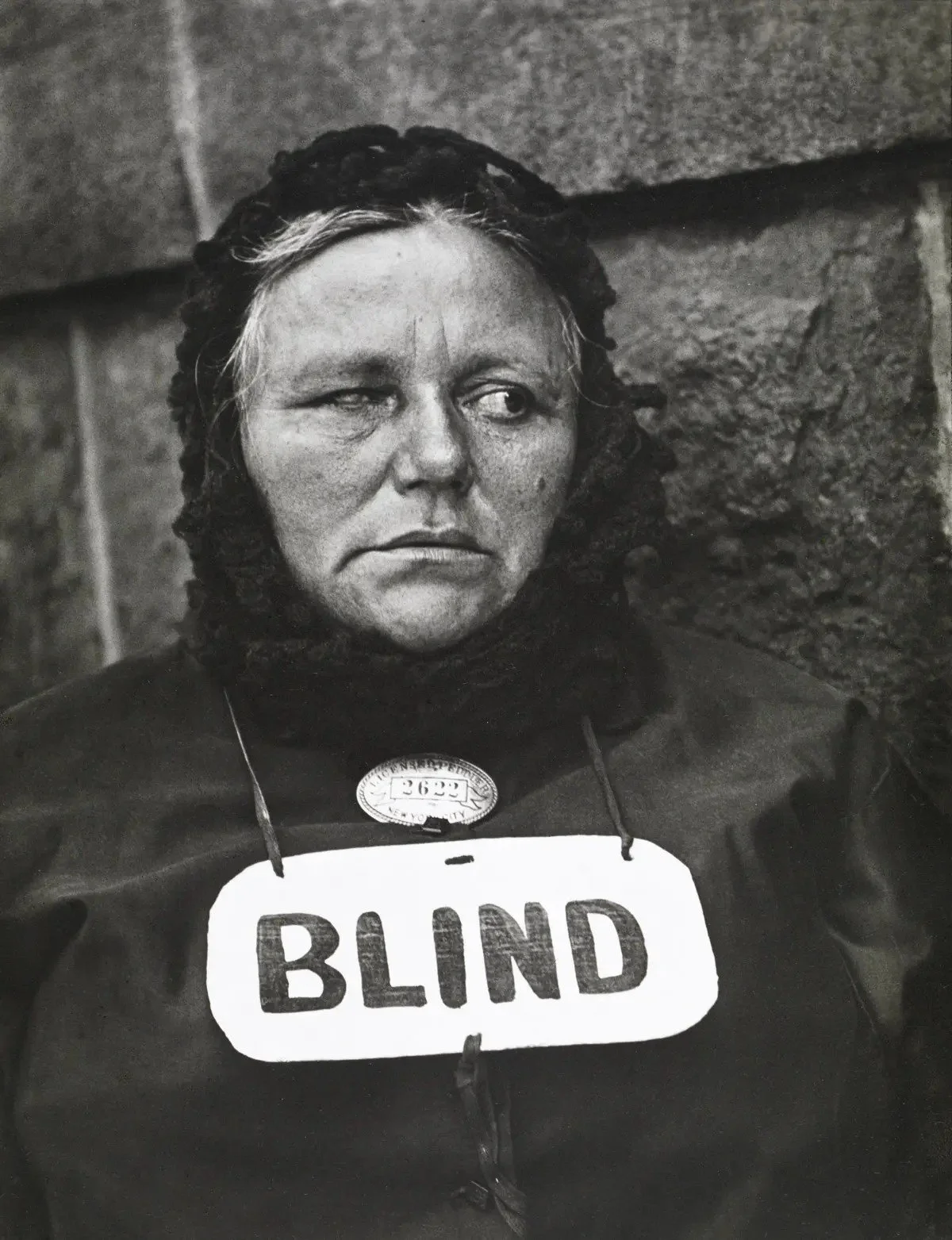
In 1916 he went to Five Points, a poor immigrant area on the Lower East Side. He wanted to photograph people without them knowing. So he fixed a fake lens on his camera and pointed it one way, while the real lens looked at his subject from under his arm. The method was awkward, but it worked. Blind Woman, New York shows a woman with a sign on her chest that reads BLIND. She looks to the side, not at the camera.
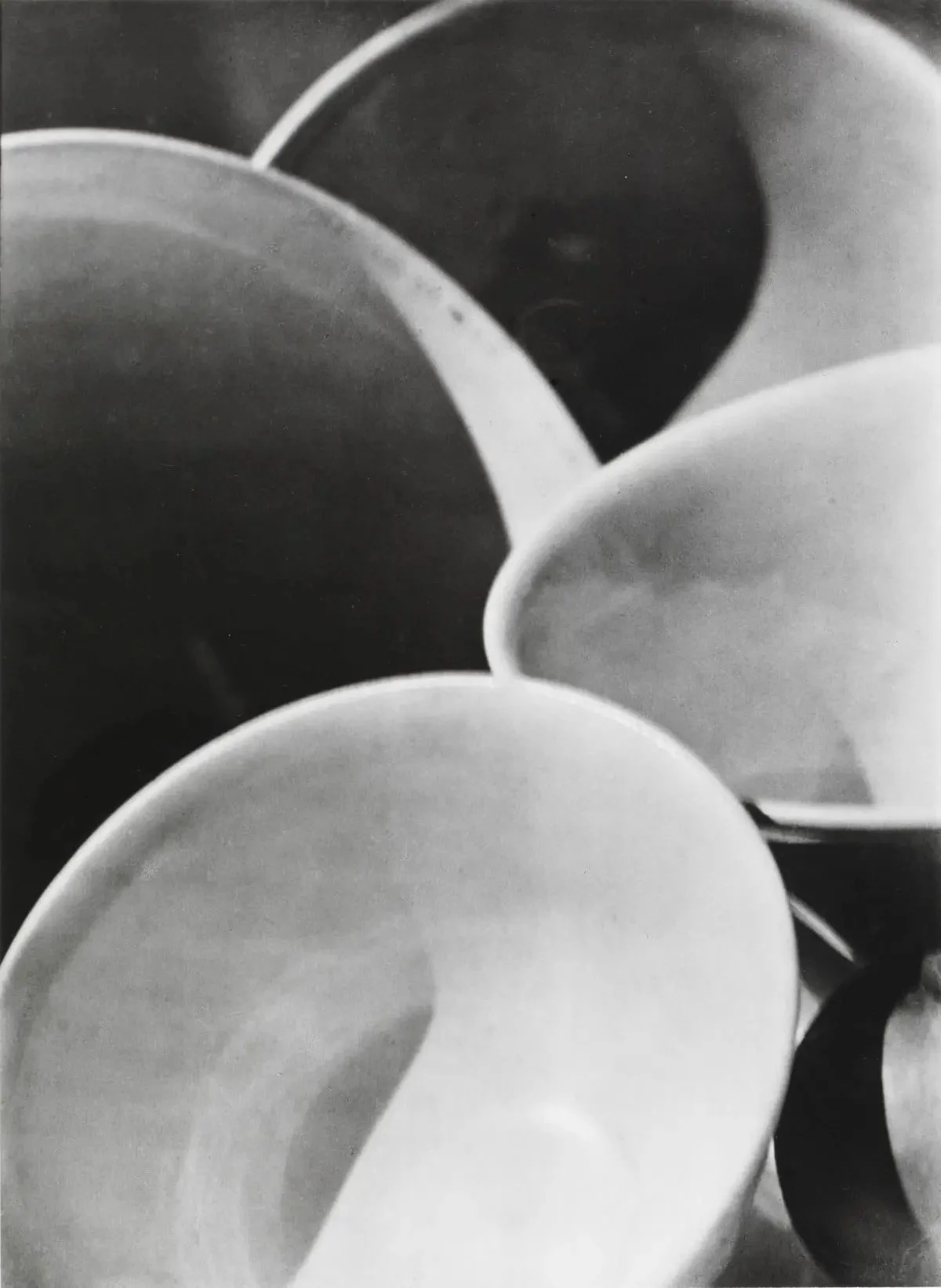
The same year his family rented a summer cottage at Twin Lakes, Connecticut. On the porch, Strand set out bowls and fruit from the kitchen. He tilted the bowls, then the chair and the table, until the shapes no longer looked like a still life. The Met calls them among the first serious abstractions made on purpose with a camera. Stieglitz showed Strand at 291 in 1916. In June 1917 the last issue of Camera Work was given only to his photographs.
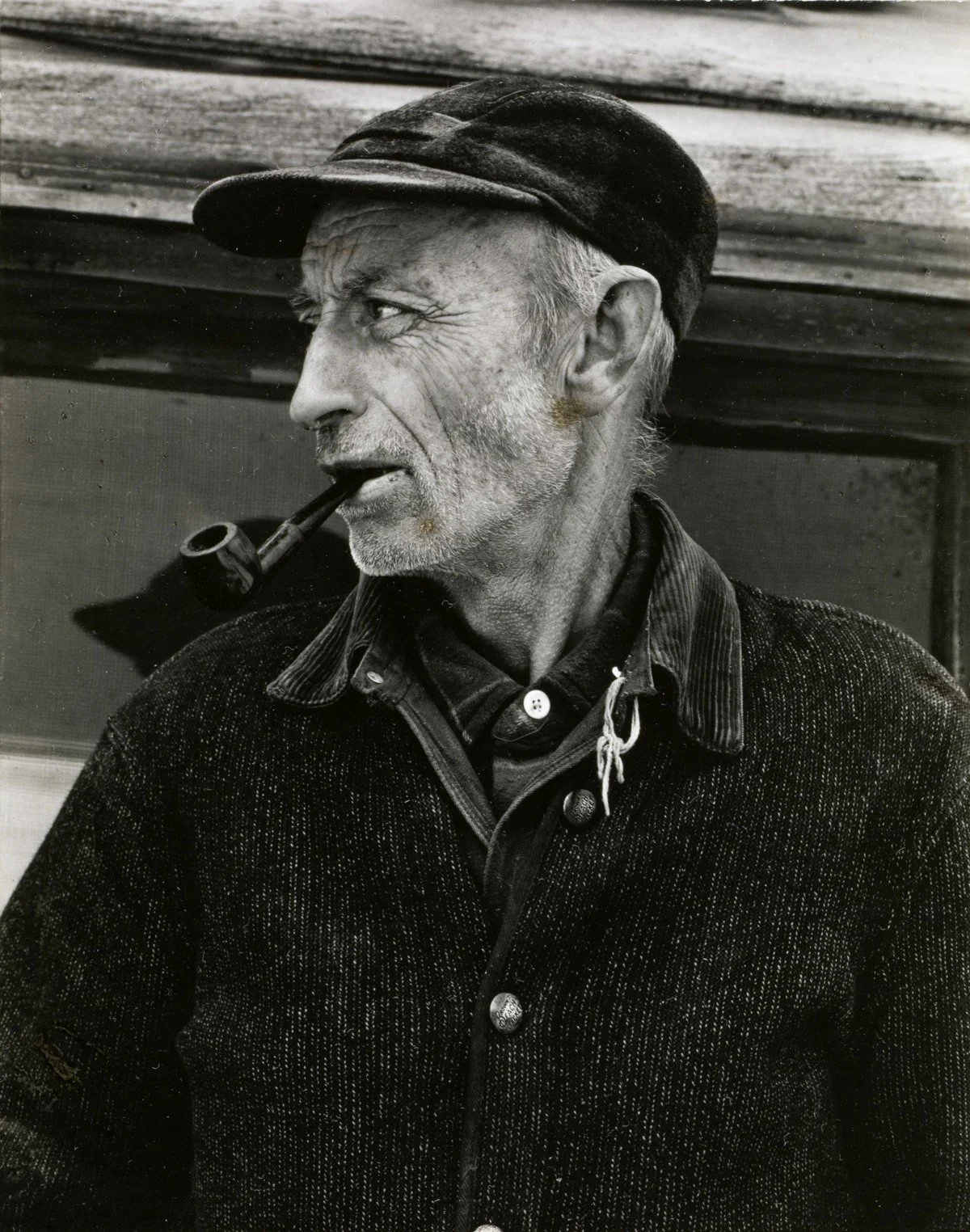
But Strand also loved film. In 1920 he made the short film Manhatta with the painter Charles Sheeler. From 1932 to 1934 he lived in Mexico and worked on the feature film Redes (The Wave). Back in the United States he led Frontier Films. In 1945 the Museum of Modern Art gave him a big show of 172 photographs. Its organiser, Nancy Newhall, asked him to make a book about New England with her. Therefore he travelled the region for about six weeks. Mr. Bennett, West River Valley, Vermont comes from that trip, and the book Time in New England appeared in 1950.
That same year Strand left for France, unhappy with the political mood in the United States. He kept making books about one place at a time. In 1953 he spent two months in Luzzara, a small town in the Po Valley in Italy, with the writer Cesare Zavattini. In 1954 he and his wife Hazel stayed three months on South Uist in the Outer Hebrides. Later he worked in Egypt, Morocco and Ghana. From the late 1950s he lived in Orgeval, France, where he died in 1976. Long before, in 1917, he had written what photography meant to him: “Photography is only a new road from a different direction, but moving toward the common goal, which is Life.”
The work
Strand's early work is about seeing clearly. Wall Street, New York (1915) turns a busy street into a pattern of light, shadow and small figures. Abstraction, Bowls, Twin Lakes, Connecticut (1916) shows how he learned from painters like Cézanne and Picasso: how shapes sit next to each other, and how a picture is built. In a 1917 essay he asked photographers to stop imitating painting and to use straight photography without tricks.
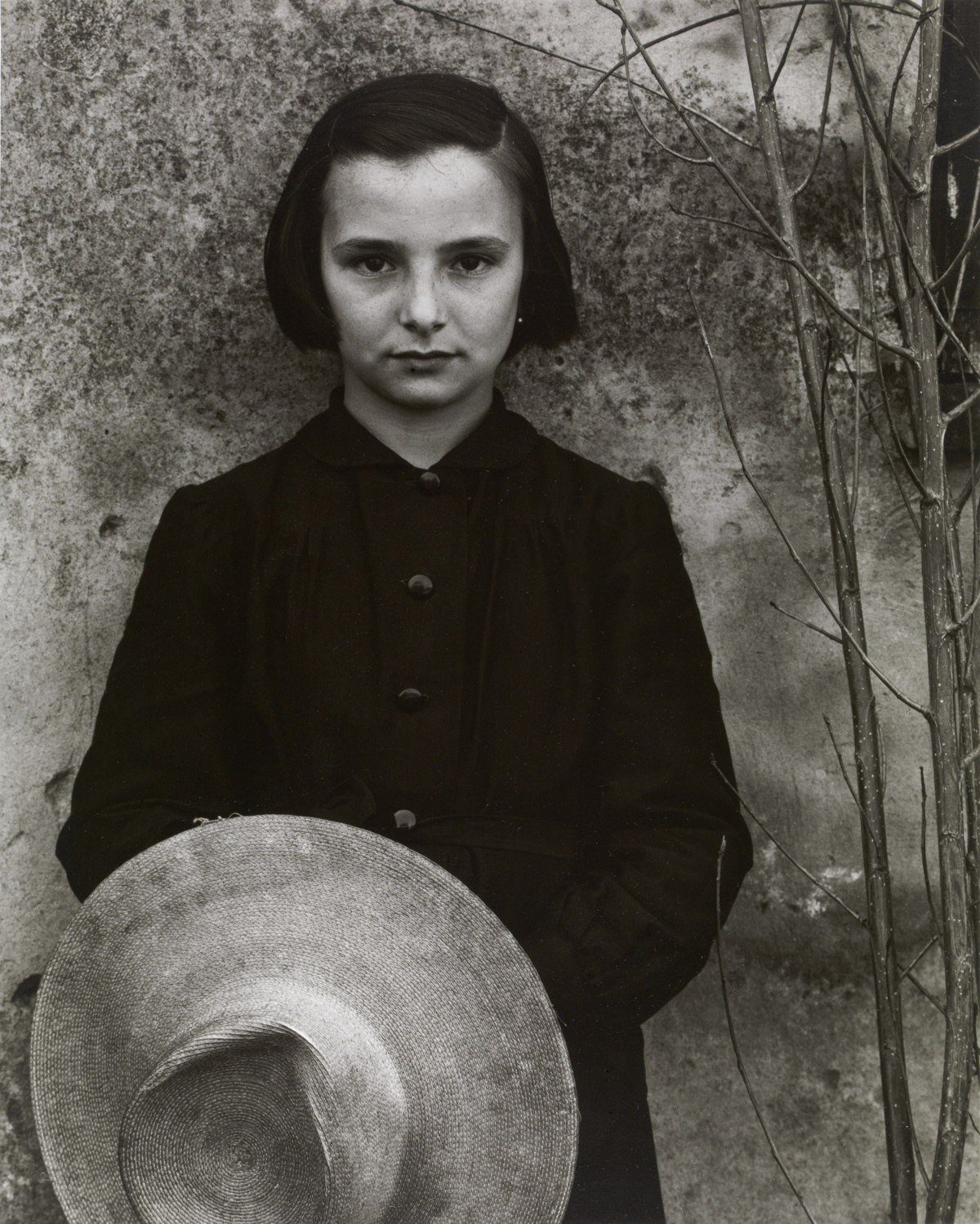
His later work is slower. He used a large camera, made portraits face to face, and spent weeks or months in one place. Mr. Bennett, West River Valley, Vermont (1944) is a close portrait of an older man in a cap, with a pipe in his mouth, looking to the side. Tailor’s Apprentice, Luzzara, Italy (1953) shows a girl in a black dress and a large hat in front of an old wall. Fundación MAPFRE links this kind of picture to Strand's interest in Italian Neorealism.
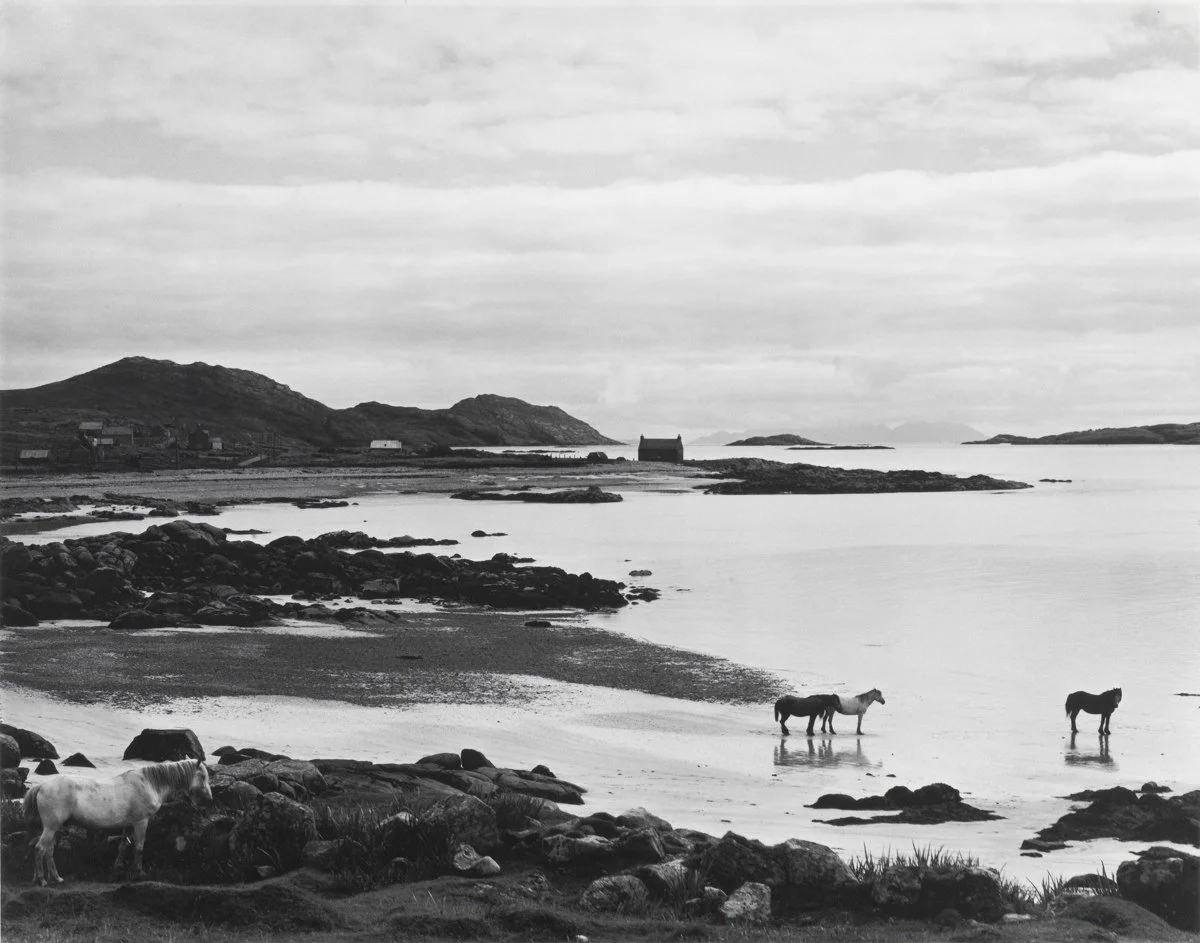
Landscape and buildings complete each book. In Tir a’Mhurain, Isle of South Uist, Outer Hebrides (1954) the eye moves from a horse, to a house in the middle, to the line where sea and sky meet. A BBC radio programme about Gaelic song had drawn him to the island. He also knew that a missile testing range was planned there. The book Tir a’Mhurain, which means Land of Bent Grass, came out in 1962.
- 1890Born in New York on 16 October
- 1907Takes Lewis Hine’s photography class and first visits Stieglitz’s gallery 291
- 1916First one-man show at 291; street portraits at Five Points
- 1917The last issue of Camera Work is devoted to his photographs
- 1932Moves to Mexico for two years and works on the film Redes
- 1945Retrospective at the Museum of Modern Art in New York
- 1950Publishes Time in New England and leaves for France
- 1963Travels to Ghana at the invitation of President Kwame Nkrumah
- 1976Dies in Orgeval, France
Lessons
Look for honest criticism. Strand said friendly praise did not help him much. The hard words of Stieglitz did, and he changed his whole style because of them.
Let the photograph be a photograph. He asked photographers to stop copying painting and to trust the sharp, clear look that only a camera gives.
Stay long in one place. In Luzzara he stayed two months, on South Uist three. Time let him know the people before he made their portraits.
Try this: choose one small place you can visit many times, like a street, a farm or a village. Make portraits of three people who live or work there, one landscape and one close detail of a building. Put the five pictures together as one small story of the place.
Gear
Strand cared a lot about technique, but the sources name only a few tools.
Camera with a fake lens: in 1916 he fixed a fake lens on his camera for street portraits, so people did not notice where the real lens pointed.
Large format camera: from the 1920s he worked with a large format camera, which gave his prints their clarity and detail.
Akeley movie camera: he bought one in 1922 and earned his living for about ten years as a freelance film cameraman. He also photographed the camera itself.
Books
Paul Strand: Master of Modern Photography (Philadelphia Museum of Art, 2014). This large catalogue goes with the big Strand retrospective in Philadelphia, which later travelled to Winterthur, Madrid and London. It is edited by Peter Barberie with Amanda N. Bock, with texts by Martin Barnes and others and a detailed chronology. It has more than 250 plates, from Wall Street and Blind Woman to the late books. It is the best single book for anyone who wants the whole story.
Time in New England (Aperture, 1980 (first published 1950)). Strand's first photobook, made with Nancy Newhall, who chose and edited texts by New England writers to sit next to his pictures. This Aperture edition adds a preface by Paul Metcalf and an afterword by Beaumont Newhall. Inside are portraits, farms, churches, sea and stone. A good book for readers who like photographs and words together.
Un Paese (Giulio Einaudi, 1955). A portrait of Luzzara, the small town in the Po Valley where the writer Cesare Zavattini was born. Zavattini wrote the texts, and Strand made the photographs of its people, houses and fields. The Tailor’s Apprentice comes from this book. It is a classic for anyone interested in Italian Neorealism and village life.
Tir a’Mhurain: The Outer Hebrides of Scotland (Aperture, 2005). A new edition of Strand's 1962 book about South Uist, where he and Hazel Strand stayed for three months in 1954. Texts are by Basil Davidson and Catherine Duncan, and the edition adds pictures that were never published before. It shows people and landscape side by side. A good choice for lovers of island life, Scotland and quiet portraits.
In his words
“I walked out of that place that day feeling, This is what I want to do, this is what I would like to do in my life.”
“But from Stieglitz I got very great criticism, which I took extremely seriously. I learned an enormous amount from what he had to say.”
“Photography is only a new road from a different direction, but moving toward the common goal, which is Life.”
“The full potential power of every medium is dependent upon the purity of its use”