AT A GLANCE
- Known for
- In Flagrante (1988), his black and white pictures of working-class life in the North East of England as mines, shipyards and factories closed
- Works in
- Black and white film, large format, hand-made gelatin silver prints
- Camera
- A 5x4 large format camera for his best known work; his first camera was a Christmas present from the photographer Adrian Flowers
- Taught
- Harvard University, Department of Visual and Environmental Studies, from 1991 to 2017; department chair 1994 to 1998. Co-founder and director of Side Gallery, Newcastle (1977 to 1979)
- Awards
- Arts Council of Great Britain Major Bursary (1977) · Henri Cartier-Bresson Award (1989) · Dr. Erich Salomon Prize, DGPh (2020)
- Start with
- In Flagrante Two (Steidl, 2015)
- Links
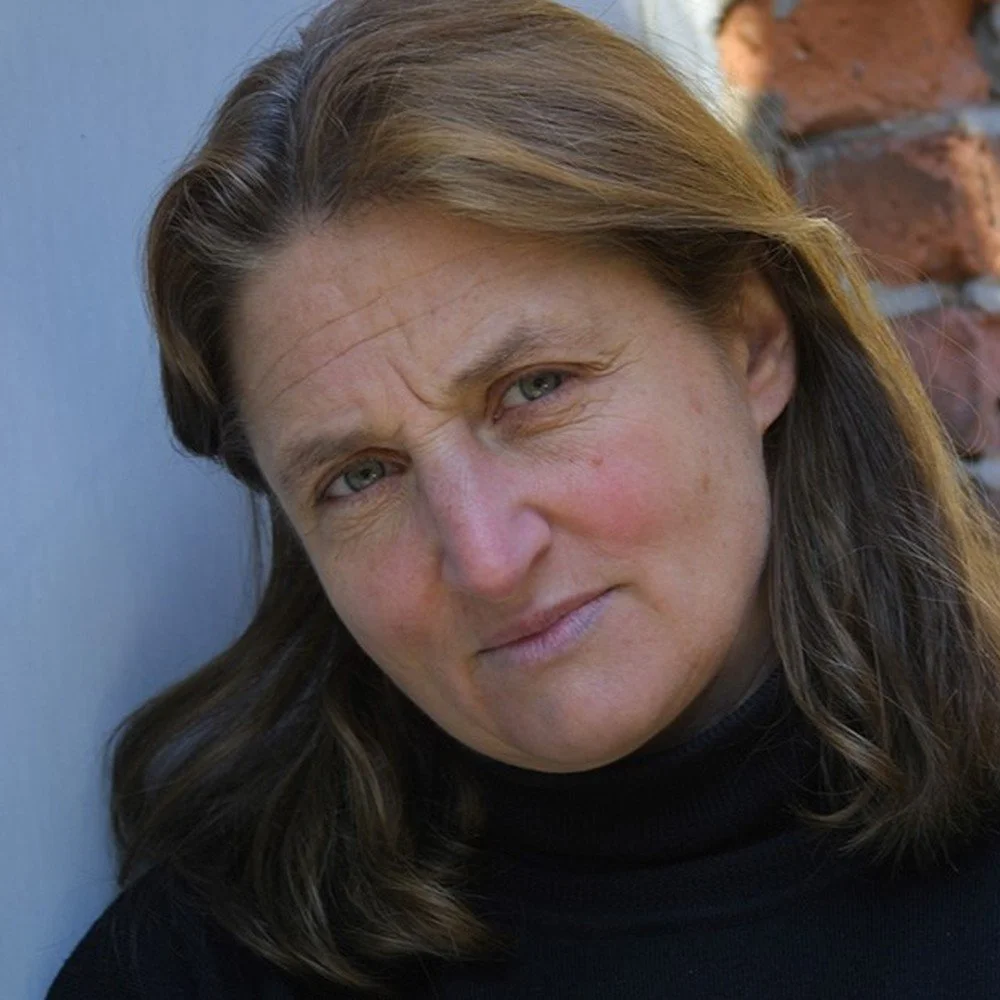
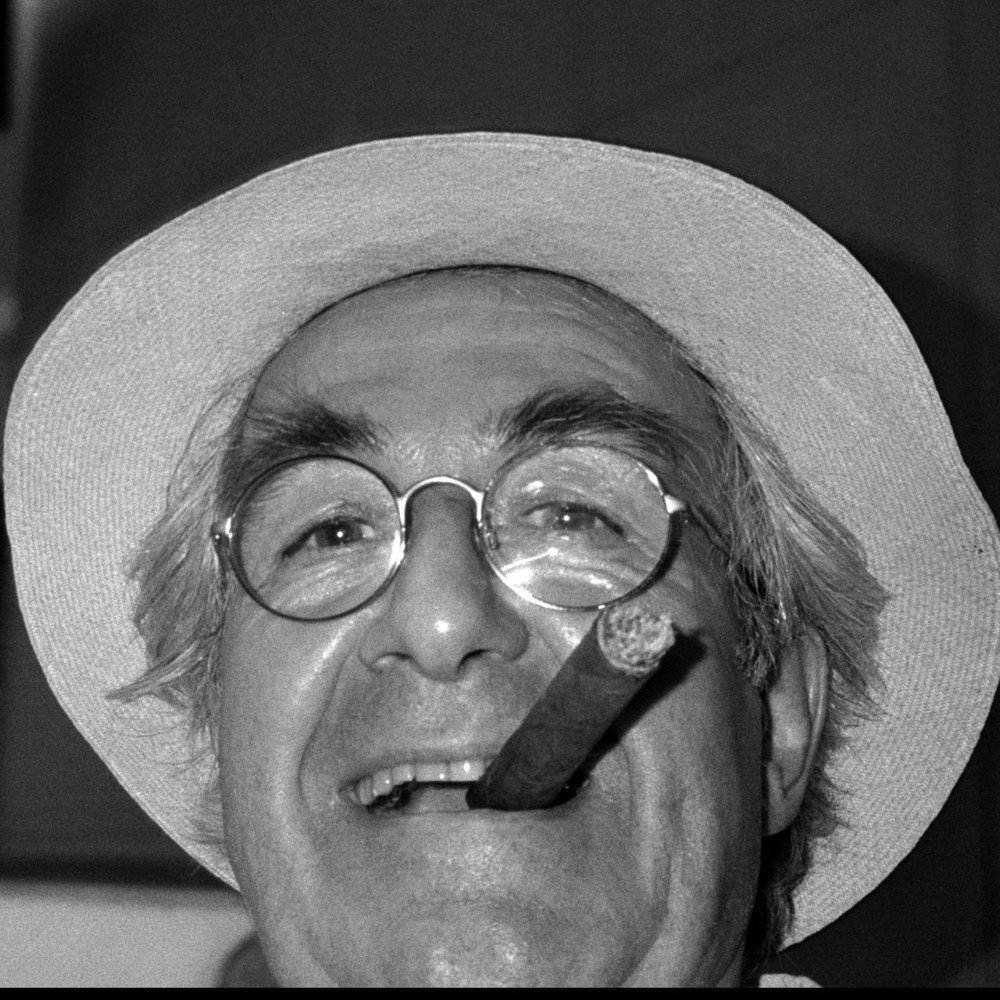
Chris Killip (1946 to 2020) was a British documentary photographer from the Isle of Man. From 1973 to 1985 he photographed working-class communities in the North East of England while their industries disappeared. His book In Flagrante (1988) is often called one of the most important photobooks about Britain since the war. Later he taught photography at Harvard University for more than twenty-five years.
The story
In 1969 a young Manx photographer was in New York for a fashion job with the model Twiggy for American Vogue. Before the shoot, Chris Killip walked into the Museum of Modern Art. It was the first exhibition of photography he had ever seen. There, photographs were part of the permanent collection. “It was as serious as everything else in the museum which for me was very thrilling,” he remembered.
Until then his plan had been advertising. He had left school at sixteen and started as a trainee in a hotel on the Isle of Man. A photograph by Henri Cartier-Bresson in Paris Match changed his mind. In the summer of 1964 he worked as a beach photographer in Port Erin to save money. That autumn he went to London as an assistant to the advertising photographer Adrian Flowers, who gave him his first camera as a Christmas present. But after New York, fast commercial work was no longer enough. So he went home. He worked at night in his father’s pub and in the day he photographed the people, the farms and the fading old ways of life on the island.
In 1975 a two-year fellowship took him to Newcastle upon Tyne. He stayed for much longer. With a 5x4 large format camera he photographed the towns along the Tyne and the coast, as shipyards, mines and factories began to close. In 1977 he helped to found Side Gallery in Newcastle and became its director.
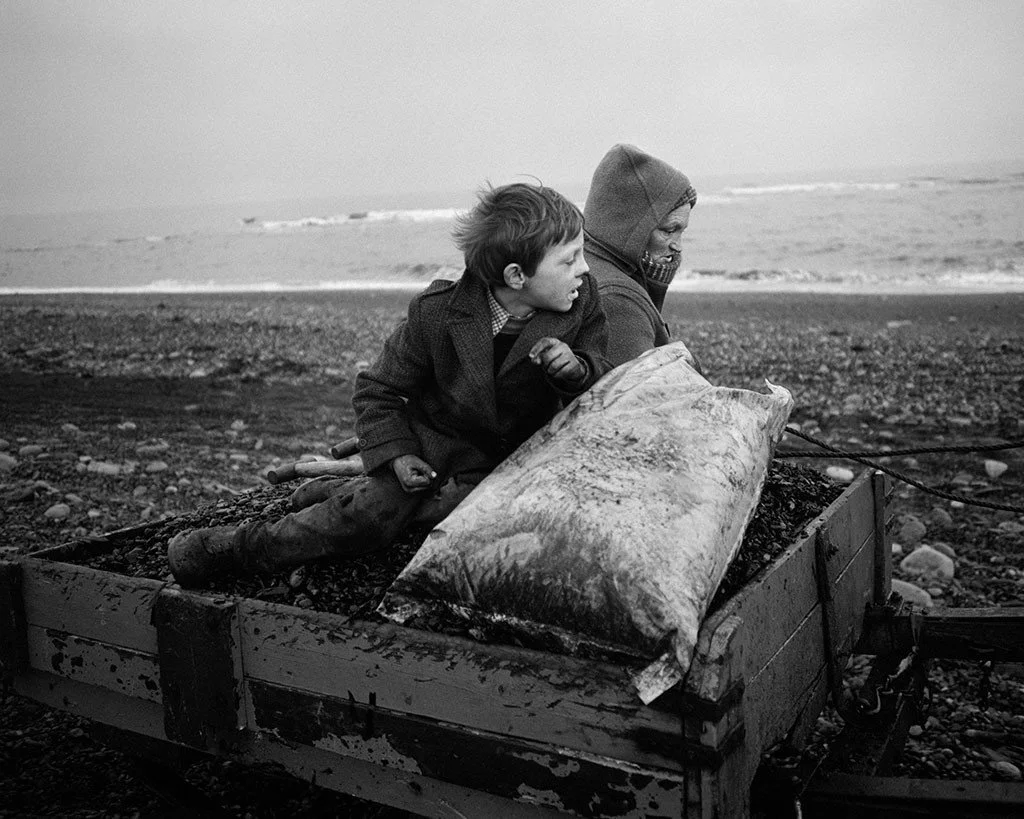
One place took him years. On the beach at Lynemouth in Northumberland, poor families collected coal washed up by the sea and sold it. They did not trust strangers with cameras. Killip kept coming back. In February 1983 he moved into their camp, and he stayed, on and off, for fourteen months. Brian and Rosie Laidler always wanted to feed him, even when money was tight. One picture from the beach, “Rocker” and Rosie Going Home, Seacoal Beach, Lynemouth, Northumberland, 1983, later went on the cover of In Flagrante.
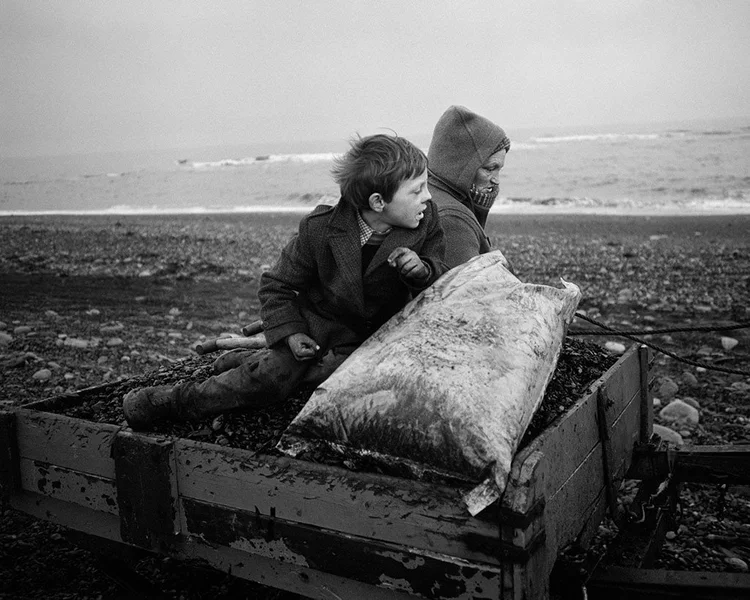
The book came out in 1988 with only fifty photographs, chosen from thousands. Killip wanted a literary publisher, Secker & Warburg, not a photography house. In 1989 it won the first Henri Cartier-Bresson Award. One critic said his boy on a wall in Jarrow personified Thatcher’s Britain. Killip did not agree. The pictures were made under four prime ministers, and he cared about the people, not the slogans. He put it in one short line: “History is what’s written, my pictures are what happened.”

The work
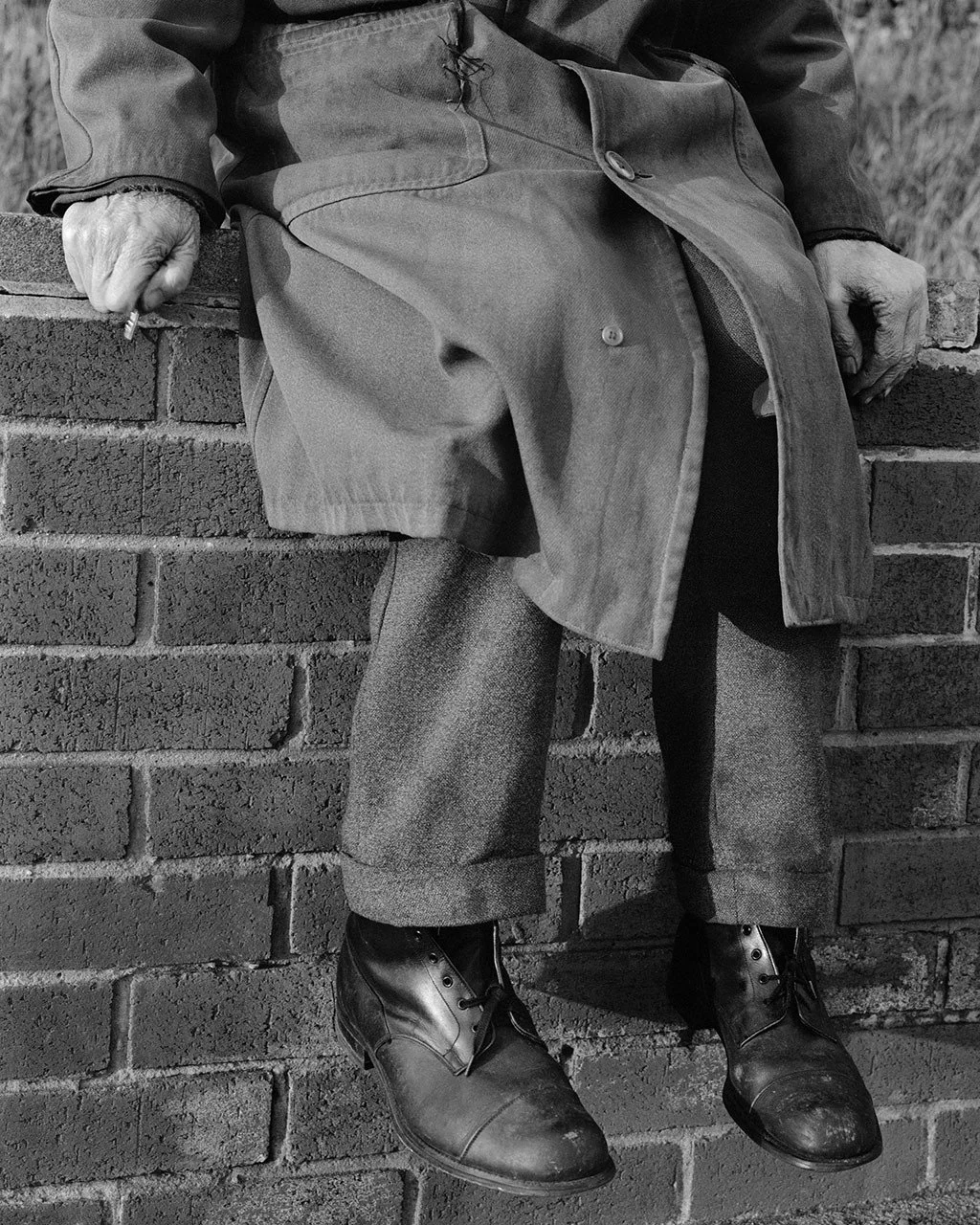
Killip’s best known picture, Youth on a Wall, Jarrow, Tyneside, 1976, shows a boy curled up on a low brick wall, his face tight as if in pain. The large camera records every detail of his hair, his jacket and his boots. To make the picture, Killip later explained, he put a false lens on the side of his camera and wore a hazard jacket, so he looked like a council surveyor. Torso, Pelaw, Gateshead, Tyneside, 1978, shows only the coat, hands and shoes of a man sitting on a wall, holding a cigarette.
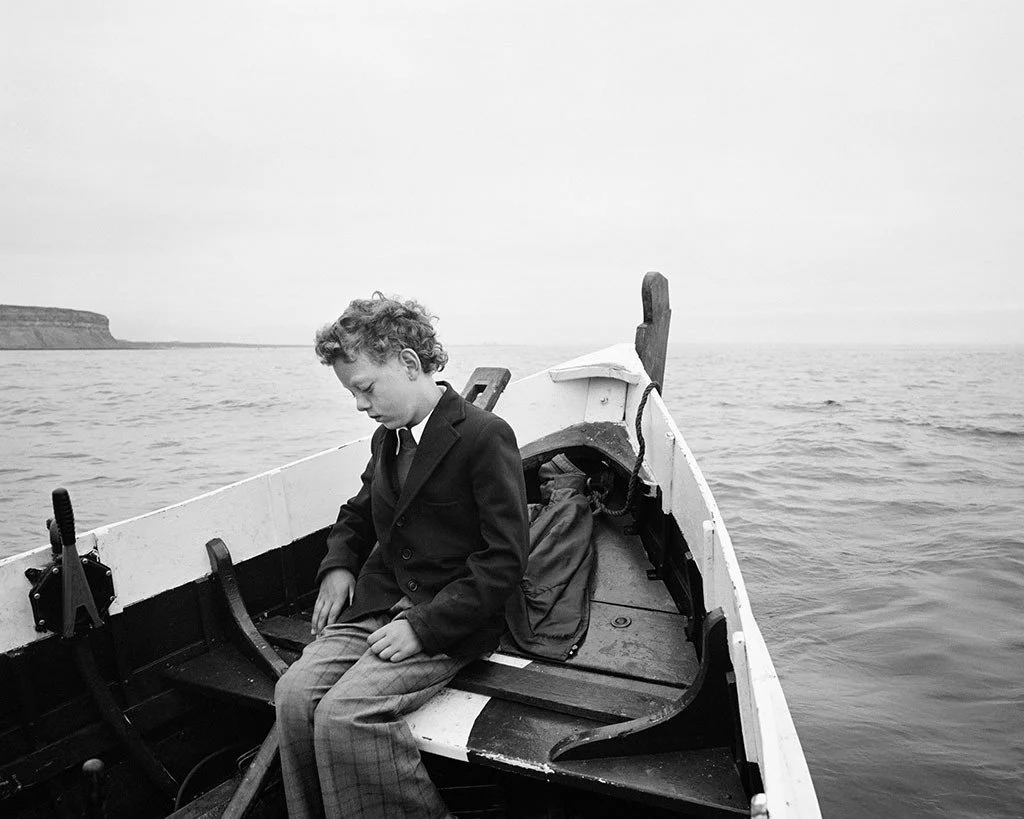
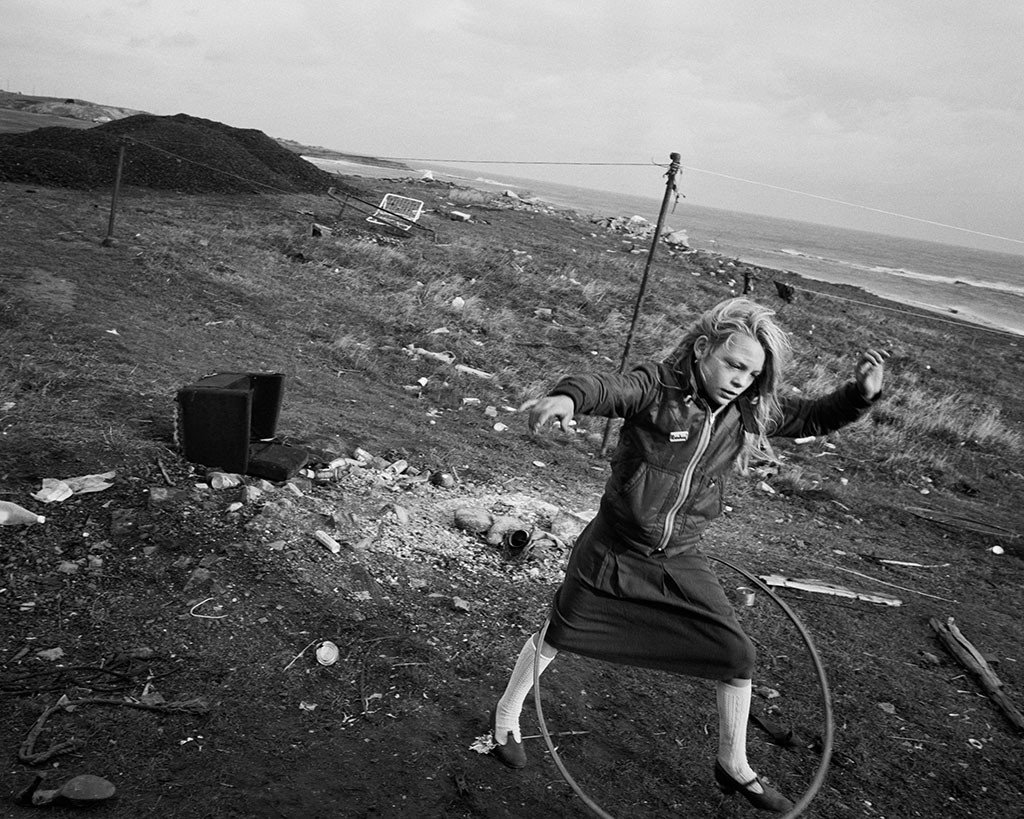
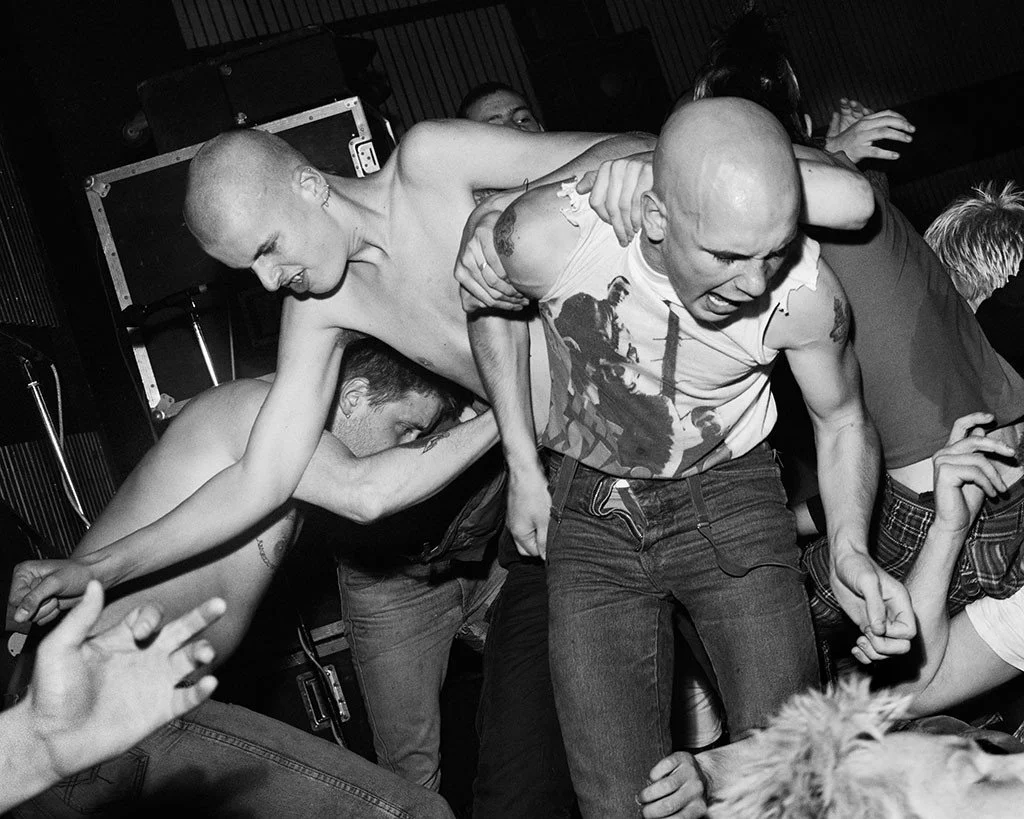
He always worked from the inside. In the fishing village of Skinningrove, from 1982 to 1984, he became a trusted friend, and Simon Being Taken out to Sea for the First Time since His Father Drowned, Skinningrove, North Yorkshire, 1983, came from that trust. At Lynemouth he photographed the children of the seacoal camp, as in Helen and Her Hula-hoop, Seacoal Camp, Lynemouth, Northumberland, 1984. During the miners’ strike of 1984 and 1985 he left the seacoal project for a year to follow the dispute, and Angelic Upstarts at a Miners’ Benefit Dance at the Barbary Coast Club, Sunderland, Wearside, 1984, catches the raw energy of a punk gig for the strikers. In 1985 he spent six months at The Station, a punk venue in Gateshead.
Later he photographed the workers of a Pirelli tyre factory in Burton-on-Trent (1989 to 1990) and pilgrimages and village life in Ireland (1992 to 2004), shown in the book Here Comes Everybody. After he moved to Harvard, teaching took most of his time. In his last years he went back to his archive, made new books with Steidl and printed newspapers of old work. In 2018 he put a copy of his Skinningrove newspaper, without his name, through every letterbox in the village.

- 1946Born on the Isle of Man
- 1969Sees his first photography exhibition at MoMA in New York and goes home to photograph the Isle of Man
- 1975Moves to Newcastle upon Tyne as the Northern Arts Photography Fellow
- 1977Helps to found Side Gallery in Newcastle and runs it until 1979
- 1985Another Country, with Graham Smith, at the Serpentine Gallery in London
- 1988In Flagrante is published by Secker & Warburg
- 1989Receives the Henri Cartier-Bresson Award
- 1991Starts teaching at Harvard University; tenured professor from 1994 until 2017
- 2020Dies in Cambridge, Massachusetts
Lessons
Stay until people trust you. Killip spent years on the seacoal beach before he was accepted, then lived in the camp for fourteen months. His friend Sage Sohier says it is clear in the photographs that he was accepted and trusted.
Go back without your camera. He once asked his student Gregory Halpern if he ever visited the people he photographed without a camera. He himself returned with prints and books, and stayed in touch for decades.
Edit hard, and think about the book. In Flagrante holds only fifty pictures from thousands. His former student Gregory Halpern says Killip’s sequencing and strict editing were a huge influence on him.
Try this: choose one small place near you that you can visit again and again: a market, a club, a street. Go three times without a camera and just talk to people. On the fourth visit, take pictures. After a month, pick only ten frames and put them in an order that tells something about the place.
Gear
Killip did not talk much about equipment. The sources name only a few things.
5x4 large format camera: he made In Flagrante with a 5x4 large format camera on black and white film. A camera like this is slow to use, but it gives great detail.
Gelatin silver prints: he cared a lot about printing. For a 2016 show in New York he hand-printed all fifty In Flagrante photographs as large gelatin silver prints.
Books
In Flagrante Two (Steidl, 2015). Killip’s own new version of his classic 1988 book, designed by him with Victor Balko. It has fifty tritone images in a landscape format, every picture on the right-hand page, and three photographs not seen before. The texts of the first edition are left out, so the pictures speak alone. It is the easiest way to see In Flagrante today.
Seacoal (Steidl, 2011). Published by Steidl, this book collects Killip’s pictures from the beach and camp at Lynemouth in Northumberland, where families gathered coal from the sea. Killip wrote the text himself, including memories of the Laidler family who fed him. It shows the full project behind some of the best known pictures in In Flagrante. It is for readers who want to see how long, patient work with one community looks.
Chris Killip (Thames & Hudson, 2022). The large retrospective published by Thames & Hudson two years after his death, edited by the photographer Ken Grant and the curator Tracy Marshall-Grant. Grant’s texts follow Killip’s life, and there is an essay by his former student Gregory Halpern. The book runs almost in time order, from the Isle of Man to Ireland, and adds less known work such as the TT races and the Pirelli factory. It is the best single book for anyone new to Killip.
Isle of Man Revisited (Steidl, 2015). Steidl’s book of Killip’s early work on his home island, made mostly from 1970 to 1973. It brings back pictures from his first book, Isle of Man (Zwemmer, 1980), with many more that Killip chose himself. Farmers, fishermen and their families appear in it, and the captions often give their names. It is for readers who want to see where his way of working began.
In his words
“History is what’s written, my pictures are what happened.”
“I didn’t set out to be the photographer of the English de-Industrial Revolution. It happened all around me during the time I was photographing.”
“I made those photographs with a sense of urgency, as I thought it wasn’t going to last.”
“I realised then that you could do photography for its own sake which was a big dramatic moment for me because I was puzzling what I was going to do.”
“To the people in these photographs I am superfluous, my life does not depend upon their struggle, only my hopes.”