AT A GLANCE
- Known for
- Portraits of his wife Edith and her family, aerial photographs of landscapes changed by people
- Worked in
- Black and white, toned prints from the 1980s
- Cameras
- 4x5 view camera on a tripod for the early family pictures
- Taught
- Princeton University (1973–2009)
- Start with
- Emmet Gowin: Photographs (Knopf, 1976; Steidl, 2009)
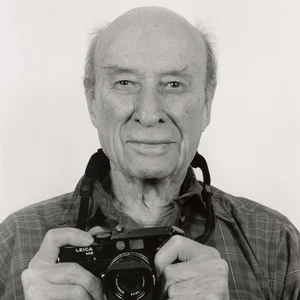
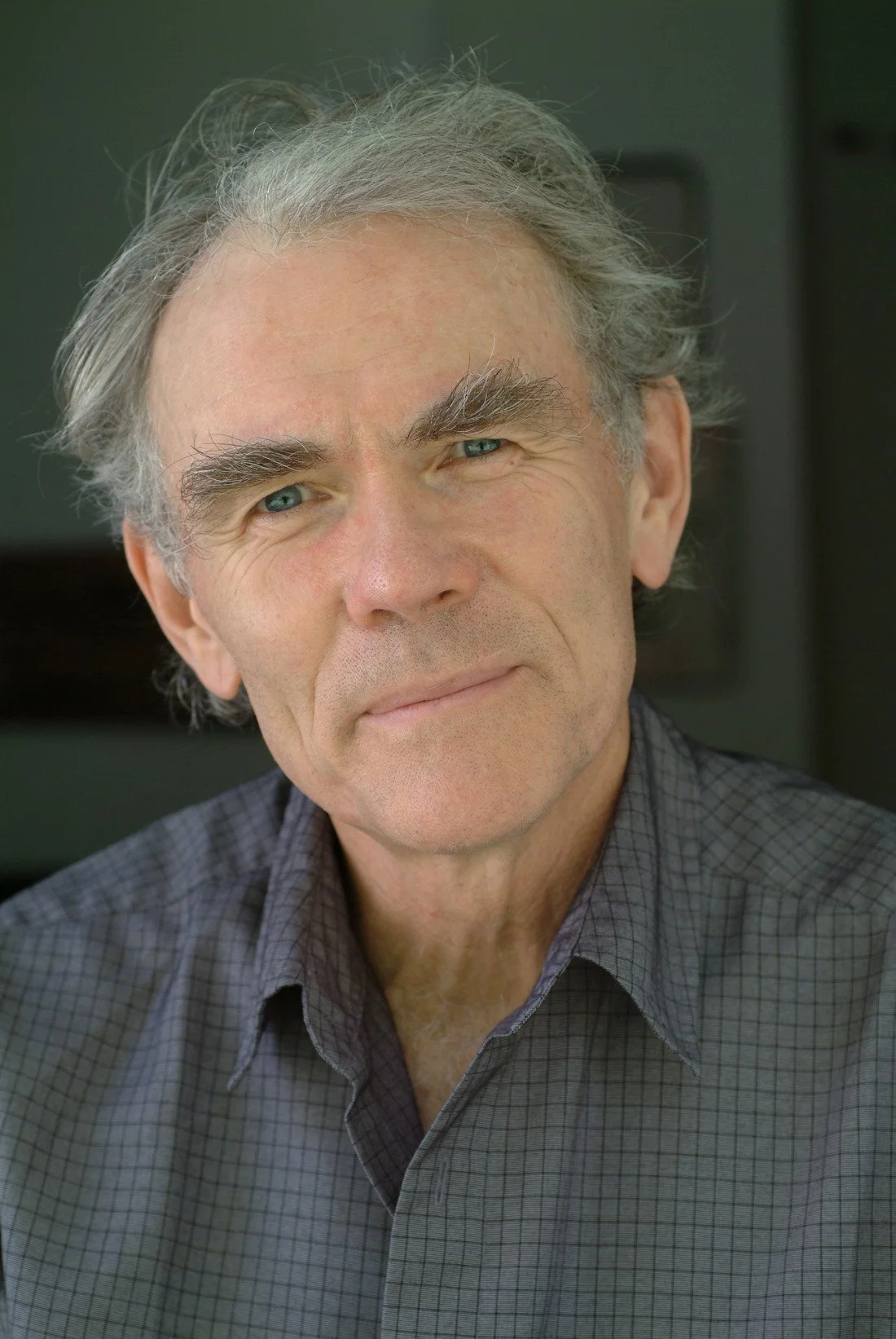
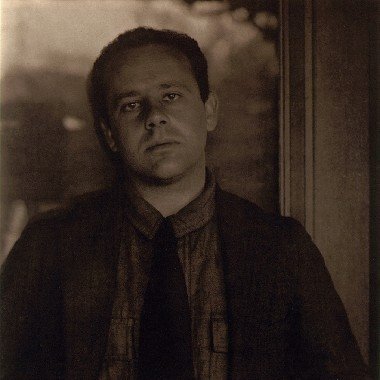
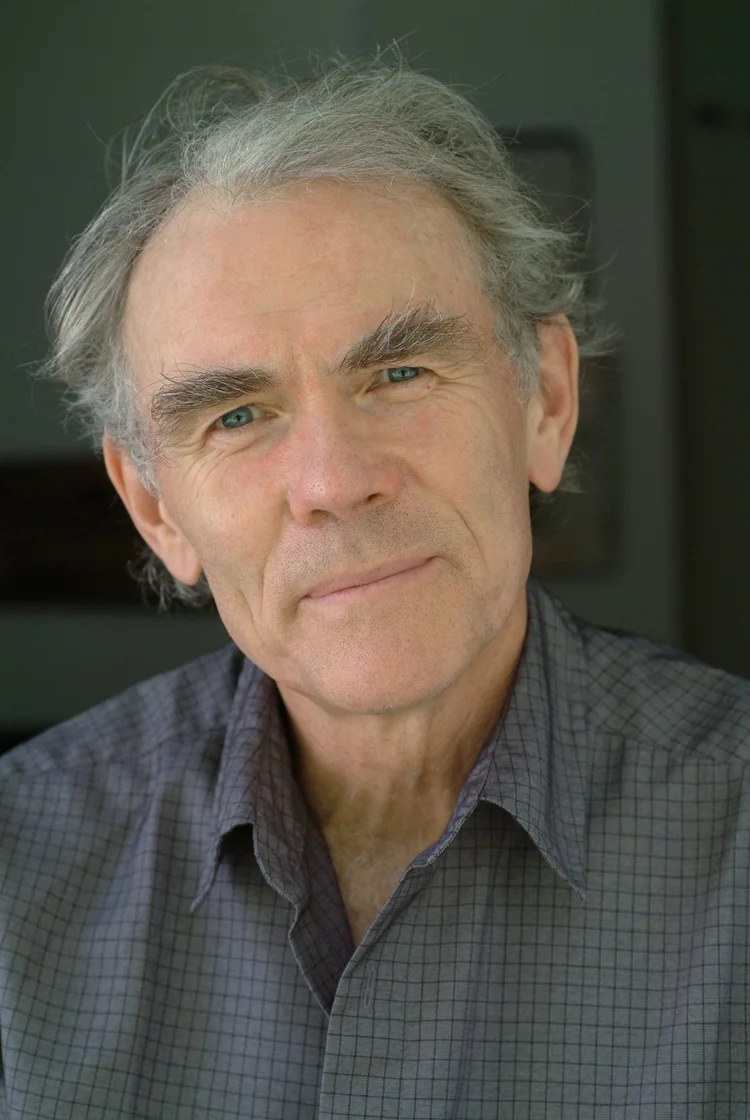
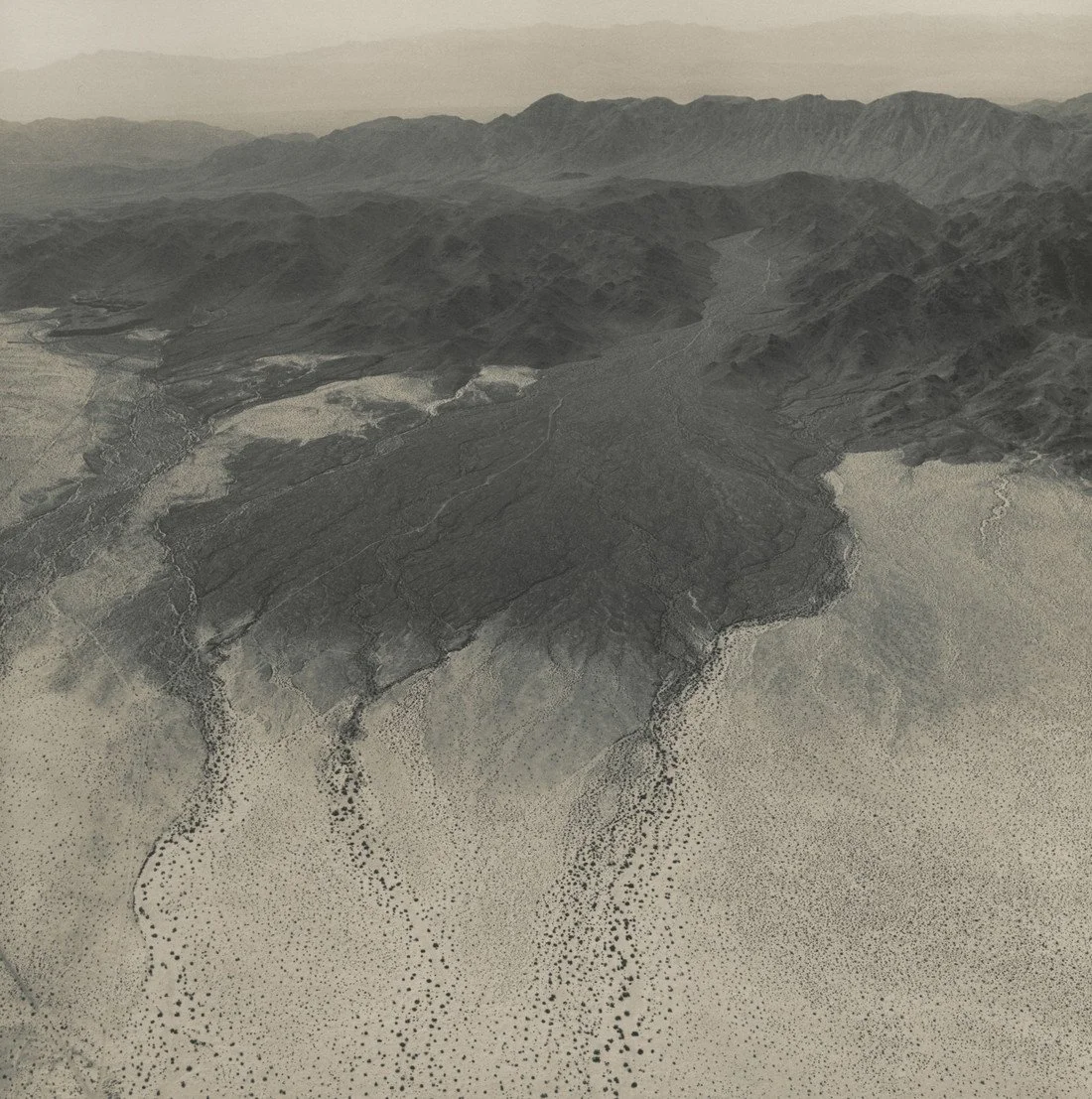
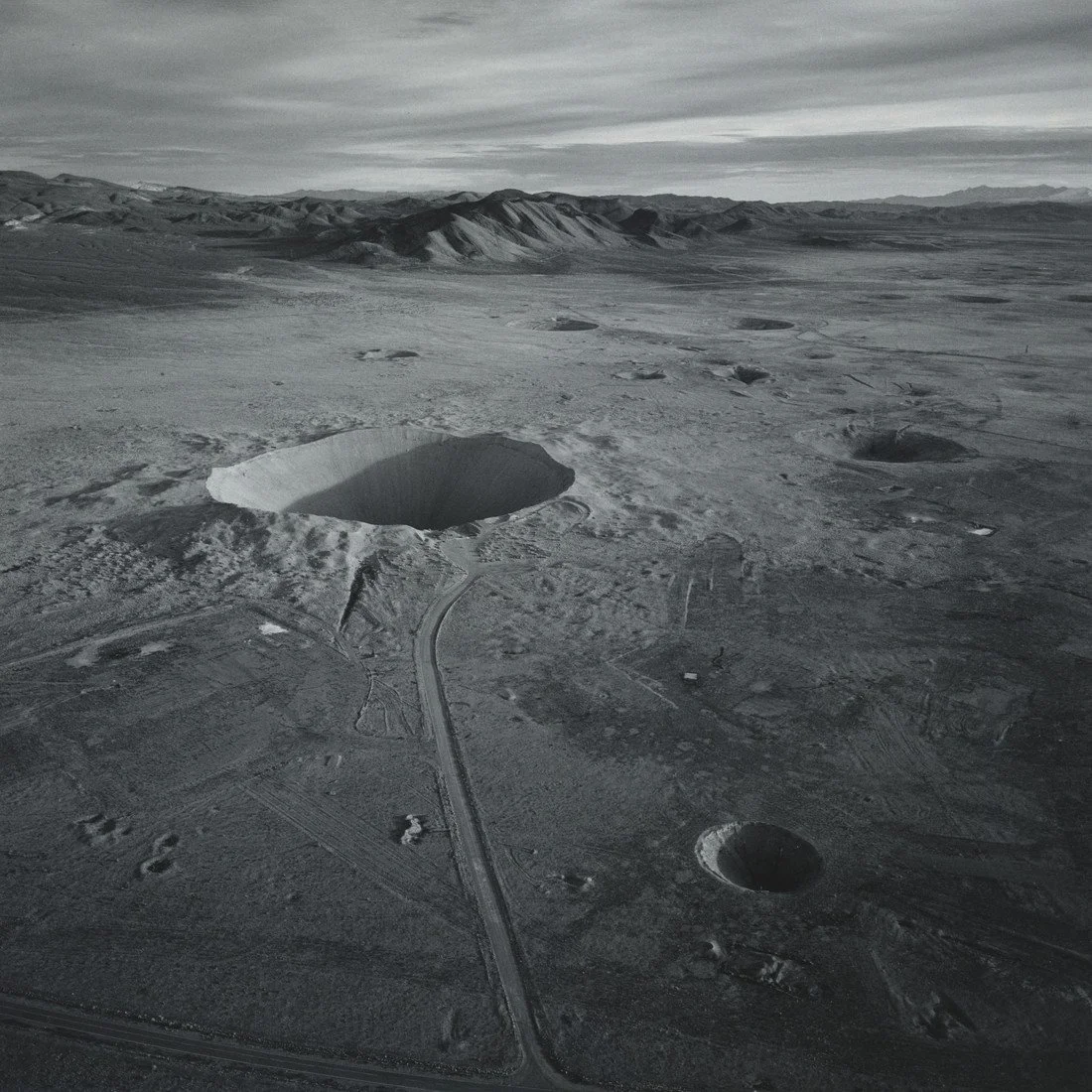
Emmet Gowin (born 1941) is an American photographer and teacher. He first became known for close, quiet portraits of his wife Edith and her family in Virginia. Later he photographed from the air places changed by people or by nature, from Mount St. Helens to the Nevada Test Site.
The story
Emmet Gowin was born in 1941 in Danville, Virginia. His father was a Methodist minister. As a boy he spent long hours in the woods and marshes, drawing animals and plants. At sixteen he saw an Ansel Adams photograph of a burnt tree with a young bud growing from the stump, and it sent him back into the woods to draw from nature.
In his first year at the Richmond Professional Institute he found the catalog of The Family of Man. The pictures by Robert Frank and Henri Cartier-Bresson stayed with him. Around the same time he met Edith Morris, who had grown up about a mile away in Danville. They married in 1964.
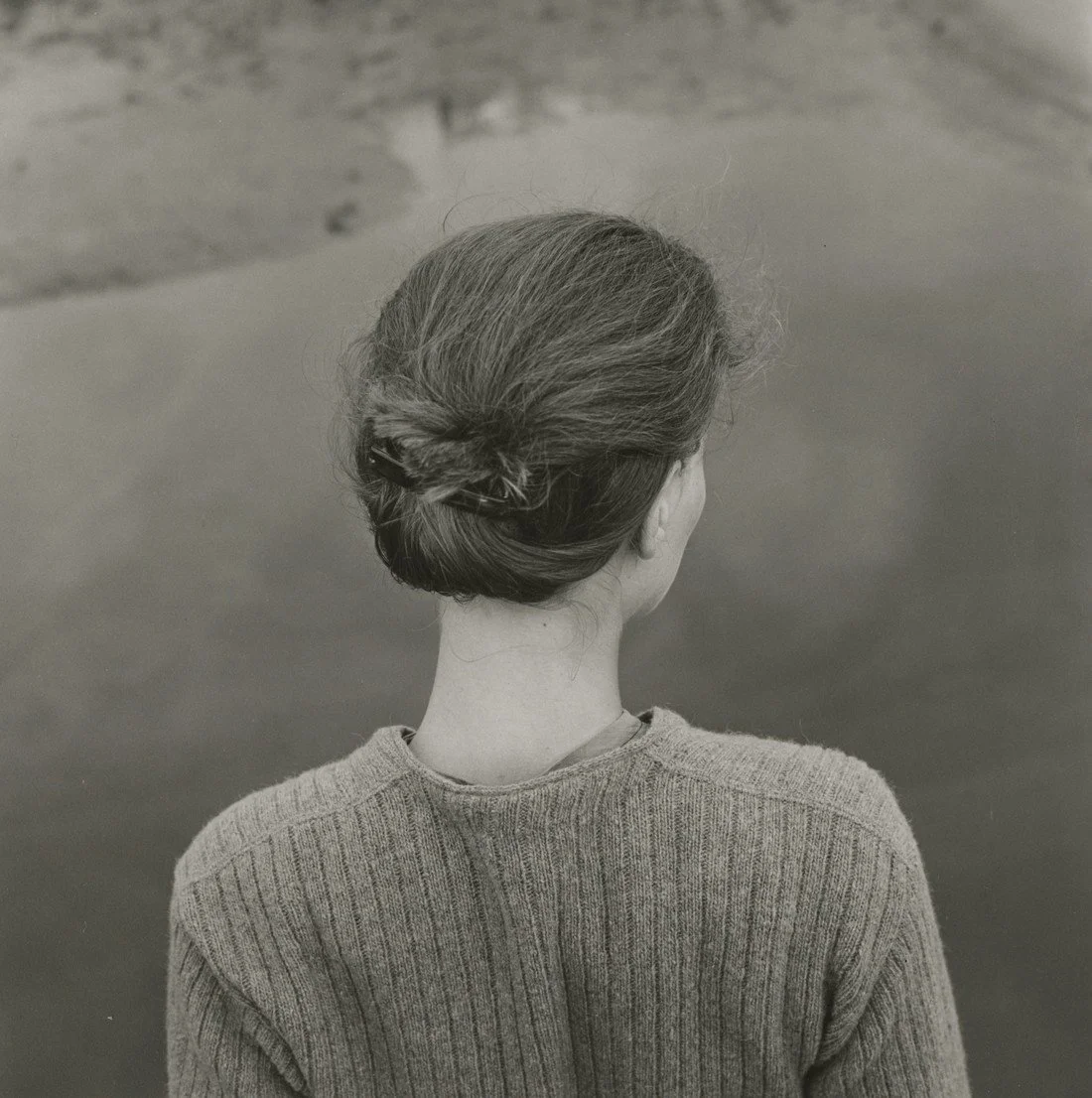
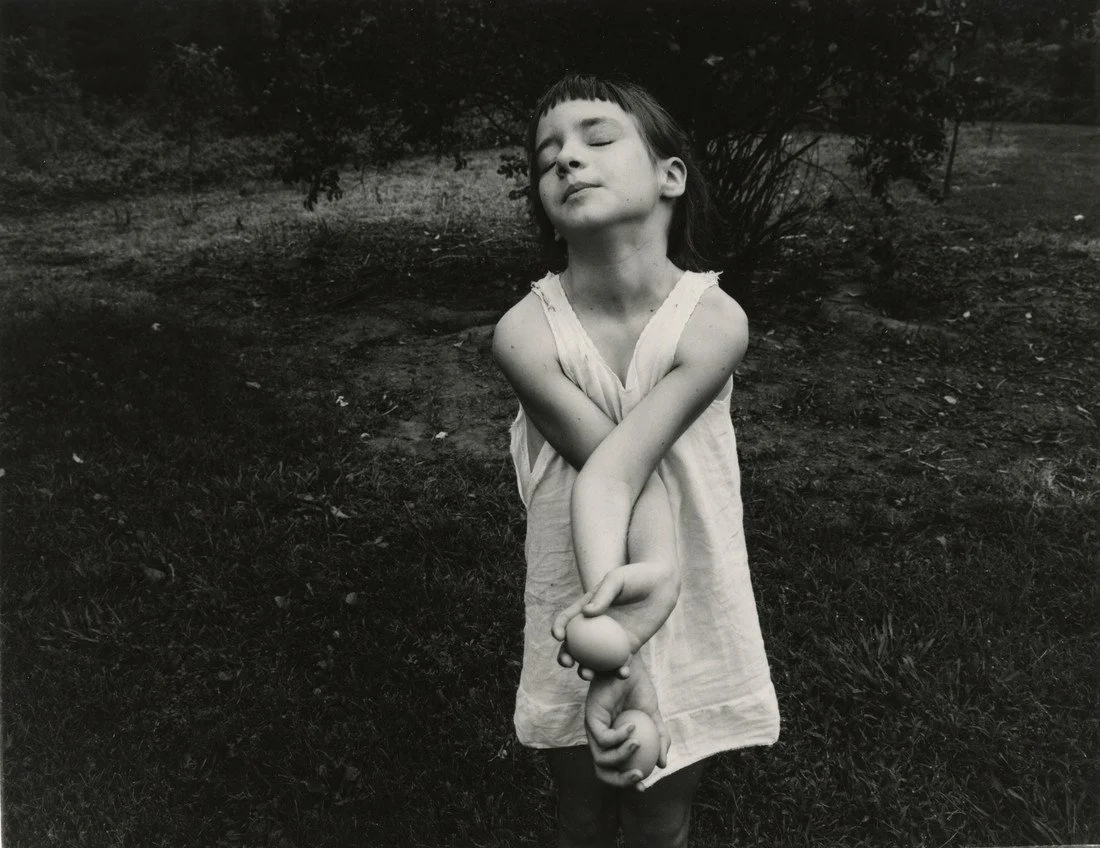
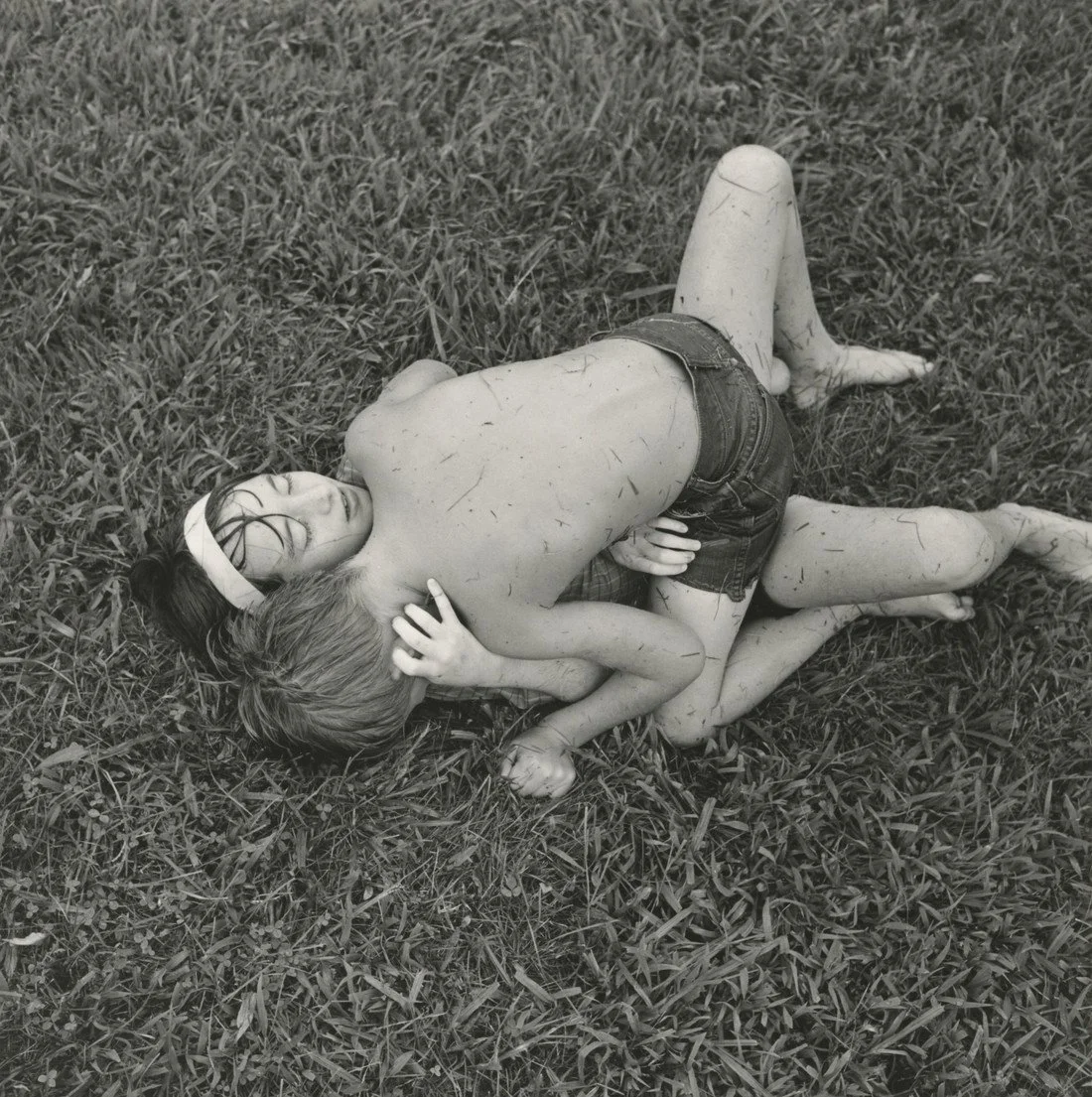
Edith became his main subject, and her large family let him photograph them too. He called it “a family freshly different from my own.” He usually worked with a 4x5 camera on a tripod, so the people in front of the lens could see him as clearly as he saw them.
In 1965 he went to the Rhode Island School of Design, where he studied with Harry Callahan and Aaron Siskind and earned his MFA in 1967. Photographer Frederick Sommer became his lifelong mentor and friend. In 1973 Peter Bunnell invited him to teach at Princeton University, where he stayed until 2009.
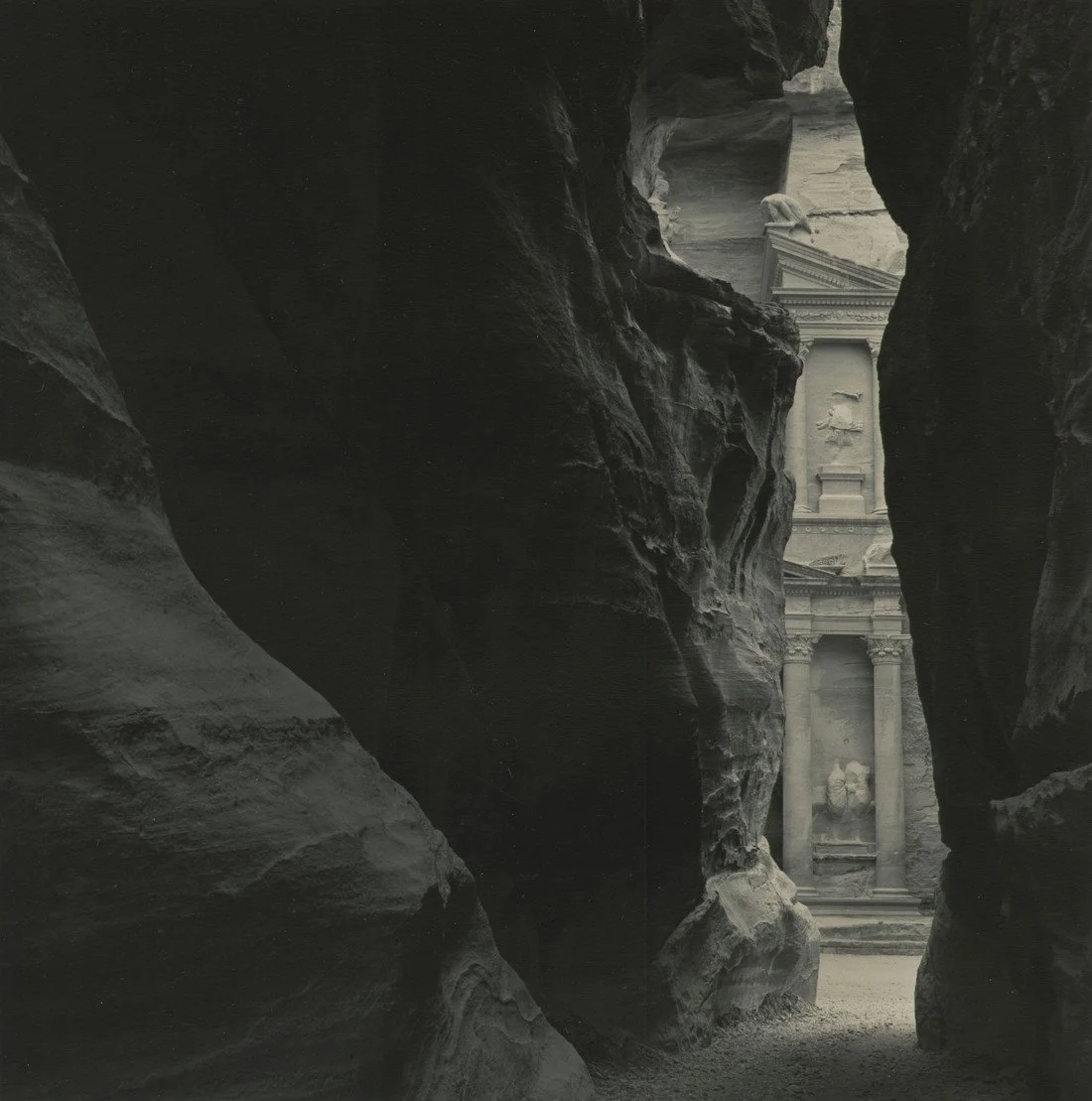
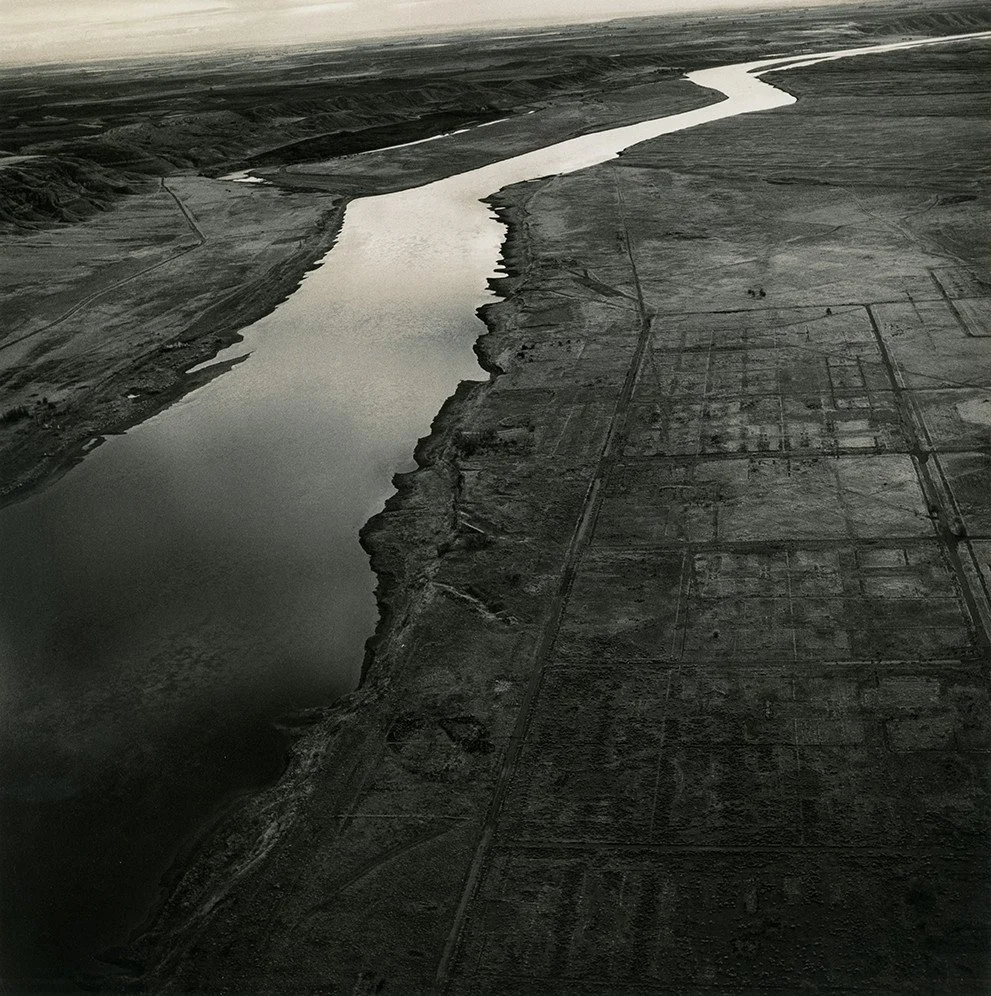
In 1980, soon after Mount St. Helens erupted, he began to photograph from the air. For the next two decades he photographed strip mines, nuclear test sites and huge farm fields: the marks people leave on the land. At Petra in Jordan, in the mid-1980s, he started toning his prints.
In 2024 the Princeton University Art Museum acquired his archive, which covers six decades of work.
The work
- 1941Born in Danville, Virginia
- 1964Marries Edith Morris
- 1965BFA from the Richmond Professional Institute
- 1967MFA in photography from RISD, after studying with Harry Callahan and Aaron Siskind
- 1973Begins teaching photography at Princeton University
- 1974Guggenheim Fellowship
- 1976First book, Emmet Gowin: Photographs (Knopf)
- 1980Starts aerial photographs, beginning at Mount St. Helens
- 2009Retires from Princeton
- 2024Princeton University Art Museum acquires his archive
Lessons
Photograph the people you love. Edith and her family were his first great subject.
Let the sitter see you. With a camera on a tripod, both people look at each other, and that becomes part of the picture.
Keep learning from your students. Each year he added one of his own photographs to his students’ portfolio for critique.
Try this: photograph one family member slowly, from a tripod, and let them look straight back at you.
Gear
Gowin wrote little about specific camera models, so we only list the formats that are documented.
4x5 view camera: most of his early family pictures were made with it, on a tripod.
Books
Emmet Gowin: Photographs (Knopf, 1976; reprinted by Steidl, 2009). His first book, with the portraits of Edith and her family in Virginia.
Changing the Earth: Aerial Photographs (Yale University Press, 2002). The aerial work, with texts by Terry Tempest Williams and Philip Brookman.
Emmet Gowin (Fundación Mapfre and Aperture, 2013). A large survey made for a retrospective exhibition.
In his words
“Both the sitter and photographer look at each other, and what they both see and feel is part of the picture.”
“I wanted to pay attention to the body and personality that had agreed out of love to reveal itself.”