AT A GLANCE
- Known for
- Photographs of his wife Eleanor, multiple exposures, city streets, plants and water
- Worked in
- Black and white, color only from 1977
- Cameras
- 8x10 view camera, twin-lens reflex, small format
- Taught
- Institute of Design, Chicago (1946) · RISD, Providence (1961–1977)
- Start with
- Eleanor (Steidl, 2007)
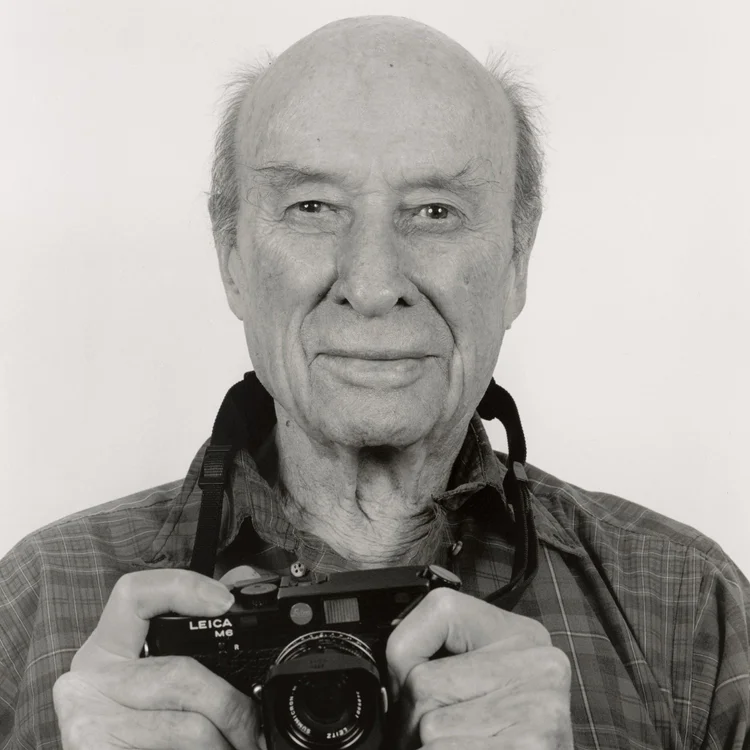
Harry Callahan (1912–1999) was an American photographer and teacher. He returned again and again to a few subjects close to him: his wife Eleanor, nature, buildings and people in the street. His multiple exposures, strong contrast and simple forms helped shape modern American photography.
The story
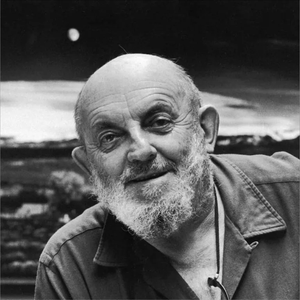
In 1941 Ansel Adams came to Detroit to give a workshop at the Detroit Photo Guild. In the audience was a shipping clerk from Chrysler in his late twenties. Harry Callahan had bought his first real camera, a Rolleicord, three years earlier. He had no formal training.
Adams showed his prints. Callahan was not taken by the mountains. What stayed with him were the close-ups of plants and ground, things only a few feet from the lens. “I realized I didn’t need to go to the mountains to make a great photograph,” he said many years later.
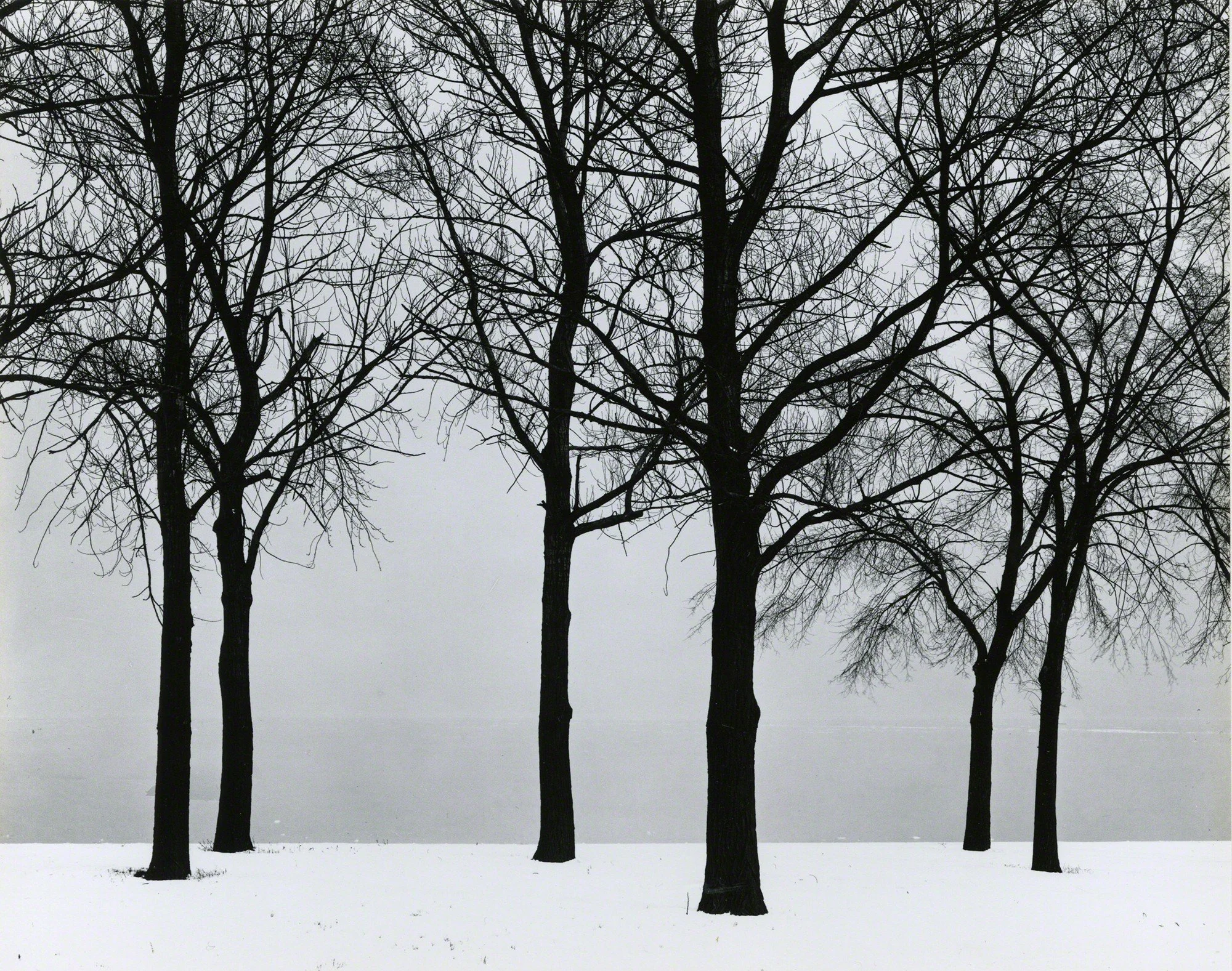
Soon he left the guild, which now felt too limiting, and started working with a large 8x10 view camera. He did not travel to find subjects. He looked at what was already near him: weeds in the snow, the front of a building, the woman he had married.
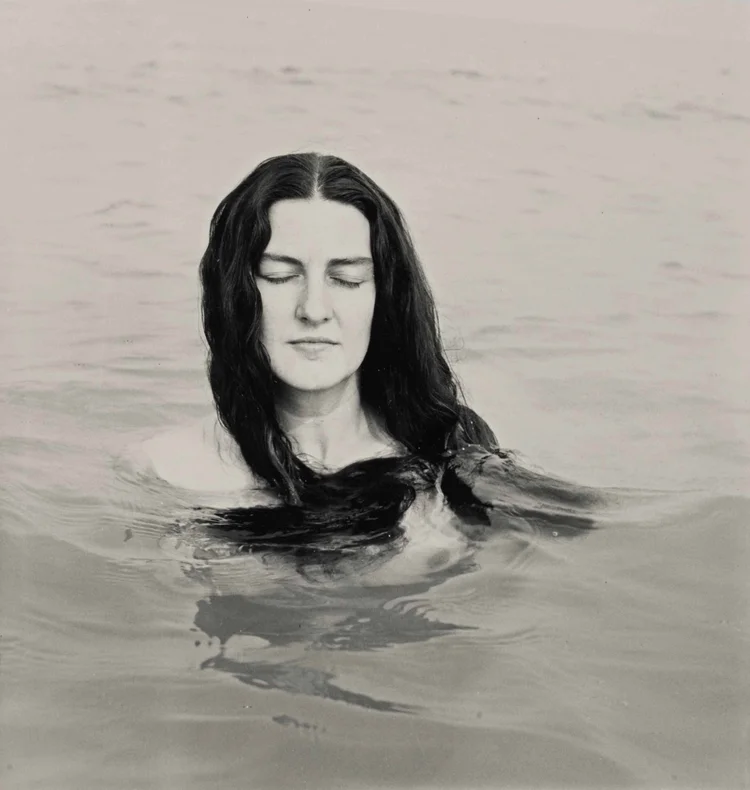
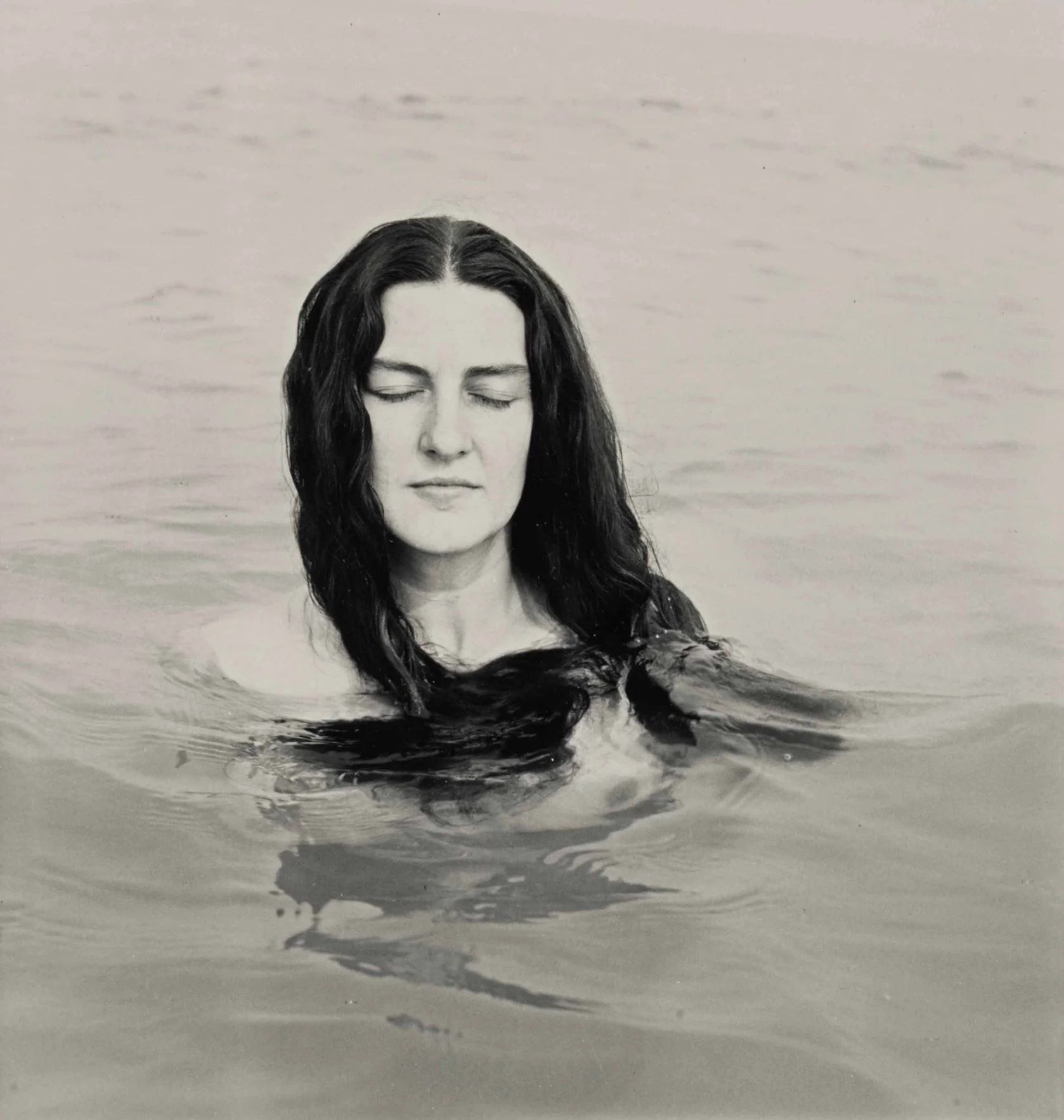
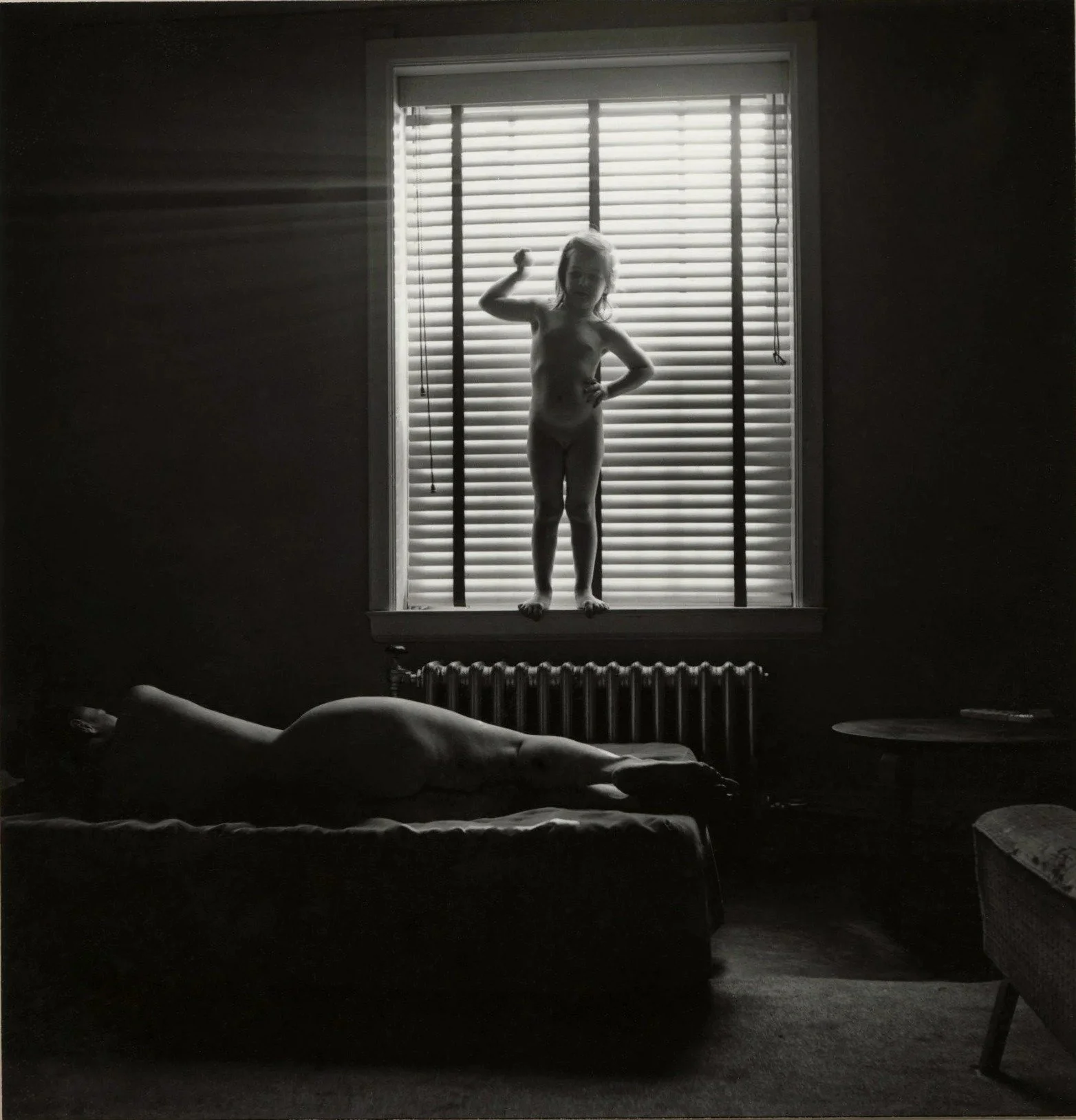
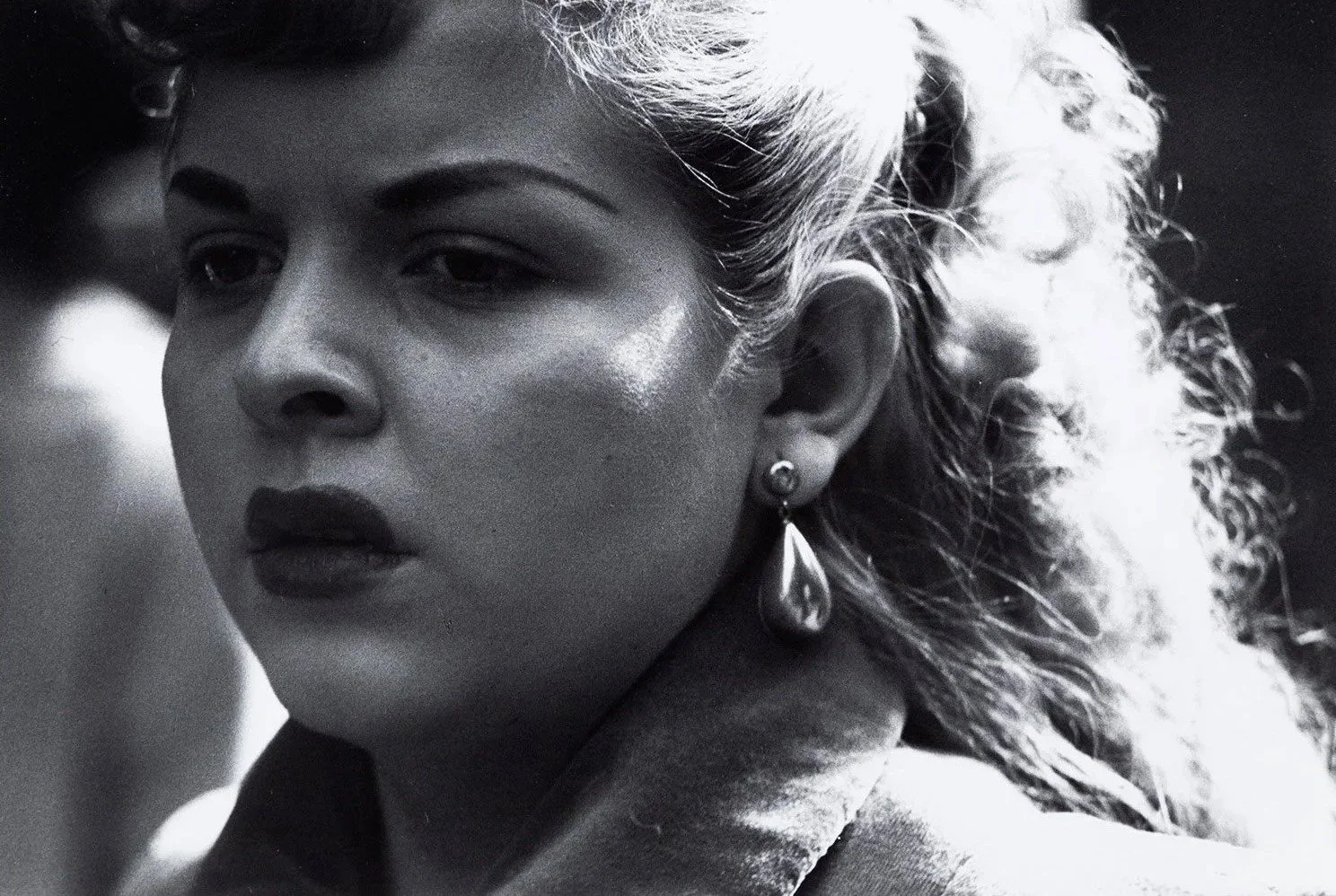
Eleanor had been a secretary at Chrysler when they met. From 1947 to 1960 she is in his photographs more than anything else: at home, on the streets of Chicago, her face and hair rising out of Lake Michigan. She never chose the poses. “I never refused when he wanted to take a picture,” she said.
Teaching did not change the habit. In 1946 László Moholy-Nagy hired him at the Institute of Design in Chicago, and Callahan still went out walking with his camera almost every morning. In the afternoon he picked the best negatives and made proof prints. “I’d reached a point where I liked photography so much I just wanted to photograph almost all the time, every spare moment,” he said. At the end of a year he kept perhaps six photographs.
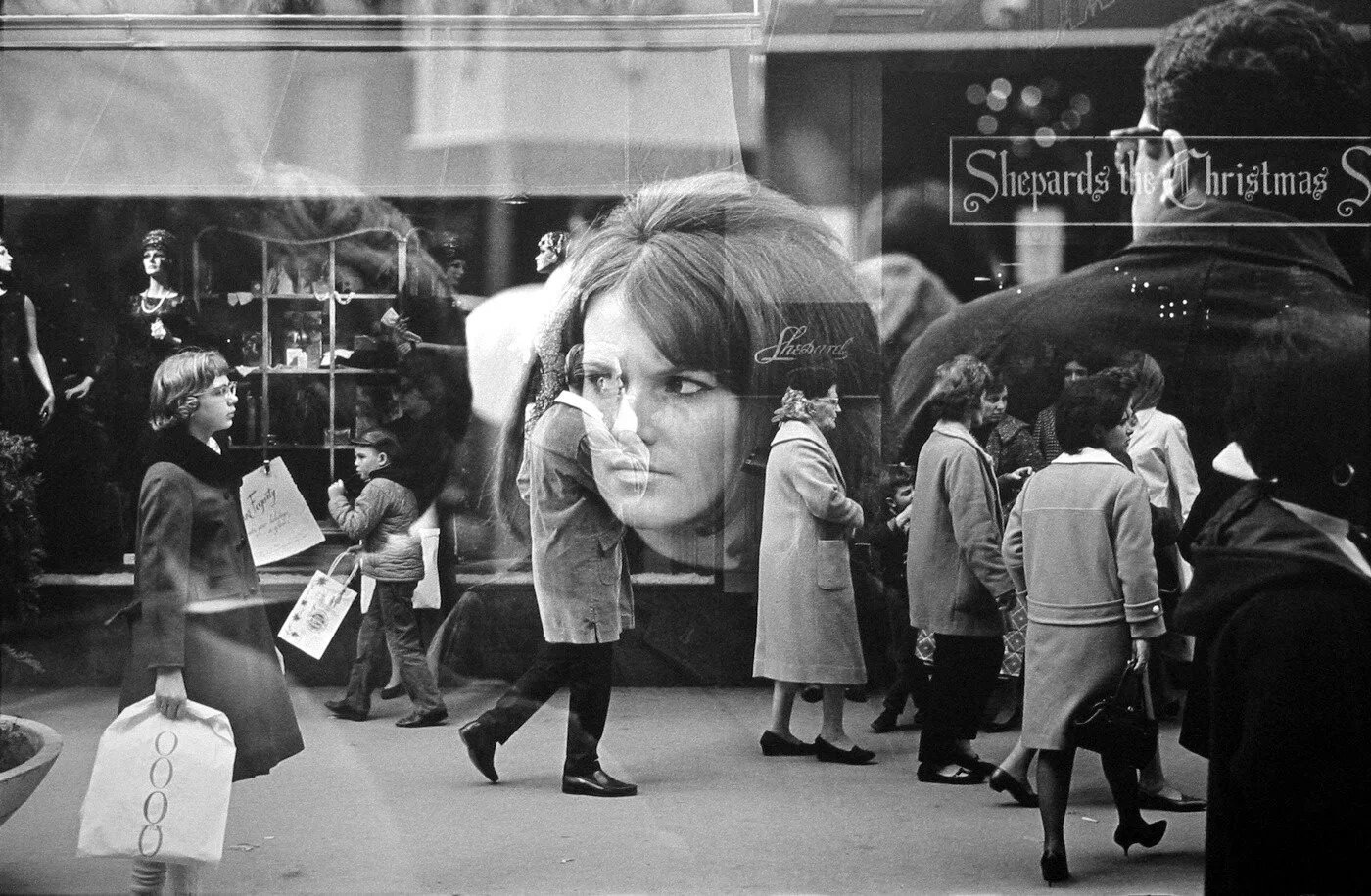
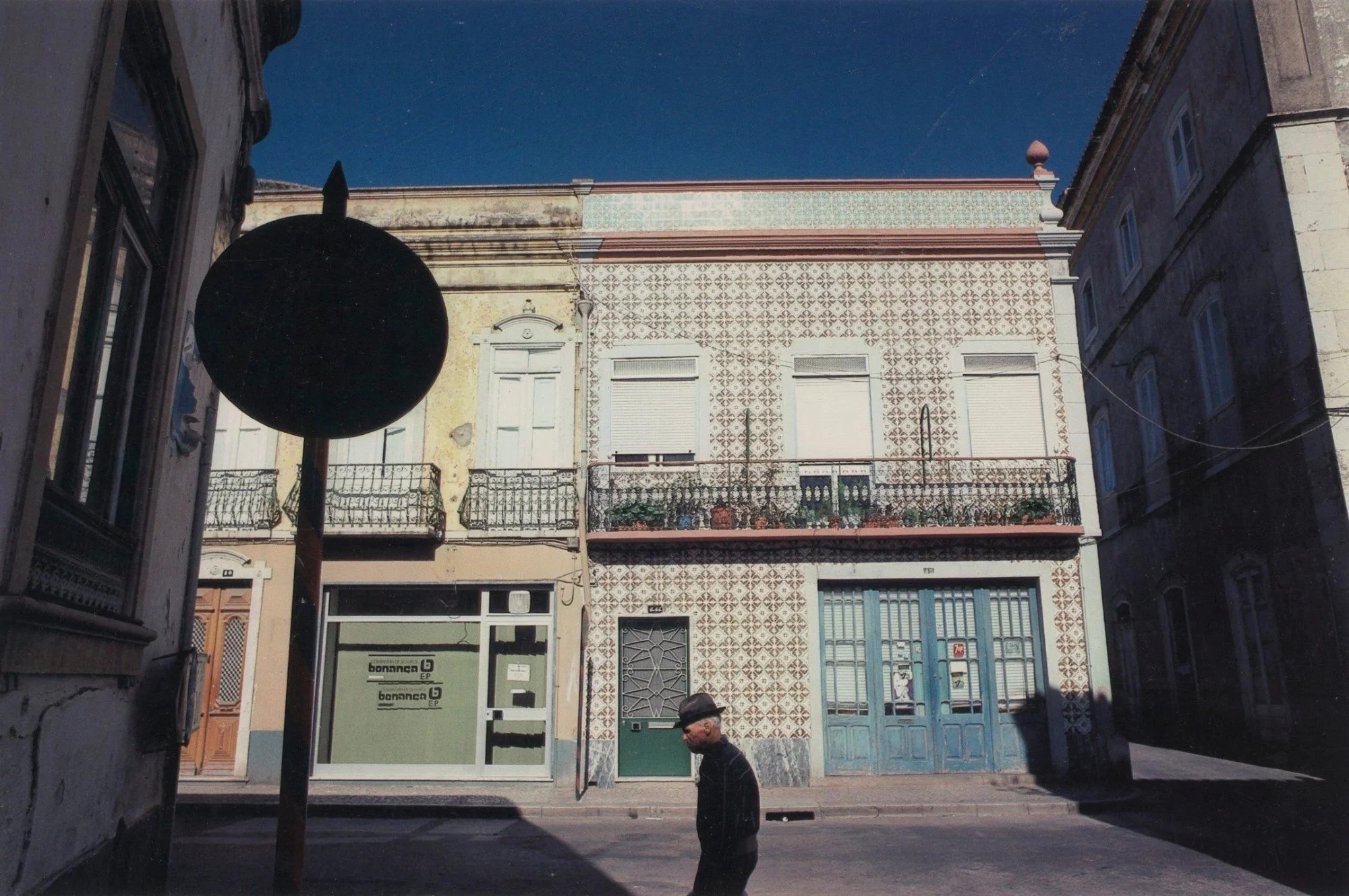
What he changed was the way of looking, not the things he looked at. He made double and triple exposures inside the camera. In 1977 he stopped working in black and white and used only color. When he died in 1999, he left about 100,000 negatives.
“All my ideas happened in two years,” he once said. “I just keep going back.”
The work
- 1912Born in Detroit
- 1938Begins to teach himself photography
- 1941Ansel Adams workshop in Detroit
- 1946Joins the Institute of Design in Chicago as a teacher
- 1961Moves to Providence to build the photography program at RISD
- 1976Retrospective at the Museum of Modern Art, New York
- 1978Represents the United States at the Venice Biennale
- 1996National Medal of Arts
- 1999Dies in Atlanta
Lessons
Stay close to home. Eleanor was his main subject from 1947 to 1960.
Make it a habit. Morning walks with the camera, proof prints in the afternoon. About six final images a year.
Experiment in the camera. Double and triple exposures, made in the camera.
Try this: one subject, every day for a month. Keep six frames.
Gear
Callahan left almost no written notes about his work, so we know more about the formats he used than about specific models.
Twin-lens reflex camera: his first serious camera, a Rolleicord, bought in 1938.
8x10 view camera: he took it up after the Ansel Adams workshop in 1941. He used it for slow, detailed work, like the photographs of Eleanor and Barbara at the lake.
Small-format film camera: for walking in the city.
Books
Eleanor (Steidl, 2007). Published with the High Museum of Art in Atlanta, the book gathers photographs of Eleanor from the early 1940s to the early 1960s, many of them never published before. She appears in parks and streets, on the beach and at home, nude and clothed, pregnant and later as a mother. The text is by curator Julian Cox. Seen together, the 90 plates show how one person can carry a body of work for twenty years.
Callahan (Aperture, 1976). Edited and introduced by John Szarkowski for the Museum of Modern Art, which gave Callahan a retrospective of more than 200 prints in 1976. It follows the black-and-white work that made his name, from Detroit to Chicago and Providence. It is the book to look for if you want to see, in one place, how he moved between Eleanor, the city and nature.
Color: 1941–1980 (Matrix Publications, 1980). A large clothbound book edited by Robert Tow and Ricker Winsor, with a foreword by Jonathan Williams and an afterword by A. D. Coleman. It was the first big survey of his color photographs, which very few people knew at the time. It shows that color was part of his practice from 1941, decades before he gave up black and white.
Harry Callahan: Retrospective (Kehrer, 2013). Made for exhibitions at the Deichtorhallen in Hamburg and the Münchner Stadtmuseum, with nearly 200 works, including rarely seen color pictures. Texts by Dirk Luckow, Sabine Schnakenberg, Julian Cox and Peter MacGill. A good modern overview if the older books are hard to find.
In his words
“I wish more people felt that photography was an adventure the same as life itself.”
“I’m interested in revealing a subject in a new way to intensify it.”
“I don’t think that anybody knows what makes a good photo or a good painting.”
“Like a lot of photographers who have done something, I think I’ve awakened some people’s seeing.”